Tag: Singapore

  • Little CNY cheer for retailers as consumers curb their spending

    Little CNY cheer for retailers as consumers curb their spending

    Usually, at this time of the year when Chinese New Year (CNY) is just around the corner, Ms Evelyn Ng, a shop assistant at a candy store, would be very busy at work. These days, however, business has been lukewarm — so much so that the shop will be moving out of 112 Katong in a few days.

    “Look around — does it feel like it’s just days away from CNY?” said Ms Ng, pointing to the mall’s vacant atrium space, which, in better times, would be filled with vendors, especially during the festive period. “I am managing some S$200 worth of sales like I do on usual days,” she said.

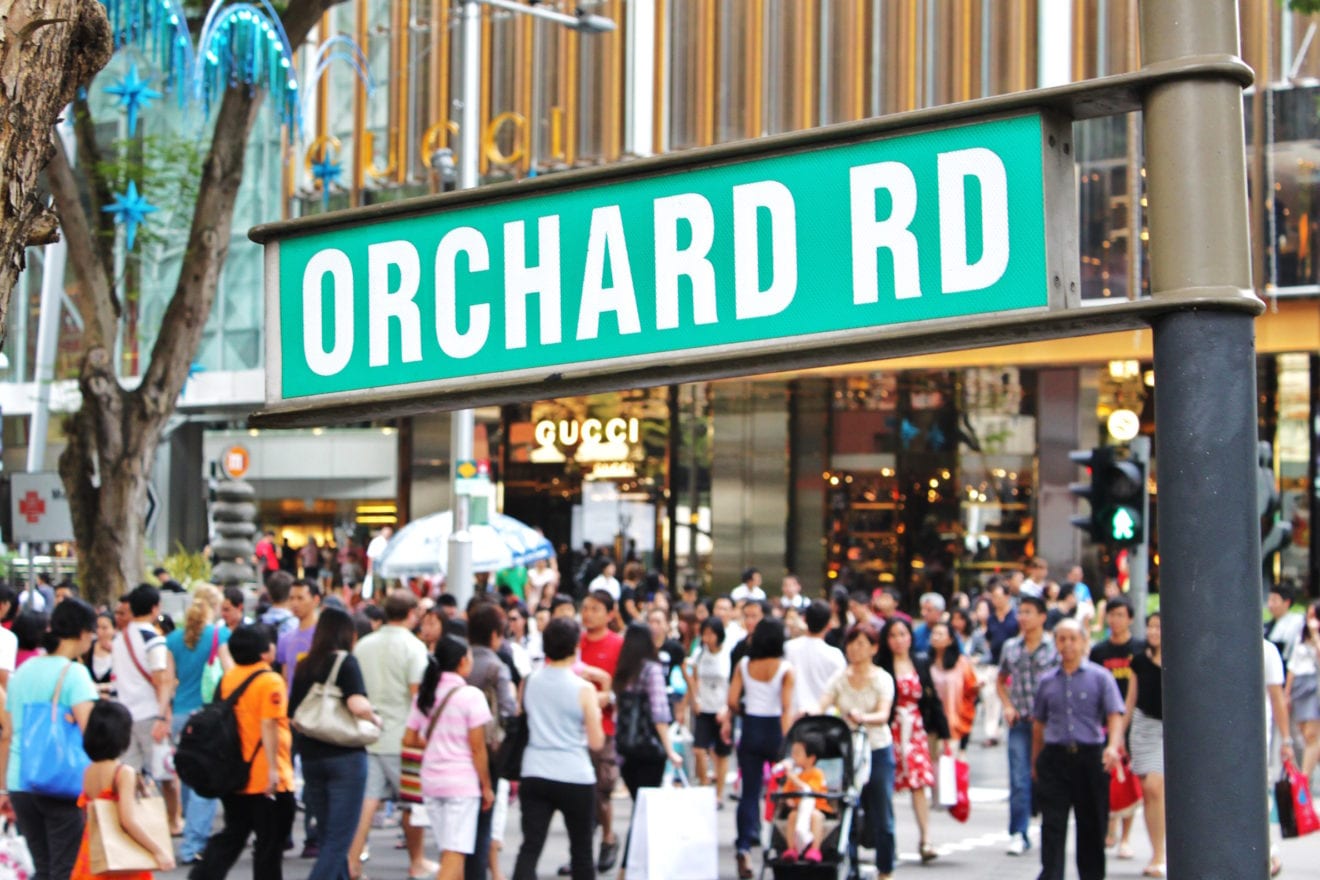
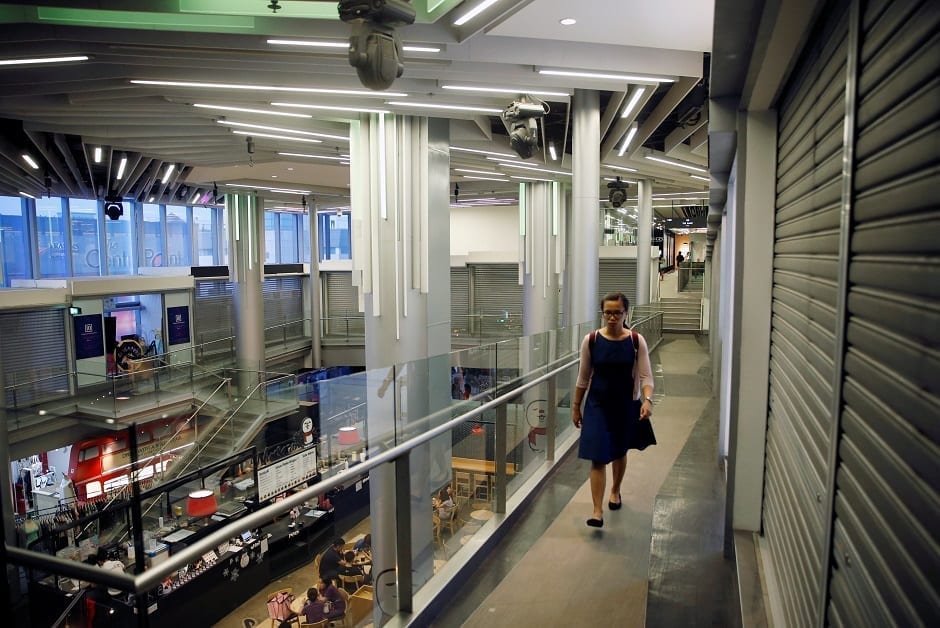
    The uncertainty plaguing the economy and the jobs market have dampened shoppers’ mood at malls in the run-up to CNY. Shops in several malls we visited over the past few days reported lower earnings compared with the same period in previous years, and atrium spaces were uncharacteristically empty.

    A cashier at an international fashion store at 313@Somerset, who declined to be named, said that sales are “40 to 50 per cent” lower, compared with the CNY period in the past two years. “We now have two to three assistants per floor, compared with about six last year,” she said.

    Mr Pushpendra Sharma, founder of SpacesGenie.com — an online retail spaces booking and listing platform — said demand for atrium space has been lacklustre amid the slump for brick and mortar retailers.

    Singapore’s traditional retailers have been hit by a double whammy of an economic slowdown and the rise of e-commerce. But those who have adapted to the new landscape are faring better. For example, home decor retailer Crate and Barrel said its business this festive season had improved from the past year. “We are certainly responding to the trend of consumers going digital through our communication efforts,” said Mr Samuel Stephen Wright, brand manager at Crate and Barrel Singapore.

    Some mall owners noted that the unusually short period this time — of about one month — between Christmas and CNY may have resulted in consumers cutting down their spending.

    A City Square Mall spokesperson said the shopping centre has seen “healthy level of footfall and in-mall spending redemptions” during Christmas, which is expected to continue through CNY. Similarly, a Frasers Centrepoint Malls spokesperson said its promotions have been “well-received through Christmas, and we expect it to carry on into the CNY period”. “However, with such a short gap between the celebrations for the two festive periods, there is a higher tendency for shoppers to combine their spending.”

    With the first two days of CNY falling on a weekend, mall managers expect a large number of shops and eateries to be open during the public holidays. Mall owners said there has been no let-up in promotional efforts to spur consumer spending. For example, at Northpoint in Yishun — which is owned by Frasers Centrepoint — there is an ongoing lucky draw promotion that runs until June 30. A lion dance performance and red packet giveaways, among other initiatives, are also on the cards.

    Ms Ameerah Khairudin, 20, who works in the Orchard Road area, said there was “no point spending when it is so tough to find jobs”. She said: “We see so many people losing jobs. It worries me.” Retiree Gloria Leong, 68, noted that the malls are quieter. But with retailers desperate to drive up sales, she said: “I have not seen shops offering such hefty discounts during peak season before. Given the smaller crowd, we find it easier to shop around these days.” Rumi Hardasmalani
  • Singapore businesses eye growth in China despite slowdown

    Singapore businesses eye growth in China despite slowdown

    Singapore brands continue to eye growth in China despite increased domestic competition, higher costs and a slowdown in the world’s second-largest economy.

    For some, China provides an alternate avenue for growth in sectors such as property and retail, helping to buffer lower-performing regions.

    Other Singapore companies in sectors that have taken harder hits recently, such as manufacturing, have been reassessing and realigning their business models to stay competitive.

    China is, after all, “too large a market for ambitious foreign investors to ignore” despite having lost some shine, said Mr Chio Kian Huat, CEO of accounting and business advisory group Stone Forest.

    This is especially so as the central government continues its crackdown on corruption and improves the transparency and predictability of doing business in China, said Ernst & Young Asia Pacific transaction advisory services leader, Harsha Basnayake.

    For CapitaLand, diversification in China has provided “respite from weakness in the Singapore property market”, said Maybank Kim Eng analyst Derrick Heng.

    The real estate developer has increased its presence in China over the years with the country accounting for 45 per cent of its asset base today, up from just six per cent in the early 2000s, Mr Heng told The Business Times.

    “With robust China home sales in recent years… we expect strong earnings contribution from the country in the next one to two years,” he said.

    CapitaLand Retail China Trust Management Limited (CRCTML), the manager of CapitaLand Retail China Trust, announced its 2016 Q4 net property income (NPI) on Jan 26, bringing the NPI for the whole of 2016 to a total of RMB669.8 million (S$139 million) – 4.1 per cent higher than in 2015.

    “We remain positive that CRCT’s portfolio of family-oriented shopping malls will continue to benefit from China’s growing urban population and rising retail sales,” said CRCTML chairman Victor Liew.

    Singapore-based beauty products seller Best World International is also projecting growth in China, its second largest market.

    China contributed 30 per cent of the group’s revenue as of the third quarter of 2016, after growing more than 200 per cent year-on-year, and the company is aiming to grow its sales in China eight-fold from 2016 to 2020, said Maybank Kim Eng analyst John Cheong.

    “Demand for Best’s products has not been impacted by the general slowdown, its products continue to gain traction from a low base, market expansion in China and increase in popularity from the recent approval of its direct selling licence,” he said.

    In announcing the licence approval in November, which allows Best World to conduct direct selling in Hangzhou, group co-chairman and president Doreen Tan said Best World is “cautiously optimistic” about its China growth prospects in the next five to eight years.

    “We will continue to expand the geographical coverage of our direct selling licence, drive membership growth through more marketing activities and introduce new products and services,” she said.

    Those in manufacturing have not been as fortunate – labour costs in China have been increasing at an average of 20 per cent annually for the past four years, and other rising costs such as electricity and natural gas are also eroding margins, said Mr Chio.

    Singapore design manufacturer Koda would know.

    The company was forced to shut down its manufacturing facilities in China in the last few years and has shifted its focus to its furniture retail arm, Commune, “to cater to the rising middle class”, Koda chief financial officer Joshua Koh told BT.

    “Commune is well received by this younger and more design-savvy generation and we still have a positive outlook on growth in this segment.”

    The China arm has been “growing consistently” and has “helped to buffer the drop in sales from our other markets like Malaysia, which has suffered due to the uncertain economic situation and reduced margins”, he added.

    Over in the food and beverage sector, stiffer domestic competition and changing consumer demands have translated into a race to deliver fresh tastes.

    BreadTalk, for one, has been working on new concepts for its stores to continually engage and excite customers, said a company spokesman. The company’s first store in China, which opened in 2003, has since undergone “its fifth round of renovations with a brand new concept”.

    BreadTalk has grown its total number of outlets from 453 across the mainland and in Hong Kong as of end 2015 to “about 500 outlets in 50 Chinese cities” today.

    Annual reports show that the company’s business in Hong Kong and mainland China contributed about 42.7 per cent of total revenue in the 2015 financial year, up slightly from 41.3 per cent in 2012.

    “Despite the slowing economy, the growth of consumerism and influx of new brands in China remains unabated,” said the BreadTalk Group spokesman.

    “Consumer spending continues with the desire to try new products and experiences all the time. Brands will always need to present exciting and engaging offerings to attract consumer loyalty with competition being stiff in such a diverse market.”

    For restaurants, establishing a niche product is the key to good business, said Mr Basnayake.

    Singapore’s Jumbo Group of chilli crab fame may be one such example of building success on a signature dish that continues to draw crowds of Chinese diners.

    Jumbo had percentage revenue contribution from its restaurant operations in Shanghai increase from eight per cent in the 2015 financial year to 15 per cent in 2016, and intends to expand its brands to other major Chinese cities, CEO and executive chairman Ang Kiam Meng told BT.

    China’s economy may not be expanding at the rate it was a decade ago – the Chinese Academy of Social Sciences forecast economic growth to dip again this year to 6.5 per cent, which would be the slowest pace in more than 25 years – but Mr Ang is among those who are confident that business opportunities remain.

    So, too, is Citi’s chief China economist Liu Li-Gang.

    “It is no longer as easy as in the past for foreign investors to make money… but in many areas there should be many investment opportunities, especially in the service sector,” said Dr Liu, noting that China is progressively liberalising its healthcare and financial services.

    Stone Forest’s Mr Chio said: While China is no longer a low-cost producer, there is a still a “huge market for services and products that cater to the needs of its growing middle class.”

    China is also making strides in technology and other emerging sectors, he added.

    “These factors, along with China’s growing middle class and their increasingly sophisticated demand, mean that businesses need to look at the Chinese domestic market for opportunities and not depend on low cost production to succeed.”

  • SGX Welcomes Dasin Retail Trust To Mainboard

    SGX Welcomes Dasin Retail Trust To Mainboard

    Singapore Exchange (SGX) welcomed Dasin Retail Trust to Mainboard under the stock code “CEDU”.  

    Dasin Retail Trust is the first SGX-listed China retail property trust providing direct exposure to the fast-growing Pearl River Delta region.  Dasin Retail Trust’s principal investment mandate is to own, develop or invest in land, uncompleted developments and income-producing real estate in Greater China, used primarily for retail purposes, as well as real estate-related assets initially focused on retail malls. The Trust has an initial portfolio comprising three retail malls strategically located in Zhongshan City in the People’s Republic of China.

    Yang Bin, Chief Executive Officer of Dasin Retail Trust Management Pte. Ltd., the trustee-manager of Dasin Retail Trust, said, “We are pleased to celebrate Dasin Retail Trust’s successful listing on the SGX-ST as the first mainboard listing in 2017. Our defensive asset portfolio offers a mix of stable and growth assets, which offer investors cash flow stability and strong growth potential. Backed by the vast economic growth opportunities in the Pearl River Delta region, strong consumer spending culture, standard of living in the region and the Sponsor’s strong fundamentals, we are confident of the portfolio’s potential to provide unitholders with attractive returns from regular distributions and long-term income growth.”

    Simon Lim, Head of Equity Capital Market (Sectors), SGX, said, “We are delighted to welcome Dasin Retail Trust as the first Mainboard listing in 2017. This listing offers investors a proxy to invest in China’s growing retail market through our robust business trust framework.”

    The listing of Dasin Retail Trust brings the total number of SGX-listed REITs and property trusts to 43, with a combined market capitalisation of about S$70 billion.

    Dasin Retail Trust opened at $0.805 today.

  • Singapore Airline not fussed by empty seats while ACT records rise in tourism

    Singapore Airline not fussed by empty seats while ACT records rise in tourism

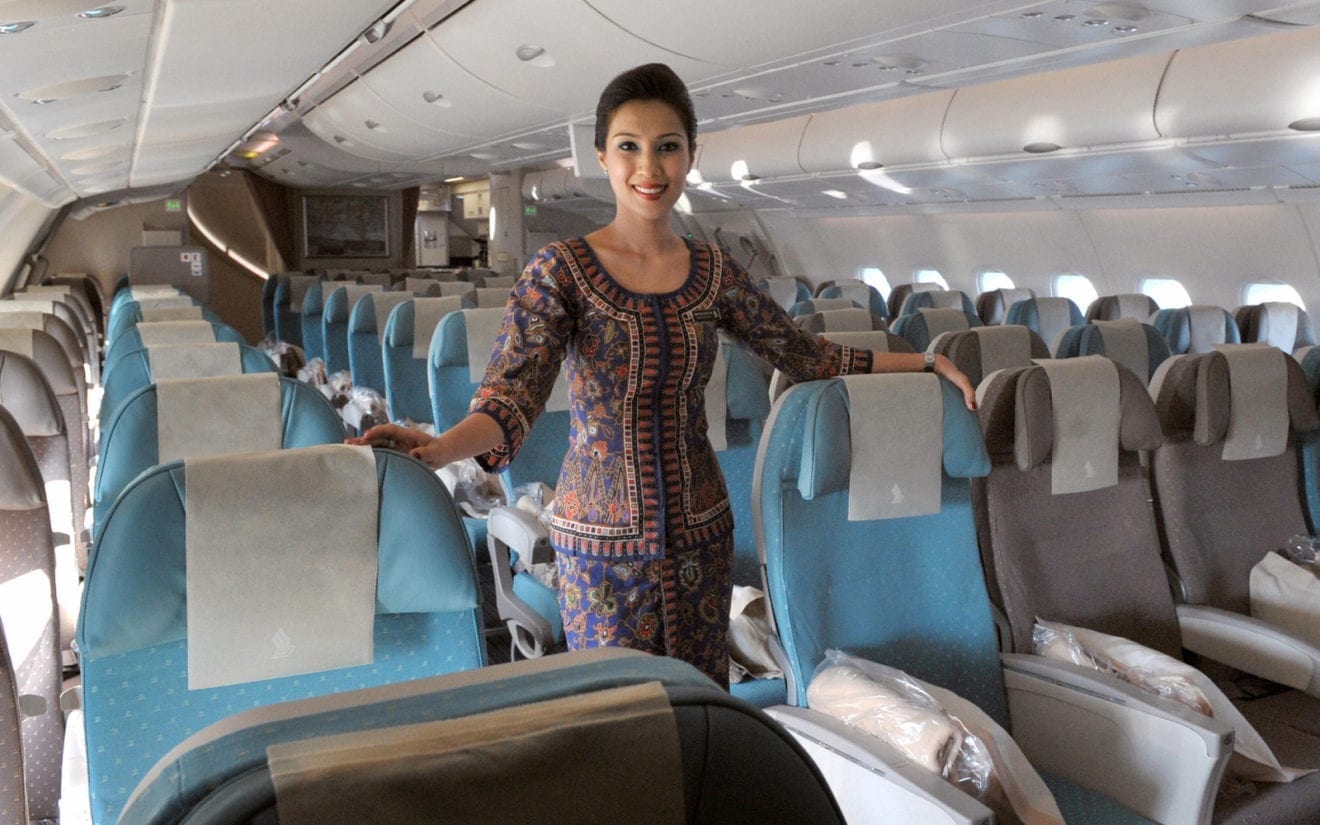
    Singapore Airlines is “pleased” with the number of passengers flying in and out of Canberra although a federal government report has revealed lots of empty seats on its first flights.

    A report into international airline activity in September by the Department of Infrastructure and Regional Development showed more than 3200 people flew in and out of Canberra after the Capital Express route launched on September 21.

    But while the first flight that touched down was 95 per cent full, analysis has shown the six flights from Wellington to Canberra had an average of 94 seats occupied.

    Flights from Singapore to Canberra fared a little better, with an average of 142 seats occupied per flight.

    The Boeing 777-200 can carry up to 266 passengers, which includes 38 business class seats and 228 economy seats.

    However these figures do not take into account traffic carried via Canberra between Singapore and Wellington, a spokesman from the Department of Infrastructure noted.

    The carrier wasn’t fussed by the low numbers either, Singapore Airlines ACT manager, Tan Chin Yu said.

    “We have been encouraged by the support from the local community since we went on sale in January and remain pleased with the number of customers choosing to travel on the new service, both to Singapore and beyond with direct connections to UK/Europe,”  he said.

    “There has been a good mix of business and leisure travellers in both the business and economy class cabins.”

    The data also revealed around a quarter more people flew out of Canberra than into the capital on the first six flights.

    The international airline activity showed there were 1421 inbound passengers to Canberra in September compared to 1784 outbound passengers.

    Flying out of Canberra, flights to Wellington had an average occupancy of 142 passengers. Flights to Singapore had an average of 181 passengers.

    The report came as the ACT recorded a 45.5 per cent swing in visitors from SIngapore and a 25.5 per cent spike in visitation from New Zealand.

    New Zealand and Singapore are now respectively fourth and fifth on the list of the ACT’s top international markets, behind China, the UK and the US.

    Singapore tourists now make up 5 per cent of the ACT’s international market while New Zealand tourism accounts for 8.6 per cent.

    A record 206,915 people visited the ACT in the year to September 30, up 11.2 per cent on the previous year. Visitors spent a record $432 million in the capital, a surge of 13.4 per cent.

    Chief Minister Andrew Barr said the visitor reporting period ended in September and covered only nine days of international flights, but the numbers boded well for the future.

    “The latest results reflect the ACT Government’s commitment to growing the visitor economy to $2.5 billion by 2020. VisitCanberra’s One Good Thing After Another marketing platform and enhanced travel trade engagement are among the activities taking place in addition to the cooperative work with Singapore Airlines,” Mr Barr said.

    Last week Qatar Airways announced it would be the second international carrier to fly into Canberra, opening up another gateway into Europe and vice versa.

    The decision sparked excitement within Canberra’s business community that direct flights could help bring in more tourists during the soft summer trading period and that more airlines could soon follow suit.

    But Air New Zealand has hosed down speculation the airline could be the next to fly into Canberra.

    “Air New Zealand is constantly assessing its route network however we don’t have any current plans to operate flights to Canberra,” a spokeswoman said.

    Emirates and Etihad Airways also shot down suggestions they could be next.

  • Singapore Airlines celebrates 70 years with biggest travel fair, affordable deals

    Singapore Airlines celebrates 70 years with biggest travel fair, affordable deals

    Singapore Airlines (SIA) marks another milestone as they celebrate their 70th anniversary across the globe with exciting deals, service expansion, and the largest showcase and travel fair for its Filipino patrons.

    According to Carol Ong, SIA general manager in the Philippines, “Innovation has always been at the core of SIA’s operations. For our 70th year, we continue to push our boundaries by expanding our network and pioneering services guaranteed to give the best experience to our customers.

    “We want to continue doing our best to exceed our customers’ expectations—whether it be more travel destinations, more frequent flights, or more great value deals.”

    Premium Economy class. Photo courtesy of SIA.

    Travel for less
    All-inclusive round-trip Economy Class fares to Singapore and other Asian destinations are available from US$160. Fares to Australia are offered from US$570 while traveling to key destinations in Europe starts at just US$670. Customers can also travel to South Africa at fares starting from just US$770 and to the United States starting from US$970.

    As parts of its 70th anniversary celebration, Singapore Airlines' airfares to Cape Town start at USD770. Photo courtesy of SIA.

    Passengers can experience SIA’s newest cabin offering, the Premium Economy Class, with the most attractive all-in round-trip rates. All-in fares on Premium Economy Class to Asian destinations are available from US$1,000, to Australia from US$1,350, to Europe from USD1500, and to South Africa from US$1,700. A trip to New Zealand is offered from USD1800, and to the United States for just US$1,850.

    Customers can choose to travel in luxury and style with SIA’s all-in Business Class fares. Travelling to various Southeast Asian destinations is offered from US$850 all-in, and to Australia from US$2,000. Discounted rates to Europe and New Zealand are also available from just US$2,500. Starting at US$3,000, passengers can already fly Business Class to the United States or South Africa.

    Travel to Austria and visit the Vienna Opera House.  As part of its 70th anniversary celebration, Singapore Airlines is offering special airfare to Europe for as low as US$670.

    Travel to Austria and visit the Vienna Opera House. As part of its 70th anniversary celebration, Singapore Airlines is offering special airfare to Europe for as low as US$670.

    For this year’s Singapore Airlines Showcase and Travel Fair, customers will also have access to SIA’s network of subsidiaries and partners and enjoy exclusive promotional rates. Customers will be able to travel from the Philippines to SIA’s online gateways in Europe and connect to additional destinations such as Brussels, Madrid, Hamburg, Oslo, Vienna, Venice, Lisbon, Prague and its newest destination, Sweden.

    With 85 destinations to choose from at exceptional rates, SIA provides its customers the perfect opportunity to achieve their travel goals this year for less.

    This sale is still valid for purchase at the Singapore Airlines Showcase and Travel Fair 2017 at the TriNoma Activity Center on February 26 to 28, 2017. The sale is also available online and at SIA and SilkAir ticket offices until 20 February 2017. Travel period is from February 1 until December 31, 2017. Promotional fares are available for travel from Manila, Cebu, Davao and Kalibo.

    The promotional fares are exclusive to Singapore Airlines KrisFlyer members, BPI credit cardholders, Globe Platinum customers as well as TriNoma and Ayala Center Cebu shoppers.

    Travel to Athens and visit Cape Sounion and the Temple of Poseidon for only USD570 via Singapore Airlines. Photo courtesy of SIA.

    Travel to Athens and visit Cape Sounion and the Temple of Poseidon for only USD570 via Singapore Airlines. Photo courtesy of SIA.

    Exclusive rewards
    Loyal patrons will also enjoy perks and rewards such as the Real 0% Installment Plan of up to 6 months for BPI credit cardholders and upfront US$50 Cash Back, an exclusive introductory offer of SG$25 Singapore exPass that gives access to two of Singapore’s world-class attractions, and a SG$20 Changi Dollar Voucher that passengers can redeem at Singapore Changi Airport, valid for use at participating shops and restaurants at the airport. Terms and conditions apply.

    All these exclusive deals are in cooperation with SIA’s network of partner companies like BPI, Ayala Malls, Globe Platinum, Changi Airport Group and Singapore Tourism Board.

    Visit singaporeair.com and Singapore Airlines’ Facebook page for the complete set of mechanics and guidelines, and for other announcements.

    For bookings and inquiries, visit Singapore Airlines and SilkAir ticket offices, or call SIA Manila Reservations at (+632) 756-8888, SilkAir Cebu at (+6332) 505-7871, SilkAir Davao at (+6382) 227-5301, SilkAir Kalibo at (+6336) 500-7226, or contact any participating travel agent from 20 January to 20 February 2017. For details, visit singaporeair.com/FLYSQ70.

    To enjoy up to 6 months Real 0% interest Special Installment Plan on your BPI credit card, book through SIA or SilkAir ticket offices.

    Singapore Airlines flies from Manila to Singapore four times daily, which conveniently connects to onward flights to the rest of the world. Passengers traveling from Cebu, Davao and Kalibo can fly to Singapore via SilkAir, which flies 12 times weekly from Cebu, nine times weekly from Davao, and three times weekly from Kalibo.

  • Office and retail rents slip, but outlook improves

    Office and retail rents slip, but outlook improves

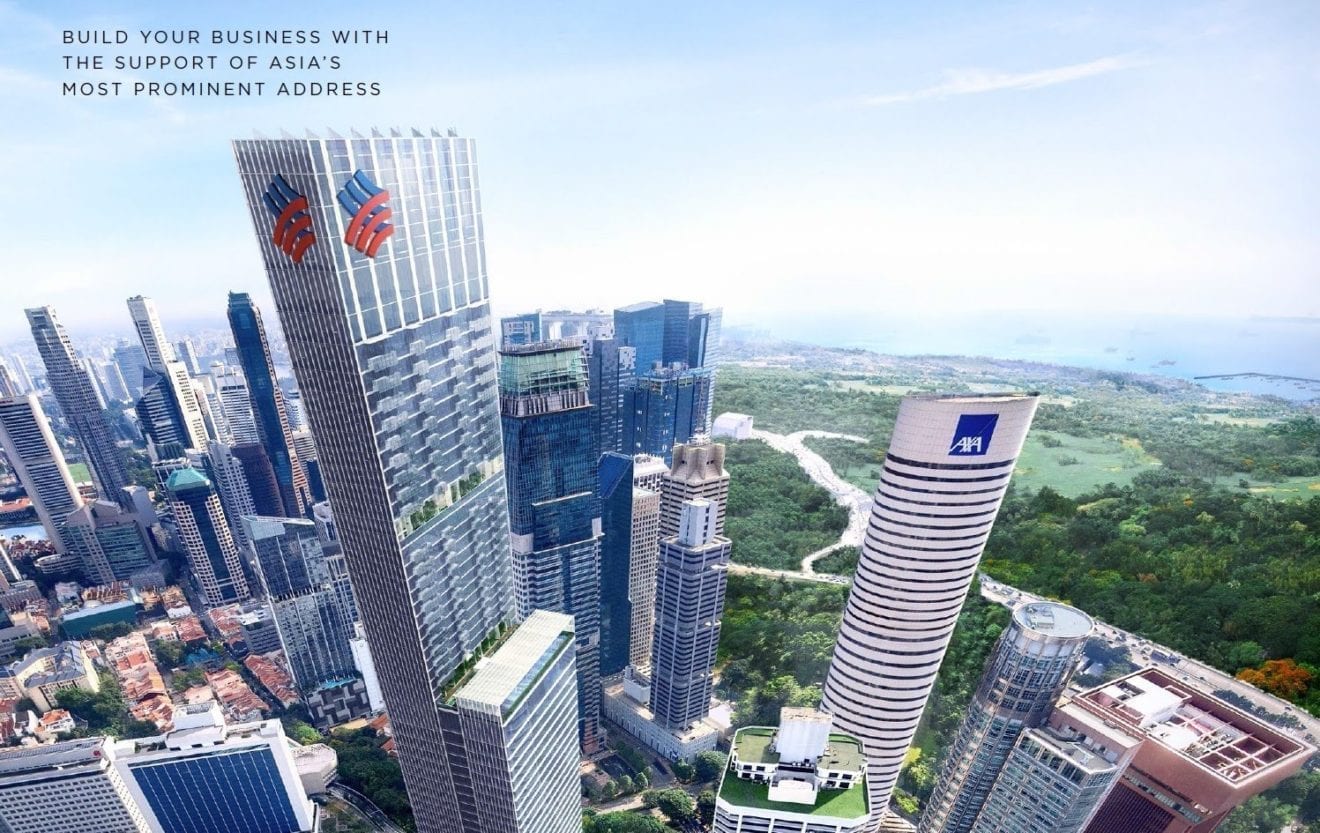
    Challenging market conditions continued to hit office and retail rents in the fourth quarter, although there are signs pointing to a brighter outlook for some landlords.

    Office rents fell by 1.8 per cent from the third quarter to the fourth quarter last year, a far sharper fall than the 1.1 per cent from the second to the third, according to Urban Redevelopment Authority (URA) data yesterday.

    That took the drop in rents to 8.2 per cent for the full year, markedly steeper than the 6.5 per cent decline in 2015.

    “With continual supply pressure in 2017, we reckon rents will continue to soften at least for the first half,” noted Dr Chua Yang Liang, JLL’s head of research for South- east Asia.

    But new office buildings such as Guoco Tower and the upcoming Marina One have enjoyed good take- up over the past year – prompting talk of better prospects ahead.

    “Large deals announced in January, such as Facebook taking up prime space at Marina One and co-working operator Distrii leasing in Republic Plaza, further point to signs that the office leasing market is stabilising,” Cushman & Wakefield research director Christine Li said.

    The completion of Duo Tower in Bugis last month helped push office vacancy rates to a four-year high at 11.1 per cent, up from 10.4 per cent at the end of the third quarter.

    Prices of office space, meanwhile, fell by 0.6 per cent from the third to the fourth quarter, taking the full-year drop to 2.8 per cent.

    The retail sector fared slightly better, amid challenges posed by e-commerce and uncertain economic prospects. Rents eased 1.2 per cent from the third to the fourth quarter – better than the 1.5 per cent drop from the second to the third.

    The islandwide vacancy rate for retail space improved to 7.5 per cent at the end of last month, snapping four straight quarters of rising vacancies.

    “The uplift in occupancy was probably supported by the continued opening of flagship stores, along with gyms and large food and beverage clusters,” said Mr Desmond Sim, head of CBRE Research for Singapore and South-east Asia.

    Retail rents fell by 8.3 per cent last year, and JLL expects them to remain weak, amid the 169,000 sq m of retail space which will become available this year.

    Although conditions in the retail sector will remain tough, there have been some changes that bode well for the future.

    “We are encouraged by the introduction of new retail brands and concepts through 2016… This should help to add more colour and vibrancy to Singapore’s cookie- cutter retail scene,” noted Ms Tricia Song, head of research at Colliers International, Singapore.


  • Why the investment outlook for Singapore property markets may be grim

    Why the investment outlook for Singapore property markets may be grim

    “The weak external economy did not help. It continued to weigh down on the creation of new businesses here resulting in limited new demand,” Chua said. “Tenants are very price sensitive and in today’s tenant favourable market, landlords maintained a competitive strategy.”

    Another REIT, Suntec REIT, which owns both Singapore office and retail property, was also showing signs of pressure on yields in its latest results.

    “With the expected oversupply of the Singapore office market upon the completion of several new offices, Suntec

    REIT’s properties may face stiffer competition for its tenants as well as downward pressure on rents,” analysts at DBS said in a note on Thursday, noting Suntec REIT owns three office assets in the CBD.

    Retail Battle

    Suntec was also feeling the pressure on the city-state’s retail malls.

    “With Singapore consumers cutting back on discretionary spending and compared to the initial rents signed at Suntec Mall during more buoyant times, rents at Suntec Mall will likely continue to be under pressure,” DBS said, noting the rents were underperforming the manager’s initial target.

    Other analysts were also pointing to pressure on demand for retail space.

    “Amid stiffening competition from online retailing and regional markets, on top of operational challenges such as labour crunch, retailers are expected to continue with their strategy of consolidating and maintaining only profitable outlets,” Tay Huey Ying, head of research for Singapore at JLL, said in a note Thursday. “Expansion by retailers will likely remain confined to tried-and-tested established brand names while entrances of luxury goods, fashion and accessories are likely to remain limited.”

    She also noted that another 169,000 square meters of retail space was expected this year, with another 229,000 next year, which was likely to spur greater competition for tenants.

    There were other signs that yields from retail rents might face continued pressure.

    Aviva’s Coenraads noted he was closely watching the bidding for suburban mall Jurong Point, with the sellers reportedly seeking more than 2 billion Singapore dollars. The Business Times reported earlier this month that two of the three shortlisted bidders have separately offered around S$2.2 billion, which the report estimated would drive the net yield under 4 percent.

    Residential Cooling

    While it may get the lion’s share of the ink, Singapore’s residential sector is actually not nearly as large as its commercial property sector.

    Coenraads noted that the introduction of cooling measures, which he called a “very smart move,” had dampened residential demand. But he didn’t expect a turnaround soon.

    “The question is, at what sort of stage will they start letting go of some of the regulation, and I think basically, we need to see further decreases in prices,” he said. “I think it’s not reflecting yet where the government wants to see prices at this stage.”

  • Marina Bay Sands’s Tod’s opens

    Marina Bay Sands’s Tod’s opens

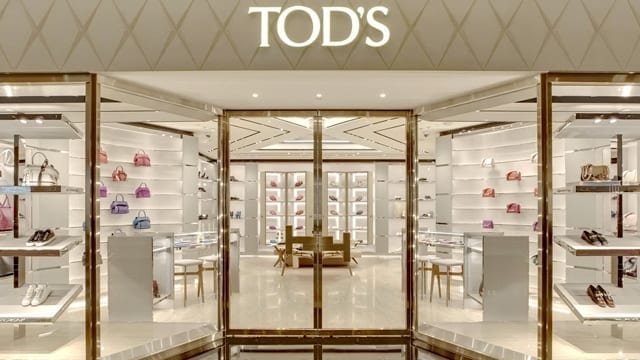
    Italian luxury leather brand Tod’s Singapore has opened its second outlet, at The Shoppes at Marina Bay Sands.

    Its new location features cool tones with silver and taupe leather-lined displays. It is the first store with the new concept in Asia, preceded only by a boutique in London.

    To mark the opening, the store features exclusive maroon editions of the Double T bag, Double T Gomminos and a men’s messenger bag, all marked discreetly with the location tag “Marina Bay Sands Singapore”.

    There is also a range of accessories including alphabet charms allowing for personalisation.

    The boutique is on the Galleria level.

  • How new network technology helps Singapore’s traditional retailers to cut expenditure

    How new network technology helps Singapore’s traditional retailers to cut expenditure

    While Internet-based competition has created serious issues for traditional retailers, the Internet is now benefiting established retailers by becoming a conduit for substantially reducing their computer network costs while offering increased flexibility, reliability and new options for servicing customers.

    Lower communications costs are helping traditional retailers to shrink the advantage gained by digital retailers whose go-to-market strategies have significantly lower operational expenses. These on-line traders have eliminated costs such as store rental, store staffing and store connectivity from headquarters.

    In response, conventional retailers are developing strategies that leverage their store and staffing investments to provide ‘value added’ in-store experiences that digital retailers are unable to match. Their tactics include introducing upgraded customer loyalty schemes and customer knowledge programs, better demonstration facilities, improved customer tracking, and increased investment in online customer service and sales training.

    Compounding the issues of raising the capital expenditure to invest in these strategies, established retailers are finding that their new IT-based solutions are increasing the volumes of data being sent to and from each of their stores, inevitably resulting in higher monthly costs.

    The answer lies in new technology – the software-defined wide area network, or SD-WAN.  This allows organizations to replace or augment their present networks, which run on a technology called multiprotocol label-switching (MPLS), with the far less expensive commodity Internet links. The cost advantages can be as high as 60 percent.

    SD-WAN is the latest iteration of data communications, which began with dedicated bandwidth via copper cable through telephone exchanges. In the early 2000s, these ‘pipes’ were replaced by frame relay technology which delivered greater flexibility and more bandwidth and lower costs. In turn, frame relay was replaced by MPLS, further reducing cost.

    Now SD-WAN is becoming the next stage of the evolutionary process, offering retailers a spectrum of technical and monetary benefits. It can help with most of the initiatives that traditional retailers are introducing to combat Internet-based retailers.

    The traditional retailers are working to create a compelling in-store experience, a key area where Internet sales organizations are unable to compete. Free Wi-Fi and the tracking of customers as they move through the store are projects that can benefit from inexpensive and flexible Internet-based networks, rather than MPLS networks. Using the Internet via SD-WAN, a store that wishes to demonstrate 4K television to a customer can simply download the demo from head office without delay or incur prohibitive costs.

    A marked trend among conventional Singapore retailers is to retain a brick-and-mortar presence while conducting business around an online e-store. Omni-channel retailing entails the maintenance of a seamless experience and connectivity across channels from physical stores, the mobile app and the website to drive sales.  Retailers must be prepared to handle the increase in customer data and improve their store-to-store communications.

    Loyalty plans are a trend at present, as stores reward good customers. Contactless payments such as e-wallet services like Apple Pay which was introduced last year in Singapore as well as mobile payments are changing the way traditional retailers collect payment.

    As these initiatives became globalized we expect a trend to their becoming cloud-based solutions, with data on customers stored in remote data centers. At present, most traditional retailers are using expensive MPLS bandwidth to reach their data centers.
    Many lack the network capacity to minimize computer equipment in each of their stores and do not have the option of administering their networks centrally.

    By switching to SD-WAN these retailers can gain low-cost Internet communications to all their branches, enabling them to run their software-as-a-service (SaaS) solutions more efficiently and cost-effectively.

    Another issue that SD-WAN can help resolve arises among retailers that need to backhaul all their network traffic, including cloud applications, to the data center then out to the Internet and back. This infrastructure is a source of network bottlenecks and poor application performance. SD-WAN is able to make this an all-broadband route, savings substantial costs, and increasing traffic speed.

    The rise of SD-WAN

    So how are Singaporean retailers and other organizations responding to the emergence of SD-WAN technology? We saw 2016 as the year of proof-of-concept. Organizations are looking to add branch or store locations incrementally by taking advantage of a localized SD-WAN solution initially and slowly, over time, migrating toward full SD-WAN coverage.

    Most have long-term contracts in place with telecoms providers for their communications links, so we are unlikely to see full savings of the new technology for two or three years as contracts come up for renewal. Singapore’s retailers can use the intervening time to proof SD-WAN and make sure it works optimally. When the time comes to retire their MPLS links, they will have a deep knowledge of the new technology and be well versed to appreciate the differences in cost and flexibility. They can switch over safely knowing it delivers the goods.

    Initially, we expect to see smaller retailers going 100 percent with SD-WAN, while larger organizations with more applications in their data centers will use a hybrid MPLS/SD-WAN setup. In this architecture, they would use MPLS only to exchange secure information between a store and the in-house applications at head office.

    Some are already leveraging SD-WAN to bring their idle Internet links to life, adding broadband Internet as part of a hybrid MPLS-Internet network, or even ditching MPLS and implementing dual broadband connections to the branch.

    The proven SD-WAN capabilities, including dynamic path control, zero-touch provisioning and path conditioning, which delivers forward error correction and real-time packet order correction, make Internet connectivity simple to deploy and manage and deliver retailers a more cost-effective means of achieving 99.99 percent service availability.

    Offerings from leading vendors such as Silver Peak are already linking users securely to their applications via the most cost-effective source of connectivity available. The flexibility of SD-WAN allows retailers to augment or replace MPLS with any combination of transport connectivity, including broadband, DSL, LTE and more. Its visibility and control allow network administrators to see and control all applications, and encrypt all WAN overlay traffic with AES-256 for maximum security.

    An SD-WAN-enabled architecture resolves the issues of high cost and complex MPLS; shows clearly what cloud applications are consuming a network; and puts an end to users complaining about poor application performance over distance.

  • Singapore residential prices continue fall, but signs of bottom emerge

    Singapore residential prices continue fall, but signs of bottom emerge

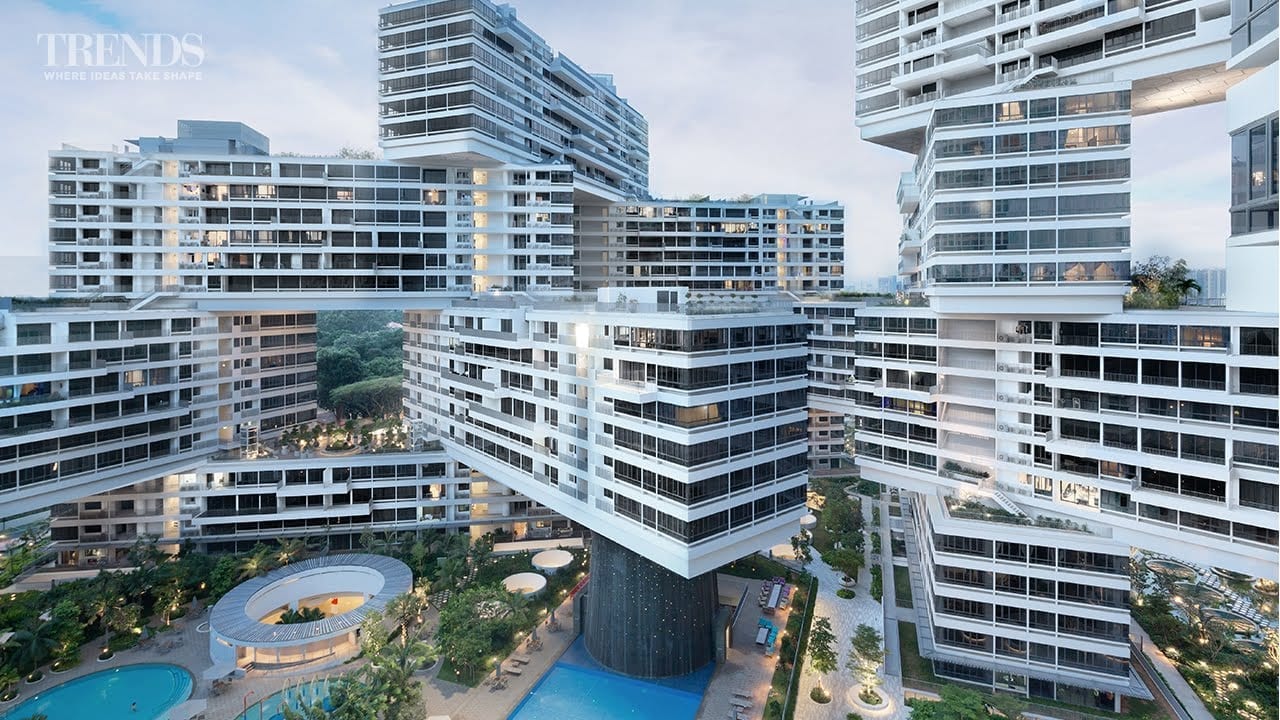
    Private home prices in Singapore fell and rents continued to soften in the last quarter of 2016 but a decrease in the number of vacant units suggests the market may be nearing a bottom.

    According to Urban Redevelopment Authority (URA) statistics for the fourth quarter released Thursday, private residential property prices in Singapore fell 0.5% between October and December 2016, slowing from the 1.5% decline in the previous three-month period.

    For the whole of 2016, private home prices fell 3.1%, compared with the 3.7% drop in 2015.

    Meanwhile, rents for private homes declined 1.0% in the fourth quarter following a 1.2% fall in the previous quarter. For the year as a whole, rents slipped 4.0%, slower than the contraction of 4.6% in 2015.

    Home prices in the city-state have trended downwards over the past three years as the government introduced a series of measures such as caps on mortgage loans and higher stamp duties to check soaring real estate values.

    Residential prices have retreated more than 10% since they hit a peak in 2013, leading many to call for a relaxation of the curbs.

    There were some signs in Thursday’s data that a recovery may be taking shape in the private housing market.

    For instance, according to the URA data, the number of private residential units in the pipeline fell to 40,913 at the end of the fourth quarter, from 43,693 at end September. The vacancy rate for completed units decreased to 8.4% at end December from 8.7% at the end of the third quarter.

    In addition, there were pockets of strength within the residential sector, particularly at the high end of the market. For example, prices of landed homes rose 0.8% during the fourth quarter, turning around from a 2.7% decline in the previous quarter.

    Most people in land-scarce Singapore reside in high-rise apartment blocks and only the wealthy can afford landed property.

    PropNex Realty, one of Singapore’s largest real estate brokers, said activity in Singapore’s residential market picked up in 2016 because prices dropped to levels that home buyers are comfortable with.

    “Despite the uncertain economic outlook and impending interest rate hikes, we are expecting a price moderation in 2017 with possible (decline) of not more than 3%,” PropNex CEO Ismail Gafoor said.

    Turning to the commercial property market, URA said office rents fell 1.8% in the fourth quarter compared with the decline of 1.1% in the previous three-month period. For the whole of 2016, office rents declined at a faster pace of 8.2% compared with the 6.5% drop in 2015.

    As for shopping malls and other retail spaces, URA said rents declined 1.2% in the fourth quarter compared with the decrease of 1.5% in the preceding period. Rents fell 8.3% for the full year, which was more than twice the 4.1% decline in 2015.

    Desmond Sim, head of CBRE Research for Singapore and Southeast Asia, estimates an additional 52,000 square metres of retail space was leased in 2016, which was short of the new supply of 75,000 square metres.

    “Although the magnitude of the quarterly decline in Q4 2016 was lower than previous quarters, we expect rents to remain under pressure,” he said.

  • Retail rents in central region to slump 8% later this year

    Retail rents in central region to slump 8% later this year

    Landlords and retailers are off to another bumpy ride. The retail outlook for this year seemed to still be on the cloudy side for both retailers and landlords.

    According to Knight Frank’s latest Singapore Retail Bulletin, average rents in the Central Region are envisaged to fall by 5.0% to 8.0% by Q4 2017, while the more resilient prime rents to moderate downwards by up to 3.0% YoY in the same period.

    “Landlords are likely to take on a more proactive role to initiate more advertisement and promotion activities in a bid to attract shoppers into the mall. On the same note, retailers are also expected to explore innovative concepts that integrate both offline and online retailing platforms to enhance consumer engagement,” the research house said.

    Meanwhile, the occupancy performance is expected to hover between 90% and 92% this year, after maintaining an average of 92.2% over the first three-quarters in 2016. This is in consideration of the close to 2m sq ft. gross floor area of retail space slated for completion in 2017 amidst the heightened level of caution among retailers towards their business strategies due to the uncertain global economic outlook.

  • Startup pushes mobile, social selling concept in Southeast Asia

    Startup pushes mobile, social selling concept in Southeast Asia

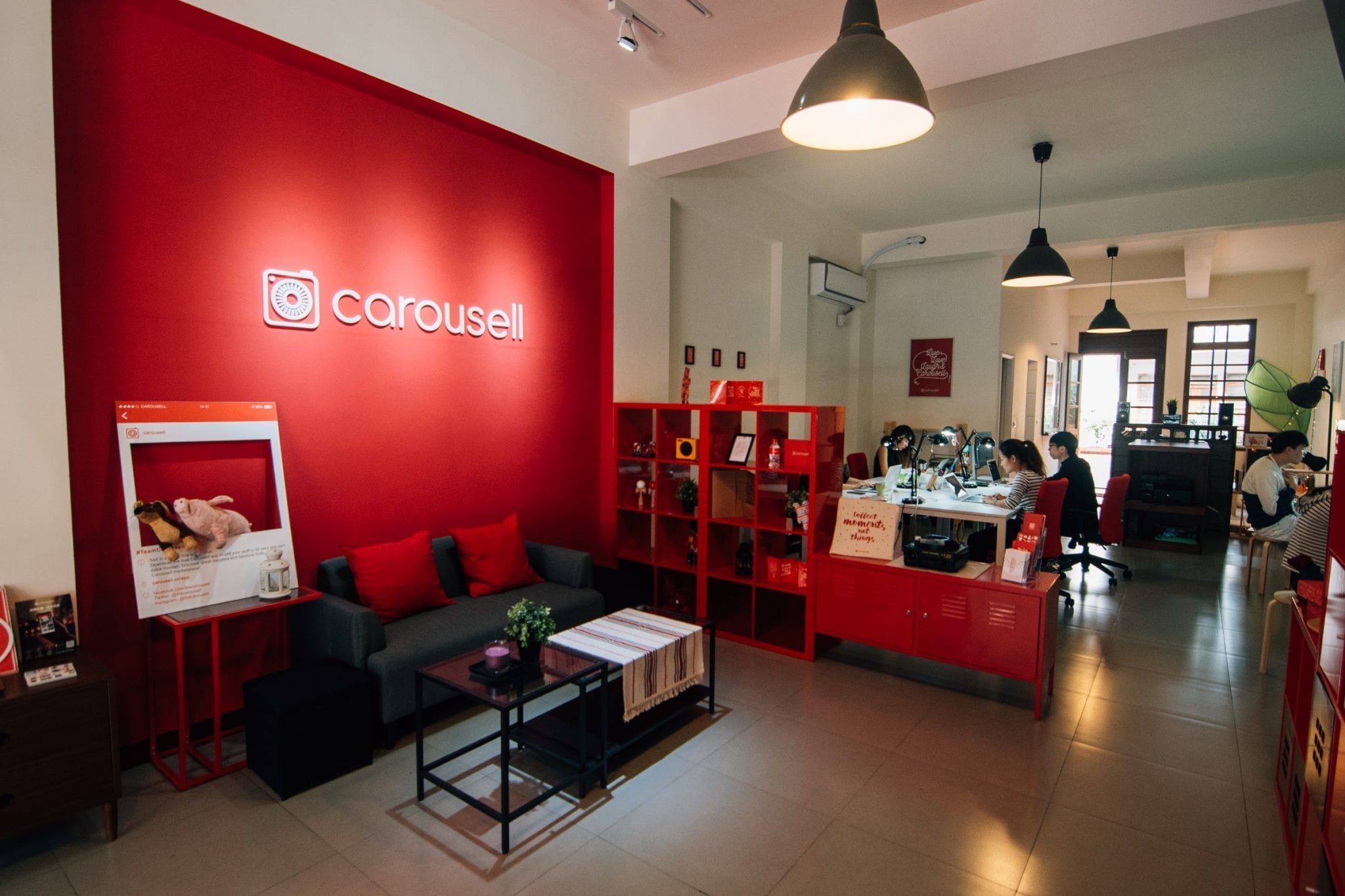
    Singapore-based mobile classifieds marketplace Carousell recently announced that it has acquired Duriana, a Malaysian-based mobile-first, fashion and lifestyle marketplace in Southeast Asia.

    It was the company’s third acquisition in less than six months, which is expected to boost its ambition to become a leading global mobile classifieds marketplace.

    Basically, Carousell offers a mobile marketplace for vendors to sell stuff – mostly used or ‘preloved’ items – using only an iPhone or an Android phone. It offers fast onboarding – its claim is 30 seconds to list an item for sale – and one can share the link on Facebook, Twitter, and Instagram.

    This aspect of social selling is bundled with a trusted user feedback that makes it easy for vendors to engage with customers. As simple as the concept sounds, it is fast catching on. ‘Snap to sell’ and ‘chat to buy’ resonates with a young and digital-savvy target market.

    Siu Rui Quek, CEO & Co-founder of Carousell, told in an email interview that the basis of the idea was that selling should be as simple as taking a photo, and buying as easy as chatting.

    “We felt that this was important, as we noticed more people like us using the smartphone as the main device to access the internet,” he said. “We aim to be more than just a transactional platform because we believe that buying and selling preloved goods is a more responsible way to consumption and that every interaction on our marketplace can help to inspire others to become more thoughtful consumers,” he said.

    The marketplace also has a feature called “Carousell Groups” which allows users of similar interests and hobbies to connect and make friends. “We have a vibrant community of Lego fans, Disney fans, sneakerheads, photography enthusiasts and many others,” he added.

    Launched in 2012 in Singapore, Carousell has since spread to 19 cities around the wold, including recent launches in Hong Kong, the Philippines, and Australia. It is backed by leading international Venture Capitalists Sequoia India, Rakuten Ventures, 500 Startups, Golden Gate Ventures, and QuestVC.

    Since its launch in Malaysia in 2014 and the Philippines in 2016, the classifieds marketplace has been growing rapidly in both countries. Carousell claims almost two million items sold in the fourth quarter of 2016, almost doubling within a quarter.

    Duriana, on the other hand, was founded in 2013 and has raised funding from investors like Alps Ventures and BEENOS.

    “It’s been an exciting three years with Duriana, and we’re proud to have brought the company to this stage,” said Saeed Gouda, Co-founder and CEO of Duriana. “We’re confident that Duriana users will enjoy buying, selling and connecting as part of the vibrant Carousell community.”

    The acquisition of Duriana is part of Carousell’s international expansion strategy, according to Quek.

    “Mobile classifieds operate best with a large community of buyers and sellers on one platform,” he said. “In Southeast Asia, where more people are experiencing the internet for the first time through their smartphones, we have the opportunity to reimagine the way they buy and sell online. There are over 600 million people, but almost 400 million are not connected to the internet yet. That’s a lot of potential. We’re reaching out to a generation of internet users who leapfrogged the desktop internet, creating an environment where we can take a mobile-first approach to solving unique local problems.”

    From startup to global player

    “If you’ve ever bought or sold something on a forum or classifieds website, you’ll remember how difficult and frustrating it could be to list an item or find something you wanted these sites on those forums. You often needed a pretty good idea of how the forums or online stores worked, as they were built for different purposes and not as a marketplace,” Rui explained.

    Thus, in March 2012, Quek and co-founders Marcus Tan and Lucas Ngoo participated in a Startup Startup Weekend Singapore and built the first Carousell prototype in 54 hours to solve this problem. They demonstrated the prototype and won the competition.

    “The basis of the idea was that selling should be as simple as taking a photo, and buying as easy as chatting. We felt that this was important, as we noticed more people like us using the smartphone as the main device to access the internet,” he said.

    The trio started working on Carousell full-time, and the first version was launched in the Singapore iTunes App Store in August 2012.

    Today, Carousell expects mobile commerce to be a significant contributor to the exponential growth in the region, as the web and mobile infrastructure improve, and as smartphones become more affordable and accessible.

    Retail e-commerce is poised to reach $4 trillion by 2020  globally, according to a report from eMarketer. APAC is expected to take a sizeable chunk of that pie in 2020 with US$2.7trillion, and Southeast Asia is poised to become one of the world’s fastest-growing regions for e-commerce revenues, exceeding $25 billion by 2020.

    “Across this region, governments are also making a greater push for companies and entrepreneurs to adopt new technology to keep up with consumer trends and demands. For example in Malaysia, the government has announced that 2017 will be the “Year of the Internet Economy”. The digital economy is already contributing 16% to the country’s GDP, and this figure will only go up,” he added.

    Global push

    By acquiring Duriana, which is a mobile-first, peer-to-peer, fashion and lifestyle marketplace in the region, the company expects to bring its users 600,000 users in Malaysia and the Philippines onto the Carousell platform.

    “We saw that Duriana users had similar demographics and interests in buying and selling fashion items, gadgets, and electronics as well as home furnishing,” Quek shared.

    With the speed with which it has expanded in the region in the last five years, the company also sees a global opportunity.

    “The problem we are solving is a global one, and we have a once in a lifetime opportunity to be the world’s largest classifieds marketplace because of the mobile phenomenon,” Quek said. “By 2020, more than six billion people around the world are expected to own mobile phones.”

  • Indonesia eyeing slice of Singapore’s market

    Indonesia eyeing slice of Singapore’s market

    The government and state owned enterprises have sent a strong signal that they will strengthen the role of Tanjung Priok Port as an international trade hub, taking over a slice of the transshipment market currently dominated by Singapore.

    Transportation Ministry Director General for Sea Transportation Antonius Tonny Budiono said the government and state-owned port firms, Pelindo I, II, III and IV, were discussing the so-called Indonesia Integrated Chain Port plan, which would consolidate the export of cargoes from various domestic ports nationwide, including Bitung Port in North Sulawesi and Sorong Port in West Papua, with the country’s busiest port.

    Such consolidation is aimed at making the transshipment more efficient and “attractive” for both local and global shipping lines.

    “The transshipment sector has long been dominated by Singapore. But If the commodities originate in our country, why can’t we handle them?” he said over the phone on Tuesday.

    Tonny said the ministry would prepare technical and regulatory matters for the system, while also laying out the business plans with the State-Owned Enterprises (SOE) Ministry.

    The system, including IT management, is set to become effective in the second half of this year.

    “It’s already settled. The only remaining concern is the business plans of each Pelindo,” Tonny said, claiming that infrastructure-wise, Tanjung Priok was ready to play a bigger role as an international hub.

    The ministry sparked controversy when it recently revised the national ports plan (RIPN) through Transportation Ministerial Decision No. KP 901/2016 and introduced Tanjung Priok as the country’s new international port hub in Indonesia.

    Deep-sea Patimban Port in West Java, construction of which is being carried out jointly by an Indonesia-Japan consortium, is set to complement the future hub.

    Tanjung Priok Port has long been Indonesia’s largest container port, handling more than half the country’s externally traded goods.

    It received an annual 1.5 million total equivalent unit (TEU) capacity boost for imports and exports with the operation of the New Priok Container Terminal 1 ( NPCT1 ) last September, from the previous 7 million TEU capacity.

    Its container traffic rose to 5.4 million TEUs last year from 5.2 million TEUs in 2015.

    Of that figure, international traffic represented 3.8 million TEUs in 2016, up from 3.7 million TEUs in the previous year.

    The Transportation Ministry has anticipated a 11.1 percent surge in freight traffic in the country’s ports to 929.8 million tons annually by 2020, from 836.5 million tons annually in 2015. The figure is expected to jump to 1.1 billion tons each year by 2030.

    However, Port of Singapore is the one to beat as its container terminal handled 30.59 million TEUs of containers in the past year alone. The port, also dubbed the world’s busiest transshipment hub, currently accounts for almost one seventh of the world’s total container transshipment throughput.

    The maritime industry also currently contributes about 7 percent to Singapore’s GDP.

    Pelindo II president director Elvyn G. Masassya said the operational details would be discussed next week.

    “We aim for it to be efficient, productive and competitive,” he said.

    Pelindo II published data that forecast a Rp 1.5 million (US$112.59) cost-saving for transshipment from Boom Baru Port in Palembang, South Sumatra, via Tanjung Priok, and even Rp 1.6 million from Trisakti Port in Banjarmasin, South Kalimantan, compared to via Singapore.

    In response to the plan, publicly listed shipping line Samudera Indonesia managing director Bani M. Mulia expressed his pessimism, citing the geographical location of Jakarta.

    “As shippers we’d be happy if Jakarta could be a hub, but just be realistic. How much time deviation will containers have if they must pass through Jakarta first before going to Europe or China? It just doesn’t make sense,” he stressed.

    Bani said the government should focus on increasing Tanjung Priok capacity for export and import activities as well as enhancing its efficiency amid existing problems like labor costs.

  • M1 profit falls 16.1% in 2016

    M1 profit falls 16.1% in 2016

    Singapore’s M1 has reported a 16.1% slump in net profit for 2016 to S$149.7 million ($105.3 million), blaming lower international call and roaming revenues as well as rising expenses.

    The operator’s service revenue for the year fell 2% to S$805.5 million, due to the ongoing impact of OTT substitution. But fixed-line revenue grew a strong 21.4% to S$104.2 million, growing to account for 12.9% of service revenue.

    Besides the decrease in revenue, M1 said depreciation and amortisation expenses grew due to an increasing 4G network fixed asset base, and additional spectrum acquisition costs also contributed to the profit decline.

    M1 added 52,000 postpaid customers and 39,000 prepaid customers during the year, bringing its total mobile customer base up to 2.02 million. Mobile churn meanwhile stayed flat at 1%.

    During the year, mobile data consumption grew to account to more than half of M1’s total service revenue, increasing 7.7 percentage points year-on-year during the fourth quarter to 54%.

    M1 meanwhile added 32,000 fiber customers during the year, taking its total to 160,000 and contributing to the growth in fixed service revenue.

    Capex for the year grew to S$140.5 million, up from $133.5 million a year earlier,

    “We continue to invest and innovate to enhance our service offerings to better serve our customers, as well as capitalize on new opportunities in the digital economy such as solutions for smart nation and  IoT services,” M1 CEO Karen Kooi said.

    “These initiatives, together with the foundation that we have laid over the years, will enable us to create and deliver long-term value to our stakeholders.”

  • Singapore inflation rises 0.2% in December

    Singapore inflation rises 0.2% in December

    In a sign of a tepid increase in inflation, the Monetary Authority of Singapore reports that consumer price inflation rose to 0.2% in December from 0.0% in November, due to a larger increase in private road transport cost, which rose 1.7% over the month because of higher petrol prices and parking fees. In comparison, MAS Core Inflation eased to 1.2% from 1.3% in the previous month, because of lower retail goods inflation.

    Services inflation edged up to 1.6% from 1.5% in the preceding month, mainly on account of a faster pace of increase in holiday expenses, which more than offset the larger contraction in telecommunication services fees. Food inflation was 2.0% in December, unchanged from the previous month.

    Price increases for both non-cooked food items and prepared meals were broadly stable. Accommodation cost fell by 3.8% in December, like the previous month, reflecting continued softness in the housing rental market.

    Overall retail goods inflation eased to 0.0% in December from 0.2% in November, largely because a fall in the prices of personal care products following the rise in November. For the whole of 2016, CPI-All Items inflation came in at -0.5% for the second consecutive year.

    CPI less imputed rentals on owner-occupied accommodation (CPI-ex OOA) rose by 1.2% in December Inflation as measured by CPI less imputed rentals on owner-occupied accommodation (OOA) picked up to 1.2% in December from 1.0% in the preceding month, reflecting the stronger pickup in the cost of private road transport.

    For 2016 CPI less imputed rentals on OOA rose by 0.3%, higher than the 0.1% increase in 2015. MAS Core Inflation was slightly lower at 1.2% in December MAS Core Inflation was 1.2% in December, slightly lower than the 1.3% in November, as the decline in retail goods inflation more than offset the increase in services inflation. For the whole of 2016, MAS Core Inflation rose to 0.9%, from 0.5% the year before.

    On the external front, MAS says it expects imported inflation is likely to rise modestly on the back of a turnaround in global commodity markets. Global oil prices are expected to average higher in 2017 compared to last year, “although upward pressures would be capped by existing inventories as well as an anticipated increase in US crude oil output. Domestically, overall cost pressures should be muted,” says the market regulator.

    MAS also reports a pullback in hiring, as conditions in the labour market have slackened. “This will cap underlying wage growth, even as non-labour business costs have eased. The subdued growth environment will also constrain the extent of cost pass-through to consumer prices.

    For the whole of 2017, MAS Core Inflation is expected to average 1–2%, compared with 0.9% in 2016. Energy-related components are projected to contribute positively to inflation in 2017, while the temporary disinflationary effects from budgetary measures will fade.3

    However, the increase in core inflation will be gradual, given the absence of more generalised demand-induced price pressures. CPI-All Items inflation is projected to pick up to 0.5–1.5% this year, from -0.5% in 2016, largely reflecting the rise in private road transport cost,” it concludes.