Tag: Singapore

  • Qoo10 bridges the gap between online and offline retail in Singapore

    Qoo10 bridges the gap between online and offline retail in Singapore


    Asia’s e-commerce platform, Qoo10, has launched a GPS-enabled mobile game called MameGo! in Singapore. The game, which was developed by Qoo10, is available on Qoo10’s online marketplace as well as its Qoo10 and Live10 mobile apps.

    Nearly similar to Pokemon Go!, the game issues three Mameballs to Qoo10 shoppers on a daily basis to unlock and catch Mamemons, which can be exchanged for discounts, super sale coupons or Qpoints. Mameballs can also be collected through electronic direct mailers (eDMs), mobile pushes and various loyalty programmes.

    According to Qoo10, brick-and-mortar retailers can use MameGo!’s GPS feature to attract shoppers to visit their physical stores. This method thus bridges the gap between brick-and-mortar outlets and e-commerce platforms.

    “The future of retail is no longer divided between online and offline, but one converged platform offering consumers an end-to-end shopping experience. As consumers’ shopping appetites continue to become more sophisticated and as they demand more personalised experiences, it will take a concerted effort to boost Singapore retail sector,” said Jacob Yu, Brand Manager and PR, SEA, Qoo10.

    To help retailers leverage the game to increase brand awareness, MameGo! offers exclusive branded Mamemon characters, also known as Brandmons. Currently, more than 100 retail brands are exploring the adoption of MameGo!, each with their own personalised Brandmons.

    “Singapore remains a key growth market for us, and initiatives such as Mame Go! are aligned with our mission to create a marketplace that benefits everyone – not just customers, but also the retail ecosystem as a whole,” concluded Yu.
  • Mitsui Sumitomo Insurance Welfare Foundation awards research grants to 4 projects

    Mitsui Sumitomo Insurance Welfare Foundation awards research grants to 4 projects

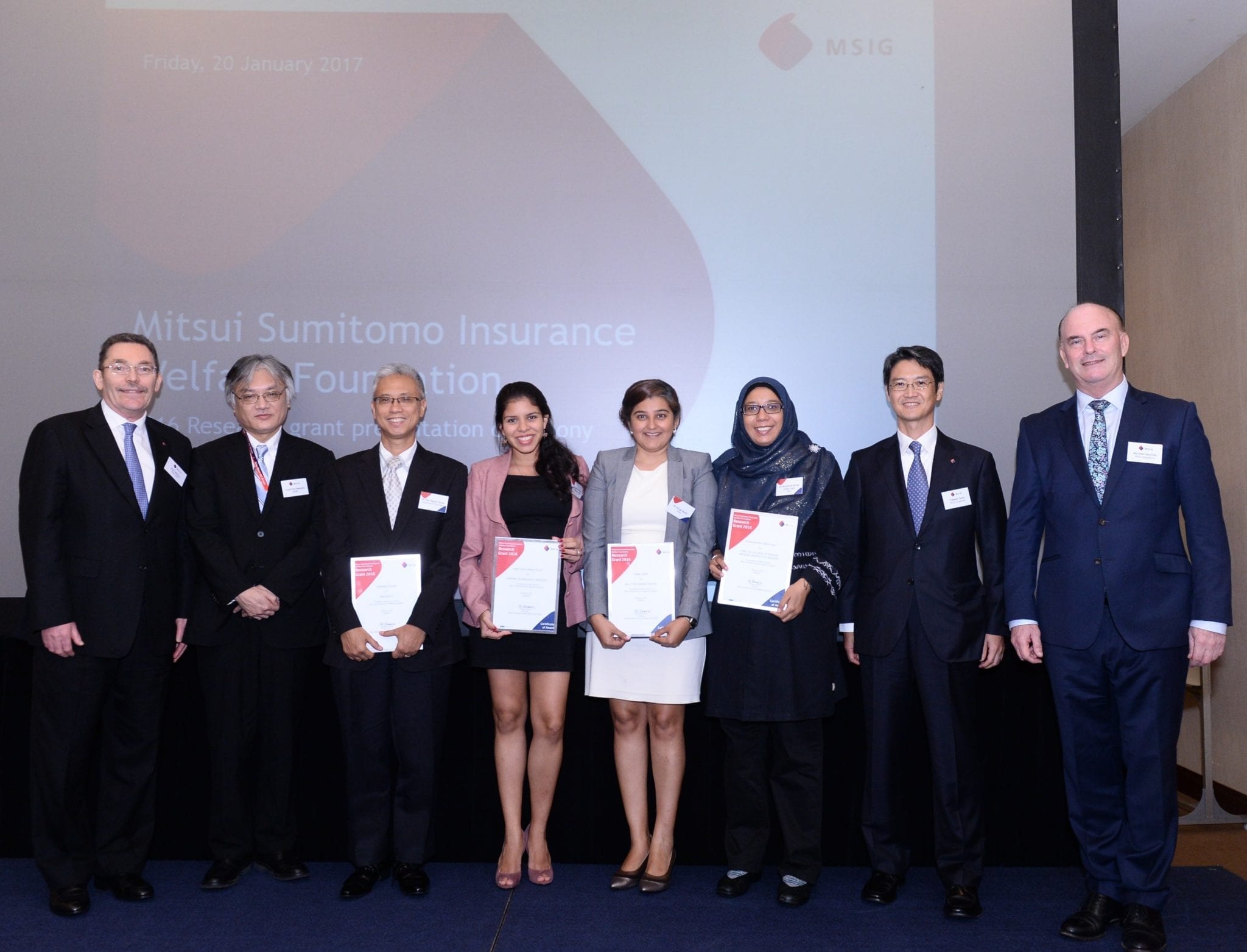
    This year’s winners of the Mitsui Sumitomo Insurance Welfare Foundation (MSIWF) research grant, awarded for exceptional insight and potential, comprised of some of Singapore’s leading researchers that aim to make a difference by solving Singapore’s key traffic and healthcare issues for the nation’s ageing population.

    The 2016 winners are:

    • Ms Maria Cecilia Rojas Lopez, PhD candidate at the School of Civil and Environment Engineering at Nanyang Technological University, for her research that will lead to the development of traffic schemes and policies for the safety of cyclists and pedestrians on footpaths. For this project, Rojas Lopez will study cyclists’ behaviour and their interaction with other path users, which is a potential issue since bicycles have been allowed on footpaths in Singapore since March 2016.
    • Dr Tan Ngiap Chuan is a Family Physician, Senior Consultant and Director, Research at SingHealth Polyclinics. His proposed study aims to find out how common is the age-related loss of muscle mass and muscle function, known as “sarcopenia” among elderly patients. Sarcopenia has been shown to be worse amongst the elderly with diabetes. Muscle weakness resulting from the reduced muscle bulk and strength will subject the elderly to increased risks of frailty, falls, fractures, hospitalisations and even premature deaths. The findings from this study will allow doctors, nurses and other healthcare professionals to identify the reasons leading to sarcopenia, so that solutions can be developed and assessed if they are effective in reducing the muscle bulk loss, in maintaining or even strengthening their muscle functions.
    • Dr Kinjal Doshi, principal clinical psychologist at Singapore General Hospital, aims to create a better tool for use in identifying loss of functional abilities among the elderly. 
    • Dr Rufaihah Binte Abdul Jalil, assistant professor at the NUS Yong Loo Lin School of Medicine, will design a diagnostic tool for atherosclerosis, a main illness known to harden the arteries usually affecting the elderly.
    • MSIWF is a non-profit organisation that is part of the Mitsui Sumitomo Insurance Company, Limited, and supports researchers in Japan, Singapore and Thailand for practicable research in two key areas: senior citizen welfare and traffic safety. The MSIWF research grant is unique compared to others, as it supports interdisciplinary research at its early stages, where it is generally tougher for researchers to obtain funding elsewhere. 

    This year marks the 10th anniversary of MSIWF grant support in Singapore, which was introduced in 2007 for the first time outside of Japan. Since then, MSWIF has supported 38 research projects and has disbursed grants worth more than about S$363,000.

    “At MSIG, our focus goes beyond financial profits. It is our mission to help secure a sustainable future for the communities at large. With a growing ageing demographic in Singapore, solutions for improving the quality of life are critical for sustainable growth. This grant from Mitsui Sumitomo Insurance Welfare Foundation aims to empower talented researchers to do just that,” said Mr Alan J. Wilson, Regional CEO of MSIG Holdings (Asia) Pte Ltd. 

    The call for the 2016 grants was launched in June last year, and a total of 246 applications were received globally. The winning projects will conduct their research over the next 12 months and their findings will be published in scientific journals as well as shared with the Foundation during next year’s presentation ceremony in 2018.

  • DBS offers cardholders dynamic currency conversion on overseas shopping

    DBS offers cardholders dynamic currency conversion on overseas shopping

    In a game-changing move, DBS Bank today unveiled its plans to help customers save on their overseas spending by avoiding high foreign exchange (FX) and conversion fees.

    Starting today, customers with a DBS Visa Debit Card linked to a DBS Multi-Currency Account (MCA)* can use their card to spend overseas in the country’s given local currency** without any additional charges. This scheme is the first of its kind in Southeast Asia.The savings will be greatest for Singapore customers who shop in overseas-based online stores or who perform credit/debit card payments overseas and choose to pay in SGD. When they pay in SGD overseas, their payment undergoes a process called “Dynamic Currency Conversion” (DCC), and customers can incur additional merchant charges of between 7% to 15%. In 2016, around 10% of payments by DBS Visa Debit cardholders were overseas transactions made in SGD.

    Customers who choose to pay in the country’s local currency also get to avoid any additional charges such as FX fees and any other conversion charges. For example, a Singapore traveller who intends to visit the U.S. can change currencies via their DBS MCA account (e.g. from SGD to USD), which offers competitive FX rates. This can be done on-the-go or when rates are favourable via DBS mBanking or iBanking. When spending in the U.S., the traveller can simply use their DBS Visa Debit Card to pay for purchases in USD. The amount is then directly deducted from their DBS MCA’s USD balance with no other charges incurred.

    “With travel and ecommerce expenditure rising rapidly in Singapore, we decided to be on the front foot and introduce a game-changing scheme for customers and the industry. With the DBS MCA and DBS Visa Debit Card, customers can convert their currencies at a competitive rate using DBS iBanking or mBanking without needing to make a trip to the money changer. They will also get to skip FX fees and conversion charges for their overseas spends. Our hope is that this will incentivise Singaporeans move towards the security and convenience of cashless payments,” said Jeremy Soo, Head of Consumer Banking Group (Singapore) at DBS.

    DBS’ introduction of the scheme is particularly timely given that it has witnessed close to a 30% increase in foreign currency payment volumes – which includes foreign currency eCommerce and point-of-sales payments – from debit cardholders since 2014. For DBS Visa Debit cardholders in particular, foreign currency payments make up more than 20% of total payments. DBS also sees some SGD560 million in overseas cash withdrawals every year by customers.

    “Travel is becoming increasingly popular amongst Singaporeans and based on the Consumer Travel Poll jointly conducted by Visa and DBS, more than half of them take two to four leisure trips a year. Visa cardholders are increasingly using their payment cards when they travel and cross border transactions by Singapore debit cardholders is growing close to 15% year-on-year. Today, 95% of Singaporean travellers change money into foreign currencies before they travel and the main reason is because they want to avoid the uncertainty of foreign exchange costs. The introduction of this first in market product in Southeast Asia by DBS and Visa supports Singapore’s move to be truly cashless,” said Ooi Huey Tyng, Visa Country Manager for Singapore and Brunei.

    To enjoy the benefits of the scheme, customers will need to sign up for both the DBS MCA and DBS Visa Debit Card. In addition, the customer’s DBS MCA must be linked to their DBS Visa Debit Card as a primary account. Further details on how to be eligible for the scheme’s benefits are available at go.dbs.com/sg-mca. Launched in 2013, the DBS MCA has rapidly built up a large base and has some 200,000 account holders today. In 2015, DBS made the DBS MCA a standard account for new customers to ensure customers will always have ready access to currency exchange. The DBS MCA is also the only multi-currency account in Singapore that allows exchanges in twelve key currencies (including SGD)*** – by far the most here. In addition, there are some 800,000 DBS Visa Debit cardholders here.

    The scheme, focused on helping customers who are frequent travellers avoid the hassle of carrying large amounts of cash overseas, is part of DBS’ larger plan to drive cashless payment behaviour and to bring innovation into financial services. This is something the bank is uniquely positioned to do given that it banks most of Singapore and is the nation’s largest credit and debit card provider, with some five million cards in circulation here.

    Over the last few years, the bank has launched several large-scale and game-changing offerings to help Singaporeans reduce their reliance on cash. This include innovations such as DBS PayLah! (for small merchants and micropayments), DBS FasTrack (for F&B SMEs), POSB Fare Free Friday (for public transport-related transactions); POSB Smart Buddy (for school kids) and more. The bank was also one of the first in Singapore to adopt all three mobile payment platforms – Apple Pay, Samsung Pay and Android Pay.

  • IMDA to hold 5G consultation this year

    IMDA to hold 5G consultation this year

    Singapore’s Infocomm and Media Development Authority (IMDA) plans to hold a public consultation covering 5G mobile networks later this year.

    The regulator will hold the consultation as part of its efforts to facilitate the commercialization of 5G services in Singapore.

    The IMDA is strongly urging the mobile industry to participate in the consultation to help the regulator better understand the industry’s needs, as well as the optimal spectrum roadmap and regulatory framework that will allow innovation to flourish.

    Other initiatives the IMDA will take during the transition to 5G will include the promotion of real-world trials to better understand how 5G will fit into Singapore’s business environment, as well as optimal deployment scenarios for operators.

    Singapore’s mobile operators are meanwhile themselves conducting preparatory work for the introduction of 5G – Singtel, for example, recently upgraded its LTE network nationwide to support the pre-5G technology 256 quadrature amplitude modulation (256 QAM), giving the network a peak speed of 450Mbps.

  • Alibaba Cloud to help boost Singapore’s digital economy

    Alibaba Cloud to help boost Singapore’s digital economy

    Alibaba Cloud the National University of Singapore (NUS), and EZ-Link, Singapore’s largest issuer of Contactless e-Purse Application (CEPAS) compliant cards, have teamed up to boost Singapore’s smart computing and data-driven capabilities.

    The three organizations have signed a memorandum of understanding aimed at bolstering the University’s data science curriculum and paving the way for a pilot data analytics project with EZ-Link.

    The collaboration is also aimed at helping build local IT skillsets, meet enterprise demands and support the research and development of advanced technologies in the big data era.

    Ethan Yu, Vice President of Alibaba Group and General Manager of Alibaba Cloud Global said, “Singapore has been a pioneer in fostering innovation and technological disruption in Asia, and we are proud to contribute to the nation’s development through our partnership with NUS and EZ-Link.

    By leveraging the expertise of academia, the government and enterprises, we intend to raise the bar in nurturing talent, business and communities to reach new frontiers of the digital economy.”

    Alibaba Cloud will contribute $500,000 in cloud credits towards the use of its cloud platform and data centres by students and researchers from NUS for academic and research purposes. IT experts from Alibaba Cloud will also offer hands-on lessons on the use of Alibaba Cloud’s platform for NUS staff and students.

    In addition, Alibaba Cloud and NUS will collaborate in the areas of cloud computing, big data analytics, artificial intelligence, cybersecurity, quantum computing, and interactive digital media, as well as identifying opportunities for joint research projects and information exchange.

    “NUS contributes to Singapore’s vision of becoming a digital economy through our University’s strengths – creating value through fundamental and applied research, and training the next generation of digital talent,” NUS deputy president for research and technology  Professor Ho Teck Hua said.

    “By working with Alibaba Cloud, a global cloud leader, we can tap into its extensive ecosystem and technology capabilities for these efforts. The partnership with Alibaba Cloud and EZ-Link further demonstrates the close collaboration between academia and industry in solving real-world problems, and will help contribute towards a future, cashless Singapore.”

    Alibaba Cloud and NUS are currently working with EZ-Link to analyze card usage patterns across the EZ-Link card schemes, service touch points, and customer segments to improve customer experience and create better services via real-time insights.

  • Tourists drive Sa Sa sales

    Tourists drive Sa Sa sales

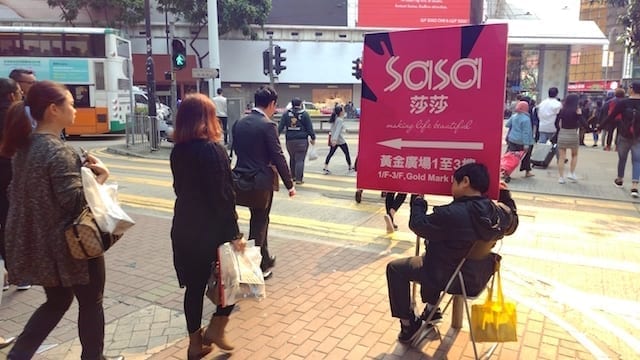
    Sales performance has improved marginally for cosmetics chain Sa Sa International Holdings for its third quarter, to the end of December.

    This was mainly a result of a rise in numbers of mainland customers driving a 5.4 per cent increase in the number of transactions in Hong Kong and Macau while local trade remained flat. However, the average sales per transaction of local customers increased by 0.2 per cent while for mainland customers there was a 3.6 per cent drop.

    Sa Sa sales growth is a result of the group’s ongoing efforts to adjust its product offerings to adapt to the market demand for trendy products, the company says. This also resulted in continued downward pressure on gross profit margin for the quarter.

    For the quarter, the group’s retail and wholesale turnover eased up by 0.9 per cent year-on-year, while the figures for other markets outside Hong Kong and Macau – including China, Malaysia, Singapore, Taiwan and online – were flat.

    Following the gradual tapering of year-on-year retail sales decline in the first and second quarters in Hong Kong and Macau, same-store Sa Sa sales in the third quarter fell by 2 per cent while retail sales rose by 1 per cent.

    Sa Sa had 290 outlets in total at the end of December, up from 283 as at September 30. For Hong Kong and Macau, there were 115 outlets, up by two; China had three more stores for a total of 56; Singapore lost two stores to finish the year with 21; Malaysia gained five outlets for 73; and Taiwan lost a store to end the year with 25.

  • Easyship Fuels Its Growth By Expanding Into Singapore

    Easyship Fuels Its Growth By Expanding Into Singapore

    Easyship is a tech company that helps eCommerce businesses saving time and money on worldwide shipping. After a rapid growth in Hong Kong, it is now expanding its operations to Southeast Asia with Singapore as its first location. With Singapore being a major logistics hub for Southeast Asia, the company hopes to take advantage of its infrastructure and networks to aid its expansion plans in the region.

    Since launching in 2015, the company has experienced exponential growth, becoming the first choice for businesses that want to expand their sales worldwide. Easyship powerful API, allows eCommerce merchants and marketplaces to integrate a seamless shipping gateway to their shipping cart, allowing them to expand their sales worldwide seamlessly. For each order, Easyship compares all shipping couriers, and gives visibility to the buyer on delivery time, shipping cost, and taxes.

    Easyship integrates with more than 80 different shipping services including those from leading couriers such as DHL, FedEx and UPS, at prices discounted up to 70% compared to retail. This helps buyers to choose the best available option for a particular destination based on item specifications (type, weight and dimension) and provides visibility on delivery time, cost, reliability, and tracking. Easyship guarantees taxes & duties for shipments worldwide based on the type of item and its customs value – making sure that eCommerce sellers never experience unexpected costs or delays with international shipping.

    Since launching, Easyship has helped its clients to save up to $5,000 USD per month on shipping fees. It is completely free – customers pay only for their shipments and the platform generates all the necessary paperwork automatically.

  • Singapore Airlines and Scoot take flight with ShopBack

    Singapore Airlines and Scoot take flight with ShopBack

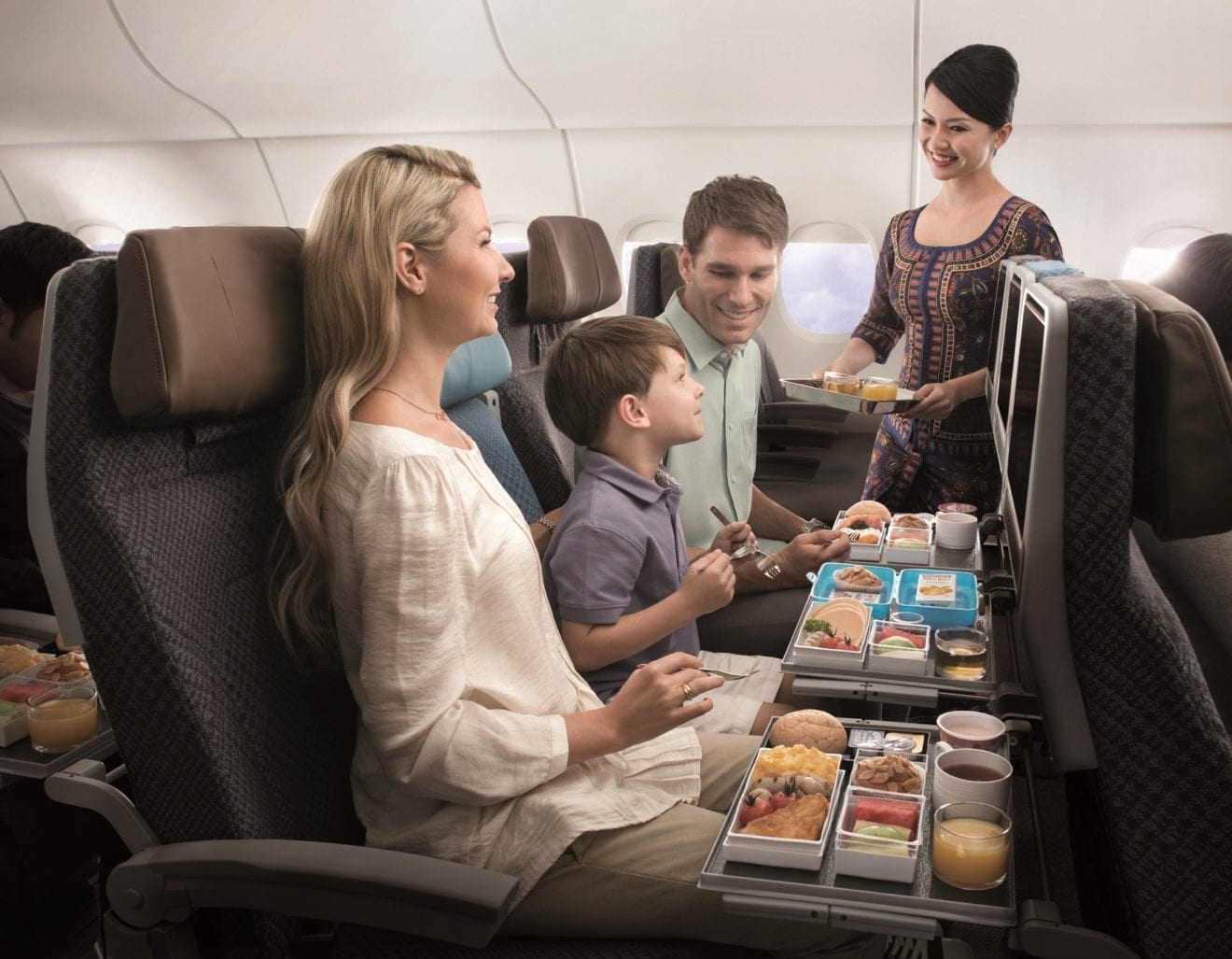
    Homegrown start-up ShopBack takes off the year with Singapore Airlines (SIA) and Scoot on board as its Flight vertical partners. The collaboration strengthens the runway for the smarter way to shop. All travellers can now access air tickets befitting their budget, elevated with Cashback from ShopBack all year round.

    The checking in of SIA and Scoot adds significant weight to ShopBack’s Flight vertical as it widens the runway of travel options for travellers, from first-class to budget.

    The start-up’s suite of top three world-class airlines (Source: Skytrax World Airline Awards) – Emirates, Qatar Airways and SIA – is now complete. With ShopBack, affluent travellers are empowered with a fuss-free way of spending and saving with poise.

    Scoot, the Best Low Cost Airline (Asia Pacific) as named by AirlineRatings.com for three consecutive years, is the first budget airline onboard. With ShopBack, cost-sensitive travellers are able to maximise the worth of their dollars with Cashback stacked atop credit card rebates and miles. 

    “For a two-year-old start-up, being able to have the chance to soar to greater heights with long established aviation partners might sound impossible,” said Mr. Joel Leong, Head of Merchants and Partnerships, ShopBack. “But with the belief that we can overcome disparity in company age and size with concrete data-backed results, our team pursued the golden ticket relentlessly and pushed boundaries to seal the deal for consumers.”

    Available on web, desktop and mobile (iOS and Android apps), ShopBack currently powers user’s online transactions with a stackable layer of savings in the form of Cashback, which translates to actual cash transferrable to either user’s bank or PayPal account.

    Consumers can enjoy 1.0% Cashback from ShopBack for their air tickets purchased from the SIA x VISA as well as Scoot site. For those who prefer to buy on the go, both airlines are also available on ShopBack mobile app.

    SIA and Scoot join ShopBack Singapore’s fleet of over 500 online retailers, including Uber, Cathay Cineplexes, Expedia, ASOS, Muji and more, to give consumers uplift in their savings through Cashback.

  • Real Singapore retail sales slide

    Real Singapore retail sales slide

    Real Singapore retail sales fell 2.1 per cent in November in a disappointing month for the sector.

    sg-sales-11

    Month-on-month they slipped 0.3 per cent.

    Sales of motor vehicles helped drive the topline figure to an increase of 0.5 per cent.

    According to Statistics Singapore, total retail sales in November 2016 were estimated at $3.6 billion, similar to that in November 2015.

    Year-on-year, the computer & telecommunications equipment sector was the worst performer, declining 13.5 per cent

    Sales of watches & jewellery, wearing apparel & footwear, furniture & household equipment, supermarkets, food & beverages, department stores, mini-marts & convenience stores and petrol service stations fell between 1.1 per cent and 6 per cent during the period.

    Bucking the trend medical goods & toiletries, recreational goods and optical goods & books, which increased by between 0.3 per cent and 4.4 per cent.

    Food and beverage

    sg-fb-sales-11

    Turnover of restaurants decreased 11.9 per cent in November 2016 compared to November 2015. In contrast, sales of food caterers, fast food outlets and other eating places increased between 5 per cent and 7.5 per cent during the period.

    Sales of restaurants and other eating places (such as cafes) declined 6.4 per cent and 0.5 per cent respectively month-on-month. Conversely, turnover of fast food outlets and food caterers rose 8.1 per cent and 0.2 per cent.

    The total sales value of food & beverage services in November 2016 was estimated at $650 million, $9 million less than in November 2015.

  • Ethiopian cargo terminal set for operation by April ‘17

    Ethiopian cargo terminal set for operation by April ‘17

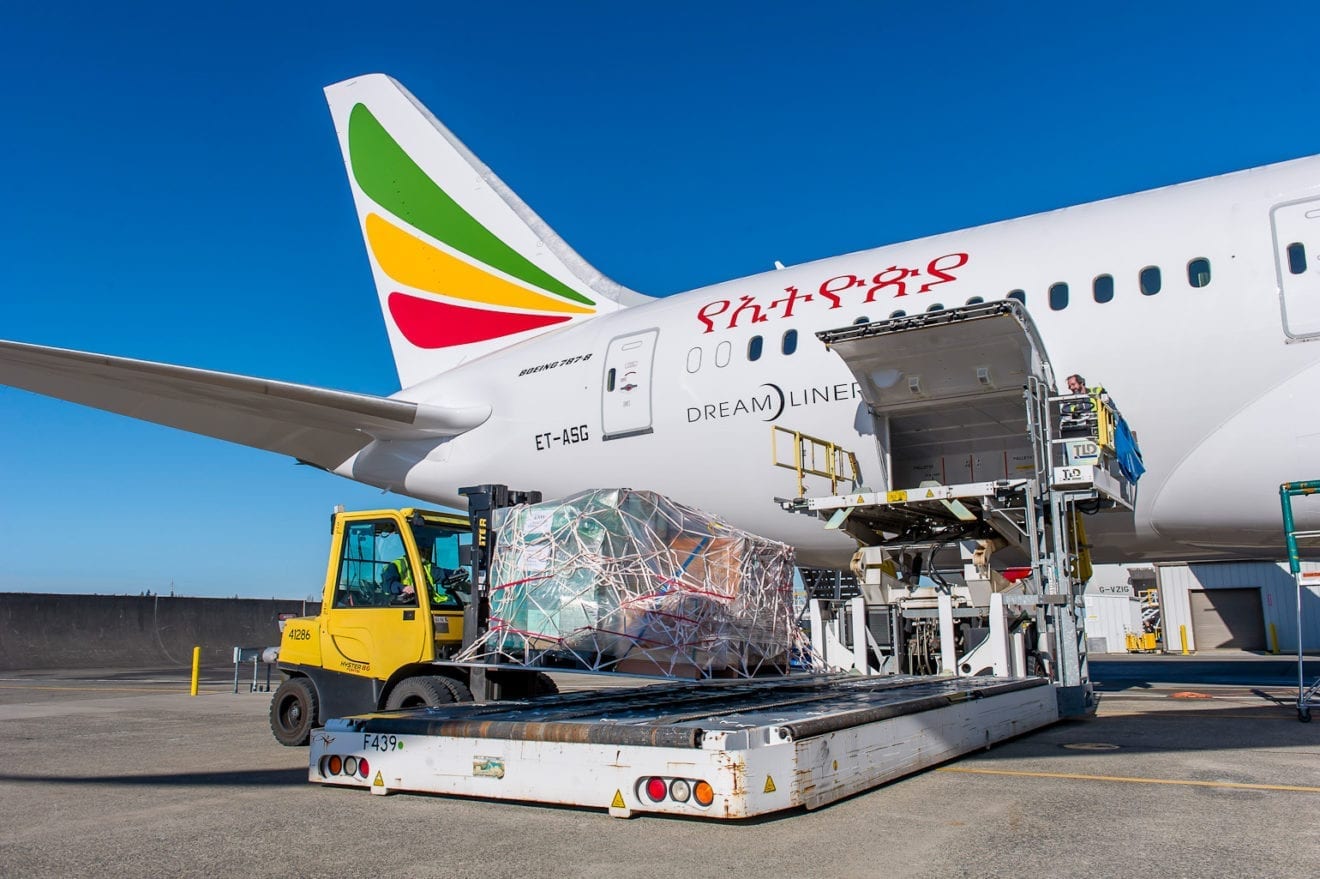
    Ethiopian Airlines Cargo Terminal, which is under construction currently, has reached 82 per cent completion and it is scheduled to be operation by April 2017, the African carrier said. The first phase of the Addis Ababa terminal cost around US$150 million.

    The terminal will have an capacity of 1.2 million tonnes of cargo including facilities for perishable goods. The facility can also handle up to eight B747-400 freighters at one time. Commenting on the the new facility, Ethiopian Airlines Group CEO Tewolde Gebremariam said: “Upon completion, our uplifting capability will be equivalent to the cargo terminals at Amsterdam Schiphol, Singapore Changi or Hong Kong.”

    The new cargo terminal is part of Ethiopian Cargo’s Vision 2025, aimed to support the country’s export of perishables including flowers, fruits, vegetables and meat. That plan includes expansion of its freighter network to eighteen aircraft serving 37 international cargo destinations by 2025.

    “At Ethiopian, we are very proud of the new heights Ethiopian has flown in the year,” Gebremariam said. “We celebrated our 70th anniversary, inaugurated the largest and the finest Aviation Academy in Africa and a state-of-the-art In-flight Catering facility which is the largest in the continent of Africa, introduced Africa’s first Ethiopian Airbus A350, and spread our wings to more countries on five continents”.

    Ethiopian has also constructed a flight simulator building and installed five of the latest full flight simulators, which includes Boeing 787, 777, 757, 767, 737NG and the Bombardier Q400. It plans to add simulators for the Airbus A350 XWB and Boeing 737 MAX aircraft.

  • PappaRich Malaysia considering IPO

    PappaRich Malaysia considering IPO

    Food chain PappaRich Malaysia is considering a Singapore IPO, possibly this year.

    Insiders say the company, which opened its first restaurant in Malaysia in 2006, aims to achieve a valuation of at least S$200 million (US$140 million) in the share sale.

    PappaRich would follow other Southeast Asia-based restaurant chains including ABR Holdings, which runs Swensen’s ice cream parlours, and kopi tiam restaurant chain Oldtown in gaining a listing to fund expansion.

    paparich-logo


    A PappaRich representative says a listing has always been a consideration as the company considers fundraising options to support its expansion plans.

    Oldtown, which makes instant coffee and runs cafes, has risen 18 per cent in Kuala Lumpur trading over the past 12 months, and shares of Thai dessert chain After You, which raised US$21 million in a Bangkok IPO last month, have surged 167 per cent from their offer price.

    More than a million customers dine at the PappaRich outlets monthly, according to its website. The company has about 100 outlets globally including Australia, China, New Zealand, Singapore and the US.

  • M1, StarHub may share more mobile infrastructure

    M1, StarHub may share more mobile infrastructure

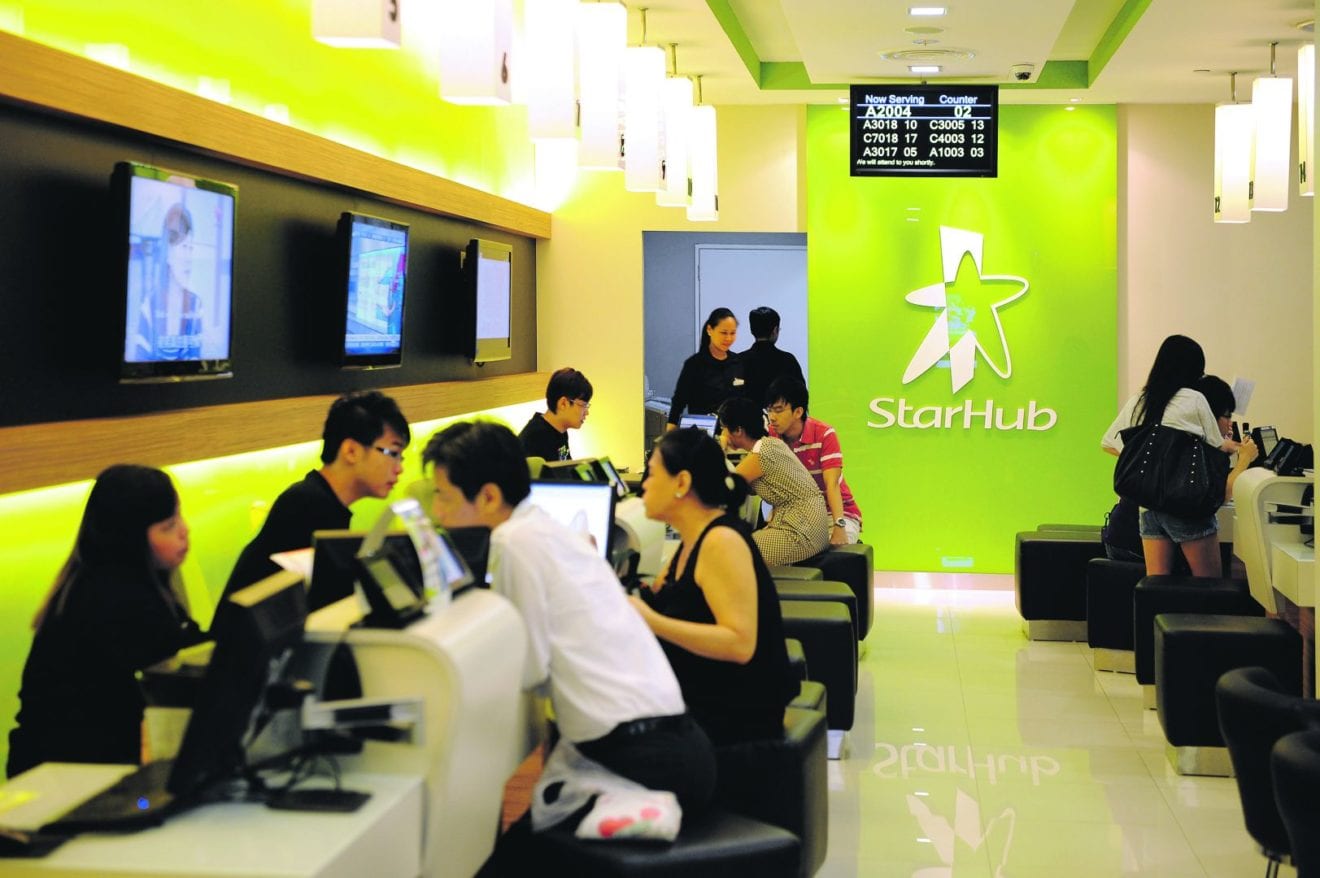
    Singapore’s M1 and StarHub are considering expanding their mobile infrastructure sharing arrangements to gain a greater competitive edge against new market entrant TPG Telecom.

    The companies announced they have signed a memorandum of understanding covering the evaluation of potential further collaboration in network infrastructure sharing.

    M1 and StarHub have been sharing infrastructure including combined antenna systems, in-building fiber and tunnel cables for many years.

    Now the operators are exploring a deeper collaboration focused on sharing radio access network, backhaul and access assets.

    The collaboration is aimed at enabling both operators to optimize the use of a number of network elements while improving coverage and capacity for customers. The companies plan to continue to manage network traffic independently.

    StarHub CEO Tan Tong Hai said pooling network resources will allow both operators to roll out more cost effective next-generation networks to manage the exponential growth in demand for mobile data.

    “We are cooperating to bring the Singapore infocomm industry to the next level, to compete not on pure infrastructure ownership, but at a higher level of customer service and innovative value creation,” he said.

    “Sharing mobile network radio elements with M1, but keeping our individual mobile core networks, will allow StarHub to provide better mobile service (in particular, mobile coverage) and still be able to differentiate ourselves.”

    M1 CEO Karen Kooi added that the agreement could lower both operators’ operational and capital expenditures, allowing them to invest in the future technologies needed to keep Singapore at the forefront of the ICT industry.

    Singapore recently granted a fourth mobile license to TPG Telecom, after the Australian fixed line operator won a new entrant spectrum auction with a bid of S$105 million ($72.8 million).

    The terms of the allocation call for TPG to provide nationwide street level 4G coverage within 18 months of the license coming into effect, meaning the company will soon be a competitive threat for StarHub, M1 and incumbent Singtel.

  • Singapore Airlines Cargo Achieves CEIV Pharma Certification

    Singapore Airlines Cargo Achieves CEIV Pharma Certification

    We are honoured to have been awarded the IATA CEIV Pharma certification, which reinforces our commitment to our customers from the pharmaceutical sector to deliver the highest standards of care and professionalism in handling their time- and temperature-sensitive shipments,” said Yau Seng Chin, president of SIA Cargo. “We are acutely aware of the important role that these shipments play in serving the broader community, and hope that this certification will give our ultimate customers additional assurance and comfort that these shipments, which are often life-saving, are in good hands.”

    According to SIA Cargo, the networks of Singapore Airlines, SilkAir and Scoot, covering more than 100 destinations, are included in the certification.

    The CEIV Pharma certification assesses an airline’s operations, processes and training to ensure that they comply with international good practices and standards.

    “The Asia-Pacific freight market is the largest in the world, accounting for close to 40% of total global trade,” said Glyn Hughes, global head of cargo at IATA. “Having SIA Cargo, one of the region’s largest operators, achieve CEIV Pharma certification is a significant boost not only for the airline’s customers but also the region. We congratulate them on their achievement and for taking the industry one step closer to having a global standard for transporting pharmaceuticals in place.”

    SIA Cargo is one of six companies that form Singapore Changi Airport’s cargo community, which Changi Airport Group is supporting to undergo the CEIV Pharma certification process.

    SIA Cargo and CAG are also members of Pharma.Aero, a new independent organization formed in October 2016 which aims to improve the quality of pharma handling by promoting collaboration between CEIV Pharma-certified airport communities.

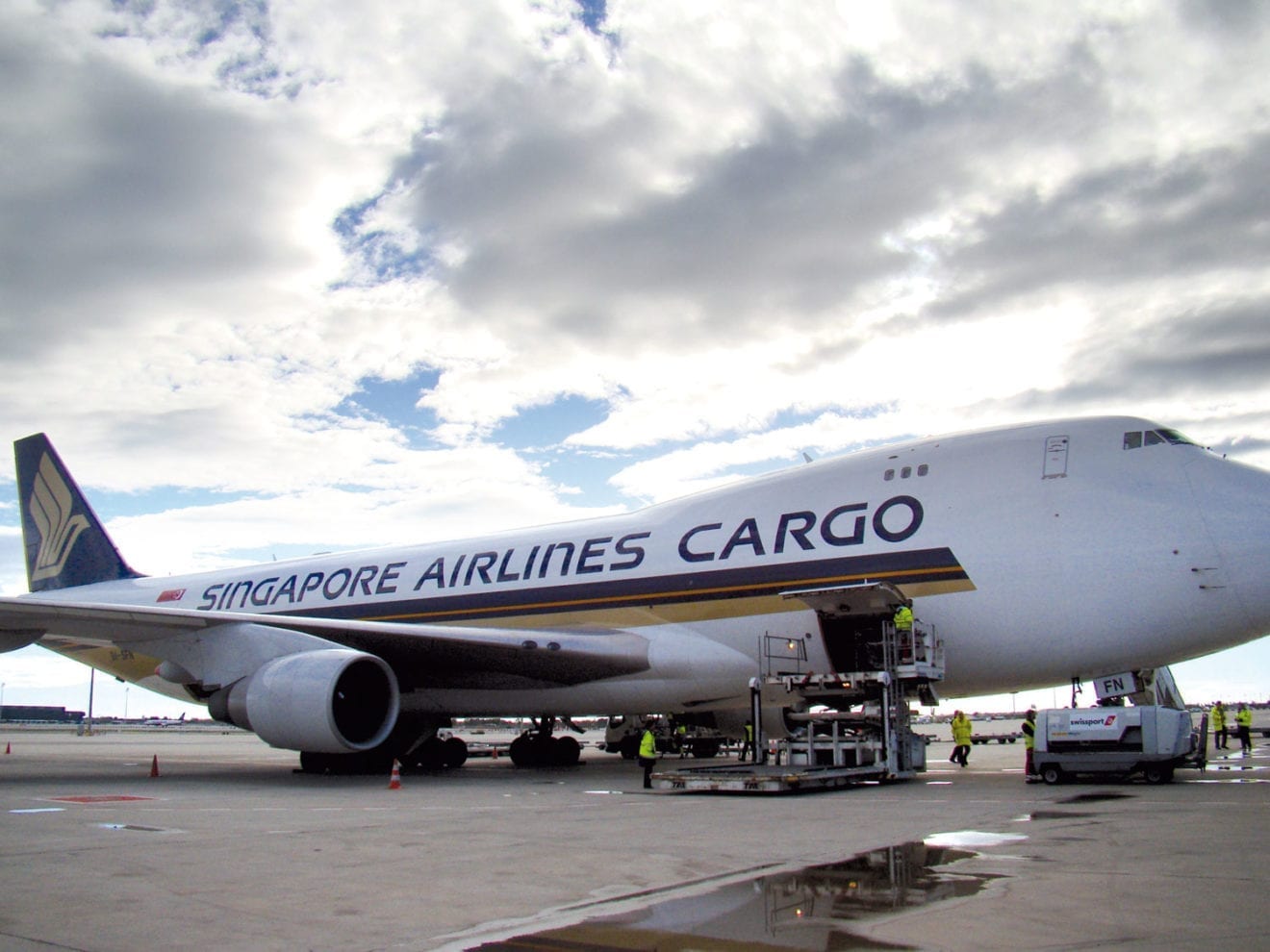
    SIA Cargo is the eighth carrier in the world to be awarded the CEIV Pharma certification, joining AirBridgeCargo, Air France, CAL Cargo Airlines, Finnair, KLM, Lufthansa and Turkish Airlines.

  • How a T-shirt helped a man become a millionaire

    How a T-shirt helped a man become a millionaire

    He helped a friend buy a S$51 Adidas T-shirt last year — and netted himself S$1 million on Sunday (Jan 15) in Changi Airport’s Be a Changi Millionaire draw.

    As a bonus, Mr Ade Iskandar Roni, 39, a procurement officer from South Jakarta, drew the name of his best friend in the Guess the Changi Millionaire lucky draw, winning his friend S$500 for picking the right millionaire out of eight finalists.

    Although the chances of winning increase exponentially with the amount spent at Changi Airport’s retail stores, Mr Ade’s purchase was the least expensive among the items picked up by the eight finalists in this year’s event — four of the other seven finalists, who hailed from Australia, China, India, Indonesia, Malaysia and the United Arab Emirates, bought liquor.

    An elated Mr Ade shed tears of joy when he was announced the winner. Mr Ade, who has five children aged 2 to 12, said he plans to use his windfall to bring his extended family for a visit to the Muslim holy cities of Makkah and Madinah, and perhaps buy a new car and house.

    “I didn’t think I would win, I cannot imagine how much this money is in Indonesia,” said Mr Ade through a Bahasa Indonesian interpreter.

    Into its seventh run, the 2016 edition of the retail promotion drew close to 1.2 million entries from 225 nationalities, primarily Singaporeans, Chinese, and Indonesians.

    To enter the draw, passengers and visitors to the airport must spend at least S$50 in a single receipt shopping or dining at Changi Airport. The eight finalists emerged after three rounds of elimination and gathered on Sunday to compete through several rounds of games to win the grand prize.

    Changi Airport Group (CAG) also shared on Sunday that sales at Changi Airport reached a record high of S$2.3 billion last year, up 5 per cent from the previous year.

    Online sales via the iShopChangi portal showed particularly strong growth of 76 per cent from the previous year.

    Chinese and Singaporeans were the strongest shoppers across platforms, contributing to half of overall retail sales.

    Travellers from Indonesia, India and Australia made up the next largest customer groups last year.

    The three most popular product categories were cosmetics and perfumes, liquor and tobacco, and luxury goods, contributing collectively to 70 per cent of sales.

    These were followed by electronic gadgets, and chocolates, candies, and delicatessen items. Online purchases comprised mostly beauty products, electronics, and alcohol.

    CAG executive vice president of commercial Lim Peck Hoon said high concession sales help to keep aeronautical charges — such as charges for landing, parking, and aero-bridges — competitive.

    The opening of second DFS Wines & Spirits Duplex at Terminal 2 — which houses a cigar room and whiskey house — and the Pokemon at Changi celebrations are examples of how the operator has tried to keep its retail strategy “innovative”, she added.

  • Singtel launches 450Mbps LTE-A nationwide

    Singtel launches 450Mbps LTE-A nationwide

    Singtel has announced the nationwide deployment of its 450Mbps LTE-Advanced service as part of the operator’s journey to 5G.

    The company has upgraded its LTE network in Singapore to support the pre-5G technology 256 quadrature amplitude modulation (256 QAM).

    The technology is designed to increase the number of unique waveform shapes to allow the carriage of up to a third more data, as well as increased spectral efficiency.

    Singtel will make the 450Mbps service available to all its 4G customers with compatible devices at no extra cost.

    Customers with Galaxy S7 and S7 Edge smartphones can take advantage of the faster speeds already, and Samsung plans to release a software update to also support the LG V20. More compatible smartphone models are expected to reach the market early this year.

    “Singtel is investing ahead to deliver faster speeds and wider connections with the steady deployment of innovative technologies on our live network,” Singtel CEO consumer Singapore Yuen Kuan Moon said.

    “With more customers consuming and sharing mobile videos, 450Mbps speeds will enable them to download movies in a flash and give them a better entertainment experience while on the go.”

    Singtel also announced it teamed up with Ericsson to demonstrate download speeds of 1Gbps in a live 4G network pilot at two sites. The speed was achieved by combining 256 QAM with 4×4 MIMO and tri-carrier aggregation technologies.

    The operator plans to roll out 4×4 MIMO technology on its network from next year. The first compatible devices are expected to be ready for launch by the end of 2017.