Tag: Singapore

  • Toys R Us Singapore plans two new stores

    Toys R Us Singapore plans two new stores

    Toys R Us Singapore plans two new stores, despite the current downturn in the retail market.

    Country manager Raymond Burt told Channel NewsAsia the first will open before Christmas and a second will follow in early 2017.

    The announcement came at the opening of the chain’s latest store at VivoCity, its ninth store in the city state.

    The locations of the new stores were not revealed although it is believed the new VivoCity outlet, with 30,000 sqft of floor space, will remain the largest in Singapore.

    “We will continue to grow here as we still see Singapore as a growth market,” Toys R Us APAC president Andre Javes said.

    “We don’t want to make decisions just based on the current economic situation which is tough… but this market has been a good one for the past 32 years and we have no issues investing more.”

    Javes, who described the toy category as “recession-proof” said he expects the company to benefit from a raft of branded merchandise opportunities related to Hollywood blockbuster movies scheduled for release in coming years.

  • Huawei launches IoT accelerator in Singapore

    Huawei launches IoT accelerator in Singapore

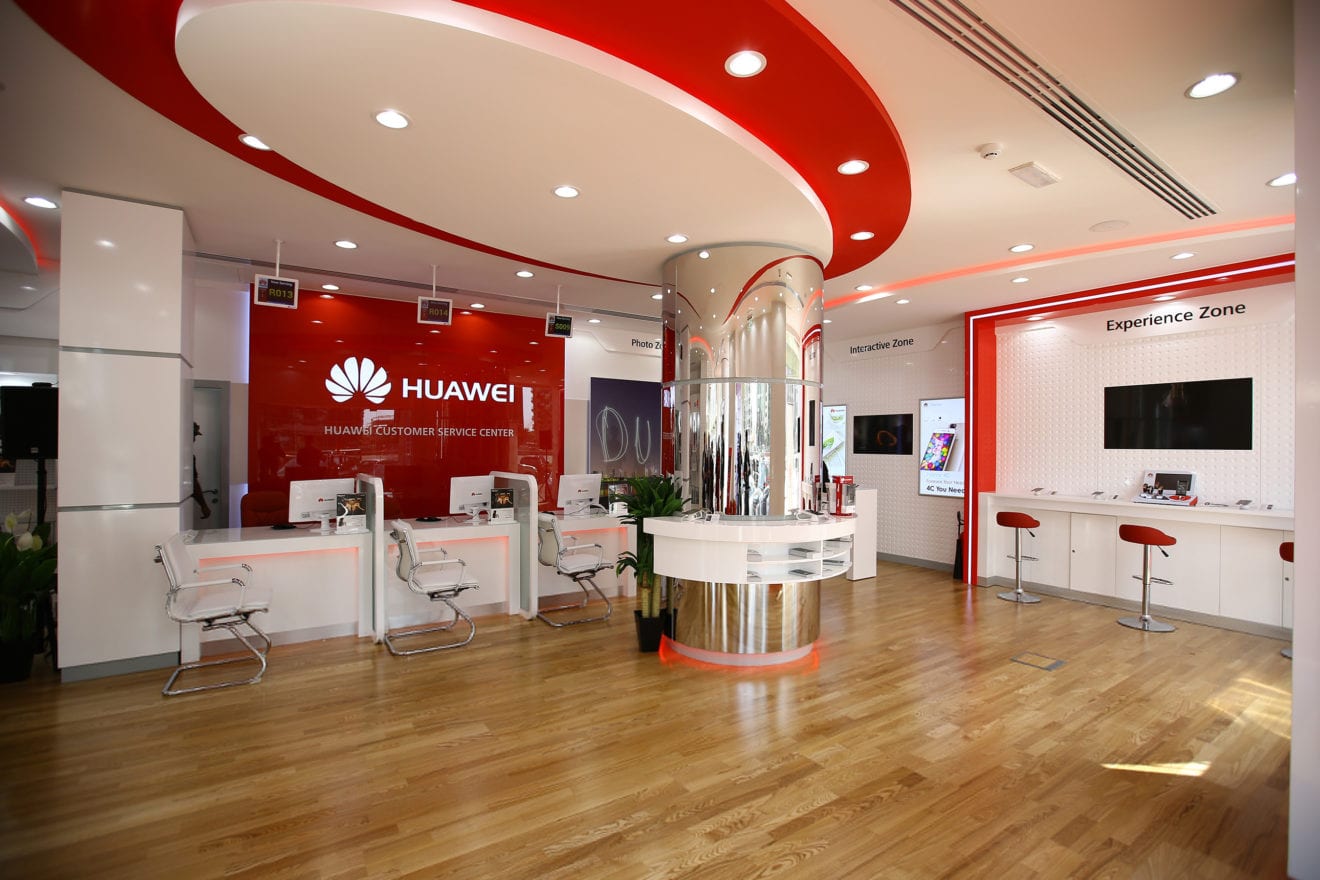
    Huawei has teamed up with the National University of Singapore (NUS) to launch its first IoT-focused accelerator in Singapore.

    The vendor will work with NUS’ entrepreneurial arm NUS Enterprise to provide start-ups with mentorship, access to investors, access to industry-grade test beds, and global co-marketing opportunities.

    Known as i5Lab, the accelerator seeks to support the development of Singapore’s next unicorn company by nurturing promising start-ups with Huawei’s real network environment and open platform as well as its global Go-to-Market channel capability.

    Huawei said i5Lab will follow the model of established Huawei collaborations with leading software and industry partners to develop solutions that will build a competitive industry ecosystem.

    As a global leading ICT player in 170 countries, Huawei works with 45 of the world’s top 50 telecommunications providers that provides connection to two-thirds of the world’s population.

    Start-ups will be able to leverage Huawei’s global partner ecosystem, and will also be invited to participate in joint marketing through Huawei’s Customer Solution Innovation & Integration Experience Center (CSIC), and large-scale events such as NUS Enterprise’s flagship event InnovFest unbound and CommunicAsia.

    “With one of the most connected societies, open data sets and high-skilled ready talent, Singapore is an excellent test bed to nurture IoT ideas that will bring us closer to a smarter future. We hope that start-ups will make full use of this collaborative platform and leverage on accumulated knowledge of industry-leading technology and expertise from Huawei and our global partners,” Huawei CMO for Southern Pacific Lim Chee Siong said.

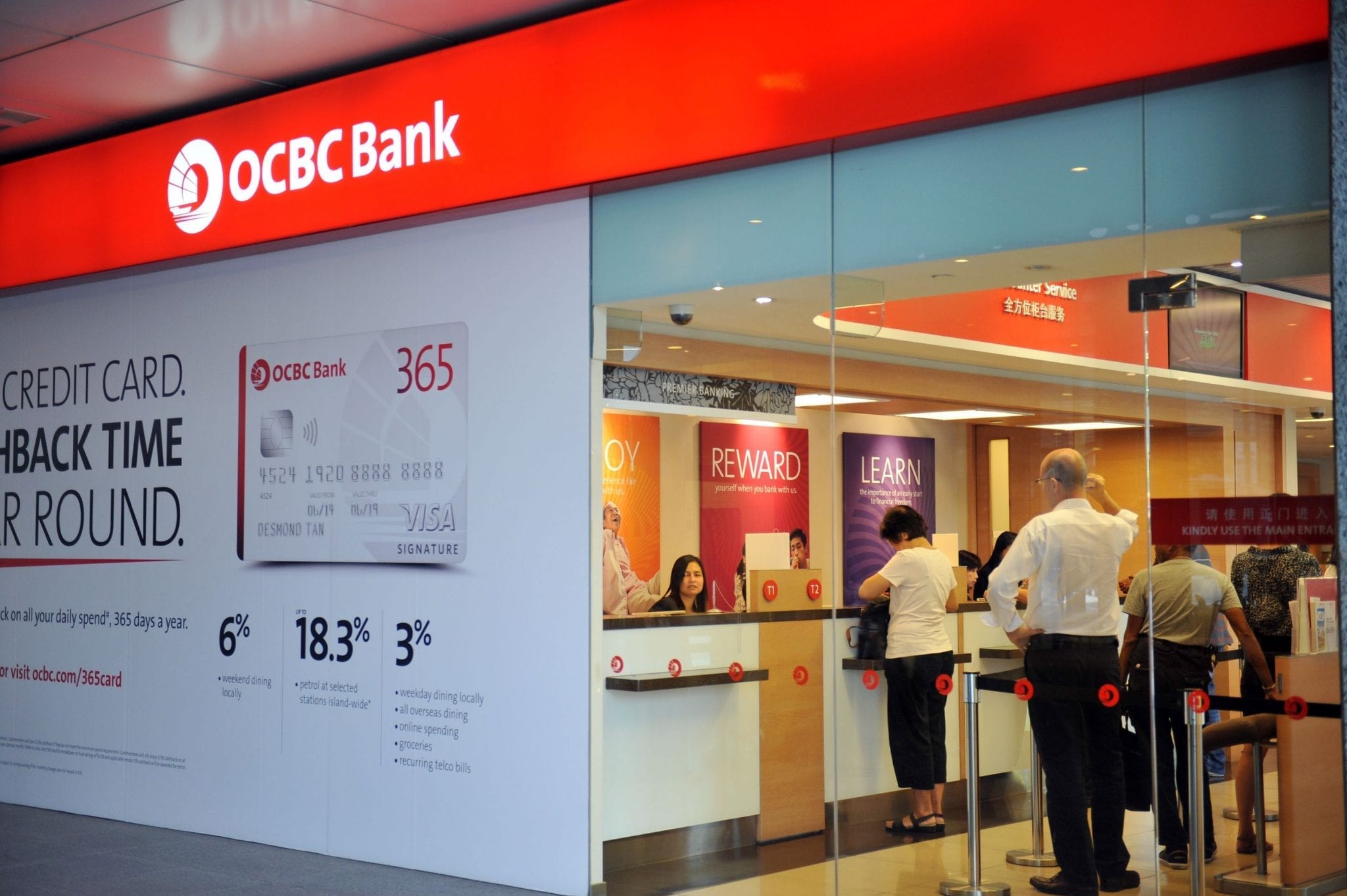
  • OCBC Bank is first local bank to win top honours

    OCBC Bank is first local bank to win top honours

    OCBC Bank marked another milestone in its journey towards ever-greater performance and business excellence by earning the World Class Award – the highest award tier – at the 2016 Global Performance Excellence Awards (GPEA), under the “Large Service” organisation classification. The GPEA is administered by the Asia Pacific Quality Organisation (APQO), an autonomous, scientific and technical organisation that brings together professional quality organisations from countries in Asia and the Pacific, including Singapore. For 16 years now, it has given out the Global Performance Excellence Awards – which are the only internationally-recognised honours for performance and business excellence.

    To be even considered for an Award, stringent criteria must be met. An organisation must start by being a winner at its own country’s national quality awards. Then, within two years, it must be recommended as a candidate for the GPEA by that country’s national quality award organising committee. OCBC Bank qualified by first being conferred the prestigious Singapore Quality Award by SPRING Singapore in 2014, following rigorous assessment of OCBC Bank’s consumer financial services business, and then by being recommended by SPRING Singapore for the GPEA.

    The organisations are reviewed by an international team of experienced examiners who assign scores and summarise the results of their assessment. The results and recommendations are then submitted to an international ‘Jury of Judges’ who make the final decision on which Award category each organisation wins.

    Mr Dennis Tan, Executive Vice President and Head of OCBC Bank’s Consumer Financial Services Singapore, said: “This award is an honour for all of us at OCBC, and is testament to our commitment to high standards of service quality. This is a key milestone in our journey towards organisational excellence. Since we embarked on our Business Excellence journey in 2001, we have tightened and enhanced our processes to deliver customer-centric, useful, fast, friendly and simple service to customers. This has earned us local recognition, with our 2014 Singapore Quality Award win, but we have not stopped there. We have continued to pursue even greater heights of business excellence – and this has culminated in our earning the Global Performance Excellence Award. While the team is very encouraged by this, achieving recognition is never a means in itself. We continue to consistently and relentlessly deliver quality products and services to meet our customers’ needs. Chasing excellence is a constant journey, never a destination.” 

    Mr Harnek Singh, President of the APQO, said: “Singapore has established itself as a leading financial centre. OCBC was amongst the first banks to win Singapore’s pinnacle award – the Singapore Quality Award – recently. This speaks volumes about the visionary leadership and well-entrenched, effective systems and processes that steer OCBC’s business excellence journey. With technology and innovation being increasingly a key competitive advantage, OCBC has successfully leveraged on technology and innovation as an enabler to offer innovative customer-centric offerings, cut costs, respond to changing customer expectations and create the agility needed to capitalise on opportunities in the market. OCBC has successfully offered a slew of award-winning, innovative products and services.” 

    OCBC Bank’s strengths in performance and business excellence are underscored by a focus on customer centricity and a competency in mining customer data through analytics to deliver intelligent customer experiences. OCBC was the first bank in Singapore to offer banking facilities at branches on Sundays, developed the ground-breaking OCBC 360 account (a deposit account that rewards customers with higher interest rates for banking more with OCBC Bank) and grew its youth segment – FRANK by OCBC – through intensive data analytics and research on how youths behave and desire to be engaged.

    OCBC Bank is also a leader in banking digitalisation. Over the past three years, it has introduced numerous first-to-market innovations in digital and mobile banking in Singapore to meet customers’ needs. Many of the bank’s customer touch points have been digitalised: Voice biometrics has replaced traditional identity verification when customers call its Contact Centre, the OCBC Open Account app now enables customers to apply for the popular OCBC 360 Account via their mobile phones or tablets without ever visiting a branch, and OCBC OneTouch uses fingerprint recognition to give customers quick and easy access through their mobile devices to their account balances and transactions. OCBC Bank has also launched a mobile application – OCBC One Wealth – that is a one-stop wealth management app providing customers with convenient access to market information, investment ideas, personalised alerts about their existing investments and even the ability to directly purchase unit trusts using their mobile devices.

    Mr Patrick Lim, Director of Business and Service Excellence at SPRING Singapore said, “OCBC Bank’s Consumer Financial Services Division was awarded the Singapore Quality Award in 2014 for having developed innovative new banking products and customised channel delivery, enabling it to be among the top banks in the highly competitive financial sector. Its recent GPEA win highlights the bank’s dedication to achieving business excellence. Recognition at GPEA proves the bank’s ability to demonstrate outstanding management capabilities while delivering superior performance and results.”

  • Standard Chartered and IBM back Byte Academy’s Singapore fintech school

    Standard Chartered and IBM back Byte Academy’s Singapore fintech school

    Standard Chartered Bank, IBM, Insead, Thomson Reuters and Microsoft are backing a fintech school at New York-based Byte Academy’s first international venture, in Singapore.

    The firms have come together to form a fintech skills charter that will guide Byte Academy’s 12-week and eight-week courses for students focussing on fintech and software development.The 12-week full-time courses will provide the fundamentals for students to work on real, industry-specific problems and allow for interaction with industry partners to prepare for direct placement and job matching upon graduation. Students that graduate receive guaranteed job placements at the bank and tech partners.

    Shameek Kundu, global head, data, architecture and innovation, Standard Chartered, says: “The establishment of Byte Academy is another progressive initiative which will help to fuel Singapore’s Smart Nation ambitions by adding to the country’s great ecosystem of financial institutions, technology companies, universities and research organisations.”

    Nobuhiro Ito, director, developer experience and evangelism, Microsoft Singapore, adds: “Byte Academy’s presence here in Singapore will help accelerate skills development that will help contribute to a more vibrant FinTech ecosystem and build a stronger Singapore core.”

  • John Little to close last store by year end

    John Little to close last store by year end

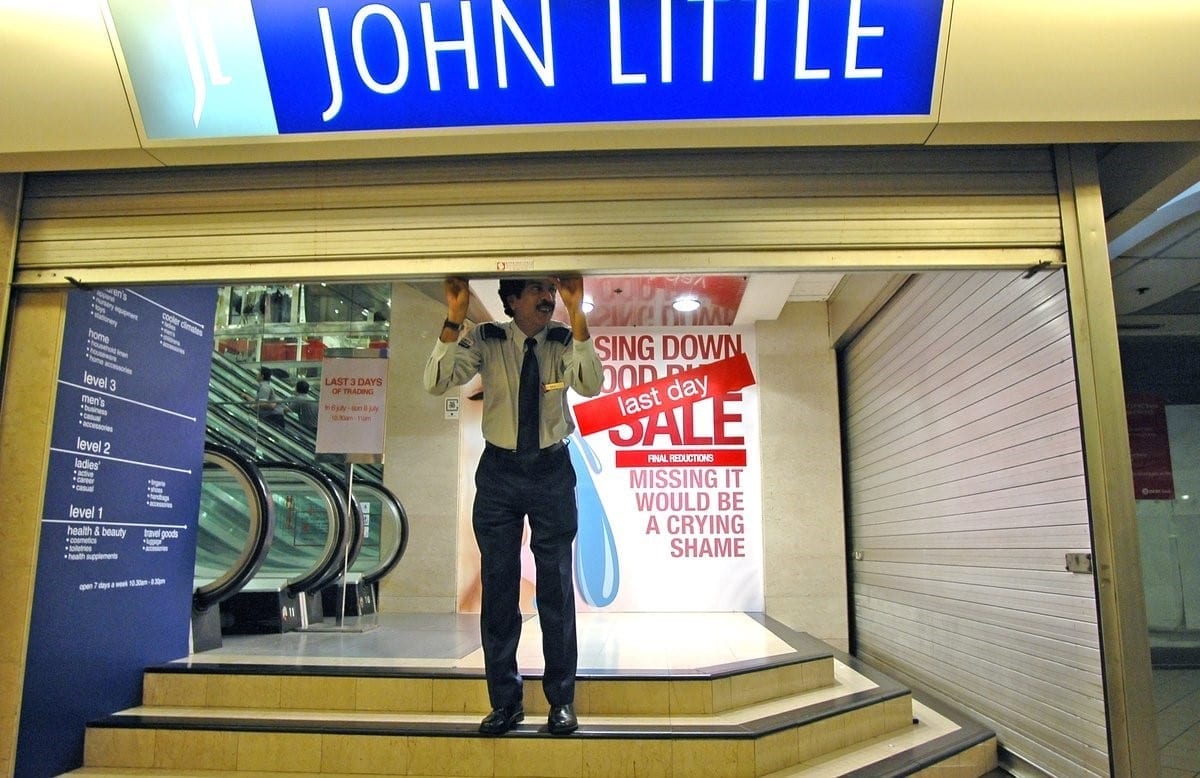
    After 174 years, John Little is closing its last department store in Singapore.

    The remaining outlet at Plaza Singapura will shutter by the end of next month.

    In a statement on Friday, Robinsons Group – which manages John Little, the oldest department store in Singapore – said that the decision was made “after evaluating the relevancy and sustainability of the John Little brick-and-mortar business”.

    But it does not mark the end of the John Little brand. Robinsons Group said that John Little will “evolve as a brand into a pop-up format, which is in line with the global trend for retail businesses”.

    John Little’s new format will be revealed next year.

    The closure is part of consolidation efforts to focus on businesses that are growing within the group, the statement said.

    The Al-Futtaim Group – the Dubai-based owner of Robinsons Group, Royal Sporting House and other retail brands – announced plans earlier this year to shut 10 loss-making outlets here.

    John Little had seven branches in 2002, including its flagship store at Specialists’ Shopping Centre, which it vacated in 2007, after more than 20 years.

    Its outlet at Jurong Point shopping mall shut its doors earlier this year.

    Staff affected by the closure of John Little have been briefed and will be deployed to other businesses within the organisation, which includes Robinsons and Marks and Spencer, Robinsons Group’s statement said.

    John Little Plaza Singapura will be holding a moving-out sale offering discounts of up to 90 per cent until it closes.

  • Singapore shop owner keeps no shopkeeper, trusts in customers’ honesty

    Singapore shop owner keeps no shopkeeper, trusts in customers’ honesty

    At a void deck below a Housing Board block in Hougang is a provision shop but, unlike many others, no one attends to it.

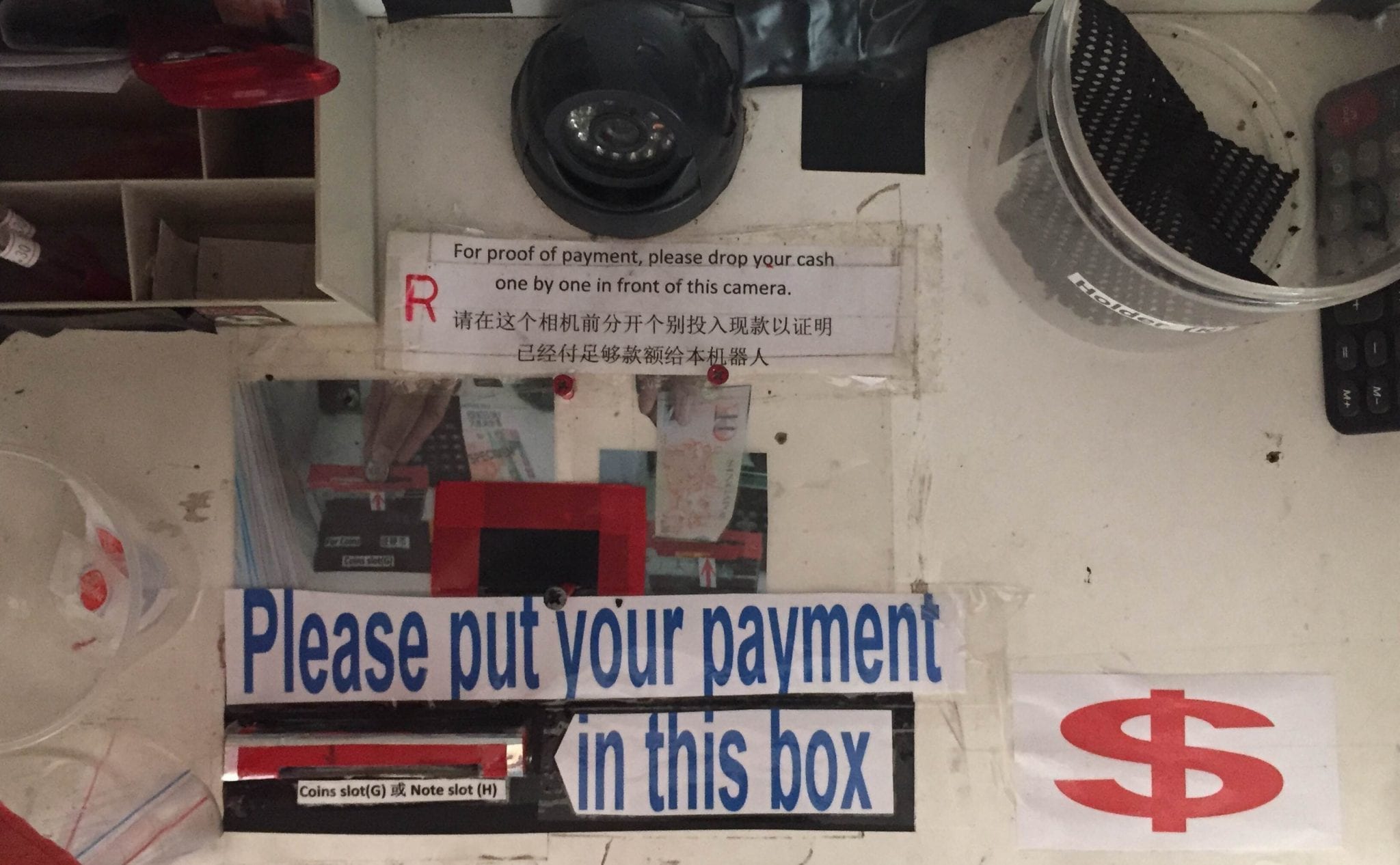
    A handmade cash register at the front of the shop displays instructions on how to pay for items: check the price tag, show it to any one of the shop’s eight closed-circuit television (CCTV) cameras, and place the money into a slot. To get change, press buttons on the register to either get $1 or $0.10 back in coins.

    The “shopkeeper-less” store at Block 242 Hougang Street 22 is owned by Alex Song, 54, who runs a clothing store town and got into the provision shop business in June 2015 “with no experience”.

    Within the first three months, he figured out why many provision shops struggle to survive. It was difficult to hire shopkeepers he could trust and suppliers were charging him a high price, he said.

    “The cost price of my items were sometimes higher than the retail price at supermarkets,” Song said on Tuesday, November 1.

    To cut manpower costs, the former airforce technician fashioned his own “robot cash register”, at a cost of less than $200, to man the shop. The robot-looking cash register is made mostly of wood, with some plastic and metal, with CCTV cameras embedded as its “eyes”.

    He started by placing just a small amount of sweets and biscuits for sale in front of the shop, and closed the rest of the store. Four CCTV cameras kept an eye on would-be thieves.

    “At first I was worried that when I return to the shop at night, I would see an empty shop,” he said with a laugh.

    He progressively opened more of the shop and added four more CCTV cameras to cover blind spots. The cost of the eight CCTV cameras set him back by about $1,000.

    He estimated that thieves strike about twice a month, causing him losses of about $50 per month – an amount he said pales in comparison to the $1,500 it would cost him to hire a shopkeeper.

    Photographs of thieves, captured by his CCTV cameras, are plastered around the store.

    But he has made a police report just once, when a group of people stole from the shop.

    “After I put up the photos, some of the thieves actually came back to return me money and apologise, so I let it slide,” said Song.

    He recalled one case in which three children, all siblings, stole food and drinks worth over $10 at his store.

    “The cameras caught them very clearly. After I put up their photos, their mother brought them to my shop to apologise and pay me back. She was very sad and cried,” he said.

    “It woke the kids up. A few days later, they wrote a letter to me to apologise.”

    In another case, a man pretended to pay for a can of luncheon meat at the register but used his head to block the CCTV camera. But he did not realise that another CCTV camera in front of the register caught him putting the coins into his mouth instead.

    The man is still at large.

    But despite the hassle of running the shop this way, Song said: “It’s worth it if one person can change for the better and not steal anymore in future.”

    Meanwhile, he is looking for a new location to move his provision shop to.

    “I’m not making money, not because of the (shopkeeper-less) system but because of the poor crowd. But I’ll bring the system along with me to the next location,” he said.

     

  • Siam Makro buys four food companies

    Siam Makro buys four food companies

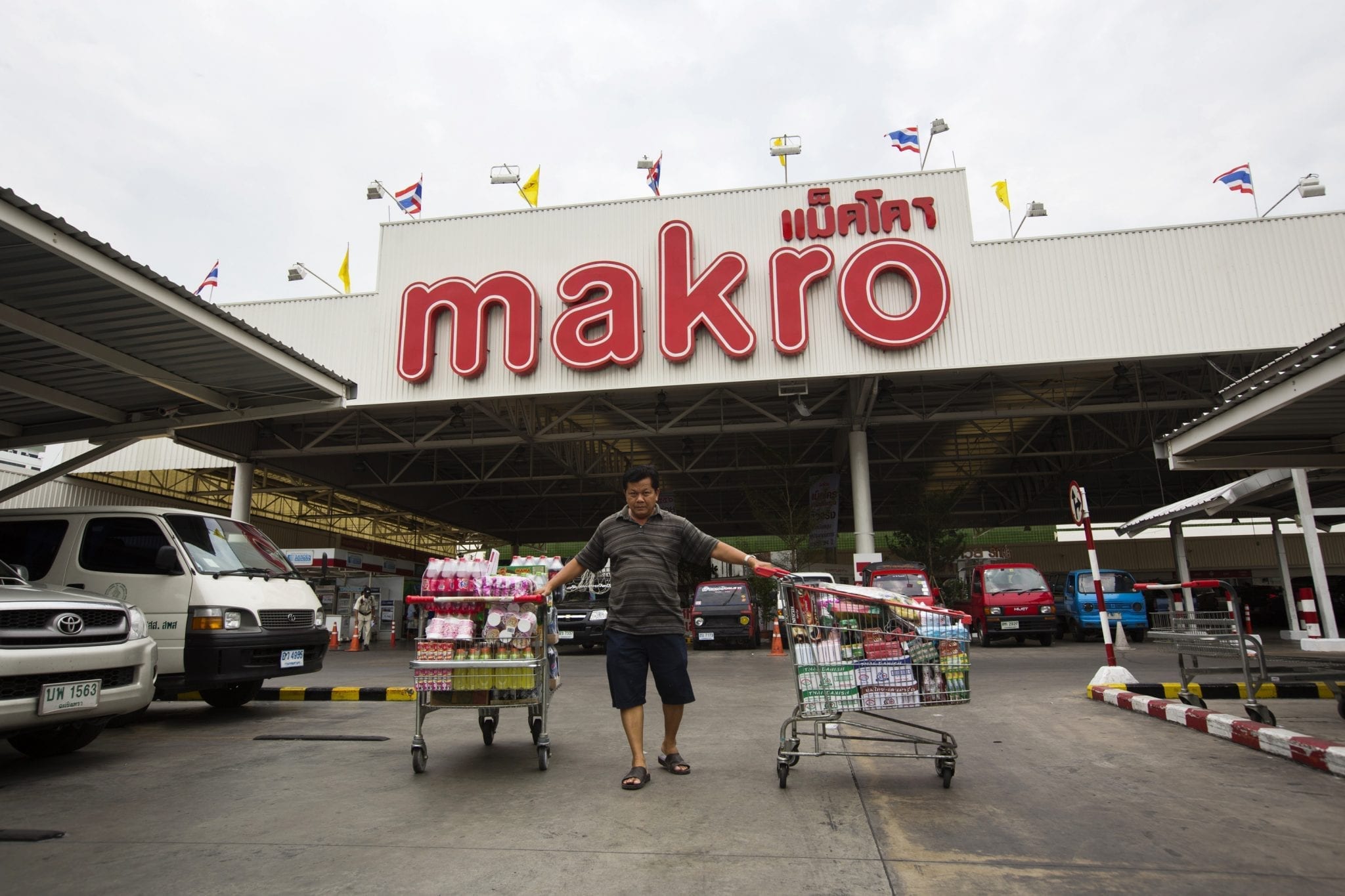
    Siam Makro, which runs the Makro cash-and-carry store chain, has clinched a 3-billion-baht (US$85.75 million) deal to acquire four food companies.

    Through its wholly owned subsidiary Siam Food Services, Siam Makro has entered into an agreement to acquire an 80 per cent stake in each of Indoguna (Singapore), a listed firm on the Singapore Exchange, Indoguna Dubai, Lordly and Just Meat. Indoguna is listed on the Singapore exchange, while Lordly and Just Meat are Hong Kong listed.

    The funds will come from Siam Makro’s cash flow and bank loans.

    Siam Makro’s major shareholder, Charoen Pokphand Group (CP), has its strength in the food and agricultural businesses. CP acquired a 64 per cent stake in the cash-and-carry chain from the Dutch trading company SHV Holdings for $6.6 billion in 2013.

    Siam Makro has partnered with with local companies to take its Makro cash-and-carry chain to Cambodia. The JV is 70 per cent owned by Makro ROH, a wholly owned subsidiary of Siam Makro, and the balance by Cambodian investors, with $2 million in initial registered capital.

    Siam Makro plans to open 10 stores in Thailand this year, bringing its total outlets to 108 nationwide. During the first half, Siam Makro posted a net profit of 2.38 billion baht on revenue totalling 85.7 billion.

  • Goldman’s Instructed by ANZ

    Goldman’s Instructed by ANZ

    It has been an interesting week for Australian bank ANZ. On Monday it agreed a deal with Singaporean bank DBS to dispose of its Asian wealth units. Now it appears the bank has hired Goldman Sachs for another deal.

    According to a report the bank has appointed Goldman Sachs to lead the sale. Also involved in any transaction will be the Melbourne-based boutique Flagstaff Partners.

    Insurance Units Next to go?

    Flagstaff has worked with ANZ on several occasions including as a financial adviser to the ANZ Banking Group on the sale of ANZ Trustees to Equity Trustees. It also acted as a financial adviser on the acquisition of the remaining 51 percent shareholding in the ANZ-ING wealth management and life insurance joint venture.

  • Alibaba-backed Lazada acquires online grocer RedMart

    Alibaba-backed Lazada acquires online grocer RedMart

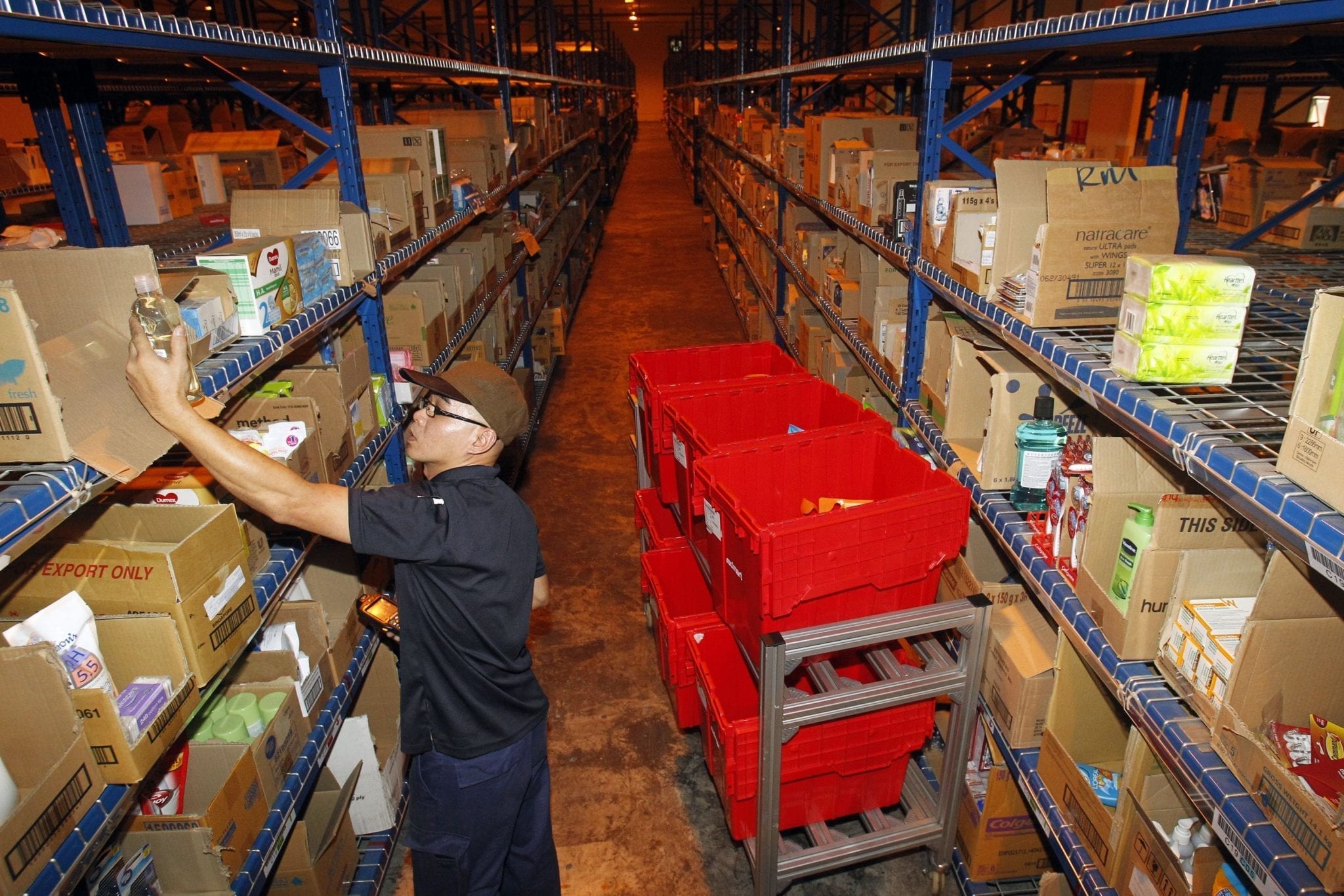
    On Wednesday, Singapore-based e-commerce company Lazada announced that it will acquire Redmart, an online grocery retailer.

    Singapore startup Lazada, whose platforms sell goods from smartphones to baby products throughout the region of 600 million people, said in a statement it would buy Redmart to benefit from its operational and technological capabilities. It did not reveal financial details involved in the deal.

    Lazada said it expects the transaction to be completed in the fourth quarter of this year, adding that RedMart will be led by its current management and will “continue to operate independently” after the transaction. RedMart now operates in Singapore but it has long harbored expansion ambitions.

    Lazada Group CEO Maximilian Bittner said that RedMart’s strong management team and relentless focus on putting the customer first has resulted in customers loving them in Singapore. The capital flexibility provided through this deal will go towards innovating to delight our customers.

    The acquisition come months after Japanese e-commerce operator, Rakuten, shuttered its online stores in Singapore, Indonesia, and Malaysia.

    Amazon has plans to expand to South-east Asia, and there are signs the online retail giant is entering the region through Singapore, Techcrunch reported on Wednesday (Nov 2).

    More specifically, China, which can leverage its manufacturing hub and market size. The company said that this alignment will help it expand into new product categories faster.

    Amazon has also been preparing for the local launch by quietly acquiring new assets such as refrigerated trucks, and hiring new staff.

    According to reports, Amazon plans to roll-out selected services in Singapore within the first quarter of 2017. Chinese e-commerce leader Alibaba bought a controlling stake in Lazada in April this year in a US$1 billion deal.

    However, the research firm noted that while the region presented significant growth opportunities, market players would be challenged by low credit card ownership, which now stood at lower than 7 percent in all Southeast Asian markets except Singapore and Malaysia.

  • Challenger Technologies takes revenue hit

    Challenger Technologies takes revenue hit

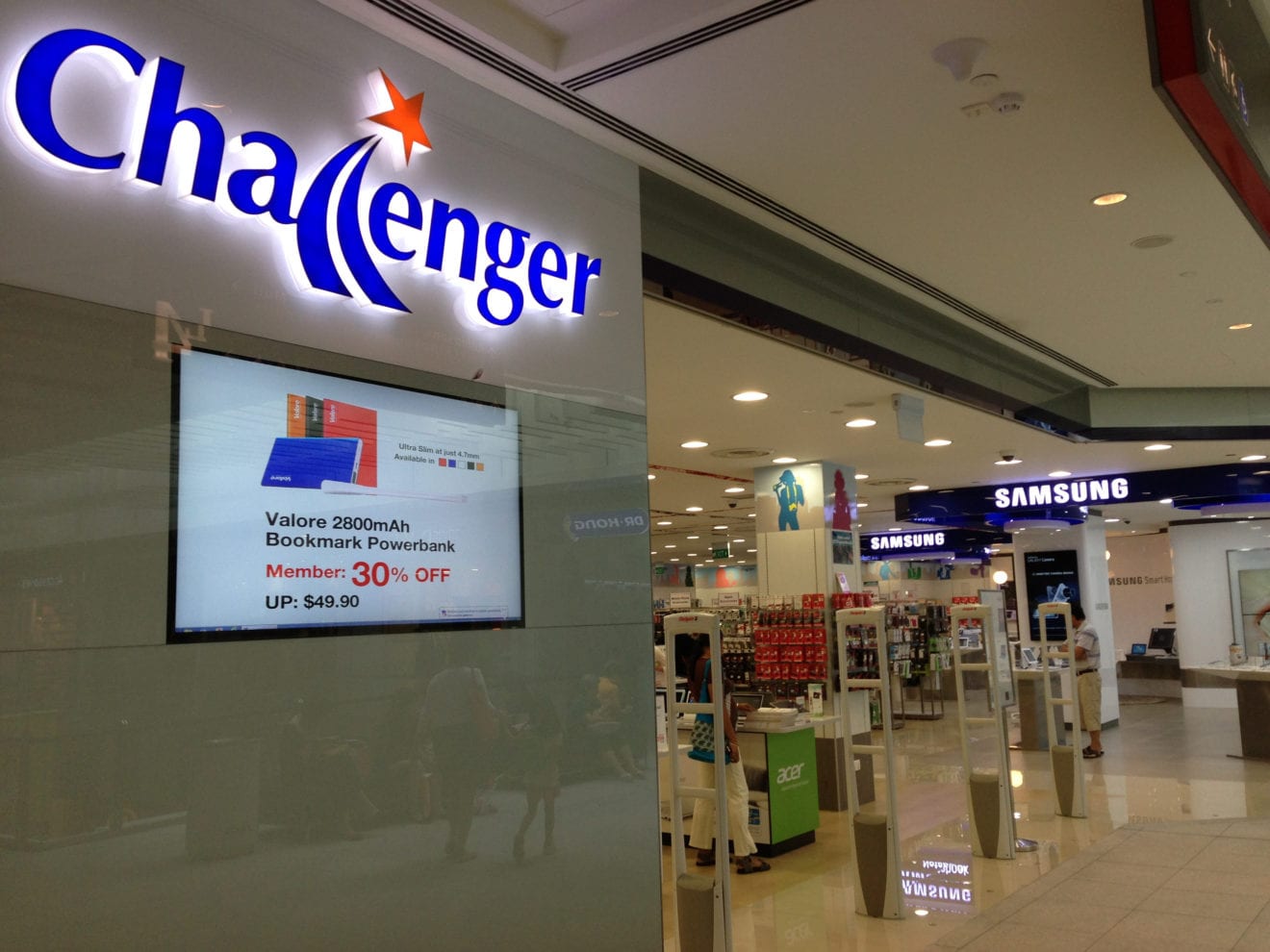
    Challenger Technologies has experienced a significant slump in retail sales.

    While group revenue for the Singapore IT products and services provider remained flat at S$256 million (US$184 million) for the nine months to September 30, its third-quarter dropped 16 per cent to $74.4 million.

    This was mainly because of a decrease of $7.5 million in retail sales brought on by the weakened market, as well as a $5.6 million fall in corporate sales.

    CEO Loo Leong Thye says the company will continue to enhance its omnichannel offerings so it can reach offline and online customers faster.

    Net profit fell by about 16 per cent to $9.1 million for the nine months, and for the third quarter took a 49 per cent dive to $1.8 million. The company says this was caused by an impairment provision of about $1.2 million for investments in a last-mile delivery provider, which has since scaled down. Without this, net profit for the nine months and third quarter would have decreased by 6 and 17 per cent respectively.

    The rest of the decrease was because of lower gross profit from lower revenue, despite a marginal increase in gross profit margin.

    To date, the group has 44 stores in Singapore, comprising 25 Challenger superstores and 19 small-format stores.

  • 2017 APAC Effie Awards Call for Entries Announced

    2017 APAC Effie Awards Call for Entries Announced

    The Asia Pacific Effie Awards has announced the Call for Entries for the 2017 season. Recognized by agencies and marketers to be the most prestigious effectiveness awards in the region, APAC Effie, now in its fourth edition, continues to honour marketing communication campaigns that have achieved outstanding measurable results.

    The 2017 competition offers 42 categories, spotting several changes to stay relevant to the evolving marketing landscape in Asia Pacific. 3 new Specialty Categories are introduced – Branded Content, Programmatic, and Seasonal Marketing.

    In addition, the Positive Change Effie Awards, a multinational programme run in collaboration with the World Economic Forum, is now offered as part of the APAC Effie program under Environmental – Brands and Environmental – Non-Profit. In alignment with global practices, we have rebranded Goodworks – Brands as Social- Brands, and Goodworks – Non Profit as Social – Non-Profit under the Positive Change categories this year. Full list of categories and category definitions are available in the Entry Kit.

    “As one of the most coveted accolade in this region, the APAC Effie has become the “must-enter” award in the region’s competition calendar. This is where we can demonstrate our capabilities to deliver innovation, creative solutions and results for brands,” said Anthony Wong, the 2017 Awards Chairman. He added, “I am excited to see the cases and look forward to be inspired by outstanding work that represents the best of the region – and the world.”

    The 2017 Awards is now accepting entries through to December 2016 for all marketing communication efforts that have ran in Asia Pacific during the qualifying period. Winners will be announced at the Awards Gala in Singapore in April 2017.

    Visit www.apaceffie.com for more information on the competition.

  • Iconic Global Brand, Calvin Klein, Debuts on ZALORA

    Iconic Global Brand, Calvin Klein, Debuts on ZALORA

    ZALORA, Asia’s online fashion destination, today announced a partnership with iconic global lifestyle brand Calvin Klein to launch Calvin Klein Jeans, Calvin Klein Underwear and Calvin Klein Performance at ZALORA.com across the Asia region. This partnership significantly expands the distribution of Calvin Klein presence in five key markets including Singapore, Hong Kong, Taiwan, Malaysia and Philippines. Fashion-conscious customers from these countries can now buy their favourite Calvin Klein products on-the-go and at the comfort of their home at ZALORA website and Calvin Klein owned online store.

    ZALORA will launch the Fall 2016 season with Calvin Klein Jeans – the original designer jeans that exemplifies sexy, provocative and youthfulness; Calvin Klein Underwear – the first designer underwear that is modern, body conscious and sensuous; and Calvin Klein Performance – a contemporary and stylish athleisure wear. Offering over 300 assortment of product from womenswear, menswear, underwear, bags and small leather goods, ZALORA.com is a comprehensive one-stop online shopping destination for Calvin Klein fans.

    “We are thrilled to be launching Calvin Klein across all of our markets in Asia,” said Parker Gundersen, Chief Executive Officer of ZALORA Group. “Calvin Klein enjoys tremendous appeal across Asia and this launch will be an exciting enhancement to our brand portfolio. With strong partners like Calvin Klein, we remain well ahead of the competition in terms of product assortment and ability to serve the millions of consumers throughout Asia seeking trusted and convenient access to fashion online.”

  • Singapore’s MyRepublic launches in Australia

    Singapore’s MyRepublic launches in Australia

    Singapore-based ISP MyRepublic will launch in the Australian market later this month over the national broadband network (NBN), as part of the company’s ongoing regional expansion.

    MyRepublic will launch an unlimited data service at the fastest NBN speeds available in that area at the single price of A$59.99 ($46.10) per month.

    Unlimited data plans are still relatively rare in the Australian market due to a lack of competitive fixed-line infrastructure, even as the NBN wholesale network is progressively deployed.

    MyRepublic Australia managing director Nicolas Demos said the company plans to differentiate by offering the best speeds possible with unlimited allocations.

    “It is time to educate Australians on the value of quicker speeds without the restrictions of data caps,” he said.

    “Australia has the 48th fastest average internet connection speed in the world. Over 80% of Australian customers on the NBN are currently running on speeds similar to ADSL technology. We will deliver customers the best speed they can get – at their location – with our unlimited plan offer with local support at a fair price.”

    MyRepublic was founded in 2011 and was the first company is Singapore to offer 1Gbps broadand services for under S$50 ($36) per month. The company has been pursuing regional expansion, and has so far also launched services in New Zealand and Indonesia. At home, the company is vying to become Singapore’s fourth mobile operator.

  • Manchester United stars to introduce Cafe Football

    Manchester United stars to introduce Cafe Football

    Former Manchester United stars Ryan Giggs and Gary Neville will open a football-themed cafe in Singapore next year as part of a business venture with real-estate firm Rowsley.

    rmp_cafe_football_0823-1280x853-

    Gary Neville (left) and Ryan Giggs team up.

    Cafe Football is the first overseas venture for the UK franchise, which also includes Hotel Football just beside Old Trafford in Manchester.

    Cafe Football and Hotel Football were initially set up by Singaporean businessman Peter Lim along with five of the Manchester United’s “Class of 92” cohort, which includes Giggs, the Neville brothers Gary and Philip, Paul Scholes and Nicky Butt. Rowsley last year acquired the majority share of both Cafe Football and Hotel Football, as well as hotel management company GG Collections.

    The company has just revealed its intention to bring the franchise to Asia, as well as Europe, over the next decade. It has identified China and India as the main markets it is targeting for expansion.

    “We’ve been approached quite a lot by partners to expand,” says Gary Neville, who played 602 games for the club. “Knowing there’s quite a lot of excitement in the market, we’re filtering down to the best opportunities that support our brand and product.

    “So far, we’ve had fantastic reviews in Manchester, with a more than 80 per cent occupancy rate even during non-match days. Now we are looking for a UK, Europe and Asian expansion over the next 12 to 18 months to add multiple properties.”

    Neville says they hope to build more than 5000 rooms over the next 10 years. They are hoping to open in Indonesia, Malaysia and Thailand, with some developments including both a hotel and cafe, while others will be a cafe only.
    There are currently two Cafe Football outlets in the UK, in Manchester and London. The cafes feature menus divided into “defence, midfield and attack”, with dishes named after football phrases such as “The Special One”, “Mexican Wave” and “El Classico”.

    Lim previously was involved in a football-themed eatery in Singapore. Fashion brand distributor FJ Benjamin, of which Lim is a shareholder, co-owned the now-defunct Devil’s Bar, a sports pub with a Manchester United theme, at Orchard Parade Hotel.

  • M1 equips first building with fiber under FRS

    M1 equips first building with fiber under FRS

    Singapore’s M1 has been selected as the Fibre Ready Scheme (FRS) partner for property developer Ascendas-Singbridge, and has completed the first commercial fiber upgrade installation under the deal.

    The companies have equipped seven-storey integrated business park Ascent with fiber, making the Singapore Science Park facility the first FRS-enabled building.

    M1 and Ascendas-Singbridge plan to install and enhance fiber infrastructure at 70 commercial deals by 2018 as part of the alliance.

    “M1 was the first to launch commercial fiber broadband service in 2010, and we are pleased to build on that effort to partner Ascendas-Singbridge to install and upgrade the fiber infrastructure across its commercial buildings island-wide,” M1 chief corporate solutions and sales officer Willis Sim said.

    “This will enable even more corporates to rapidly enjoy M1’s innovative, competitively priced, and highly effective business connectivity service and corporate solutions such as cyber security and unified communications.”

    The FRS is an initiative of the Infocomm Media Development Authority (IMDA) as part of an S$200 million fund to help owners of commercial buildings enhance the location’s telecoms infrastructure. It involves offering a one-time subsidy to defray the costs of an upgrade.

    “With the addition of Ascendas-Singbridge’s 70 buildings, close to 200 buildings have applied for FRS to date,” IMDA assistant CEO Khoong Hock Yun said.

    “We strongly encourage more commercial building developers and owners to leverage on the FRS to enhance and future-proof its buildings’ fiber infrastructure before the program and funding ends in March 2018.”

    strongly encourage more commercial building developers and owners to leverage on the FRS to enhance and future-proof its buildings’ fibre infrastructure before the programme and funding ends in March 2018,”