Tag: Singapore

  • Tokyo Tsuta ramen eatery to open in Singapore

    Tokyo Tsuta ramen eatery to open in Singapore

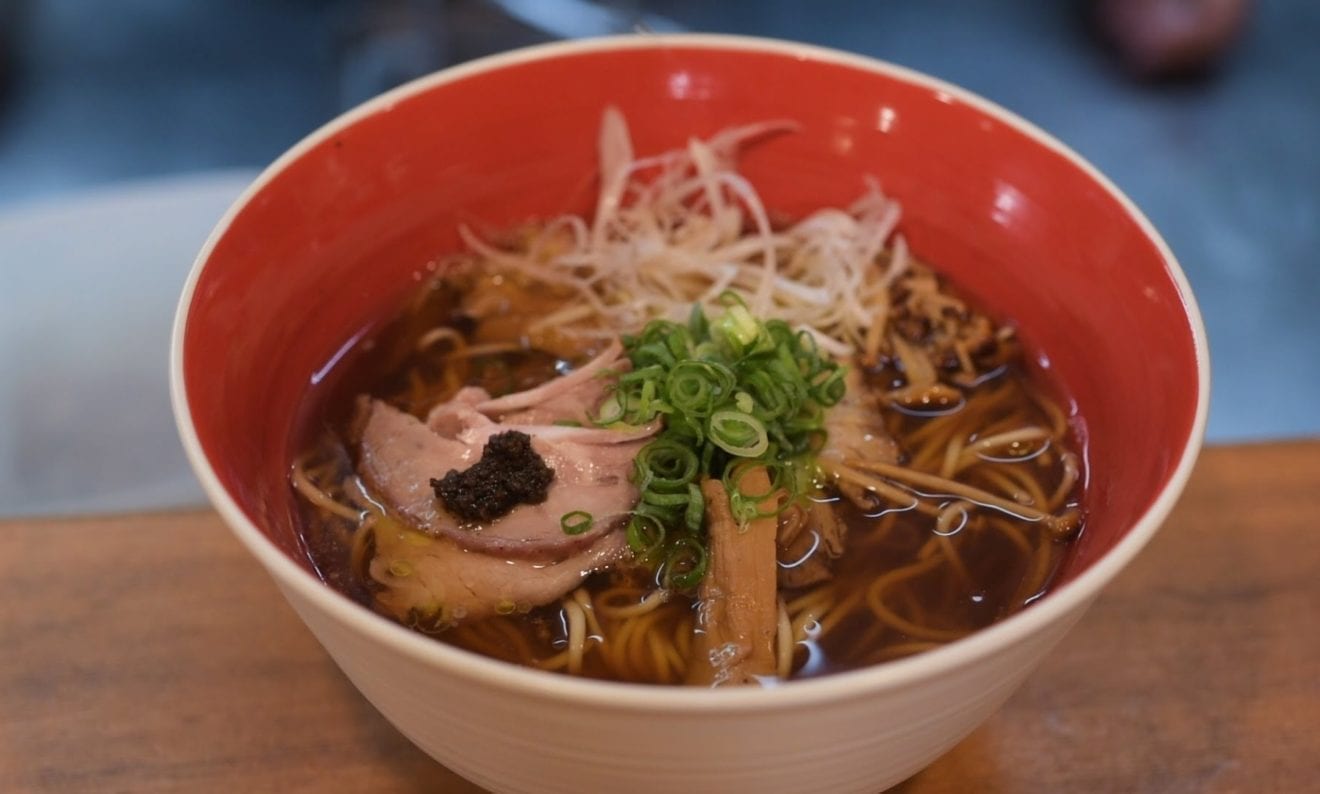
    The world’s only Michelin-starred ramen restaurant Tsuta is to open in Singapore in October.

    The Japanese eatery has been signed up by Pacific Plaza on Scotts Rd and will mark the restaurant’s first location outside its home market.

    Earning a coveted Michelin star this year has boosted the already-popular Tokyo establishment into something approaching cult status. The restaurant, located in the suburb of Sugamo, has just nine seats and limits its servings of ramen to 150 bowls each day. That has prompted customers to queue from as early as 6am so as not to risk missing out and tickets for a day’s dining usually sell out by 8am.

    The Pacific Plaza restaurant will be twice the size, with 18 seats and offer three soup bases – miso, Shoyu soba and shio soba. Chefs will be carefully trained to ensure the quality of the dishes served match those sold in Tokyo – and that the ramen sold is “the best in Singapore”.

    Tsuta ramen seats

    Founder Onishi says there are many pork-bone ramen shops in Asia, but he was determined to be different.

    “My aim is to create a ramen shop that can leave an impact with its unique dashi and umami flavours, and become as popular as tonkotsu ramen. For me, shoyu ramen is what usually comes to mind when one thinks of Japanese ramen.”

    Images courtesy of Mitsueki, Singapore food and travel blogger. Read more about Tsuta and view more photos here.

  • CDL Is Ready To Launch Forest Woods In Singapore

    CDL Is Ready To Launch Forest Woods In Singapore

    Forest Woods is a new launch residential development from City Developments Limited (CDL) located along Lorong Lew Lian. The project is targeted for people who prefer a serene and tranquil environment to live in but that comes with the benefit of modernized and unique communal facilities.

    While speaking about the project location, a prominent realtor Michael said, “Convenience and ease of access are just some of the benefits that will be coming with Forest Woods. The development is located just a few minutes away from the Serangoon MRT station and one can easily walk there. It can also be easily accessed via the Serangoon Bus Interchange and MRT station which are a walking distance away. There will be easy access to the major expressways including the Pan Island Expressway, Kallang-Paya Lebar Expressway and Central Expressway.”

    “In today’s world of heavy traffic jams and tight schedules, people are without doubt looking for convenience. They do not want to be spending hours on end on the road commuting from home to work and vice versa. They are also not looking for to have to sit in traffic jams for several hours just to be able to do their shopping. They would like to be able to shop stress free and also move around easily and conveniently. These are all factors that Forest Wood has taken into account,” spokesperson at City Developments Limited explained. True to City Development’s word, Forest Woods condo is located very close to major shopping malls including Hougang Mall, Heartland Mall, Upper Serangoon Shopping Centre and NEX Mega Mall.

    The strategic location of the projects makes it close to many other retail entertainment amenities like Maplewood Park, retail outlets and dining options including Chomp Chomp Food Centre and Serangoon Gardens. “The project takes care of the family with kids and is close to reputed schools including Cedar Girls’ Secondary School, St Andrew’s Junior College, Xinghua Primary School, Nanyang Junior College, Zhonghua Primary & Secondary School and Yangzheng Primary School just to mention a few,” adds Michael.


  • Half Of Rolling Stone Sold To Singapore Music Company

    Half Of Rolling Stone Sold To Singapore Music Company

    Rolling Stone is teaming up with the son of an Asian business giant.

    Wenner Media, which owns the nearly 50-year-old music magazine, will sell a 49% stake in the publication to Singapore-based social music company BandLab Technologies.

    BandLab was created by Meng Ru Kuok, the son of the billionaire founder of the world’s biggest palm oil company.

    Though BandLab’s signature product is its eponymous music making and sharing app, the business also has ties to retail. It recently bought MONO, a music instrument accessories company. Gus Wenner, head of digital at Wenner Media, said the company sees “enormous opportunity” for Rolling Stone to enter “new areas of business.” Wenner’s father, Jann Wenner, is the magazine’s co-founder.

    The deal is being positioned as a chance for Rolling Stone to move into digital and retail, and to expand its influence in Asia.

    In its announcement Sunday, Rolling Stone said an international subsidiary will be created and headquartered in Singapore.

    The magazine has been embroiled in controversy recently.

    The magazine retracted a 2014 piece called “A Rape On Campus,” about an alleged frat house gang rape at the University of Virginia, after doubts surfaced about the veracity of the primary source’s claims.

    An administrator at the university is suing the magazine for defamation, seeking millions in damages. A separate lawsuit brought by members of the fraternity was dismissed.


  • Cost-cutting isn’t cutting it anymore for Singapore’s struggling retailers

    Cost-cutting isn’t cutting it anymore for Singapore’s struggling retailers

    Profits plummeted by 30% over the last 5 years.

    Retail firms have been thinking out of the box in terms of cost-cutting to constrain cost growth, but they can only do so much on back of the struggling retail industry.

    According to a report by BNP Paribas, retail trade firms have seen persistent erosion of profit margins.

    “Aggregate revenue growth for the roughly 22,000 retailers has been hard to come by (5-year nominal CAGR of 1.2%). This likely reflects slower domestic growth and the impact of macro-prudential tightening,” the report noted.

    Additionally, retailers have also grappled with labour market policies spurring strong wage gains (5Y CAGR of 7%) and, more recently, rising debt service.

    “As a result, we estimate industry-wide pre-tax profits fell by 30% over the last 5 years,” the report added.

    Meanwhile, similar sinking trends in profit margins are also manifest in the services sector, as labour market data indicates firms are now attempting to pass the problem on to households by shedding jobs.

    “In turn, these developments allude to slower wage income growth and a potential vicious cycle as highly-indebted households struggle with their own debt service,” the report noted.

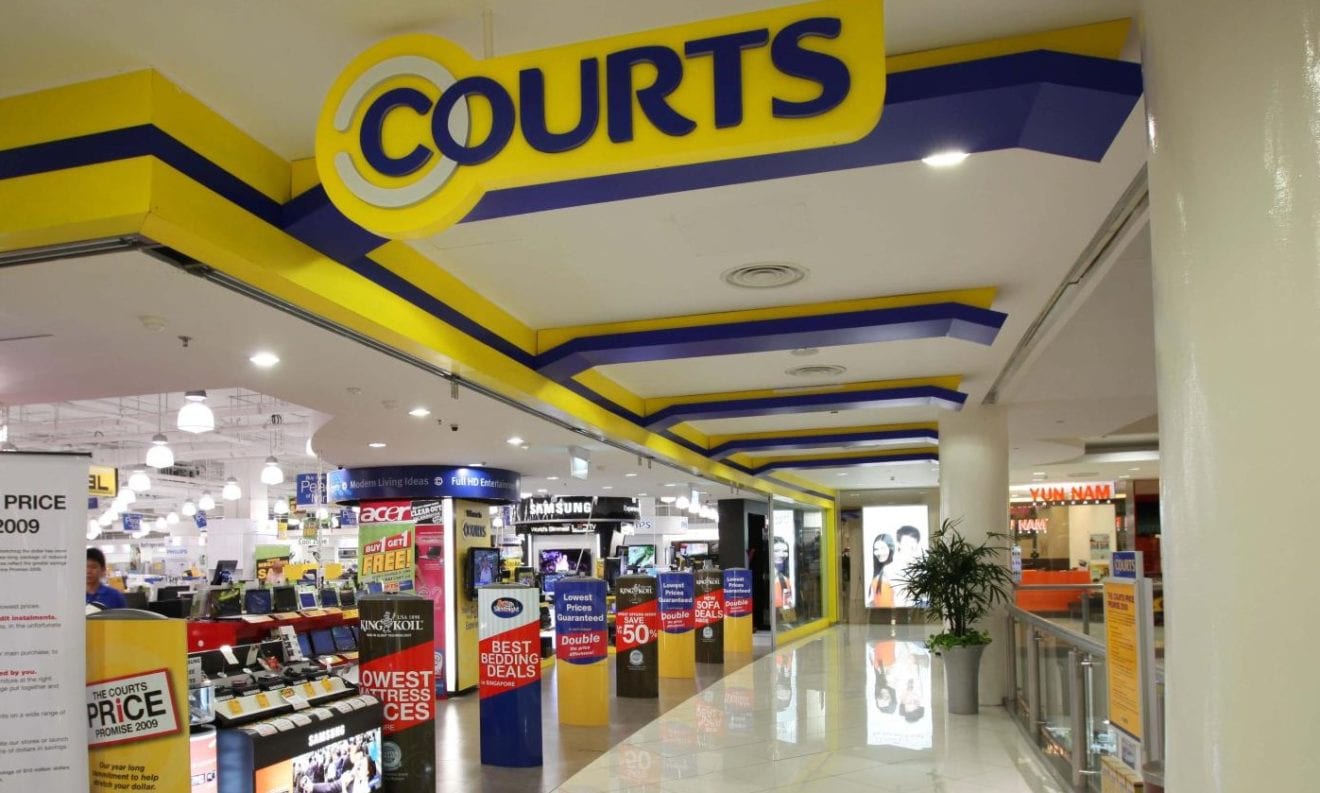
  • Terry O’Connor courting omni-channel future for Courts

    Terry O’Connor courting omni-channel future for Courts

    Cashing In on the demand for Apple’s latest product, the iPhone7, retail giant Courts Asia recently announced that it would offer a competitive one-year service package that covers accidental damage and data recovery and a guaranteed 50 per cent trade-in value, if customers buy the phone from its shops.

    This is one example of efforts being made by the furniture-to-electronics departmental store to differentiate itself and be the “store of choice” for Singaporeans. It also fits into its long-term objective of transforming itself into an omni-channel retailer.

    Mainboard-listed Courts has a long relationship with Singapore, particularly in the heartlands. With roots as a furniture retailer in the UK, Courts was established here in 1974. It opened its first store in Malaysia in 1987 and recently started operations in Indonesia in 2014. In the three countries, Courts operates more than 80 stores in multiple store formats spanning over 1.6 million sq ft of retail space.

    In the first quarter which ended on June 30, 47.8 per cent of its revenue came from electrical products, which included major white goods, audio and small appliances. IT products, including computers, smartphones and cameras, made up 27.7 per cent of its sales while furniture accounted for 17.9 per cent. Services, such as warranty sales and telecommunication subscription plans, accounted for the remaining 6.6 per cent of its revenue, which was S$196.3 million for the quarter. The company’s last reported full year revenue was S$770.4 million, with two-thirds (S$505 million) of that coming from Singapore.

    Speaking to The Business Times, Terry O’Connor, Courts Asia’s executive director and group chief executive officer, says the departmental store looks to provide low prices, large ranges, full service and financial options “in terms of any way to pay from every credit card in the market to cash; to our own payment plans and an extensive loyalty programme which is being boosted with the NTUC link points partnership”.

    Giving an example of how Courts is trying to differentiate itself, Mr O’Connor cites the iPhone. He notes that buyers can choose to buy online or go to a exclusive Apple retailer if they are sure that’s the phone they want.

    At other times, buyers may not be sure whether the choice is the iPhone or a phone made by some other manufacturer, Mr O’Connor says. Maybe they want to compare the iPhone with Samsung’s offerings but at the same time they want a full customer experience in which an agent will show them how to use both phones and discuss the merits of both, he says.

    “An Apple store can do that for only Apple products but they don’t do that for Samsung products or the other brands in the market. We want to be that player in the market which can do that for all major brands,” Mr O’Connor says.

    He acknowledges the fact that many technology savvy Singaporean shoppers are shopping online and Courts needs to have a strong online presence as well.

    Courts Singapore relaunched its online store in 2012 with 7,000 product offerings, which has grown to more than 14,000 today. Both the online and physical stores are at the centre of Courts’ omni-channel retail offerings, which also include the deployment of tablets and digital kiosks on the shop floor, use of QR codes and “click and collect” counters in-store.

    Despite this, Mr O’Connor is sure that physical stores will still remain an important component of the shopping experience. “The overall shopping experience will have to be an omni-channel experience.”

    Noting that the mass middle income market is the core customer group for Courts, Mr O’Connor observes that shoppers feel “we are local and, therefore, there is a deeper relationship, maybe because of our history in the heartlands. We have been serving multi-generation of families and we reinvented ourselves just as Singapore has done so over the years.”

    This has ensured that Courts is more connected to customers than many of the international players, he adds. “We ourselves have been thought to be an international player but now headquarters is effectively here and we are listed here.”

    Mr O’Connor adds that the megastore’s approach is to “outrange” and “outprice” its competition. “I think that’s what kept us ahead of the pack. When I look back, I’ve been here for 23 years and virtually none of the competitors I started with exist anymore.

    “Many of them have changed hands, many have been subsumed in other organisations and others have gone out of business.

    “The point is retailers always have had to deal with disruption, generally it’s disruption from other retailers. Now pure plays are just another form of retail.” Pure play stores are those which only have an online presence with no physical brick and mortar outlets.

    Mr O’Connor adds that Courts will “move with the speed and agility” of a pure play online store. “At the same time, we want to develop our physical stores as experience centres.

    Mr O’Connor says that market factors are helping Courts’ push to reinvent itself.

    “We didn’t ask for the Funan Centre to close but it did. We didn’t ask the Sim Lim centre to get the reputation it did, but it got it. And so we think there is an opening in the market and we are pushing hard into services and the store experience.

    Mr O’Connor notes that many international retailers are seeing increased business online. “John Lewis (departmental store) in UK is doing 25 per cent of their business online but in Singapore it’s only 3-5 per cent. When you talk about shopping online it somehow conjures up an image of somebody sitting at home with a laptop on the coffee table. But fundamentally it’s not that. It’s increasingly people on their mobile devices. This is the first year mobile has overtaken computers as the online shopping platform of choice,” he notes.

    He is confident that the share of online sales in Singapore will go up significantly and Courts would be ready to cash in on that.

    Mr O’Connor notes that the Singapore online purchasing market is skewed by international purchase of apparel and products that are not sold in Singapore. “If you actually look at the goods that are bought online and shipped within Singapore, we are a market leader among regular stores. Citing a Bain report, he says that the top 10 online stores in Singapore by number of visits were all pure plays but Courts was number 11 on the list. This makes Courts the top omni-channel player in the Republic.

    Courts is also looking at upgrading its stores with digital features that help shoppers go online and make it easy to shop. “At the moment we have digital kiosks but I wouldn’t say they are popular; they have become a bigger phenomenon in other markets. I think in the future they will become more popular in the same way that people initially didn’t like to use digital checking counters at airports, but eventually got used to it.”

    He adds that one could envisage a situation where 100 per cent of the business is online. “Maybe 50 per cent was physically transacted in the store. I think what’s key is making sure that stores are still relevant. And I think that there are lots of changes coming in terms of disruption in the real estate sector. I think the real estate will be more disrupted than the retail sector.

    “So fundamentally in the future do we say I have a 20,000 sq ft store? Or do I go for 10,000 sq ft for my store, where I pay a retail rent and the other 10,000 sq ft is a fulfilment centre where I pay warehouse rent?”

    He adds that such shifts are already happening in the UK. “That’s going to happen here and that has implications for Reits; it has implications for how malls set themselves up. Do they have two-thirds of the mall as retail space and the rest as a combination of fulfilment centres? And POP (pick your own parcel) stations for the entire mall?

    “We have to be fluid and agile in our thinking and be led by the consumer.”
  • Singtel expands collaboration with Palo Alto

    Singtel expands collaboration with Palo Alto

    Singtel and Australian subsidiary Optus have expanded their respective managed security services portfolios with a managed advanced threat protection service using Palo Alto’s security platform.

    The new services are designed to monitor, isolate and prevent suspicious applications from breaching an organization’s networks or endpoint devices, and to provide advanced threat intelligence capabilities for enterprise customers.

    Singtel’s managed security services business unit Trustwave provides services through a global network of eight security operations centers, integrated with Singtel’s Global Threat Intelligence.

    Singtel employs 2,000 security professionals worldwide, including its SpiderLabs cyber response team.

    “As a leading global Managed Security Services Provider, we are committed to strengthening our capabilities to protect organisations against sophisticated, evolving cyber threats. Through our collaboration with Palo Alto Networks, we have developed an innovative cyber security service which takes a holistic and preventive approach towards cyber threats,” Singtel CEO group enterprise Bill Chang said.

    “Together with our Trustwave managed security service, the trained cyber security experts at our Advanced Security Operations Centre can forestall cyber attacks and use the information of any neutralised malware to update our global threat intelligence to benefit other regions.”

    Optus’ enterprise unit Optus Business meanwhile plans to launch its own managed advanced threat protection services over the Palo Alto platform.

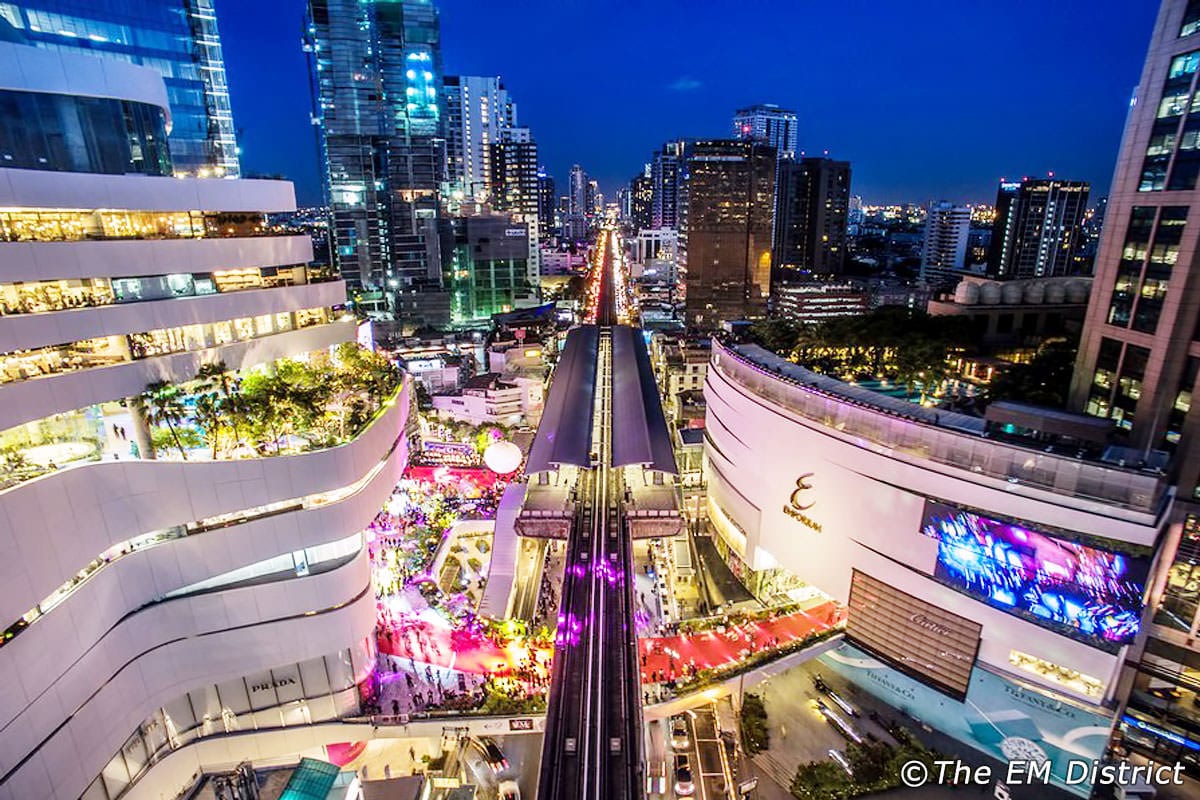
  • Bangkok tops Global Destinations Cities Index

    Bangkok tops Global Destinations Cities Index

    Bangkok is the top-ranked destination city by international overnight visitor arrivals, according to the annual Mastercard Global Destinations Cities Index.

    Ranking 132 cities, the index projects visitor volume and spend estimates while delivering insights into how people travel and spend around the world.

    As cross-border travel and spending continue to grow at a faster pace than the world GDP, the world’s cities continue to be engines of broader economic growth, says Mastercard.

    According to the study, Bangkok is projected to receive 21.47 million international overnight visitors this year, just ahead of London (19.88 million visitors).

    Also in the top 10 cities are:

    • Kuala Lumpur, 12.02 million visitors

    • Paris, 18.03 million visitors

    • Istanbul, 11.95 million visitors

    • Dubai, 15.27 million visitors

    • Tokyo, 11.70 million visitors

    • New York, 12.75 million visitors

    • Seoul, 10.20 million visitors

    • Singapore, 12.11 million visitors

    Hong Kong was 11th.

    “The way people travel and spend across borders indicates just how interconnected and important the world’s cities are,” says Mastercard president of international markets Ann Cairns.

    As well as the top 10 cities, Mastercard names the top 10 fastest-growing destinations, which indicates the increasingly importance of Asia Pacific to the global economic landscape.

    Osaka new star

    Osaka has shown the strongest growth in international visitors (24.15 per cent) over the past seven years. Other cities that make the fastest-growing list:

    • Chengdu, 20.14 per cent

    • Taipei, 14.53 per cent

    • Abu Dhabi, 19.81 per cent

    • Xi’an, 14.2 per cent

    • Colombo, 19.57 per cent

    • Tehran, 12.98 per cent

    • Tokyo, 18.48 per cent

    • Xiamen, 12.93 per cent

    • Riyadh, 16.45 per cent

    For the first time, the index explores whether visitors travel for business or leisure, giving broader insights into spending on dining, lodging and shopping. The index shows that more people are travelling to the top 20 cities for leisure with Shanghai being the sole exception.

    Visitors to the top 20 cities overwhelmingly spent more on shopping, as opposed to dining, says the index.

    Asia Pacific dominates both the global top 10 (five cities) and top 10 fastest-growing destination cities (seven cities).

    Public data is used in deriving the international overnight visitor arrivals and their cross-border spending in each of the 132 destination cities for the index. Mastercard volumes or transactional data is not considered.

    The full report can be downloaded here.

  • Singapore Golden Week targets shoppers

    Singapore Golden Week targets shoppers

    Singapore Retailers Association (SRA) is launching the inaugural Singapore Golden Week (SGW), a lifestyle event to be held over three weekends from September 30  to October 16.

    Its aim is to heighten Singapore’s appeal as a lifestyle destination with a suite a retail privileges, shopping reward and pampering experiences as enticement.

    Global payment network UnionPay is the official card for the event, with special privileges for cardholders across more than participating outlets including retail, F&B, beauty and wellness, and hotels and attractions.

    As well as exclusive discounts, cardholders are offered gifts when making purchases at participating merchants using their cards. The merchants involved include department stores Isetan Scotts, Metro and Robinsons, clothing labels Dockers, Dorothy Perkins, Karen Millen, Levi’s, TM Lewin, Topman, Topshop and Warehouse; and attractions such as the Alive Museum.

    There is also a game in which cardholders can win shopping vouchers and prizes worth more than S$10,000 (US$7388) in all, based at Ion Orchard.

    Visitors – not just cardholders – are also welcome at the UnionPay Golden Pampering Lounge in Ion Orchard’s atrium, which offers gourmet coffee and free-flow gourmet cookies.

    Cardholders can access the VIP area, which has massage chairs plus gourmet coffee sprinkled with edible gold dust.

  • Enjoy “Golden Moments” at Singapore Golden Week 2016

    Enjoy “Golden Moments” at Singapore Golden Week 2016

    Come 30 September, Singapore Retailers Association (SRA) will launch Singapore Golden Week (SGW) 2016 – a brand new lifestyle event to be held over three weekends from 30 September to 16 October, with global payment network UnionPay as the Official Card. With the aim of heightening the appeal of Singapore as a choice lifestyle destination for locals and tourists, the inaugural SGW 2016 will feature a suite of golden retail privileges, sure-win rewards and pampering experiences for consumers to indulge in. 

    GOLDEN “RETAIL” PRIVILEGES

    Over 200 participating outlets across retail, food and beverage (F&B), beauty and wellness, as well as hotels and attractions categories among others, will be giving UnionPay Cardholders more reasons to spend with exclusive “Golden Retail Privileges” at SGW 2016. 

    Cardholders can enjoy exclusive discounts as well as gifts with purchase when they shop at participating merchants with their UnionPay cards at SGW 2016. Popular participating merchants include department stores Isetan Scotts, Metro and Robinsons; clothing labels Dockers, Dorothy Perkins, Karen Millen, Levi’s, T.M.Lewin, Topshop, Topman, Warehouse; local attraction Alive Museum and many more.

    GOLDEN “SURE-WIN” REWARDS

    During SGW 2016, Cardholders who make a minimum purchase of S$50* with their UnionPay card anywhere in Singapore can take part in the “Golden Sure-Win Rewards” game located at ION Orchard’s Level 1 Atrium. In addition, shoppers who make purchases within ION Orchard can enjoy double chances of winning. Shoppers who spend $688 and above at selected Premier Tax Free merchants are entitled to a free limousine ride*. With over S$10,000 worth of shopping vouchers and prizes up for grabs in the “Golden Sure-Win Rewards” game, everyone can be a winner at SGW 2016!

    GOLDEN “PAMPERING” EXPERIENCES AT THE UNIONPAY GOLDEN LOUNGE

    In addition to the golden retail privileges and sure-win rewards, SGW 2016 promises pampering experiences for all locals and tourists, including non UnionPay Cardholders. Simply pop by the exclusive UnionPay “Golden Pampering Lounge” located at ION Orchard’s Level 1 Atrium, to enjoy a fresh cup of gourmet coffee, free flow gourmet cookies and take a break from the busy downtown shopping environment.

    UnionPay Cardholders can also present their UnionPay card to gain access to the exclusive VIP area, decked out with OSIM massage chairs for an even more luxurious experience. Plus, Cardholders can enjoy a special cup of gourmet “Gold Brew” coffee sprinkled with edible gold dust for the additional gold rush. With mobile charging ports available for the power-hungry and some of Singapore’s favourite brands and foods on show, there will not be a single dull moment at the “Golden Pampering Lounge”. 

    “UnionPay is delighted to be named as the Official Card for Singapore Golden Week 2016. As a brand new lifestyle event to be held over three weekends in September and October, we hope that this will light up the local retail scene, and offer new lifestyle experiences for both local and overseas UnionPay Cardholders to enjoy. And as we continue to build on the momentum to provide better products and services for consumers here in Singapore, we also hope to be able to, at the same time, bring fresh experiences, more choices and excitement to everyone,” said Mr. Wenhui Yang, General Manager of UnionPay International Southeast Asia.

    “Singapore Retailers Association is pleased to partner UnionPay again to bring consumers yet another event to look forward to and a new golden opportunity for the industry to leverage on. With a base of over 5.4 billion UnionPay Cards issued worldwide, Singapore Golden Week aims to create a new opportunity for retailers to drive spending among the overseas UnionPay Cardholders who will be here, as well as UnionPay Cardholders in Singapore. We are excited about the new business opportunities that SGW presents and the benefits that our partnership with UnionPay can potentially bring to participating merchants,” said Mr. Anthony Gan, Executive Director, Singapore Retailers Association.

    “ION Orchard is a favourite mall among locals and Chinese tourists and is the ideal location for UnionPay’s first Singapore Golden Week campaign. We are especially delighted to be the official mall that houses UnionPay’s Golden Pampering Lounge for their campaign for all redemptions. The central location along Orchard Road will certainly make shopping more convenient – and for purchases made at ION Orchard, shoppers will enjoy double chances when playing the ‘Golden Sure-Win Rewards’ game at the lounge, making it a truly rewarding shopping experience,” said Mr. Chris Chong, CEO Orchard Turn Developments.

    UnionPay International focuses on supporting the growth of UnionPay’s global payments business. With an acceptance footprint covering 160 countries and regions globally, UnionPay serves the world’s largest cardholder base by providing quality, cost-effective and secure payment services to over 5.4 billion Cardholders worldwide.

    In Singapore, UnionPay enables efficient and cost-effective payment services that are tailored to the needs of local businesses and consumers. UnionPay cards are issued by Bank of China (BOC), DBS Bank (DBS), Industrial and Commercial Bank of China (ICBC) and United Overseas Bank (UOB) in Singapore, and are accepted at over 80 percent of retail, lifestyle and food and beverage establishments locally, as well as at almost all automated teller machines (ATMs) across the island.

  • Cyber attacks on the rise in Singapore

    Cyber attacks on the rise in Singapore

    Cyber attacks in Singapore are on the rise, with 72% of CIOs detecting more now than 12 months ago, according to research commissioned by specialist recruiter Robert Half.

    Findings show that 85% of Singaporean CIOs expect their companies will be attacked more often because they lack skilled IT security talent – well above the 78% average of the eight countries surveyed.

    The only two countries with a higher percentage than Singapore are Brazil (93%) and Japan (87%).

    Singapore has the highest percentage of CIOs predicting “significantly more” cyber-attacks in the next five years – 30% compared to the global average of 19%.

    “The fight against rising cyber threats is entering a critical phase as Singapore is experiencing a shortage of IT professionals with the right cyber security skills to defend companies against these attacks,” said David Jones, senior managing director of Robert Half Asia Pacific.

    “Companies know they need to take action to confront cyber attackers,” said Jones. “This means investing in a cyber-security strategy that brings together the right mix of technology and people.”

    IT leaders say the top three cyber security risks facing Singaporean organizations in the next five years are data abuse/data integrity (59%), spying/spyware/ransomware (54%) and cybercrime (53%).

    “New technologies raise new security concerns,” said Jones. “This can result in a skills gap where the available expertise has not kept pace with the evolving IT threats.”

    “As demand for new cyber-specialists entering the IT market outstrips supply, companies are being forced to reconsider their training and retention programs,” he said. “They are also recruiting from overseas, partnering with educational organisations, and developing flexible hiring strategies that include both permanent and contract specialists, including external risk agencies.”

    In response to the new wave of cyber-attackers, almost a quarter (23%) of Singaporean CIOs plan to add new permanent IT security professionals to their team in the next 12 months. One in three (29%) say they are planning to hire IT professionals for newly added contract positions within their team.

    Several specialised cyber-security roles are in high demand as organisations are confronted with additional security threats, including mobile, application and Big Data analytics security.

  • Seoul tops airport retail rankings

    Seoul tops airport retail rankings

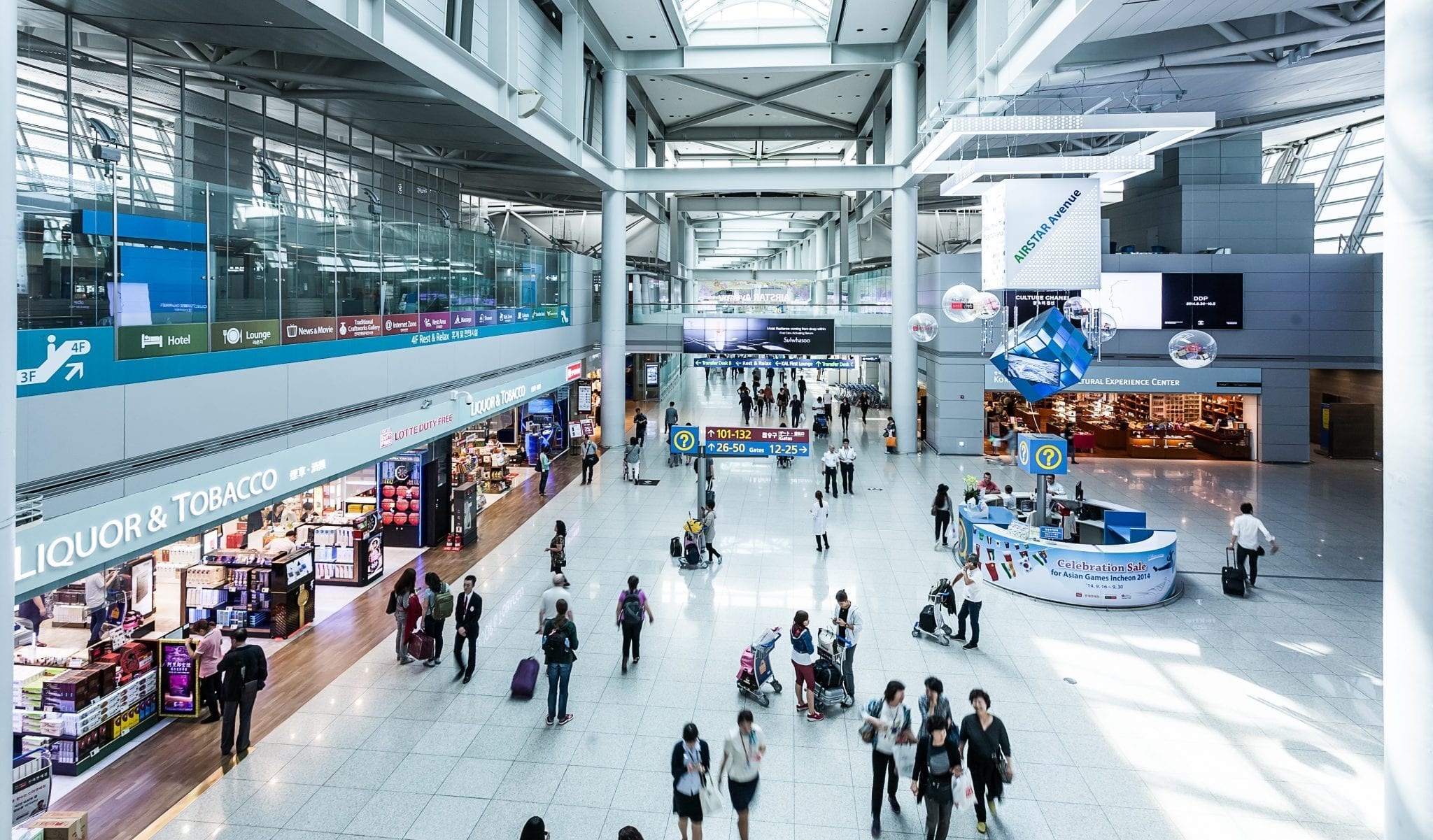
    Seoul’s Incheon Airport not only tops the Asia-Pacific rankings for retail spending – it has the highest turnover of any airport in the world.

    Which is remarkable given it ranks 10th in the region by passenger numbers, according to Airports Council International data, with 49,281,220 people passing through in 2015, compared to more than 90 million in Beijing and 55 million in Singapore.

    Asian airports dominate the world top 100 airport retail rankings measuring shopper spending, according to data collected by Swedish company Generation Research for 2015. While the tables lists the world’s top 100 and Asia-Pacific’s top 50, it does not provide any actual figures for spending. Sales from around the world were converted into US dollar value.

    In the global airport retail rankings, Incheon leads Dubai Airport, with Singapore Changi third.

    In the Asia rankings, published below, Singapore leads Bangkok – something of a surprise third-place getter given it is generally regarded as an expensive airport for ‘duty-free’ goods, and Pudong, Shanghai in fourth. Hong Kong makes it only fifth on the table, despite its huge passenger throughput and broad retail offer.

    Tokyo Narita, Beijing Capital, Taipei Taoyuan, Cheju and Osaka Kansai complete the top 10.

    On the global rankings, those Asian airports take fifth, sixth, seventh, eighth, 10th, 12th and 14th places.

    London Heathrow takes fourth place, Paris de Gaulle ninth, and Frankfurt 13th.

    Asia’s Top 50 list:

    Top 50 airport location Asia

    The Global Top 100 list:

    Top 100 airport location 2015 -1

  • The evolution of BreadTalk Singapore through the years

    The evolution of BreadTalk Singapore through the years

    It rolls out new bakery concepts every four years.

    To stay relevant in this difficult operating environment amidst the onslaught of e-commerce, constant make-over and product innovation are inevitable for retail stores.

    Standing out amongst retailers in Singapore is homegrown bakery brand BreadTalk, which carried out a series of space revamps and exhibited willingness to experiment.

    RHB analyst Juliana Cai notes that BreadTalk launches a new bakery concept every four years to maintain a fresh brand image. It also rolled out 50 new products along with its latest concept launch.

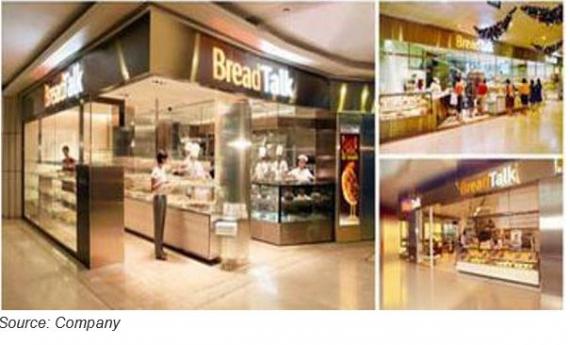
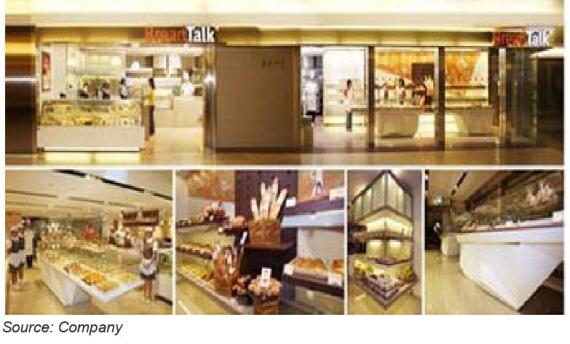
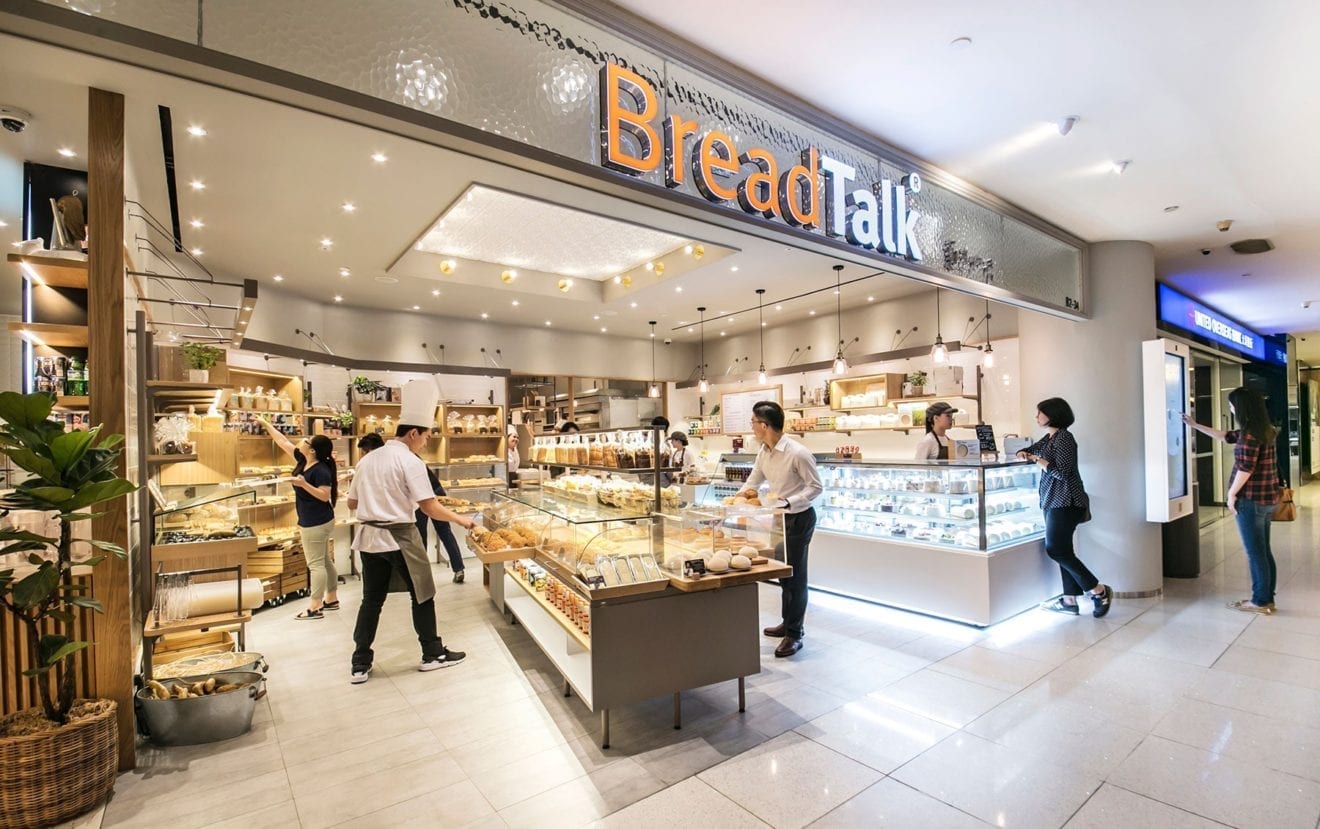
    Here are the four major faces of BreadTalk from year 2000 to the present, from a simple boutique bakery to a store with rustic feel:

    1
    Generation One – boutique bakery (2000-2004)


    2
    Generation Two – eye on elegance (2004-2008)

    –


    3
    Generation Three – jewellery casing (2008-2011)


    4-breadtalk
    Generation Four – rustic feel (2012-present day)


    What do you think? Leave a comment about BreadTalk transformation.

  • UPS to open 3D printing factory in Singapore with Fast Radius

    UPS to open 3D printing factory in Singapore with Fast Radius

    Package delivery company United Parcel Service Inc said on Monday it will expand its 3D printing services to Asia with a new facility in Singapore run by its partner Fast Radius that will open by the end of 2016.

    UPS rolled out a similar service in May in the United States. The company owns an undisclosed stake in Fast Radius, which has a 3D printing factory at the Atlanta-based package delivery company’s hub in Louisville.

    In the United States, UPS customers can have parts printed at the Fast Radius factory or at one of 60 UPS Stores equipped with 3D printers and then shipped to them.

    UPS also plans a 3D printing hub in Europe. The company sees 3D printing as a potential threat to its warehousing business where it stores parts for manufacturers, so its strategy is to embrace the new technology and incorporate it into its business model instead.

    Also known as additive manufacturing, 3D printing works by laying down successive levels of material, mostly plastics at this point, to create an object.

  • Arvato gears up for Asia

    Arvato gears up for Asia

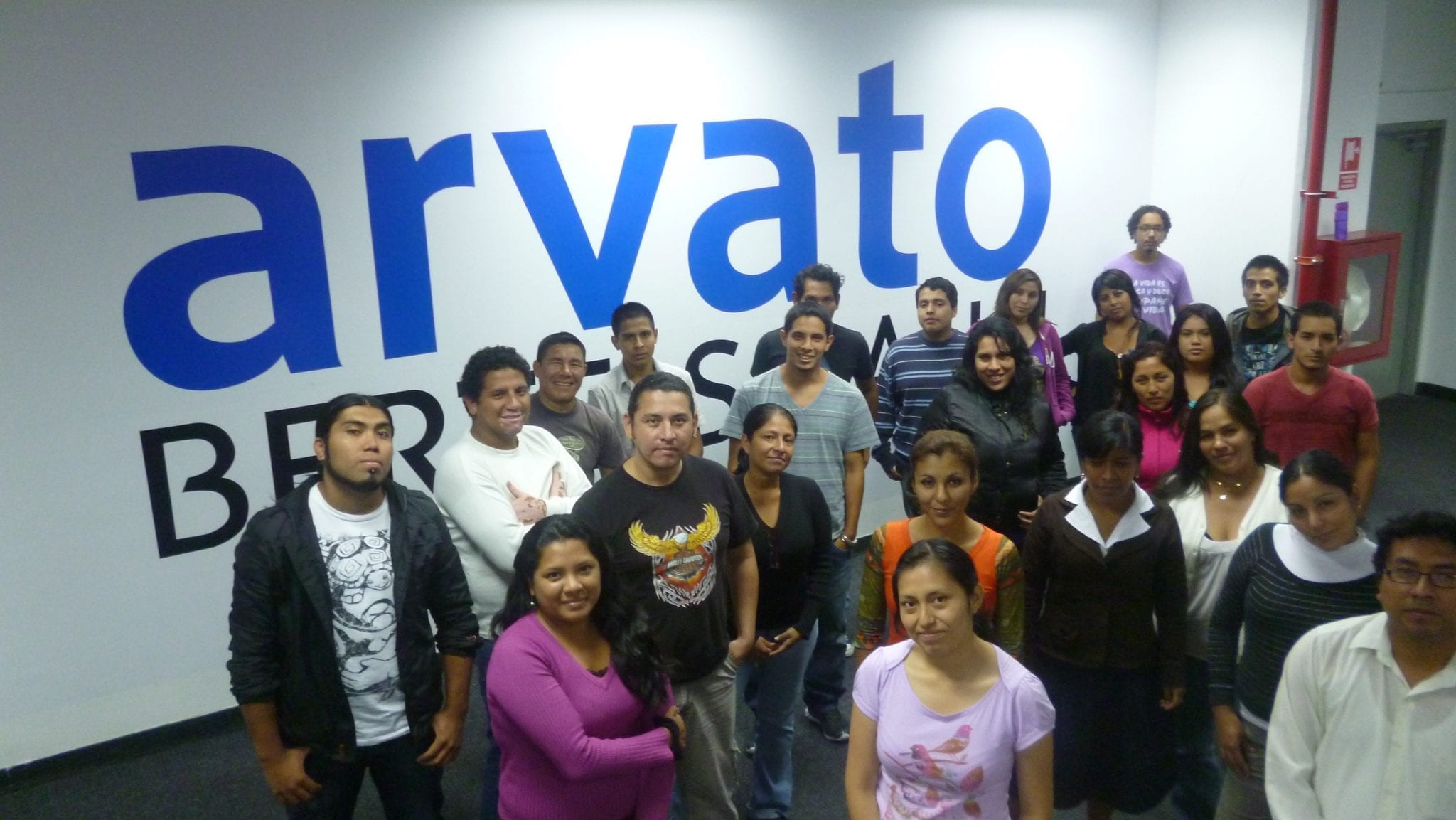
    Arvato has designated Singapore as the new Asia-Pacific headquarters for its supply chain management (SCM) Solution Group. To facilitate this, the company has relocated its existing sites in the country to a single 80,000 square feet unit. Raoul Kuetemeier has stepped up from his previous general management role in China to Head of Asia.

    “We see an increasing demand for SCM solutions that integrate China and other Asian countries and markets. The new headquarters helps us to establish a strategic footprint in the region,” said Kuetemeier. “With our resources pulled together, we also enhance the efficiency of our highly customized SCM strategies and strengthen our leading position as a SCM solutions provider in Asia’s high-tech and entertainment sector.”

    Arvato’s new premise in Changi International Logispark, one of Singapore’s most established logistics clusters, is furnished with an office, warehouse and assembly area where Arvato will carry out increased volumes of regional logistics and value-added services for its clients. The location is prime for its proximity to the Changi airport as well as freight forwarders and expressways. This way, it complements Arvato’s global operational network.

    As part of his new responsibilities, Kuetemeier will focus on streamlining the operations and sales activities for the Arvato SCM Solution Group in the Asia Pacific region. In his new role, he oversees more than 600 employees across Singapore, Shanghai, Shenzhen, Bangkok, Tokyo and Hong Kong.

    Kuetemeier joined Arvato in 2004 where he played a key role setting up new facilities in Germany and Austria. Prior to his current position, Kuetemeier was based in China for eight years. He has a proven track record of supporting multi-national clients to develop their strategic supply chain strategies in Europe and Asia.

  • Makansutra brings Singapore street hawker food to Manila

    Makansutra brings Singapore street hawker food to Manila

    Singapore food culture company Makansutra has created what it describes as one of the most modern but retro looking heritage food halls in Manila.

    Founded in 1997 by entrepreneur-photojournalist, KF Seetoh Makansutra aims to celebrate and promote food culture through food guides, online content, eateries, specialised events, projects and TV shows. Now it has brought 11 stalls and a refreshment and snack station to a 14,000 sqft prime retail space in the SM Megamall.

    “It has been a year coming, fraught with complex building issues, ingredients sourcing problems, lack of proper local equipments and expertise… among others,” explained Seetoh. “But Makansutra Hawkers has now launched in Manila.”

    Five famous hawkers and street food restaurants from Singapore and Malaysia made their international debut there: Geylang Claypot Rice, Alhambra Padang Satay, HK Street Old Chun Kee, Jin Ji Braised Duck and Kway Chap and the iconic Donald and Lily from Malacca. All, except for Geylang Claypot Rice which is a stall requested by show host Anthony Bourdain for his Bourdain Market in New York, were featured at the recent World Street Food Congress held in Manila.

    Makansutra

    The other stalls were new hawkers licensed under Makansutra and trained by the hawkers in the team. There’s Mian Ji (fried Hokkien prawn mee and soup version), Baoji Xiang (Chicken rice and paper wrapped chicken), Ah Tee (oyster omelette and carrot cake), Adam’s Ribs ( bak kut teh), and Curry Flurry (roti prata, fish head curry and nasi briyani).

    “The hawker centre’s design is a throwback to the era when street food was de rigueur and was like a treat, back in the 1960s and 1970s. We used corrugated zinc sheets for a ceiling and plain polished concrete floor with graffiti on the walls, construction beams smack in the middle of the eatery and the furniture don’t match,” explained Seetoh.

    Makansutra Hawkers is located on the second floor of SM Megamall Building A in Mandaluyong City. It is open from 10am to 10pm.