Tag: Singapore

  • Uniqlo: The Shopping Experience of the Future Awaits All Runners!

    Uniqlo: The Shopping Experience of the Future Awaits All Runners!

    Was there a stampede when the new Uniqlo Global Flagship Store opened its doors at Orchard Central on its first day of business? That depends upon your definition of the world.

    The store, the latest and greatest in the brand’s 25-store empire, has captured the imagination and attention of Singapore shoppers who were ready to have their shopping experience enhanced after hearing and reading about the store’s impending debut.

    Is this a new, improved and enhanced experience for shoppers who love the brand? Probably. And that includes those have yet to indulge their shopping fantasies at any of the other Uniqlo locations.

    Fact is, Mr. Taku Morikawa, UNIQLO Southeast Asia CEO, has pinned some serious hopes on this mega-store becoming a significant influence on the Singapore shopping scene. He sees the re-imagined retail environment as a role model for future locations in markets like India and Vietnam.

    Why launch a re-imagined Uniqlo facility in Singapore? What do you think? We’re the epicentre of commercial growth in southeast Asia and a pivotal test market for savvy consumers who know a unique shopping experience when they see it. But we’re selfish!

    As runners, we want to know what’s in it for us if we divert our dollars and loyalty to the retail new kid on the block, so we’ve come up with compelling reasons why you may want to head for Orchard Central the next time you require a different kind of shopping experience.

    Uniqlo: The Shopping Experience of the Future Awaits!

    L-R: Mr. Desmond Tan, Mrs. Helen Khoo, Mr. Cheng Wai Keung, Mr. Tadashi Yanai, Mr. Taku Morikawa, Ms. Rie Aramoto, Ms. Rebecca Lim.

    Uniqlo is a sensory playground

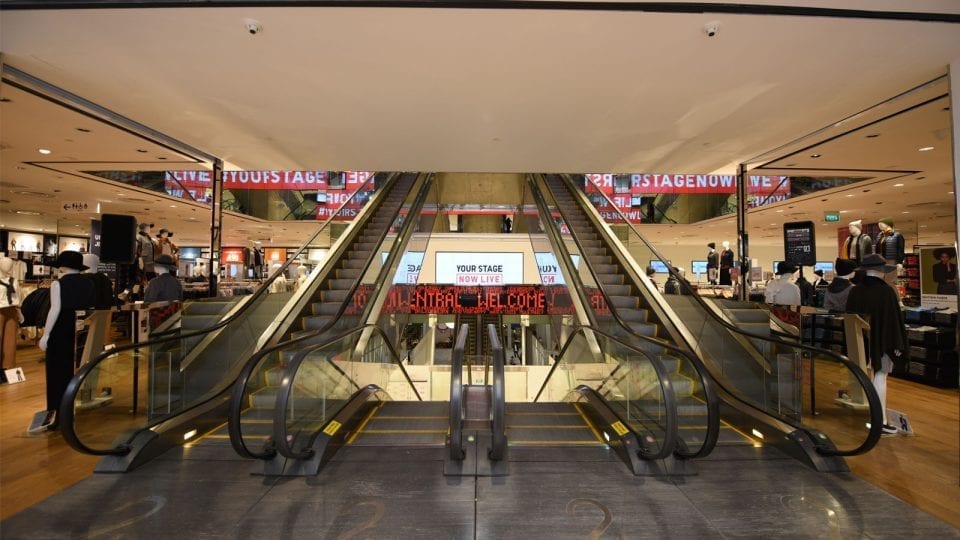
    Sunglasses not required, but expect to be hyper-stimulated when shopping for trendy fashions amid the store’s 286 digital displays that can’t be ignored, even if you tried.

    As a matter of fact, you can tell your running buddies that you were witness to the largest number of digital screens in the worldwide Uniqlo family of stores, so even if you’re fatigued, the bold graphics and attention-getting data will keep you alert and interested as you browse and buy.

    One word of warning: if you’re tempted to strike up a conversation with any of the 350 iconic rotating mannequins you encounter on the premises, think twice! They’re part of the magic.

    Uniqlo: The Shopping Experience of the Future Awaits!

    The Uniqlo experience is unique

    Unlike most upscale retail emporiums, Uniqlo has no intention of being labeled as ordinary. Runners can choose from brands, labels and looks they can find elsewhere.

    Sure, you’ll find familiar labels but they’ll be keeping company with fresh, innovative designs and collections produced “with design-conscious shoppers in mind,” says Ms. Mavis Seow, Chief Operating Officer, Retail Business Group, Far East Organization.

    This is the place to see and be seen; as much a social hub as a fashion epicentre. You can even get in some exercise within the 29,000-foot “mammoth store” that even offers a some vertical action if you decide to cover every inch of all three floors filled with merchandise.

    By the way, you won’t be able to escape checking your form as you shop; this super-store is loaded with floor-to-ceiling mirrors.

    Uniqlo: The Shopping Experience of the Future Awaits!

    A store for all ages and stages of life

    Because Uniqlo’s parent company, Fast Retailing, has set a high bar for the type of merchandise that fills this Uniqlo location, you’re going to run into some of the latest trends on the international apparel market.

    The Singapore flagship store has something for everyone, so if you do the family shopping and you’re responsible for everything from school clothing for the kids to gifts for running buddies, this could become your new retail home or just the place you go for plenty of shopping therapy.

    Speciality products just for children feature original art, and you can even experience some hometown pride when strolling the second-floor children’s boutique where the work of Singapore’s whimsical and popular illustrator, Michael Ng, is on display.

    Uniqlo: The Shopping Experience of the Future Awaits!

    Find everything you need and want

    Given Uniqlo’s promise to make sure shoppers are never bored by choices they are offered when perusing three floors of merchandise, you may be surprised to learn that there’s a special emphasis on exclusivity.

    For example, French designer Ines de la Fressange’s collection could get a fashion-forward runner’s pulse rate up and Uniqlo’s proprietary LifeWear brand is a runner’s dream. Garments are fashioned of innovative fabrics that are light, breathable and practical.

    Uniqlo: The Shopping Experience of the Future Awaits!

    Find AIRism inner and outerwear on shelves that include t-shirts and tank-tops that repel bacterial and odor. Even Uniqlo jeans are runner-friendly because the denim is 20-percent lighter than regular-grade denim, so sliding on a pair for a post-marathon party consumes less time than it takes to say, “Who’s going to Uniqlo with me to check out this one-of-a-kind shopping experience?”
  • New Challenger subsidiary set-up in Malaysia

    New Challenger subsidiary set-up in Malaysia

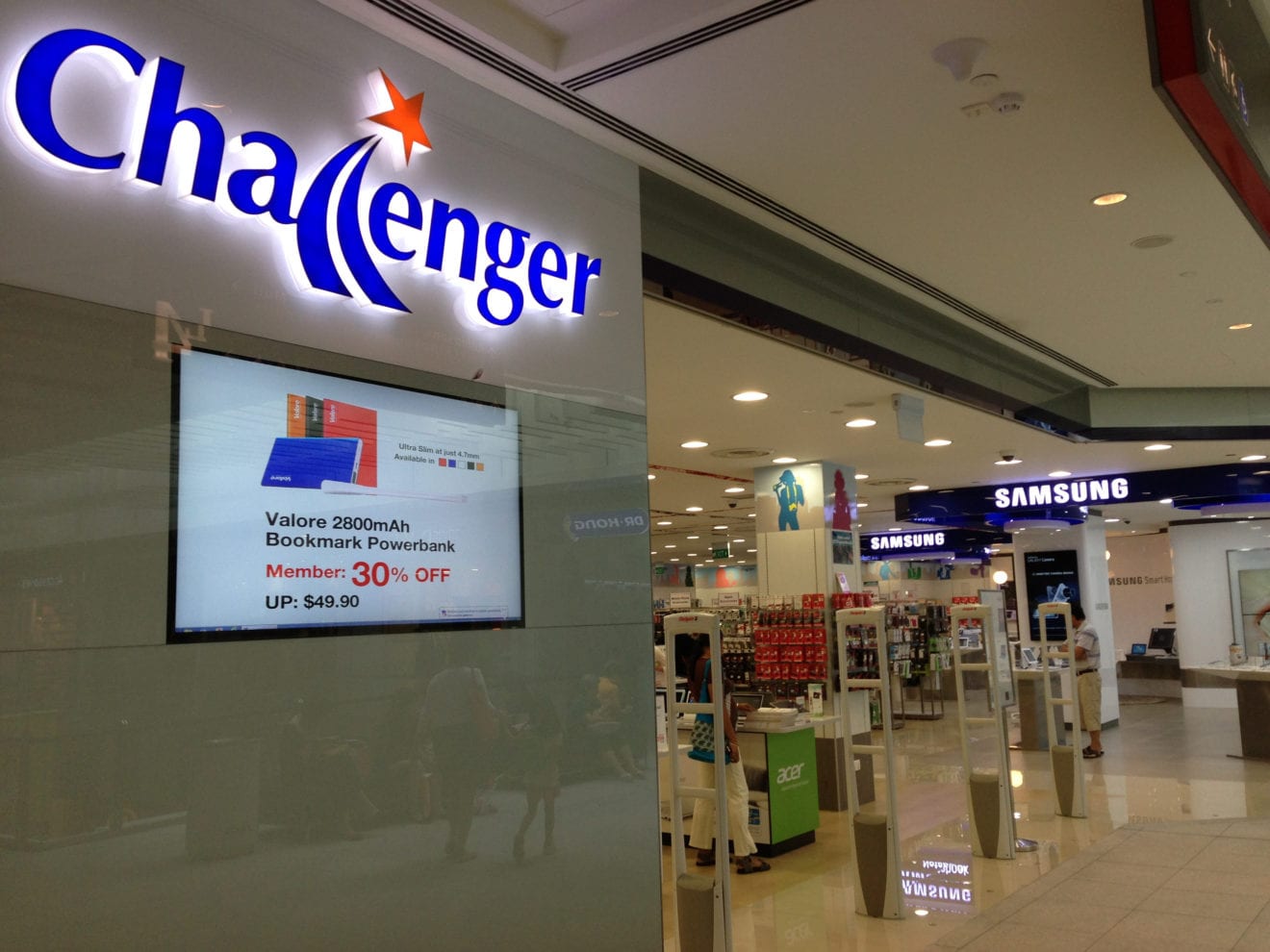
    Singapore-based retailer Challenger Technologies has set up a new wholly-owned susbidiary in Malaysisa. The new subsidiary, which is called Hachi MY, has been set up by Challenger Technologies’ wholly-owned Challenge Ventures unit. Announing the incorporation of the new subsidiary, Challenger stated that its principal business would be trading, retail, distribution and online trading if IT and lifestyle products and services.

    Established in 1984 as an IT products retailer, Challenger Technologies now operates 40-plus stores consisting of superstores, mini stores, Valore concept stores and Musica stores across Singapore.

  • Starbucks Asia rolls out Teavana

    Starbucks Asia rolls out Teavana

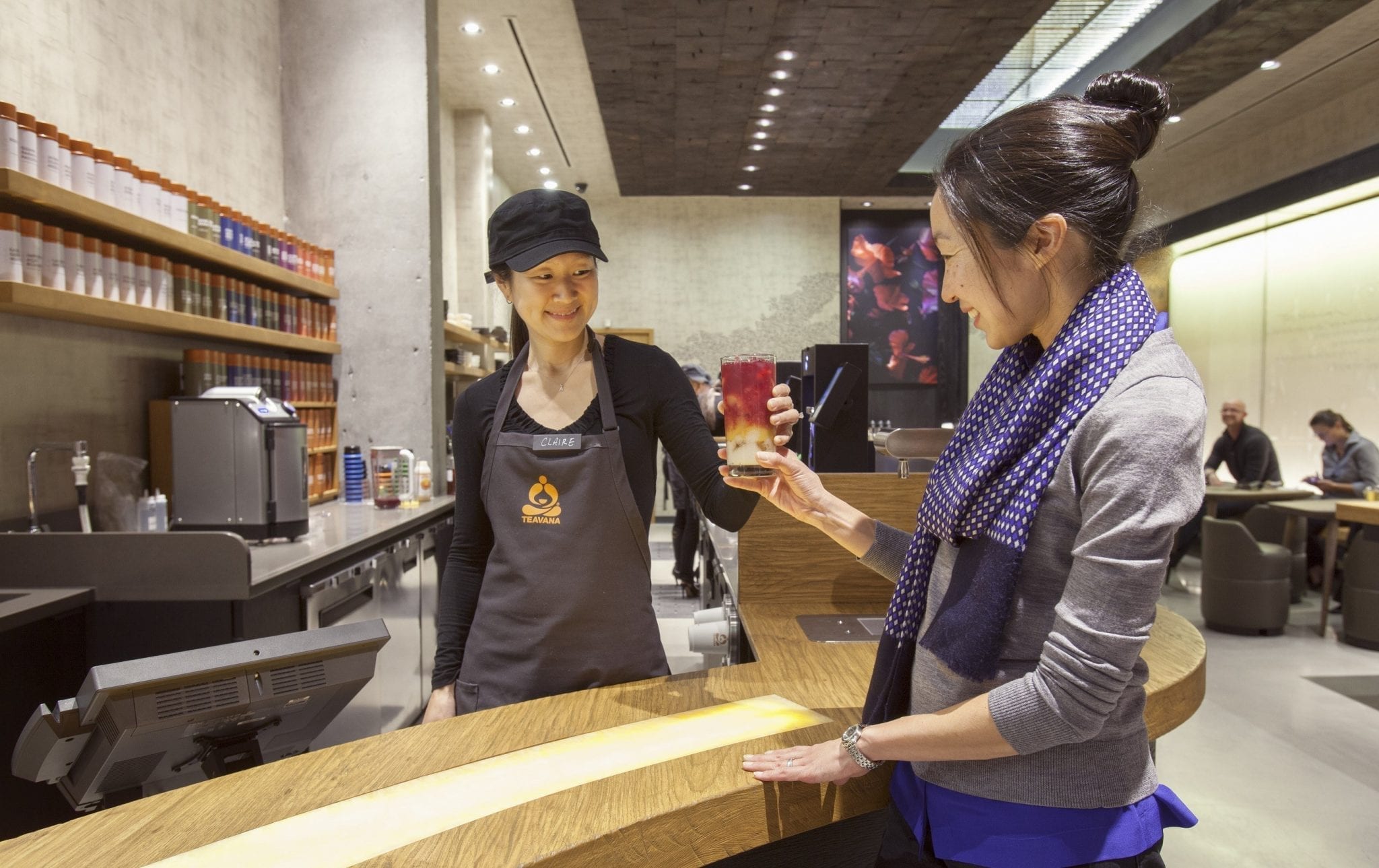
    Starbucks Asia is rolling out Teavana in 6200 stores across its 16 Apac markets.

    Four tea beverages prepared in-store will be offered to the 16 countries, with two or three expected to be sold in each market, the choice up to each one.

    Starbucks acquired US-based Teavana Holdings in December 2012, a “super premium tea” product it says brings “exotic blends, great flavors, wellness and innovation” to customers globally.

    The Asian launch began with China at the end of last month, with Korea and Indonesia following at the beginning of this month. The majority of Asian markets will see the new lines in mid-September, with a Japan launch scheduled for October and India later this year.

    Vera Wang, director, product line innovation at Starbucks China and Asia Pacific said the teas have been developed especially for Asian tastes.

    “We recognise Asian consumers are developing sophisticated taste preferences.”

    While a premium product, pricing will be left to the determination of each market, she said.

    “Pricing (of all Starbucks lines) is determined product by product and market by market.”

    She declined to discuss the company’s expectations for Teavana’s share of Starbucks sales in the region.

    “I’m not at liberty to talk about that. But tea definitely has huge potential for us and we have a lot of confidence going into Asia with Teavana.”

    Starbucks Korea staff promoting Teavana at the Starfield Hanam GL store.

    Besides fresh-brewed tea in cafes, Teavana full-leaf tea sachets will also be sold for take-home use.

    The four launch lines of Teavana in Asia are Matcha & Espresso Fusion (a matcha tea blended with a shot of espresso), Black Tea with Ruby Grapefruit and Honey, Iced Shaken Green Tea with Aloe and Prickly Pear; and Iced Shaken Hibiscus Tea with Pomegranate Pearls.

    Wang said, those core lines would be complemented by other blends selected on a market-by-market basis in the future, depending on customer feedback.

    John Culver, group president of Starbucks global retail said in a statement Teavana represents “a tremendous opportunity to leverage the company’s expertise in creating best-in-class retail experiences, handcrafting custom beverages, and sourcing the finest ingredients, to become a leader in a new category for us”.

    “Just as we’ve done for coffee, this is tea reimagined at Starbucks.”

    Last year, Starbucks’ tea business in the US grew by 12 per cent with all tea categories posting strong growth, led by iced tea at 29 per cent. Building on this and the success of Teavana to date in other parts of the world, Starbucks aims to increase its global tea business to US$3 billion over the next five years.

    Starbucks Teavana will be launched in all stores in Australia, Brunei, Cambodia, China, Hong Kong, India, Indonesia, Japan, Korea, Malaysia, New Zealand, The Philippines, Singapore, Taiwan, Thailand and Vietnam.

  • Rich Indonesians snapping up Singapore luxury homes as taxman calls

    Rich Indonesians snapping up Singapore luxury homes as taxman calls

    Never mind that Singapore is experiencing one of the worst property slumps in its history, demand for luxury housing is suddenly coming from an unexpected group: wealthy Indonesians.

    This year’s purchases by Indonesian nationals of homes valued at S$5 million or more have already nearly quadrupled from last year’s total.

    The stepped-up buying coincides with the passage of a law in Jakarta aimed at getting Indonesians to repatriate or pay taxes on an estimated US$300 billion that had fled to Singapore during previous periods of unrest, lest those who took their money out be found out for tax evasion – a reason cited by three property agents as a primary reason behind the purchases.

    Indonesians were the top foreign buyers at the luxury OUE Twin Peaks tower, which went on sale in July.

    “We’re seeing a big increase in Indonesians buying the most expensive property,” said Ang Kok Leong, a senior agent at SLP Realty Pte, who cited Indonesians’ concerns about Singapore’s upcoming move to share financial information as the single biggest motivation for his Indonesian clients. “These people are generally in tune with this kind of situation back home, so if I’m not about to let the Indonesians know what I have, I will buy in Singapore.”

    Indonesia, Singapore and other countries are adopting global tax reporting requirements to tell each other about nationals holding assets abroad. Indonesians moving money into property are counting on only assets held in banks, not in real estate, being shared, agents and brokers say.

    While the numbers in the official data are small, they show surging demand that likely understates the real total. Indonesians bought 30 Singapore properties valued at S$5 million or more between the start of the year and Aug 17, compared with only eight such deals for all of 2015, according to the Urban Redevelopment Authority. Disclosure of nationality is voluntary.

    During the first half of this year, Indonesians bought 189 properties of all values in Singapore, 23 per cent more than in the same period last year, data from Cushman & Wakefield Inc show. While purchases from Chinese and Malaysians declined during the second quarter, transactions by Indonesians rose 19 per cent.

    Not all Indonesians buying real estate are seeking to avoid taxes, of course, and some may see value in a market that bottomed out in prime areas at the end of 2015. Indonesians are drawn to property in Singapore’s center, especially the Orchard Road area where the OUE Twin Peaks towers are located. Apartment prices there have risen 0.6 per cent since their low at the end of 2015, according to Cushman & Wakefield.

    At the OUE Twin Peaks development, where luxury condos in the second tower of the 36-story high rises went on sale in July, the developer sold almost half the first batch of 86 units with price tags of as much as S$4 million, with Indonesians the top foreign buyers, according to Propnex Realty Pte, a company handling sales for the project.

    A Propnex agent who asked not to be identified said the strong demand from Indonesians came as a surprise. It’s a marked change from past sales of downtown luxury homes, such as the Marina One Residences last year, when Indonesian buyers accounted for just three of about 200 units sold, Cushman & Wakefield data show.

    Indonesian President Joko Widodo’s ambitious tax amnesty plan, under discussion since earlier this year and ultimately passed in June, is aimed at repatriating Indonesian cash stashed overseas while giving evaders a way to come clean.

    Under the amnesty, Indonesians are to pay a tax rate starting at 4 per cent on declared property or funds left overseas. It increases in stages to 10 per cent as the amnesty period draws to a close in March. Those who send their money home and keep it in Indonesia for at least three years pay 2 per cent and are offered a wide range of possible investments. Those who don’t declare and are found out face paying 200 percent of the tax owed.

    The tax amnesty deal may attract S$5 billion to S$9 billion of Indonesian funds deposited in Singapore, Sanford C Bernstein & Co analysts Kevin Kwek and Norbert Topouzoglou wrote in a July 21 report. Most of the assets are probably invested in properties, securities or businesses, and are thus less likely to be repatriated quickly, they said.

    Wealthy clients typically allocate about 20 per cent of their assets to property, according to Evrard Bordier, Singapore-based managing partner of Swiss private bank Bordier & Cie. That percentage might increase because of the new tax transparency standards from the Organization for Economic Cooperation and Development that both Singapore and Indonesia have agreed to, he said. They currently don’t include reporting on real estate holdings.

    “This global shift into increased transparency will no doubt result in subtle yet important changes in the portfolio allocation of a typical high-net-worth individual,” said Bordier, noting that the global trend toward sharing information across jurisdictions eventually will make hiding money in property difficult.

    In response to a request for comment, the Monetary Authority of Singapore and the country’s Ministry of Finance said Singapore is ready to help in “any case of suspected cross-border tax evasion.”

    Singapore and Indonesia have yet to agree to the mechanisms needed for the automatic exchanges of information under OECD tax standards, due to come into effect by 2018. Until then, information transfers including information on property ownership take place upon request between the two tax authorities.

    “Expectations of motivating substantial repatriation whilst there are still doubts/lack of clarity may be overly optimistic,” Vishnu Varathan, an economist with Mizuho Bank Ltd., said by e-mail. “Declaring taxable monies to be repatriated could subject their accounts/finances to more scrutiny.”

    Singapore is currently mired in its most prolonged housing slump on record. Home prices in the city-state fell for the 11th straight quarter in the three months ending June 30, posting the longest losing streak since records started in 1975.

    Singapore’s government is holding steadfast on cooling measures it has rolled out since 2009, for fear of inflating a property bubble. The measures, including a stamp duty on foreign buyers, limit the investment appeal of what is still a key high-end housing market in Asia. Wealth advisers and property agents say property is often seen as a conservative investment option and a way to store wealth at a time of economic uncertainty and mediocre returns in financial markets.

    “Indonesians see Singapore as a politically stable safe haven,” said Jasslyn Yeo, Singapore-based global market strategist for JPMorgan Chase & Co’s asset management unit. “This is an important factor, especially at this time when you see so much instability in the region.”

    Indonesian wealth fled the country as far back as the 1960s when violence against ethnic Chinese was part of a campaign by President Sukarno to stamp out Communism. Other periods of instability include 1998, when anti-Chinese riots coincided with the ouster of President Suharto, and thousands of ethnic Chinese took refuge in Singapore and elsewhere.

    Many Indonesians travel to Singapore for medical checkups and procedures, so locations near hospitals are at a premium, agents say. Indonesian citizens bought 42 of 211 apartments in the range of S$1 million to S$4 million earlier this year in the Cairnhill Nine condo development, within walking distance of two hospitals, Cushman & Wakefield data show. The second-largest group of foreign buyers was Malaysians, with 16 units.

    Unlike Singaporeans, who mostly buy to reside in properties and take time to decide, Indonesians often close deals in a matter of days and aren’t picky about details, the agents say. They typically look for amenities such as hot tubs and swimming pools, as well as private elevator entrances, a feature that has become popular in recent years.

    “This kind of buyer, sometimes they will come wearing big sunglasses if they’re famous, so you don’t recognize them, and often they come with their own family agent,” said Kent Tan, an agent with realtor Home Guru Pte, who has seen a recent uptick in the number of queries by Indonesians. “These buyers know Singapore’s market very well and have known it for many years.”

  • Singaporean steers US beauty giant Elizabeth Arden’s makeover plan

    Singaporean steers US beauty giant Elizabeth Arden’s makeover plan

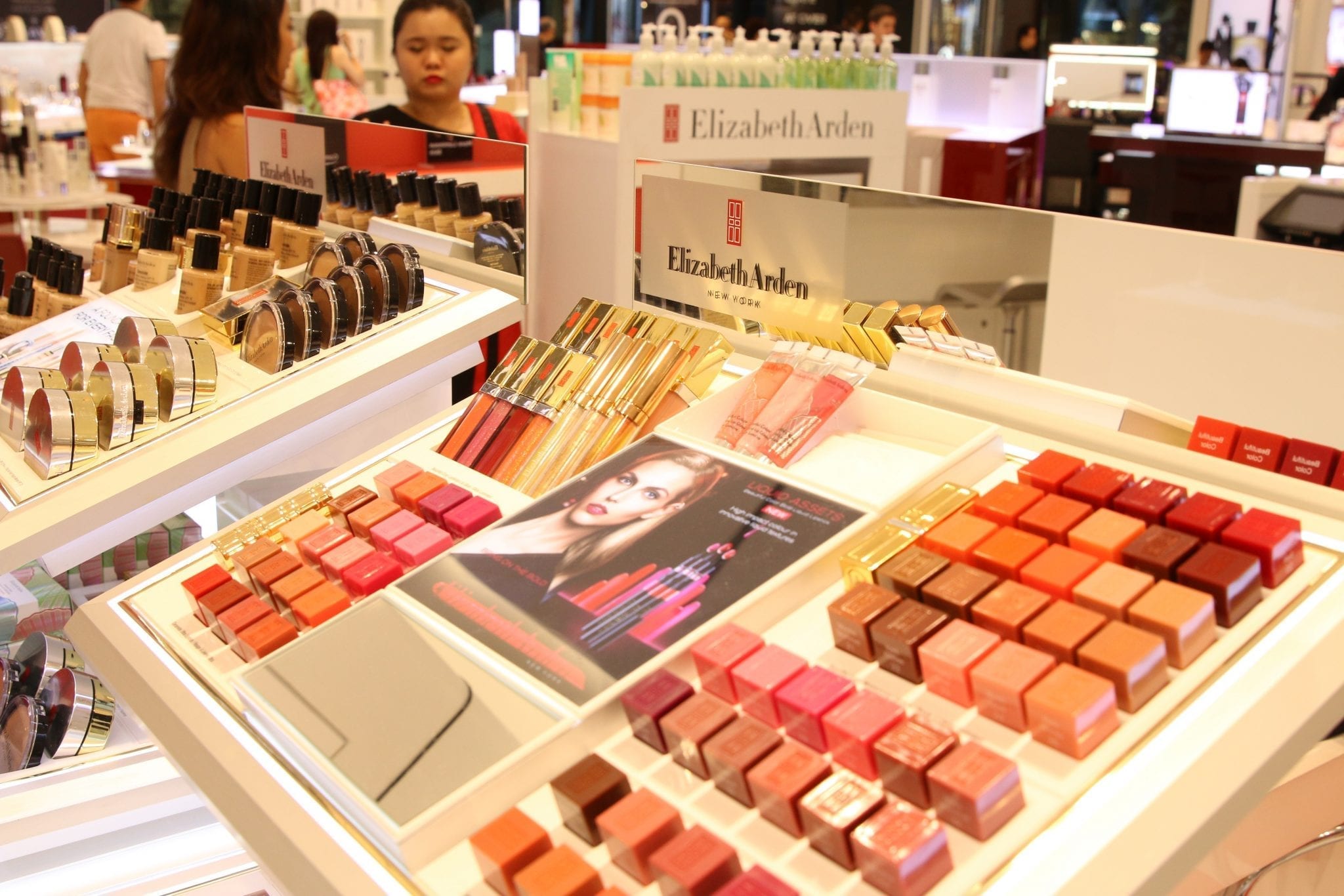
    American brand Elizabeth Arden, one of the oldest names in the beauty industry, is embarking on an ambitious repositioning plan and its president is counting on her Singapore roots to steer the beauty behemoth ahead of the competition.

    “Being a Singaporean, what you learn since young is to always stay ahead of the game,” said Ms JuE Wong, who took the helm at the more than century-old brand slightly more than a year ago, becoming the highest-ranked Singaporean in a multinational beauty company.

    “When I was growing up, there was only one university. If you (didn’t) make it to the National University of Singapore (NUS), you basically (had) to think of somewhere else to go,” said the 49-year-old, who eventually opted to pursue her undergraduate studies in Australia after missing out on her first choice to read law at NUS.

    “That’s why I think I’ve always been conditioned and trained to be an outside-the-box thinker,” she added.

    This sense of fast-thinking adaptability is what Ms Wong wants to inject into Elizabeth Arden, as the iconic brand seeks to win over consumers from the younger generation amid the constant emergence of newer brands and a changing retail world in a digital age.

    While the brand’s 106 years of heritage underscores “trust and credibility that can only be earned over time”, Ms Wong admitted that it can also, at times, work as an obstacle when it comes to attracting younger consumers, especially those between the ages of 28 and 40. Hence, the company is turning its target to even-younger millennials who have shown a greater willingness to give the brand a try.

    “When we did our consumer insights, we found that people from the age group of 28 to 40 know who we are and know enough to often think ‘This is my mother’s brand’. On the other hand, those younger than 25 have not heard that much about us. They do not have any perceived baggage and so (are) willing to give us a chance.”

    To appeal to this group of digital-savvy millennials, Elizabeth Arden stepped up its digital strategy with a social media campaign called “From the desk of #LizArden” and partnered beauty app YouCam Makeup. According to Ms Wong, both initiatives have been a success, especially the latter, which delivered a sizeable boost to its e-commerce sales.

    Available in the US and China, the app is equipped with facial recognition technology that allows users to virtually try on various makeup products and provides direct links for shoppers to make purchases on Elizabeth Arden’s online platform.

    “We met the developers in September, had a soft launch in October and by the time we rolled out officially in December, we already had 58 million downloads and 22.9 per cent of these reposted a selfie marked with our name. I had almost a million dollar in sales (within) 30 days,” Ms Wong told Channel NewsAsia.

    In Singapore, the company launched a pop-up store, featuring a smart mirror and an interactive wall that tells the history of Elizabeth Arden, outside Robinsons at The Heeren to mark the roll-out of its latest product earlier this week.

    “By making ourselves more cutting-edge and more engaging for the younger audiences, I think we make ourselves relevant,” said Ms Wong.

    Even in a downbeat brick-and-mortar retail market, Ms Wong remains confident that the beauty giant can turn around the situation by identifying pockets of growth in areas such as the colour cosmetics and spa categories.

    For instance, the company started introducing services from its Red Door Spa brand at selected retail counters in the US. Sales at these counters have since posted “double-digit growth”, according to Ms Wong. “We are offering a point of differentiation … and I think that’s how you cultivate a new generation to experience what the brand is all about.”

    Nonetheless, the businesswoman acknowledged that the brand’s digital ventures are no walk in the park. Coupled with the fact that it would be the first time she is taking on a leadership position at a giant such as Elizabeth Arden, Ms Wong admitted that it has been “a bit of a leap” but she was not daunted.

    elizabeth-arden-orchard-road
    Elizabeth Arden Pop-op Store at Orchard Road

    Prior to becoming president of the Elizabeth Arden brand, the Singaporean was the chief executive of venture-backed cosmeceutical company StriVectin as well as Astral Health and Beauty, and held senior positions at then-emerging brands including Murad and N.V Perricone MD.

    “Compared to the smaller brands, there’s enough resources at Elizabeth Arden and I was able to push a lot of my ideas. Of course, if I made a mistake, it would be amplified but does that make me less of a risk taker? No … and the Singaporean in me, ‘kiasu’ as we call it, means that I’m not going to lose,” she added with a chuckle.

    “Even though I’ve been away longer than I lived in Singapore, but once a Singaporean, always a Singaporean.”

    DARING TO GO: SWITCHING FROM COMMODITY TRADING TO SKINCARE

    This huge appetite for risks is also observable from Ms Wong’s resume. After graduating from the Australian National University with a degree in political science, she decided to take a plunge into the trading world and later spent seven years on the trading floor at Cargill Commodities.

    “I wanted something out of my comfort zone and it was very challenging,” Ms Wong recalled. “We had a daily scorecard of the books that were closed … it was like playing chess and at the end of every day, you either checkmate or you get checkmated.”

    A “self-driven reason of wanting to know better ways of skincare” led Ms Wong into the beauty industry in the US during the 2000s, and for the Singaporean, there was no mountain that was too high to conquer.

    “After leaving Murad to join private equity-owned Perricone, it was since that time (that) I never had to look for a job because every time I take a brand and turn it around, another private equity firm would come to me or the same private equity firm would offer me another brand,” said Ms Wong, who was nominated as the Top 50 women to watch by Wall Street Journal in 2004.

    “It was very validating because I realised that at the end of the day, you can get so much recognition if you had a real scorecard. And in that regard, I think my days in commodity trading really prepared me for today.”

    While her fast-talking persona and dare-to-go attitude has resulted in “some hindrances” at the start of her career, Ms Wong does not regret the career switches that she has made, and hailing from the little red dot on the world map definitely has not stopped her from climbing up the corporate ladder in the Big Apple.

    Ms Wong said: “My mother would tell you this story … when I was 12, I told her that one day I was going to work in the Big Apple and she replied to me saying, ‘Don’t be silly’. I don’t remember this … but if I did, a part of me perhaps realised that Singapore may be a small country but it had a very good reputation.

    “Literally everybody has heard of us and we never really had to explain where we come from. And because I came from a country that’s so well respected, it gave me the courage to dare to dream.”


  • Rising Asian start-up, “Pomo House” leads IoT products for Baby&Kids

    Rising Asian start-up, “Pomo House” leads IoT products for Baby&Kids

    Pomo House International, the leading brand of a child loss prevention smart watch and other innovative gadgets for modern family has successfully made a hit in SEA and is now expanding its brand to Europe, USA and LTA. “I believe the most important thing enabling me to become successful is to do what I love. There are always obstacles and a chance of going bankrupt in every businesses. However, if we do the business we love, we will have strength to move on”, says Mr. Chatchai Tangchittrong, Director of Pomo House International Co.,Ltd.

    “POMO Kids Watch is our first product that corresponds to our concept “Family Love is All Around”. Besides generating business, we have planned to lift up social awareness regarding family’s care and mutual happiness between parents and their kids.” The ideas of inventing the product to support family’s love and preventing missing children have been combined and conveyed through the development of what becomes child loss prevention smart watch to connect family members anywhere they are and allow children to explore the world with safety.

    With great success of the first two series of child loss prevention smart watch “Pomo Rainbow” and “Pomo Moji”, Pomo House has continued to develop the latest series called “Pomo R2”. This exclusive child loss prevention smart watch is equipped with unique functions that parents and their kids can enjoy together. Triple-Mode Smart Locator (Wi-Fi/GPS/LBS), splash proof and color touch screen are outstanding features of this model.

    This year Pomo House is launching a new product called “POMO Bebe,” another high technology of gadget for newborn baby. Coming with the concept of “God Fairy”, your baby will always be safe and protected. This device is designed to solve parents’ concern on their baby’s health. This latest innovation comes with unique features such as temperature scan mode, sleep quality, movement tracking and child loss prevention. “We realize how meaningful it is for parents to experience the moment when their baby opens the eyes to see the world. The first concern for baby is fever as it can affect baby’s immune system. Therefore, this device can be a little gift performing as a guardian for your little angel”, says Mr.Chatchai.

    Pomo House is also secretly working on product development process for another new innovation to answer every parents and their kids’ lifestyle. This product is expected to be released into the market by the end of this year.

  • Malaysia-Singapore-Indonesia cable commissioned

    Malaysia-Singapore-Indonesia cable commissioned

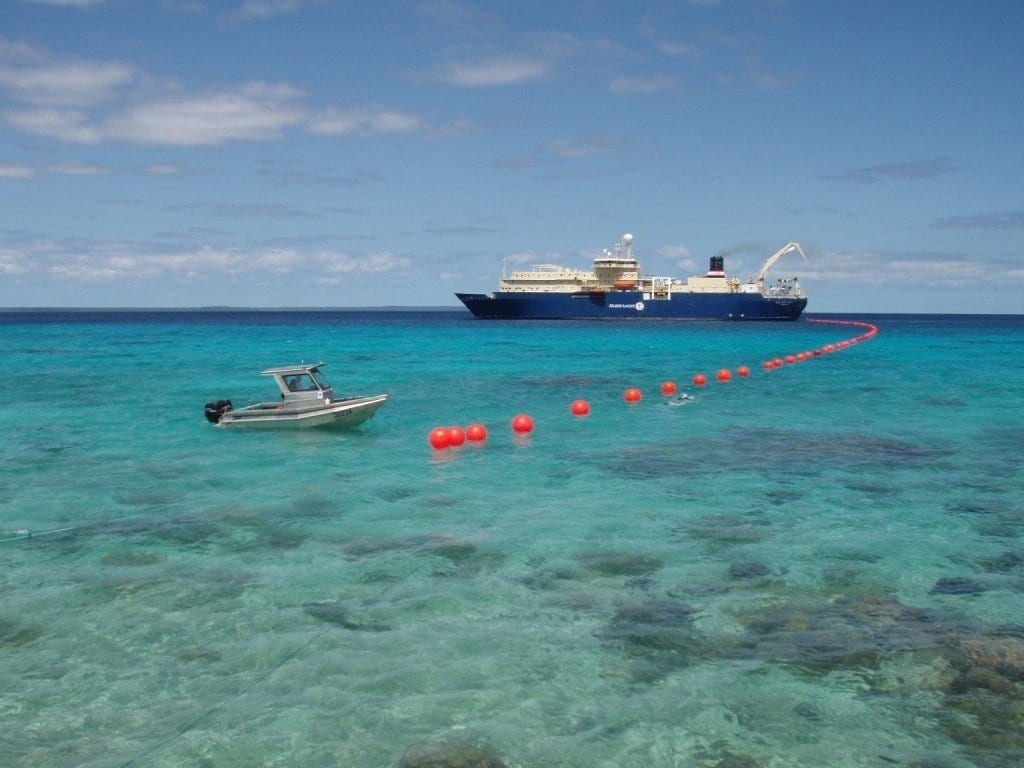
    A new subsea cable company has contracted Huawei Marine Networks to deploy a 250km cable system connecting Malaysia, Singapore and Indonesia.

    Super Sea Cable Networks (SEAX) has commissioned construction of its SEAX-1 cable, which will connect Mersing on the eastern seaboard of Peninsular Malaysia with Singapore’s Changi and Indonesia’s Batam.

    Construction of the 24-fiber-pair system is expected to be complete by the end of next year. SEAX’s market focus will be wholesale operators in emerging markets, including Tier 1, Tier 2 and Tier 3 carriers who want to own but not operate cable systems.

    SEAX’s five-year plan is to target, Thailand, the Philippines, Cambodia, Vietnam and Myanmar in addition to Malaysia and Indonesia.

    The company has a facilities-based operator license in Singapore, an affiliate company in Indonesia and is partnered with telecoms infrastructure provider SACOFA in Malaysia.

    “SEAX-1 passes through one of the busiest region in the Asia Pacific region, where bandwidth demands are increasing exponentially,” SEAX CEO Joseph Lim said.

    “We believe this new submarine cable system will relieve bandwidth pressures on existing infrastructure and continue to provide this region with high-speed, reliable connectivity that will fast-track its growth.”

    Indonesia’s PT Telkom last week contracted NEC to build a subsea cable system connecting six large Indonesian islands with Singapore.

  • Furla Singapore launches Made For You

    Furla Singapore launches Made For You

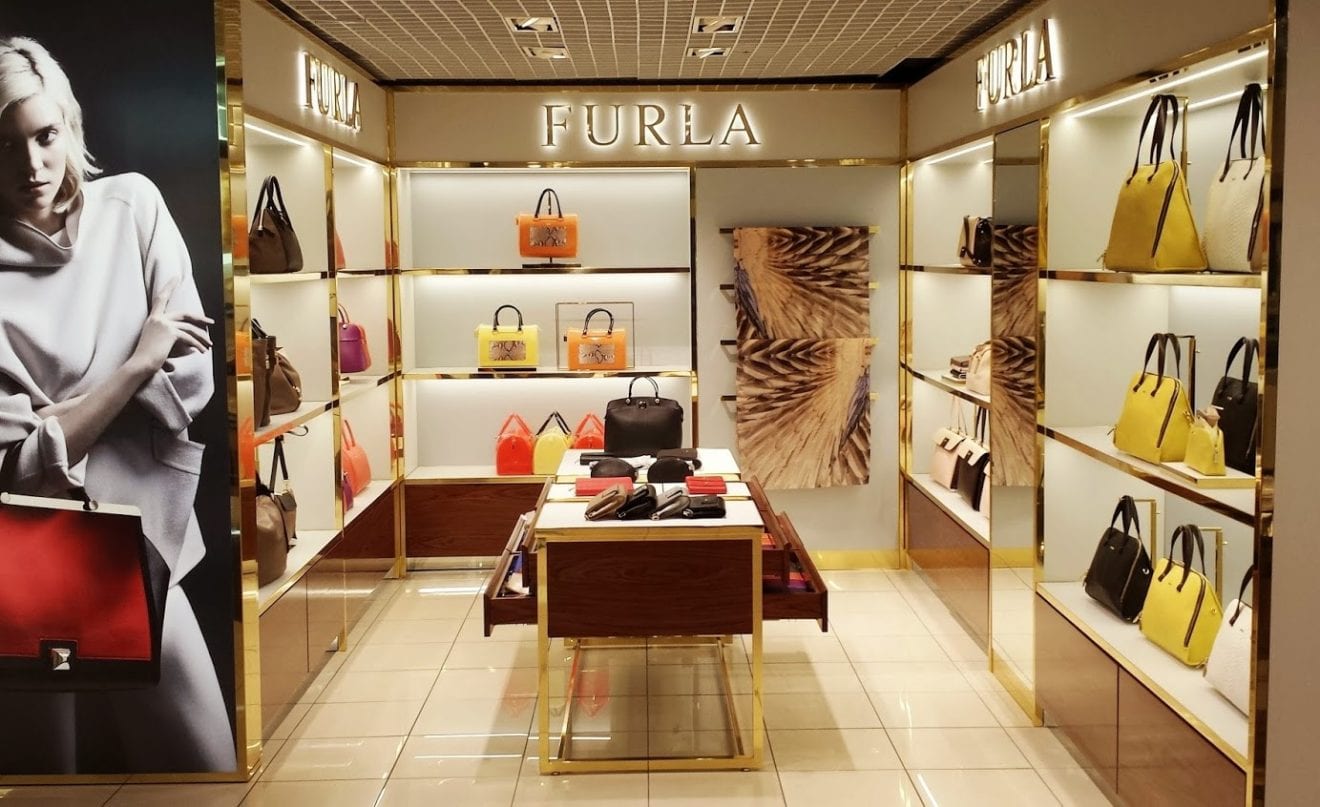
    Furla Singapore has launched its Made For You personalisation service – available only in its Marina Bay Sands flagship store.

    The Italian luxury brand says the service is designed to “further enrich the relationship with customers”.  Overall, the mix of combinations of fabrics and fixtures adds up to 8500 combinations.

    The innovative made-to-order service offers a unique luxury experience within the premium segment.

    “For the first time, Furla’s joyful message, contemporary creativity and finest Made in Italy expertise will be customisable in a light-hearted, intimate and engaging manner,” says the company.

    “Customers can unleash their creativity and design their exclusive Furla dream bag, choosing between the bestselling Furla Metropolis cross-body bag or the new IT Bag Artesia top handle style.

    Craftsmanship 3

    Craftsmanship 2

    Made For You materials include calfskin, ostrich, crocodile, snakeskin and calf hair for the Metropolis bag while the Artesia can be customised in calfskin and ostrich. All are lined in leather. The kaleidoscopic colour palette features up to 39 shades that differ from the seasonal assortment.

    Craftsmanship 5


    Craftsmanship 17

    Moreover, customers can choose the colour of the stitching, of the clasp and of the hand-painted edges, creating unique tonal or contrasting one-of-a-kind effects. The selection of clasps includes silver or gold metal, plus black or tone-on-tone enamel. Finally, each bag can be monogrammed or personalised according to the customer’s desire.

    ARTESIA MFY M TOP HANDLE BHX3 Ambra $6,680

    From order to delivery takes between eight and 12 weeks, depending on the material chosen and on market demand. Each bag comes with a personalised hand-written certificate featuring all of the bag’s characteristics.

    Craftsmanship 11

    Craftsmanship 13

    The Made For You service will be available in different retail formats, from permanent dedicated corners in key flagship stores to itinerant formulas to pop-up events. Depending on the venue, Furla has studied different in-store solutions to present the Made For You service, from sleek wood and burnished metal tables to temporary wall installations, both complete with a full kit of colours, swatches, details and combinations.

    Craftsmanship MFY 1

    METROPOLIS MFY MINI CROSSBODY BPROUHV3 Barolo $4,480

    Furla has also developed a dedicated micro-site with 3D configurations to enable customers to create their virtual bag by playing around with the various combinations. The app will also be available on tablets in the stores allowing the sales assistants to simulate the various bags for the customer. During the Made For You experience, the sales assistants will serve as the “artisan”, supporting the client as she “designs” her very own Furla creation.

  • Hermès Apple Watch launched at up to $1499

    Hermès Apple Watch launched at up to $1499

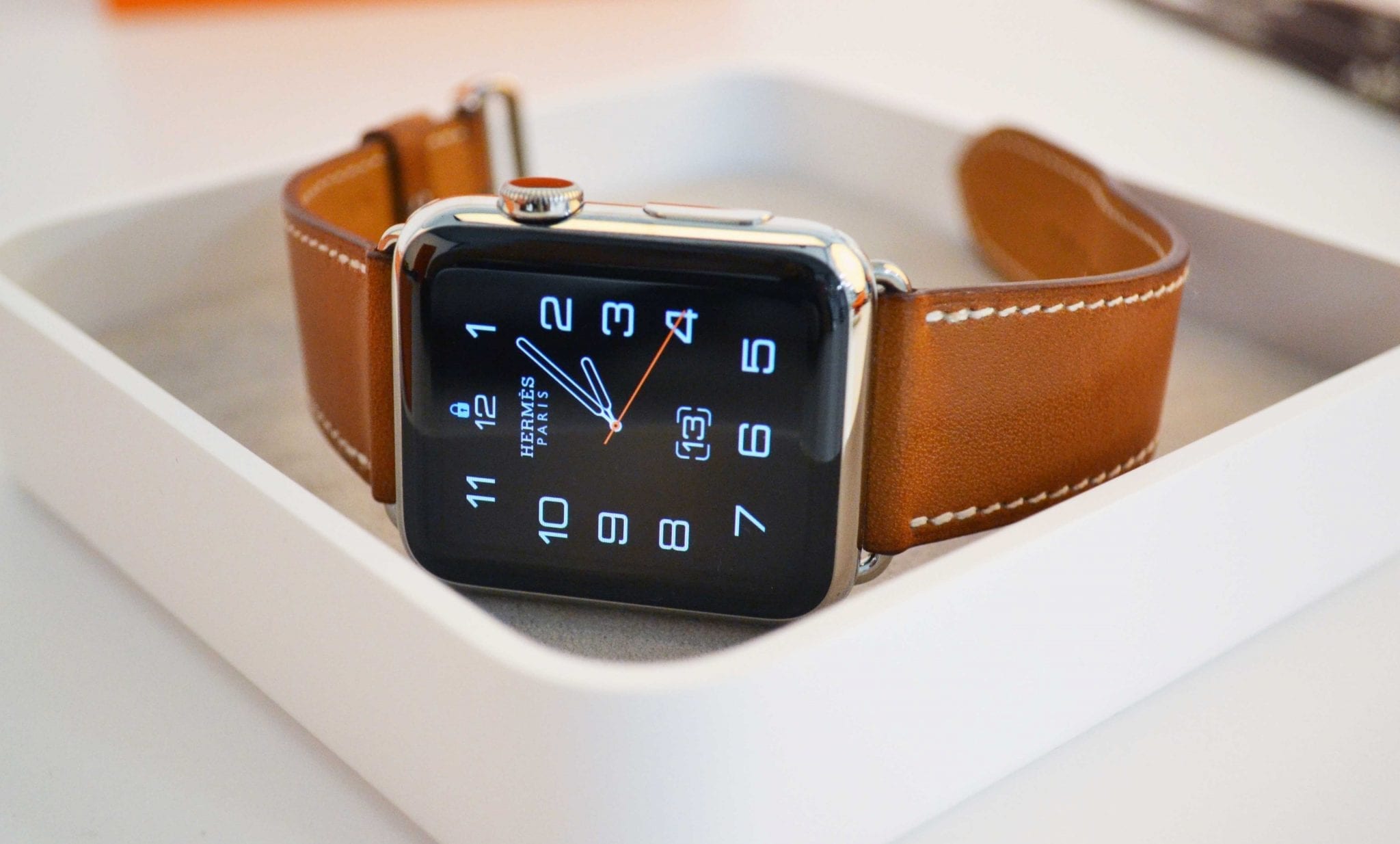
    Hermès and Nike have revealed new collaborations with Apple, to produce exclusive co-branded Apple Watches.

    Hermès introduced new Apple Watch styles and an expanded assortment of wristbands that incorporate its signature palette alongside a series of bold new colors.

    Meanwhile, Nike is focused on functionality for the sportsperson, with the Apple Watch Nike+ Series 2, featuring GPS, a two-times-brighter display, water resistance to 50m and a dual-core processor.

    Launch dates in Asia

    In Asia, the Apple Watch Hermès will be available from September 23 in Australia, China, Hong Kong, Japan, Macau, Singapore and Taiwan. The Nike watch goes on sale from yesterday, September 9.

    The Hermès models range in price from US$1149 to $1499, while the Nike sells for a more affordable $369 – $399. The Hermès wristbands will also be sold separately.

    Apple watch Hermes double buckle cuff

    Hermes says the design process was driven “entirely by a shared ambition for ultimate beauty and utility,” featuring exclusive watch face designs inspired by the iconic Clipper, Cape Cod and Espace Hermès models.

    “Ours is a partnership born of parallel thinking and mutual regard — we share similar preoccupations, ever evolving and refining our design,” said Jonathan Ive, Apple’s chief design officer.

    Siri speaks

    The Apple Watch Nike+ also includes exclusive Siri commands and Nike watch faces along with deep integration with the new Nike+ Run Club app to motivate wearers to go for a run, coaching plans that adapt to their unique schedule and progress, and guidance from the world’s best coaches and athletes.

    “Apple Watch is the ultimate device for a healthy life and we wanted to push it further to create the best smartwatch in the world for runners and athletes,” said Jeff Williams, Apple’s COO. “Apple Watch Nike+ takes performance tracking to a whole new level and we can’t wait to bring it to the world’s largest community of runners.”

  • Singapore F&B sector ‘running out of manpower’

    Singapore F&B sector ‘running out of manpower’

    The Singapore F&B sector is set for a radical transformation under the government’s Industry Transformation Maps, aimed at getting industry “future-ready”.

    Tharman Shanmugaratnam, deputy PM and coordinating minister for economic and social policies, revealed some insights in a speech at the opening of Select Group’s new corporate headquarters on Thursday.

    He said with 160,000 people working in the F&B industry, it was a significant employer in the city state, 205,000 if hawkers’ centres were included, more than 5 per cent of the nation’s workforce.

    “But that is also the industry’s biggest challenge. We are running out of manpower in the industry. Our strategies for the future have to address this squarely.

    “We must develop a food services industry that is highly efficient, with no loss in quality of food offerings, and with high quality jobs. It has to be a major makeover.”

    The Food Services Industry Transformation Map (ITM) would involve “intensive collaboration” between Spring Singapore, the Restaurant Association of Singapore (RAS), enterprises themselves and trade unions such as the Food, Drinks & Allied Workers Union.

    The Food Services ITM will aim to push ahead with more ‘manpower-lean formats’ in the industry and upgrade jobs and job satisfaction, while maintaining the quality and range of Singaporeans’ dining options.

    There are four main thrusts of the Food Services ITM:

    * Developing innovative formats like Ready-to-Eat meals.

    * Promoting mass adoption of technologies even within established business formats.

    * Raising employees’ skills and versatility, and making the industry more attractive through job redesign and clear progression pathways.

    * Expanding the footprint of Singapore F&B in overseas markets.

    “Spring estimates that by 2025 three out of eight dining experiences in Singapore will involve new formats such as grab-and-go and vending machines, as opposed to traditional dine-in options. It will be more efficient, and will also meet changing consumer demands.

    “Ready-to-eat (RTE) meals, for instance, are a viable alternative for consumers looking for convenience. The new generation of RTE meals is much more than just “microwavable food”. Utilising “cook-chill technologies” as well as innovations in packaging material, the taste, quality and nutritional content of foods can be retained well in RTE meals,” he said.

    “Last month, we launched VendCafé in Anchorvale. The response has been encouraging, with an average of 400 meals served per day in the first month. Residents have given feedback that they welcome the additional amenities. However, some have expressed concerns about the noise patrons generate, sometimes late at night.”

    Coffee shops are not immune to new systems, he said.

    “Spring and the HDB have reviewed the tender requirements for new coffee shops. The requirements will now include productivity proposals, in addition to a good variety of affordable food. I urge operators to make use of this opportunity to rethink how existing coffee shop models can be redesigned. For a start, the new system will be piloted at two sites, in Tampines and Choa Chu Kang. The tender will open from mid-September onwards.”

    Manpower challenge

    The minister said employers have to work on the basis that there will be no further manpower growth in the Singapore F&B industry.

    “The heavy reliance on low-skilled workers also cannot continue. New entrepreneurs have to come into the business knowing how tough it is to find workers. The industry sees a high churn of enterprises. On average, 28 per cent of food establishments are replaced yearly. Some churn in the industry is not a bad thing – it adds vibrancy and reflects Singaporeans wanting to do their own thing as entrepreneurs. But every new enterprise has to be aware of the realities of the labour market before they get started.”

    One of the ways forward is to embrace digital service, including electronic payments.

    “In Sweden, cash transactions represent less than 2 per cent of the value of all payments made. From retailers to street level vegetable and fruits traders, Swedish businesses have embraced the use of electronic payments via credit cards or mobile apps. This enables companies to increase productivity through payments integrated with business processes. We will be promoting this very actively.

    “We must transform the food services industry so that it achieves. Spring together with its partners plans to have at least 50 per cent of the industry having adopting technology-enabled operations by 2020. They estimate that it will make possible productivity growth in Food Services of 2 per cent per year on average from now until 2020.”

  • Maybank joins up with Samsung Pay

    Maybank joins up with Samsung Pay

    Singapore’s Maybank has joined the Samsung Pay bandwagon to help meet its goal of strengthening its digital presence across the region.

    Launched in partnership with Samsung Electronics Singapore, the deployment will enable customers to use their Maybank credit and debit cards to perform transactions at most point‐of‐sale (POS) terminals in Singapore.

    This mobile wallet deployment is expected to bring greater payment convenience to Maybank’s Singapore customers.

    In conjunction with the launch, Maybank Singapore will be offering special promotions for its customers including cash rebates, lucky draws and 1‐for‐1 promotions.

    CEO, Maybank Singapore, Datuk Lim Hong Tat said this partnership with Samsung forms part of Maybank’s digital roadmap for its regional operations, with Singapore being the first ASEAN market to launch Samsung Pay.

    Group Chief Strategy Officer of Maybank Michael Foong, said, “Over 40% of our customers in Singapore are now transacting using their Maybank Singapore contactless credit cards, and cardholders here can now use this Samsung Pay facility virtually anywhere in the world 1 where credit or debit cards are accepted.”

    The launch of Samsung Pay in Singapore follows the bank’s introduction of its mobile wallet in Malaysia last month, and will be followed by the progressive roll‐out of other digital initiatives across the region.

    Other past initiatives include the launch of mobile banking apps with augmented reality in some regional markets, biometric authentication, cardless withdrawals, “e‐ang pows” for festive gifts and even hackathon events for the tech community.

  • Singapore flagship leads Uniqlo Asia plan

    Singapore flagship leads Uniqlo Asia plan

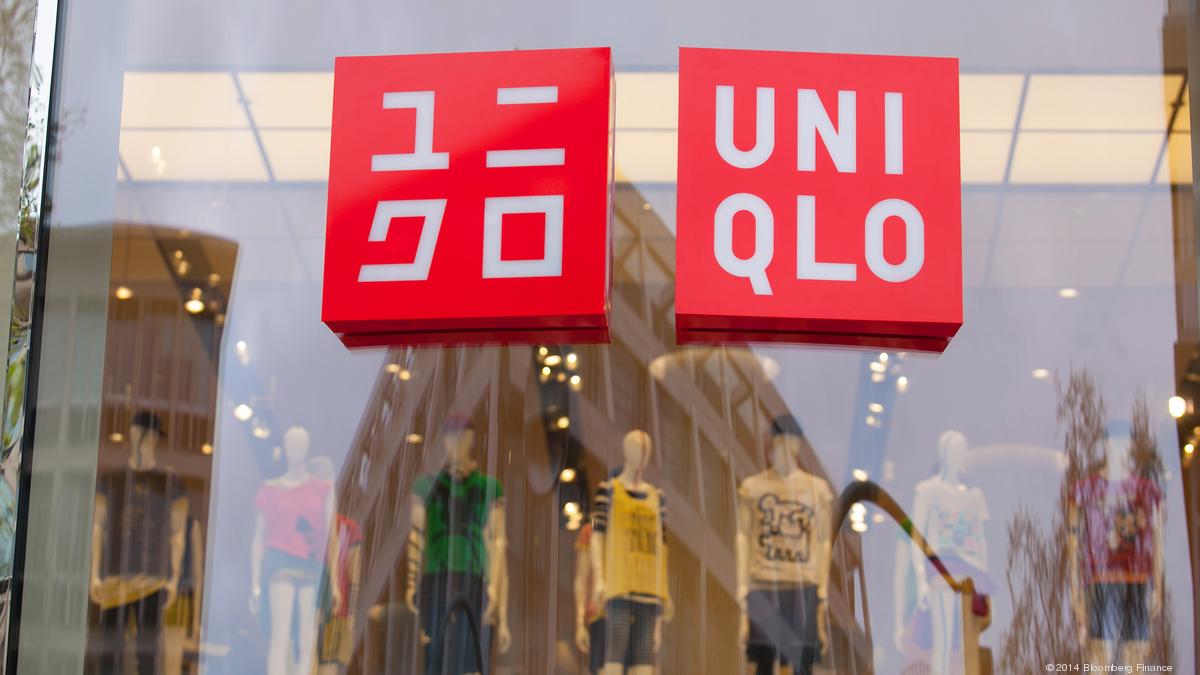
    Japanese casual-clothing chain Uniqlo’s new store in Singapore takes up three floors – and marks its biggest gamble in Southeast Asia yet.

    In the Orchard Road shopping precinct, the 2700 sqm Uniqlo Singapore flagship is the brand’s largest store in the region. Its parent, Fast Retailing Co, is opening Uniqlo stores in the US, London and across Asia to help reduce its dependency on its home market where household spending is falling.

    Uniqlo Singapore - Orchard store 1

    Uniqlo has about 130 outlets across Southeast Asia, opening a six-storey China flagship store in Shanghai a year ago. Chairman Tadashi Yanai says he has plans to open 100 stores a year in China on it way to a potential 3000. There are about 30 stores each in Malaysia, Thailand and the Philippines.

    Uniqlo Singapore - Orchard store

    Meanwhile, in Japan Uniqlo closed a net six stores in August, as same-store sales decreased by 1 per cent year-on-year. Sales at company-owned stores slipped by 0.5 per cent, but the company’s increasing online business saw overall sales increase by 0.2 per cent.

    Uniqlo cited cooler temperatures in the first half of the month and heavy typhoons from mid-month onward for the store sales decline.

  • M&S Singapore launches table-service restaurant

    M&S Singapore launches table-service restaurant

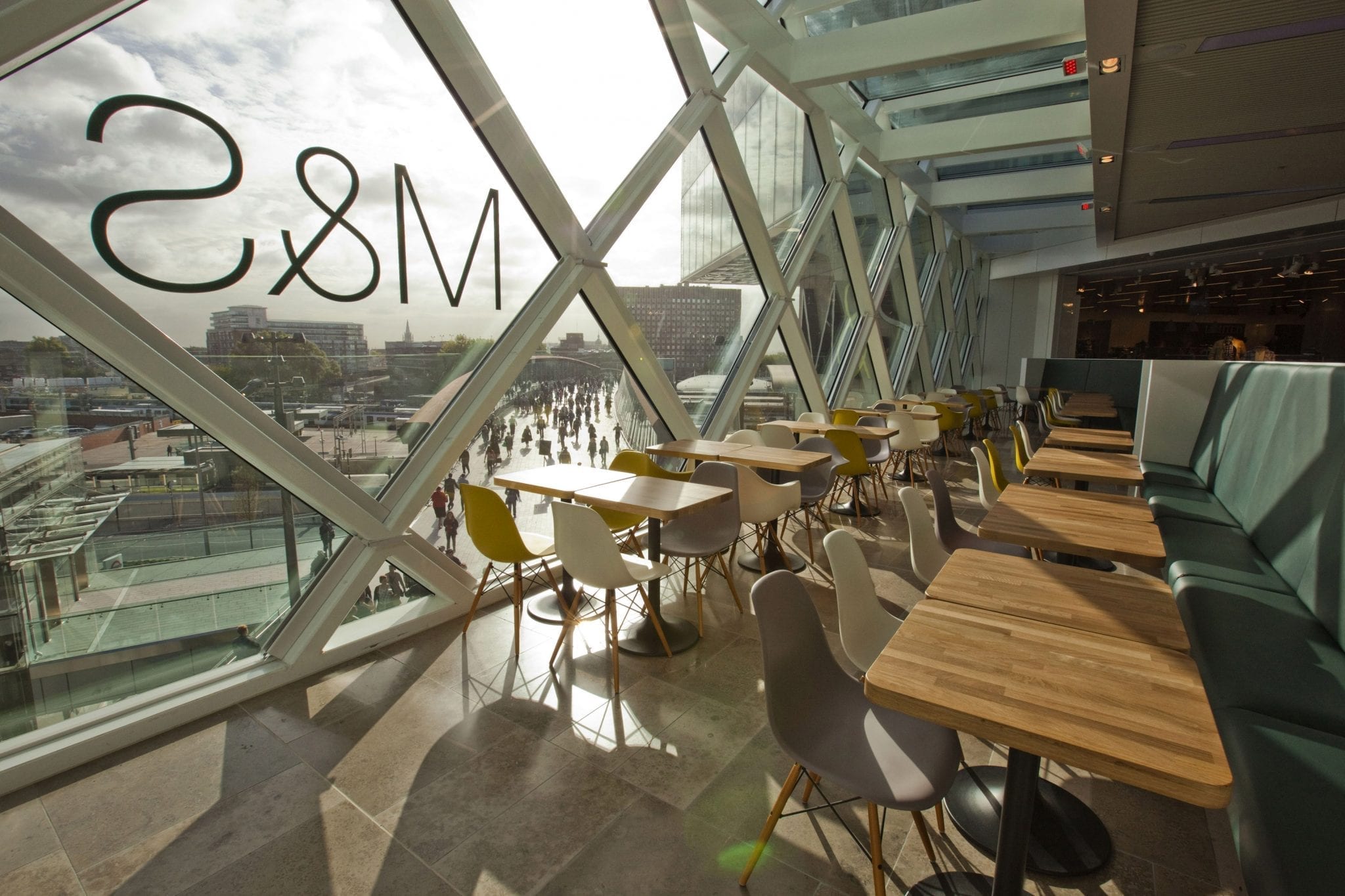
    M&S Singapore has opened a table-service restaurant at Wheelock Place.

    As well as the M&S Cafe, the flagship store has introduced M&S chilled food, making it the first Asian outlet outside of Hong Kong to offer the range of more than 600 products.

    With 60 seats, M&S Cafe is near the Food Hall, its menu including drinks, snacks and hot meals plus British classics such as fish and chips and afternoon tea. Global favourites include Indian curries and Italian pasta.

    In the Food Hall, the chilled food range offers soups, salads, cheeses, dips, salmon, fruit, vegetables, cheesecakes, yoghurts and puddings such as Apple Crumble.

    M&S has nine stores across Singapore run by long-standing franchise partner Al-Futtaim Group.

  • Singtel extends free WiFi offer to fiber subscribers

    Singtel extends free WiFi offer to fiber subscribers

    Singtel has revealed plans to extend its free unlimited out-of-home WiFi offer to new and existing fiber broadband customers.

    The operator has been providing Singtel WiFi services for free for the operator’s mobile customers, and has decided to expand access to the service based on its popularity with mobile subscribers.

    Fiber broadband subscribers will be eligible for unlimited data usage at Singtel’s more than 900 WiFi hotspots island-wide. The company said the unlimited usage offer will last until the end of September 2017.

    Customers will be able to access the network on any WiFi-enabled device. After a one-time activation the service offers seamless logins at all WiFi hotspots.

    Singtel asserts that its WiFi network offers five times faster speeds compared to conventional WiFi services. Hotspots have been deployed across the island, including in MRT public transport stations and McDonald’s restaurants.

    “We are pleased to offer our fiber broadband customers extra value on their plans and affordable options to stay connected,” Singtel managing director of home consumer Singapore Goh Seow Eng said.

  • Japan strongest market for Furla Asia

    Japan strongest market for Furla Asia

    Italian luxury leathergoods brand Furla has reported a 38 per cent increase in travel-retail sales for its first half, with Japan being its strongest market.

    Furla has 223 travel-retail points of sales in 52 countries, the latest openings for Furla Asia including Singapore’s Changi Airport with Lagardere Travel Retail.

    Following record results last year in terms of sales and profitability, the Furla Group overall has continued growth in its latest first half with sales of €194 million (US$217 million) up 28 per cent from the figures for the same half last year.

    The group has 425 mono-brand stores, up from 415 at the end of last year. Counting multi-brands and department stores, the group is present in more than 1200 other locations worldwide, and has its products in more than 100 countries.

    Furla Group’s latest mono-brand store openings include Citic Mall in Shanghai and Mira Mall in Hong Kong.

    Japan remains its strongest market, representing 26 per cent of total sales in the half, with a 30 per cent increase. Furla Asia/Pacific sales rose 22 per cent, equal to almost 20 per cent of the total sales for the group.