Tag: Singapore

  • More stores in Asia for Guzman y Gomez

    More stores in Asia for Guzman y Gomez

    Australia’s Mexican food chain Guzman y Gomez (GYG) has done so well in Japan and Singapore it is planning to open more outlets in both countries this year.

    It opened its first taqueria in Singapore in 2014, since adding three more, plus a second in Tokyo. It plans to open at least five more in Japan this year, plus two in Singapore.

    Guzman y Gomez Japan 1

    “We have outstanding partners in both Japan and Singapore who are incredibly experienced in introducing Australian brands into their local markets,” says CEO Mark Hawthorne. “They are executing the brand to a very high standard.”

    GYG opened its first restaurant in Sydney in 2006, and now has 73 outlets across Australia. It was named Australia’s fastest-growing fast-food brand in the latest Consumer Report on Eating Share Trends.

  • A Battle of 2 of Singapore’s Largest Real Estate Investment Trusts

    A Battle of 2 of Singapore’s Largest Real Estate Investment Trusts

    Singapore’s stock market is gaining popularity as a centre for real estate investment trusts.

    The first REIT here appeared some time back in 2002. But even in recent years, Singapore has seen the listing of some huge billion-dollar REITs such as Frasers Logistics and Industrial Trust.

    In this piece, I want to take a look at two of the largest REITs listed here in Singapore and compare them. Meet the contenders, CapitaLand Mall Trust and Ascendas Real Estate Investment Trust.

    Asset class

    The most obvious difference between the two REITs is their area of focus. CapitaLand Mall Trust, as its name suggests, focuses on retail properties (it dabbles a little in some commercial assets as well).

    Ascendas REIT on the other hand, deals with industrial properties such as business & science parks, factories, data centres and more.

    Going international

    Another area of divergence between the two is their geographical focus.

    Ascendas REIT has invested in overseas properties over the years and now has assets in China and Australia. It seems the trust would continue to pursue international investments going forward. Today, Australia and China contribute roughly 11% and 2%, respectively, to the REIT’s overall portfolio value. The rest comes from Singapore.

    CapitaLand Mall Trust, on the other hand, only owns properties in Singapore. That said, it also has a 14.55% stake in CapitaLand Retail China Trust, which invests in retail properties in the Greater China region.

    Both CapitaLand Mall Trust and CapitaLand Retail China Trust are sponsored by the local real estate giant CapitaLand Limited.

    CapitaLand has stakes in other REITs and even private property funds that invest outside Singapore. This means that CapitaLand Mall Trust would most likely not invest directly in international markets since its sponsor would be heading any overseas venture.

    A long history

    Now, CapitaLand Mall Trust and Ascendas REIT do have things in common.

    They mostly have assets located in Singapore; they have market capitalisations of around S$7.0 billion each; and they both were listed in 2002 and so have long histories of growth as a listed REIT.

    Since their IPOs, CapitaLand Mall Trust and Ascendas REIT have generated total returns (where gains from reinvested dividends are factored in) of more than 420% and 554%, respectively.

    Summary

    Both Ascendas REIT and CapitaLand Mall Trust have proven themselves in the market by providing strong returns for their unitholders. But, the two trusts have significant differences related to their asset classes and growth strategies. This thus results in different risk profiles and that’s something investors would have to keep in mind.

  • Singapore students win FedEx challenge

    Singapore students win FedEx challenge

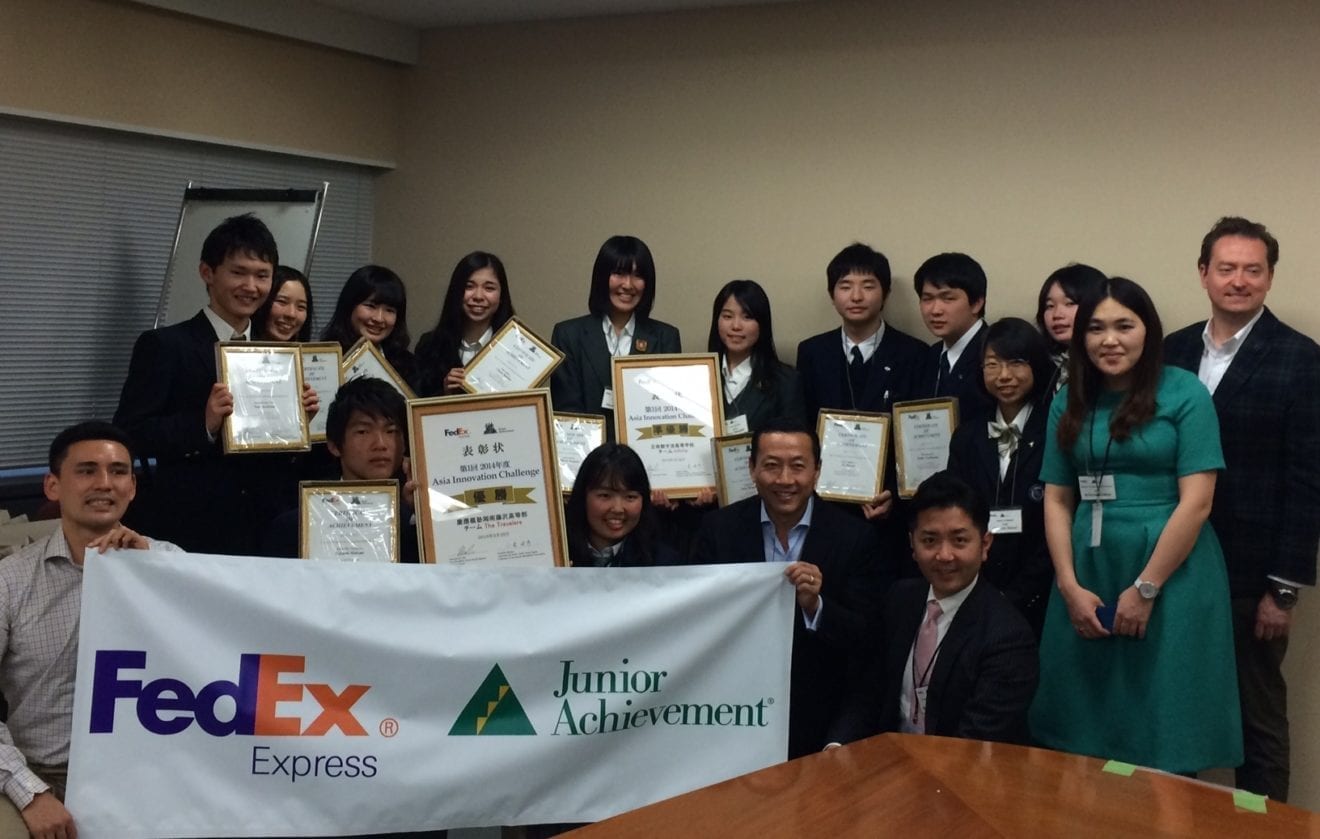
    A team of student entrepreneurs from Singapore have been crowned winners of the FedEx Express/Junior Achievement International Trade Challenge (FedEx/JA ITC) Asia Pacific Finals in Hong Kong.

    Challenged to come up with an idea for a travel security product or service for the U.K., team Kung Fu Pandas – made up of Colin Chee and Tan Jie Ying – impressed the judges with their product “RobStop”, a convertible bag with slash-proof body panels made of stainless steel mesh that can help to thwart pickpockets and protect all important personal belongings while travelling.

    In total, 48 students from eight Asia-Pacific markets (Hong Kong, Japan, Korea, Malaysia, the Philippines, Singapore, Thailand and Vietnam) took part in this year’s contest.

    “We came up with an idea that we thought would work and that we believed in, but some of the other team’s proposals were really outstanding, so we didn’t expect to be the winners,” said Colin Chee and Tan Jie Ying of Kung Fu Pandas.

    “Taking part in the contest has been a really eye-opening experience, and it’s made us realize that, with some planning, research and a good idea, it’s surprisingly easy to set up a business in real life.”

    Evelyn Tsui and Tanya Tam of team DOTS from Hong Kong took second place in the contest with their idea of “Secure Egg”, a compact portable device that helps elderly travelers in emergency situations by enabling them to connect to their families or even the police at the push of a button.

    Team LOHAS, also from Hong Kong, came third. Team members Michelle Ng and Vanessa Kwang devised “KidSafe”, a children’s backpack that tracks children’s whereabouts. Once the backpack leaves the “safety zone” set by parents, the parents receive an automatic alert.

    “Modern technology makes international markets more accessible to even the smallest business than ever before,” said Karen Reddington, president, FedEx Express Asia Pacific.

    “I’m delighted that, by supporting FedEx Express/Junior Achievement International Trade Challenge, we are helping to develop and inspire the next generation of entrepreneurs to recognize the opportunities for themselves. The program has grown considerably in both size and stature over the last 10 years, which is a testament of a huge success that FedEx is proud to be associated with.”

    “It is remarkable that FedEx/JA ITC has now been running for 10 years and we are very proud that it has not only endured, but actually grown considerably,” said Vivian Lau, president, JA Asia Pacific.

    “Our goal for the program was always to inspire young people to think big in what they can achieve in the world of business, and to enable them by equipping them with the necessary knowledge and skills through challenges that were as close to real life as possible. The feedback of previous years tells us that participants really benefited from the program, and we will work to ensure it remains equally valuable in the years to come.”

  • Singapore Changi announces latest retail and F&B openings

    Singapore Changi announces latest retail and F&B openings

    Singapore Changi Airport has announced a number of new store openings across its terminals.

    In the transit areas, Electronics by Sprint-Cass and childrens’ clothing retailer BloomB have commenced operations in Terminal 1.

    The transit retail area in Terminal 3 offers a range of stores, with Ermenegildo Zegna the latest addition

    In Terminal 2, ramen emporium Ippudo Express, local quick bite outlet Old Chang Kee and American footwear brand Converse have opened.

    Italian luxury fashion house Ermenegildo Zegna has opened its first Changi store in Terminal 3. It offers a range of men’s clothing and accessories.

    The airport also noted that Travelex Money Changer now operates six 24-hour money changing outlets across all three terminals.

    In the public areas, Peach Garden Chinese Dining has opened in Terminal 2 (Level 3), serving classic Chinese dishes and dim sum in a contemporary style. Snacks store Umeya is now operating an island kiosk at Terminal 3 (Basement 2).

    The airport handled 5.18 million passengers in July, a +5.9% year-on-year increase. Aircraft movements were +4.7% higher at 30,790 landings and takeoffs.

    All of Changi’s top five country markets achieved growth of at least +5% during the month. Passenger traffic between Singapore and China rose +13.4% to over half a million movements. Among Changi’s top ten city destinations, Denpasar (+13.1%) and Melbourne (+20.6%) recorded the strongest growth.

  • BigOceanData supplies Singaporean government with vessel monitoring

    BigOceanData supplies Singaporean government with vessel monitoring

    BigOceanData and Alltek Technology Singapore have won a competitive open tender to supply AIS vessel monitoring services to a Singapore government organisation.

    BigOceanData’s modern, web-based AIS (Automatic Identification System) vessel monitoring system and fleet management tools are now helping to track and report on up to 50 material container vessels at any one time that are inward bound to Singapore.

    The tender selection process was tough with the client demanding a very high standard to meet their need for a modern, high-intensity ocean vessel monitoring operation with integrated mapping and charting information.

    “The contract was finally won not only by meeting all the contractual and pricing requirements, but also because BigOceanData was able to demonstrate advanced features such as different ocean state conditions, good AIS coverage both terrestrial and satellite, a modern, user-friendly interface and good local support,” according to Sebastian Koh, Managing Director of Alltek Technology Singapore.

    The system is now fully operational following on-site user training for the agency’s personnel delivered by BigOceanData personnel and Alltek is providing local support.

    The government agency is operating the standard BigOceanData interface. Among the many other features of the system that are now assisting the agency with its high-intensity monitoring operation are the integration of mapping and charting information together with a range of port monitoring tools including ‘vessels scheduled’, ‘vessels in port and departed’ and ‘vessel time in port’ reports.

  • Henkel opens global supply chain hub in Singapore

    Henkel opens global supply chain hub in Singapore

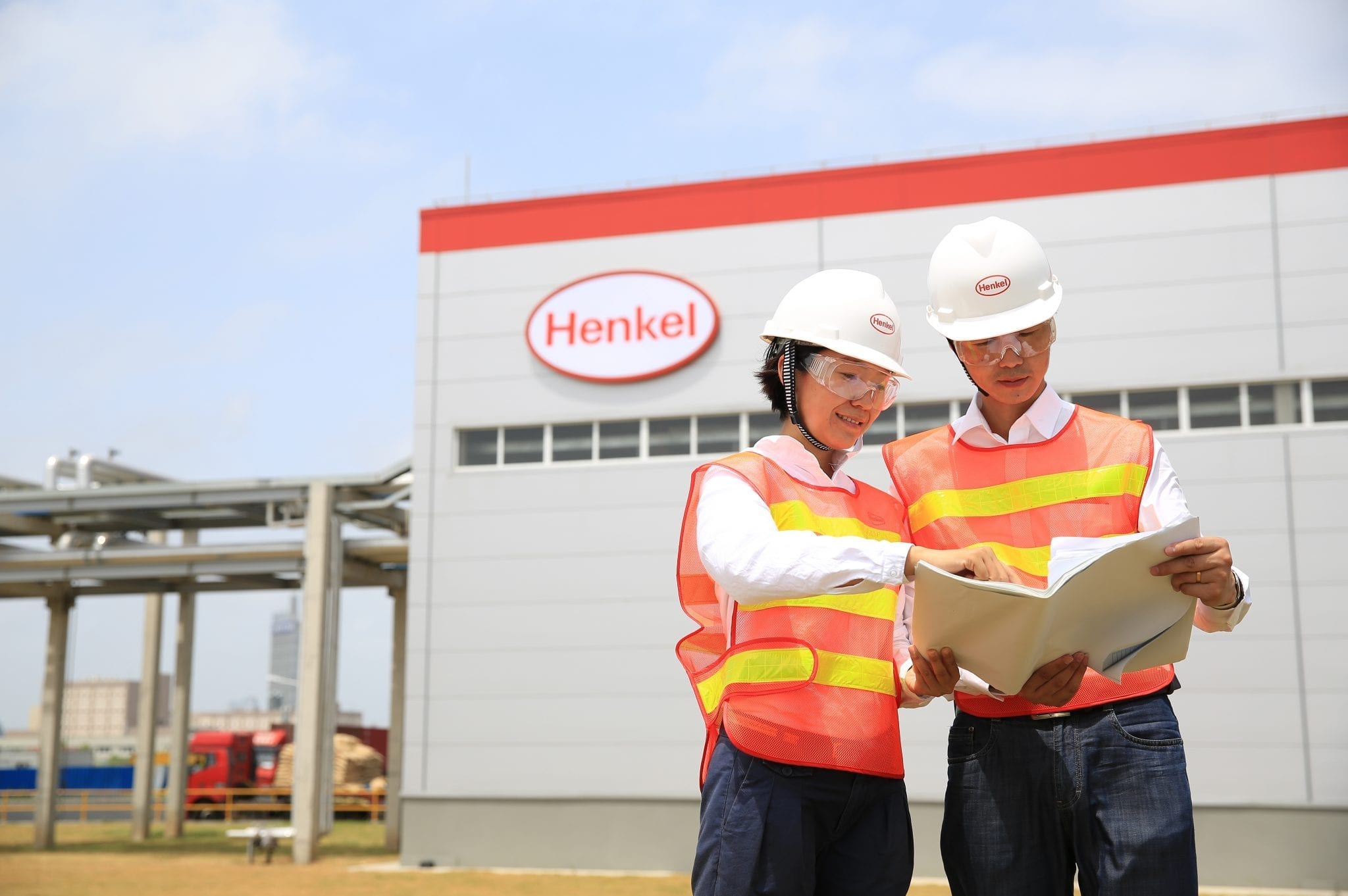
    Henkel has officially opened its global supply chain hub in Singapore. This is a major milestone which follows the successful set-up of the company’s global supply chain headquarters in Amsterdam. Working closely together, the two hubs in Amsterdam and Singapore will steer Henkel’s strategic initiative to consolidate all its supply chains company-wide around the world.

    A single global supply chain is a key initiative of Henkel‘s strategic priority to continuously simplify the organization in order to drive operational excellence and build a scalable business model, increasing Henkel’s competitiveness in terms of speed, agility and efficiency. As such, the initiative will be a key driver for realizing the company’s vision to be ‘a global leader in brands and technologies’.

    The global hubs will centrally manage the purchasing, production and logistics processes of Henkel’s three business units – Adhesive Technologies, Beauty Care and Laundry & Home Care. The effort spans across supply planning, sourcing, manufacturing, inventory and distribution. This harmonization across the entire company will lead to higher process standardization, improved customer service levels and enhanced efficiency.

    Bertrand Conquéret, Corporate Senior Vice President of Global Purchasing at Henkel, said, “Together, the Amsterdam and Singapore global supply chain hubs will steer Henkel’s biggest initiative in business transformation. Singapore was selected for its excellent logistics capabilities, availability of supply chain talent and geographical location in the heart of Asia, which is a key growth market for Henkel.”

    Singapore also serves as a conduit to the trade routes that extend to India and the Middle East and Africa region. Both Singapore and Amsterdam are amongst the largest sea ports and logistics centres in the world. With their strategic locations, the two global hubs are well-positioned to manage the supply chains that connect all our markets globally.

    Notably, the new global supply chain hub builds upon the success of Henkel Singapore, which was established in 1983 and serves as a strategic business and technical services sub-regional hub for the company’s adhesive and beauty care businesses in Southeast Asia.

    Thomas Holenia, Managing Director of the global supply chain hub in Singapore and President of Henkel Singapore, said, “Our successful business presence here of more than 30 years and the global supply chain hub provide a strong foundation for developing Singapore into a global centre of excellence for Henkel – through the implementation of best practices in supply chain management, sustainability, digitalization and talent management.”

    In terms of sustainability, the Singapore hub is partnering with suppliers and business partners to continually improve the sustainability impact across the entire value chain.

    Digitalization is a key component of the global supply chain hub, enabling the standardization and harmonization of data and processes across the businesses and functions. It creates transparency on the vast amount of data on customers, products, raw materials and logistics. This improves the exchange of knowledge significantly, brings consistency in customer service and enables managers to make informed decisions faster resulting in quality processes across markets.

    With a corporate culture that strongly promotes diversity and inclusion, the global supply chain hub currently employs an international and cross-functional team of more than 14 nationalities. In the global supply chain hub, employees from purchasing, supply chain, operations and IT collaborate with other departments as an integrated team on a common agenda. As a result, the team is able to harness the diversity of knowledge, insights and experiences to deliver best solutions.

    In its ramp-up phase, the global hub is in the process of hiring new graduates and experienced managers. It is working closely with the National University of Singapore and Nanyang Technological University to identify local talents who have a global mind-set and strong leadership skills. With an inclusive corporate culture and attractive career development opportunities, Henkel aims to be an employer of choice.

    Chan Ih-Ming, Director of Consumer Businesses for the Singapore Economic Development Board (EDB), said, “Henkel’s decision to house one of its two global supply chain bases in Singapore marks a significant milestone in the Henkel-Singapore partnership. Henkel’s expansion in Singapore is testament to our strategic position as a key supply chain control tower for both Asia and the world. This investment also builds on the growing community of German companies – both Mittelstand and multi-national companies – that are using Singapore as a business hub for the region.

    “The EDB will accelerate our work with companies to equip the Singapore workforce with the right capabilities to seize the exciting professional opportunities in the logistics industry, such as those created to enable Henkel’s sustainable supply chain.

    Dr Steffen Koch, Acting Head of Mission of the German Embassy in Singapore, congratulated Henkel on choosing the city-state to base its global supply chain hub, and said, “Singapore’s prime geo-economic location at the core of the dynamically developing Asia, its business-friendliness as well as its highly efficient ports and airport make it an ideal choice for all kinds of logistical operations.”

    Dr Tim Philippi, Executive Director of the Singaporean-German Chamber of Industry and Commerce (SGC) congratulated Henkel on opening the new global supply chain hub in Singapore, which is a highly desired location in Southeast Asia for its favourable business environment. “The SGC is tasked to promote bilateral business relations between Singapore and Germany and as a chamber, we welcome companies such as Henkel as they contribute towards the bilateral relations between our two nations.”

  • Prada Asia heads online as sales slip

    Prada Asia heads online as sales slip

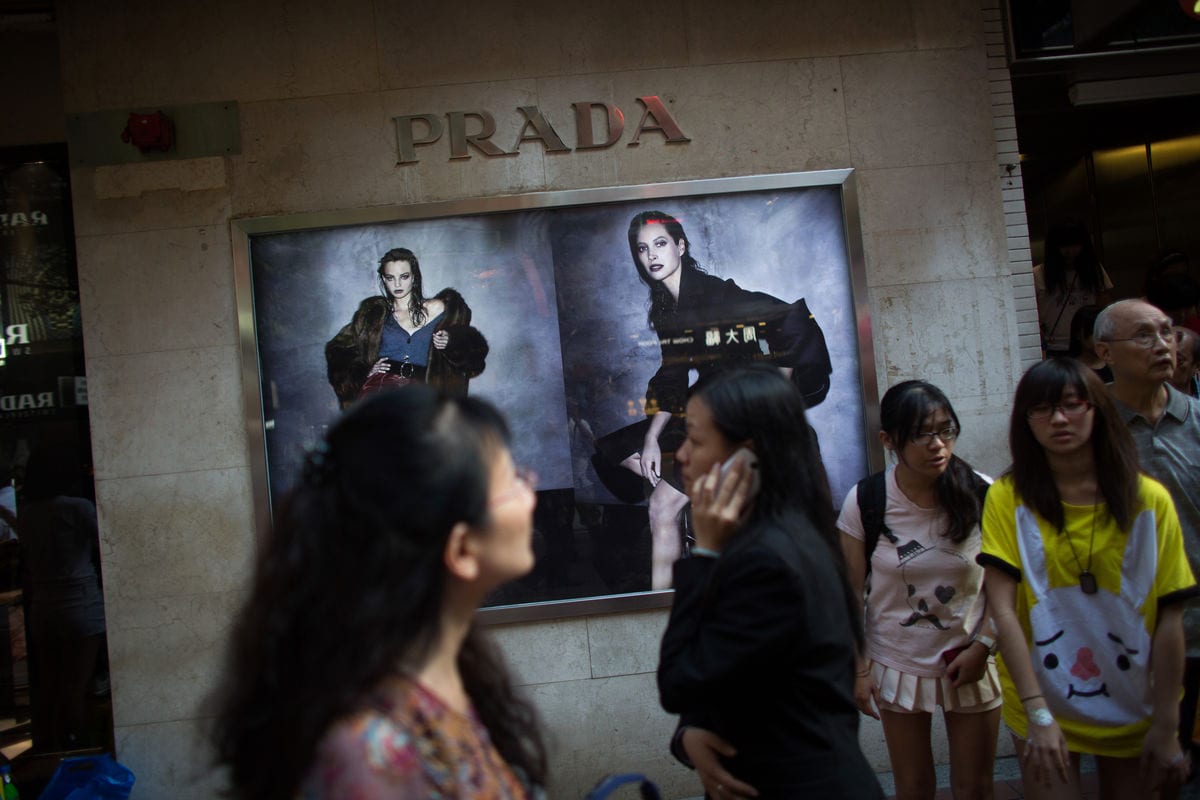
    The Italian-headquartered, Hong Kong-listed luxury brand says its Asia Pacific sales slumped  18 per cent on a constant currency basis in the first half of this year.

    “The negative economic backdrop continued to impact performance in both Hong Kong and Macau, but signs of improvement have been visible since July across Greater China,” the company noted in its results.

    And after a period of consistent growth since 2010, sales in Japan fell 9 per cent, mainly due to lower tourist flows from China caused by a less favourable exchange rate.

    CEO Patrizio Bertelli says the company will now make China, Hong Kong and Singapore its priorities in roll out its new eCommerce platform, which is expected to be global within to years.

    “At the same time there will be a constant enhancement of the online shopping experience,” he said. “Our eCommerce offer will also leverage new partnerships with international leaders in the sector.”

    Globally, Prada achieved net revenues of €1.6 billion, down 13 per cent on a constant currency basis. The decline was largely in the retail channel while Prada’s wholesale business remained stable thanks to an initial positive contribution from recent partnerships with international e-tailers and its licensing division, where good progress from royalties driven by the success of the new fragrances and eyewear.

    Net profit margin was down from 24 per cent of revenues in the first half of last year to 21 per cent. Net income amounted to €142 million, representing 9 per cent of consolidated revenues (10 per cent in 2015).

    Bertelli is upbeat about the remainder of 2016.

    “With the implementation of the first phase of rationalisation of various management and operating processes and with the launch of a series of new initiatives that will allow the group to respond quickly to the requirements of a rapidly evolving market, I see 2016 as a turning point.”

    He said the company’s retail network is subject to rigorous review including closure of non- strategic locations and selective openings in high potential markets.

    “Part of this process will also include the launch of new concepts such as the recent restyling of the Prada stores at Plaza 66 in Shanghai and GUM in Moscow, redesigned to offer a new and exclusive shopping experience for increasingly demanding clients.”

  • Differentiation can make or break Singapore brands as competition heats up

    Differentiation can make or break Singapore brands as competition heats up

    Consumers are hungry for novelty, innovation.

    Tight competition online and a tough operating environment have pushed many offline retailers—especially in the footwear and apparel sub-sectors—to downsize or flee Singapore.

    However, RHB noted in a report that brands that are able to spin unique selling point will weather the sector headwinds well, as consumers continue to be attracted to novelty and differentiated experience.

    “H&M, for instance, has numerous sub-collections each year to refresh its inventories. It also rolls out special collections each year, which are tie-ups with famous brands’ designers or style icons… Uniqlo, on the other hand, is known for its product innovation including HeatTech and AIRism technologies catered specially for cold and warm weather, respectively,” RHB stated.

    Meanwhile, BreadTalk comes out on top in terms of product innovation and willingness to experiment.

    “BreadTalk launched a new bakery concept every four years to maintain a fresh brand image. It also rolled out 50 new products along with its latest concept launch,” RHB noted.

    “Furthermore, the group is also up to date in using technology to engage customers. It is planning to build a new integrated system that allows the public to view its kitchen baking processes on external screens. The new system will also allow consumers to get alerts when new buns are up on the shelves,” it added.

  • Singapore’s services industry business receipts edge up 0.4% in Q2

    Singapore’s services industry business receipts edge up 0.4% in Q2

    Singapore’s services sector saw a mixed performance in the second quarter with overall revenue edging up 0.4 per cent year on year.

    This is according to the latest business receipts index, released on Friday (Aug 26) by the Department of Statistics Singapore, which excludes wholesale & retail trade and accommodation & food services.

    The health & social services industry reported the largest revenue growth of 7.7 per cent in April-June quarter from the same period a year ago.

    Other industries with higher business receipts included education services (5.0 per cent) and information & communications services (1.4 per cent).

    Industries that saw lower turnover included transport & storage services (-2.2 per cent) and recreation & personal services (-1.6 per cent).

  • New Louis Vuitton perfumes

    New Louis Vuitton perfumes

    Louis Vuitton perfumes are available again, with the French fashion house offering seven choices for its first fragrance launch in 70 years.

    Ingredients for the perfumes have been sourced internationally, including CO2 extractions from jasmine and May roses native to Grasse, the French town known as the world’s perfume capital. The extraction process is a first in the perfume industry.

    The 162-year-old label’s master perfumer, Jacques Cavallier Belletrud, whose creations include Issey Miyake’s L’Eau d’Issey and Stella by Stella McCartney, spent months travelling the five continents to seek out exotic and rare materials for the fragrances.

    “I wanted to surprise people who smell the perfumes – create emotion, bring them back to childhood or moments of pleasure,” says Belletrud, who is a native of Grasse.

    His new fragrances include elements from countries including China, France, Indonesia, Italy, Laos and Peru.

    For Rose des Vents, he blended a trio of roses, centifolia, Bulgarian and Turkish; with Apogee, he uses lily of the valley, Grasse jasmine and Chinese magnolia.

    While most of the scents are floral, the range also has the more masculine notes of leather and wood (in the perfumes Contre Moi and Matiere Noire).

    Louis Vuitton gave Belletrud the freedom to work without a deadline, and he took four years to produce the range. “The challenge was to create something that would last over the years,” he says.

    The fragrances will be available in Singapore next month at Louis Vuitton boutiques at Marina Bay Sands and Ngee Ann City.

  • Flying start for Innisfree China at Disneyland

    Flying start for Innisfree China at Disneyland

    Korean beauty brand Innisfree China, known for its natural ingredients, has come up with a fresh idea to promote its new store in Shanghai Disneyland.

    Using the “Jeju flying bike”, it is offering customers a virtual visit to the company’s home base of Jeju Island. They mount the bike and put on VR goggles for the journey, created by PostVisual.

    They “fly” from the 16.5 sqm store to the 1650 sqkm island, which is a Unesco World Heritage Site for its volcanic landscape. Through eye-tracking technology, the virtual tourists can fly around the island and “collect” natural ingredients such as canola blooms, green tea leaves and nutmeg.

    To create the 360deg aerial and underwater surroundings, PostVisual spent about three months producing the content, even building its own VR drone camera in-house.

    innisfree VR

    Thousands of visitors have already taken the virtual ride, and the concept will be rolled out this year to flagship stores in Hong Kong, Indonesia, Singapore and Vietnam as well as elsewhere in the US.

  • CBRE Research urges landlords to engage

    CBRE Research urges landlords to engage

    Online and offline retailing in Southeast Asia is expected to merge further, according to a new study by CBRE Research Singapore.

    Its report It’s All About Place-making urges landlords to play their part to stay ahead in a fast-changing retail landscape where consumers transit seamlessly from physical to digital platforms.

    CBRE Research projects that nearly 4 million sqm of city retail stock across Malaysia, Singapore, Thailand and Vietnam will be completed in the next three to five years. CBRE studied retail stock in Bangkok, Hanoi, Ho Chi Minh City, Jakarta, Kuala Lumpur and Singapore.

    “Some retail developments across these six cities have had to shut down in the face of high vacancy rates and low footfall as they failed to capture consumers and retain tenants,” says the report. “One suggestion is for landlords to acquire eCommerce platforms or set up logistics networks to give consumers the fully integrated omnichannel experience.”

    Established shopping centres with online platforms that provide “click-and-collect” or “store-to-door” services give consumers a higher sense of reliability and earn trust as well, says the report.

    “Both physical and online-only retailers are also more inclined to expand their footprint in these shopping centres in their bid to incorporate an omnichannel strategy.”

    Wave of change

    Combining both online and offline channels is one of five strategies CBRE Research recommends to landlords as Southeast Asian economies cope with structural shifts in the face of disruptive technologies.

    This wave of change has affected retail sales across the markets, with CBRE Research using the PLACE acronym…

    Place-making: Conceptualising shopping developments with the consumer’s experience at the forefront. A good social experience makes a strong positive association on the consumer and is tougher to replicate on the digital platform, says the company.

    Leveraging technology: Landlords should take advantage of the high internet and smartphone penetration among SEA consumers to improve the offline shopping experience. Technology can provide consumer insights and interaction while helping boost foot traffic and sales.

    Actively engaging: Forging personal connections with consumers is imperative for landlords to stand out from the competition and gain loyalty. Tenant engagement, and landlords need to find ways to show support.

    Combining channels: Landlords can break down the silos between online and offline by helping tenants incorporate an omnichannel strategy through vertical and horizontal integration, such as acquiring an eCommerce platform or setting up a logistics network to fulfil delivery needs.

    Engaging digital tenants: Landlords should seek to lease space to up-and-coming eCommerce retailers as they are likely to be more savvy about digital marketing and in tune with modern consumer needs.

    New needs

    “The onus of ensuring that stores in shopping centres remain an important and relevant touch point for consumers should not lie with retailers solely,” says CBRE Research Singapore/Southeast Asia head Desmond Sim. “The roles of the asset manager, landlord and shopping centre need to evolve to cater to the new needs of retailers and consumers amid stiff competition.

    “This task is all the more urgent as the market is anticipating a surge in internet use among developing countries, particularly Indonesia and Vietnam where mobile phone use has the greatest potential to increase.”

    Store-based retailing will stay the key point of purchase among SEA consumers in the next five to 10 years and account for at least 90 per cent of total sales value, says CBRE Research. However, landlords will face increasing pressure to make every visit to the shopping mall a memorable experience.

    With its headquarters in Los Angeles, CBRE Group is a commercial real-estate services and investment firm with more than 400 offices worldwide.

  • FJ Benjamin secures Marc Jacobs rights

    FJ Benjamin secures Marc Jacobs rights

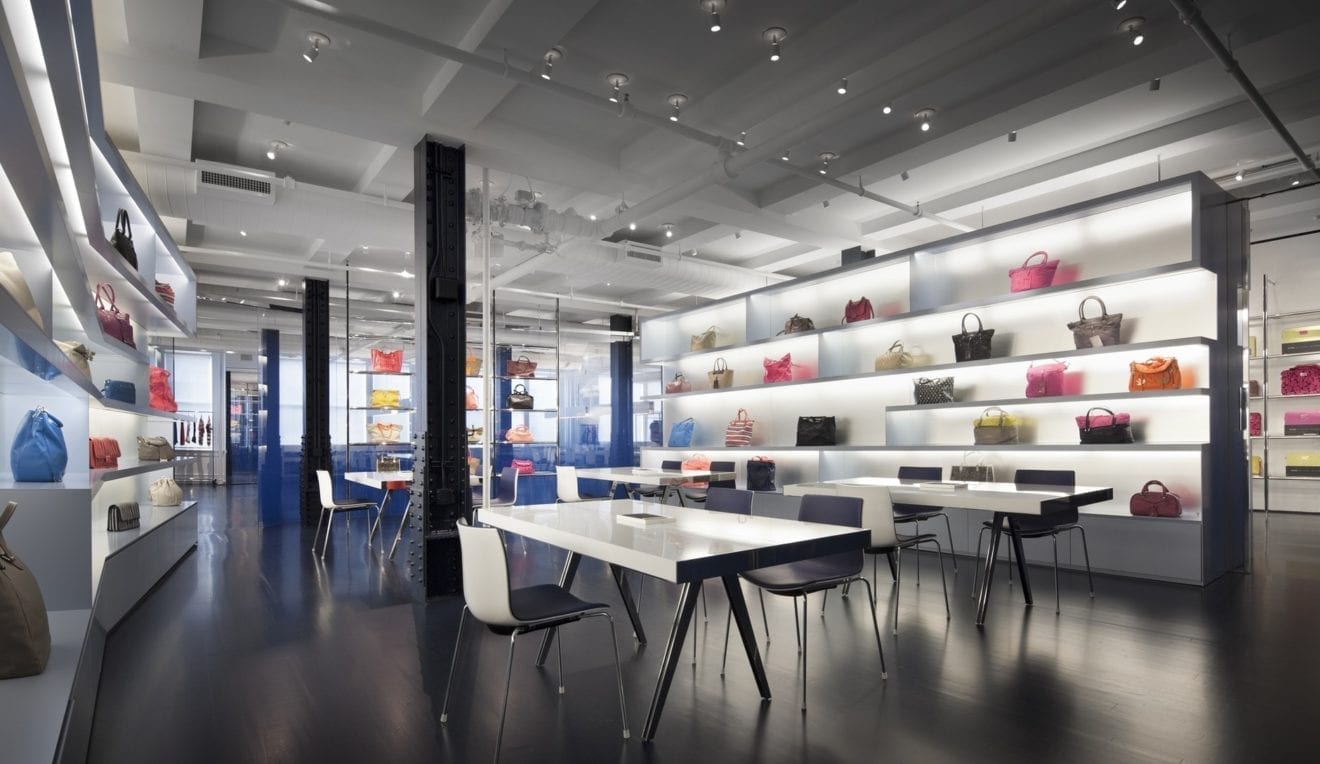
    Singapore fashion and lifestyle group FJ Benjamin has secured exclusive rights to distribute the Marc Jacobs brand.

    An agreement with Marc Jacobs International allows FJ Benjamin to open Marc Jacobs stores in
    Indonesia, Malaysia and Singapore.

    FJ Benjamin plans to open four stores in the next two years carrying the full range of the American designer’s women’s ready-to-wear, shoes, jewellery, bags and accessories.

    Starting his own label at the age of 23 in 1986, Jacobs became the youngest designer to win the Perry Ellis Award for New Talent from the Council of Fashion Designers of America.

    FJ Benjamin Holdings group COO Douglas Benjamin describes Marc Jacobs as one of the most exciting and sought-after fashion brands.

    Dating back to 1959, FJ Benjamin Holdings specialises in brand building and management through distribution and retail. With offices in Indonesia, Malaysia and Singapore, it manages more than 20 brands and has 226 stores.

  • Telcos not connecting with Singapore teens

    Telcos not connecting with Singapore teens

    Only 8% of teenagers in Singapore (versus 12% globally) feel that telecoms service providers understand their lifestyle and offer services to match it, according to research from Vanson Bourne.

    But at the same time, only 18% (30% globally) report experiencing poor customer service from their service provider over the past year, while 46% (same as globally) say that as a result, they will not use the same provider again. Significantly, a 41% of respondents shared this information with family and friends.

    The study, which was commissioned by Amdocs, covered 4,250 respondents (15-18 years) from the United Kingdom, United States, Canada, Brazil, India, Germany, Russia, Mexico, the Philippines and Singapore.

    Among respondents in Singapore, 49% (43% globally) believe their smartphone makes them smarter and “cooler”, while 55% (52% globally) check their social media accounts first thing in the morning. Almost half (31% globally) say they would probably not meet someone again if they didn’t have a WhatsApp account.

    Also, 56% say they prefer using emojis (47% globally) to sending emails, as they feel it allows them to express their feelings more clearly than words. A similar number said the same about posting photos (45% globally).

    In addition, teens demand constant internet connectivity, with 68% (56% globally) saying they are likely to feel anxious and alone if separated from the internet than if separated from family (51% versus 52% globally). The value of internet access is so significant that 56% (55% globally) strongly believe fast Internet access to be a human right.

    Further, 59% (61% globally) stream videos, compared to 20% (14% globally) who download.

    For TV, 47% (51% globally) stream versus 18% (11% globally) who download, while for music, 41% (46% globally) stream, compared to 37% (28% globally) who download. And they are typically doing so for free, with less than a third saying they ever pay for content.

    The study also found that teens perceive content and app providers as “service providers” and love them more, they want to harness technology to design their own experiences, and they expect future technology to allow them to become digital beings as much as human beings.

  • Singapore Builds Flight Simulation Center in Tangerang

    Singapore Builds Flight Simulation Center in Tangerang

    Singapore-based flight simulator provider SIM Aero Asia plans to build a flight simulator training center in Tangerang, Banten. The US$50 million (Rp666.6 billion) project is expected to start operating next year.

    SIM Aero Asia business development officer Alex Teoh said the Indonesian aviation industry’s growth rate is currently among the most rapid in Asia. He said this creates an opportunity for SIM Aero Asia to its business in Indonesia.

    “We have received the permit from the Investment Coordinating Board (BKPM). Through our subsidiary SIM Aero Indonesia we are ready to rent airline simulator equipment to Indonesian airlines,” he said in Jakarta, Wednesday, August 24.

    Teoh said Indonesia’s need for flight simulation devices will increase, especially since a number of domestic airlines are raising the number of their fleet to meet the rising demand for air transport services.

    Alex is confident SIM Aero optimistic Indonesia can contribute to the development of the Indonesian aviation industry by providing aviation training with international standards.

    Alex said his company plans to provide three simulation equipment; one A320 flight simulator and two helicopter simulators. The rent is around US$400 per hour for the A320 and US$800 for a helicopter simulation.