Tag: Singapore

  • New post at Luxasia Group for SingPost’s ex-boss

    New post at Luxasia Group for SingPost’s ex-boss

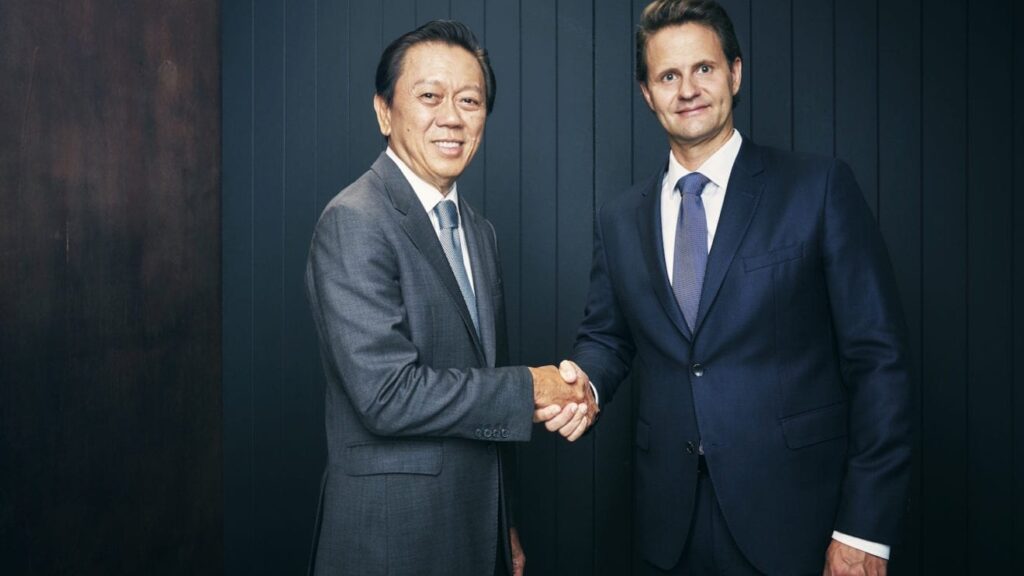
    Beauty retailer The Luxasia Group has appointed former SingPost CEO Dr Wolfgang Baier as group CEO, while founder/owner Patrick Chong has become chairman.

    “Luxasia is now at an important crossroads,” says Chong. “We intend to grow with our international partners and strengthen our core competencies to become the leading Asia consumer-centric omnichannel go-to-market partner of the beauty industry.”

    Patrick-Chong-Wolfgang-Baier

    He says Baier has proven leadership capabilities, vast knowledge and skills in areas such as CRM and omnichannel retail. “His track record in the logistics sector will also help strengthen Luxasia’s partnerships.”

    “Transformation is relevant in every sector and particularly for retail, where the digital and physical space is converging,” says Baier. “This makes developing an omni-channel ecosystem critical. We want to revolutionise how we serve consumers and brand partners in the beauty industry across Asia.”

    Chong says the search for a CEO took more than a year, as it was important Luxasia found the right leader.

    “Not only does Wolfgang understand our operations and share the same aspirations, in some ways he is even more ambitious for Luxasia with regard to developing new areas.”

    Established in 1986, The Luxasia Group has developed retail and distribution networks across Asia for some of the world’s biggest beauty companies. Based in Singapore, the privately held company has 11 offices and more than 2000 full-time employees in Singapore, China, Hong Kong, India, Indonesia, Malaysia, Myanmar, Taiwan, Thailand, the Philippines and Vietnam.

    It manages a portfolio of more than 120 international fragrance, cosmetics, skincare and
    professional salon brands including Beiersdorf, Burberry, Clarins, Estee Lauder, Ferragamo, Hermes, P&G and Shiseido.

  • Faster roll-out for Mister Minit Asia

    Faster roll-out for Mister Minit Asia

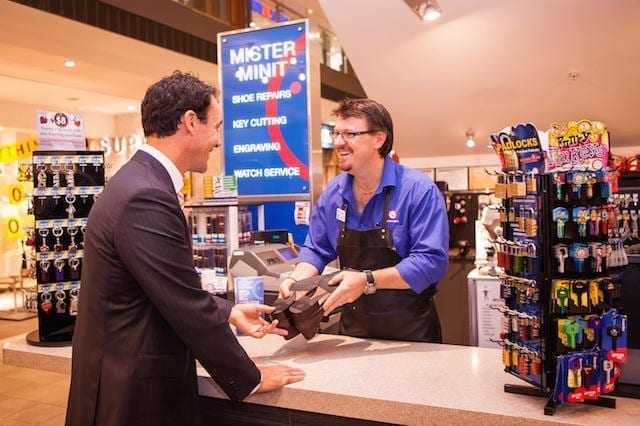
    Australasian services retailer Mister Minit is to expand its retail presence in SE Asia after stellar growth in Malaysia and Singapore.

    The company says it is experiencing an increasing appetite for its personal services among time-poor shoppers.

    For the third consecutive year, the company has experienced strong comparable growth in Singapore and Malaysia with current running rates at 30 to 40 per cent, and is now on the verge of a major expansion program in South East Asia.

    “We are committing significant funding over the next three years initially in Singapore and Malaysia, with interest in also expanding into other Asian markets in the medium term,” said Mark Rusbatch, CEO of Mister Minit.

    Mark Rusbatch - CEO  cropped

    There are currently 12 Mister Minit Singapore retail stores and seven in Malaysia.  The company is developing a pipeline of new shop openings for both countries and working with key landlords on identifying prime locations in shopping centres.

    “One of the fastest growing trends right now is ‘do it for me’ and Mister Minit is well placed to make time poor customer’s lives that bit easier – from shoe repairs to other household and personal services including key duplication, engraving and watch servicing,” said Rusbatch.

    Mister Minit Shoes 8157 (Large)

    The company is synonymous with ‘fixing people’s problems’ in Australia and New Zealand, where it is the clear market leader, and has shown year on year comparable sales and total growth for the past 15 years.

    “Our strategy in Australia and New Zealand has been to secure prominent locations in high foot traffic areas that provide ready access to those customers who are time poor and need to utilise our array of services as part of their everyday shopping needs including visiting the supermarket,” said Rusbatch.

    Mister Minit Service2 8406 (Large)

    Mister Minit will adopt a similar strategy in Southeast Asia, where it sees a real opportunity to accelerate its growth rates in the medium and long term.

    “Mister Minit’s heritage in this region has been around high quality shoe services and augmenting these with our full array of services, which include key duplication, personalisation through engraving, and watch servicing including band and battery replacement.”

    “As an international brand we deliver a consistent level of quality and services from our shop fit outs to our high service standards. We recognise the importance of people – from securing the best people to retaining them. We also invest in a significant level of training, upskilling our team in the latest technology and expertise. We know the quality of our people defines our brand.”

    The company’s franchise model is also a strength of the business, and has so far been implemented across five of the Singapore stores with more anticipated to follow.

    Mister Minit Singapore

    “Franchising is our preferred business model as it delivers a strong offer – combining local ownership with an International brand profile,” said Rusbatch.

    Mister Minit will next year celebrate its 60th Anniversary, following its establishment in 1957 in Europe.  In a further sign of the importance of the South East Asia region to the company, it will celebrate the milestone locally.  Mister Minit will host its Annual Franchisees Conference in Singapore in 2017, attended by franchisees and employees from across Australia, New Zealand and South East Asia.

  • Chopard Singapore fails to notice missing millions

    Chopard Singapore fails to notice missing millions

    Geneva-based luxury goods company Chopard Singapore failed to notice it was missing S$11.2 million until a government investigator started looking into the embezzlement after a tip-off.

    Now the former accounting manager of the luxury goods company, known for its watches and jewellery, has been sentenced to 15 years’ jail for siphoning the money from her employer over nearly seven years.

    Chew Siew Lang, 53, misappropriated most of the money using erasable ink to write on cheques made out to Chopard suppliers for bogus transactions. After gaining the required two signatures on the cheques – Chew herself was an authorised signatory – she replaced the payee’s names with her own.

    The offences took place between January 2006 and August 2012, and Chew spent at least $2.1 million on lottery bets – she wrote 76 cheques of between $20,000 and $68,000 to a Singapore Pools retailer.

    In December, she pleaded guilty in the High Court to 56 charges – six counts of criminal breach of trust, 30 counts of falsification of accounts and 20 counts of using the benefits of her criminal conduct. A further 187 similar charges were taken into consideration.

    The prosecution had sought 18 to 20 years’ jail, but the defence argued that Chew has an impulse control disorder that turns her into a pathological gambler. The case was adjourned after Justice Woo Bih Li asked if there was a causal link between her mental disorder and her offences.

    In her latest appearance, Chew’s lawyer, Daniel Chia, told the court his client was not pursuing the point about her disorder after the prosecution submitted two psychiatric reports. He sought a jail term of 12 years.

    In sentencing, Justice Woo noted it was good Chew has the support of her family. “However, I also have to take into account that you misappropriate a very huge sum for which only a small portion has been recovered.”

    Chopard found out about the embezzlement only after the Commercial Affairs Department started investigating Chew. The company sacked her in August 2012, and two months later filed a civil suit against her. It has managed to recover only $197,000.

  • Retail sales up 0.9% on-year in June, boosted by vehicle sales

    Retail sales up 0.9% on-year in June, boosted by vehicle sales

    Retail sales in Singapore rose 0.9 per cent in June compared with the previous year, mainly due to a jump in sales of motor vehicles, the Department of Statistics (SingStat) said on Monday (Aug 15).

    However, excluding motor vehicles, retail sales dipped 3.0 per cent compared with the same period a year ago.

    On a month-on-month basis, retail sales were down 1.5 per cent in June. Excluding motor vehicles, retail sales dropped 3.7 per cent.

    The total retail sales value in Juune was estimated at S$3.6 billion, similar to a year ago.

    Retailers of motor vehicles recorded a sales increase of 17.1 per cent compared to the previous year, the highest increase of all sectors. The next best performing sector was furniture and household equipment, which saw a 5.8 per cent increase. The medical goods and toiletries sector also recorded an increase of 3.0 per cent.

    Other than the mini-marts and convenience stores section, which was unchanged, all other sectors were in the red.

    According to SingStat, the telecommunications apparatus and computers sector fell the most at 25.1 per cent, compared with the previous year. This was followed by petrol service stations, which fell 14.1 per cent, and recreational goods, which saw a 11.8 per cent dip.

    Sales of food and beverage services rose 0.4 per cent from the previous year. The total sales value of food and beverage services in June was estimated at S$649 million, higher than the S$646 million in June 2015.

    The Retail Sales Index and the Food and Beverage Services Index measure the short-term performance of retail and F&B service industries based on their sales records. The sales figures exclude taxes such as GST and COE.

  • Singtel said to plan to increase stake in AIS

    Singtel said to plan to increase stake in AIS

    Singtel is reportedly in talks regarding indirectly increasing its stake in Thailand’s top mobile operator AIS.

    The operator is negotiating with Temasek Holdings regarding a sale of part of the investment company’s 41% stake in Intouch, a major shareholder in AIS.

    Temasek Holdings is a Singaporean state-owned investment company which holds a 51% majority stake in Singtel. Temasek is also Intouch’s biggest shareholder with a 41% stake, while Intouch itself owns 40% of AIS. Singtel’s stake in AIS is currently 23%.

    Singtel and AIS previously held discussions regarding the Singaporean group increasing its stake in the Thai operator in 2014, but the negotiations were put on hold due to political and economic instability in the nation.

    But Bloomberg’s source stated that the companies involved believe there is renewed opportunity to pursue a deal now that the situation is becoming more stable.

    Singtel’s regional mobile associates are important to the operator’s financial performance. The company’s recently announced first quarter results  show that while the company’s net profit grew just 2%, pre-tax earnings contributions from the company’s regional associates climbed 19%.

    Temasek is meanwhile under pressure to pursue investments with a greater potential for returns after reporting the first decline in its portfolio for seven years during the financial year ending in March.

  • Businesses latch on to Pokemon craze

    Businesses latch on to Pokemon craze

    IT has only been a week since the official release of Pokémon Go in Singapore, but amid the smokescreen of marketing puns and Poké-themed promotions, businesses across different sectors are already reporting an increase in business activity.

    Businesses are riding on the popularity of the augmented-reality game by dropping digital “lures” near their premises to attract Pokémon – and consequently, game fans (along with their smartphones and their wallets) to their locations, in search of digital critters to “catch”.

    It seems to be working, going by the experience of Ion Orchard, City Square Mall and Resorts World Sentosa (RWS), which have had more traffic of late; Wildlife Reserves Singapore, which runs Jurong Bird Park, River Safari, and the Singapore Zoo, joins the fray this weekend by scattering lures in the three parks.

    The key reason behind the success of Pokémon Go’s integration into businesses’ marketing models comes from the game’s augmented-reality aspect, through which the game’s software interacts with the elements of the real world; this is unlike most other games, in which the gaming activity is confined to the native gaming software.

    Businesses have been quick to bring customers into their stores in the real world by clever placement of “lure modules” – digital devices earned in the game app or bought through the game shop – near their establishments.

    Clement Goh, managing director of Equinix South Asia, said: “The game in itself has definitely blurred the lines between the virtual and physical world. Brick-and-mortar shops can leverage the game by using it as a marketing tool . . . to attract footfall.”

    Desmond Sim, head of CBRE Research for Singapore and South-east Asia, said using lures is a low-cost avenue for businesses to reach out to a targeted group of potential customers.

    “There are very low barriers to entry for this game. It does not cost players anything to start playing the game; for businesses, it doesn’t cost much to buy the lures to use at Pokéstops near their shops.

    It is basically cheap advertising for businesses.”

    Ion Orchard and City Square Mall, owned by CapitaLand Ltd and City Development Ltd respectively, have placed lures and launched promotions to attract Pokémon Go players to their premises.

    Ion Orchard’s marketing campaign, called Go@Ion Orchard, has been effective, said Chris Chong, chief executive of Orchard Turn Developments. “Based on the number of Go@Ion Orchard redemptions, we have witnessed healthy spending by shoppers who visited our mall to catch Pokémon.”

    CapitaLand launched an Instagram campaign called #PokemonSTAR, which combines the gaming phenomenon with its rewards programme, Capitastar. The campaign rewards players with points, which can be used to redeem CapitaLand vouchers.

    Teresa Teow, CapitaLand Mall Asia head of retail management in Singapore, said that even though it has been only a week since the game’s release, business activity has noticeably increased in its malls.

    “During #PokemonSTAR, the average daily signups for Capitastar increased 43 per cent compared to July. We have also seen a 33 per cent increase in followers for CapitaLand’s Instagram account, with about 2,000 posts garnered on #PokemonSTAR.”

    City Square Mall said it had a “healthy turn-out” of visitors to the mall when it released its lures on National Day.

    Aside from also planting lures, Resorts World Sentosa (RWS) offered a 10 per cent discount for admission to its S.E.A. Aquarium and Universal Studios Singapore for every five Pokémon caught within an hour on its premises.

    An RWS spokesman said Pokémon Go has generated “significant footfall”. “The lures we are releasing across the resort every day this week, including Universal Studios Singapore and SEA. Aquarium, brought about increased visitorship into the attractions.

    “Pokémon Go enthusiasts also took advantage of the promotions running until this Sunday, with many prolonging their stay on the resort and patronising our retail outlets and restaurants.”

    Wildlife Reserves Singapore will release more than 500 lures at the nearly 70 Pokéstops in the BirdPark, River Safari and the zoo, and offering prizes such as free annual membership and plush toys to visitors who catch eight unique Pokémon in the parks.

    One of the more creative marketing strategies out there was launched by dating app LunchClick, which has run a Pokémon-themed dating event at which singles form teams to try outdoing each other in catching the Pokémon with the highest number of combat points.

    LunchClick chief executive Violet Lim said the response to the event was “overwhelming” – its 50 available spaces were gone in three days; it has since opened more spaces to meet the demand.

    Local telcos Singtel, StarHub, and M1 have also placed lures at many Pokéstops to encourage gameplay, although they say they have not noticed a spike in data-usage among their customers; this is because Pokémon Go’s gameplay is not data-intensive.

    So instead of offering data at discounted prices, the telcos have instead opted for more conventional marketing techniques such as putting lures out to help players catch Pokémon.

    In spite of this, industry watchers cited by OCBC Investment Research Pte Ltd expect data usage to go up by 500MB per month, up from the normal monthly average of 3.3GB.

    Separately, these industry watchers also expect the current Pokémon Go trend to boost F&B sales and retail footfall, since many Pokéstops are around shopping malls and landmarks.

    There were, however, mixed reviews about the game’s overall effect on businesses in the long run.

    CBRE Research’s Mr Sim was optimistic: “The main effect is that the presence and visibility of these shops would increase. While not all Pokémon Go players would buy from these shops, more people will now know about the shop’s existence – this can only help businesses in the long run.”

    Srinivas Reddy, SMU’s professor of marketing, took a more neutral stance: “Because of the geocoding, some businesses are benefiting from the game – in terms of attracting people to their location. It is still unclear if they are able to convert them into purchasers.”

    Arvind Sethumadhavan, chief innovation officer for the Asia-Pacific for Dentsu Aegis Network, said Pokémon Go will have only a marginal impact on business due to the marketing campaigns being unsustainable – because they hinge on the continued popularity of the game.

    He, like Mr Sim, thinks the craze will fade away, like fads.

    Mr Sim said: “The litmus test of seeing whether this will last is in looking at how the game reinvents itself. After two to four weeks, when Pokémon Go players have ‘caught ’em all’, what incentive is there left for them to keep playing?”
  • Hour Glass Q1 net profit falls amid tough retail environment, slower economy

    Hour Glass Q1 net profit falls amid tough retail environment, slower economy

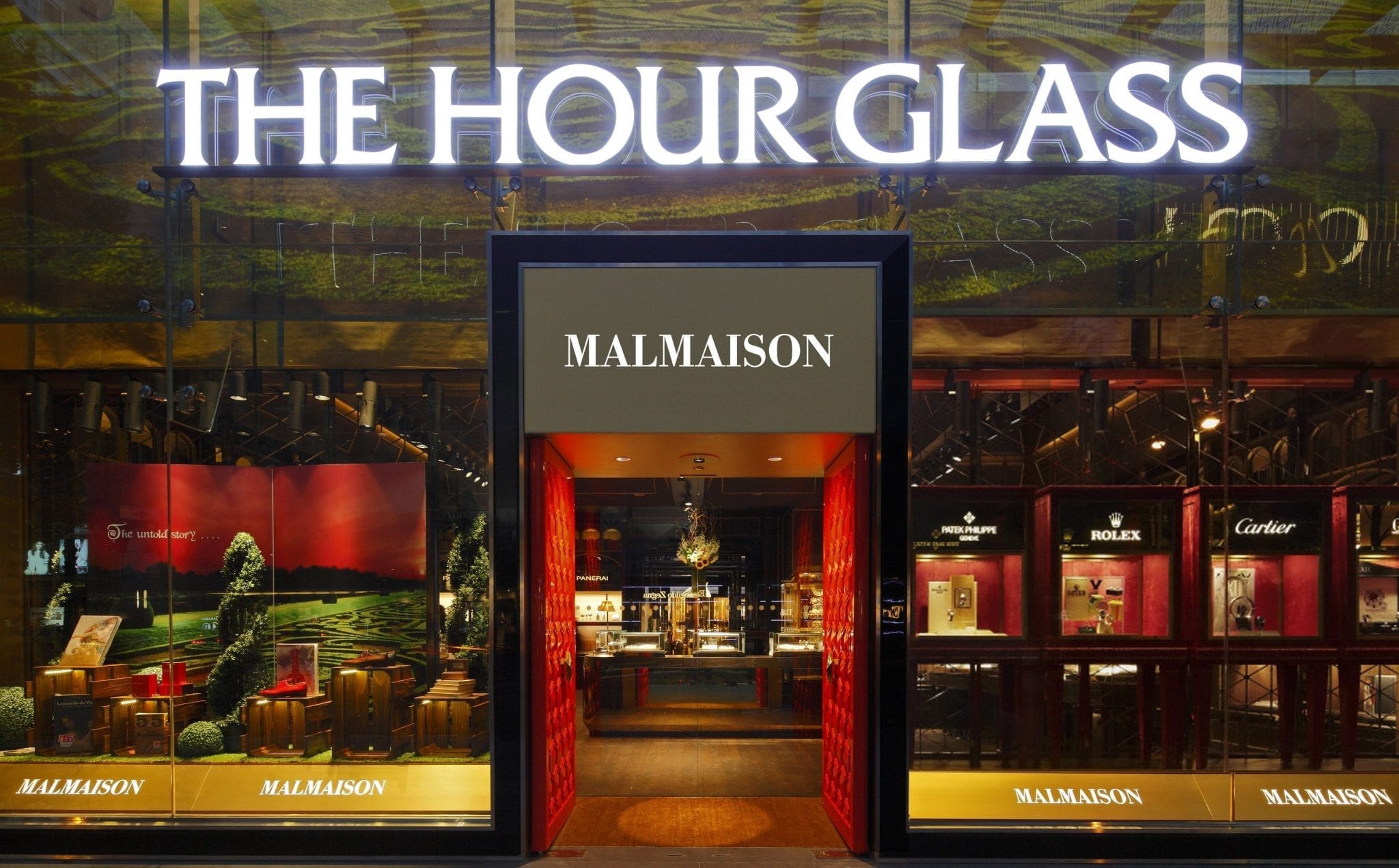
    The Hour Glass’ first-quarter net profit tumbled 22 per cent year on year to S$8.19 million.

    For the three months ended June 30, total revenue and other income fell 7 per cent to S$149.43 million from the previous year. The decline in revenue reflected the economic slowdown and tougher regional competition, it said.

    Q1 earnings per share slid to 1.16 Singapore cents from 1.49 Singapore cents in the preceding year.

    For the quarter, gross margin edged up to 22.9 per cent from 22.8 per cent a year ago.

    Meanwhile, rental costs were higher due to the expanded retail network.

    The Hour Glass said: “The continuing global economic uncertainty is expected to affect consumer sentiment and the demand for watches and luxury goods. Barring any unforeseen circumstances, the group expects to remain profitable for the financial year.”

  • GSS most attractive to travellers from Japan, China

    GSS most attractive to travellers from Japan, China

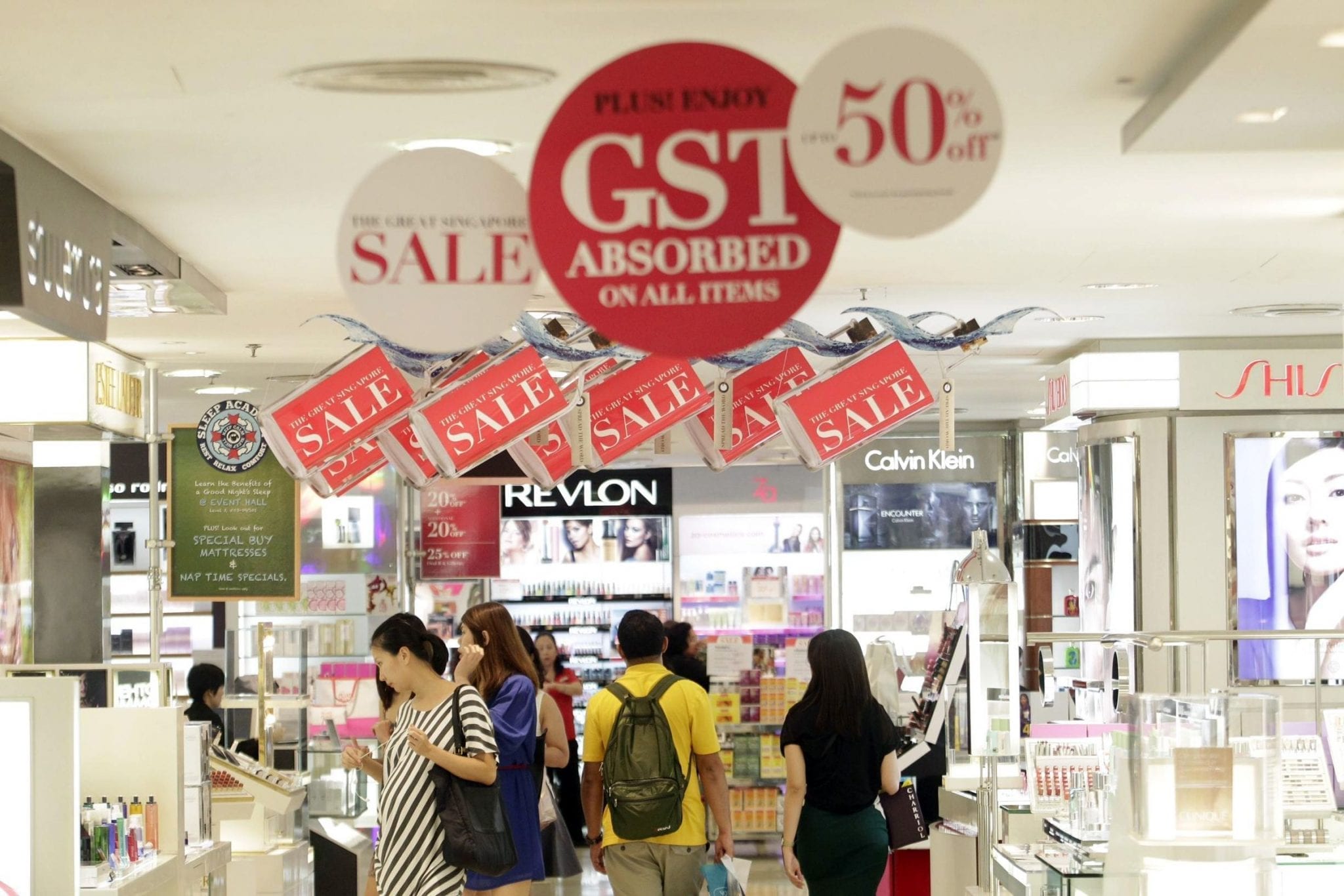
    Japan and China holds the potential to be the strongest source market for Singapore during the Great Singapore Sale (GSS) period, which comes to a close this weekend, according to findings by market research consultancy Kadence Singapore.

    Respondents from Japan and China indicated they were “highly likely” to fly to Singapore during the period. The two markets also showed greatest awareness, with 85 per cent and 84 per cent of people, respectively, indicating their knowledge of the retail event.

    Explaining the findings, Patrick Young, Kadence Singapore’s insight director said that the Japanese are more avid travellers in general. The fact that many airlines ply between Japan and Singapore also contributed to the result.

    Additionally, the price of airfares may also be factored in seeing as travellers for the GSS are likely to be deal-savvy individuals. This means the availability of low-cost flights could also affect traveller decision making processes.

    The appointment of UnionPay as the official card for this year’s GSS shows that the Singapore Retailers Association, organisers of the event, are stepping up efforts to lure more Chinese shoppers to the city-state as well.

    However, the retail scene in Singapore has been sluggish, with year-on-year retail sales figures for June, the month when the GSS usually begins, being on the decline over the past two years, according to Singapore’s Department of Statistics.

    Retail business outlook is also dim. While the July-December period is expected to see an improvement of 7 per cent over the April-September period in terms of net weighted balance, the July-December period is predicted to see a sector performance of negative 8 per cent compared to the same time last year.

    Young suggests taking into account “certain nuances between the countries” so that brands taking part in the GSS can better cater to individual markets and thus boost their allure.

    “For the Japanese there is a big focus on omiyage, which is a culture of taking home a souvenir for friends and family. So how much is the GSS tailored to these small but significant items that the Japanese will buy?”

    “It’s not so much tying in with UnionPay or a similar brand, it’s more about having in your portfolio products which can relate to that market,” he added.

    Young also cited the upcoming Singapore Grand Prix as a good example of how an event is able to better lure visitors by going beyond its core demographic.

    The annual racing event attracts not just sporting fans but a large number of international visitors by staging concerts, parties and family activities. The GSS could do something similar to lure arrivals beyond shoppers alone.

    “What else can we do to broaden the GSS beyond sales?” he said.

    GSS 2016 runs for 10 weeks from June 3 to August 14 this year, the longest sale period for the annual event to date.

  • Rise of the machines: Vending machine culture comes to Singapore

    Rise of the machines: Vending machine culture comes to Singapore

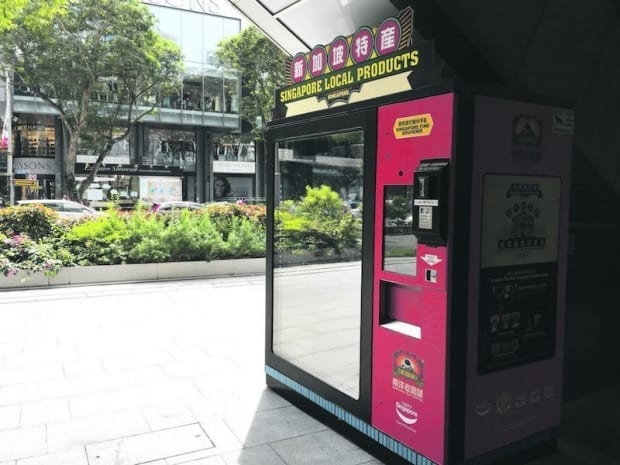
    Bananas, live crabs, make-up and even guitar strings are just a few things that one can find in vending machines around the world.

    While Singapore’s convenience culture is not quite there yet, the country is catching up. We now have the “first vending machine cafe”, launched yesterday at Blk 320C along Anchorvale Drive, which dishes out hot food such as Nasi Goreng Istimewa or Vegetarian Rice Noodle. There are even snacks such as cookies to go along with your meal, and there are tables and chairs where you can tuck into your vending machine meals in comfort.

    Meanwhile, independent bookstore BooksActually made the news when it started selling works from home-grown authors in vending machines in June. The machines have been a hit — three have been launched, and one machine located in the National Museum of Singapore has sold more than 100 books (as of July 11, 2016).

    Kenny Leck, BooksActually director and co-founder, said: “The book vending machines were done with marketing value and publicity in mind than sales. But we have been surprised by the sales generated by at least one of the machines, located at the National Museum of Singapore. It has done well enough for us to replenish stocks once every week.” Sales are a little slower at the machine at the Singapore Visitor Centre, but it still gets stocked every two weeks, he revealed.

    At 10 FairPrice outlets, consumers can find iCash machines, which accept cash on behalf of a cashier. The machine also dispenses change. The system was rolled out late last year, and is also available in 17 Cheers outlets. According to a FairPrice spokesman, you will see these machines in another 16 FairPrice and 13 more Cheers outlets by the end of this year.

    A vending machine that accepts your dirty laundry? Why, yes please. — TODAY pic

    A vending machine that accepts your dirty laundry? Why, yes please. — picLaundry services via the help of a machine are another automated service you will find at some FairPrice Finest outlets, such as at Marine Parade and UE Bizhub. There, you will see a dry-cleaning locker machine called My Laundry Box where you drop off your clothing and pick it up as soon as two working days later. You can even get curtains and stuffed toys cleaned.

    Vending culture

    Some say that Singapore is behind countries such as Japan, which for decades has been renowned for its vending machines (its first was reportedly a cigarette-dispensing machine, which debuted in 1888). Vending machines have certainly become a common sight, no matter where you are in the world. They spit out everything from the mundane (think headphones in many United States airports) to the unexpected such as condoms (Italy).

    Consumer experts say Singapore is moving that way. A Spring Singapore event was held last week for vending machine operators. There, exhibitors gathered to show new technology — such as machines with innovative robotic arms — and to be part of panel discussions.

    Head of SIM University’s School of Business, Allan Chia, explained that Singapore is lagging behind not because of our culture or technology. “The main issue is sales volume, which is linked to our small market size,” he said. SIM University has received research funding to study consumer usage on self-service technologies, particularly in the food and beverage sector.

    He notes that while unusual items have not taken off on a wide scale, there could be a market for more as the machines do fill a certain gap in the retail scene. A shop could be closed, for instance, but a vending machine could offer products at all hours — and without the need for a sales person.

    Ironically, some machines aid in human interaction. FairPrice’s iCash system was installed to optimise manpower, said its spokesman. But ultimately, the system has helped the stores’ checkout staff by allowing them to focus more wholly on the customer, rather than on handling cash.

  • Singtel Q1 profit grows 2%

    Singtel Q1 profit grows 2%

    Singtel has announced a 2% increase in net profit for the quarter ended in June to S$944 million ($701.5 million), on the back of strong mobile data and cyber security services revenue growth.

    Barring one-off gains in the same quarter last year, profit would have grown 7%, or 9% in constant currency terms.

    But total operating revenue for the quarter fell 7% to S$3.9 billion, largely as a result of mandated cuts to mobile termination rates in Australia, which affected the contributions from wholly-owned subsidiary Optus.

    Group consumer revenue declined 15.6% year-on-year to S$2.19 billion while group enterprise revenue grew 5.1% to S$1.58 billion.

    In Singapore’s consumer market, strong demand for mobile data offset declines in voice, text and roaming revenue. But operating revenue still fell 8.5% to S$558 million. Mobile revenue dipped 1.4% to S$323 million, but fixed broadband revenue was up 3.4% to S$55 million.

    Singtel’s Group Digital Life revenue meanwhile increased 34% due to solid contributions from its ICT subsidiaries. Particularly strong performers included digital marketing arm Amobee and the operator’s Trustwave security-as-a-service unit, which Singtel acquired for $770 million last September.

    Post-tax earnings from the Singtel Group’s regional mobile affiliates meanwhile climbed 19% as a result strong performances from Telkomsel in Indonesia and Bharti Aitel in India.

    The group’s combined mobile customer base grew by 8.2 million during the quarter to 613 million.

    Looking ahead to the full financial year, Singtel currently expects to report a slim 0.3% increase in net profit to S$944 million, but a 7.1% decline in group revenue to S$3.9 billion.

  • H&M Hong Kong recognised as top employer

    H&M Hong Kong recognised as top employer

    Fashion retailer H&M Hong Kong has received Asia’s Best Employer Brand Award at a ceremony hosted by the Employer Branding Institute, World HRD Congress and Stars of the Industry Group.

    Presented at the Pan Pacific Singapore, the award recognises organisations in Asia for excellence in building their brand as an employer of choice.

    The jury for the seventh edition of the award – leaders, researchers and academicians – judged companies for their development initiatives, employee hiring, training and retention practices, and HR innovation.

    Vivian Chen, Marketing Director of H&M Greater China, accepted the award on behalf of H&M (Photo credit - ASIA BEST EMPLOYER BRAND AWARDS)

    “I am thankful that H&M’s effort to provide a fun, creative and dynamic workplace is being recognised,” says H&M greater China manager Magnus Olsson. “People are our success, and we are committed to being a good employer.”

    He says H&M’s corporate culture is based on a range of values: believing in people, being one team, constantly improving, being straightforward and open-minded, encouraging an entrepreneurial spirit, keeping it simple and being cost-conscious.

  • Michael Kors Asia outperforms US

    Michael Kors Asia outperforms US

    Michael Kors Asia sales are showing healthy growth – at the same time as same-store figures are falling heavily in its US home market.

    Michael Kors has kicked off its new financial year with a weak set of numbers this week.

    Total revenue was virtually flat, just 0.2 per cent higher than during the same period last year., and driven by the opening of new stores which helped push overall retail sales up by 7.6 per cent. That offset a dismal comparable sales decline of 7.4 per cent.

    Michael Kors Asia has been a growth spot, with revenues rising by 74.5 per cent – although this is flattered by the acquisition of the company’s Greater China licensee.

    However, even on an underlying basis, the region is in positive territory, again thanks to the more favorable brand perception from consumers.

    In the US, one of the key issues is that interest in the brand appears to have peaked. This is evident from Conlumino’s brand tracking, which shows that while Michael Kors is not viewed unfavorably by consumers, it is not enjoying the resurgence that Coach has managed to engineer. This domestic woe is evident in the North American numbers which tumbled by 5 per cent, a sequentially worse performance than the previous quarter.

    The worsening of North American results is partly attributable to the stronger dollar which has likely weakened tourist sales at key flagships in the US, and Michael Kors is affected more than Coach in this respect, as it relies more on tourist spend at its larger stores. Nevertheless, given the investment being put into the new digital flagships – such as the one at 520 Broadway in New York – such an outcome is disappointing.

    The numbers from Europe were somewhat better with a 3.3 per cent increase in revenue over last year. Here, the MK brand is less ubiquitous and the company’s new stores, such as the one recently opened on London’s Regent St, are generating good trade in a way that the stores in North America are failing to do. Given that the company has several further European digital flagship stores in the pipeline for this fall, it looks likely that Europe will continue to deliver respectable sales growth across this fiscal year.

    Wholesale decline

    In the continuation of a theme we have seen across many luxury brands, wholesale revenue has decreased – falling by 7 per cent. Some of this is down to the company’s own actions to reduce exposure to channels that do not reflect its brand image, and some is down to the generally weaker traffic to malls across North America which has affected a number of outlets and stores that sell Michael Kors product.

    Looking ahead, while international sales will grow this year, the increase will be offset by continued pressures in North America. As such, revenues will likely be flat which will create pressure on the bottom line given all of the investments the brand is making.

  • Singtel Group cues video tilt for regions

    Singtel Group cues video tilt for regions

    Singtel Group has launched “The 5-Min Video Challenge” a joint initiative by associates within the group, comprising Singtel, Optus, AIS, Airtel, Globe and Telkomsel.

    Winning content will be distributed and made accessible to over 600 million customers across the group.

    The short five-minute format is ideal for audiences accustomed to viewing content on mobile devices.

    “A pan-regional competition makes a lot of sense as the power of content is its ability to transcend geographical and language barriers,” said Mark Chong, CEO, International, at Singtel. “Our customers will be able to enjoy access to a rich variety of original content created by the most talented content-makers from the region.”

    The competition will be conducted at two levels – local and regional. Each associate will first invite aspiring or experienced local filmmakers to submit five-minute entries based on the theme “Connecting Lives”.

    The entries will be judged on criteria such as originality of content, storytelling and cinematography. Winning entries from the respective associates’ markets will then be judged at a regional level.

    The grand winner and runner-up will be announced at the grand finals, which will be held in Bangkok, on November 21. Cash prizes of $30,000 and $15,000 will be awarded to the grand winner and runner-up respectively.

    The regional winners will also get the opportunity to promote their videos on each associate’s mobile and video platforms to customers in the group’s markets across Asia, Africa and Australia.

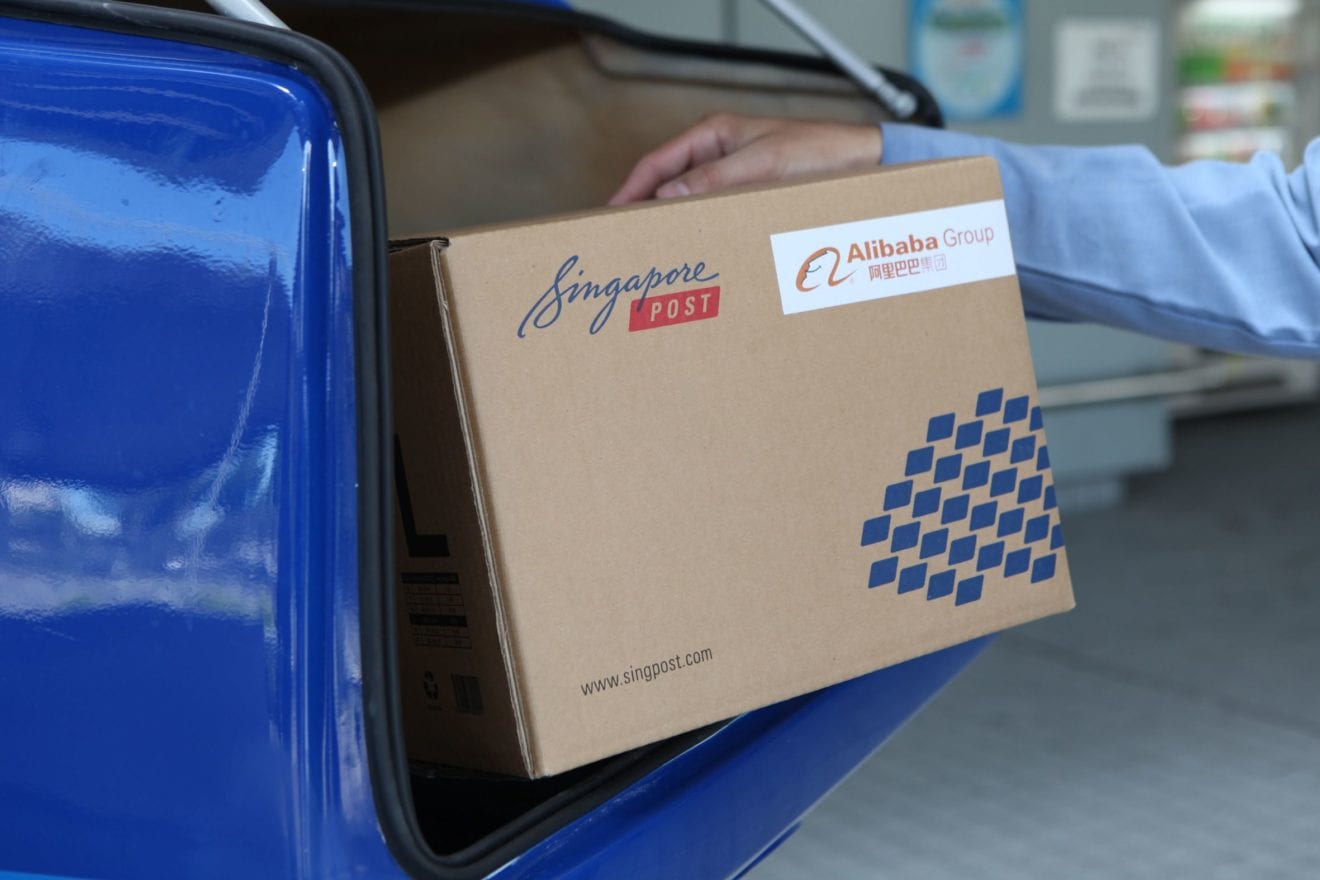
  • SingPost eCommerce growth, investment shape results

    SingPost eCommerce growth, investment shape results

    SingPost eCommerce delivered soaring sales growth – and expenses – in the last quarter.

    Revenue in the three months to June 30 grew a robust 30.9 per cent to S$333.4 million, buoyed by continued expansion of cross-border eCommerce-related activities, and the inclusion of contributions from new subsidiaries.

    But net profit attributable to equity holders declined 23.0 per cent to $35.9 million, due largely to one-off gains from the divestments of Novation Solutions and DataPost HK in the corresponding period last year. Underlying net profit, which excludes one-off items, was down 11.2 per cent, due to investments in business transformation.

    Interim group CEO Mervyn Lim said the company continued to invest in its business transformation and that will take time to contribute materially to earnings.

    “We are focused on executing our strategy to create value from our acquisitions and build an integrated global eCommerce logistics ecosystem. SingPost’s strategy to protect the postal core and grow its eCommerce logistics network remains on track.”

    eCommerce-related revenues from across the postal, logistics and eCommerce segments more than doubled from $73.1 million to $164.1 million and now make up 49.3 per cent of group revenue – up from 28.7 per cent last year.

    “The sharp increase reflects continued expansion in cross-border eCommerce-related activities across the group, as well as the inclusion of new US subsidiaries TradeGlobal and Jagged Peak,” the company reported.

    “Correspondingly, overseas revenues rose to make up 50.2 per cent of group revenue, up from 37.8 per cent last year. Increased cross-border eCommerce-related activities led postal revenues to a 1.5 per cent rise, despite the deconsolidation of subsidiaries divested during the previous financial year.

    International mail revenue was up 30.3 per cent to $65.5 million, while domestic mail revenue declined 4.3 per cent to $64.0 million due to lower volumes.

    Logistics revenue rose 11.9 per cent to $156.7 million, with steady organic growth at Quantium Solutions and CouriersPlease, as well as the inclusion of a new subsidiary under Famous Holdings.

    Revenue growth for the eCommerce segment was due mainly to the consolidation of new US subsidiaries, TradeGlobal from November 2015 and Jagged Peak from March 2016.

    Operating losses from the segment increased from $1.9 million to $3.5 million as contributions from the newly acquired US subsidiaries were offset by continued investments in eCommerce IT and operational capabilities, as well as marketing and sales efforts in the US to build scale. Beyond these direct contributions, the eCommerce segment was an important driver of warehousing, freight, last mile delivery and customer care services for the logistics segment.

    Rental and property-related income decreased 8.6 per cent to $9.7 million due to the loss of retail rental income from the redevelopment of SPC retail mall, which is due for completion by mid-2017.

  • Is Nike golf equipment journey ending?

    Is Nike golf equipment journey ending?

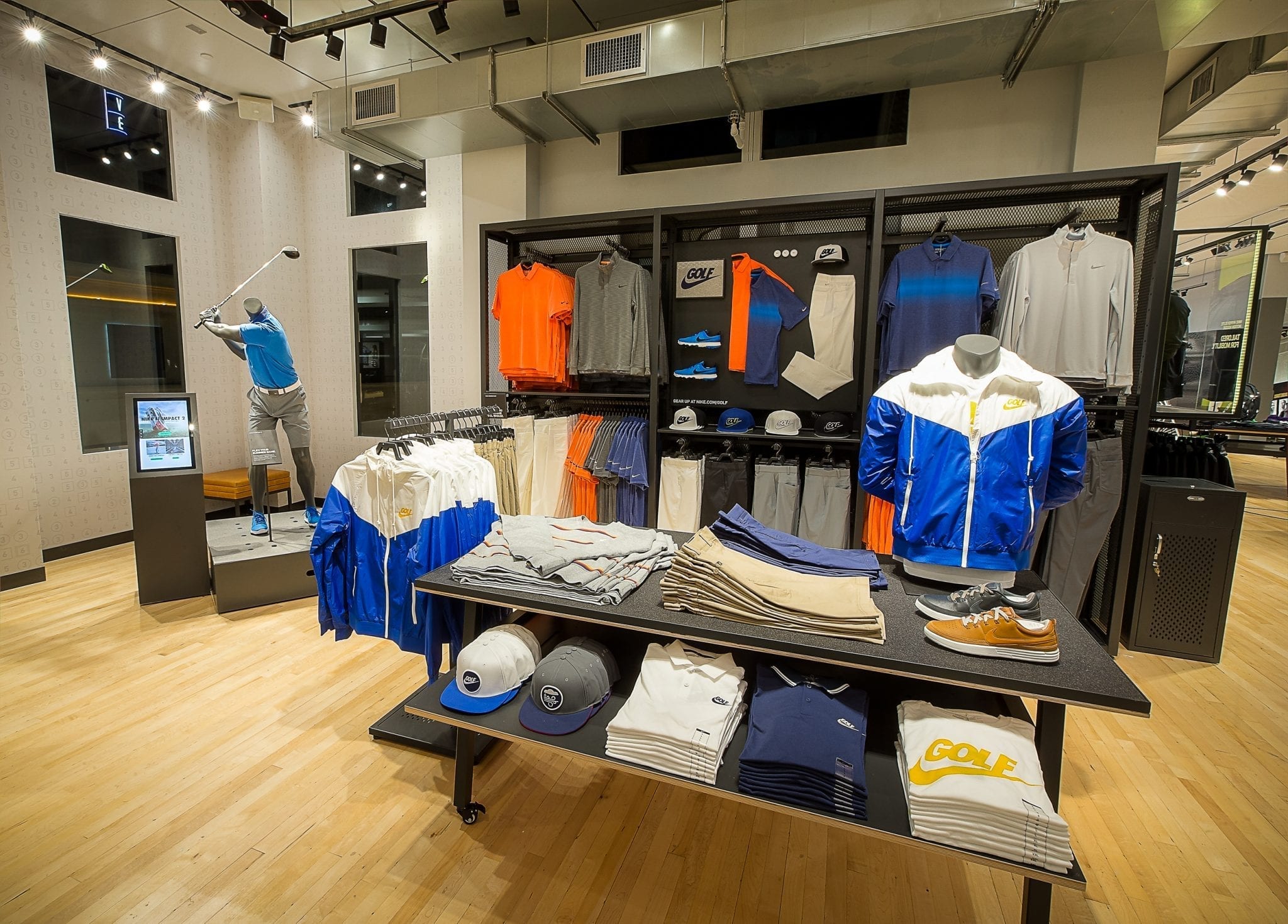
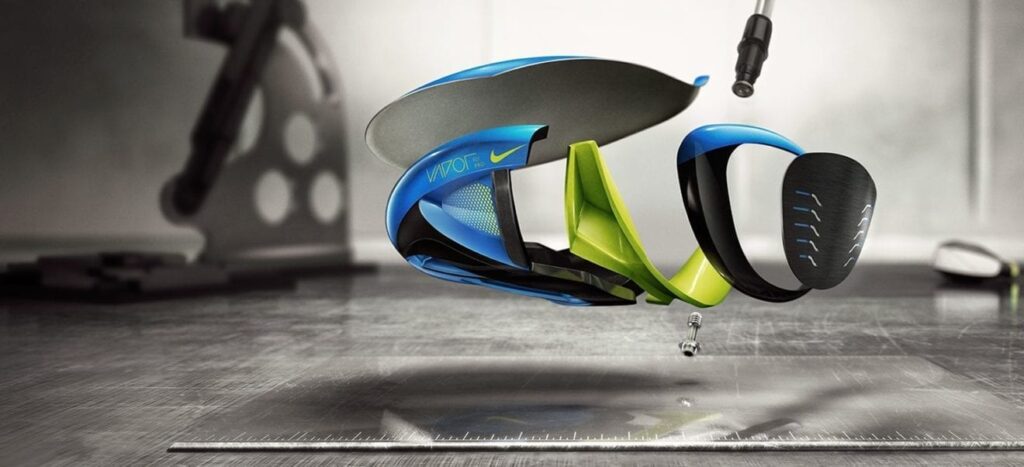
    Nike is phasing out its golf equipment business to focus on shoes and apparel.

    The company has announced it is accelerating its footwear and apparel business and will transition out of Nike golf equipment range – including clubs, balls and bags.

    “We’re committed to being the undisputed leader in golf footwear and apparel,” says Trevor Edwards, president, Nike Brand. “We will achieve this by investing in performance innovation for athletes and delivering sustainable profitable growth for Nike Golf.”

    The global giant said it will continue to partner with more of the world’s best golfers as part of its changed golfing segment strategy.

    “Athletes like Tiger, Rory and Michelle drive tremendous energy for the game and inspire consumers worldwide,” says Daric Ashford, president of Nike Golf.nike golf

    “Over the past year the MM Fly Blade Polo, the Flyknit Chukka and Air Zoom 90 have all connected strongly with golfers. We’ll continue to ignite excitement with our athletes and deliver the best of Nike for the game.”