Tag: Singapore

  • Store roll-out boosts Starbucks Asia

    Store roll-out boosts Starbucks Asia

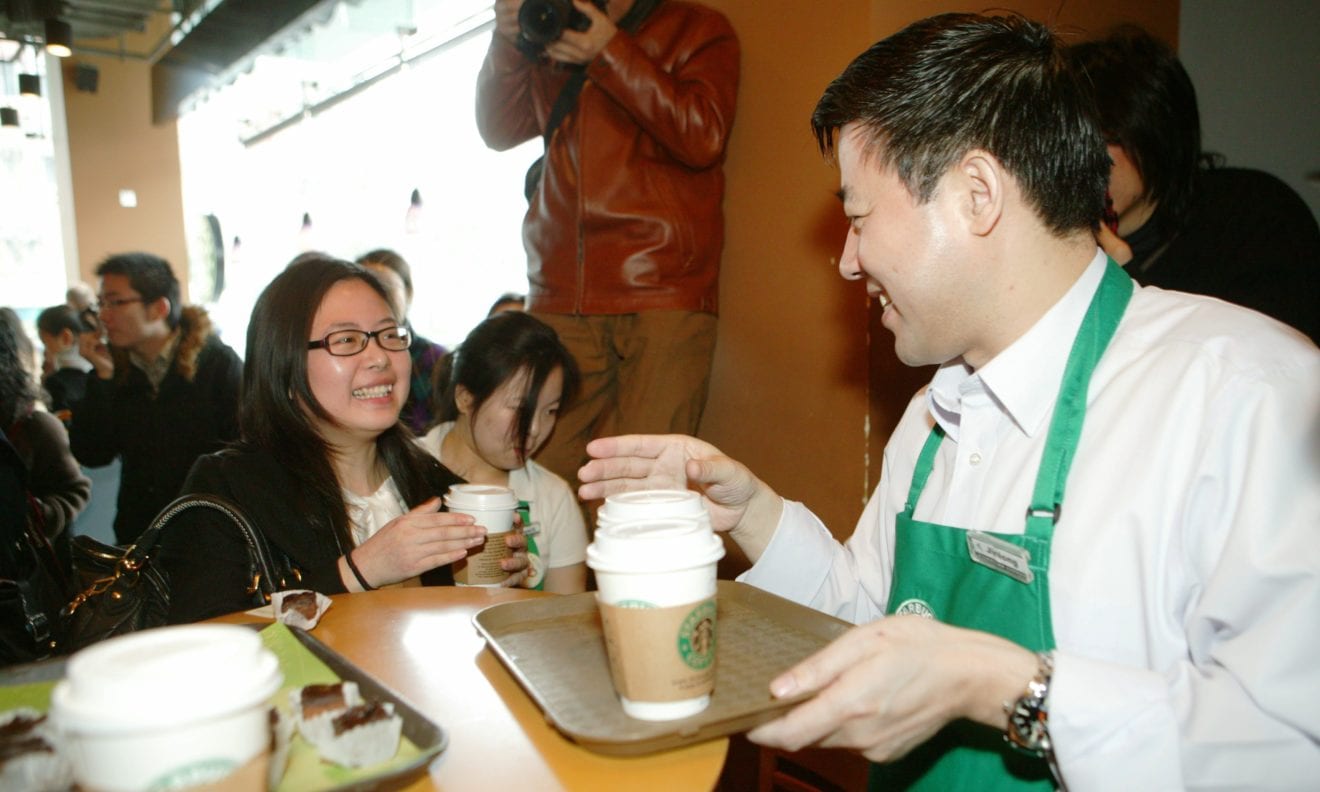
    A massive Starbucks Asia store roll-out has boosted the global coffee company’s third quarter results.

    Across China and the Asia-Pacific region, Starbucks opened 888 new stores in the first nine months of the current financial year. That helped lift revenues by 18 per cent in the region.

    However, underlying same-store sales were a far more modest 3 per cent up on the same quarter last year.

    “The concern is that some of this is related to a general slowdown in China which, if part of a longer term trend, could harm company earnings,’ observed retail analyst Neil Saunders, CEO of Conlumino.

    The company’s Channel Development division – which encompasses the sale of Starbucks branded products in grocers and other stores- also posted positive numbers, with revenues rising 9 per cent. This was aided by strong sales of single-serve Starbucks products following a new agreement with Keurig Green Mountain to push branded K-Cups into more channels. A new partnership with Nespresso to launch Starbucks-branded pods should provided a further uplift to this division in the quarters ahead.

    “Unfortunately, the stronger performances in Asia and in the Channel Development Segment were not enough to offset the weakness in the Americas, which remains larger than all other divisions combined,” said Saunders.

    “And therein lies the forward issue for Starbucks: it has to increase momentum in this part of its business if it is to get back into high growth territory and if it is to avoid a future squeeze on profits.”

    Globally, Starbucks seemed to lose momentum in the third quarter, with overall growth slowing to 7 per cent and global same-store growth moderating to 4 per cent – both below forecast.

    “Worryingly, the slowdown took hold across all regions with even the Americas division, which usually puts in a fairly robust performance, posting a lacklustre same-store increase of 4 per cent. The fact that the company appears to have run out of steam somewhat overshadows its nonetheless impressive achievement of breaking the $1 billion operating income barrier for the first time in a non-holiday quarter.”

  • End of the Line for Singapore Investors

    End of the Line for Singapore Investors

    This is where shareholders in Singapore’s subway network get off. And it doesn’t matter if some of them can’t quite see the platform. Leaving people stranded has become a hallmark of their company’s operations in recent years. Like back in January 2008, and then twice over three days in December 2011 when two passengers fainted, and again in July last year.

    Decent Ride

    Singapore subway operator SMRT has returned almost 600% since the SARS epidemic of 2003. But the ride is over. State investment firm Temasek, which owns 54 percent of SMRT, has offered S$1.68 ($1.24) to buy out the remaining shares. Minority shareholders should be grateful for the 8.7 percent premium over the last closing price. Considering the island’s transport regulator is taking away SMRT’s trains and signaling system for S$991 million ($730 million), which — after paying taxes and retiring debt — won’t even leave enough for a special dividend, the rump isn’t worth much more.

    Besides, as Smartkarma strategist Crispin Francis notes, the Land Transport Authority’s nationalization plan will see SMRT having to share with the government the outsize profit margin of about 60 percent it earns from rental income and advertising. That would be in exchange for a boost to the profitability of its core rail operation business, from a measly 1.1 percent to a more respectable 5 percent. Hardly a sweetheart deal.

    Temasek, though, should still come out okay. It owns 41 percent of the nation’s largest property developer CapitaLand, 25 percent of retailer A.S. Watson, and all of MediaCorp., the Singapore broadcaster with a large outdoor advertising arm.

    As Singapore upgrades its rail network to close the gap with Hong Kong, the value of the city-state’s droopy residential property could get a lift; there would be more underground locations for retail; and plenty of new walls for LCD displays. Temasek will indirectly reclaim at least some of what SMRT’s other shareholders will lose from nationalization. Since a part of Temasek’s returns are used to finance the government’s budget, this will complete a virtuous cycle.

    Maintaining the status quo would have created a vicious cycle. Private capital is loath to finance massive investments from which gains are likely to be so diffuse they can only be captured by a government or large, diversified investor such as Temasek. So while it’s been a good ride for SMRT shareholders, it’s time they got off. They can use the S$1.68 they’re getting for their shares to hail a ride home.

    *Originally posted at Bloomberg.

    To contact the editor responsible for this story:
    Katrina Nicholas at [email protected]

  • Turnover falls for Sa Sa International

    Turnover falls for Sa Sa International

    Sa Sa sales are slowing, despite an improvement in Mainland Chinese visitor numbers.

    Retail and wholesale turnover for cosmetics retailer Sa Sa International Holdings fell by 5.7 per cent for the first quarter to June 30, according to unaudited data.

    Turnover dropped 5.4 per cent to HK$1384.9 million (US$178.585 million) in the Hong Kong and Macau markets, while same-store sales decreased by 4.8 per cent. While there were only slightly fewer transactions, their average value fell 5.7 per cent.

    In other markets, including China, Malaysia, Singapore and Taiwan as well as Sasa.com, retail and wholesale turnover dropped 7 per cent to HK$1717.1 million for the quarter.

    While still in decline, the group’s retail sales in Hong Kong and Macau recorded a notable improvement compared to the last quarter of the last financial year, the company attributing this to traffic growth of 2.7 per cent among mainland customers.

    “Their consumption continued to be on the weaker side, with spending declining by 6.4 per cent per transaction. Local consumption sentiment remained sluggish,” says the company.

    Improved sales performances were partially because of the group’s efforts to adjust product offerings to meet market demand.

    As at June 30, the company had 112 stores in Hong Kong and Macau, a drop of one from the start of the quarter. At 55, there were two fewer stores on the mainland, Singapore was steady at 23 stores, Malaysia’s 67 stores included had one more outlet, and Taiwan also lost a store for a total of 31. Overall, the company had 288 stores, down from 291.

    Sales performance during the period was affected by a series of factors, says the company, so the data for the period may not be able to reflect the overall performance of the reporting period.

  • M1 profit falls 7.2% in H1

    M1 profit falls 7.2% in H1

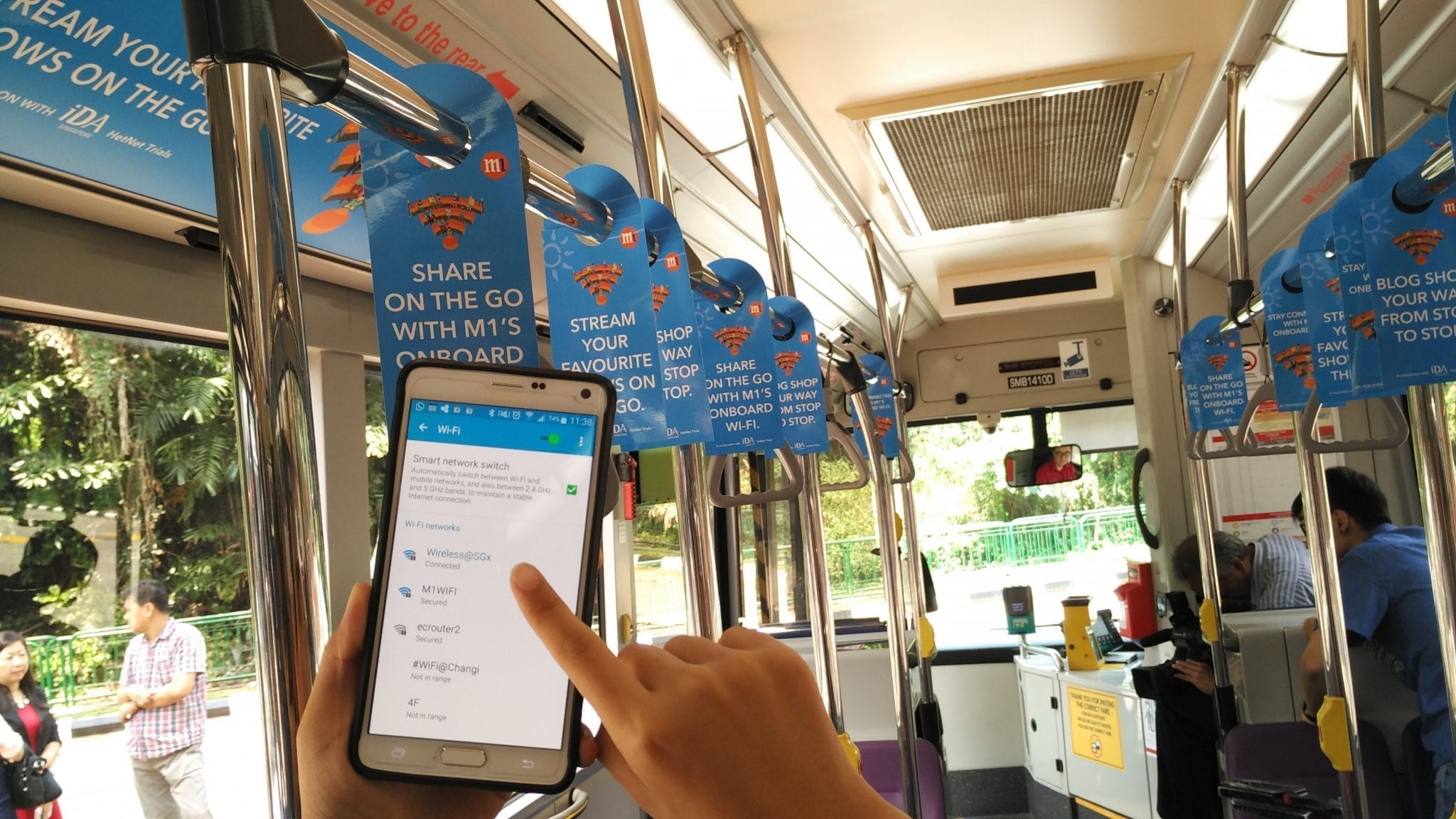
    Singapore’s M1 has reported a 7.2% year-on-year decline in net profit for the six months ended in June, partly as a result of a 44% slump in handset sales.

    The operator reported a net profit of S$83.5 million ($61.8 million), on the back of flat revenue of S$407.3 million.

    While M1 added 14,000 postpaid and 24,000 prepaid customers during the six month period, bringing its total mobile customer base to 1.98 million, total handset sales fell to S$91 million. For the second quarter, handset sales declined by 50% year-on-year to S$36 million.

    Mobile data’s contribution to total revenue increased by 9.1 percentage points to 54%, with average postpaid mobile data usage growing by 100MB year-on-year to 3.3GB.

    On the fixed line front, service revenue grew 26.7% to S$50 million, or 12.3% of service revenue. M1 added 9,000 residential and corporate fiber customers in the first half, bringing its base to 145,000.

    Based on the current economic outlook, M1 announced that it now expects a single-digit decline in net profit for the full year 2016.

    “We are investing in new technologies and capabilities, and building up a portfolio of digital solutions to enhance our service propositions and cater to changing customer needs,” M1 CEO Karen Kooi commented.

    “While expenditure is incurred upfront, meaningful contribution will only be upon achieving scale in service adoption over future years.”

  • Real Singapore retail sales continue to decline

    Real Singapore retail sales continue to decline

    Real Singapore retail sales in May rose on April’s figures – but remain down year-on-year.

    According to Statistics Singapore, total retail sales (seasonally adjusted) increased 1.4 per cent in May 2016 over April. Excluding motor vehicles, retail sales increased an even better 2.3 per cent.

    But compared to May 2015, retail sales decreased 3.3 per cent after removing motor vehicle sales from the data. Including vehicles, total sales rose 3 per cent year-on-year.

    After seasonal adjustment, retail sales of watches & jewellery, furniture & household equipment, food & beverages, optical goods & books, department stores, apparel & footwear, medical goods & toiletries and petrol stations increased between 0.8 per cent and 6.5 per cent in May 2016 compared to April.

    Retail sale SG May 16

    In contrast, retail sales of recreational goods, mini-marts & convenience stores, phones & computers and supermarkets decreased by between 0.4 per cent and 6.3 per cent in May over April 2016.

    Year-on-year, retail sales of furniture & household equipment and medical goods & toiletries grew by 3.1 per cent and 1.9 per cent respectively.

    Conversely, retail sales of phones & computers and petrol service stations declined 17.3 per cent and 14.9 per cent respectively. Sales of recreational goods, optical goods & books, watches & jewellery, food & beverages, supermarkets, mini-marts & convenience stores, apparel & footwear and department stores also fee, by between 1.9 per cent and 8.7 per cent. .

    The total retail sales value in May 2016 was estimated at $3.7 billion, higher than the $3.6 billion in May 2015.

    Food & beverage service sales

    Retail sale SG FnB May 16

    Sales of food & beverage services (seasonally adjusted) increased 0.9 per cent in May over April.

    Compared to May last year, sales of food & beverage services increased 0.7 per cent.

    The total sales value of food & beverage services in May 2016 was estimated at $690 million, higher than the $685 million in May 2015.

    Year-on-year, sales by ‘other’ eating places grew by 6.7 per cent and by fast food outlets by 1 per cent.

    However, turnover of food caterers decreased 3.7, and of restaurants by 3.6 per cent.

  • Multi-label boutiques stand out with mix of local and Asian labels

    Multi-label boutiques stand out with mix of local and Asian labels

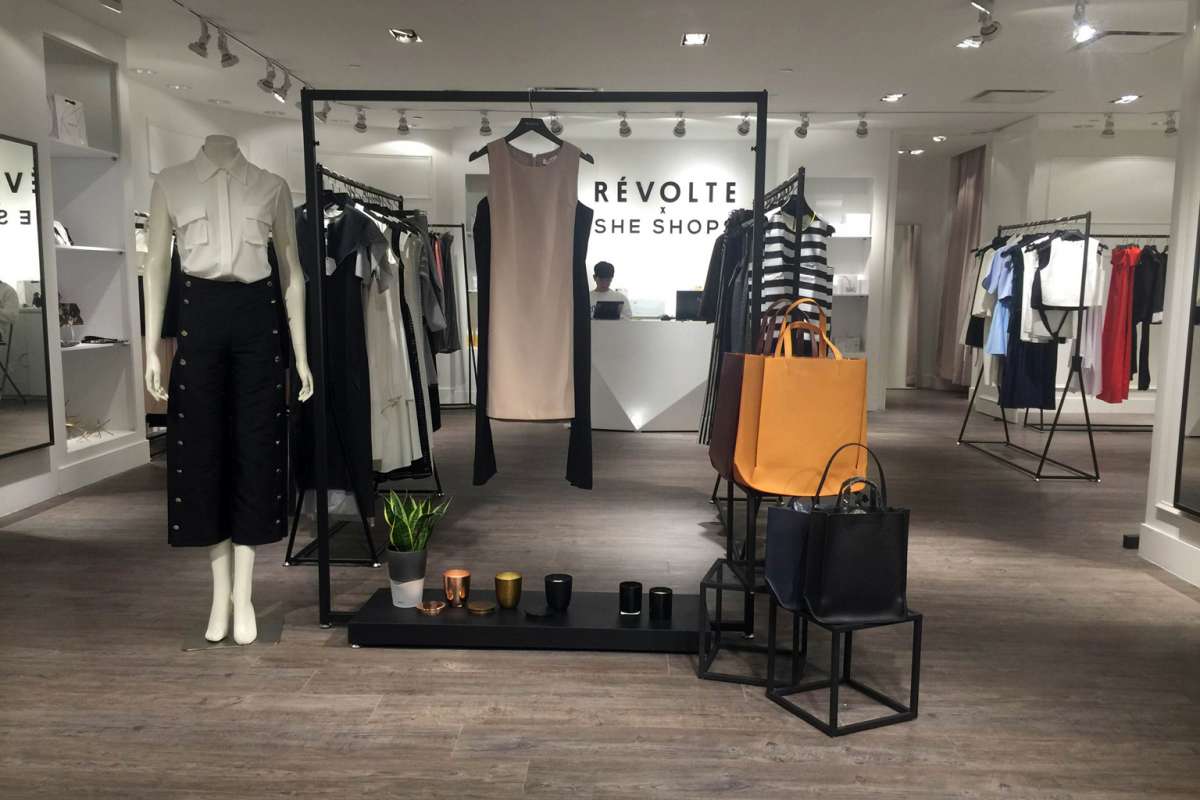
    A handful of retailers here are out to prove that home-grown and Asian fashion designers can hold their own against their international counterparts. These multi-label boutiques carry either purely Singapore and Asian brands, or a selection of such labels mixed with international ones. Such stores include SocietyA, Revolte x SheShops, L'armoire, Keepers and W.E. Workshop Element. Trixilini, previously at Millenia Walk, will reopen at Scotts Square on Saturday, carrying a handful of home-grown labels alongside international ones. Ms Pek Lay Peng, 31, says she set up SocietyA because "we saw a growth in Asian designers well trained in the fashion industry, but under-represented. We want to dispel the misconception that Asian designers are not of international standards". SocietyA, which started as an e-commerce site in 2014, has a showroom in Race Course Road. It started with 13 home-grown and Asian brands. It now has 25, including Singapore womenswear label Aijek and jewellery brand Diliya B, and South Korean labels Soulpot Studio and Grace Raiment. Jewellery designer Carolyn Kan, 43, who started design collective Keepers in 2011 and recently opened a permanent space for it at the National Design Centre, says the market is ripe for concept stores to cast the spotlight on Asian and Singapore designers. She says: "There are more strong Asian designers to choose from and a growing pool of Singaporeans who seek home-grown brands with unique and well-made designs." She names womenswear brand In Good Company, bag designer Ling Wu and watch brand Hypergrand as home-grown brands to watch, as they "know how to balance unique design aesthetic with commercial know-how and are focused on sustainable growth". Ms Vivian Lim, 26, product and brand development manager of Revolte, says Revolte x SheShops gives Singapore designers a platform to showcase and sell their designs. The store is a joint venture set up last year by Singapore retail brand Revolte and SheShops, an SPH Magazines-owned fashion e-commerce site. It carries nine home-grown labels, including Revolte. She says: "Our customers are a mix of Singaporeans and tourists, which gives the labels good exposure." Revolte x SheShops has two outlets, at Wheelock Place and Raffles City. A third is in the works. Designers are all for being stocked at such multi-label boutiques as it helps them save on operating costs and widens their customer reach. Eight Slate designer Savina Chai, 22, says she previously sold mainly to customers who were "more experimental with trends" when her womenswear brand was available only at the brand's online store. But since being carried at Revolte x SheShops, she says her customers now include more "mature women aged 35 to 45 who go for pieces that are timeless and work-appropriate". However, multi-label fashion boutiques championing Singapore and Asian designers say business can be challenging, especially in this tough retail climate. In October last year, 5,000 sq ft multi-label store Mporium opened at Suntec City, carrying more than 35 Asian and Singapore brands such as Aijek, Amos Ananda and Q Menswear. It closed in April. Owner Jennifer Yii declines to share why it closed, but says she is moving into e-commerce. Mr Alfie Leong, 46, founder of W.E. Workshop Element, which has branches at Suntec City and 313@Somerset, says there are times when the retailer does not turn in a profit, especially when the brands it carries do not have new stock to sell, leading to a sales dip. He says: "It boils down to time management and decisions on production and design. If designers have no stock to sell, they might miss out on peak periods such as Chinese New Year or Christmas." Mr Leong, like other boutique owners interviewed, declines to give sales figures. Another challenge these retailers face is that Singaporeans are reluctant to shell out money for homegrown and Asian designers. Ms Lim says: "Many shoppers would rather pay a high price for established international brands or pennies for fast fashion." Founder of L'armoire, Mr Rocco Wu, in his 30s, agrees: "The majority prefer to spend money on a brand they are familiar with. Only a few would follow their heart and pay for a design that they like, regardless of the brand." Mr Walid Zaazaa, 38, director of multi-label shop Manifesto at Capitol Piazza, feels that to win customers and compete against global brands, Singaporean and Asian designers "have to be original and retail business ready". He says: "The only way for Asian designers to compete with international brands is to come up with original concepts and designs and not copy or follow their favourite brands. The most important factor is to not compromise on quality." His 14-month-old store carries only one Singapore label: biro. He says the menswear brand was chosen because "it has a timeless aesthetic and its focus on quality complements the rest of our international labels". Advocates of home-grown and Asian labels feel there is a demand from consumers who are bored with mass-market brands and want to stand out from the crowd. Operations manager Jade Khoo, 28, is a regular patron of SocietyA. She says: "The styles carried are not commonly seen in other stores, but yet are easy to pull off. I feel unique when I wear the clothes." Public relations freelancer Alicia Ali, 28, who shops at Keepers and lists Hypergrand and Malaysian womenswear designer Cassey Gan as her favourites, says: "Compared with mass-market brands, Singapore and Asian designers cater more to the Asian silhouette and because they produce their designs in limited quantities, I find that they are more exclusive." Six boutiques housing Asian brands 1 SocietyA What it carries: Modern and contemporary apparel and accessories from Singapore and Asian designers. Shop feminine lace dresses and jewellery from home-grown designers Aijek and Amado Gudek, or more colourful and graphic separates from South Korean label LIE. The store also carries PH5, a New York-based brand of knitwear by Chinese designer Mijia Zhang. Prices start from $39 for accessories and from $79 for apparel and shoes.
    Best buys: 3D-printed gold stainless steel earrings (above), $129, from Amado Gudek; and polyester jumpsuit (top), $519, from South Korean label Ti:Baeg Where: 452 Race Course Road, Level 2; open daily from 9am to 6pm, by appointment only
    2 W.E. Workshop Element What it carries: Mostly apparel and accessories for women from home-grown brands such as Sabrina Goh and the store's in-house label BSYM, which was formerly known as MU Apparel. It also carries Japanese label Nocturne #22 In C Sharp Minor , Op. Posth, as well as South Korean brand Headline Seoul. For men, there is a selection of shirts from Singapore menswear brand Sixth Empire. Prices range from $14 for a pair of socks to $249 for a polyester dress from home-grown brand Ying The Label.
    Best buys: Pleated multi-colour dress (top), $59.90, from MU Apparel; and striped tote bag with leather handles (above), $159, from Good Feel Where: 313@Somerset, 313 Orchard Road 02-25, open daily from 11am to 10pm, tel: 6509-1500; 438 Suntec City Tower 5, 3 Temasek Boulevard, 02-433, open daily from 11am to 9.30pm,
    3 Revolte x SheShops What it carries: Casual and slightly more dressy apparel and accessories from nine home-grown brands such as Eight Slate, Soigne and in-house label Revolte. There is also a small selection of skincare from South Korean brand Algovital Angel and menswear from home-grown label The Authority. Prices start at $35 for an envelope clutch from home-grown brand Pleatation to $796 for a lattice coat by Taiwanese label Nude made by Suoi.
    Best buys: Sleeveless grey knit top (top), $99, from Revolte; and red camisole (above), $52, from Soigne Where: Raffles City Shopping Centre, 252 North Bridge Road, 02-32, open daily from 11am to 10pm,
      4 Manifesto What it carries: Singapore menswear brand biro, which is known for its casual wear of cotton T-shirts and jeans, is stocked alongside Japanese labels such as menswear brand Omiyage, and cult European brands such as French labels Maison Kitsune and Lemaire. Luxury British eyewear label Linda Farrow and sneakers from brands such as adidas and Swear London are also stocked here. Prices range from $65 for a pair of plastic bathing shoes from British brand F-Troupe to $2,788 for a wool-knit winter jacket from French designer Isabel Marant.
    Best buys: Men's denim jacket (top), $519, from Japanese brand Talking About The Abstraction; and women's hibiscus print cotton shirt (above), $325, from Maison Kitsune Where: Capitol Piazza, 13 Stamford Road, 02-19; open: 11am to 9pm (Sunday to Thursday) and 11am to 10pm (Friday and Saturday)
    5 Trixilini What it carries: Womenswear from a range of international brands, such as New York-based Yumi Kim and Bali-based Uma & Leopold, and home-grown brands Aijek, Stolen and underwear brand Perk by Kate Intimates. Prices start from $129 for a top to $549 for a dress. Best buys: White sleeveless dress (top), $159, from Bali-based Paulina Katarina; and blue maxi dress (above), $469, from Yumi Kim Where: Scotts Square, 6 Scotts Road, 03-08; open: 10am to 8.30pm (Monday to Saturday), 11am to 8pm (Sunday and public holiday)
    6 L'armoire What it carries: Cutting-edge apparel, shoes and accessories from Asian and Western designers, such as Paris-based Korean designer Moon Young Hee and American fashion designer Rick Owens. About 60 per cent of the merchandise is for men. Prices range from $75 for a pair of cotton ankle socks from 11 by BBS, the contemporary diffusion line of Barcelona-based menswear designer Boris Bidjan Saberi, to $5,560 for a blue horse leather jacket, also by the same designer.
    Best buys: Cotton vest with plastic knit overlay (top), $1,550, from Moon Young Hee; and detachable patterned jogger pants (above), $615, from South Korean label D. Gnak Where: Raffles Hotel Shopping Arcade, 328 North Bridge Road, 02-25; open daily from noon to 8pm
  • Singapore economy grows 2.2% in Q2, beating expectations

    Singapore economy grows 2.2% in Q2, beating expectations

    The Singapore economy grew 2.2 per cent on a year-on-year basis in the second quarter, marginally higher than the 2.1 per cent expansion in the previous quarter and in line with analysts’ expectations, according to advance estimates from the Ministry of Trade and Industry (MTI) on Thursday (Jul 14).

    On a quarter-on-quarter, seasonally adjusted and annualised basis, the economy expanded 0.8 per cent, an improvement from the 0.2 per cent growth in the first quarter.

    The figures were in line with analysts’ forecasts, with economists in a Reuters poll predicting a 2.2 per cent year-on-year growth and a 0.9 per cent growth on a quarterly basis.

    The manufacturing sector expanded by 0.8 per cent on a year-on-year basis, a reversal from the 0.5 per cent decline in the previous quarter. Growth was supported by an increase in the output of the biomedical manufacturing and electronics clusters, MTI said. On a quarter-on-quarter basis, the sector grew at an annualised rate of 0.3 per cent, following the 18.4 per cent growth in the preceding quarter.

    The construction sector grew by 2.7 per cent, easing from the 4.5 per cent growth recorded in the previous quarter. The moderation in growth was largely due to a slowdown in private sector construction activities, the ministry said. On a quarter-on-quarter basis, the sector expanded at an annualised rate of 0.6 per cent, lower than the 3.5 per cent expansion in the preceding quarter.

    Growth in the services-producing industries came in at 1.7 per cent, the same pace of growth as in the previous quarter. Growth was driven mainly by wholesale and retail trade, and the transportation and storage sector. Within the retail trade sector, growth was supported by strong motor vehicle sales. On a quarterly basis, the industry grew by 0.5 per cent, reversing the 4.8 per cent contraction in the preceding quarter.

    The advance GDP estimates were computed largely from data in the first two months of the quarter – in this case, April and May. They are intended as an early indication of the GDP growth in the quarter, and are subject to revision when more comprehensive data become available, said MTI.

    The preliminary GDP estimates for the second quarter, including performance by sectors, sources of growth, inflation, employment and productivity, will be released next month.

    GROWTH IN LINE WITH EXPECTATIONS, BUT LIKELY TO DETERIORATE: ANALYSTS

    Mizuho senior economist Vishnu Varathan said manufacturing primarily drove the improvement for the second quarter.

    “Manufacturing snapped six consecutive quarters of year-on-year contraction, to come into an expansion. It’s a modest expansion, but nonetheless a poignant one,” he said.

    The improvement of the economy in the second quarter, after the numbers for the first quarter were upwardly revised from 1.8 per cent to 2.1 per cent, probably framed a “stabilisation story” in Singapore’s growth, if not a slight improvement, added Mr Varathan.

    However, economists told us the recovery is likely to be tentative, with the volatile pharmaceuticals unlikely to sustain the lift in industrial production, while sectors like transport engineering and petrochemicals continue to show signs of weakness.

    On the external front, the impact from UK’s vote to leave the European Union is likely to be felt in the coming months, said Mr Brian Tan, Nomura Singapore’s Southeast Asia economist.

    “The Singapore economy is so open, not just to trade, but also from the financial market channels because we’re an international financial centre, so both these channels could have a very negative impact on the Singapore economy once Brexit has happened,” Mr Tan said.

    He added the impact may possibly be apparent in the July and August trade data, saying that “because of this, we worry that the growth outlook for Singapore will deteriorate over the coming quarters, especially when we get into the third quarter when the impact of Brexit might be a bit more visible.” 

    Amid ongoing macroeconomic risks and currency market volatility, observers also said the Monetary Authority of Singapore is likely to actively review the need to weaken the Singapore dollar.

    For the full year, the Government’s forecast is for Singapore’s economy to grow by between 1 and 3 per cent.

  • Chicken rice restaurant Pow Sing suspended for link to gastroenteritis outbreak

    Chicken rice restaurant Pow Sing suspended for link to gastroenteritis outbreak

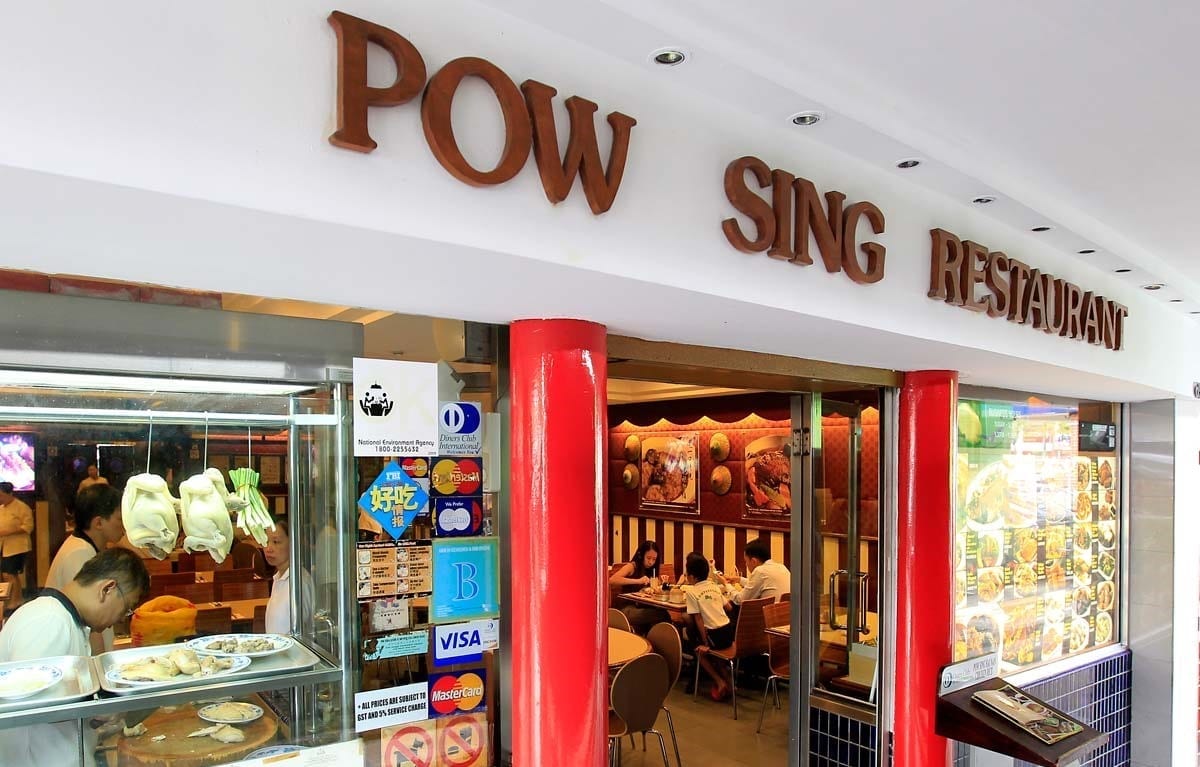
    Pow Sing Restaurant along Serangoon Garden Way, known for its chicken rice, has been suspended due to links to several cases of gastroenteritis between Jul 4 and 11, the Ministry of Health (MOH), National Environment Agency (NEA), and Agri-Food and Veterinary Authority of Singapore (AVA) said in a joint press release on Wednesday (Jul 13).

    As of Tuesday, 29 reported gastroenteritis cases have been verified and further investigations are ongoing, the authorities said.

    MOH, NEA and AVA were first notified of the cases on Jul 4 and had immediately conducted joint inspections of the restaurant’s premises the next day, they said.

    Several hygiene lapses, including a failure to maintain temperature records and allowing an unregistered food handler to prepare food, were observed, and the restaurant had been instructed to rectify them immediately, the agencies added.

    “There is reason to suspect that there might be a continuing source of infection in the premises,” the authorities stated, noting that they were alerted to another four cases on Jul 11, after checks were conducted.

    NEA suspended the 33-year-old restaurant starting Wednesday to protect consumers from public health risks, the agencies said. Pow Sing has also been instructed to dispose of all ready-to-eat and thawed food as well as perishable food items, conduct thorough cleaning and sanitising of its premises including equipment, utensils, work surfaces and toilets, and review and rectify the lapses in food preparation processes identified during the joint inspections.

    Meanwhile, AVA has collected food samples from the restaurant and is conducting laboratory tests on them, and MOH is screening stool samples from the affected cases and the restaurant’s food handlers. Only food handlers who are tested to be free of food poisoning pathogens and have re-attended and passed the Basic Food Hygiene Course will be allowed to resume work, the authorities said, adding that MOH and NEA will continue to monitor the situation closely.

    Based on the findings of the joint inspections, NEA will take necessary enforcement actions against the restaurant for hygiene infringements, the authorities said.

    “Food operators are also reminded to ensure that all food handlers are registered with the NEA and that they do not engage in any food preparation if they are sick. Food retail outlets are inspected regularly and strict enforcement action will be taken against any errant food retail outlets,” they added.

    Members of the public can report incidents related to food hygiene by calling the 24-hour NEA Contact Centre at 1800-CALL-NEA (1800-2255-632).

    RESTAURANT CLOSED FOR RENOVATIONS: OWNER

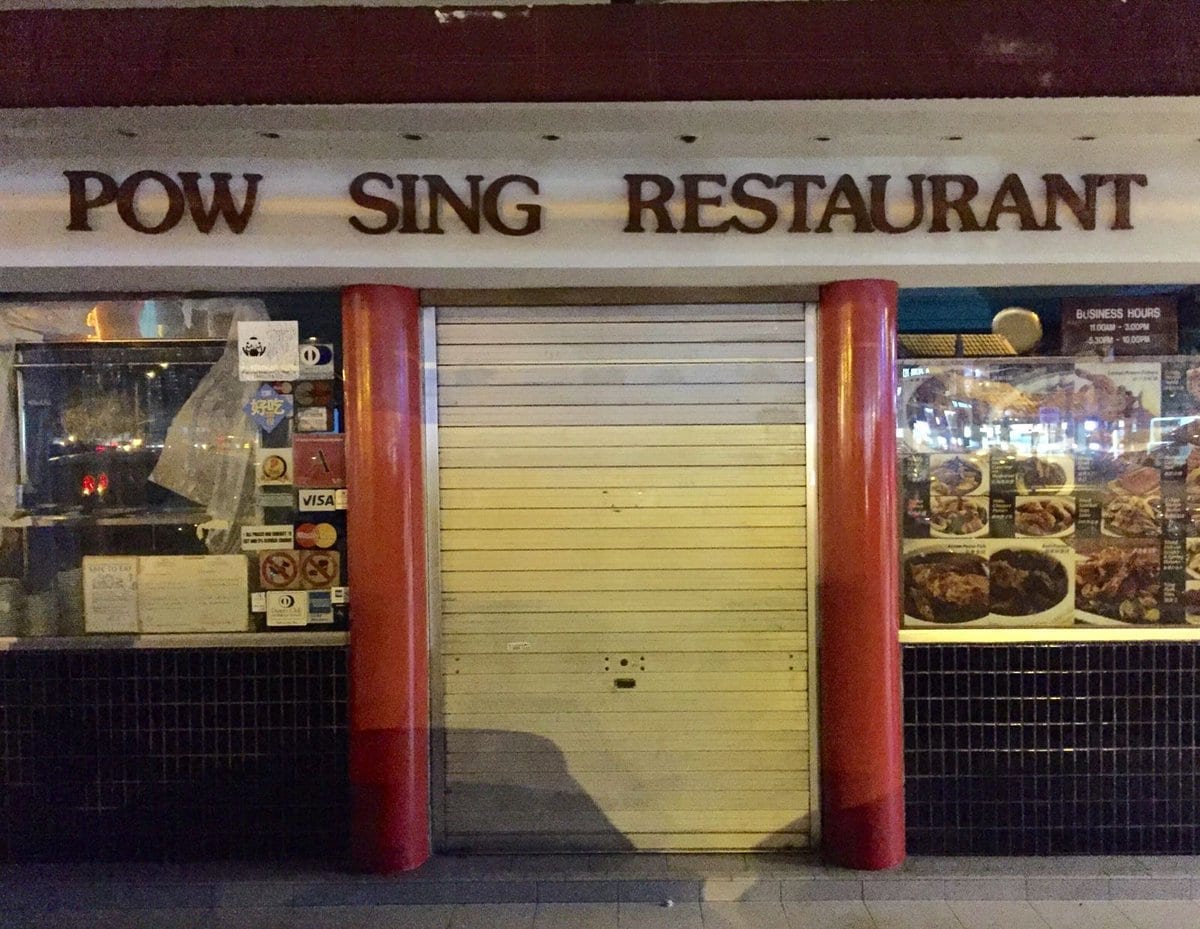
    When Channel NewsAsia visited Pow Sing on Wednesday at around 8.50pm, the restaurant was shuttered and had notices outside indicating it was “closed for renovations” starting Wednesday.

    “We will resume our business once the renovation finishes. If there are any further delays we will keep you up to date,” the restaurant said in the notice.

    One of the two founders of the Pow Sing group, Lee Chin Soo, said the renovations of the restaurant had nothing to do with the gastroenteritis incidents and that he only found about the suspension on Tuesday morning.

    “It has already been so long; we have never done any sort of renovation. I took this chance and I wanted to change the seats and change the look of the restaurant. I took the chance to clean out everything that looks dirty,” he said.

    Mr Steven Tan, the other founder of the brand, is said to be overseas.

    Mr Lee said he wished to find out why the hygiene lapses happened, as it was the first time such a thing had happened at the restaurant in its 30-plus years of operations.

    “NEA and MOH have not gotten back to us about the cause, and I really do not have much information but I would like to know more. I will take more steps in future to look at everything more closely,” he said.

    He added that he would not “run away” and would face his responsibilities.

    “The employees here have been with me for a very long time, I also stop by often … I have been serving chicken rice since I was young,” Mr Lee said.

    Meanwhile, a manager of Pow Sing Kitchen, also under the Pow Sing group, said it had a separate kitchen from Pow Sing Restaurant and was run by different management, even though they reported to the same bosses. Pow Sing Kitchen, which was still open on Wednesday night, is not affected by the closure, said the manager, who only wanted to be known as “Tommy”.

    CnP7awMVIAABKNI

  • Welcoming Australian FreakShakes in Asia

    Welcoming Australian FreakShakes in Asia

    Milkshake treats known as FreakShakes, devised by suburban cafe in the Australian capital of Canberra, have started making inroads to Asia.

    Patissez became a social-media sensation last year when it introduced its signature milkshakes piled with cookies, pretzels and even slabs of cake. Also known for its cakes and desserts, the family-owned patisserie was besieged by queues, so a second store was opened in the centre of the city.

    Now its first store outside Australia has been attracting crowds since opening in Kuala Lumpur last month.
    “We’re thrilled. The team in Kuala Lumpur is excellent,” says owner Anna Petridis. “The store is on Jalan Talawi, Bangsar Village, and it’s beautiful – everything a Patissez store should be. I plan to use that store as the model for all future outlets.”

    Patissez has also just opened in Singapore, in the new Raffles Holland Village. “It’s totally different to Kuala Lumpur but has its own flavour, which definitely suits the area and local market,” says Petridis.

    Now the company is planning more store locations in Kuala Lumpur and Singapore, plus expansion into Bangkok, Beijing and Shanghai. As part of this growth, it is setting up the “Patissez Exchange” which will enable staff members at any level to have the chance to work in the international stores.

  • Innovate or die: Singapore retailers advised to reinvent as brick and mortarshops lose luster

    Innovate or die: Singapore retailers advised to reinvent as brick and mortarshops lose luster

    Some brands are even advertising via Snapchat.

    In a fast-paced and technologically-savvy city-state such as Singapore, brick and mortar shops of retailers, however traditional, may not be adequate anymore.

    According to a report by Cushman and Wakefield, Italian luxury brand Prada, for example, has announced plans to advertise via Snapchat, and will be offering their range of goods online.

    Additionally, the Singapore Tourism Board is using WeChat and Baidu Connect, and other online travel services and social review sites to reach out to independent Chinese travelers.

    “Thus, it is essential for all major stakeholders to reinvent their operations to drive the retail scene forward,” the report noted, highlighting the inevitable paradigm shift.

    Meanwhile, to combat the surge of e-commerce, the report said retailers are increasing F&B components in shopping malls and department stores, as such experience-based concepts are irreplaceable by online retail.

    “For instance, Muji Café and Meal will be opening their second outlet in Raffles City, and a cluster of 16 restaurants will open in Wisma Atria’s Japan Food Town. In addition, Robinsons the Heeren welcomed Angela May Food Chapters in this quarter,” the report added.


  • Bespoke Club celebrates new flagship store

    Bespoke Club celebrates new flagship store

    Tailoring brand The Bespoke Club has launched its flagship store at Suntec Boutique, hosting a celebration attended by VIP clients, celebrities and other special guests.

    The Bespoke Club specialises in bespoke suits and shirts. Club patrons have complete governance over style, cut and materials, with access to more than 5000 European fine fabrics, haberdashery and accessories.

    bespoke

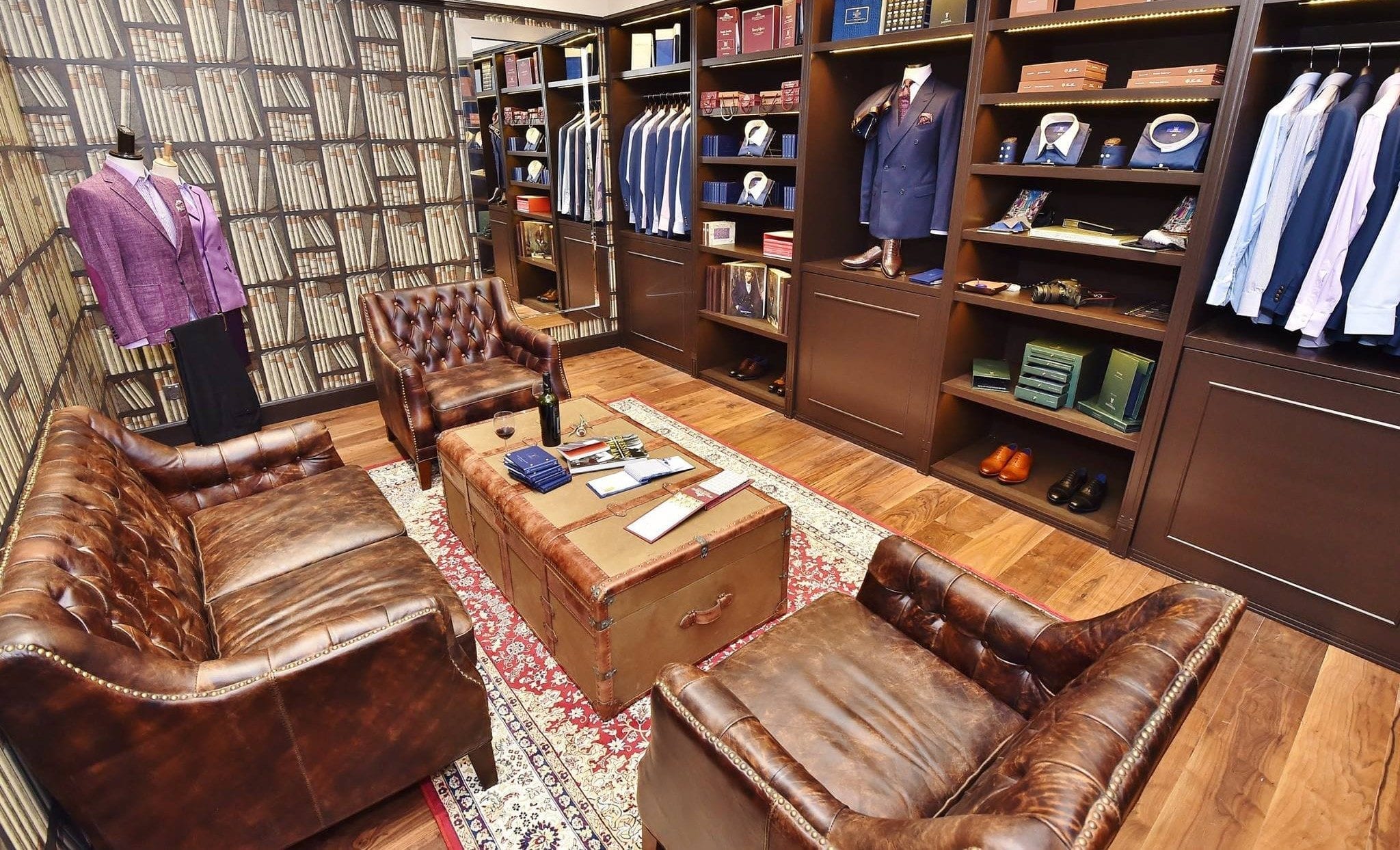
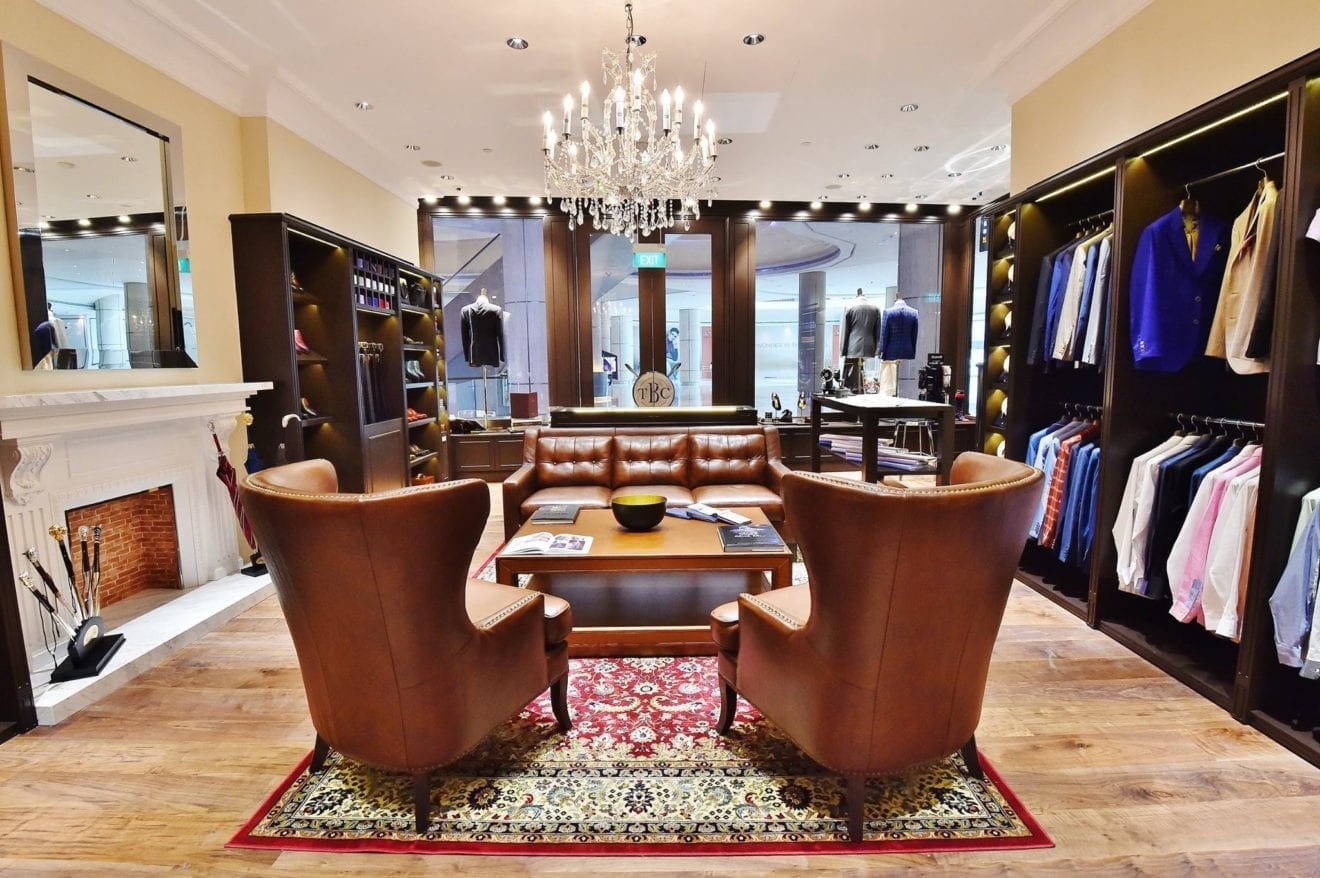
    It takes up to 50 hours of manual work to create a bespoke garment. Rolling the lapel, felling the collar, setting the canvas and sewing the buttons are all done by hand at The Bespoke Club. Its new store offers the style of a Savile Row boutique, and includes a personal shopping suite for privacy and discretion.

    However, clients do not need to visit the store – The Bespoke Club offers a personalised tailoring service at the client’s home or office.

    A range of packages is available, and there are special rates for corporate partners. Also available at The Bespoke Club are accessories, leather goods and custom-made shoes.

    Meanwhile, at the opening party, brand ambassador Srikant Ramaswami gave the opening speech on the essence of bespoke, while Buro 24/7 Singapore editor Norman Tan gave a presentation on the art of fine tailoring. As guests mingled over canapés, wine and champagne, Tan hosted a tie-a-bowtie competition with prizes for participants.

    Srikant Ramaswami - The Bespoke Club

    Reflecting the colours of the brand, the venue was dressed in blue and white.

  • The Salvation Army joins start-up ShopBack Singapore on its Social outreach

    The Salvation Army joins start-up ShopBack Singapore on its Social outreach

    The Salvation Army partners ShopBack Singapore, one of the top Cashback sites in Southeast Asia, to introduce the #ShopBackGivesBack outreach. The budding start-up’s first foray into social responsibility encourages shoppers to shop and do good.

    From now till 31 August 2016, ShopBack Singapore will make a $10 donation to The Salvation Army for every first purchase made by users who sign up for a free account at https://www.shopback.sg/salvationarmy. No minimum spend is required from user to initiate the gifting.

    “The name #ShopBackGivesBack was chosen as it serves as an apt representation of both our business and social responsibility outreach,” said Ms. Josephine Chow, Country Head of ShopBack Singapore. “The backbone of our business involves giving cash back to the online shoppers. In line with GSS, we invite Good ShopBack Samaritans to indulge in shopping while doing good for The Salvation Army.”

    The international charity organisation has been serving the underprivileged in the local community without discrimination. Throughout its 81 years of establishment in Singapore, The Salvation Army has launched several diverse social programmes to cater to a wide range of needs in society.

    “The Salvation Army has come a long way in identifying social needs and doing our best to help people who truly need relief from difficult circumstances. We are pleased to partner ShopBack Singapore in its initiative to give back to the community. With the support of ShopBack Singapore and its kind shoppers, we can continue to provide better care for abandoned and abused children, families in material need, elderly requiring nursing care, and other needy segments in Singapore,” said Colonel Lyndon Buckingham, Territorial Commander, The Salvation Army, Singapore, Malaysia and Myanmar Territory. ShopBack SG 2

    To foster the spirit of giving and buying this GSS, ShopBack Singapore will be raising the Cashback tier from up to 30% to 40% for the Good ShopBack Samaritans. They will also get to enjoy exclusive voucher codes to help them save more as they shop from over 500 online stores such as Taobao, Guardian, Expedia and Cathay Cineplexes.

    Injecting social responsibility into a company’s core at an early development stage

    Most people tend to associate social responsibility with large corporations. They are more entrenched in their respective fields and tend to have more resources to execute social responsibility on a greater scale, which translates to a bigger impact.

    “In spite of resource constraints, ShopBack Singapore is keen to tighten its belt, step forth and give back to society,” said Mr. Henry Chan, Co-Founder of ShopBack. “We applaud this initiative and give the team our full support to take #ShopBackGivesBack further. This social responsibility outreach will serve as a good initiative to explore different ways of giving back while maintaining a sustainable business.”

    Currently less than two years old, ShopBack is seeing a steady 20% month-on-month growth across the region in five markets, garnering at least six orders per minute for its online retail partners. The desktop-first Cashback site just launched its mobile app last week, which topped the Shopping Category for free apps in less than 24 hours.

    Moving forward, ShopBack Singapore will look into the option of Cashback donation to involve over 250,000 local users in the #ShopBackGivesBack outreach. With the integration of charity organisations such as The Salvation Army as one of ShopBack’s payout options, shoppers will then be able to donate their accumulated Cashback straight to the desired organisation without forking out cash from their wallets.

  • Singapore’s EDB, MasterCard enter smart city alliance

    Singapore’s EDB, MasterCard enter smart city alliance

    The Singapore Economic Development Board has entered an agreement with MasterCard to help Singaporean companies build innovative solutions in urban mobility, tourism and trade.

    The announcement was made at the World Cities Summit 2016 being held this week at the Sands Expo & Convention Centre, Marina Bay Sands in Singapore.

    The two parties said they will focus on tackling some of the biggest urban challenges of our time in the next two years: how to promote mobility, tourism and trade while enabling seamless experiences and sustainable growth.

    MasterCard and the EDB in partnership with other Singapore-based companies plan to work together to design and build technology platforms in the three mentioned.

    In tourism, the goal is to help Singapore residents and visitors navigate the city state’s attractions easier and in a more connected way. In urban mobility, the platform will strive to ensure that residents and visitors have an easy time using the local transit system. In trade, the goal is to digitize and automate how companies buy, sell and pay each other.

    For each of these three areas, solutions will be designed and developed out of Singapore, further enhancing Singapore’s ability to create innovative products and services which are exportable and can be globally deployed.

    “We are happy to work with MasterCard to enable the creation of new solutions in the identified themes. This is in line with EDB’s drive for Singapore to be a hotbed for innovation and creation of new businesses, which in turn will contribute to economic growth and the creation of good jobs,” said Kelvin Wong, assistant managing director at EDB.

    In major cities around the world including London, Athens and Bogota, MasterCard is already working with local authorities and other technology companies to make public transport more accessible and more efficient.

    Ari Sarker, co-President MasterCard Asia-Pacific: “For many years, Singapore has been setting the benchmark for what it means to become a smart city and a smart nation.

    Since 2012, Singapore has been one of MasterCard’s global R&D Centers (MasterCard Labs) – which most recently launched the first commerce application for SoftBank Robotics’ humanoid robot Pepper.

    Earlier this year, MasterCard also teamed up with IBM to offer smaller merchants in Singapore and across the Asia-Pacific region market insights that integrate IBM Watson Analytics with insights based on aggregated and anonymized transaction data through MasterCard Advisors Local Market Intelligence (LMI).

  • New Ippin mall offers Japanese goods

    New Ippin mall offers Japanese goods

    An eCommerce company that sells printer inks and sanitary napkins, C-Connect, has launched Ippin, an online shopping mall that specialises in direct sales and distribution from Japan to other countries.

    Ippin not only sells products made in Japan, but also “Produced by Japan” and “Popular in Japan” items. Customers can buy directly from 18 regions and countries, though the initial target is mainly China and Southeast Asian countries.

    Categories include food, fashion, cosmetics, children’s and baby items, and electric appliances.
    Independent websites are provided for each country, such as China, Singapore and Malaysia, with recommended item rankings and payment methods (16 currencies) to suit the market, such as credit cards, Alipay and Paypal.

    Users can choose from three languages (English, Chinese and Japanese) with more to be introduced.

    C-Connect was founded in 2009.

  • Singtel launches Singapore’s first OTT video portal app

    Singtel launches Singapore’s first OTT video portal app

    Singtel has expanded its media content portfolio with the launch of Singapore’s first OTT video portal app, open to the operator’s postpaid mobile customers.

    The operator’s new Cast portal will offer content from major providers including Viu and Nickelodeon, delivered over Singtel’s nationwide 4G network.

    Cast offers a choice of four content packs – premium, kids, Asian hits and Hallyu – with each priced at S$4.90 ($3.63) per month for a 12-month contract or S$6.90 per month contract-free. Customers can choose to pay an additional S$3 per month for an add-on pack including 1GB of data

    The premium pack offers a range of Korean and Japanese dramas, while the kids pack includes programming from the Nickelodeon and Nick Jr pay TV channels.

    Asian hits include popular movies from Singapore, Taiwan, Hong Kong and China, while Hallyu offers the most popular Korean entertainment.

    “Our customers are huge fans of entertainment on-the-go and we know that they want greater flexibility with what they watch and also when and how they watch it,” Singtel managing director of home consumer Singapore Goh Seow Eng said.

    “We are forging ahead in the OTT space through more strategic partnerships with strong content providers such as Viu and Nickelodeon. We look forward to partnering more top content providers to offer an ever-growing selection on Cast that will give our customers greater choice and the best entertainment experience.”