Tag: Singapore

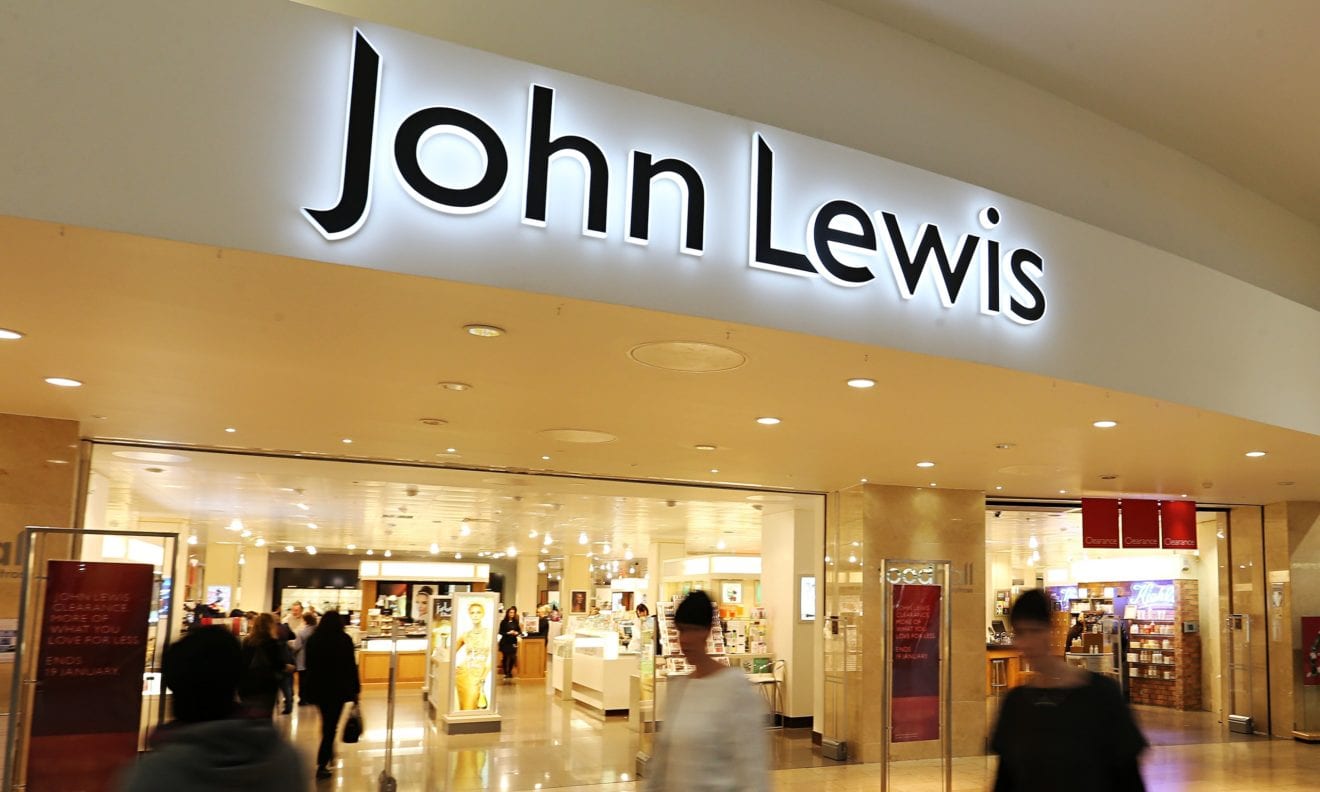
  • John Lewis Asian stores ‘trading well’

    John Lewis Asian stores ‘trading well’

    UK department store operator John Lewis has hinted at its trading performance in Asia as it announced another offshore expansion – into the Netherlands.

    John Lewis chose Singapore as the first of 15 new international markets it plans to expand into back in March this year.

    Two John Lewis Singapore concessions were opened inside Robinsons department stores, last July, primarily selling homewares.

    Andy Street, John Lewis MD, mentioned overnight: “Our existing shop-in-shops in Singapore, the Philippines and South Korea have been well received and are trading well.”

    John Lewis opened 14 shop-in-shops across Singapore and the Philippines this year, and seven shop-in-shops in South Korea last year.

    The first Dutch shops will open in spring 2016 at de Bijenkorf’s flagship stores in Amsterdam, Rotterdam and The Hague – its first stores in continental Europe.

    And more may follow, especially in Asia.

    ‘Whilst we remain committed to our UK physical expansion we hope to announce more international collaborations in 2016,” said Street.

    The UK retailer was founded in 1864, but until last year it had never traded outside England, Scotland and Wales. In 2012 it entered into a partnership with South Korea’s Shinsegae Department Store Co, selling linen and homewares in seven stores.

    Street said in March he expected to confirm deals to open in a further five foreign markets in 2015. That could mean four more markets to be announced over the next six weeks.

    “We have been very successful in Korea. We are really pleased and surprised that, in a market where the John Lewis brand isn’t really known, it has cut through.”

  • Croesus Retail Trust posts flat quarter

    Croesus Retail Trust posts flat quarter

    Singapore-listed Croesus Retail Trust achieved a 17.2 per cent increase in quarterly earnings to $23 million from its Japanese shopping centre investments.

    But that was not enough to change its distribution per unit (DPU) for the quarter, which remained flat at 2.08 cents.

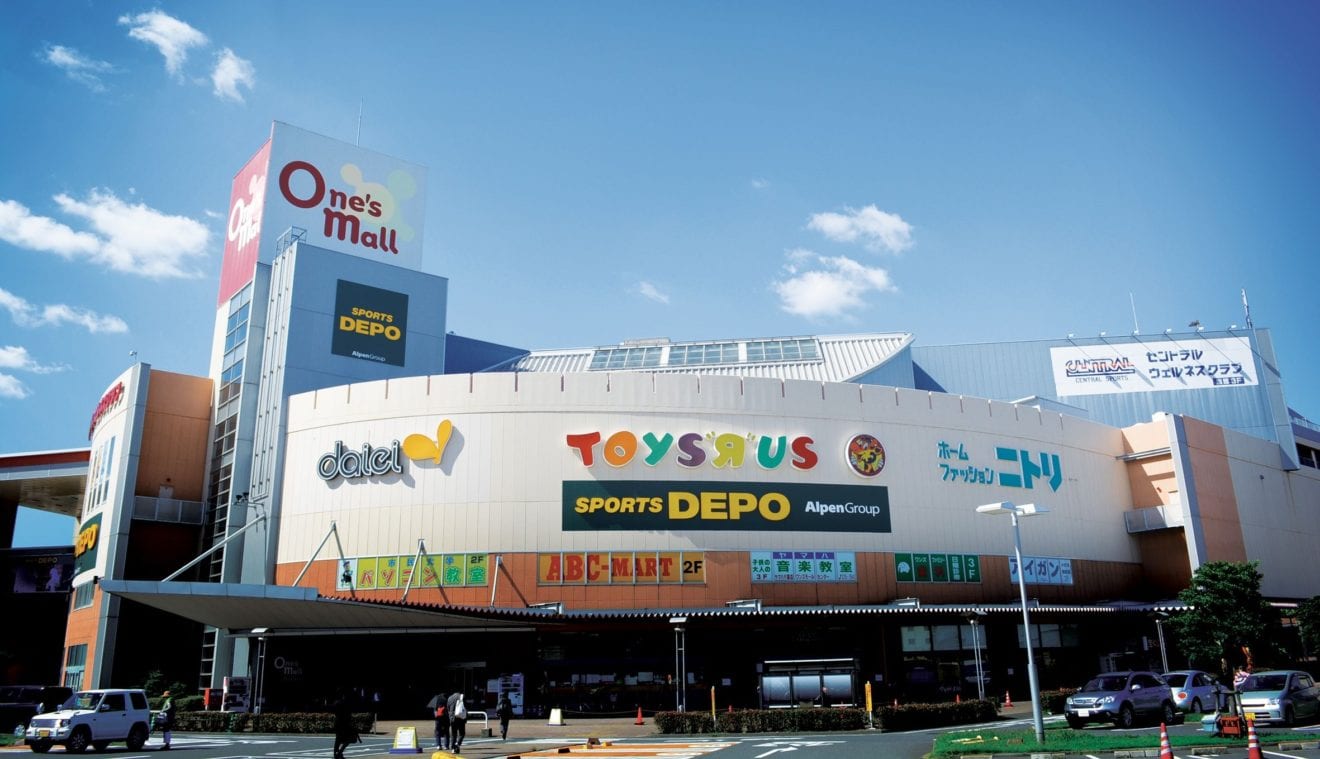
    The retail property investor says its earnings rose on the back of its acquisition of One’s Mall in Chiba and lease renewals at Mallage Shobu in the Saitama Prefecture.

    However, the increase was partially offset by the absence of a one-off income at Mallage Shobu recorded in the first quarter last year.

    Net property income rose 10.7 per cent accordingly.

    CRT has seven retail properties in Japan with a combined net lettable area of about 251,000 sqm.

    The company says competition for buying real estate assets in Japan has been keen over recent quarters, a trend expected to continue in the short term.

  • Apple to open its first retail store in Singapore in 2016

    Apple is expanding its retail store globally pretty rapidly, as the company has now announced opening of its first retail store in Singapore. Apple’s this store is reportedly going to open sometime in 2016. We first got this news last month, when it was reported that the Cupertino based company is opening its first retail store in Singapore.

    Today, Apple has listed out several job vacancies like Specialists, Business Specialists, Creative, and some other Apple positions for its Singapore Retail Store. This store is going to open at Knightsbridge at a four storage luxury shopping center.

    As of Now, Apple doesn’t have any official retail store in this region. So people, who are interested in buying Apple product have to buy their devices from third party retailers or online store. But if anyone wants to buy product from Apple’s official retail store, then they have to go to company’s retail store in Hong Kong or Australia.

    As of now, we don’t have any specific date of opening of Apple retail store in Singapore, but it is going to open sometime next year.

  • Kingsmen Q3 profit falls 84% on softer demand from high-end retailers

    Kingsmen Q3 profit falls 84% on softer demand from high-end retailers

    Kingsmen Creatives’ net profit fell 83.6 per cent in third quarter as the retail and corporate interiors business slowed for the maker of physical displays.

    Kingsmen posted earnings of S$566,000, or 0.29 Singapore cent per share, for the three months ended September. Nine-month profit haved to S$4.4 million, or 2.26 Singapore cents per share. Kingsmen shares did not trade on Thursday, but were bid at 77.5 Singapore cents and offered at 78.5 Singapore cents at the close.

    Revenue fell 11.8 per cent to S$76 million during the quarter as sales from retail and corporate interiors dropped 10.2 per cent to S$37.9 million amid soft demand from the high-end luxury retail segment. The affordable-luxury and travel retail segment, however, continues to provide demand.

    The exhibitions and museums business also saw revenue decline by 7.8 per cent to S$30.7 million.

    Kingsmen guided for demand in the high-end luxury retail segment to remain soft. The company had contracts worth S$348 million as at Oct 31, 2015, of which about S$305 million was expected to be recognised in 2015.

  • Singapore banks must innovate

    Singapore banks must innovate

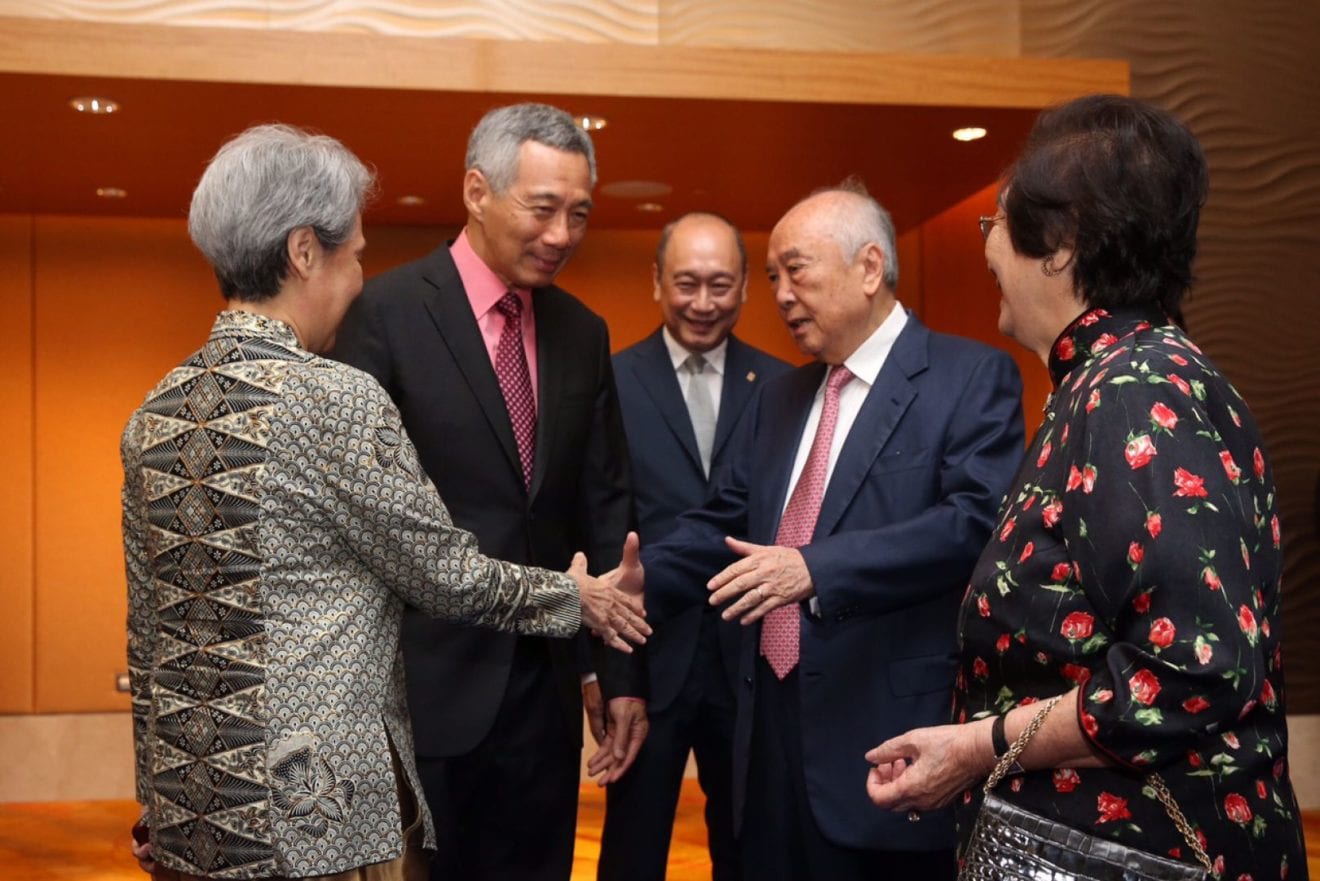
    Singapore banks must now innovate in this challenging environment where economic growth is uncertain, and disruptive forces are now at play, said Prime Minister Lee Hsien Loong on Thursday.

    “Our banks are in a strong position,” said PM Lee at UOB’s 80th anniversary dinner, noting that Singapore is at the heart of a rising Asia, and banks here have a strong balance sheet.

    “But at the same time, this is a very competitive business that continues to evolve rapidly. For while overall our banks are very good, in almost every specific area, we can find others who are better than us.”

    Looking at China’s success in mobile payments, PM Lee pointed to the Alibaba sales on Singles Day on Wednesday, where 70 per cent of the billions in sales were done through mobile purchases.

    Technologies such as blockchain, which can be used for real-time gross settlement or trade finance verification, are also emerging, he said.

    “We have to continually innovate and keep up with the latest technologies and services.”

    Singapore’s financial sector was liberalised from 1997, partly as the industry was not as efficient, innovative, and responsive to the market as it should be, said PM Lee. Foreign banks were allowed into Singapore to compete, including in domestic retail banking.

    “This more competitive environment forced our local banks to consolidate. But it also spurred them to upgrade, innovate and grow,” he said.

    “Our strategy has worked. Today, our three Singapore banks have gained a reputation for being amongst the strongest and safest financial institutions in the world. And we have a strong, vibrant financial sector that we can be proud of.”

  • Fashioning Singapore labels

    Fashioning Singapore labels

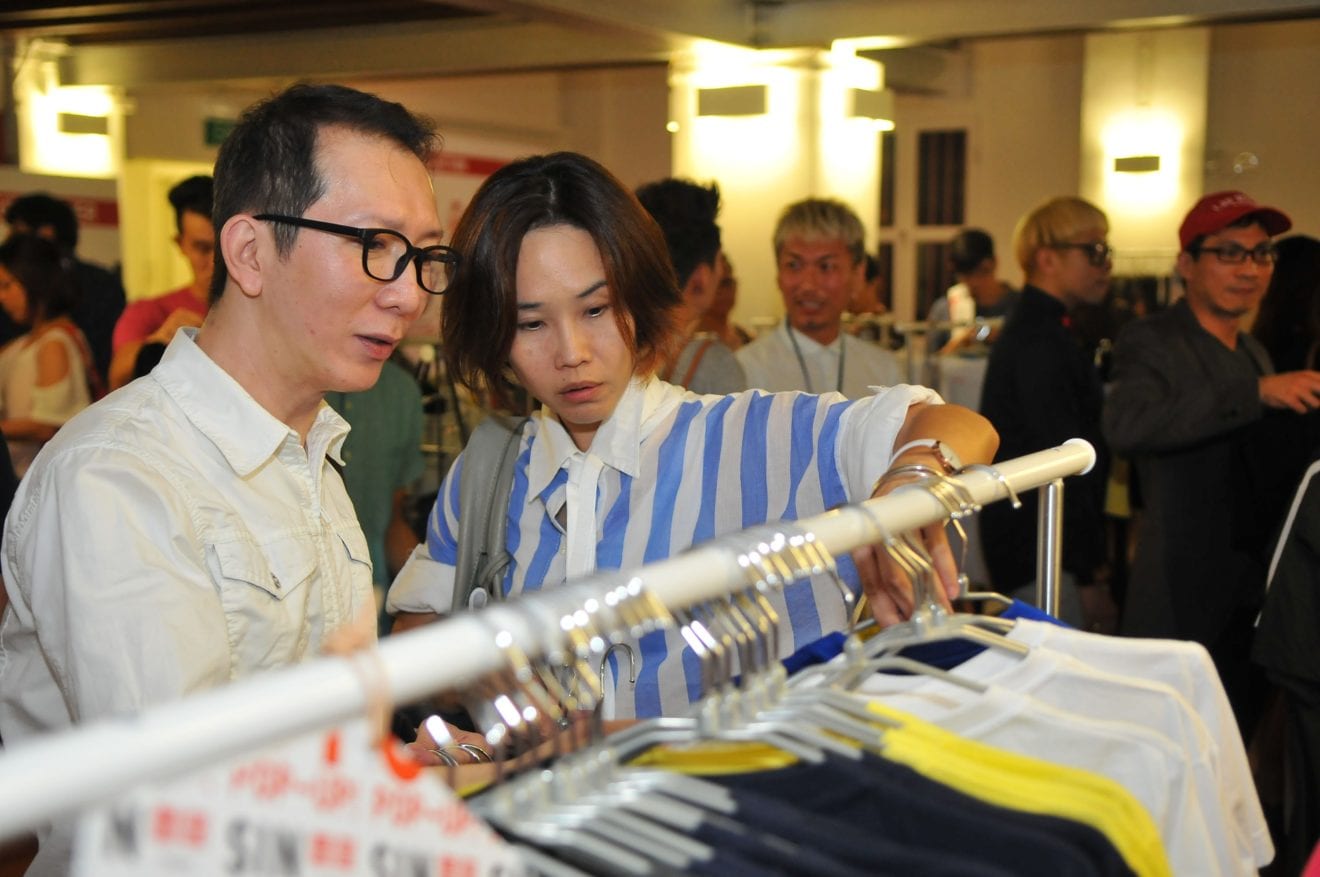
    Within a short span of two weeks, two well-known Singapore fashion labels made the news for calling it quits. One is doing so for greener pastures – Jo Soh of whimsical women’s-wear label Hansel is folding her 12-year-old brand for better opportunities and exposure as head of fashion for Laura Ashley Asia.

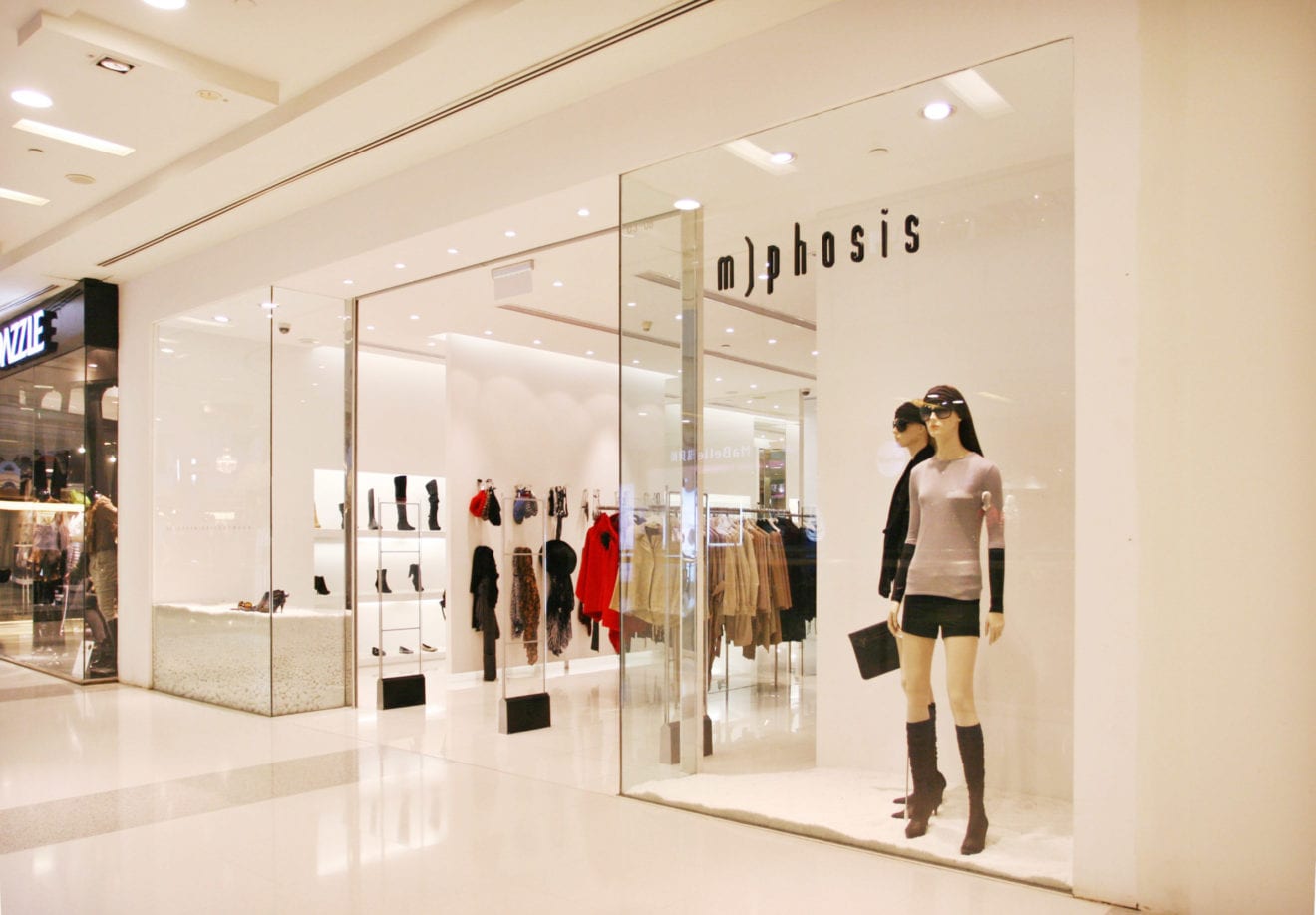
    M)phosis, founded in 1994 and known for its women’s basics, folded because of “severe cashflow problems”, according to director Hensley Teh.

    In a tough retail climate, casualties are inevitable. But what makes the loss of these two especially regrettable is that they had carved out a niche for themselves and had a following for over a decade at least, more so than many other local labels here.

    At the height of its success in the early 2000s, M)phosis was Singapore’s most widely exported fashion label, with distribution in nine Asia-Pacific countries. Hansel was named as one of two Singapore brands worth being proud of and championing by Singapore Tourism Board chief executive Lionel Yeo in 2013. The other was Ong Shunmugam.

    So what went wrong? A large part is a lack of support for local brands, which just do not figure highly on Singaporeans’ radar when there are so many recognisable high-street brands.

    While not all local labels work, there are a number deserving of support, such as In Good Company and Aijek, because they have a clear identity and produce good-quality, wearable designs. Sure, they may cost more than Zara and H&M, but that is inevitable as they lack the scale of these retail giants. Singaporeans need to do away with prejudices such as “If it’s local, it should be cheap” – something local designers say they often hear.

    Designers also need to cultivate a clear style so Singaporeans will be proud to wear them, just as the Thais and South Koreans are of their own talents.

    So before SG50 draws to a close, consider giving local fashion some support. You may be surprised at what you find and you could save some deserving labels from the same fate as M)phosis and Hansel.

  • Courts Asia expansion drives huge profit rise

    Courts Asia expansion drives huge profit rise

    Courts Asia’s strategy of spreading its interests into neighbouring countries is paying off already.

    The company has today announced a 253 per cent quarterly increase in profit to S$6 million and a 77.8 per cent rise to S$12.1 million for the first half year. Gross profit for the second quarter rose 12.4 per cent thanks to a focus on higher gross profit margin and higher sales.

    While Courts Asia’s second quarter last year was exceptionally challenging, the high growth from a low base should not cast a shadow over an exceptional retail strategy, especially given the almost stagnant nature of the Singapore retail market this year, Courts Asia’s main market, where sales actually slipped 2.6 per cent.

    Revenue in neighbouring Malaysia, its second biggest market accounting for 35 per cent of total sales, rose 13 per cent in Singaporean currency and 27 per cent in Malaysian Ringgit, mainly due to bulk sales for digital products. That in itself is an achievement as consumer spending in Malaysia tanked after the introduction of GST on April 1.

    “Malaysia has continued to post a good showing with active marketing of our refreshed Courts branding and credit campaign nationwide,” said group CEO Dr Terry O’Connor. “Likewise, we will focus on improving store productivity and cost-saving initiatives as we move forward.”

    In Indonesia, where the company is just getting started, sales rose 5.8 per cent with two new stores opening. A fourth new store is due to be trading by Christmas.

    “In Indonesia, we are progressing well and sales from our three stores, namely the Megastore in Bekasi and two smaller stores in Mega Bekasi Hypermall and Bogor, have kicked-in. Our second Megastore, located in BSD City, Southwest of Jakarta, begins operations by December this year. This new store also represents our fourth store in the country, and we expect economies of scale and operational efficiency coming into the next financial year,” said O’Connor.

    In Singapore, Courts is pinning its growth strategy on introducing new retail formats. The first JYSK Danish lifestyle store opened in Bukit Timah in September and US hardware brand ACE Hardware will follow by year’s end. O’Connor says exclusive partnerships with the two brands align with the company’s strategy of offering a comprehensive suite of solutions for the home.

    “We will be expanding both JYSK and Ace Hardware stores islandwide within the next five years.

    “Beyond cost-saving initiatives, we are focused on optimising the productivity and yield of each of our stores. In Singapore, we continue to rejuvenate our retail concepts to meet changing consumer trends and drive healthier margins.

    “Singapore’s retail environment remains subdued, but we expect a continued stream of demand for household appliances and furniture given the expected increase in supply of HDB flats in 2016. This is in line with recent policy changes such as the higher income ceiling and more Central Provident Fund (CPF) grants that have widened the pool of eligible buyers.”

    In both Malaysia and Indonesia, Courts Asia is targeting the burgeoning middle classes.

    “The recently announced Budget 2016 in Malaysia is slated to boost growth and home ownership with the planned construction of 351,000 housing units. We anticipate that this will drive further demand for affordable furniture and household appliances over the medium term.

    “In Indonesia, we plan to leverage on the country’s growing middle class and its strong standing as one of the region’s fastest growing nations by opening a total of six new stores in Indonesia over the next 12 months,” he concluded.

  • Warehouse Managers Must Get Mobile

    Warehouse Managers Must Get Mobile

    Today’s warehouse managers face many challenges, not the least of which are meeting higher service levels and operational cost constraints. In this environment, it’s more important than ever that managers spend time on the floor, managing associates to drive optimal levels of productivity and monitoring work throughout the warehouse. This represents a difficult balancing act, however, as distribution centre managers and supervisors traditionally lack access to critical real-time data anywhere but the office.

    With this issue in mind, Manhattan Associates recently conducted a survey of supply chain executives and managers to better understand their struggle—and how mobile tools may be able to alleviate the challenges. The findings underscore that legacy, PC-based labour management systems (LMS) are effectively chaining managers to their desks, and preventing them from spending valuable time with associates. For example, 63 percent of respondents said lack of access to a computer keeps them from the warehouse floor, and 58 percent pointed to the need to review reports as another barrier against more associate engagement.

    Numerous studies have documented that employees are more productive when given frequent, real-time feedback on their performance, and how their work aligns with broader company goals. As such, it’s essential that distribution centre managers break out of the back-office for good, or risk poor morale and warehouse throughput.

    According to Manhattan Associates’ survey, increased mobility could address these challenges. Thirty-three percent of respondents said a mobile solution would increase their floor time by 50 percent or more, and an additional 28 percent indicated that mobile would free up at least 25 percent more time for on-site activities. In keeping with these findings, respondents reported that greater engagement is the chief benefit of providing managers with mobile tools. Additional advantages include:

    • Increased oversight (42 percent)
    • Real-time data (33 percent)
    • Supervisor productivity (21 percent)
    • Exception management (19 percent)

    In addition to recognising the benefits of mobility, our survey results indicate that warehouse managers are well on their way to implementing these solutions. Eighty-one percent of respondents said they either currently have mobile capabilities for managers, or have plans to deploy them in the near-term. Among the most desired functions in a mobile app were:

    • Employee productivity (85 percent)
    • Work management (85 percent)
    • Exception management (66 percent)
    • Labour requirements (49 percent)

    It’s evident that mobile solutions enable warehouse managers to spend much-needed time engaging with employees without sacrificing reporting requirements or other equally critical responsibilities.

    To help distribution managers and staff alike break away from their desktops and be more engaged and effective in the warehouse, Manhattan Associates launched its own Mobile Distribution Management solution earlier this year. The Manhattan solution provides everything warehouse managers need to interact and effect change among employees and execute tasks out on the warehouse floor. Combining data and functionality from Manhattan’s Warehouse Management and Labour Management solutions, Mobile Distribution Management allows warehouse and distribution managers to:

    • Systematically record active interactions with employees, including observations and performance measurements
    • Review work in the warehouse by wave, job function and task/activity
    • Put a task on hold, re-prioritise a task, assign a task to an employee or release a set of tasks to be completed
    • Monitor, plan and forecast work in real-time
    • Track the status for a particular customer, including order look-ups and wave progress

    While Labour Management and Warehouse Management Solutions have long been integrated, sharing performance data in person with employees was limited to static reports run at infrequent intervals. Mobile management, however, improves the manager/employee interaction by connecting both parties to performance reports in real time.

    Intelligent decision

    With mobile solutions, managers can also update information while an operational change is being made, and potentially reverse changes quickly to avoid work stoppages. Examples of active capabilities include task reprioritisation, release and reassignment. Outbound tasks in particular have the potential to benefit the most due to their high complexity and rapid pace.

    Supervisors can send real-time metrics (e.g., picking and packing rates by team or individual members; rankings; actual versus goal performance) via display screens and desktop dashboards to employees on the warehouse floor. This enables them to make better decisions in real time. The data also can be pushed to mobile devices, enabling management to monitor activity from any location or through pre-set, threshold alert notifications.

    What is the market’s understanding of mobile supply chain management?

    Engagement and communication techniques in the warehouse were traditionally centred around decidedly low-tech items, like bulletin boards and newsletters. With the increasing adoption of technology in the warehouse, big screen TVs for example, companies are introducing some great new ways to facilitate informational flow with minimal work. Large screens broadcast details like top performers on the floor and the most current KPIs, so that everyone is on the same page. This enables managers to make information available anywhere and anytime while integrating both quantitative and qualitative data.

    With mobile phones and tablets entering the scene also and showing up on the warehouse floor, mobility is having a huge impact on warehouse management. With a continuous drive for greater efficiency, improved productivity and enhanced service levels by companies in the Southeast Asia region, mobile is becoming a major focus for supply chain infrastructure upgrades and we expect this to remain the case for many years to come.
     

  • Singapore government backs self-service technology

    Singapore government backs self-service technology

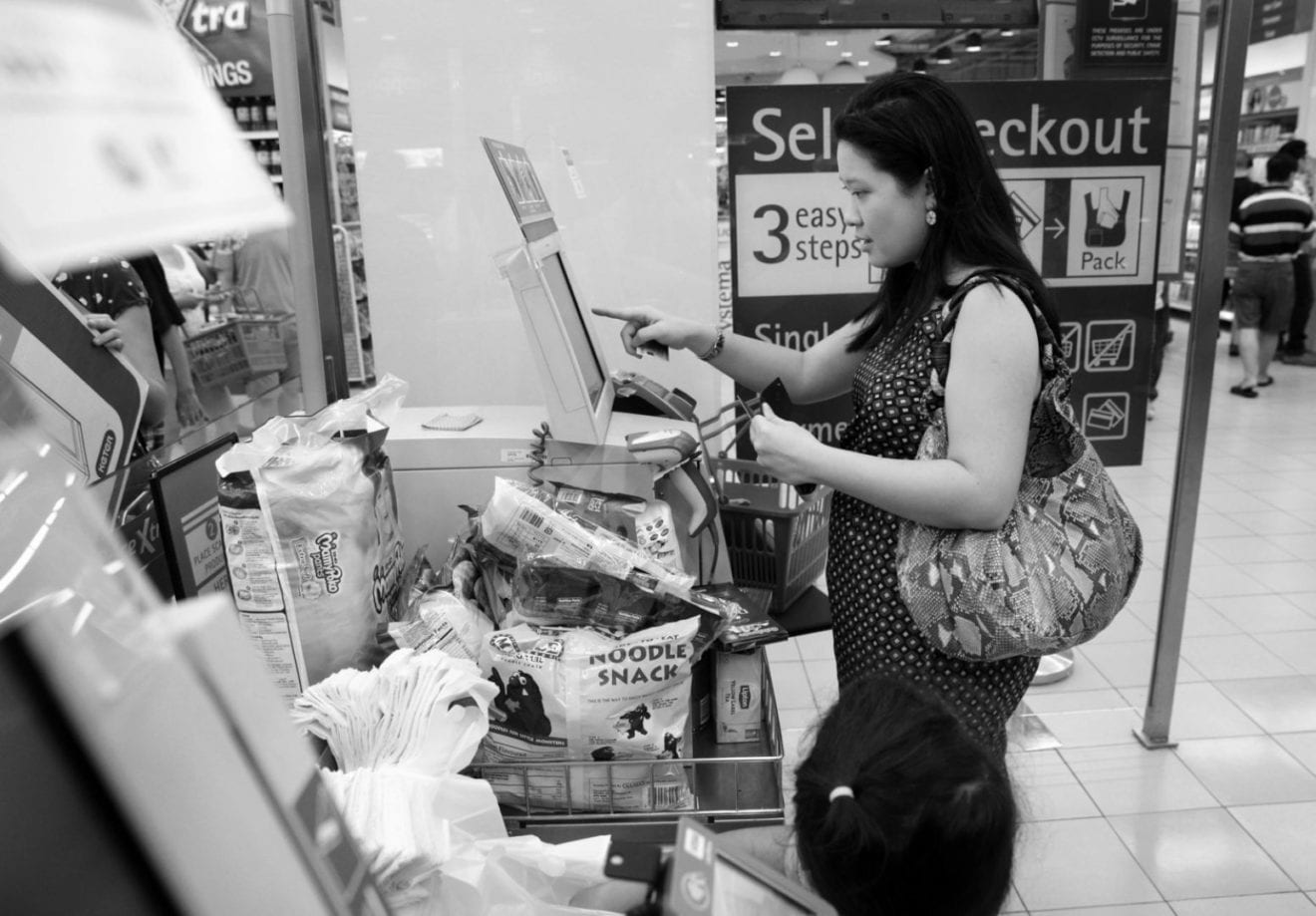
    The Singapore government is backing a push to urge shoppers to use self-service technology more in a campaign titled “We Are InDIYpendent”.

    Several supermarket chains, including the nation’s largest – NTUC FairPrice – have swung behind the initiative which was launched by the National Productivity Council (NPC).

    In a bid to galvanise more Singaporeans into using self-service counters, the supermarkets and other large retailers will be rolling out various promotions and discounts in coming weeks.

    A key driver of the initiative is to help ease the labour crunch by having consumers serve themselves.

    The NPC says the campaign “celebrates the advantages of using self-service facilities” and encourages businesses to adopt self-service models more aggressively.

    At the project’s official launch at an NTUC FairPrice store, Minister for Manpower, Lim Swee Say and Parliamentary Secretary for Trade and Industry, Low Yen Ling teamed up with celebrities Michelle Chong and Suhami Yusof in a self-service challenge which pitted them against each other to get as many shoppers as possible to use the self-checkouts.

    “Self-checkout (SCO) is a game-changing initiative for our local retailers,” explains the NPC.

    “With a tight manpower situation and increasingly competitive business environment, retail companies need to adopt technologies that require less manpower to improve their productivity.”

    The government is providing companies with grants and assistance schemes to help them implement self-service options.

    “Consumers can play their part by embracing such options to create an impetus for more businesses to adopt these models in their operations in a more aggressive manner.”

    The We Are InDIYpendent campaign seeks to encourage consumers to use self-service facilities. The campaign also aims to feature three key benefits of using self-service facilities – ease of use, speed and flexibility.

    Other highlights of the campaign include mystery spotting activities to incentivise consumers to use DIY options in more areas of their daily lives, videos offering interesting insights on DIY culture, as well as print and out-of-home (OOH) ads featuring different forms of self-service.

  • Dufry Asia aims to double business

    Dufry Asia aims to double business

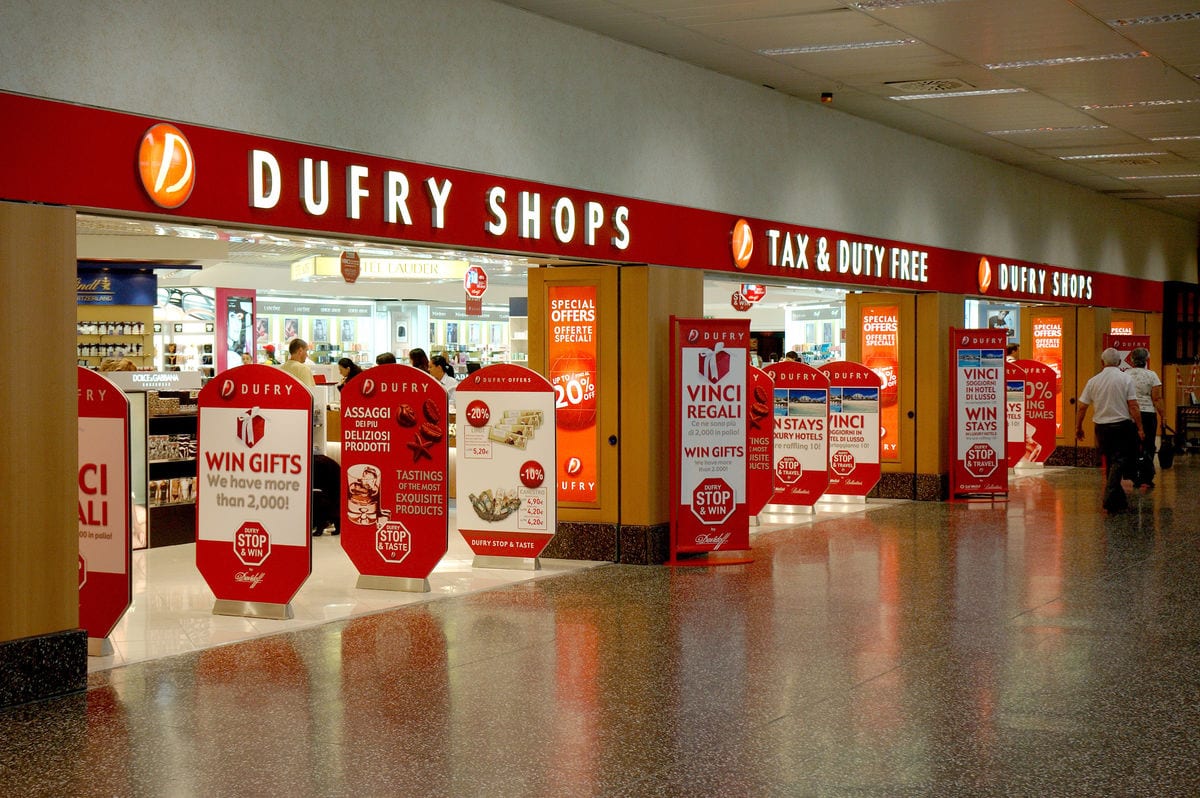
    Dufry Asia sees huge growth opportunities in the Asia region despite the current softness in the Hong Kong, Macau and Singapore markets.

    In an interview with TRBusiness the CEO of Dufry Group, Julian Diaz, said the company plans to double its sales in Asia Pacific within five years. Currently, the region accounts for just nine per cent of its total business.

    “The situation right now in Asia and in other parts of the world is not going to stop Dufry from going ahead with development,” he told TRBusiness.

    “The reality of the passenger growth over the next 10 years in Asia is that it is going to grow more than any other region in the world.”

    Díaz said Asia presented challenges given it comprises different markets, but Dufry has overcome that in other regions, and is confident it can break through in Asia.

    “I think this is a challenge, but this was also a challenge when we started in the Americas, when we started in Europe, when we started in North America.

    “All these businesses presented their own challenges. I know one thing, we are going to pool resources and the team in order to really develop the company in Asia,” he said.

  • Fashion chain M)phosis shutters stores

    Fashion chain M)phosis shutters stores

    Singapore-founded fashion retailer M)phosis is reportedly closing all its Southeast Asian stores due to financial challenges.

    The Straits Times has reported the chain is in the process of closing remaining stores in Vietnam, Malaysia, the Philippines and Indonesia – more than 10 in all. Its last Singapore store, in VivoCity, ceased trading at the end of August. Only its China stores will continue to operate.

    The company has not updated its Facebook page since August, but some disappointed fans of the brand have posted messages on the page, ranging from sadness at the retailer’s apparent demise to anger over being left with vouchers which can no longer be redeemed or cashed in.

    Director Hensley Teh confirmed to the Straits Times the brand remains in the China marketplace.

    “We were having a severe cash flow situation. We were not able to continue, despite wanting to. We did everything we could. We thank our customers, who have supported us all these years.”

    M)phosis made its debut in 1994, targeting women aged 18 to 35. At one stage it operated in Australia, Hong Kong, Dubai and Japan and had a network of 30 stores, but it has since retrenched from those markets.

  • DBS, POSB customers can withdraw more cash at more retail outlets

    DBS, POSB customers can withdraw more cash at more retail outlets

    DBS Bank and POSB customers will be able to withdraw up to S$200 with any purchase at all Cold Storage, Market Place, Jasons and Giant stores in Singapore, the local bank announced on Thursday (Nov 5).

    Customers can use the complimentary service with a DBS or POSB debit or credit card linked to a savings account. With the latest expansion, there are now around 800 Cash-Point locations islandwide, making it close to 2,000 places to withdraw money for DBS and POSB customers across the country.

    Thursday’s announcement follows last year’s expansion, where customers were able to withdraw S$100 with any purchase at all Guardian Health and Beauty and Sheng Siong stores. The S$100 limit remains for these stores.

    The service was introduced in partnership with 7-Eleven in July 2013, where there is also a S$100 withdrawal limit. The bank said that the average number of Cash-Point transactions every month has risen by 115 per cent since 2014, with the average customer withdrawing S$50 per transaction.

    “As we ramp up our digital banking capabilities, we also recognise that our customers value having a ready withdrawal touchpoint nearby when they need cash,” said Mr Jeremy Soo, Managing Director and Head of Consumer Banking Group Singapore.

    “We have chosen to partner with places frequently visited by our customers so the act of withdrawing cash is integrated with part of their daily journey.”

  • Best Denki Singapore plans two more stores

    Best Denki Singapore plans two more stores

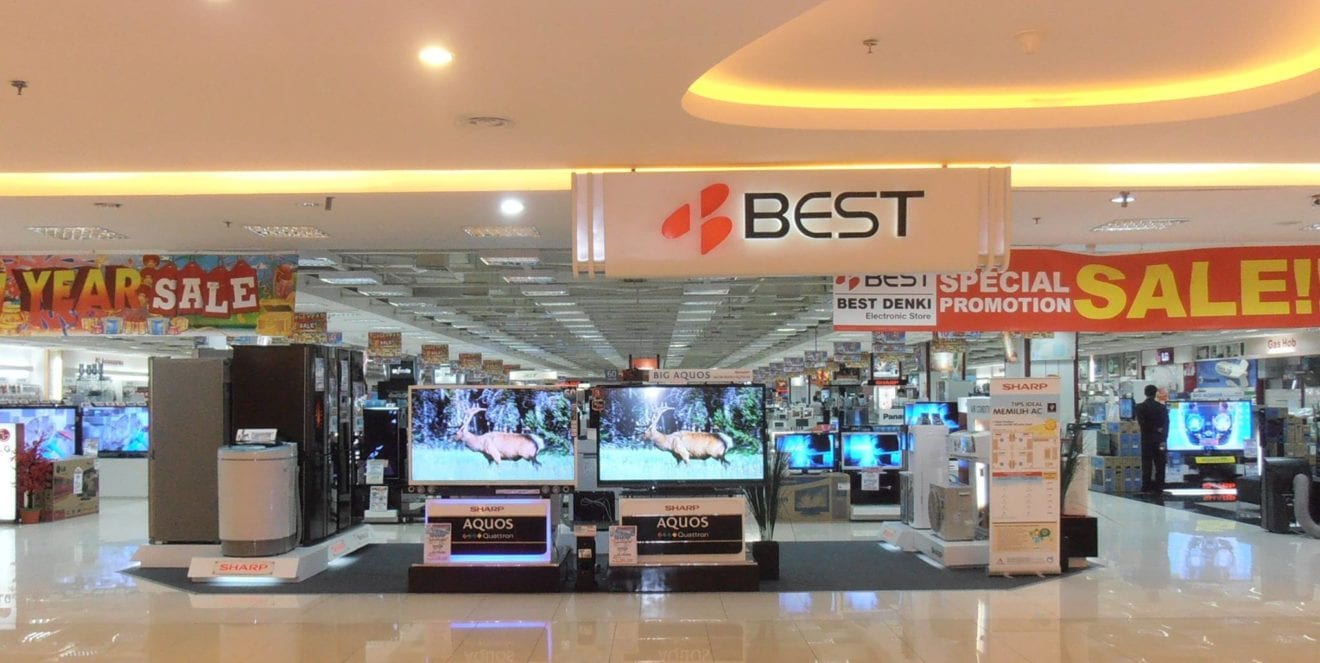
    Best Denki Singapore, the Japanese electronics retailer, plans to open two more stores in the city next year.

    Hanasaki Kenji, president and head of Asean region with Best Denki, told the Straits Times newspaper he is unfazed by the downturn in the local consumer electronics market.

    “I am not so worried. The downward trend does not hamper our business from growing,” he said.

    Best Denki entered Singapore in 1985 inside the Yaohan department store at Plaza Singapura. When that store closed in 1997 the concession was renamed Best Denki and since then the chain has grown to 11 stores.

    The company says its annual sales have grown nearly 20 per cent over the last 10 years, reaching S$293 million last year.

    Kenji attributes the brand’s success to its strategy of locating stores in shopping centres and sharp negotiating with suppliers.

  • DFS Group looks for new wine business leader

    DFS Group looks for new wine business leader

    Christian Pillsbury has left DFS Group where he headed up DFS Group’s international wine business in Hong Kong to join Coravin Inc., the maker of Coravin Wine Systems as Director of Sales, Asia Pacific with immediate effect.

    According to a statement by Coravin, Pillsbury oversaw operations across more than ten countries and 120 retail outlets at DFS Group and prior to that was the founder of Applied Wine, a first of its kind company devoted to helping restaurants make wine a core part of their business.

    Commenting on his new appointment, Pillsbury said: “Asia is becoming an exciting destination for wine and is seeing tremendous growth.

    “Coravin has transformed the way wine is sold, served, and enjoyed in both North America and Europe and I am honoured to introduce the brand to wine lovers all over Asia.

    When contacted to see if a replacement has been found, a DFS spokesperson told: “We’ll announce Christian’s replacement soon.”DFS has recently been been looking to fill a position for a new senior member to join its global wine team based in Hong Kong, to work across 11 countries and manage a team of experienced travel retail professionals.

  • Canon Increases Investment in Singapore with New Office

    Canon Increases Investment in Singapore with New Office

    Canon, the global leader in photographic and digital imaging solutions, today announced the company’s official move to Galaxis, a Platinum Green Mark Building located in One North. Showcasing state-of-the-art facilities and powered by Canon office solutions, the new premise promises to be a one-stop destination for its customers’ imaging needs.

    Putting the customer at the centre of the new office, Canon has invested SGD$20million to build the Canon Delight Hub, an integrated customer engagement hub. This hub brings together all of Canon’s businesses – from consumer imaging to business solutions, creating a more centralised, holistic customer experience across Canon’s suite of solutions.

    These customer-centric investments in Singapore speak to Canon’s ambitions in South and Southeast Asia. Mr. Kensaku Konishi, President and CEO, Canon Singapore: “We continually seek to invest in this region to increase our capabilities and footprint in line with the tremendous growth we expect from the South and Southeast Asia region.”

    Housed in this facility is the enhanced Customer Care Centre, which provides customers access to try out the latest Canon consumer products as well as the same comprehensive customer service. To better meet the service and repair needs of customers, the new Customer Care Centre offers improved testing and interactive facilities, such as a 30m darkroom, one of the longest darkrooms for lens testing in the region.

    As a keen advocate of photography, Canon established the Canon Imaging Academy to help and teach Canon users to do more with their digital cameras. The new Canon Imaging Academy today offers wider training facilities, including a studio catered to the training needs of both budding and professional photographers.

    For the first time ever, Canon’s wide range of solutions is housed in a single location. For example, the Production Printing Excellence Centre and the Business Excellence Centre showcases Canon’s suite of innovative solutions aimed at improving enterprise productivity, efficiency and security. Potential corporate customers will be able to experience first-hand the comprehensive range of products ranging from large format printers (imagePROGRAF), digital production printers (Oce VarioPrint), digital multi-functional devices (imageRUNNER), production inkjet printer (DreamLabo 5000) and surveillance cameras.

    Canon’s move to the Galaxis, a Platinum Green Mark Building, marks a new milestone as the company continues to grow alongside Singapore. With this new office also functioning as a showcase for the modern office and a proof of concept lab, Canon will continue achieving sustainable growth and engaging with the community across the region.

    Since it was founded in 1979, Canon Singapore has continued to delight Singaporeans with its products and attention to customer service. In line with its kyosei corporate philosophy of living and working together for the common good, Canon is also an active contributor to the local community, supporting diverse arts, environment and sports programmes.