Tag: Singapore

  • Marie France Van Damme Announces The Opening Of Its Fifth Boutique In Singapore In November

    Marie France Van Damme Announces The Opening Of Its Fifth Boutique In Singapore In November

    Marie France Van Damme, the Hong Kong-based designer known for her globally influenced line of luxury resort, swim, and ready-to-wear, announced today the opening of a fifth boutique in Singapore’s Takashimaya Shopping Centre in November 2015. Since launching in 2011, Marie France Van Damme continues to expand her presence worldwide, focusing on cities that not only inspire the designer, but also appeal to her sophisticated, jet-set clientele.

    “From a global perspective, this is a milestone for the brand. We are excited to bring the Marie France Van Damme collection to life in this vibrant city,” said Marie France Van Damme. “I couldn’t imagine a better location for our first store in Singapore.”

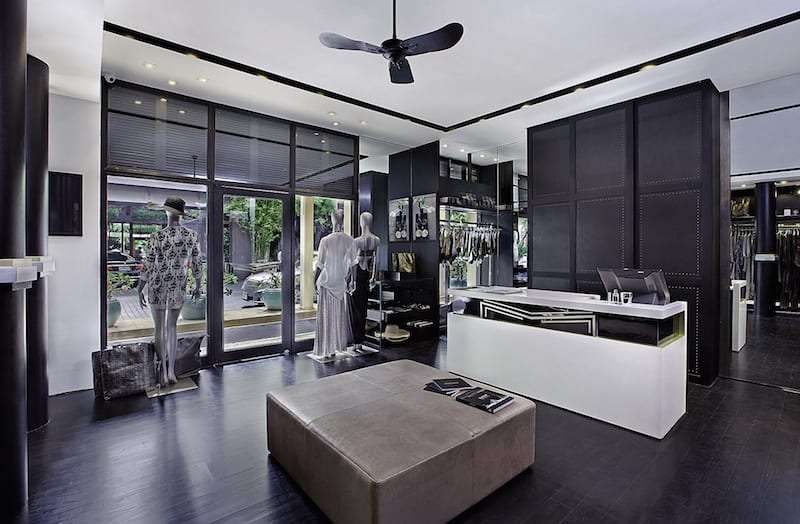
    Located on the third floor of the Takashimaya Shopping Centre on Orchard Road, the 1000 square foot boutique will evoke Marie France Van Damme’s signature style, which blends subtle Asian influences and elegant simplicity. Also available at the boutique will be the brand’s assortment of accessories, including candles, handbags and a special home collection created exclusively for this location.

    Marie France Van Damme will celebrate the flagship opening with several events in the Fall 2015.

    The company currently has 100 retail locations. The Singapore store will mark the company’s fifth branded boutique worldwide. Marie France Van Damme opened her first store in 2013 at the International Finance Center (IFC) in Hong Kong.

    About Marie France Van DammeMarie France Van Damme is a Canadian-born, Hong-Kong based fashion designer, celebrated hostess and author, whose luxury lifestyle resort wear brand is inspired by her travels and personal style. Marie France Van Damme introduced her eponymous label in the summer of 2011.  The Marie France Van Damme line is defined by an edited collection of elegant and seasonless staples with every piece designed to transition seamlessly from city to resort.

    Marie France Van Damme is available at her other retail locations in Hong Kong, Bangkok, Phuket and London, Bergdorf Goodman, Harrods, Selfridges, Saks Fifth Avenue, Neiman Marcus and exclusive resorts such as Amanresorts and the One & Only.  She is also the author of the coffee table book RSVP: Simple Sophistication, Effortless Entertaining (Thames & Hudson) featuring her effortless style and entertaining tips with photographs by Herbert Ypma of the Hip Hotels series. 

  • In Singapore, queue for Balmain x H&M launch starts 3 days early

    In Singapore, queue for Balmain x H&M launch starts 3 days early

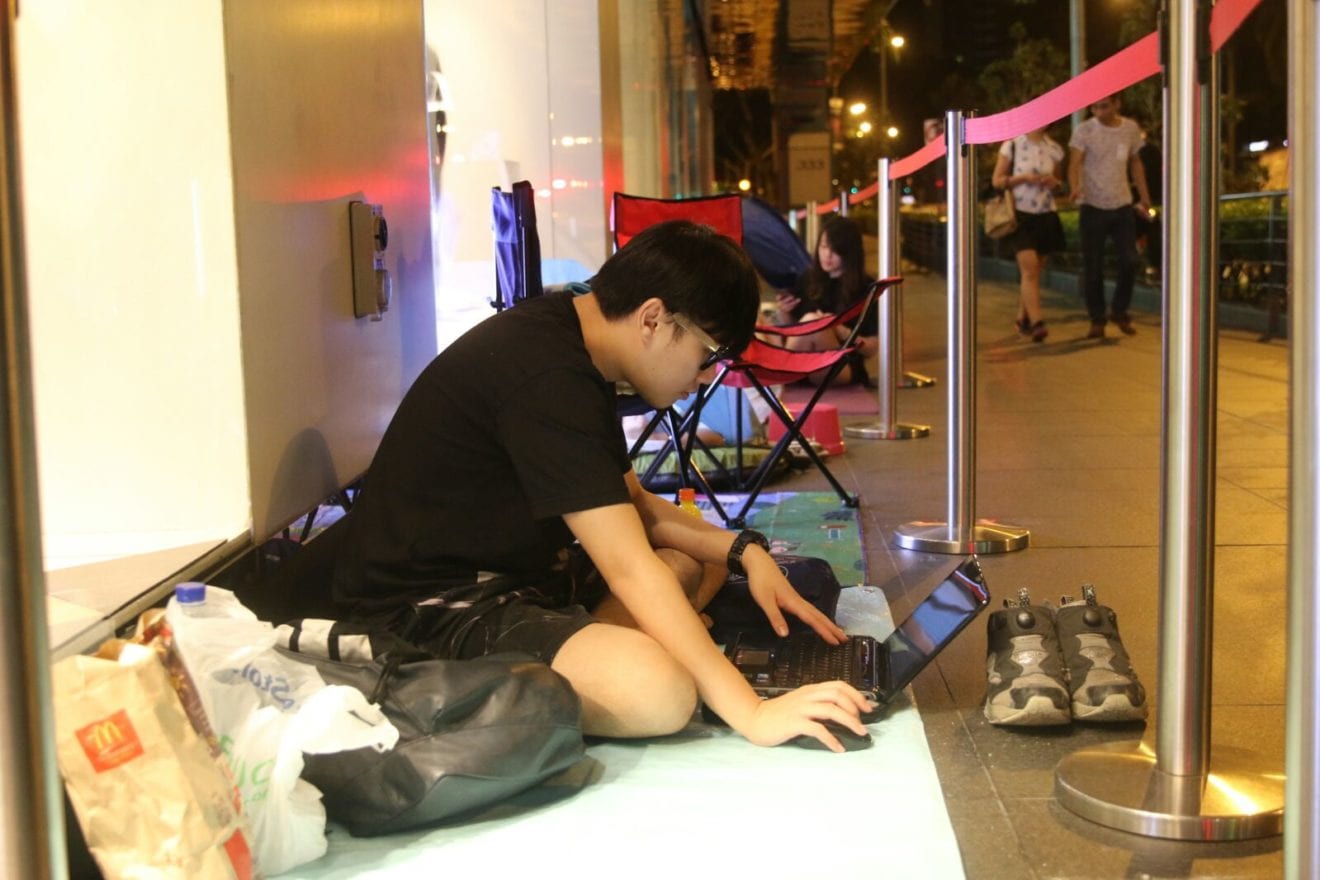
    The queue to get into H&M’s flagship outlet at Orchard Building for first dibs of the Balmain x H&M collection started on Monday (Nov 2), three days before the actual launch on Thursday.

    There were nine people at the outlet just before midnight on Tuesday, many of whom were students holding their group’s place in the queue. First in line was 21-year-old Neo Jin Han, whose friend had started the queue at about 6.30pm on Monday evening.

    “(My friend) will take over at 8am tomorrow. After that we will wait out the night together until the launch,” said Mr Neo. He said that he was queueing as the collection was a way they could own something from the French label without having to part with large amounts of money.

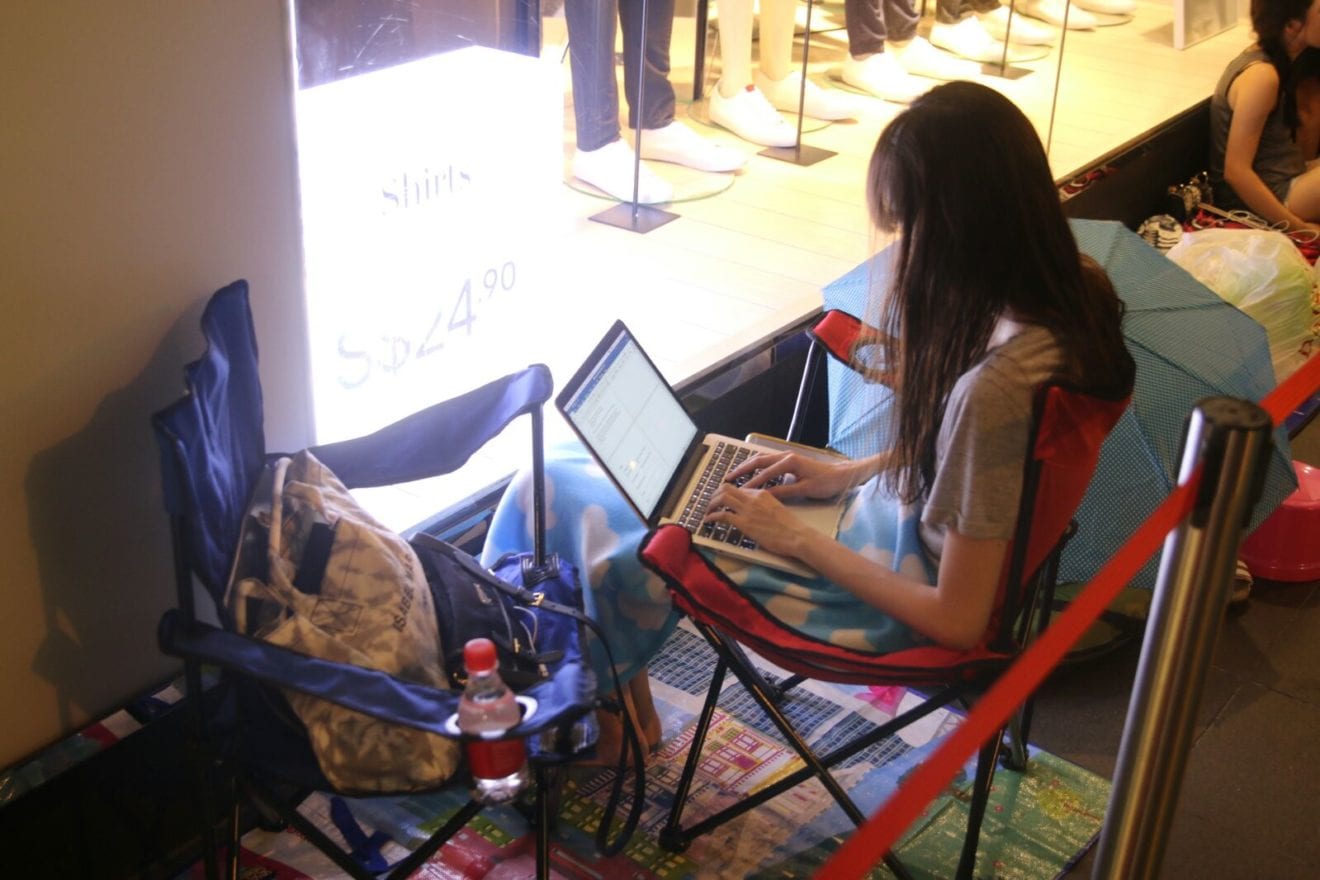
    Another in line on Tuesday night was 25-year-old student Pei Wen, who was spending her time working on a school assignment.

    She told Channel NewsAsia she was aiming for an embellished dress and T-shirts, despite being let down by some of the T-shirt designs.

    “(The T-shirt collection) is quite disappointing,” she said. “The shirts have ‘Balmain Asia’ on them and Balmain is a French company. I think they were just trying to make it unique to this region.”

    Mr Neo begged to differ: “The T-shirts are what everybody wants.”

    The 109-piece collection, with tops starting from S$59.90 and dresses ranging from S$119 to S$899 a piece, will go on sale from 8am on Thursday. They will be available at the Swedish brand’s Singapore flagship store at Orchard Building, and its ION Orchard outlet.

    Despite it being understood that no queueing is allowed inside ION Orchard beyond the mall’s retail hours, a spokesperson for H&M said a queue has begun to form for the collection there as well.

    “During all our designer collaboration launches, we always have a systematic queue system with trained security guards and experienced store staff on standby to ensure the safety of all our customers,” said the spokesperson. “Queue poles will be set up once the first customer starts queueing.”

    The spokesperson added: “We worked closely with the management team of ION Orchard to ensure that the queue will be managed well and should customers choose to queue overnight, the same arrangements will be made.”

    According to the H&M app, purchases are limited to a maximum of one piece of each item per person to allow everyone to shop the new collection. It also stated that every group of 30 customers will be given a different coloured bracelet to determine when they will be allowed into the store. Each group only gets 10 minutes in the “shop-in-shop” area where the collection is displayed.

    “The allocated 10 minutes is implemented so that we can manage the crowd better, maintain fairness and shorten queue duration,” said the spokesperson. “The 10-minute window doesn’t include trying on of clothes and shoes as customers can do that at their own time when they exit the area.”

    According to H&M, more than 600 customers were in the line when the Alexander Wang x H&M collection opened last year.

  • ‘More choice, flexibility’ for all Singapore electricity users in 2018

    ‘More choice, flexibility’ for all Singapore electricity users in 2018

    The Energy Market Authority (EMA) is looking at ways to give all electricity users – including industries, small commercial consumers and households – greater flexibility and choice in their electricity consumption.

    To this end, the authority is working with industry stakeholders to “fully open the electricity retail market to competition” in the second half of 2018, said S Iswaran, Minister for Trade and Industry (Industry).

    He was speaking at the opening ceremony of the Singapore International Energy Week at Marina Bay Sands yesterday morning. More details on the plans for full retail competition will be announced soon, he added.

    A fully liberalised electricity market will give consumers the choice to buy electricity from electricity retailers under customised price plans, or from the wholesale electricity markets at prices that fluctuate every half-hour.

    Currently, only about 33,000 commercial and industrial consumers with an average monthly electricity consumption of at least 2MWh – which amounts to a monthly electricity bill of about $450 – benefit from this flexibility. This threshold was most recently lowered from 4MWh to 2MWh in July.

    The remaining 1.3 million consumers, mainly households, are on the regulated tariff with SP Services.


  • SingPost to build $150 mil mall offering e-commerce logistics solutions

    SingPost to build $150 mil mall offering e-commerce logistics solutions

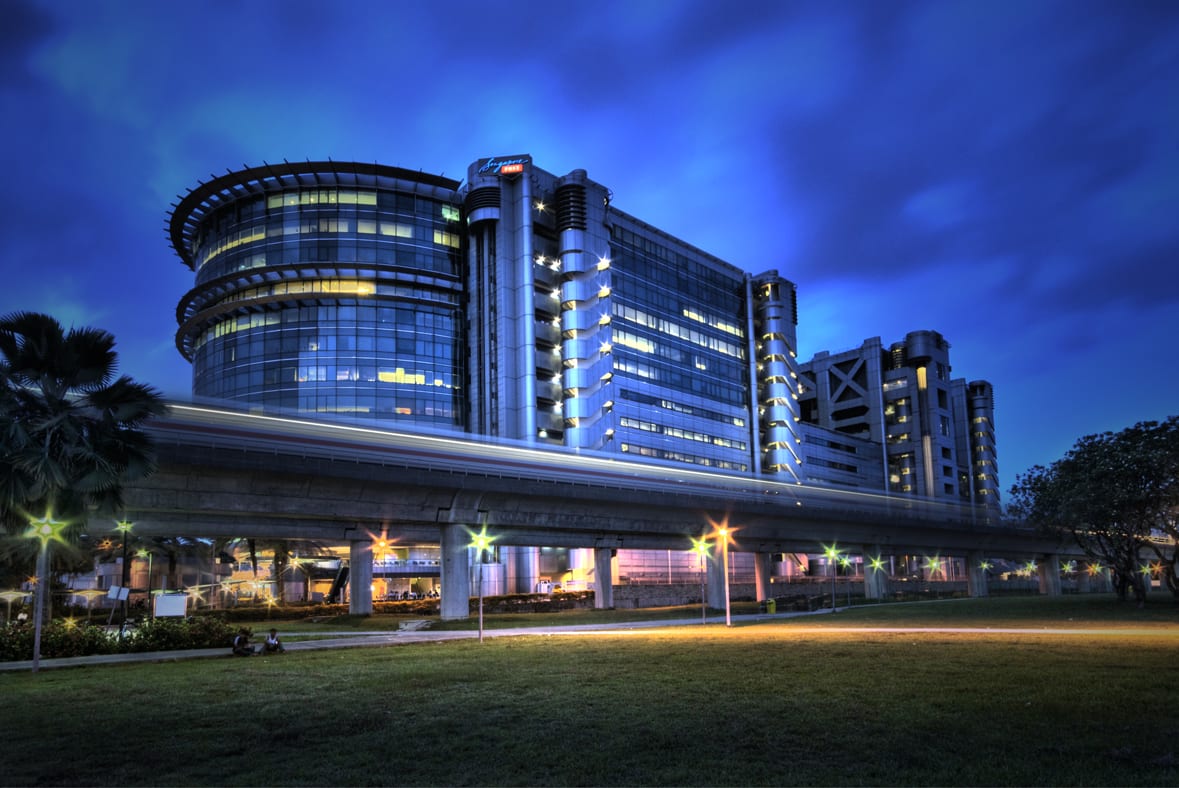
    Singapore Post will build a $150 million shopping mall that offers a “complete suite” of e-commerce logistics solutions, the first of its kind in Singapore.

    The new retail mall at Singapore Post Centre (SPC) will boast 269,097.8 sf of retail space and it will be located next to the Paya Lebar MRT station.

    Construction works have commenced today with a target completion in around mid-2017. It includes upgrading amenities and facade for the adjoining office building.

    The postal and e-commerce logistics provider says this development is aimed at creating opportunities for businesses in the changing retail landscape and catering to the evolving needs of consumers.

    It will offer greater convenience, choices and experiences to consumers by providing online e-merchants and offline brick-and-mortar shops all under one roof, SingPost says.

    It adds that online shopping through e-merchants will include in-shop online ordering and flexibility in delivery and pickup timings.

    SingPost ended lower at $1.90 on Tuesday.

  • Singapore operations still play key role in StanChart’s future

    Singapore operations still play key role in StanChart’s future

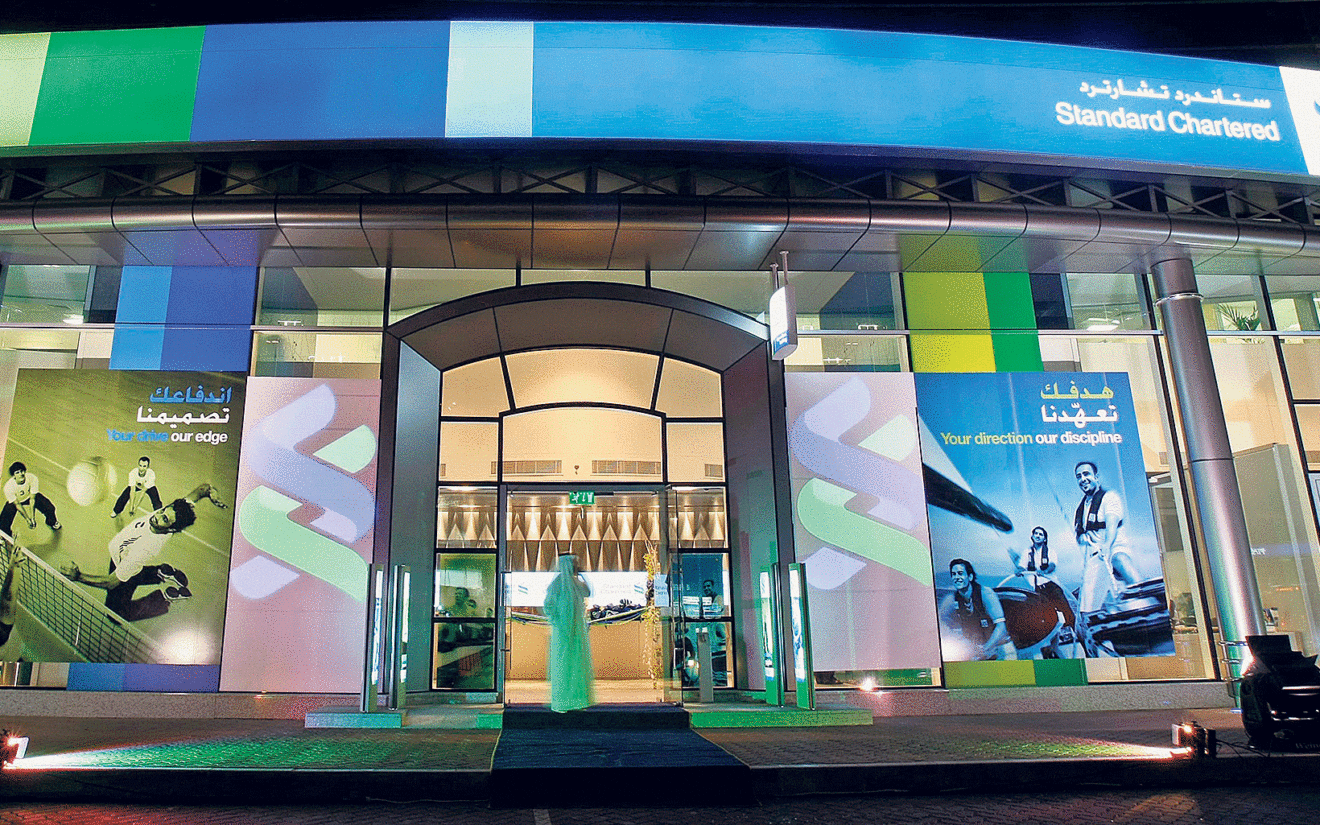
    The woes besetting British lender Standard Chartered over the past three years have left their mark on Singapore.

    As one of the bank’s regional hubs with operations spanning commercial, retail and private banking and wealth management, Singapore has had to bear some job cuts and the restructuring of some business units.

    Nonetheless, a strategy update unveiled yesterday by chief executive Bill Winters provides some hopeful indications that the operations here will continue to play an important role in StanChart’s future. With indications that more power will be given to regional bases like Singapore, it is undoubtedly the case that Singapore remains one of the strongest franchises in the group.

    And even amid cost-cutting and restructuring across the bank, StanChart has made large investments here in the past couple of years. In fact, Singapore will be a key recipient of the increased investments in key growth areas that StanChart plans to make over the next few years.

    Two of the areas that StanChart plans to invest significantly in over the next few years are private banking and wealth management, and yuan internationalisation – both businesses for which Singapore is a key hub.

    In fact, the bank said its yuan deposits in Singapore have tripled since June last year.

    Its yuan assets, such as trade loans and working capital loans, have doubled in the same period.

    Singapore is also the hub to be in for banks that want to manage Asean’s rapidly growing wealth.

    The latest earnings figures for the Singapore business are not available, but Singapore chief executive officer Judy Hsu, said the operation here is still the second-largest contributor to the group, while also providing a strong base for StanChart to grow its regional businesses.

    To be sure, things have not been all rosy here. One sign of trouble could have been the sudden departure of former long-time Singapore chief executive Ray Ferguson to a Bahrain bank early last year with little explanation.

    His exit came as a surprise not least because he had become a Singapore citizen in 2010, a move he said reflected his commitment to a country that had been home to him and his family for a long time.

    His replacement, Mr Neeraj Swaroop, lasted only about a year before wealth management head Judy Hsu took over on Oct 1.

    A former senior executive told The Straits Times that there has been a series of departures of senior managers, from private and consumer banking and retail banking, since 2013.

    That was the year the bank first reported a drop in earnings after 10 straight years of delivering record profits. In the first six months of this year, net profit plunged 36.7 per cent compared with the same period a year ago.

    The stock has fallen more than 30 per cent this year.

    StanChart Singapore employees told The Straits Times that there have been some senior departures in the past few months and that some staff are thinking about leaving now in order to avoid a sudden loss of their jobs.

    But it is understood that the impact of the bank’s latest restructuring exercise will be minimal in Singapore.

    Even as Singapore’s position remains strong, analysts say the biggest challenge remains: What will StanChart’s future income stream look like?

    “It’s not just China slowing down, but that the overall bank’s income-generating power that’s under huge pressure,” added the former StanChart executive.

    And neither is it a simple decision to just move the headquarters out of London, as there are various complex issues such as regulation.

    The consensus seems to be that StanChart Singapore will have to sit tight to see how it rides out the turmoil, but there is a reasonable chance that it will emerge in a stronger position than before.

  • Singapore Pinacotheque de Paris gets early recognition

    Singapore Pinacotheque de Paris gets early recognition

    The Singapore Pinacotheque de Paris has been nominated Best Emerging Culture Destination in Asia at the 2015 edition of the Leading Culture Destinations Awards, a platform that celebrates the success of cultural institutions worldwide, while its 2015 edition also seeks to recognise emerging institutions across varied regions. “London, Paris and New York might be world leaders in museums and cultural institutions, but a growing number of cities in Asia, the Middle East and Latin America are starting to provide serious competition,” explained Florian Wupperfeld, co-founder of Leading Culture Destinations.

    Singapore Pinacotheque de Paris was nominated alongside the Sifang Art Museum in Nanjing (China), Asia Museum of Modern Art in Taichung (Taiwan), Museum SAN in Wonju (South Korea) and Oita Prefectural Art Museum in Kyushu (Japan). Oita Prefectural Art Museum eventually bagged the award.

    The shortlist and winners were carefully selected by an international jury panel, comprised of influential creative leaders committed to supporting the arts and innovation. Other categories featured impressive new and established institutions such as the Mathaf Arab Museum of Modern Art in Doha, Fondation Louis Vuitton in Paris, New York’s Museum of Modern Art and London’s Tate Modern.

    This nomination, though, has reaffirmed Singapore Pinacotheque de Paris’ commitment to providing exceptional art experiences through engaging offerings and education programmes via an arts academy. Opened in May this year, Singapore Pinacotheque de Paris marks the first international expansion of Pinacotheque de Paris, one of the key private museums in Paris. Housed in a restored colonial building on Fort Canning Hill (within the Fort Canning Arts Centre), the museum brings together heritage and art with its juxtaposition of international masterpieces and South-east Asian tribal art.

    With an expanding range of retail and dining options, the Singapore Pinacotheque de Paris seeks to offer a variety of art and lifestyle experiences with the aim of becoming a thriving social hub in Singapore’s rapidly expanding arts scene.

  • DeClout to buy 75% stake in Play-E for for $19m

    DeClout to buy 75% stake in Play-E for for $19m

    DeClout to buy 75% stake in Play-E for $19m

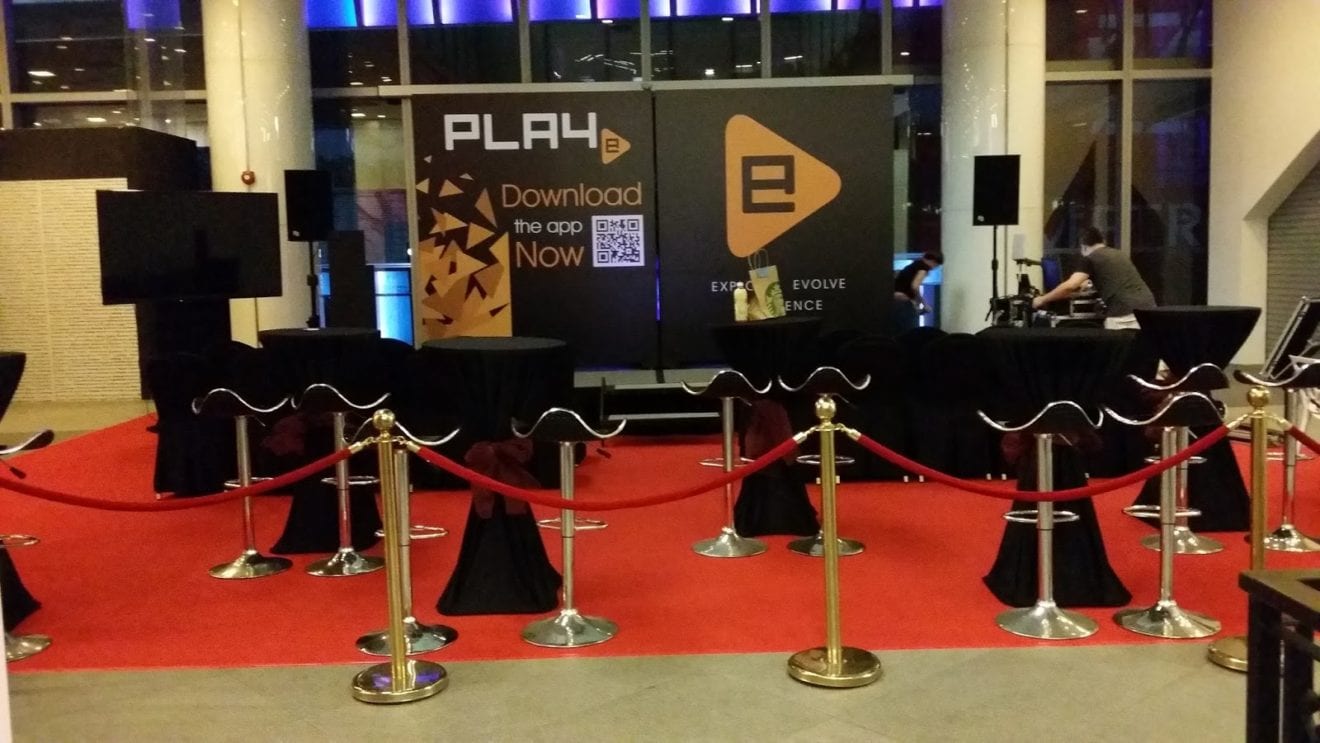
    Singapore-listed technology service provider DeClout Limited, along with its subsidiary Corous360 Pte Ltd, have reached a deal to buy Play-E Pte. Ltd for up to for up to S$18.9 million.

    In a regulatory filing Tuesday, DeClout said its 94.8 per cent subsidiary, Corous360 Pte Ltd had entered into a sale and purchase agreement with Jupiter-Soft Pte. Ltd. and Sng Kim Guan for the deal. The transaction involves Corous360 acquiring 150,750 ordinary shares in the capital of Play-E, equivalent to 75 per cent equity in the company.

    “Through Play-E’s retail alliance partnership, C360 will benefit from (Play-E’s) multiple potential revenue streams including sale of products through mobile applications and physical stores of the Play-E’s retail partners;  platform fees from (Play-E’s) retail partners; advertising fees from content providers; and membership fees from consumers,” the company’s regulatory filing added, justifying the rationale behind the deal.

    C360 group of companies has master distributorship rights to leading products in the region.

    “By combining such master distributorship rights with the retail alliance partnership of Play-E, C360 has the opportunity to control both the upstream and downstream of the vertical market by leveraging on its master distributorship status to secure leading products through a platform comprising a mobile application and a network of retail outlet partners in Singapore, Hong Kong, and Taiwan  which will attract premium users to join the Platform. The increase in the number of premium users in the Platform will in turn put C360 in a better position to secure distributorship rights to even more leading products for its businesses,” the regulatory filing added.

    Neo Group buys 90% in CT Vegetables & Fruits for S$5.4m

    Singapore-based food catering firm, Neo Group Limited, has bought 90 per cent-stake in CT Vegetables & Fruits Pte Ltd for S$5.4 million, as part of its vertical integration strategy to provide turnkey food and catering solutions, the company announced Tuesday.

    CT Vegetables trades more than 300 varieties of fruits and vegetables to its customer base consisting of local hospitals, foreign cruise ships and ship chandlers. The deal will include two entities set up primarily for the purpose of importing fruits and vegetables.

    Neo Group will pay S$4.8 million in cash, funded by bank borrowings, while the remaining S$0.6 million will be through the issuance of new ordinary shares at a 10 per cent discount to the volume-weighted average price of the Group’s shares on the completion date.

    The remaining 10 per cent-stake in CT Vegetables will be retained by its original owner who will be the acting chief executive and chairman of CT Group.

    The deal comes close to the heels of Neo Group’s first major acquisition, where it had bought bought Thong Siek Group, and also a 55 per cent stake in the parent company and manufacturer of  “DoDo” brand of fishballs for S$7.35 million in June 2015.

    That deal had allowed had allowed Neo Group to venture into food manufacturing that directly supplies surimi products to its food catering and food retail businesses.

    Founder, chairman and chief executive of Neo Group, Neo Kah Kiat said: “We are pleased to have further strengthened our integrated value chain further with the addition of CT Group, a strong market leader in its industry. Apart from the acquisition being immediately earnings accretive, we recognise synergies that can be reaped from this acquisition to grow our food and catering Supplies business that will allow us to lower food supply costs whilst ensuring quality and timeliness of delivery.”

    “At the same time, this strategic upstream move will reduce our reliance on third party suppliers, enhancing our self-sufficiency in our catering and manufacturing businesses and enable us to pursue business opportunities from external parties, thereby creating new income streams,” he added.

    Under its food catering business, the Neo operates four brands – Neo Garden, Orange Clove, Deli Hub and Best Catering.

  • E-commerce startups: a wild card for the industrial market?

    E-commerce startups: a wild card for the industrial market?

    THE bulls and bears of Singapore’s industrial property market often reflect the pace of economic growth and the composition of the manufacturing sector. Since its post-independence days, the manufacturing sector in Singapore has evolved to be a key contributor to gross domestic product (GDP) at approximately 20 per cent with strong support stemming from the chemicals, electronics and precision engineering clusters in 2014.

    In recent times, however, the Republic’s manufacturing activities have slowed down due to the external and internal headwinds which this export-reliant nation is highly susceptible to.

    The government has long recognised the need to boost the island’s overall productivity and export competitiveness in the region to maintain economic growth. To this end, Singapore’s manufacturing sector has been undergoing economic restructuring to shift the value-chain upwards to focus on higher value-added industries. More emphasis is placed on higher automation and less labour-intensive manufacturing activities as firms grapple with rising labour costs and lean manpower.

    Post-Global Financial Crisis, the rapid recovery in GDP in 2010 was accompanied by a spike in manufacturing output. As one of the underlying demand drivers for industrial space, the increase in manufacturing activities propelled the demand for industrial space, as indicated by the positive net absorption islandwide. On the back of limited net supply, this translated to occupancy rates hovering above the range of 93 per cent until 2011.

    Subsequently, demand for space began to soften from 2012. The softening is primarily attributed to three key factors – the hike in labour costs, rising competition from neighbouring countries that offer an alternative cheaper manufacturing base and weakening external demand from Asian economies, especially China. Cost containment became a top priority, which led to existing demand being mainly driven by renewals and consolidations.

    On the back of rental and capital value escalations in 2011, the government introduced a slew of industrial property measures such as tighter occupation requirements for industrial space, seller’s stamp duty, shortened land tenures, and ramped up supply through the Industrial Government Land Sales (IGLS) Programme to cool the market. This eventually resulted in a surge of supply which far surpassed demand from 2013 onwards.

    Furthermore, a strong supply of industrial space is expected to be completed in 2015 and 2016. In the face of decelerating economic growth and contracting industrial output, it is likely that demand for industrial space will remain subdued in the near term, as the surge in supply corresponds to twice the amount of the 10-year average demand of 10.42 million square feet (see chart).

    Given this supply overhang situation and less favourable economic conditions, it is imperative to explore other complementary uses for industrial space while adhering to existing JTC Corporation and Urban Redevelopment Authority (URA) guidelines.

    ANCILLARY USE

    Under URA guidelines, industrial properties are segregated for use by a 60 per cent-40 per cent quantum, where 60 per cent is predominantly used for core industrial activities and 40 per cent for ancillary uses. To obtain Written Permission for the 40 per cent ancillary use such as industrial canteens, showrooms and selected commercial uses, occupiers have to comply with the following requirements:

    • Capping industrial canteens at 5 per cent of total proposed gross floor area (GFA) or 700 square metres, whichever is lower.
    • Showrooms are only allowed to display products which are typically not transacted over the counter and are predominately delivered and installed off-site.
    • Selected commercial uses include clinics, banking hall/ATMs, minimarts and fitness centres and are capped at 10 per cent of total proposed GFA per development or 200 sq metres, whichever is lower, on the first storey of the building only.

    As long as the proposed ancillary uses conform to the above guidelines, it provides landlords with the flexibility to revamp the use of existing industrial space and widen the pool of potential occupiers.

    In the past, industrial spaces were primarily used for core industrial activities namely, manufacturing and warehousing. However in 2004, the Economic Development Board (EDB) introduced the Warehouse Retail Scheme – an initiative which ended in 2007 – which led to megastores such as Ikea, Giant, Courts and Big Box operating in industrial locations.

    Notwithstanding the short-lived three-year tenure of this initiative, in 2015, Gain City and NTUC FairPrice incorporated retail components into their industrial developments under the 40 per cent ancillary use.

    While adhering to the 60 per cent allocation for warehousing, Gain City’s Sungei Kadut development, for instance, sets aside 20 per cent for retail, and incorporates other uses such as offices, café, sky terraces, a children’s play area and a diesel pump area. Consolidation of uses into one location enables industrialists to enjoy cost-saving benefits, which have been passed on to consumers. Gain City, in fact, reported 20 per cent in cost savings with its consolidation exercise.

    Through a similar re-adaptation of industrial spaces, it is plausible to extend the same cost-saving benefits to entrepreneurs. For one, e-retailers could potentially benefit from a re-think on warehouse space usage. By designating 60 per cent to store e-retailers’ inventories in self-storage, the remaining 40 per cent can be further proportioned to develop an all-encompassing pro-business environment with courier services, serviced offices, Wi-Fi-equipped cafés and showrooms.

    A development that has adopted a similar concept is the Entrepreneur Business Centre, a self-storage and serviced office facility with ancillary uses, namely baby-care retail and delicatessen.

    The purpose of incorporating Wi-Fi-equipped cafes and showrooms in industrial developments is to transform industrial estates into a one- stop e-commerce hub for startups.

    Firstly, business operations and logistics are supported through having 24/7 wireless access, storing inventories in self-storage and having shared in-built courier services. Secondly, it attracts clientele as displaying products in showrooms creates an experiential retailing concept for consumers to touch and feel e-retailers’ products prior to purchasing them online.

    One retailer that offers this omni- channel retailing experience through the online-to-offline (O-2-O) concept is Decathlon, a sporting goods firm which only had an online presence in Singapore. The introduction of the Decathlon eXperience showroom has encouraged customers to have more hands-on interaction with the products before proceeding to purchase them online. Undeniably, this creates a cost-friendly working environment as it promotes the growth of e-commerce by compressing e-retailers’ risks through reduction of overhead costs and lock-in periods.

    GATEWAY FOR E-COMMERCE

    There is strong support for Singapore to grow as an entrepreneurial hub. Firstly, more industrial spaces are being slated for entrepreneurial activities such as at JTC Launchpad @ one-north, and secondly, there is rising investment interest in Singapore’s startups, especially in the e-commerce sector.

    According to Techlist, 80 per cent of venture funds raised by Internet companies are being invested in Singapore where the beneficiaries are predominantly e-commerce players such as Lazada, Zalora and Reebonz.

    This is not surprising as Singapore is ranked 14th on the 2015 Global Retail E-commerce Index, indicating the strong fundamentals which have established Singapore as the gateway for e-commerce.

    According to Euromonitor International’s June 2015 study on retailing in Singapore, Internet retail sales grew 12.5 per cent year-on-year to S$1.08 billion, while mobile Internet retail sales expanded even more significantly by 53.9 per cent to S$280.9 million.

    All these indicate that Singapore’s e-commerce sector is poised to expand further, which could potentially be the next underlying demand driver for the industrial market.

    Leveraging on the aforementioned opportunities, the pool of end-users for industrial space may be extended further to include e-commerce startups. Previously, this group of users was hindered by barriers of entry such as high occupancy costs and inability to occupy the minimum GFA requirement in industrial developments. However, by consolidating uses and re-adapting the 40 per cent ancillary use, this creates a win-win situation for landlords, consumers and entrepreneurs.

    In addition to injecting fresh demand for a muted industrial market, it creates a viable operating business environment for startups, thus promoting the development of the e-commerce scene.

    Instead of depending on external trade and manufacturing to propel demand for the industrial market, widening the list of potential occupiers to startups may potentially inject life into industrial estates. That may be the solution to cost containment which businesses are seeking.
  • Less energy-efficient air-cons to be phased out

    Less energy-efficient air-cons to be phased out

    In a bid to cut Singapore’s energy consumption, the National Environment Agency (NEA) will phase out less energy-efficient air-conditioners by September next year.

    Currently, air-conditioning models sold here must have at least one tick on the energy label, which is used to help consumers gauge how energy-efficient a particular electrical appliance is.

    From September next year, however, the Minimum Energy Performance Standards (MEPS) will be raised and all models here will be required to have at least two ticks.

    The electrical appliance will be the first to have the minimum requirement of two ticks, meaning it uses less energy.

    The switch will help a household save $100 annually in energy costs, the agency said, adding that it is giving importers, manufacturers and retailers enough time to clear their existing stocks.

    Products that are on the market or imported before Sept 1 next year will be exempted from regulations for a year, meaning that they can be on sale until September 2017.

    The NEA added that it will review the MEPS from time to time and assess whether standards for household appliances should be raised.

    Introduced in 2008, the Mandatory Energy Labelling Scheme also covers refrigerators and clothes dryers. Under it, the more ticks awarded, the more energy-efficient the product is.

    According to a 2012 NEA study on household energy consumption, air-conditioning accounted for about 37 per cent of total household electricity consumption – the highest among all home appliances.

    The labelling scheme is part of the Government’s bid to reduce its energy consumption and ecological footprint.

    Singapore has pledged to reduce the amount of greenhouse gases emitted for each dollar of gross domestic product by 36 per cent from 2005 levels by 2030.

    Retailers The Straits Times spoke to yesterday said that they generally had no issues about phasing out the less efficient air-conditioners.

    Retailer Gain City, for instance, said that only 3 per cent of its air-conditioners are one tick.

    Furniture and electronics retail giant Courts Singapore said it stopped selling one tick air-conditioners last year.

    While retailers say air-conditioners that are more energy-efficient are likely to cost more, it will not deter some, like housewife Wendy Choo, from buying them.

    “I’ll pay more for energy savings,” said the 57-year-old. “In the long term, you can save a lot in terms of usage cost.”

  • Pororo Park Singapore to open November

    Pororo Park Singapore to open November

    Pororo Park Singapore will open at Marina Square next month, the first for the animated penguin in Southeast Asia.

    Pororo is South Korea’s most popular cartoon character. The award-winning animation is broadcasted over 130 countries, including Disney Junior Channel and Okto Channel in Singapore. It’s dubbed ‘President of Kids’ with over 6.8 billion views on its YouTube channel.

    The new venue will open in Singapore on November 11, a collaboration between Iconix and DreamUs Edutainment. It is the first Pororo Park in Southeast Asia and the first outside South Korea and China.

    Pororo Express

    Located in Marina Square’s new retail wing, the 1000 sqm indoor edutainment playground will integrate a theme ride, indoor playground attractions, retail store, cafe, educational classes and entertaining shows under one roof.

    Pororo Park Singapore is themed around the animated series that follows the adventurous Pororo and friends, who often encounter challenges and learn practical and moral lessons through their exciting adventures in Porong Porong Forest.

    The venue includes Loopy’s Café and Rody’s Toy Store. The 60-seater Loopy’s Café serves food for both adults and children, with a view of the Marina Bay skyline.

    Pororo Park Singapore seats

    Visitors can get their retail therapy and purchase their favourite original character-themed souvenirs from Rody’s Toy Store. The store will house a variety of items ranging from toys, stationery to kid apparels and other souvenir items.

    Kim Jiwon, CEO of DreamUs Edutainment says Pororo Park Singapore aims to be the premier indoor playground in Singapore with top-quality attractions, well-loved characters and a unique mix of education and entertainment elements.

    “Modern busy parents will now have a one-stop location to entertain and educate their energetic, inquisitive young children.”

  • VeganBurg relocates to US

    VeganBurg relocates to US

    Singapore-born vegetarian burger chain VeganBurg has shifted its head office to San Francisco as it prepares to launch its concept in the US market.

    The five year old company has retained its original store in Singapore – at 44 Jalan Eunos – along with its home delivery and event catering services.

    But now its main focus is on the US where it has established a new office in San Francisco and has its first restaurant under construction at 1466 Haight St.

    “Our goal is to have a successfully running restaurant in San Francisco,” says Cynthia Riddell, VeganBurg’s head of marketing.

    “San Francisco is our new home with our headquarters here, too. Customers and fans across the nation, something like 18 states, and globally, continually request us, which is really exciting news,” Riddell said in an interview with Vegan News.

    The founders and management of VeganBurg consider San Francisco as a “natural market” for its innovative gourmet (and meatless) burgers, or sandwiches’ as they will no doubt be known in the US.

    “Who we are fits so naturally in this city. VeganBurg is an innovative 100 per cent plant-based fast casual restaurant serving tasty vegan burgers with a fresh attitude. We love San Francisco, especially for its value of sustainably sourced produce and historical commitment to love, peace, and equality. There’s no better place to launch the new generation of the plant-based lifestyle.”

    The new US outlet has been opened on November 1.

  • M1 rolls out machine-to-machine platform for corporate customers

    M1 rolls out machine-to-machine platform for corporate customers

    Users can manage connected devices from their phones. The member of Singapore’s telco triumvirate boosted convenience and ease of access for its corporate customer-base as it launches its advanced M2M platform, M1 Connect.

    According to a statement by M1, the platform will enable customers to access, track, and manage all their connected devices from any authorised computer or mobile phone.

    Through the platform, M1 also says the users will be able to set and change business rules, perform device troubleshooting and obtain detailed reporting of all M2M activities.

    M1 said they have also partnered with technology providers for this project.

    “M1 has partnered multiple technology providers, including Aerolion Technologies, Napier Healthcare Solutions, Quantum Inventions, and Parametric Technology to introduce customised solutions to meet the needs of Singapore’s transport, retail, healthcare, and security industries,” the statement said.

  • Samsonite Singapore plans more stores

    Samsonite Singapore plans more stores

    Samsonite Singapore plans at least two new stores in the city this year. Speaking in an interview with the Straits Times, Samsonite CEO Ramesh Tainwala acknowledged his business faces high operating costs and slower economic growth in Singapore, compared to other Asian markets. But he said the company’s strategy was dependent on more than economic growth.

    “Our market share in Singapore does not exceed 22 per cent… If I grow my business here… to 25 per cent of market share, without the market growing I can still deliver around 10 to 11 per cent growth in my business.”

    The travel goods retailer will end the year with more than 20 stores in Singapore with three new ones already trading and two more planned.

  • Asus ZenWatch 2 priced in Singapore, aims for mass market

    Asus ZenWatch 2 priced in Singapore, aims for mass market

    Taiwanese PC giant Asustek Computer Inc is taking the price of smartwatches, specifically those running on Google’s Android Wear platform, to a new low.

    Launching the Asus ZenWatch 2 smartwatch in Singapore on Oct 29, the company announced the wearable will begin shipping in Singapore from Nov 14 and retail for S$229 (US$165).

    As the name implies, this product is the follow-up to the original ZenWatch launched back in 2014.  That wearable wasn’t officially sold in Singapore, but was (belatedly) made available in Malaysia.

    Asus’ country manager for Singapore, Leo Tseng, told Digital News Asia (DNA) at the sidelines of the launch event, the decision not to introduce the original ZenWatch to Singapore was due to timing.

    “At that time [early 2015], the price was high and consumers weren’t educated about smartwatches, so if we brought that product in, there would be trouble for us.

    “Now, Apple has since launched their smartwatch, so consumers have a better idea and feelings towards this type of product,” he said, alluding to improved consumer awareness about  smartwatches thanks to the buzz generated by the Apple Watch.

    Tseng also noted that there was a clear directive from Asustek’s chief executive officer Jerry Shen to the product team to improve on the wearable and make it more affordable for consumers without sacrificing on quality.

    Compared to the recently launched Huawei Watch which starts at S$549, or even the Tizen-powered Samsung Gear S2 which retails for S$448, the Asus ZenWatch 2 looks like a sweet deal.

    And unlike its rivals, Asus is sticking to one price for its watch, even though it comes in two different sizes “to cater to both female and male users”, according to its press materials.  When asked for the reason behind offering just a single price point, Tseng said it was to reduce consumer confusion.

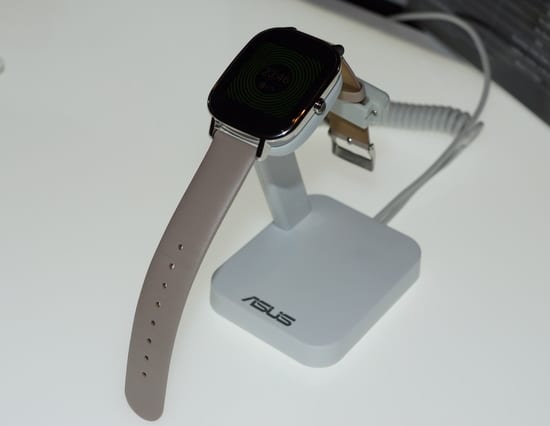
    The 1.63 inch ‘Sparrow’ model is similar in size to the previous ZenWatch, while the 1.45-inch ‘Wren’ version will suit smaller wrists.  Those measurements refer to the size of the display.

    To provide some design variety, Asus is also making available a number of interchangeable straps for the watches, priced at S$39 (US$28) each.  The bands will come in both rubber and plastic options, and will be available at the end of November.

    The original model was critically well-received, partly due to its sleek design and leather band.  In this regard, Asus hasn’t strayed too far from that design philosophy.

    Rather than going for a circular face, the company is continuing with a rectangular-shaped stainless steel watch case design with rounded edges, leather bands and metal buckles.

    A metal crown button is fitted on the right, similar to wristwatches and provides a way to access apps and turn the screen on or off.

    The watch display has a slightly curved surface which Asus claims improved usability and is protected against scratches with Corning’s Gorilla Glass 3.

    One marked change over its predecessor is the design of the watch clasp. The original model utilised a large metal clasp that joined both sides of the band together. The new ZenWatch opts for a more traditional buckle and is less conspicuous and looks more refined by comparison.

    One area which Asus didn’t iterate on however, is the internal hardware specifications. This smartwatch continues to rely on the same Qualcomm Snapdragon 400 processor, with 512MB of memory and 4GB  of storage.

    The display resolution on the ‘Sparrow’ model is also similar at 320 x 320 resolution, while the smaller ‘Wren’ model comes with a lower 280 x 280 resolution.  Asus is also utilising the same high-contrast AMOLED screen found in the original watch.

    In terms of battery life, the company claims the new watch is fitted with an enhanced battery (400mAh for Sparrow, 300mAh for Wren) which will provide up to two days of use on a single charge.

    It said it made some improvements to the charging mechanism, utilising a magnetic charger which takes slightly more than half an hour to charge the unit from zero to 50 percent capacity.

    Like most smartwatches today, the ZenWatch 2 comes with a number of different sensors to track your activities and how long you’ve stayed sedentary, but unfortunately it dropped the heart-rate sensor from this model.

    Tseng said few people used the heart-rate sensor found on the original ZenWatch, so it decided to focus on other areas, like being able to track a larger variety of activities, including push-ups and sit-ups, aside from the usual walking and running motions, as part of its updated ‘Wellness Manager’ software.

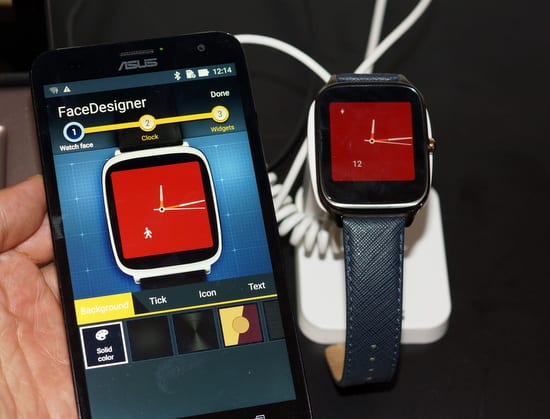
    Compatible with Android smartphones and iOS devices, this wearable also includes new apps like  ‘FaceDesigner’ (pic above)  which lets you create your own watch face from your smartphone, and ‘Business Helper’ which helps users keep track of their agendas, manage their emails and viewing call logs, without having to check their smartphone.

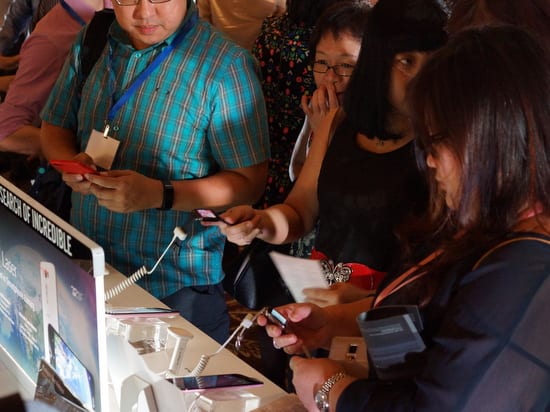
    Speaking with several of the trade partners and members of the media who were present at the launch, DNA found the reaction to be generally positive, especially when it came to the price of the watch.

    Some believed this would help to encourage users to try on the watch for size, and since the ZenWatch 2 is available in two sizes, it would hopefully meet the needs of the fashion conscious as well.

  • Buro 24/7 pops up in Singapore

    Buro 24/7 pops up in Singapore

    Buro 24/7 has popped up in Scotts Square…. for six months.

    The Buro 24/7 Singapore pop up store is the second in the city for the international brand, opening five months after an earlier one at Clifford Pier.

    Whether a store with a life span of six months qualifies for being termed a ‘pop up’ might be a moot point for some, but Inside Retail Singapore is prepared to accept the brand’s own definition!

    Buro 24/7 Singapore is essentially a news website promising “unparalleled coverage and access to the world of fashion and contemporary culture told through an Asian lens”. It has a contemporary feel, heavily influenced by the needs of the modern social media driven generation and a concept with similarities to the successful Monocle concept which also merges publishing with curated product collections, retail stores and pop ups.

    Founded by ‘style maven and digital powerhouse Miroslava Duma’, Singapore was the first country in Asia to join the Buro 24/7 family and the eighth edition of the site internationally, which now numbers 10. The others are in Russia, Croatia, Ukraine, Kazakhstan, Azerbaijan, Middle East, Australia, Malaysia and Mongolia.

    Buro 27/7 describes its new pop up as “a retail space, office and production studio” right in the heart of Orchard Rd.

    “For the next six months, our pop up store will couple online content with retail exposure and play host to upcoming designers, private previews, as well as photo shoots and workshops.”

    The concept is currently hosting a Boss fashion installation, featuring Boss Womenswear outfits as featured in a Buro 24/7 photo shoot with Anita Kapoor.

    Guests at the recent opening party were given a $50 Boss voucher when they took an Instagram photo with the BossS Bespoke bag and tagged it with #BuroLovesBoss.

    The Buro 24/7 pop up store is open daily from 10am to 10pm.