Tag: Singapore

  • Playstation VR Price News: Retail Store Now Getting Preorders

    Playstation VR Price News: Retail Store Now Getting Preorders

    A game console and gadget retailer in Singapore has put up a listing for Sony fans to put up pre-orders for Playstation VR. With this now going on in Singapore, Sony still remains silent until today about the launch date of their virtual reality game console.

    Multiplayer, a game shop, is now accepting pre-orders for the PlayStation VR with a $499.90 price tag attached. Attack of the Fan Boy also adds that the Singapore store is offering free shipping to pre-buyers.

    The published price is not one hundred percent confirmed however. It may go lower, or it may go higher as Playstation has also remained fairly silent about this matter as well.

    They add to the disclaimer: “LOWEST PRICE GUARANTEE! HOW DOES IT WORK: Please note! Price and sale date are not confirmed then: If it will cost more, the price of your booking will not change if it will cost less, we’ll refund the difference!”

    The bold move is unconfirmed to be a legitimate one, or whether it is a marketing move to get gamers to notice specific brands as early as now in preparation for the release of the much awaited virtual reality package by Sony. It is however confirmed that moves like this one is not coordinated with Sony.

    However, one area that Sony has been noisy about is the confirmation of more and more games that Playstation VR will run. The most recent, according to Gamerant, is the announcement of Gran Truism 7 for Playstation, which Sony PlayStation president Shuhei Yoshida had something personal to reveal: ” We have been conducting ‘many trial tests’ of different genres that work with PlayStation VR and driving is one of the genres that works ‘fine’.”

    In another game announcement in Playstation’s official US blog, Mike Bithell connotes that the console launch will not be happening until next year. He says: “When the PlayStation VR platform launches next year (Nope, they won’t tell me when either)…”

    Other gamers blogs have also indicated that Sony is bringing Playstation VR to various events, the most recent being the 2015 Armageddon Expo in Auckland, where attendees were each given five minutes to try out the product.

  • Bright spots on the retail property horizon

    Bright spots on the retail property horizon

    Singapore’s retail market has been experiencing a drop in sales values. Tourism arrivals and the ongoing labour shortage against the backdrop of an additional reduction in the foreign dependency ratio effective July 2013 are considered some of the key drivers behind this, along with weaker economic sentiment.

    However, the outlook is not all doom and gloom.

    One bright spot is mixed-use developments within the Central Business District that are proving to be very popular among retailers. Offering offices, residences, hotels and retail podiums within landmark new developments in prime CBD locations such as South Beach, Tanjong Pagar Centre and Downtown Gallery (part of a mixed-use property) has been extremely popular with retailers, given the enormous current catchment and the forecast catchment growth in line with the “Live, Work, Play” guidelines.

    Changing consumer attitudes and preferences are other positive aspects of the retail scene and one that is very popular is the healthy lifestyle theme. Taking the CBD as an example, we have seen a huge influx of gym operators – from large-format mega gyms to more bespoke fitness boutiques. This is being followed by growth in the sports apparel market and healthy food options as people take note of their lifestyle choices.

    BACK TO BASICS

    For the retail market to bounce back we need to not only look forward, but also look back at the underlying principles of retailing. While the global retail environment is moving at a frantic pace, the adage of “location, location, location” is still salient today. The key in all retail markets is ensuring that the retail offer is suitable for the catchment profile of its location: Are the customers looking for ease- of-convenience retail or the experience of a retail destination and does the tenant mix reflect this?

    Given the number of retail malls in Singapore and the difficulties highlighted, retail locations that do not meet these parameters or are secondary in doing so are likely to face further difficulties with increased voids (empty shops) and downward pressure on rentals given the large amount of retail space available and economic headwinds.

    During difficult retail cycles, new trends often arise as landlords seek to address occupancy levels and adapt their retail offerings. Over the past few years, we have seen an increase in pop-up stores, where retailers are able to occupy space on short-term agreements. These pop-ups allow existing retailers to experiment and new retailers to test products without the financial commitment that a standard lease requires. Trends like this are beneficial to the marketplace as they create differentiation and attract consumers to retail locations. Voids breed voids so temporary stores are an important option for landlords, and this is something that JLL envisages growing as traditional lease occupancy rates fall in certain locations.

    TENANT MIX IS KEY

    Ultimately, a key aspect in creating successful retail locations is a strong, differentiated and relevant tenant mix. Singapore has seen numerous new-to-market brands and this trend looks set to continue, with JLL working with many such operators.

    Alongside sourcing the correct real estate, one key factor for any new-to- market brand is the rent and lease terms. JLL is seeing a correction in rents in response to market conditions but in some cases lease terms remain prohibitively rigid.

    Creating flagship stores requires high capital expenditure, which must be depreciated and as such longer lease terms are required; redevelopment, relocation and performance clauses make this depreciation difficult in some cases and impossible in others. While this is not reflective of the entire marketplace, increased flexibility in lease terms is equally important for short-term temporary leases as it is to attract the world’s leading retailers – which is key for a vibrant and differentiated retail market.

    With the exception of true convenience locations, malls can no longer just be places to purchase goods. A successful retail tenant mix must also allow social interaction and enrichment to encourage repeat visits, increased dwell time and subsequent increased retail spending.

    Flexibility to attract leading international retailers, temporary stores, new start-ups and more social interaction often comes at the expense of immediate rental values. For such exercises, a long-term view is required as the upfront cost of repositioning/amending the tenant mix must be balanced against sustaining a long-term income and the overall increased appeal of retail locations.

    Tourism arrivals and economic conditions are undoubtedly affecting retailers’ sales but from a real estate perspective, retailers and their business models are also adapting to changing consumer behaviour and market sentiment.

    One outcome of ever-changing technology is that many retailers are reducing their footprint as a result of e-commerce. Historically, increasing the number of stores was one of the key weapons of a retailer in raising market share by presenting its brand to consumers in numerous locations. A strong online presence now allows retailers to ensure that their brand is never out of consumers’ minds and consumers can research, browse and purchase on the go, which ultimately means certain retailers require fewer stores than before.

    Physical stores do continue, however, to play a very important role in brand building, service, loyalty and, of course, point of sale, but their nature is adapting. JLL is seeing an increase in “brand pavilions/flagship stores” that are used by retailers to showcase the very best of the brand and are located in the prime retail locations. These stores are used alongside an online presence to build brand positioning and awareness and they allow customers to feel and try products. In many cases, the newest technology – think virtual fitting, 3D printing, etc – is utilised to maximise consumer experiences. As a result, JLL foresees demand for prime retail space growing to meet these requirements, although this is complicated by the small size of the Singapore prime market.

    To summarise, the Singapore market has been experiencing difficult times with a drop in sales volumes and the impact upon real estate is being exaggerated by the frenetic pace of change in retail itself. The most successful landlords and retailers will be those able to embrace these changes and JLL expects to see some exciting changes in the future. We do, however, foresee further downward pressure on rentals and an increase in vacancy levels in certain locations as retailers downsize their store numbers.


  • Shopping mall with e-commerce logistics services to rise in Singapore

    Shopping mall with e-commerce logistics services to rise in Singapore

    Construction is now underway for Singapore’s first shopping mall that offers e-commerce logistics solutions as well.

    Scheduled to be completed in mid-2017, the new retail mall will be located at the prent open concourse in front of the SPC, located next to Paya Lebar MRT station.

    The project’s developer, Singapore Post Limited (SingPost), said it will have 25,000 square meters of retail space and will be built at a cost of S$150 million ($107 million), which includes upgrading amenities and façade for the adjoining office building.

    “The redevelopment of the retail mall at SPC is part of our efforts to extract maximum value from our property portfolio and support our accelerated transformation from Singapore mail to global eCommerce logistics,” said Lim Ho Kee, Chairman of SingPost, in a news release.

    As a mall that combines both online and offline shopping, SingPost said shoppers could browse in-store, purchase the product and arrange for delivery of the product directly to the home. They could then continue shopping, watch a movie or have a meal at the mall without having to carry bulky shopping bags. The retailer, on the other hand, could save on storage space in the store as fulfilment would be done at the backend of the warehouse.

    Dr. Wolfgang Baier, Group Chief Executive Officer of SingPost, said the unique and disruptive concept – converging online and offline – was thought of to allow customers to experience both worlds.

    “This is an important shift in mindsets as well as the retail and e-commerce landscapes. The convergence of online and offline will bring exponential benefits to consumers and businesses – therefore we view this as ‘O²’ (O-squared) instead of O2O (Online-to-Offline). The SPC’s O² retail concept puts consumers at the heart of this evolution, allowing them to have greater retail options and more convenience,” he said.

    The new retail mall at SPC will consist of four above-ground levels and one basement, an eight-hall cineplex, SingPost’s flagship post office, retail shops, as well as food and beverage outlets. The mall will also come equipped with three levels of underground car park.

    Under the Urban Redevelopment Authority masterplan 2008, the area around the Paya Lebar MRT station will be developed into a suburban commercial node, while retaining its cultural identity. The new retail mall at SPC will reinforce the plan and add more buzz into the area by introducing the new O² retail experience. It will also  be a smart mall in a Smart Nation, using technology and innovation to support smart living environments while helping businesses to grow.

  • Google Nexus 6P pre-order in Singapore starts Nov 2

    Google Nexus 6P pre-order in Singapore starts Nov 2

    Fans of Google Nexus smartphones in Singapore will soon be able to get their hands on the search giant’s latest large-screen flagship, the Nexus 6P.

    In a joint statement, Huawei Consumer Business Group (which manufactures the Nexus 6P and distributes the device in markets where Google’s official online stores aren’t available) and online retailer Lazada announced the smartphone will be available for pre-order exclusively on Lazada.sg from Nov 2-11.

    This is the first time a Google Nexus smartphone is being sold in Singapore through official channels.

    The last time a Nexus device made it to Southeast Asian shores was in 2013 when Taiwan’s Asus offered the Nexus 7 tablets through its retail outlets.  Last year’s Motorola-made Nexus 6 smartphone by comparison, was only sold through third-party importers.

    Huawei’s head of Consumer Device Singapore, Low Han Thong, said in the statement, “Huawei is excited to collaborate with Lazada to offer consumers in Singapore, for the first time, an alternative channel to own the premium Nexus experience.”

    The device will be available in silver and black colour options at a pre-order price of S$899 for the 64GB storage version and S$999 for the 128GB model.  After the pre-order period, the pricing will revert to S$949 (64GB) and S$1049 (128GB).

    At the Oct 28 media briefing organised by Huawei Singapore, a company spokesman said Huawei is planning to sell the highly-rated smartphone through traditional retail and carrier channels as well, although there’s no confirmation on which operator will carry the product eventually.

    Additionally, the company expects inventory for the 128GB model to be highly limited, due to a global supply shortage.

    The 5.7-inch Nexus 6P is designed with a full metal unibody and sports a high-resolution QHD AMOLED display with 518 ppi (pixels per inch).  That screen is flanked by two front-facing speakers that help improve the experience when watching videos or taking a conference call.

    The phone is powered by Qualcomm’s 2.1 version of its flagship Snapdragon 810 processor, has a fingerprint sensor and fitted with a reversible USB Type-C port with support for fast charging.  The device features 3GB of RAM and storage options of 64GB or 128GB.

    On the downside, there is no expandable storage support and the battery is non-removable, but at 3450mAh, it seems beefy enough that you won’t really need a second battery.

    The highlight of the device though, is that it runs on a pure, stock version of Google’s brand new Android 6.0 Marshmallow operating system, without the typical skins or bloatware offered by phone manufacturers.  For many, this is the primary reason to purchase a Nexus branded smartphone or tablet, as these devices are the first to receive the latest Android software upgrades from Google.

    The Nexus 6P is one of the two smartphones Google introduced during its recent Nexus event, the other being the smaller (but hardly small) 5.2-inch Nexus 5X, which is manufactured by South Korean giant LG Electronics.

    During the hands-on session at the media event, the Nexus 6P still felt a little large but did exude a premium feel. The Marshmallow interface isn’t that different from Lollipop (Android 5.0) but there are some changes under the hood, including better support for the biometric sensors like the fingerprint reader.  Autofocus on the camera was fast and the pictures turned out sharp and well-exposed.

    Overall, this smartphone looks like a credible contender against Apple’s iPhone 6S Plus and Samsung’s new Galaxy Note 5 in terms of large screen devices, although there is no shortage of impressive Android flagships this year, including Huawei’s very own Mate S.

  • HSBC Global AM names Puneet Chaddha Singapore CEO

    HSBC Global AM names Puneet Chaddha Singapore CEO

    HSBC Global Asset Management (HSBC Global AM) has appointed Puneet Chaddha as chief executive officer (CEO) of HSBC Global Asset Management (Singapore) Limited, with effect from November 1 this year – he succeeds Kalen Lim, who will move to another senior role within HSBC. Mr. Chaddha will also take up the position of head of Southeast Asia of HSBC Global Asset Management.
    Mr. Chaddha was previously CEO of HSBC Asset Management (India) Private Limited – the firm says his successor in India will be announced in due course.

    Operating out of Singapore, Mr. Chaddha will report to Pedro Bastos, CEO, Asia-Pacific of HSBC Global AM and Matthew Colebrook, HSBC’s head of retail banking and wealth management in Singapore.

    Mr. Chaddha’s new roles will have him drive the growth of HSBC’s asset management business in ASEAN, supporting the wealth management and investment needs of HSBC’s key clients across retail, commercial, corporate, institutional and private banking primarily in Indonesia, Singapore, Malaysia, Thailand and the Philippines.

    “The emerging middle class in ASEAN is expected to double by 2025 and wealth creation will continue to accelerate. The increasingly affluent domestic population will have greater need for investment products presenting significant growth opportunities to our business. As Asia faces the challenge of ageing segments, pension management and the shift to long-term, diversified investment strategies are needs that HSBC Global Asset Management is strongly positioned to support,” said Mr. Chaddha.

    Mr. Bastos remarked: “Puneet has been with the HSBC Group for over two decades and has worked in several of our global businesses. He has successfully transformed the business in India in line with HSBC’s commercial and governance strategy. We are determined to expand our presence in Asia-Pacific and capitalise on our leading expertise and capabilities as a global asset manager to provide innovative products and bespoke solutions to meet our clients’ long-term investment goals.”

    And Mr. Colebrook added: “HSBC’s retail strategy is to use our international network to capture the wealth flows and people-to-people links between the faster-growing markets. Singapore’s sophisticated and world-class wealth and asset management sector makes it the nexus for wealth flows within Southeast Asia. Singapore’s status as the regional centre for asset management also reinforces why it is a top-seven priority market for HSBC globally. I am pleased to welcome Puneet to lead our asset management team as we continue to support our clients achieve their wealth goals.”

  • Asia Pacific Breweries ends exclusive beer sales practice in Singapore

    Asia Pacific Breweries ends exclusive beer sales practice in Singapore

    The company has given CCS a voluntary commitment to cease its outlet exclusivity practice.

    Going forward, APBS will not impose outlet-exclusivity conditions in its supply of draught beer contracts to retailers.

    The change in APBS’s business practices will be applicable to all draught beer contracts entered into with retailers on and after December 28, including new and renewal contracts. APBS will also be required to provide CCS with documents to show that these changes have taken effect.

    “The removal of these exclusive business practices will allow beer suppliers to compete on merit in offering their draught beers to retail outlets,” CCA chief executive Toh Han Li said.

    “This will allow retailers to stock a greater variety of draught beers, leading to a more vibrant market with more choices for consumers, as well as opportunities for existing suppliers and new entrants including microbreweries and craft beer suppliers.”

    Acting on complaints, CCS had investigated APBS in relation to its practice of supplying draught beer to retail outlets solely on an exclusive basis.

    Under the competition law in Singapore, a dominant firm is prohibited from preventing or impeding its competitors from competing effectively through exclusive business practices.

    CCS says APBS’s outlet-exclusivity practice had prevented retail outlets from selling draught beers from competing suppliers and restricted the choices of draught beers available to retailers and consumers.

    Under the probe, CCS obtained information on the beer market in Singapore from retailers and beer suppliers. CCS also commissioned a market survey to gather information on market practices.

    CCS has ceased its investigation but will continue to monitor market practices.

  • Asia Pacific Breweries Singapore ends exclusive business practices after investigation

    Asia Pacific Breweries Singapore ends exclusive business practices after investigation

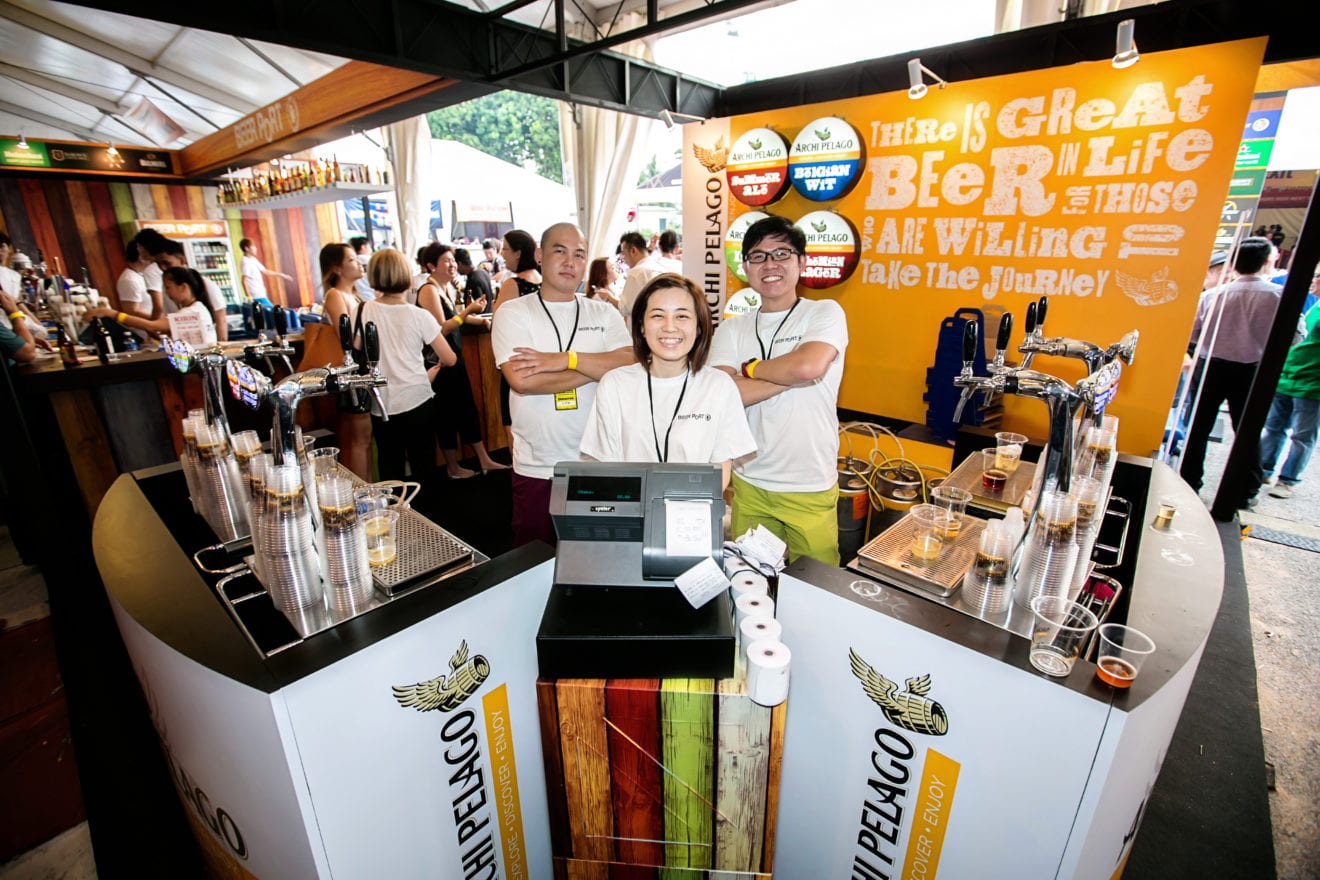
    Asia Pacific Breweries Singapore (APBS) has been found to have prevented retail outlets from selling draught beers from competing suppliers and restricted the choices of these beers available to retailers and consumers, the Competition Commission Singapore (CCS) said in a press statement.

    According to CCS, a dominant firm is prohibited from preventing or impeding its competitors from competing effectively through exclusive business practices.

    APBS has since provided CCS with with a voluntary commitment to cease its outlet-exclusivity practice.

    The change in APBS’s business practices will be applicable to all draught beer contracts entered into with retailers on and after Dec 28, including new and renewal contracts.

    APBS will also be required to provide CCS with documents to show that these changes have taken effect.

    CCS said that it will continue to monitor market practices and reserves the right to investigate any breach of the commitment or any other anti-competitive practices by APBS.

    Mr Toh Han Li, Chief Executive of CCS, said: “The removal of these exclusive business practices will allow beer suppliers to compete on merit in offering their draught beers to retail outlets.

    “This will allow retailers to stock a greater variety of draught beers, leading to a more vibrant market with more choices for consumers , as well as opportunities for existing suppliers and new entrants including microbreweries and craft beer suppliers.”

    APBS responded in a statement today, saying that it notes the CCS announcement on the closure of its investigation, with no finding of liability.

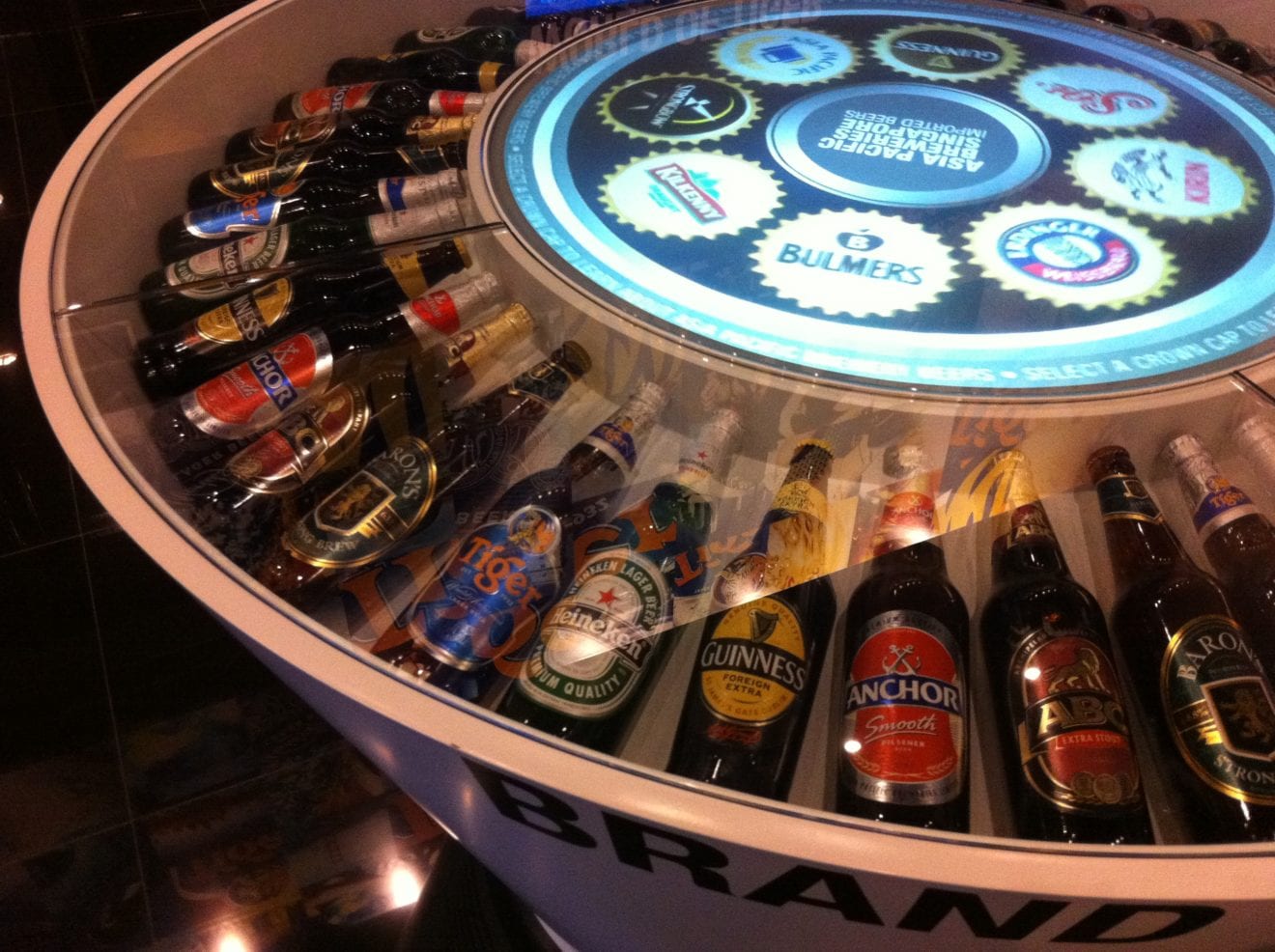
    It added that there is a a wide range of over 300 beer brands available in various forms in Singapore.

    “Draught exclusivity arrangements are not uncommon in the beer industry and competition among suppliers is intense. Retailers always have and continue to have a choice of beer supplier in Singapore,” said Mitchell Leow, head of corporate relations for APBS.

  • Story-i launches into Vietnam

    Story-i launches into Vietnam

    Apple reseller Story-i has launched in Vietnam hoping to replicate its Indonesian market success.

    The Singapore-headquartered electronic authorised reseller has opened its first Apple Premium Reseller (APR) store in the new SC VivoCity Mall in Ho Chi Minh City in Vietnam.

    The opening of the first store in Vietnam marks Story-i’s 17th outlet. The company owns and operates 16 stores throughout Indonesia, selling Apple, Samsung and Lenovo products.

    Story-i chose Vietnam as its next new market because of its “similar demographic and lifestyle consumer trajectory to Indonesia”.

    Management has identified Vietnam with 92 million population as the next high growth market and aims to open eight more outlets during the next three years.

    Said executive director Michael Chan: “This new store in Vietnam marks the beginning of our growth strategy to penetrate the expanding middle class of Southeast Asia’s population of 600 million. As we have done in Indonesia, we will anchor growth from prominent store locations and drive market penetration with our eCommerce offering.”

    He said the team was focused on rolling out a unique mix of electronic lifestyle products such as Apple and Lenovo as well as its enterprise solution and education services into Vietnam.

    “Our first Vietnam store continues to exceed our expectations for visitation and sales. This bodes well for extending the network through the smaller cities up to the northern capital, Hanoi.”

  • Asian retailers called into haze campaign

    Asian retailers called into haze campaign

    As the toxic haze caused by Indonesian forest fires continues to enshroud Singapore and parts of Indonesia and Malaysia, the campaign to boycott brands linked to the fires is widening across Southeast Asia.

    Last week, the Singapore Environment Council (SEC) and Consumers Association of Singapore (Case)reached out to more than 3000 companies to get their commitment and declaration that they procure their wood, paper and/or pulp materials from sustainable sources. These include book stores, supermarkets, other retailers and manufacturers of paper and tissue products.

    Today, Consumers International (CI) has stepped in to ramp up the campaign, encouraging retailers and consumers in Indonesia, Malaysia, Singapore and Thailand to boycott brands and suppliers who have not committed to sourcing from companies who reject supplies from irresponsible forest burning.

    Singapore’s largest supermarket operator, NTUC FairPrice has already recalled stock supplied by Asia Pulp & Paper products due to the paper giant’s role in contributing to the toxic haze.

    Today, CI called on all consumers to stop buying products produced by companies involved in the purchase or sourcing of wood, paper and/or pulp products that cause the haze.

    “The global body is concerned that unlike Singapore, companies in Indonesia, Malaysia and Thailand are not declaring their source of procurement of sustainable wood, paper and/or pulp.

    “Every year people in Indonesia, Singapore and Malaysia are suffering under a thick haze of smog which is caused by the burning of forests for production of pulp, paper and palm oil primarily on the island of Sumatra, in western Indonesia and Borneo. The haze is leaving millions of people at risk of respiratory and other disorders. In addition countries in the region are also suffering economic losses and environmental damage including acid rain formation and other effects.”

    CI says that with a lack of information about which companies’ activities are contributing to the haze, consumers should buy products that carry internationally recognised green labels such as Forest Stewardship Certification (FSC) or other independently verified labels that support sustainable production that does not cause harm to the wellbeing of consumers.

    “CI believes that consumers should send a strong signal to the errant companies through their purchasing power and refuse to support companies which are contributing to this environmental disaster by their irresponsible practices.”

    CI has also requested all governments in the region to take a tough stance against companies responsible for haze.

    CI  is the world federation of consumer groups that, working together with its members, serves as the only independent and authoritative global voice for consumers. It has more than 240 member organisations in 120 countries.

  • Honestbee secures $15m for Asian expansion

    Honestbee secures $15m for Asian expansion

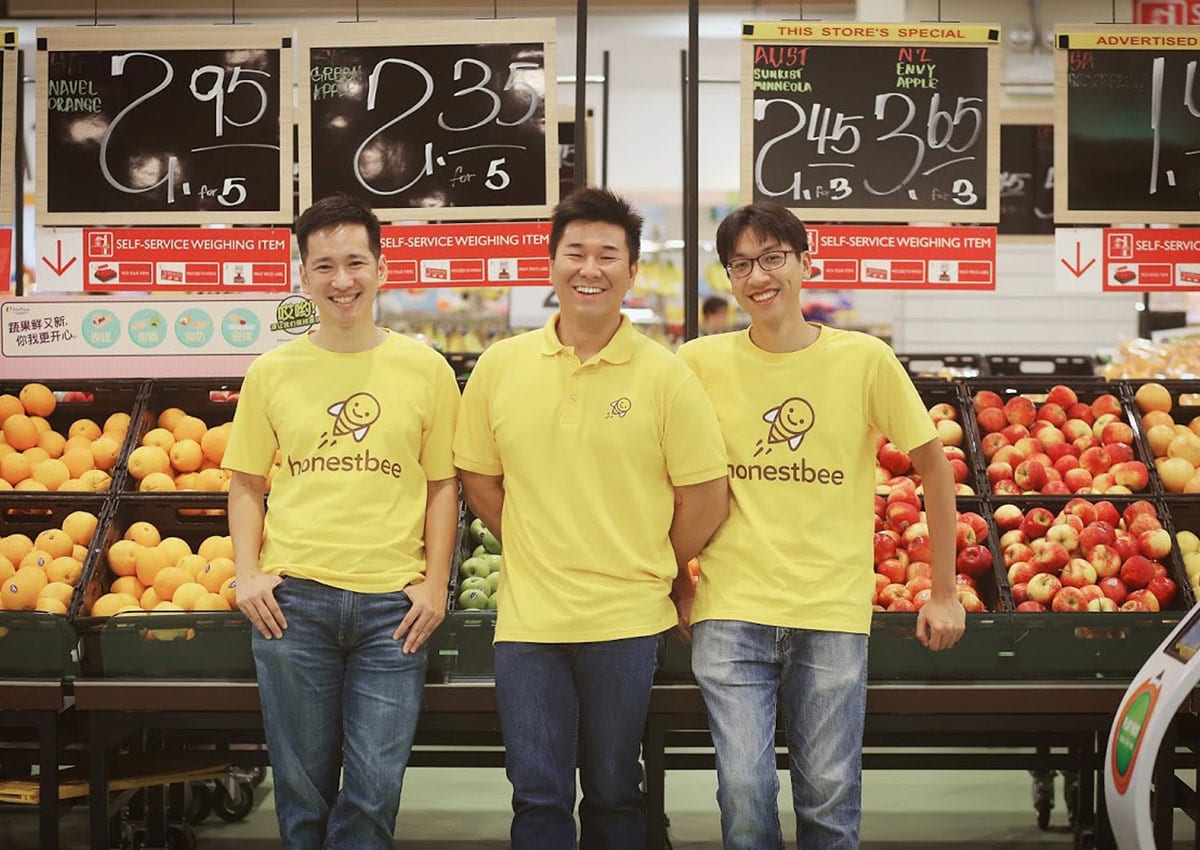
    Honestbee, Singapore’s fast-growing, on-demand grocery concierge and delivery service has raised first round funding of US$15 million.

    And behind the cash are some seriously experienced eCommerce and online business experts, including:

    • Pejman Mar Ventures, early investors in Dropbox, Lending Club and DoorDash.
    • Gideon Yu, former CFO of Facebook and YouTube; co-owner of the San Francisco 49ers.
    • Owen T Van Natta, founding team of Amazon search company A9.com and former COO of Facebook.
    • Steve Chen, Google Ventures advisor, as well as co-founder and former CTO of YouTube.

    Honestbee partners with supermarkets and specialty stores such as NTUC FairPrice, the Pet Lovers Center, and gourmet boutiques and specialty stores, Gastronomia Da Paolo, Mmmm!, The Butcher’s Dog, Crystal Wines, GNC and Four Seasons Organic, in Singapore. This enables these traditional grocery companies to significantly increase their revenue through Honestbee’s on-demand eCommerce platform where they fulfil customers’ orders in as little time as within the next hour.

    “We are very excited and blessed to have been able to attract support from some of the most successful entrepreneurs and investors with unparalleled track records in the world,” said Honestbee co-founder, Isaac Tay.

    “Honestbee will benefit tremendously, as we now have immediate access to the top minds who have built the most valuable technology companies in the world today, such as Amazon, YouTube, Google, Square, Dropbox, DoorDash and Palantir.

    “We started with a mission to create a highly elastic and trained workforce that would bring invaluable convenience to our customers through our concierge and delivery services. Most people in Asia are time-starved due to the demands of their job and a large proportion of the population do not possess their own vehicles. With our on-demand delivery service, time-crunched customers can enjoy the widest choices from their favourite stores, even at the last minute, when they shop through Honestbee,” he said.

    Formation 8, which led the funding round, believes the ‘hyper-local on-demand market’ plays a significant role in the way commerce will evolve.

    “Given the increasing population density across all the key cities in Asia due to job and wealth creation, this is right time and opportunity,” said Formation 8 founder, Brian Koo.

    “Consumers now demand higher levels of access to convenience. With Honestbee’s superior partnership network and its strong focus on building a world class technology company, they will be well-positioned to quickly own this market.”

    Honestbee has expanded its team to almost 100 people in just eight months, and continues to scout the best talent from around the world. With aggressive plans to expand across Asia, Honestbee expects to be in at least six other Tier 1 cities by June 2016.

    Last week, Honestbee launched in Hong Kong, offering a one-stop shop for a range of products to meet the needs of busy customers.

    According to a Goldman Sachs report, the online grocery shopping market in Asia is currently estimated at US$18 billion with online carts typically being 1.8 times larger than store-based retail at checkout.

    The willingness to use digital retailing options in the future is highest in the developing markets, with Asia Pacific at 60 per cent in a recent Nielsen report, signaling the great potential for growth in online grocery delivery services in the region.

    “In light of the potential, however, this space is under-penetrated, with intended providers facing challengers in both services and delivery,” said Tay.

    Honestbee’s solution to these challenges – a model that has proven successful in this sharing economy – is to use someone else’s spare time to shop and deliver groceries, thus freeing up customers to spend their time doing more of what they enjoy.

    “With a crowdsourced workforce, orders are fulfilled by concierge shoppers who shop at top supermarkets and boutiques stores, and a delivery team which brings the orders to customers’ homes, all within-the-next-hour golden time slots of choice. This eliminates the cost of infrastructure building, such as the need for warehousing, additional manpower and equipment. In return, honestbee brings increased efficiency and convenience to customers, as well as improved margins for partners.”

  • Suntec City officially reopens after S$410m revamp

    Suntec City officially reopens after S$410m revamp

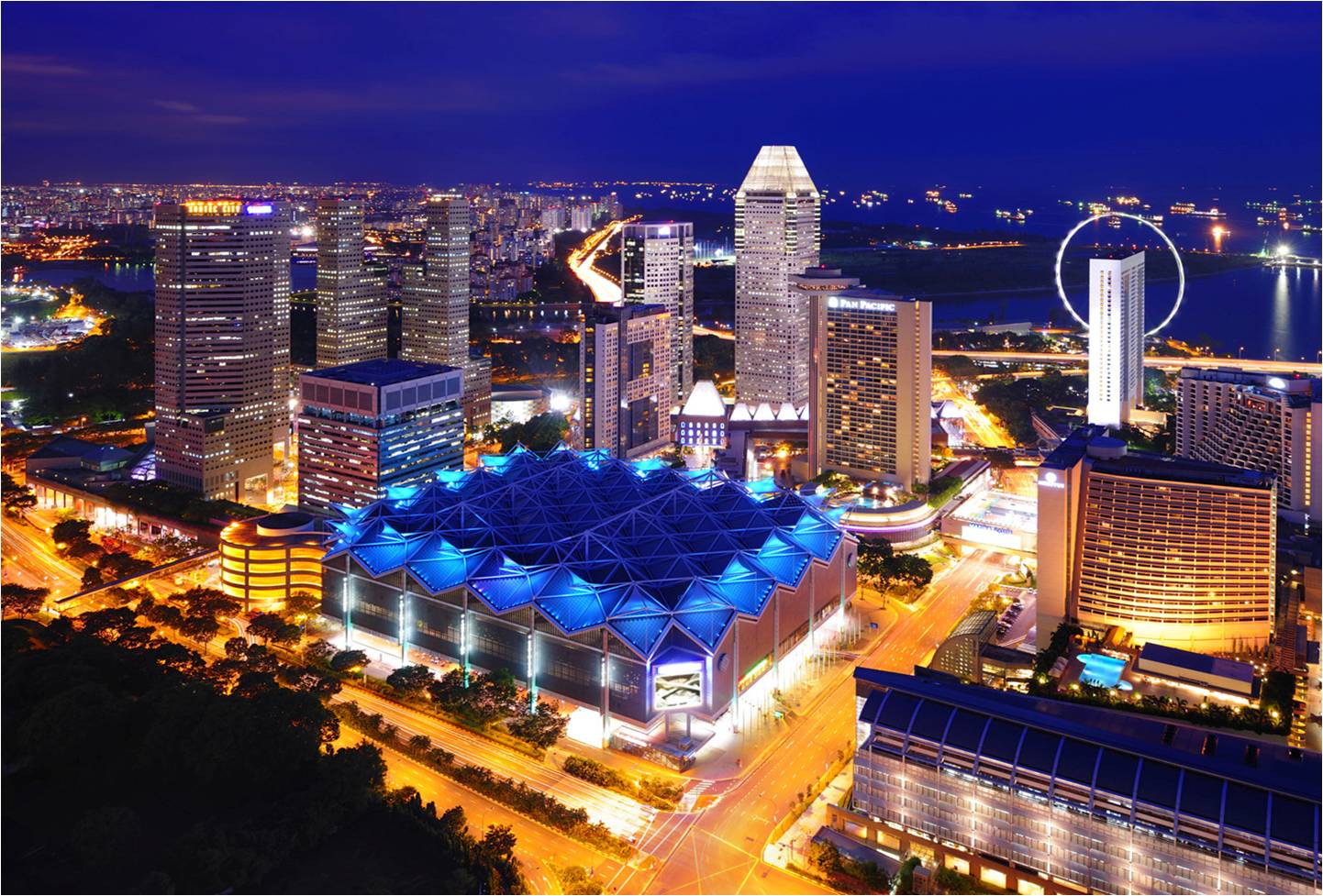
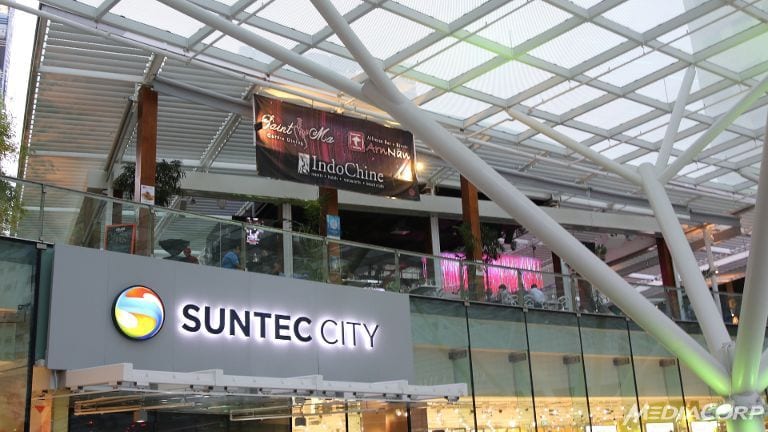
    Suntec City officially reopened on Thursday (Oct 22) following a S$410 million enhancement.

    In a press release, ARA Trust Management (Suntec) Limited, the manager of Suntec REIT, said enhancement works began in June 2012 and were completed in June this year.

    The works involved decanting low-yielding spaces and converting levels one and two of the Suntec Singapore Convention & Exhibition Centre for retail use. The retail footprint now covers close to a million square feet.

    “Today marks an important milestone for Suntec City as we celebrate its official opening,” said Mr Yeo See Kiat, chief executive officer of ARA. “Through this transformation, Suntec City is now a more vibrant and exciting destination with new retail offerings and experiences for everyone.”

    The event was attended by Minister for Social and Family Development Tan Chuan-Jin. To mark the occasion, Suntec REIT chairman Chew Gek Khim presented a cheque donation of S$200,000 towards President’s Challenge 2015 beneficiaries.

  • Has Singapore Finally Become Too Expensive?

    Has Singapore Finally Become Too Expensive?

    Singapore has long been seen as a mecca for high-end shopping. Locals and tourists alike have miles and miles of malls and boutique-lined streets to wander through. Retail refugees from China, the Philippines, Indonesia and Malaysia come to the small city state because they can buy authentic Louis Vuitton, smell real Chanel and eat their fill of those famed Laduree macaroons.

    Something unexpected has been happening more and more over the past couple of years. Foreign visitors have been coming to Singapore’s shopping streets, but they have been keeping their wallets in their pockets.

    A haven for luxury

    Singapore has the world’s third highest per capita GDP, and locals do buy the pricey brands, but luxury boutiques still rely on tourist sales to make their profits and to justify the high cost of leasing or buying retail space in the heart of Singapore.

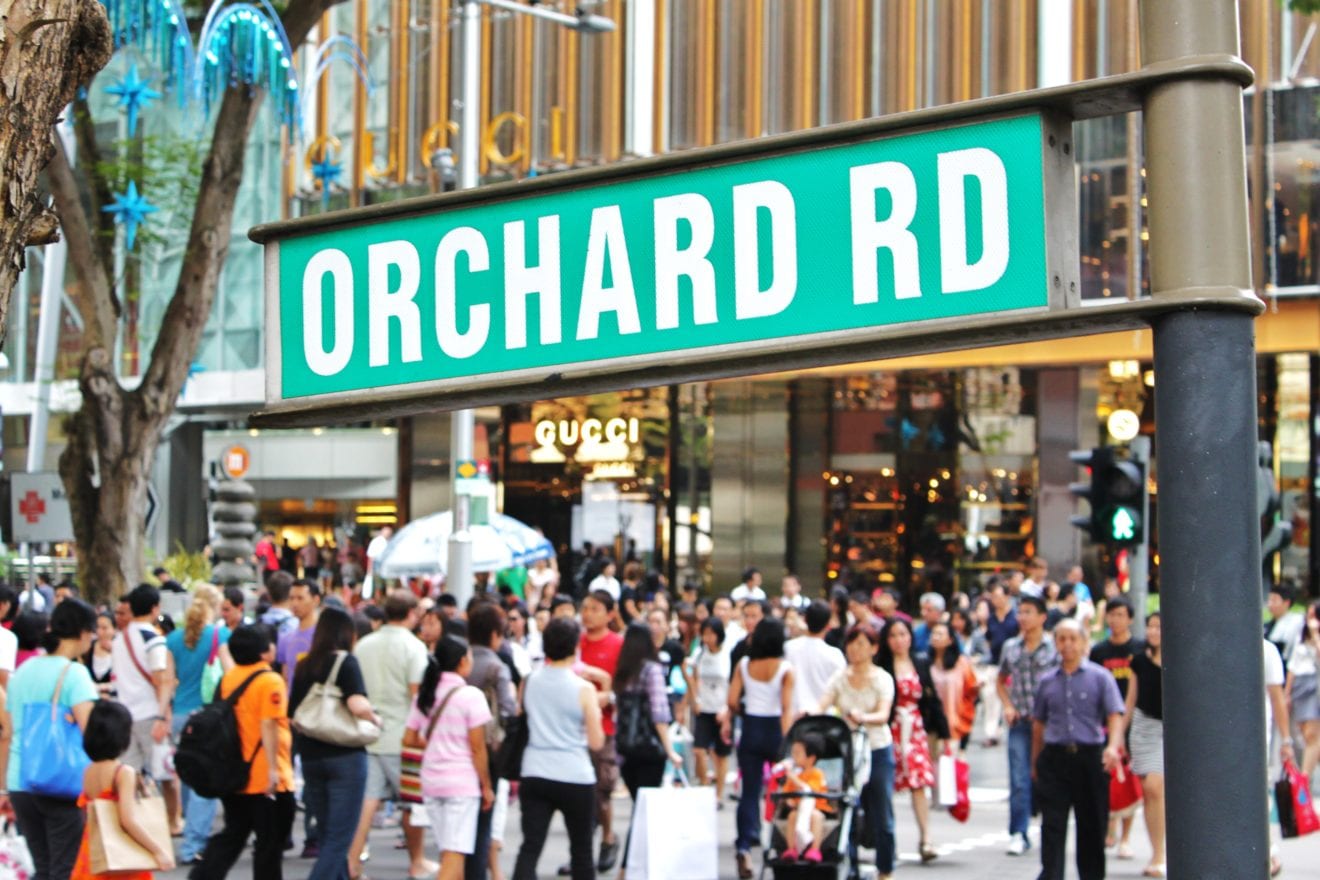
    These boutiques want to be in the heart of the city. That means spending big bucks to get space along Orchard Road, which is the epicenter of Singapore’s tourism scene. According to the Singapore Business Review, up to 80 percent of all luxury items sold in the country are bought in the Orchard Road area.

    Tourists are everywhere on Orchard, but most of them are opting to window shop instead of actually buying.

    Indonesian travelers are usually in the country for other reasons: business, medical tourism or to visit relatives. Some may spend time at boutiques, but this is not the main reason that they are in Singapore. Australians, meanwhile, are stuck with a weakened currency, so shopping with Singapore Dollars is not financially feasible.

    What about discounts?

    Downtown shops have been experimenting with sales and promotions. Some of these are specifically aimed at getting tourists to make purchases. Coach is offering a 10 percent discount at its Orchard Road locations, but Singaporeans don’t qualify for the price break. To get the deal, shoppers have to show their passport to prove that they are foreign visitors.

    Even this hasn’t worked. Tourist shopping statistics have held steady. Visiting buyers currently represent about 35 percent of the total sales for luxury items in Singapore.

    Has Singapore simply become too expensive?

    Yes, Singapore is expensive even if you don’t go there to add to your Vuitton bag collection. But it isn’t really fair to say that the luxury marketplace is struggling because country has become too expensive.

    The biggest expense for most tourists in Singapore is their hotel. Rooms are expensive, and if you are staying in a central location, they can be extremely pricey. At the same time, you can always eat cheaply at hawker centers and get around easily via the awesomely useful public transportation system. Also, if you can escape from Orchard Road, you will find some reasonable (if not cheap) places to shop.

    So while Singapore’s luxury brands are struggling, it is not quite right to say that the city is killing its tourism scene with high prices.

  • Dyn Evolves Internet Performance Space with Launch of Internet Intelligence

    Dyn Evolves Internet Performance Space with Launch of Internet Intelligence

    As Singapore gears up to become the world’s first Smart Nation, keeping communities and businesses connected to the Internet is crucial to support better living and working. Likewise, companies are beginning to realise that the performance of the Internet has an impact on their website, app or service and eventually, customer experience, reputation, and revenue. Dyn, the worldwide leader in Internet Performance, announced today availability of Internet Intelligence (II), a SaaS-based product that provides companies with a new and unique view of the Internet by looking at performance between a company’s customers and its Internet assets.

    “The variabilty of the Internet is both good and bad. Every path will eventually have problems, but there are many paths to choose from. Companies need to monitor their options constantly and play the optimisation game. The belief that Internet performance is uncontrollable is a myth. Although the Internet is an unpredictable and complex space, Internet Intelligence allows companies for the first time to monitor, alert and plan for their complex Internet Infrastructure from a single platform,” said Martin Ryan, Vice President and Managing Director Asia Pacific at Dyn.

    As an increasing number of companies migrate to the cloud, the ability to mitigate risk and control cloud becoming a business imperative.

    Almost 40% of organisations in Singapore are using cloud computing; while more than 35% are planning or implementing cloud strategies.

    II enhances availability, reachability, and performance

    Internet Intelligence is a vendor-agnostic SaaS offering that shows a company’s full global cloud provider, Content Delivery Network (CDN) and data centres on one dashboard, allowing IT executives to see how real-time availability, reachability, and performance issues impact their own customers. By alerting issues directly in the dashboard or via email, companies of all sizes and IT sophistication can quickly isolate and fix small issues before they become costly problems.

    “Distil Networks blocks malicious bots from disrupting many of the world’s top websites. To keep companies safe, we need visibility and continuous monitoring of key peering relationships and providers that our customers use,” said Engin Akyol, CTO of Distil Networks. “Dyn’s Internet Intelligence goes beyond anything else on the market because it pinpoints the exact location of an external network issue and allows us to mitigate the situations before they become larger problems.”

    For example:

    • Availability — An hour of downtime costs the average business US$163,000. For a large enterprise, like a consumer streaming movie service, it’s estimated that a recent 42-minute outage cost in excess of US$500,000. Internet Intelligence detects outages and performance problems and directs how to reroute traffic so the effect is minimised or unnoticed for customers.

    Through a consolidated single view across all Internet assets, II allows companies to accurately manage and deploy to their cloud providers, identify issues in real-time while performing root cause analysis of problems and effects and create plans for how to improve and expand their Internet infrastructure – all of which benefit the end-user experience with Managed DNS is increasing focus on cloud computing in Asia Pacific, with 58.6% of organisation decision-makers

    A study conducted by Frost & Sullivan has found identifying it as their #1 priority in the next 12 months.

    • Reachability — Just because a company’s infrastructure is reporting that it is available, this doesn’t mean that customers can reach it. Reachability – whether customers can actually reach your Internet assets – needs to be monitored. In cases where a business is using a single cloud instance, an outage or failure will have a detrimental impact on reachability – and unless businesses are monitoring their reachability and mitigating for failures, they have little choices for rerouting if a disruptive event occurs.
    • Performance — Many businesses use CDNs to accelerate web page load. Amazon calculated that a slowdown of just one second can cost US$1.6 billion in sales per year, 7 percent of annual revenue. Businesses need to quickly recognise Internet inefficiencies and outages to avoid accumulating latencies. II’s real-time dashboard alerts companies when routes rise above expected traffic thresholds for cloud providers, CDNs and data centres to find the root cause of the issue. For CDNs, II also ranks a company’s selected CDN against others so they can choose a better option if available.

    “The recent outages at AWS East and Skype remind us that all Internet assets are vulnerable to variability, and downtime and poor performance can be very costly,” said Robert Mahowald, IDC VP Cloud and SaaS. “Dyn’s Internet Intelligence offerings allow companies to have constant vigilance and employ self-healing Internet Performance strategies that can mitigate the risk of the dynamic Internet.”

    When Internet Intelligence is combined with Dyn’s Traffic Management product for load balancing and geographic routing, companies can make changes to the routes of their traffic, allowing them to provide their customers with the best experience possible.

    II is the newest product within Dyn’s Internet Intelligence product suite, which has been heavily adopted by service providers and some of the largest enterprises, like Visa, TripAdvisor and Ancestry.com.

  • Apple’s location for its official Singapore store confirmed?

    Apple’s location for its official Singapore store confirmed?

    Apple’s location for its first official store in Singapore might be confirmed in a press release… that was not released by Apple.

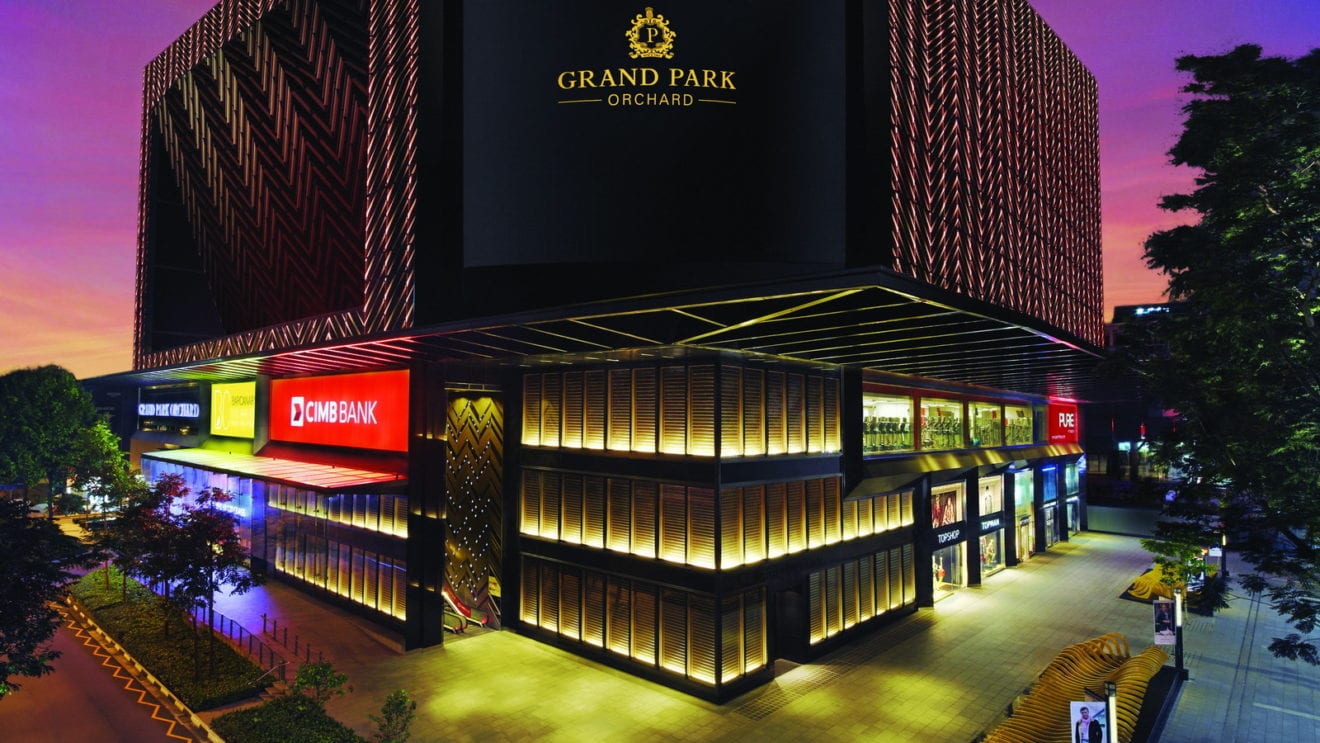
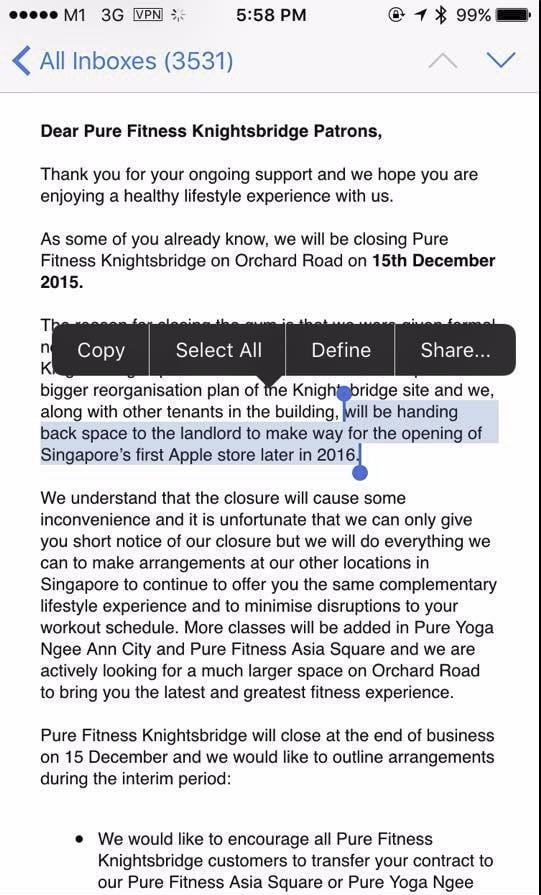
    The announcement started innocently enough: fitness chain Pure Fitness issued a statement saying it will be closing its branch in Knightsbridge, a distinctive retail building in Singapore. Oddly, it mentions in passing that “Pure and other tenants will be handing back space to make way for the opening of a new Apple store in late 2016.”

    We can only guess why Pure Fitness talked about Apple in the press release.knightsbridge

    Earlier, an email was apparently sent out to Pure Fitness customers stating the same news:

    apple pure fitness

    Apple has been seeking a retail space in Singapore for some time. We are reaching out to the company for comment.


  • Ishtara Jewellery plans expansion into Europe

    Ishtara Jewellery plans expansion into Europe

    Ishtara Jewellery, a Singapore business with origins in India, plans to expand within Asia and into Europe and the Middle East.

    MD and owner Parthiban Murugaiyan says Ishtara is marketing Indian-made gold jewellery in Singapore and its sister company Luvenus Jewellery is retailing international brands overseas.

    The company has been importing Indian gold and diamond jewellery into Singapore for 20 years under its previous name India Jewellery Pte Ltd. It has just completed a rebranding.

    Now Ishtara is planning to open retail stores and showrooms in Hong Kong, India – and further afield in Europe and the Middle East. It will also focus on airports, with a Mumbai airport contract already reportedly signed..

    “We are catering to the younger generation of South Asian diaspora with fashionable jewelleries by setting up showrooms and retail outlets globally, especially starting with airports,” Murugaiyan said in an interview.