Tag: Singapore

  • Car sales drive Singapore’s retail sales up by 6.1%

    Car sales drive Singapore’s retail sales up by 6.1%

    Ironically, petrol service station sales dropped the most.

    Motor vehicle sales almost single-handedly towed Singapore’s retail sales as it grew by 5% compared to last month. Excluding motor sales, retail sales would only grow by a measly 1.3% from last year.

    According to data from the Department of Statistics, car sales almost doubled (43.9%) since last year, illustrating the gravity of the pull.

    Meanwhile, total retail sales value is at an estimated $3.5b, higher than $3.3b from August 2014.

    The massive scale of motor sales growth picked up the slack for ailing sectors such as the petrol service station sales, optical goods and books, and food and beverages, whose retail sales fell by 20%, 11.8%, and 6.4% yoy respectively.

    Medical goods and services trailed car sales in growth, elevating by 10.9%, while watches and jewellery followed with an 8.7% growth.

  • Parkson Retail restructure knocked back

    Parkson Retail restructure knocked back

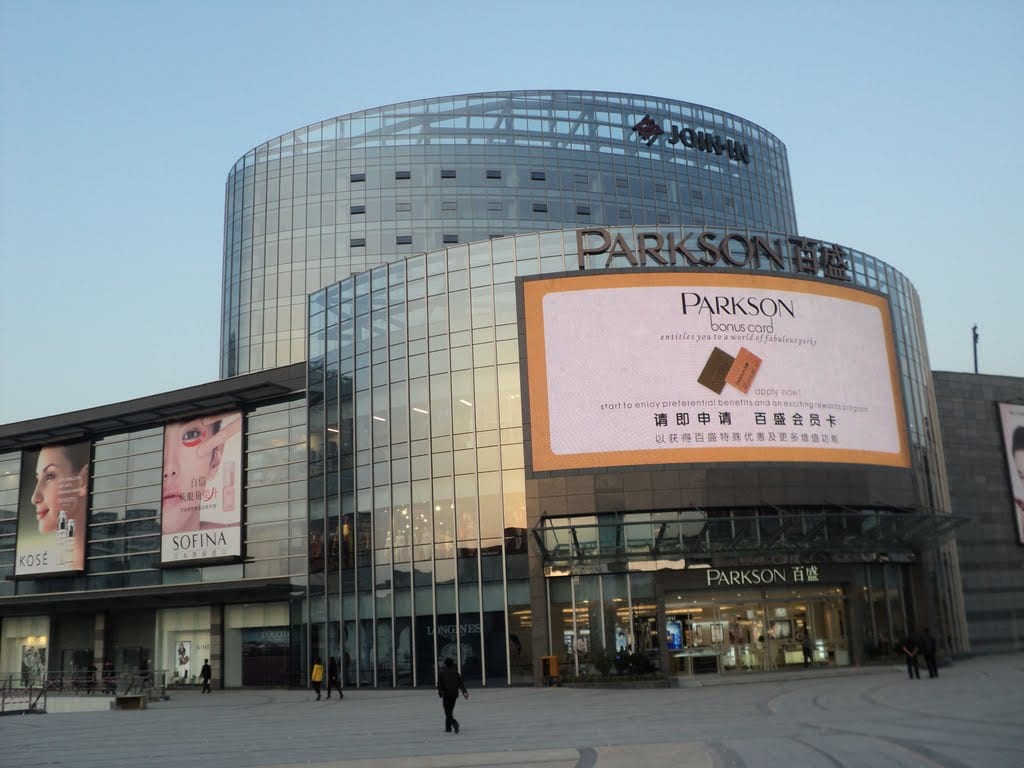
    A plan to simplify the complex ownership structure of Parkson Retail Asia operations has been rejected by independent shareholders.

    The proposal, defeated by a 63.44 per cent vote against at a shareholders meeting on Monday, would have seen the Singapore-listed Parkson Retail Asia parked under Hong Kong listed Parkson Retail Group, which in turn is a subsidiary of Malaysian-listed Parkson Holdings.

    The side effect of the vote is that Malaysian shareholders have missed a proposed cash distribution arising from the internal reorganisation.

    Parkson Retail Asia has 67 stores in Southeast Asia which were to be merged with the Parkson Retail Group network of stores in Greater China.

    Parkson Holdings says the companies will now continue to operate under the status quo.

  • Marrybrown expands to Singapore

    Marrybrown expands to Singapore

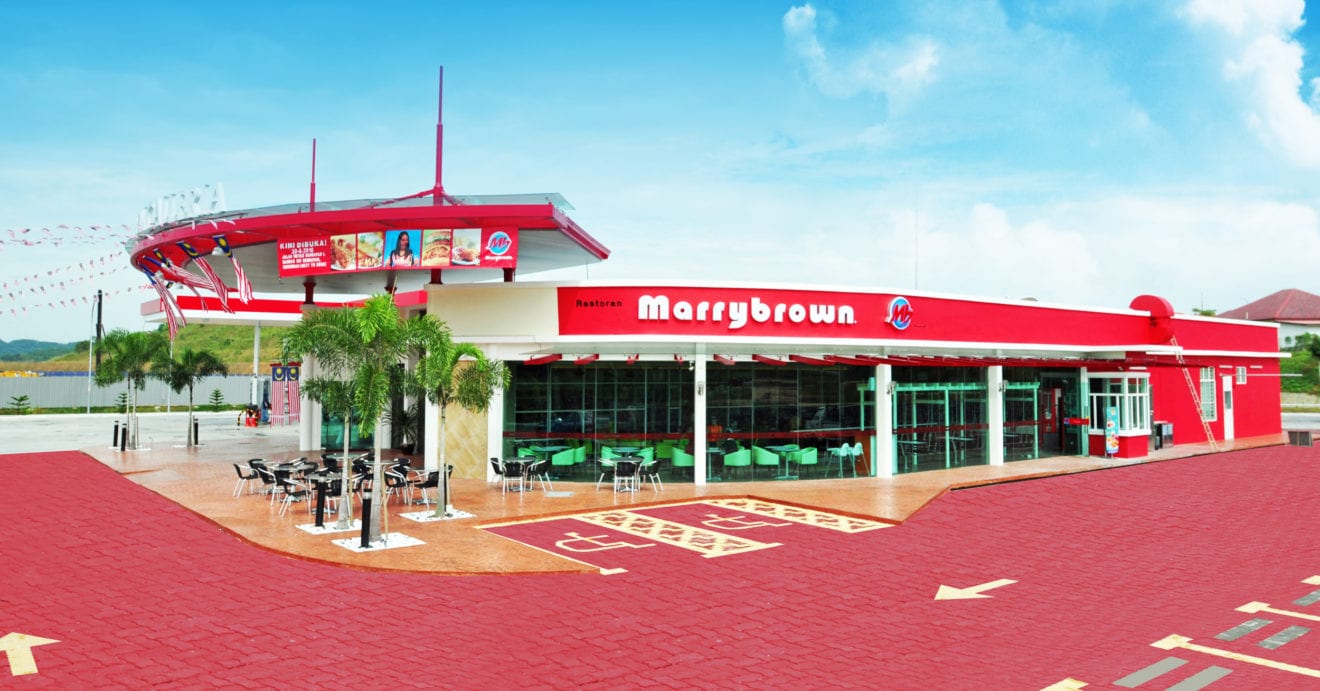
    Malaysia’s Marrybrown has opened its first restaurant in Singapore.

    Marrybrown Singapore has made its debut at the iFly in Sentosa and is the first of a network of 20 stores planned for the city lover the next five years.

    Founded in 1981 and the first Malaysian fast food chain to franchise its business system, the company now boasts 350 outlets. It began serving fried chicken, burgers, finger food, desserts and drinks – all halal – and has now expanded its offer to include local food such as seafood and rice based meals, noodles and the famous Malay dish nasi lemak (sold as Nasi Marrybrown).

    Marrybrown has more than 130 restaurants in Malaysia with the balance overseas, including in China and India. It is expected to open its first outlet in Yangon, Myanmar soon.

    Marrybrown CEO Dato Joshua Liew said many Singaporeans love delicious food, especially Malaysian food.

    “We are proud to open in Singapore and we attribute this success to our unique food culture that tempts the tastebuds of many consumers.”

  • SingPost takes control of US eCommerce co

    SingPost takes control of US eCommerce co

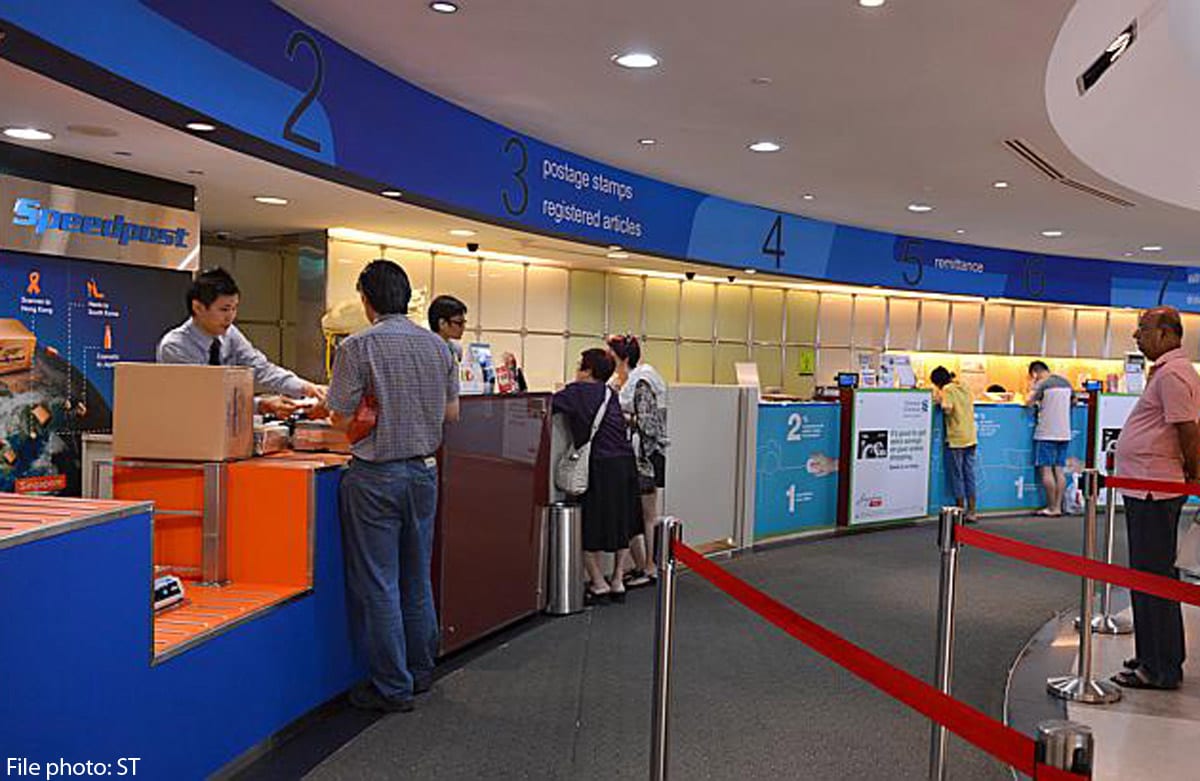
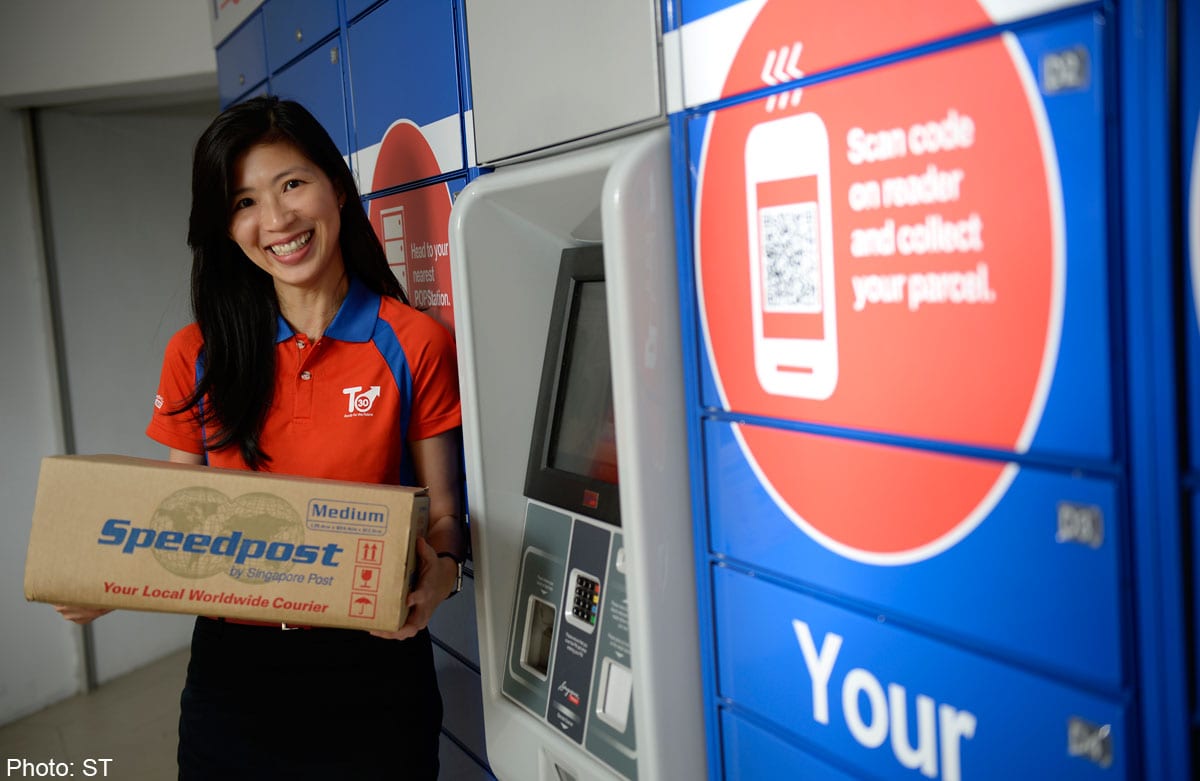
    SingPost, Singapore’s national postal service, is continuing to build its international portfolio of eCommerce businesses, now adding US-based Jagged Peak to the lineup.

    The company says the purchase continues its “aspirations of building an end-to-end eCommerce logistics network and technology platform”.

    Wholly owned subsidiary, SP Jagged Peak LLC, has entered into an agreement to acquire a 71.1 per cent equity stake in Jagged Peak, a US eCommerce logistics enabler for high-velocity consumer products for US$15.8 million (or approximately S$22.5 million).

    SingPost says it intends to invest in Jagged Peak’s eCommerce logistics infrastructure, processes and technology to help customers maximise their business potential globally. The company says the investment will open the way for its customers to grow not only across Asia Pacific but into the US and beyond seamlessly with one eCommerce logistics solution provider.

    Lim Ho Kee, SingPost chairman, said: “As SingPost pioneers and leads eCommerce logistics in Asia Pacific, we are casting our eyes beyond the region. Jagged Peak can enable end-to-end fulfilment of eCommerce orders across the US.

    “SingPost is excited about this capability. This transaction is also part of our strategy to focus our resources on strengthening our geographical reach and the technology we employ as an eCommerce logistics company.”

    Dr Wolfgang Baier, group CEO, added:  “This acquisition will ‘connect the dots’ and make our eCommerce logistics network global. The acquisition of Jagged Peak allows us to use their state-of-the-art eCommerce omni-channel technology to enable brands and retailers not only to leverage their warehouse facilities in over 20 locations in the US but expand these services into our Asia Pacific warehouse network.

    “It’s a win-win for existing and future customers. We have planted the seeds with this investment of what will be SingPost’s global multi-channel B2B4C eCommerce logistics platform.”

    Jagged Peak reported revenues of approximately US$61.7 million (or approximately S$83.5 million) for the fiscal year ended December 2014.

  • On Pedder Opens Concept Store In Singapore

    On Pedder Opens Concept Store In Singapore

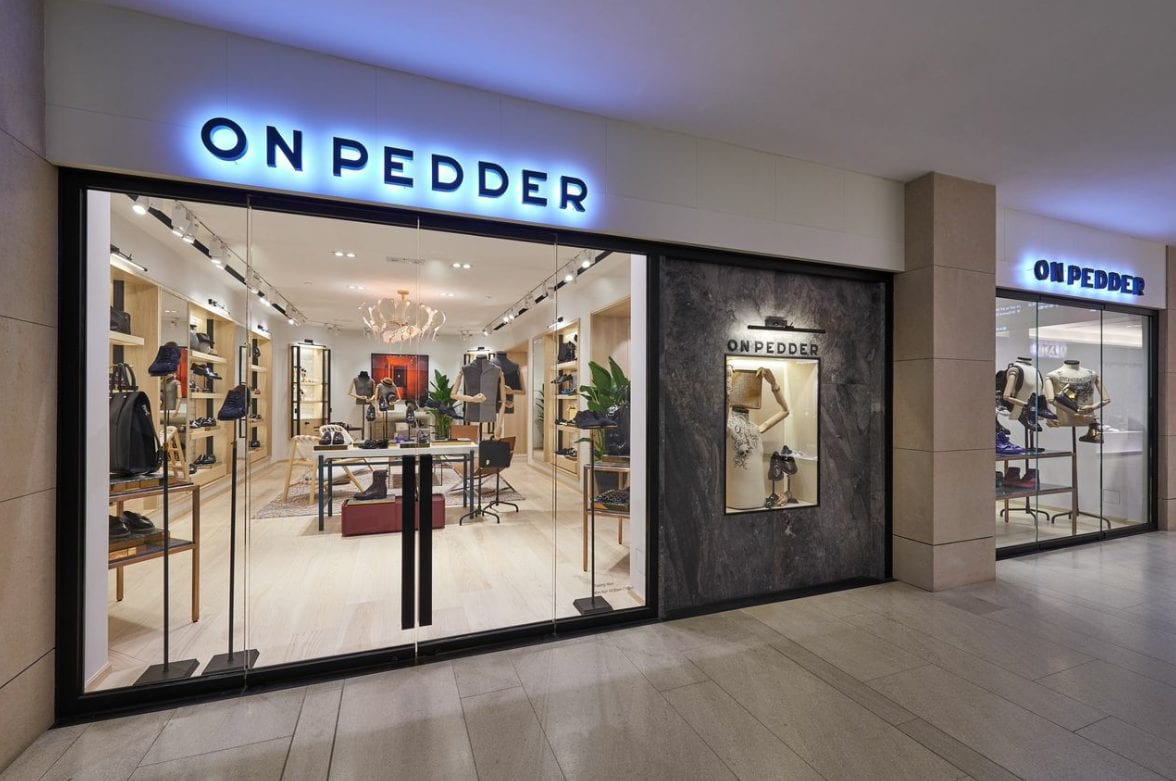
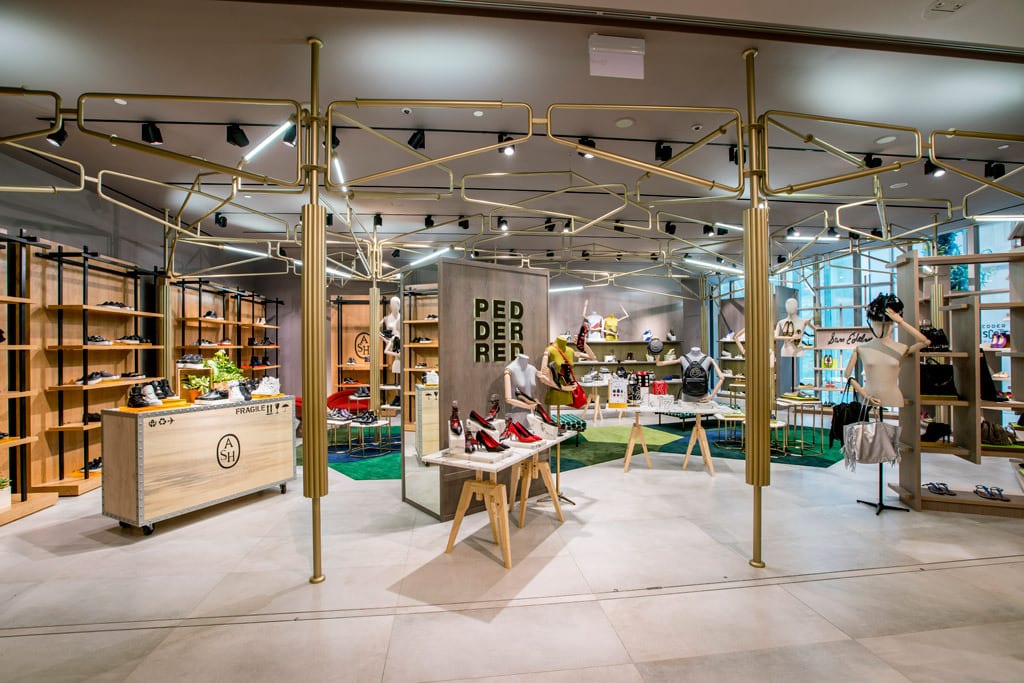
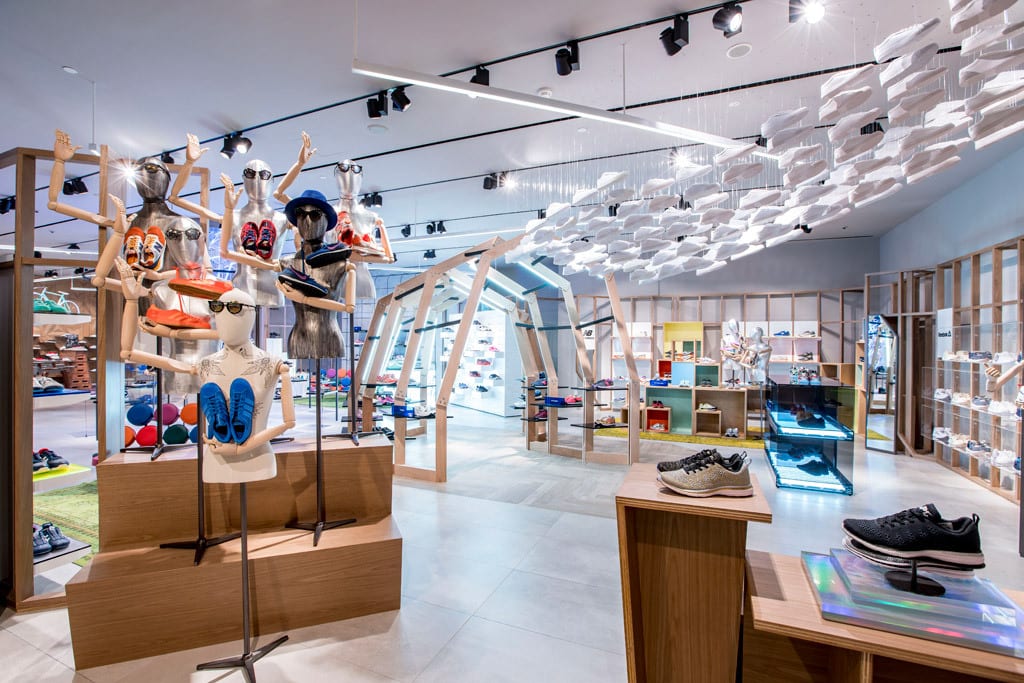
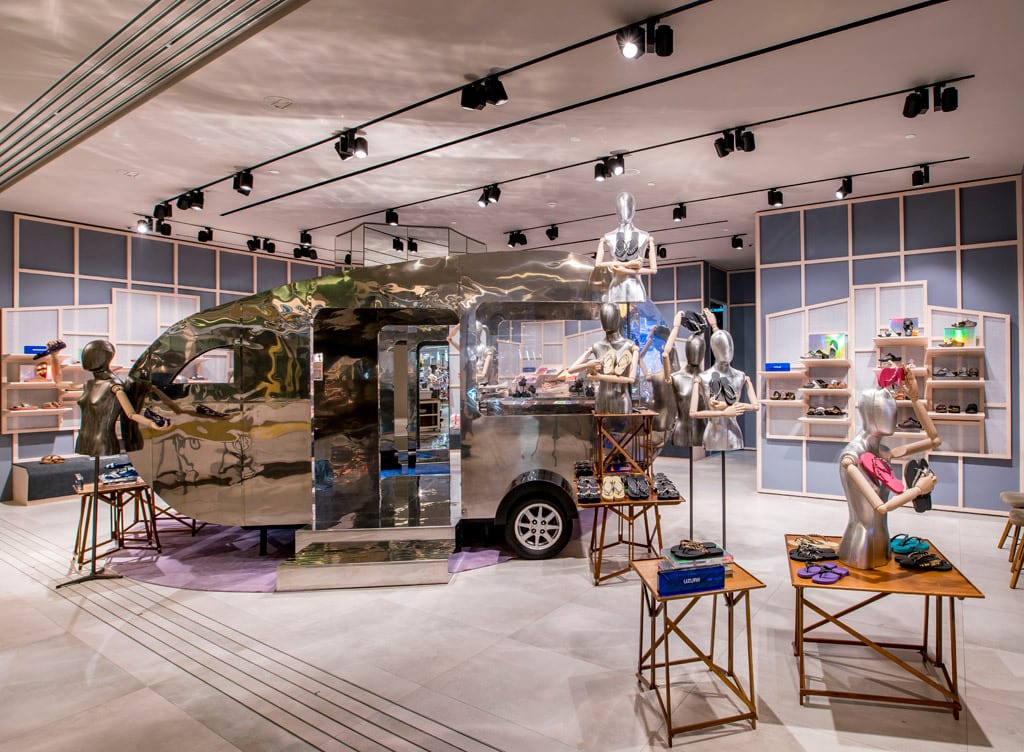
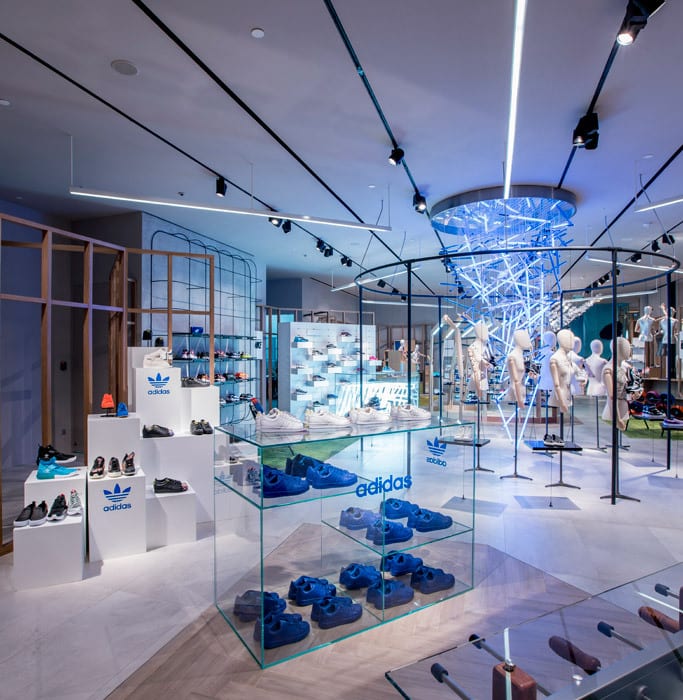
    The company launched a fresh concept there this month, called Pedder on Scotts. At 20,000 square feet, it’s the retailer’s largest store to date. Peter Harris, Pedder Group’s president, said the company’s vast knowledge of the region, coupled with consumer demand for more shoe options, spurred the retailer to make a significant statement.

    Pedder on Scotts Singapore

    The store was designed by North America- based architect Abraham Chan and Raymond Chan of Hong-Kong based PLY Union.

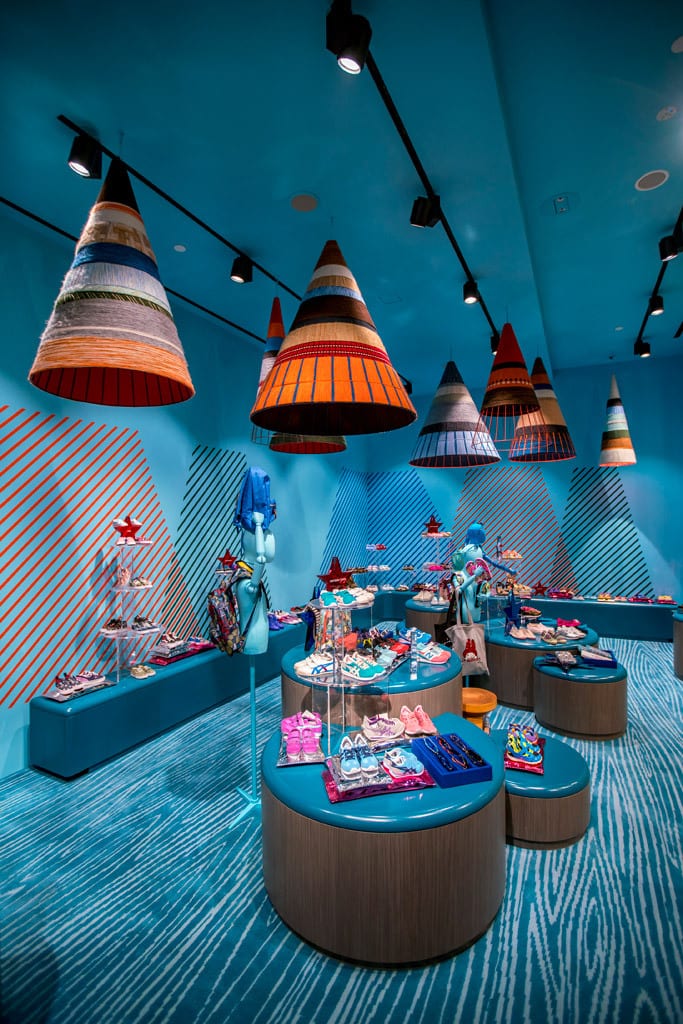
    Its five curated sections are On Pedder (designers such as Aquazzura, Nicholas Kirkwood, Charlotte Olympia, René Caovilla and Sophia Webster, all of whom will have exclusive styles at the store); On Pedder Men (Alexander Wang, Common Proj- ects, Lanvin and Giuseppe Zanotti); New Generation (contemporary brands such as Ash and Sam Edelman); Weekend & Sports (Havaianas, Birkenstock, Adidas, Superga) and Cool Kids (children’s brands such as Stuart Weitzman and Akid).

    “As a brand, we stand for whimsy, creativity and excitement. … What a perfect marriage with the new environment at Pedder on Scotts,” said Sam Edelman, designer, founder and division president of the Sam Edelman division at Caleres. “We applaud Peter for his forward thinking and courage in the retail environment.”

    Pedder On Scotts Singapore

    In addition to its core brand mix, the store will offer a rotating selection of pop-up kiosks that change every few months to showcase new labels and collaborations. “Presenting each category in a zone, with dedicated square footage, appropriate visual merchandising and skilled team coverage, allows us
    to develop a sense of specialty, amplify- ing each category,” said Harris.

    To celebrate the launch, Nicholas Kirkwood joined the team in Singapore for a big opening event last week to present his 10-year anniversary capsule collection. Singapore-based artist Theseus Chan contributed visual graphics for the soirée.

    “Pedder Group has partnered with Nicholas since the beginning of his career, hosting him several times in Greater China and Southeast Asia, so he was an obvious choice to celebrate with,” said Harris. “He has a strong customer following here, and we were eager to represent him in the market.”

    Pedder on Scotts will continue to generate buzz via additional designer appearances over the next few months, including Athletic Propulsion Labs co-founders Adam and Ryan Goldston, René Caovilla and Paul Andrew.

    Pedder On Scotts Singapore

    While Pedder Group is forging ahead with growth initiatives, the overall market in Asia has experienced financial struggles and turmoil.

    “The last 12 months have been quite challenging in Asia with regard to the China economy, political uncertainty, currency devaluation, property-value adjustment and stock-market repositioning,” said Harris. “That has been amplified by the decrease in value of the euro and the yen, which has made purchasing in those markets attractive.”

    Pedder on Scotts SingaporePedder on Scotts.
    Courtesy of company

    In fact, those issues could give the store an even better opportunity to stand out.

    “The Singapore retail landscape is dominated by shopping malls, all concentrated on Orchard Road, with duplicate brand offerings,” said Harris. “The department-store model [delivers] brand adjacencies that tend to be quite non-aligned — there is no single service offer, as the individual concessions are responsible for [their own] staffing, with marketing focused on price promotion.”

    Plus, Pedder on Scotts is banking on the opportunity to highlight an important market: the athletic category.

    “For the last five years, in line with global trends, we have taken a strong position in developing the sports-and-lifestyle component. Dedicated space, as well as a collaborative process with major brands, have been key to delivering customers a new product choice,” said Harris.

    Pedder on Scotts Singapore

    Looking ahead, the Pedder Group will roll out similar concepts at some of its Lane Crawford stores in Hong Kong and China, where footwear square footage ranges from 25,000 square feet to 35,000 square feet. “We will be using some of the formats we have developed for Pedder on Scotts in Singapore at our existing locations. We have also been approached by a number of Chinese developers [about] presenting this format in China, which will be reviewed following our first year of operation [in Singapore],” said Harris.

  • A Singapore Post drone delivers a test package

    A Singapore Post drone delivers a test package

    Singapore Post Ltd. is testing package delivery by drone, echoing attempts by Amazon.com Inc. to extend the commercial capabilities of unmanned aerial vehicles.

    The company known as SingPost said a drone it developed with the Infocomm Development Authority of Singapore carried a packet containing a letter and T-shirt on a five-minute, two-kilometer (1.2 miles) flight. This marks the first time any postal service has successfully used a drone for “point-to-point recipient-authenticated mail delivery,” it said in a statement Thursday.

    SingPost is looking to such unmanned aircraft as online transactions increase in the Asia-Pacific region and as Singapore plans to develop itself into a so-called Smart Nation through technology usage. There is “immense potential” in drone technology for last-mile mail and e-commerce delivery, Bernard Leong, SingPost’s head of digital services, said in the statement.

    E-commerce companies such as Amazon, No. 1 in the Internet Retailer 2015 Top 500 Guide, have been pressing for permission to deliver packages by drone in the U.S., but have run up against proposed regulations that would require operators to remain within sight of their vehicles at all times. In April, Amazon received a waiver from the Federal Aviation Administration allowing it to run tests in the U.S.

    Singapore passed a law regulating the use of drones earlier this year. The drone used by SingPost is equipped with safety features, and is complemented by a prototype application with security and verification features to make sure the mail reaches its intended recipient, according to the release.

  • PLAYe is revolutionizing how people play games with 3-in-1 online-mobile-offline platform

    PLAYe is revolutionizing how people play games with 3-in-1 online-mobile-offline platform

    It partners with retailers to offer interactive experiential centres. Hobbyists usually have to go to a store to buy their favourite games and collectibles. Depending on where they are based, they may have a limited range of merchandise to choose from and have to wait sometime to lay their hands on the items. “Is there a better way of delivering value to the end-user?” This is a question that a team of 20 people from tech firm Corous360 tried to solve in developing PLAYe, a 3-in-1 online-mobile-offline integrated platform. Launched in July 28, 2015, it aims to redefine the Asian consumer experience and to bring together all consumer profile channels into one.

    PLAYe claims to be the next wave of evolution for games and entertainment. It offers consumers an enhanced user experience wherein they can browse through a wide range of latest games and merchandises and make them accessible, convenient and secure purchase transactions via an app and online platform. The app is now available for download for free from Apple App Store and Google Play store.

    Consumers can also pre-order upcoming merchandises through PLAYe app and have them delivered to their doorstep.

    PLAYe also provides an up-close visual experience at retail outlets, also known as interactive experiential centres. These outlets double as convenient collection points for online purchases. Through its curated contents, PLAYe engages the gamers and hobbyist community by delivering timely and customised news at their fingertips. According to the Corous360, the most unique selling point is an in-built push-to talk function that further enhances the users’ experience.

    “Our goal is to bring the store front “face-to face/human interaction” experience to you through ASK PLAYe, which serves as a concierge service to consumers, where consumers can engage in a conversation on the latest range of collectibles and gadgets and offers updated information on the newest games and products at the push of a button,” said Kelvin Tay, CEO of Corous360.

    The PLAYe experiential centres are expected to be rolled out in the next six to twelve months.

    Kelvin added that they are ‘reinventing’ the shopping experience for the end-user by combining the satisfaction and reliability of the physical retail experience with the convenience and speed of a mobile platform.

    “The online and mobile platform becomes an extension of the physical store, and the physical store becomes an experiential centre that guides the consumer through the catalog and product descriptions,” he explained.

    The benefits for retailers

    Not only is PLAYe useful to consumers. According to Kelvin, PLAYe is also trying to solve the age-old problem of finite resources.

    “Anybody can point out that m-commerce/e-commerce represents the next opportunity for growth for retailers. The question, of course, is how would any given retailer accomplish a credible platform to tap into this growth without diverting their current limited resources?,” he said.

    By tapping into the PLAYe platform, Kelvin explained that retailers will be provided with a “plug and play” cost-effective e-commerce to integrate with their physical stores. They can then concentrate on their core strength which is to provide a superior brick-and-mortar experience. PLAYe will then work hand-in-hand with the retailer to realise their unique retail experience online.

    “For retailers, PLAYe app is able to reach out to a wider audience beyond the geographical location of a physical retail shop. Our PLAYe platform tracks both offline and online transactions. This consumer profiling allows the retailers to make more accurate forecasts on consumer demands, which helps improves their business efficiencies,” he said.

  • Changi announces new T3 luxury retail tender

    Changi announces new T3 luxury retail tender

    Changi Airport Group (CAG) is inviting companies to participate in a luxury retail tender in four locations within the departure/transit lounge South of Terminal 3.

    “We are looking for unique and exciting luxury brands and concepts that are currently not represented at Terminal 3 of Singapore Changi Airport and will inject buzz to and differentiate the retail offerings at Singapore Changi Airport,” says the airport group.

    All product categories, apart from liquor & tobacco and perfumes & cosmetics are being considered.

    Concession A will be 112sq m in size; Concession B, 103sq , Concession C 86sq m and finally Concession D covers 100sq m.

    Concession A, B and C will carry contract terms of 3 years each from 1 July 2016 to 30 June 2019. Concession D’s term will also be for three years, but will being on 9 January 2017 or when the incumbent retailer hands over operations to the new retailer moving in.

    There is no option to renew any of the contract terms. The tender opened yesterday and closes on 29 October at 4pm.

  • Newcastle student flats sold for £40m sale to Singapore developers

    Newcastle student flats sold for £40m sale to Singapore developers

    Developers Metnor Group has built and sold a portfolio of student accommodation properties in Newcastle to one of Singapore’s largest private property developers for £40.6m.

    The Killingworth-headquartered firm acquired the brownfield site in Shieldfield, Newcastle, nine years ago and has transformed it into quality student apartments and retail units using a predominantly local workforce.

    Metnor has now been appointed to build the next phase of student accommodation on Portland Road, Newcastle, which will be ready for the 2017 academic year.

    The group’s building division, Metnor Construction, completed the first of the four-phase build with a 274-bedroom luxury student accommodation building and two retail units in August 2013.

    Known as Turner Court, the development was fully let to students from both of the city’s universities, as well as students studying at Newcastle College, within days of opening.

    Tesco and Subway occupy the two retail units on the ground floor.

    The second phase, known as Rosedale Court, was completed in August 2015 and is a 338-bedroom accommodation building developed, along with 4,500sqft of retail or commercial space.

    The building is being managed and operated by specialist student operator South Street Asset Management under its DIGS brand.

    Metnor was advised on the substantial deal by the real estate team at Newcastle law firm Muckle LLP, who advised and negotiated on the preparation of all legal documents with Far East Orchard Plc.

    Legal advice was led by Muckle partner, Will McKay, and supported by Kevin Maloney, a partner in the banking team who negotiated the financing of investment and development facilities with the Israeli owned Bank Leumi.

    The properties are located in Shieldfield, Newcastle and within walking distance of Northumbria and Newcastle Universities and Newcastle College.

    Keith Atkinson, chief executive of the Metnor Group, said: “We have worked closely with Muckle LLP since we acquired the site in 2006 and we are proud to have helped to regenerate this area of the city by transforming a once derelict brownfield site into a vibrant student hub.

    “The financial crisis which occurred in the middle of the development was an additional challenge but with the help of the team at Muckle we were able to secure funding through Bank Leumi and we are pleased to continue our work with Far East Orchard as the regeneration is a significant investment into the region.”

    Will McKay said: “We’re delighted to have worked with Metnor Group once again. This was a challenging and complex project.

    “We had to overcome many environmental factors during the development phase involving mineshafts and land contamination.”

    Metnor Construction has worked on some of the most high-profile buildings within Newcastle over the last few years including the Sleeperz Hotel development on Westgate Road, the Hotel du Vin development on Byker Road and the Hampton by Hilton hotel opposite the Central Station.

    Metnor Construction’s managing director, Chris Cant, added: “Student accommodation projects have critical deadlines as they must be ready for the start of an academic year, otherwise the owner is unable to let them out to students and risks sitting with an empty building for a year if the deadline is missed.

    “We completed our first project, the 396 bed Winn Studios, for Northumbria University in 2011 after a 21-month construction period.

    “Since then we have built Turner Court and now Rosedale Court.

    “We currently have a strong order book, a dedicated workforce and are actively looking to expand our presence in our native North East.

    “We have seen a steady increase in turnover over the last two years and we have taken on 13 new staff since the start of the year at all levels including a number of apprentices.”

  • FairPrice delists Asia Pulp & Paper products

    FairPrice delists Asia Pulp & Paper products

    Singapore’s largest grocery retailer NTUC FairPrice has removed all products supplied by Asia Pulp & Paper from its stores due to the paper giant’s role in contributing to the toxic haze.

    The Singapore Environment Council (SEC) has instituted a temporary restriction on the use of the “Singapore Green Label” certification for APP products after becoming aware the company sourced paper from companies responsible for the fires across Indonesia which have left Singapore and parts of Malaysia shrouded in a toxic haze.

    FairPrice carries 14 housebrand paper products that are certified with the Singapore Green Label. Two of these are housebrand tissue products sourced from APP through Universal Sovereign, a licensed distributor, while the rest of the products are not affected. In addition, all 16 APP related products from the various brands FairPrice carries have also attained the Singapore Green Label certification.

    FairPrice CEO Seah Kian Peng said the company has taken the opportunity to reiterate its firm stance on the issue.

    “We have been proactively monitoring the situation over the past week. We initiated meetings with the various parties concerned when the list of firms including APP, was named by the authorities as suspects for contributing to the haze. As a fair business partner, we reserved taking action pending further information and investigation by the authorities.

    “Our decision to withdraw all APP products is a result of the temporary restriction of their Green Label certification. This reflects our conviction and commitment towards promoting and adopting sustainable practices, as we have done all these years.”

    FairPrice has been championing various initiatives that promote sustainability. One of these initiatives is certifying housebrand products with the Singapore Green Label Scheme administered by SEC. Last week, SEC requested companies with paper products certified under the Singapore Green Label Scheme to declare compliance with using sustainable materials. FairPrice was unable to sign the declaration for the two housebrand products earlier as it was pending APP’s confirmation of their compliance to SEC’s requirements.

    Following the temporary restriction of the Green Label notification, FairPrice has withdrawn both housebrand products, which include FairPrice Softpack Tissue 200s and the FairPrice Gold 3 Ply Facial Tissue 140s supplied by APP. Beyond this, FairPrice will also withdraw all APP related products including Paseo, Nice and Jolly.

    “We assure customers that FairPrice has alternative brands of paper products, including products with the Green Label, available to meet consumers’ needs.”

    All APP products will be withdrawn from all FairPrice stores by 5pm today.

  • TWG Teas plays down pesticide scare

    TWG Teas plays down pesticide scare

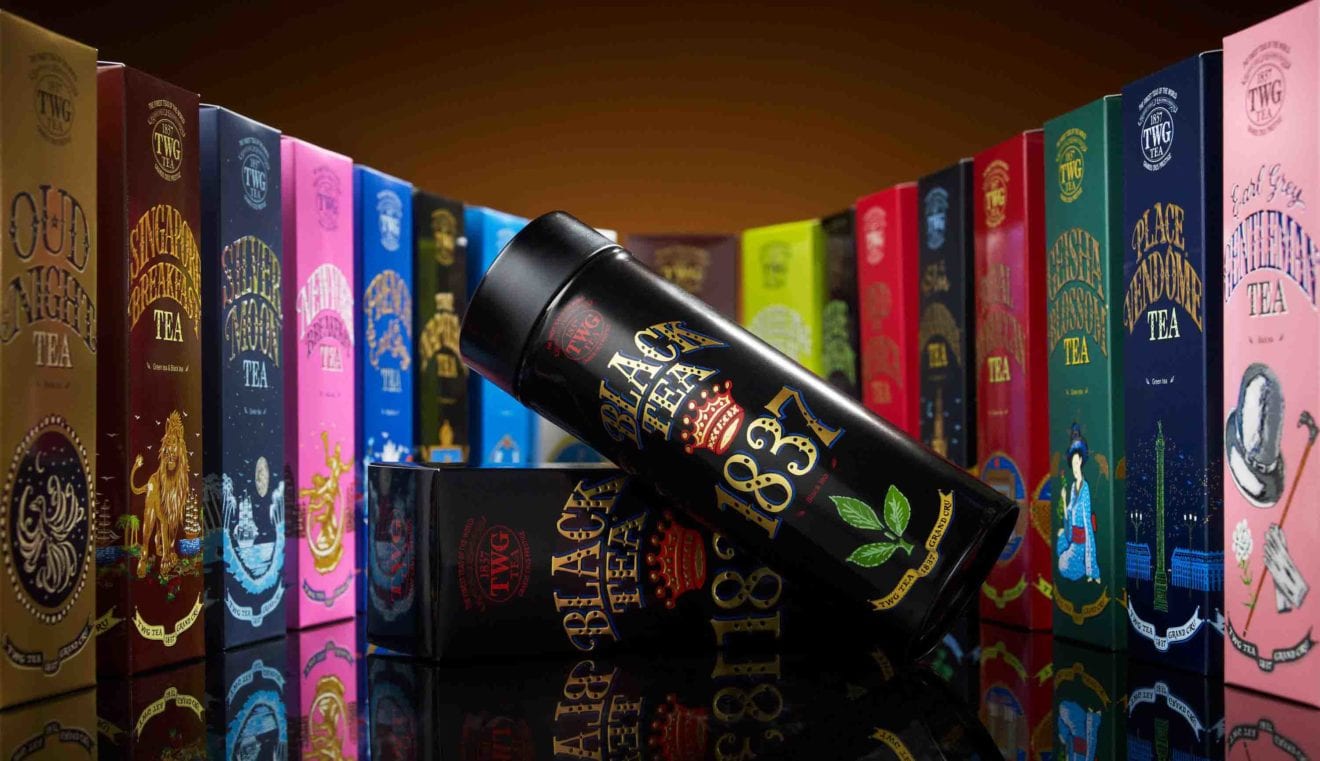
    Osim International subsidiary, upmarket tea chain TWG, is playing down a pesticide report in Taiwan.

    Taiwan’s Food and Drug Administration says it found excessive levels of pesticide residues in TWG’s Chamomile Green Tea sourced from India.

    TWG has retail stores in Singapore, Malaysia, Japan Cambodia, Taiwan, Hong Kong, Korea and the Philippines, China, Indonesia and Thailand as well as in Europe, and sells packaged teas online. It positions itself as a high end, gourmet tea brand.

    But a TWG Tea spokeswoman Maranda Barnes told The Business Times the issue has been “overblown” by Hong Kong media, and consumers in Singapore, Hong Kong, China and Taiwan had nothing to be concerned about.

    She said the Chamomile Green Tea had passed tests by Singapore authorities, but been rejected by the Taiwan FDA.

    Barnes said tea leaves in Taiwan are tested in the same way as fresh fruit and vegetables designed to be chewed and swallowed – yet if a residue was present in a tea leaf it would be infinitely diluted when infused as tea is designed to be drunk.

    She said it was impossible to test every tea for every one of 300 pesticides in existence.

    “We put our teas through a battery of tests. Unfortunately, we cannot test for every single chemical in the world in every batch. In Taiwan, even if a product was rejected and sent back, the government will promote the rejection through the media.”

    TWG is in ongoing discussions with Taiwan’s FDA regarding the test results.

  • Asian startups got more than $10 billion in April-June quarter

    Asian venture capital-backed companies enjoyed 45% year-on-year growth in capital received during the second quarter of 2015, bringing in more than $10 billion in investments, according to a recent report by KPMG, an audit, tax and advisory company.

    The report notes that venture capital growth is driven by corporations on the hunt for companies with creative innovations. The buyers hope to integrate these innovations with their own businesses. Their activities are expected to continue as it is “cheaper for companies to invest in technologies rather than develop [them] internally,” the report says.

    Eight of every 10 deals in the quarter were made by Asian Internet and mobile companies, according to KPMG.

    Singapore was the top country for Southeast Asia’s venture capital activities, followed by Indonesia and Malaysia. In the second quarter, the republic had deals worth $160.7 million, while Indonesia had deals worth $3.5 million and Malaysia made $2.4 million worth of deals. For 2014, the amount of venture funds attracted by Singapore was around $1.07 billion.

    Terence Lee, managing editor of TechinAsia, an online news organization, said, “Singapore’s business-friendly environment and sound infrastructure is key.” He added that the Singapore government’s initiative to expand its Technology Incubation Scheme in 2012 “most likely led to the spike in investments in Singapore startups.”

    The government program helps to fund incubators that in turn seed startups. Under it, the government co-invests up to 500,000 Singapore dollars (around $350,000) in Singapore-based startups. An incubator can buy out the government’s stake in a startup within three years by repaying the initial capital plus interest.

    Investors have been investing in e-commerce-related companies, which are soaring in popularity in Asia. The online retail market in Singapore, Malaysia, Indonesia and three other Southeast Asian countries is worth around $7 billion. Globally, venture capital-backed companies raised $88.3 billion in 2014.

  • Singapore to help revive Lak Sathosa

    Singapore to help revive Lak Sathosa

    Singapore has extended its support to revive Lak Sathosa, Sri Lanka’s sole State-owned retail chain In a significant development affecting Sri Lanka’s retail market segments. The immediate offer of support comes in the wake of a Ministerial level call made recently in Colombo, High Commissioner Chandra Das, the former Member of Parliament of Singapore from Chong Boon said.

    In 2014, Singapore was in fourth place in the list of Sri Lanka’s main importing countries representing 6.6% of Sri Lanka’s total imports.

    The LakSathosa retail chain has over 310 outlets.

  • Changi Airport Group injects buzz with luxury tender

    Changi Airport Group injects buzz with luxury tender

    Changi Airport Group (CAG) has issued a tender for luxury brand concessions in the terminal three departure/transit lounge south at Singapore Changi airport.

    Concession A spans 112sq m, concession B 103sq m, concession C 86sq m and concession D 100sq m. The contract for concessions A, B and C is for three years from July 1 2016 to June 30 2019. For concession D, the contract is for three years from January 9 2017 or on the physical handover of the premises to the winner, whichever is later. The deadline for submissions is October 29.

    A CAG statement said: “We are looking for unique and exciting luxury brands and concepts that are currently not represented at Singapore Changi airport terminal three and will inject buzz and differentiate the retail offerings at Singapore Changi airport. All product categories may be considered, except for liquor and tobacco and perfumes and cosmetics.”

  • Asia luxury goods market still growing

    The Asia luxury goods market is still growing rapidly despite negative press about Hong Kong, Macau and deteriorating China spending.

    Luxury goods retail sales in Asia-Pacific are expected to reach US$134.9 billion by 2019, growing at a CAGR of seven per cent during 2014-2019, according to the report Luxury Goods Retailing Market in Asia-Pacific, 2014-2019 Market and Category Expenditure and Forecasts, Trends, and Competitive Landscape.

    Japan will remain the largest Asia Pacific luxury goods market amid a slowdown in China and India’s luxury goods market is the fastest growing in Asia-Pacific, driven by rising disposable income, growing fascination towards luxury brands, and the desire of high earners to differentiate themselves from others.

    The report says jewellery, watches and accessories is the largest and fastest growing category in the region, driven by higher spending on jewellery and watches by Chinese, Japanese, and Korean consumers.

    The Hong Kong luxury goods market is struggling due to political unrest and reduced Chinese spending. A luxury tax exemption is expected to boost luxury goods consumption in Indonesia.

    Social messaging apps is a trending marketing channel for luxury brands, as the digital channel is influencing the purchasing decisions and pattern of consumers.