Tag: Singapore

  • Grofers shifts base to Singapore

    Grofers shifts base to Singapore

    PM Narendra Modi may have been the flag-bearer of `Make in India’, with his recent trip to the US being a highlight for `Digital India’. But another Indian startup has joined the growing list of new companies moving base out of India. Gurgaon-based Grofers decided to shift headquarters to Singapore from India.

    A hyperlocal grocery delivery firm, Grofers’ moving out is primarily due to a friendlier corporate regime in foreign countries.

    The shift has again highlighted a `brain drain’ of sorts with regards to Indian companies. Earlier, companies like Mobikon and AdNear had also moved out of India. In fact, Indian e-commerce’s poster boy Flipkart too shifted its base to Singapore, while some of the others like Fresh Desk and Druva chose USA.

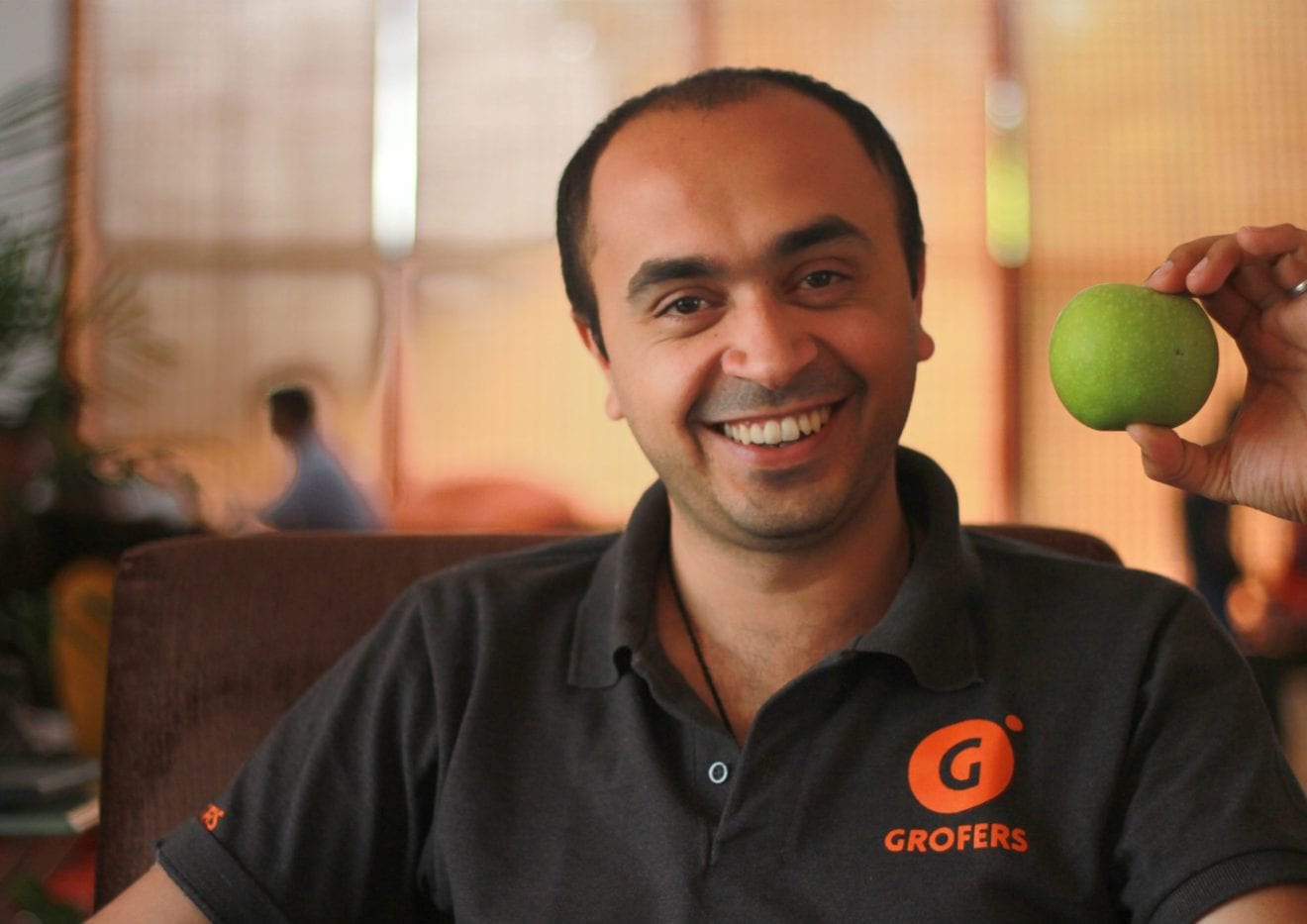
    Grofers co-founder Albinder Dhindsa said, “Our main reason for a Singapore holding company is owing to listing potential in the future. Our assets are still on the books of the Indian entity, so tax equation remains same for us.”

    India’s high corporate tax rates and compliance issues are the key reasons for companies to join the exodus, industry experts pointed out.

    In fact, investors too are more confident putting money into a startup when the company headquarters operates out of a tech-friendly foreign country .Corporate tax rate is 30% in India, while the same in Singapore is 17%. “India is a hot spot for startups now. But it is yet to catch up in terms of regulations and tax structures. In a tech-friendly market, which is mature enough to house them, getting relatively higher fundings and more valuation becomes easier,” said a domestic investor.

    Key stakeholders pointed out what also makes it even tougher for early stage or emerging companies in the new economy space is the fact that a fairly modestvalued company has to exercise same sort of compliances which an established conglomerate is expected to meet in India. “It is a strenuous task for even a middlesized company to match the corporate compliance standards of, say , a behemoth like ITC,” a corporate lawyer said.

    For Grofers’ next round of funding too, the Singapore entity might come in handy as its competitors like BigBasket and PepperTap have recently raised funds for expansion and acquired consumers in a sector which is the hottest in the ecommerce arena in India.What remains to be seen is whether the government can arrest the rising exodus and `Make In India’ becomes a reality.

  • Sri Lanka to revive Sathosa with help from Singapore

    Sri Lanka to revive Sathosa with help from Singapore

    Sri Lanka’s state owned retail chain Lanka Sathosa, plans to get support to revive from Singapore as the retail chain is making continues losses, ministry of industry and commerce said in a release.

    Lanka Sathosa owned more than 310 outlets around the Island.

    “We are restructuring LAKSATHOSA and are still experiencing monthly losses,” Rishad Bathiudeen, minister of industry and commerce was quoted saying in the release.

    In 2014, Singapore became the fourth in importing products and services to Sri Lanka representing 6.6 percent of Sri Lanka’s total import.

    Sri Lanka import petroleum oils, milk & creams, fertilizers, iron, steel and plastics from Singapore at around 1.2 billion dollars.

    “I recommend you to follow Singapore’s NTUC Fairprice Co-operative model for LAKSATHOSA. NTUC Fairprice is Singapore’s largest retailer with multiple retail formats,” Chandra Das, High Commissioner of Singapore and the former Member of Parliament of Singapore from Chong Boon was quoted saying in the release.

    “I see that SATHOSA too is basically a cooperative model. I was NTUC Chairman for 33 years therefore I can see that it’s a good model you can adopt. We have made NTUC Fairprice shops world-class. NTUC Fairprice competes on a “patronage rebate and a 10 percent lower price than comparable popular brands” model of retail, which brought it a revenue of 2.2 billion dollars in 2014,”

    “NTUC Fairprice belongs to workers and trade unions and NTUC profits are given back to Singaporeans who buy its shares,”

    “I notice that there is no central warehouse for LAKSATHOSA! You need to establish central logistics,”

    Das had asked to send a study team from sathosa to Singapore for a NTUC Fairprice training.

    “We’ll do this for Sri Lanka. Singapore is pleased to support LAKSATHOSA.” He added.

    Since it was founded by the labour movement in 1973, NTUC Fairprice today sells more than 2000 house-brand products across 120 outlets in Singapore serving more than 400,000 shoppers daily.

    However in June the industry and commerce ministry said the Lanka Sathosa, will be given a 7.5 billion rupee bail out from the treasury and audit firm  KPMG has been appointed to look into ways of re-structuring it.

    “The Finance Minister Ravi Karunanayake had agreed to give 7.5 billion rupees from the treasury to keep the firm out of trouble,” Rishard Bathiudeen, Minister of Trade and Commerce said in June.

    “Lanka Sathosa owes 10 billion rupees to two state banks and three billion rupees to suppliers and we are facing problems to keep it profitable,”

    “KPMG is expected to find ways to sustain Lanka Sathosa in a profitable manner.”

  • On Pedder’s largest store yet

    On Pedder’s largest store yet

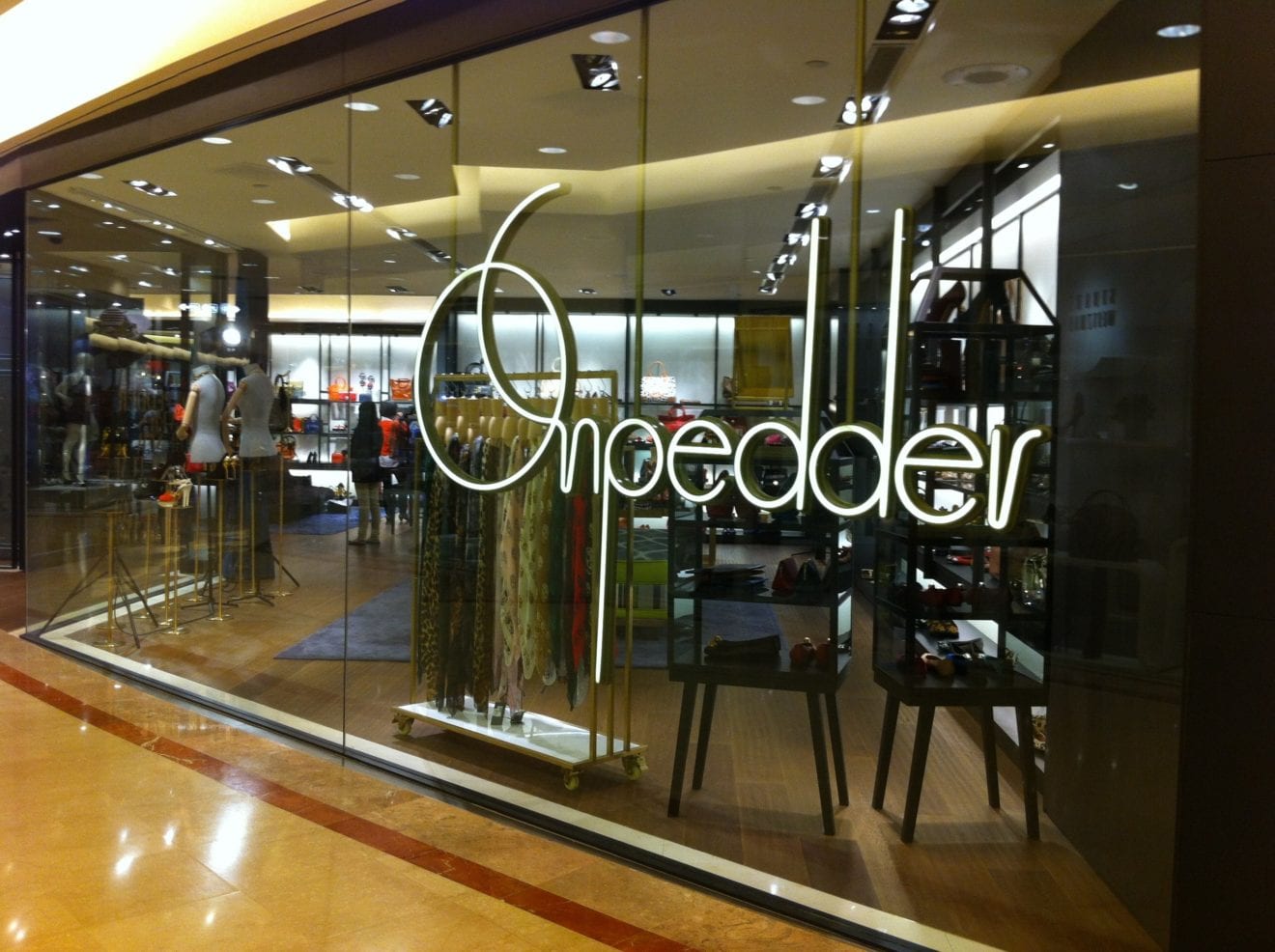
    Pedder Group has opened a 20,000 sqft flagship on Scotts Rd – its largest store in Asia.

    The new store dwarves the Hong Kong-headquartered brand’s stores in China and Hong Kong, which are 3000 to 3500 sqft. And it’s four times the size of the On Pedder store it replaces, which closed in June for refurbishment after four years. On Pedder also has a 2000 sqft store at nearby Ngee Ann City.

    On Pedder Scotts Rd Singapore

    The Lane Crawford Joyce Group subsidiary has curated a mixture of brands into a high end fashion department store. About 40 brands are exclusive to Pedders, the rest selected from the growing stable of brands Lane Crawford Joyce Group works with in Greater China. The exclusive ranks include American label Sam Edelman, British shoemakers George Cleverley and Foster & Sons, and milliners Lock & Co Hatters from England.

    A key highlight of the new shop is the first dedicated menswear store for the brand outside Hong Kong, featuring 35 designer labels, six exclusive, including Giuseppe Zanotti, Lorenzo Villoresi and Japanese cult brand Tomorrowland.

    A kidswear section features 20 designer labels along with streetwear brands including Vans, Onitsuka Tiger, Stuart Weitzman and Charlotte Olympia.

    And a sportswear department features limited-edition collections from Adidas, Nike, Vans and Converse.

    On Pedder plans a regularly roster of pop up stores from a variety of brands to showcase one-off designer collaborations, new brands or special promotions.

    On Pedder Singapore Scotts rd


    And anchoring the whole store from the end of this month will be the first Singapore outlet of successful Hong Kong cafe chain The Coffee Academics, serving breakfast, lunch and dinner. The Coffee Academy has built a strong reputation in Hong Kong for quality espresso-style coffees and holds courses on coffee roasting and blending.

    Pedder Group president Peter Harris told the Straits Times in an interview its customers are now shopping vertically across price points and products that suit their lifestyle needs.

    “When you talk about luxury now, it applies to a broad section of fashion. The designer footwear that they’re looking for could be the perfect sandals to take on holiday or a pair of sports shoes.

    “We want to offer a broader range of footwear and accessories, which cannot be done well with the retail space and format we had at Scotts Square previously.”

    Pedder on Scotts officially opens on October 16.

  • GIC, Macerich to invest in five retail properties

    GIC, Macerich to invest in five retail properties

    GIC has entered into a joint venture with United States-listed real estate firm Macerich to invest in a 40 per cent interest in five retail properties in the world’s largest economy, the Singapore sovereign fund said yesterday.

    When contacted by Today, GIC declined to disclose how much it would pay for the stakes. Macerich had said in a separate announcement that it agreed to sell minority stakes in eight US malls for a total of US$2.3 billion (S$3.3 billion) to GIC and US property investor Heitman, a deal that will allow the landlord to pay a special dividend, buy back shares and cut debt.

    GIC will own stakes in: Washington Square in Portland, Oregon; Los Cerritos Centre in Cerritos, California; Arrowhead Towne Centre in Glendale, Arizona; Lakewood Centre in Lakewood, California; and South Plains Mall in Lubbock, Texas.

    The transactions are expected to close in phases starting this month and concluding in the first quarter of next year, GIC said. Mr Lee Kok Sun, regional head for Americas, GIC Real Estate, said: “We expect these high-quality assets to continue generating steady income streams and are confident of their growth … As a long-term value investor, we look forward to partnering with Macerich … as they share our core investment belief of being long-term.”

  • Foodpanda’s sister Foodora Singapore bound

    Foodpanda’s sister Foodora Singapore bound

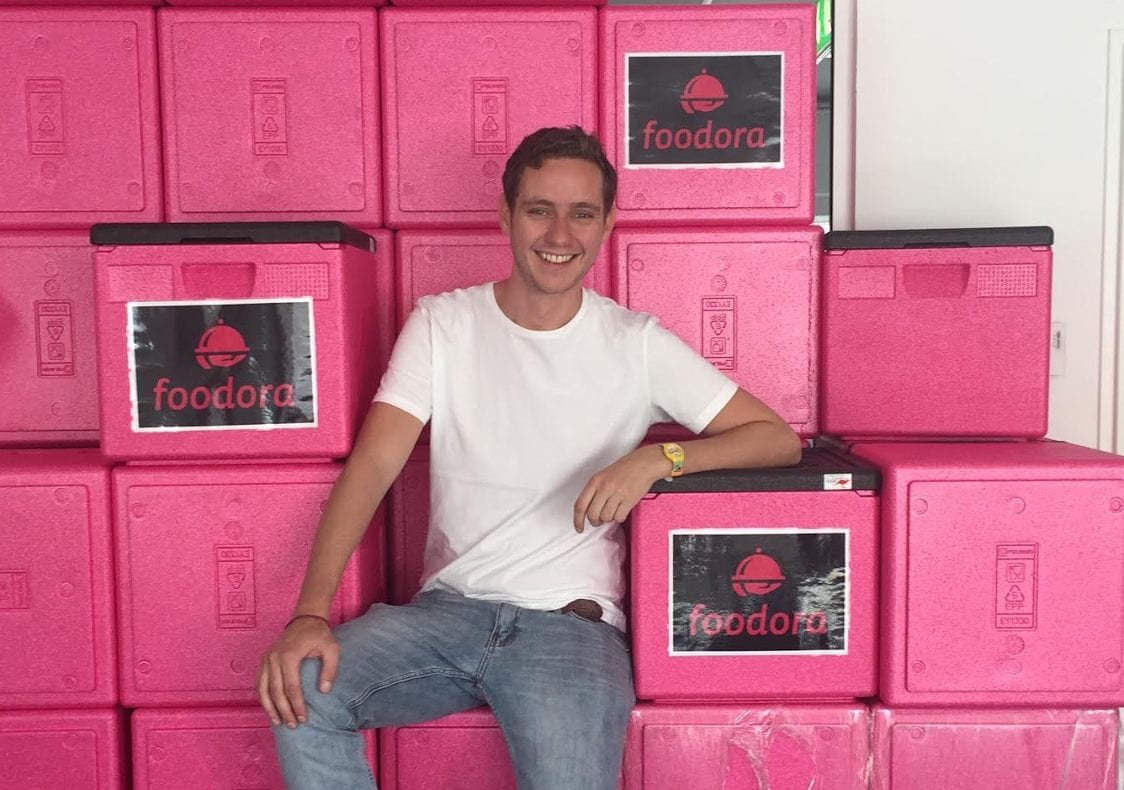
    Foodora – an upmarket little sister of mass market food delivery monopoly Foodpanda – is destined for Singapore.

    Foodora Singapore is best described as an “upscale Foodpanda”, a high-end food delivery service targeting cashed-up Millennials who want a higher standard of meal than quick service restaurant fare and faster delivery – and who parent Rocket Internet expects are happy to pay a premium for it.

    Rocket launched Foodora in Hong Kong earlier this year and a trial continues in two suburbs with more postcodes to be added later this year.

    A quick look at the Hong Kong website shows a clear family resemblance to the Foodpanda site, just a different coloured search button and a silver service platter logo in place of the smiling panda.

    But behind the scenes it is all different, we are assured.

    Chris Parrott, marketing MD with Foodora, said in an interview with e27 about the Hong Kong site that the two brands are targeting different clientele, albeit meeting the same need: food delivered to the door as quickly as possible.

    “Foodpanda is a sister company, so there is scope for knowledge-sharing. We have different target clientele, as our minimum basket size is US$25.8 (HK$200) and Foodpanda’s is variable,” Parrott explained.

    A key difference is the delivery time: Foodora promises within 30 minutes, which seems an overly ambitious promise; Foodpanda can take an hour or more, depending on the customer’s location.

    Foodora is now active in 14 countries and early this month took over Delivery Hero which is in 34 countries. Singapore will be next, with a website page already visible announcing “Coming soon”.

    The Hong Kong business is initially being promoted through blogs, food critics and Instagram.

  • KidZania India enters Delhi

    KidZania India enters Delhi

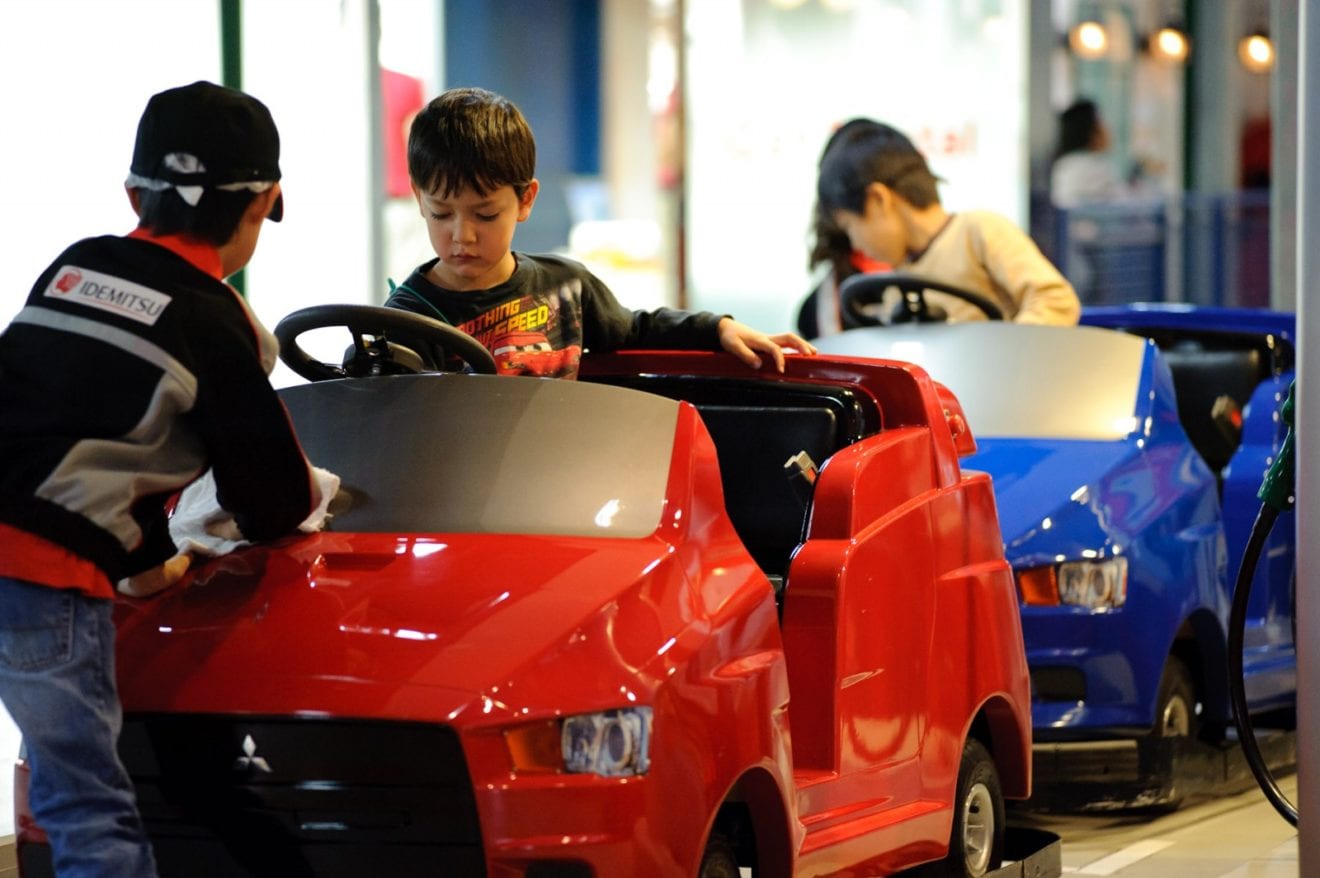
    KidZania, the global chain of role-play centres for children, will invest over US$15 million in a facility in Delhi-NCR, CEO Sanjeev Kumar, has said.

    “The project funding will be done through 70 per cent equity and 30 per cent debt, Kumar said.

    The new KidZania will be located on a 147-acre facility in Noida and will open in 2016.

    The Kidzania India franchise rights are owned by Imagination Edutainment. Singapore-based KidZ Inc, whose shareholders are Comcraft Group, Xander Group and Maxfield Management, owns 74 per cent of the franchise and actor Shah Rukh Khan the remaining 26 per cent.

    “We are very bullish about the Delhi NCR market. While we will be targeting kids between four and 14 years and their parents residing in Delhi, Noida and Gurgaon and we feel there is a great potential in the surrounding cities of Sonipat, Panipat, Mathura, Agra and Meerut.

    “Our feasibility report has also shown interest of inbound tourists and school groups from Punjab and Haryana. We are confident of hosting 600,000+ visitors in the first year,” said Kumar.

    The indoor theme-park, built-to-scale across three levels, will be spread over nearly 100,000 sqft and have a capacity for 1800 visitors a day – 65 per cent children and 35 per cent adults.

    The KidZania Delhi operation will follow on from the successful Mumbai destination which has now hosted 700,000 children in the last two years.

    But this one will feature new zones, including an underground archaeology facility, a stadium and a hanging aircraft at the entrance.

    There are now 20 KidZanias, operating in cities including London, Dubai, Jeddah, Lisbon, Tokyo and Santa Fe.

    KidZania Delhi facility has signed on brands including Parle-G for a biscuit factory, Bajaj Electricals for a culinary school and an energy conservation hub, Kellogg’s for a cereal factory, Big Bazaar for a supermarket, and E-Zone for an electronics store.

  • Where Muslim tourists shop

    Where Muslim tourists shop

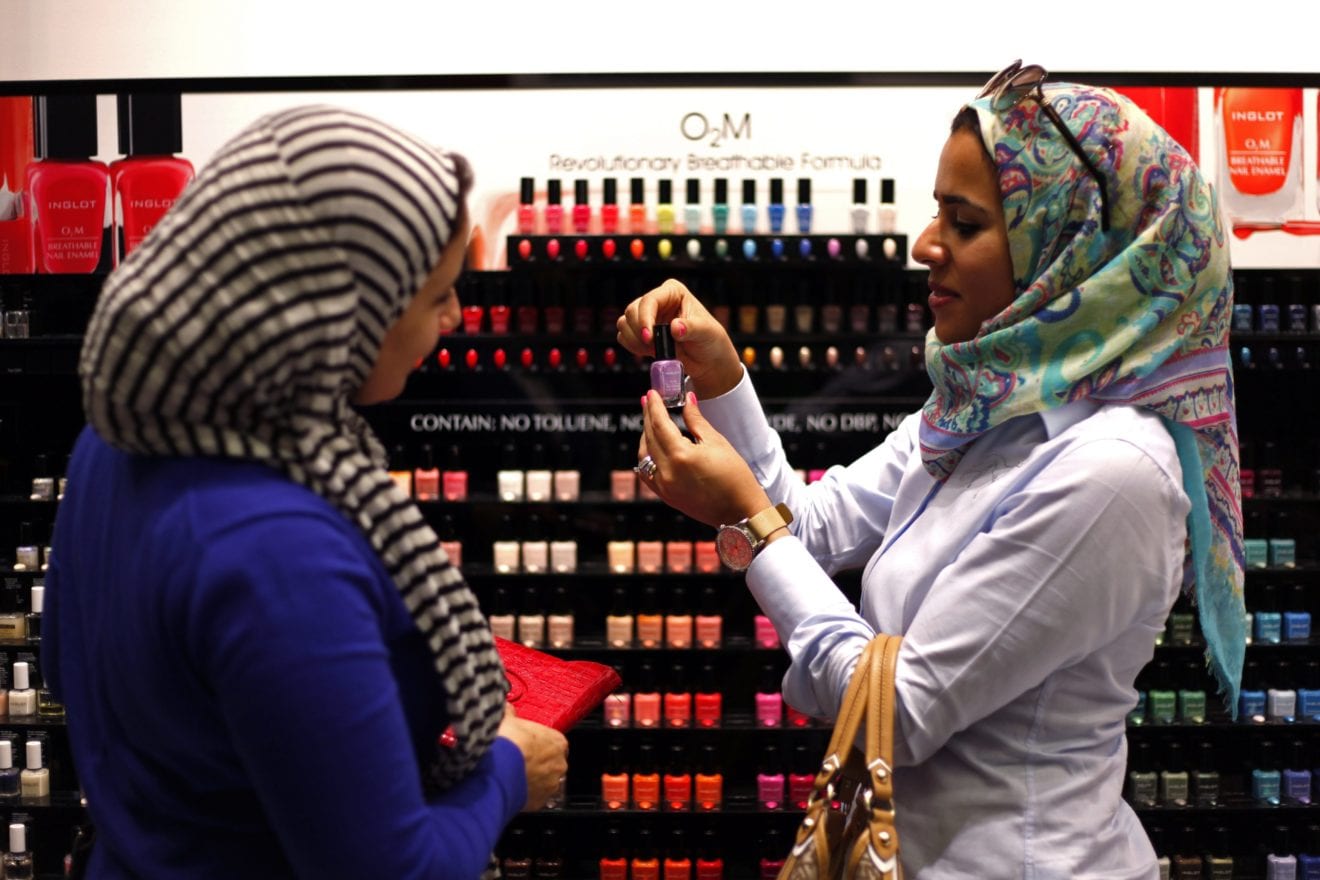
    Muslim tourists spent $62 billion shopping and dining last year – and Asia got a huge share.

    Malaysia and Singapore were the second and third most popular shopping destinations for Muslim tourists last year, lagging behind only Dubai, according to the MasterCard-CrescentRating Muslim Shopping Travel Index 2015 just released.

    Fourteen cities from Asia Pacific made it onto the overall list of 40 destinations.

    The research shows shopping expenditure by Muslims in 2014 amounted to $36 billion, while dining expenditure amounted to $26 billion

    The MTSI 2015 looks at in-depth data covering Muslim travel shopping from 40 international cities creating an overall index, based on a number of criteria. It is the first time detailed insights have been provided on the consumer spending behaviour of Muslim travellers.

    The MTSI 2015 is the latest research collaboration between MasterCard and CrescentRating on this sector following the launch of the Global Muslim Travel Index (GMTI) 2015 earlier this year.

    “The MasterCard-CrescentRating Muslim Travel Shopping Index is a fascinating insight into the shopping habits of Muslim consumers and will prove to be an invaluable tool to the entire sector,” said Fazal Bahardeen, CEO of CrescentRating & HalalTrip.

    “The research looks at two of the most important expenditure components of Muslim travellers which are shopping and dining. The index reveals how important Asia Pacific is to the sector and the vital contribution they are making.”

    The 40 international cities covered in the MTSI 2015 were scored against a comprehensive set of metrics which included suitability as a shopping destination, Muslim friendly services and facilities and ease of travel. Each criterion was then weighted to make up the overall index score.

    Dubai topped the ranking for overall Muslim Travel Shopping with a score of 79.5 followed by Kuala Lumpur with a score of 73.3.  Singapore scored 71.6 on the Index making it the number one ranked city from the non-OIC countries and third in the overall list.

    Bali also made into the top 10 scoring 58.2 closely followed by Penang with 56.9. In total, Asia Pacific contributed 14 cities to the overall top 40 list.

    A significant highlight of the MTSI 2015 was the high number of non-OIC countries featuring in the top 40 list.

    Singapore, secured a rank among the top five overall destinations for Muslim traveller shopping.  This further revealed the potential for non-OIC destinations, with 25 on the list, to attract Muslim travellers by proactively catering to this segment.

    Earlier this year, the GMTI 2015 showed that in 2014, the Muslim travel segment was worth $145 billion with 108 million Muslim travellers representing 10 per cent of the entire travel economy.

    This is forecasted to grow to 150 million visitors by 2020 and 11 per cent of the market segment with a market value projected to grow to $200 billion.

    MTSI 2015 will be updated on an annual basis and will feature more cities in future releases.

    “The MTSI 2015 provides a deeper look at two key components of the traveler consumer experience – shopping and dining. We see this as an important resource not only for us to better understand this significant and fast-growing traveller segment, but also a source of data that will inform and support the efforts of our partners in the travel industry,” said Matthew Driver, group executive, global products and solutions, Asia Pacific, MasterCard.

    Shopping chart

  • Croesus Singapore buys Fukuoka mall

    Croesus Singapore buys Fukuoka mall

    Singapore’s Croesus Retail Trust  has bought Torius Property in Fukuoka Prefecture, Japan, for JPY 7,997 million (S$95.2 million).

    Torius, comprising 36 separate retail buildings, will be Croesus Singapore’s eighth Japanese property and marks its first foray into Kyushu Island. It is the fourth property to be bought by the trust since its IPO in May 2013.

    One of the largest properties in Fukuoka Prefecture with a diverse and unique tenant mix, Torius has a yield of 7.8 per cent.

    The deal will be funded by a rights issue.

    Torius is a large-scale suburban retail mall located in the satellite town of Hisayama-machi of Kasuya-gun, which is approximately 13 km from central Fukuoka City in Fukuoka Prefecture, on Japan’s Kyushu Island. The property occupies a land area of 257,173 sqm and has a net lettable area of 77,032 sqm. Torius Property is situated on leasehold land, with the leasehold interest in respect of the main parcel of land on which Torius Property is sited (comprising a land area of 205,543 sqm) expiring in February 2060.

  • Asia’s food retailers forecast fast-expanding business, DHL finds

    Asia’s food retailers forecast fast-expanding business, DHL finds

    Food retailers in some of Asia’s fastest-growing economies are expecting solid growth this year as expanding populations and rising income levels drive up demand, according to research commissioned by DHL Supply Chain.

    The logistics operator surveyed more than 300 industry decision-makers in India, Indonesia, Thailand and Vietnam for its report, Hungry for Growth: Logistics Trends in Asia’s High-Growth Food Retail Markets.

    It found that a quarter of those companies polled expected to grow by 10 percent or more this year,  with 6 out of 10 predicting growth of at least 6 percent.

    However, the report also found that up to 38 percent of those surveyed were unaware of their total logistics costs, while 37 percent lacked any KPIs or formal measurements for their supply chain performance, potentially impacting their ability to keep shelves stocked and orders filled as demand and competitive factors grow increasingly complex.

    “Rapid increases in purchasing power, coupled with surges in demand driven by population growth, will yield obvious expansionary benefits to food retailers,” said Dean Eichorn, vice president retail for DHL Supply Chain Asia Pacific.

    “However, any food retailer’s success is ultimately dependent on the agility of their supply chains when faced with demand volatility, seasonal fluctuations, and other complex market factors. Asia’s food retail industry looks set to undergo significant growth in the next year, and only with greater understanding and control of their logistics operations will companies be able to take advantage of new opportunities.”

    The research found that food retailers are increasingly at risk from unpredictability on both demand and supply sides of their operations. In the four countries surveyed, late supplier deliveries were most commonly cited as food retailers’ top concern, while 36 percent admitted that demand volatility had a major impact on their businesses.

    Issues around supply chain performance and costs varied around the region: fuel, labor, and imbalances between supply and demand ranked amongst retailers’ top cost issues.

    “Many of these concerns are amplified because a large number of food retailers don’t have visibility of their logistics operations, let alone the resources or subject expertise to improve and optimize them,” said Eichorn.

    “Food retailers need reliable, agile supply lines if they’re to focus on their core competencies and compete. This agility only comes from being able to manage the supply chain as an end-to-end process across transport, warehousing, and value-added services in a way that’s rapidly scalable without creating extra complexity.”

    The research also found that more than 60 percent of food retailers have not outsourced any aspects of their supply chains, suggesting that retailers who actively adopt third-party logistics solutions stand to gain significant first-mover advantages over their competition. Of those surveyed, 44 percent believe inventory optimization technologies would be beneficial to their overall performance, while 38 percent see advanced transport management services, like track and trace, as helping them improve reliability in meeting demand.

    “Asia’s food retailers recognize the need to innovate and change, but the technologies and process transformations required to do so aren’t their domain of expertise, and nor should they be,” said Eichorn.

    “The key to growth and expansion in Asia’s food retail industry, and those of other developing regions where we’re seeing similar trends, will be how effectively operators can take advantage of third-party expertise and managed solutions in everything from technology to end-to-end supply chain management.”

    The DHL report said food retailers in Asia’s emerging markets are headed for a period of significant disruption, driven largely by rapidly growing competition and consolidation both within and between national markets.

    For the vast majority of those retailers, the strength and agility of their supply chains will make or break how they align customer service to the rising expectations of increasing middle-class consumers, respond to demand and cost fluctuations, and develop new ways to differentiate themselves against increasingly hungry competition, the report stated.

  • Apple launches new iPhone 6s and 6s Plus, available in Singapore on Sept 25

    Apple launches new iPhone 6s and 6s Plus, available in Singapore on Sept 25

    Apple unveiled two new iPhones – iPhone 6s and iPhone 6s Plus – during a special event held at the Bill Graham Civic Auditorium.

    As with any iPhone with a “S” moniker, the new iPhones are incremental upgrades to its predecessors.

    The biggest feature being highlighted during the event is the 3D Touch, which is similar to Force Touch found on Apple Watch’s display.

    Users can press lightly on an app icon to bring up options that previously unavailable. For example, users can check in in Facebook without starting the app using 3D Touch.

    Both iPhones feature the new A9 processor and an improved 12-megapixel rear camera (up from 8-megapixel previously) that is able to shoot 4K (3,840 x 2,160 pixels) videos and Live Photos.

    Live Photos will display moving images of moments before and after the picture was taken.

    The front-facing camera gets an upgrade too with a better 5-megapixel camera that comes with Retina Flash (flash from display) for selfie lovers.

    In addition, it is now able to shoot panoramic pictures as well as slow-motion videos.

    Appearance wise, the new iPhones look exactly like its predecessors. The iPhone 6s still sports a 4.7-inch with a screen resolution of 1,334 × 750 pixels while the iPhone 6 Plus’ 5.5-inch display has a screen resolution of 1,920 x 1,080 pixels.

    However, both iPhones are slightly 0.2mm thicker than its predecessors with with the iPhone 6s measuring at 7.1mm and iPhone 6s Plus at 7.3mm. But they are now built with less-bendable 7000 Series aluminium shell to prevent the “Endgate” fiasco last year from happening again.

    Both iPhones now come in a new rose-gold colour to add to the existing gold, silver and space grey options. There is still no 32GB version for its new phones and the new iPhones will come in 16GB, 64GB and 128GB versions.

    The iPhone 6s will retail in Singapore starting from $1,048 (16GB) and the iPhone 6s Plus will start at $1,218 (16GB).

    Pre-ordering starts Sept 12.

    The new iPhones will hit Singapore’s shores on Sept 25.

  • Coinbase Penetrates Singapore With New Retail Bitcoin Service

    Coinbase Penetrates Singapore With New Retail Bitcoin Service

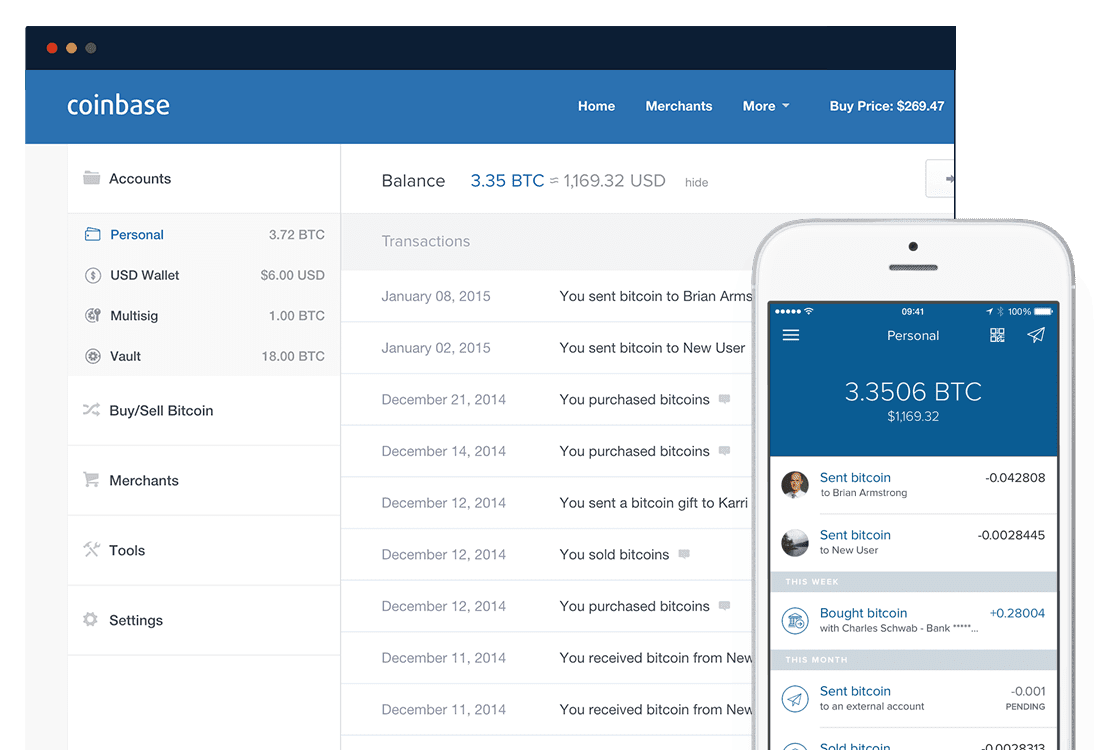
    Coinbase, one of the biggest bitcoin exchanges and wallet services in the United States, has unveiled retail buy-and-sell operations in Singapore and Canada. 

    The operations is part of the San-Francisco-based company’s expansion into Asia to make digital currency more accessible around the globe, Brian Armstrong, Coinbase CEO and co-founder, disclosed.

    The cryptocurrency exchange and wallet service firm in Singapore, set to open on Thursday, will allow clients to buy and sell virtual cash with the Singapore currency.

    At around 8 a.m. today Singapore local time, customers in the country can buy and sell digital cash using Singapore Dollars via Coinbase.

    Coinbase has also unveiled a buy and sell service as well as a bitcoin exchange for professional online traders in Canada earlier this week.

    According to Coinbase International Expansion head David Farmer, The Lion City is a major market for the company. “At present, over 15,000 people in Singapore have signed up for a Coinbase Wallet.”

    With more and more customers realizing the importance of bitcoin, Coinbase is making sure they give what the people need. Famer added: “By extending our buy and sell service in Singapore, we are helping to make their on-ramp to the Bitcoin world as simple and as safe as possible as we move ahead.”

    Unlike conventional currencies, digital money is purchased and sold via peer-to-peer network immune to government control. Being independent in nature, Bitcoin is not supported by a central bank, and its value fluctuates based on user demand.

    Singapore has a reputation for financial trust and confidentiality, and is well-established to serve a big chunk of the rapidly-evolving emerging markets like Thailand, Vietnam, Indonesia, and Philippines.

    Today, Coinbase has business centers in nearly 30 geographical locations around the globe. The company aims to have a presence in 40 countries by the end of the year, Armstrong said.

    Coinbase is being funded by 21 investors, totalling $107 million. Based on analysts estimates, the company is worth more than $400 million.

    Bitcoin was trading at $229.35, rising 0.6 pct on the day as of Wednesday.

  • Cebu Pacific, Tigerair JV secures Singaporean antitrust nod

    Cebu Pacific, Tigerair JV secures Singaporean antitrust nod

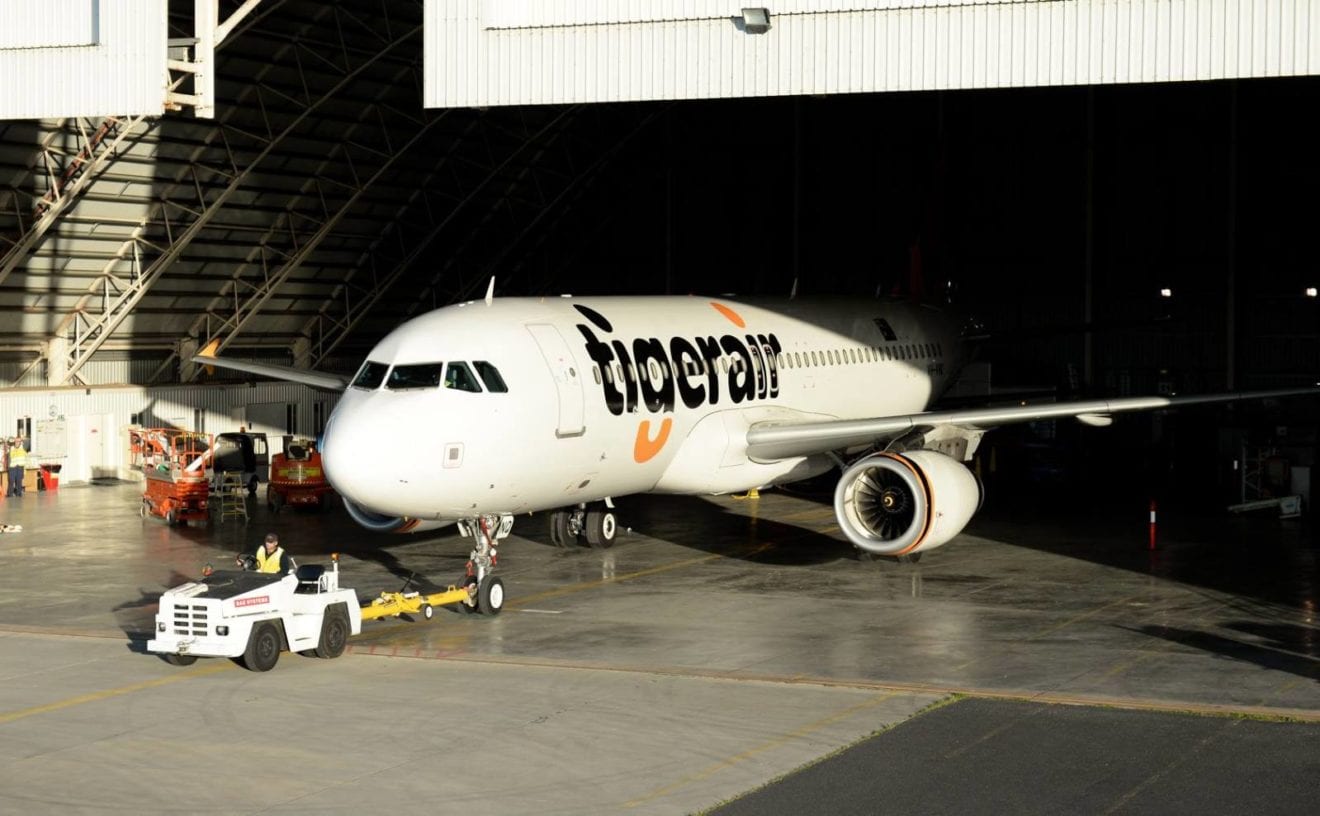
    Cebu Pacific Air (5J, Manila) and Tigerair (TR, Singapore Changi) have secured Singaporean anti-trust regulatory approval for their enhanced joint venture on flights between the Philippines and Singapore.

    Under their original agreement filed in September of last year, the two carriers proposed jointly operating common routes between the two countries (Singapore to Manila, Clark, and Cebu in particular) and other markets that may emerge, on a metal-neutral basis. In addition, they intended to jointly sell and market common and non-common routes while cooperating in the area of sales and marketing, distribution, airport operations and ground handling, scheduling, procurement, and pricing among other areas.

    The Competition Commission of Singapore (CCS) said in its ruling that an initial assessment of the joint venture had shown it would impinge on competition on the Singapore-Clark and Singapore-Cebu routes where the two are the only operators and the dominant operators respectively. The Singapore-Manila route would not be affected given the presence of what the CCS termed ‘strong carriers’Philippine Airlines (PR, Manila) and Jetstar Asia Airways (3K, Singapore Changi).

    Given the CCS’s concerns, the carriers agreed to make various concessions which include reducing the level of cooperation on the Singapore–Clark and the Singapore–Cebu routes to an interline agreement only. In addition, they pledged not to coordinate on any commercial activities, such as pricing, surcharges and capacity, and will not undertake any form of revenue sharing on the Singapore–Clark and the Singapore–Cebu routes.

    “The Parties’ coordination will instead be restricted to coordinating minimum and maximum connecting times in their booking systems for the purpose of creating joint interline itineraries. Scheduling of flights on these two routes will also be carried out independently by each Party,” the CCS said.

    With these guarantees in place, the CSS said the risk of coordinated fare increases and the possible impediment to the entry by other airlines on these routes to be “sufficiently mitigated.”

    Both carriers welcomed the CCS’s decision

  • DHL Express opens new quality control centre in Singapore

    DHL Express opens new quality control centre in Singapore

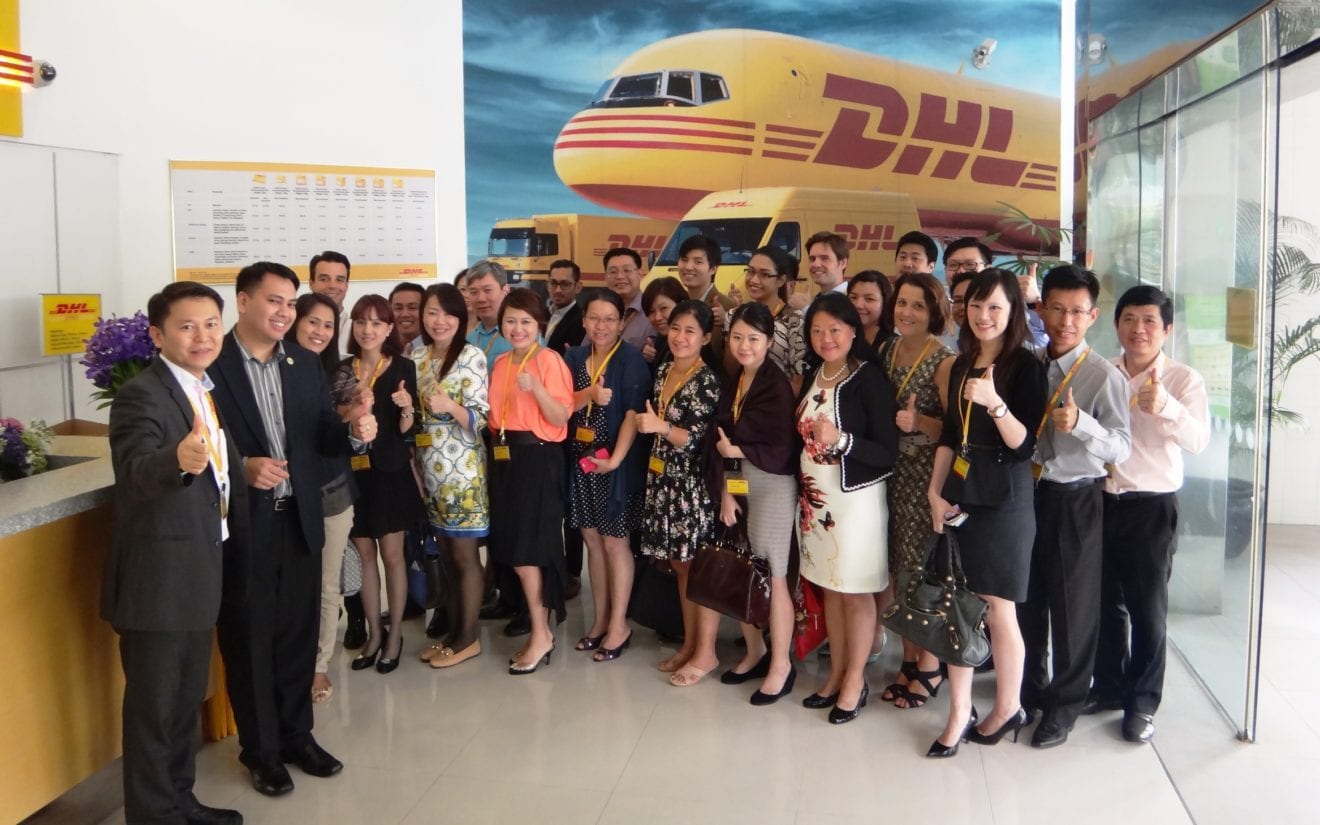
    DHL Express has announced the opening of a facility in Singapore that will host a new global quality control centre and serve as a centre of excellence for global service quality and business IT activities.

    “Quality is one of the main sources of differentiation in our highly competitive industry, and our Quality Control Centers are a major investment by DHL in ensuring that we continue to lead the international time definite delivery market over the long-term,” said Ken Allen, CEO, DHL Express.

    “Singapore has played an important role in DHL’s global network since 1972, as one of our first international markets and a major Asian economy with a strong trade orientation. This was a key factor in the decision to base one of our four global Quality Control Centers and the centers of excellence for global service quality and business IT in Singapore.”

    DHL has been operating global quality control centres since 2007. They provide real-time tracking capabilities for individual shipments, flights and truck movements. The teams operating in the centres monitor the status of DHL’s delivery network to identify exceptional incidents and delays and take proactive action both to address them and to inform customers.  In addition, the centres allow the company’s global network operations team to identify systematic issues affecting the delivery process and take steps to resolve them, and they can also operate as a crisis centres.

    DHL’s three other global quality control centres are located in: Cincinnati, in the US; the East Midlands, in the UK; and Leipzig, in Germany.

  • Singapore’s taxi drivers unhappy with Uber, transport minister responds

    Singapore’s taxi drivers unhappy with Uber, transport minister responds

    It seems that taxi drivers in Singapore are fearful of Uber, which threatens their livelihood by using private drivers to pick up passengers.

    While they didn’t riot in the streets or overturn cars (Singapore clamps down hard on unruly behavior), they’ve privately complained to Khaw Boon Wan, the newly minted minister of transport, as he campaigned during the just-concluded general elections.

    All this was revealed in a blog post written by the minister. Khaw says his ministry is taking another look at rules governing such transportation apps.

    “Apparently, UberX signs on drivers to drive private hire cars to provide a booking type of transport service, and these drivers do not need a vocational licence unlike taxi drivers,” he says. “While taxi drivers welcome competition, they demand that the playing field be level. I think our taxi drivers have a point.”

    UberX is just one of Uber’s many services.

    It seems Khaw is taking a cautious and consultative approach, and that’s a good sign. He acknowledges that young people enjoy using services like Uber and Airbnb, and that the government must not resist innovation. He urges that “we must always be fair to players, whether incumbent or insurgents, and strike a balanced approach.”

  • Girard-Perregaux Singapore flagship

    Girard-Perregaux Singapore flagship

    The new Girard-Perregaux Singapore boutique is the Swiss watchmaker’s first Southeast Asian flagship.

    The Girard-Perregaux Singapore boutique is a partnership with The Hour Glass, Singapore’s exclusive distributor of Girard-Perregaux in Southeast Asia.

    The boutique has opened at The Shoppes at Marina Bay Sands.

    “Girard-Perregaux is honoured to celebrate its exclusive partnership with The Hour Glass, with the opening of its first flagship boutique in Singapore. It is indeed a privilege to be the new addition to the prestigious lineup of luxury brands retailing at Marina Bay Sands. This is a significant milestone and a hallmark of the manufacturer’s watchmaking evolution and heritage,” said Antonio Calce, CEO of Girard-Perregaux.

    The Girard-Perregaux boutique houses the most comprehensive collection of Girard-Perregaux timepieces yet in Singapore. Unveiling the core collections in dedicated sections within the boutique, watch aficionados will be enticed by Girard-Perregaux timepieces ranging from Haute Horlogerie, to iconic collections such as GP 1966, the seductive feminine Cat’s Eye collection and the Vintage 1945 which celebrated its 70th anniversary this year, to name a few.

    Upon entering the boutique, customers’ attention will be caught by the Parisian custom-made chandelier cascading from atop, evoking a touch of lightness and artistry to the boutique environment. The interior décor of the Girard-Perregaux boutique features precious wood furnishing, emanating modern and discreet sophistication.

    “Girard-Perregaux is one of the rare manufacturers today who have amassed a rich heritage and watchmaking expertise of over two centuries. This is a rare gift. The partnership between The Hour Glass and Girard-Perregaux shares a common passion for respected watchmaking codes, combined with forward-thinking innovations.We are proud to unveil the authentic world of Girard-Perregaux in one of Singapore’s most dynamic retail landscape at Marina Bay Sands,” said Wong Mei Ling, MD of The Hour Glass.

    Girard-Perregaux by The Hour Glass is located on the Bay Level of The Shoppes at Marina Bay Sands.