Tag: Singapore

  • Honestbee, NTUC FairPrice partner online

    Honestbee, NTUC FairPrice partner online

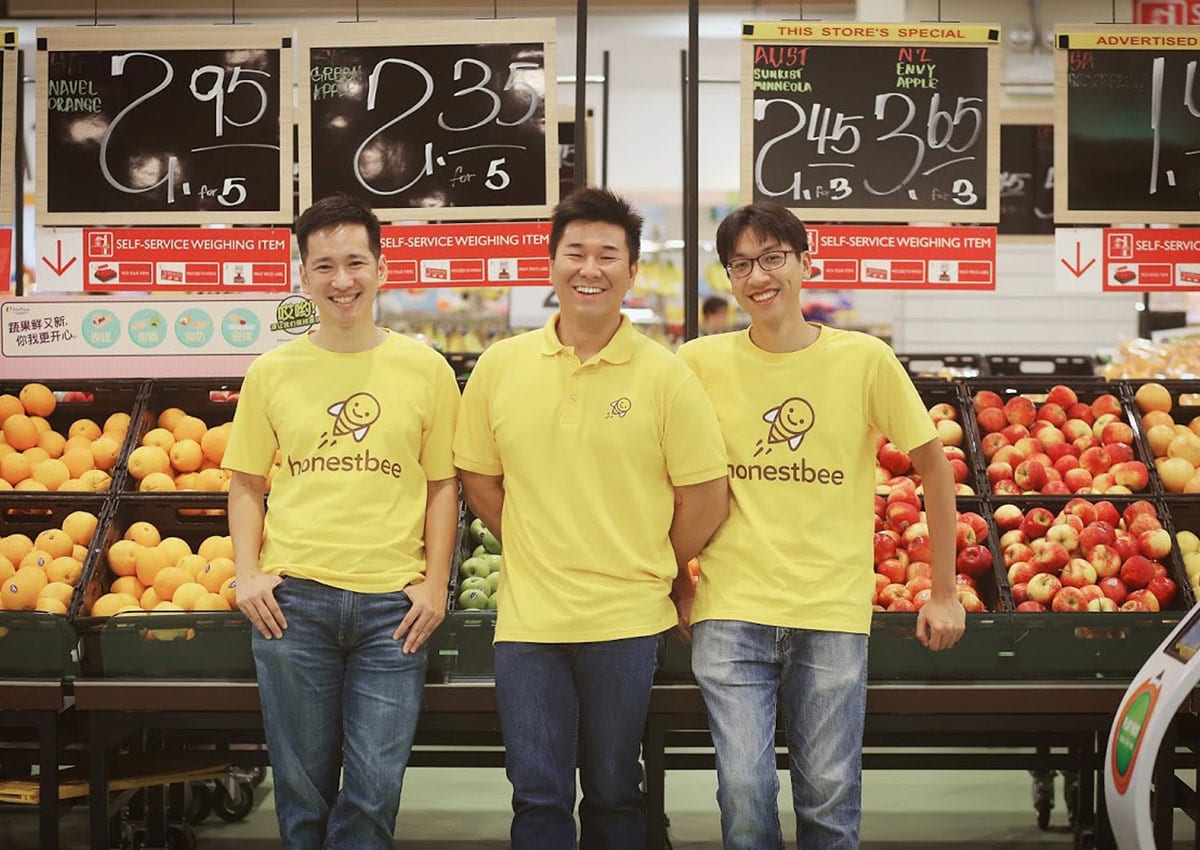
    Singapore-based Honestbee and NTUC FairPrice have partnered to enable customers to have FairPrice products delivered to them within the next hour.

    This enables customers to carry out their grocery shopping from their favorite stores – in the comfort of their homes – via the honestbee online portal and receive their delivery in the next hour.

    Honestbee started just eight months ago and is already planning imminent expansion into Hong Kong and Taiwan and with further Asian markets on the radar.

    It is the first ‘concierge grocery delivery service’ in Singapore.

    “Through this partnership, we look to enhance the overall retail experience for customers and elevate the online supermarket retail industry to even higher heights,” said Honestbee co-founder and CEO Joel Sng.

    “With honestbee, we are now able to provide an on demand level of convenience for NTUC FairPrice and all customers.”

    “Through this partnership, we look to enhance the overall retail experience for customers and elevate the online supermarket retail industry to even higher heights,” said Dominic Ng, deputy GM (FairPrice Online) NTUC FairPrice.

  • MANGO opens its largest store in Asia at Wisma Atria shopping centre in Singapore

    MANGO opens its largest store in Asia at Wisma Atria shopping centre in Singapore

    MANGO has opened its largest store in Singapore. The capital of Singapore is the location for the store which, with over 1,200m2 distributed on a single floor, becomes the company’s largest store in the region.

    The store, located in the busy Wisma Atria shopping centre, stocks the firm’s different brands (MANGO, MANGO Man and MANGO Kids) and represents the fifteenth MANGO store in Singapore since it arrived in the capital in 1995.

    Toni Batlló, MANGO’s Director of International Expansion, declared: This opening represents a challenge for the company and a commitment towards the Asian market. The new store also strengthens our brand image in the country and consolidates the firm’s different brands. This is a market with plenty of potential and the new flagship store confirms MANGO’s commitment to continue growing and to extending our expansion plan.

    MANGO opened its first store on Barcelona’s Passeig de Gràcia in 1984, and now has over 2,700 stores in 108 countries. MANGO closed the 2014 financial year with a Consolidated Group turnover for the MANGO-MNG Holding of 2.017 billion euros, representing a 9% increase on 2013, and an EBITDA of 223 million euros.

  • Shrinking 7-Eleven Singapore turns to meals

    Shrinking 7-Eleven Singapore turns to meals

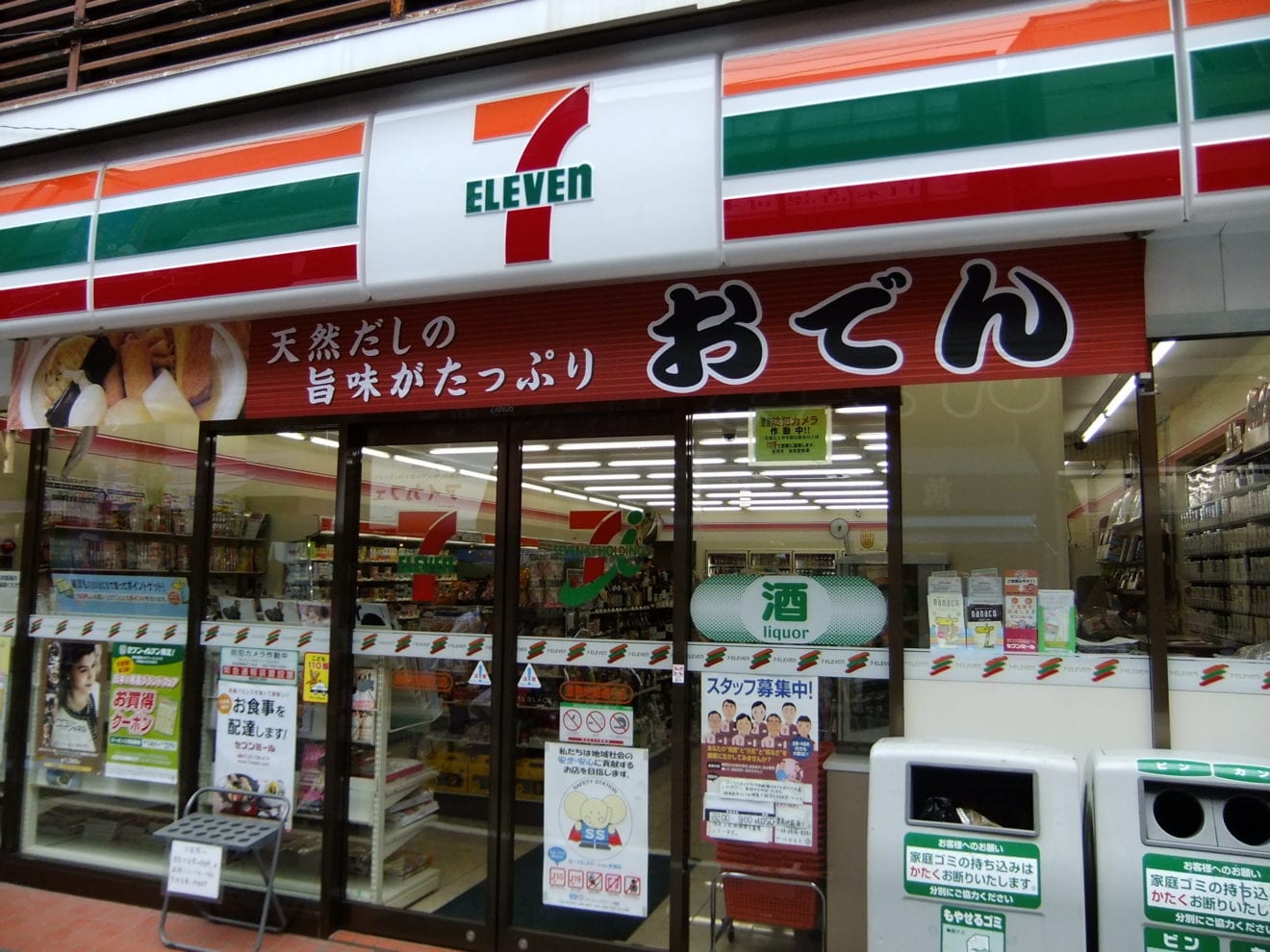
    7-Eleven Singapore is preparing to launch a range of ready to eat meals across its 500-strong store network, in what CEO David Goh says is the core pillar of its ‘change in direction’ business plan.

    The Singapore convenience store network, operated by Hong Kong-based Dairy Farm International, has trialled a chicken and rice meal in two stores as the first step in what will eventually be a full scale roll-out of ready to eat foods.

    About 100 stores will get the new range by the end of this month, the remainder by the end of November.

    The company hopes a fresh meals focus will lead a turnaround in the business, which closed about 60 stores over the last two years. Squeezed by the tight labour market and tough new liquor sales laws, the company is searching for new categories to drive growth and restore profitability for franchisees.

    “In the last few years, we have closed more stores than we (have) opened,” Goh said in an interview with Today.

    “This has now stabilised. Having consolidated and redeployed resources, we may be opening as many, if not more, stores than we closed over the next couple of years.”

    Goh said the chicken rice meal was developed after staff searched for and taste tested the best chicken rice dishes in the city. The goal was to create a meal which looked and tasted better than meals available at coffeeshops and hawker centres.

    In Japan, ready to eat meals are a key category in 7-Eleven stores, which sell sushi, noodles and bento boxes to time-poor Japanese consumers.

  • GSS shoppers spent $2b using MasterCard this year

    GSS shoppers spent $2b using MasterCard this year

    Despite slowing tourism growth and competition from online re- tailers, shoppers shelled out a five-year high of $2.12 billion using their MasterCard cards at the Great Singapore Sale (GSS) this year.

    The amount spent during the eight-week event, held from May 30 to July 26, was a 2.2 per cent increase from last year, the credit card company said on Monday.

    The number of transactions made during the sale between its cardholders and Singapore merchants also rose by 7.3 per cent to hit more than 14.5 million.

    The growth was fuelled mainly by tourists, who spent 15.3 per cent more and used their cards 21.8 per cent more than they did last year.

    This was despite falling tourist numbers. According to Singapore Tourism Board figures, visitor arrivals from January to June this year were 7.26 million, down 3.4 per cent from the same period last year.

    In contrast, Singapore-based cardholders spent slightly less than they did last year – $1.41 billion, down from last year’s $1.46 billion – although transaction numbers grew 2.6 per cent to 10.5 million.

    Nonetheless, these cardholders made up two-thirds of the amount spent in all by MasterCard users.

    Singapore Polytechnic senior retail lecturer Sarah Lim said the sale, now in its 22nd year, may have lost its shine among Singaporeans.

    “Some retailers hold sales throughout the year. So to locals, GSS may not be something special,” she said. “But to tourists, the GSS is quite established and is something they look forward to, so their objective is to spend when they are here.”

    The top five countries where most of the shoppers came from remained the same as those last year. Australia, Malaysia and China retained the top three positions, while Indonesia overtook Japan to take the fourth spot.

    Of the five, those from Indonesia spent the most at department stores, while the rest splurged at restaurants and eating places.

    Local online merchants were not left out, with Singapore-based cardholders spending $303.5 million online during the sales period, a 5.6 per cent increase from last year.

    Rakuten, which held a one-week sales campaign during the GSS, saw revenue rise by over 350 per cent, while site traffic was up by nearly 90 per cent. “Rakuten is definitely keen to participate in next year’s Great Singapore Sale,” said Mr Masaya Ueno, general manager of Rakuten Singapore online shopping.

    The growth in spending shows that the annual GSS remains attractive to tourists, said MasterCard Singapore group head and general manager Deborah Heng, adding: “What’s interesting is that, this year, we are seeing dining places emerge consistently as a top spend category for visitors, an indication that fine dining may be growing in appeal for travellers to Singapore.”

    Said Ms Jannie Chan, president of the Singapore Retailers Association, which organises the GSS: “With its well-established branding, the GSS has remained an essential pillar in driving spending and generating a positive impact on our economy.”

    Filipino accountant Charmaine Garcia, 37, who visits Singapore twice a year, said she looks forward to the GSS for its good deals. “I like to shop for shoes, clothes and bags and, during the sale, there are discounts not just on the old stock, but on the newer range of items, too.”

  • Chinatown Mid-Autumn Festival Celebrates Singapore’s Golden Jubilee

    Chinatown Mid-Autumn Festival Celebrates Singapore’s Golden Jubilee

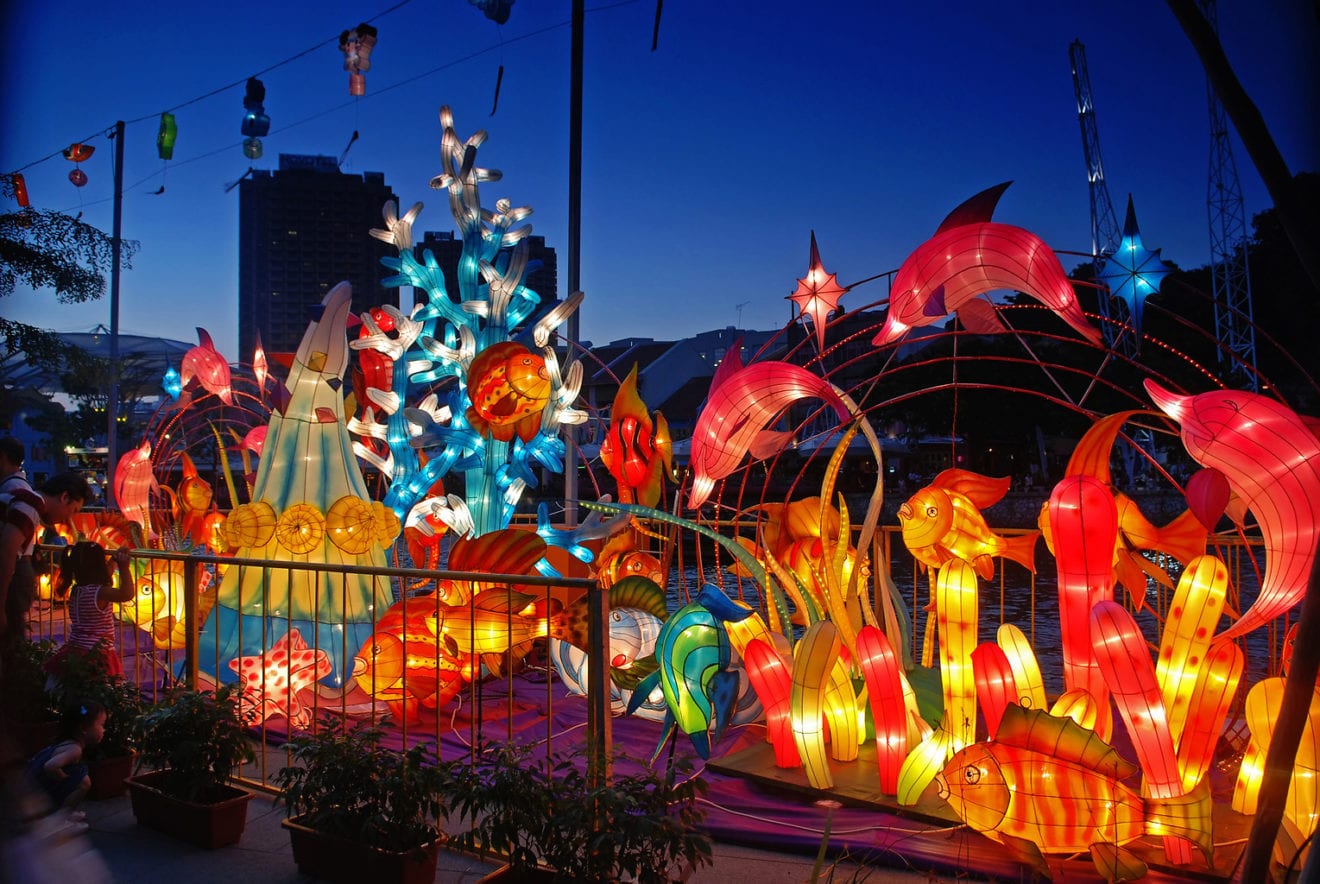
    A yearly extravaganza, Chinatown will once again don on specially designed lanterns, accompanied by a myriad of decorative installations, to present the lights and sounds of the Mid-Autumn Festival that will take place from Sunday, 13 September to Monday, 12 October 2015.

    A total of 2,300 lanterns will line the busy streets of the precinct, stretching from Eu Tong Sen Street and New Bridge Road down to South Bridge Road. Bearing a strong SG50 theme this year, the Festival, which is named A Golden Jubilee Mid-Autumn will celebrate Singapore’s Golden Jubilee with the nation.

    For the first time, Kreta Ayer-Kim Seng Citizens’ Consultative Committee (KA-KS CCC), the organizing committee for the Chinatown Mid-Autumn Festival, will work closely with the students and faculty of the Nanyang Academy of Fine Arts (NAFA) for a creative interpretation of the street lanterns and decorations.

    Dr Lily Neo, Grassroots Adviser said: “2015 is a very significant year for Singapore as the nation celebrates its Golden Jubilee. The Chinatown precinct has a rich heritage, and we hope that by injecting strong elements of local culture and icons of yesteryear, this year’s Mid-Autumn Festival can be more meaningful for Singaporeans and tourists. We are also delighted to be able to create opportunities for the youths in Singapore to be more involved in our traditional festivals and gain a deeper understanding of our cultural heritage.”

    Witness the Festival come to life at the Official Opening and Light Up Ceremony, which will take place on Sunday, 13 September 2015 along New Bridge Road and Eu Tong Sen Street.

    Deputy Prime Minister and Minister for Finance, Mr Tharman Shanmugaratnam will be gracing the event as the Guest-of-Honour, kick starting the celebrations at the Chinatown Mid-Autumn Festival. Local and overseas talents will showcase thematic performances with a uniquely Singaporean storyline that makes a reference to the history and traditions of the Mid-Autumn Festival.

    Mr Kenneth Lim, Director, Cultural Precincts Development, Singapore Tourism Board, said: “The Mid-Autumn Festival, set in the historic precinct of Chinatown, is another key event to allow Singaporeans and visitors to deepen their understanding of the festival’s significance and witness how it is celebrated. The exciting line-up of events this year will not only be a nostalgic trip down memory lane, but also one that will allow visitors to engage and interact with locals through the different activities on offer, and allow them to better appreciate Singapore’s unique multicultural heritage.”

    Youth engagement through first-time partnership with NAFA students for lantern designs

    KA-KS CCC stayed true to its aim to engage the younger generation and provide youths with opportunities to be actively involved in traditional festivals by partnering with NAFA this year.

    Through a collaborative effort, 10 students from NAFA have been handpicked to participate in this year’s Chinatown Mid-Autumn Festival, presenting innovative interpretations of elements that are truly Singaporean and re-proposing them onto the lanterns and street decorations this year. From landmarks like the iconic old Toa Payoh playground to campaign icons like Singa the Courtesy Lion and Water Wally that mark the key milestones in Singapore’s history, this year’s decorations will bring a sense of nostalgia to all Singaporeans.

    Over the last four months, the students had the opportunity to work closely with KA-KS CCC, as well as a team of experienced craftsmen from Zi Gong Zhongyi Lantern Lighting Art in Sichuan to design, build and install the lanterns.

    Ms Marienne Yang, Vice Dean of NAFA’s 3D Design Programme said: “The 10 participating youths are Year Two and Year Three students reading for their Diploma in Design. This includes participants from the Interior & Exhibition, Object & Jewellery as well as Landscape & Architecture Design programmes. They worked as a multi-disciplinary team to propose and refine concepts for KA-KS CCC for this large scale installation, and had hands-on learning experience with the craftsmen on aspects of the production and set-up process.”

    Festival highlights

    To engage the young and old in the celebratory ambience of the Chinatown Mid-Autumn Festival 2015, KA-KS CCC has organized an array of exciting events and activities from Monday, 13 September 2015, to Monday, 12 October 2015.

    A first this year, KA-KS CCC and the Chinatown Business Association will host the Chinatown 1960s Fancy Dress Contest “Mid-Autumn Festival 2015 – Back to the 60s”, a fancy dress contest featuring fashion styles of the 1960s, on Saturday, 26 September 2015. Participants will showcase fashion statements of that era at the first ever pop-up runway along Pagoda Street. Visitors who come dressed in their 1960s attire will also stand a chance to bring home limited edition door gifts.

    Shortlisted works from close to 180 children and students who pit their creative skills against each other at the annual Mid-Autumn Lantern Painting Competition will also adorn the streets of Chinatown. Winning lanterns from the competition, held on Saturday, 6 September 2015, will be displayed at Chinatown Food Street along Smith Street until Monday, 27 September 2015.

    Experience the festival in its full glory and discover the charm of Chinatown via the complimentary Heritage Walking Trail, where our friendly tour guides will bring participants around the precinct, sharing anecdotes and historical facts about the heritage of Singapore’s Chinese enclave. With a wide variety of stalls at this year’s Mid-Autumn Festival Festive Street Bazaar, visitors will have endless options as they shop for traditional snacks and knickknacks such as mooncakes, preserved food, decorative items to potted plants and clothing.

    Be entertained by lively and vibrant Chinese cultural performances, festive songs, and music and dance performances by local entertainers and troupes from China at the Nightly Stage Shows at Kreta Ayer Square during the Chinatown Mid-Autumn Festival period.

    Join 3,000 participants for the annual Mass Lantern Walk on Sunday, 27 September 2015, and immerse in the Mid-Autumn festivities under the dazzling displays around Chinatown. The Mass Lantern Walk procession will take a leisurely stroll down Chinatown, while being entertained by local and overseas performing groups, as well as eye-catching mascots decked out in vibrant LED suits at 10 locations along the route.

    For more information on the variety of activities lined up for this Mid-Autumn, please refer to Annex I and II. Or you may visit us at:

    – Website:www.chinatownfestivals.sg

    – Facebook: https://www.facebook.com/chinatown.festivals

  • Seed Heritage opens at VivoCity

    Seed Heritage opens at VivoCity

    Australian childrenswear chain Seed Heritage has opened a new store in VivoCity.

    It is Seed heritage’s second store in the city state, following its debut in Parkway Parade.

    Last week’s opening was marked with a 20 per cent off storewide sale across its range of baby, child and teenage girls clothing, which ended on Sunday.

    Seed Heritage is one of Australia’s most popular premium childrenswear brands, providing solutions from top-to-toe for babies, boys, and girls, from the ages of newborn to 10 year olds. It recently expanded its range into a teen collection for girls aged eight to 14 years.

    Seed Heritage is best known in Australia for its quality and detail and distinctive design across apparel, shoes, accessories, and toys.

  • Singapore’s Impressive Food Security

    Singapore’s Impressive Food Security

    In many parts of the world, food security is emerging as a serious threat. Increasing population, land and water constraints, changes in dietary habits with increasing affluence, the impact on global food production of floods and droughts in major food producing areas, falling food exports, and a rising number of importing countries – all are contributing to these uncertainties. The problem is likely to be compounded in the future by climate change.

    In the years to come, food security in most countries will become more complex than ever. For Singapore, among the world’s most open economies and one that is highly dependent on international trade, the situation is likely to be even more complex. The city-state’s volume of external trade is about 3.5 times its annual gross domestic product. A decline in the economies of its major trading partners is therefore likely to have an impact on Singapore’s own economy, including its food security.

    Economist Intelligence Unit recently ranked Singapore as the second-most food secure country in the world, behind only the United States. The Unit’s Global Food Security Index is based on three factors, affordability, availability, and quality and safety. Singapore ranks 1st, 11th and 13th on these three criteria, respectively. That puts it ahead of major food-producing countries like Malaysia (34), Brazil (36) and Australia (9). This achievement is largely attributable to the Agri-Food and Veterinary Authority (AVA), and comes despite a heavy dependency on food imports. At present, Singapore imports almost 90 percent of its food, and less than 1 percent of its land area is used for agriculture.

    Through its Food Security Roadmap, AVA has diversified sources of food and optimization of local production. These policies, especially those that seek to diversify the source of food imports, are important as they help to spread the risks associated with Singapore’s high levels of food imports.

    The Sino-Singapore food zone established in Jilin Province, China, in 2010, is just one example of food diversification efforts. The Jilin food zone has been designed as a foot-and-mouth disease-free-zone so that it can be an important source of pork. Not without its challenges, it is meant to enhance the city-state’s food security. This will provide further resilience against food supply disruptions.

    AVA has also ensured increased local food production over time through the provision of the Food Fund. Investments in new farming techniques such as hydroponics have contributed to a 30 percent increase in local vegetable production over the past 10 years. By the end of 2014, some 40 percent of local farms had benefited from this Fund.

    Singapore’s net imports for food, beverages and alcohol (clustered in one group) are quite high, at approximately S$15.57 billion ($10.9 billion) in 2014. Some of Singapore’s most important trade partners, like the United States and Australia, place great importance on the city-state’s retail food market. The U.S. sees Singapore as diverse, dynamic, highly developed, extremely competitive, and very strict with its sanitary requirements. Customers in Singapore are considered to be open to a wide range of foreign concept foods, conscious of food safety and health, and aware of sustainable products. However, they are not necessarily willing to pay more for them.

    In 2013, the U.S. exported retail food products to Singapore worth approximately $575 million, making tiny Singapore its 13th largest market. Exports were led by dairy, prepared foods, fresh fruits, and pork products. For Australia, Singapore was its 9th largest market for food, beverage and agribusiness products in 2014, with exports of A$1.1 billion ($760 million) the same year, principally animal fats, dairy products, red meats, sugars and sugar confectionery and pork.

    Direct imports are not the only reason for Singapore’s international relevance. Its location and trading hub status makes it a vital market for exporters. For example, the percentage of imported food that is re-exported to other countries is approximately 20-25 percent.

    Resilience

    From a policy perspective, Singapore has managed to accomplish the difficult task of becoming a food secure country by boosting the resilience of its food supply. Policy alternatives such as diversification of sources, the Food Fund, and facilitating food imports are all important components of a well planned and coordinated strategy. Nonetheless, the next 50 years are likely to be more complex as alternative possibilities depend on external forces and are subject to global change over which the city-state will have no control.

    Globally, increasing resilience has been acknowledged as an effective strategy against fluctuations in supplies. This encompasses partnerships, financing, trade, technology, and research and development, all of which are already part of Singapore’s strategy.

    What else can the city-state do? One alternative is to reduce food waste. Another would be to continue investing in innovative food science and emerging technologies. High-tech, visitor-friendly urban agriculture on the East Coast, or even in very fashionable 50-plus story buildings designed by the nation’s most innovative architects could be very significant options.

    Highly sophisticated greenhouses that control their environments (temperature, carbon dioxide levels, air flow and nutrients) and situated on ships adapted for this purpose could be another alternative. Projects as visionary as the Marina Reservoir (with a catchment that is about one-sixth the size of Singapore’s total land area) or as innovative as Pulau Semakau (the world’s first offshore landfill) for highly intensive agriculture could represent additional possibilities.

    Agricultural investment or contract farming abroad – something that other countries, financial services, life insurance, and pension schemes have done – is a distinct possibility. Stable nations such as Australia, the United States, or Brazil may provide attractive business possibilities.

    Singapore continues to develop its food security strategies, seeking opportunities and addressing risks in an increasingly complex environment. One relevant lesson that other Asian countries could learn from the city-state is the understanding that food security does not mean food self-sufficiency, since no country can be self-sufficient in all food products. National food security depends on both domestic production and imports, and requires effective distribution, in addition to diversification, partnerships, and good long-term planning. These are the reasons why Singapore, which imports most of its food, has become the second-most food secure country in the world.

     

  • Intel announces availability of 6th Gen Intel Core processor in Singapore

    Intel announces availability of 6th Gen Intel Core processor in Singapore

    Intel Singapore has announced the local retail availability of its new 6th Gen Intel Core processor brought to market in partnership with PC manufacturers, including Singapore-based Aftershock PC.

    Co-founded in 2012 by two Singaporean brothers, Aftershock PC is one of the fastest growing gaming PC makers in Asia, and will be introducing new devices powered by the 6th generation Intel Core processors. Customers will immediately be able to experience and purchase Aftershock PC’s latest line-up of desktop and laptop gaming PCs at the IT fair COMEX this weekend, taking place between September 3 and September 6, 2015.

    In gaming, even a split second of lag may mean the difference between winning and losing a match. The 6th Gen Intel Core processor feature capabilities that smoothen gameplay and help gamers sharpen their competitive edge.

    Compared to a 5 year old PC1, the 6th generation Intel Core processor offers up to 2.5x faster performance; up to 30x graphics improvement; up to 3x longer battery life; and is optimized for Windows 10.

    The new Aftershock PC range of gaming powerhouses kicks the gears up a notch by combining the unbridled power of the 6th generation Intel Core processors with other high-end components, including NVIDIA’s latest discrete graphics cards with support for G-SYNC display technology, speedy solid state drives (SSDs), premium full HD displays, and blazing fast Intel Dual Band Wireless-AC 7265.

    “The new 6th generation Intel Core CPUs will enable our machines to not only run fast and cool, but with great battery performance. We are very excited to see the consumer response to our new line-up,” said Marcus Wee, Managing Director, Aftershock PC.

    Sumner Lemon, Country Manager, Intel Malaysia and Singapore, said, “Intel’s collaborations and deep engagement with local PC makers, such as Aftershock PC, help us to bring exciting products to market. We look forward to working more closely with Aftershock PC to empower them for further growth and success with our best-in-class processors.”

  • Capillary Technologies raises $45m for expansion

    Capillary Technologies raises $45m for expansion

    Singapore-based Capillary Technologies has secured $45 million in new funding to expand its back end services to multichannel retailers.

    Capillary Technologies offers a cloud-based platform which powers end-to-end customer engagement, loyalty and social CRM solutions for more than 170 major brands across 20,000 stores, serving over 150 million consumers primarily in Asia, including India, South East Asia, China and the Middle East.

    Customers include industry leaders such as Pizza Hut, KFC, Puma, United Colors of Benetton, Pantaloons, Arvind Brands, Madura Garments, Red Tag, Bata, Courts, Lee and Timberland.

    The company says it has raised $45 million in a series C funding round led by an affiliate of private equity firm Warburg Pincus. Existing investors Sequoia Capital and Norwest Venture Partners also participated.

    Capillary will use the capital infusion to expand its offerings to enable clients to develop an omni-channel view of their customers, both organically by broadening its product suite, as well as inorganically via the acquisition of MartJack, Asia’s leading multi-channel commerce provider.

    Capillary’s cloud-based platform, which can integrate into virtually any point-of-sale device, offers a one-stop solution for retail marketers to engage with their customers, by capturing and analysing customer data, and enabling targeted customer communications to increase loyalty and engagement. By combining big data with a robust analytics engine, Capillary optimises the relevance and profitability of personalized offers to consumers in real-time, significantly increasing both loyalty and sales.

    “Warburg Pincus needs no introduction for the kind of strategic direction and commitment they bring to the table, in addition to the investment. This funding round validates our model and vision of enabling retailers to harness the power of the cloud and to provide a deeper connect for consumers across channels. It also puts us on the path to being one of Asia’s true product bellwethers, which will establish us as a strong contender on the global map of Enterprise SaaS solutions,” said Aneesh Reddy, co-founder and CEO of Capillary Technologies.

    “The retail sector in Asia is undergoing a significant transformation, as organised retail develops in tandem with eCommerce, and as retailers invest in tools to drive consumer loyalty and retention across online and offline channels,” said Nitin Nayar, MD of Warburg Pincus.

    Concurrent with the capital raising, Capillary has also expanded its portfolio in areas of multi-channel commerce enablement, online-to-offline, predictive analytics and customer experience to expand its product and customer service capabilities.

    MartJack is Asia’s leading multi-channel commerce platform serving over 250 companies, including major global brands such as Walmart, Unilever, Future Group, Lulu, Clarks, Body Shop and Aramex, who use its cloud platform to develop online storefronts enabling digital commerce with shoppers.

    Its ready-to-use software platform provides a one-shop digital commerce solution to brands across Asia, featuring 30+ payment partners, 10+ logistics partners and 70+ service partners (e.g. digital marketing, web development, catalog management, design services).

  • Pay by watch in Singapore NFC trial

    Pay by watch in Singapore NFC trial

    Sony, Singtel and the Land Transport Authority have teamed up in a Singapore NFC technology trial allowing commuters to ‘pay by watch’ on public transport.

    Commuters wearing Sony SG50 SmartBands with Near Field Communication (NFC) technology will be able to make mobile payments on public transport in the future if the trial goes to plan.

    The trial involves EZ-Link, NETS and TransitLink – and the LTA says it’s part of an on-going effort to leverage technology to bring greater convenience to commuters through new, innovative and convenient ways to pay for travel.

    In addition to public transit, some 200 commuters in the trial will be able to use their SG50 SmartBand at a myriad of retail and merchant outlets including food and beverage outlets and libraries. They can also track their daily activities and sleep quality, and synchronise the measurements into their smartphones via Bluetooth for visual tracking and display.

    LTA CEO Chew Men Leong said the combination of wearable technology that enables faster, easier and more convenient transit transactions, with mobile retail payment services and lifestyle/wellness tracking, is an exciting development for commuters.

    “Insights provided by the trial will help LTA assess the performance of fare transactions using the smart band and gather feedback in assessing the potential use of wearable technology in public transit.”

    Some 200 commuters will participate in the trial which ends on February 29 next year. During the trial, participants will wear the Sony SG50 SmartBand encoded with a digital CEPAS card designed for fast, convenient and reliable contactless payments on public transit.

    The participants will only need to hold up their wrists to the fare card reader on buses and at MRT/LRT stations to pay for their journeys, making the travel experience faster and more convenient. To top-up the stored value in the band, participants simply need to place the band on the card reader of a top-up device, just as they would a transit card. For greater convenience, they can also opt to register for automatic top-up services.

    For greater mobility, participants can establish a Bluetooth connection with the Singtel mWallet app to check their band’s stored value balance and transactions while on the move. In future, the wearable may also be topped up through the app, at a later stage.

  • Bad medicine for Eu Yan Sang

    Bad medicine for Eu Yan Sang

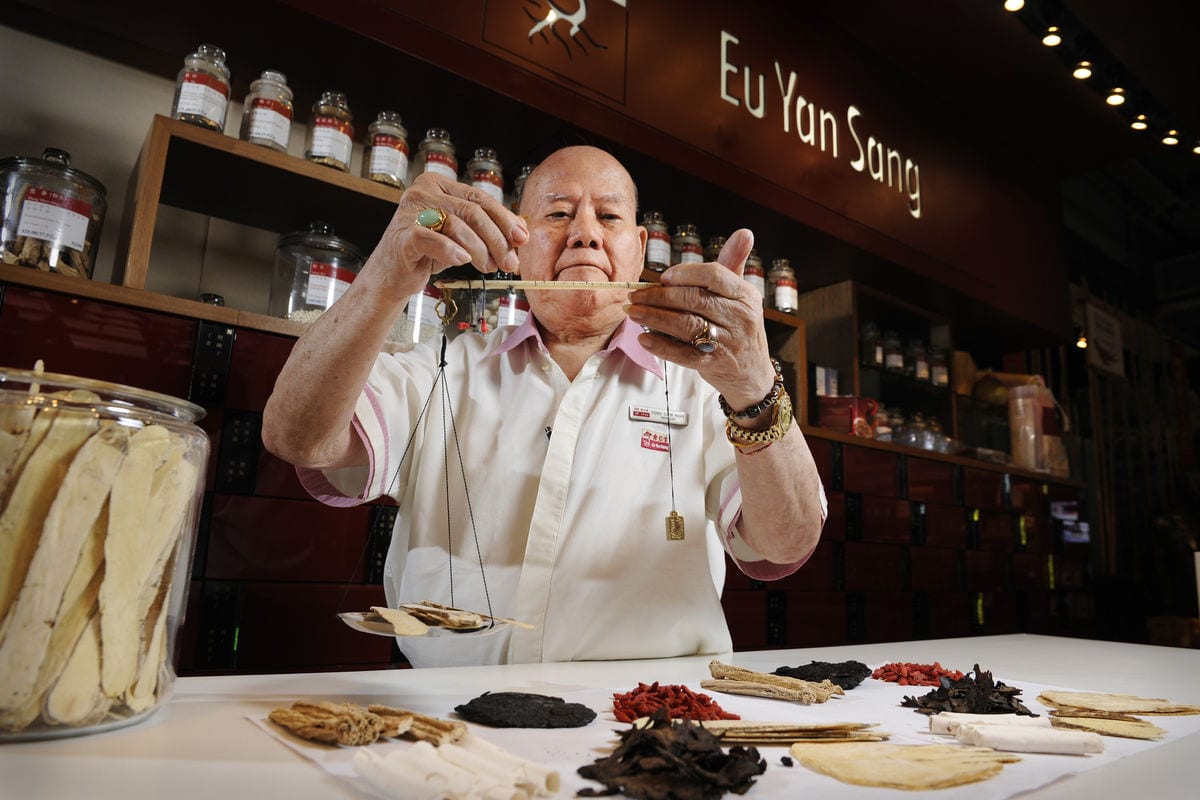
    Traditional Chinese medicine retailer Eu Yan Sang lost $3.6 million in its last quarter, blaming weaker sales in Hong Kong and Malaysia.

    Its full year profit to June 30 was down 70 per cent on the previous year at $4.56 million, compared with $15.03 million in 2014.

    Fourth quarter sales dropped 15 per cent; full year sales a less dramatic four per cent to $350.4 million.

    In Malaysia, the company – like many retailers of food and discretionary goods – noticed a sharp decline in trade after the imposition of six per cent GST on April 1.

    In Hong Kong, it was the changing demographic of Mainland Chinese visitors to the territory to blame.

    “While the travel restrictions to Hong Kong imposed on mainland Chinese have affected parallel traders coming to Hong Kong to purchase Eu Yan Sang products, it has encouraged sales of our products at online sales platforms and at cross border, tax free outlets,” the company said in a statement.

    Eu Yan sang operates 252 retail stores and 25 franchised outlets. During the year it opened 13 in Australia, Malaysia and Hong Kong and closed eight in Singapore, China and Macau. A review of its Australian franchised stores saw it drop a new seven outlets.

    The news was not all bad for the Singapore-listed company. In its home market, net sales were up five per cent in the fourth quarter and four per cent over the full year – in an overall retail market best described as stagnant. Managed cited the introduction of new products and consumer marketing campaigns for the improvement.

    The company hopes continuing improvement in Singapore sales will help cushion the impact of the Hong Kong and Malaysia markets in the year ahead.

  • SingPost invests in Hong Kong ventures

    SingPost invests in Hong Kong ventures

    SingPost has revealed investments in two Hong Kong companies as it continues its aggregation of interests in eCommerce and logistics businesses in the broader Asian region.

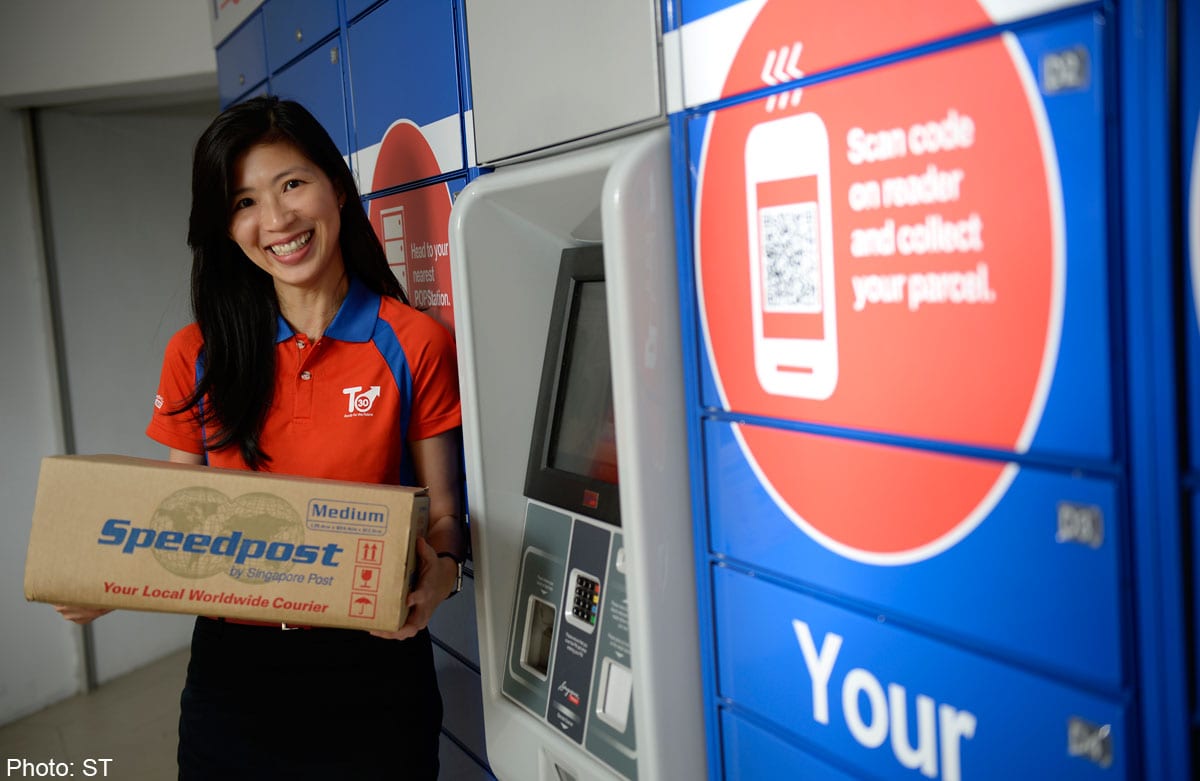
    SingPost subsidiary Quantium Solutions Holdings has spent HK$8 million (about $1.5 million) acquiring 1 million new shares in E Link Station, representing about 50 per cent of the business. Founded last May, E Link Station is creating “a rapidly expanding network of self-collection parcel service points”, a concept with similarities to SingPost’s POPStations across the island state.

    “ELink… is an extension of how we approach parcel deliveries elsewhere in many parts of the world – that is, we give customers flexibility through multiple channels that include locker storage and redemption centres,” explained Dr Wolfgang Baier, group CEO of SingPost.

    The second, larger deal sees SingPost take a 33 per cent stake in Morning Express & Logistics for HK$39.6 million (S$7.2 million). ME provides logistics, documents and parcel delivery services in Hong Kong. The Singaporean company has an option to take a further 33 per cent stake for the same amount if certain terms and conditions are fulfilled.

    “Morning Express gives us a strong last-mile and parcels capability in Hong Kong and extends our eCommerce value chain there, adding on to our warehousing, freight forwarding and front-end eCommerce,” said Baier.

    “As a company, Morning Express has 28 years in the logistics business and they are led by a professional management whose thinking is remarkably similar to ours.”

    Baier said Hong Kong, as a gateway to China, is a priority market for SingPost and a node in its pan-Asian network through which it serves its customers and partners.

    SingPost is 14.51 per cent owned by Chinese eCommerce giant Alibaba Group.

  • A 10-day sports extravaganza awaits in Singapore

    A 10-day sports extravaganza awaits in Singapore

    Singapore’s winning sporting streak continues with the upcoming BNP Paribas Women’s Tennis Association (WTA) Finals Singapore presented by SC Global at the Singapore Sports Hub from October 23 to November 1, 2015.

    In a culmination of what has been an exciting season, the top names in women’s tennis will come together for the WTA Finals. Household names like Serena Williams, Martina Hingis, Sania Mirza and many more will face off for court supremacy and a grand prize of US$7 million.

    A host of other events will also take place to complement the main action on court. The WTA Legends Classic will see tennis icons like Martina Navratilova and Arantxa Sánchez-Vicario playing for the fans’ delight while the WTA Rising Stars Invitational will give up-and-coming talents from Asia and the rest of the world a chance to play on Centre Court and make their mark on a world-class stage.

    Between matches, fans will have multiple opportunities to get closer to the action than ever before. Spectators can visit the outdoor Fan Zone, which will feature interactive tennis-themed games and star-studded player appearances. They can also witness the preparation secrets of their favorite tennis stars at the player practice sessions.

    Beyond the activities at the Singapore Sports Hub, fans can expect a star-studded extravaganza at the Singapore Tennis Evening at Marina Bay Sands on October 30. Fans and tennis stars alike will convene to celebrate the annual achievements of the best women’s tennis players, alongside the Southeast Asian debut of UK artiste Paloma Faith who will perform her hits.

    With Singapore’s Golden Jubilee in full swing, a slew of exciting flight, hotel, dining and retail deals have been lined up for this festive occasion. Singapore’s location at the heart of Southeast Asia also makes it easily accessible to tennis fans from around the region to catch all the action.


  • F J Benjamin narrows FY15 loss

    F J Benjamin narrows FY15 loss

    Retail group F J Benjamin’s net loss for the financial year ended 30 June narrowed from S$22.1 million to S$16.99 million.

    Revenue slid 20 per cent year on year to S$293.41 million amid a challenging year on the back of reduced business in North Asia, currency volatility as well as lower tourist arrivals. The group rationalised its store portfolio, which caused it to incur impairment charges for store closures, early termination of leases, stock provisions and redundancies.

    “While this has impacted turnover, it has yielded significant improvements in the productivity of its stores across the region,” the group said.

    Loss per share came to 2.99 Singapore cents, versus a loss per share of 3.89 cents a year ago.

     No dividend was declared for the current year. In the corresponding period a year ago, a first and final dividend of 0.25 cents per share was announced.

    It said: “The group will complete its rationalisation and planned closure of two remaining stores by end December 2015. To address the shift in consumer trend and structural change in retail environment, it has also undertaken a restructuring of its in-house brand, Raoul, to improve performance on a reduced cost base.”

    It expects consumer sentiment to remain muted given global economic and political uncertainty. Meanwhile, it is striving to further improve inventory management and cost efficiencies.

  • Roll Mafia plans India roll-out

    Roll Mafia plans India roll-out

    An Indian quick service restaurant concept Roll Mafia has raised $151,000 in seed funding to commence a roll out in major Indian cities.

    Parent SLS Cuisines India plans 50 restaurants in six cities by March next year after attracting investment from Singapore’s Equentia Natural Resources and a group of private investors.

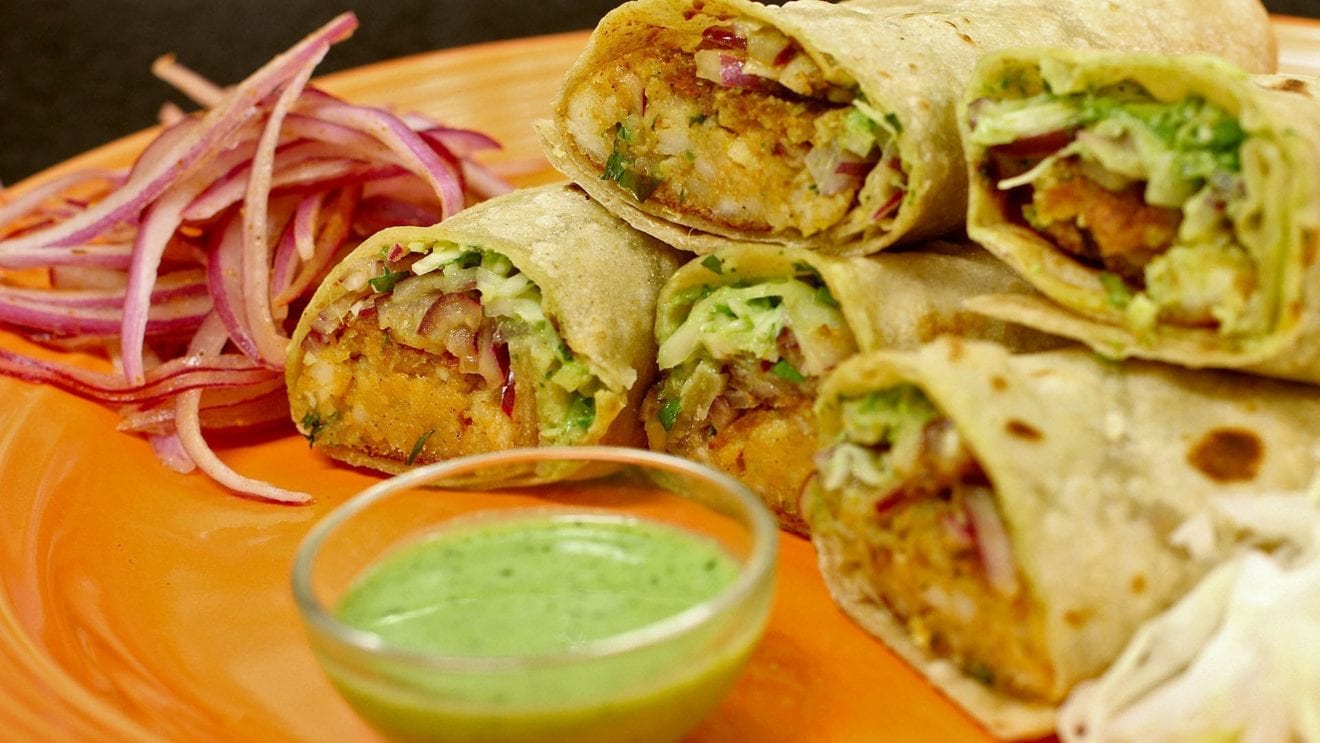
    Roll Mafia currently operates eight outlets in Pune and three in Patna, cooking and selling Indian food such as Kathi Rolls and Dum Biryani.

    “We are looking to open 50 more outlets in Mumbai, Chandigarh, Baroda, Bangalore, Delhi and Gurgaon by March 2016,” said Varun Sahay, co-founder of Roll Mafia.

    The new outlets will boost its workforce from the current 70 to around 250.

    Roll Mafia was founded in 201 by brothers Varun and Vishal Sahay. It provides delivery in some market, via an online portal, as well as takeaway and dine-in facilities.