Tag: Singapore

  • Shiseido creates Global Travel Retail marketing team in Singapore

    Shiseido creates Global Travel Retail marketing team in Singapore

    Japanese beauty products giant Shiseido has created a Global Travel Retail (GTR) marketing team based in Singapore.

    The company said that the new team is aligned with the Group Vision 2020 and reflects the priority role of travel retail in the expansion of its brands globally,

    “Working closely with our travel retail regional teams and as a hub towards our brands’ partners, we aim at further elevating our services and product offering towards an ever more demanding global traveller,” Shiseido said.

    The team is headed by Global Shiseido Travel Retail Marketing Director Elisabeth Jouguelet-Aparicio, who reports to Group Travel Retail President Philippe Lesne.

    Underlining the group’s commitment to the travel retail channel, the team includes a dedicated travel retail exclusives products Manager (Constance Raboulin).

    The company said: “As the Global Travel Retail team, we aspire to be the beacon for brands by infusing their DNA into regional offices. We relentlessly work towards becoming an innovation hub that provide specialised and value-added services. We commit to acting as the bridge between brands and regions.”

  • Korea’s Churro 101 Singapore date

    Korean dessert concept Churro 101 is to open its first store in Singapore on October 3.

    Churro 101 Singapore will debut at Bugis Plus on Victoria St, serving up churros – a fried-dough pastry snack popular in Spain, France, the Philippines, Portugal, and the Southwestern US.

    It will be the four year old brand’s first store opening outside South Korea and a likely prelude to expansion into other Asian markets.

    The Singapore store will make fresh churros daily in an open kitchen, using raw materials imported from Korea.

    The 441 sqft store features European styling and will seat up to 20 customers as well as serving takeaway orders. It will trade from 10am to 10pm daily.

    While the churro concept is not new to Singapore, Churro 101 offers a unique take on the dessert, including flavours made with the brand’s own secret recipes, filled churros and a signature dark chocolate churro.

    Prices will range from $3.30 to $5.40.

  • Singapore Retail Productivity plan launched

    Singapore Retail Productivity plan launched

    Singapore’s government has unveiled ‘part 2’ of a Retail Productivity Plan for the city state.

    In a speech to the 24th Singapore Retail Industry Conference, Senior Minister of State for Trade and Industry Lee Yi Shyan said while the original Retail Productivity Plan launched in 2011 had helped retailers improve operational efficiency, more needs to be done.

    “We need to deepen the transformation of leading players, and also bring on board a large number of retailers that may be slower to adapt to fast-changing consumer preferences and consumption patterns,” he said.

    The Retail Productivity Plan 1.0 included focuses on adopting technology, upgrading human resources and introducing more customer-centric initiatives. “I am happy to note that the plan has benefited over 1900 retailers,” said the minister.

    “The retail sector is an important part of Singapore’s economy. It generated about S$35 billion in annual operating receipts and accounted for about 125,000 jobs in 2014.

    “Given that the retail sector hires many workers, we identified it as one of the priority sectors for productivity improvement. Higher productivity would lead to higher profitability for firms, higher wages for workers and a more competitive industry as a whole.”

    Lee Yi Shyan said Retail Productivity Plan 2.0 aims to improve both top-line growth and operational efficiency.

    He said it was only a matter of time before online retailing “becomes commonplace in Singapore”.

    “Some may argue that … smaller economies like Singapore may still rely on bricks-and-mortar stores for a long time to come. Do you subscribe to this argument? I personally believe… consumer preferences are changing. A study by Euromonitor International shows online spending in Singapore grew from S$1.08 billion in 2014 to S$1.22 billion in 2015. This is growth of 13 per cent over a year.”

    He said the choices are clear for Singapore retailers.

    “If we only play defensively, we would see our retail sector growing very slowly, or perhaps not at all. Our strategy therefore cannot be limited to cost-cutting and efficiency improvement. Our strategy has to be offensive, to include selling beyond the limitation of store-fronts and serving markets in the region and beyond.

    “This is why we will place great emphasis on internationalisation and helping retailers sell online in RPP 2.0. We will help companies acquire the relevant capabilities to sell online, such as investing in product development, brand-building, e-infrastructure, digital advertising, and channel fulfilment.

    “We will encourage collaborations between our retailers and experienced logistics players such as SingPost to better perform order fulfilment in Singapore and the region. We will also encourage our e-retailers to explore partnering global platforms, such as eBay, Amazon and Alibaba.com to market their products worldwide. For example, we worked with Google this year in February to organise the Great Online Shopping Festival.”

    The minister said Singapore’s bricks and mortar stores will not vanish overnight.

    “However, they will have to compete much harder for a shrinking pie by offering better and more immersive in-store experiences. This can make a difference. For example,Tangs has revamped itself to offer its shopping experience as a one-stop lifestyle destination. They extended their offerings beyond retail to include spa services and food offerings, and jazzed up their store with an area set aside for pop-up showcases for new brands.”

    He said as well as helping companies lift top-line growth, RPP 2.0 will continue to reach out to many more retailers that can benefit from efficiency improvements.

    “The use of RFID (Radio Frequency Identification) for inventory management, automated retail services and cashier-less stores are proven ways to help retailers improve efficiency and save costs. Experience in the past suggests that such technologies could save more than 20 per cent in manpower costs.

    “An interesting example of automated retail is SingVita – a fully automated store which sells health supplements. Beyond allowing for substantial manpower cost savings, the cloud-connected machines used in SingVitaalso enable the company to manage inventory and prices in real time.

    “We will also support retailers that embark on projects to analyse and improve their existing business operations. Companies can, for instance, embark on time motion studies to optimise the time that workers spend on various tasks.”

    Another example he cited was Noel Gifts, an online floral and gift retailer, which embarked on such a project with SPC to identify and reduce wastages in processes such as hamper wrapping and flower arrangement. This, in turn, enabled it to deploy its manpower to more value-adding services.

    “Singapore is an open economy, and our retail sector [will] have to compete regionally and globally. Our retailers can sell to regional and international consumers if we have unique products and services to offer. To survive, we cannot remain defensive. We need to have growth strategies that tap on markets outside of Singapore.

    “While a good majority of our retailers could improve their productivity by improving operational efficiency, at least in the short term, I believe a vast number of our retailers will have to transform to become e-retailers quickly. The trend of shopping online is unlikely to reverse, and we have to be prepared for this.

    “Let us work together to retain and enhance the vibrancy of our retail sector.”

  • End near for HMV Singapore?

    End near for HMV Singapore?

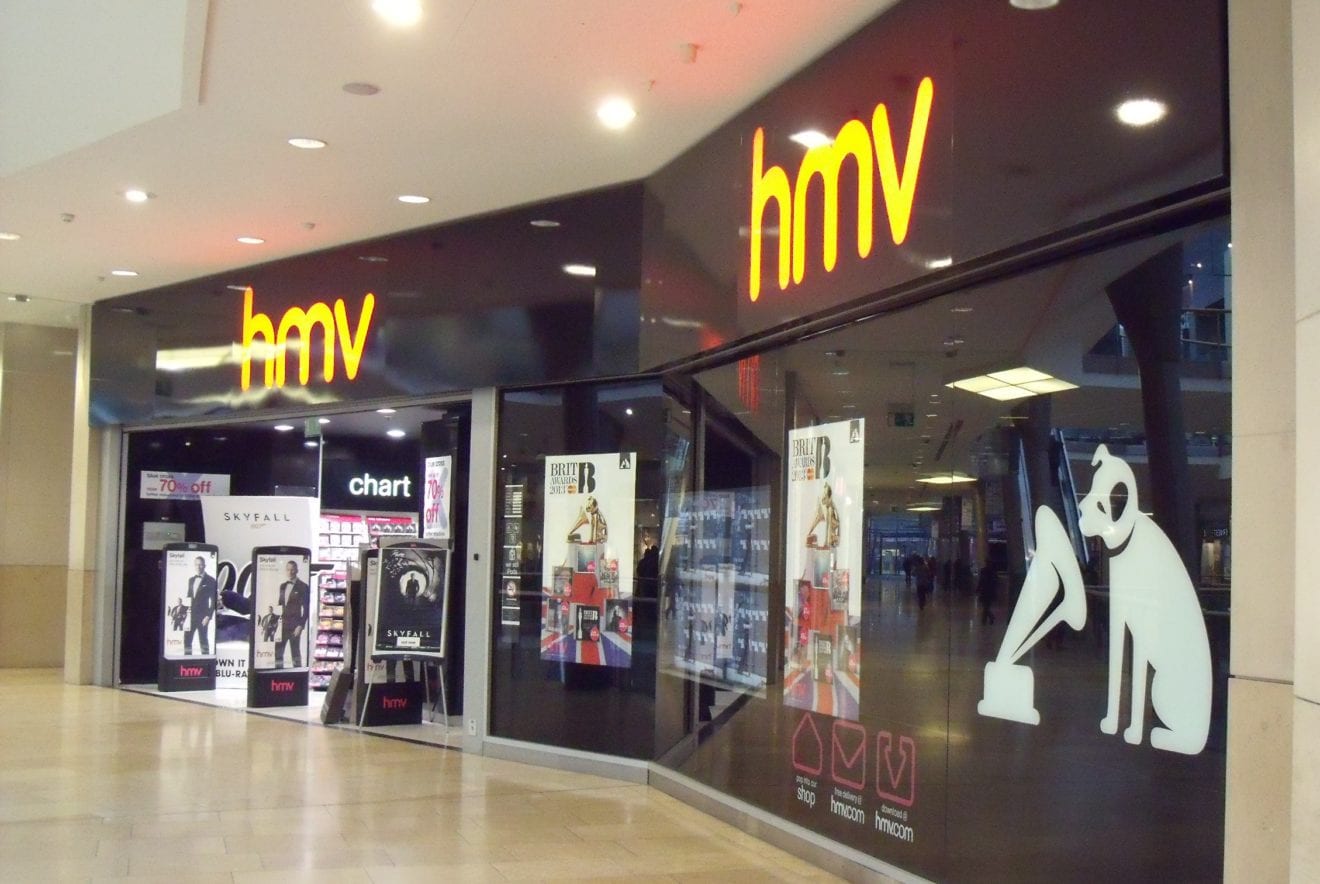
    In Hong Kong, HMV is enjoying a renaissance. But HMV Singapore appears about to become extinct.

    The last surviving store bearing the brand in the city state will close on September 30 after the company decided not to renew its lease on the Marina Square shopping mall.

    On its website the company says it plans to “re-open a new store in the near future”, but retail commentators aren’t so certain the brand will survive offline.

    The Straits Times newspaper reports the company held discussions with centre management for several months on renewal terms but has now confirmed terms to vacate the premises.

    HMV was once Singapore’s largest music retailer but has become a victim of the digital age and high retail rents which made it uneconomic to continue selling music CDs and movie DVDs.

    HMV Singapore GM Michele Tan told the Straits Times she was not authorised to reveal the location and opening date of the new store.

    The Singapore business is operated by Hong Kong-based AID Partners which is enjoying success reinventing the brand in Hong Kong. New concept stores there include cafes and an expanded product range including a focus on headphones, DJ equipment, apparel and gifts – along with a more curated offer of music and DVDs.

    HMV opened its first store in Singapore in 1997, a 25,000 sqft two-level superstore at The Heeren. That store relocated to a smaller space at 313@Somerset, which was replaced by a Sony store in 2013. At its peak there were at least three stores in the city.

  • Singapore consumer prices post biggest drop in 5 years

    Singapore consumer prices post biggest drop in 5 years

    Consumer prices in the Republic fell 0.8 per cent in August, the biggest year-on-year drop since November 2009.

    The decline, which came after a 0.4 per cent fall in July, was mainly due to the lower cost of private road transport, according to a joint news release from the Ministry of Trade and Industry (MTI) and the Monetary Authority of Singapore (MAS) on Wednesday (Sep 23).

    The cost of private road transport fell by 2.9 per cent in August after a decline of 0.1 per cent in July, as a result of the high base a year ago when Certificate of Entitlement (COE) premiums for cars saw a sharp increase, as well as a one-year road tax rebates for petrol vehicles.

    Accommodation cost declined by 2.9 per cent following the 2.8 per cent drop in the previous month, reflecting the continued softening of the housing rental market, MTI and MAS said.

    Services inflation edged down to 0.5 per cent from 0.6 per cent in July, while the cost of retail items fell by 0.6 per cent, mainly due to lower clothing and footwear prices. Food inflation was 1.9 per cent, unchanged from the previous month.

    Core inflation, which excludes the cost of accommodation and private road transport, fell to 0.2 per cent from 0.4 per cent in July, reflecting lower services and retail goods inflation, the news release said.

    “MAS Core Inflation and CPI-All Items inflation could rise towards the end of the year and are expected to pick up further in 2016, as the effects of the budgetary measures and the drag from the past fall in global oil prices dissipate on a year-ago basis,” it said.

    For 2015 as a whole, core inflation and CPI are projected to come in at the lower half of the forecast range of 0.5 to 1.5 per cent and -0.5 to 0.5 per cent, respectively.


  • MAS outlines new safeguards for retail investors

    MAS outlines new safeguards for retail investors

    Retail investors will enjoy a boost in protection with new rules for investments linked to gold and other physical assets. The enhancements also allows flexibility for accredited investors (AIs) to decide on the level of regulatory protection they want to be entitled to.

    The enhancements to its regulatory framework for safeguarding investors’ interests were announced by the Monetary Authority of Singapore (MAS) on Tuesday. They take into account feedback received on its consultation paper published in July last year.

    AIs include individuals whose net personal assets exceed S$2 million or whose income in the preceding 12 months is not less than S$300,000.

    MAS said that consumers should enjoy the regulatory safeguards for non-conventional investment products that are similar to existing capital markets products. The non-conventional investment products – previously not in MAS’ regulatory scope – will be regulated either as debentures or investment funds, depending on their features.

    Precious metals buy-back arrangements involving gold, silver and platinum with guaranteed buy-back at an agreed price will be regulated as debentures. This is because they are widely regarded as financial assets and are commonly used as collateral for such arrangements.

    Collectively-managed investment schemes intended for retail investors will require authorisation from MAS and be restricted to investments in securities or other assets that are liquid (for example precious metals), or have stable income-generating ability such as completed real estate.

    Arrangements that exist before the legislative changes will not be affected, unless additional funds are raised from retail investors after the new laws are in place.

    In the high net worth space, (AIs) will have the option to benefit from the stronger and full range of regulatory safeguards available to retail investors.

    As part of the changes, financial institutions will have to treat new customers who are AI-eligible as retail investors by default, unless the customers choose to “opt-in” to AI status. The latter could be those who wish to retain their easier access to a wider range of complex and risky products.

    For existing AIs, FIs can continue to treat them as AIs, unless they choose to “opt-out” of AI status to benefit from the full range of capital markets regulatory safeguards available to retail investors.

    Mr Lee Boon Ngiap, assistant managing director, capital markets, MAS, said that while the regulatory measures will strengthen regulatory safeguards for retail investors, they are “not a substitute for investor responsibility”.

    “All investments carry risk, so investors should buy only products that they understand and have a level of risk that they are comfortable with. In addition to seeking advice from regulated financial advisers, we encourage investors to visit the MoneySENSE website, which has a wealth of financial educational information to help investors manage their money and better understand financial products,” he said.

    MAS is still reviewing feedback on the remaining proposal to introduce a framework to rate retail investment products on their complexity and risk, and will issue a separate public response later.

  • Apple IPhone 6s, IPhone 6s Plus To Be Available At Retail Stores From Friday

    Apple IPhone 6s, IPhone 6s Plus To Be Available At Retail Stores From Friday

    Apple Inc. said Monday that its latest smartphones, the iPhone 6s and iPhone 6s Plus, will be available at the technology giant’s retail stores at 8 a.m. local time on Friday, September 25.

    The company also noted that more than 50 percent of existing devices have upgraded to iOS 9, its newest mobile operating software that was rolled out last week, marking the fastest iOS adoption ever.

    Apple said its retail stores will have the new iPhones available for walk-in customers, who should arrive at a store early. Both models will also be available on Friday from AT&T Inc. ( T ), Sprint Corp. ( S ), T-Mobile US Inc. ( TMUS ), Verizon Wireless, additional carriers and select Apple authorized resellers.

    Philip Schiller, Apple’s senior vice president of Worldwide Marketing said, “Customer response to the iPhone 6s and iPhone 6s Plus has been incredibly positive, we can’t wait to get our most advanced iPhones ever into customers’ hands starting this Friday. iOS 9 is also off to an amazing start, on pace to be downloaded by more users than any other software release in Apple’s history.”

    In early September, Apple unveiled its iPhone 6s and iPhone 6s Plus smartphones with a faster processor, new 3D Touch capabilities and an improved camera, seeking to woo customers ahead of the holiday season and to assuage investors that its flagship device still has the mojo to sustain growth.

    The phones, which look like their predecessors, are powered by A9 chip, have a new feature called 3D Touch that lets users make commands as well as avail shortcuts and menus by pressing down on the screen.

    Last Monday, Apple said it is on track to beat last year’s record for first weekend sales of iPhone 6 and 6 Plus, when sales breached the 10 million mark within just three days of its sales launch on September 19, 2014.

    The iPhone 6s and iPhone 6s Plus will be available in gold, silver, space gray and the new rose gold metallic finishes for $0 down, with 24 monthly installment payments that start at $27 and $31 respectively, from Apple’s retail stores in the U.S., Apple.com, select carriers and Apple authorized resellers.

    Both the smartphone models will also be available from Friday in Australia, Canada, China, France, Germany, Hong Kong, Japan, New Zealand, Puerto Rico, Singapore, the UK and the U.S. The iPhone will be available by reservation only in China, Hong Kong, Japan and U.S. stores in tax-free states.

    Starting this Saturday, September 26, customers will be able to visit Apple.com to reserve their iPhone for pick-up at their local Apple Store, based on availability. Apple noted that most Apple stores will also have iPhone available for walk-in customers each day.

    Every customer who buys an iPhone 6s or iPhone 6s Plus at an Apple retail store will be offered free Personal Setup to help them customize their iPhone by setting up email and show them new apps from the App Store.

    Apple-designed accessories, such as leather and silicone cases in different colors and Lightning Docks in color-matched metallic finishes, will also be available.

    While unveiling the iPhone 6s and iPhone 6s Plus earlier in September, Apple had said that the devices will come with iOS 9, which would be available as a free software update.

    iOS 9 brings more features to iPhone with a Proactive assistant that is similar to Android’s Google Now service, powerful search and improved Siri features, along with an improved security feature.

    Built-in apps on iOS 9 feature redesigned Notes app, detailed transit information in Maps, and a new News app that displays news from several sources.

    AAPL is trading at $114.33, up $0.88 or 0.78 on a volume of 4.44 million shares.


  • Silverlake Axis buys retail banking software firm SunGard Ambit for $12m

    Silverlake Axis buys retail banking software firm SunGard Ambit for $12m

    Singapore-listed Silverlake Axis has reached a deal to buy local firm SunGard Ambit (Singapore) Pte. Ltd. (previously known as System Access Limited) for $12 million.

    Silverlake, that provides digital economy solutions and services, told the Singapore exchange that the deal will enable it to expand its suite of software and services as well as deepen and broaden its customer relationships and geographical presence.

    On an immediate basis, the deal is expected to contribute about 15 per cent to the revenue of the enlarged Silverlake Axis Group, the company said.

    The acquisition will also enable it to add over 50 new customers to its current base of over 150 customers, extending its geographical reach to Eastern Europe, Middle East, South Asia while at the same time creating a stronger market leadership in South East Asia, it added.

    The deal will see Silverlake Axis acquire 100 percent of SAS from SunGard Asia Pacific Inc.

    “SAS brings a complementary retail banking portfolio of software and service solutions to the group’s strengths in delivering financial technology innovation to our customers. In particular, the SAS Retail Banking Product Portfolio positions Silverlake Axis for mid-tier customers while offering a broader variety of tiered deployment options from a technology and a pricing perspective. These products can be deployed on open digital platforms thereby making it possible for Silverlake Axis to address the needs of customers from mid-tier to large enterprises,” its regulatory filing said.

    Dr Raymond Kwong, Silverlake Axis chief executive and group managing director, said : “The group is constantly on the lookout for complementary software businesses to expand our suite of business enterprise software solutions. Through this acquisition, the combined and complementary multi-platform core, channels, card and payment solutions will enable us to deepen our customer solution implementation and support capabilities.”


  • NTUC FairPrice opens $350m HQ

    NTUC FairPrice opens $350m HQ

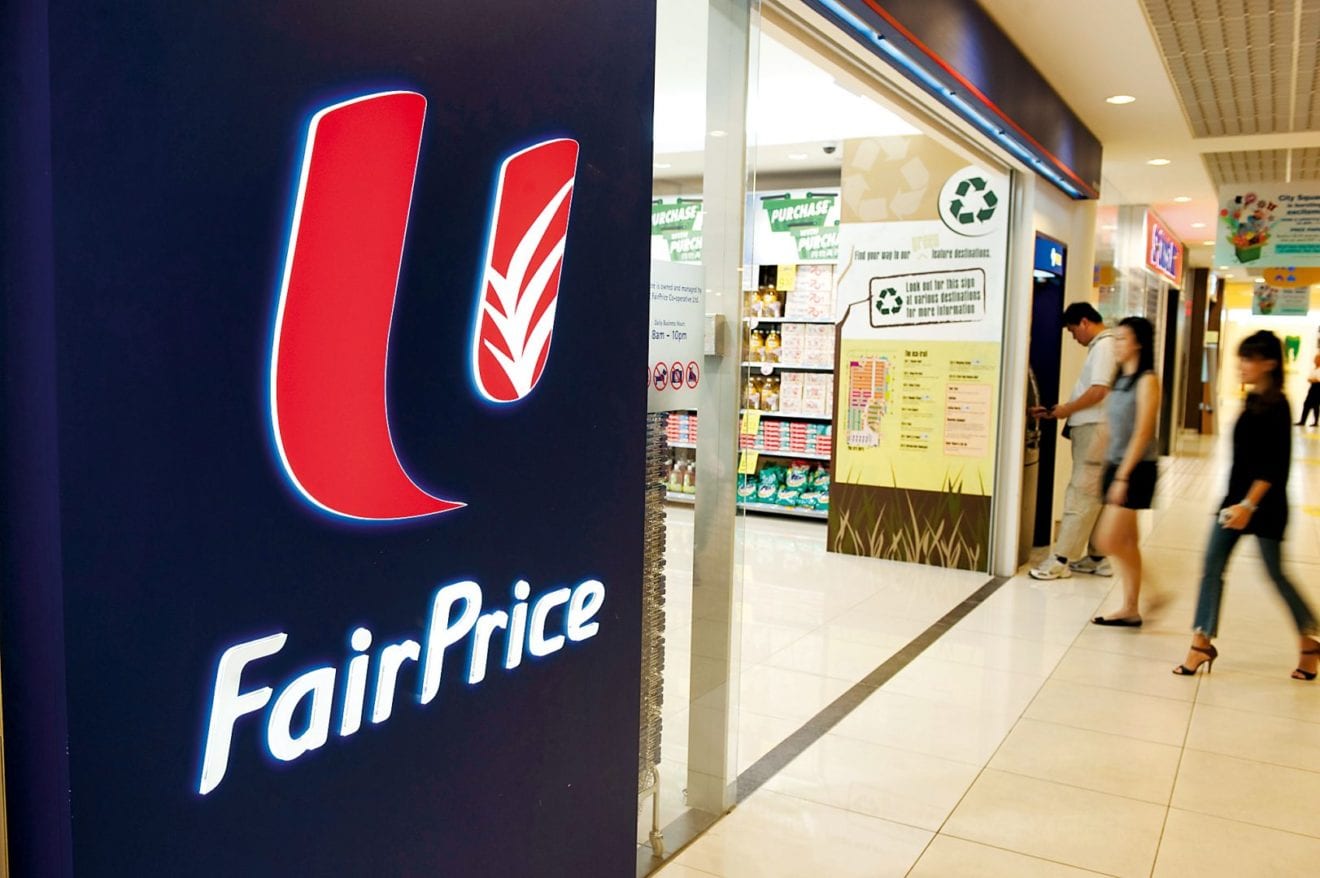
    NTUC FairPrice has officially launched FairPrice Hub, its new headquarters and high-tech distribution centre.

    The $350 million complex is equipped with technological innovations to manage increasing consumer demand for the next 20 years.

    The building was formally opened by Prime Minister, Lee Hsien Loong.

    Bobby Chin, NTUC FairPrice chairman, said FairPrice Hub is “more than just a building”.

    “It is a reminder of our past. It is serving the present and it is preparing for the future. As we celebrate a new chapter in FairPrice, we are reminded that this Hub is a reflection of our history and a tribute to all our founding members and stakeholders including our past chairmen and board members, business partners, members and loyal customers,” said Chin.

    The new distribution centre, which went operational at the end of last year, features a highly automated system that combines the Automated Storage and Retrieval System (ASRS) together with the Caddy Pick system. This system, which is the first of its kind in the Asia Pacific region, uses robotic technology and autonomous vehicles mounted on a monorail system for warehousing operations. The ASRS allows FairPrice to increase its ambient storage space with a warehouse storage capacity of over 52,000 pallets. Designed to manage a throughput of 120,000 cartons per day, it is able to achieve high productivity of 200 cartons per man hour, twice the productivity rate of a conventional distribution centre that uses manual pallet movers.

    FairPrice Hub will also serve as its new headquarters for over 600 employees, who were previously located at five different premises around Singapore. Housing its staff under one roof enables FairPrice to promote closer interaction and boost morale. Staff facilities include a running track, a fully equipped gym, a multi-purpose court, training facilities including an auditorium and a clubhouse for social gatherings.

    NTUC FairPrice has also announced commitment of another $50 million to the FairPrice Foundation by 2020 to help the poor and needy, promote community bonding and support workers’ welfare.

    Said Chin: “Besides staying at the forefront of the latest consumer trends, we will continue to abide by our philosophy to serve, to care and to give. We will Do Well in order to Do Good for the community.”

    FairPrice has since donated $88 million to FairPrice Foundation, which was set up in 2006 to focus its giving efforts to provide a better life for the community.

  • Boucheron Singapore store opens

    Boucheron Singapore store opens

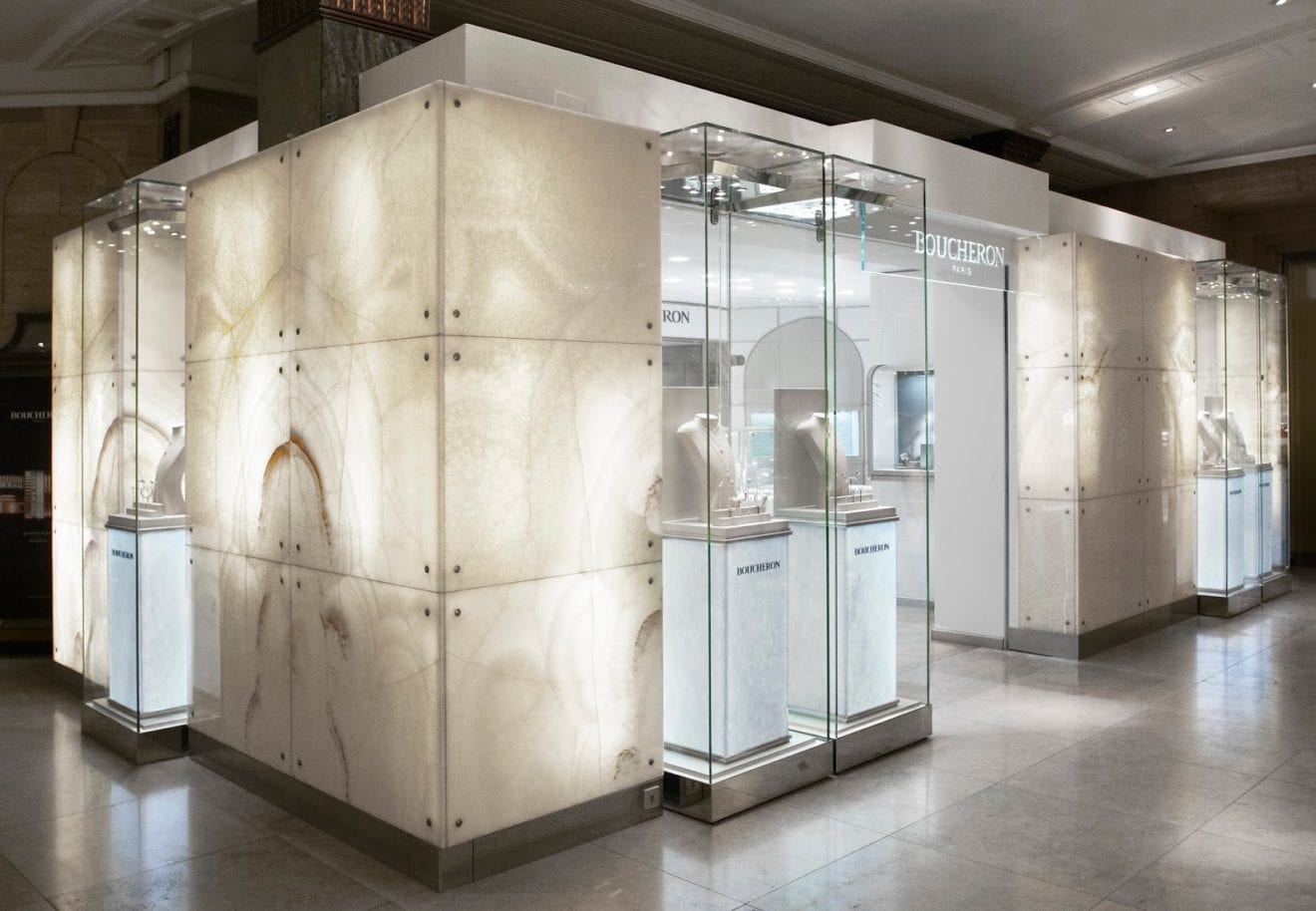
    Paris jeweller Boucheron has opened its first store in Singapore.

    Boucheron Singapore is among several new boutiques recently opened inside The Shoppes at Marina Bay Sands.

    Designed to reflect the famous jewellery brand’s Parisian flagship boutique at 26 Place Vendome, the Singapore store has a sumptuous, luxurious feel to highlight the timeless, elegant nature of its jewellery creations.

    The boutique was opened with a cocktail function early this month where more than 100 guests got the chance to view an exclusive Boucheron jewellery collection flown in from France.

  • World-first diamond exchange set for Singapore

    World-first diamond exchange set for Singapore

    The world’s first exchange for physical diamonds, is set to launch in Singapore in the fourth quarter, with a longer-term plan of creating a diamond futures market.

    Alain Vandenborre, the man behind the Singapore Diamond Investment Exchange (SDiX), thinks they can be bought and sold in a different way.

    He said he is surprised no one has tried to bring the trading of diamonds as a commodity into the 21st century on a global scale.

    To achieve that vision, some of the biggest diamond companies in the world have been secured as suppliers, including New York-based Leo Schachter, a leading manufacturer.

    “Up until now, the industry has been old-school. There’s wholesalers, there’s retailers, people in the middle, and there’s just no room for those people anymore. This way, we as manufacturers can go directly marketplace to sell our goods at the right price,” said CEO Alex Yarrow.

    According to SDiX, it expects to see turnover of at least US$250 million in its first full-year of trading, with operational bases set-up in Singapore, Hong Kong and India. And there are bolder plans for the future.

    “We’re going to start as the spot-market, but that’s not my strategy. The strategy is to move towards a futures licence,” said Mr Vandenborre.

    “The Exchange will be as soon as we’re regulated under the Futures Trading Act and will be launching a number of derivative products, which are highly needed. The diamond industry needs to hedge its position.”

    The new exchange might be what the marketplace needs.

    According to the widely-followed Rapaport Diamond index, the August price of a one-carat stone was 13 per cent lower than a year ago. Still, at the Hong Kong and Jewellery and Gem Fair, some traders remain upbeat despite economic wobbles in China.

    “When they slowdown, it’s going to cause a lot of pressure, so the volatility has increased considerably, I think it’s stabilising now as we speak so I believe players will come back in because the market has dropped quite a bit,” said Mayank Mehta, CEO of Rosy Blue.

    The trading of polished diamonds is quiet and expectations from dealers at the Hong Kong and Jewellery and Gem Fair was muted. Retail inventory levels remain high, particularly among 0.30-carat to 0.40-carat goods, as jewellers are not stocking up on inventory because of a retail slowdown in China.

  • Singapore Retail Sales Growth Eases Less Than Expected In July

    Singapore Retail Sales Growth Eases Less Than Expected In July

    Retail sales rose 0.2 percent in August, slightly below analysts’ consensus estimate.

    “Along with a 0.3% m/m rise in core sales and an expected increase in restaurant sales, these components imply a 0.2% gain in total retail sales for August”.

    In August, spending at gasoline stations slid 1.8 percent in August. Excluding volatile autos and gasoline, sales advanced 0.3%.

    People “have chosen to spend some of their gas price windfall on services – leisure, recreation, travel, etc. – which aren’t included in the retail sales numbers”, he said in a client note.

    On a seasonally-adjusted basis, retail sales decreased 2.2 per cent in July over the previous month. Sales at clothing stores rose 0.4 percent.

    Consumer spending has picked up in recent months after a choppy showing early in the year – gains that some economists attribute to milder weather after a harsh winter and Americans’ growing belief that low pump prices will be around for a while. The hiring – 2.9 million additional jobs over the past 12 months – has translated into a surge of spending at auto dealers and restaurants. The USA economy has become increasingly reliant on consumer spending to maintain growth as Europe and China have struggled to expand at a faster pace.

    “Retail sales showed solid gains in August, despite financial market volatility and a deflationary pricing environment in retail”, said NRF Chief Economist Jack Kleinhenz in a blog posting.

    Consumers came back to life in the first two months of the third quarter after lying low in June, wrote IHS Global Insight Director of U.S. Consumer Economics Chris Christopher in a research note. Overall, however, the numbers suggest consumers have been upping their spending in the spring and summer as they begin to feel more confident about their circumstances. The strong labor market has also helped.

    The index for mining fell 0.6% in August, while the index for utilities rose 0.6%.

    “With the Fed eagerly awaiting a sign or signs the economy is strong enough to withstand a rising rate environment, the data suggests the Fed will continue to wait for some time”, Piegza said.

    Americans spent less on gas in August as prices fell and used some of the savings to buy new cars or go out to eat.

  • Singapore retail sales stabilise

    Singapore retail sales stabilise

    Real Singapore retail sales rose 2.6 per cent in July over June and by 0.8 per cent year on year.

    That’s according to official government data after the sales of motor vehicles are removed from the figures.

    That follows falls of 3.9 per cent and three per cent in June, respectively.

    The total retail sales value in July 2015 was estimated at $3.5 billion, higher than the $3.3 billion in July 2014.

    Singapore retail chart 1509

    Year on year, sales of watches & jewellery fared the best, up 11.7 per cent. Retail sales of medical goods & toiletries, telecommunications apparatus & computers, recreational goods and department stores all rose between three and 10 per cent.

    In contrast, retail sales of petrol service stations decreased 16.4 per cent; sales of furniture & household equipment, optical goods & books, mini-marts & convenience stores, food & beverages, wearing apparel & footwear and supermarkets declined between 0.8 per cent and 5.5 per cent.

    After seasonal adjustment, month on month sales of wearing apparel & footwear, furniture & household equipment, supermarkets and petrol service stations declined between 0.7 per cent and five per cent.

    Watches & jewellery, medical goods & toiletries and recreational goods increased between 10.6 per cent and 13.4 per cent compared to June. Sales of telecommunications apparatus & computers, optical goods & books, food & beverages, mini-marts & convenience stores and department stores rose between 0.7 per cent and 8.2 per cent.

    Singapore retail chart -1509

    Meanwhile, sales of food and beverage services (seasonally adjusted) increased 3.1 per cent in July 2015 over June, but declined one per cent year on year. The total sales value of food & beverage services in July 2015 was estimated at $640 million, lower than the $647 million in July 2014.

  • Singapore’s Changi seeks retail tenants

    Singapore’s Changi seeks retail tenants

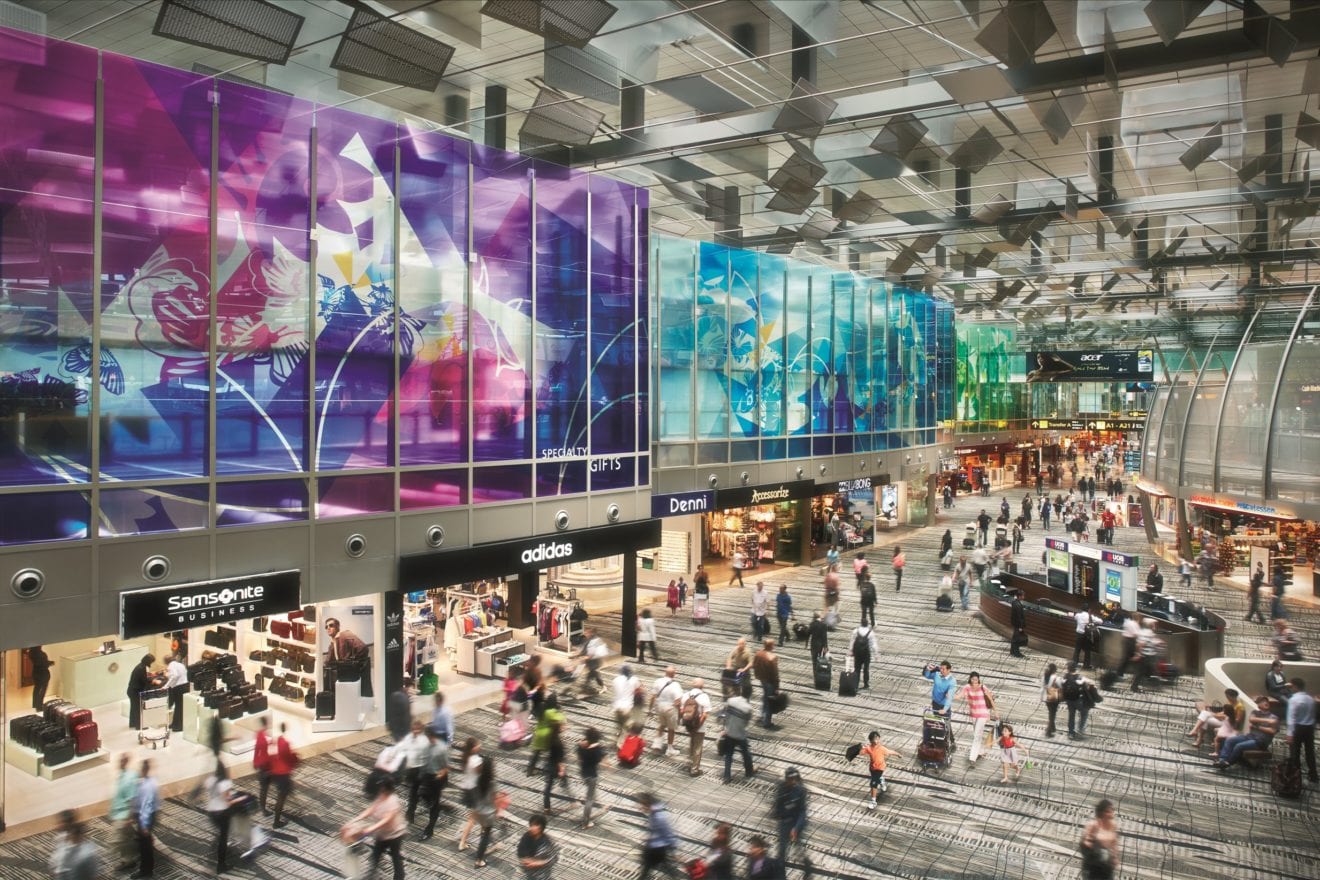
    Changi Airport is seeking new retailers for concessions in Terminals 2 and 3, along with food and beverage operators.

    The airport has a fashion concession available in Terminal 2 within the departure/transit lounge area for which it says it is seeking a multi-brand boutique from a retailer capable of delivering “a luxurious shopping experience”.

    The space is 519 sqm with a contract period of three years. Changi says the space can incorporate store-in-store concessions for individual brands.

    In Terminal 3 it has an open category concession, meaning it is open to approaches from retailers in any category. That 25.4 sqm space is on Basement 2 in the northern end of the terminal, and also has a three year term.

    “We are looking for brands with proven track record over the years that will differentiate the retail offering at Terminal 3,” said CAG in its documentation.

    Submissions close on September 21.

    Meanwhile, the airport is seeking a range of food and beverage operators – including Chinese restaurant, a food court solution and a canteen.

    The deadline for submissions for these spaces range from September 28 to October 15.

  • Shop from a magazine page

    Read, snap buy: See something you like in a magazine? Now you can shop from a magazine with new Singapore technology being trialled in Thailand.

    iQNect is a Singapore company described by Enterprise Innovation as a “visual search startup”. It has partnered with a Thai creative agency C True to merge image recognition technology with an mCommerce application to allow readers of two Thai magazines to literally shop from a photo.

    Two popular Thai magazines are involved in the trial – fashion publication Image and IN – along with four international titles, Her World, Maxim, Madame Figaro and Attitude.

    As Enterprise Innovation explains “iQNect’s visual search app enables magazine readers to access interactive digital content simply by taking a picture of any page’s images with their smartphone. This instantly brings up content like videos, invitations, exclusive digital offers or coupons and the option to  buy the item photographed without having to go to a website or store.”

    “We challenge the belief that print is a dying medium,” Niamh Byrne, iQNect COO told the website.

    “Visual search acts as a bridge between the sumptuous tactility of print media and the instant responsiveness of mCommerce.”

    iQNect’s full mCommerce platform will be publicly available from mid-November.

    Read more about the technology on Enterprise Innovation.