Tag: Singapore

  • Can Singapore’s fashion brands take on the world?

    Can Singapore’s fashion brands take on the world?

    Labels such as Raoul, Ong Shunmugam and Collate The Label are certainly going to give it a try

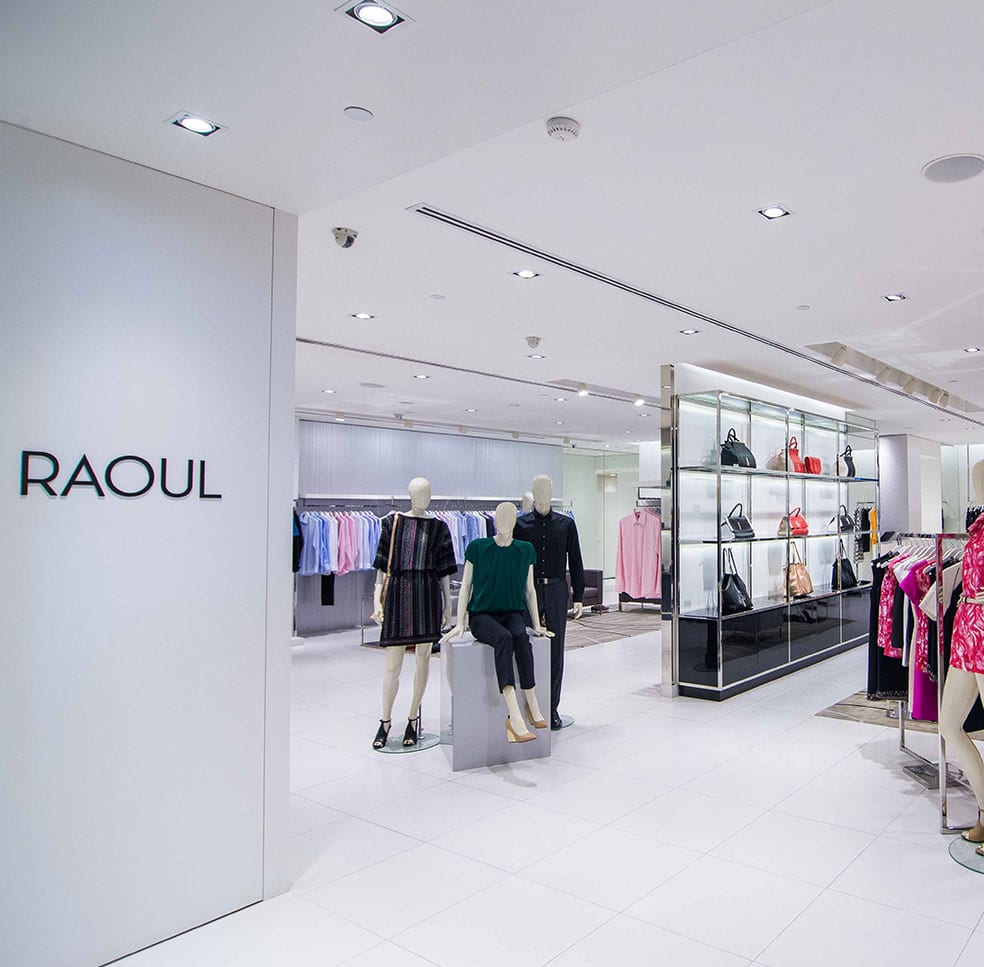
    In the heart of an old industrial estate in Toa Payoh North, an immaculately dressed Velda Tan sits in a small office as office workers, aunties wearing tight clothes and construction workers carry on with their lives outside. It’s the home of Tan’s latest fashion venture, Collate The Label, a humble but comfortable space, but with a well-equipped studio for fashion shoots, space for a dozen employees, stacks of sketches, fabric samples and magazines lying on tables and shelves, and even a doggy bowl for furry friends.

    Collate The Label is one of many new fashion brands that have popped up in Singapore over the past few years, but it has been exceptional in its success so far. Although it’s only a few months old, the Singaporean mid-market womenswear brand, which launched in May at Singapore Fashion Week, will soon head to New York to participate in Coterie, a three-day fashion trade-show event, with the Textile and Fashion Federation Singapore (TAFF).

    “I think, for me, (the aim) is really to build Collate as an independent Singapore label,” said the founder and creative director of the brand. “We want to identify ourselves as a local brand, and one of our goals is to make Singaporeans proud of wearing local labels.”

    The local retail scene is certainly more vibrant than a decade ago. Local designers have been given more platforms, such as the annual Singapore Fashion Week and Digital Fashion Week, to showcase their works to an international audience. TAFF also works with government agencies such as SPRING Singapore and International Enterprise (IE) Singapore to organise events such as the Asian Fashion Exchange, a one-stop event for local designers, regional and international buyers and other industry professionals, as well as trips to about a dozen overseas fashion trade shows every year.

    “It’s a wonderful time to be a designer in Singapore at the moment,” said Carolyn Kan, founder and designer of jewelry line Carrie K. and co-organiser of retail outfit KEEPERS: Singapore Designer Collective, which opened its second pop-up store at Changi Airport Terminal One last month. “There is a lot of support by the Government, there is also a growing design community to tap into, and Singaporeans are slowly starting to seek out local brands.”

    Still, the challenges remain. In setting up their labels, designers such as Tan had to learn to overcome numerous obstacles, including the size of Singapore’s market.

    “Because Singapore’s market is quite small, we have to think about crossing borders and going overseas,” she said.
  • Singapore economy grows by 1.8% in Q2

    Singapore economy grows by 1.8% in Q2

    Singapore’s Ministry of Trade and Industry (MTI) announced on Tuesday that the Singapore economy grew by 1.8 per cent on a year-on-year basis in the second quarter, slower than the 2.8 per cent growth in the previous quarter.

    On a quarter-on-quarter seasonally-adjusted annualised basis, the economy contracted by 4.0 per cent, a reversal from the 4.1 per cent growth in the preceding quarter.

    The manufacturing sector contracted by 4.9 per cent year-on-year, extending the 2.4 per cent decline in the previous quarter. The sector was primarily weighed down by declines in the output of the biomedical manufacturing and transport engineering clusters.

    The construction sector expanded at a faster pace of 2.5 per cent year-on-year, supported by a pick-up in public sector construction works, compared to the 1.1 per cent in the previous quarter.

    The wholesale & retail trade sector grew by 5.0 per cent year-on-year, slightly slower than the 5.3 per cent expansion in the previous quarter. Growth was driven by both the wholesale trade and retail trade segments, with the latter being supported in turn by robust motor vehicle sales.

    The accommodation & food services sector contracted at a faster pace of 0.6 per cent year-on-year compared to the 0.1 per cent decline in the previous quarter. The slowdown in the sector was largely due to sluggish performance in the food & beverage segment.

    The finance & insurance sector posted growth of 7.1 per cent year-on-year, extending the 7.8 per cent growth in the previous quarter. Growth was largely underpinned by the fund management segment.

    The information & communications sector grew by 4.5 per cent year-on-year, moderating from the 4.9 per cent growth in the previous quarter. Growth was mainly driven by the IT & information services segment.

  • Singapore in recovery mode

    Singapore in recovery mode

    Singapore has bounced back from a drop in new business formations, with a nine per cent increase in the second quarter of this year.

    According to official data, 15,964 new businesses were registered in the three months to June 30, underscoring the confidence in Singapore as an international business centre.

    Jacqueline Low, COO of Hawksford Singapore, says, the significant quarter on quarter growth rate reflects the improving confidence of the entrepreneurial community and investors alike.

    “Despite various global challenges, the numbers have shot up in this quarter. This is reflective of the high business confidence and the trust in the strong business fundamentals of Singapore and the business community’s proactive mind-set to capitalise on the early signs of economic growth,” she said.

    Though the numbers contracted by more than 28 per cent in quarter one, compared to the last three months of 2014, in this second quarter it appears to be returning to normal.

    Singapore, with its strong business-friendly fundamentals and its strategic location amidst the burgeoning Asian markets, continues to attract foreign investors and enterprises. One third of the new business formed in the second quarter had foreign shareholders, while 47 new foreign company branch offices were set up – 11.9 more than in the first quarter.

    Entrepreneurs continue to take advantage of the favourable share capital clause of the Singapore Company Act that provides for businesses to be formed with share capital as low as S$1. As a result, in this quarter 74 per cent of the businesses were formed with less than $10,000 share capital.

    International enterprises continue to set up their subsidiaries in Singapore. The share of US companies setting up subsidiaries increased in this quarter by two per cent to five per cent.

    “For the second half of 2015 we anticipate the economic growth to remain muted yet the business incorporation numbers will continue to grow at the present level aided by strong domestic consumption, sustained recovery of the west and the regional growth pockets,” added Low.

    Private limited companies continued to be the dominant type of business formation, accounting for 54.7 per cent of the total registration, with Sole Proprietorship the second most popular type of entity, with 6021 new business formations.

    More detailed analysis and information can be found in the Q2 2015 Singapore Business Formation Statistics Report here.

  • CapitaLand posts healthy quarter

    CapitaLand posts healthy quarter

    CapitaLand Limited has today announced a second half after tax group profit of S$464 million – 5.8 per cent up on the same period last year.

    The property giant, which derives 80 per cent of its revenue from Singapore and China, has a portfolio including shopping malls, serviced apartments, office blocks and hotels trading under a variety of banners.

    In a statement, CapitaLand said its operating profit was 87.6 per cent higher than the same quarter last year on account of gains from the change in the use of development properties for sale in China, namely The Paragon (Tower 5 & 6) and Raffles City Changning (Tower 3). These projects are at prime locations in Shanghai and the group has changed its business plans for these projects from strata-sale to leasing as investment properties.

    The result was impacted by an impairment for a development project in China.

    Revenue increased by 17.8 per cent on the back of higher contribution from development projects in China, partially offset by lower revenue from development projects in Singapore and Vietnam.

    The group says it recorded higher rental revenue from its shopping mall and serviced residence businesses during the quarter.

    Lim Ming Yan, president & group CEO, said CapitaLand’s well-balanced portfolio of investment properties and residential projects will continue to generate recurring income and trading profits for the group.

    “While CapitaLand remains focused on Singapore and China as core markets, it is exploring opportunities to expand in growth markets such as Vietnam, Indonesia and Malaysia. CapitaLand has built a significant scale across diversified asset classes and strong expertise in integrated developments, shopping malls, serviced residences and capital management. Coupled with its technology efforts, CapitaLand continues to strengthen its position for growth,” he said.

  • Waterway Point Mall Singapore 90% leased

    Waterway Point Mall Singapore 90% leased

    The new Waterway Point Mall in Singapore is already 90 per cent leased, a whole six months ahead of its scheduled opening date.

    Developer Frasers Centrepoint Malls says the new centre in Punggol won’t be open for business for about six months, but the vast majority of space is now leased.

    Waterway Point is part of Watertown, an integrated waterfront residential and retail development by Frasers Centrepoint, Far East Organization and Sekisui House.

    A 24 hour FairPrice Finest supermarket, a 1500 seat Shaw Theatres multiplex cinema and a large Times Bookstore have been named as anchor tenants.

    The new 370,824 sqft mall will feature four levels of indoor retail space, alfresco dining and leisure space.

    The Times Bookstore will be the chain’s largest in Singapore with a 7335 sqft footprint.

    “Once underserved, Punggol today is a picture of rapid development,” said Christopher Tang, CEO for commercial and Greater China with Frasers Centrepoint.

    “The positive take-up underscores a healthy demand for retail space in this developing area.”

  • BreadTalk Singapore apologises for soy slipup

    BreadTalk Singapore apologises for soy slipup

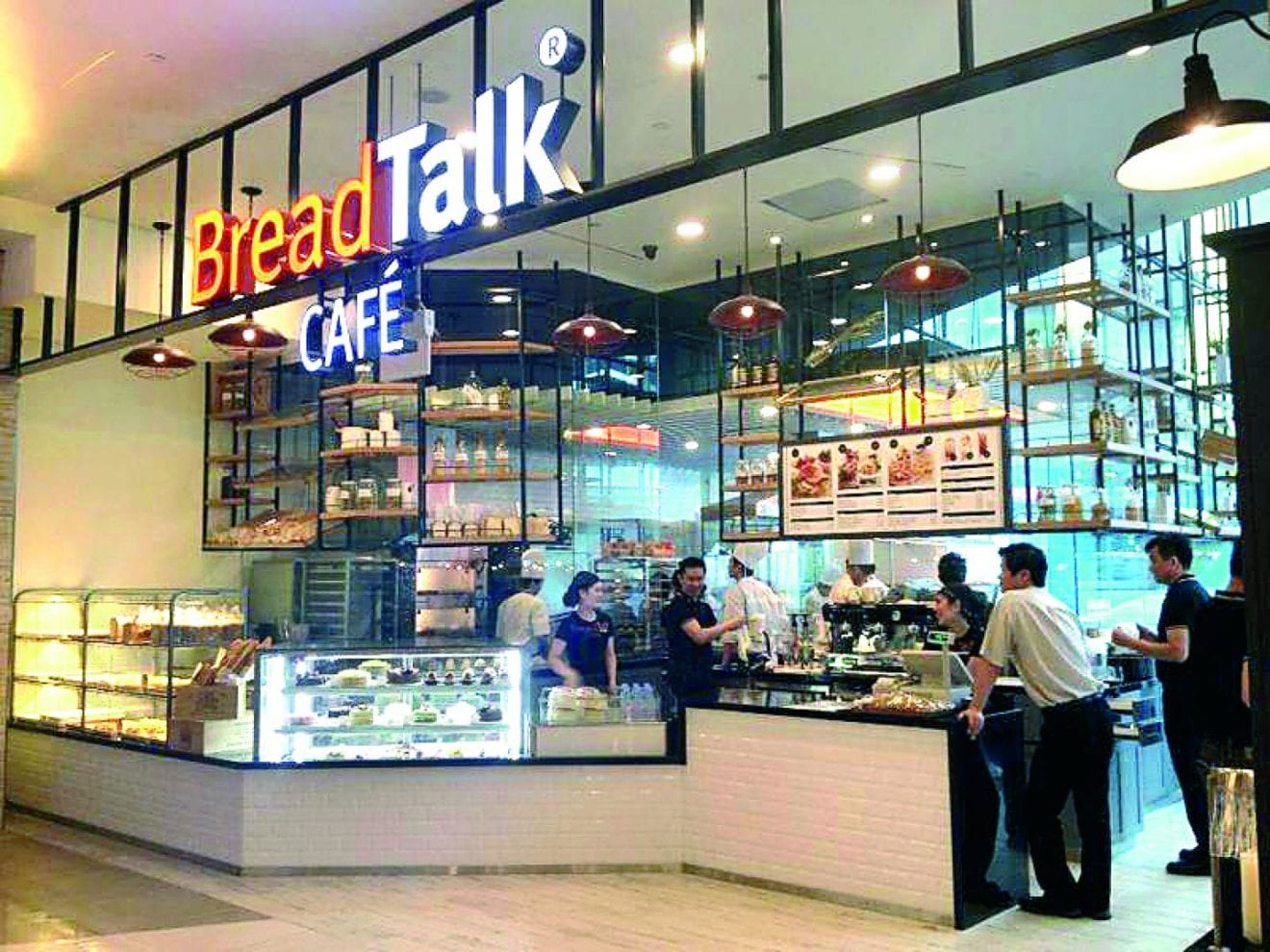
    Breadtalk Singapore has apologised to customers and withdrawn its soy milk for sale after a backlash on social media.

    The company has been labelling and promoting its bottled soy milk as “freshly prepared” – the claim was disproved by a photograph uploaded onto social media by a customer who was shocked to see a store employee hand filling plastic bottles from bulk containers of Yeo’s brand soya bean milk.

    The photo was posted on Sunday and has since gone viral forcing BreadTalk Singapore into damage control.

    The company has confirmed it buys the milk in one litre packs from Yeo’s before repackaging it in plain plastic bottles in-store. It claims an employee used plastic bottles labelled “freshly prepared” intended for fresh juice, not the soy milk.

    “We have heard our customers’ feedback about our bottled soya bean milk,” a BreadTalk spokeswoman said. “We would like to apologise for any misaligned presentation or wrong impressions created, and clarify that it is never our intention to mislead.”

    The chain says it will discontinue rebottling the milk and instead sell if from drink dispensers “to prevent misunderstanding”.

  • Banks, insurers to face new rules when selling at malls, public places

    Banks, insurers to face new rules when selling at malls, public places

    As financial institutions (FI) jostle to get a bigger share of the consumer dollar by sending their salespeople to hawk everything from credit cards to insurance and investment products at shopping malls, MRT stations and other public places, the Monetary Authority of Singapore (MAS) has stepped in to minimise the risks to consumers from such aggressive marketing tactics.

    In a consultation paper released today (July 23), the financial regulator proposes `Market Conduct Guidelines’ setting out safeguards that FIs — including banks, non-bank credit card and charge card licensees, insurance companies, capital markets and financial advisers — are required to implement while marketing their products and services at retail outlets and public places.

    “These proposals seek to strike a balance between allowing FIs flexibility with their marketing and distribution activities, while safeguarding consumers’ interests when they purchase financial products at retailers and public places,” said Mr Lee Boon Ngiap, assistant managing director of capital markets at the MAS.

    He emphasised that the regulator does recognise the importance of such marketing initiatives as a part of the FIs’ business models. The proliferation of such practises could lead to problems including harassment of consumers, confusion over the roles of the FI and the retailer, enticing consumers to purchase unsuitable products, buying financial products in an unconducive environment and mishandling of monies collected, the MAS said.

    Under the proposals, FIs will have to notify the MAS of their marketing and distribution activities at retailers and public places on a quarterly basis so that the regulator is able to monitor the situation more closely and tailor its supervisory approach accordingly.

    The MAS also proposed that the board and senior management of FIs be accountable for ensuring proper controls over their marketing campaigns at such places. FIs are also expected to call back customers roped in at public places before or within the free-look or cooling-off period to ensure they have understood the insurance and investment schemes they purchased. FIs must regularly conduct mystery shopping and site visits to ensure that their representatives adhere to the required standards and guidelines.

    The proposals complement existing rules and practises, and ensure consistency and alignment of standards across the financial industry, the MAS said, referring to existing guidelines that most FIs already have in place.

    Mr Antony Eldridge, financial services leader at business consultancy PwC Singapore said: “Given innovations in marketing and distribution techniques used by FIs, these proposals should not be unexpected. In fact, the proposals should also help to protect FIs in Singapore from getting caught in the kind of hugely costly scandals that have hit a number of overseas institutions.”

    Mr Rajan Raju, head of retail clients at Standard Chartered Bank Singa­pore, said: “The initiative is about responsible selling, treating customers fairly, and ensuring a robust process for the marketing of financial products and services. Treating customers fairly remains a key priority for us at Standard Chartered.”

    The Life Insurance Association of Singapore said its members are aligned with the MAS in safeguarding consumers’ interests. The implementation of numerous initiatives such as compareFIRST, balanced scorecard and Direct Purchase Insurance products are some examples of the industry’s efforts to ensure that consumers are well-informed and given flexibility in managing their portfolios to meet their protection, savings and investment needs, LIA added.

    The public consultation will close on Aug 24.

  • Banks in Singapore staring to offer higher fixed deposit rates

    Banks in Singapore staring to offer higher fixed deposit rates

    The upcoming Singapore Savings Bonds and stricter rules on how much capital banks must hold may be driving lenders to offer enticing promotional rates for fixed deposits.

    A shortage of funds on deposit available to banks for lending might also have prompted them to step up the competition for cash.

    Putting $25,000 into a 12-month fixed deposit now yields 1.5 per cent at OCBC and 1.45 per cent at Maybank, up from around 0.25 per cent to 0.7 per cent a year.

    Ms Kum Soek Ching, head of South-east Asia research at Credit Suisse, noted that banks could be offering promotions to prepare for the sale of the Singapore Savings Bonds (SSB), which could attract investments that would normally go into a fixed deposit.

    The bonds offer investors with a longer horizon a higher yield than fixed deposit rates, she said.

    Singapore Savings Bonds will start being issued in October and have a term of up to 10 years. They offer yields linked to long-term Singapore Government Securities, which have been between 2 and 3 per cent over the past 10 years.

    SSBs will start being issued in October and have a term of up to 10 years.

    They offer yields linked to long-term Singapore Government Securities, which have been between 2 and 3 per cent over the past 10 years.

    Dr Chua Hak Bin, head of emerging Asia economics at Bank of America Merrill Lynch, noted that the sale of SSBs would “intensify competition for retail deposits and pressure rates higher”.

    He added that the Government intends to issue up to $4 billion of bonds this year, an amount roughly equal to the increase in retail deposits over a six-month period.

    But some analysts believe SSBs will likely only marginally impact bank deposits in the short term.

    Mr Kumar Rachapudi, senior rates strategist for Asia at ANZ Research, said the amount of SSBs to be issued this year is small compared to total bank deposits, which are about $550 billion.

    The total bank deposits would at most be reduced by the amount of SSBs issued – only up to $4 billion – he added.

    Furthermore, retail investors are allowed to buy only up to $100,000 worth of SSBs, he said, adding: “There is no such cap on deposits.”

    Increasing liquidity requirements may also pressure foreign banks into raising rates, analysts here noted.

    Foreign banks deemed systemically important – such as Citi, HSBC, Maybank and Standard Chartered – will have to hold more high quality assets, like deposits, from January next year, noted Mr Chan.

    Ms Kum added that foreign banks could feel the pressure of increased deposit competition more, as they have a much smaller base of low-cost Singdollar deposits.

    However, local banks enjoy this larger base because of their home town advantage.

    The reduced pace of retail deposits, in the light of slower economic growth and a rate hike in the United States, would put further pressure on short-term rates, Dr Chua said.

    Local and foreign banks The Straits Times spoke to said their promotions were part of regular efforts to keep fixed deposit interest rates competitive.

    They also said they expected the SSBs to complement, not compete, against fixed deposits.

    Mr Matthew Colebrok, head of retail banking and wealth management at HSBC Singapore, said fixed deposits offered investors flexibility on terms while not limiting deposit amounts.

    They complemented saving bonds, which are used to meet long-term needs, he added.

  • Warner Music Singapore to stop distributing CDs

    Warner Music Singapore to stop distributing CDs

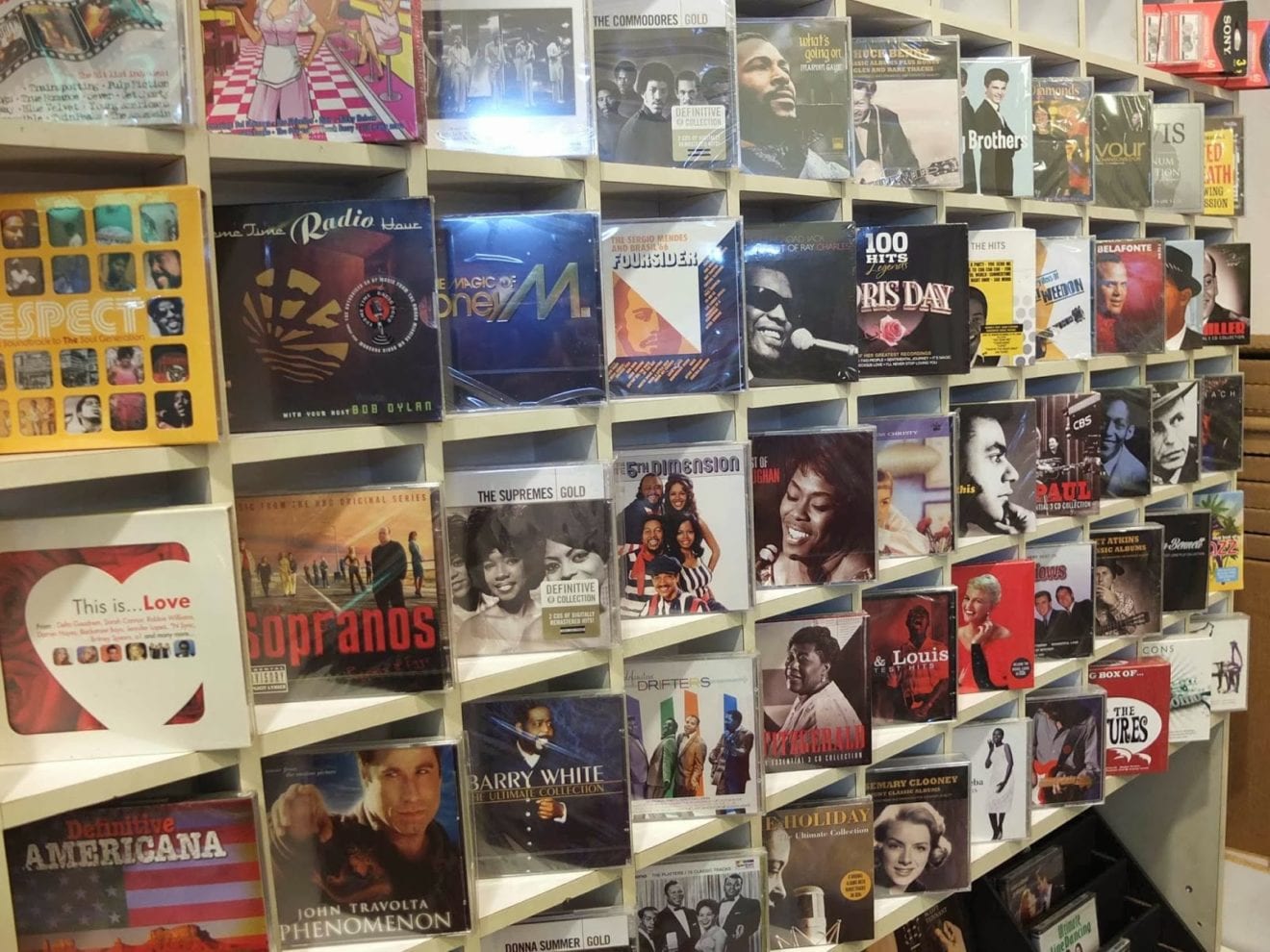
    The Singapore office of Warner Music – one of the major music labels along with Universal Music and Sony Music – is no longer bringing in CDs for sale and distribution here.

    This is what insiders in the local music industry – retailers and other labels – have heard.

    When contacted, Warner declined comment.

    In the last year, it released albums by Stevie Nicks, Ed Sheeran, Jolin Tsai and Singapore’s JJ Lin, according to its website. Other local musicians signed to it include Reuby and hip-hop duo SleeQ.

    While the other labels are still bringing in CDs, Life understands that Sony no longer handles the storage and distribution of these CDs to shops here. It has engaged another company for those functions.

    A veteran in the music industry, who declined to be named, said Warner’s decision was made in July. Retailers have also been informed of the move, and they say it is likely due to falling CD sales worldwide.

    A spokesman for HMV Singapore says it was notified of Warner’s move a couple of weeks ago, and of Sony’s move last year.

    Said the spokesman: “We will need to make slight changes by importing the CDs in the case of Warner.

    “For Sony, we can still get them locally supplied by MM2 (the company engaged by Sony). But some titles may be late, or on a rare occasion, not released.”

    Mr Ho Chan Sian, 60, owner of Memphis Music, a CD shop in Coleman Street, learnt about Warner’s move two weeks ago.

    He says: “It will be more inconvenient for us because we will not be able to draw stocks from Warner like before. We will have to turn to wholesalers to get CDs of artistes under the Warner label.”

    Consumers in the United States, the world’s largest music market, bought 257 million albums last year, a drop of 11 per cent from 2013.

    At Universal, sales of physical CDs in Singapore for the first half of this year have fallen 8 to 9 per cent, compared to the first half of last year.

    Says Ms Kim Lim, the head of marketing and sales for Malaysia and Singapore at Universal Music: “The market has evolved from physical sales towards digital distribution.

    “Digital is more affordable and easier to access. The consumer can also get it more quickly, instead of having to wait for CD stock to be ready in stores.

    “There are also very few stores nowadays as retail store rents are increasing year by year.”

    Says Mr Ngiam Kwang Hwa, 55, managing director of record label and concert organiser Rock Records: “I can totally understand Warner’s position. To bring in a CD, you have to pay for freight, GST, the warehouse to store the CDs, as well as distribution cost. If the sales volume is not high enough, it actually doesn’t make financial sense to do so.”

    Both Universal and Rock still bring in CDs for distribution.

    Ms Lim says: “We still believe some albums – that have nice packaging, exclusive content and limited edition packaging – are collectible items.”

    But Mr Ngiam expresses concern that Warner’s move is the beginning of an unhealthy outlook for the industry.

    He says: “My worry is that another one of the big labels will also stop bringing in CDs. Then the distribution system might change, and we might be forced to react.”

    When contacted, music fans were not surprised by Warner’s move.

    Public servant Tan Wei Ye, 28, has not bought a CD in more than 10 years: “Nowadays, I buy my music mainly from iTunes. I also use Spotify, Soundcloud and Bandcamp, and listen to music on YouTube sometimes.

    “You can just buy the individual songs you want, instead of having to commit to the full 10 or 12 songs on a physical CD. It doesn’t make sense to go to the physical CD shop anymore.”

  • BRI eyes syndicated loans as it opens Singapore branch

    BRI eyes syndicated loans as it opens Singapore branch

    State-owned Bank Rakyat Indonesia (BRI) will provide syndicated loans as part of a strategy to attract Indonesian companies following the opening of the lender’s branch office in Singapore.

    The lender will allocate at least US$100 million in the first year to Indonesian companies that are seeking offshore funding, an executive says.

    “We are aiming to lend at least $100 million of syndicated loans in the next 12 months. We already have some prospective loans in the pipeline, but the process will not be instant,” Azizatun Azhimah, general manager for BRI’s Singapore branch, said on the sidelines of the branch opening on Wednesday.

    Loans for any projects would be assessed based on their potential value, feasibility and compliance to the lender’s requirements, Azizatun said.

    BRI president director Asmawi Syam said the bank saw syndicated loans as a prospective type of lending to help boost its international business as well as finance infrastructure developments in Indonesia.

    “We can learn much about that type of loan in Singapore and collaborate with local and international banks here to grab opportunities.”

    According to Asmawi, demand for infrastructure financing will increase as more Singaporean investors get attracted to start investing in Indonesia’s infrastructure and other sectors following President Joko “Jokowi” Widodo’s visit to the city-state on Tuesday, saying that “the launch of BRI Singapore branch is well timed with the state visit”.

    “President Jokowi has invited Singaporean investors to help develop our infrastructure, so that BRI hopes to build a bridge between them and Singaporean and international banks as BRI is more experienced in financing infrastructure projects in Indonesia, such as power plants, seaports, airports and toll roads,” Asmawi said.

    President Jokowi met over 150 Singapore business leaders at a dialogue on Tuesday to discuss Indonesia’s economic priorities, foreign investments and partnerships in conjunction with his state visit to meet Singapore’s Prime Minister Lee Hsien Loong.

    Indonesia, Southeast Asia’s largest economy, needs to boost its infrastructure development and revitalize its manufacturing sector so as to achieve 7 percent economic growth by 2019.

    Asmawi said BRI was prepared to join the competition in the international banking business as it would ensure the competitiveness of the pricing offered by its services, adding that “our overall services will cover funding and lending facilities for corporate customers, including treasury, priority banking and trade finance”.

    “The Singapore market has big potential, so that we hope to break even in revenue in the second year, which is faster than the average overseas branches of banks,” Asmawi said while refusing to mention the revenue target.

    The new Rp 30 billion (US$2.2 million) Singapore offshore branch adds to BRI’s four existing overseas offices — BRI New York Agency, BRI Cayman Island Branch, BRI Hong Kong Representative Office and BRI Remittance Office.

    The Singapore branch will be able to provide wholesale banking services, such as trade finance and remittance as well as wholesale fund management.

    The branch, which is categorized as an “offshore branch” according to Monetary Authority of Singapore’s (MAS) regulation, has limited operation in wholesale or corporate banking services. Meanwhile, foreign banks under the “full branch” category in Singapore are allowed to operate wholesale and retail banking services as well.

    MAS granted the license to BRI in June after the bank applied in 2013 to be one of the players in Singapore’s foreign bank market in preparation for the ASEAN Economic Community’s (AEC) financial and banking integration in 2020, when certain grades of banks and financial companies will be allowed to operate freely across the region.

    On the sidelines of the launch, Coordinating Economic Minister Sofyan Djalil said the government applauded BRI’s move in entering Singapore’s banking market as the city-state was famous for being difficult to penetrate due to tight restrictions and requirements for foreign banks.

    “This action is positive because we are entering the AEC, so that our banks should prepare themselves to operate regionally. By being exposed more to the international market, BRI is expected to tap more resources to improve itself and its customers as well as to contribute to Indonesia’s economy.”


  • SE Asian consumers switch to ecommerce

    SE Asian consumers switch to ecommerce

    International information technology players have been piling in.

    Japanese telecoms group Softbank has made a string of acquisitions across Asia. It invested $250m in the region’s ride-hailing app GrabTaxi at the end of last year. In Indonesia, it invested $100m in online marketplace Tokopedia and mobile device retailer Trikomsel.

    Singaporean blue-chip companies such as Singapore Press Holdings and MediaCorp, the latter controlled by Temasek Holdings, Singapore’s government-controlled investment company, have also been involved in a raft of deals.

    This month, Temasek said it would partner with United Overseas Bank to set up a venture and debt financing fund of nearly $500m to help finance the growth of ecommerce and other technology and healthcare initiatives around the region.

    Online sales account for only 1 to 2 per cent of total retail sales in many southeast Asian countries, providing ample scope for the kind of breakneck growth that online trade has enjoyed in China — where ecommerce now accounts for 11 per cent of total retail sales, up from 2.5 per cent just five years ago, according to estimates by FT Confidential Research, a Financial Times research service.

    But ecommerce operations in Southeast Asia are often hindered by factors such as high logistics costs and the limitations of online payment systems. In Indonesia, more than 95 per cent of ecommerce transactions are settled in cash on delivery, and more than 90 per cent of visits to ecommerce sites do not result in sales.

    Nevertheless, online retailers Lazada and Zalora, both owned by German tech investor Rocket Internet, have built up robust online sales across the region. They have tackled logistical constraints by investing heavily in their own in-house logistics and supply chain providers.

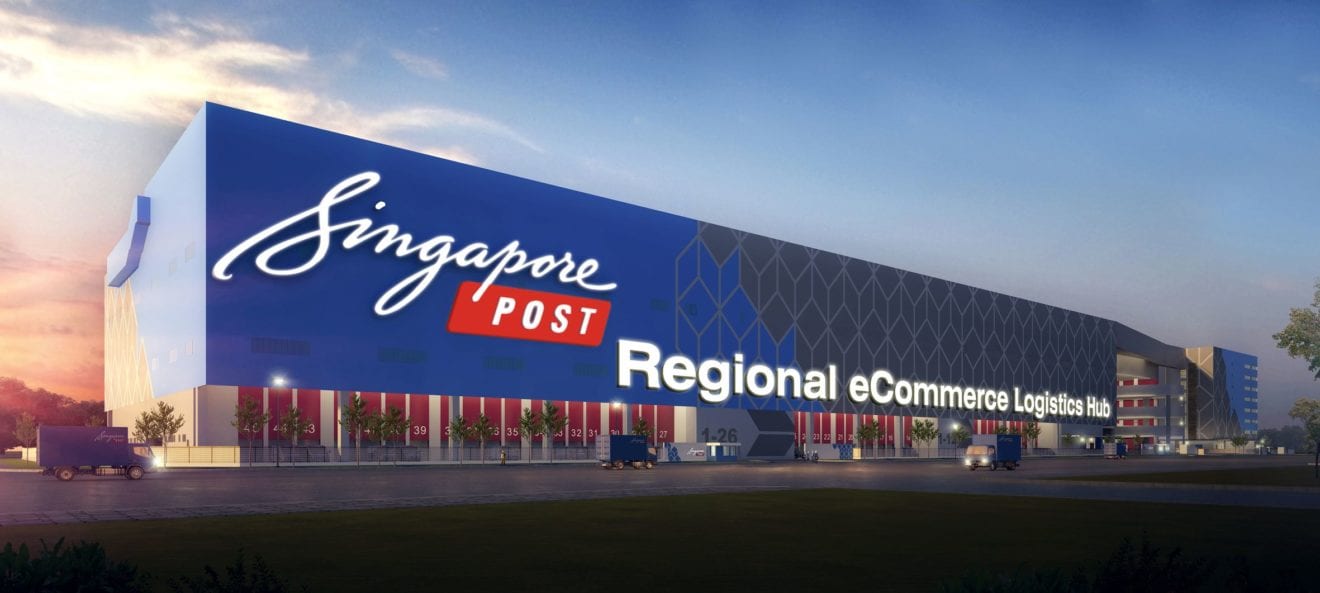
    Chinese ecommerce giant Alibaba, meanwhile, is expanding its international ecommerce site AliExpress across the Asean region. It recently acquired a 14.5 per cent stake in Singapore Post, which last year announced plans to spend $145m on a regional ecommerce logistics hub. Its rivals in the logistics sector include Singapore-based aCommerce, which is backed by Japan’s NTT Docomo.

    A number of pan-Asean online payment systems are in the process of being established, meanwhile, such as 2C2p and Coda Payments.

    As ecommerce expands, consolidation is set to follow. Many domestic start-ups have focused excessively on building initial sales volume at the expense of profitability. At some point soon, a shake-out appears inevitable.

  • Truly a Dark Horse

    Truly a Dark Horse

    Dark Horse the unique Singaporean vintage clothing retail concept, is holding a grand opening of its pop up store tomorrow, (August 1).

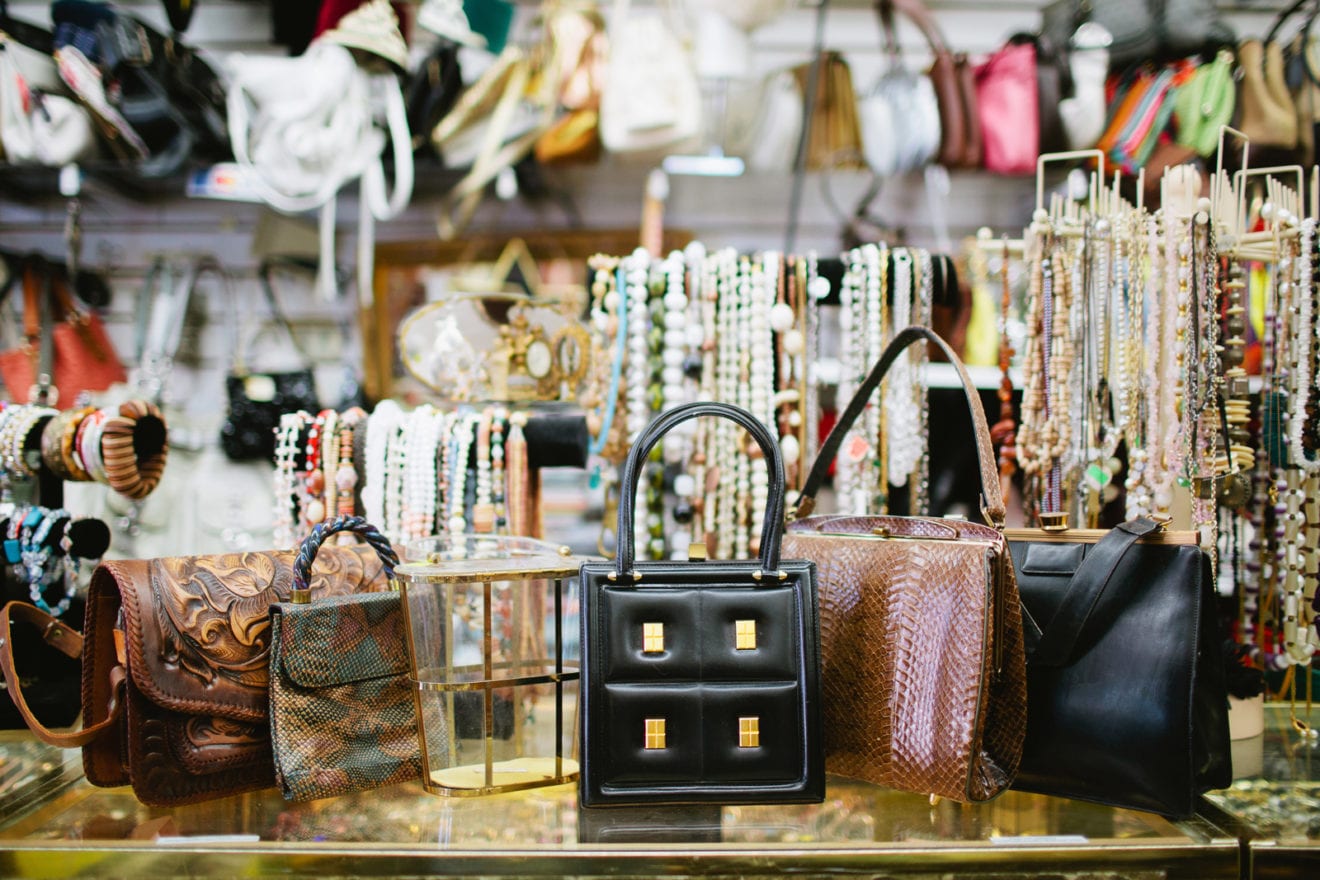
    Dark Horse Vintage offers a comprehensive range of “vintage treasures” hand-picked from abroad.

    Each piece has its own distinctive style, detailing and history, guaranteeing purchasers they won’t have to worry about seeing someone else adorned in the same threads.

    “Our gems are only one of a kind,” exclaim the founders.

    The pop up will be located on Arab St, at no 31.

    The store promises a wide range of collections from 1960s sun dresses to elegant silk scarves, retro high-waisted skirts and more.

    Besides its occasional pop up stores the retailer also provides personalised shopping and styling. “We handpick a customised collection from our range especially suited customers style preferences”.

  • HonestBee triggers Singapore food fight

    HonestBee triggers Singapore food fight

    A new player in Singapore’s online grocery market – honestbee – is set to bring a unique approach and ramp up the competition.

    Jonathan Low, co-founder of the new concept, describes honestbee as “an Instacart-like service which assigns a freelance runner to buy groceries on your behalf from the nearest supermarket”.

    Honestbee is the latest entrant in Singapore’s online grocery battle, and it’s eager to prove it can deliver the goods. Casual observers probably won’t spot many differences between the service and its competitors, which now include RedMart, PurelyFresh, and GoFresh. Even supermarkets like Cold Storage are upping the ante with a revamped online shopping site.

    Indeed, they all seem to work the same way. After entering your postal code, the site tells you what merchants are available in the area. You then select one of its partners – from supermarkets like Cold Storage and Sheng Siong to smaller setups like Pet Lovers Centre and Gastronomia.

    Next comes putting items in your shopping cart, picking a time slot, and checking out. The service waives delivery fees for basket sizes above a certain amount. And, if all goes well – and it usually does – the delivery guy rings your doorbell at the appointed time.

    So far so good. But where honestbee really shines is its promise of delivering groceries to you within an hour, writes Terence Lee on TechInAsia.com.

    “Well, more like two hours, as the case was for me. I made my purchase at 11.30am, and the earliest time slot I could choose was 1pm to 2pm. One-hour ranges are the best anyone can do in Singapore now, though honestbee wants to eventually introduce 30-minute slots.”

    The startup is part of a rising class of “on-demand” services that aims to give you what you want, as soon as you want it. Uber pioneered the idea of using existing resources (idle private vehicles) and summoning them to anyone through an app. Instacart takes the same concept to groceries, and honestbee applies the same model to Singapore.

  • SingPost flourishes on eCommerce focus

    SingPost flourishes on eCommerce focus

    A firm focus on serving the booming eCommerce market has helped Singapore’s national postal service achieve a record first quarter profit.

    SingPost on Wednesday says in made S$46.6 million net profit in the first three months as its eCommerce strategy paid dividends. Its performance comes in an era when postal services internationally are struggling to break even and remain relevant as traditional mail volumes fall.

    Like every other mail service provider, traditional mail volumes declined in the quarter – by 1.6 per cent – but a modest increase in postal charges offset declining traditional postage income. However revenue from logistics, which includes SingPost’s eCommerce logistics business, soared 43.6 per cent to S$140.1 million – $15 million more than postage revenue.

    The company also achieved a one-off gain from divestments.

  • Rents down, vacancy rate up for retail space in Q2

    Rents down, vacancy rate up for retail space in Q2

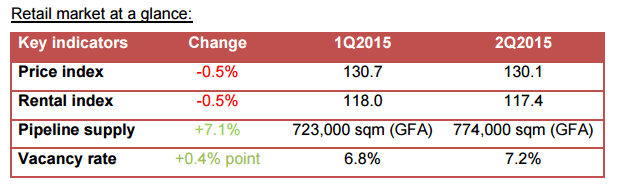
    Prices and rentals of retail space both dipped by 0.5 per cent in the second quarter of this year, according to data from the Urban Redevelopment Authority on Friday.

    It was the second straight quarter of rental decline and comparable to the level seen early last year. Prices had stayed stable in the first quarter.

    Vacancy rate of retail space rose 0.4 percentage points to 7.2 per cent for the second quarter, the highest in over four years.


    SOURCE: URA

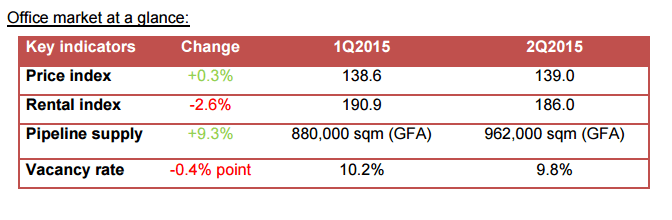
    Office rents also weakened by 2.6 per cent in the second quarter, after rising 0.6 per cent in the first quarter.


    SOURCE: URA

    Office prices rose 0.3 per cent in the quarter, after falling 0.1 per cent in the first quarter.

    Vacancy rate of office space dipped by 0.4 percentage points to 9.8 per cent for the second quarter.