Tag: Singapore

  • Singapore Press Holdings Limited Makes Big Splash In e-Commerce

    Singapore Press Holdings Limited Makes Big Splash In e-Commerce

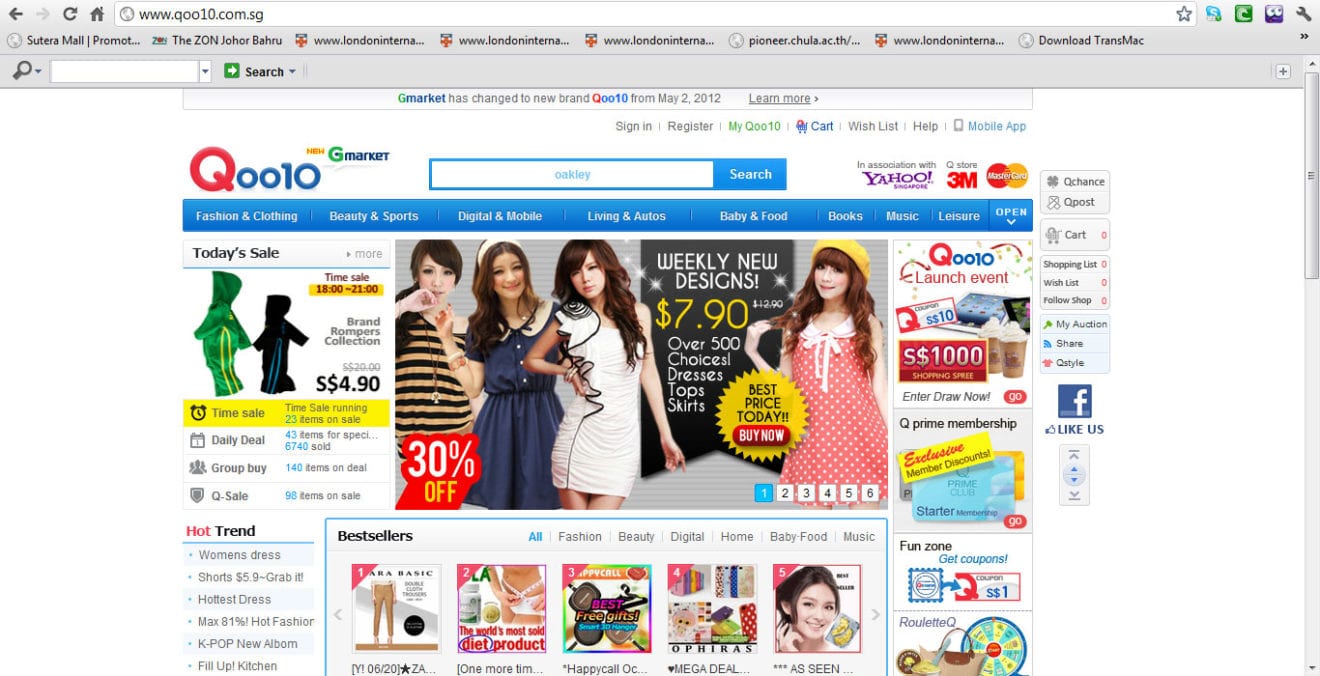
    For those of you who are shopping online regularly, Qoo10.sg might be a familiar name. According to Alexa, a website ranking company, Qoo10.sg is the second most popular e-commerce site in Singapore, behind only U.S. online retail giant Amazon.com.

    Qoo10 is a joint venture between South Korean e-commerce outfit Giosis Group and American online marketplace creator eBay Inc. Qoo10’s still a private company, but investors who believe in the potential of e-commerce and think that Qoo10 will be a strong beneficiary of this important trend will be happy to know that they can now get exposure to the firm.
    Earlier today, it was revealed that Qoo10 had just raised US$82.1 million from a group of investors who are led by newspaper publisher and property developer Singapore Press Holdings Ltd. Singapore Press Holdings has long been trying to diversify away from its traditional print business which might be facing structural challenges with more and more people obtaining their information online. This affects the circulation of the firm’s traditional print newspaper and would thus directly affect the firm’s advertising revenue.

    The negative impacts to Singapore Press Holdings’ business are already apparent with the firm’s total ad revenue from its newspapers falling in each year since its fiscal year ended 31 August 2011 (FY2011).

    As a result, Singapore Press Holdings has been actively investing into other types of businesses over the past few years. In particular, the company has been putting capital to work aggressively in the internet space. Currently, Singapore Press Holdings is owner of some of the most popular sites in Singapore such as hardwarezone.com, shareinvestor.com, and even stomp.com.sg.

    With an investment into Qoo10, Singapore Press Holdings has gained access to an e-commerce marketplace in six different territories (Singapore, Japan, Indonesia, Malaysia, Hong Kong and China).

    Qoo10 currently has about 17.6 million registered users and had achieved a gross merchandise value (GMV) of US$408 million in 2014. Interestingly, Singapore is currently Qoo10’s best performing market, with more than US$182 Million in GMV in 2014 with just 1.8 million registered users. However, there is no detail on whether Qoo10 is profitable or not at the moment.

    More synergy?

    With the new investment, there might be some synergies to exploit given Singapore Press Holdings’ distribution-reach on both its offline and online media properties.

    If Singapore Press Holdings is able to successfully promote Qoo10 within its audiences on its various media platforms, it might help boost growth for Qoo10 in the coming years.

    Foolish Summary

    The internet looks to be the way forward in the future. But, investors have to know that businesses that ply their trade on the web are engaged in extremely fierce competition.

    With low barriers to entry and having access to a global market at your fingertips, internet businesses need to dominate or else they might disintegrate. Clearly, Singapore Press Holdings has decided it wants a part of all these and its investment into Qoo10 is just another step in its longer term ambition to transform its business. Let’s hope it can compete successfully in this unforgiving landscape.

    For those of you who are shopping online regularly, Qoo10.sg might be a familiar name. According to Alexa, a website ranking company, Qoo10.sg is the second most popular e-commerce site in Singapore, behind only U.S. online retail giant Amazon.com.

    Qoo10 is a joint venture between South Korean e-commerce outfit Giosis Group and American online marketplace creator eBay Inc. Qoo10’s still a private company, but investors who believe in the potential of e-commerce and think that Qoo10 will be a strong beneficiary of this important trend will be happy to know that they can now get exposure to the firm.
  • Singapore Savings Bonds: Good intent, bad timing, say analysts

    Singapore Savings Bonds: Good intent, bad timing, say analysts

    Singapore’s plan to launch a savings bond to encourage long-term retail savings is unsettling domestic banks and economists who fear this bond will push interest rates up and suck cash out from an already anaemic economy.

    The new bond, which will begin selling in October, will have a term of 10 years. It will offer the same yields as government bonds or ten times the returns on bank deposits, and can be redeemed without penalty at any point.

    Such a juicy proposition could cause a flight of cash from bank deposits into these bonds and force interest rates higher as banks compete to attract savers.

    The government says it will issue a maximum of S$4 billion worth of bonds this year, which is still more than a fifth of deposit growth in 2014.

    The timing of these bonds, which are aimed at meeting a long-felt need for long-term investment options in the low-yielding economy, couldn’t be worse, say analysts.

    The economy contracted sharply in the second quarter as manufacturing slumped and is at risk of tipping into technical recession. Price pressures are subdued and expectations are building for the central bank to ease policy once again at a twice-yearly review in October.

    “Launching a retail savings bond now is almost like reverse QE,” said Chua Hak Bin, an economist with BofA Merrill Lynch in Singapore, referring to the unorthodox quantitative easing (QE) policies the United States and other major economies have pursued in the years since the 2007 financial crisis.

    Chua points to the already slowing deposit growth in the Singapore banking system, with just S$3.8 billion ($2.8 billion) of deposits being added in the first five months of 2015, just 20 percent of the total growth last year.

    He suspects the government would invest the savings bond flows overseas. That would further pressure loan growth, by tightening available cash and triggering a rise in deposit rates, he said.

    “So the timing is not ideal. The economy has stagnated in the first half and this will worsen the situation,” Chua said.

    Citibank analysts expect that of a total S$559 billion of deposits in the banking system, 36 percent are savings deposits held by households. If on average the MAS issued about S$6 billion worth of bonds each year, S$30 billion would flow from the deposit base into bonds over five years, they estimate.

    RISK-FREE AND REWARDING

    Singapore’s central bank, the Monetary Authority of Singapore (MAS), has set a cap of S$100,000 on individual investments in the bond.

    MAS Managing Director Ravi Menon played down fears the bond will cannibalise bank deposits.

    “The savings bonds issuance numbers pale in significance compared to the total size of the banking deposits,” he said at a news conference this week.

    Yet there is little doubt the bonds will draw savers from banks. Government bonds yield about 0.95 percent for one-year and 2.6 percent for 10 years. Bank deposits fetch around 0.25 percent for a year and just double that for 24 months.

    “The Singapore Savings Bond is bending the risk-reward paradigm in investors’ favor,” said Zal Devitre, head of investments at Citibank in Singapore.

    Devitre believes retail investors and consumers will be keen to buy the bonds, and yet thinks it is premature to be projecting the impact that will have on rates and banking system liquidity.

    Local banks such as DBS, Oversea-Chinese Banking Corporation and UOB are expected to be impacted if there is a heavy migration of deposits.

    But analysts also expect there will be more pressure on global banks such as Citibank, Standard Chartered, HSBC and Malayan Banking Bhd, which have been deemed systemically important by Singapore and therefore need to maintain higher capital than stipulated under the Basel 3 guidelines.

  • Grana Singapore pop up opens

    Grana Singapore pop up opens

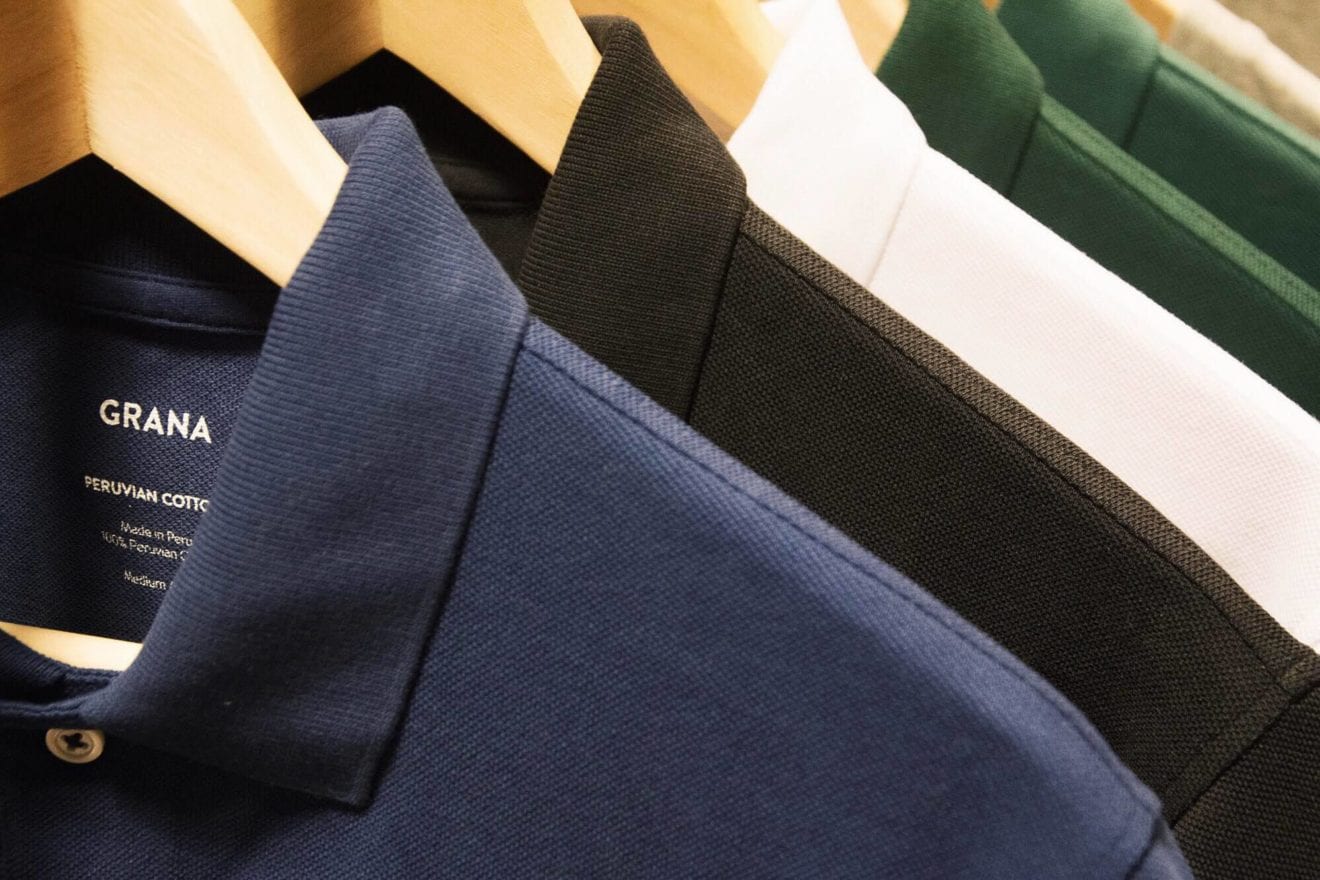
    Fast-growing Hong Kong-based online fashion business Grana has opened a pop up store in Singapore.

    The Grana Singapore pop up is its second – and this one is located in the heart of the city’s retail zone, on Orchard Rd.

    Grana is the creation of Australian Luke Grana, who was inspired by the high quality of t-shirts he came across during a trip to Peru. The site was developed with a unique business model in mind – in Grana’s own words “high-quality fashion at disruptive prices”.

    Last week, Grana announced it had received US$1.5 million in fresh funding led by Golden Gate Ventures which would be invested in expanding the business and running more short term pop up stores in Asian markets to boost brand awareness.

    The Singapore Grana pop up is located on Level 1 of Orchard Central, and will trade until August 5 from 11am – 10pm daily.

    Grana’s business model is a little different to more high profile brand fashion chains.

    “We deal directly with fabric mills instead of going through distributors or agents. Also, by operating online, we don’t have to pay rent,” says founder Luke Grana.

    “So when fashion retailers put in mark-ups along the way, our pricing is really simple: each of our shirts cost US$6, we retail that for US$12; jeans are US$20, we sell that for US$40. It’s a really honest and transparent pricing model and I think that’s what our, Generation Y customers prefer.”

    Grana plans to triple its range of styles, expand its online marketing into more countries and open more pop-up stores, which have proven hugely successful in building brand awareness in Hong Kong.

    This year, Grana is expanding into China, Europe, Japan, South Korea and Dubai. It will also expand its range into new apparel categories: Mongolian cashmere sweaters, Irish linen shirts, French poplin shirts and US twill chinos.

  • Louis Vuitton wins Singapore copycat case

    Louis Vuitton wins Singapore copycat case

    Luxury brand Louis Vuitton has successfully sued a Singapore retailer for selling imitations of its goods.

    The High Court in Singapore ordered Cuffz, a retailer located in Raffles City shopping centre, to pay Louis Vuitton $35,000 in statutory damages for selling wallets which, in the court’s view, “imitated” the French brand’s own products.

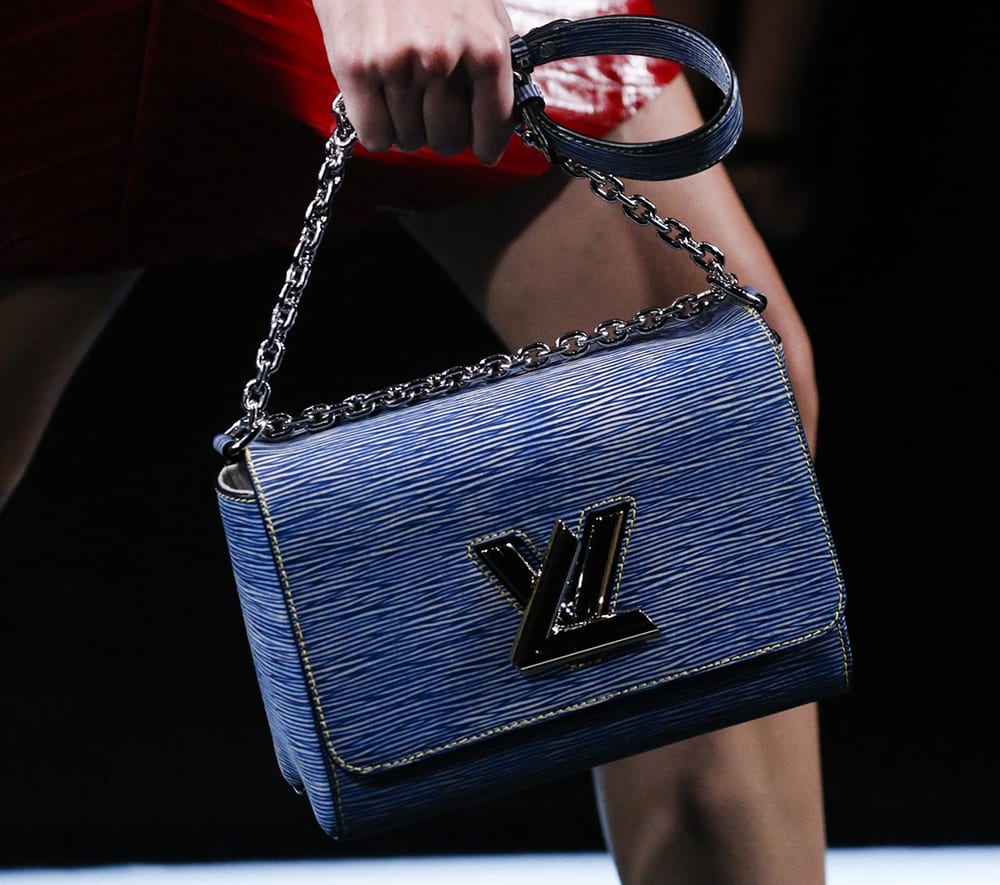
    The wallets bore the ‘Epi Mark’, Louis Vuitton’s trademark interweaving ridges and valley in a recognisable two-tone effect, according to court documents.

    Assistant court registrar Edwin San issued a strongly worded written decision  observing Cuffz “demonstrated a contumelious disregard” for Louis Vuitton’s intellectual property rights and was a business which “flagrantly dealt in counterfeit goods”.

    The store closed in May last year soon after a police raid led to the seizure of allegedly infringing goods centreplace in this case.

    While the victory marks a clear win for Louis Vuitton, with the court’s decision leaving little room for misinterpretation, similar such cases in the past have been less clear cut.

    In Hong Kong, six years ago, LV withdrew criminal charges against high profile watch retailer City Chain for trademark infringement, alleging it used the LV flower design in a range of watches. Judges concluded that while the flower patterns were similar to Louis Vuitton’s, they were not identical.

    Louis Vuitton had sought $100,000 in damages – but the case was never about money. It was about Louis Vuitton sending a message to retailers that it was prepared to actively protect its trademarks and intellectual property.

  • Changi continues with new T4 leasing process

    Changi continues with new T4 leasing process

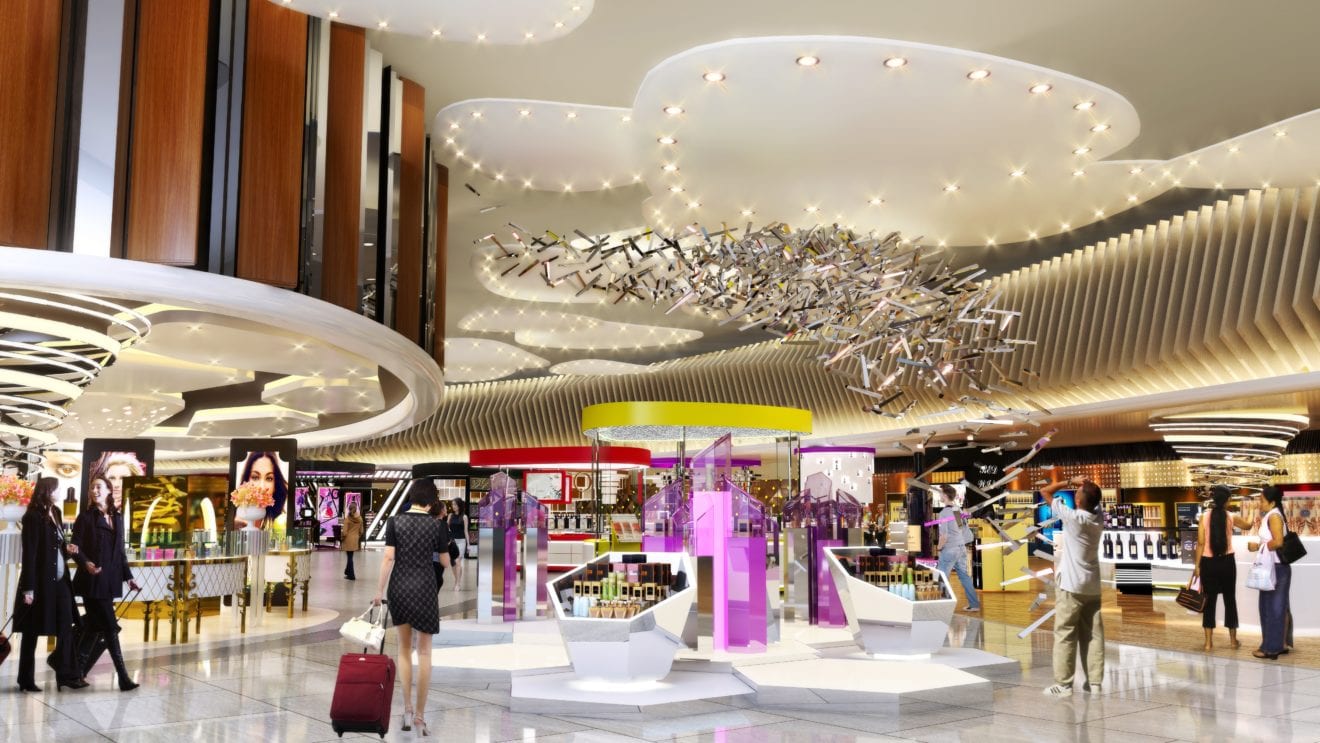
    The Changi Airport Group (CAG) has received its first expressions of interest from ‘established travel retail companies as well as popular international and local brands’ interested in concessions at its new 195,000sq m Terminal 4, which is due to open in 2017.

    As reported, the S$985m ($741m) terminal with a planned annual 16m passenger capacity will comprise 17,000sq m of retail and F&B space for more than 80 outlets, with expectations that the overall quality standards will be at least comparable to those offered in Changi’s other terminals.

    Interestingly, airport management added: “In another Changi first, passengers will have a unique walk-through experience shopping for Liquor & Tobacco and Cosmetics & Perfumes. There will also be a cluster of double-volume retail shop fronts, as well as innovative design concepts for a differentiated shopping experience.

    Meanwhile, Changi reports ‘good progress’ with its T4 project development and construction works, which started last year. The terminal building is now reported to be more than 70% complete, with the main superstructure now recognisably visible. The actual completion of the superstructure is now expected before the end of this year.

    This will then trigger the next phase, which will include the installation and testing of key airport systems such as kiosks for check-in and bag-drop, plus the baggage handling system, as well as the preparation of Terminal 4’s commercial spaces.

    It has also been confirmed that five more airlines – AirAsia Berhad, Indonesia AirAsia, Thai AirAsia, Korean Air and Vietnam Airlines – will all operate at T4, joining with Cathay Pacific.

    CAG said: “In total, these six airlines currently operate almost 800 flights every week at Changi Airport and collectively accounted for close to 7m passenger movements in 2014. With T4’s breakthrough terminal design and innovative concepts, passengers of these airlines can expect enhanced travel experiences at T4.”

    Airport management adds that it expects a few other airlines will also operate at T4 when it opens and it is forecasting between 8m and 10 m passenger movements in the initial period of operations.

    Changi Airport Group (CAG) Executive Vice President Commercial, Lim Peck Hoon underlined the high expectations that the airport’s commercial team has for its new retail and F&B offerings at T4.

    She said: “We want to inspire our partners to dream big with us, to think up show-stopping store designs and innovative retailing concepts to delight and surprise our passengers and airport visitors and create an airport shopping and dining experience like no other.”

  • Osim mulls ‘challenging’ quarter

    Osim mulls ‘challenging’ quarter

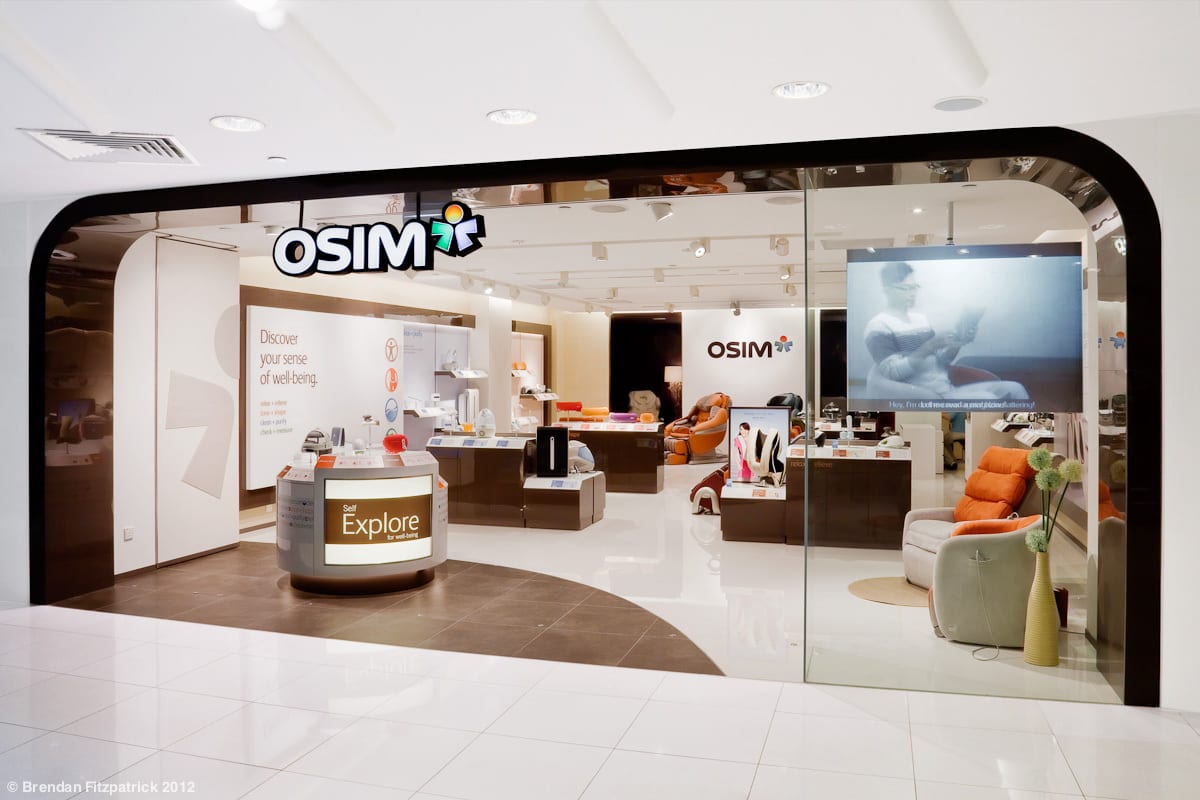
    Singapore based lifestyle products retailer Osim says trade across all its core markets were soft in the last three months.

    “This has been another challenging quarter,” the company said, declaring sales of SG$159 million and a profit of $29 million.

    “Despite these challenges, our dominant brand has enabled us to maintain a stable gross margin and cash generative business. We are continuing to invest for growth supported by a strong balance sheet.”

    Osim has 560 retail stores in 23 countries, with China maintaining its place as its largest market, where it has 251 stores in 45 cities.

    New products including uMagic, uInfinity Luxe, uDiva, uHip, uSqueez Air, uTrek and uShape Music helped sustain Osim’s dominant position in the category.

    “Our GNC outlets are doing well. We have a total of 220 GNC/RichLife outlets in ONI Global

    and we are growing our sales through new product launches,” the company said.

    Osim also operates 47 TWG Tea outlets, having opened four new ones in the quarter and with plans to open a further 11 in the second half of the year.

    “We remain optimistic on the prospects for the remainder of the year following launch of uMagic in key markets and upcoming planned product launches,” the company said in its stock exchange filing.

  • Hamleys Singapore opens its doors

    Hamleys Singapore opens its doors

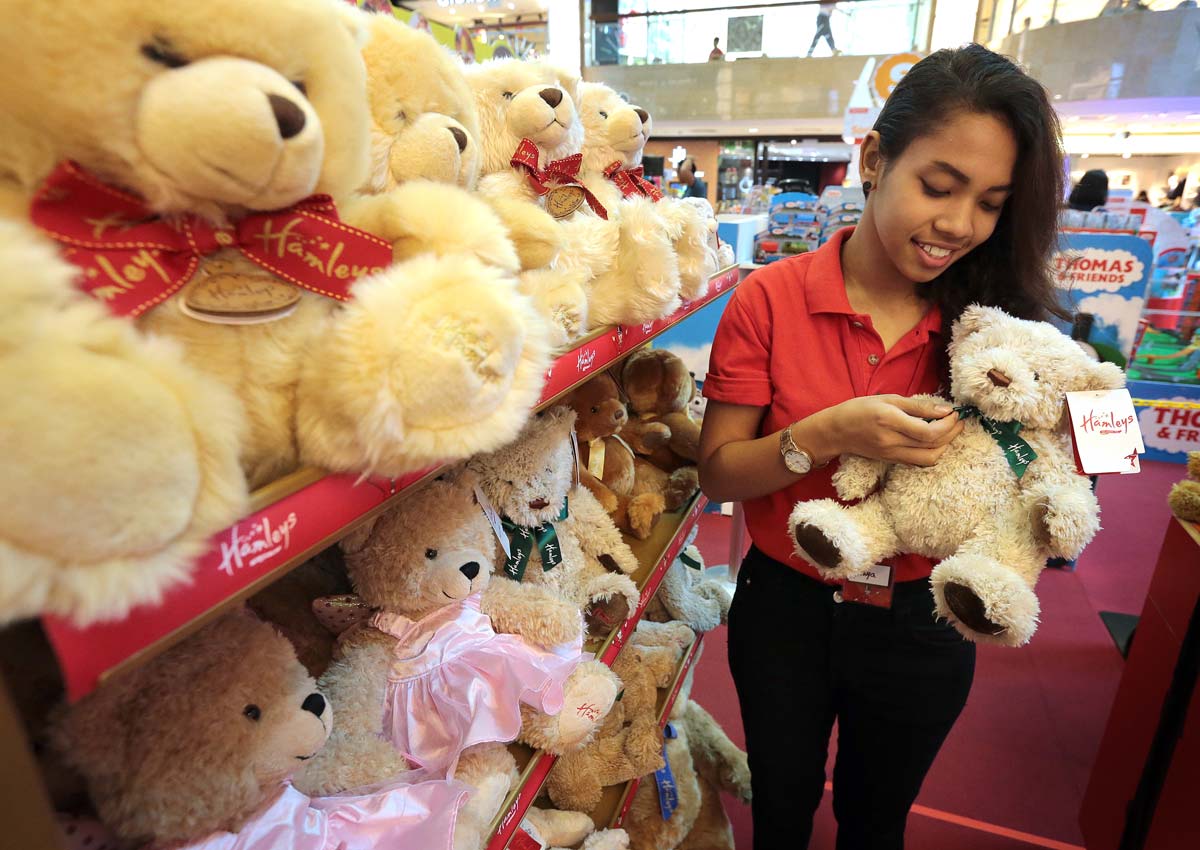
    The world’s oldest toy store is now open in Singapore.

    Hamleys is now trading in Plaza Singapura on the city state’s prime shopping strip Orchard Rd.

    Occupying 12,000 sqft across two floors of Plaza Singapura, the Hamleys store boasts prominent street frontage along Orchard Rd.

    Dubbed ‘The Finest Toy Shop in the World’ the new store promises an exciting in-store concept where playing is encouraged. Shoppers will find themselves immersed in a magical toy wonderland stocked with more than 10,000 toys, ranging from the traditional to the high-tech, as well as games and puzzles, arts and crafts, magic props, the Luvley Boutique – where girls will find an exciting selection of hair and nail products – and the iconic Hamleys Teddy Bear.

    Hamleys’ unique approach focuses on ‘bringing toys to life’ for children and families by actively encouraging children to play with the toys in store or by engaging with expert toy demonstrators. Understanding that memories underpin the essence of the Hamleys brand, the toy store will arrange for shoppers to meet the Hamleys Bear and popular characters such as  Barbie, Peppa Pig and the Teenage Mutant Ninja Turtles on special occasions.

    Ong Kee Leng, GM of Plaza Singapura, said that when introducing new-to-market brands, the centre looks for those with an established international track record.

    “The addition of Hamleys to Plaza Singapura will further enhance our position as a one-stop destination mall for families and friends, centrally located on Orchard Rd. We are confident that children will build lasting memories of unbridled joy and unforgettable fun times while adults will relive wonderful childhood years at Hamleys.”Plaza Singapura, also known as PS, is one of the oldest and largest malls on Orchard Rd. Established in 1974, it was the first to pioneer the all-in-one shopping concept, introduce anchor tenants and multi-storey parking.  The nine-storey mall which was recently revamped features over 300 stores and a 170m frontage along Orchard Rd.

  • Sands retail profits soar

    Sands retail profits soar

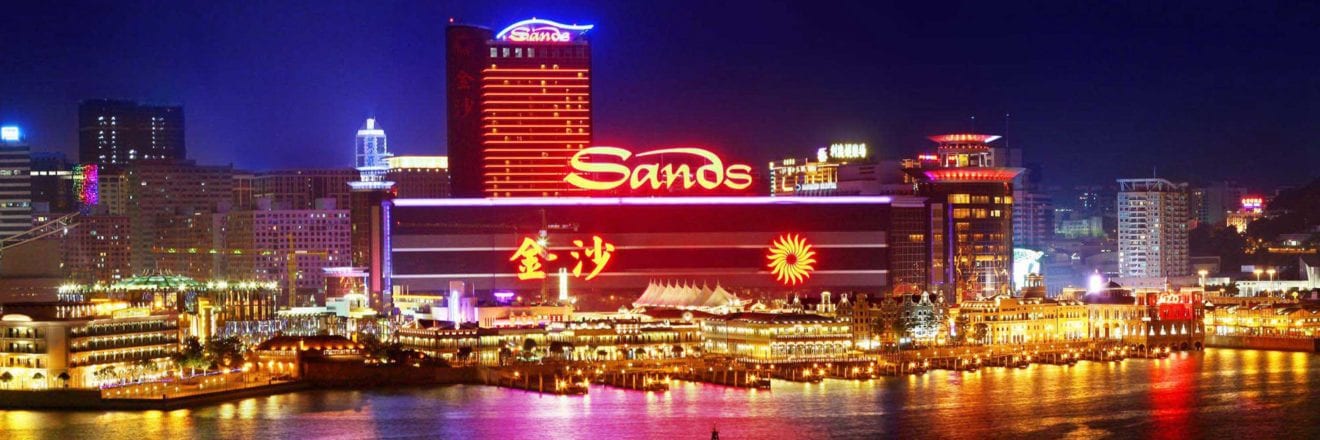
    Macao’s gambling downturn may be impacting on casino operators’ bottom lines – but retailing is on the rise.

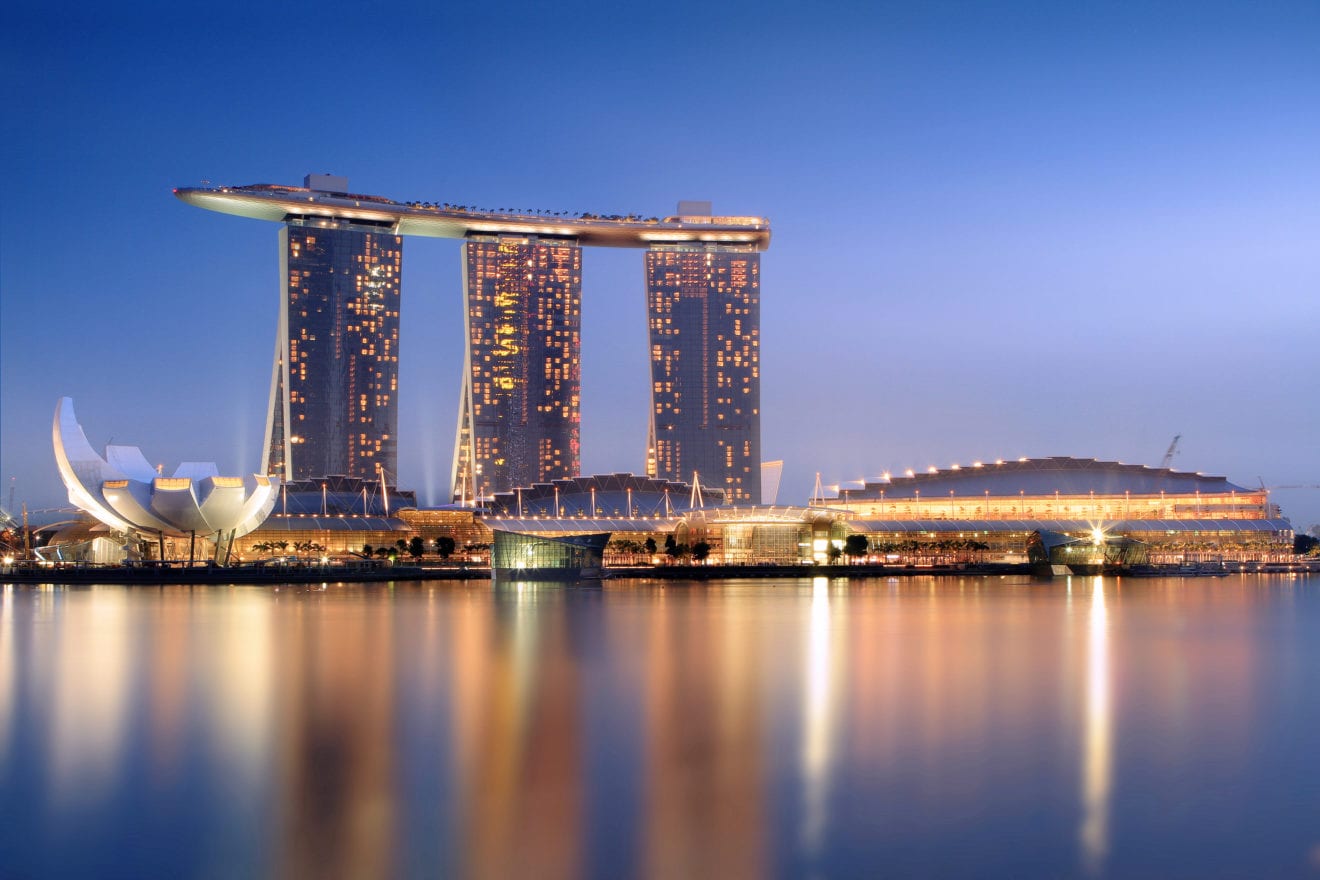
    Las Vegas Sands, which owns The Venetian Macao, Four Seasons Macao and Sands Cotai Central shopping malls in Macau – and the Marina Bay Sands in Singapore – has reported an 18.2 per cent lift in profits from its Asian retail operations year on year for the quarter to June 30.

    Gross revenue from tenants in the company’s malls on the Cotai Strip and at Marina Bay Sands, reached US$134.4 million for the second quarter of 2015, an increase of 13.6 per cent compared to the second quarter of 2014.

    “Operating profit derived from these retail mall assets increased 18.2 per cent for the quarter compared to the quarter one year ago, reaching $119.4 million,” the company said in its quarterly financial statements filed in the US.

    The company says that despite the softer gaming market in Macao, The Venetian Macao “continued to enjoy Macao market-leading visitation and financial performance”.

    “The property generated adjusted property EBITDA of $255 million in the second quarter with an EBITDA margin of 34.5 per cent.”

    Mall revenues of The Shoppes at the Venetian Macao increased 14.9 per cent during the quarter to reach $48.5 million.

    The Shoppes at Four Seasons – 100 per cent leased at the end of the quarter – brought in $31.1 million in gross revenue and turned an operating profit of $29.2 million, giving an operating profit margin of 93.9 per cent.

    The Shoppes at Cotai Central brought in $14.6 million and a profit of $12.6 million. That mall was 97.8 per cent leased.

    And in Singapore, The Shoppes at Marina Bay Sands, 93.6 per cent leased at period end, brought in $40.4 million of revenue for the quarter and a profit of $34.5 million, for an operating profit margin of 85.4 per cent.

    Tenant sales per square foot were $5589 in the luxury section of the Four Seasons property, $2646 in the non luxury section; at the Venetian Macao $1578, at Cotai Central $1004. Marina Bay, by comparison, reached $1393.

    The overall Asian retail operation achieved $1789 per square foot in the quarter to June 30.

  • Faces in new places Raffles, Fairmont and Swissotel

    Faces in new places Raffles, Fairmont and Swissotel

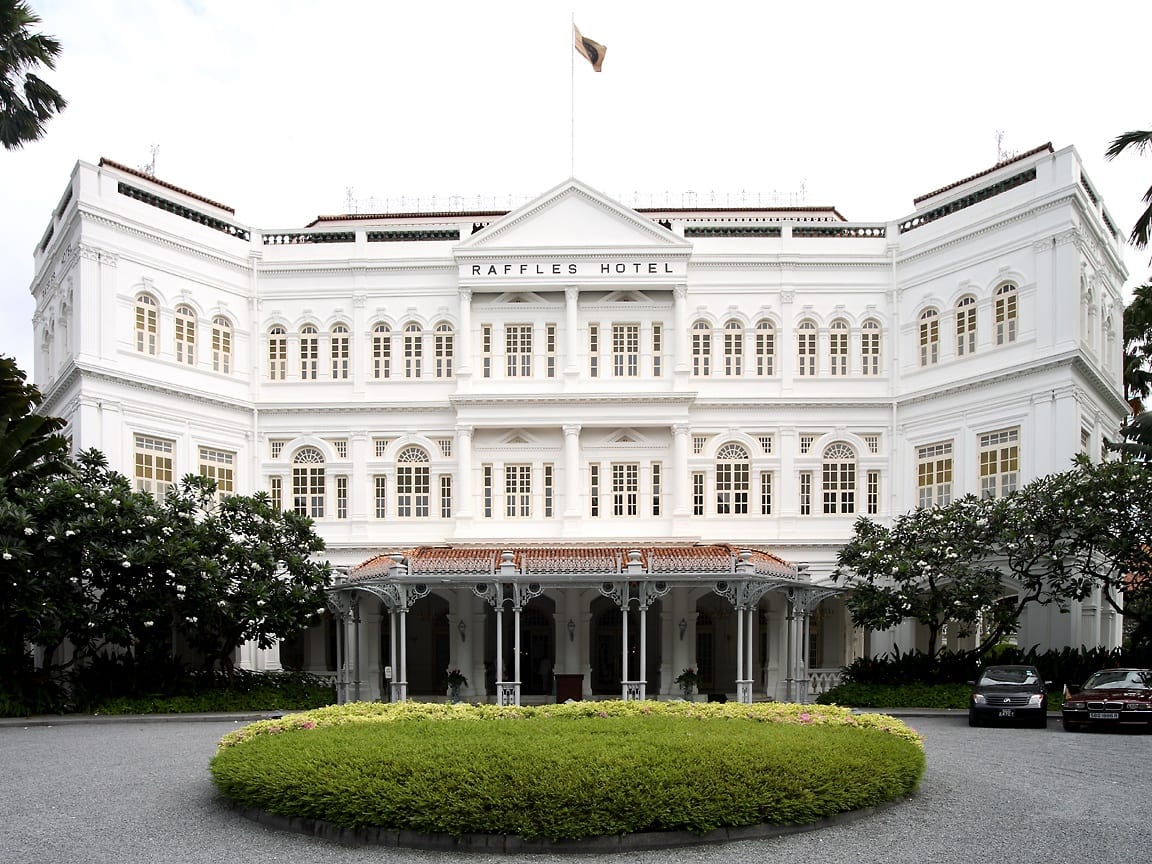
    FRHI Hotels & Resorts, the leading operator of Raffles Hotels & Resorts, Fairmont Hotels & Resorts and Swissôtel Hotels & Resorts, is pleased to announce several management-level appointments at its properties and locations worldwide. Recent appointments include:

    FRHI Hotels & Resorts promotes FrankNaboulsitothe role of regional vice president, Egypt and general manager, Fairmont Nile City. Naboulsi brings over 30 years of hospitality experience to this position with over 25 years of experience at Fairmont Hotels & Resorts worldwide. Over the course of his career,Naboulsi has held numerous general manager positions including stints at Fairmont Dallas, Fairmont Palliser and Delta Calgary Airport Hotel.

    FRHI Hotels & Resorts appoints Michael Moeckingas regional vice president, Western Europe and general manager of Swissôtel Berlin. Moecking brings 30 years of upscale international hospitality experience to this role, working with large brands including Kempinski and InterContinental. Moecking has been with FRHI for the last 10 years, spending six years as general manager ofSwissôtelBerlin and most recently, four years as general manager at Fairmont Dubai.

    Jimmy Kam joins Swissôtel Foshan as general manager.Kam brings over 20 years of hospitality experience to this position, most recently joining the property from Wanda Vista Dongguan & Wanda Realm Guangzhou Zengcheng as director of sales & marketing. Over the span of his career, Kam has held progressive positions at leading hospitality brands throughout China.

    Fairmont Pittsburgh welcomes Simon Boden as director of sales & marketing. Boden brings 16 years of management experience to this position, joining the company in 1999 at the Hamilton Princess & Beach Club as a sales manager, business travel. Boden later transferred to Fairmont Orchid as director of revenue management. Most recently, Boden held the position of director, sales & revenue, Fairmont Southampton.

    Victoria Dyson joinsFairmont Olympic Hotel, Seattle as director of sales & marketing. Dyson brings over 25 years of sales and marketing experience to this position, beginning her career in 1990 with The Delta Lodge at Kananaskis, Alberta where she held several progressive positions. Dyson joined Fairmont Chateau Whistler in 1997 as a sales manager and later transferred to Washington D.C as director, global sales. In 2007, Dyson returned to Fairmont Chateau Whistler as director, group sales, and held that position until 2008 when she was appointed to her most recent position as director, sales & marketing, Fairmont Chateau Whistler.

    Fairmont Mayakoba welcomes Eric de Maeyer as executive chef. De Maeyer joins the hotel with over 24 years of experience as an executive chef, beginning hiscareer at Club Lounge “Zuider Terras”, Antwerp, Belgium. In 1992 de Maeyer relocated to Mexico as executive chef at Hotel Marquis Reforma in Mexico City.  De Maeyer continued to work as executive chef managing multiple F&B outlets at other hotels & resorts throughout Mexico until his most recent position as executive chef at Grand Velas at Riviera Maya.

    Fairmont Peace Hotel appoints Jeremy Harris as executive chef. Harris joins the team from Marriottwhere he was most recently the executive chef of the Shanghai Marriott City Centre Hotel. Harris brings 14 years of international experience to this new role, beginning his career in Washington D.C.In 2011,Harrisjoined his first property in China as executive chef at Renaissance Shanghai Zhongshan Park Hotel. 

    Beil Wang joins Swissôtel Kunshan as executivechef.Wang has over 20 years of rich culinary experience and joins the property from Swatch Art Peace Hotel Shanghai where he was executive sous chef. Prior to this, Wang was the executive sous chef at the Renaissance Caohejing Shanghai and has held several other sous chef positions at leading brands throughout China.


  • New NTU lifestyle hub taking shape

    New NTU lifestyle hub taking shape

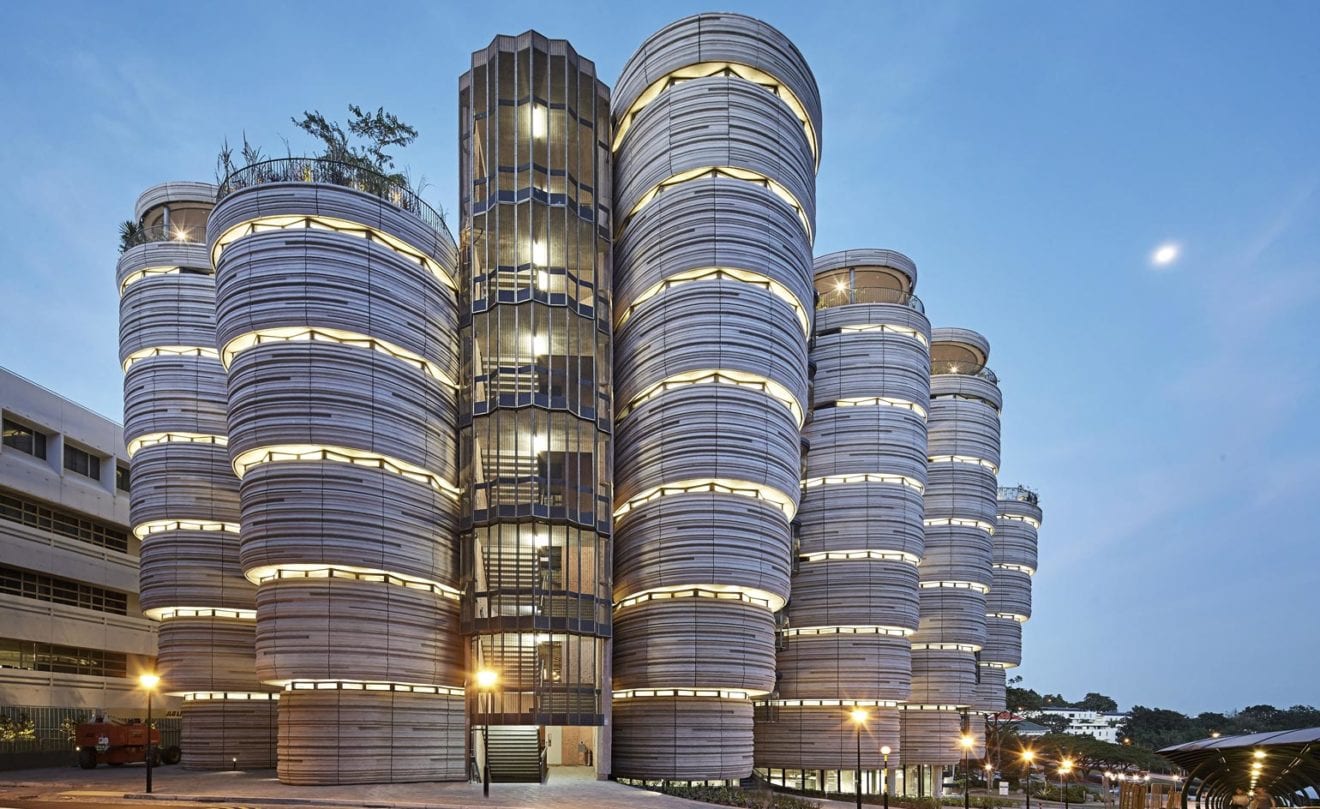
    Construction of a new lifestyle hub at the Nanyang Technological University (NTU) in Jurong West is now in its final phases.

    When ready, it will feature a supermarket, a salon, banking options, performance spaces and popular eateries, including a well-known Cantonese restaurant.

    The hub, which will span two levels at the northern end of the academic complex, will open in October, two months after the start of the academic year.

    It will occupy the area outside NTU’s Lee Wee Nam Library and is part of the university’s push to become a “mini-city”.

    Associate Professor Kwok Kian Woon, associate provost for student life, noted that more students are living on campus, with many others spending most of their day there.

    Hence, it made sense to refurbish the university’s areas of high pedestrian traffic and to offer more food and retail options.

    The northern part of the Nanyang Technological University complex, also known as the North Spine, was selected as the site for the hub as it is a focal point for most students and staff.

    The lifestyle hub, which will also be open to the public, will have more than two dozen shops, some of which will be open 24/7 and on weekends.

    On one floor, food and beverage outlets and stores line a shopping street, while interaction spaces and study areas will be available on the second level.

    The entire space will have a semi-transparent bubble roof.

    In the past, students had a modest range of food and retail options. Other services were sparsely distributed across NTU.

    Students living in the residential halls sometimes had to visit the nearest mall, Jurong Point Shopping Centre, which is a 15-minute bus ride away, for a wider range of lifestyle services.

    About 12,000 students now live on campus in 20 residential halls. This figure is expected to grow to 15,500 students over the next three years.

    Third-year physics student Tan You Sin, a Malaysian who lives on campus, is looking forward to the lifestyle hub.

    “It will be more convenient for students,” said the 23-year-old. “Hopefully, the prices will be affordable too.”

    The food and retail outlets include Peach Garden Chinese Restaurant, Starbucks and KFC Coffee, which are already open for business.

    Mr Ho Toon Chian, assistant director of sales and marketing for Peach Garden, said the NTU branch, which is one of the brand’s nine outlets, serves as a “catchment area” for the NTU community and residents in the western end of the island.

    “The university is relatively far from most areas and, being located here, we are able to reach customers within the school and vicinity,” he said.

    The Peach Garden Chinese Restaurant at NTU is run by a dozen staff. The prices are lower than at branches in the city, and NTU staff and students enjoy a small discount.

    Mr Ho added that business has been good in the seven months since the outlet’s opening, and its customers include students and staff, their families and residents of nearby estates.

    The hub will also feature a designated space with pushcarts for rental by students who would like to sell various goods or test business ideas, and an area where budding artists can display their talents.

    Third-year sociology student Andrea Tan, who has been living in the residential halls for the past three years, is happy that there will be more places for students to hang out.

    “Students spend most of their time on campus, but the university is quite far from everything else,” said the 22-year-old.

    “It is nice to have more options to choose from for a change, without venturing out of the university,” she added.

  • UNIQLO’s ‘look good, do good’ campaign takes off

    UNIQLO’s ‘look good, do good’ campaign takes off

    Whether you want to admit it or not, bumping into someone wearing the same outfit you’re wearing can be awkward. (We may laugh it off, but deep down inside, we are wishing it doesn’t happen again.)

    Thankfully, as part of the Uniqlo Street Tales initiative, the popular casual fashion brand has come up with a unique way of ensuring it doesn’t. All you need to do is download the free UTme! application (it is a new custom T-shirt service) and design your own tee. Then, head down to Uniqlo Bugis+, print out your design and voila! You get to showcase your one-of-a-kind art piece wherever you go.

    This is one of several initiatives by the brand to give back to local communities. So far in Singapore, Uniqlo has gotten more than 50 artistes (such as Rebecca Lim, Desmond Tan), businesses (Tiger Balm, BreadTalk) and personalities (chef Willin Low, fashion icon Daniel Boey) under the Uniqlo Street Tales umbrella to create UTme! T-shirts, retailing at Uniqlo Bugis+ for S$29.90 (RM83.21) for adults and S$24.90 for children’s tees, with all net proceeds from the sale of these tees from now until Aug 10 donated to the Community Chest.

    “I feel great about it. I’ve always known that Uniqlo is very big on CSR (corporate social responsibility) projects but to be able to participate with Uniqlo and at the same time try my hand at designing something, the whole experience just makes it a lot more meaningful,” said actress Lim. “(We are) contributing to something that is close to our hearts, it’s a charity organisation in Singapore so it’s great (to) see Singaporeans buying and supporting the brand and at the same time, supporting this organisation.”

    Cheok Weiling, PR manager of Uniqlo Singapore, said that the brand has seen “encouraging response from customers who are eager to personalise their T-shirts”. But more than that, Heng Li Lang, director of relations & engagement at Community Chest, said that the net proceeds from the sale of these T-shirts would also be matched dollar for dollar by the government under the Care & Share Movement “to build the capability and capacity of the social service sector”. “Through these efforts, Uniqlo has exemplified the spirit of the movement in giving time, talent and treasures towards helping the less fortunate. We are very thankful to Uniqlo for this innovative partnership and look forward to many more years of close collaboration ahead,” Heng said.

    Also doing its part is Swedish fashion giant H&M, which launched Unicoin, “the first currency dedicated to good”. In support of UNICEF, the H&M Conscious Foundation’s Unicoin initiative enables children to help less privileged children gain access to learning opportunities.

    With help from their parents, children would upload a drawing that depicts what they dream of becoming when they grow up to the Unicoin website (https://unicoins.org) in exchange for a Unicoin. The H&M Conscious Foundation then matches each Unicoin with one notebook and pencil, which UNICEF then distributes to children around the world.

    Abby Wee, PR manager of H&M Singapore and Malaysia, said she was encouraged by the “very positive and overwhelming” response so far. “Twenty thousand notebooks and pencils have been sent to children worldwide, thanks to the help from everyone who has supported this initiative. Even though the period to exchange your drawing for a Unicoin has ended, we hope that more people will spread the word in support of every child’s right to early development and education.”

    That is not all. Homegrown brand TANGS said their Shop For Good initiative will return in the last quarter of the year. Launched last October, the initiative saw the company partnering with retailers to raise funds for charities. TANGS donated S$0.50 to the Community Chest with every receipt generated during the period. “As one of the pioneers in the Singapore retail scene, we hope to use our influence to drive lasting social awareness by inspiring and building a strong community of purpose-driven consumers and retail partners,” said Foo Tiang Sooi, chief executive officer of C.K. Tang Limited, adding that the company hoped that this would “empower a new generation of savvy, ethical consumer”.

    Even beauty brands have gotten in on the act. Globally, Clarins has constructed a facility to generate clean drinking water in Madagascar, with the funds for the project coming from the sale of the Katafray bark extract, an ingredient that can be found in Clarins’ HydraQuench range. The French brand has also built schools in Vietnam, thanks to the harvesting of the Vu Sua fruit used in its bust care range. In Singapore, Clarins has been participating in the Singapore Garden Festival since 2006 to raise awareness for sustainable development. (In honour of its contribution, the Singapore Botanic Gardens presented Christian Courtin-Clarins, the chairman of the Clarins Group, with the first Clarins Orchid, the Renanthera Clarins Christian & Olivier, in 2010.)

    “It is our great pride and deep honour to be gifted with an orchid that was specially created for us,” Courtin-Clarins said. “It is not simply a flower, but a validation of the efforts that Clarins has dedicated to sustainable development all these years.”For Estee Lauder Companies, which has brands such as Estee Lauder, Clinique, La Mer, Origins and Bobbi Brown under its wing, championing awareness and support for breast cancer has been one of its aims since the 1990s. The Breast Cancer Awareness (BCA) Campaign, for example, started in 1992 with the creation of the Pink Ribbon, which has been regarded as the universal symbol for breast health. The BCA Campaign has raised more than US$58 million to support global research, education and medical services over the past 21 years.

    “In Singapore, breast cancer is the most common cancer among women. Our colleagues are very committed to building breast cancer awareness among women of all ages and different ethnicities through the BCA Campaign that we run in October every year,” said Lisa Chow, managing director, Estee Lauder Cosmetics. “We have a very dedicated committee formed by our employees who organise fund-raising activities and education programmes in order to reach thousands of women, not only to enforce better knowledge that early detection saves lives but also raise funds to support local research projects or education programmes …”

    While the various brands under Estee Lauder Companies have been crafting what they termed “Pink Ribbon Products”, with a percentage of the profits from the sale of these items going towards the Breast Cancer Awareness Fund, here in Singapore, the Estee Lauder Companies will take going pink to a whole new level this year, by lighting up an iconic building in pink later this year, although the brand has yet to reveal which one.

    Nevertheless, it is nice to know that, in an era when people are taking pains to look good, they can now do good at the same time. ― TODAY

  • King Living Singapore opens showroom

    King Living Singapore opens showroom

    International furniture designer, manufacturer and retailer, King Living has opened a showroom in Singapore.

    The Australian based, family-owned company, founded in 1977, focuses on contemporary furniture design, especially sofas and King Living says it plans to offer Singaporeans “new ideas, inspiration and solutions for all areas of their home” now it has debuted in the city state.

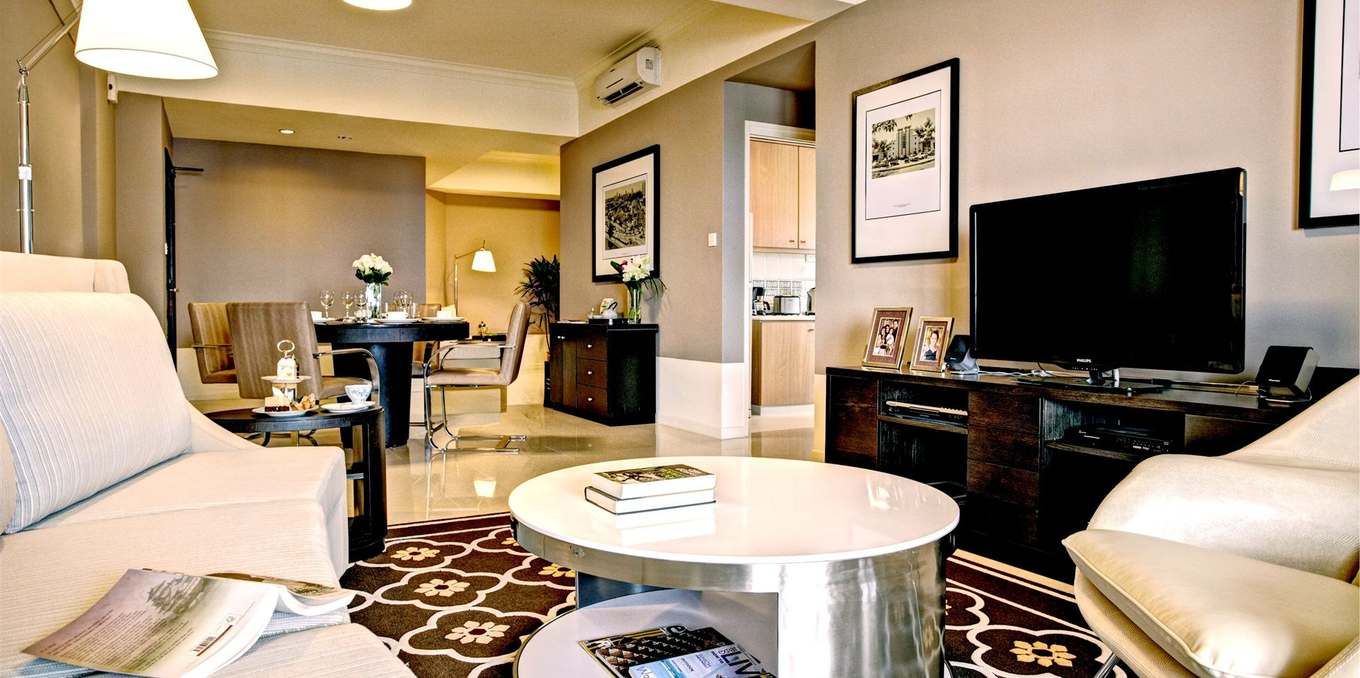
    The showroom, at 22 Kallang Ave in the Hong Aik Building, offers a large collection of King Living designs, as well as a range of Italian beds, coffee and dining tables, chairs and storage systems from leading Milan furniture designer and manufacturer Former Italy, stocked exclusively by King Living.

    “King Living is incredibly proud to introduce its wide range of furniture solutions to Singapore residents,” said Renata Bayer-Volf, the company’s GM.

    “This showroom is inspiring and contemporary, displaying some of the latest King Living releases in beautiful lifestyle settings that help customers visualise the potential of each design in their own home.

    “Including a wide selection of pieces from Former Italy, with Italian design and styling, we are confident Singaporeans will embrace our modern and luxurious furniture that complements the urban lifestyle.”

  • Keepers pop up showcases Singapore design

    Keepers pop up showcases Singapore design

    Singapore Designer Collective has opened a pop up store at Singapore Changi Airport to showcase local design.

    The 21 sqm Keepers store, in Changi Airport’s Terminal 1 departure hall, features works from 11 Singapore designers and will remain open until January 7.

    A previous pop up was located at Orchard Green.

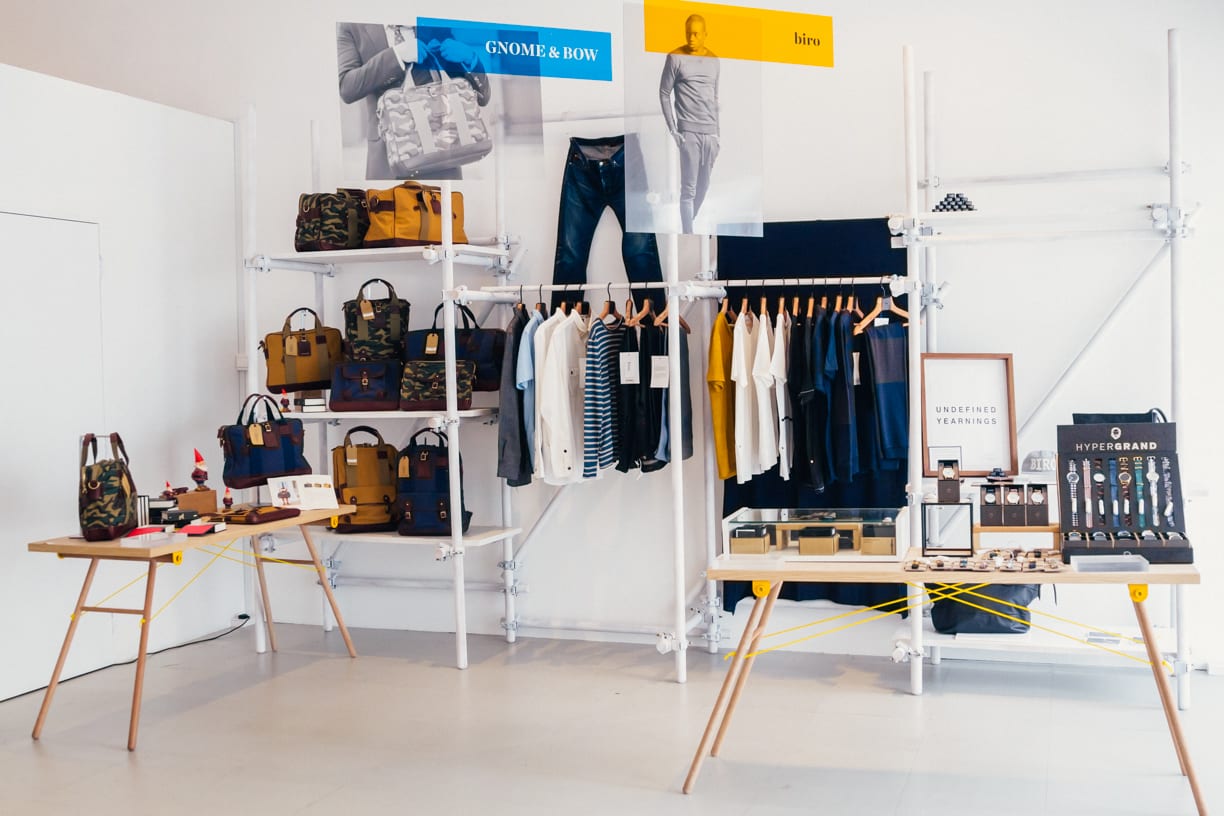
    On display are fashion items from Ayesha and Matter; jewellery from Carrie K, Saught and Marilyn Tan Jewellery; handmade candles from A Dose of Something; leathergoods from Lingwu, Gnome & Bow and Extreme Exotic; and watches from HyperGrand.

    “Having a second location at the airport will help to fast-track our local designers’ footprint to a global audience,” said Carolyn Kan, founder and designer of Carrie K and co-organiser of Keepers.

    Lynette Lee, who is CEO of Textile & Fashion Federation and another co-founder of Keepers, said the group chose Changi after noticing about half its customers at Orchard Green were tourists.

    “This is very encouraging as it shows that tourists and local shoppers alike are keen on purchasing items by Singapore designers,” she said.

    “With Keepers at Changi Airport providing an accessible platform for local designers to showcase their work, we hope more overseas visitors will become advocates of Singapore designers.”

  • Take Flight at Sky on 57

    Take Flight at Sky on 57

    A brand new entertainment venue has opened in Singapore: Flight at Sky on 57  a new lounge experience atop Marina Bay Sands.

    The integrated resort has transformed its outdoor terraces into a “contemporary lounge experience” called Flight, making the most of the million-dollar views at the Sands Skypark restaurant and the culinary artistry of Chef Justin Quek.

    Now the lounge also offers a unique bar program by award-winning mixologist Lucas Swallows.

    Sky on 57 is one of a collection of celebrity chef restaurants in the Marina Bay Sands complex, most of which are assembled in the Shoppes at Marina Bay Sands retail mall closer to the ground.

    The lounge describes the new venue as “sophisticated and playfully provocative”.

  • Tourists spend up at Great Singapore Sale

    Tourists spend up at Great Singapore Sale

    While this week’s retail sales figures data may have subdued expectations of Singapore’s retail sector, another set of figures just out will do little to change the mood.

    Spending data from MasterCard suggests the Great Singapore Sale has delivered a significant increase in retail spending by tourists, especially in the food and beverage sector.

    According to MasterCard, the value of goods and services spent by tourists using its cards rose 9.9 per cent year on year, to S$350.6 million during the first month of the promotion.

    The number of transactions rose 17.8 per cent to 2.01 million, compared with 1.7 million last year.

    But Singaporeans failed to respond. Spending by locals fell 12.7 per cent in 5.1 million transactions, about 7.2 per cent less than last year. Spending on Singapore-issued MasterCards represented about double the amount of tourists, or $684.9 million.

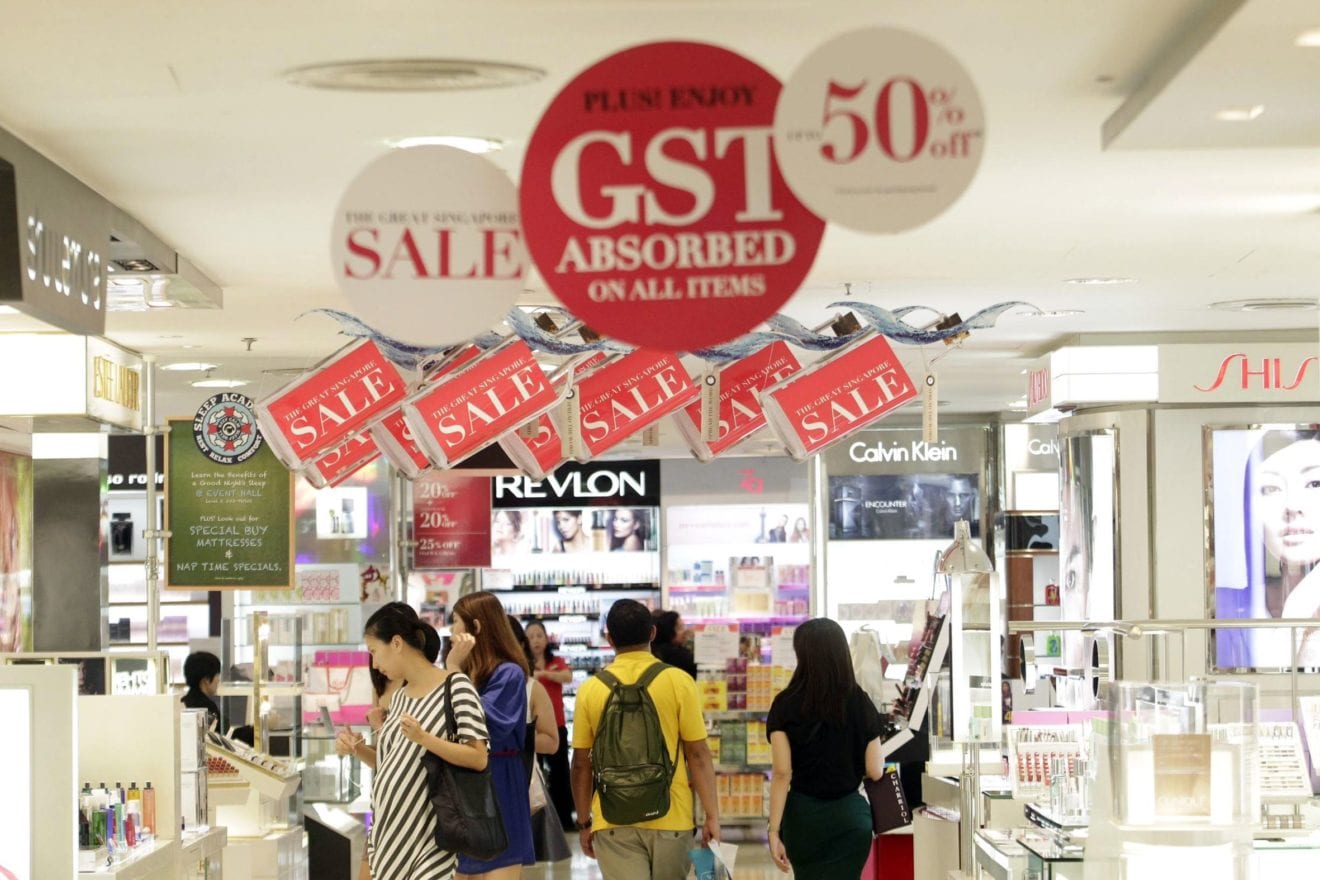
    By card origin, Australia was the biggest source of spending during the Great Singapore Sale period from May 29 to June 28, with $39.5 million splurged, mainly at restaurants.

    Malaysians were next, spending mainly on electronics, followed by Chinese in speciality retail stores and Japanese – up from sixth in 2014 – mostly on restaurant meals.

    So while local spending was disappointing the increased cashflow from offshore shows Singapore is retaining its regional appeal as a tourist destination.