Tag: Singapore

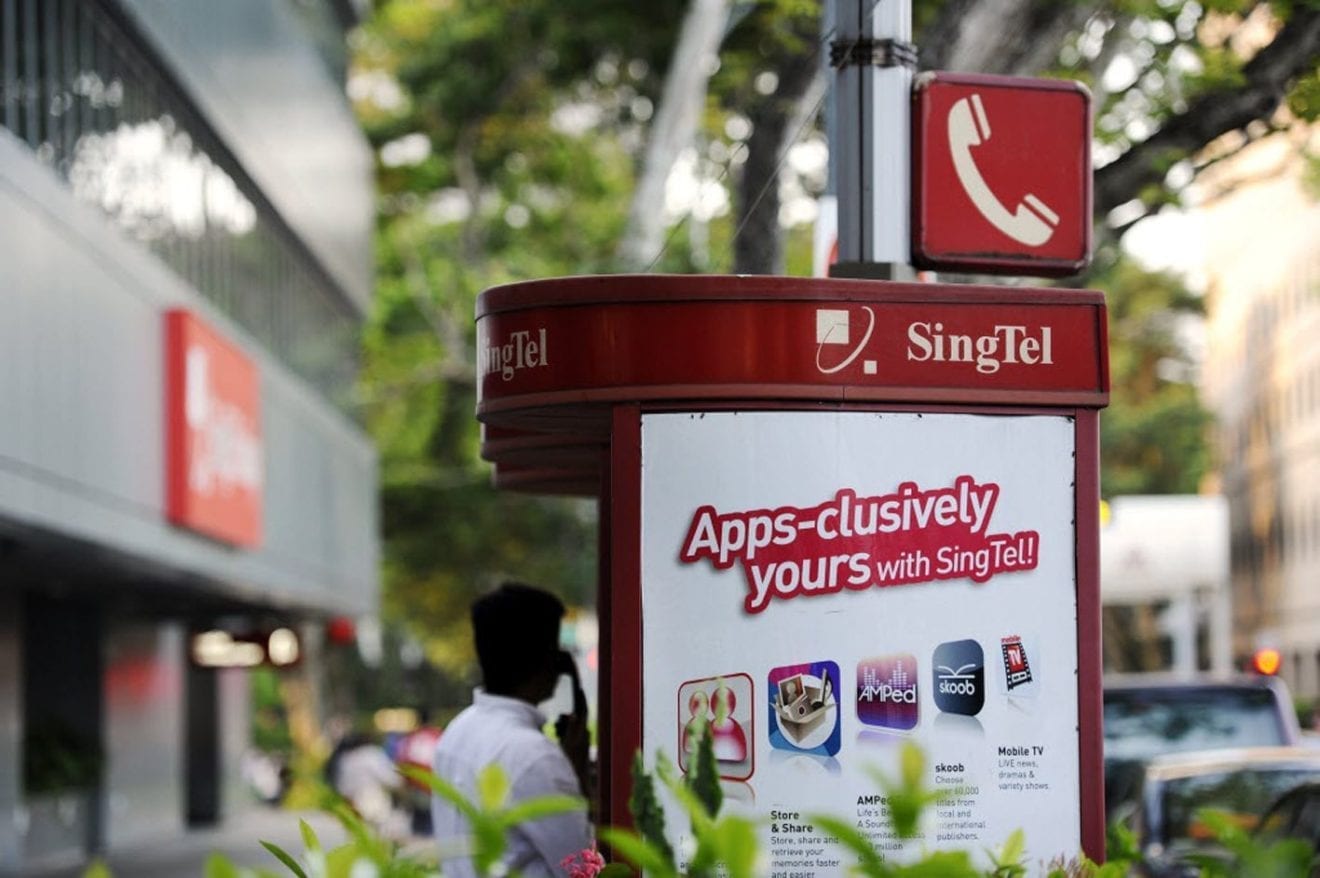
  • Singtel’s 5G SA Network Exceeds 95% Nationwide Coverage

    Singtel’s 5G SA Network Exceeds 95% Nationwide Coverage

    Singtel has achieved over 95% standalone 5G nationwide coverage. This comes more than three years ahead of the regulatory target of end-2025, effectively making Singapore the first country in the world to be fully covered by standalone 5G.

    Singtel’s standalone 5G network now covers more than 1,300 outdoor locations and over 400 in-building, as well as underground, creating immense opportunities for the development of ground-breaking applications and immersive experiences for both enterprises and consumers. Singtel was officially awarded the 3.5GHz and the millimeter wave spectrum as part of the 5G license issued by the IMDA in June 2020, and an additional 2.1GHz spectrum in November 2021 which supported the achievement of this critical milestone.

    “We’re extremely excited about this important milestone for both Singtel and Singapore as nationwide standalone 5G coverage is a major leap in technology that will spur unprecedented digitalization. Despite disruptions from COVID and the knock-on impact on manpower and resources, our planners and engineers managed to accelerate our 5G deployment, working through the pandemic to lay the groundwork and build a whole new infrastructure for a secure and resilient 5G network. This means that Singapore can now exploit the full capabilities and best applications that 5G can offer, paving the way for innovation and new growth that will propel our country forward,” said Yuen Kuan Moon, Singtel’s Group Chief Executive Officer.

    He added, “As a homegrown Singaporean company, we feel honored to have provided the critical infrastructure and essential services that have sustained the nation’s progress through the years and are pleased to launch this next-generation technology to commemorate Singapore turning 57. With a world-class 5G network in place, we look forward to keep doing our part in enabling Singapore’s next phase of growth as a global smart city.”

  • Starbucks plans rapid expansion in Thailand

    Starbucks plans rapid expansion in Thailand

    Starbucks Thailand has announced an expansion strategy, which calls for opening 30 new coffee shops in Thailand every year until 2024 – 90 in all – according to Bangkok Post.

    The company claims to be prepared to expand again this year, after sales improved during the first half of this year. In addition, Starbucks Thailand also says it will concentrate on expanding its digital platform channels, add more drive-thru locations, and introducing novel beverages.

    Nednapa Srisamai, MD of Starbucks Thailand, told the Bangkok Post that the brand’s well-known profile in the country created an opportunity to expand the network. While a major regional tourist destination, Thais also have a coffee-drinking culture.

    Starbucks began its operation in Thailand by opening its first coffeehouse in July 1998 and was acquired under the joint venture between Dairy Farm subsidiary Maxim’s and Singapore-headquartered Fraser & Neave (F&N) in 2019 in a deal valued at US$500 million.

    Last year, the brand introduced its largest store in the region, Starbucks Reserve Chao Phraya Riverfront, located at IconSiam in Bangkok.

    Starbucks also plans to strengthen its digital presence after partnering with Grab earlier this year to launch Starbucks Rewards aiming to enhance the customer experience in Southeast Asia’s six largest markets – the Philippines, Thailand, Singapore, Malaysia, Indonesia and Vietnam.

  • Singapore Central Bank Follows the Pack

    Singapore Central Bank Follows the Pack

    The MAS indicates it will continue to tighten policy to slow inflation and ensure price stability in the medium term.

    The Monetary Authority of Singapore (MAS) indicated in a statement published on its website Thursday that it believes it is «prudent» to take another «calibrated step to tighten monetary policy».

    Along with numerous other international central banks, it believes that doing so will prevent inflation from increasing further given that it expects that pressures on prices will remain elevated over the next few months, as it expects core inflation to rise to slightly more than 4 percent in the short term before it eases.

    Although global supply chain frictions are easing, external inflationary impulses have become more broad-based, reflecting underlying constraints in global commodity and labor markets, the MAS indicated.

    Unlike many other central banks, the MAS uses the exchange rate for the Singapore dollar to set policy given its open and relatively small economy. The policy is set by adjusting the Singapore dollar’s trading band, based on an undisclosed basket of currencies weighted to the countries’ levels of trade with the city-state. The MAS can adjust the mid-point of the band, the size of the band, and the slope of the appreciation.

    In the statement released Thursday, the MAS indicated that it would re-center the midpoint of the policy band, which builds on previous steps that it has taken. It did not change the slope or width of the band.

  • Nike unveils new store in Singapore at VivoCity

    Nike unveils new store in Singapore at VivoCity

    Sportswear giant Nike has collaborated with GMG to launch a new-generation store at Vivo City in Singapore.  According to Nike, the 5900sqft store is intended to bring customers closer to sports and closer together. It has a wide selection of innovative gear, sporting essentials, and seasonal offerings for men, women, and children. Nike says customers can take advantage of styling expert sessions with store athletes, who can help customers of all ages choose appropriate apparel and footwear for

    According to Nike, the 5900sqft store is intended to bring customers closer to sports and closer together. It has a wide selection of innovative gear, sporting essentials, and seasonal offerings for men, women, and children.

    Nike says customers can take advantage of styling expert sessions with store athletes, who can help customers of all ages choose appropriate apparel and footwear for running, training, playing basketball, or simply living an active lifestyle.

    In addition, the Vivo City store offers a buy-online, pick-up-in-store service, and plans to organise community events.

    “In our commitment to bringing consumers closer to sport, we are reintroducing our VivoCity store that is fitted to offer athletes of all sports and expert levels some of the most innovative Nike products and services today,” said Carl Masterman, GMG senior VP retail, SEA – sports.

    “At VivoCity, fit is our focus – and our store athletes are on hand to ensure shoppers are equipped with the best fit for their sport of choice or lifestyle needs. The personal touch is extended also to our … community events for like-minded athletes that will be unveiled in the coming months.”

  • Singapore Forging the Next Wave of Digitalization

    Singapore Forging the Next Wave of Digitalization

    After being conducted virtually for two years, ATxSG was held in-person as Singapore’s largest technology event since the reopening of borders. Jointly organized by Infocomm Media Development Authority, Singapore (IMDA) and Informa Tech, the event brought together more than 16,000 hybrid attendees from more than 80 countries, including senior government leaders from Singapore, Malaysia, Indonesia, Estonia and Mongolia. Telecom Review Asia Pacific took the opportunity to speak with Kiren Kumar, Deputy Chief Executive (Development), IMDA, to learn about efforts to accelerate Singapore’s digital economy, focused on advancing 5G and ICT development.

    Singapore has embarked on 5G. Can you tell us about Singapore’s approach to 5G and steps to advance 5G development in Singapore? How will industries benefit from 5G adoption and how does IMDA facilitate this shift?

    The power of 5G is not just about consumers, but enterprise growth and innovations. With IoT and network slicing, the ability of 5G to support various industries by providing dedicated connectivity like a private network, and allowing users to configure massive sets of sensors, opens up huge potential for commercial use cases. In addition, the virtualization and software-driven nature of 5G means it creates opportunities for companies to build enterprise platforms.

    Therefore, to realize the potential of 5G, Singapore pushed for an aggressive rollout of 5G networks based on standalone (SA) network specifications, instead of 5G non-standalone specifications first, which was the approach in most other jurisdictions. This allows for the delivery of the full-fledged capabilities and performance of 5G such as network virtualization, intelligence at network edges, and dynamic provisioning of differentiated services for different use cases. The 5G SA networks today already cover at least half of Singapore, which is ahead of schedule, and Singapore is on track for nationwide 5G standalone deployment by 2025.

    At the same time, Singapore is also actively seeding lead industry demand. Since 2019, IMDA has been working closely with industry players to experiment with new and innovative 5G solutions in areas such as cloud gaming, advanced manufacturing, port operations and smart cities. For example, IMDA has been partnering with IBM, Samsung and M1 to develop Singapore’s first 5G Industry 4.0 trial. This involves having 5G enabled, AI “Smart Glasses” to help factory operators identify defects in realtime. IBM will deploy this 5G-enabled augmented reality solution, at their global manufacturing sites, starting in New York later in 2022.

    We recognize that to enable our 5G efforts, people and R&D are key. IMDA has been supporting Singaporeans to take on these emerging opportunities through training in 5G skills, to bring Singapore into the digital future. We have partnered with our Mobile Network Operators, the National University of Singapore and Singapore Polytechnic to set up a 5G and Telecoms Academy in 2020 to equip professionals with 5G skills. To date, more than 4,000 Singaporeans have already been trained through the academy.

    Separately, S$70 million will be invested in future communications technologies such as 6G, specifically in the areas of research, innovation, training of local talent, and international partnerships. As part of our national Future Communications and Research and Development Programme, we have signed an MoU last year with the world’s first and leading 6G research and development program funded by the Academy of Finland. A similar MoU with the Korean Institute of Communications and Information Sciences has been signed.

    Spectrum is an important resource to support 5G growth and meet increased connectivity demands in the foreseeable future. How does IMDA carry out spectrum management and policymaking to ensure that spectrum is optimized to drive Singapore’s continued growth in a digitalized era?

    In a connected world where there is a constant need for data, faster communications and higher definition media, the demand for spectrum resources continues to outstrip the available supply. To support Singapore’s digital economy and maximize the value of spectrum for economy and welfare of consumers, appropriate and efficient allocation of scarce spectrum resources and forward-looking spectrum planning processes is imperative.

    To support future technological developments, IMDA monitors the trends and developments of new wireless technologies and reviews the frequency allocations, to better plan spectrum needs and demands. Moving ahead, it is anticipated that new technology trends, such as the next generation of mobile technology, advancement in the use of unlicensed spectrum e.g., Wi-Fi 6E and increased use of satellite services will continue to transform the ICT industry.

    As Singapore is a small and open economy, IMDA formulates its spectrum allocation strategy and plans by aligning with international developments, ensuring harmonization of our national spectrum usage regionally and internationally, and adopting policy positions that maximize our domestic interests.

    Can you tell us about partnerships or collaborations to foster enterprise transformation in Singapore to positively impact the economy? What are other initiatives taken to propel SMEs and accelerate digitalization across businesses?

    COVID-19 has turbocharged digitization and many businesses now recognize that they can no longer do business in the traditional way. Businesses, including SMEs, see digitalization not just as a necessity for survival but also as an opportunity to reinvent and bring their businesses to the next level.

    It can be daunting for SMEs to digitally transform their businesses. This is why the government has put in place support schemes and initiatives to help SMEs digitally transform. To increase baseline adoption, IMDA has rolled out a suite of schemes facilitating SMEs’ adoption of digital utilities, such as e-payments and e-invoicing, at scale with additional support for basic and advanced solutions that address the needs of SMEs in the various sectors and at different maturity levels under the SMEs Go Digital Programme. To date, more than 80,000 enterprises have benefitted from the program, including a quarter of them coming on board in 2021 alone. Three in four firms now adopt at least one digital solution.

    To enable every SME to be a digital SME, IMDA has scaled up our efforts so that SMEs have the confidence to use digital technologies to transform their business models and take on new opportunities in the digital age. IMDA’s Chief Technology Officer-as-a-Service (CTO-as-a-Service) enables SMEs to conduct self-assessment of their digital needs via a one-stop platform. It also provides SMEs with quick access to digitalization resources and a shared pool of digital consultants for comprehensive digital advisory and project management services.

    For local companies that are more digitally progressive, we have launched the Digital Leaders Programme (DLP) that helps such companies, across all industries, accelerate their digital transformation plans. To do this, the DLP supports companies in building in-house digital capabilities, and integrating digital into their core business strategy so that they can develop innovative business models and capture new growth opportunities.

    For companies who want to start innovating, IMDA has a national platform for digital innovation, called the Open Innovation Platform (OIP). Enterprises with business problems can get support to define their problem statement, crowdsource for innovative solutions from tech companies, and be supported across the prototyping process. Since 2018, OIP has facilitated 300 challenges with more than $8.5M in prize monies, powered by a pool of more than 11,000 solution providers. Some companies which took part in challenges on our OIP have gone on to transform their operations and scale these solutions globally.

    There is a global ICT talent shortage amid a rapidly-digitalizing landscape. What does IMDA do to address talent shortages to cope with future needs?

    The demand for tech talent globally has risen exponentially, largely driven by the growth of the tech sector and broadbased digitalization across industries and companies. Likewise in Singapore, we already see strong demand for tech talent across the entire economy, ranging from software developers and network engineers to cybersecurity and product development specialists. This is not just within the ICT sector, but also in sectors like finance, manufacturing and professional services. To ensure that companies have ready access to globally competitive tech talent, IMDA works closely with enterprises, institutes of higher learning (IHLs) and other stakeholders to maximize our tech talent pipeline and to ensure that Singapore continues to be a vibrant digital economy.

    First, we equip graduates from IHLs with the right skills and experiences to be industry-relevant. We train them for areas of current need, as well as in emerging tech areas. For example, on top of established computing programs in our IHLs, we have worked with the Singapore Institute of Technology to create a new Bachelor of Science in Applied Computing with a specialization in FinTech. We are actively working with our IHLs and companies to ensure that Singapore continues to produce competitive deep tech talent and graduates who are well versed in using technology regardless of their specialization.

    Second, through the TechSkills Accelerator initiative (TeSA), we have supported over 7,000 companies, comprising local companies and foreign MNCs operating from Singapore, to hire, train and retain their tech team. TeSA collectively bridges companies’ talent needs with a supply of skilled and ready-to-be-skilled talent, and further develops existing employees through support on tech courses and industry-recognized certifications. Since 2016, we have trained over 160,000 Singaporeans and placed more than 12,000 Singaporeans in tech jobs.

    Third, together with Singapore’s Ministry of Manpower, we have put in place a transparent framework to give businesses better clarity and certainty to facilitate the entry of global talent with in-demand tech-skills. Singapore remains open to global talent to complement the strong Singaporean talent pool to drive new innovations and digitalization of our economy

  • 7-Eleven brings Peanuts x FDMTL collectibles to Singapore

    7-Eleven brings Peanuts x FDMTL collectibles to Singapore

    TS x FDMTL collectible bags and merchandise. From 6 July, fans can get their hands on the limited edition fashion collectibles crossover with PEANUTS x FDMTL. FDMTL is a world-class, Japan made, indigo based brand.

    Peanuts fans can look forward to a full range of premium quality bags in the latest Shop and Earn stamps programme at 7-Eleven. There are eight limited-edition premium Fashion Bags featuring characters from the Peanuts comics. Customers can earn a stamp with every $5 spent at 7-Eleven; collect eight stamps and top up $8.90 in cash to redeem a blind box of PEANUTS X FDMTL collectible bag.

    Stamp issuance begins on 6 July and ends 30 August at all 7-Eleven stores. Redemption ends 6 September, or while stocks last.

  • Toku Steps Up Efforts to Eliminate Call Frauds in Singapore

    Toku Steps Up Efforts to Eliminate Call Frauds in Singapore

    Toku has become the first telco-service provider in Singapore, and Southeast Asia, to join the global AB Handshake Community. Asia Pacific’s cloud communications and Singapore-licenced telecom service provider, Toku is currently the leading provider of virtual numbers in Singapore, providing 60% coverage of all virtual numbers in the country.

    The Infocomm Media Development Authority (IMDA) welcomes Toku’s move to join the AB Handshake Community to proactively fight against fraudulent calls. It represents a timely intervention within the Singapore telco space. According to the Singapore Police Force, victims lost at least S$633.3 million to scams in 2021. Many of these scams relied on voice calls to dupe victims, such as banking-related phishing scams, fake friend call scams and impersonating foreign government officials.

    Findings in a new survey commissioned by Toku also revealed that out of the 1,000 respondents in Singapore, 87% have received a scam call recently, and 75% actually answered the call, with 10% of all the respondents have fallen prey and suffered monetary loss. These figures suggest that people in Singapore are still largely vulnerable to phone scams if they are not vigilant.

    “As a Singaporean company, we are committed to finding new ways of protecting the Singapore community from fraudulent calls that are affecting almost everyone. Call frauds are responsible for the loss of personal information, and the loss of billions of dollars for companies. As phone scammers are increasingly using sophisticated tactics to run their call scams, we strive to restore trust back in phone calls by eliminating fraudulent calls. As we gain momentum and work towards building a stronger, safer and fraud-free telco community, we strongly urge other telco players in Singapore to join in the ongoing efforts,” said Thomas Laboulle, Founder and CEO of Toku. “Looking beyond Singapore, we are prepared to take this initiative to the other countries in the region where we operate, starting with Malaysia and Vietnam. With the telco players in these countries on board, we would be able to ensure that 179.58 million numbers are protected from fraud calls by the end of 2024.”

    Nadejda Papernania, Founder of AB Handshake said, “We are pleased to be joining forces with Toku to expand the fraud-free global community to prevent fraudulent scam calls in the telecom industry, particularly in the Southeast Asia region. Our partnership with Toku will leverage the company’s industry expertise and in-market knowledge to encourage a growing community for other telecom players to join the community, which is an important step towards achieving a fraud-free community.”

    As the Asia Pacific region is a highly fragmented telco market, Toku is currently in discussions with other telco players and regulatory bodies to build a framework that will provide an additional layer of validation to prevent call frauds, and instil trust in the system for users and businesses to interact seamlessly without worry or concerns.

    Toku’s business in Singapore is already adhering to local telco regulations and licensing requirements. The InfoComm Media Development Authority (IMDA) of Singapore has recognised Toku as a Tier 1 Aggregator, which permits Toku to handle commercial SMS traffic. This includes anti-spoofing protocols for protected SMS.

  • 7-Eleven Singapore launches beachfront store with Tiger Beer

    7-Eleven Singapore launches beachfront store with Tiger Beer

    Singapore’s favourite convenience store, 7-Eleven, and the country’s favourite, Tiger Beer, have joined forces to unveil the very first beachfront convenience store right on the sands of Palawan Beach Walk, Sentosa! On 25th and 26th June, the first-of-its-kind store will kick off opening celebrations with a variety of promotions and special treats for families enjoying the last weekend of the school holidays and for young adults and tourists who have made hanging out on the beaches of Sentosa their highlight of the week.

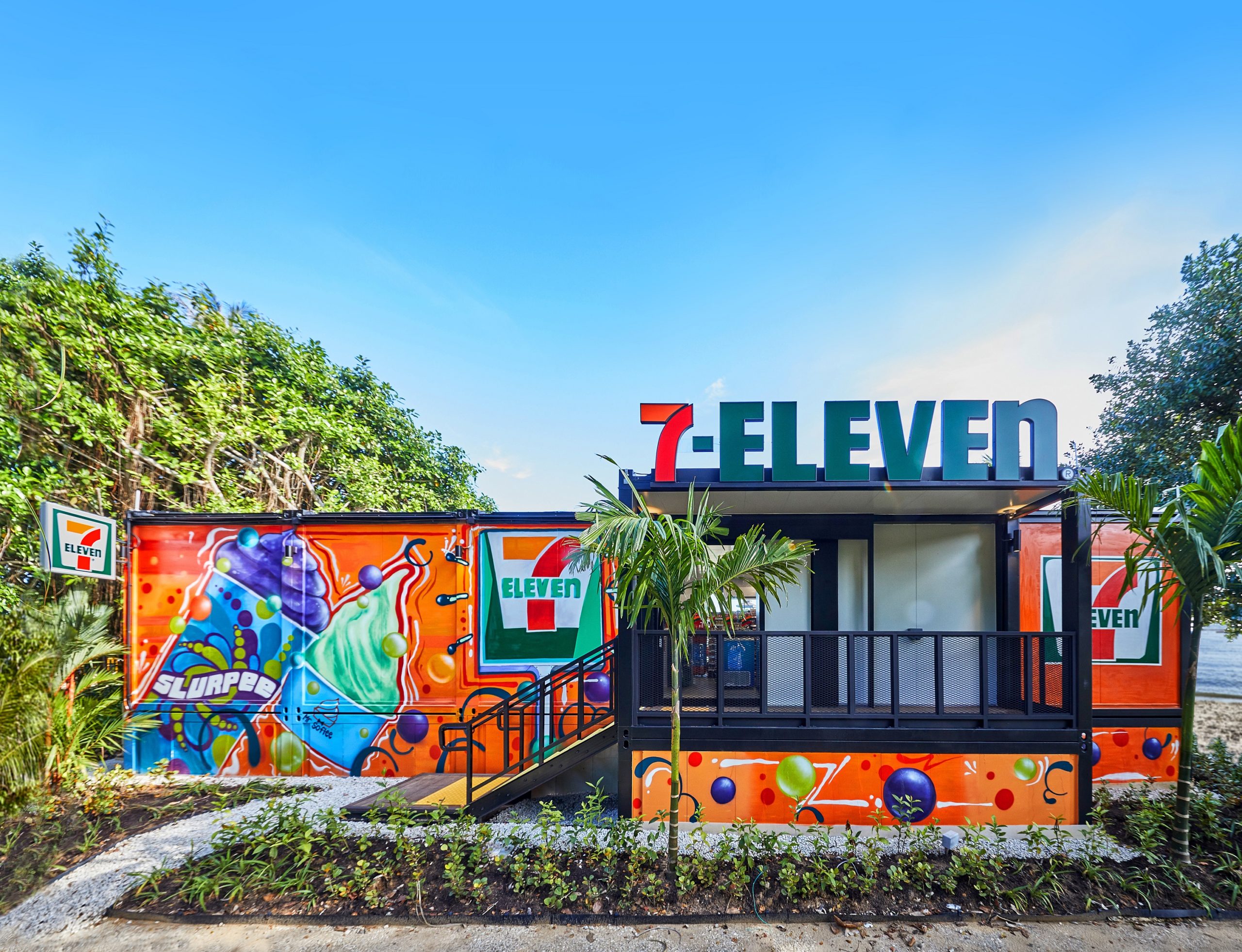
    Perched right on the sands of the popular Palawan beach, this instagrammable 7-Eleven store can be spotted from afar with its vibrant murals and unique graffiti artwork on its facade. This exciting store offers ice-cold Tiger beer on reverse tap, exclusive Nitro Tea and icy Arctic Coke to help beat the heat, of course, along with 7-Eleven’s all-time favourites – Slurpee, Mr. Softee and 7CAFÉ. Guests can enjoy their refreshing drinks, hot snacks and even ready-to-eat meals at the special 7-Eleven x Tiger Beer chillout area on the sands or at their favourite beach spot.

    Ice-cold Tiger Beer Quick and Easy

    To help people get their drinks fast, 7-Eleven and Tiger Beer will be bringing a special reverse tap bar, which will automatically dispense the right pour of beer in each cup consistently – without needing a bartender. The reverse tap dispenser is fast, convenient and easy, giving you more time to spend soaking up the sun.

    Stay cool in the heat with outlet-exclusive Nitro Tea and brain-freezing Coke slushies

    7-Eleven’s Sentosa Palawan Beach store will also be introducing the new and exclusive Nitro Tea. Choose between a refreshing black tea or a variety of caffeine-free fruit teas to give your taste buds a high-five. Either way, you will experience a rich, dairy-free creamy foam, refreshing and longer-lasting flavour, and sweetness without the added calories – thanks to the nitrogen infusion that gives beverages a sweet taste without added sweeteners.

    7-Eleven will also be bringing the unique Arctic Coke machine to Palawan Beach! Simply choose your bottle of Coca-Cola, put it into the machine and press a button – in no time, you will have an icy cold Coke slushie to give you a brain freeze that will refresh your mind for the week ahead.

    Carefree snacking with grab-and-go hot bites and Ready-to-Eat meals by the beach

    Beachgoers who feel peckish after sun and surf will also be able to get delicious warm pastries and finger food from the hot food counter. Savoury hot food items include fried chicken selections from super crispy chicken to savoury chicken drumsticks and wings, while those who long for buttery pastries can expect offerings such as Butter Croissant, Cocoa Hazelnut Croissant, Pain Au Raisin, Tomato Cheese Tart, Mini doughnuts, Pure Butter Madeleine and Citrus Madeleine. Ready-to-Eat meals will also be available for those who need more filling up, an affordable alternative to the pricier options in the area.

    Mark your calendars and celebrate the opening with us on 25 and 26 June!

    Savour the last weekend of the June school holidays with an unforgettable carnival-inspired blast on the beach with family and friends at the 7-Eleven’s Sentosa Palawan Beach store on 25 and 26 June 2022 from 10am onwards.

    Customers can enjoy free popcorn, 7-Eleven balloons, face painting activities, Häagen-Dazs or Walls ice cream (first 200 customers, with any purchase), Mr. Softee (100 cups a day), chances to walk away with exciting Spin and Win rewards (with a minimum spend of $7, list of prizes in table below*), and last but not least, live music performed by local singer-busker Jeff Ng, who recently made headlines for his popular weekly busking at The Cathay!

    Customers can also look forward to the following deals:

    Promotion Promotional period Details
    Spin and Win prizes* (with a minimum spend of $7) 25 and 26 June 2022 ● Sentosa premium merchandise such as luggage tags and tote bags

    ● $5 Dairy Farm vouchers

    ● $10 Dairy Farm vouchers

    ● Jinro Hite Tonic Water 250ml FOC

    ● Vaseline HB SPF 24 Sun + Pol E 100ml

    ● Asian Delight Sea Coconut

    ● Lays Max BBQ potato chips 73g

    ● Authentic Tea House Ceylon Tea 500ml

    ● Seaweed Wasabi Cashew Mix Macadamia 35g

    Slurpee and Nitro Tea 25 June – 3 July 2022 ● Slurpee Large 16oz at promo price $1.50 (normal RSP $1.80) 25 and 26 June

    ● Nitro Tea BOGO – applicable for both flavours

    Tiger Beer 25 June – 22 July 2022 ● Buy 5 reverse tap cups of beer at a go and get 1 free Tiger Crystal 49cl can

    ● While stocks last

    Tiger Beer gift with purchase 23 July – 19 August 2022 ● Buy 3 reverse tap cups of beer and get 1 free Elegante glass*

    ● Buy 6 reverse tap cups of beer and get 1 free Elegante glass and 1 slipper-shaped floatie* [1m (W) x 1.5m (H)]

    *Limited quantity of 200 each

    More promotions and updates can also be found on the official 7-Eleven Singapore Facebook and 7-Eleven Singapore Instagram pages.

    “7-Eleven is reimagining convenience at the beach with our first beachfront store at Sentosa, in collaboration with Singapore’s iconic brand Tiger Beer. From the Arctic Coke machine to the exclusive Nitro Tea, and Reverse Tap beer and the Tiger Beer chill out zone, our new store offers a lot of exciting things for beach loving families, young adults and tourists, and we look forward to welcoming them! We hope that customers will be able to enjoy our new concept store with its unique design and special murals,” said Mr. Steven Lye, Managing Director of 7-Eleven Singapore.

    “This is a great collaboration with 7-Eleven where we pushed the boundaries and found innovative ways to uncage the ultimate refreshment for our consumers. Tiger has a special bond with beer-lovers, and we believe that the beachfront store at Sentosa Palawan Beach would energise the experience by bringing consumers the smoothest beer and greatest vibes,” said Yogender Sharma, Marketing Manager of Asia Pacific Breweries Singapore.

    “We are delighted to be home to Singapore’s first-ever 7-Eleven store by the beach. This new store concept is an example of the novel and imaginative experience that we are curating for our guests on our beach. Apart from providing the convenience of getting beach essentials, the store is also a unique beachfront bistro where guests can pick up a quick and affordable meal. We welcome this partnership with 7-Eleven in enhancing our guests’ experience as they enjoy their day on Sentosa, ” said Mr Chew Tiong Heng, Divisional Director (Business and Experience Development), Sentosa Development Corporation.

  • Singtel and Hyundai to develop advanced manufacturing facility for 5G future

    Singtel and Hyundai to develop advanced manufacturing facility for 5G future

    Singtel has signed an agreement with Hyundai Motor Group (HMG) to deploy Singtel’s 5G infrastructure network solutions at its Hyundai Motor Group Innovation Centre in Singapore (HMGICS) which includes an electric vehicle production facility. The HMGICS, the first of its kind in the world, will leverage Singtel’s leading-edge 5G campus network with mobile edge core solutions that will provide uninterrupted high-speed connectivity and massive bandwidth to enhance HMGICS’s high-precision quality control in manufacturing operations.

    HMGICS is the HMG’s open innovation hub for research and development in advanced mobility ecosystems with the aim of revolutionising the future mobility value chain. Apart from introducing smart mobility solutions in areas such as electric vehicles (EV), autonomous vehicles, and new forms of mobility products and services in Singapore, the HMGICS will also serve as a testbed for human-centred intelligent manufacturing and verification of Industry 4.0 technologies. Augmented by Singtel’s capabilities in 5G, artificial intelligence (AI) and Internet of Things (IoT), and Hyundai’s deep expertise in smart automotive manufacturing solutions as well as robotics, HMGICS will be the leading facility for the development of a metaverse for the manufacturing industry.

    Lim Seng Kong, Managing Director, Singtel Enterprise Business, said, “Singtel’s 5G network and MEC solutions will overcome the performance limitations of WiFi to deliver the promise of digital twins and eventually metaverse for advanced manufacturing operations. With innovation from Hyundai and enablement from our 5G solutions, we are looking at a new concept of manufacturing where the station comes to the cell, unlocking opportunities for hyper-customisation and other novel applications. Together, we are paving the way for Singapore to be the centre for Smart Manufacturing in the region.”

    Singtel’s Paragon, an all-in-one platform for 5G networks, edge computing management and services orchestration, will enable the factory to manage and analyse the manufacturing process and performance of the networks, thus allowing real-time monitoring and feedback. Paragon will also support Hyundai’s new capability that allows customers to personalise their chosen vehicles and watch their cars being manufactured live via their smart devices. Once ready, the vehicles will be transported by specially designed autonomous guided vehicles to the Centre’s 620-metre-long Sky Track where customers can test drive them.

    Hong Bum Jung, Chief Executive Officer of HMGICS, said, “Through this partnership, HMGICS will feature the Hyundai Motor Group’s first deployment of a 5G network in vehicle manufacturing, leveraging 5G for a cloud-based centralised mobile robot management solution. We believe that Singtel’s 5G solution will not only redefine the manufacturing process, but the partnership will realise Hyundai’s vision of becoming the first mobility innovator to build a Meta-Factory concept, a digital-twin of an actual factory, supported by a metaverse platform. The game-changing Meta-Factory will enable us to test-run a factory virtually, in order to calculate the optimised plant operation and enable plant managers to solve problems without having to physically visit the plant.”

    Singtel’s 5G mobility network enables Hyundai to deliver on its “metamobility” concept, which refers to going beyond physical movements through robotics and into the metaverse to affect change in the real world – expanding the use of robots as a medium between the real and virtual worlds. Deployment of these solutions is currently underway and expected to be completed by Q4 2022. The partnership also includes continued support for another five years thereafter.

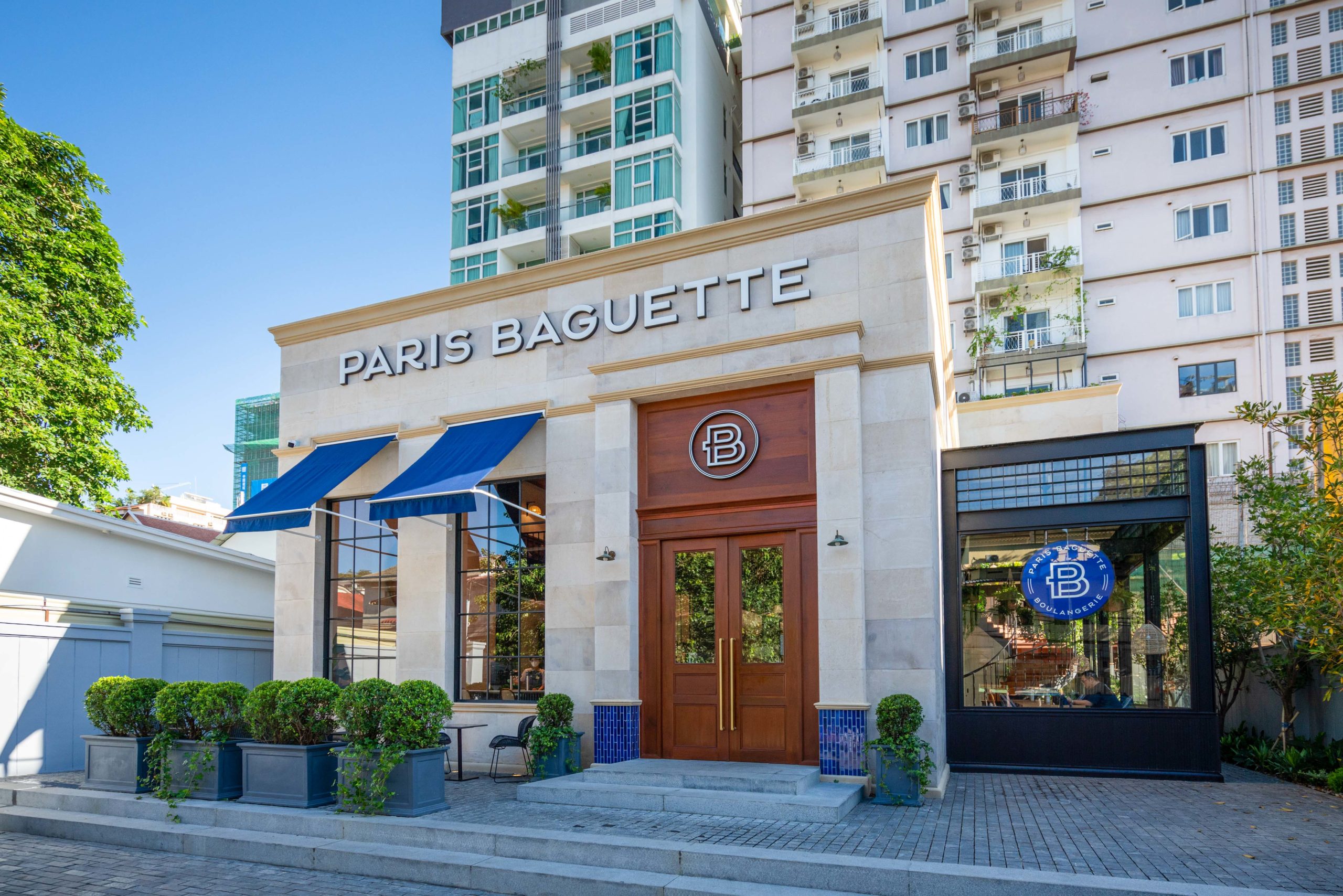
  • Paris Baguette enters Malaysia, building its first halal-certified centre

    Paris Baguette enters Malaysia, building its first halal-certified centre

    SPC Group-owned Paris Baguette Singapore has partnered with Berjaya Food Bhd, the operator of Starbucks in Malaysia, to roll out Paris Baguette stores across the country this year.

    The joint venture, which Berjaya Food will own 50 per cent, is part of SPC Group’s strategy to further strengthen its presence in Southeast Asia. Malaysia will mark Paris Baguette’s eighth international destination, after Vietnam, the US, China, France, Cambodia, Singapore and Indonesia. The country’s first Paris Baguette store will launch in Klang Valley by the end of this year.

    Under the partnership, the South Korean retailer aims to open more than 600 stores in Southeast Asia by 2030. The chain is also eyeing expanding to the UK and China. Paris Baguette currently owns more than 4000 units globally.

    SPC Group is also set to open Paris Baguette’s first halal-certified bakery manufacturing and distribution centre in Johor, Malaysia next year as the South Korean retailer aims to tap into the US$2 trillion halal food market.

    About RM130 million (US$29.5 million) will be invested in the construction of the Johor-based facility, which will commence this year’s third quarter. Spanning 16,500sqm, the centre will be located at Nusajaya Tech Park, which connects to international airports and seaports in both Singapore and Malaysia.

    “The SPC Centre, Johor, will act as a cornerstone of our Southeast Asia business expansion and aid in the venture into the Middle East,” said Huh Young-in, chairman of SPC Group.

    The Johor-based SPC centre will manufacture about 100 items such as bread, cake and dessert to supply to Paris Baguette outlets in Southeast Asia countries, including Singapore, Vietnam, Cambodia and Indonesia.

  • Singtel Further Decentralises Business Structure with Optus Decision

    Singtel Further Decentralises Business Structure with Optus Decision

    In a move to further decentralise its organisational structure, the Singtel Group has announced that its Australian subsidiary Optus will directly oversee its Optus Enterprise division with effect from 1 July 2022. This move to transfer the management of this division to Australia will effectively give Optus more operational autonomy and direct accountability.

    Singtel Group CEO Yuen Kuan Moon said, “Since our strategic reset a year ago, we’ve been evolving our operating model to stay relevant and maximise shareholder returns and this is another step in that direction. By adopting a decentralised opco-driven structure, we can empower our businesses to exploit commercial synergies and capabilities to drive growth. This is all the more important in today’s volatile macro-economic environment where business units need greater independence and agility to better navigate the market.” He added, “Optus has been part of the Singtel stable for two decades and a leading player in the Australian consumer market. Given the hyper digitalisation that enterprises are currently experiencing, this is also timely as Optus can focus on advancing its growth as a B2B player.”

    Optus CEO Kelly Bayer Rosmarin said, “This change is about delivering better outcomes for all our customers, whether they are consumers, small business, enterprise customers or wholesale customers. With a more unified and collaborative approach across Optus, we will be able to better meet the localised need of our business customer and bring solutions to market more quickly. Importantly, we still will be able to leverage the insights and global reach of Singtel, while having the autonomy to make decisions quickly.”

    Optus’ enterprise business revenue was A$1.21 billion in the financial year ended March 2022.

    Decentralisation underway 

    This decentralised organisational structure was first adopted in 2021, when ICT arm NCS was spun off from Singtel’s enterprise business and recast as a B2B digital services champion in Asia. The move has facilitated the transformation of NCS as well as its regionalisation. NCS has since expanded into Australia, a market that is key to its strategic growth. It has also diversified from its public sector client base and seen digital revenues jump to almost half of overall revenue in the last financial year.

    Yuen said, “With NCS scaling its business in Australia, we expect the combined synergies and capabilities of NCS and Optus to be mutually beneficial as both companies respond more easily to the specific needs of that market.”

    CEO appointed for regional data centre

    In 2021, the Group set up another new company under this decentralised model – a regional data centre business that builds on Singtel’s data centre operations in Singapore. Today, the Group announced the appointment of Bill Chang as CEO of this venture, with effect from 1 July 2022. Chang will assume this position in addition to leading Singtel’s enterprise portfolio as CEO, a role he has held since 2012.

    Chang said, “I’m very excited to lead the regional data centre growth business for the Group. This leverages our world class data centre expertise, excellent digital infrastructure and track record as Asia’s leading network connectivity provider to offer an integrated proposition to enterprises. With companies racing to digitalise and transform their business models and processes in the wake of the pandemic, and consumer lifestyles getting ever more digital, the growth in data traffic and demand for data centres will be unrelenting. We’re well-placed to capture the exciting growth opportunities across this region.”

    Singtel Group’s long-time business associates, Telkom in Indonesia and Gulf and AIS in Thailand are among the business’ first partners.

    The regional data centre business and NCS were identified as new digital growth engines under Singtel Group’s strategic reset announced in May 2021.

  • FJ Benjamin to manage Cole Haan in Singapore, Malaysia

    FJ Benjamin to manage Cole Haan in Singapore, Malaysia

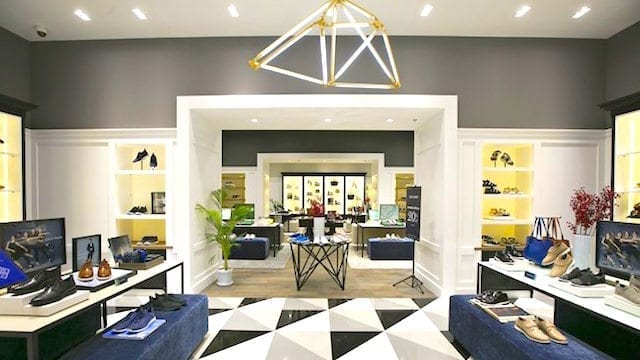
    Singapore-listed fashion retail group FJ Benjamin has added American footwear label Cole Haan to its portfolio, starting retailing and distributing the brand in Singapore and Malaysia from next month.

    Under the partnership, FJ Benjamin will roll out a series of Cole Haan brick-and-mortar stores in the second half of the year and a local e-commerce site for the brand. The move follows FJ Benjamin’s acquisition of luxury skincare brand MZ Skin’s rights in three Southeast Asia markets announced last week.

    “As an established manager of global fashion brands, FJ Benjamin is confident that we can deliver what the Cole Haan brand stands for and take it to the next level of growth in these two markets,” said Nash Benjamin, group CEO of FJ Benjamin.

    Cole Haan will join FJ Benjamin’s portfolio of more than 20 brands including Guess, Marc Jacobs, Superdry and Rebecca Minkoff. The Singapore retailer currently operates 158 stores.

  • Retail sales in Singapore surge as border restrictions relaxed

    Retail sales in Singapore surge as border restrictions relaxed

    Retail sales in Singapore surged 17.4 per cent in April (excluding motor vehicles), faster than the rate of 13.6 per cent in March.

    Statistics Singapore said the increase was driven by sales of apparel, food & liquor – up by 46.6 per cent year on year – and improved supermarket turnover.

    Retail sales in Singapore, excluding motor vehicles, were estimated at S$3.3 billion (US$2.4 billion) in April, with online retail sales accounting for 14.2 per cent of that. Online sales of computer & telecommunications equipment comprised 48.2 per cent of the category’s turnover, while 28.3 per cent of furniture & household equipment was sold online.

    Statistics Singapore said the growth in apparel sales was due to increased demand for bags and footwear, partly fuelled by increased tourist spending as border restrictions were eased. Sales of food & alcohol, in department stores, and of watches & jewellery, increased by between 28.4 and 35.6 per cent.

    However, sales at mini-marts & convenience stores fell by 5.5 per cent.

  • UOB appoints new Vietnam CEO

    UOB appoints new Vietnam CEO

    Singaporean bank UOB has named Victor Ngo its CEO in Vietnam.

    The 30-year banking veteran replaces Harry Loh, who returns to Singapore to lead group non-financial risk management, according to a statement.

    He started working for UOB in 2004 and has occupied several key positions, including head of group internal audit and head of group compliance.

    Since 2015 he has been active in Vietnam, including helping establish the bank’s first foreign subsidiary in 2017.

    “With Ngo’s extensive experience in the banking industry and within UOB Group, he is well placed to drive our Vietnam franchise to new heights,” UOB deputy chairman and CEO Wee Ee Cheong said.

    UOB, which opened a representative office in Vietnam in 1993 and a branch in HCMC two years later, is the sixth largest foreign-owned bank in the country by charter capital (VND5 trillion, US$215.5 million).

  • Neso Brands appoints CEO after $100 million funding round

    Neso Brands appoints CEO after $100 million funding round

    Neso Brands, a subsidiary of eyewear manufacturer Lenskart, has raised $100 million in a seed funding round, which will enable the firm to create a house of brands catering to the global market.

    The company did not divulge the details of the investors involved. However, Lenskart, which owns Singapore-headquarted Neso, has earlier raised large sums in funding from prominent investors such as KKR, SoftBank, Alpha Wave Global and Temasek.

    Founded in 2022, Neso Brands is an eyewear manufacturer and retailer that leverages analytics, tech, and its own supply chain and distribution, to create a large network of co-owned direct-to-consumer (D2C) brands.

    Based out of Singapore, Neso Brands plans to sell its eyewear products to a global market by partnering up with the top entrepreneurs in the industry. It plans to invest in consumer eyewear brands around the world and grow these brands by leveraging synergies across the Lenskart group to accelerate international expansion.

    Neso Brands will utilise e-commerce and technologies such as AR and AI for eyewear brands as a strategy to capture global market share. Neso Brands will house these brands and enable a quicker global rollout by giving the brands access to shared resources – particularly technology, supply chain, distribution, capital and best practices.

    Neso Brands also said Bjorn Bergstrom has joined the founding team as the CEO.

    Bergstrom is an experienced investor and D2C operator, having most recently served as chief growth officer and interim chief product & technology officer for the global fashion brand NA-KD. Bergstrom’s experience prior to that includes working as a venture capital investor focusing on early-stage growth startups, management consulting as well as operational roles at consumer startups.

    “Today, there is a perfect storm in the eyewear industry that makes it ripe for disruption. Consumers have increasingly high demands when it comes to customer experience, branding, and choice, but incumbent players have been unable to keep up. By investing in the most promising new brands in the industry and leveraging centralised resources across technology, manufacturing and distribution, Neso Brands will be uniquely positioned to scale the eyewear brands of the future,” Bergstrom, CEO of Neso Brands, said in a statement.

    “With this investment in Neso Brands, we want to accelerate our mission of transforming the way people see and experience the world. Consumers want better and better every day and while people’s quality of life has been uplifted through all other lifestyle products such as shoes, apparel and wearables, eyewear products are the same old with no innovation, just more expensive. And Neso is our initiative to partner with founders globally to help create eyewear brands of the future,” Peyush Bansal, CEO of Lenskart, said.