Tag: Singapore

  • 5 Practical Tips for Making a Successful Midlife Career Change

    5 Practical Tips for Making a Successful Midlife Career Change

    Changing careers in Singapore is never an easy decision, especially if you are in your 40s or older. After all, even the mere thought of starting over when you are already nearing the age of retirement can be downright scary. What if you don’t make it? What if you suffer financially? These are just some of the questions that could be plaguing your mind as you ponder the idea.

    But then if the desire to find a more satisfying and rewarding career is much stronger than the fear – or if it has been too long since you felt excited and happy going to work, you may need to consider making a career switch. That said, don’t start by worrying. Contrary to a common misconception, nobody is too old to transition to another career. With the right mindset and proper preparation, you can tread your career-change journey successfully.

    If you’re not sure where to begin, we’re happy to provide you with these five tips that you may want to consider to make a successful midlife career change:

    Know What You Want

    Perhaps the biggest mistake you can commit when making a mid-career change is ending up in a new job that you hate as much as your old job. To avoid this dreadful situation, you need to spend time figuring out what career you truly want to pursue before jumping ship.

    Reflect on your values, motivation, and talents. What are the things that matter to you when it comes to your career? Is it money, the thought of helping people, or making a difference? Make an honest assessment of yourself to have a better idea of the career you want. Once you have an idea of what you truly desire, it is easier for you to plan your next steps and research related opportunities.

    Acquire the Necessary Skill Set

    While you may have the soft skills to help in your new career, you may need to acquire knowledge and a different skill set to qualify for your desired position. As such, try to discover the necessary education and training you require for the career you are eyeing. Afterwards, find affordable ways to acquire what you need.

    Besides looking at free online education options, you may want to take advantage of the different government programs and schemes available to help in your journey. For instance, if you are a Singapore citizen aged 40 and up, you can enrol in one or more of the multiple Skills Future courses and enjoy up to 90 per cent of course fee subsidies under the SkillsFuture Mid-Career Enhanced Subsidy programme. You can also look at Career Conversion Programmes (CCP) by Workforce Singapore (WSG), as these initiatives are focused on helping mid-career people like you who desire to undergo skills conversion.

    Consider Your Finances

    Without a doubt, making a career change will impact your finances. That is why more often than not, you simply can’t decide to switch jobs one day and then hand in your resignation the next. A large part of planning your transition is ensuring that you can afford to make the change, especially if you are the breadwinner in the family.

    To ease your financial concerns, you may want to create an emergency fund and save enough money to finance your living expenses and other needs for three months or more. By doing so, you will not feel overly burdened in case your career change does not go as planned.

    You may also need to set a budget to fund your education and job hunt since government subsidies can only go so far. And if you are risk-averse, having a backup plan can reduce the stress of transition. Perhaps your parents or spouse can commit to helping you out financially if your savings run out and you still don’t have a stable income.

    Build Your Network

    As you learn new skills and save money to fund your new career, you may want to build your professional network as well. Connecting to people and organizations in your desired field can help you understand what the job entails and allow you to scout for opportunities.

    If you don’t have friends or acquaintances in the sector you desire, you can try reaching out to industry leaders through professional networking sites and similar platforms. Email them directly or attend industry events to meet more people. You can also tap WSG’s Volunteer Career Advisors Initiative if you are a Singapore citizen or a permanent resident to find industry veterans who can guide you in your career-change journey.

    Gird Your Loins

    Despite your preparation and planning, making a career change a bit late in the game is never easy. Aside from practically starting over to earn the necessary qualifications and adjusting your finances, you also have to ready yourself psychologically. After all, having to prove your value all over again and taking orders from superiors and colleagues much younger than you can test your patience and humility. That said, make sure to prepare yourself in all aspects to navigate the career-change process successfully.

    Switching careers in your later years can be challenging. You need to invest time and energy, and you need to work diligently to transition effectively. However, if you are making the change for your happiness, personal fulfilment, and things that matter most, you probably owe it to yourself to at least give it a try. Just remember to plan well, be open to learning, and cover all the bases, and your career-change journey will undoubtedly become one of the best decisions you’ll make in your life.


  • Owndays launches premium concept store in Singapore

    Owndays launches premium concept store in Singapore

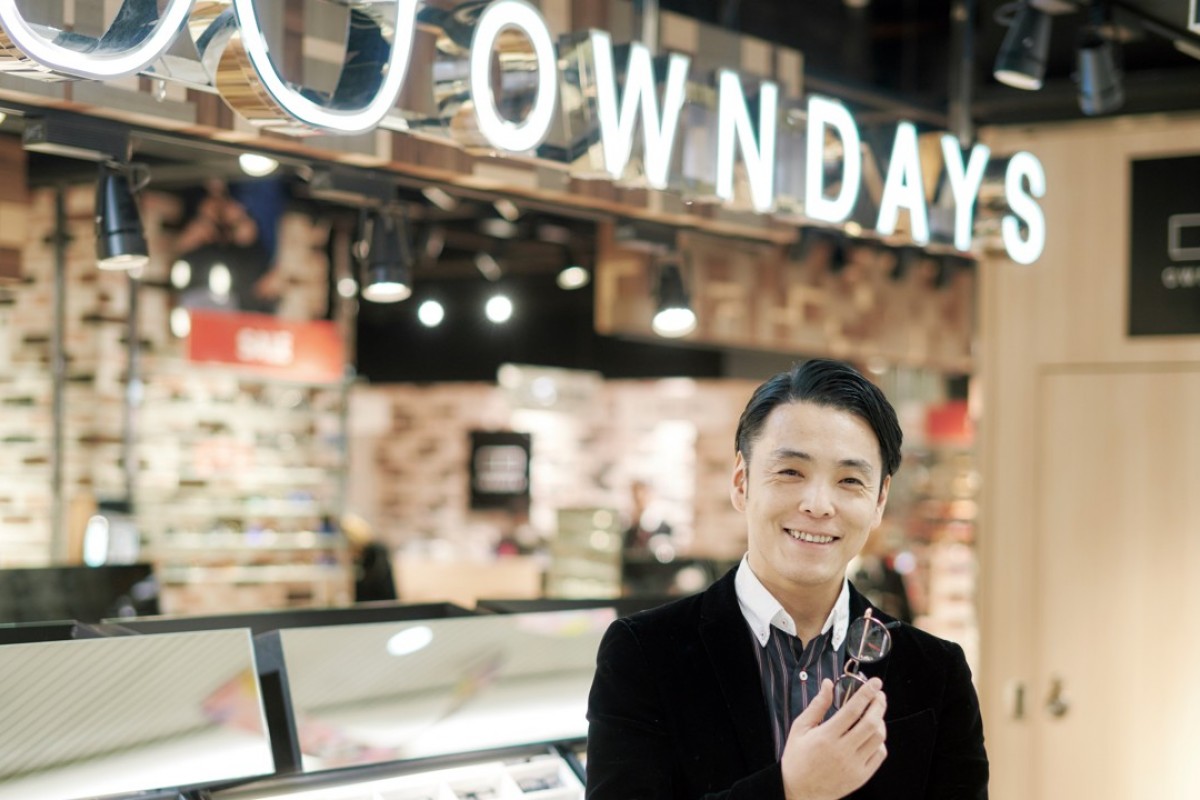
    Japanese fast fashion eyewear brand, OWNDAYS, is pleased to announce the opening of a new store at Takashimaya S.C., Ngee Ann City. This will be the brand’s second premium concept store in the world and its 33rd store in Singapore. The new store will open to public on 20 May 2022 and will house a collection of made-in-Japan eyewear and premium ophthalmic lenses curated exclusively for its premium concept stores.

    The Takashimaya S.C. store mirrors the concept of “Japanese Luxury” originally introduced at its first premium concept store at Marina Bay Sands, offering a premium eyewear shopping experience topped with Japanese hospitality and an extended product offering. Drawing inspiration from Ryoanji Temple, an UNESCO World Heritage Site and a popular attraction in Kyoto, Japan known for its famous rock garden, the new store features a distinct Japanese-styled aesthetics that pays homage to the origins of the brand while incorporating a touch of luxury.

    The main retail floor is flanked by a dry landscape complete with rock arrangements, gravel, moss and shrubs to achieve the Zen Garden interior. Beige wood elements are also heavily featured in the store interior to emphasise a sense of traditional Japanese-ness.

    Také Umiyama, Managing Director/COO of OWNDAYS INC. said, “The Takashimaya S.C. store reflects the core value of OWNDAYS, which is to constantly evolve and innovate in order to deliver quality eyewear to consumers at the best value. With a store that is located right in the heart of Orchard Road, it allows us to make well-designed, good quality eyewear more accessible to our customers. Besides, the new store is a space where we hope local consumers could enjoy a complete Japanese experience without having to physically travel to Japan. We welcome customers to visit the store even when they are not looking to purchase any spectacles and just to feel transported to Japan.”


  • Carousell acquires Singapore fashion resale brand Refash

    Carousell acquires Singapore fashion resale brand Refash

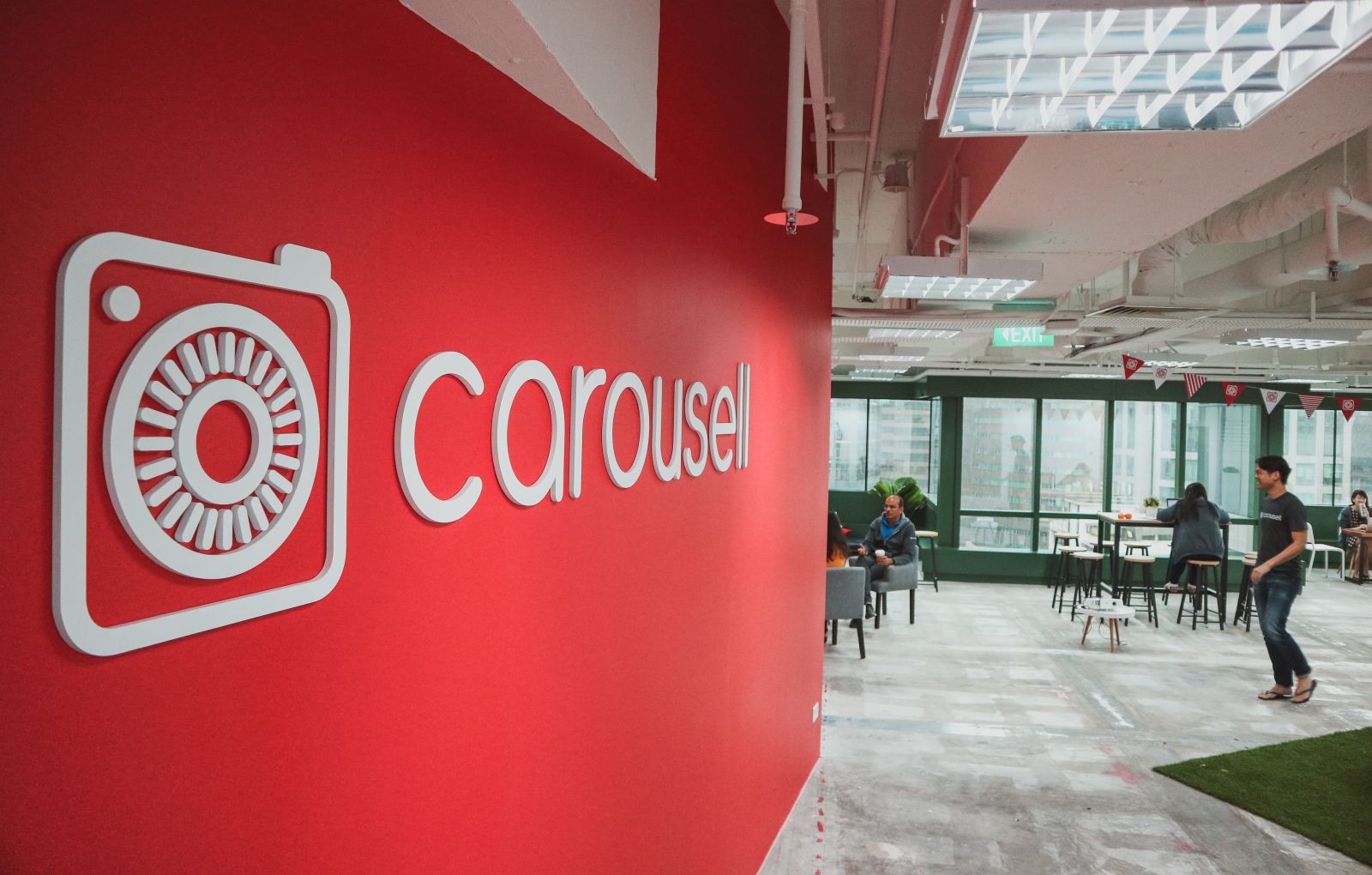
    ONLINE marketplace Carousell has inked a deal to buy Refash, a Singapore e-commerce platform and store operator for second-hand clothes, the companies announced on Monday (May 9). The deal value is undisclosed.

    Launched in 2015, Refash is focused on “thrifting”, or facilitating sales and purchases of second-hand clothes. The company said that it has processed over 5 million pieces of clothing and resold apparel from over 300 fashion labels. Besides its online platform, Refash also operates 10 physical thrift stores across Singapore.

    According to data platform VentureCap Insights, Refash posted US$460,242 in revenue for FY2020 ended December, with a profit of close to US$36,300.

    Post-acquisition, Refash will continue to operate as its own brand, retaining its name, platform, and team. The deal will beef up Carousell’s fashion vertical, which has been a major category for the company since its founding in 2012.

    “With our reach and expertise in using technology and AI to create seamless buy-sell experiences for secondhand (products), we are excited to partner and accelerate the growth of Refash,” said Carousell co-founder and chief executive Quek Siu Rui.

    The deal comes months after Carousell bought Ox Street, a Singapore-based marketplace for authenticated sneakers and street wear. In February, Carousell was in talks to acquire Singapore-based property marketplace operator 99 Group, ahead of a potential US listing this year.

  • 5 Things You Should Know about Singapore’s Global Investor Programme

    5 Things You Should Know about Singapore’s Global Investor Programme

    Among numerous efforts that the Singaporean government has made to drive up economic growth in the country, one of the initiatives that’s gotten the most traction is the Global Investor Programme (GIP). The GIP, an official division of Singapore’s Economic Development Board (EDB), is a programme whose goals are (1) to attract promising investors and entrepreneurs from across the globe, and (2) invite them to contribute their talents to Singapore’s world-class economy.

    If it’s been a dream of yours to work in Singapore—and to earn a comfortable life there for your family—find out if you’re eligible for the GIP. Here’s everything you need to know about Singapore’s flagship residency-by-investment programme.

    It Affords You the Chance to Secure Permanent Residency or Citizenship in Singapore

    One of the most appealing incentives of the GIP is that it serves as a way to attain either permanent residency (PR) or citizenship status in Singapore. If you are successful in your application, you’ll be able to earn a Singapore investment visa. This will allow you to work and reside in Singapore in the long term and even secure citizenship for you and your nuclear family two years after you obtain PR status.

    Not only will you be able to do business in Singapore and contribute your investment acumen towards the country’s economic growth, you will also be able to live in a city-state that is consistently lauded for its healthcare system, public infrastructure, and general quality of life. If it’s within reach, this is one of the best avenues to start a prosperous life in Singapore.

    It’s Open to Established Business Owners, Next-Generation Business Owners, Family Office Principals, and Founders of Fast-Growing Businesses

    At a glance, there are four types of investors who are welcome to apply to Singapore’s GIP:

    • An established business owner with rich entrepreneurial experience spanning at least 3 years, and whose annual business turnover is at least SGD 200 million
    • A member of a high-value family business whose immediate family possesses at least 30% of shares, and whose annual turnover for the said business is at least SGD 500 million
    • A founder and one of the largest shareholders of a fast-growing company that’s worth at least SGD 500 million
    • A family office principal with at least 5 years’ worth of experience in entrepreneurship, management, or investment activities and net investable assets of at least SGD 200 million

    Does your investor’s profile match any of these? If it does, look up the additional eligibility requirements from EDB and see if you meet them.

    You Must Be Involved in Certain Industries to Be Qualified for the Programme

    The GIP is a highly selective programme, and one criteria that an applicant must meet is that their business and investment interests must be represented in the GIP’s list of accepted industries. Some examples that reflect Singapore’s biggest economic drivers are the sectors of consumer business, automotive business, logistics and supply chain management, financial services, healthcare and medical technology, electronics, energy, and information communication. Other exciting areas of investment that are eligible under the GIP are aerospace engineering, marine and offshore engineering, nanotechnology, the arts, and sports businesses.

    A full list of eligible industries is available on the EDB’s official website. If you intend to apply for the programme, be sure that your sector is represented.

    You Can Invest in a New Business Entity, a GIP Fund, or a Family Office with SGD 200 Million in AUM

    There are three options for investing your money into the GIP, and they comprise the following:

    • Investing SGD 2.5 million in a brand-new business entity. If you choose this route, you will need to submit a detailed business or investment plan to the EDB complete with financial projections, anticipated expenditures, and employment schemes.
    • Investing in an existing GIP fund that’s based and incorporated in Singapore. The EDB will assess you based on the viability and thoroughness of your investment plans.
    • Investing in a new or existing family office with at least SGD 200 million in assets under management, or AUM. Offshore assets count, but at least SGD 50 million must be transferred to and held in Singapore.

    You Must Be Ready to Make Your Investment within 6 Months of Your Application Approval

    Lastly, if you’ve been approved for entry into Singapore through the GIP, you are required to complete your investment within six months of your application approval. This should be made through your personal bank account, under your sole name, with a Singapore-registered bank that’s based in the country.

    You will also need to take stock of all true copies of your investment documents, like bank statements, credit and debit advisories, a bank reference letter certifying the validity of the transaction, and other additional documents required by the EDB. Be prepared to complete this paper trail so that you are not amiss in your standing with the agency.

    Final Words

    The requirements may be tedious and the field may be quite competitive, but you’ll have an exceptional opportunity to live and invest in Singapore if your GIP application is successful. Contact an authorised representative from the EDB and see how you can get started on the application process!

  • Singtel and Telkom forge deeper ties in regional data centres and fixed broadband

    Singtel and Telkom forge deeper ties in regional data centres and fixed broadband

    Singtel and its Indonesian partner Telkom, the parent company of Singtel’s regional associate Telkomsel, have signed two memoranda of understanding (MOU) which was witnessed by Indonesia’s minister of state-owned enterprises Erick Thohir and vice minister of state-owned enterprises Kartika Wirjoatmodjo. The first of the two MOUs covers collaboration in the area of data centres, which marks a significant step in advancing Singtel’s regional data centre strategy. The second MOU involves a collaboration to support Telkomsel’s transformation into Indonesia’s leading consumer fixed broadband and mobile operator through a fixed mobile convergence strategy with Telkom.

    Expansion of regional data centre footprint to Indonesia

    To capture growth opportunities arising from the unprecedented digitalisation and cloud adoption in ASEAN, Singtel has focused on establishing a data centre platform that will work with partners to build and acquire data centres in the region. ASEAN has been experiencing robust data centre growth and the Singapore and Indonesia markets are projected to more than double in size, accounting for over 60% of regional growth by 2025.

    As strategic partners for over two decades, this move into data centres expands on the close collaboration between Singtel and Telkom to build out Indonesia’s mobile communications and digital infrastructure.

    Singtel Group CEO Yuen Kuan Moon said, “As businesses rapidly digitalise, and with the growing adoption of IoT, artificial intelligence and 5G across the region, demand for high-quality data centres is on the rise. This partnership with Telkom is an important step for our data centre strategy, bringing together the prime assets, expertise and networks of two market leaders in data centre operations in Indonesia and Singapore. As the largest digital economy in ASEAN, Indonesia is a strategic data centre market which expands our platform’s footprint to cover the three fastest-growing locations in the region – Indonesia, Singapore and Thailand. The platform will support the digital transformation needs of customers wanting to deploy into Indonesia, and Indonesian businesses looking to grow beyond the country. We look forward to deepening our longstanding collaboration with Telkom to capitalise on the favourable trends and tremendous market opportunity.”

    Telkom CEO Ririek Adriansyah said, “Telkom Group is currently consolidating our data centre business to answer the challenges of digital transformation. The regional data centre platform is a continuation of this data centre consolidation strategy and demonstrates our commitment to respond to customer needs and capture opportunities that will pave the way for our company to become a data centre player on a global level. These efforts require strategic partnerships with operators who have proven capabilities and track records. With its strengths and experience, Singtel is one of the strategic partners for Telkom in developing this regional data centre business.”

    Singtel is a leading operator of data centres in Singapore and has carved out its top-tier data centres, DC West and Kim Chuan 2, into a separate Singtel-owned entity with approximately 60 MW of capacity. In addition to securing a site in Tuas for a new integrated cable landing and data centre facility which will be ready in three to four years and add 30-40 MW in capacity, Singtel will continue to explore adding further capacity.

    An experienced data centre operator, Telkom has an existing data centre portfolio of 27 data centres in Indonesia and the region. It is also building a hyperscale data centre with 75 MW capacity to serve local and foreign companies and hyperscalers. Selected data centre assets from Telkom will be placed in the data centre platform. The companies will also collaborate on development opportunities and explore bringing third-party investors or partners into the platform.

    Besides Indonesia, Singtel has set its sights on the Thai data centre market. In February, Singtel signed a joint development agreement with Gulf Energy and Singtel’s regional associate AIS to start developing data centres in Thailand, and the new joint venture will be launched soon.

    Fixed mobile convergence strategy

    Singtel and Telkom will also jointly explore a fixed mobile convergence strategy for Telkomsel which will see an integration of its mobile business with Telkom’s consumer fixed broadband business. By combining the strengths of the two companies, Telkomsel will be able to enjoy significant synergies and enhance its leading position in the market with converged solutions that will give customers the best digital experience. This strategy will strengthen customer value proposition, in turn increasing customer lifetime value and household penetration.

  • Singapore’s Sheng Siong plans 25 more stores during next five years

    Singapore’s Sheng Siong plans 25 more stores during next five years

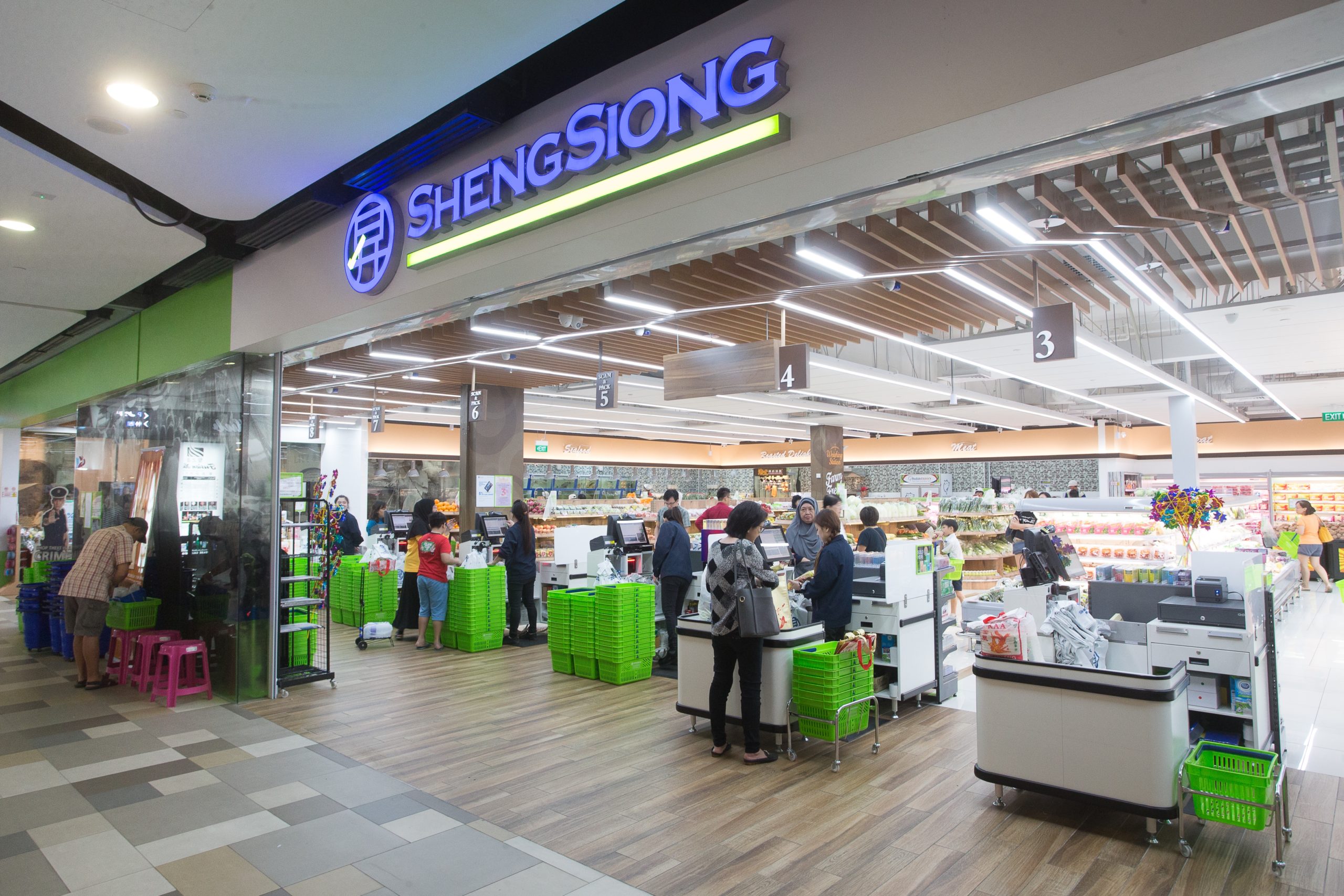
    Singapore’s supermarket chain Sheng Siong aims to open three to five new outlets every year in the country in the near term, the company said in a bourse filing today (Apr 20). The near term plan will be within the next three to five years, and this adds up to 25 stores by the fifth year, as part of the supermarket chain’s plans to expand its footprint in the country.

    Sheng Siong said it will continue to look out for retail spaces in new and existing public housing estates, particularly in areas where it does not have a presence.

    A check online shows the chain having 65 outlets across Singapore, with 14 outlets in the Northeast, 17 outlets in the West, 12 outlets in the North, 11 outlets in Central, and 11 outlets in the East.

    With a projected 25 more outlets, this will bring Sheng Siong’s total number of outlets to 90.

    According to competitor NTUC Fairprice’s website, the chain has 230 outlets in Singapore. Fairprice claims that it’s the country’s largest retailer. It counts brands like FairPrice supermarkets, FairPrice Finest, and Cheers as its outlets. There are 100 FairPrice supermarkets islandwide.

    Sheng Siong will also continue to build on its e-commerce capability to extend its reach to customers in areas where it does not have a physical presence.

    There are also plans to expand into China although it didn’t lay out the specifics. The company is currently operating four supermarkets in Kunming, China, which continue to be profitable.

    The supermarket chain’s latest financial results showed a 6.4 percent increase in revenue for the second half of the financial year 2021, at S$688.1 million. That’s thanks to the opening of three new stores in Singapore in the same period.

    Net profit for the full year eased 4.2 percent to S$132.8 million, due to a high base in the previous year.

    Sheng Siong expects pandemic-induced demand to taper as consumers loosen their purse strings on discretionary items like social activities and travel.

    “We should build a ‘war-chest’ ready on hand and preferred to conserve cash rather than gear up when the need arises,” it said.

    The company made news last year when it rewarded staff with up to 16 months of bonus after the “tremendous” performance in 2020.

    Internal memos seen by news agencies showed that some of the amount, as well as monthly bonus were distributed in 2020.

    The good performance reflected how well supermarkets perform

  • Singapore’s Raffles City to boast 50 new stores after revamp

    Singapore’s Raffles City to boast 50 new stores after revamp

    More than 50 new brands, including specialty stores and experiential concepts, will enter the revamped Raffles City shopping centre later this year.

    The renovation of a 111,000sqft area across Levels 1 to 3 is scheduled to complete in the fourth quarter of this year. An initial series of store openings kicked off with the launch of Acqua di Parma’s first flagship store in Southeast Asia last month. Spanning approximately 1000sqft, the store features the first of its grooming service ‘Barbiera’ in Asia Pacific.

    The downtown Singapore centre’s revamp was in part made necessary by the collapse of the Robinsons department-store business in 2020, which left a large space untenanted but opened the possibility for multiple additional smaller tenancies, as well as an expansion of the Marks & Spencer space.

    “Raffles City’s rejuvenation plans are part of our continuous efforts to keep us on the pulse of the rapidly evolving shopping and lifestyle needs of our shoppers,” said Steve Ng, GM of Raffles City Singapore.

    “Our new tenant mix has been carefully curated to cater to the diverse demographics who frequent our mall, especially those who seek more than just retail gratification and the discerning ones who appreciate the finer things in life”.

    Sephora, Marks & Spencer and L’Occtane, will introduce new concept stores in the coming months. While L’Occitane will land its first Green Store in Singapore at Raffles City, Marks & Spencer will expand its offering with a new 15,00osqft concept store, consisting of a grocer and bakery.

    Other new tenants joining the revamped premise include Lululemon, Paris Baguette x Teatra, Venchi and Läderach. Raffles City said it will disclose more new tenants in coming months.

  • Singtel and Telkom forge deeper ties in regional data centres and fixed broadband

    Singtel and Telkom forge deeper ties in regional data centres and fixed broadband

    Singtel and its Indonesian partner Telkom, the parent company of Singtel’s regional associate Telkomsel, have signed two memoranda of understanding (MOU) which was witnessed by Indonesia’s minister of state-owned enterprises Erick Thohir and vice minister of state-owned enterprises Kartika Wirjoatmodjo. The first of the two MOUs covers collaboration in the area of data centres, which marks a significant step in advancing Singtel’s regional data centre strategy. The second MOU involves a collaboration to support Telkomsel’s transformation into Indonesia’s leading consumer fixed broadband and mobile operator through a fixed mobile convergence strategy with Telkom.

    Expansion of regional data centre footprint to Indonesia

    To capture growth opportunities arising from the unprecedented digitalisation and cloud adoption in ASEAN, Singtel has focused on establishing a data centre platform that will work with partners to build and acquire data centres in the region. ASEAN has been experiencing robust data centre growth and the Singapore and Indonesia markets are projected to more than double in size, accounting for over 60% of regional growth by 2025.

    As strategic partners for over two decades, this move into data centres expands on the close collaboration between Singtel and Telkom to build out Indonesia’s mobile communications and digital infrastructure.

    Singtel Group CEO Yuen Kuan Moon said, “As businesses rapidly digitalise, and with the growing adoption of IoT, artificial intelligence and 5G across the region, demand for high-quality data centres is on the rise. This partnership with Telkom is an important step for our data centre strategy, bringing together the prime assets, expertise and networks of two market leaders in data centre operations in Indonesia and Singapore. As the largest digital economy in ASEAN, Indonesia is a strategic data centre market which expands our platform’s footprint to cover the three fastest-growing locations in the region – Indonesia, Singapore and Thailand. The platform will support the digital transformation needs of customers wanting to deploy into Indonesia, and Indonesian businesses looking to grow beyond the country. We look forward to deepening our longstanding collaboration with Telkom to capitalise on the favourable trends and tremendous market opportunity.”

    Telkom CEO Ririek Adriansyah said, “Telkom Group is currently consolidating our data centre business to answer the challenges of digital transformation. The regional data centre platform is a continuation of this data centre consolidation strategy and demonstrates our commitment to respond to customer needs and capture opportunities that will pave the way for our company to become a data centre player on a global level. These efforts require strategic partnerships with operators who have proven capabilities and track records. With its strengths and experience, Singtel is one of the strategic partners for Telkom in developing this regional data centre business.”

    Singtel is a leading operator of data centres in Singapore and has carved out its top-tier data centres, DC West and Kim Chuan 2, into a separate Singtel-owned entity with approximately 60 MW of capacity. In addition to securing a site in Tuas for a new integrated cable landing and data centre facility which will be ready in three to four years and add 30-40 MW in capacity, Singtel will continue to explore adding further capacity.

    An experienced data centre operator, Telkom has an existing data centre portfolio of 27 data centres in Indonesia and the region. It is also building a hyperscale data centre with 75 MW capacity to serve local and foreign companies and hyperscalers. Selected data centre assets from Telkom will be placed in the data centre platform. The companies will also collaborate on development opportunities and explore bringing third-party investors or partners into the platform.

    Besides Indonesia, Singtel has set its sights on the Thai data centre market. In February, Singtel signed a joint development agreement with Gulf Energy and Singtel’s regional associate AIS to start developing data centres in Thailand, and the new joint venture will be launched soon.

    Fixed mobile convergence strategy

    Singtel and Telkom will also jointly explore a fixed mobile convergence strategy for Telkomsel which will see an integration of its mobile business with Telkom’s consumer fixed broadband business. By combining the strengths of the two companies, Telkomsel will be able to enjoy significant synergies and enhance its leading position in the market with converged solutions that will give customers the best digital experience. This strategy will strengthen customer value proposition, in turn increasing customer lifetime value and household penetration.

  • Zilingo CEO suspended amid financial probe

    Zilingo CEO suspended amid financial probe

    Zilingo Pte, one of Singapore’s highest-profile startups, has suspended Chief Executive Officer Ankiti Bose after an effort to raise new funding led to questions about the company’s accounting, according to people familiar with the matter.

    The company, which supplies technology to apparel merchants and factories, had been trying to raise $150 million to $200 million with help from Goldman Sachs Group Inc. when investors began to question its finances as part of the due diligence process, said the people, asking not to be identified because the information is confidential.

    The company began by working with small merchants that sell to consumers and then expanded into adjacent areas. As the founders started talking with small sellers, they realized many lacked access to robust technology and essential capital.

    That led them to develop software and other tools that would allow merchants to access factories in places like Vietnam or Bangalore, and would smooth the complicated process of shipping across borders. In 2018, Zilingo began to team up with financial technology firms to provide working capital to small sellers so they can buy raw materials to produce goods.

    In early 2019, Zilingo raised $226 million from investors including Sequoia and Temasek, and pushed its valuation to $970 million, almost the $1 billion mark that earns startups designation as a unicorn. Bose, then 27, was celebrated as a visionary and a sign of the entrepreneurial potential for Southeast Asia.

    “We were a bunch of twenty-somethings with nothing except this dream and we decided to chase it,” she said at the time. Bose had worked at Sequoia earlier and had said the experience helped her build the startup.

    Zilingo, which had grown into a full-blown marketplace for wholesale buyers and sellers in the fashion industry, faced growth troubles after pandemic-fueled restrictions forced many small businesses to shut their doors. To rein in its own costs, Zilingo said it cut a number of jobs in 2020 and downsized marketing, sourcing and support teams in the U.S., Australia, Singapore and Indonesia.

    The company made an aggressive pitch in its latest effort to raise fresh capital. Late last year, it forecast that core net revenue would rise from about $40 million in fiscal 2021 to roughly $60 million in fiscal 2022 and $100 million the year after, according to presentation documents reviewed by Bloomberg News. Zilingo said it anticipated breaking even on core Ebitda — or earnings before interest, taxes, depreciation and amortization — in fiscal 2023 and then reach almost $200 million in fiscal 2026.

    On March 31, Bose was called to a meeting with three board members and told about “serious” complaints about discrepancies in accounts and mismanagement, according to the correspondence reviewed by Bloomberg. She was later questioned by two people from Kroll, the investigations firm. Her suspension is scheduled to run until May 5.

    Bose, through her lawyer, has argued that the directors did not follow proper procedures during the process and questioned their right to suspend her, according to the correspondence from her attorney to Zilingo.

    “We are of the view that our client’s suspension has been procured by invalid and defective means; that the investigation commenced into her is unfair and lacking in due process, and that she has been suspended without proper and reasonable cause,” her attorney wrote.

  • Singtel-owned ATN and AustralianSuper acquire Axicom

    Singtel-owned ATN and AustralianSuper acquire Axicom

    Singtel-owned Australia Tower Network (ATN) and AustralianSuper have announced the acquisition of Axicom, one of Australia’s leading providers of telecommunications tower infrastructure, for A$3.58 billion.

    Axicom owns and operates approximately 2,000 telecommunication sites located in metro and outer-metro locations across all eight states and territories and major cities in Australia.

    As ATN’s shareholders, AustralianSuper and Singtel said the strong synergies between Axicom and ATN would provide exceptional growth opportunities which will benefit customers, employees, and the community in the long term.

    AustralianSuper head of infrastructure, Nik Kemp, said Axicom is a high-quality asset that will deliver long-term value to AustralianSuper members.

    “Axicom is complementary to our existing digital infrastructure portfolio and this acquisition will result in the creation of a provider with a truly national footprint that will connect the vast majority of Australian families and businesses,” Kemp said.

    “Axicom has all of the characteristics we are looking for in an infrastructure asset and there are strong synergies between the two organisations. We look forward to working with the great teams of both ATN and Axicom to bring these two strong businesses together and leverage the great opportunity we have to continue to deliver for customers and AustralianSuper members.”

    Singtel Group chief corporate officer, Lim Cheng Cheng said, “This acquisition is a unique opportunity to scale up ATN’s operations and expand its customer base. It also reinforces Singtel’s commitment as a long-term investor in the Australian telecoms space where our goal has always been to provide more options and build better communications for Australian consumers and businesses. In combining ATN and Axicom, AustralianSuper and Singtel will be working closely to realise the significant operational synergies created.”

    AustralianSuper acquired a 70% stake in ATN from Singtel in November last year. Following the Axicom acquisition, Singtel’s shareholding in the combined ATN/Axicom business will be 18%, with AustralianSuper at 82%.

    Kemp said AustralianSuper will continue to seek further opportunities in this sector both domestically and globally.

    “AustralianSuper is looking to double its infrastructure portfolio over the next five years from its current A$31 billion. We believe that there will be significant growth in demand for digital infrastructure and will actively consider future opportunities in this space.”

    ATN chief executive officer, Cameron Evans, said ATN was looking forward to broadening the relationship with Axicom’s customers and providing them with access to the over 2000 current ATN sites and more than 565 new sites under construction.

    “Bringing together Australia’s two largest independent wireless telecommunications infrastructure operators provides real strategic advantages and strong value creation opportunities. It will also provide greater support for our customers as they continue to deliver essential services to the community such as mobile coverage, internet services, broadcast and emergency services,” Evans said.

    “We look forward to working with the team at Axicom to bring our two businesses together and leverage the opportunities we have with our top-quality digital infrastructure to connect Australians for generations to come.”

  • Lendlease Singapore launches ‘You Won’t Believe It’s Trash’ exhibition

    Lendlease Singapore launches ‘You Won’t Believe It’s Trash’ exhibition

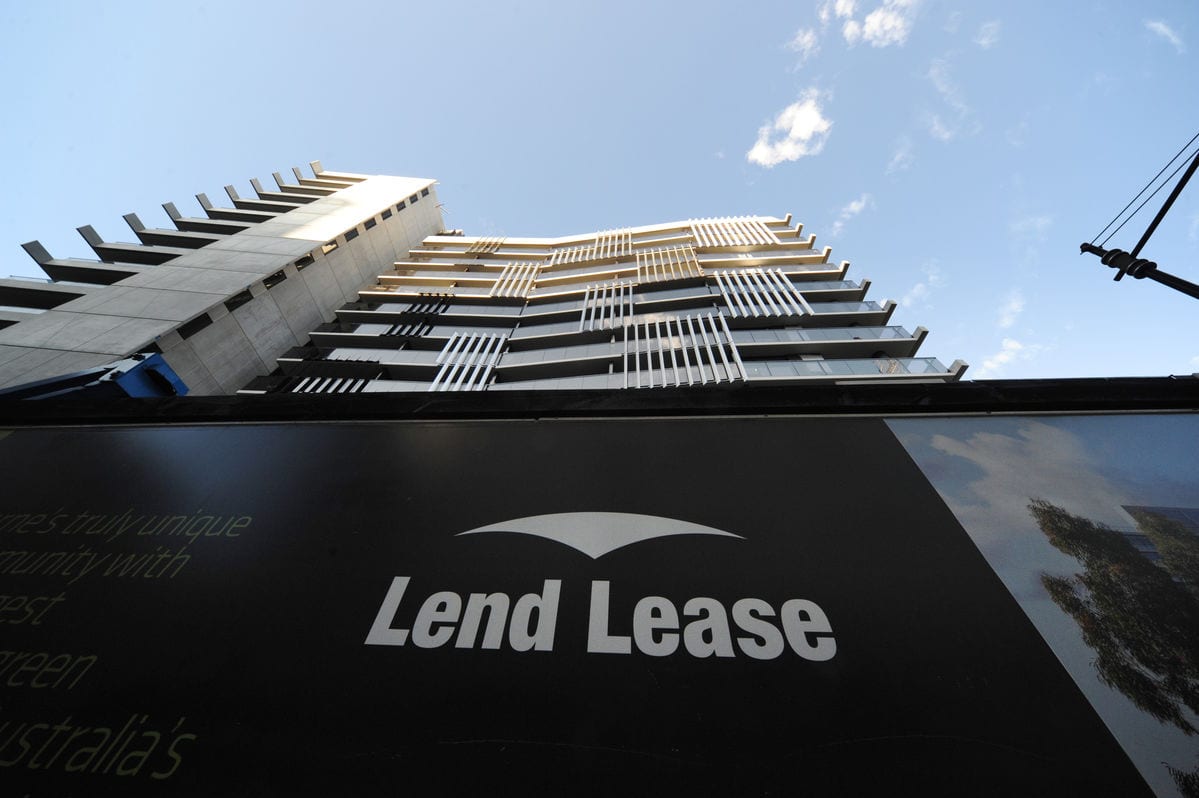
    Lendlease Singapore is promoting sustainable and zero-waste habits among shoppers and visitors through the recently launched exhibition dubbed ‘You Won’t Believe It’s Trash’ (YWBIT).

    The public artwork exhibition is being introduced across four Lendlease malls – Paya Lebar Quarter, Jem, Parkway Parade and 313@Somerset. The event will be held until May 18. YWBIT showcases creative work, such as movie props and models made from discarded items, including cardboard boxes, broom heads and other materials, by local artist Simon Tan.

    “Through my art, I want everyone to know that they should think carefully before throwing things away because by saving things for reuse, they are saving the Earth,” Tan said.

    The exhibition will also showcase illustrations designed by local environmentalist Woo Qiyun with support from designer Stacey Yip. The illustrations will portray how malls can be reimagined to enable low-waste shopping and encourage circularity.

    “Through these visual artworks created by local artists, we hope the exhibition will strike a chord with the public and urge everyone to be more conscious of our consumption, as well as the waste we generate,” said Joelle Chen, sustainability director at Lendlease Singapore.

    Meanwhile, an onsite vending machine is installed at the exhibition to collect empty and clean aluminum drink cans, plastic drink bottles, and papers for recycling. In addition to the sustainable exhibition, Lendlease also partnered with GreenSquare to place fabric recycling bins at each of the malls’ bin centers from next month to collect unwanted garments.

  • Dyson to invest US$1.1 billion in Singapore as part of global plan

    Dyson to invest US$1.1 billion in Singapore as part of global plan

    Dyson, the inventor of the bagless vacuum cleaner, said on Friday it would invest S$1.5 billion ($1.1 billion) in Singapore over the next four years, the newest phase of a S$4.9 billion global investment plan.

    When Dyson announced the global investment plan in 2020, it said the money would be divided between the company’s global head office in Singapore, its two campuses in Wiltshire, southern England, and the Philippines.

    On Friday, it launched its new global headquarters in a restored power station in the Southeast Asian city-state, where it plans to hire more than 250 additional engineers and scientists.

    The positions will span robotics, machine learning, high-speed electric digital motors, energy storage, and more.

    Singapore is a hub for Dyson’s research and engineering teams, as well as commercial, advanced manufacturing, and supply chain operations. It has more than 1,400 staff in the country, including 560 engineers and scientists.

    Singapore, a low-tax global business centre, has been ramping up efforts to lure technology and research firms.

    “This is the future for technology companies – to go wherever talent is available and made welcome,” its prime minister, Lee Hsien Loong, said at the opening of the headquarters.

    “It is also the future for Singapore – to welcome companies and talent, which can help make us a hub of new ideas and scientific progress.”

    Founded by British entrepreneur James Dyson in the 1990s, the company became a household name by developing sleekly designed products ranging from hand driers and air purifiers to hair care tools and vacuums.

    Dyson, a billionaire Brexit supporter, announced plans in 2019 to move his company’s head office to Singapore to be closer to its fastest-growing markets, sparking a backlash at home.

    The company has other sites in Singapore, including an engineering hub, a motor manufacturing facility and a new battery factory.

    Southeast Asia is a major production base for Dyson with Malaysia counting as its second-biggest global hub.

    Last year, Dyson split with its supplier ATA IMS Bhd following an audit of the Malaysian company’s labour practices and allegations by a whistleblower.

    ATA made parts for Dyson’s vacuum cleaners and air purifiers.

  • Amazon Singapore offers staff mental health support

    Amazon Singapore offers staff mental health support

    Amazon Singapore has today launched a new mental health benefits package that provides its employees and their families with personalised, convenient, and confidential mental health and well-being support. The new service provides holistic mental well-being support with services such as life coaching, legal and financial support, and mindfulness resources available in addition to the traditional Employee Assistance Program services such as counselling sessions.

    “Access to mental health care has become increasingly important as we all continue to navigate different everyday challenges,” says Henry Low, Country Manager, Amazon Singapore. “Our intent is to remove barriers and unnecessary stigma around getting help and ensure our employees and their families feel safe and supported. In providing a range of services, as well as regular dialogue with employees about mental health, we hope to help in every way we can.”

    Through the new Employee Assistance Program, Amazon employees and their families have access to several free resources:

    • Life coaching sessions with a certified wellness coach to help navigate life transitions and maximise personal and professional growth.
    • Access to webinars, personalised advise and resources on topics including career development, travel and leisure, parenting, healthy living, consumer tips, personal growth and coping following a natural disaster.
    • Interactive self-care programs, including computerised Cognitive Behavior Therapy, mindfulness resources, and courses that guide individuals through self-paced, evidence-based treatment for anxiety, stress, depression, substance use, sleep troubles, and more.
    • Free one-on-one counselling sessions for employees and their families, with access to three sessions per person, per topic with the option to be in-person, via phone, video, or text.
    • Crisis and suicide-prevention support and access to a licensed mental health clinician any time of day or night.
    • Work-life assistance for everyday needs, including help with referrals for child and elder care, movers, and other personal services.

    Amazon works closely with health and safety experts and scientists, and conducts thousands of safety inspections each day in the company’s buildings across the world. The company has also made hundreds of changes globally as a result of feedback from employees on how to improve their well-being at work.

    All Amazon permanent employees receive the same core benefits, regardless of their role, level, or position—from the company’s executives to front-line employees in fulfilment centres preparing orders for customers.

    For Amazon employee, Carissa Seah, having a single point of contact for mental health support for not only herself, but her loved ones too, gives her great reassurance.

    “It’s very comforting to know that I have a range of mental health resources available not just for me but for my entire family. I’m glad its not a one-size-fits-all solution and offers a genuine range of services for all of us,” says Carissa.

    This new mental health offering complements Amazon’s range of benefits that support employees and eligible family members, including domestic partners and their children. These comprehensive benefits include health care coverage, time-off, and other resources to improve health and well-being. Amazon offers medical, prescription drug, dental, and vision coverage to all full-time and part-time employees, regardless of their level, tenure, or position. When employees want to take time away from work, they have paid time-off for holidays, in addition to other leave benefits that are available for various life events.

  • CompAsia Opens Latest E-Store In Singapore As It Champions The Recommerce of Mobile Gadgets in Southeast Asia

    CompAsia Opens Latest E-Store In Singapore As It Champions The Recommerce of Mobile Gadgets in Southeast Asia

    There is a new global movement in recommerce, which celebrates the trading of preloved items that extend the lifecycle of these items thus promoting sustainable and responsible consumerism.

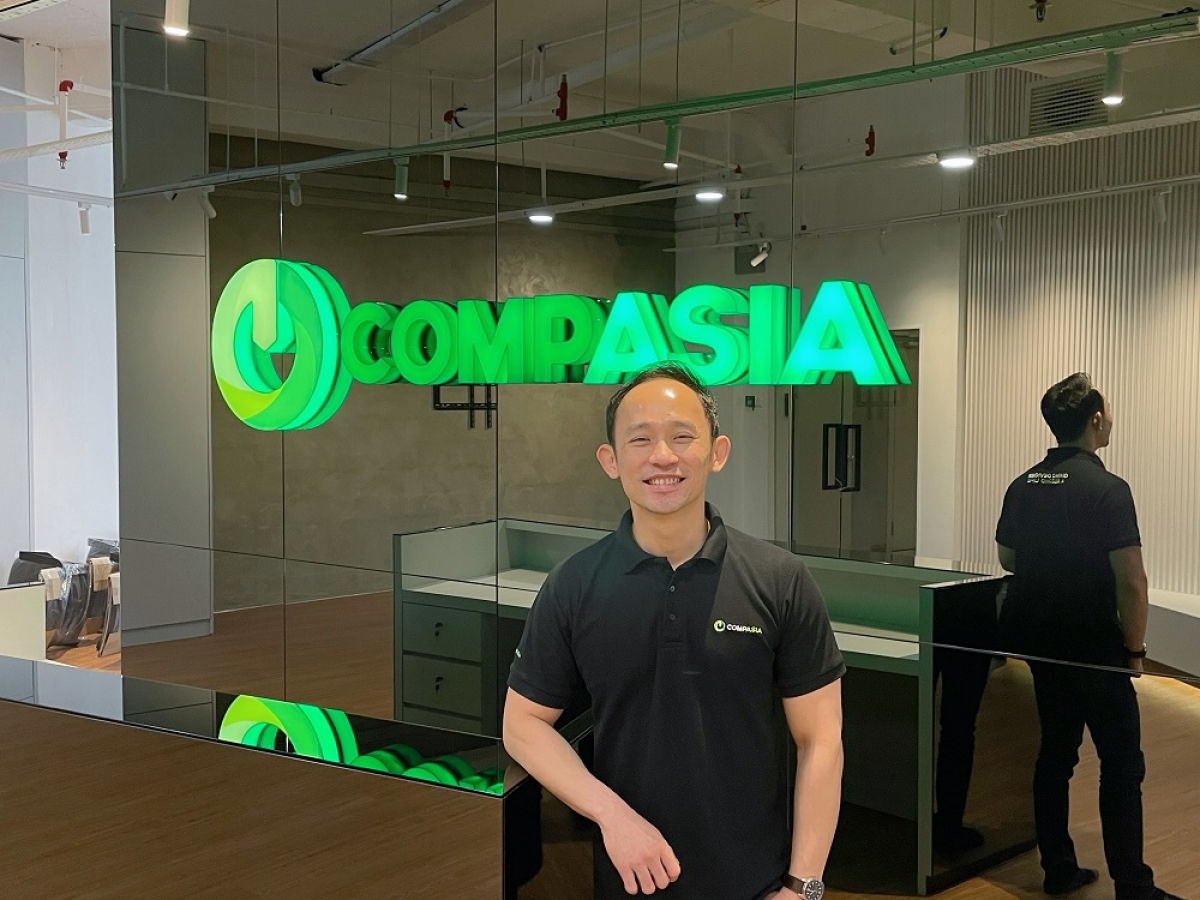
    CompAsia, which is championing the recommerce of mobile gadgets in Southeast Asia with unrivalled success in Malaysia, is inviting more customers to consider purchasing second-hand gadgets such as smartphones, laptops, and smartwatches with the opening of new e-stores in Singapore and Thailand, and the promise of high-quality products at affordable prices.

    “We have seen an exponential growth of 2,500% in our e-store business in Malaysia over the last two years largely driven by movement restrictions that amplified the convenience of doing business on the CompAsia platform, and the assurance that we only trade in original products and we offer the highest quality second-hand gadgets,” said Julius Lim, Founder and CEO of CompAsia, which currently operates in nine markets in the region.

    “Customers trust that we are giving them excellent prices both when buying back their devices and selling them preowned ones on our e-stores,” he said, adding that CompAsia’s 32-step quality check that every device goes through, along with the secure data erasure to protect both buyers and sellers alike have also proven to be leading reasons for its growing customer base.

    With deep expertise in the device business, CompAsia provides access to high-quality devices that are backed by responsive after-sales service support, unlike anything you’ll find in regular C2C platforms or second-hand phone retailers. To date, CompAsia has sold over 500,000 devices globally and continues to ramp up sales at a blazing pace.

    “The network upgrading from 4G to 5G is further pushing the sales of smartphones and customers are actively looking for the best deals and reliable trade-in options, which is why we are already seeing increased traffic to our new e-store in Singapore,” Julius said.

    CompAsia.sg, which promises always affordable prices, is offering customers in Singapore an additional 5% discount on all devices as an opening special till 30 April 2022 that translates to almost S$300 off on its highest priced items. Customers will also enjoy CompAsia’s three-month free warranty (extendable up to 24 months) and next day shipping. Payment options in Singapore are supported by GrabPay, MasterCard, Google Pay, Zip, PayNow and Visa.

    “CompAsia is changing customers’ mindsets in buying second-hand gadgets as we are giving them the very best quality in each item and making every brand accessible to everyone,” Julius said. “When you buy on a recommerce site, you are not only extending the lifespan of the item, but you are also diverting waste from landfills, which means a healthier planet.”

  • Singtel launches industry’s first all-in-one platform for enterprise 5G edge computing and cloud services

    Singtel launches industry’s first all-in-one platform for enterprise 5G edge computing and cloud services

    Singtel expands its offering for the enterprise market with the launch of Paragon, a revolutionary platform that aggregates networks, edge computing, public cloud, and applications ecosystems to accelerate enterprises’ digital transformation.

    Offering an all-in-one solution for digital transformation, Paragon seamlessly aggregates and manages low-latency networks and edge cloud resources, allowing enterprises to tap on Singtel’s 5G network to securely deploy applications across the edge at Singtel MEC and a public cloud of choice. Through a single interface, enterprises can activate network slices on demand, deploy mission-critical applications on Singtel MEC and access a robust ecosystem of partner applications.

    This significantly reduces the complexity and time needed to adopt 5G MEC and low-latency applications and services, giving enterprises the agility, flexibility, and scalability needed to transform operations and adapt to new business models in a digital economy.

    “Many enterprises are undergoing rapid digitalization while exploring and developing tailored 5G solutions for deployment in their industries. We understand the challenges and complexities that they face in managing the various networks, edge cloud applications, and services with the required cyber security, resiliency, and demanding service assurances required, cost-effectively. Paragon was conceived, developed, and delivered to help enterprises meet these needs through a single platform,” said Bill Chang, chief executive officer, group enterprise, Singtel.

    One-stop digital transformation platform and strong 5G MEC ecosystem

    Developed in-house, Paragon empowers enterprises to adopt Singtel’s 5G network to deploy their edge computing applications and services independently, securely, and within minutes. These capabilities are bundled on the platform to provide enterprises a unified experience, delivering always-on connectivity and low latency with high bandwidth throughout to support industry 5G use cases including advanced logistics and manufacturing, smart transportation, and real-time fleet management and monitoring.

    Network 5G slices can be created almost instantly, autonomously, and as many times as needed. A network slice can be utilized only when needed for an intended duration to ensure cost optimization. Since enterprises pay only for what they use, Paragon reduces the operational and costs overhead otherwise incurred by businesses.

    For enterprises, the benefits are a shorter innovation curve and time-to-market, as well as better performance and faster decision-making at the edge, critical for use cases including autonomous systems like robotics, drones, and vehicles, immersive, video-rich experiences and powerful real-time edge AI use cases. Already, Paragon is being deployed for testbeds in the public sector. For instance, 5G trial uses cases are underway at Singapore’s Sentosa to bring the about built environment and tourism transformations.

    Through the Paragon Marketplace, which operates as an app store, Singtel’s ecosystem of partners can integrate their offerings through a robust industry-standard application programming interface (API) to rapidly build and deploy their solutions on the platform. As such, existing cloud-based 4G applications can migrate to 5G with ease. On the other end, end customers can easily source and adopt applications that solve their business challenges.

    Plans are in the pipeline to scale Paragon regionally and globally with other telcos. Partners on board Paragon can extend their solutions to multiple markets. Through the Singtel Partner Programme, Singtel aims to co-create and test more innovative solutions, driving wider 5G adoption across markets to bring forward a 5G future.