Tag: Singapore

  • 7-Eleven unveils 7Cafe concept store at Jewel Changi

    7-Eleven unveils 7Cafe concept store at Jewel Changi

    7-Eleven is usually a place where people pop in and out in a jiffy. However, this isn’t the case at the convenience stores’s first 7Café concept store at Jewel Changi Airport. The 7Café concept store at Jewel Changi Airport is located in Basement 2.

    It has an extended range of 7Café items, including Salted Caramel Coffee, Mocha, and Matcha Frappés priced at $5.50 each. There are also offerings featuring the local flavors of Singapore – Banana Caramel Smoothie inspired by Goreng Pisang and Pandan Lemonade cooler.

    Those who love cheesecakes can try several flavors, including Yuzu, Lychee, or Cookies & Cream all priced at $5.50 each.

    Warm pastries and finger food will be available at the hot food counter. Savoury hot food items include a range of fried chicken favorites including Hot and Spicy Drumlets, Chicken bites with a choice of Red Pepper or Garlic Herb seasoning, Chicken Drumsticks, Nuggets, and Wings.

    Other light options include sandwiches, burgers, and onigiri. There will also be Ready-To-Eat meals too.

    The grand opening of the Jewel 7-Eleven outlet will take place from 25 to 27 November 2022, 11 am to 9 pm daily. Over the weekend, customers can enjoy a sampling of drinks and snacks, free cotton candy floss and 7-Eleven balloons. There will also be chances to walk away with Spin and Win rewards, with a minimum spend of $10, and freebies for completing Jewel Challenge card activities.

    “At 7-Eleven, we always broaden our horizons and create innovative offerings for our customers. The 7-Eleven Jewel Changi store seeks to provide a first-of-its-kind mini café experience with food being served at the counter for the convenience of our customers. We have also expanded our well-loved product range by adding a slew of new options. From items highlighting the iconic local flavors of Singapore to delectable ready-to-eat food options, there’s something for everyone! We hope that everyone will be able to enjoy our new concept store with its unique design and exclusive menu,” said Mr. Steven Lye, Managing Director of 7-Eleven Singapore.

  • AirAsia launches new route to Singapore from Sibu

    AirAsia launches new route to Singapore from Sibu

    AirAsia announced the launch of its newest international route from Sibu, Sarawak’s quaint town to the ‘Lion City’ Singapore. The inaugural flight is set to take off on 16 December 2022, with an initial frequency of 4 times weekly.

    Earlier this year, AirAsia launched two back-to-back direct routes connecting Sarawak to Singapore amid popular demand. Both its inaugural Kuching to Singapore and Miri to Singapore flights took off on 29 April 2022.

    This new route from Sibu marks the airline’s third direct international route from the state, making AirAsia the carrier with the widest network and largest connectivity in Sarawak.

    Riad Asmat, CEO of AirAsia Malaysia commented: “Serving unique and underserved routes is something AirAsia does well in our mission to stimulate air travel through affordable connectivity.

    ”We’re thrilled to announce this new route which we are flying for the first time ever, connecting travelers to two immensely popular destinations where we see strong demand for two-way travel. AirAsia changed the travel landscape two decades ago, connecting Peninsular Malaysia, Sabah and Sarawak with low, affordable fares, making flying a dream come true for many. Twenty-one years later, here we are launching our third international route from Sarawak to Singapore and flying hundreds of thousands of travelers here each year providing a welcome shot in the arm for tourism and the economy in the region. This wouldn’t be possible without the incredible support and cooperation of the Sarawak state government, our tourism and industry partners, and our dedicated team at AirAsia.

    “This milestone comes at an amazing time for us as exactly two months ago, we resumed operations at Changi Airport’s state-of-the-art Terminal 4 – and now we’re ready to take on more flights! We look forward to working closely with fellow industry players in the near future to make this route a success. I urge bargain hunters to grab this incredible promo price and explore these beautiful cities with us!”

    From December, AirAsia will also be increasing its flight frequency for Kuching-Singapore to 11x weekly and Miri-Singapore to 5x weekly. Flights are available for booking from the airasia Super App and airasia website.

    AirAsia adds flights to and from Hong Kong starting this December
    Also, the airline announced that it will increase flights to and from Hong Kong starting this December, with a special promotion to support the surge in travel demand ahead of the upcoming festive seasons.

    Flights between Hong Kong and Bangkok (Don Mueang) will be increased to four times weekly starting from 15 December, while Hong Kong – Kuala Lumpur and Hong Kong – Manila will be flying three-times weekly.

    All additional seats are now available for booking on airasia Super App with a special promo fare exclusively for travellers to and from Hong Kong to enjoy a long-awaited getaway or  reunion with loved ones for the upcoming holiday season.

    Karen Chan, Group Chief Commercial Officer of AirAsia said: “Hong Kong is an integral part of our network and we are thrilled to be back offering affordable direct connectivity between Hong Kong and Southeast Asia once again.

    “With Hong Kong relaxing entry restrictions by allowing quarantine-free travel for tourists from September this year combined with strong forecast demand, we are excited to welcome more  guests to and from Hong Kong with increased flight frequency ahead of the festive season and a special promotional fare as we usher in the New Year.

    “We are also launching new services in the Greater China region and look forward to resuming more passenger flights direct to mainland China in the near future.”

    As the AirAsia Group increases its services to Hong Kong, guests with AirAsia flight bookings to and from Hong Kong for the period up until 17 December 2022 will be able to change their flights at no charge via the airasia Super App and website. New flight dates can be selected up until 31 December 2022 providing greater flexibility and convenience.

    Effective 26 September 2022, relevant inbound travellers entering Hong Kong are not required to undergo compulsory quarantine, but under medical surveillance for 3 days, subject to Amber Code restrictions under Vaccine Pass. Guests are advised to check the conditions and requirements imposed by the authorities before departing.

    AirAsia upgrades reservation and passenger-processing systems
    AirAsia would like to inform all guests that it will be upgrading its reservation and passenger-processing systems between 23 November 2022, 09:00PM (GMT+8) and 24 November 2022, 03:00AM (GMT+8). The upgrade is part of its continuous effort to provide guests with an enhanced online experience.

    While the airline expects a smooth transition, AirAsia guests are advised that they may face service disruptions during the system upgrade. These include self check-in online via the airasia Super App and website, flight bookings on airasia Super App and website, as well as airasia rewards redemption. The system upgrade will also impact ground operations, and affect availability of the check-in and baggage drop services at all airports where AirAsia operates. All relevant staff and processes will be deployed to assist guests on the ground should the upgrading exercise incur any service disruption or take longer than scheduled.

    All other services on the airasia Super App and website, namely airasia ride, airasia food, hotels, and airasia Travelmall will not be affected and will be available as usual.

    Affected guests travelling during the upgrade timeframe will be notified of this exercise through email and SMS. It is recommended that guests update  their contact details to ensure they receive the latest notifications on the status of their AirAsia flights.

    Travellers flying with AirAsia are strongly encouraged to perform self check-in online via the airasia Super App and website – available from 14 days prior to departure for all flights and arrive at the airport at least four hours prior to their departure time for a smooth and seamless journey. Guests are also highly advised to use the e-boarding pass where it’s available.

    AirAsia sincerely apologises for any inconveniences caused by this system improvement and seeks to minimise any disruption for guests travelling during that period.

  • Yeah1 profits double in Q3

    Yeah1 profits double in Q3

    Online entertainment company Yeah1 said profits for the third quarter nearly doubled from the previous one to VND14.8 billion (US$597,000).

    The profits for the first nine months topped VND22 billion, as against losses of over VND253 billion a year earlier, on revenues of VND207 billion, a year-on-year decline of 76%.

    More than half the revenues came from media and advertising consultancy and event organization.

    The company, whose equity stands at over VND900 billion, plans to increase it this year by issuing 78.6 million new shares to invest in digital media, tech media and fintech.

  • Porsche Singapore launches experience studio

    Porsche Singapore launches experience studio

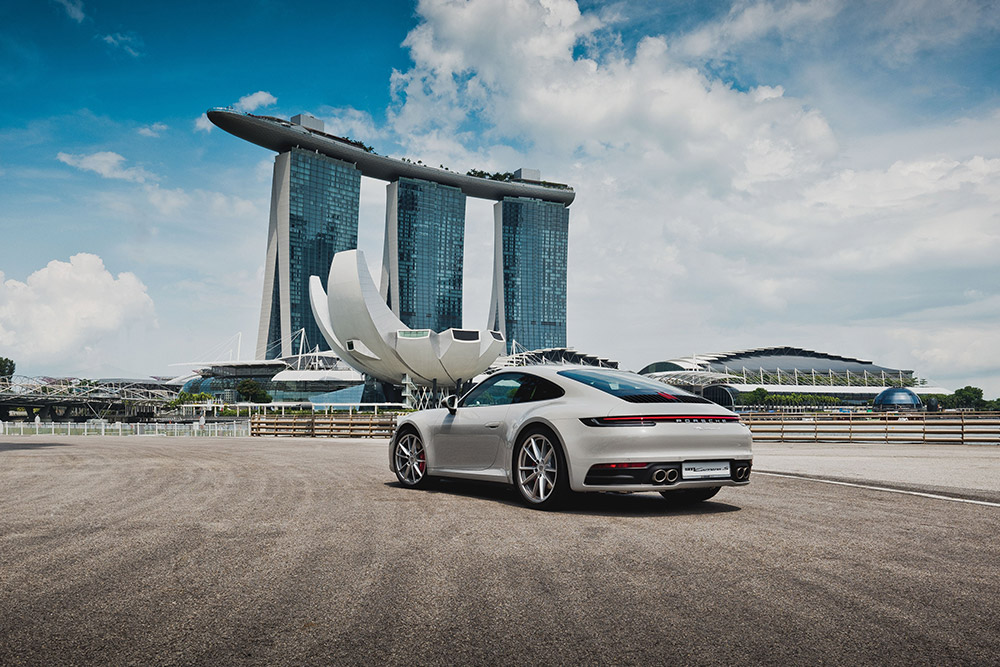
    Porsche Singapore will bring a new experience studio to the city-state, under the partnership with real estate developer GuocoLand.

    The location will open in the second half of next year, at the new Guoco Midtown integrated mixed-use development on Beach Road, near the City Hall, Bugis, and Marina Centre city core districts.

    The company says the concept underscores the brand’s dedication to take it closer to customers in Singapore and provide more customer-centric experiences.

    “Porsche Studio Singapore aims to be a premier brand destination with its convenient city-centre location – a place where fans and customers alike can immerse themselves in new experiences, connecting and exchanging ideas with other likeminded Porsche enthusiasts,” said Andre Brand, GM at Porsche Singapore.

    Porsche Studio Singapore will combine the retail spaces with Porsche car displays, and an integrated F&B experience, along with co-working and community exhibition spaces.

    There are also event spaces available for larger-scale Porsche community gatherings and family reunions.

    “Porsche is the brand for those who follow their dreams, and with Porsche Studio Singapore, we want to dream big and create a space that is both experiential for customers and fans, but also home for us to interact closely with our Porsche community,” Brand added.

    Porsche Singapore also plans to launch a Porsche Now Pop-up at Guoco Tower in the Tanjong Pagar district on January 1.

  • Indonesian F&B startup Dailybox enters Singapore

    Indonesian F&B startup Dailybox enters Singapore

    An Indonesian-based online restaurant startup, Dailybox, opened a new kitchen in Singapore. Various Indonesian dishes can now be ordered through GrabFood delivery service in Singapura.

    Dailybox Group CEO Kelvin Subowo explained that they decided to expand business to Singapore due to dependence of the SIngporean toward food delivery services. Survey showed that nearly half of the Singapore population, or around 2.5 million people, used food delivery services in the country in 2021.

    The number is expected to increase to 3.6 million in 2025. In additio, consumers in the west area of the city-state reportedly want more variations of non-local food.

    “Jurong is one of the densely populated areas. Unfortunately, F&B merchant in this location does not vary. To meet the consumers need, Dailybox joins and becomes one of the  F&B merchants in Supply Chain City area,” Kelvin said Friday, Oct. 21.

    Dailybox Group head of product, Arcad Fadillah, said that through the new opening, his side could introduce to the Singaporean public that Indonesian dishes are not only nasi goreng or sate ayam (chicken satay). “A number of best Indonesian cuisines from Padang, Manado, Bali, Lombok, and Java areas have become featured dishes at Dailybox Jurong,” he said.

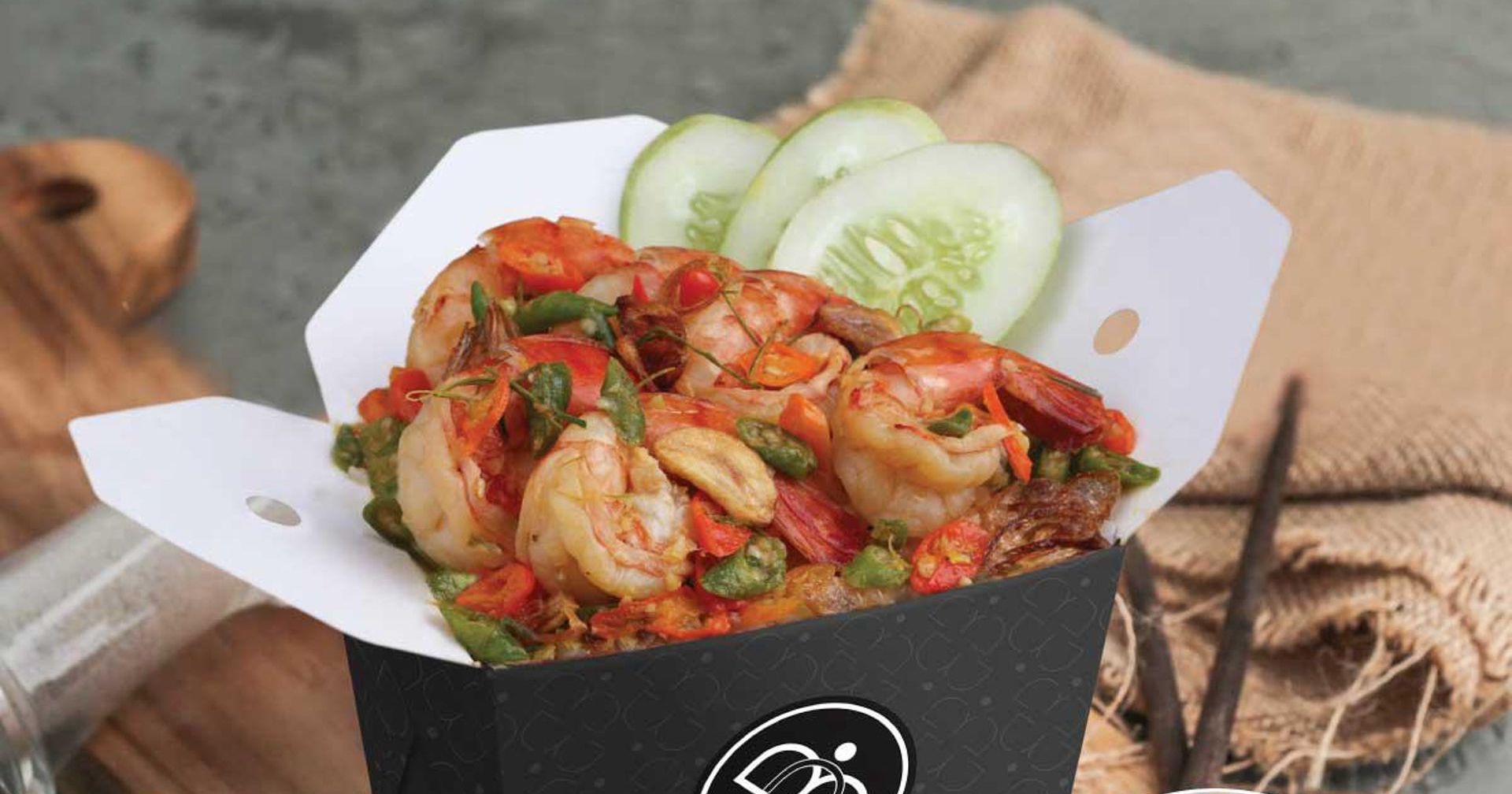
    Dailybox is available in Supply Chain City, Jurong. It offers more than 20 menus from various Indonesian regions, namely tongseng kambing of Central Java, ayam woku and rica-rica from Manado, gulai ikan from Sumatra, until bakwan sayur and tempe mendoan with various traditional sambals.

    “For the people of Singapore who like vegetables, we introduce Pecel dish with Javanese peanut sauce. We also have Ayam Taliwang from Lombok that will definitely be favored by spicy food lovers,” Arcad said.

    Established in 2018, Dailybox created rice menu with Indonesian and international dishes. It debuted as a rice box provider before adopting a cloud kitchen business and partnering with food delivery service providers.

  • Love, Bonito acquires Singapore-based activewear label Butter

    Love, Bonito acquires Singapore-based activewear label Butter

    Southeast Asian omnichannel fashion retailer Love Bonito has acquired Singapore-based activewear brand Butter and a minority stake in healthcare startup Moom Health for an undisclosed sum.

    The activewear line will be rebranded as ‘Cheak’, a play on the word ‘cheeky’. The company said the acquisitions are part of Love, Bonito’s ambition to build “a holistic female ecosystem with a house of brands curated for Asian women”.

    The deal follows Love Bonito’s series C funding last year where it raised $50 million led by a Chinese venture capital giant Primavera.

    “Our long-term vision is to be a true life partner for our community of women, in and beyond fashion, and activewear is a key category we’ve looked to venture into since two years ago,” said Dione Song, CEO of Love, Bonito.

    “Merging forces with Butter came at the right place and time for both of us, and we look forward to reshaping our evolution into a female ecosystem alongside emerging passion-driven women-led brands.”

    Founded in 2020 by two Singaporean female entrepreneurs, Olivia Yiong and Tiffany Chng, Butter offers affordable activewear designed for Asian body types. Generating $500,000 in revenue in its first year of business with a five-product range, the fashion label is on course to reach 138 per cent year-on-year growth.

    Moom Health was founded by two sisters, Mili and Maya Kale, offering to formulate supplements with experts that combine ancient tradition with modern scientific practice. The Singapore-based startup raised $854,000 in a seed round last month led by DSG Consumer Partners, which was also joined by Love, Bonito.

  • Singtel and Ericsson to Roll Out Singapore’s Most Energy-Efficient Radio Cell on 5G Network

    Singtel and Ericsson to Roll Out Singapore’s Most Energy-Efficient Radio Cell on 5G Network

    Singtel has announced the deployment of Singapore’s greenest radio cell, the Ericsson AIR 3268, to its 5G network. This is part of Singtel’s ongoing sustainability and decarbonization measures towards achieving net-zero emissions by 2050 and paves the way for more such radio cells to be deployed across the country to augment its nationwide 5G coverage.

    The AIR 3268 radio is expected to save up to 18% more energy and weigh approximately 40% less than earlier generations of 5G radios. At just 12kg, its proportions simplify upgrades and make new site acquisitions and installations easy on towers, rooftops, poles and walls – even in challenging locations. It also makes a 5G site 76% lighter than a 4G site that typically requires multiple radios while providing the same network capacity. This further reduces Singtel’s overall 5G network energy consumption, up to 58% lower than 4G today.

    The AIR 3268 is designed to provide real-time channel estimation and ultra-precise beamforming – or elimination of undesirable noise interference – to accelerate 5G mid-band spectrum deployment and boost capacity, coverage and connectivity speeds, thus enhancing mobile experiences for customers.

    Anna Yip, chief executive officer, Consumer Singapore, Singtel, said, “We are always looking for ways to deliver Singapore’s greenest 5G network while further reducing our carbon footprint. By integrating energy-efficient technologies into our operations and infrastructure, we aim to build a better, more sustainable future as we continue to deliver the best network performance and user experience to consumers and enterprises through our 5G solutions and services. With an optimized network, even end-users will be able to conserve energy on their mobile devices, making them part of the movement of building a better future together.”

    Martin Wiktorin, head of Ericsson Singapore and Philippines, noted, “Sustainability and energy efficiency are a priority for us at Ericsson. Deploying our energy-efficient AIR 3268 radio as part of Singtel’s 5G network is a significant step in our larger sustainability plan, which is focused on breaking the energy curve by activating energy-saving software, building 5G with precision and operating the site infrastructure intelligently. This will serve to manage mobile traffic growth while reducing energy consumption.”

    Deployment Simplicity and Improved Energy Efficiency

    Singtel 5G is a greener technology with higher data transfer rates compared to any previous wireless technology generation, working on a wide spectrum of 100 MHz, which provides cell capacity comparable to four Singtel 4G bands combined.

    The deployment of the AIR 3268, the lightest and smallest Massive MIMO (multiple-input and multiple-output) in the industry, is another step in Singtel’s energy-saving improvements as it explores smart and sustainable mobile technologies that optimize power and energy utilization in its operations.

  • Ikano Retail posts record revenue growth

    Ikano Retail posts record revenue growth

    Ikano Retail has recorded its highest turnover yet for the financial year to August 31, reaching US$1 billion across the five markets in which it operates Ikea stores – Malaysia, Singapore, Thailand, the Philippines and Mexico, equivalent to 41.2 per cent year-on-year growth.

    The increased sales were driven by the return of visitors to physical stores after two years of Covid-19 disruptions. CEO of Ikano Retail, Christian Roejkjaer, said there were 113 million visits to the group’s stores and shopping centres.

    In Malaysia, where the group operates four shopping centres, the company recorded $361.8 million in sales. Meanwhile, in the Philippines, where earlier this year it opened the world’s largest Ikea store in Pasay City, turnover reached $113.6 million.

    Sales in Singapore and Thailand reached $255.4 million and $276.6 million respectively.

    “Our shelves were not fully stocked as we would have liked it and our costs went way up,” said Roejkjaer. “Still, we are leading our markets for affordable, quality home furnishing solutions – and our customers appreciate that.’’

    The retailer is also accelerating its expansion plan after the easing of Covid-19 restrictions, planning to open its first compact city-centre concept store in Thailand later this year at The Emsphere, along with its third Mexico store.

  • Singapore’s mega indoor playground Kiztopia opens in Hong Kong

    Singapore’s mega indoor playground Kiztopia opens in Hong Kong

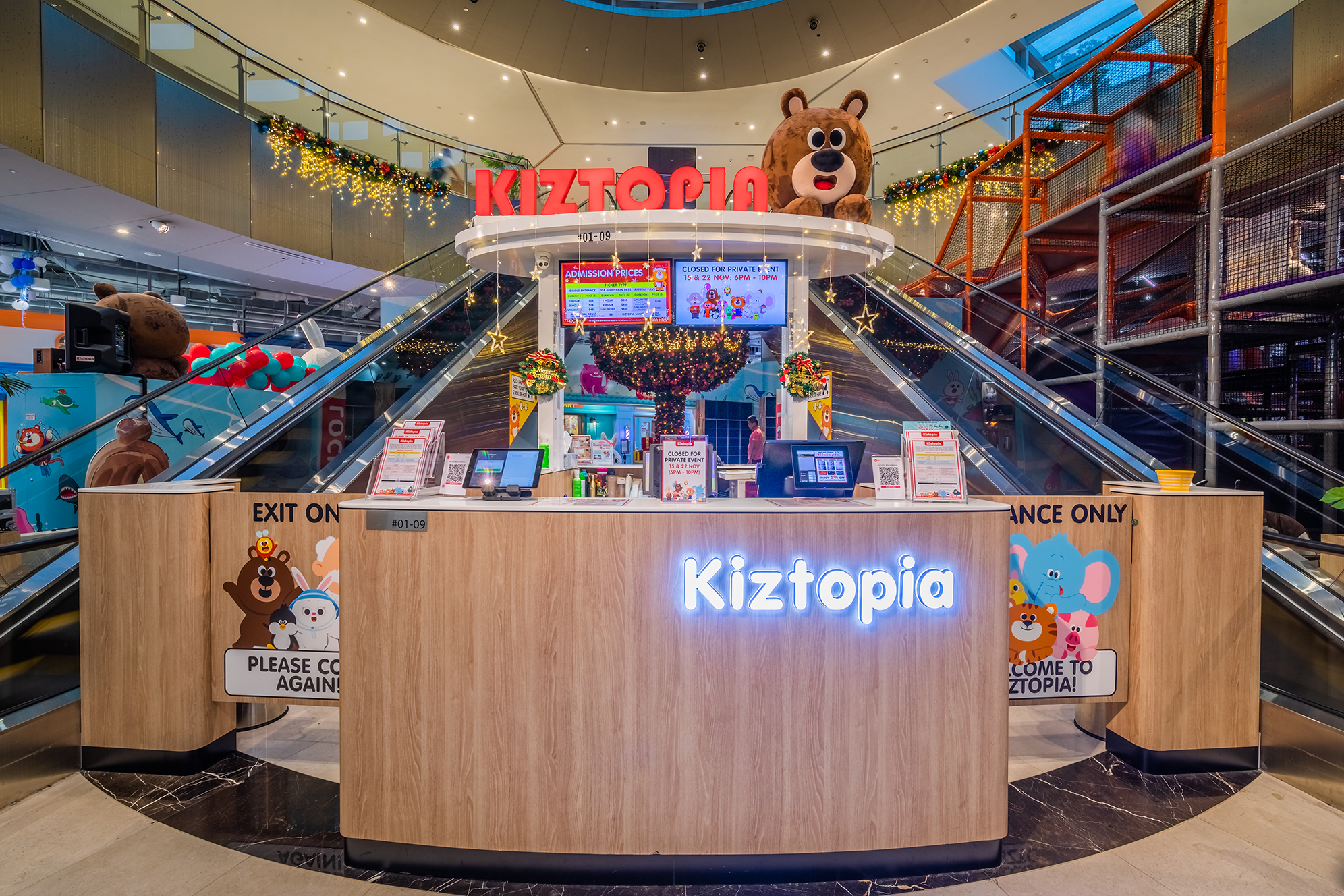
    First opened in 2019 at Marina Square, Singapore, Kiztopia is a massive indoor playground that’s designed for the little ones to both play and learn at the same time. Now opening its first ever overseas flagship outlet at New Town Plaza’s new Play Park, the playground occupies a 12,000sq ft space with 15 themed play areas featuring slides, trampolines, a climbing wall, bouncy castle, swings – the whole shebang.

    There are three major play zones at the playground recommended for kids aged four to 12. These include the Mojo Zone, which features eight exhilarating slides (the highest one of four metres tall!), the Ninja Warrior Zone for the kids to unleash their inner ninja and take on challenging obstacles, and a trampoline zones for children to put their agility and sense of space to the test.

    There will also be various Occupational Experience Zones where Kiztopia’s very own original cartoon characters will be there to inspire the little ones with learn-through-play experiences. Each play zone is designed to help stimulate and develop important assets such as social and communication skills, as well as their body coordination, creativity, and more.

    Other areas at Kiztopia include Raby’s Corner, a fun and safe play area specially designed for toddlers, the Hero Square, where kids can catch different shows or participate in educational activities, Bell’s Cafe, for families to rest their feet and recharge with drinks and snacks, and the Star Lite room available for private parties. Before you leave, check out the gift shop offering everything from toys and accessories to learning equipment and gift combos.

    Tickets are now available on both Kiztopia’s Hong Kong website and Klook. Prices range from $108 to $228 on Mondays to Thursdays, and $148 to $298 on Fridays to Sundays and on public holidays. Ticket packages and annual passes are also available.

  • Changi Airport implements higher airport fees on travellers starting Nov 1

    Changi Airport implements higher airport fees on travellers starting Nov 1

    While international travel has officially picked up this year, it’s important to note that passengers departing from Singapore’s Changi Airport will now have to pay extra airport fees and levies starting November 1, 2022 to Mar 31, 2023.

    Changi Airport departure fees will be increased from $52.30 to $59.20 to make way for the aviation industry’s recovery phase. This comprises $40.40 passenger service and security fee, an $8 aviation levy and a $10.80 airport development levy. The passenger service and security fee will subsequently go up again in phases, to $43.40 on Apr 1, 2023 and $43.40 on Apr 1, 2024.

    The announcement was made on September 15 by the Civil Aviation Authority of Singapore (CAAS) and Changi Airport Group (CAG), who informed that the increase in fees was announced in 2018, but suspended due to the pandemic. The aviation levy amounts will be utilised for maintenance of the airport and making Singapore the prime hub of international aviation in the post-pandemic era, per CAAS.

    Those who have booked tickets from Singapore before November 1 are not required to pay the additional charges. There will also be no change to the departure fee for in-transit passengers. They will continue to pay $9 in airport charges.

  • Singapore retail sales continue their strong post-Covid surge

    Singapore retail sales continue their strong post-Covid surge

    Takings at the till in Singapore grew faster in May, helped by a low year-ago base and the continued boost from tourist spending after travel restrictions were eased. Retail sales surged 17.8 percent year on year, extending the 12.1 percent growth in April, according to figures released by the Department of Statistics (SingStat) on Tuesday (July 5).

    This exceeded the expectations of analysts polled by Bloomberg, who projected sales to grow by 13.4 percent.

    Excluding motor vehicles, growth was even stronger, coming in at 22.6 percent.

    “The year-on-year increase in retail sales in May 2022 was mainly attributed to the low base in May 2021 when measures such as international travel restrictions were in place,” said SingStat in a press statement.

    Experts said this growth is expected to continue but might be moderated due to higher prices and inflation.

    RHB senior economist Barnabas Gan said: “The retail sales momentum will likely stay buoyed into the third quarter as Asia moves on from Covid-19-related fears. Tourism levels have been picking up across Asian economies, including Singapore.”

    He added that the tight labour market and reopening of Asia’s borders should support spending. “On the back of domestic demand and tourism-led spending, we think retail sales from an index perspective will likely return to pre-Covid levels by the end of this year,” he said.

    But the bright outlook might be muddied by any unexpected worsening of the Russia-Ukraine conflict and China’s economic slowdown, he noted.

    Maybank Kim Eng economist Lee Ju Ye added that the surge in inflation and rising mortgage rates will likely result in some belt tightening by consumers.

    “In particular, sales of discretionary items such as watches and jewellery and recreational goods may be the most affected,” she said.

    Consumers are also expected to lean towards lower-priced items as costs go up, added National University of Singapore business professor Lawrence Loh.

    “In the near term, retail may face a double whammy of moderation in demand and escalation of costs.”

    Within the retail trade sector, most industries recorded year-on-year growth in sales in May.

    Discretionary industries such as wearing apparel and footwear saw sales balloon by 98.2 per cent due to the low base in May 2021, when there was lower tourist spending due to travel curbs.

    Department stores, which were hard hit by Covid-19 restrictions, also saw sales jump by 73.1 per cent.

    This was followed by retailers of watches and jewellery, which recorded higher sales of 60.7 per cent.

    Retailers of food and alcohol saw sales rise by 47.3 per cent, while petrol service stations recorded sales increases of 45.8 per cent.

    In contrast, sales of motor vehicles fell 10.2 per cent.

    Supermarkets and hypermarkets recorded declines in sales of 10.3 per cent, while minimarts and convenience stores saw sales fall by 4.8 per cent.

    This was due to the higher demand for groceries in May 2021 when more people stayed home during the Phase 2 (Heightened Alert) period, SingStat noted.

    Meanwhile, the sales of food and beverage services grew by 40.1 per cent in May on a year-on-year basis, compared with the 11.6 per cent increase in April.

    “The significant growth in food and beverage sales in May 2022 was mainly attributed to the low base in May 2021, when Phase 2 (Heightened Alert) measures were in place, with dining in at food and beverage establishments not allowed for half of the month,” SingStat said.

  • Mastercard partners with Buy2Sell in cross-border payment solutions in Asia

    Mastercard partners with Buy2Sell in cross-border payment solutions in Asia

    Buy2Sell, an e-commerce B2B platform in Singapore, has announced a new strategic partnership with Mastercard. For a global orientation to 2025, Buy2Sell is also moving towards expanding its cross-border sales through its e-commerce. Buy2Sell will enable multiple payment types to various delivery channels via a single connection through Mastercard cross-border services. At Buy2Sell’s platform, Mastercard is a payment gateway for services, including purchasing and logistics.

    Mastercard’s cross-border payment solution provides buyers and sellers that transact globally through the Buy2Sell platform an easy and safe payment solution for their purchases via a fast, secure, and traceable cross-border payment trail.

    With this partnership, the Buy2Sell platform optimizes the remittance rate for trade imports into Vietnam. Mastercard cross-border services enable financial institutions and partners to build flexible solutions that support multiple use cases and can reach a variety of payment endpoints nearly anywhere in the world via a single connection.

    Mastercard’s platform plays a key role in improving worldwide connectivity and provides innovative payment applications that give customers a choice to route transactions over card or account-to-account infrastructure. The Mastercard network supports multiple delivery channels, including bank accounts, mobile wallets, cash-out locations, and cards, as well as different payment types such as Business-to-Business (B2B), Business-to-Person (B2P), Person-to-Person (P2P), and Person-to-Business (P2B).

    Buy2Sell, headquartered in Singapore, is a leading B2B e-commerce platform. It operates many import and export B2B transactions, mainly on high-end goods supplied between Vietnam, Singapore, Hong Kong, and South Korea.

    For a global orientation to 2025, Buy2Sell is also moving towards expanding its cross-border sales through its e-commerce.

    Mastercard is a global technology company in the payments industry. With connections across more than 210 countries and territories, Mastercard’s mission is to connect and power an inclusive, digital economy that benefits everyone.

  • Foodpanda starts delivering Lego kitsets in Asia in quickcommerce move

    Foodpanda starts delivering Lego kitsets in Asia in quickcommerce move

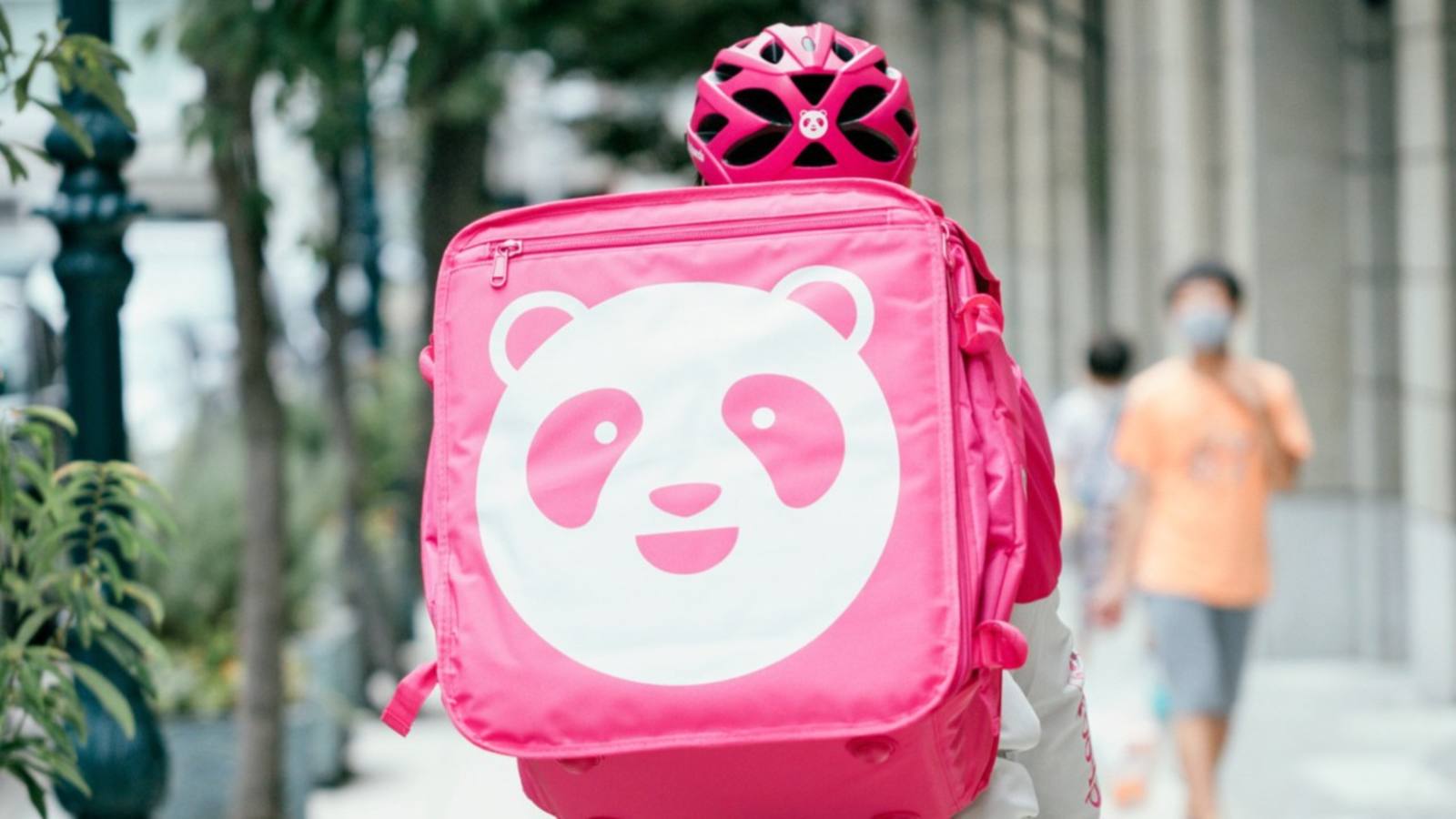
    Singapore-based e-commerce platform Foodpanda has partnered with the toy giant Lego to expand the region’s q-commerce marketplace.

    Lego says the partnership signifies the company’s entry into the q-commerce sector, which enables users to purchase Lego sets and have them delivered to their doorstep within 30 minutes.

    Customers in Malaysia and Singapore can buy Lego products through Foodpanda in the initial phase, with other markets likely to follow.

    “Entering the quick commerce market will make it more convenient for our customers to get Lego products and bring new opportunities for people to build and play together whenever and wherever they feel like,” said U-Fong Chua, SEA e-commerce head at Lego.

    With its own custom in-app storefront in Singapore, the Lego store will be highlighted on Foodpanda shops. At the same time, buyers in Malaysia can purchase Lego sets at a few Pandamart Cloud locations in Klang Valley and Seremban.

    Foodpanda stated that it had reached the milestone of digitalising 50,000 merchants around Asia, including supermarket chains, quick-service restaurants, drug stores, and fashion retailers. Through this agreement, Foodpand has opportunities for non-grocery categories to better meet the needs of customers for their everyday needs.

  • Changi knows it takes a community to be sustainable

    Changi knows it takes a community to be sustainable

    Lim Ching Kiat, managing director for air hub development at Changi Airport Group, shares his insights on sustainability as the airport looks to renew its commitment to making a sustainable Changi a reality.

    Can you share how the Changi Airport Group is contributing in making sustainable air transport a reality?
    Although airports account for only about 2 percent of global aviation emissions, we form the common platform upon which a multitude of aviation partners operate—from airlines and ground handlers to airport tenants and concessionaires. Apart from reducing Changi Airport Group’s own emissions by optimising the energy consumption of our terminal buildings, we actively engage the airport community in efforts towards a more sustainable Changi.

    To realise our common goals of making air transport (passenger and freight) sustainable, we need cleaner fuels to power aircraft, equipment on the ground, as well as to cool and light our terminal buildings. In this journey which will require innovation and effort, we focus on two broad thrusts.

    One is reinventing how our partners power their businesses, by supporting airlines’ and ground handlers’ transition away from fossil-based jet fuel and diesel respectively. We work closely with industry and regulatory partners on stakeholder engagement, as well as facilitate trials and studies on infrastructural needs to enable the adoption of sustainable aviation fuel (SAF), renewable diesel and electric ground service equipment. These include the conversion of internal combustion ground service equipment such as baggage tractors and forklifts to electric variants and provision of common-use charging ports.

    Then there’s reinventing how we power ourselves. Over 99 percent of CAG’s Scope 1 and Scope 2 emissions come from the use of electricity in operating our terminals. As such, we concentrate our efforts on raising building energy efficiencies through constant upgrading of our systems to the best-in-class energy efficient models. We also seek to expand on-site generation of solar energy, as well as tap potential renewable sources beyond the airport.

    There are also similar efforts by our air cargo partners. For example, dnata recently launched a 3.5 megawatt-peak rooftop solar power system across dnata’s cargo and catering facilities at Changi Airport. Some of our partners have started trialing solar-powered equipment at their premises. Specific to the cargo business, we are also facilitating closer industry collaboration through higher end-to-end supply chain visibility. We have put in place processes and protocols that could help improve the overall quality of the supply chain, which prevent degradation of products and reduce wastage. We have also launched initiatives to that attempt to reduce carbon emissions. One such example is the truck dock slot booking (TDSB) application introduced under the Changi Air Cargo Community System (ACCS). By evening out cargo lodgment and collection at the air freight terminals, the application provides greater insights to landside freight movement activities and lead to lesser truck waiting time, hence reducing carbon emissions.

    How important is the buy-in of cargo shippers and passengers to push forth with initiatives that will help reach a sustainable future for aviation?
    Global organisations are increasingly looking at sustainability factors when making business and supply chain decisions, and they are integrating these considerations into their business operations. Many have also pledged net zero carbon-emission commitments. To this end, they require the support of their suppliers and key stakeholders in the supply chain.

    The aviation industry will need a suite of solutions to address different aspects of our business and supply chain. Technology is a crucial enabler. The good news is that there are many solutions being developed, including carbon capture, which is the process of converting carbon dioxide in the atmosphere into feedstock for renewable energy, hydrogen produced in a sustainable manner, SAF etc. The challenge is ensuring scalability and commercial viability. To unlock the full potential of such emerging technologies, partnerships and collaboration across the supply chain stakeholders and among public and private stakeholders are critical. We will also need effective policies to balance the supply and demand of such emerging technologies.

    What are the recent developments that would lead to air cargo growth?
    Notwithstanding the current disruptive global events such as the Russia-Ukraine war and Covid-19 resurgences, we see some traditional and new business sectors driving positive long-term air cargo growth, especially in the Asia Pacific region. The drivers include pharmaceuticals, high-tech shipments and cross-border e-commerce. With the Regional Comprehensive Economic Partnership (RCEP) coming into effect, we can also expect a boost in regional trade, as well as logistics and distribution activities.

  • SingPost names new CEO for international

    SingPost names new CEO for international

    Singapore Post Limited (SingPost) has elected Mr Li Yu as CEO for its international business with effect from 12 September 2022.

    Mr Yu possesses over 17 years of experience spanning across Engineering, Operations, Project Management, Customer/Sales support, Strategy, and Technology implementation. He joins SingPost’s management team from United Parcel Service (UPS), where he was most recently responsible for its APAC Global Logistics and Distribution.

    Yu also has experience in transformational P&L and commercial leadership under his belt. He had led an eCommerce portfolio as part of the broader logistics line of business, and grew businesses including those in the eCommerce, healthcare, manufacturing, and retail sectors in previous posts.

    Mr Yu will be establishing long and short-term business strategies for the International businesses, strengthening its corporate and board governance focusing on operational excellence, transformational growth, social responsibility, and sustainability.

    He holds a Bachelor of Applied Science, Industrial Engineering from University of Toronto in Canada. He has lived and worked in North America, Shanghai, and Singapore.