Tag: Singapore

  • Finnish lifestyle brand Marimekko to enter Singapore this year

    Finnish lifestyle brand Marimekko to enter Singapore this year

    Finnish fashion and lifestyle brand Marimekko is set to make its Singapore debut with the first store and a cafe concept to open in the Ion Orchard shopping mall at the end of September.

    The Singapore launch, which will also include the opening of a local online store, is part of the brand’s global expansion plan for the next four years. The country marks Marimekko’s seventh market in the continent after Japan, Mainland China, Thailand, Hong Kong, South Korea and Taiwan.

    “Asia is the most important geographical area for Marimekko’s international growth,” the company said. “Singapore is a key city in Southeast Asia, having a wider impact for building brand awareness and positioning in Asia.”

    Marimekko will expand into Singapore in partnership with its Thai partner Tanachira, which has built the Marimekko brand in Thailand over the past eight years. Natacha Defrance, Marimekko’s senior VP of sales, region East, said Thailand is one of the fastest-growing markets for the brand in Asia.

    The company expects its net sales this year to surge in Asia Pacific, Marimekko’s second-largest market region.

    “The growing market, strong brand fit and proven track record with the loose franchise partnership model provide a good foundation for Marimekko for accelerating omnichannel growth in Asia,” the company said.

  • Swiss National Bank Expands Activities in Singapore

    Swiss National Bank Expands Activities in Singapore

    The SNB takes a step to better optimize operations in a number of different currencies, markets, and time zones.

    The Swiss National Bank’s operating unit will start a two-year pilot project from August 2023 under which it will split operations between Zurich and Singapore, according to information received by finews.com. With that step, it intends to improve processing and execution in different currencies, markets, and time zones, an SNB spokesperson confirmed.

    As part of that, two individuals will be based there to handle securities, currency, and derivatives transactions while managing overall financial market asset inventories. In Singapore, the central bank employs 11 people in total and it is currently the SNB’s only foreign branch.

    Carolin Reiss leads it and has been since October 2022, when she succeeded Marco Huwiler, who subsequently returned to Switzerland. Reiss has been working for the SNB for ten years, mainly in the currency trading department and as an advisor for its so-called Department III (money markets and foreign exchange, asset management, banking operations, and information technology).  She is a native German citizen from Hannover who previously worked at Commerzbank and she possesses a Masters’s Degree from Humboldt University in Berlin although she also studied at the University of Zurich.

    The Singapore branch has stood the test of time given that it is celebrating ten years of existence this year. Its presence in the city-state allows it to more efficiently manage currency reserves in Asia and Oceania in local time zones while assisting with monetary policy operational requirements in foreign exchange markets. Its close proximity to regional market participants allows it to profit from a network of local institutions and market participants.

  • Changi Airport retail sales continue to rise as travel rebounds

    Changi Airport retail sales continue to rise as travel rebounds

    Surging traveller numbers, revamped retail spaces and a focus on omnichannel engagement are paying off at Changi International Airport, as the Singapore hub reports retail sales rebounded to 60% of 2019 levels in January.

    Travellers from Indonesia, Thailand and Vietnam are leading the recovery, while traditionally strong categories including P&C, liquor, tobacco and luxury drive spending.

    The figures come following a period of revamp and refresh in the airport’s retail offer, which includes 140 airside concession leases being concluded in the last year, including the introduction of 19 new brands and concepts for the airport.

    Among the new arrivals are the largest Bacha Coffee store in the world in Terminal 3, new luxury boutiques for Dior, Louis Vuitton and Tiffany & Co in Terminal 1 and the debut of Korean streetwear label ADLV in Terminal 4.

    These new arrivals have come along with an upgrade to the wider retail space at Changi. Last year, the airport completed a revamp of the Terminal 1 Departures Central Piazza to create “a sense of warmth and serenity”, while the west wing has got a refreshed design to rejuvenate and elevate the retail and F&B experience, according to airport bosses.

    Pop-up stores and omnichannel engagement have also played a role in the upswing. The Guerlain pop-up in Terminal 3 is just one example, celebrating the launch of the new Jasmin Bonheur fragrance from its L’Art & La Matière collection.

    Th airport’s shopping concierge service and an enhanced brand offer on the iShopChangi platform have also been

  • Japanese cafe chain Mister Donut enters Singapore

    Japanese cafe chain Mister Donut enters Singapore

    The wait is almost over for Japan’s famed Mister Donut chain to launch in Singapore. Its first store opens on May 21 at Bishan’s Junction 8 mall. It will sell its iconic Pon de Ring doughnut – known for its crisp exterior and fluffy, mochi-like texture – which comes in a variety of flavors, including strawberry and chocolate.

    Other sweet treats include the Custard Strawberry French Cruller doughnut, Golden Chocolate ring and Honey Dip doughnut. The store will also sell a Singapore-exclusive Strawberry Chocolate doughnut.

    All doughnuts are priced between $2.30 and $2.50 each.

    Bundle purchases are available at $14 for six or $23 for 10. However, each customer can buy only a maximum of 10 doughnuts and no more than four Pon de Ring doughnuts.

    The doughnuts will be produced on-site in small batches by staff who went for training at the Mister Donut Academy in Osaka.

    While Mister Donut was founded in the United States in 1956, the chain became internationally famous after it was established in Japan in 1971. There are more than 900 stores across Japan.

    Its launch in Singapore is a franchise brought in by local food and beverage company RE&S Enterprises. RE&S’ stable of restaurant brands focused on Japanese cuisine includes Ichiban Boshi, Shimbashi Soba and Kuriya Dining.

    In July 2022, RE&S Enterprises ran a Mister Donut pop-up at Jurong Point, which sold 83,000 doughnuts in one month.

    The plan is to open at least nine stores here in three years, including larger-format cafe concepts with seating at some locations.

  • Ex-Credit Suisse Executive Joins Singapore Exchange

    Ex-Credit Suisse Executive Joins Singapore Exchange

    A former executive of Credit Suisse is said to be joining the Singapore Stock Exchange.

    William Gulya, Credit Suisse’s former head of Asia Pacific equity distribution, will join the Singapore Stock Exchange (SGX) Group to serve as the head of the Americas, according to a brief indication by him in a LinkedIn post on Wednesday.

    According to him, he left Credit Suisse on his own accord a couple of weeks ago and will join the exchange in mid-July. Gulya has also spent stints in senior positions at other banks, including executive director at JP Morgan and a director at Merill Lynch.

  • Our guide to Investing in Singapore 

    Our guide to Investing in Singapore 

    Singapore is often thought of as one of the most important financial hubs in the world. It also has one of the most diverse and quickly growing investment communities. If you want to invest in Singapore, you will find that the country has a lot of options and tools that can help you reach the level of financial success you require. In this article, we will discuss the many facets of investing in Singapore and present you with some useful advice to get you started.

    TradingView: Getting started with the trading platform 

    Before you start investing in Singapore, you need to make sure you have the right tools to help you make smart decisions. TradingView is a well-known and popular online trading platform that gives customers access to a wide range of financial data and research tools. TradingView gives users the ability to monitor charts in real-time, keep tabs on market trends, and access a plethora of technical analysis tools, all of which may assist them in making more educated choices about their investments.

    Opening an account with TradingView is simple, and once you have done so, you can start using the platform’s numerous tools and features right away. You can customize your trading dashboard so that it shows the information that is most important to your investment plan, and you can use the platform’s easy-to-use interface to make trades and keep track of your portfolio.

    Investing in the Singapore stock market 

    Buying shares of stock in one of Singapore’s numerous publicly listed firms is one of the most common ways that people invest their money in the nation. Singapore has a strong stock market and is home to a wide range of companies that do business in many different fields and markets.

    To get your foot in the door of the Singapore stock market, you will need to open a brokerage account with a reputable broker. The brokerage firms DBS Vickers, Phillip Securities, and UOB Kay Hian are among the most successful in all of Singapore. When you have registered for an account with the Singapore Exchange (SGX), you are allowed to begin making transactions and searching through the numerous stocks that are listed on the SGX.

     When investing in Singapore stocks, it’s important to do enough research and pick companies that match your investment goals and level of risk tolerance. Using the tools that TradingView gives you, you can do fundamental research to figure out a company’s financial health and growth potential. You can also use these tools to do technical analysis to keep an eye on market trends and find possible buying opportunities.

    Investing in the real estate market in Singapore

    Several investors have found success buying and selling homes in Singapore, a city-state. As a result, the real estate market in Singapore is another investment option that is quite popular. The real estate market in Singapore is well-known for being stable and transparent, which makes it an appealing choice for investors from both inside and outside Singapore.

    You have the option of investing in real estate directly by purchasing properties or indirectly by purchasing shares in real estate investment trusts (REITs), which are organizations that own portfolios of properties. Since buying property in Singapore can be hard and take a lot of time, it is important to work with a trustworthy real estate agent and do a lot of research before making a decision.

    Since they enable you to engage in a varied portfolio of properties without the need for enormous sums of funds, investing in real estate investment trusts (REITs) might be a more approachable way of investing in Singapore’s property market than other investment options. Mapletree Commercial Trust, Ascendas Real Estate Investment Trust, and Keppel DC REIT are three of the most successful real estate investment trusts in Singapore.

    Investing in the Singapore bond market

    Bonds provide one of several investment opportunities that can be pursued in Singapore. The bond market in Singapore is active, and investors may choose from a variety of government and business bonds to put their money into. Bonds are a low-risk investment option, so risk-averse investors who are searching for predictable returns often use bonds as their vehicle of choice.

    If you want to invest in Singapore bonds, you can work with a broker or buy into bond funds that hold portfolios of bonds. The LionGlobal Short Duration Bond Fund and the First State Investments Global Bond Fund are two excellent examples of the many bond funds that investors in Singapore have access to.

    Speculating on the market with exchange-traded funds (ETFs)

    Exchange-traded funds, often known as ETFs, are a common form of investing in Singapore due to the fact that they provide shareholders with access to a diverse portfolio of assets at a low cost and with little transaction expenses. ETFs are able to be traded on stock exchanges just like stocks, and they cover a broad variety of asset classes in addition to equities. These asset classes include commodities, bonds, and stocks.

    If you want to invest in exchange-traded funds, you’ll need to open a brokerage account in Singapore with a reputable broker who gives you access to the Singapore Exchange.The Nikko AM-Straits Trading Asia ex-Japan REIT ETF and the iShares MSCI Singapore ETF are two of the most popular exchange-traded funds that investors may purchase in Singapore.

    Investing in several mutual funds in Singapore 

    Another popular method of putting your money to work in Singapore is purchasing shares in a mutual fund. These funds provide investors with the chance to put their money to work in a diverse portfolio of assets that is overseen by experienced fund managers. There is a large selection of asset types covered by mutual funds, including equities, fixed income, and real estate, among others.

    To invest in mutual funds in Singapore, you can work with a broker or invest directly with fund companies such as Fidelity International or Aberdeen Standard Investments. It’s important to do plenty of research, choose mutual funds that match your investment goals and the level of risk you’re willing to take, and keep a close eye on how the funds are performing over time.

    Investing in new businesses inside Singapore

    The startup environment in Singapore is thriving, and the country is home to a large number of cutting-edge enterprises and entrepreneurs that are looking for funding to expand their operations. Investing in new businesses comes with both high risk and high reward, but it also has the potential to give you a huge return on your money.

    Anyone who wants to invest in Singapore’s startup scene can work with venture capital firms or angel investors who specialize in early-stage investments. If you want to invest in a business, you need to do your research. Also, it’s important to look closely at how the companies in question might grow and how they might do in the market.

    Conclusion

    If you’re an investor trying to reach your financial objectives and diversify your portfolio, investing in Singapore may provide you with a broad variety of chances to do both of those things. No matter whether you want to invest in stocks, real estate, bonds, exchange-traded funds, mutual funds, or new businesses, you can find a lot of information and resources to help you make smart decisions. 

    You will be able to keep up with the latest market trends and make more educated choices about your investments if you deal with a reliable broker and make use of tools such as TradingView. Keep in mind that you should always undertake extensive due diligence and choose assets that match your financial objectives and the amount of risk you are willing to take.

    In the end, investing in Singapore requires patience, discipline, and a willingness to take calculated risks. But if you take the right steps and show that you are committed to long-term growth, you may be able to build a diversified investment portfolio that will help you reach your financial goals over time. 

     

  • Singapore leads foreign investment in Vietnam

    Singapore leads foreign investment in Vietnam

    Singapore remained the biggest foreign investor in Vietnam in the first two months of 2023, with investment of $978.4 million, down 42.7% year-on-year, the Ministry of Planning and Investment reported.

    Taiwan ranked second with nearly $407.1 million, 3.85 times higher than that in the same period last year. The Netherlands came third with nearly $369 million.

    The ministry said the total newly-registered capital, adjusted capital, and capital contribution and share purchase of foreign investors neared $3.1 billion, down 38% year-on-year.

    Bac Giang led the localities in FDI attraction with $824.3 million, making up 26.6% of the total, up 8.4 times over the same period in 2022. Ho Chi Minh City ranked second with 103 new projects worth $369.1 million, accounting for 11.9% of the total.

    As of February 20, as many as $2.55 billion of foreign investment capital had been disbursed, a decrease of 4.9% compared to the same period last year.

    Foreign firms have poured capital into 17 out of Vietnam’s 21 sectors, with the processing and manufacturing industry taking the lead with more than $2.17 billion, making up 70.1% of the total. It is followed by real estate with 396.9 million USD, accounting for over 12.8%.

  • Is it already ‘game over’ in the metaverse for Bondee, Singapore’s avatar-based app?

    Is it already ‘game over’ in the metaverse for Bondee, Singapore’s avatar-based app?

    After garnering two million downloads within two weeks of its launch, Bondee’s Gen Z users have got past the novelty factor. Bondee’s is a story of social media hype punctured by a sharp truth that the loyalty of digital natives is hard-earned, experts say

    The rise of Singapore-based metaverse newcomer Bondee was impressive: two million downloads within two weeks of its launch on Apple’s App Store.

    But that initial hype was short-lived as Singapore’s social media users quickly dropped the home-grown avatar-based app, retreating from yet another attempt by makers of the metaverse to capture the long-term loyalty of Gen Z in Southeast Asia.

    Yet Bondee’s moment in the sun may reveal the challenges that the region’s metaverse developers face, experts say, with none so far hooking a crowd large enough to trouble social media giants, such as Meta which has ploughed billions of dollars into the digital future.

    Bondee’s early adopters in Singapore were initially pulled in by the “cute” avatars, personalised rooms and picnic spaces, reminiscent of games like Habbo Hotel that many millennials dabbled in as teens.

    With shades of the Nintendo game Animal Crossing, which took the online world by storm during Covid lockdowns in 2020, Bondee allows users to personalise avatars and bedrooms that friends can visit.

    Friends are capped at 50 by the app’s Singapore-based creators Metadream, in an effort to keep the community tight, relevant and connected.

    Aqil Lim, 25, said he enjoyed being able to visit his friends’ virtual homes, even more as “we don’t have our own homes in real life” in the expensive Asian city state.

    As word of mouth of what was dubbed the “new Gen Z app” spread quickly across Asia, many shared the QR code of their Bondee account on Instagram and Twitter, prompting friends to add them.
    But the novelty quickly wore off as Bondee felt “primitive, with limited customisations and chat functions”, Lim said, adding that after a few weeks he hardly uses the app.

    By Wednesday, Bondee had fallen to 19th on Singapore’s Apple Store – just a month after it topped charts across Asia.

    This also comes after reports of social media users using the term #ripbondee while recording themselves uninstalling the app.

    Bondee’s is a story of social media hype punctured by a sharp truth that the loyalty of digital natives is hard-earned, experts say, since most of their allegiances are already captured by larger platforms like TikTok and Instagram.

    “Avatars alone can’t draw people in, it’s what the entire platform allows you to do with your avatar that gives the platform its stickiness,” said Lim Sun Sun, a professor of communication and technology at the Singapore Management University (SMU).

    The cutesy aesthetics and whimsical feel of Bondee was a “nice hook” but if there isn’t anything else after that, then it is quite literally, “game over”, she said, adding that this will be a challenge for metaverse developers to meet.

    Singaporean Joey Tan, 23, saw videos on TikTok about Bondee and became “curious about what the hype was about”.
    But given the newness of the app, not many of her other friends were on it, an apparent failure to reach a “critical mass” which quickly sees new tech fizzle.
  • Singapore’s total fertility rate drops to historic low of 1.05

    Singapore’s total fertility rate drops to historic low of 1.05

    Singapore’s total fertility rate has been in decline for many years, hitting an all-time low of 1.05 in 2022. This is due to several factors, such as the Tiger year in the Lunar calendar and the global trend of people living longer and delaying marriage and having children. South Korea currently has the lowest total fertility rate globally, at 0.78 in 2022.

    In response, the Singaporean government has implemented various policies and incentives such as providing financial support for families with young children, maternity and childcare leaves, as well as increasing access to childcare services and promoting a positive attitude towards having children.

    It is up to individuals to decide how many children they wish to have, but a decrease in fertility rate must be addressed in order to ensure a healthy population growth in Singapore. The government is also welcoming immigrants to the country, taking into consideration the applicant’s family ties, qualifications, economic contributions and other factors to ensure that they are able to integrate and contribute meaningfully.

    In response, the Singaporean government has implemented various policies, incentives and support to parents and families, such as maternity and childcare leaves, increased access to childcare services, financial support and grants, and the promotion of a positive attitude towards having children.

    The Government also recognises the need to bring in immigrants to sustain a healthy population growth, and has put several measures in place to ensure that new immigrants are able to integrate and contribute meaningfully. This includes considering a comprehensive set of factors such as family ties, economic contributions, qualifications and more when assessing any applications for citizenship or PR status.

    Overall, Singapore is taking proactive steps to encourage family growth, while ensuring that new immigrants are welcomed and fully integrated into the society.

  • Gelatissimo opens stores in Thailand, Singapore, Hawaii

    Gelatissimo opens stores in Thailand, Singapore, Hawaii

    Australian gelato chain Gelatissimo has opened five new stores – including in Thailand and Singapore – taking its international store network to 70.

    One store has opened in Sunny Laguna in Phuket, Thailand, another in Hawaii’s Royal Hawaiian Center at Waikiki and a third at Jewel Changi Airport in Singapore. In Australia, the company opened stores in Rhodes, NSW, and Highpoint, Victoria.

    The overseas stores will feature unique, locally inspired flavours such as the Phuket exclusive, Mango Sticky Rice and the Hawaiian Pina Colada along with its core flavours served globally.

    Gelatissimo CEO, Braeden Lord, said the refreshed brand and store experience creates a “destination for locals” to make memories.

    “We are so proud to be achieving all our expansion plans both in Australia and overseas and this year has plenty more openings and new launches in the pipeline,” he said.

    All new locations will feature Gelatissimo’s contemporary new store design which combines gelato’s Italian heritage and the brand’s Aussie roots.

  • Singapore-based food-ordering platform Gobble ceases operations

    Singapore-based food-ordering platform Gobble ceases operations

    Social media-based food-ordering platform Gobble has shut down in Singapore after more than 18 months of operations.

    The company’s founders announced the closure on their LinkedIn page. One of them, Ashwin Purushottam, cited the company’s inability to raise additional funding to fuel its growth as the main cause of the company’s failure.

    “Running a group-buying marketplace in a space such as food ordering, which has seen an onslaught of disappointing IPOs, set an unfortunate precedent for our next fundraise,” said Purushottam.

    The platform reached US$350,000 in annual gross merchandise value with revenue surging by 47 per cent month-on-month. However, despite the high volume of sales, the profit margins were too low for the company to continue running.

    “As we continue to grow and develop Gobble, we realised that relying solely on a B2C model wasn’t sustainable for us,” said fellow co-founder Domenico Tan. “We failed to show a quick enough path to positive cash flow. With our current funding, we knew we would not be able to generate enough revenue just from Singapore to raise our Series A.”

    The food pick-up app for discount group orders was founded by the two entrepreneurs in 2021. The company subsequently bagged $1.3 million in a seed round led by Beenext and Flash Ventures.

    According to a report released by Grab and Euromonitor International, the Southeast Asian online food delivery gross merchandise value is estimated to grow from US$9 billion in 2020 to $28 billion in 2025.

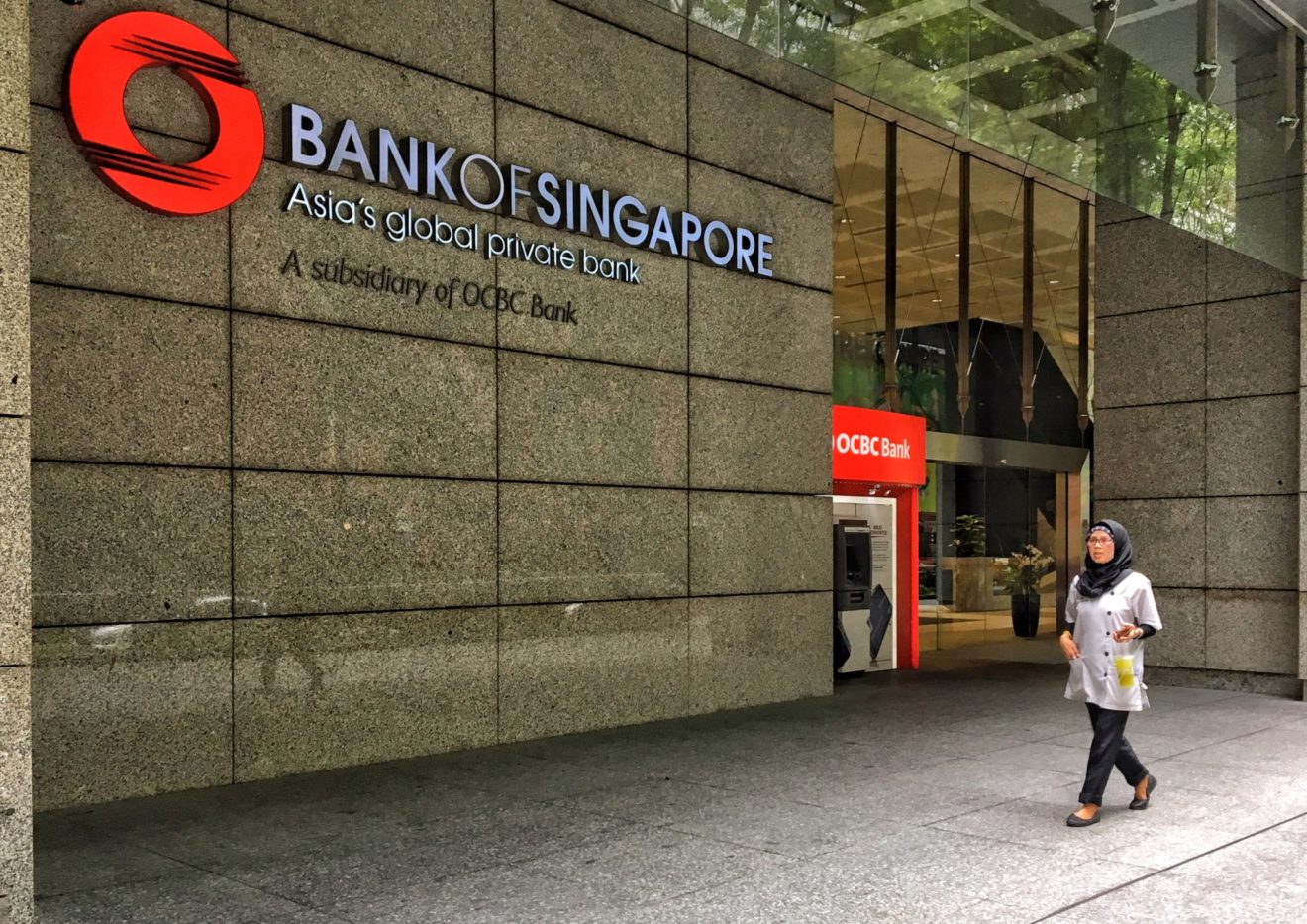
  • Bank of Singapore Welcomes New CEO

    Bank of Singapore Welcomes New CEO

    OCBC’s private banking arm, Bank of Singapore, officially announced the successor to chief executive Bahren Shaari who retired in December.

    According to a statement, Bank of Singapore appoints Jason Moo as chief executive officer, effective March 6. Moo will replace Vincent Choo, a board member who assumed the role of interim CEO on January 1 following the retirement of ex-CEO Bahren Shaari on December 31.

    Moo, a Singapore national, has more than 25 years of experience in private banking, wealth management and capital markets, most recently at Julius Baer as its Southeast Asia head of private banking and Singapore branch manager. Previously, he also spent 22 years at Goldman Sachs, leading various private banking units in Asia.

    We are confident that Moo’s extensive experience and deep industry knowledge will accelerate the momentum of Bank of Singapore’s growth, said chairman Lai Teck Poh. He will build on what Bank of Singapore has already accomplished, sharpen its strategic direction, and further develop its talent and capabilities.

    Shaari joined Bank of Singapore in 2009 and was named CEO in 2015. Under his leadership, the bank integrated Barclays’ private wealth business in Asia while nearly doubling assets under management from $55 billion to $109 billion, as of 30 September 2022.

    I’m immensely grateful and proud of the 13 years I’ve spent at Bank of Singapore, Shaari said in a social media post.

    I’m also thankful for the opportunities and guidance given to me throughout my more than 30-year private banking career, in particular by my former boss Marcel Kreis during UBS days and my predecessor at Bank of Singapore Bing De Guzman, both of whom played a critical role in this journey that has taken me to where I am today.

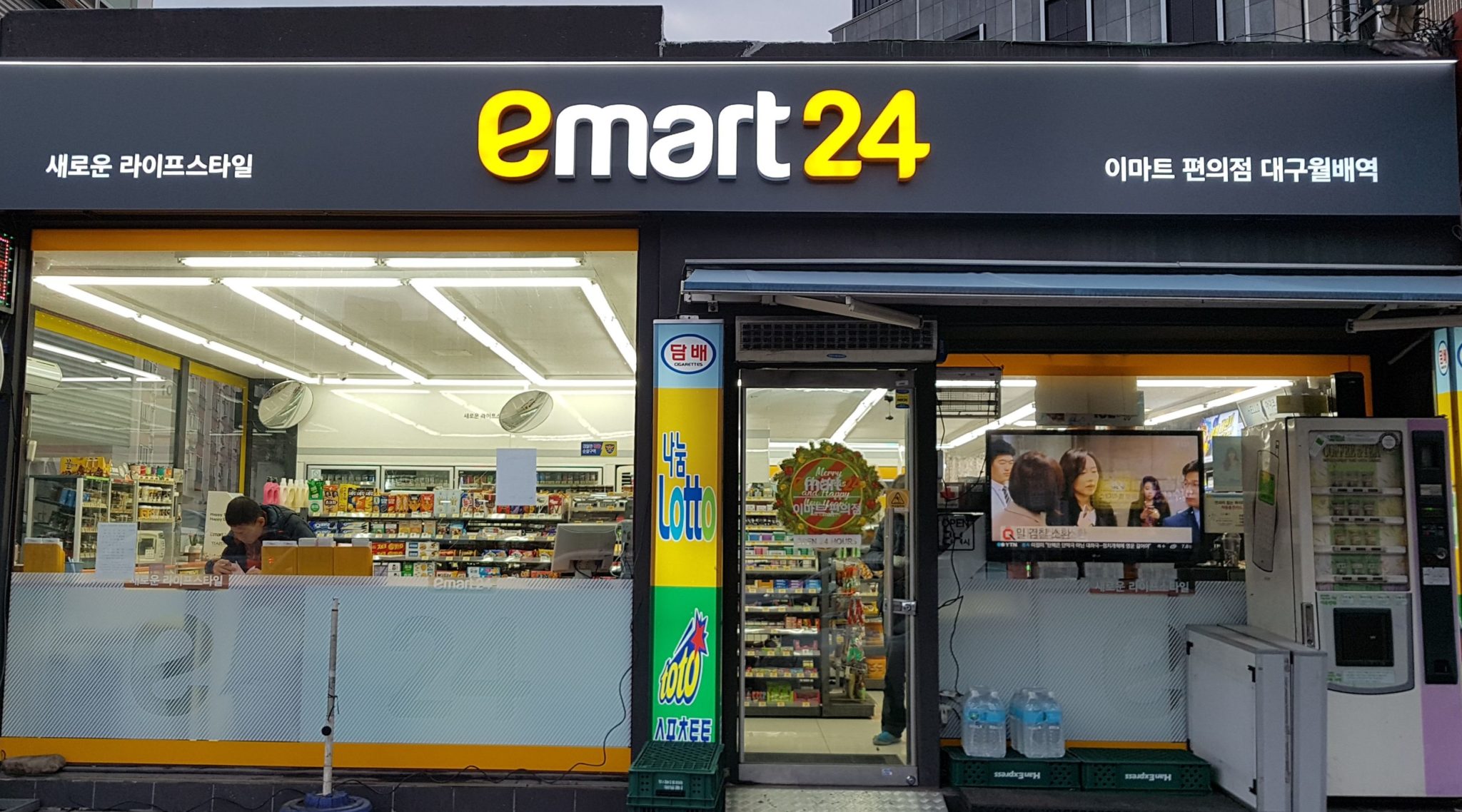
  • Emart24 opens its first store in Singapore

    Emart24 opens its first store in Singapore

    E-Mart’s convenience store chain Emart24 has opened its first store in Singapore, becoming the first Korean convenience store chain to operate in the city state amid the retailer’s push for overseas expansion.

    The first store is located in the Jurong Point shopping centre, west of Singapore. The second store is set to open Saturday in Nex Mall, a shopping mall in the city’s northeastern region.

    A joint venture company called Emart24 Singapore Pte Ltd will operate Emart24 convenience stores through a master franchise agreement, it said.

    Singapore-based food and beverage giant Fei Siong Group is one of the investors in the joint venture, the South Korean retailer said.

    The two stores will focus on Korean-style fast foods and ready-to-eat meals, such as tteokbokki and gimbab, seaweed rice rolls with vegetables. The retailer plans to add up to 300 stores over the next five years, it said.

    Singapore is the second country for Emart24 to enter after it opened its first convenience store in Malaysia in June last year.

    Further reading, earlier this year, Emart disclosed its plan to open 20 hypermarkets in Vietnam by 2026 and generate US$1 billion in sales, becoming the hypermarket chain with the largest market share in the country.

  • Levi’s largest Southeast Asia store lands in Singapore

    Levi’s largest Southeast Asia store lands in Singapore

    Levi’s will be launching new stores and rolling out existing store refreshes as well as new in-store services throughout the East Asia Pacific (EAP) region. New stores are expected to launch this year in Singapore, Malaysia, Indonesia, Japan, Australia, and Thailand. This is part of the company’s plans to accelerate sustainable business and commercial growth in the EAP region.

    Its stores and shop-in-shops will be refurnished into NextGen Indigo stores, and this will be done using digital tools to streamline the consumer journey, including installing LED portal entry archways and LED screens for marketing content. Levi Strauss & Co. managing director and senior vice president of EAP, Nuholt Huisamen, said that in Thailand alone, close to 100 new retail stores will be introduced in the new NextGen Indigo format, eight of which opened on 1 April. This marks the pivot towards a 100% owned-and-operated business model in the country, added Huisamen.

    Select stores in the region will also introduce in-store tailoring services to offer greater personalization of apparel. According to Levi’s, as the retail market finds its new equilibrium, the company will focus on omnichannel engagement, leveraging the hybrid customer experience model. Some of the brand’s marketing plans for 2022 include leveraging the brand experiences with initiatives such as 501 Day and the Levi’s Music Project. 501 Day is a global campaign that commemorates the iconic blue jean receiving its official patent. Similarly, the Levi’s® Music Project is a programme that connects with and supports artists and aims to leave a more global footprint.

    Exciting consumer-facing events and activities in Bangkok will also be announced, Huisamen said, adding that more localised activities will be rolled out in key markets this year.

    D2C focus played a role in financial success

    Levi Strauss & Co., which owns Levi’s, Dockers, and Beyond Yoga, reported an 11% increase in net revenue on a reported basis in Asia during the first quarter of the year. The increase was driven by both its D2C and wholesale channels and most markets, despite a few markets continuing to experience COVID-related impacts.

    Direct to consumer (D2C) net revenues for the region increased 17% driven by strong performance in its company-operated stores, as well as eCommerce, which was up 22%. Wholesale net revenues increased 5% driven by strength of the Levi’s brand across several markets. Net revenues through all digital channels grew 17% and represented 14% of the segment’s sales in the quarter.

    Huisamen credits its success with placing consumer at the centre of everything it does and its focus on D2C. Huisamen cited the recent expansion into Thailand as an example of this. With Levi’s global D2C eCommerce increasing by 22% in the past year, the company prioritised its Thai eCommerce site and created a dedicated CRM programme as well, to respond to the omnichannel behaviour of its younger, digitally savvy target audience.

    With young consumers becoming a priority audience, Huisamen said that it is important the brand continue to adopt a digital-first mindset to better serve and appeal to them – both from a marketing and consumer standpoint. Levi’s has thus dialled up its social media presence locally with newly launched channels on platforms such as LINE, Facebook, Instagram and Twitter. On top of that, there are brand collaborations and collections with other brands such as The Simpsons, BEAMS, Human Made and Levi’s® Fresh. These have already been rolled out in the region, and reflect the brand’s push to connect with younger audiences.

  • Desigual’s new store lands in Singapore’s Ion Orchard

    Desigual’s new store lands in Singapore’s Ion Orchard

    Located in the “prime location” of the Ion Orchard shopping center, the new store features an enhanced shopping experience “so that consumers can enjoy Desigual from a new perspective,” as stated by the brand.

    Over this fiscal year, the company has redesigned its strategy for Asian markets. In Singapore, the brand plans to reopen its Raffles City store in early 2023 and has already renovated its Vivo City store where the company has been operating for more than 16 years. This space features Desigual’s new art gallery concept like its new boutique.

    “With this store opening, we now have a presence in the most important shopping areas with our new brand image,” said Balazs Krizsanyik, head of the Barcelona-based brand in Asia.

    “We try to adapt to the specific characteristics of each market, without losing the essence of what Desigual stands for. In addition, we believe that Singapore continues to be a point of reference and benchmark within the region and provides us with a significant opportunity for expansion over the next few years,” he added.

    For his part, the company’s global commercial director, Oriol Martínez, said that Desigual’s future plans “include accelerating international expansion to implement its new brand image and paying special attention to Asian markets”. According to him, the region has always played “a very important role” in Desigual’s international business and currently “has great potential for growth”.

    Desigual’s arrival in the Asian market did not take place until 2008, when the colorful brand opened its first store in Singapore. Today, the Barcelona-based company already has around 190 points of sale in Japan, its fifth largest market in terms of turnover, China, Hong Kong, Macau, South Korea, Australia, the Philippines, Malaysia, Indonesia and Taiwan through its own stores, the online channel and multi-brand stores.

    In the Chinese market, where the company recently signed a joint venture with its local partner E-Shine, Desigual plans to launch up to 60 stores and accelerate its online sales.

    Founded in 1984, Desigual currently has more than 2,600 employees and is present in 109 countries through 10 sales channels, 393 mono-brand stores and six product categories. In 2021, the company raised its turnover by 3.4% to 371 million euros.