Tag: Singapore

  • Jollibee Singapore opens first drive-thru store

    Jollibee Singapore opens first drive-thru store

    Jollibee Singapore has opened its 20th location in Singapore – and its first in the city to feature a drive-thru service – at Caltex Jurong Spring station.

    “This milestone coincides with our 10th anniversary in Singapore, during which time we have expanded from a single outlet in Lucky Plaza to 20 stores across the country, growing our consumer base from serving primarily Filipinos, to now serving the mainstream Singaporean market who comprise the predominant majority of our customers today,” said Dennis Flores, president of Jollibee Europe, Middle East, Asia and Australia.

    The launch of Singapore’s first drive-thru restaurant follows the recent opening of a Jollibee store in neighbouring Malaysia, its 10th in the country, located at the Kuala Lumpur International Airport.

    Jollibee launched 38 locations internationally in the first half of 2023, with 23 of them located outside of the Philippines.

    Last month, Jollibee Foods Corporation (JFC) completed the acquisition of a 60 per cent stake in Jollibee Hong Kong’s master franchisee Meko Holdings Limited, which is valued at US$16.08 million.

  • Vietnamese struggle to buy iPhones in Singapore, Thailand

    Vietnamese struggle to buy iPhones in Singapore, Thailand

    As Thailand was selected to be among Apple’s tier-1 markets for the second year, many Vietnamese traders chose the country, believing that there would be less competition in line. But it turned out that too many people had the same idea. Dinh Cong, a tech connoisseur in Ho Chi Minh City, said that things were “chaos” as too many people showed up at Thailand’s Apple Stores.

    Apple Stores at Bangkok’s Central World and Iconsiam gave the top queuers wrist bands on Thursday afternoon and then cleared the crowd. Trader Tuan Anh said that this was an organizational improvement from, last year, showing that early queuers and customers who pre-ordered would be prioritized.

    But Thanh Tung in the northern province of Quang Ninh said that even though he was the 20th queuer, the store said there were no iPhone 15 Pro Max models available after the few first customers. Vietnamese traders most hunt the Pro Max option as they can sell them in Vietnam at up to VND70 million ($2,872), 49% higher than Apple’s official prices.

    “Many had to leave empty-handed due to the limited stock,” Tung said.

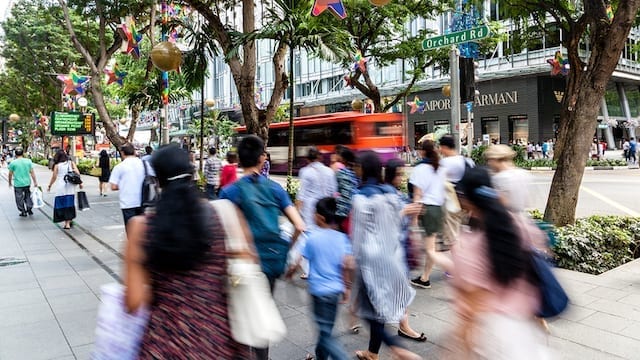
    In Singapore, many people showed up from 5 a.m. at the Apple Store on Orchard Road.

    “Most were from Vietnam,” said trader Minh Khoi, who was among the queuers. By opening time, hundreds were seen at the store. Khoi said that supply could not meet demand, and the Pro Max option ran out after the first 50 customers.

    “Traders were willing to pay a VND10 million ($410.3) difference whenever someone came out of the store with a Pro Max.”

    Tuan Thanh, an iPhone seller in HCMC, said that his group was divided into three to gather enough iPhone 15s for customers who have pre-ordered.

    Although the earliest iPhone 15 Pro Max models in Vietnam were sold at VND60-70 million, their prices quickly dropped,.

  • Singapore sneaker platform Novelship secures US$9.5 million in Series B

    Singapore sneaker platform Novelship secures US$9.5 million in Series B

    Singapore-based sneaker marketplace Novelship has bagged US$9.5 million in its Series B funding round led by East Ventures, iGlobe Partners, and GSR Ventures.

    The company said the new funds will be used to accelerate its expansion plans in Southeast Asia, including enhancing its logistics capabilities, refining authentication processes, expanding its slew of in-house collections, and optimizing its environmentally-conscious delivery process.

    “As collectors’ priorities shift towards accessibility, efficiency, and integrity, Novelship stands firm in our dedication to enhance these aspects on our platform,” said Richard Xia, co-founder and CEO of Novelship.

    The company was founded in 2018 as a platform for buyers and sellers to trade authentic sneakers, limited-edition apparel, and exclusive physical and digital collectibles.

    The funding round came after Novelship’s recent collaboration with Snoop Dogg. The marketplace also introduced new in-house products, including Novelty-branded T-shirts, socks, shoelaces, and Shoe Sole Protectors.

    “Our recent expansion of collections and the introduction of new in-house products reflect our commitment to providing broader accessibility for all collectors,” Xia said.

    Novelship reported a compound annual growth rate (CAGR) of 37 percent in revenue and 55 percent in transactions.

    “Novelship has been proven as a one-stop marketplace to fulfill the desires of collectors,” said Willson Cuaca, co-founder and MD at East Ventures. “We also take great pride in witnessing how Novelship incorporates sustainable practices into its operations.”

    Further reading, Asics says its new sneaker offers the lowest CO2 emissions of any brand.

  • Singapore’s Crazy Rich Money Launderers

    Singapore’s Crazy Rich Money Launderers

    If anyone thought that Credit Suisse’s collapse would prove fatal to the Swiss finance hub should take a look at what is going on in the city-state right now.

    Singapore and its financial hub have been in the throngs of an unbelievably large money laundering scandal since the middle of August. It relates to billions of dollars in criminal proceeds that Chinese businesspeople shamelessly used to flaunt a flagrant lifestyle with luxury cars and property by using and washing cryptocurrencies.

    This all happened over the course of a few years until ten suspects were arrested by authorities last month, some of whom had been previously listed as wanted in China.

    The case is beginning to make larger waves this week. It is coming to light that more people are involved than previously thought while the volume of money laundered is reaching almost $1.5 billion. Most of the proceeds are from illegal gambling junkets in Asia that were reinvested in any luxury imaginable.

    A line of banks has been involved including Singapore’s domestic institutions DBS, OCBC, and UOB. Internationally, Citi and Deutsche Bank have been caught up in it as well and all are working closely with authorities in the city-state. At this point, all remain innocent until proven otherwise. Other banks, including the Swiss, are working to figure out internally whether the case involves a selected number of people or whether this is a large-scale scheme that could involve them as well, as a number of them have indicated.

    It is actually remarkable that all of this didn’t happen much earlier given Singapore’s reputation of having the strongest rules worldwide when it comes to the prevention of money laundering and other financial crime. Ostensibly, there is a big gap between what the authorities indicate and reality. This is also not something that has just come up now.

    Singapore was heavily involved in the large-scale 1MDB scandal when billions of funds were siphoned out of the Malaysian government development fund called 1Malaysia Development Berhad (1MDB, image above) through a number of banks –including Swiss ones. That case led to the factual end of the large Ticino-based Banca della Svizzera Italiana (BSI) and Falcon Private Bank in Switzerland.

    If that was enough, Singapore has also been in the middle of other nefarious schemes, including that of Germany’s Wirecard debacle as well as the criminal activities of commodities trader Hin Leong Trading.

    All this indicates that these are not isolated instances and finance professionals in Singapore are now in agreement that the finance hub has become a victim of its own success.

    Much of this is linked with efforts in recent years to be highly attractive to foreign investors, assets, and high-net-worth individuals with their family offices. Even though this was all done in parallel with more stringent AML rules, it still created an ideal environment for Chinese VIPs, institutions, and money to make their way here.

    That led to a massive influx of individuals, particularly following the pandemic and the introduction of a more stringent compliance regulatory framework in China. This has led to massive price inflation that is proving even more problematic for its citizens, particularly regarding the levels of property rents.

    That put the city-state on a risky path that is starting to have consequences and is beginning to hurt its reputation. Many wealthy individuals who have moved here in recent years fear that the case will damage Singapore’s reputation.

    The scale of the current scandal is incomparable. Authorities have confiscated more than 100 properties worth well over $500 million. Other impounded assets include Bentleys and Rolls Royces, whiskey collections, Hermes handbags, and Patek Philippe watches.

    Most of the money is allegedly from illegal gambling rackets in the Philippines and China. Authorities are accusing one of those arrested of buying an apartment in 2019 on Orchard Road, one of the city’s main shopping streets, for over $15 million. It was a so-called good-class bungalow or a two-floor 1,400 sq.m villa in one of the best areas in a highly built-up urban area in what is an extremely densely populated city.

    Another favorite spot for those who were recently arrested was Sentosa. Seven properties have been frozen on the quasi island-condominium complex for the high net worth, which is also a tourist spot with a golf course and several amusement parks, including Universal Studios. It also has a large marina where you can see any number of luxury yachts berthed, some of them from Caribbean tax havens.

    The scandal poses numerous problems for Singapore. The government is intent on keeping the different ethnicities in the city-state in harmony and this doesn’t help. Shameless displays of wealth and privilege, particularly if they are linked with crime, could easily breed resentment. On the other hand, the case could also raise suspicions about other high-net-worth families that have settled down here in recent years.

    It is likely a coincidence that the internationally renowned head of the Monetary Authority of Singapore (MAS), Ravi Menon, announced his decision to retire at the end of 2023 this week. At the same time, the affair sheds a dark light on a body that had been trying to be the global poster child when it came to fighting financial crime.

    Given that, it is somewhat surprising that Menon, who has served in a public capacity for 36 years and was elected for another two-year term just seven months ago, is throwing in the towel now.

    There are many indications that Singapore will be dealing with the case for an extended period of time. Further developments could continue to erode the city’s attractiveness and reputation. Dubai is likely to be a clear beneficiary of that, as it has been experiencing a boom since the start of the Ukraine war given that it does not uphold the current Western sanctions regime against Russia.

    This means that it is an ideal time for Switzerland to focus on developing its financial sector with a certain confidence, particularly given the collapse of Credit Suisse earlier this year and the subsequent creation of a new, stronger UBS.

  • FedEx launches ‘Picture Proof of Delivery’ in Singapore

    FedEx launches ‘Picture Proof of Delivery’ in Singapore

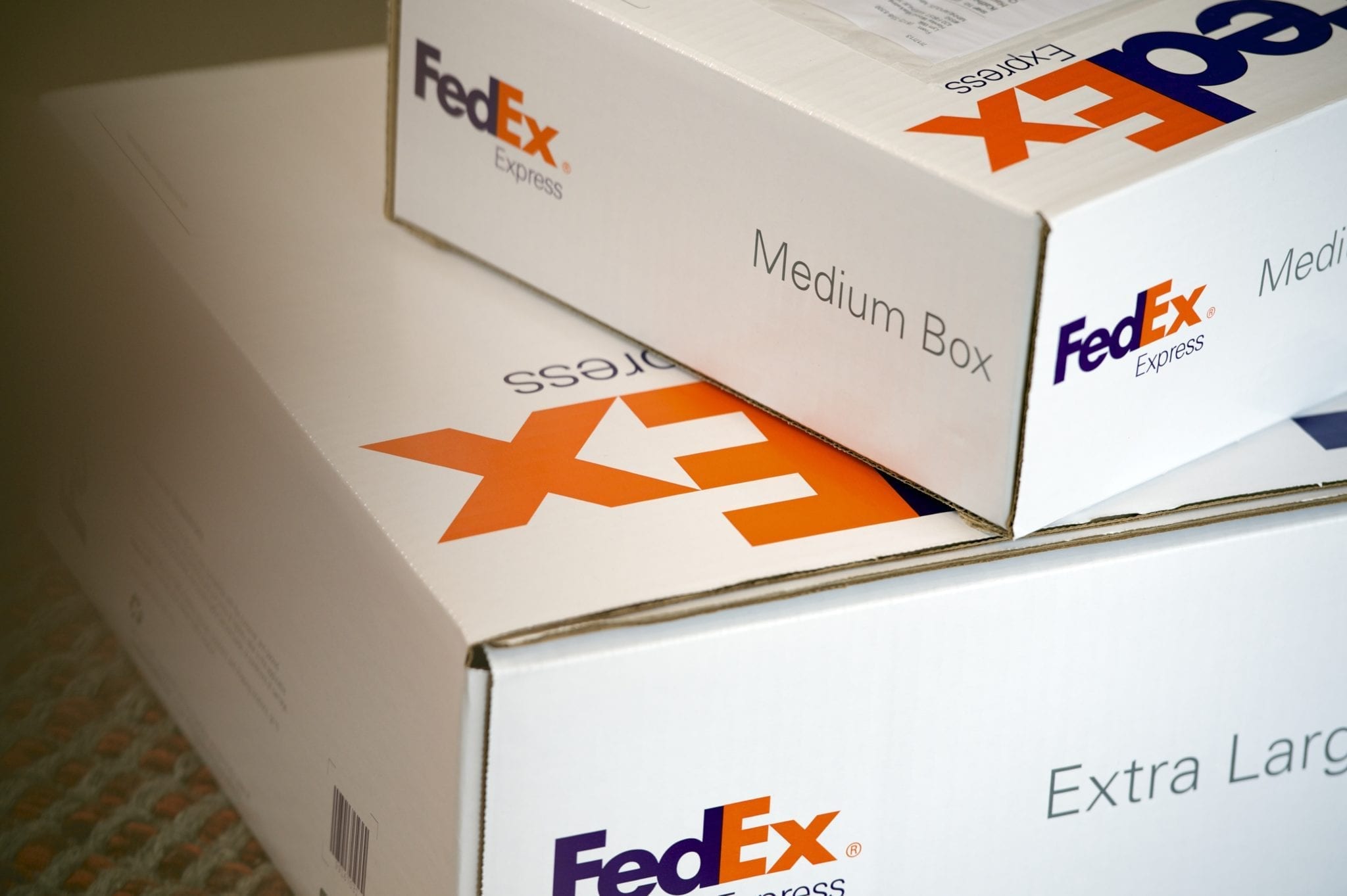
    FedEx is supporting e-commerce growth in Singapore and enhancing the customer experience of online shoppers in the city state with the launch of Picture Proof of Delivery (PPOD) for express residential deliveries.

    Customers in Singapore who choose the ‘no-signature-required’ delivery option can now receive a photo showing the exact location where their package was delivered, by tracking on the FedEx website and the FedEx Mobile app. The express operator said PPOD is a free delivery service option and will not require enrolment, an account, or login.

    The move comes amidst an increase in the number of deliveries spurred by growth e-commerce growth in Singapore, which is expected to jump 11 percent annually to reach US$16.4 billion in 2023. In November last year, it launched similar service option for Hong Kong and New Zealand.

    “We are witnessing an increasing trend of Singaporean consumers choosing to shop online. Picture Proof of Delivery (PPOD) is just one of the many steps we are taking to differentiate our service offerings and enhance the customer experience through our digital solutions,” said Eric Tan, Managing Director, FedEx Express Singapore.

    FedEx is committed to facilitating the growth of e-commerce and helping businesses succeed in cross-border trade in Singapore. In June 2023, FedEx announced the addition of 800 new collection points across the island. It also recently launched an e-commerce delivery solution with the integration of WhatsApp into FedEx Delivery Manager International.

  • Changi inks agreement to help develop Cairo Cargo City

    Changi inks agreement to help develop Cairo Cargo City

    Changi Airports International (CAI) has signed an agreement with Cairo Airport Company, which is expected to help position Cairo International Airport as a cargo and logistics hub. 

    The Singapore-based airport consultancy firm will work with the airport operator in Egypt for a feasibility study for the development of Cairo Cargo City, a new area at Cairo International Airport that has been earmarked for cargo and logistics development. Another consultancy agreement was signed for the passenger business. 

    Cairo International Airport is one of the busiest airports in Africa and the largest airport in Egypt in terms of passenger and cargo traffic. 

  • DB Schenker unveils plans for RedLion2

    DB Schenker unveils plans for RedLion2

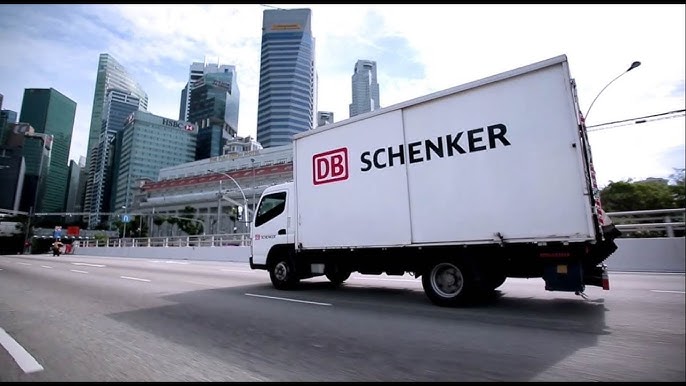
    German logistics firm DB Schenker on Monday announced plans to invest more than €100 million for a new zero-emissions logistics facility in Tampines, which is scheduled to be completed by the first half of 2025.

    Dubbed RedLion2, the 600,000-sqft facility will be the company’s largest investment in Singapore, surpassing the previous investment record for Red Lion, a S$163 million (€101 million ) warehouse opened in 2020 at the free trade zone of the Airport Logistics Park of Singapore.

    DB Schenker said the future facility aims to support the semiconductor and healthcare industries and will be designed to house advanced automation solutions, including intelligent conveyor systems, automated storage and retrieval systems, and autonomous guided vehicles.

    RedLion2 will also be equipped with several sustainable features, including over 4,000 solar panels, to ensure that the facility is carbon-negative. With the addition of RedLion2, DB Schenker’s facilities in Singapore will occupy over four million square feet of land across 17 facilities.

    The company said it plans to partner with local small and medium-sized enterprises to test new ideas within the logistics industry through an innovation sandbox. It currently has around 1,900 employees based in the city-state, with plans to add 600 staff in the next 7 years.

    Catherine Soo, cluster chief executive for Singapore and Malaysia, told local news why SIngapore was chosen for this expansion project: “We see a lot of companies relocating or expanding to Singapore, and we can complement them by providing a logistics surface for everyone to grow together. This drives us to put Singapore at a higher level of importance than other countries.”

    “Other countries in Asia-Pacific where we have operations are fighting for the same investment from us, but DB Schenker Singapore has been able to deliver a very strong track record,” she noted.

  • SingPost’s Li Yu on e-commerce, logistics and more

    SingPost’s Li Yu on e-commerce, logistics and more

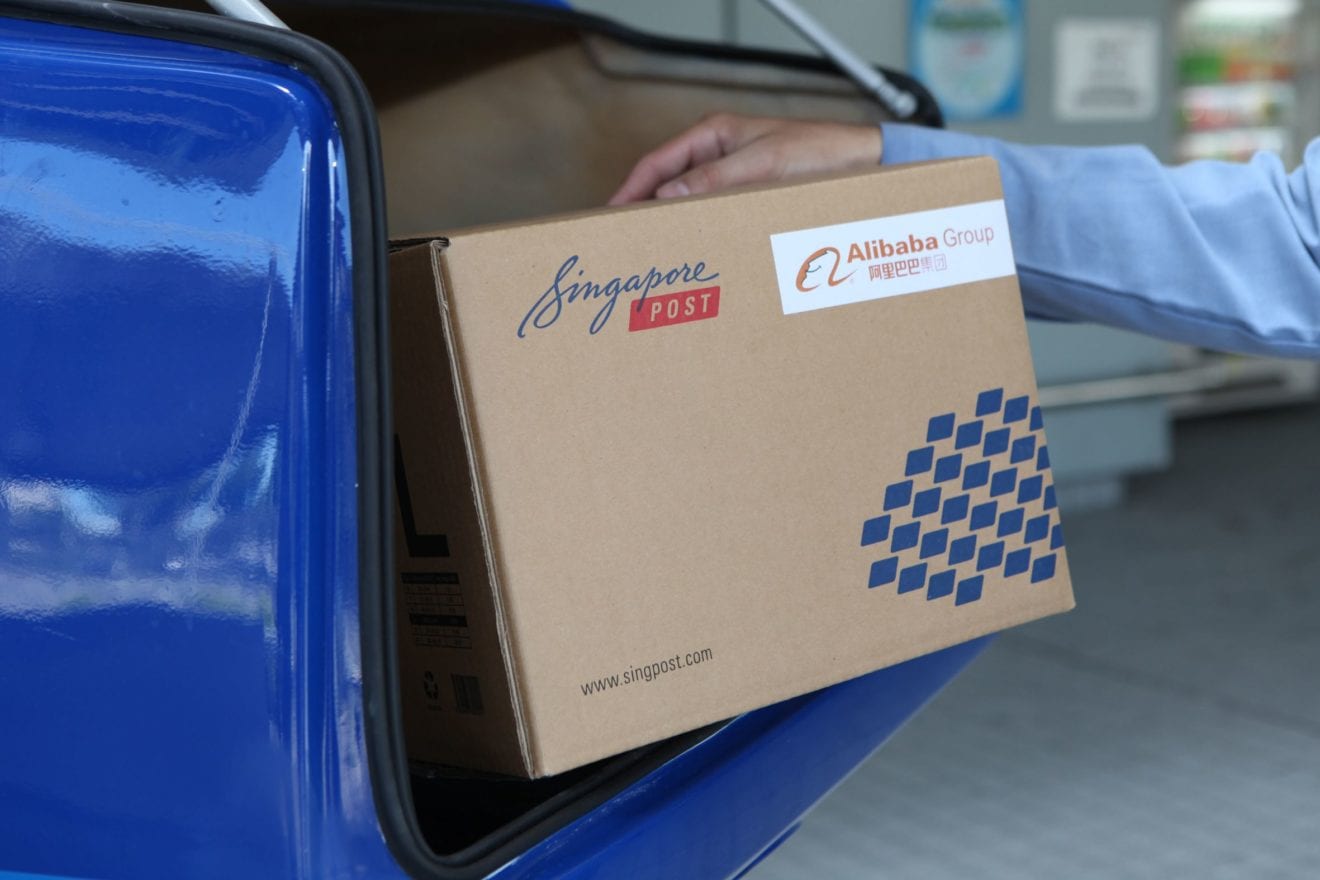
    Singapore Post announced dividends in May as the group posted a record revenue of S$1.9 billion for the financial year 2022/2023, with the international business contributing around 90 percent of the total. In an unpredictable market environment, SingPost’s logistics unit contributed 90 percent of the total operating profit, serving as a buffer for the decline in the postal segment. The postal group is on the verge of transforming into a global e-commerce logistics enterprise with its recent expansion in Australia, newly formed partnerships and the development of international cross-border e-commerce logistics. In this interview, Payload Asia catches up with Li Yu, CEO international at SingPost, to discuss the company’s performance this year as well as the Group’s strategy to capitalise on growing demand for e-commerce logistics.

    What can you say about the company’s full-year performance?

    The Group achieved a record revenue of S$1.9 billion for the financial year 2022/2023. Seventy percent was contributed by logistics versus just 38 percent back in FY2020. More importantly, logistics contributed 90 percent of the total operating profit. Our growth in the logistics segment has mitigated the structural decline of the postal segment, a trend that is prevalent globally.

    The other key highlight is 86 percent of our revenue was generated internationally. With our expansion into Australia and the development of our international cross-border e-commerce logistics business, SingPost is transforming into a global e-commerce logistics enterprise and is well positioned in high growth markets across the Asia Pacific region.

    Can you give us a rundown of your division’s top priorities? Where does e-commerce sit in your priorities and growth strategy?

    According to McKinsey’s projections between 2023 and 2026, the Southeast Asian eCommerce market is expected to triple, boasting a compound growth rate of 22 percent. It is estimated that the market will reach approximately US$230 billion in gross merchandise volume. In a separate report from June 2022, Statista’s forecasts underlined significant growth in the ecommerce market across Asia, Australia, and the Americas.

    At SingPost, we will continue to build on our strengths and establish ourselves as a leading eCommerce supply chain and logistics provider within the 4PL space across Asia Pacific region. Internationally, we have expanded into offering our global customers inbound Australia services, expanding the China/Hong Kong to Singapore lane with efficiencies and offering Europe to Asia services with direct line-haul, and establishing a dual hub system using Hong Kong alongside Singapore to facilitate seamless e-commerce delivery.

    Strategically, we are focusing on three growth drivers. First is enhancing our digital capabilities and leveraging the 4PL model as a supply chain orchestrator, to support the continuous eCommerce growth across Asia Pacific. Second is expanding our hubs in Singapore, Hong Kong and Europe to shorten delivery times and better serve e-commerce flows and delivery into, out of and within Asia. One of the recent partnerships is with SATS to address a growing demand for e-commerce transshipment by leveraging our combined expertise. Third is expanding our infrastructure in domestic markets through pick-up, drop-off (PUDO) network growth to provide convenience and efficiency to our merchants and users, handling the increasing volume of eCommerce parcels

    International business contributed an enormous 86 percent of the Group’s overall revenue? Can you share more about your business in Australia? What makes this market special?

    Australia is the major contributor to our transformation and growth of the logistics business. Over the last 3 years we have seen the business grow three times in size. The logistics business we have built down under caters to both the B2B and B2C segments. The move to go big in logistics is already underway. In December 2020, SingPost took a 28 percent stake in Australia’s Freight Management Holdings (FMH) for A$58.9 million. The stake was eventually raised to 51 percent just over a year later and to a further 88 percent this March. The acquisition of FMH places 4PL (fourth-party logistics) technology at our core. We intend to expand with this asset-light approach in mind, powered by the 4PL digital platform. FMH has performed outstandingly since our initial investment and is a key growth driver in the group’s logistics business.

    Besides FMH, SingPost also owns CouriersPlease, a first and last-mile delivery courier network covering 90 percent of Australia’s population. FMH’s digitally enhanced logistics capabilities, together with our CouriersPlease last-mile delivery network allows us to provide technology-driven, fully integrated logistics solutions for both business-to-business and business-to-consumer operations in the Australian market.

    Does it make sense for big e-commerce players to enter logistics or at the very least insource it? What’s your take on this move?

    There are always two sides of a coin. By undertaking their own logistics, big e-commerce players may gain more control over their supply chain and enjoy more seamless operations. However, substantial initial investment costs are required to set up the logistics systems and infrastructure. Expertise in logistics management, time and resources will need to be devoted to manpower training and technology to provide high-quality logistics services. Fluctuations in e-commerce volumes would also call for the ability to scale their operations efficiently. The decision to establish in-sourcing of its logistics should be based on a thorough analysis and alignment to the company’s long-term growth and strategic objectives.

    In many cases, it is more practical and cost-effective to establish partnerships with reliable logistics providers, increasingly to a 4PL player. Merchants gain immediate access to advanced technologies, established networks, and scalable operations. This allows them to focus on core business functions while the 4PL handles day-to-day logistics tasks, reducing operational burdens.

    The 4PL’s global reach also facilitates international expansion and efficient cross-border shipments, enhancing overall supply chain efficiency, improves customer service, and contributes to the merchant’s business growth in a cost-effective manner.

    With your recent MoU with SATS, what kind of services or enhancements are you looking to unveil in Singapore based on your recent trials in February?

    The partnership with SATS is designed to harness our unique strengths in order to meet the changing demands of e-commerce companies. With a cutting-edge transshipment hub facility, we aim to decrease delivery times and lower operating expenses and labour requirements. By eliminating the need for transportation between SATS and SingPost facilities, we will streamline cargo logistics workflows, reduce reliance on conventional cargo vehicles, and optimise warehouse space usage.

    Based on a 3-month joint operations trial with SATS, we achieved a remarkable 60% reduction in the time taken from arrival to departure. The new approach cut the initial processing time of 21.8 hours to just 8.5 hours. With our extensive air connectivity and flights in Singapore, logistics players who partner us can expect an expedited delivery of products to Asia within a total timeframe of 15.5 hours. The Global eCommerce Hub is poised to disrupt the eCommerce logistics industry by enabling end-to-end delivery within 1-3 days in Asia.


  • Jollibee Group brings two Singaporean chains to the Philippines

    Jollibee Group brings two Singaporean chains to the Philippines

    Jollibee Foods Corporation (JFC) has formed a joint venture company with Singapore-based Food Collective Pte. Ltd. (FCPL) to launch Common Man Coffee Roasters and Tiong Bahru Bakery in the Philippines.

    The joint venture company will franchise the café chains in the country, with JFC owning 60% of the business and FCPL the remaining 40%. JFC will also take the lead in the management and operations of the joint venture, with both companies committing up to P250m ($4.5m) in the partnership

    Founded in 2013, café concept and coffee roaster Common Man Coffee Roasters currently operates five outlets in Singapore alongside a single site in Malaysia.
    JFC expects to open at least one Common Man Coffee Roasters in the Philippines this year. However, the joint venture remains subject to regulatory approval.

    Tiong Bahru Bakery currently operates 16 cafés across Singapore.

    “We are excited to enter this joint venture with FCPL to own and operate the Tiong Bahru Bakery and Common Man Coffee Roasters in the Philippines. These brands will be a strong addition to JFC’s foreign franchised brands and will allow JFC to capture an even greater opportunity and strengthen JFC’s position for further growth in the Philippine market,” said Ernesto Tanmantiong, CEO, JFC.

    Based in Singapore, FCPL is a majority-owned subsidiary of Titan Lifestyle Holdings Pte. Ltd., a division of Titan Dining LP, in which JFC has a 90% participating interest. Common Man Coffee Roasters and Tiong Bahru Bakery are its primary brands.

    JFC operates more than 6,500 outlets globally across its 16-strong food and beverage portfolio, which includes its eponymous fast-food restaurant chain Jollibee and coffee chains Highlands Coffee and The Coffee Bean & Tea Leaf.

  • Singapore records minor retail sales growth in June

    Singapore records minor retail sales growth in June

    Singapore retail sales (excluding motor vehicles) grew by 2.5 per cent to SG$3.4 billion (US$2.5 billion) in June, following May’s 1.7 per cent increase.

    The country’s seasonally adjusted retail sales were up 0.2 per cent month over month, data from the Department of Statistics Singapore shows.

    Online retail sales accounted for 14.3 per cent of the total sales, it added.

    The food and alcohol sector reported a 30.7 per cent jump in sales year over year, attributed to higher demand for alcoholic beverages, including those in duty-free shops.

    While most of the remaining sectors posted a year-on-year increase in sales, petrol service stations saw a 24.2 per cent dip. Sales of motor vehicles also declined by 8.4 per cent in June.

    The sales increase of food and beverages services continued to slow down for the month, up 7.2 per cent compared to the 8.7 per cent growth in May and 15.3 per cent in April.

    The sales value of food and beverages services was $956 million, with 23.4 per cent coming from online transactions.

  • Singapore, Japan to collaborate on green air lanes

    Singapore, Japan to collaborate on green air lanes

    A recent dialogue saw a mutual agreement between Singapore and Japan’s aviation authorities to work together towards initiating greener air lanes between the two countries.

    At the 2nd Singapore-Japan Dialogue on Aviation Collaboration, the Civil Aviation Authority of Singapore (CAAS) and the Japan Civil Aviation Bureau (JCAB) shared the same view that the concept of an ‘aviation green lane’ should encompass airline operations, airport processes and air traffic management (ATM).

    The two are planning green ATM measures on all flights between Singapore and Tokyo, which will save fuel, cut carbon emissions, and reduce flight times. This follows a successful one-month trial in June 2023 whereby CAAS and JCAB implemented green ATM for one daily passenger service.

    Another initiative proposed for greener air traffic management is expanding the multi-regional trajectory-based operations (TBO) project to more air navigation service providers (ANSPs). Last month, ANSPs of Singapore, Japan, Thailand, the United States and Boeing saw the first successful multi-regional TBO demonstration flight, part of a 3-year collaboration to advance the concept and bring about significant benefits for airspace users, including greater flight efficiencies and reductions in carbon emissions.

    CAAS said these ATM concepts would complement the current push for SAF, which it considers he key element to achieve carbon neutrality for aviation, but the two warned that there would have to be sufficient supply and competitive pricing in the Asia Pacific region.

    Mr Han Kok Juan, Director-General of the CAAS, explained that the collaboration on green ATM establishes tangible measures that can be immediately implemented and translate to immediate fuel and carbon emission savings.

    “These measures can be scaled up to cover more flights and serve as a pathfinder for wider adoption by more countries. With the successful conclusion of the green ATM trial and the extension of green ATM measures to all flights between Singapore and Tokyo, Singapore and Japan show that green ATM can complement sustainable aviation fuel as a key feature of an aviation green lane.”

    On other important areas, the two civil aviation authorities will share best practices on fostering a positive safety culture and leveraging technology to overcome manpower shortage and raise productivity.

    The two have also agreed on the necessity to resume flights and city links to meet strong demand with plans to restore direct flights between Singapore and Okinawa from November 2023.

    The two sides first signed a strategic framework agreement in December 2022 to advance their civil aviation collaboration. As of July 2023, the number of weekly flights between Singapore and Japan has recovered to over 65 percent of pre-Covid level in 2019, with 122 weekly passenger services operated by six air carriers on city links to Tokyo, Osaka, Nagoya, Fukuoka and Sapporo.

  • Changi to strengthen SEA and China network in H2

    Changi to strengthen SEA and China network in H2

    Changi Airport is looking to strengthen its connectivity to more points in Southeast Asia and China in the second half of the year as the airport regained more than 80 percent of capacity in the month of June.

    On a quarterly basis, Changi Airport saw 14.6 million passenger movements from April to June 2023, which was 87 percent of what was registered for the second quarter of 2019. Meanwhile, airfreight throughput from April to June 2023 totalled 418,000 tonnes, sliding 10.8 percent year-on-year.

    Changi said air cargo demand remained weak due to softening demand amid inflationary pressures. In Q2, Changi’s top five air cargo markets comprised Australia, China, Hong Kong, India and US with India emerging on the top 5 for two consecutive quarters since the start of 2023.

    In June, the airport’s passenger movements crossed the 5-million mark for the first time since January 2020, or 88 percent of the baseline passenger numbers back in June 2019, before the pandemic. Air cargo volumes stood at 135,000 tonnes for the month, representing a year-on-year decline of 17 percent.

    Regaining more than 80 percent of its capacity before Covid, the airport said it plans to strengthen connectivity to more points in Southeast Asia and China in the second half of the year. As of 1 July, 99 airlines operate over 6,300 weekly scheduled flights at Changi Airport, connecting Singapore to 148 cities in 49 countries and territories worldwide.

  • Hong Kong burger chain Honbo launches in Singapore

    Hong Kong burger chain Honbo launches in Singapore

    Anew hipster burger joint is coming to Singapore at the end of July 2023. Called Honbo, it was founded in 2017 by former doctor Michael Chan, who named his eatery after the Cantonese name for hamburgers (‘hon bo bao’). The brand has since expanded to six outlets in its native Hong Kong.

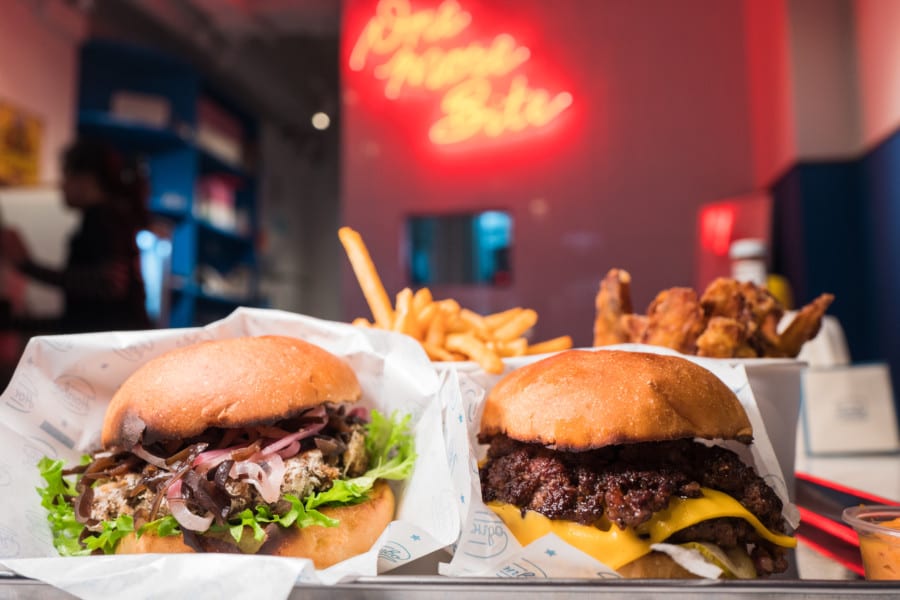
    It specialises in gourmet American-style smashed burgers, with handmade patties and potato milk buns made with a recipe developed in collaboration with famed French baker Eric Kayser.

    The opening date for Honbo’s Singapore outlet is still unconfirmed, though its rep tells 8days.sg that it is estimated to be end-July. The dine-in eatery is located at Chijmes.

    Honbo boasts brisket-and-chuck burger patties made with USDA prime-grade beef from Holstein and Angus cattle reared in Wisconsin. Both breeds are known for their marbling; prime beef has the highest marbling score and is more flavourful compared to beef with a lower USDA grade.

    The patties are ground in-house daily and, upon order, smashed on hot griddles and cooked to medium-rare doneness.

    The patties are then wedged between pillowy potato milk buns made with hand-mashed potatoes. The proprietary Eric Kayser-developed bun is unique to Honbo, who patented the recipe in Hong Kong.

    The burgers are garnished with “sustainably sourced greens, pickles cured in-house from Japanese cucumber and specialty sauces hand-crafted in its very own kitchen, using a closely guarded secret recipe created by the team”.

    The local menu has not been finalised, though Honbu is expected to serve its signatures including the Honbo Burger, modelled after an “old-school fast food-style” cheeseburger. Two beef patties, each weighing about 56g, are layered with two slices of cheddar.

    “The Honbu Burger is paired with our house sauce, a lot of raw onions, pickles, and no lettuce. The raw onions and pickles help cut through the greasiness, and you can really taste the crust and the meatiness. It gives the burger double the crust and double the beef grease, but it is still less juicy than the Cheese Burger, ” says founder Michael Chan (interestingly, the man was a doctor before he became an F&B entrepreneur).

    For big eaters, this burger comes in variations like Honbo 1.5 (three patties) and Honbo 2.0 (four patties), plus a Gold Standard burger with two 113g beef patties, two slices of cheese, a hash of bacon and pickles, onions and lettuce drizzled with house-made sauce.

    Prices start from S$18 for an a la carte burger, with sides offered like fries, sweet potato fries and buffalo wings.

    Beefless options are available too, like a Grilled Chicken Burger with teriyaki sauce-glazed sous vide organic chicken, a Scallop Burger with “extra-large sashimi-grade Hokkaido scallops” and wasabi pico de gallo. There is also a Soft Shell Crab Burger, with a whole fried soft shell crab coated in vodka-infused batter and served with ginger coleslaw. Wash down your burger with beverages like classic lemonade and Apple Pie Iced Tea, described as “apple pie in a glass”.

  • Singapore company to buy out Vietnam’s FV Hospital

    Singapore company to buy out Vietnam’s FV Hospital

    Singapore-based Thomson Medical Group has agreed to buy FV Hospital in Ho Chi Minh City for US$381.4 million in what will be Vietnam’s biggest ever healthcare industry deal.

    The company, which has operations in Singapore and Malaysia, said in a press release Wednesday that it would acquire 100% of Far East Medical Vietnam Ltd, which owns the hospital.

    “The acquisition of FV Hospital deepens our commitment to the Southeast Asian healthcare sector, expanding our group’s presence across three of the region’s most important geographies in healthcare,” Kiat Lim, TMG’s executive vice chairman, said.

    FV Hospital provides the group with a strategic foothold in Vietnam and a gateway to future investments in the fast-growing market, he added.

    FV was founded by Dr Jean-Marcel Guillon in 2003 with a group of French physicians.

    Located in District 7, it has evolved into a full-service, one-stop provider of healthcare, including for people from Cambodia.

    It offers over 30 specialties and has over 1,600 staff, who include more than 200 Vietnamese and expatriate doctors.

    It also operates the FV Saigon Clinic in District 1.

    TMG said that the accelerating healthcare demand in Vietnam is fueled by a rising middle class, an aging population and growing expatriate numbers.

    It also sees Vietnam as a potential medical tourism destination, thanks to solid demand from neighboring countries like Cambodia, Laos and Myanmar.

    Thomson Medical Group was established in 1979 and is one of the largest private providers of healthcare services for women and children in Singapore.

  • South Korean cafe chain Compose Coffee to launch in Singapore

    South Korean cafe chain Compose Coffee to launch in Singapore

    The popular coffee chain from Korea, Compose Coffee, is set to open in Singapore at Suntec City.

    The scaffolding of the number one coffee in Korea can be seen around the shop, showing off the brand with two simple words: “Coming soon”.

    Its menu boasts a wide range of beverages, from its usual coffee to teas, frappés and even milkshakes.