Tag: Singapore

  • ZA Tech Opens Fintech Center in Singapore

    ZA Tech Opens Fintech Center in Singapore

    The Singapore-based center aims to explore financial services innovation and help industry partners in the region to build new products that will accelerate their digital ambitions.

    ZA Tech Global has opened its first Asia Fintech Center (AFC), which will specialize in solving specific use-cases in insurance and financial services in collaboration with industry partners, according to an announcement by the Chinese firm, which provides proprietary insurtech capabilities and applications

    The center will have an initial focus on insurance use-cases by co-designing innovative propositions with insurers in ASEAN, the announcement said. It will also partner with local universities to develop further fintech expertise and talent.

    The internet economy continues to rapidly reshape consumer expectations across Asia, digital transformation is becoming as crucial as ever for financial services firms, Bill Song, CEO of ZA Tech, said, adding that the AFC is an important pillar of its regional ambitions.

    George Kesselman, ZA Tech’s head of commercial, will take on the additional responsibility as a leader of the AFC.

    ZA Tech Global is the business entity established by ZhongAn Technologies International, the international arm of Chinese online insurer ZhongAn Online P&C Insurance.

    The company previously inked micro-insurance partnerships with Grab and NTUC Income in Singapore, Ovo in Indonesia, and regionally with AIA

  • Digital Reality opens third and largest data centre in Singapore

    Digital Reality opens third and largest data centre in Singapore

    Digital Reality, a leading global provider of carrier- and cloud-neutral data centre, colocation and interconnection solutions, announced the official opening of its third data centre in Singapore. The multi-story, 50-megawatt facility, known as Digital Loyang II or SIN12, is Digital Realty’s largest data centre in the country and will bring the company’s total committed investment to date in Singapore to over US$1 billion. This significant expansion will enable local and multinational enterprises to deploy critical infrastructure and scale their digital business at the heart of a connected data community on PlatformDIGITAL.

    SIN12 is substantially pre-leased to a thriving community of leading global cloud service providers, local as well as global financial services providers and leading Southeast Asian enterprises. In addition, the new facility will introduce next-generation colocation services for regional customers in Singapore and will further expand PlatformDIGITAL, the company’s global data centre platform. It will offer customers in APAC new avenues to connect, extend their reach and uncover new business opportunities. SIN12 will offer enterprises the full spectrum of colocation services and will enable them to scale their critical infrastructure on-demand within a connected data community with optimal proximity to carriers, networks and cloud service providers. Productized solutions for network, control and data hub footprints offered on PlatformDIGITAL will help accelerate customers’ ability to rapidly scale their digital business.

    SIN12 builds upon Digital Realty’s track record of delivering sustainable data centre developments across the globe and has already achieved a Platinum certification under Singapore’s BCA Green Mark building assessment system. The Green Mark certification scheme is designed to evaluate a building’s overall environmental impact and performance and provides a comprehensive framework for assessing new and existing buildings to promote sustainable design and best practices in construction and operations.

    “Singapore is a well-established financial and business hub, and consistently ranks among the top data centre markets globally,” said Digital Realty Chief Executive Officer A. William Stein. “The opening of our third data centre is a major milestone on our PlatformDIGITAL roadmap and underscores our long-term commitment to support the country’s digital economy. The transition to the digital economy has impacted the way companies across all industries create and deliver value. There’s a growing need for a combination of open interconnection and next-generation colocation that will reduce the complexity of digital transformation. Expanding our footprint in Singapore will enable us to better help our customers enhance their digital transformation efforts and scale their digital business models regionally as well as globally.”

    Singapore is ranked fifth among the top 10 data centre markets globally, according to Cushman & Wakefield. These findings coincide with Digital Realty’s Data Gravity Index™, a recently published study that measured, quantified, and determined the implications of the explosion of enterprise data. Data gravity is expected to more than double annually from 2020-2024, with Asia Pacific expected to generate the fastest growth across all regions. Singapore is expected to be the second-fastest-growing market across the 53 global metros analyzed, driven by growth in the intensity of data within the banking, financial services and high-tech manufacturing industries.

    “Digital Realty’s continued investment in Singapore builds upon the strong existing business and investment ties between the United States and Singapore. Both countries rank highly in terms of digital competitiveness and are committed to building a robust digital economy at a global level,” said Christian Koschil, Digital Attaché, Embassy of the United States of America. “We believe Digital Realty’s expansion in Singapore will further strengthen the Republic’s standing as a global connectivity gateway. We also applaud Digital Realty’s commitment to sustainability in their operations, as tackling climate change requires a collective response from all stakeholders – in government and the private sector.”

    Sustainability was a guiding principle for the design and construction of SIN12. It will be among the most sustainable data centres in the region, with a power usage effectiveness (PUE) of 1.25. The facility will feature efficient cooling system design and controls to help minimize evaporation losses and improve water-use efficiency. It will be equipped with turbine generators rather than diesel engines and a combination of uninterruptible power supply (UPS) and lithium-ion batteries will facilitate sustainable management. The building management system (BMS) will monitor thousands of data points to ensure the data centre is running efficiently and providing optimal energy performance for customers.

    “Balancing digital growth with sustainability remains a key priority for the industry,” said Mark Smith, Managing Director, Asia Pacific for Digital Realty. “We’re proud that our new facility will help customers meet their digital and sustainability goals, with energy-efficient design and operational features. We’re encouraged by the recently unveiled Singapore Green Plan 2030 and the new edition of the Green Building Masterplan. Sustainable growth will be critical for the country to remain competitive as a leading global data centre hub.”

  • Singapore’s Naiise all but collapses under debts

    Singapore’s Naiise all but collapses under debts

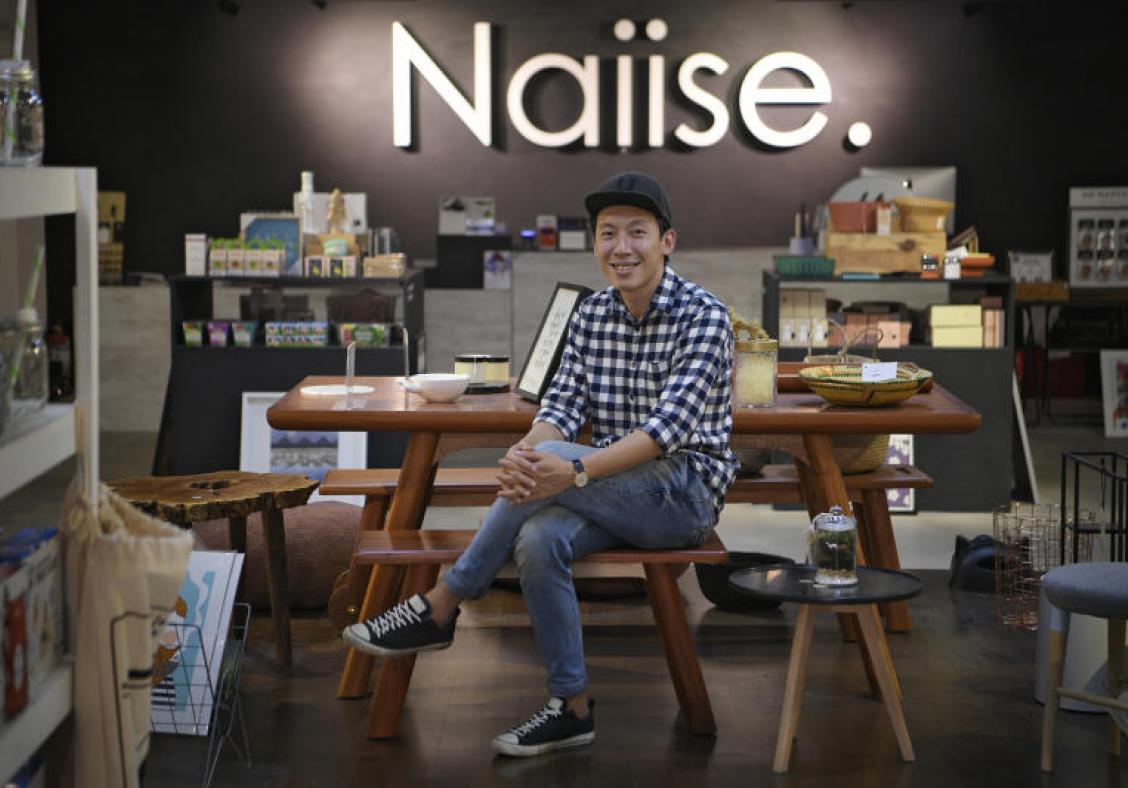
    Singapore gift and homewares chain Naiise has closed its last store – the Iconic at Jewel Changi Airport – suggesting the end of the eight-year-old brand.

    Multiple sources say Naiise has collapsed due to its inability to paying debts to suppliers, and weak sales in the wake of the Covid-19 pandemic. Opened in May 2019, Naiise Iconic at Jewel Changi was considered one of the company’s biggest investments, unknowingly made at the wrong time – just before Covid hit.

    Last year, the retailer fielded multiple complaints from vendors accusing of defaulting payments. At the same time, Naiise’s co-founder Amanda Eng reportedly quit her role in the company.

    According to Today, Naiise owes up to US$7500 to vendors, many of whom have ended their relationship with Naiise and given up claims on the grounds the legal process is too costly and time-consuming.

    “My game-publishing studio has been a vendor of Naiise since 2015 and we have been owed money since 2018,” said Lye Wen Song Xeo, co-founder of Capital Gains Studio wrote on Facebook. “Promises made to repay have all been broken again and again and we had no choice but to pull our games out early last year.”

    “Covid-19 has been very hard on many of our distributors and I appreciate those distributors that came clean with us and honestly shared with us their problems and what their plans [were] if they are unable to pay us. However, shirking responsibilities and not coming clean with your vendors is honestly… not Naiise,” said Xeo.

    Despite its physical stores closing, Naiise continues to trade online and at a Kuala Lumpur outlet. Founded in 2013, Naiise had six stores in Singapore and Malaysia.

  • DBS Trims Office Space in Singapore

    DBS Trims Office Space in Singapore

    DBS is the latest global bank to offload more office space, this time in a Singapore building where it is the anchor tenant. DBS will give up about two and a half floors out of the more than a dozen floors it occupies at Tower 3 of the Marina Bay Financial Centre, according to a report citing unnamed sources. Singapore’s largest lender is set to surrender the space, which totals 75,000 square feet, in December.

    DBS joins other global banks that are shifting their operational models by reducing office space and increasing flexible working measures.

    In Singapore, Citi is offloading three floors and Mizuho is cutting less than one floor of office space.

    In Hong Kong, DBS has also dropped eight floors of office space joining the likes of BNP Paribas, Standard Chartered and UBS.

    DBS’ reduction of office space falls in line with its announced strategy to provide flexible working conditions for its staff.

    In November, the bank said that remote working would be allowed for employees as much as 40 percent of the time.

  • Foodpanda to drive Covid-19 vaccination awareness campaign across Asia

    Foodpanda to drive Covid-19 vaccination awareness campaign across Asia

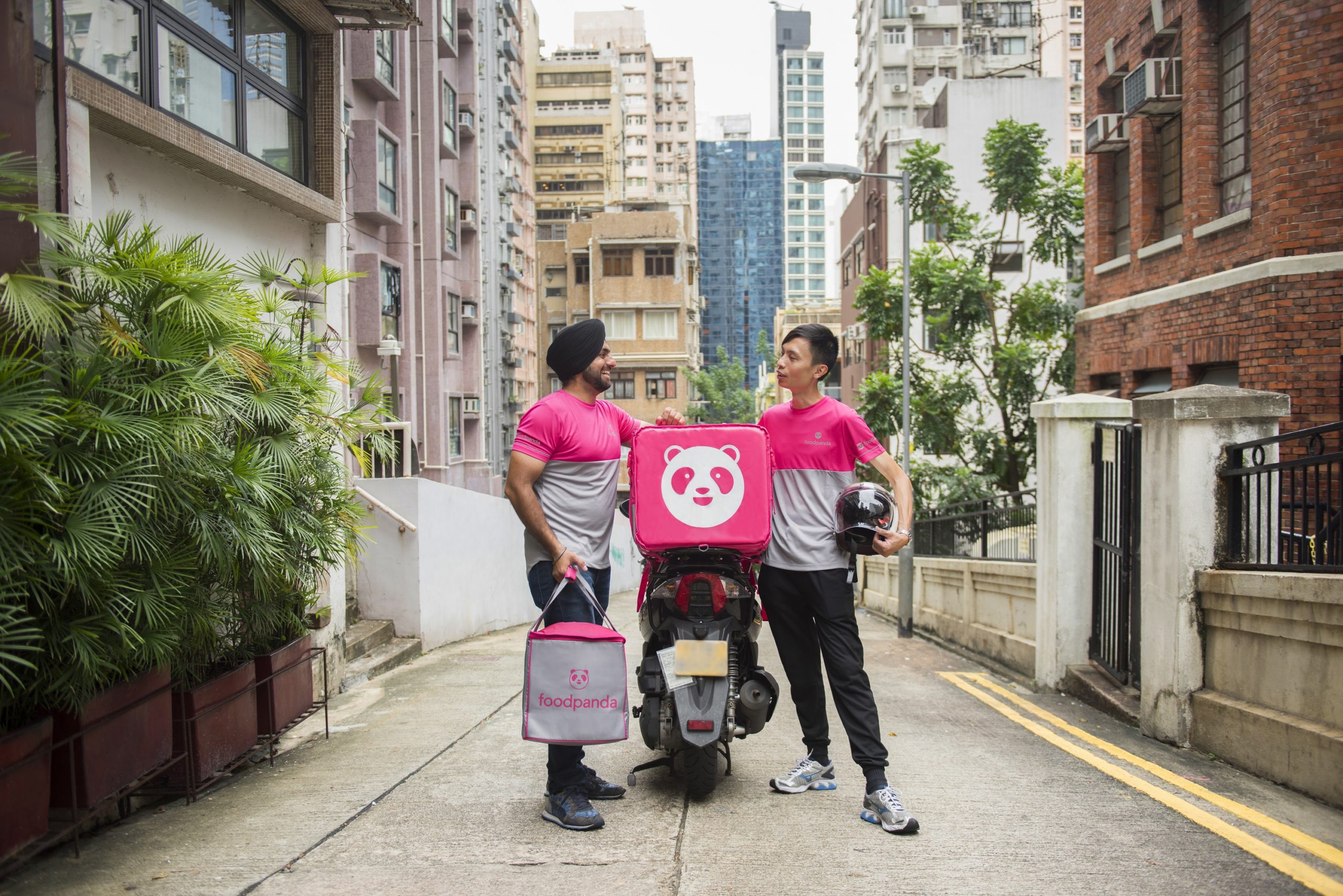
    Food and grocery delivery service Foodpanda has launched a Covid-19 vaccination awareness campaign across Asia in the lead-up to WHO’s World Immunisation Week. The campaign, which aims to reach more than 10 million people across Asia, will include a series of content across digital and social media channels, providing information and resources on local vaccination programs.

    It will be rolled out in phases across Singapore, Malaysia, Thailand, Hong Kong, Cambodia, Japan, Bangladesh, Pakistan, and the Philippines.

    “The region’s battle with Covid-19 is ongoing, and we have to stay vigilant on keeping our ecosystem safe,” said Jakob Angele, CEO of Foodpanda. “Leveraging existing channels with our network of riders, merchants, employees and customers, we can raise greater awareness around fighting misinformation and share information around local vaccination programs so that our entire delivery ecosystem can be informed and mobilized.”

    Besides its social media campaign, Foodpanda will also join hands with local authorities to support vaccination programs in Singapore, Cambodia, and the Philippines.

    “We will continuously explore ways to play a part in the fight against Covid-19.”

  • Singapore Minister Warns Public on Crypto Trading

    Singapore Minister Warns Public on Crypto Trading

    Investors should exercise extreme caution when trading cryptocurrencies, senior minister Tharman Shanmugaratnam said in parliament on Monday.

    Cryptocurrencies can be highly volatile, as their value is typically not related to any economic fundamentals. They are hence highly risky as investment products, and certainly not suitable for retail investors,» Shanmugaratnam, who is also the minister in charge of the Monetary Authority of Singapore (MAS).

    His comments come as cryptocurrency-related scams are on the rise in the republic, as investor interest in the space grows with soaring crypto prices.

    However, according to MAS, the size of Singapore’s cryptocurrency market remains small. The combined peak daily trading volumes of bitcoin, ethereum, and XRP was 2 percent of the average daily trading volume of securities on the Singapore Exchange (SGX) in 2020.

    Cryptocurrency derivatives traded through financial institutions likewise amounted to less than 1 percent of the derivatives trading activity on SGX. Cryptocurrencies comprise less than 0.01 percent of the assets in funds managed by MAS-regulated fund managers, Shanmugaratnam said.

    The parliamentary discussion comes as more than 100 people have filed police reports against crypto trading platform Torque, run by Singapore businessman Bernard Ong. The platform suspended more than 14,000 accounts across 120 countries in January, with investor claims are estimated at $325 million.

    Ong alleges of his employees had violated the company’s rules and that his unauthorized trading activities had led to significant losses. Some 2,000 Singaporeans are estimated to have invested in crypto on the platform, which is registered in the British Virgin Islands.

  • Finder Acquires Financial Comparison Platform GoBear

    Finder Acquires Financial Comparison Platform GoBear

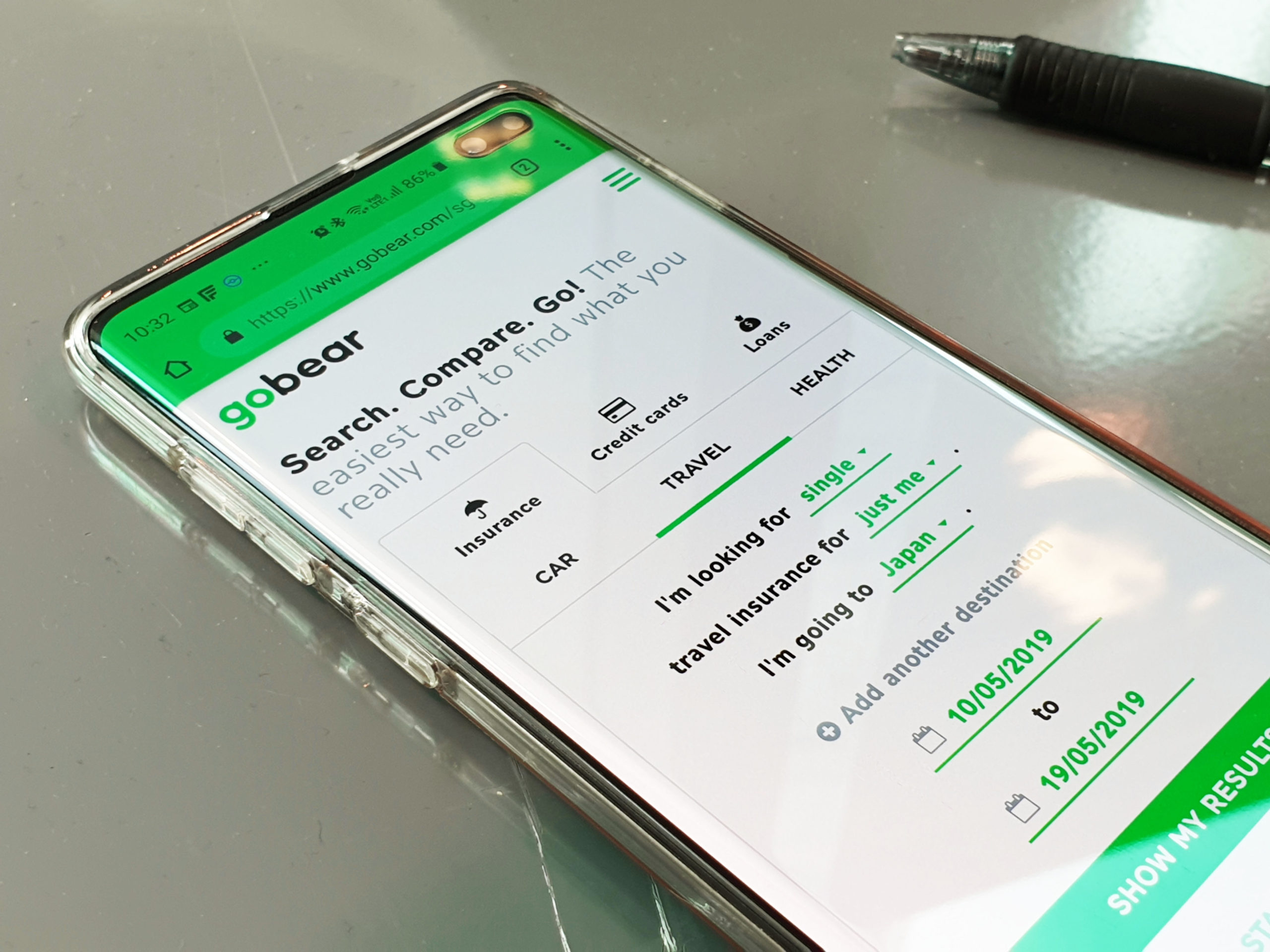
    Finder, a global comparison platform founded in 2006 in Sydney, Australia, has acquired the GoBear brand as it accelerates its global expansion.

    Finder aims to grow its presence as a key financial comparison platform in Southeast Asia with the acquisition of the GoBear brand, it said in an announcement on Thursday.

    Singapore-based GoBear, which was founded in 2015, operated a platform for insurance, banking, and lending products in seven markets in Southeast Asia, but shut down at the start of 2021, citing a challenging operating environment and its inability to raise new funds from existing or new investors.

    We felt there was a great alignment between the two brands and, after three years with a light presence in the region, we couldn’t pass up the opportunity to step in and purchase the like-minded brand, the announcement said.

    Finder noted the region’s large unbanked market, which includes some 438 million consumers, and said there is a significant opportunity for growth, as digital financial services are set to grow to a $60 billion business by 2025.

    As part of the deal, GoBear’s website content will be integrated into local Finder sites across the seven markets: Singapore, Hong Kong, Vietnam, Thailand, Philippines, Malaysia, and Indonesia. The GoBear brand will continue to operate via social media and email channels

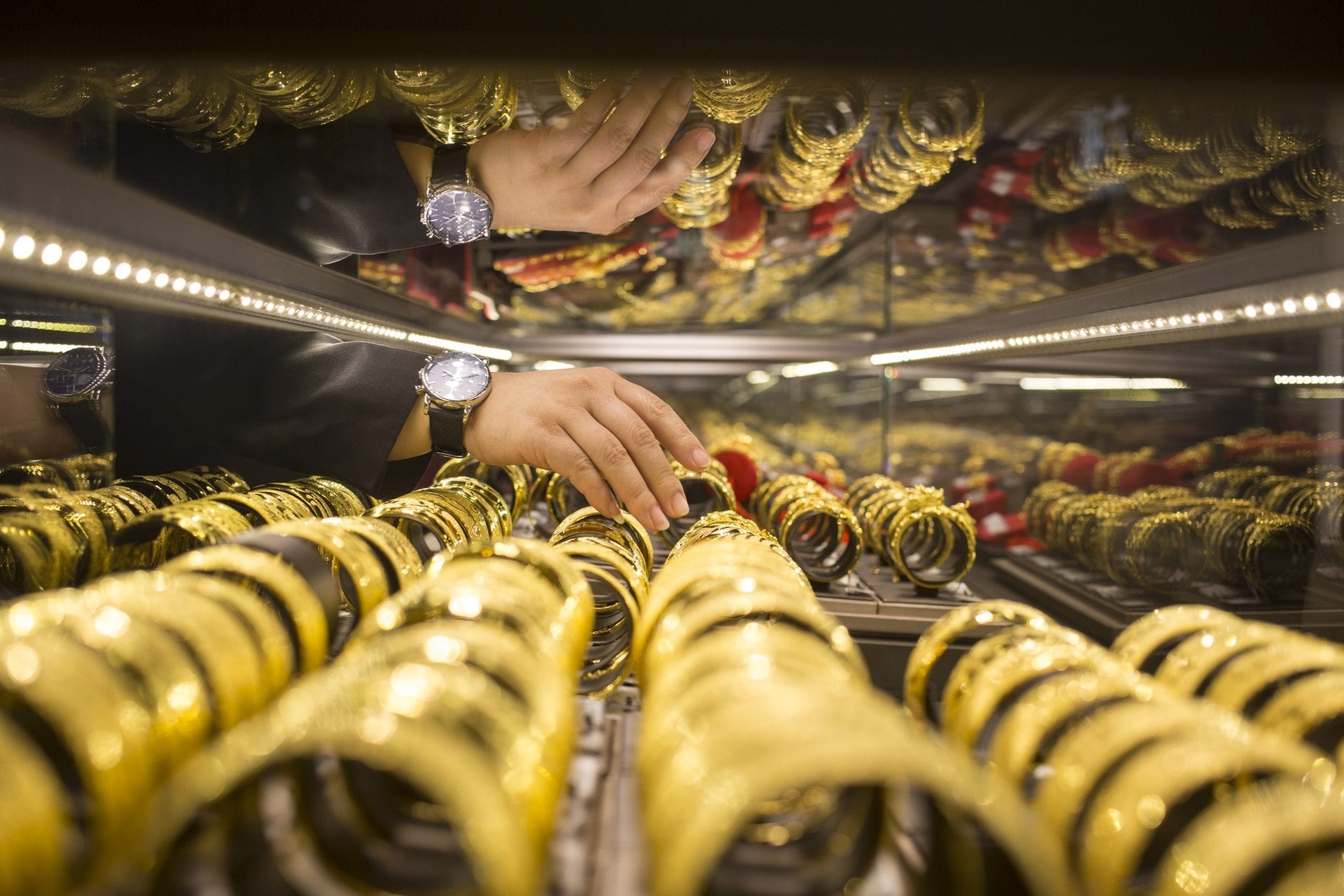
  • Malabar to open 56 stores most sit in Asia

    Malabar to open 56 stores most sit in Asia

    In India, the expansion will span Tamil Nadu, Telangana, Andhra Pradesh, Karnataka, Maharashtra, Delhi, West Bengal, Uttar Pradesh, Odisha, and Kerala, and globally, new outlets will open in Singapore, Malaysia, Oman, Qatar, Bahrain, and the UAE.

    In India 12 new stores are slated to open in Q1 of the fiscal in Chennai, Lucknow, Hyderabad, Mumbai, Pune, and Bengaluru, and in small towns like Eluru, Mancherial, Solapur, and Ahmednagar. Globally, new shops will open in Little India in Singapore, Kuala Lumpur and Penang in Malaysia, Ruwi, Baushar and Al Khoudh in Oman, Jeryan Jenaihat and Rawdat in Qatar, Bab al Bahrain in Bahrain, and in the UAE in Al Zahia and Muweilah in Sharjah, and Silicon Oasis and Dubai Gold Souk Dubai.

    Malabar Group Chairman, MP Ahammed, said: “In over 25 years, we have transformed from a small retail jewelry business to a global player across the verticals of gold and diamond jewelry retail, manufacturing, and multi-retail business. Transparency and customer trust have been our growth pillars and the new expansion will take us to the next level.”

    He said the new stores will offer an unparalleled customer experience in line with the Malabar Promise of incomparable quality and service assurance. The group’s goal is to be the number one jewelry retail brand in the world in terms of showroom numbers and turnover.

    Abdul Salam KP, Group Executive Director of Malabar Group, said: “In line with our social commitment, the expansion will create 1,750 new jobs. We follow industry best practices, ethical sourcing, and professional fund management.”

    “The expansion will strengthen the group’s retail footprints in territories where it has a strong presence,” said Shamlal Ahamed, Managing Director, International Operations of Malabar Gold and Diamonds.

  • New Year fails to help retail sales in Singapore

    New Year fails to help retail sales in Singapore

    Retail sales grew by 5.2 percent year-on-year in February, a reversal from the 6.1 percent decline recorded in January. This improvement was mainly associated with Chinese New Year celebrations in February, said the Singapore Department of Statistics (SingStat) on Monday (Apr 5). Chinese New Year was in January last year.

    Comparing the performance for the January to February two-month period of the festivities, retail sales fell 1.2 percent in 2021 compared to 2020. Excluding motor vehicles, retail sales increased 7.7 percent in February, compared to the 8.4 percent decline in January. On a seasonally adjusted basis, retail sales decreased 1.6 percent in February compared to the previous month. Excluding motor vehicles, seasonally adjusted sales fell 1.2 percent.

    The estimated total retail sales value for February was about S$3.3 billion. Online retail sales made up about 10.1 percent of this, similar to the 10.2 percent recorded in January, said SingStat.

    Online retail sales made up 44.3 percent of total receipts in the computer and telecommunications equipment industry, 26 percent of sales in furniture and household equipment and 10.7 percent of sales in supermarkets and hypermarkets.

    While most retail industries recorded improved year-on-year sales in February due to the Chinese New Year boost, on a seasonally adjusted month-on-month basis, the watches and jewelry, petrol service stations, and computer and telecommunications equipment increased between 2.8 percent and 5.6 percent during this period.

    SALES OF FOOD AND BEVERAGE SERVICES REMAIN WEAK

    Sales of food and beverage services fell 3.5 percent in February on a year-on-year basis, a smaller contraction compared to the 24.6 percent decline in January 2021. This was again mainly attributed to Chinese New Year celebrations, SingStat said.

    Food and beverage sales remained weak due to capacity constraints arising from safe distancing measures, SingStat added.

    On a seasonally adjusted basis, sales of food and beverage services declined 1.1 percent in February over the previous month.

    The total sales value of food and beverage services in February was estimated at S$699 million.

    Of this, online sales made up about 22.2 percent, slightly higher than 22.1 percent in January.

  • Singapore-Based Neobank to Expand in South Asia

    Singapore-Based Neobank to Expand in South Asia

    Morus Technologies, which runs neo banking platform StashFin, has raised $40 million in Series B extension financing to expand across the subcontinent.

    The company plans to use the funds to pursue neo banking across South Asia, double down on its plan to grow in existing markets, and strengthen the customer platform for local languages, it said in an announcement.

    New investors participating in the round include Altara Ventures and Uncorrelated Ventures, with previous investments from Integrated Capital, Kravis Investment Partners, Saison Capital, and Tencent Cloud Europe. Existing investors also participated in the round including Alto Partners, Snow Leopard Ventures, and Positive Moves.

    In the announcement, StashFin noted a $1 trillion neo banking market opportunity in South Asia. We are sitting on a unique opportunity to enable millions of consumers to get closer to their dreams and improve financial inclusion. South Asia is on the cusp of a financial revolution, Tushar Aggarwal, founder, and CEO of StashFin, said.

    Founded in 2016, the platform offers a credit line card in partnership with Visa that allows customers to access their credit facility with monthly installments and zero annual fees. The virtual and physical card provides credit access across a broad array of digital payment infrastructure, including POS machines, mobile wallets, and online payment gateways.

  • Singtel and Hyundai Motor to develop Singapore’s smart manufacturing and mobility technologies

    Singtel and Hyundai Motor to develop Singapore’s smart manufacturing and mobility technologies

    Hyundai Motor Company and Singtel today signed a Memorandum of Understanding (MOU) to collaborate on a range of ventures to support smart manufacturing, connectivity for electric vehicle battery subscription service. The MOU follows Hyundai Motor Group’s announcement in October 2020 that it is setting up a new state-of-the-art Hyundai Motor Group Innovation Centre Singapore (HMGICS) to conduct studies on future mobility and explore innovative solutions, services and disruptive technologies to revolutionize commuters’ transport experience.

    Hyundai Motor will combine its expertise in developing innovative automotive and manufacturing solutions with Singtel’s capabilities in 5G, Internet of Things (IoT), and next-generation info-communications technologies and solutions to develop Industry 4.0 advanced digital solutions to   transform the way vehicles are currently manufactured. The parties will develop and pilot a 5G-enabled smart factory use case for HMGICS’ intelligent manufacturing platform, and potentially scaling it up for deployment across Hyundai’s manufacturing plants globally.

    “Hyundai is delighted to work with Singtel, implementing next-generation communication solutions that will enhance mobility experiences for our customers,” said Hong Bum Jung, Senior Vice President of HMGICS at Hyundai Motor Company. “We also hope to explore future innovative solutions and business opportunities with Singtel to help realise Singapore’s Smart Nation vision.”

    Hyundai and Singtel will also work together on an IoT communications solution for the batteries powering Hyundai’s electric vehicles (EVs) in Singapore. The IoT system enables Hyundai to monitor the telemetry, or automatic data transmission, of the batteries’ real-time status and performance.

    The data-driven insights can enhance the EVs’ reliability, advancing Singapore’s EV ecosystem and Smart Nation vision of connected and sustainable mobility solutions.

    Andrew Lim, Managing Director, Government and Large Enterprise, Group Enterprise at Singtel said, “Our collaboration with Hyundai Motor is timely given the Singapore Government’s decision to phase out internal combustion engine vehicles by 2040 and the recent Budget announcement on new policies to encourage more Singaporeans to switch to driving electric vehicles. By pushing the boundaries of what is possible with 5G, IoT and other advanced technologies, we also want to build up Singapore’s smart manufacturing and Industry 4.0 capabilities and strengthen its innovation ecosystem.”

  • Outgoing OCBC CEO Named as Board Advisor

    Outgoing OCBC CEO Named as Board Advisor

    OCBC outgoing group chief executive will maintain ties with the Singaporean lender as an advisor to the board.

    Samuel Tsien has been appointed advisor to the board upon retirement from his CEO role on April 15, according to a regulatory filing.

    Tsien will be succeeded by former Greater China CEO at HSBC Helen Wong who rejoins after first starting her banking career with OCBC in 1984.

    Tsien will also step down from his role as chairman of the Association of Banks in Singapore in April.

  • CIMB Restructuring Sees Lay-Offs in Singapore

    CIMB Restructuring Sees Lay-Offs in Singapore

    The Malaysian lender is revising its strategy to emphasise sustainable growth, in line with the group’s vision to be a «leading focused Asean bank.»

    CIMB Singapore is laying off staff and will close its Orchard Road branch as part of a restructuring exercise, which will see it optimise its functional set-up and leverage its group strengths through regionalization.

    These will make us more resilient, more productive and better positioned for growth going forward,» CIMB Singapore chief executive Victor Lee said in an internal memo.

    CIMB Singapore will be positioned as an Asean banking hub for the group, with a focus on wealth management, SME (small and medium-sized enterprises) banking, regional corporates and treasury and markets. According to the report, the bank had 1,200 staff in Singapore. Only its Raffles Place branch will remain following the exercise.

    Singapore is a core and important market to the CIMB Group, and we will continue to invest in our key growth areas, CIMB Singapore said in a statement.

    The bank let go of three of its business heads in Singapore in November 2020, following a review of its operations that cited the poor performance brought about by the pandemic.

  • Nokia deploys first 5G standalone RAN in Southeast Asia to M1-Starhub JV in Singapore

    Nokia deploys first 5G standalone RAN in Southeast Asia to M1-Starhub JV in Singapore

    Nokia announced the first 5G standalone (“SA”) Radio Access Network (“RAN”) Sharing network in South East Asia. The company has been selected by Antina Pte. Ltd. (“Antina”), a joint venture formed by mobile network operators M1 and StarHub, following a competitive tender process, to deploy 5G SA networks across Singapore. The commercial deployment of a 5G SA network will introduce compelling new use cases and cater for the growing data demand in the country, putting Singapore at the forefront of 5G standalone technology in the region.

    The partnership will enable Antina’s customers – M1, StarHub and other mobile service providers on wholesale arrangements – to benefit from a game-changing ultra-high speed, low-latency and highly secure 5G SA network that will reduce complexity and increase cost efficiencies. It will also enable new use cases across entertainment, cloud gaming, transportation, education and healthcare.

    Nokia will provide equipment from its comprehensive AirScale portfolio and CloudRAN solution to build the Radio Access Network (RAN) for the 5G SA infrastructure, utilizing the 3.5GHz spectrum band. Nokia will supply 5G base stations and its small cells solution for indoor coverage, as well as other radio access products. Nokia’s 5G SA technology will provide Singaporean enterprises with the opportunity to explore multiple new use cases due to the network’s higher bandwidth, higher uplink speeds and lower-latency.

    Nokia CloudRAN solution is designed to enable Antina to build a more agile business, meet new traffic demands, make better use of spectrum as well as optimize performance and mitigate costs. Nokia’s CloudRAN technology is expected to provide Antina with the flexibility to meet customer demands in the evolving 5G era. Nokia’s NetAct network management, CloudBand Application Manager and CloudBand Infrastructure Software will streamline operations and securely manage Antina’s networks.

    The commercial launch of this 5G SA network in Singapore will underpin the infrastructure for a vibrant 5G ecosystem.

    Tommi Uitto, President of Mobile Networks, Nokia, said: “This is an important win for Nokia that demonstrates our leadership in commercial-grade Cloud RAN as well as mobile operators’ trust in our capabilities for rapidly transitioning to 5G standalone networks. We look forward to supporting Antina in the deployment of a successful rollout of the 5G SA network in Singapore which aligns with the country’s vision of creating a world-class 5G infrastructure. We hope other global markets considering making the move to 5G SA will take note of Antina’s success.”

  • Malaysian online grocery player Jocom lists in Singapore

    Malaysian online grocery player Jocom lists in Singapore

    Singapore’s first regulated private securities exchange and a member of leading integrated private market ecosystem CapBridge Financial, today announced the direct listing of Jocom International Holdings, operator of leading Malaysia-based M-commerce platform JOCOM. The JOCOM mobile app connects over 500 vendors providing over 15,000 products with about 3 million customers across the whole of Malaysia.

    About 26.7% of JOCOM total shares outstanding were listed on 1X at an aggregate value of S$5.6m. The 1X listing process was conducted entirely online and facilitated by the CapBridge platform.

    Mr Joshua Sew, CEO of JOCOM, said, “In the past year, the demand for our integrated M-commerce solution has grown exponentially across both consumers as well as merchants and vendors.

    JOCOM has enabled traditional businesses to tap on the power of digital technology to engage existing and new customers, connecting many rural farmers and traders with affluent consumers seeking quality products in a convenient way. With this listing on Singapore’s 1Exchange, we look forward to going further to serve our shareholders, customers, and partners with even more innovative mobile commerce solutions.

    Mr Choo Haiping, CEO of 1X, said, “We are pleased to welcome JOCOM, Malaysia’s fastest-growing mobile commerce platform. For many customers, JOCOM’s specialist mobile app has been a reliable, convenient, and efficient one-stop-shop for their groceries and lifestyle needs. JOCOM has also contributed greatly to the digital transformation of many traditional businesses in Malaysia, through its accessible mobile commerce solutions. JOCOM can count on the 1X platform as it continues on its growth journey.”

    Based in the global financial hub of Singapore, 1X is the first regulated private securities exchange with a Recognised Market Operator license granted by the Monetary Authority of Singapore (“MAS”). 1X is part of CapBridge Financial, backed by Singapore Exchange (“SGX”), SGInnovate, South Korea’s Hanwha Investment and Securities Co, Hong Kong’s Cyberport Macro Fund, and AMTD Digital.

    Mr Mohamed Nasser Ismail, Senior Vice President and Global Head Equity Capital Markets, SGX, witnessed the listing and added, “As a strategic partner and shareholder of 1X, SGX is pleased to witness the continued interest by many growth companies to seek a listing on the private exchange. I am heartened at the listing of JOCOM, which adds to the vibrancy of the broader capital markets and provides shareholders and other interested investors a market for tradeable private equities. We look forward to supporting JOCOM and other such companies to prepare for an eventual public listing when they are ready.

    The direct listing on 1X was marked by a virtual gong-striking ceremony this morning, attended by representatives from JOCOM, placement agent CapBridge Pte Ltd, trust administrator Equiom Singapore, as well as a strategic partner and shareholder SGX.

    On 1X, private companies and funds have the flexibility to list a portion of their shares in the form of tradeable private equities. A direct listing on 1X enables companies to simply convert their existing shares to tradeable shares, in a cost-effective and efficient manner. This regulated asset class traded on 1X provides investors additional portfolio diversification with higher-than-market returns potential while giving shareholders options for exits.