Tag: Singapore

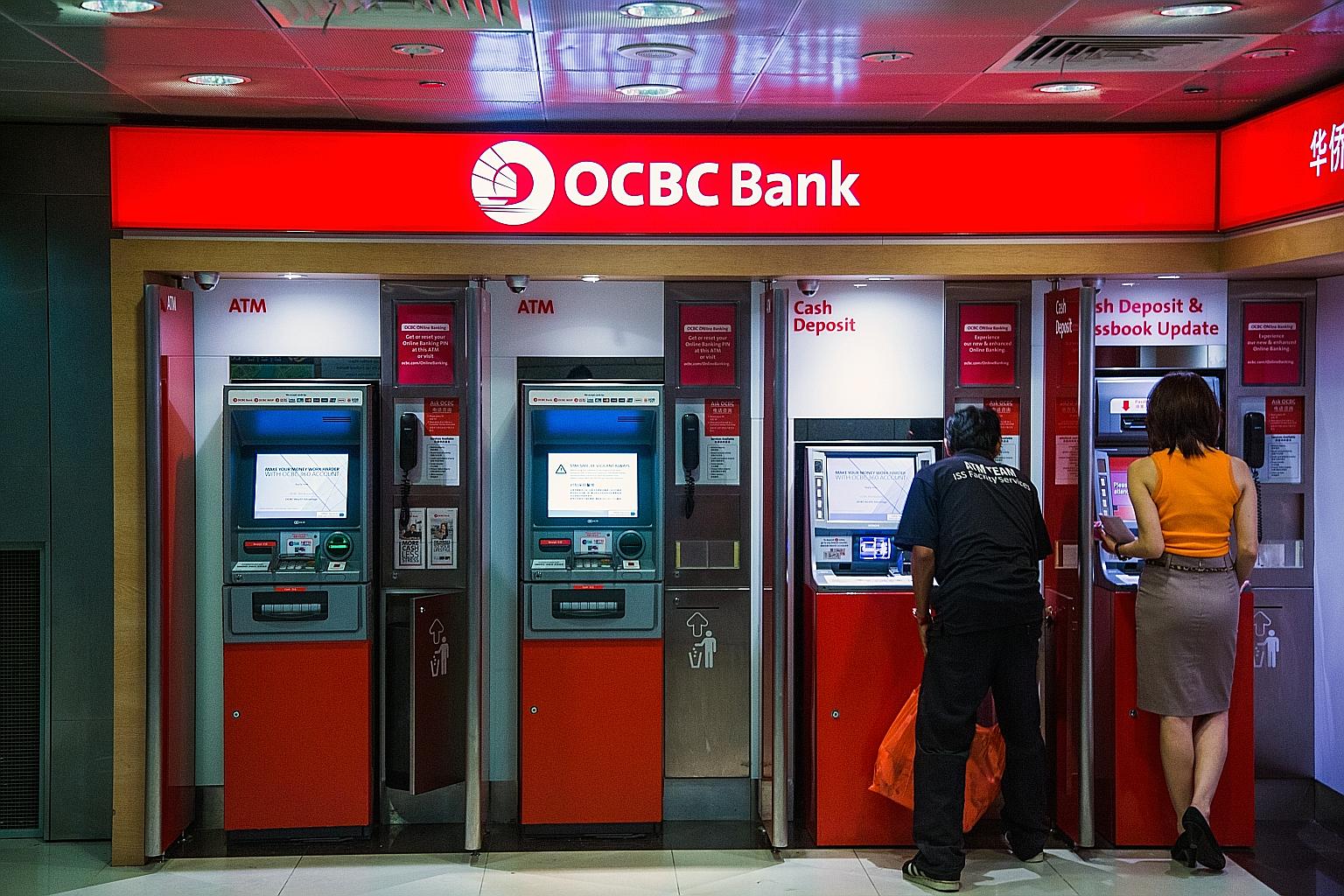
  • OCBC Deploys Facial Recognition ATMs

    OCBC Deploys Facial Recognition ATMs

    The technology taps on Singapore’s National Digital Identity (NDI) platform and biometric database to enable verification.

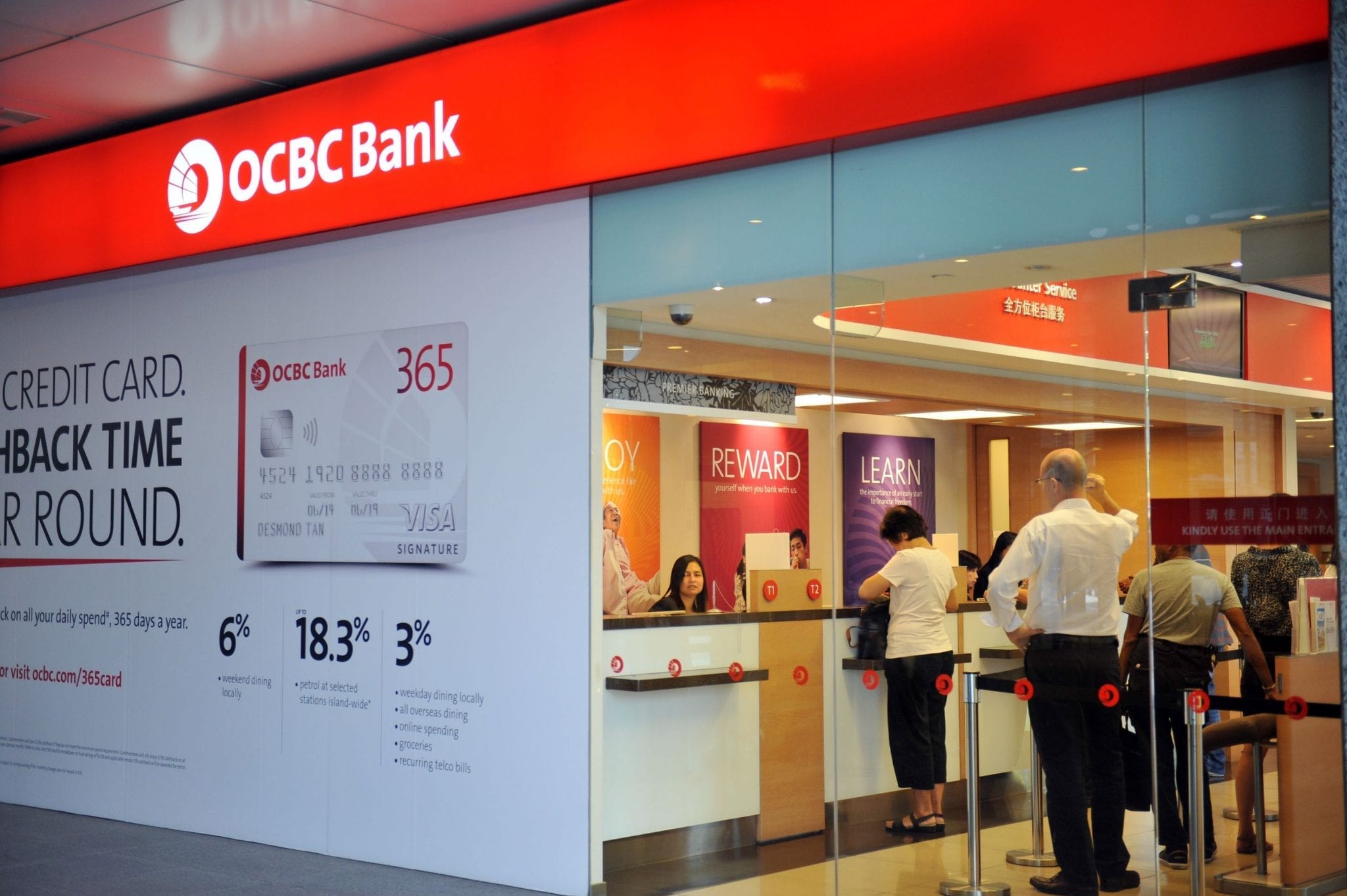
    OCBC wants to eliminate the need for customers to carry around an ATM card by introducing facial biometrics at its teller machines.

    The bank is launching facial recognition at eight of its ATMs tomorrow, which will allow customers to check their account balances. This service will then progressively roll out to OCBC’s entire ATM network of 550 machines for cash withdrawals from June 2021, it said in an announcement on Thursday.

    Singapore consumers are keen digital adopters – even the elderly. While cash is still a key mode of payment in Singapore, the digital overlay to get cash is very welcomed by consumers, Sunny Quek, OCBC Bank’s head of consumer financial services, said.

    According to the bank, ATM usage remains high with more than 2 million cash withdrawals monthly. At the same time, digital adoption among its customers has grown year-on-year in 2020 with more than 40 percent more customers signed up on PayNow, and PayNow transactions doubling, compared to 2019. QR code cash withdrawals at ATMs grew 88 percent year-on-year in 2020.

  • Singapore’s Fintech and Remittance Associations Ink MOU

    Singapore’s Fintech and Remittance Associations Ink MOU

    The Singapore FinTech Association (SFA) and Remittance Association (Singapore) have signed an agreement to strengthen the money remittance segment.

    The two associations will jointly launch the new SFA Remittance Sub-Committee, which aims to promote the adoption of technologies to strengthen the capabilities, efficiencies and governance of Singapore’s money remittance industry, and catalyse its members’ digital transformation and internationalization efforts.

    The burgeoning number of fintech companies working in remittance and cross-border payments signals an opportune time for both associations to work together and work collaboratively with various stakeholders, the two sides said in a joint announcement on Thursday.

    In Singapore, a lot of existing licensees have to step up to compete as consumers become more technology savvy. It is, therefore, crucial for remittance licensees to explore and adopt technology as the current business landscape evolves, Barakath Ali, Remittance Association (Singapore) chairman, said.

    The sub-committee is chaired by neobanking and digital payments expert Ho Chee Wai, who is the country head for Singapore at cross-border fund transfer startup Nium.

    Among the issues the subcommittee hopes to work on are engagement between the remittance and fintech segments, nurturing the development of the cross-border payment ecosystem, engaging with regulators, and talent development.

  • Japan’s Lixil adopts DTC model in Singapore retail store launch

    Japan’s Lixil adopts DTC model in Singapore retail store launch

    LIXIL, maker of pioneering water and housing products, today announced the launch of its flagship showroom in Singapore. Located at a heritage shophouse unit at 24 Mohd Sultan Road, the 6,000 square feet store is in the heart of Singapore’s prime lifestyle district. Bringing multiple LIXIL brands under one roof, the store offers a wide range of sustainable living solutions, meaningful design, and cutting-edge hygiene technology.

    The launch of the store comes at a time when the COVID-19 pandemic and the planet’s health have put issues such as sanitation and hygiene at the forefront of consumer minds. Besides offering LIXIL’s unique hygiene technology through the store, LIXIL is also leveraging on its industry-leading experience with a direct-to-consumer business approach and unparalleled retail concept to offer a full bathroom product line-up to reach more consumer segments. The showroom will feature products from GROHE and American Standard, with plans to include INAX, the Japanese brand that manufactures innovative sanitaryware and artistic ceramic tiles.

    Satoshi Konagai, Leader, LIXIL Water Technology-Asia Pacific, said, “We are very happy to inaugurate our flagship showroom and hope to provide the best solutions for their living and working spaces. The customer and retail experience have always been very important to us at LIXIL and we are constantly looking for ways to maximize the value for our consumers.”

    He further added, “Today the world is more concerned than ever about hygiene. Singapore’s recent commitment on sustainability and its exemplary handling of the pandemic showcases a rising awareness on these global issues, and we believe there is a growing demand for solutions to address them. Homeowners expect proven solutions that offer peace of mind. Our technologies such as Touchless faucets and flushing systems, Easy to clean solutions, Double Vortex flushing system, HygieneRim technology and Aqua Ceramic can help to provide the ‘optimum hygiene’ to our discerning consumers.

    Also, in a time where people are unable to travel and spend more time at home, they want to be able to feel relaxed and enjoy a spa-like experience right in their own home. Here our solutions like GROHE F-Digital Deluxe, GROHE SmartControl, GROHE Sensia Arena shower toilet can provide a home spa experience to consumers by bringing the enjoyment of water to them.”

    Built on the brand’s core pillars of hygiene, sustainability, and innovative design, LIXIL’s flagship showroom in Singapore takes an experiential approach at showcasing its award-winning water technology and living solutions.

    Some of the key highlights that consumers can expect to see in the store:

    • Cutting-edge technologies in interior design, such as the GROHE F-Digital Deluxe Spa System which consists of a shower system with lights, steam and sound, controlled by an app; as well as GROHE Sensia Arena shower toilet, one of LIXIL’s most internationally awarded product.
    • LIXIL’s first 3D metal-printed faucet, the GROHE Allure Brilliant Icon 3D faucet retailing at S$34,234.24.
    • Kitchen solutions, such as the GROHE Zedra SmartControl which features our “push-and-turn technology”, as well as GROHE Blue, the brand’s sustainable living water filter system and faucet.
    • American Standard’s elegant hygiene products such as its Line Sensor Technology Faucet, the elegant Acacia SupaSleek Collection, and its Signature Collection — featuring its cutting-edge HygieneClean System for toilets, with its Double Vortex flushing technology, anti-stain Aqua Ceramic material, anti-bacterial ComfortClean technology and rimless Hygiene Rim design.
    • FREE 360-degree virtual bathroom design and proprietary LIXIL’s rendering service CustoMySpace, allowing visitors to shortlist their favourite products and render them in 3D in a virtual bathroom setting for them to bring their ideas to life.
  • Nine Singaporeans struggling to leave Macau secure seats on AirAsia flight

    Nine Singaporeans struggling to leave Macau secure seats on AirAsia flight

    At least nine Singaporeans have been struggling to leave Macau after they were unable to secure a direct flight home due to the pandemic. One is desperate to return after losing his job in the Chinese city, whose economy has been hit hard by Covid-19. Another needs surgery for a spinal condition and wants to return home.

    The group of Singaporeans and Malaysians will finally board a special AirAsia flight to Kuala Lumpur on April 8, arranged and confirmed by the consulate-general of Malaysia in Hong Kong on Thursday (March 11).

    Many had spent more than three weeks waiting for the decision, with some unemployed, unwell or pregnant.

    While some people in Macau have flown home on commercial flights via Hong Kong, it is understood that those who have medical conditions or are pregnant did not want to do so for fear of becoming infected with the coronavirus while quarantined in the territory.

    One among the group being repatriated, a Singaporean who works in the events industry, suffered a heart attack at the end of last year and has been trying to return home for treatment ever since.

    The man, who did not want to be named, said that his doctor advised him to have another stent fitted after the emergency operation but he did not have full insurance coverage in Macau.

    He added: “It’s good that we can join our neighbors in returning home since there are very few Singaporeans compared with Malaysians here in Macau.”

    The flight was coordinated by fellow Singaporean Agnes Goh, who has lived in Hong Kong and Macau for around 30 years.

    “Before the confirmation on Thursday, we faced tremendous pressure to secure a flight because quite a number of healthy passengers were thinking of backing out and flying from Hong Kong instead,” she said. “This made the mission increasingly impossible.”

    In response to queries from The Straits Times on Friday, the Ministry of Foreign Affairs (MFA) said that it had been “working with all relevant parties involved to bring them home safely via a special flight”.

    Ms Celia Lao, chief executive of AirAsia Hong Kong and Macau, said the flight was initiated by the Malaysian consulate last month. She added: “Other transit passengers are also welcome to take advantage of this flight once it is confirmed. We are looking to achieve a minimum of 60 passengers.”

    As at 9.30pm on Friday, there were 41 Malaysians and nine Singaporeans confirmed for the flight. “Singaporeans in Macau may also return to Singapore via Hong Kong by commercial flights, after serving their 14-day compulsory quarantine in Hong Kong,” the MFA added.

  • Singapore-Based Blockchain Platform Zilliqa Launches Investment Hub

    Singapore-Based Blockchain Platform Zilliqa Launches Investment Hub

    Zilliqa Capital aims to invest in decentralized and fintech solutions in Southeast Asia and India, across investing, wealth management, insurance, lending, payments, and remittances, as well as critical infrastructures that will enable Web 3.0.

    Zilliqa Capital will be led by financial services veteran Michael H. Conn, the firm’s chairman, CEO, and co-chief investment officer, while Zilliqa co-founder, president, and chief scientific officer, Amrit Kumar, will serve as Zilliqa Capital’s co-chief investment officer and director, the company said in an announcement.

    The goal of Zilliqa Capital is to operate as a permanent capital, ecosystem-focused investment company, the announcement said. It will invest in Zilliqa’s native utility token «ZIL» as a strategic asset, and selectively invest in Zilliqa and relevant non-Zilliqa based businesses.

    Zilliqa, headquartered in London and Singapore, is a public blockchain platform known for use of sharding as an on-chain solution to preserve decentralization and enable greater scalability.

    Conn is the co-founder and former CEO of Ether Capital. His career spans the traditional financial services and digital assets space, with senior leadership positions at AllianceBernstein, Société Générale, Trust Company of the West, AsiaVest, and Quail Creek Ventures.

    We aim to be pragmatic and not dogmatic in seeking and delivering solutions that broaden access to financial services and products that are both accretive to our investors, as well as to the people served by the companies we support. We believe Singapore to be the ideal hub for the development and growth of our innovative approach to investing in the fintech and digital asset space, Conn said.

  • OCBC Appoints Independent Director

    OCBC Appoints Independent Director

    He previously spent more than two decades at the Monetary Authority of Singapore, and was deputy managing director, corporate development, when he left in 2019.

    OCBC has appointed Andrew Khoo Cheng Hoe as a non-executive and independent director, effective March 8, according to a filing with bourse SGX.

    He will serve as a member of the board audit committee as well as the ethics and conduct committee, the announcement said.

    Khoo, 57, is an adjunct professor at the NUS Business School. He is also a director at the National Environment Agency, as well as at Stroke Support Station.

  • Singapore offers best mobile experience in South East Asia

    Singapore offers best mobile experience in South East Asia

    At a country-level, Singapore won in all metrics tested, with the most important win being the highest Excellent Consistent Quality in South East Asia, with 84.5% of connections having a network experience suitable for use-cases like 1080p video streaming, real-time mobile gaming and HD video calling. Singapore also had the highest Core Consistent Quality in the region at 94.4%.

    Consistent Quality is a set of metrics that Tutela has developed to objectively evaluate when connections are (or are not) enabling users to do the things they want to on their mobile devices. There are two sets of thresholds, Excellent and Core. A connection that hits the Excellent threshold is sufficient for use-cases like 1080p video streaming, HD video calling, and multiplayer gaming, while a Core connection should be sufficient to stream standard-definition video or handle day-to-day activities like web browsing or uploading photos to social media. The percentages seen in this report represent the percentage of tests for subscribers on a given operator that was above the Excellent or Core thresholds.

    Singapore also had the fastest download speed at 26.2 Mbps, the fastest upload speed at 14.7 Mbps, and the most responsive network with a latency result of 9.0 ms. However, Vietnam was always very close behind, with second-place winnings for both Excellent Consistent Quality (72.3%) and Core Consistent Quality (86.1%).

    The report was released by Tutela Technologies, a global crowdsourced mobile data company, and evaluated over 55 million speed and latency tests, conducted on the smartphones of real-world users of national mobile operators within Common Coverage Areas, between August 1st and January 31st, 2021.

    Per country findings were as follows:

    Singapore:

    • By operator in Singapore, StarHub dominated in four of the seven metrics tested, including the highest Excellent Consistent Quality with 87.3% of users having a network experience suitable for 1080p video streaming or HD group video calling.
    • StarHub also had the highest Core Consistent Quality, Tutela’s measure of whether a connection is good enough for everyday uses, like email, social media, and SD video streaming, the fastest download speeds, and the most responsive network in the country.

    Indonesia:

    • Telkomsel won six out of the seven metrics tested, with Indosat Ooredoo being the only other operator to make it onto the leaderboard in Indonesia with the fastest median upload speed.
    • Telkomsel was in first place for Excellent Consistent Quality with 65.0%, and also in first for Core Consistent Quality with 83.5%. However, there was only a 3% difference between the operator and second-place Indosat Ooredoo.

    Malaysia:

    • In Malaysia, the leaderboard was shared by at least four operators, with U Mobile offering its users the best mobile experience in the country. The operator won the highest Excellent and Core Consistent Quality, and fastest upload speed.
    • Digi had the fastest median download speed in Common Coverage Areas across Malaysia with 10.6 Mbps but came third in the upload speed test with 6.2 Mbps. Maxis had the most responsive network in the country, while Celcom had both the best 5G/4G coverage and total coverage.

    Thailand:

    • By operator in Thailand, AIS won in four of the seven categories tested, including the highest Excellent Consistent Quality and most responsive network. However, TrueMove was also on the leaderboard in three of the seven categories including the highest Core Consistent Quality and both the fastest download and upload speeds.
    • With only two operators in the Philippines to compare, Smart outperformed Globe in six out of the seven categories tested, with Globe taking out one category with the best total coverage.

    Vietnam:

    • Viettel Mobile in Vietnam offered the best mobile experience to its users, winning in five categories and tying for first place with Vinaphone for fastest median download speeds.
    • MobiFone was on the leaderboard in one category with the highest Core Consistent Quality.
  • After 30 Years Singapore Airlines Flies The Boeing 737 Again

    After 30 Years Singapore Airlines Flies The Boeing 737 Again

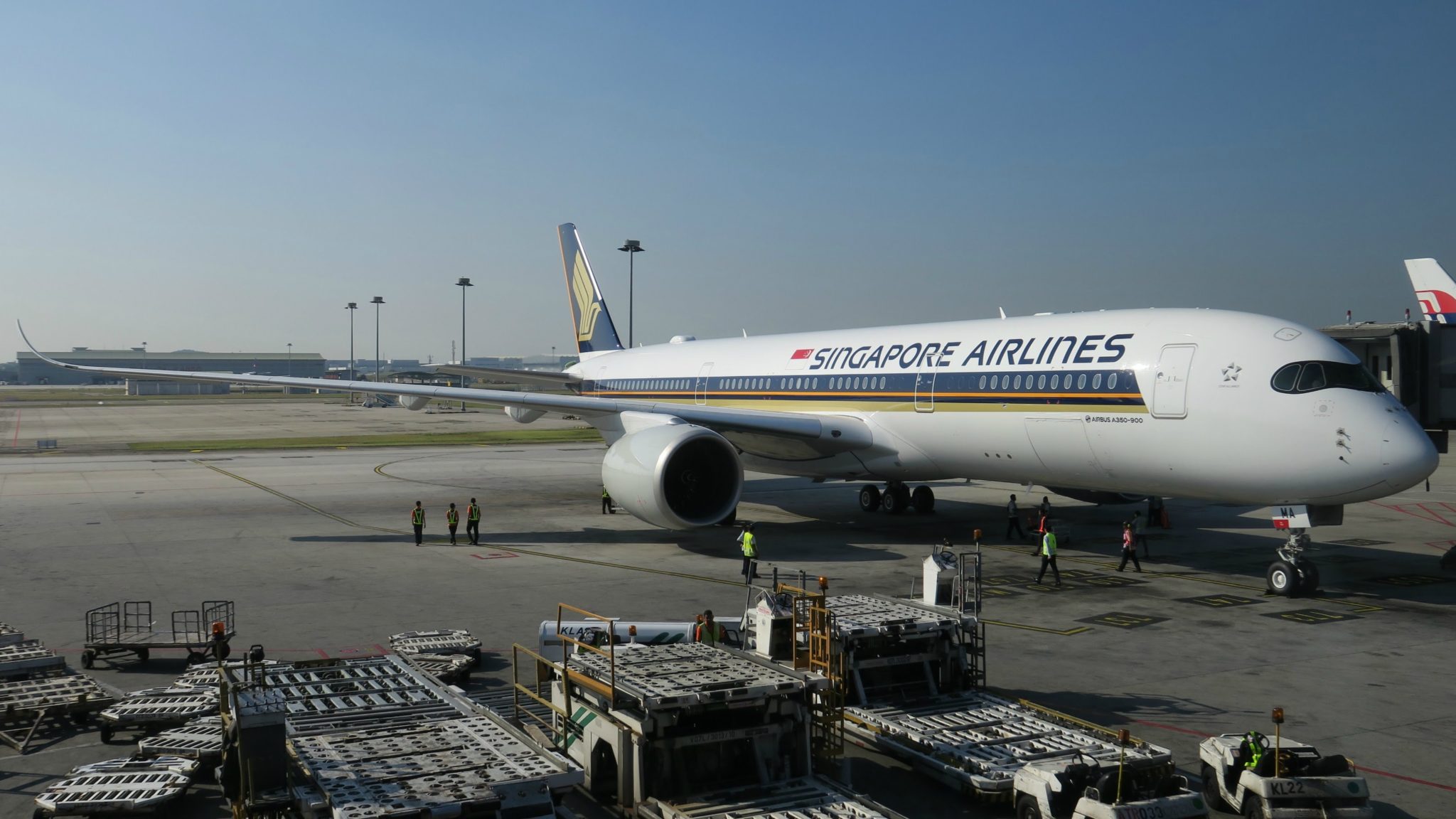
    Previously operated by Singapore Airlines (SIA) decades ago, the 737 as an aircraft type will once again operate under the carrier’s brand and livery. Up until now, the Southeast Asian airline had delegated much of its low-demand, short-haul operations to subsidiary airline Silkair. Now that the Silkair brand and its operations are being absorbed by SIA, the former’s 737s will be operated by the latter. The first of these SIA 737s took off for regular passenger service on Thursday, going from Singapore to Phuket. Let’s take a look at the flight and what it represents.

    Airline Geeks noted that on Thursday, March 4th, SIA completed its first 737-800 flight. This flight was designated as flight SQ736, from Singapore to Phuket (Thailand). RadarBox.com data shows that the Boeing 737-800 departed at 16:21 local time. After one hour and 44 minutes of flying time, the aircraft landed at Phuket’s airport (HKT) at 17:05 local time.

    After just over an hour on the ground in Phuket, the 737 took off on its return flight at 18:13, arriving back in Singapore (SIN) at 21:06 local

    As for the jet that operated this service, it was registered 9V-MGA. Data from Planespotters.net shows that it first flew with SilkAir in February 2014. After more than six years of service with the regional airline, it now flies with SIA.

    The aircraft, along with SIA’s other ‘newly acquired’ jets, will be configured to seat 12 in business class and 150 in the economy. The former will have a 2-2 setup while the latter is a standard 3-3 narrowbody economy configuration.

    It was noted by Airline Geeks that the inaugural flight to Phuket offered “an upgraded experience including food, beverages, and an amenity kit.”

    In fact, a menu of signature Singapore and Thai dishes were (and continue to be) available to business class and economy class passengers. This will run through to the end of March.

    Passengers in business class will also receive a unique celebratory cocktail named Tropical Sunrise. The special drink will be available on all Boeing 737 flights.

  • Chinese New Year timing impacts Singapore retail sales in January

    Chinese New Year timing impacts Singapore retail sales in January

    Shops in Singapore had a quieter-than-usual January ahead of muted Chinese New Year celebrations, with official data showing retail sales down 6.1 percent year-on-year.

    “The larger decline in January 2021 was due partly to higher sales in January 2020, when the Chinese New Year was celebrated,” the Department of Statistics said in a Friday statement.

    Although Singapore has lifted most domestic pandemic-related restrictions on business and socializing, the usual street pageantry did not take place during this year’s holiday, which was celebrated in mid-February.

    The usual big and boisterous family parties, during which gifts are handed out, were limited to eight visitors or two households.

    January sales of food and beverages were down by around 25 percent, the department reported, as families did not stock up as usual ahead of the holiday.

    The annual Chinese or Lunar New Year is one of the main public holidays in Singapore, where around 70 percent of the population is of Chinese descent.

    With Singapore closed to almost all visitors and business travel limited to a handful of countries, tourist-dependent sectors such as department stores and cosmetics also saw huge declines, the department said, falling by around 30 percent compared to January 2020 “as they continue to remain affected by low visitor arrivals.”

    Singapore’s economy shrank by a record 5.4 percent in 2020, though the government expects a rebound this year and is projecting growth of around the same percentage as last year’s contraction.

  • Dell Technologies to launch US$50m Global Innovation Hub in Singapore

    Dell Technologies to launch US$50m Global Innovation Hub in Singapore

    The GIH is launched under the Dell Technologies Digital Future – Made in Singapore initiative that aims to fast track the adoption of digital solutions and drive digital innovations developed in Singapore for partners and customers globally to be future-ready. A first-of-its-kind innovation centre situated outside of the company’s global headquarters in the United States, the GIH will focus on advancing multiple growth areas for digital transformation including augmented/mixed reality, data analytics, cloud-native, cybersecurity and edge computing. It is also home to a specialised team responsible for enhancing user experiences through innovation.

    In addition, the GIH houses existing R&D facilities in Singapore such as the Singapore Design Centre – responsible for global product design and development of key product categories such as monitors and client peripherals. It also includes a hardware prototyping lab dedicated to product design and innovation, and an Artificial Intelligence (AI) Experience Zone – a catalyst for AI understanding and adoption.

    The establishment of this hub has created more than 160 job opportunities in emerging technologies in Singapore. Diverse R&D innovators comprising designers, developers and strategists will be recruited and the hiring process will be completed by this year. All new hires for the GIH are based in Singapore and will drive R&D programmes for customers and partners worldwide.

    Amit Midha, President, Asia Pacific & Japan and Global Digital Cities, Dell Technologies, said: “Singapore is globally recognised as an internationally vibrant business, technology and thriving R&D hub. Our Digital Future – Made in Singapore initiative further supports Singapore’s unique standing by driving digital innovations developed in Singapore to the world. We’re very excited to unveil our global innovation hub as part of this initiative that will allow us to ideate, experiment and co-create meaningful digital solutions for our global customer and partner ecosystem. The Dell Technologies Global Innovation Hub in Singapore supported by talented local professionals will allow us to further contribute to the country’s growth and develop innovative products and solutions in emerging technologies to serve the wider regional and global markets.”

    Last year, the Singapore government announced an investment of S$25 billion into its next five-year plan for research, innovation and enterprise (RIE 2025) to meet a broader spectrum of national needs and build a knowledge-based and innovation-driven economy and society.

    “Dell Technologies’ Global Innovation Hub speaks to the company’s confidence in Singapore as an attractive R&D location, with access to talent and a vibrant ecosystem of partners here and in the region. Dell Technologies will create meaningful jobs for Singaporeans across design, strategy, research and product development. These in turn support our efforts in building a Smart Nation and a strong digital economy,” said Mr Ang Chin Tah, Vice President and Head, DISG.

    Over the past two decades, Dell Technologies has been proactively enabling businesses and communities in Singapore. Having started as a PC-maker, Dell Technologies has since evolved to become one of the largest global technology companies with deep expertise across edge computing, 5G, cloud, security and artificial intelligence and machine learning. Today, the company drives digital transformation initiatives for companies of all sizes via its comprehensive product portfolio.

    The launch of the GIH and a move to leverage local talent continue the momentum by Dell Technologies to upskill and train more than 3,000 fresh graduates, mid-career professionals and students in Singapore to be future-ready, as well as a collaboration with Singapore Management University for its students to benefit from a curriculum on cloud-native and emerging technologies.

    Added Midha: “The world needs technology now more than ever. In encouraging the adoption of digital solutions and new technologies, strengthening our product and process innovation system, and engaging the talent pipeline, we believe that we are paving the path for a more resilient, progressive, inclusive and sustainable economy.”

  • Singapore-Based Compliance Specialist Partners HPE

    Singapore-Based Compliance Specialist Partners HPE

    Tookitaki is partnering with Hewlett Packard Enterprise to provide the financial sector with enhanced anti-money laundering capabilities using artificial intelligence and machine learning.

    The offering, delivered via HPE GreenLake for Big Data, enables financial institutions to create a central big data platform capable of rolling out anti-money laundering solutions centered around data analytics, the Singapore-based regtech said in a statement.

    The announcement follows a pilot with UOB that covered transaction monitoring and name screening, in which the models achieved 96% prediction accuracy in the high priority category, the announcement said.

    Abhishek Chatterjee, Co-Founder and CEO, Tookitaki, said that banks need high module accuracy systems to ensure they are staying compliant at a time when organizational growth and business continuity are crucial to success and highlighted the benefits of an enhanced AML solution delivered with the flexibility of an as-a-service model.

    Founded in 2014, Tookitaki’s revenue growth has surpassed 300 percent over the last two years. It raised $19.2 million in Series A funding in 2019, which the startup said would be used to grow its presence across the U.S. and Asia-Pacific.

  • Indonesia’s Payfazz and Singapore’s Xfers Join Forces

    Indonesia’s Payfazz and Singapore’s Xfers Join Forces

    Both companies will be part of a newly formed financial entity that aims to provide inclusion through financial services across Southeast Asia.

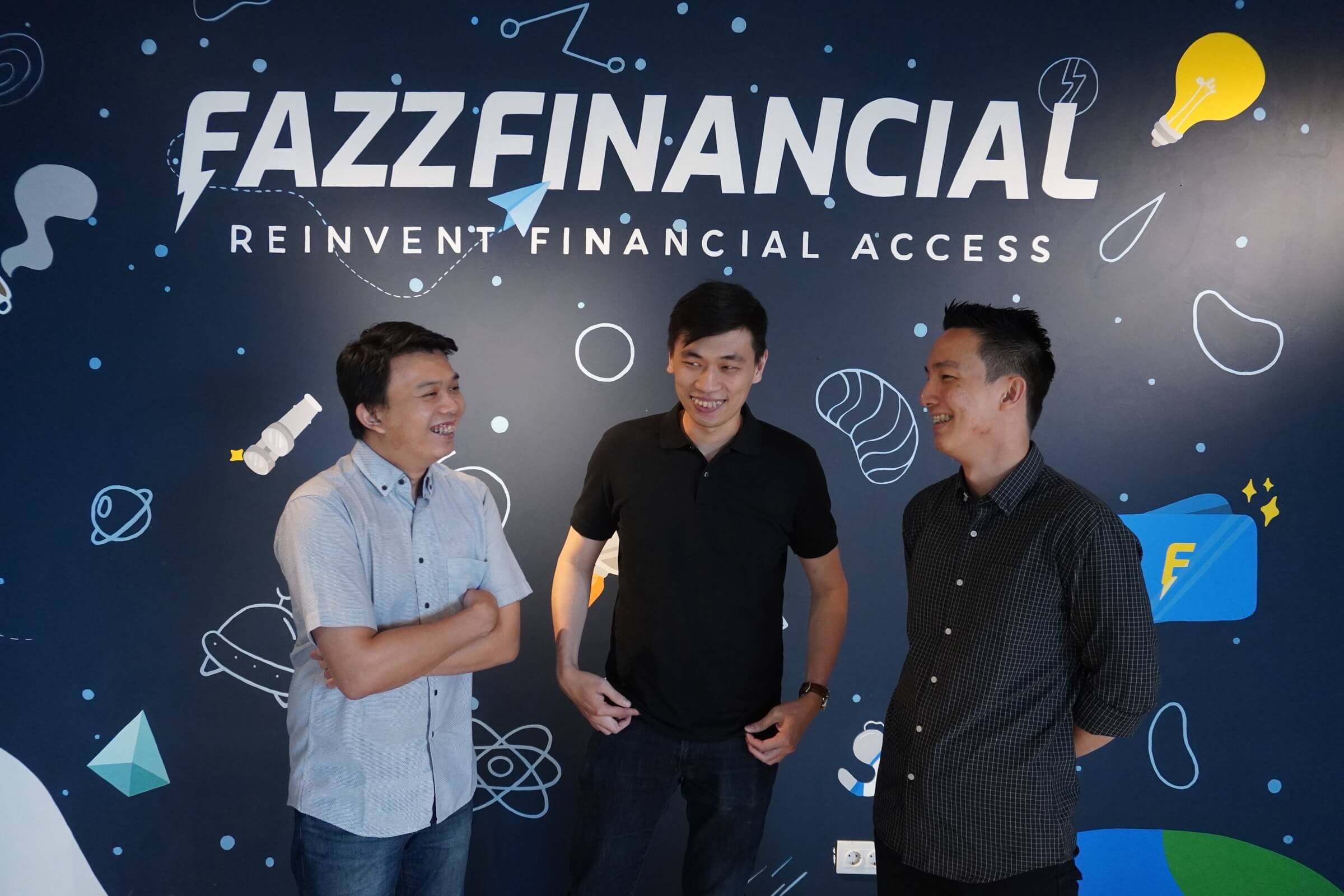
    Singapore’s Xfers has received a strategic investment of $30 million from Payfazz, which operates the largest agent-driven banking network in Indonesia, to form Fazz Financial Group (FFG), according to a statement on Thursday.

    With this investment, Xfers will serve as the designated business-to-business arm of FFG, focused on connecting external merchants to the payment infrastructure and user network amassed by FFG as a group.

    FFG will be led by CEO Hendra Kwik, Payfazz co-founder and CEO, and deputy CEO Tianwei Liu, co-founder and CEO of Xfers. The two will continue as CEOs of their respective companies. The group also appointed Robert Polana, former-CFO of Tiket.com as chief financial officer.

    With more resources on hand, we are also looking forward to helping more brands enter Southeast Asia. Especially for businesses looking to access the underserved consumer segment in Indonesia, Liu said.

    Payfazz and Xfers are both graduates of the Y Combinator accelerator programme.

    Payfazz recently announced a $53 million Series B fundraise, led by B Capital and Insignia Ventures Partners, with participation from Tiger Global, Y Combinator, ACE & Company and BRI Ventures.

    Founded in 2015, Xfers allows individuals to make and receive payments online and helps merchants set up their e-wallet services.

  • FJ Benjamin and Lazada Singapore Sign MOU for Strategic Partnership to Boost Online-Offline Sales

    FJ Benjamin and Lazada Singapore Sign MOU for Strategic Partnership to Boost Online-Offline Sales

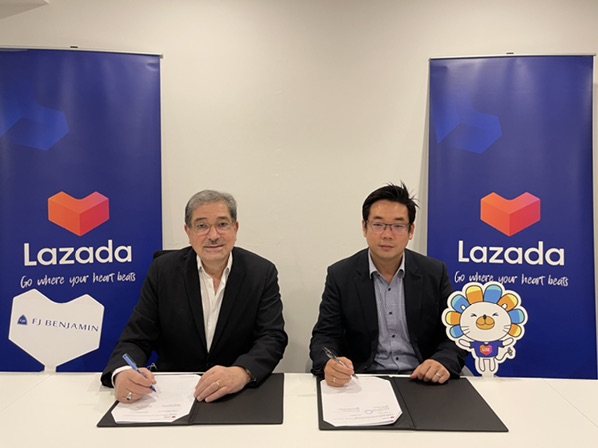
    FJ Benjamin Holdings (FJB) and leading eCommerce platform, Lazada Singapore, today signed a Memorandum of Understanding (MOU) to forge a strategic partnership that aims to deliver the ultimate retail experience to customers across all channels and devices.

    The proposed partnership will tap Lazada’s technical and online capabilities, and eCommerce platform management expertise, and leverage FJB’s experience in fashion brand management and physical store operation, to boost the eCommerce performance of FJB’s stable of brands in Singapore, Malaysia and Indonesia, as well as to expand and incubate new FJB brands to eventually integrate brick-and-mortar and virtual stores.

    FJB will also discuss with brand principals opportunities for eCommerce in markets Lazada has a presence but where FJB does not, such as Vietnam, Thailand and the Philippines. Powered by Alibaba’s advanced eCommerce tools and systems, Lazada will develop new tailor-made solutions to deliver a truly omnichannel customer experience in managing the full online ecosystem of FJB brands across the markets.

    Group CEO Nash Benjamin said: “FJ Benjamin has been strategising and planning our omnichannel business model for some time now and this partnership with Lazada is intended to get us to where we want to be much faster and in a more cost-efficient manner. This will combine our respective capabilities to strengthen customer experience across brick and mortar and virtual channels.”

    Besides operating principal branded sites, it is also intended to host certain brands on LazMall as well as other regional sites, subject to principal approvals.

    “We are thrilled to be part of this new chapter with FJ Benjamin and value their trust in us,” said James Chang, CEO of Lazada Singapore. “Lifestyle, fashion and beauty are important pillars in our eCommerce plans and shoppers can now look forward to seeing more well-known brands and labels on our platform, for an integrated shopping experience. In the last year, Lazada has supported many businesses that adopted a multichannel approach to set up stores online and we know that our expertise in the eCommerce space will benefit and contribute to the success of a renowned brand like FJ Benjamin, and look forward to seeing positive results with them.”

    While some of the brands managed by FJB, including La Senza, Pretty Ballerinas and Petunia Pickle Bottom, are currently available on Lazada’s premiere shopping platform, LazMall, this is the first time both parties –  one, a traditional brick-and-mortar operator, and the other, the region’s leading eCommerce player – have come together to envision and execute a truly omnichannel model under which customers can control the buying process and enjoy a seamless shopping experience across multiple channels – brick-and-mortar, desktop, and mobile.

    Since the pandemic lockdowns last year forced FJB stores in Southeast Asia to shutter, the Group had secured principals’ approvals to pivot to eCommerce. It has ramped up its online presence from one brand, the cult British fashion label Superdry, to almost all its brands including Guess, La Senza, Casio, Rebecca Minkoff, Pretty Ballerinas, Airfree and Dr Barbara Sturm.

    The MOU states that  “the parties agree both physical stores and online stores are part of the retail ecosystem. With Lazada’s technical and online abilities and FJB’s experience in fashion and lifestyle brand management and physical store operations, this brings together a strong strategic partnership which leverages each other’s expertise to deliver an ultimate consumer experience.”

    Under the terms of the MOU, both FJB and Lazada will, within 90 days, work on a detailed action plan and a definitive agreement to move the partnership forward.

    Mr Benjamin said FJB will continue to take charge of all aspects of product assortment, brand management, pricing, promotions as well as key parts of logistics such as inventory and supply chain. The parties will jointly undertake online marketing and campaign strategies while Lazada will operate the online stores.

  • KPMG Names Head of Financial Services in Singapore

    KPMG Names Head of Financial Services in Singapore

    He brings deep domain expertise in emerging areas such as cryptocurrency and platform-based business models, and has been a driving force behind the firm’s global efforts to spur innovation, transformation and scale in financial services.

    KPMG in Singapore has named Anton Ruddenklau as head of financial services, with immediate effect, it announced in a statement on Wednesday.

    Ruddenklau joined KPMG in the U.K. as a partner in 2014 and helmed the firm’s digital and innovation for financial services division from 2017. In 2018, he was named the global co-leader of fintech for KPMG International.

    KPMG said financial services is one of the firm’s priority sectors in Singapore, citing the «new realities of the post-crisis world» that are bringing into focus digital and customer-centric solutions, as well as sustainability and cost reduction strategies.

    Given the rising demand for transformation projects in the Asian marketplace, his understanding of growth strategies and financial technology innovations will enable us to deliver more effective results for our clients,Ong Pang Thye, KPMG Singapore managing partner, said.

  • Retykle closes funding round to enable growth

    Retykle closes funding round to enable growth

    Hong Kong-based children’s clothing resale platform Retykle has closed a new round of seed funding to support its expansion plans.

    According to the company, funds raised will enable Retykle to invest within its home market of Hong Kong, as well as expanding its reach into Singapore and Australia. The investment will be used on technology development, including hiring engineers to build out personalization, a peer-to-peer marketplace and mechanisms.

    “We’ve focused on the customer experience to cultivate a love for and habit around using the platform to buy and sell which leads to a sticky customer with frequent purchases and sustained customer lifetime value,” said Sarah Garner, founder of Retykle.

    The high-profile angel investors include co-founder of Lazada Tim Rath and investor John Wood, who Room To Read and Powered By Purpose.

    “The businesses best set up for long-term success are those that pursue purpose in addition to profit,” said Wood. “Retykle’s model is great for the planet and for family finances.”

    The funding comes at a time when the Covid-19 pandemic has reportedly made it harder to source investment for startups, especially for women.

    “Recent news from TechCrunch shows that funding for women is reverting back to 2017-era levels,” said Nicole Denholder of Next Chapter Raise.