Tag: Singapore

  • Citi Launches Hiring Spree in Singapore

    Citi Launches Hiring Spree in Singapore

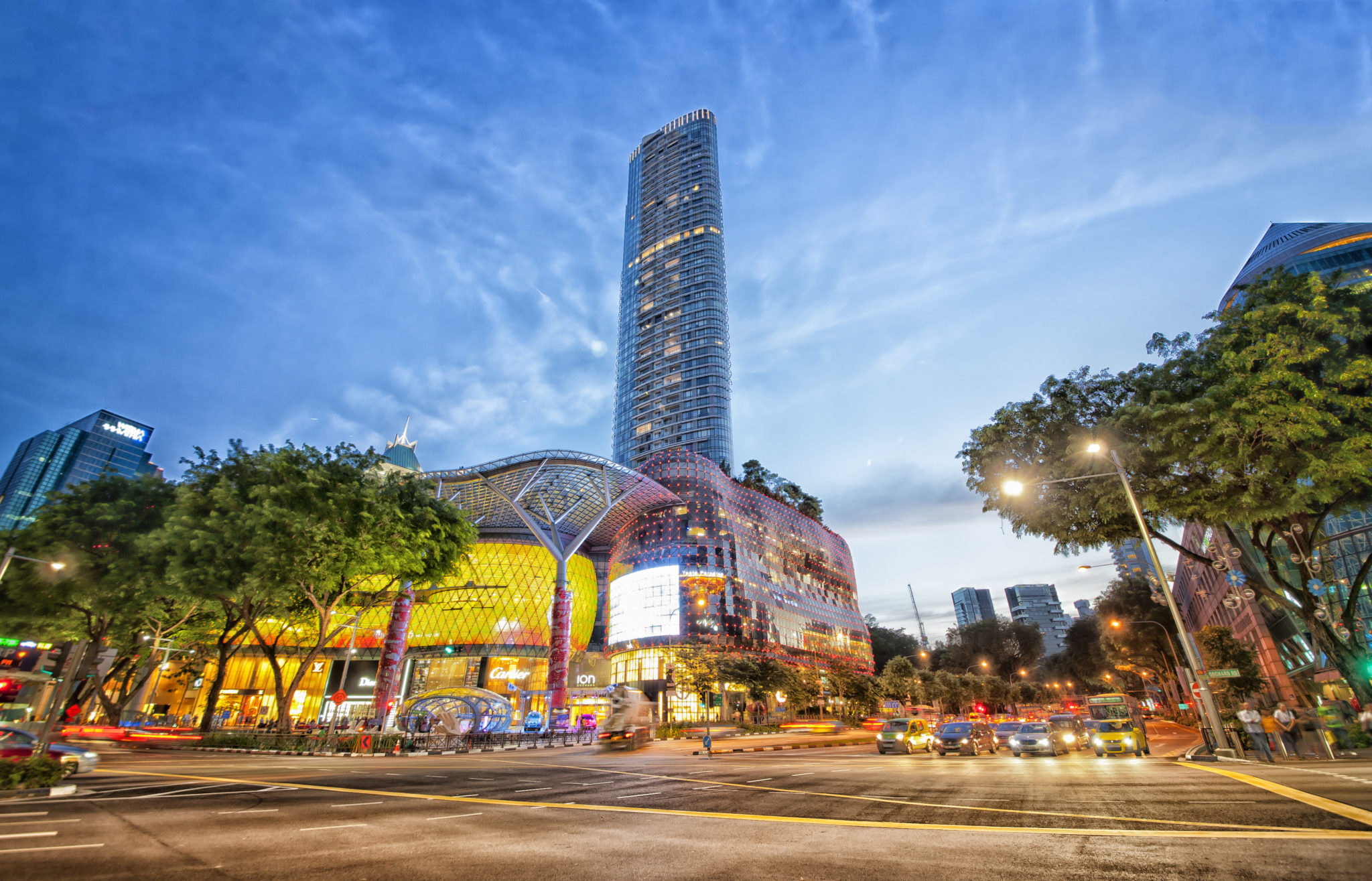
    Citibank Singapore is set to see a vitalized drive towards expansion as the American lender shared major targets on hiring, assets and clients following the launch of its new wealth hub in Orchard.

    Citi will look to double its assets – currently with $280 billion under management – and triple the number of clients by 2025, according to a report.

    To achieve this, the bank will also look to hire over 330 relationship managers.

    Alongside the latest opening of its wealth hub – a four-floor 30,000 square feet space that can accommodate over 500 people with current restrictions and an extra 100 without – the bank is also seeking to build one or two more hubs in the city-state but no timeline was shared. It also has over 70 wealth hubs and client centers in the broader region to serve its affluent customers.

    One of the key reasons for the selection of Singapore as the hub of choice, according to Citi’s head of consumer banking for Asia Pacic and Europe, Middle East and Africa Gonzalo Luchetti, is trust.

    You have a stable, well-tested framework, under which you can operate, he said. It gives clients the trust that you really need in the business of wealth.»

    In addition, Luchetti also highlighted the geographical location, a strong economy, large amounts of local wealth and talent pool as other reasons.

    In line with the overall industry trend, Citi has benefited in digital adoption in a model Luchetti described as «light-physical, high-digital».

    Less than 1 percent of transactions in Singapore executed at branches and year-to-date, retail sales of mutual funds digitally doubled compared to the same period in 2019.

    Although the bank has reduced space occupied – 10 outlets in Singapore, down from 14 at the start of the year – it maintains that a physical presence and human touch from relationship managers will continue to matter.

    One of the bank’s key strategic approaches will be to leverage its overall network and capabilities to serve the full spectrum of wealth – from the emerging affluent to ultra-high net worth individuals – by creating closer links between the private bank and the global consumer bank, benefiting from the former’s product capabilities and the latter’s transactional capabilities.

    The ability to offer mass affluent clients the type of access to global and institutional caliber insights from the private bank sets Citi apart, Luchetti added.

    This is one of the key things that we see as our differentiators – that we can grow with our clients as their wealth journey moves forward.

  • Marks & Spencer shuts store in Singapore

    Marks & Spencer shuts store in Singapore

    British retailer Marks & Spencer will be closing its outlet at Raffles City Shopping Centre on Dec 31, but its 10 other stores islandwide will remain open.

    In the advertisement, it said that there are discounts of up to 70 percent for its items. The closure on Dec 31 will bring to an end 34 years of operation in the location.

    “Marks & Spencer remains fully committed to the local market, and is continuing to explore growth opportunities of our business in Singapore. We are continually enriching our services and product catalogs, and are eagerly looking for ways to advance our business with store upgrades,” the retailer’s spokesman told The Business Times on Thursday.

    Both Marks & Spencer and Robinsons are part of the Dubai-based Al-Futtaim group, owned by Emirati tycoon Abdulla Al Futtaim and run by his son Omar, according to Forbes.

    In October, Robinsons announced its exit after 162 years of operations in Singapore. It has continued to keep its last two stores at The Heeren and Raffles City open for closing-down sales.

    Its liquidators told BT that Robinsons’ flagship store at The Heeren will close on Dec 16, but said that they are still in talks with the landlord at Raffles City.

    The Marks & Spencer branch at Raffles City is the only one closing as the lease is signed under Robinsons, BT reported.

    When The Straits Times visited the outlet at about 6.30pm on Thursday, there was no queue to enter the store, which had sales posters displayed at the entrance and in many spots in the shop.

    Ms Marilyn Ng, who works in the finance sector, was there with her husband to buy clothes. Ms Ng said she happened to be doing some Christmas shopping in the area, and chanced upon the sale at Marks & Spencer. Mr Ng, who is in her 40s, said that she has been shopping at Marks & Spencer for about 20 years, and regularly buys clothes and food from the retailer.

    As for the moving out sale, Ms Ng said it did not appear unusual to her, since it is the festive season and many shops are having sales.

    The shop’s staff said that the department store is just moving out of the Raffles City outlet, but is not closing down and that its other outlets will stay open.

    The retail chain had opened a pop-up outlet on the first floor of Waterway Point in Punggol in late October, which will operate for six months.

    Marks & Spencer also said that it had no intention of closing its “thriving business” in Singapore, although the franchise has not been making as much recently, recording earnings of $101,613 in 2018, down from $2.9 million in 2017.

  • Fintech Sector Shows Resilience Amid Pandemic

    Fintech Sector Shows Resilience Amid Pandemic

    Singapore’s fintech investments rebounded in the second quarter of 2020, with investors recognizing the opportunities existing in Southeast Asia.

    Despite an initial decline in funding (-49 percent in Q1 2020 vs. Q4 2019), fintech investments in Singapore grew more than fourfold to $278 million in the second quarter of 2020, compared to the quarter before, according to the «Singapore FinTech Landscape 2020 and Beyond» report, released on Tuesday.

    Over the past five years, the number of fintechs in the city-state has grown from less than 100 to over 1,000, with the number of employees growing from about 1,100 to more than 10,000, the report said.

    The report, published by the Singapore Fintech Association (SFA) and Oliver Wyman, highlights Singapore’s evolution as a fintech innovation center over the past five years and forecasts the trends expected in the next five years.

    Singapore is Asia’s highest-ranking fintech city, according to Findexable’s «Global FinTech Index 2020,» with more than 40 percent of Southeast Asian fintech’s based in the republic.

    The key enablers that have contributed to Singapore’s success include innovation-focused investors, a close-knit network of corporates, banks and partners, as well as progressive government and industry associations, the report said.

    Looking ahead, the report recommended several themes to ensure the republic remains attractive for fintech firms: continue to keep regulation current, further open up financial services infrastructure, and work towards harmonizing standards.

  • Singapore Fintechs Exceedingly Optimistic on Growth Prospects

    Singapore Fintechs Exceedingly Optimistic on Growth Prospects

    The majority of fintech companies in Singapore are bullish about their prospects over the next three to five years, as they see new opportunities emerging in the post-pandemic world.

    The majority of companies surveyed in the «Fintech Talent Report 2020» said they are planning to hire more people in the coming months to support their expansion plans, and are gradually shifting towards hiring local talent.

    Demand for talent is even higher than last year, despite the pandemic and economic situation, the report said.

    This shows that the FinTech industry is resilient and continues to be a strong source of growth in the market. In fact, the challenge is the availability of talents with the right skillset and mindset,  Wanyi Wong, fintech leader at PwC Singapore, said.

    The report, published by PwC Singapore, the Singapore FinTech Association (SFA), and the Banking and Financial Services Union (BFSU), surveyed 1,491 individuals working at fintech firms with a presence in Singapore.

    It said that the introduction of digital banks in Singapore is likely to have spillover benefits to the wider fintech community, increasing the availability of local talent across the industry.

    The combination of banking and fintech is seen as offering the best of both worlds and driving interest in people to learn the necessary skills to work in such institutions,» the report said.

  • Singapore retail sales down in October

    Singapore retail sales down in October

    Retail sales in Singapore fell by 8.6 percent year-on-year in October, said the Department of Statistics (SingStat) on Friday (Dec 4), although the decline was not as steep as the revised 10.7 percent fall seen in September.

    Most retail industries continued to register declines in sales in October. Food and alcohol, department stores, as well as cosmetics, toiletries and medical goods continued to be among the hardest-hit sectors, with takings down by 44.7 percent, 35.2 percent, and 30 percent respectively, according to the Retail Sales Index released on Friday.

    Wearing apparel and footwear, as well as watches and jewelry fell by more than 20 percent.

    The best-performing sector was again supermarkets and hypermarkets, with sales up by 22.3 percent.

    Takings also improved for the furniture and household equipment, recreational goods, motor vehicles, and mini-marts and convenience stores sectors.

    Compared to the previous month, seasonally adjusted retail sales expanded 0.2 percent, with most sectors reporting growths.

    Takings at petrol service stations increased the most at 5.1 percent as more people returned to the workplace. In contrast, retailers in the watches and jewellery; cosmetics, toiletries, and medical goods; and food and alcohol recorded a decline in sales.

    The estimated total value of retail sales in October was about S$3.3 billion, of which 10.5 percent was spent online.

    Food and beverage sales continued to decline in October as well on a year-on-year basis, although they showed a seasonally adjusted month-on-month improvement across the board, according to the Food & Beverage Services Index.

    “Sales of food and beverage services fell 23.5 percent in October 2020 on a year-on-year basis, an improvement over the 29.1 percent decline in September 2020,” SingStat said. “On a seasonally adjusted basis, sales of food & beverage services increased 5.6 percent in October 2020 over the previous month.”

    Food caterers again suffered the biggest drop in year-on-year turnover – 76.4 percent – although they saw a 6.4 percent increase in sales compared to September.

    “The total sales value of food and beverage services in October 2020 was estimated at S$692 million,” SingStat said. “Of these, online food and beverage sales made up an estimated 19.7 percent.”

  • Singapore Launches World’s First Public Digital Infrastructure

    Singapore Launches World’s First Public Digital Infrastructure

    The Monetary Authority of Singapore and the Smart Nation and Digital Government Group launched the Singapore Financial Data Exchange. This initiative will enable Singaporeans to consolidate their financial information for more effective financial planning.

    The Smart Nation and Digital Government Group (SGFinDex) is the world’s first public digital infrastructure to use a national digital identity and centrally managed online consent system. This enables individuals to access, through applications, their financial information held across different government agencies and financial institutions.

    Built on Singapore’s National Digital Identity (SingPass), SGFinDex was developed by the public sector in collaboration with The Association of Banks in Singapore and seven participating banks.

    Banks in Singapore have always been at the forefront of digital innovation, creating online products and services that serve our customers well in a seamless and convenient manner. ABS and the 7 participating banks are pleased to have participated in the world’s first public-private-partnership in building a public digital infrastructure, that is underpinned by a national digital identity and online consent framework, to help our customers manage their finances holistically. SGFinDex not only showcases Singapore banks’ digital abilities but also our financial planning capabilities,» Samuel Tsien, Chairman, ABS and Group CEO of OCBC Bank, said.

    With SGFinDex, individuals can use their SingPass to retrieve their personal financial information (such as deposits, credit cards, loans, and investments) from the participating banks and their financial information (such as HDB loans and CPF balances) from the relevant government agencies. This will help individuals better understand their overall financial health and plan their finances holistically.

    In the next phase of SGFinDex, individuals will be able to access information on their insurance policies held with insurers and their holdings of stocks at the Central Depository.

    The Ministry of Manpower and GovTech have developed a digital financial planning service, MyMoneySense, that makes use of SGFinDex to provide Singaporeans with an overview of their finances. It will offer trusted, personalised and actionable guidance for more effective and comprehensive financial planning. Members of the public can use MyMoneySense to plan their finances at www.mymoneysense.gov.sg.

    Today, our personal financial information is fragmented across multiple entities, and we often take financial decisions, like making an investment or buying a house, without a holistic view of our financial situation. SGFinDex empowers the individual to consolidate his financial information for a comprehensive view of his portfolio, and use digital tools like MyMoneySense to make better financial decisions. SGFinDex is a tangible expression of harnessing digital technology to enhance the financial well-being of Singaporeans, Ravi Menon, Managing Director, MAS, said.

  • Blockchain Ecosystem Report Lanuched

    Blockchain Ecosystem Report Lanuched

    The Singapore Blockchain Ecosystem Report 2020, launched at this year’s Singapore FinTech Festival x Singapore Week of Innovation and TeCHnology, highlights impactful developments and trends in Singapore’s blockchain ecosystem over the last year.

    The report is co-presented by OpenNodes, Temasek, IBM, PwC Singapore, EY, and SGTech, and supported by the Infocomm Media Development Authority and the Monetary Authority of Singapore. It highlights Singapore’s lively blockchain research landscape due to active contributions from both academic institutions and the private sector.

    The report also showcases how COVID-19 has accelerated the application of blockchain technology, which is being used to verify health credentials amid the pandemic.

    It features a bibliometric analysis of blockchain-related scientific publications, showcasing Singapore’s pioneering progress in driving both high quality and quantity research in the field of blockchain technology. It concludes that Singapore has produced the highest number of research publications on the subject in ASEAN, and the third-highest in the world.

    PwC Singapore conducted a survey for the Singapore Blockchain Ecosystem Report 2020 to assess the developments of blockchain-related activities in Singapore. Results showed that blockchain emerged as one of the top three technology trends in Singapore for 2021, with 70 percent of the respondents showing support for the technology. The survey also ranked Si

  • Singapore Airlines unveils new short-haul economy catering

    Singapore Airlines unveils new short-haul economy catering

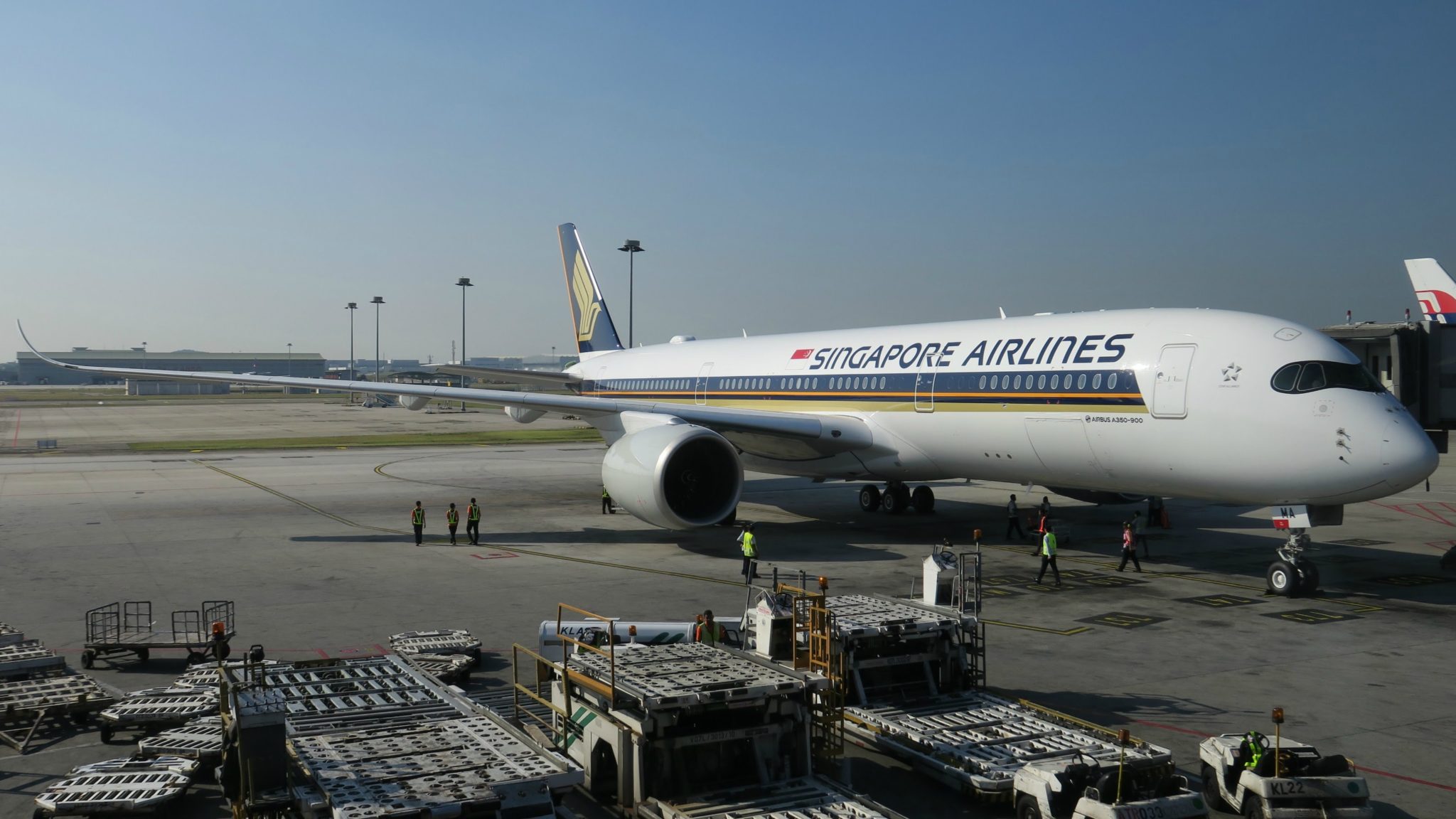
    Singapore Airlines passengers will see a change to short-haul economy class catering as the carrier ditches casseroles and appetizers in favour of boxed meals. Beginning on December 1, flights under three and a half hours will feature a rotation of more than 40 new Singaporean and international dishes.

    Economy class passengers on Silkair, a subsidiary of SIA, will also see the same catering changes as the regional carrier edges closer to fully merging with its parent.

    SIA’s new meal concept follows a broader trend among industry peers to shake up the economy class dining experience. In recent years, Delta and Qantas, for instance, have moved towards bistro-style catering on international flights with an emphasis on quality over quantity.

    Yeoh Phee Teik, senior vice president customer experience at Singapore Airlines, commented:

    “We are delighted to be able to offer a greater variety and quality of meals on our short-haul flights, including selections from Singapore’s popular local favorites that we hope both Singaporeans and international customers will find familiar and comforting.”

    The revamped breakfast dishes on SIA flights include congee with pork ball and century egg, mee siam, and pear cinnamon steel-cut oat porridge. Outside of meal hours, soups such as beef barley, beef goulash, and white bean with smoked duck, will be served.

    Meanwhile, flights featuring lunch or dinner will serve heartier courses including beef brisket with egg noodles, laksa goreng, and lamb albondigas. This is complemented by a variety of cakes for dessert, such as pulut hitam (pictured above) and earl grey chiffon.

    SIA said the new meal concept will help reduce the amount of inflight waste. By opting for leak-proof paper boxes, bamboo cutlery, and a simplified meal-offering, the airline will reduce single-use plastic consumption by 80 percent by weight.

    The boxed meals hold the same amount of food as the previous casseroles, according to the airline. However, SIA will remove appetizers such as bread rolls and fresh fruit portions, previously standard with economy class meals, as part of the new concept.

    A SIA spokesperson said:

    “We have done an extensive research to understand our customers’ preferences. From this, we have learned that most customers prefer a larger portion of the main course compared to an appetizer. We also found that there was high waste of appetizers, especially on short-haul flights. As such, we have removed the appetizers in [short-haul] economy class as part of efforts to reduce food waste.”

  • Singapore Beefs Up Wealth Management Talent Pipeline

    Singapore Beefs Up Wealth Management Talent Pipeline

    The Private Banking Industry Group launches a talent development initiative aimed at undergraduate students in Singapore.

    The Private Banking Industry Group (PBIG) in Singapore will look to «enhance the employability and job readiness of students entering the workforce» by offering 200 undergraduate traineeship positions over the next three years, according to a statement.

    Training will be related to in-demand roles such as relationship managers, product managers, data analysts, business risk managers and cybersecurity analysts.

    The PBIG is made up of industry leaders in the city-state, including 14 banks, and is currently co-chaired by the Monetary Authority of Singapore (MAS) and UBS.

    Candidates will be selected from a relevant program, of which 30 percent of the duration will be dedicated to the traineeship.

    The longer traineeship period will allow banks to develop more meaningful structured on-the-job training to complement the academic courses taken by the trainees, allowing them to be better equipped for full-time roles upon graduation, and stand a better chance to pursue a career in the wealth management sector, the statement said.

    Supporting financial institutions will benefit from a scheme that will fund 80 percent of the internship stipend, capped at $1,000 ($750) per month, for each trainee.

    The initiative, entitled Build, Encourage, Nurture (BEN), is being driven in response to both the growth and diversity in demand for talent within the financial services.

    The initiative will provide a sustainable pipeline of job-ready talent to Singapore’s private banking industry, which is essential for the sector’s growth, said Gillian Tan, an assistant managing director at MAS.

    We believe that to stay competitive in an ever-changing and disruptive future, it is critical for the industry to develop and nurture a workforce of the future with the right sustainable skills that can further enhance the financial industry and Singapore’s role as a key global financial center, added August Hatecke, APAC co-head of wealth management at UBS.

  • Singapore Beefs Up Wealth Management Talent Pipeline

    Singapore Beefs Up Wealth Management Talent Pipeline

    After a deadly pandemic wiped out most revenue for the year, Macau’s gaming industry could face a permanent structural shift with the potential introduction of a new system to exchange digital yuan for gambling chips.

    Macau’s watchdog, the Gaming Inspection and Coordination Bureau, has been in talks with various casino operators over the usage a digital yuan to buy casino chips, according to a report citing unnamed sources.

    The discussions are still in the initial stages and no final decision has yet to be made.

    Currently, tourists entering Macau to gamble commonly use two methods to obtain casino chips. One method is to obtain chips by converting Hong Kong dollars (which is widely accepted in the fellow special administrative region). Another is to obtain credit often from junket providers, a method commonly used by mainland high rollers to sidestep Chinese capital control rules.

    By introducing the digital yuan and enforcing it as the medium to exchange casino chips, authorities risk disrupting Hong Kong dollar flows and, more importantly, putting junkets out of business.

    In addition to hurting service providers in the middle, imposing a digital yuan would significantly increase the transparency of money flows from the mainland to Macau.

    Industry watchers are concerned not only about the lack of privacy for gamblers but also the potential of a conversion cap to expand the coverage of mainland China’s capital control rules.

    Although some believe the introduction of the move could boost Chinese middle-class participation in Macau’s gambling sector through the ease of conversion, others expect a fallout in the casino hub due to its strong reliance on high rollers that need financial flexibility.

    The report added that the increased exposure to casinos in Russia and the Philippines by Suncity Group, the listed arm of Macau’s biggest junket operator and the recent mystery buyer of cigar brands like Cohiba, was a response to changes such as the potential implementation of the digital yuan, citing another unnamed source.

    Gaming revenue in Macau has plunged by $27 billion this year, down at least 90 percent for six straight months since March.

  • Dell backtracks on Singapore retail exit, leaving Malaysia

    Dell backtracks on Singapore retail exit, leaving Malaysia

    According to the company, they will transition out of the retail market in Singapore and Malaysia; however, customers can still purchase items via the company’s online store. An internal memo revealed the company’s intention, stating that they will cease their bricks-and-mortar retail locations in these two countries, following a review of a number of the markets they currently operate in. As a result of this withdrawal, new orders will no longer be accepted by Dell from retail stores; however, any existing contracts and agreements will still be honored by the company.

    Although customers will not be able to purchase new Dell products in physical outlets, they will still be able to purchase these via their online store and will be able to get their hands on older products and product lines in a number of retail locations.

    The company commented: “Dell Technologies has announced plans to transition out of the retail market in Singapore and Malaysia. Customers will still have access to the full complement of our products and services through Dell direct.”

  • UOB to Launch FX Engine

    UOB to Launch FX Engine

    The bank joins other major FX participants in serving strong institutional FX flows in Asia, as the republic aims to boost its role as the global FX price discovery and liquidity hub in the Asian time zone.

    UOB will launch an electronic foreign exchange (FX) pricing and trading engine in Singapore, which will enable clients to tap the available market liquidity with greater efficiency, in the second quarter of 2021, the bank announced on Monday in a statement.

    The FX trading engine will take advantage of reduced latency via co-location connectivity to improve price discovery and to enhance pricing capability. Leslie Foo, UOB’s head of group global markets, said the bank is looking forward to playing a major role in Singapore’s fast-growing FX e-trading ecosystem.

    Under the Monetary Authority of Singapore’s (MAS) FX Trading Hub strategy, which aims to cement Singapore as the top FX trading center in Asia Pacific, firms like Barclays, J.P. Morgan, Standard Chartered, UBS, Citi, BNP Paribas, Euronext, Jump Trading and XTX Markets have built their own regional trading infrastructure in the city-state.

    It remains a key priority for MAS to further broaden and deepen our FX market, and we welcome more buy-side participants to join the fast-growing FX e-trading ecosystem in Singapore, Lim Cheng Khai, MAS executive director financial markets development, said in the announcement

  • Singapore Banks Unite to Boost Commodity Financing Standards

    Singapore Banks Unite to Boost Commodity Financing Standards

    The ABS Code of Best Practices for Commodity Financing, launched with the support of the Monetary Authority of Singapore (MAS), Enterprise Singapore (ESG) and Accounting and Corporate Regulatory Authority (ACRA), is the industry’s first set of commodity financing best practices.

    The Association of Banks in Singapore (ABS) has launched a set of best practices to ensure a more robust and disciplined financing approach to support the growth of Singapore’s commodity trading sector, it announced on Monday.

    Developed with feedback from a diverse range of commodity trading companies and an industry working group of 28 banks, the Code lays out key principles governing prudent commodity trade financing practices, providing a benchmark for banks’ lending standards in the sector to help enhance the resilience, relevance and competitiveness of Singapore as a global commodity trading hub.

    The Code is designed to provide broad guidance to banks, which are expected to ensure that appropriate policies and procedures, as well as controls, are in place to observe the principles in the Code in a risk proportionate manner, ABS said

    Samuel Tsien, chairman of ABS and Group CEO of OCBC, said the Code is «an important step to strengthen Singapore’s stature as a global commodity trading hub.»

    The Code is a step in the right direction to boost corporate transparency and enhance the trust between the banks and commodity trading companies. This will help to promote accountability and uphold the integrity of the commodity trading sector, Andy Sim, ACRA’s assistant chief executive, legal services and compliance, said in the announcement.

    Singapore’s oil trading sector has come under the spotlight since the commodity’s plunge earlier this year as a result of the Covid-19 pandemic, with several trading firms having trouble repaying their debts. Numerous banks including HSBC, DBS, OCBC, Societe Generale and ABN AMRO, were owed a total of $3.8 billion by oil trader Hin Leong, while Zenrock owes at least six banks a total of $166.1 million and has outstanding balances of $449 million

  • Singapore’s retail recovery remains to be seen

    Singapore’s retail recovery remains to be seen

    Shortly after the outbreak, e-commerce sales surged in many countries as consumers avoided crowded places and social distancing measures kicked in.

    In Singapore, a surge in online grocery sales overwhelmed booking systems. Demand for online food delivery soared, requiring operators to expand their workforce. Retailers, ranging from home furnishings to healthcare products and electronics, also saw a rise in online sales.

    Many shoppers, staying at home, buying online for the first time, and discovering the ease of online shopping, could form new digital habits, which may become permanent. This could propel the surge in online shopping to the next level, especially in Singapore, where the internet penetration rate is high and the online market share of retail sales is still low (8.5% in March 2020, according to SingStats), compared to developed countries.

    Amid rapid structural changes, retailers accelerated the adoption of e-commerce strategies. Some outsourced their online businesses by partnering with large established e-commerce marketplaces that offer integrated services, ranging from hosting product listings to sales, payment, inventory management, delivery and tracking. This minimises their capital commitment and administrative burden in the face of a liquidity crunch amid the pandemic. Robinsons partnered with Lazada to expand its e-commerce reach, for example.

    Many F&B players partnered with food logistics operators, including GrabFood and FoodPanda, or logistics providers, Lalamove and Zeek, while others looking to establish a stronger online presence built their own e-commerce platform. A new digital platform offered by DBS Bank built a branded e-menu with an integrated shopping cart, order management and payment platform within three business days. The service includes connecting merchants with logistics partners to offer food delivery services.

    Nevertheless, post-pandemic, consumers will return to physical stores for real-life shopping experiences. Frustrated shoppers without a grocery delivery slot may return to the supermarket.

    According to SingStat, the online market share of grocery sales in Singapore for March 2020 has fallen to 7.5%, from 7.8% and 8.5% in January and February 2020, respectively. The surge in food delivery may ease as some consumers prefer to enjoy the full dining experience in a restaurant ― when safe ― rather than eating out of takeaway boxes. Shoppers generally desire the “look, touch and feel” experience of buying.

    However, concern about pandemic safety is set to continue. Restoring shoppers’ confidence regarding their safety is key to driving foot traffic back into physical stores. Industry players need to enforce safe distancing and hygiene rules and step up efforts on contactless buying initiatives such as self-checkout and cashless payment options.

    Shoppers will also have reduced spending power amid the economic downturn. Industry players need to revamp their offerings at accessible pricing to widen the consumer base and target promotions towards visiting stores upon their reopening.

    Incorporating in-store strategies for pent-up demand, alongside an omnichannel strategy for the medium-term, could drive a post-pandemic recovery of the retail market in Singapore.

  • Revolut Singapore Compliance Chief Joins Swiss Private Bank

    Revolut Singapore Compliance Chief Joins Swiss Private Bank

    He leaves the fintech a little over a year after he joined from Credit Suisse.

    Rayson Tan, who joined Revolut Singapore in September 2019, has left the company. Tan joined the fintech as chief compliance officer, and was later appointed chief risk officer and head of legal in April 2020.

    Since his departure, Tan has taken on a new role at Geneva-based private bank Pictet as chief risk officer, Asia. A spokesperson for Pictet confirmed the appointment as of 4 November 2020.

    Based in Singapore, Tan is responsible for overseeing the firm’s risk management framework across Asia, covering all key risks (including strategic, operational, regulatory, financial, reputational, etc.), as well as management of its Risk and Compliance teams.

    Tan was one of Revolut’s most senior hires. He spent 18 years in banking, and was a managing director in the Compliance & Regulatory Affairs department of Credit Suisse.

    He was previously with Deutsche Bank and UBS Investment Bank in various country, regional and global compliance roles.