Tag: Singapore

  • Dell quits retail in Singapore, Malaysia moving online only

    Dell quits retail in Singapore, Malaysia moving online only

    It appears retail stores in Malaysia and Singapore will not be carrying Dell products in the near future. According to an official statement from the company, Dell will “transition out of the retail market in Singapore and Malaysia,” though that doesn’t mean you cannot buy a Dell laptop anymore in these two markets.

    This news was first shared by Lowyat.NET, which has received an internal memo sent to Dell retailer partners in Malaysia and Singapore. According to the memo, Dell is exiting the retail market in these two countries after the company reviewed its presence in a number of regions. As such, effective immediately, Dell will no longer accept new orders from retail stores.

    Of course, any form of an existing contractual agreement between Dell and its retail partners – as well as customers – will still be honored despite this move.

    Now, it’s worth noting that this does not mean retail stores will immediately cease the sales of Dell products. You can still head to your local retail store and pick up a Dell laptop, but if you want the latest product offerings from the company, you can only get them from Dell’s Malaysian online store.

    Speaking of which, that will be the only channel to get new Dell products – for those in Malaysia and Singapore – moving forward. These include the latest XPS 13 and XPS 13 2-in-1 with Intel’s 11th generation Tiger Lake processors. Basically, retail stores will only be carrying older Dell products from now on.

    In the grand scheme of things, this does not affect the availability of Dell products in Malaysia and Singapore; you can still purchase them directly from the company on its online store. Of course, this does mean you won’t be able to try out new Dell laptops at retail stores in the near future.

  • Singapore and Philippines to Boost Data Connectivity

    Singapore and Philippines to Boost Data Connectivity

    Bangko Sentral ng Pilipinas and the Monetary Authority of Singapore have agreed to promote the adoption and implementation of policies to aggregate, store, process, and transmit data across borders for banks and non-bank financial institutions.

    While the increasing use of data in financial services and the increasing use of technology to supply financial services offer a range of benefits, they also pose new and complex risks for markets and challenges for policymakers and regulators, the two sides said in a joint announcement on Monday.

    Data mobility in financial services supports economic growth and the development of innovative financial services, and benefits risk management and compliance programs, by enabling stronger supervision of cross-border money laundering, terrorist financing patterns, and proliferation financing while strengthening defense against cyberattacks and allowing the regulators to manage and assess risk on a global basis, the statement noted.

    The two regulators said that covered institutions should be allowed to transfer data, including personal information, across borders by electronic means to facilitate business activities, and the location where covered institutions can store and process their data should not be restricted as long as BSP and MAS have full and timely access to the data necessary to fulfill their regulatory and supervisory mandate.

  • Singapore to Raise Standards for Issue Managers

    Singapore to Raise Standards for Issue Managers

    The Association of Banks in Singapore has announced revised due diligence guidelines for companies planning to list on the Singapore Exchange, with immediate effect.

    Last revised in 2016, the new set of guidelines set out expectations and recommendations on due diligence work that issue managers and full sponsors carry out during the initial public offer (IPO) / reverse takeover (RTO) and listing process.

    They were developed in close collaboration with the Singapore Exchange Regulation (SGX RegCo).

    Key updates include: An increased focus on the assessment of the adequacy and effectiveness of the issuer’s internal controls to meet its business needs and challenges as a listed company; the assessment of the sustainability and viability of the issuer’s business; and targeted guidelines for due diligence on issuers operating in specialized, restricted or niche industries, and/or in higher-risk jurisdictions.

    Ong-Ang Ai Boon, director at the Association of Banks in Singapore (ABS), said the revised guidelines are necessary to ensure they are relevant to the constantly changing economic climate.

    With the increase in issuers from more nascent sectors such as technology that are seeking equity capital, it becomes especially important for issue managers, full sponsors and their professionals to adapt due diligence practices that address the particular needs of

  • Singapore and Indonesia Central Banks Extend Swap Arrangement

    Singapore and Indonesia Central Banks Extend Swap Arrangement

    The extension will support monetary and financial stability in both countries amid the COVID-19 pandemic, MAS said.

    Bank Indonesia (BI) and the Monetary Authority of Singapore (MAS) have agreed to extend a $10 billion bilateral financial arrangement for another year, MAS announced on Thursday.

    This is the second extension of the arrangement, which was launched in 2018 for one year. It enables the two central banks to access foreign currency liquidity from each other, if needed, to preserve monetary and financial stability.

    It comprises a local currency bilateral swap agreement that allows for the exchange of local currencies between the two central banks of up to S$9.5 billion or IDR 100 trillion ($7 billion equivalent), and an enhanced bilateral repo agreement of $3 billion that allows for repurchase transactions between the two central banks to obtain USD cash using G3 government bonds as collateral.

  • Hong Kong and Singapore Split on Crypto Future

    Hong Kong and Singapore Split on Crypto Future

    Asia’s two marquee global financial hubs have hit a fork in the road of crypto assets and they appear to be heading in different directions.

    Last year, the local chief securities watchdog, Ashley Alder, also chose the FinTech Week to reveal a so-called «opt-in» regime for crypto asset trading platforms, which allowed operators to choose whether or not they wanted to be regulated by the Securities and Futures Commission (SFC). This was due to the fact that some crypto assets cannot be strictly classified as securities.

    This is about to change, Alder said earlier this week, also during the FinTech Week.

    Today, the Government proposed a new licensing regime under the Anti-Money Laundering Ordinance for platforms that trade any type of crypto-asset, even if none are classified as securities. So if they are operating in Hong Kong, or target Hong Kong investors, they would need to apply for an SFC license. Failure to do so would be an offense.

    In addition to licensing, the proposed rules will also ban retail investors from trading crypto assets, limiting access to professional investors which includes the requirement to have a minimum of $1 million.

    Given the risks involved, the proposal is that they should offer their services to professional investors only, at least initially, Alder said.

    Simply speaking, we will require all virtual asset trading platforms to be operating transparently, like working under the sunlight, added Christopher Hui Ching-yu, Hong Kong’s secretary for financial services and the treasury.

    Meanwhile, Singapore continues to take a liberal approach to allow operators to develop more freely and organically.

    Although there were moments when the Monetary Authority of Singapore (MAS) stepped in to rein in on the market – in 2018 it returned funds to Singapore-based investors of an unnamed initial coin offering (ICO) which it considered a security – the regulator has yet to issue licenses to operators nor has it taken a strict stance, unlike Hong Kong, on crypto assets that aren’t classified as securities.

    Even major exchanges like Coinbase and Binance operate in the city-state and have been granted temporary exemptions from holding a license.

    MAS: Investor Responsibility

    On investor protection, Hong Kong authorities made the choice to decide for retail investors when or if access would be appropriate. This is an area where the MAS has also taken a decidedly different route, preferring to promote investor responsibility while encouraging more education and prudence.

    In fact, the MAS’ Capital Markets assistant managing director Lee Boon Ngiap provided a simple and straightforward warning: The public should be aware that there is no regulatory safeguard if they choose to trade on unregulated digital token exchanges or invest in digital tokens that fall outside of the remit of MAS rules.

    And under the MAS’ regulatory, Singapore has rapidly emerged as a global leader in the crypto asset industry.

    It is currently home to 234 entities involved in blockchain including Mastercard, VISA, Ant Financial, Tencent-backed WeBank, Facebook-backed Libra, and more with Ripple now shortlisting the city-state for its headquarter relocation. Even Singapore’s largest lender, DBS, is reportedly cooperating with regulators to potentially launch a cryptocurrency trading with retail access.

    The subsequent outcome has been the rapid establishment of Singapore as a global crypto market leader. Despite having a population of just 6 million, Singapore is second worldwide in the number of ICOs and ICO value ($2.5 billion), according to data from ICObench, only behind the U.S.

  • Amazon Singapore Launches Holiday Shopping Season with Holiday Gift Guides, Early Deals and More

    Amazon Singapore Launches Holiday Shopping Season with Holiday Gift Guides, Early Deals and More

    Customers can shop and save now as Amazon Singapore begins its holiday shopping season with new Holiday Gift Guides launching on Amazon.sg today. Customers can shop the Holiday Toy Store, browse curated lists of Top 100 Toys and Top 100 Board Games, and enjoy early holiday savings on Amazon.sg with discounts and thousands of deals from brands including Bioderma, Laneige, LEGO, Star Wars, and more — making it easy to check friends and family off the gift list earlier than ever. In addition, Prime members can enjoy fast, free shipping on their holiday shopping to arrive in time for celebrations.

    Delivering smiles to those in need, Amazon is expanding its collaboration with Children’s Wishing Well by pledging a donation of S$5 with every order above S$50 spent on products purchased from the Children’s Wishing Well’s Gift Guides. Amazon.sg will donate a minimum of S$10,000 to Children’s Wishing Well through this initiative to help the charity fundraise for underprivileged children*. This collaboration is in addition to the recently launched Amazon X Retail for Good Wishlistcampaign, which supports donations to the wishlists of nonprofits. Singapore Children’s Society is the latest nonprofit to join in this campaign alongside Blessings in a Bag, Children’s Wishing Well, Club Rainbow (Singapore), The Food Bank Singapore, Singapore Red Cross, and SOSD.

    Early Holiday Shopping Deals

    With the new Holiday Gift Guides, Amazon is making it easier than ever to find great gifts at amazing prices ahead of the holiday hustle. The deals included below, and many more, will be available on various dates and times beginning today, while supplies last.

  • Foodpanda grows q-commerce with more than 2,500 7-Eleven stores  across Singapore, Malaysia, Taiwan and the Philippines

    Foodpanda grows q-commerce with more than 2,500 7-Eleven stores across Singapore, Malaysia, Taiwan and the Philippines

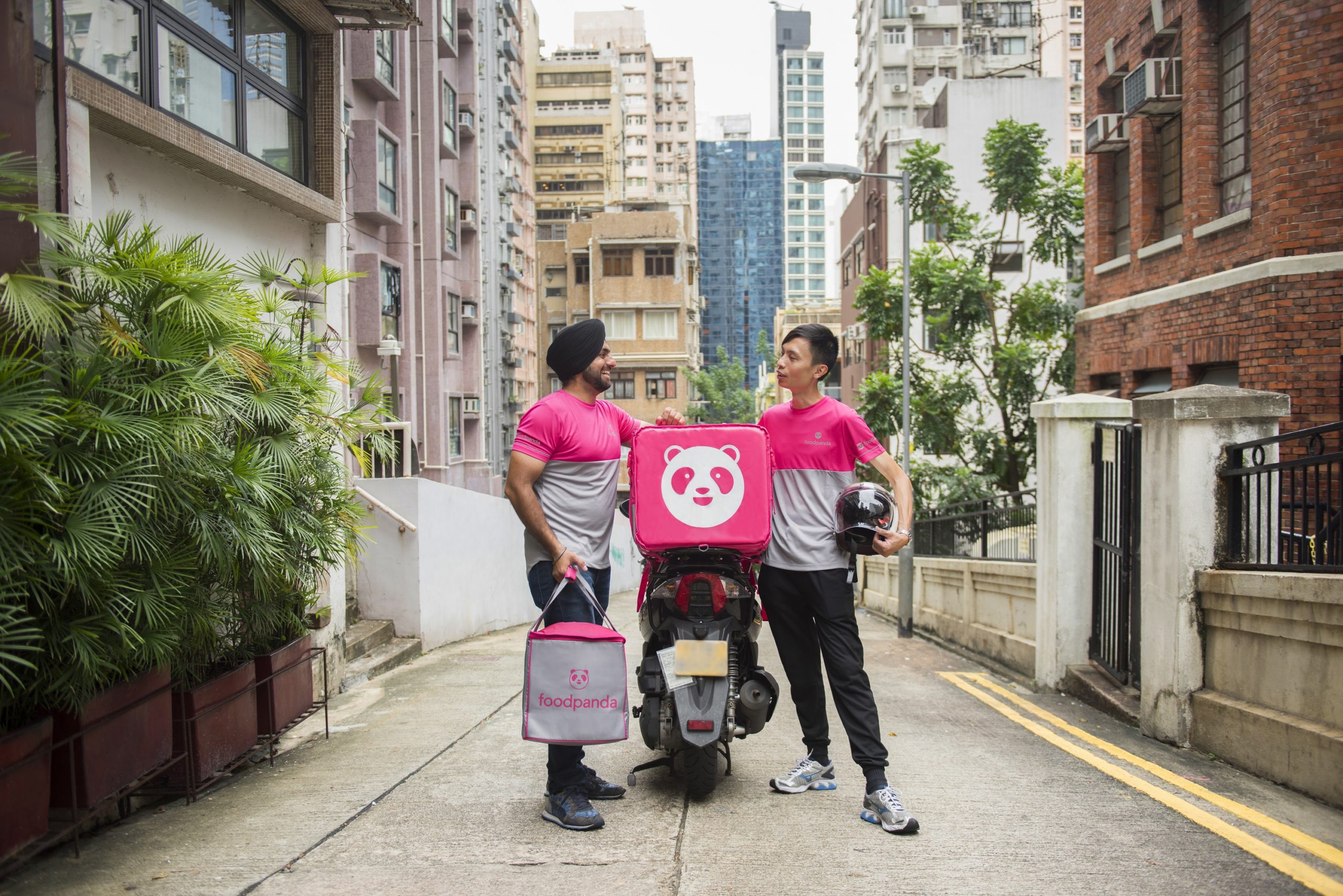
    What’s more convenient than a convenience store? An online one, of course – delivering food, and essentials to customers’ doorsteps quickly, at the touch of a button. foodpanda, the leading delivery platform in Asia Pacific, marks a new milestone with the announcement of more than 2,500 7-Eleven stores on its app, making the leading convenient store available in Singapore, Taiwan, Malaysia and the Philippines.

    With this partnership, foodpanda brings hundreds of 7-Eleven items including hot food, ready-to-eat insta-meals, snacks and alcohol and even pre-paid mobile phone cards into customers’ hands within an average delivery time of 20 minutes. Deliveries can be made anytime, anywhere, 24/7 via foodpanda.

    In the beta phase for integration into the foodpanda “shops” feature, the number of 7-Eleven orders on foodpanda shops grew 50% month-on-month over the past six months. 7-Eleven stores on foodpanda offer over 1,000 unique items on average across the four markets.

    The most convenient convenience store, powered by technology

    As a pioneer in quick commerce, or q-commerce, foodpanda believes in using technology to better the lives of their customers. With 7-Eleven – a brand synonymous with convenience – on the foodpanda platform, consumers enjoy easy access to the choice and variety for their daily essentials.

    In the Philippines, the largest variety available from a 7-Eleven store via foodpanda is almost 1,600 unique items. In Taiwan, consumers have a preference for post-dinner orders from 8pm to midnight, especially for snacks. We see similar trends across the other markets in Asia as foodpanda continues to provide consumers with better varieties and access to on-demand convenience.

    Industry watchers like IGD have predicted growth in online grocery retail with more brick-and-mortar retailers partnering with delivery and technology companies to grow their online footprint, even prior to the COVID-19 pandemic. This is in line with the rise of the ‘convenience economy’ over the past few years, as consumers get accustomed to food and grocery deliveries. COVID-19 has accelerated this evolution and process. IGD reported that online grocery penetration is expected to remain at elevated rates post-COVID-19 as consumers stay home more. The report also predicts that consumers will continue using online deliveries when social distancing measures are lifted to save time.

    As a leading platform for on-demand deliveries in the Asia Pacific region, foodpanda supports the entire delivery ecosystem to ensure that it satisfies consumers’ appetite for greater choice and convenience through its expansion plans. This partnership underscores foodpanda’s dual focus on growing its core food delivery business as well as its q-commerce offerings.

  • Singapore’s Robinsons store closing after 162 years

    Singapore’s Robinsons store closing after 162 years

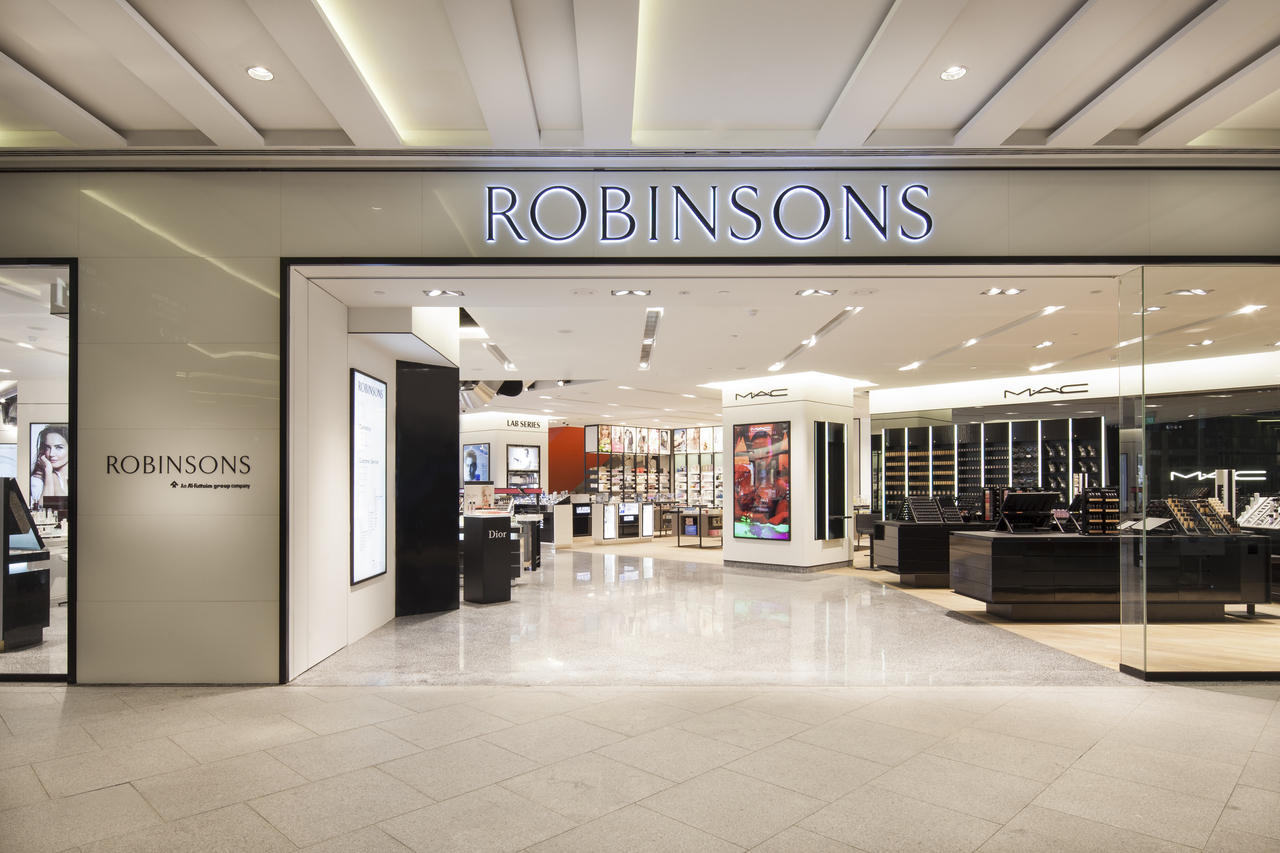
    Singapore’s department store Robinsons is closing its last two brick-and-mortar outlets, ending an era dating back 162 years. The business has been placed into liquidation effective today. Robinsons had already closed its Jem Mall store just a few months ago. Now the 186,000sqft, six-storey flagship at The Heeren which opened in 2013 and the other at Raffles City, opened in 2001, will follow.

    Robinsons is owned by UAE-based Al Futtaim Group which paid $600 million for the business back in 2008. Al Futtaim owns the rights to multiple fashion brands in Singapore, along with the Marks & Spencers business.

    In a statement released today, senior GM Danny Lim said the decision was made due to weak demand at department stores.

    “We regret this outcome today. Despite recent challenges in the industry, the Robinsons team continued to pursue the success of the brand. However, the changing consumer landscape makes it difficult for us to succeed over the long term and the Covid-19 pandemic has further exacerbated our challenges.

    “We have enjoyed success over the years, and it has been an honour for Robinsons to serve the Singapore market. I am grateful for the dedication of our team, and for the support shown by our customers over the years.”

    While Covid-19 has had an impact on footfall at every retailer in the city, it only exacerbated the trend towards consumers shopping online and at specialty stores, and shifting away from department stores.

    According to a report in the Business Times, Robinsons has been trading at a loss for the last six years as footfall and sales fell.

    In 2014, the business achieved sales of S$257.3 million, but by 2018, turnover had fallen to $153.8 million, resulting in a loss of $54.4 million.

    While the stores are being placed in liquidation, it is unclear if the company will continue to operate online, at least in the short term. The co-branded Robinsons OCBC credit card will be discontinued in April.

    Cameron Duncan and David Kim of corporate restructuring company KordaMentha have been appointed provisional liquidators. Their first task will be to assess the best course of action to maximise the return to creditors. It is not yet clear how long the stores will continue to trade, but the company said in its statement that it hopes they will remain open during the coming weeks to clear stock and “facilitate final sales for customers before they are shuttered”.

    Staff were told of the decision today and the company says it has confirmed with the liquidators that the next payment cycle will be honoured. Unions representing workers are in talks with the liquidators over settlements.

    Robinsons dates back to 1858 when Englishman Philip Robinson and business partner James Spicer, a former jailkeeper, opened Spicer & Robinson on a site which is now known as Raffles Place.

    The demise of Robinsons in Singapore comes in the sme week that Japanese department-store operator Tokyu announced it was exiting Bangkok, following on the heels of rival Isetan.

  • Singapore’s BHG Bugis opens reimagined Beauty Hall

    Singapore’s BHG Bugis opens reimagined Beauty Hall

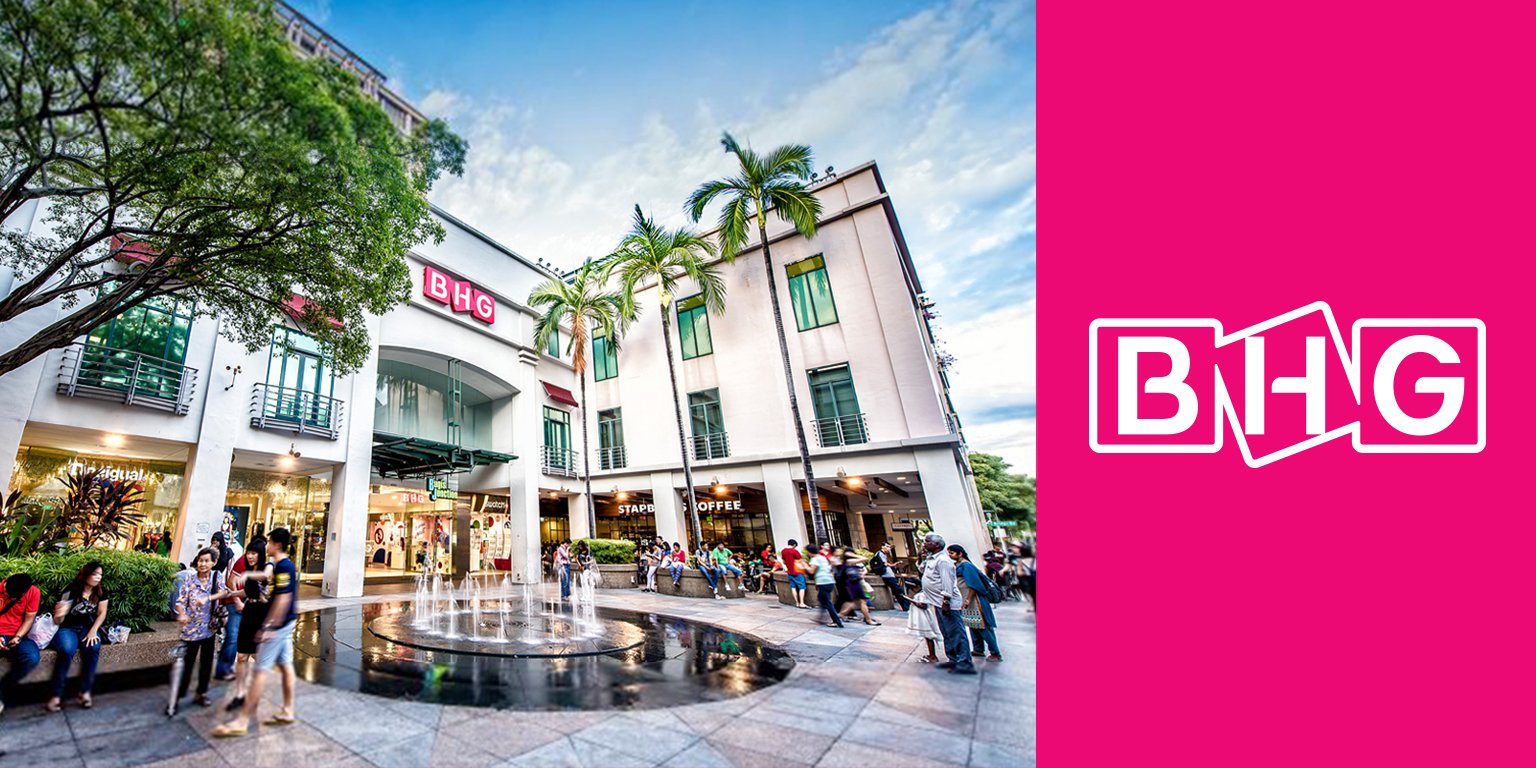
    BHG Bugis has launched a Beauty Hall, spanning more than 13,000sqft, featuring 27 beauty brands and 45 fragrance labels, 12 new beauty counters, a ‘Beauty Library’, and five spa concepts.

    According to the company, the launch is part three of BHG’s reinvention plan, following the launch of its e-commerce platform, and the introduction of in-house locally designed fashion labels.

    The concept space Beauty Library features nature-inspired beauty products, including local skincare brand Rooki and a selection of vegan makeup products from Makeup Store.

    The Beauty Hall offers several digital touchpoints, including Lift and Learn digital walls where customers can find information about products. Exclusive gamification and a social wall at HoneyWorld Counter allow customers to collect points they can exchange for HoneyWorld products.

    The precinct also houses SkinCeuticals’ largest departmental store counter, where customers are welcomed by an AI Robot Assistant.

    The Beauty Hall also features store-in-store cashiers, allowing customers to purchase within the brand area without having to go in search of a traditional cashier counter.

    BHG was originally opened as a joint venture between Japan’s Seiyu and Hong Kong’s Wing On in 1995. Seiyu took over Wing On’s share in 1998 and in 2005 the stores were bought out and renamed BHG.

  • DBS Mulls Crypto Exchange Launch

    DBS Mulls Crypto Exchange Launch

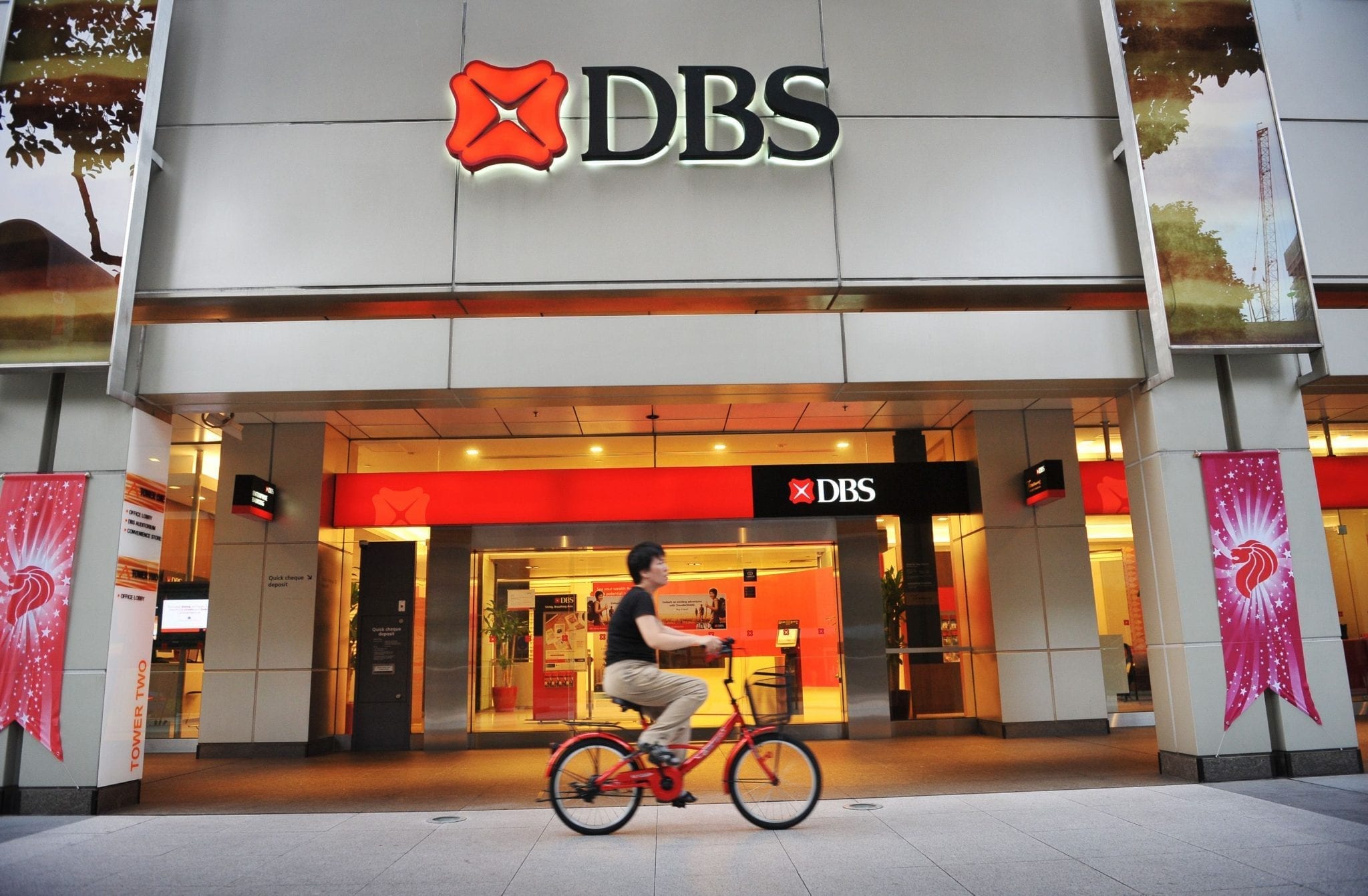
    DBS’ plans for a digital exchange are still work in process, and have not received regulatory approvals. Until such time as approvals are in place, no further announcements will be made. DBS is planning to launch a crypto exchange that will allow four digital currencies – Bitcoin, Bitcoin Cash, Etheerum, and Ripple – to trade against the Singapore dollar, Hong Kong dollar, Japanese yen or U.S. dollar, according to a report by digital asset media firm The Block. 

    Dubbed DBS Digital Exchange, the initiative was first unveiled through a website seen by The Block which cached the now removed website.

    Regulated by the Monetary Authority of Singapore, the crypt exchange will be made accessible to institutional investors, including financial institutions and market makers. Retail investors will have access via DBS entities like their securities or private banking arm.

    While most exchanges can execute orders at any time and any day, DBS will similarly follow the same trading hours as stock exchanges, allowing for less than seven hours per day, according to the report.

    In addition to standard trading, the bank will also provide institutional-grade custody solutions for safekeeping digital assets and, in due time, conduct security token offerings to help small and medium-sized firms raise funds.

    Digital assets are poised to be the future of tomorrow’s digital economy, the website originally read.

    With DBS Digital Exchange, a bank-backed digital exchange, companies, and investors can now leverage an integrated ecosystem of solutions to tap the vast potential of private markets and digital currencies.

  • Revolut Ramps Up Growth Efforts in Singapore

    Revolut Ramps Up Growth Efforts in Singapore

    The fintech hopes to build on the momentum it has gained amid the social and economic challenges brought about by the pandemic.

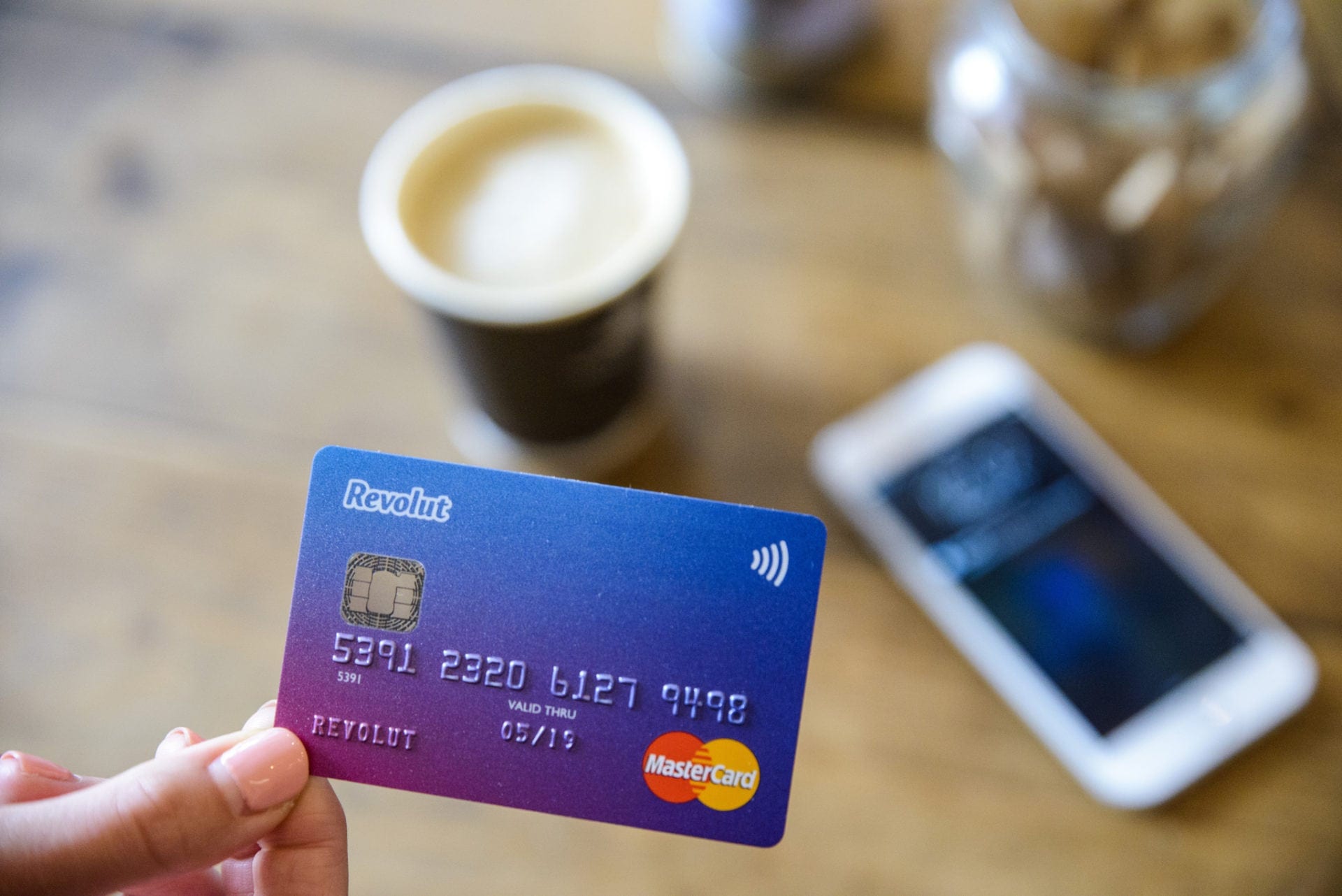
    Revolut Singapore has made a number of additions to its growing team in Singapore bring onboard digital strategist Sam Chui as marketing manager and media specialist Deborah Tan-Pink as communications manager.

    Chui joins from local marketing agency GoodStuph, while Tan-Pink resigns from her role as CEO of an edtech startup to join the company. She previously spent more than 10 years in lifestyle publishing, including a stint as editor-in-chief of Cosmopolitan Singapore. The pair will report to Pam Chuang, Revolut Singapore’s head of growth.

    Our hiring strategy is to attract top talents in the region with great expertise in specific fields. Both Deborah and Sam have on-ground knowledge of the Singapore market when it comes to our target customers, Chuang said about the new hires.

    The total number of e-commerce transactions among Revolut customers more than doubled during Singapore’s «circuit breaker» period earlier this year. Contactless payments also grew by 30 percent, and now comprises 90 percent of its transactions, Tan-Pink said.

    Revolut is currently seeing a recovery in in-store spending, particularly for restaurant dining, with close to 3x growth in total transactions. Year to date, our daily active people figure is close to pre-Covid levels and we are poised to grow this number further this quarter and into 2021, she said.

    The company said it has enjoyed «very positive momentum» since its launch one year ago, with over 70,000 customers, of which 65 percent are Singaporeans. The average age of the Revolut customer in Singapore is 35 and some three-quarters of its active customers use the Revolut card for e-commerce purchases, it noted.

    The company is preparing to bring Revolut Junior to the market in the last quarter of 2020, and expects a full roll-out of Revolut Business at end of the first quarter next year.

  • Guardian unveils revamped Singapore store

    Guardian unveils revamped Singapore store

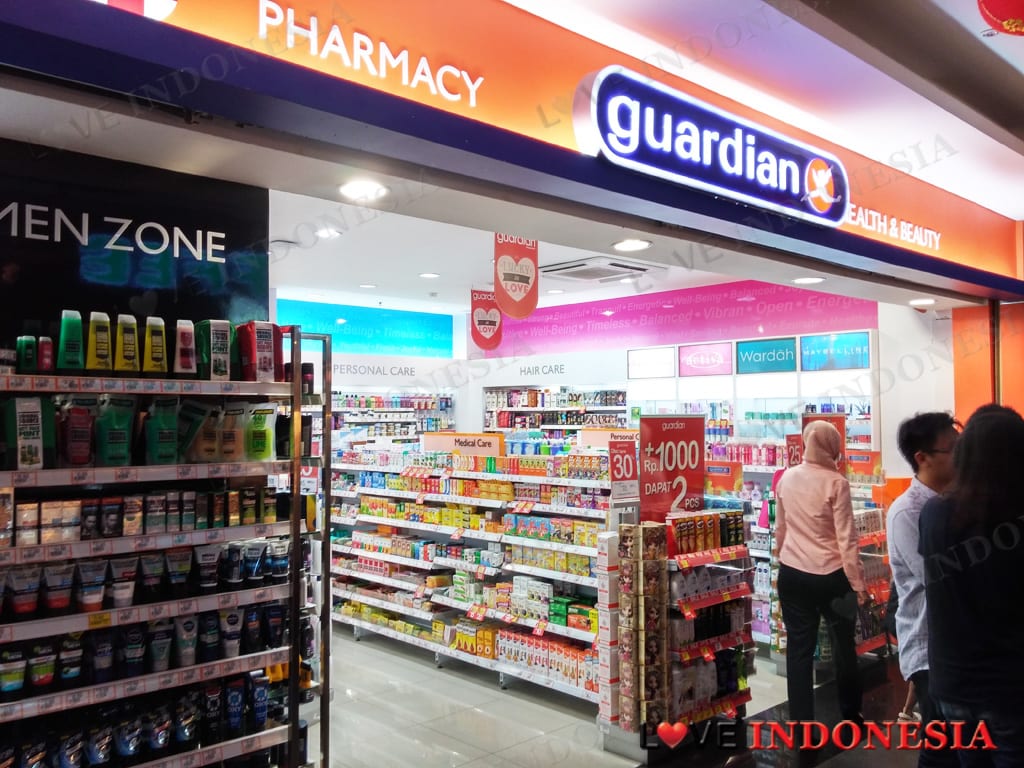
    Beauty Flash: Grooming giant Guardian’s latest and largest store, christened Guardian Plus, had officially opened at Takashimaya Shopping Centre, and boasts a number of firsts sure to make any beauty buff excited.

    For starters, the store at 6,000 square feet is an expansive wonderland of products and cool features, most notable of which is an interactive section outfitted with tablets and touchscreens. With a few swipes of their fingers, shoppers can pinpoint the location of a particular brand or product they’re looking for, as well as research on brands, compare prices and print out their own shopping lists.

    Another nifty touch is a Play, Trial & Test area. Here, you’ll get to test-drive products before you commit, get your skin analyzed by high-tech gadgets, and consult a power team of nutritionists, health, and beauty advisers.

    Choose from over 150 skincare brands and 85 haircare labels, some of which include insider favorites like No7, Mark Hill, Skincode, and Rodial. Guardian says that a mind-boggling 20,000 health and beauty products will be lining the aisles at Guardian Plus, so grab a girlfriend or two and have fun browsing over the weekend!

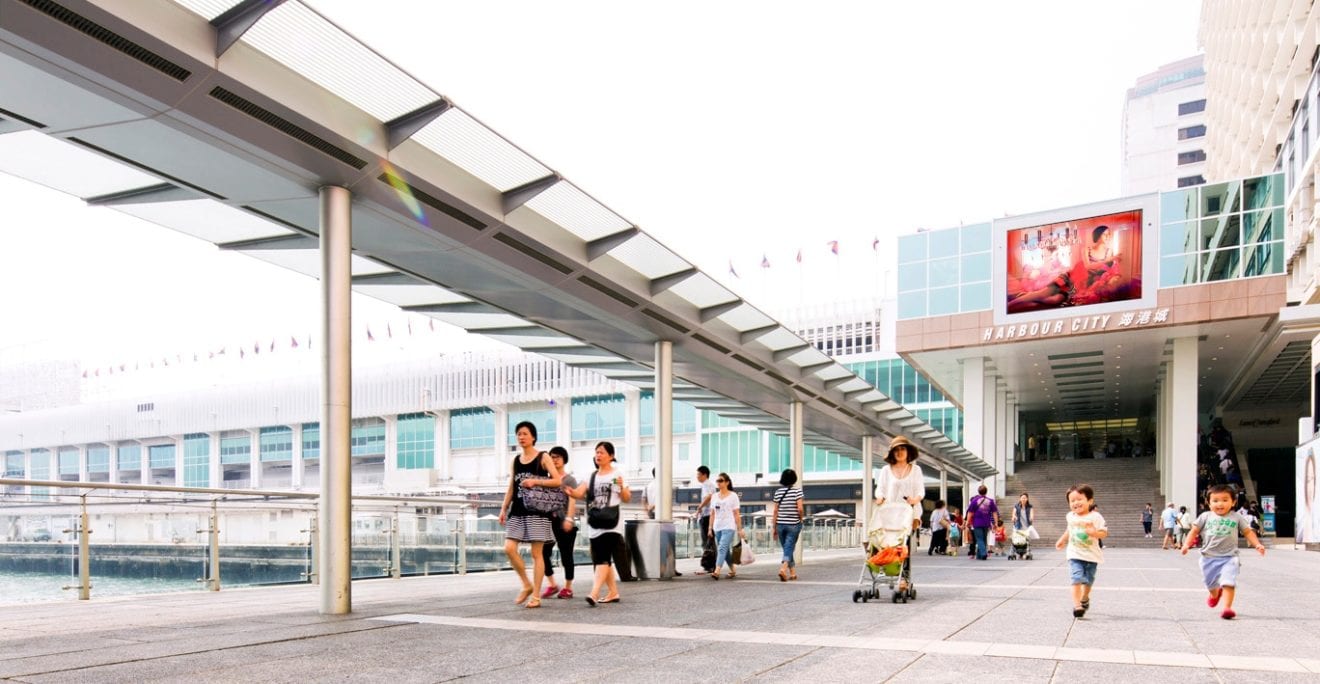
  • Harbour City signs up 70 new tenants as it refocuses from tourists to locals

    Harbour City signs up 70 new tenants as it refocuses from tourists to locals

    The owner of Hong Kong’s biggest shopping center is offering its tenants additional rent concessions, with a catch: extend the leases for at least 18 months in a market facing the third wave of coronavirus infections. The tactic has come as a shock to retailers at Harbour City, an upmarket mall located in Tsim Sha Tsui tourist district that is vying with Causeway Bay for dwindling visitors in the city. The mall, ultimately owned by Wharf Reic, has asked its 400-odd tenants to decide by July 24 in a strongly-worded letter seen.

    Besides committing to new leases, Wharf also requires its tenants to meet other conditions to receive a 40 percent retroactive discount to rents in May, according to the July 10 letter. Wharf had earlier halved rents for tenants from February to April.

    Among other requirements, they will need to have paid up before July 15 all their outstanding rents, charges, and arrears accrued as of June 30, according to the letter.

    The offer “is a one-off measure” to deal with the current situation faced by the retail industry and does not mean more are in store, according to the letter signed by Veronica Chan, who is general manager of retail leasing and business development at Harbour City Estates.

    “If we fail to receive your signed version of the Side Letter by 24 July or if you shall attempt to make any changes to our Side letter, we would treat it as your refusal to accept the arrangement … and in which event we would not consider offering you any rental concession for the month of May,” she said in the letter. “We would like to emphasize that we would not entertain any changes or amendments thereto.”

    While the tenants’ responses to the Harbour City’s letter were mixed, many have quietly expressed their disapproval of the tactic, according to an industry source who declined to be identified because of confidentiality issues.

    Some of them are not signing, while several are signing by crossing out the lease renewal clause, the person said. Others have decided to sign for now and could still return the concession to the landlord when they decide to not renew the lease, the source added.

    The practice of requiring lease renewal in exchange for rent concessions is rare, said Lilian Chiang, senior partner and head of the property department at law firm Deacons.

    “There was actually no such thing in the past until this year. Currently, I have tenants asking me every day whether they could exit [the lease],” she said, adding that it would “shock you” that international brand names are also asking the same thing.

    Hong Kong retail landlords set alarm bells ringing with profit warnings.

    Wharf may not be alone in employing the tactic. Link Reit, the biggest property trust in Asia, is said to have requested lease renewal before granting rent concessions, according to people with knowledge of the matter.

    “There has to be given and take on both sides and any leasing agreement will only be mutual concessions and compromises,” said Link’s spokesperson. “The closest thing to the arrangement is lease restructuring.”

    Every landlord has a different practice to retain tenants and avoid having too many vacant shops, which hurts the overall attractiveness of a shopping centre, Chiang added.

    “Tenants tend to compromise with the new terms and conditions in exchange for rental concession, otherwise they might not be able to keep their business or pay rents or other operating costs to overcome this difficult period,” said Polly Chu, a partner at law firm Withers.

    The letter is a way of rent restructuring by the developer or landlord to keep their tenants, she said. It may also suggest the landlord has confidence that the retail business will return to normal in the future, Chu added.

    Tsim Sha Tsui is a tourist district that is among the hardest hit in the retail crisis. Yet, at the same time, it has recently usurped protest-hit Causeway Bay as the most expensive shopping belt in the city.

    Harbour City is one of the most expensive shopping centres, charging as much as HK$1,000 per square foot on average, according to market sources.

  • Impossible Foods launches in supermarkets in Hong Kong and Singapore

    Impossible Foods launches in supermarkets in Hong Kong and Singapore

    During an exclusive virtual media conference held today (October 20), which featured the food tech’s senior executives attended by Green Queen, Impossible Foods officially announced the first retail launch of its plant-based products in Asia. From this week onwards, consumers in Hong Kong and Singapore will be able to purchase plant-based Impossible Beef in major supermarket outlets including the biggest chain in Hong Kong, ParknShop, and in Singapore’s FairPrice. It comes shortly after the Silicon Valley startup’s newly debuted Impossible Sausage product made its first foray into the Asian market in a citywide partnership with Starbucks Hong Kong and collaborating restaurants.

    Impossible Foods is establishing its retail footprint in Asia for the first time, launching its Impossible Beef product across nearly 200 grocery stores in Hong Kong and Singapore. In Hong Kong, consumers will be able to purchase the plant-based beef alternative across 100 ParknShop locations, including in its subsidiary brands Fusion, Taste, Food Le Parc and Great Food Hall, as well as via online delivery via the ParknShop website. It will retail at HK$89.90 per 340 gram package. In Singapore, Impossible Beef will be available at close to 100 FairPrice stores and on RedMart, the city-state’s biggest online grocery platform, sold for SG$16.90 per 340 gram retail packages.

    It marks the first time that consumers in the two cities will be able to directly purchase the plant-based beef alternative to cook at home in their kitchens, after the food tech tested the business model amid coronavirus pandemic lockdowns when it gave its foodservice partners the go-ahead to resell their Impossible Beef inventory to customers, firstly in Singapore back in May, then in Hong Kong in August.

    “The world’s most respected chefs consistently tell us that the Impossible Burger blows them away. And we can’t wait for Hong Kong and Singapore’s home chefs to experience the same magic in their own kitchens – whether using Impossible Beef in their traditional family favorites or inventing new recipes that go viral,” said Patrick Brown, Impossible Foods founder and CEO.

    “Hong Kong and Singapore have been great launching pads for us, they have an amazing culinary culture here. It’s been so eye-opening to us and we’ve learned a lot. In the U.S. it’s such a burger heavy market, but here, we can try so many things – meatballs, dumplings, all sides of global cuisines. Just this year, even with such a challenging environment, we’ve seen a huge increase in our restaurant sales. So when we thought about where to launch our international retail, it was clear that Hong Kong and Singapore were going to be the markets,” added Nick Halla, senior vice president of international at Impossible Foods, during the conference.

    Just this year, even with such a challenging environment, we’ve seen a huge increase in our restaurant sales. So when we thought about where to launch our international retail, it was clear that Hong Kong and Singapore were going to be the markets.

    Impossible’s move comes as the firm makes significant inroads into consumer retail as more decide to cook at home instead of dining out. Earlier in June, the food-tech launched its first direct-to-consumer website in the U.S. where customers can order bulk-sized packages for delivery to their doors.

    “We had to pivot quickly to get our consumers to access to retail because of coronavirus and that’s been really successful. In the U.S. we’ve achieved about a 100-fold increase in our retail footprint,” Brown told reporters.

    Soon after, Impossible landed on the shelves of Walmart, the biggest retailer in their domestic U.S. retail market, and has since grown its point-of-sales to over 11,000 outlets nationwide. And according to the company, 92% of sales of its famous bleeding plant-based Impossible Burger is directly displacing animal-derived meats from consumers who are actively shifting away from all meat categories.

    We had to pivot quickly to get our consumers access to retail because of coronavirus and that’s been really successful. In the U.S. we’ve achieved about a 100-fold increase in our retail footprint.

    But with Asian consumers on board – a key market that Impossible has time and again signalled as its target – the environmental impact of more consumers opting for its plant-based alternative could be huge. The brand’s “impact calculator” says that its meatless beef uses 96% less land, 87% less water and emits 89% fewer greenhouse gases compared to conventional beef.

    And if the current rising plant-based and flexitarian trend amongst Hong Kong and Singapore consumers continues, establishing its retail footprint in both cities could be a strong play for the food tech. Since the beginning of this year, sales of Impossible Beef at partnering restaurants have shot up 150% across Hong Kong and Macau and 120% in Singapore.

    Plant-based meat has been a big growing trend, and we’ve begun to introduce more to our shelves and we’ve seen sales triple within just this year.

    “We’re really excited to be the first retailer to launch Impossible Beef. It’s important for us to give that sustainable choice to our customers. In Hong Kong, our ongoing research has shown that they care about the environment, so we’re giving them the choice now. Plant-based meat has been a big growing trend, and we’ve begun to introduce more to our shelves and we’ve seen sales triple within just this year,” Malina Ngai, chief operating officer of ParknShop’s parent company, Watsons Group, said at the press conference.

    Other plant-based brands have too seen their products garner greater shows of support. Take Green Monday’s vegan pork mince analog OmniPork, for instance, which has been added onto the menus of the biggest food players in town, including in all McDonald’s and 7-Eleven locations across the city, no doubt in response to demand from their customers.

    “We’ve seen tremendous growth year-on-year on customers searching for plant-based products, and it’s translated into sales across a number of categories and meat alternatives being one of them. Impossible has been a top search term too, so we know there is enormous demand here in Singapore and it’s exciting to be the first online retailer to launch Impossible Beef in the city,” said Richard Ruddy, chief retail officer at RedMart Singapore.

    When asked about Impossible’s price parity with conventional animal products and Brown was clear that plant-based meats will be cheaper in the short term: “Within a few years, all of the products we make will be less expensive than the animal version,” he predicted.

    One particular highlight during the course of the press conference was when Pat Brown was asked directly about the political turmoil surrounding places like the U.S. and mainland China. He was clear that they don’t get consider politics when tackling new markets: “Would we not launch in a market whose politics we don’t agree with? The answer is no. If we said no, we’re only going into places with whose policies we are in complete agreement, it would thwart our entire mission.”

    “There’s nothing contradictory about us going into a place whether or not we are fully aligned with their politics. We’re not engaged in politics. We’re engaged in an environmental mission, a public health mission,” he added.


  • Singaporeans expect retailers to adopt unified commerce to enrich their shopping experiences

    Singaporeans expect retailers to adopt unified commerce to enrich their shopping experiences

    The COVID-19 pandemic has shaken the retail sector to its core and forced an abrupt change in Singaporeans’ shopping habits and expectations. New data released by Adyen, the global payments platform of choice for many of the world’s leading companies, reveals that consumers in Singapore were quick to adapt, adopting online channels at a rate well above the global average. While restrictions are easing, consumer behaviours and expectations have changed permanently, and retailers will need to evolve to stay competitive in the new normal.

    The 2020 Agility Report, commissioned by Adyen, interviewed over 25,000 consumers across 16 countries, including more than 1,000 in Singapore, to understand what people expect from shopping and dining experiences today. It found that the pandemic led to a mass migration to online channels, with around half (49%) of the Singaporeans surveyed saying they shopped more online than prior to the pandemic, more than the global average of 33%. However, while many consumers moved to online alternatives, 72% of Singaporeans are looking forward to shopping in an offline store for pleasure again, higher than the global average of 55%.

    Warren Hayashi, President, Asia-Pacific, Adyen comments: “Singaporean consumers are agile and will find ways to shop that work for them. While restrictions are easing, and people are returning to offline stores, shopping behaviours and expectations will not be the same as what they used to be. With many impressed with how the retail sector adapted quickly to offer new services online, expectations have increased as a result and consumers want online options to stay. To thrive, retailers will need to maintain or exceed these new expectations and adopt a seamless, omnichannel approach.”

    Consumers moved online during the pandemic to continue shopping

    According to Adyen’s research, most (59%) Singaporeans prefer to shop in a physical store. However, despite this, many turned to online alternatives during the pandemic to continue shopping. Apart from using websites, 64% also used shopping apps more during this period than previously, especially amongst 18 to 34-year olds (71%).

    While there is a preference for shopping offline, there’s some hesitance about going back despite restrictions easing, with 75% still avoiding shopping in store for non-essential items. The most common reason has been the close proximity to strangers (57%), with those over the age of 55 being the most concerned (63%). Other common reasons include Singaporeans watching how much they spend due to economic uncertainty (50%), as well as not wanting to stand in length queues (46%).

    New consumer expectations in Singapore

    Findings from the Agility Retail Report point to consumer behaviours having changed permanently. Despite this, Singaporean consumers remain loyal. The report found that 53% would shop at retailers they deem as important heritage or traditional brands to see them survive, and 65% would visit physical stores near them because they want them to stay open.

    While loyalty is there, expectations of retailers who moved online to offer ecommerce offerings have changed, and they will need to maintain these experiences to sustain loyalty. According to the research, 87% of Singaporeans believe that if retailers can sell across multiple channels during the pandemic they should adopt the same flexible approach permanently.

    The need to maintain and offer these online offerings moving forward is especially important as more than half (54%) of the Singaporeans surveyed said they plan to shop more online despite the easing of restrictions, significantly higher than their global (36%) and Hong Kong counterparts (47%).

    The wants of Singaporeans: The new normal retail experience is unified

    To capitalise on these new customer behaviours, retailers will need to focus on delivering seamless and secure omnichannel experiences through unified commerce. The demand is there from consumers, as the majority (87%) of Singaporeans believe retailers should maintain a cross channel approach following the pandemic, even when stores open again.

    Additionally, retailers should also offer the following to cater to the new demands and expectations of Singaporean consumers:

    1. Contactless payments for hygiene: For payment experiences, most Singaporean consumers want choices and prefer cashless and contactless options as they are concerned about hygiene (72%). In fact, they are more concerned about this than their global (54%) and Hong Kong (59%) counterparts. Retailers can cater to this by reducing person-to-person contact by offering solutions such as self-checkout with mobile apps or kiosks.
    2. Ease of use critical: Customers want ease of use, so ahead of the busy shopping peaks of Christmas and Chinese New Year, retailers would be wise to implement the right technology that will help customers easily navigate their online offerings. If not, 83% of Singaporeans said they would not shop with a retailer whose website or app are difficult to navigate.
    3. Improving loyalty: Retailers should consider changing how they currently offer their loyalty and rewards programmes, as 82% of consumers believe those being offered to them can be improved. Two options for consideration would be making the program available through an app or linked to the customer’s credit card. Connecting a loyalty programme to an app would also be beneficial to the brand, as 56% of Singaporeans believe there’s currently not enough advantages to download a retailer’s app.


    Chen Yongchang, Head, Research & Consulting, Institute of Service Excellence at Singapore Management University comments: “Prior to the pandemic, we were already observing a steady increase in the proportion of consumers shopping online. The Agility Retail report by Adyen supports the notion that this trend has not only accelerated, but has also fundamentally changed customer expectations, attitudes and behaviour towards digital technologies and contact-less payment systems. Retailers need to consider deploying some form of omni-channel digital strategy to stay relevant and to tap into these shifting consumer behaviours and consider leveraging technologies to redesign service processes to meet these new demands.”