Tag: Singapore

  • Giant Singapore cuts prices long term after store revamps

    Giant Singapore cuts prices long term after store revamps

    From today, supermarket chain Giant will lower the prices of 650 daily essentials for six months by 20 percent, on average. It will also refresh its brand, with its 53 Singapore stores incorporating new features including in-store bakeries and Guardian pharmacies.

    The price reduction is costing Giant around $17 million and is prompted by its consumer research found that cost of living concerns are top on people’s minds during the ongoing pandemic, said Dairy Farm’s chief executive officer for its South-east Asia food business Chris Bush yesterday.

    “The one thing that they told us loud and clear is they would like cheaper prices, they’d like greater value and they’d also like more stable prices, particularly on those essential products that they buy most often,” he told reporters during a media conference.

    The price reductions will apply to products across Giant’s own brands, fresh products as well as national brands like Dove. Vannamei prawns, for example, will be sold for $1 per 100g, down from $1.89 previously. A box of 50 green tea bags by OSK will retail for $5, down from $6.95. About 2,000 new products have also been added to Giant’s stores, along with such features as $1 zones and stalls selling fried chicken.

    Only its hypermarkets in Tampines and IMM will have the full range of new offerings, owing to space constraints. Giant’s move to make essentials more affordable follows FairPrice’s price freeze of 100 house brand items, which began in March last year and will run until the end of this year.

    Asked if it was influenced by FairPrice’s price freeze and foray into the hypermarket format, Mr Bush said Giant’s plans are based on customer feedback and not a response to any particular competitor.

    The closure of several of Giant’s bigger stores in recent years – including those at VivoCity and Parkway Parade – are part of the group’s normal business review and leasing arrangements, he added.

    “Every now and again, unfortunately, we need to close some stores, but at the same time, we open a lot of stores. So I wouldn’t read anything more into that.”

    Beyond the physical revamp, Giant is also working on improving store operations, hygiene standards, product availability and service levels, he said.

    The $17 million it will forgo in cutting prices is largely funded from the savings amassed from higher productivity and supply chain efficiencies, he added, declining to disclose the total cost of its rebranding exercise.

    Mr Lee Yik Hun, marketing director of South-East Asia Food at Dairy Farm Group, said Giant hopes to maintain the price reductions beyond the six-month commitment.

    “The only way we can do it is to get the volume and support from our customers and supplier partners,” he added.
  • BigPay gears up for regional expansion, with early access coming to Singapore users in coming weeks

    BigPay gears up for regional expansion, with early access coming to Singapore users in coming weeks

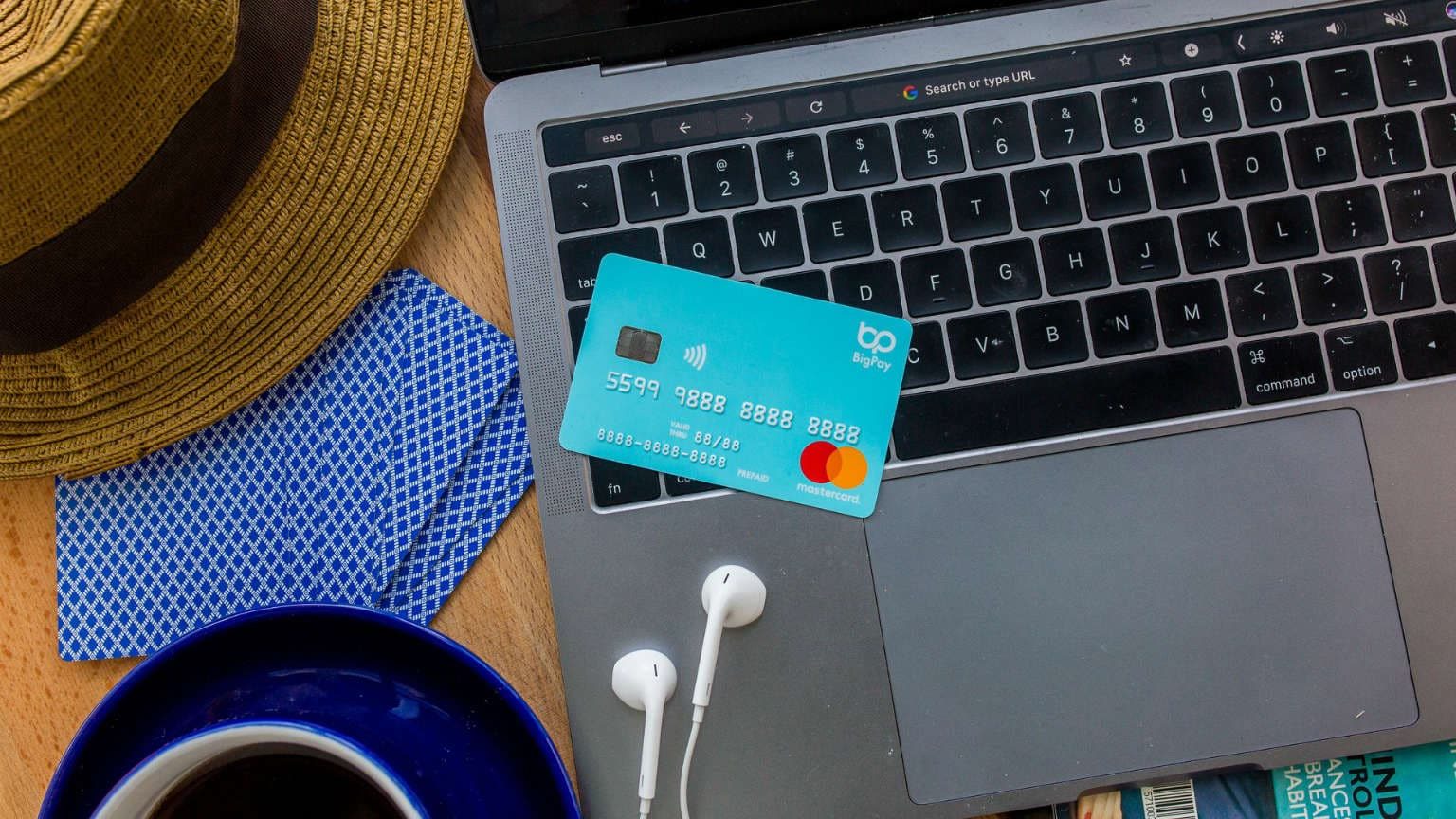
    BigPay is coming to Singapore, after 2 years of rapid growth with over 1 million users in Malaysia. The fast-growing Fintech is on an aggressive growth path and is getting ready to make its mobile money app and prepaid Visa card available to all Singapore residents in the coming weeks.

    “We quietly opened up our waiting list on the app earlier this year and already have 20,000 people ready to get early access” said Christopher Davison, Co-Founder and CEO. “People are turning to digital financial services and the pandemic has accelerated the need for fair and transparent alternatives to traditional banking – which is exactly what BigPay stands for.”

    Launched in 2018, BigPay has grown to be one of the largest e-money issuers in Malaysia by gross transaction value. The company’s business was unscathed by the global pandemic, showing strong growth in international money transfers and online spending thanks to the worldwide acceptance of its card. BigPay has received its licence from the Monetary Authority of Singapore to operate in Singapore early this year.

    BigPay will make its two core features – payments and remittance – available in Singapore. Users will be able to seamlessly open an account from their mobile phones and make payments at any local or international merchant. They will also be able to make free and instant money transfers to friends, split bills, manage work expenses and track their spending all in one integrated app.

    In addition, Singapore users will be able to remit money quickly and at a competitive rate to 10 markets, namely: Malaysia, China, the Philippines, Indonesia, Thailand, Vietnam, India, Bangladesh, Nepal and Australia, with more to come.

    Operating on a challenger bank model, BigPay’s goal is to give consumers access to all the mainstream financial products typically offered by retail banks – at a much lower cost and with greater efficiency. BigPay also plans to launch new business lines such as loans, insurance and wealth management in the coming months, as well as expand to other Southeast Asian markets early in 2021.

  • Starbucks Singapore opens in heritage building at Katong Square

    Starbucks Singapore opens in heritage building at Katong Square

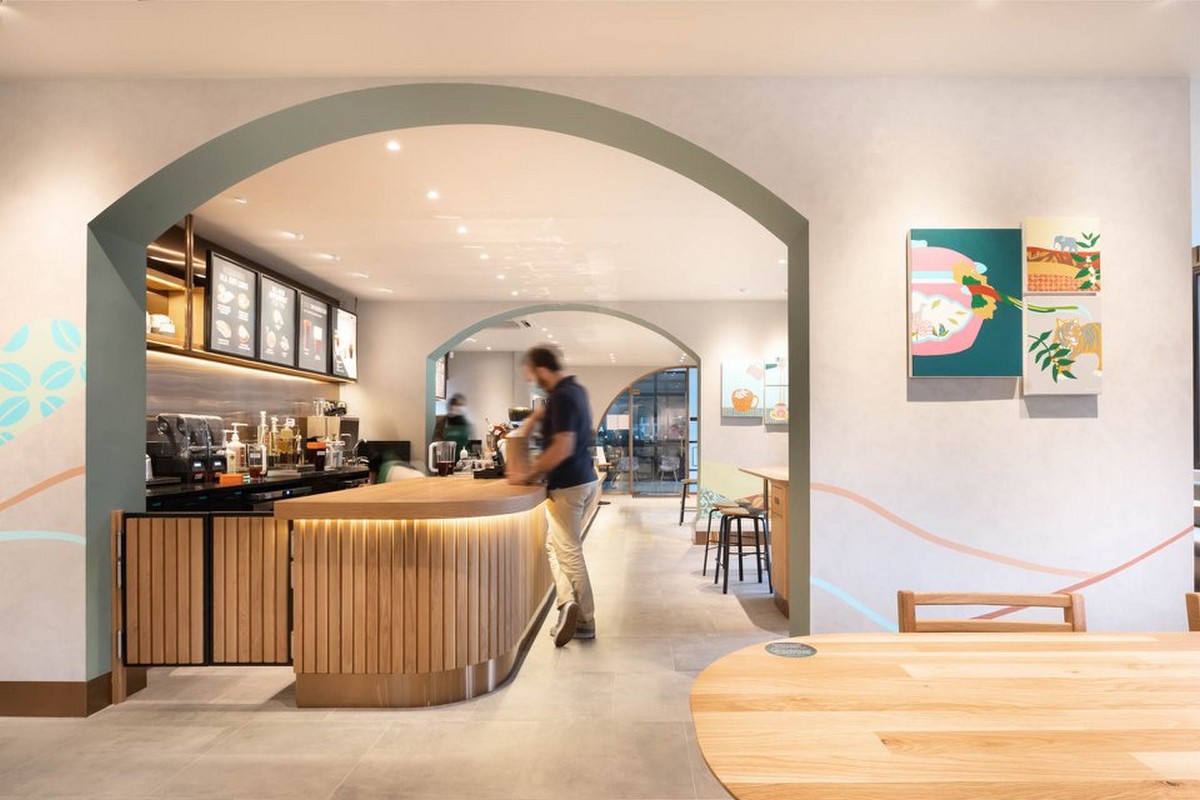
    Starbucks fans will have a new outlet to traipse to this coming weekend. Located at the Conservation Building of Katong Square, the airy shop is a pleasing palette of muted green and white, complemented by the wood furniture.

    Artworks by local artist Danielle Tay adorn the wall, paying homage to the “rich Peranakan heritage,” according to Starbucks.

    The coffee chain gave customers a peek of the outlet in a Facebook album on Sep. 23.

    While many have expressed their delight at the store’s design, they are also calling for Starbucks to prevent customers from hogging the seat in the post’s comments section.

  • Google Pay Launches Refreshed App in Singapore

    Google Pay Launches Refreshed App in Singapore

    The refreshed app, which builds on Singapore’s payments infrastructure, now allows real-time money transfers via PayNow for DBS PayLah!, OCBC Bank and Standard Chartered customers.

    Google has launched a new version of its payments app Google Pay, which streamlines money transfers from different banks on one platform and allows customers to make peer-to-peer transfers via PayNow and to merchants via UEN or PayNow QR, which is available on Android and iOS.

    Instead of taking a digital wallet approach, Google focused on everyday relationships its users had between friends and businesses in designing the app, Patrick Teo, director of engineering, Google Pay, said at a media launch on Thursday. The result is an app that makes it quick and easy to transact with people and businesses, which is as simple as sending a chat message.

    Google Pay also includes features like split bill payments, restaurant menus for take-out and delivery, which can be ordered within the app, movie ticket booking, as well as cash-back rewards for payments made using the app.

    SMEs and corporates are leveraging digital to change the way that they buy, sell, and operate. They have to do so if they want to thrive in the post-Covid-19 new normal and e-payments are an important part of that, Melvyn Low, OCBC Bank head of global transaction banking, said.

    Singapore is the first country in Southeast Asia and the second globally after India to offer the new version of Google Pay. The number of PayNow users in Singapore stands at 4 million, with nearly three-quarters of all organizations on PayNow Corporate.

    We believe that we are at a tipping point on digital adoption and building more client-centered solutions and services will provide a further boost to adoption. Building a strong digital ecosystem through industry collaboration will give clients a seamless digital payment experience, Dwaipayan Sadhu, head of retail banking for Singapore at Standard Chartered Bank, said.

  • Byredo opening Singapore flagship store

    Byredo opening Singapore flagship store

    Swedish luxury brand Byredo has opened its first flagship store in Singapore.

    Located in Ngee Ann City shopping center, the store offers a wide range of fragrances, leather goods, and accessories.

    The store facade features a gray concrete wall with the brand logo highlighted by white lights. The interior design creates a modern and futuristic vibe by using elements such as metal shelves and metal-framed mirrors. The storehouses three displays in orange, standing out from the plain gray background and carpet.

    Besides launching its first boutique in Singapore, the brand is to launch its first beauty line with makeup artist Isamaya Ffrench next month. The line will include eyeshadow, eyeliner, mascara, lip balm, and lipstick.

    Founded in 2006 by Ben Gorham, Byredo is known for its fragrances, leather goods, and accessories.

  • 7-Eleven and Coca-Cola open crossover experiential store in Singapore

    7-Eleven and Coca-Cola open crossover experiential store in Singapore

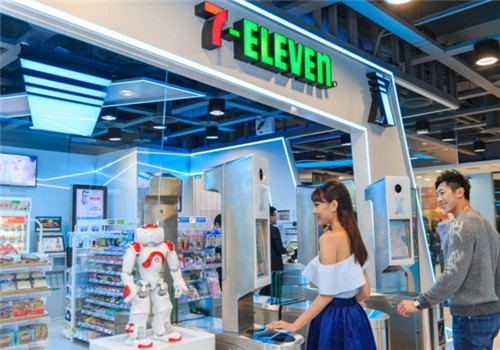
    7-Eleven has collaborated with Coca-Cola to launch a crossover experience store in Singapore. Located at the House of Eden, the store spans two stories and is dressed in Coca-Cola’s signature red.

    Behind the floor-to-ceiling glass windows, a giant ‘Coca-Cola Splash Tree’ and beverage cooler signify this store is something different from the typical convenience store. The ground floor houses a 7-Eleven retail area which also sells ready-to-eat meals and fresh baked goods.

    To get to the upper floor, customers walk through a Coca-Cola branded staircase ‘tunnel’ with LED lighting under each panel to guide their steps. The floor houses a customized 7-Eleven x Coca-Cola Pit-Stop wall and a seating area with red and white furniture. Two claw machines are set up near the staircase for entertainment.

    The store also features several Instagrammable backdrops with the brands’ logos for visitors to take photos with.

    “Through this collaboration, we will further strengthen our position as a fun and innovative brand and create talk-of-the-town experiences for our customers,” said Steven Lye, MD of 7-Eleven Singapore.

    “Today, the convenience store culture has also become an intrinsic part of our fast-paced lifestyles,” said Chris Tan, commercial director, Coca-Cola Singapore Beverages. “At the Coca-Cola Pit Stop with 7- Eleven here in Singapore, they can re-energize within a safe environment that truly embodies the Coca-Cola brand.”

    Coca-Cola Pit-Stop Singapore is not the brand’s first collaboration with 7-Eleven. In July, both brands launched a themed store in Hong Kong, where the convenience-store business is owned by the same franchisee, Dairy Farm International. But compared to the Hong Kong store design, this Singapore store is considerably larger and more imaginative.

  • Marina Bay Sands Casino Hires Law Firm for Money Transfer Probe

    Marina Bay Sands Casino Hires Law Firm for Money Transfer Probe

    Marina Bay Sands has hired a law firm to investigate employees transfers of more than $1 billion of gamblers’ money to third parties.

    Dispute resolution and international arbitration specialist Davinder Singh Chambers LLC has been hired for the investigation, according to a «Bloomberg» report citing unnamed sources.

    In addition to numerous high-profile lawsuits in banking, debt structuring and fraud, Davinder Singh in Singapore is most notably known for representing Prime Minister Lee Hsien Loong in a number of defamation cases.

    In 2019, MBS faced a lawsuit from patron Wang Xi who alleged that the casino transferred $6.7 million of his money to other gamblers without his knowledge.

    The lawsuit was subsequently settled out of court in June with non-admission of liability from both sides and full reimbursement of Wang’s money by MBS.

    Marina Bay Sands (MBS) continues to work closely with its regulators to monitor MBS’s compliance with all legal obligations, the casino said.

    Previously, law firm Hogan Lovells reviewed more than 3,000 letters of authorization from 2013-2017 for fund transferals from patrons to third parties totaling about $1 billion.

    It was found that there were multiple instances where employees did not comply with proper standards, filling payment details on pre-signed or photo-copied authorization forms, according to the report, as well as cases where original documents were destroyed.

    Of the total amount transferred, $268 million was based on multiple authorization letters that «bore signatures that appeared to be similar» and another $561 million was transferred by a concentrated group of employees – both of which led to red flags raised.

    Following Wang’s case, MBS faced increased scrutiny from the likes of the Singapore police and the Casino Regulatory Authority which said it would continue to exercise close oversight to ensure that MBS’ measures are effective.

    But local authorities are not the only bodies stepping up scrutiny against Las Vegas Sands’ Singapore unit. The U.S. Department of Justice also launched its own probe, including involvement of the casino’s former compliance chief to provide an interview or documents on money laundering facilitation” and any abuse of internal financial controls.

  • Tencent to Launch Regional Hub in Singapore

    Tencent to Launch Regional Hub in Singapore

    The Chinese technology conglomerate is pushing ahead with global expansion plans, despite recent app bans in India and the United States. Tencent is planning to open a new office in Singapore, which will be its regional hub for Southeast Asia, where it also has offices in Malaysia, Indonesia, and Thailand, the company said in a statement on Tuesday.

    The Singapore office will also enable us to capture potential from the rapid pace of digitization and meet the demand for internet-based services and solutions in Singapore, Tencent said in a statement. Tencent’s cloud computing arm, which seeks to tap into the demand for remote IT services for home-based workers, as well as its financial cloud platform that provides digital banking services to small and medium enterprises, have been growing in the region amid the coronavirus pandemic.

    The company had been discussing Singapore as a potential regional hub and geopolitical tensions accelerated its plans, according to a Bloomberg report. The company is already hiring for software engineers, data analysts, business development, and compliance roles in the city-state, according to its careers portal.

    Singapore, with its business-friendly policies, is benefitting from the growing hostility towards Chinese tech firms in the U.S. and other markets. Chinese tech start-up ByteDance, the owner of video-sharing app TikTok, are among those which are shoring up its presence in the country, where it is looking to spend several billion dollars and add hundreds of jobs here over the next three years.

    U.S. President Donald Trump has banned U.S. entities from dealing with Tencent’s super-app WeChat from September 20, while the company’s hit games PlayerUnknown’s Battlegrounds (PUBG) Mobile and Arena of Valor are banned in India.

  • Skechers opening more outlets in Singapore

    Skechers opening more outlets in Singapore

    Skechers Singapore has accelerated its expansion plan in the city despite the Covid-19 situation.

    Since July, the footwear brand has rolled out five new stores in the territory, taking its store count to 30, employing 40 additional staff to man them.

    While many retailers are struggling to remain commercially viable during the Covid-19 crisis, and some closing stores, Skechers’ is bucking the trend. One of the latest victims of Covid-19 in Singapore is fashion retailer Topshop which has announced it will quit all its physical stores in the city and move entirely online.

    “It is without a doubt (that) in the retail industry, it is quite challenging,” VP at Skechers Southeast Asia, Zann Lee, told Channel News Asia. “This is a good time for us to actually enter into a market with good locations.”

    Besides expanding its physical presence, the brand is also developing its own online store as shoppers are shifting to online shopping. Although opening its own e-commerce store may seem like a late response to Covid-19, Skechers is already selling its products online via third parties such as Shopee or Lazada.

  • Topshop, Topman leaving Singapore

    Topshop, Topman leaving Singapore

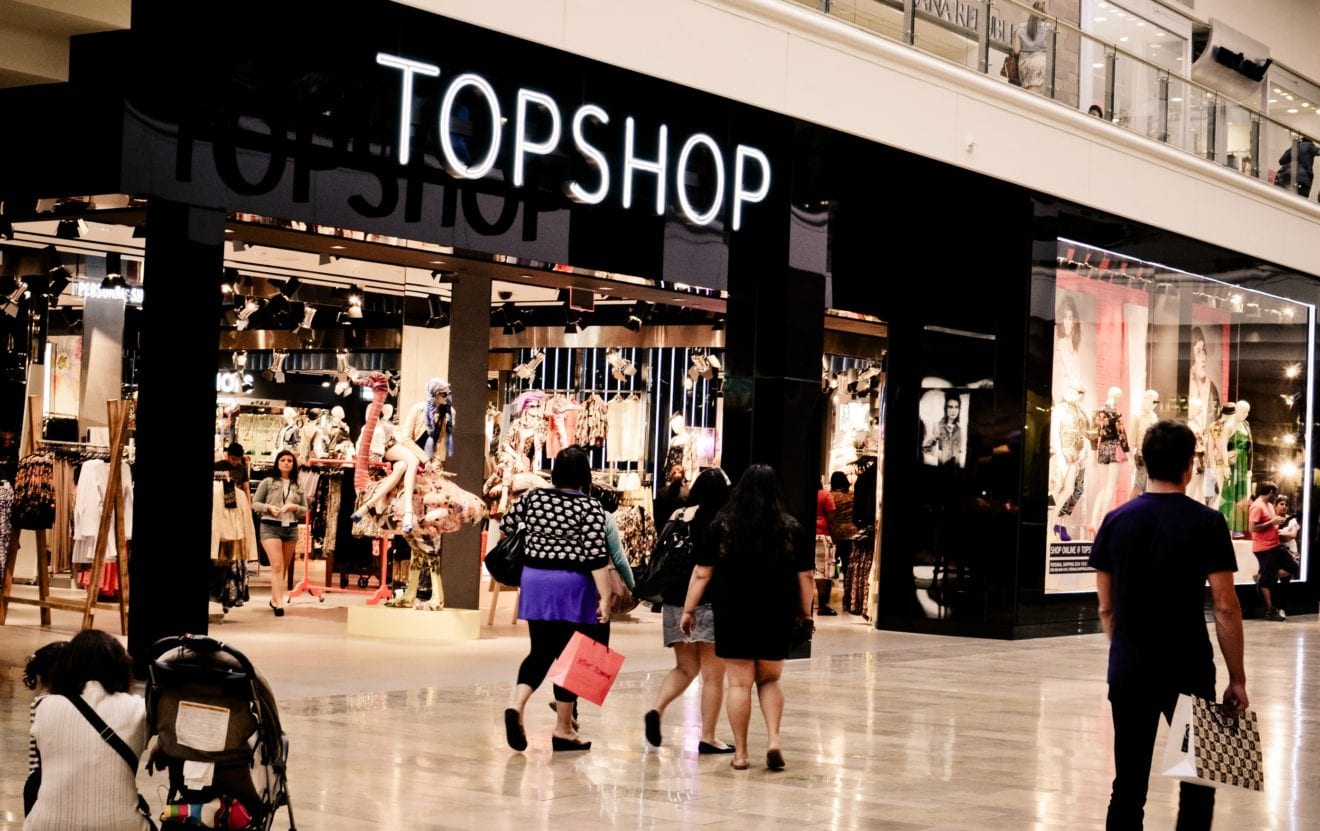
    Topshop and Topman Singapore are to close its last store in VivoCity and move online this Thursday (September 17).

    Topshop and Topman brand manager Wing Tai Retail told The Straits Times that the brands will focus on an omnichannel retail strategy to suit consumer preferences, maintaining a presence on its own online store as well as on Zalora.

    Last week, the brands ran a ‘limited time’ sale promotion where customers could get one free item for every two bought at its VivoCity store, to help reduce stock levels. A sign displayed in the store said it is moving out on September 17.

    Topshop’s exit from Singapore follows the announcement of the closure of its 14,000sqft store in Hong Kong’s Central next month to move online, after seven years in the city.

    Topshop and Topman entered Singapore with the first store at Orchard Road in 2000. The brands are managed by Wing Tai Retail, which also manages other international brands including Adidas, G2000, Dorothy Perkins, and Uniqlo.

  • Singapore Watchdog Fines Ride-Hailing App Grabcar $10000 For Data Privacy Violation

    Singapore Watchdog Fines Ride-Hailing App Grabcar $10000 For Data Privacy Violation

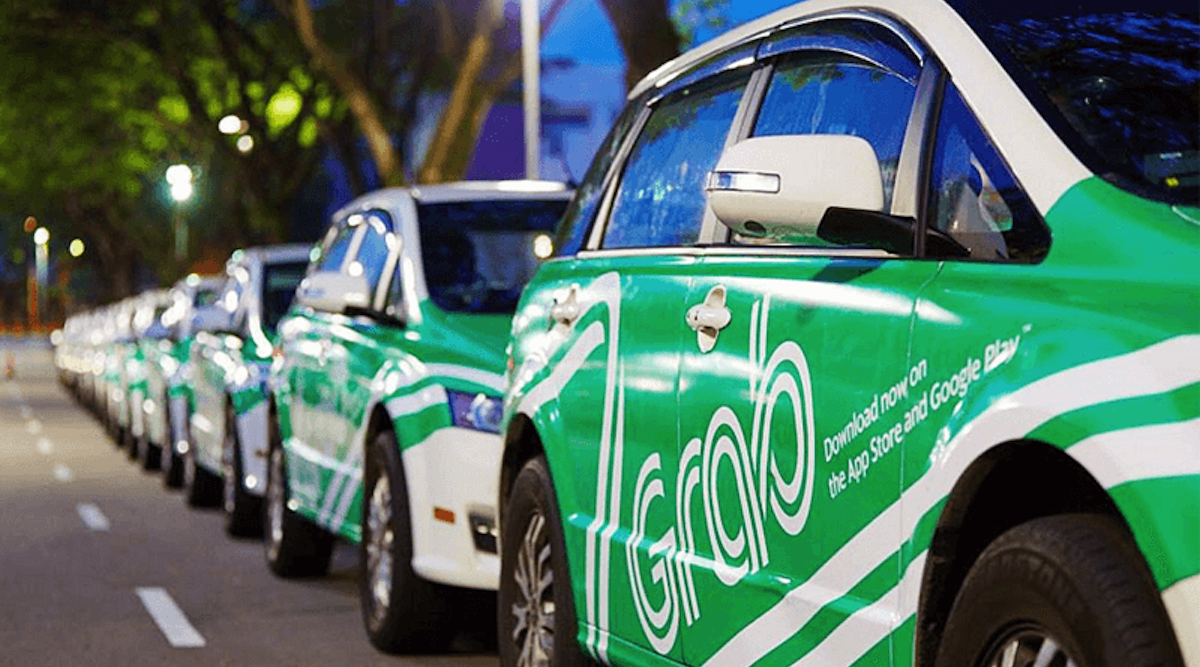
    Singapore’s privacy watchdog fined ride-hailing app Grabcar S$10,000 ($7,310), saying a 2019 update put the data of some users at risk of unauthorized access in what the watchdog said was the fourth breach of data privacy regulations and “a significant cause for concern”. In a filing published on Sept. 10, the Personal Data Protection Commission (PDPC) said the update risked the personal data of 21,541 drivers and passengers, including profile pictures, names and vehicle plate numbers, related to carpooling service GrabHitch.

    Grabcar, a unit of Southeast Asia’s largest startup Grab Holdings, rolled back the app to the previous version within about 40 minutes and took other remedial action, the PDPC said.

    “Given that the organization’s business involves processing large volumes of personal data on a daily basis, this is a significant cause for concern,” the PDPC said.

    The regulator also directed Grab to put in place data protection by design policy, where data protection measures are considered and built into tech systems as they are being developed.

    In a statement, Grab said: “To prevent a recurrence, we have since introduced more robust processes, especially pertaining to our IT environment testing, along with updated governance procedures and an architecture review of our legacy application and source codes.”

  • Gambling Development and the Best Land Based Casinos in Singapore

    Gambling Development and the Best Land Based Casinos in Singapore

    Gambling is popular all over Asia, with Macau being the traditional centre for glamorous casinos and high stakes rollers. But Singapore has risen in popularity as a casino destination as well. Singapore is famous for having stringent laws affecting such things as chewing gum and e-cigarettes – possession of either of these things will land you a hefty fine, and possible jail time. So it comes as no surprise that gambling is heavily regulated – in fact it has only been legal for a few years. The authorities have realised that regulated gambling is safer gambling, and also a lucrative, taxable part of the industry. Singapore may only have two active, licensed casinos – Resort World Casino and Marina Bay Sands – but it turns over multiple billions every year.

    History of gambling in Singapore

    Singapore’s rank as the second-largest Asian gambling zone after Macau may seem a little unlikely, especially when you consider that the Casino Regulatory Authority of Singapore was only set up in 2008, and casinos -just two of them- only opened in 2010. But of course, legal or otherwise, gambling has always been a popular pursuit in the city-state. In the early 1800s, the British rulers of Singapore banned cockfights and outlawed gambling dens, bringing in a system of regulation by 1820. In the 20th century, a series of legislative measures were introduced, including the Private Lotteries Act of 1952 and the Common Gaming House Act of 1961. Common gaming houses are illegal operations under Singaporean law. In 2006 the Casino Control Act was passed, lifting a 40-year ban on gambling, and allowing the city to grant special licenses for legal gambling venues. There are only two casinos in Singapore, but they are both enormous and among the two most expensive built in the world.

    Legal status

    There are only two licensed land-based casinos in Singapore. It is illegal to place bets in any other land-based establishment, and as these places are unregulated they put punters at risk. Online casinos were outlawed by the Remote Gambling Bill of 2014, but two companies were given an exemption to operate. A shakeup next year looks likely to define the rules more clearly. Currently, online casinos operating out of other countries are not technically illegal in Singapore. But it makes sense to do some research and find casinos that don’t have restrictions for Singaporeans making withdrawals and accessing special prizes.

    Resort World Casino

    The world looked on in shock as the Resort World Casino opened in 2010. First, the Singaporean government had allowed dancing in bars. Then they had a Formula One Grand Prix. And now a casino! Famously averse to vice, the moralistic government seems to want to limit the revelry to foreigners – admission price for Singaporeans is an eye-watering $100. Built on Sentosa Island, a mere ten minutes journey from the central business district, Resort World is a vast place, featuring more than just a casino. There are restaurants serving food from all over the globe, but with emphasis on the unique culinary makeup of Singapore itself – Indian flavours mingling with Chinese and Malay influences. There is a beautiful aquarium and an amazing waterpark. But the casino itself is something to behold – 15,000 square metres of glamour and glitz, with no expense spared. Featuring thousands of cutting edge slot machines, with various themes lifted from all facets of popular culture, card tables offering baccarat, blackjack and poker, and roulette wheels aplenty, there is something for everyone in the casino. It cost a massive $4.5 billion to build this gambling colossus, and the results speak for themselves.

    Marina Bay Sands

    Opened mere months after Resort World Casino, Marina Bay Sands will be recognised by all Formula One fans, imposing itself magnificently on the Singapore skyline. Three vast towers, linked together by the iconic ‘Skypark’ – a rooftop deck 200 metres above the marina below. As well as the casino and hotel complex, Marina Bay Sands offers a vast array of other distractions, including the ArtScience museum featuring major exhibitions that blend art, science, culture and technology – recently with an emphasis on conservation and sustainability. Cinemas are dotted about the complex, there is an extensive retail space, and plenty of places to eat. And don’t forget about the famous infinity pool on the deck! As for the casino, well, it is even more monied than its nearby rival, costing $5.5 billion to build. Set over four floors, punters can enjoy the usual range of card games, slot machines, crap tables and roulette wheels, with variants and tournaments available. The casino boasts 2,400 state of the art slot machines, VIP table areas for celebrities and high-rollers, and three noodle bars in case your poker makes you peckish. Free (soft) drinks are available throughout.

    Singapore’s gambling industry adds another feather in its cap as far as tourism goes. But it has also cemented itself as a serious destination for jet-setting casino players, and may usurp Macau in revenue (and appeal) in the years to come.


  • Crypto Finance Opens Singapore Branch

    Crypto Finance Opens Singapore Branch

    Swiss digital investment specialist Crypto Finance has opened a branch in the Lion City. The company sees itself as a provider of services to the banking industry.

    Crypto Finance’s representative office in Singapore opens this month and will be led by the head of Asia, Alisher Tashpulatov, according to a media release on Wednesday.

    Tashpulatov previously worked in the crypto fund business of the firm and was involved in getting a license from the Swiss regulator as a crypto wealth manager. He then opened its Hong Kong office. He is being backed up by the crypto finance team, which has several team members with Asian experience, for instance, CEO and founder Jan Brzezek.

    The Zurich-based group will serve the demand for digital asset products and services, and attempt to bridge the gap between traditional banks and the crypto market.

    I believe that the Singaporean and Swiss business environment and orientation share many characteristics, including respect for diverse cultures and a work ethic that values merit, excellence, self-reliance, and hard work. The two countries share a great rapport, and it is almost intuitive for us as a Swiss business to establish ourselves in a like-minded and innovative country like Singapore, Tashpulatov said.

    Having spent years conquering new frontiers and climbing new peaks within the Swiss market, I am now happy to make a transition into a new, yet familiar, land, he added.

    Crypto Finance’s current activities in Singapore are focused on the areas of business that do not require regulatory supervision, and the firm plans to launch best-fit models of its offering in other Asian business hubs in the near future.

  • Apple Singapore’s floating store opens this week

    Apple Singapore’s floating store opens this week

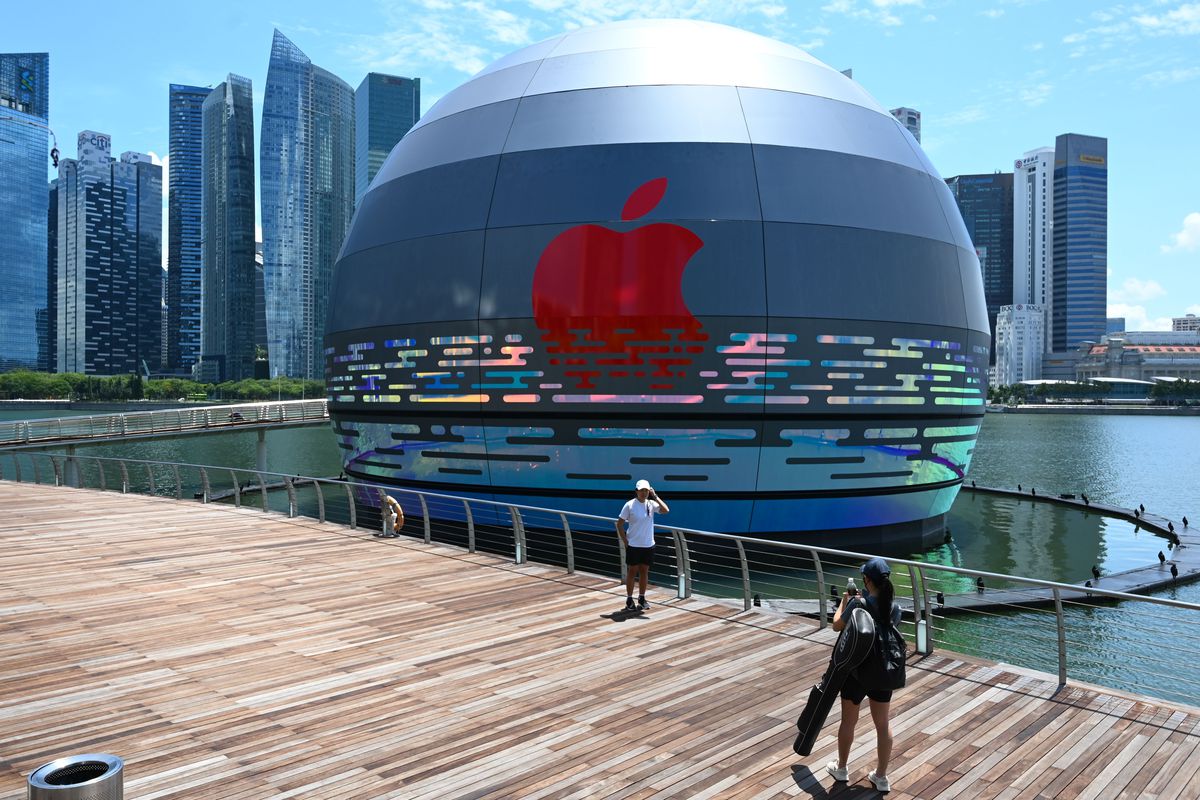
    Apple’s most ambitious store project yet will open its doors to the public this Thursday, a round structure that appears to float on Singapore’s harbor.

    The spherical shaped store features an all-glass dome structure above the waterline, with 114 panes of glass, affording 360-degree panoramic views of the city.

    Inspired by the Pantheon in Rome, an oculus is built at the apex of the dome, letting a ray of light flood the interior. Custom baffles, which are uniquely shaped, helps counter sun angles and create a nighttime lighting effect, according to Apple.

    Indoor trees are placed in a circular line, “providing additional shading and soft shadows through the foliage”.

    “We couldn’t be more excited to open the breathtaking Apple Marina Bay Sands in Singapore, building on our commitment to this special place that began more than 40 years ago,” said Deirdre O’Brien, senior VP of Retail + People at Apple.

    “Our passionate and talented team is ready to welcome this community to our new store and deliver the care and support that our customers around the world love.”

    Apple Marina Bay Sands houses The Forum meeting pace and a giant video wall, where Today at Apple sessions featuring Singapore’s artists and creators will be held. Apple’s first underground ‘Boardroom’ located on the lower level beneath the waterline is where entrepreneurs and developers can receive training and advice from the Apple team.

    On the opening date, store capacity will be limited and access will be by appointment only. Temperature checks will be taken, masks required and social distancing enforced.

  • Singapore government issues retail pricing transparency guidelines

    Singapore government issues retail pricing transparency guidelines

    Singapore retailers are on notice: tough new rules have been released covering drip pricing, price comparisons, discounts, and the improper use of the term “free” in a bid to eliminate misleading pricing practices.

    The state’s regulatory body, the Competition and Consumer Commission of Singapore, has issued a set of guidelines designed to educate retailers on pricing behavior. They take effect on November 1.

    The guidelines clarify how the commission will apply the Consumer Protection (Fair Trading) Act, to mandate price transparency.

    Under the guidelines, suppliers should ensure all charges (including taxes, surcharges, service fees, etc) are disclosed in total headline prices and institute an “opt-in” approach to any purchase add-ons that carry a charge. They must also take care that price comparisons with competing suppliers are accurate, based on genuine research, and not misleading – regardless of any offer of a refund.

    Discount prices must be genuine and reflect an actual drop from a demonstrably higher previous price and should be provided on a valid basis, with any time limits openly stated.

    “Free” items must represent a price of SG$0, and any qualifying terms clearly represented. Suppliers are encouraged to notify consumers before the end of any free-trial period, providing clear information on any subsequent fees as well as the cancellation procedure.

    “These guidelines aim to give suppliers greater clarity on how to comply with the CPFTA,” said CCCS CEO Sia Aik Kor. “Suppliers should ensure that their prices are represented accurately and communicated clearly and prominently so that consumers can make informed choices and shop confidently.

    “Suppliers also stand to gain as fair-trading practices can go a long way in building a solid reputation as a trusted trader. In short, the guidelines help to build a credible marketplace.”