Tag: Singapore

  • HSBC Life Names Duo Chiefs in Singapore

    HSBC Life Names Duo Chiefs in Singapore

    HSBC Life Singapore appointed two senior executives to further expand manufacturing and distribution activities in the city-state. HSBC Life Singapore named Philip Pang and How Chee Koon as a chief investment officer and chief product officer, respectively, according to a Business Times report.

    Pang is responsible for developing, executing, and overseeing the investment strategy of HSBC Life Singapore. He 15 years of experience in insurance and investments including eight years as the head of investments with Prudential Singapore and NTUC Income Singapore. Previously, he also worked with HSBC Global Asset Management in Hong Kong and Singapore.

    How is responsible for strategic implementation and execution of new product developments and the management of HSBC Life Singapore’s product suite. He has nearly 15 years of life insurance experience across product development, actuarial pricing and valuation, data analytics, distribution and marketing, and was most recently head of consumer marketing at AIA Singapore.

    According to HSBC, its life insurance unit in Singapore will play a key role in the broader bank’s ambitions to become a top wealth manager in Asia.

    HSBC Life Singapore’s chief executive Carlos Vazquez also underlined greater internal collaboration with the asset management and the $1.4 trillion wealth management unit – newly formed earlier this year by merging retail and private banking.

    HSBC rebranded its Singapore insurance business in May last year and has since signaled a growth drive by rolling out more products and expanding distribution to include partnerships with independent financial advisory firms.

    The British financier is not alone in expanding its insurance business in Singapore. Most recently, China Life Singapore said it would also accelerate expansion by hiring over 500 consultants by 2023 to target wealthy individuals in the city-state.

  • Digitalization of Asian Private Banking in Numbers

    Digitalization of Asian Private Banking in Numbers

    Even private banking in Asia – awash with not only the usual posh amenities but also various other characteristics that make it uniquely more high-touch – was not immune digital disruption during the pandemic.

    Within the banking sector, private banking has often been named as one of the segments most immune to digital disruption due to several common factors: larger account sizes and transaction sums that justify human resource costs; complex products and sensitive issues that are difficult to discuss while not in-person; and an older and traditionally less tech-savvy client demographic.

    This is even more amplified in Asia due to a hands-on investor culture coupled with a high share of active trading, leading to more need for manual interaction with clients. But increased market volatility and unprecedented geopolitical uncertainty, amidst an ongoing pandemic, has created an impetus for engagement regardless of method.

    We have met all our clients in their living room over the last six months, which was the first time ever, said Lombard Odier’s Asia chief executive, Vincent Magnenat, in a recent online conference. And guess what? We could have done this before Covid. We needed something like Covid to realize that we don’t need to take a flight to engage with our clients and partners.

    Many of the digital tools and capabilities being showcased during the pandemic, such as secure instant messaging or interactive virtual events, were already available to clients before the outbreak. But against the backdrop of restricted physical access, greater uncertainty and a digital option, a new factor has emerged: self-motivation.

    In the past if you wanted to share your view on macro or on markets, you basically had two ways: set up a large client event or distribute research documents and have bankers follow-up, said Omar Shokur, Asia chief executive of Indosuez Wealth Management in a previous interview. But during this crisis, we have seen bankers and clients becoming more receptive to interaction through new channels like virtual events, not to mention a much faster time to market.

  • Singapore retail sales show first signs of retail recovery

    Singapore retail sales show first signs of retail recovery

    Singapore retail sales rebounded in July as social-distancing rules were relaxed, but there was still a year-on-year decline of 7.7 percent, excluding motor vehicle sales. That was significantly better than June’s fall of 24.2 percent and May’s 52 percent.

    Month on month, seasonally adjusted retail sales increased by 19.5 percent.

    Online retail sales comprised about 11 percent of the monthly total, accounting for 49.1 percent of computer and phone sales, 21.8 percent of furniture and household equipment, and 11.4 percent of supermarket sales.

    In July, sales in department stores and of apparel, footwear and jewelry and watches declined by between 21 percent and 32.1 percent year on year, with those categories most affected by low tourist arrivals due to Covid-19 restricting international travel.

    In contrast, sales in supermarkets rose by 28.6 percent, and of computers and phones by 27.4 percent.

    Food and beverage services turnover fell by 25.4 percent, which was an improvement over June’s decline of 43.6 percent. Statistics Singapore says sales of food and beverage services reached US$486.9 million for the month, with online orders accounting for 21.1 percent of that.

  • Singapore startup helps companies pivot to online marketplaces during virus outbreak

    Singapore startup helps companies pivot to online marketplaces during virus outbreak

    Techsembly, a Singapore technology startup, is securing clients worldwide after developing a Software-as-a-Service platform allowing businesses to replicate a curated and customized in-store shopping experience online.

    The three entrepreneurs who founded Techsembly have a background in e-commerce and online retailing and built their own Gifts Less Ordinary marketplace into a million-dollar business. They recognized a need among companies forced to pivot their business due to the Covid-19 pandemic to maintain sales at a time it may be impossible for customers to interact in person.

    “The retail industry is at an inflection point and we are increasingly seeing the emergence of new players who are changing the rules of the game,” explains Techsembly co-founder and CEO Amy Read.

    “Businesses, whether they are retailers, media or hotels, are all impacted by the Covid-19 crisis, and marketplaces have become the new normal – already accounting for more than 56 percent of all online sales. Some industry experts are predicting that will increase to 80 percent in the future.”

    But many businesses who know they have to move online are daunted by the cost and logistics of building their own marketplace and concerned how it might integrate with their existing online experience.

    That’s where Techsembly comes in – and the company has recently signed three significant clients as customer partners: Boutique Fairs Singapore (BFS), Anglo-American fashion platform Not Just a Label, and luxury accommodation provider The Peninsula Hotel Group.

    BFS is regarded as one of the leading calendar events in Singapore, taking place bi-annually at the F1 Pit Building, attracting more than 300 local designers and artisans and 37,000 visitors per event. With social-distancing requirements due to Covid-19 forcing the cancellation of the latest edition of the fair, the company recognized the need to pivot online quickly to serve both vendors and visitors.

    In a matter of weeks, BFS was able to launch an online marketplace featuring 200 local brands and 4000 products by partnering with Techsembly.

    Charlotte Cain, Founder of Boutique Fairs Singapore, said the company needed a solution that combined offline experiences with online shopping through the launch of an e-commerce marketplace immediately.

    Not Just A Label (NJAL), another Techsembly client, is a design platform based in California and a UK-based designer showcasing and nurturing today’s pioneers in contemporary fashion. NJAL needed to pivot its business from a B2B to B2C model at the height of the pandemic. Not Just A Label operates the largest global network of contemporary fashion designers, having access to 4 million styles designed by more than 40,000 independent and emerging creative designers.

    NJAL, like BFS, reacted quickly to the global crisis by adopting a new strategy to provide a capital-light and highly profitable sales channel, thus saving a generation of emerging designers and brands that were impacted by the downfall of the brick-and-mortar retail sector during the pandemic. Many designers on the NJAL platform are also now moving to ‘Made to Order’ to increase sustainability, with more than 60 percent of items on the marketplace now carrying a made to order label.

    NJAL founder Stefan Siegel said using Techsembly’s solution allows NJAL to have multiple localized storefronts through one centralized platform, ensuring each regional storefront can be tailored to the needs of the local audience.

    Amy Read says the experiences of these companies underline the importance of moving quickly to embrace online trends and implement solutions to stay competitive.

    “This shift is not just limited to the fashion and retail industry, but many other businesses, including hotels and media outlets, are also looking to pivot and find new innovative ways to support their customers and generate additional revenue streams and value, without investing in inventory or new builds.”

    The Peninsula Hotels, like many other hospitality providers, has suffered significant a decline in turnover as a result of the global pandemic closing borders and social-distancing requirements limiting events and dining out. The firm launched a marketplace solution that allows for global sales of gift cards and experiences. As a result, despite their hotels having to remain closed, they were able to generate supplementary revenue for those customers wishing to give and purchase ‘experiences’ they could look forward to.

    “Marketplaces allow businesses to innovate and grow without the risk of holding stock, to support their local suppliers and replicate the mall experience online. This omnichannel approach is the future of modern retailing,” explains Read.


  • SGX to Grow Connectivity With China’s Capital Markets

    SGX to Grow Connectivity With China’s Capital Markets

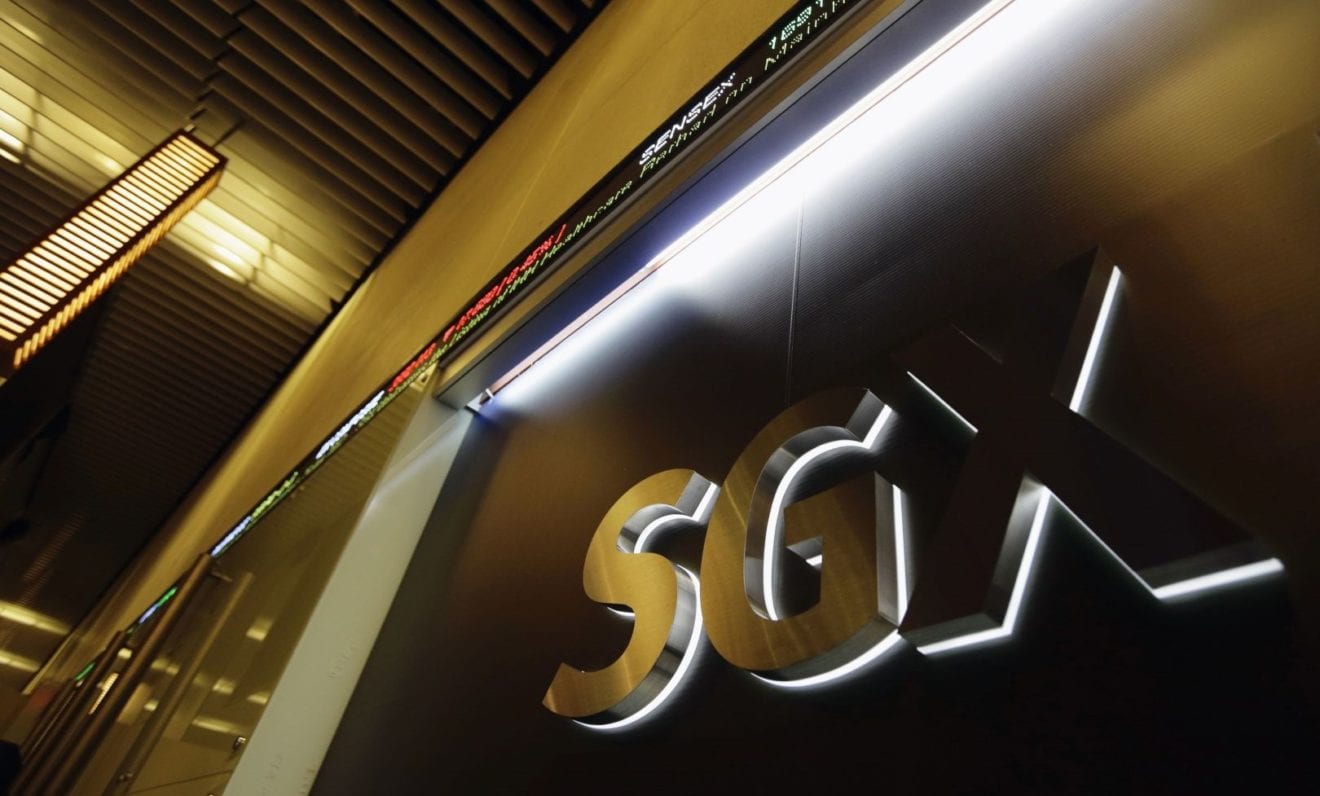
    The bourse has signed a memorandum of understanding with a Chinese wealth manager and asset manager GF Securities to expand its reach and services in Singapore and the region.

    As part of the MOU, which was announced at the 11th Singapore-Guangdong Collaboration Council meeting, GF Securities will grow its distribution of SGX’s derivatives products, such as Chinese Renminbi futures, and facilitate access to SGX’s securities market.

    The firm will also raise awareness of multi-asset investment opportunities in both markets, in particular SGX-listed real estate investment trusts (REITs) and fixed income products, an announcement on Monday said.

    This collaboration with GF Securities paves the way for its clients to access the wide range of investment products and opportunities offered by SGX, thereby enhancing capital flows between China and Singapore, SGX chief executive Loh Boon Chye said about the collaboration.

    GF Securities, which has been participating in SGX’s over-the-counter bond trading platform, aims to increase its FX futures and commodity derivatives trading on SGX as well as promote the listing of fixed income products on the bourse.

    It said that its subsidiary, GF Securities (Hong Kong) Brokerage, plans to apply for SGX’s securities trading membership to offer its customers online brokerage services for SGX’s securities products.

    Stronger financial connectivity between China and Singapore not only enables Chinese enterprises and investors branching out overseas, but also introduces RMB assets to global investors, Sun Shuming, GF Securities chairman and general manager, said

  • Clarins opens first kiosk-style store in Singapore

    Clarins opens first kiosk-style store in Singapore

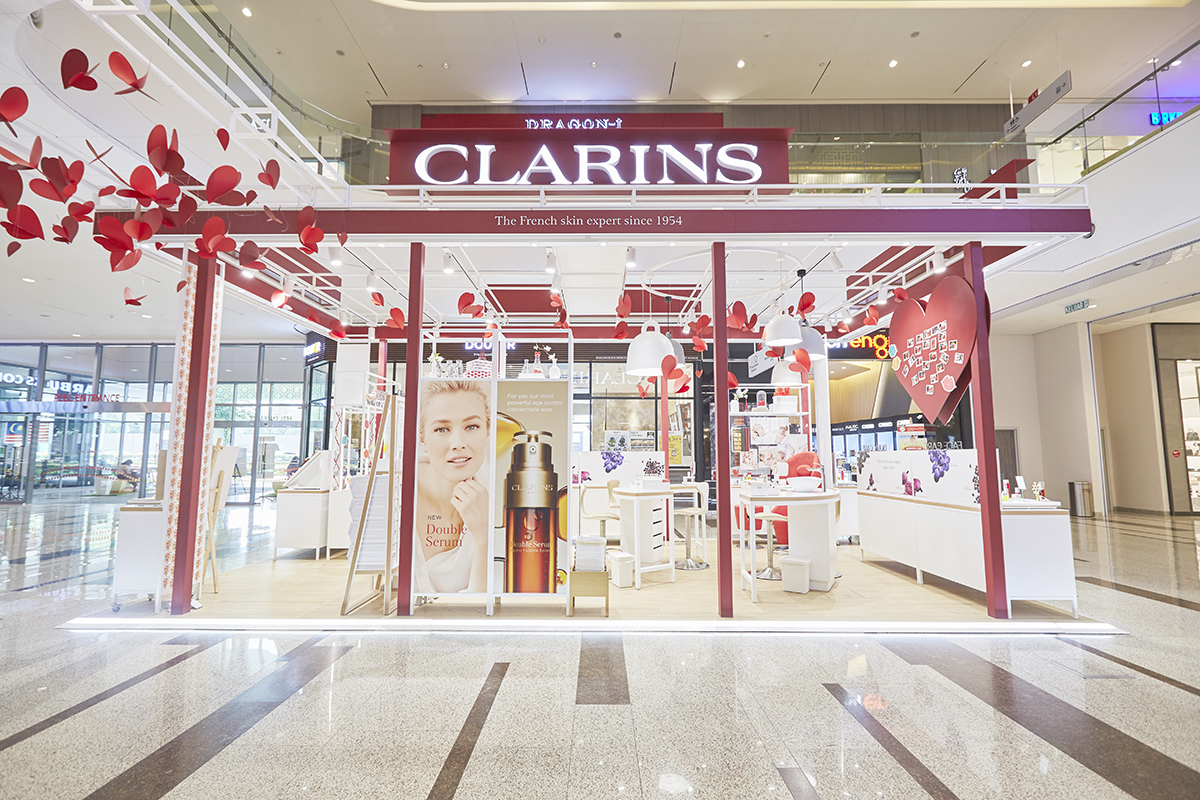
    French beauty brand Clarins has opened its first kiosk-style concept store in Singapore, its fourth boutique in the city.

    Located in the heart of the Nex shopping center, the store occupies just 20sqm, but offers a wide range of products, including the Clarins hero product Double Serum and the V Shaping Facial Liftline.

    To celebrate the opening, the store introduced the brand’s Clarins Scented Collection which is made from plant ingredients and available in a series of products, including foaming gel, body lotion, home fragrance, and scented candles.

    “The new Clarins kiosk at Nex is perfect for time-strapped shoppers who appreciate the convenience of grab-and-go,” the company said in a statement.

    Clarins operates stores in more than 140 countries including Mainland China, India, Japan, and South Korea.

  • Decathlon store replaces old Metro at Singapore’s Orchard Rd

    Decathlon store replaces old Metro at Singapore’s Orchard Rd

    Decathlon Singapore is opening a new experience store in Orchard Rd, the brand’s fifth experience store in the city.

    Located at the Centrepoint shopping mall, Decathlon Orchard spans two floors, occupying a 3200sqm area. The store will feature some 5000 products spanning more than 50 sports.

    In the new Decathlon Singapore experience store, customers will be able to test products before purchasing with in-store “innovative solutions”. According to the company, the store will feature several interactive concepts including virtual reality test zones and free sport events

    Based on the photos the brand has shared on their social media channels, the fit-out process is still underway, but the store is scheduled to open on September 12.

    The new Decathlon store location takes up space previously leased to the Metro department store.

  • Juwai IQI, Southeast Asia’s Largest Proptech Group, Expands into Singapore

    Juwai IQI, Southeast Asia’s Largest Proptech Group, Expands into Singapore

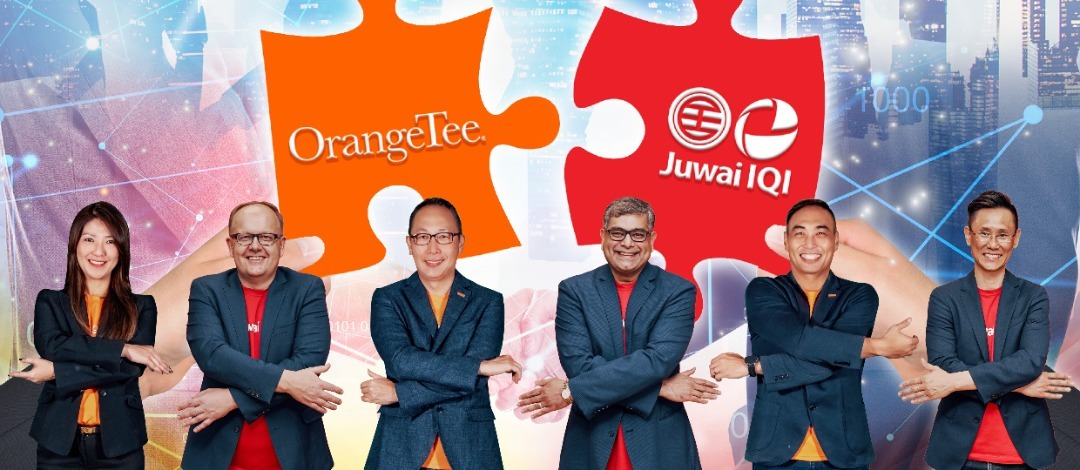
    Singapore’s third-largest real estate company, with more than 4,300 agents, OrangeTee & Tie Pte Ltd (“OTT”), has entered into a strategic partnership with Juwai IQI, Southeast Asia’s largest proptech group and operator of real estate super-brands, Juwai and IQI Global. By joining forces, Juwai IQI and OTT will open up new opportunities for their combined force of more than 15,000 property agents across Asia, Australia, Canada, and the Middle East to better serve buyers, sellers and developers.

    Juwai IQI’s operations currently comprise Juwai.com, China’s largest online marketplace for overseas properties; Juwai.asia, the sole global property portal for Asia-based buyers and IQI Global, owner of Southeast Asia’s largest real estate network even prior to the partnership.

    OTT is currently marketing more than 70 developer projects in Singapore. The tie-up with Juwai IQI will provide Singapore developers with a single, end-to-end solution for marketing and selling their new homes to buyers locally and around the world. The combined network will also ensure that Singaporean buyers of overseas properties have access to more than 2.8 million property listings in 91 countries, as well as dedicated after-sales service by local agents in the countries of investment.

    With the COVID-19 pandemic having accelerated the industry’s rate of technological change, another key benefit of the partnership is the opportunity to combine both companies’ technological infrastructure to better support the combined network of agents and clients.

    Steven Tan, Managing Director of OTT, said, “At the heart of our culture is collaboration and innovation and we are delighted that Juwai IQI shares the same values and prioritizes the use of technology to leverage growth and improve client service. Both are technology companies as much as real estate companies. Integrating our platforms and working jointly to build new capabilities will increase delivery speed and allow new features to be rolled out at a faster pace. The fact that Juwai IQI is the leading player in real estate technology is the icing on the cake for us.

    “OTT’s position as a strategic partner of Juwai IQI will serve to connect overseas-based property buyers with Singapore’s real estate offerings and vice versa.”

    Daniel Ho, Group Managing Director of IQI Global, said, “We are tremendously pleased to welcome the OrangeTee & Tie team to Juwai IQI. Steven Tan is one of the stars of Singapore’s real estate industry.

    “This tie-up will allow our agents to help Singapore-based buyers purchase real estate in any of the 91 countries from which we market the property. On the other hand, the expansion also makes it easier for us to help investors from other countries who want to own real estate in Singapore, which is one of the most popular destination markets in the region.

    “Now with our combined force of more than 15,000 agents, we can look forward to many joint-collaborations to empower agents to better assist their buyers in landing their dream property, locally and globally.”

    Kashif Ansari, IQI Global Group CEO, said, “We are pleased to announce that IQI is now in Singapore. Buyers from China, Malaysia, India, and South East Asia are leading investors in Singapore, and we have a very strong presence and network in each of these locations. Together, we will be able to cater to buyers investing in Singapore as well as take Singapore to the world.”

    Juwai IQI Executive Chairman Georg Chmiel said, “With Steven Tan and everyone at OrangeTee & Tie, our IQI agent network has the benefit of one of Singapore’s very best teams.

    “One key to success during the pandemic has been the rapid adoption of new technology. We have deployed technologies that improve agent productivity, enable remote property marketing and relationship building and give developers an end-to-end solution in advertising and selling their listings. We are now well-positioned to help both buyers and developers in Singapore to discover new markets, just like we already do across Asia.”

  • Singtel and Great Eastern partner to offer general insurance products with telco-centric benefits

    Singtel and Great Eastern partner to offer general insurance products with telco-centric benefits

    Singtel and Great Eastern today announced their partnership to launch a range of general insurance products spanning home, motor and travel, jointly developed by both companies. These innovative insurance offerings, underwritten by Great Eastern, seek to address customer needs arising from their increasingly digital lifestyles, featuring telco-centric benefits that are industry firsts. This collaboration expands Singtel’s foray into insurance, tapping its wide customer base to reach more than 60% of all households in Singapore, and valuable customer insights that help tailor insurance products to customers’ lifestyle needs.

    To start, Singtel and Great Eastern will be introducing Singtel Home Protect, a home insurance first that provides coverage for both telco bills and home contents. The plan reimburses Singtel broadband expenses besides covering renovation, furniture, appliances, valuables and personal effects, which most home owners do not insure today. Insurance that bundles both home contents and broadband is synergistic, as home owners typically sign up for or re-contract their broadband services when they shift or renovate their homes.

    Mr Yuen Kuan Moon, CEO of Consumer Singapore at Singtel said, “With the shift to work from home since the onset of COVID-19, many people have made home improvements to create a more conducive environment. This makes protecting their homes with Singtel Home Protect more important than ever. On top of better coverage for home belongings, we want to give our customers additional peace of mind by providing extra protection for their telco bills. We’ve worked closely with Great Eastern to enhance traditional insurance with the kind of telco benefits that speak to our reliance on technology and this will also be extended to motor and travel insurance.”

    In the coming weeks, Singtel and Great Eastern will also be offering car owners motor insurance. For travellers keen to tour the world once more travel restrictions lift, Singtel will be introducing travel insurance with mobile-related benefits. This is another first in Singapore as it includes unique benefits such as reimbursement of Singtel mobile bill during hospitalization due to an accident, and of additional Singtel mobile data expenses incurred due to delays in travel, as well as repair or replacement of mobile phone in case of loss.

    Mr Ryan Cheong, Managing Director of Digital for Business, Great Eastern, said, “The partnership with a trusted telco like Singtel is yet another milestone in our digital affinity strategy and expansion into new customer segments as a leading regional insurer. To provide value-added protection to augment Singtel’s existing customer offer, we leveraged data insights to develop affordable, relevant general insurance solutions with unique benefits to help protect their everyday needs. Through continuous engagement and a seamless consumer purchase journey, we are making customized protection solutions easily accessible to Singtel customers to LifeProof their assets through home, and later motor and travel insurance.”

    Singtel Home Protect is offered to Singtel broadband customers at launch and will be made available to all Singtel customers later. For as low as S$6.50 a month, they can sign up for the plan on the Singtel website or through My Singtel app. The plan covers reimbursement of Singtel bills of S$280 per month for up to three months, and up to S$80,000 for home contents and renovation in the event of a disruption to services due to a fire or other types of damage to the home. Available for S$84 for 12 months of coverage, or S$156 for 24 months of coverage, customers can enjoy 10% off Home Protect from now until 18 September 2020. For more details, visit singtel.com/homeprotect.

    The launch of these general insurance products adds to Singtel’s expanding range of insurance offerings for its customers. Singtel first made its foray into the local insurance market last July, when it launched free personal insurance cover for its prepaid customers as part of mobile data plans. Earlier in the year, Singtel extended free 30-day COVID-19 insurance coverage to prepaid and Dash customers. Singtel also introduced an insurance savings plan for Dash customers who wish to start saving regularly for the future.

  • Fintech Lightnet Partners Swiss Crypto Bank

    Fintech Lightnet Partners Swiss Crypto Bank

    The Singapore joint venture will serve both retail and institutional investors from the globe with a more transparent and secure settlement solution.

    Bangkok-based fintech Lightnet’s partnership with SEBA will strengthen its remittance settlement capabilities and provide a seamless, secure and accessible bridge between digital and traditional assets, as it sets its sights on the region’s remittance market.

    Under the memorandum of understanding signed by both parties, SEBA will serve as the banking counterparty for the Lightnet Group, enabling settlements, correspondences and remittances in both fiat and digital currencies, an announcement on Tuesday said. Zug-based SEBA will also act as an alternative settlement banking network, account and custodian as well as the settlement bank for money transfer operators (MTOs) in digital currencies.

    Asia is a promising market not only because of its size but especially because of the affinity of the people towards digital services and digital assets, Matthew Alexander, head of asset tokenization of Seba Bank, said about the partnership.

    Lightnet said it will use a blockchain financial protocol developed by Velo Labs, a decentralized credit and settlement network in Asia, to transform remittance services for the millions of unbanked migrant workers across Southeast Asia, which is currently characterized by high transaction fees, fragmentation and unreliable payment routes.

    The company said it also plans to introduce multi-currency virtual accounts to address the inefficiencies of global trade finance.

    Lightnet was co-founded in 2018 by Chatchaval Jiaravanon – a family member of the Charoen Pokphand group in Thailand – and tech entrepreneur and former investment banker Tridbodi Arunanondchai. Earlier this year, the startup raised $31.2 million in a Series A funding round led by UOB Venture Management, the private equity unit of UOB Bank.

  • The Body Shop Singapore introduces ‘Activist’ store

    The Body Shop Singapore introduces ‘Activist’ store

    Cosmetics & skincare retailer The Body Shop is launching an “activist workshop” store in Singapore at the Ion Orchard shopping center.

    Building on the brand’s reputation for being environmentally aware and natural, the store has been transformed into an interactive ‘activist workshop’ that encourages visitors to explore and recycle products.

    The store features sustainable fixtures of reclaimed wood and recycled plastics as well as low-energy-footprint zinc cladding and worktop surfaces made from material otherwise destined for landfills.

    Features exclusive to the outlet include a DIY gifting station, a cruelty-free fragrance collection, and a water station, as well as an ‘activist bay’ where visitors can take inspiration from the brand’s campaigns.

  • AirAsia resumes KL-Singapore flights under RGL scheme

    AirAsia resumes KL-Singapore flights under RGL scheme

    AirAsia resumed its Kuala Lumpur to Singapore flights today, allowing cross-border travel for essential and official travellers, following the implementation the Reciprocal Green Lane (RGL) scheme by both countries.

    AirAsia Malaysia CEO Riad Asmat said both countries have taken relentless efforts and strict discipline in containing the spread of Covid-19, and the RGL is a first step towards reviving the economy, especially for those who have essential travel needs between both countries.

    “We look forward to seeing more ‘travel bubbles’ and ‘green lanes’ formed between countries with low infection rates or active cases, and proven pandemic curbing systems to facilitate the need for air travel.

    “At the same time, we urge all guests to adhere to the required regulations and follow the safety measures for a safe flying journey,” he said in a statement today.

    The flight departed from klia2 today at 11.50am to Changi International Airport, and returned to klia2 at 2.35pm.

    He said AirAsia will continue to review the suitability of introducing more frequencies between the two countries.

    “AirAsia would like to remind guests of travel requirements set by both countries under the RGL scheme, all inbound and outbound travellers for essential business and official travel between Malaysia and Singapore via the RGL are required to check their eligibility and travel requirements before their scheduled departure,” he said.

    More information on the matter is available on AirAsia’s Travel Requirements page.

  • Foot Locker launches Singapore’s largest store on Orchard Rd

    Foot Locker launches Singapore’s largest store on Orchard Rd

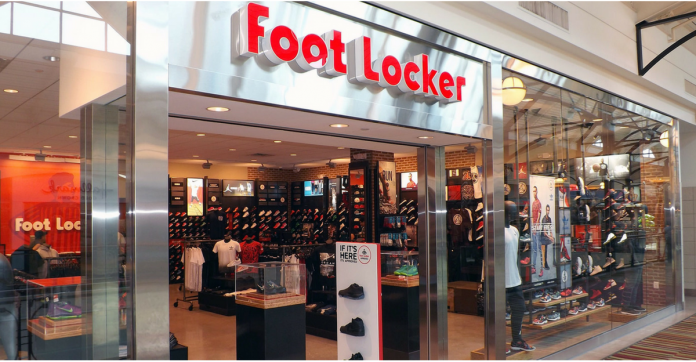
    Foot Locker Singapore has opened its largest store yet on Orchard Rd, celebrating basketball culture.

    Located at Orchard Gateway @Emerald, the Foot Locker store spans five stories, three of which are retail spaces, offering a multi-branded basketball collection.

    Foot Locker Singapore also partnered with local artists MessyMsxi and Clogtwo to feature artworks at both Level 1 and the B2 basketball half-court, expressing the brand’s appreciation for basketball culture.

    “This is where we embarked on our Asia journey and Singapore has really embraced our brand out of the gate,” said Tomas Petersson, GM, and VP at Foot Locker Asia. “Our purpose is to inspire and empower youth culture and our belief is that when we speak to the consumer through the lens of curated brand and product stories via our omnichannel focus, then we connect deeply with the Sneaker and Sport community.”

    Besides basketball collections, Foot Locker Orchard also features a wide range of footwear and apparel from global brands, including Nike, Jordan, Adidas, Puma and New Balance.

    “The Orchard Road store is a pinnacle expression of our brand together with our partners and we are especially proud as a team to deliver this in these challenging times, as this will give the Singaporean consumer a truly unique experience,” said Petersson.

  • OCBC Partners Asset Manager for New Fund

    OCBC Partners Asset Manager for New Fund

    The co-branded solution to address investor needs during times of stress and uncertainty and has a built-in dollar-cost averaging feature. French asset manager Amundi and OCBC Bank on Wednesday announced the launch of the Amundi-OCBC Momentum Fund – a mixed-asset product that invests in global bonds and equity ETFs.

    According to its prospectus, the Momentum Fund lets the portfolio manager initiate dollar-cost averaging for the investor. The fund leverages the cost-averaging effect when it systematically allocates assets from an initial pool of fixed income securities to equity ETFs, which helps to average out the costs of investing into equities and position the fund for a potential equity market recovery. Investors are also paid a quarterly dividend of up to 3 percent per annum.

    The fund is the first co-branded tie-up between the two partners, though OCBC has been distributing four other products from Amundi, according to the bank’s website.

    Investors should stay invested in the market and not wait for blue skies. They should manage risk by investing carefully and staying diversified across asset classes and by taking on risk gradually over time through regular investments – in other words – dollar-cost averaging. This can benefit investors by potentially lowering the average cost per unit of an investment, especially during times of volatility, Tan Siew Lee, OCBC’s head of wealth management, Singapore, said about the new fund.

    The bank noted the benefits of a multi-asset strategy in an uncertain economic environment, as it provides relative stability over equities. The fund has a target allocation of 50 percent global bonds and 50 percent global equity ETFs, with a maximum of 25 percent into non-investment grade bonds.

    DBS Bank also recently launched a multi-asset fund with Schroders that includes a unique decumulation share class targeted at retiree investors, with exposure to a range of investment growth themes across Asia.