Tag: Singapore

  • Singapore retail sales flat in December

    Singapore retail sales flat in December

    Singapore retail sales were flat in December, after motor vehicles were removed from the data, rising by a mere 0.1 percent.

    Including motor vehicles, a decrease of 3.4 percent was recorded, but this relates more to the scarcity of Certificates of Entitlement by which Singapore’s government restricts the number of vehicles on the roads. New vehicle sales were down by 24 percent year on year.

    Compared with November, and again excluding vehicles, retail sales slipped by 1.4 percent.

    Singapore retail sales totaled SG$4.2 billion (US$3.2 billion) for the month. Significantly, online shopping accounted for 6.8 percent of that figure, one of the highest rates yet.

    Aside from cars, the worst-performing retail categories were furniture & household equipment down 8.2 percent, and computer & telecommunications equipment, down 6.3 percent. Sales at department stores fell 5.6 percent, and optical goods & books recorded a 1.2 percent decline.

    Categories to post growth included watches & jewelry (up 8.9 percent). Retailers of petrol service stations, medical goods & toiletries, and mini-marts & convenience stores achieved growth rates between 3.1 percent and 5.4 percent.

    Compared to the same period last year, Sales of food & beverage services in December increased by 2.7 percent to an estimated SG$964 million, compared to $938 million in December 2018.

    Turnover of fast-food outlets, cafes, food courts & other eating places, and restaurants

    Increased by between 2 percent and 7.7 percent year on year.

  • Standard Chartered Robber to Face Charges in Singapore

    Standard Chartered Robber to Face Charges in Singapore

    The man, wanted in connection with the 2016 robbery of a Standard Chartered branch in Holland Village, will face charges in Singapore after his appeal against extradition from the U.K. was dismissed by a London judge.

    Canadian national David James Roach will face extradition to Singapore from London, where he is currently held, to face charges of robbery and money laundering, the Singapore Police Force said in a statement on Thursday.

    The Singapore authorities will do whatever is necessary and permissible within our legal framework to seek justice against those who commit crimes in Singapore, regardless of nationality and where they might have fled to, the statement said.

    The 28-year-old suspect took $30,490 in cash from the bank in a robbery that took place on the morning of July 7, 2016. By the time the police were able to establish his identity, he had already fled to Bangkok, Thailand. He was later detained by local authorities and found guilty of violating money-laundering laws by bringing money from the robbery into Thailand.

    After serving a 14-month sentence, he returned to Canada on January 11, 2018, but was detained in London during a stopover at the request of Singapore authorities.

    Robbery carries a 10 years’ jail and at least six strokes of the cane, while the money laundering charge comes with a 10-year sentence and a S$500,000 ($360,000) fine. For the extradition to proceed, Singapore authorities have agreed to the U.K.’s request to waive the caning if Roach is found guilty.

  • Standard Chartered Launches Singapore-Based Venture

    Standard Chartered Launches Singapore-Based Venture

    The bank is partnering with Australia-based start-up Assembly Payments to deliver next-generation payment solutions to merchants globally.

    Standard Chartered is launching a new payments venture to be headquartered in Singapore as part of a strategic partnership with Assembly Payments, the two parties announced on Tuesday.

    The joint venture will offer merchants globally a digital payment platform to manage transactions across multiple payment types and countries, including online, mobile and point-of-sale, digital wallets, debit and credit cards and real-time payments, a joint statement said.

    As the world moves towards platform-based e-commerce, the need for the next generation of tools to empower merchants and enable financial inclusion continues to grow, Alex Manson, head of SC Ventures, the bank’s innovation, fintech investment and ventures arm, said.

    The payments venture is the latest in a series of new business models the bank has launched recently, which include a strategic joint venture with PCCW, HKT and Ctrip Finance in Hong Kong to deliver a new standalone digital retail bank, virtual banking partnerships in Taiwan and Korea and SME-focused financial and business services platform Solv in India.

    Assembly, which already offers these services in its home market, said the partnership better positions it to capture a larger slice of the $29 trillion international payments market and exponentially grow its business.

    Since its founding in 2013, Assembly has already raised $70 million in equity financing. Its rapid growth has been spurred on by the introduction of the country’s fast payment network, the New Payments Platform.


  • Coronavirus Hits Singapore CBD

    Coronavirus Hits Singapore CBD

    Staff of major firms are being told to work from home and temperature screening and sanitation are being stepped up at many towers in the central business district as two cases emerge.

    The novel coronavirus outbreak in Singapore has spread to its financial district, with two employees at buildings in the area found to have been infected, «The Business Times» reported, citing circulars seen by the publication.

    The first, who contracted the virus on February 8, works at Marina Bay Financial Centre (MBFC) Tower 1, where Standard Chartered is a key tenant. DBS has offices in Tower 3. The building’s management said that affected office space, lifts and ground floor common area have been deep cleaned and disinfected in accordance with Ministry of Health guidelines, according to the report.

    The other, an employee of United Industrial Corporation (UIC), works at Clifford Centre. No other UIC employee has displayed any signs of the virus as of February 7, a circular said, noting the building has since been disinfected.

    The Monetary Authority of Singapore (MAS) issued an advisory urging financial institutions to adopt additional measures and precautions on Friday, the same day the city-state raised its response level to Orange, the same level as during the Sars epidemic in 2003.

    They include maintaining effective internal controls across operations should split team arrangements be implemented, anticipating and preparing for an increase in demand for services such as cash withdrawal or online financial services, informing customers of the availability of services and operating hours, and supporting staff morale.

    It also warned of the heightened risk of cyber threats as actors take advantage of the situation to conduct email scams, phishing and ransomware attacks.

    As a precaution against the novel coronavirus, UOB has closed two banking outlets in Shanghai and Beijing, the bank said in a media statement on Monday.

    UOB’s Commercial Banking Centre in Kwun Tong, Hong Kong remains closed until 14 February. Corporate customers are encouraged to use the Tsim Sha Tsui and Causeway Bay branches during this time.

  • Bangkok’s Chatuchak mall opens in Singapore

    Bangkok’s Chatuchak mall opens in Singapore

    Bangkok’s world-famous Chatuchak Market has launched a satellite site in Singapore.

    A 40,000sqft pop-up market located at The Grandstand on Turf Club Road, it marks the first time Chatuchak has been convened outside of Thailand.

    The market opened this week and will remain trading until May 3.

    More than 400 vendors are trading at the market, some rotated in from the original open-air market in Thailand.

    While Bangkok’s market is only open during weekends, Chatuchak Singapore will trade from 4.30 pm to 10.30 pm every day except Monday.

    Thai street food is being sold at the market for visitors seeking an authentic Chatuchak experience – while apparel, accessories and jewelry are among the goods on offer at stalls.

  • Myanmar Secures First Green Loan from Singaporean Banks

    Myanmar Secures First Green Loan from Singaporean Banks

    Singaporean banks continue tapping into the growing sustainable finance market with the latest $44 million loans secured by Burmese developer Shwe Taung Group – the first in the country.

    Sole green loan advisor OCBC provided nearly $30 million with the remaining secured from UOB through the two Singaporean lenders’ Yangon branches. The $44 million loans will be used for a mixed project that includes offices, a shopping mall and the Pan Pacific Hotel.

    Green features in the project include energy-efficient systems that lower consumption such as double-glazed glass windows rooftop solar panels. The features are expected to collectively reduce energy consumption by 15-20 percent, according to a statement.

    The loan brings OCBC slightly closer to its target of constructing a S$10 billion ($7.2 billion) sustainable finance portfolio by 2022. The bank has been on a global green lending spree issuing loans for projects ranging from property development in Hong Kong to hybrid bus fleets in Australia.

    Green financing is gathering momentum across the region as companies embrace the sustainability agenda and find support in driving climate change within their businesses and industries, said Linus Goh, head of global commercial banking at OCBC which has over 60 years of history in Myanmar.

    We believe that this landmark transaction signals an important shift towards sustainability in the country at this crucial stage of economic development, and we hope it will spur other businesses to join us in this journey.

  • Citi Singapore to Shut Iconic Branch

    Citi Singapore to Shut Iconic Branch

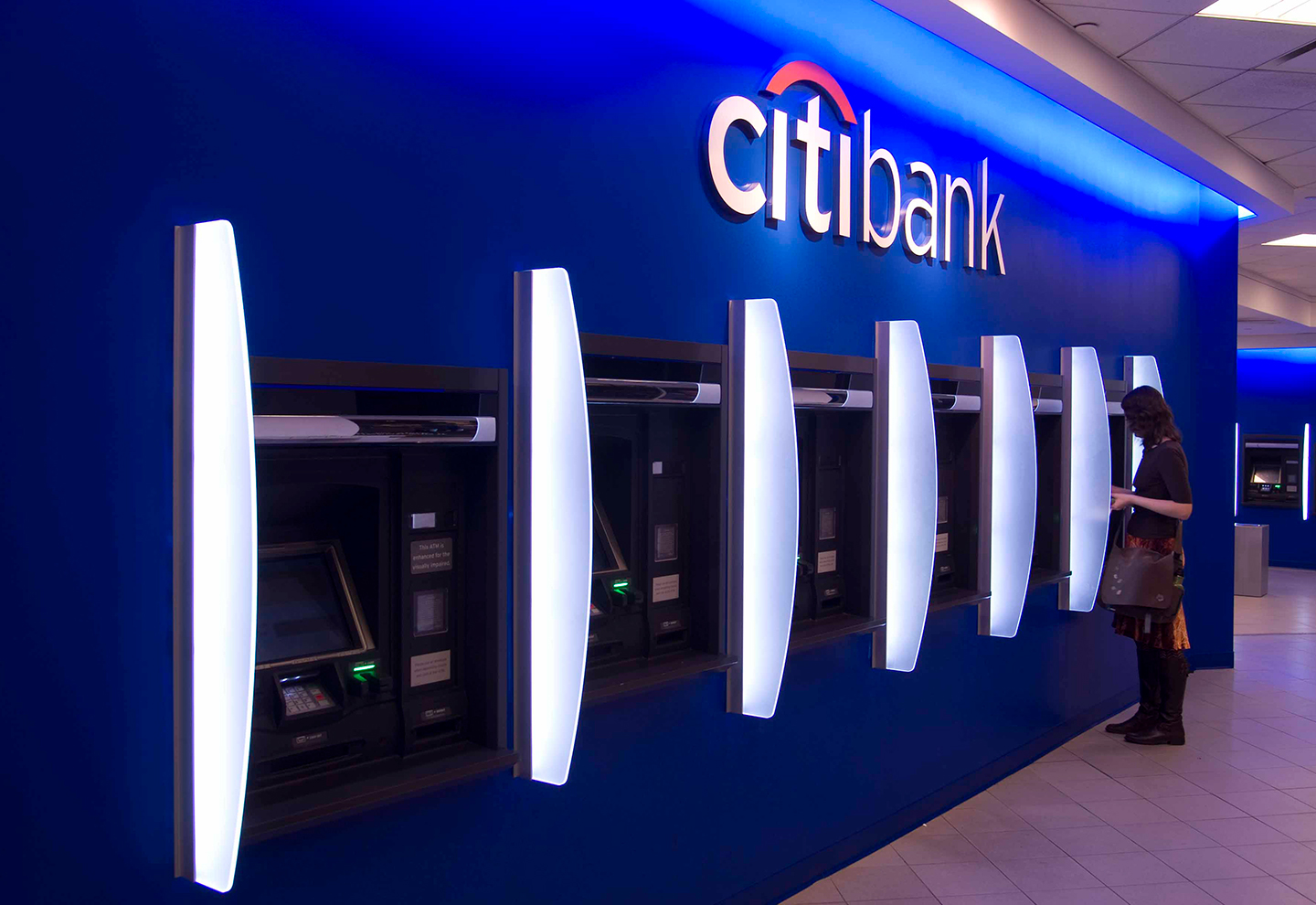
    As part of its network reconfiguration, Citi is shuttering its iconic branch at McDonald House on 28 February.

    For its replacement, the U.S. bank said it will soon launch a whole new and exciting retail banking branch experience after its MacDonald House lease expires at the end of this month. Details on the new branch were not revealed.

    Citi consistently reviews its branch network strategy. Clients today increasingly bank on mobile, with almost 100 percent of financial transactions being able to be served through digital platforms. Our retail footprint and the way we serve customers will continue to evolve,» said a Citibank Singapore spokesperson.

    MacDonald House, situated across the road from Dhoby Ghaut MRT station, was initially built for a bank. It became gazetted as a national monument in 2003 and has a place in Singapore’s history as the site of a bombing attack in 1965 during the Indonesia-Malaysia confrontation, or the Konfrontasi.

    Citi commenced business at the MacDonald House in 2005, taking up 37,000 sq ft of space over four floors. The 14 staff currently at the MacDonald House branch will be redeployed to the bank’s remaining 13 branches in Singapore, the Citi spokesperson added.

    The bank’s latest branch network rejig comes as part of the review led by Citibank Singapore’s new chief executive Brendan Carney, who moved to Singapore from South Korea in May last year.

    The lender’s move also comes amidst a change in the banking landscape, as 21 consortiums vie for the five digital bank licenses offered by the city-state.

  • OCBC Automates Cooperation with Law Enforcers

    OCBC Automates Cooperation with Law Enforcers

    OCBC has implemented an automated solution that accelerates collaboration with law enforcement agencies by up to 100-fold.

    On average, it takes between 10 days and three months for banks to respond to production orders or requests by law enforcement agencies to provide information for investigation on the bank accounts of individuals or companies. With the new solution – Production Orders: Electronic Transmission (POET) – OCBC will cut turnaround time to just one or two working days with minimal manual processing assuming the information requested does not exceed 13 months.

    By greatly reducing the turnaround time for production orders, we are doing our part to put the squeeze on criminals, said Loretta Yuen, OCBC’s head of group legal and regulatory compliance.

    After a successful pilot, OCBC launched POET in collaboration with the Commercial Affairs Department (CAD) in July 2019. Since then, it has extended collaboration to other agencies including the Singapore Customs, Inland Revenue Authority of Singapore (IRAS), the Corrupt Practices Investigations Bureau (CPIB) and various units under the Singapore Police Force. It is in collaboration with more than 10 law enforcement agencies and expects about 70 percent of production orders to come through POET.

    Other banks are also considering to adopt the solution to improve compliance efficiency. In addition to DBS and UOB, the report noted that foreign banks in Singapore also expressed interest in POET.

    Collaboration with regulators aside, Yuen also highlighted the benefit of data gathered by POET for banks not only to respond to requests but to identify compliance risk early.

    We can use it as additional surveillance risk indicators, as well as in intelligence data mining and transactional link analysis to identify hidden relationships and/or clustering relationships that may pose money laundering risks to the bank, Yuen said.

    On average, OCBC receives more than 1,000 production orders per month from law enforcement agencies and the figure is projected to rise in the coming years.

  • SGX Grows Index Business

    SGX Grows Index Business

    The strategic investment will help the growth of its Data, Connectivity and Indices (DCI) business by strengthening its research-based index design capabilities as well as broaden the range of index products and clientele.

    Singapore Exchange (SGX) has paid €186 million ($204.83 million) in cash for a 93-percent stake in independent index provider Scientific Data, it announced in a press release.

    The Singapore-based company, established by EDHEC-Risk Institute (ERI Asia), an affiliate of EDHEC Business School, specializes in smart beta strategies – investment strategies that emphasize the use of alternative index construction rules instead of traditional market capitalization-based indices – with expertise in factor-based and risk-managed solutions.

    Scientific Beta is a well-known brand among asset owners worldwide. Over 60 asset owners and asset managers use its indices to track or benchmark their smart beta investments, which total almost $55 billion. This figure that has grown more than tenfold in less than four years, with 30 percent of these assets under replication integrating ESG dimensions, the announcement said.

    SGX CEO Loh Boon Chye called the acquisition «an important step» in the evolution of the firm’s index business. «Besides being complementary to our existing SGX Index Edge thematic and custom index capabilities, we also see new product opportunities based on Scientific Beta’s indices.»

    In the announcement, SGX noted the «significant growth» in factor investing in recent years. It cited BlackRock data that assets using factor-based strategies are forecast to reach $2.7 trillion by 2020, at a compound annual growth rate of 17 percent between 2011 and 2020.

  • Singapore Helps Global Crypto Firms To Expand

    Singapore Helps Global Crypto Firms To Expand

    Singapore has introduced new payment legislation that offers global cryptocurrency firms a chance to expand their operations in the country. The Payment Services Act, which comes into force on Tuesday, is the first comprehensive regulation for companies handling activities ranging from digital payments to the trading of tokens such as Bitcoin and Ether.

    We welcome the Act with open arms, said Liquid’s CEO Mike Kayamori, who was quoted in a «Bloomberg» report. The firm will apply via its local Quoine Pte subsidiary. Tokyo-based crypto exchange operator Liquid Group Inc and London-based Luno, which already operate in Singapore, are among the firms planning to apply for the licenses.

    Increased investor interest in digital tokens has encouraged several regulators around the world to bring the venues under their scrutiny, especially for money laundering and other illicit activities.

    Besides bringing crypto firms into the regulatory fold, the law will hand the Monetary Authority of Singapore formal supervisory powers for cybersecurity risks and controls on money laundering and terrorism financing. The new measure narrows the gap with Japan, currently a major Asian centre for cryptocurrency trading after 22 exchanges received licenses there since 2017.

    The key advantage of Singapore’s new legislation is providing regulatory clarity on new types of payments activities such as e-wallets and cryptocurrency exchanges, according to Nizam Ismail, the founder, and chief executive officer of Ethikom Consultancy, which helps potential applicants with licensing and compliance issues.

    Twenty of the top 50 crypto exchanges are based in the Asia-Pacific region and accounted for about 40 percent of Bitcoin transactions in the first half of last year, according to data from Chainalysis.

  • Swisspartners Opens Office in Singapore

    Swisspartners Opens Office in Singapore

    The Firm has been fully licensed as a trust company by the Singapore Monetary Authority (MAS) since 2010 and is located in the heart of the central business district at 1 George Street, according to further information.

    The board of Swisspartners Marcuard Trust (Singapore) consists of Dorothy Yeo, Evelyn Tay, David Sykes, and Robin Graetz. The firm has a team of professionals based in Singapore. It consists of trust and corporate professionals as well as compliance specialists who speak Mandarin, English, and Italian.

    Asia is important for the trust group to complement our offering in Europe, including our longstanding operations at Swisspartners Marcuard Heritage in Zurich and SPMH (Cyprus) in Larnaca, which was established in 2018, a spokesperson said.

    The company provides wealth planning and wealth structuring, using a variety of tools including trusts, foundations, companies, life insurance, and private label funds. «We continue to see a demand for relocation and residency services from individuals in the region and further afield, and our team is well placed to assist those looking to take up residence in Singapore, the spokesperson further said.

    Singapore is the gateway to Asia and is well placed to benefit from the growing wealth of entrepreneurs in the region who now require wealth planning and wealth structuring. Wealthy individuals and their families are concerned about the preservation of their wealth and wish to ensure that it is safeguarded not just for the next generation but for future generations as well. The growth of the Chinese economy has also spurred growth in other countries in the region and this wealth is looking for a safe home.

    Swisspartners was founded in 1993. Today, it is one of the largest financial service providers in Switzerland and growing internationally. The group’s approximately 120 employees serve discerning private clients from around the world from offices in Zurich, Geneva, Vaduz, and Feldkirch.

  • Luxury Real Estate in Singapore Draws Rich Chinese

    Luxury Real Estate in Singapore Draws Rich Chinese

    Rich Chinese continue to snap up luxury homes in the city-state as they seek a safe and calm offshore location to park their wealth.

    Protests in Hong Kong are driving rich Chinese property buyers away from the special administrative region to relatively calm and stable Singapore.

    The Lunar New Year period is a particularly busy period for property agents in Singapore catering to this group of buyers – three interviewed by the publication said inquiries among mainland Chinese in the lead up to this period typically jump by 15 percent, with demand intensifying in the past two years.

    Property cooling measures, which raised the additional buyer stamp duty on foreigners buying any residential property to 20 percent in July 2018, up from 15 percent, have had little effect on the demand for luxury apartments in Singapore – Chinese buyers of apartments S$5 million ($3.7 million) or more doubled in the third quarter of 2019 from the same period the year before, the report said.

    Most buyers purchase properties as an investment and prefer those near landmark locations, according to realtors interviewed by the publication. However, they noted that a growing number of buyers are also buying apartments with the sole purpose of parking their wealth here.

  • NokScoot soars to new heights for punctuality

    NokScoot soars to new heights for punctuality

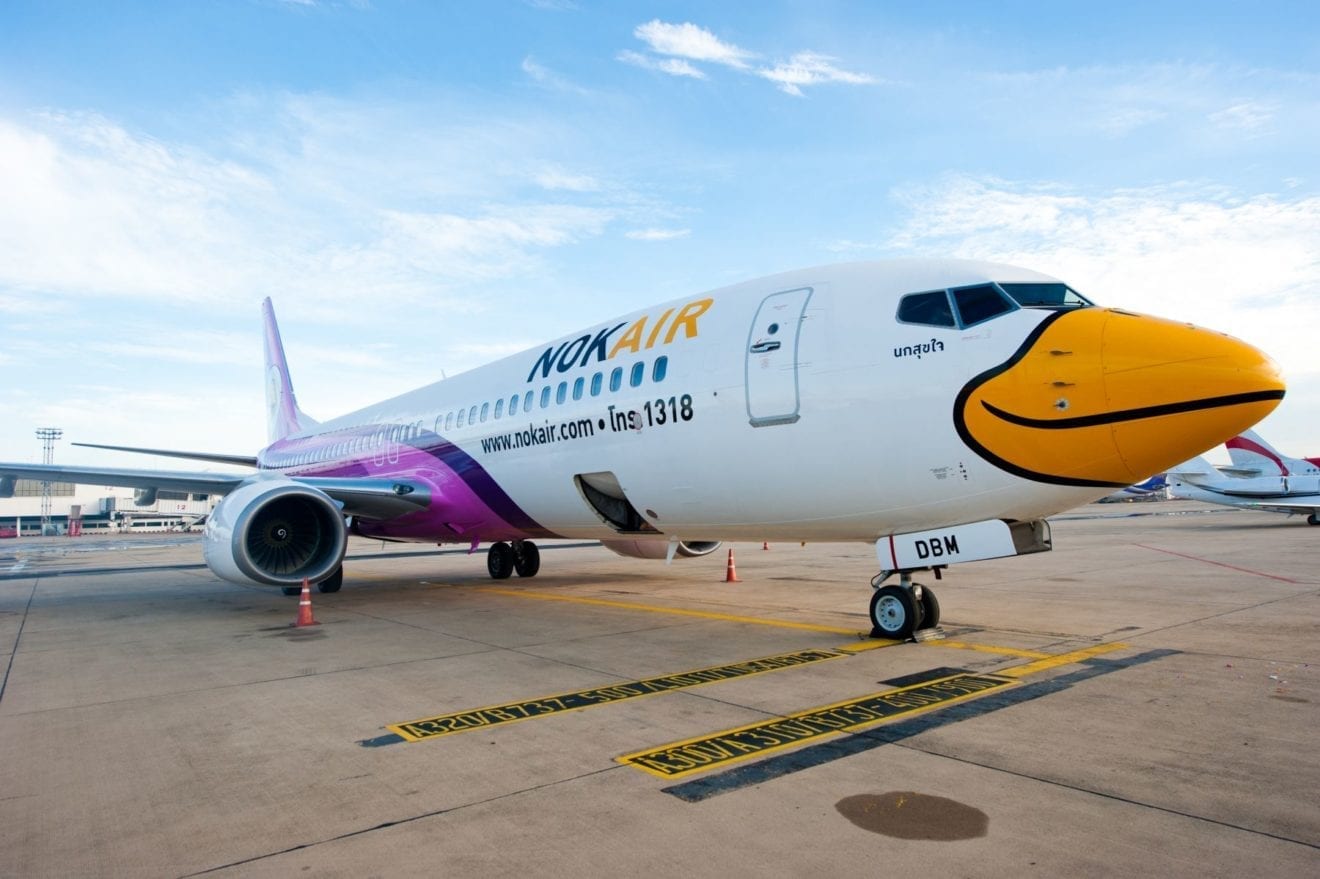
    NokScoot, the joint venture low-cost carrier of Thailand’s Nok Air and Singapore’s Scoot, achieved its best-ever annual on-time performance (OTP) since the start of operation with an average of 86.55% in 2019.

    The airline’s 2019 punctuality report revealed that the airline obtained its highest OTP on record even though the flights flown increased by 30% or 1,162 flights. Last year alone, it operated 4,951 flights, an increased from 3,789 flights flown in 2018. During the busiest month of 2019 in December, it earned a perfect 100% OTP for both, Tokyo Narita International Airport in Japan and Qingdao International Airport in China.

    “At NokScoot, we always work hard in order to offer the best services and provide an enjoyable flying experience to our passengers.” said Yodchai Sudhidhanakul, CEO of NokScoot. “OTP is crucial and has always been one of our five core values, ‘Consistently Deliver’. We are committed to maintain and enhance the highest standard in every aspect, including punctuality, safety and convenience.”

    The carrier currently flies from Bangkok to nine destinations in East Asia and India, including Nanjing, Qingdao, Shenyang, Tianjin, Taipei, Tokyo, Sapporo, Osaka, and New Delhi.

  • First Mott 32 Singapore restaurant opens at Marina Bay Sands

    First Mott 32 Singapore restaurant opens at Marina Bay Sands

    Hong Kong restaurant chain Mott 32 is launching at Marina Bay Sands today in partnership with Maximal Concepts.

    After Hong Kong, Las Vegas, Seoul and Vancouver, the opening of Mott 32 Singapore brings the brand’s approach to regional Chinese cuisine to the Lion City.

    The restaurant is known for its use of recipes handed down across the generations, prepared using progressive cooking techniques and premium ingredients.

    “At Mott 32, we are dedicated to serving authentic, timeless recipes that pay homage to the rich heritage of Chinese cuisine,” noted Mott 32’s executive chef Chan Wai-Keung. “Our approach to cooking is to retain the essence and original flavors of the dish while elevating it using quality produce.”

    “Singapore has a sophisticated and incredibly talented dining scene,” said Maximal Concepts co-founder Xuan Mu. “The opening of Mott 32 Singapore marks a significant milestone for us, and we hope that it will be well-received amongst Singaporeans.”

    “We welcome guests from all around the world to explore the intricacies of Chinese cuisine at Mott 32 Singapore, and look forward to showcasing a combination of Mott 32’s iconic dishes and Singapore-exclusive creations,” said Chan.

  • Singapore Jumped Three Spots In Bloomberg Innovation Index

    Singapore Jumped Three Spots In Bloomberg Innovation Index

    Singapore has reclaimed its number three rank in the 2020 Bloomberg Innovation Index, after leaping three spots. However, economies across Asia-Pacific showed a mixed picture of progress.

    Singapore’s rise against global peers was underpinned by stronger showings in productivity and patent activity, while the city-state also retained a world-beating ranking in tertiary efficiency. For the latter category, Bloomberg’s rankings take into account factors such as graduation rates of first-degree earners and the share of the labor force that’s made up of new science and engineering graduates.

    Singapore’s high standing in the index speaks to its long-term focus on adapting to an aging population as well as a tighter labor market, as it guns for higher productivity. We see more innovation in the pipeline with even more use of automation in multiple industries. There’s a lot that’s on the way in that regard — and being willing to experiment,»  said David Mann, chief economist for Standard Chartered in Singapore.

    Both Singapore and Vietnam clinched the most-improved title in the region, with the latter climbing three spots to number 57 after it first qualified for a ranking last year. Vietnam was hailed an «e-commerce leader» for trimming regulations and improving cross-border trade, according to a post by Rebecca Sta Maria, executive director of the Asia-Pacific Economic Cooperation Secretariat, ahead of the Index release.

    What also works are reforms that focus on education, skills, infrastructure, and social security, and address barriers that prevent women, small businesses, and traditionally marginalized groups from fully participating in the digital economy, she wrote.

    The annual Bloomberg Innovation Index analyzes dozens of criteria using seven metrics, including research and development spending, manufacturing capability and concentration of high-tech public companies. The Index, in its eighth year, was released just before the annual World Economic Forum in Davos, Switzerland, where innovation will be a key theme of meetings from 21 January to 24 January.

    After a six-year streak at the top, South Korea was unseated from its best-in-world spot by Germany — but only just. Japan and New Zealand were among those losing ground in innovation against global peers, while Vietnam showed a big gain, according to the results.

    The world’s biggest economies had opposite fortunes, with the U.S. dropping one level to No. 9 and China improving by one spot to No. 15. The U.S. was ranked No. 1 when the Innovation Index debuted in 2013.

    The news wasn’t great for advanced economies in the Asia-Pacific, either, with Japan dropping three spots and Australia falling one. New Zealand’s five-spot decline was the biggest slide of any economy ranked in this year’s Innovation Index, mainly due to a drop in productivity and value-added manufacturing.

    The 2020 ranking process started with more than 200 economies. Each was scored on a 0-100 scale based on seven equally weighted categories. Nations that didn’t report data for at least six categories were dropped off the rankings, trimming the total list to 105. Bloomberg then publishes the top 60 economies.