Tag: Singapore

  • Singapore retail sales down with 10 percent in February

    Singapore retail sales down with 10 percent in February

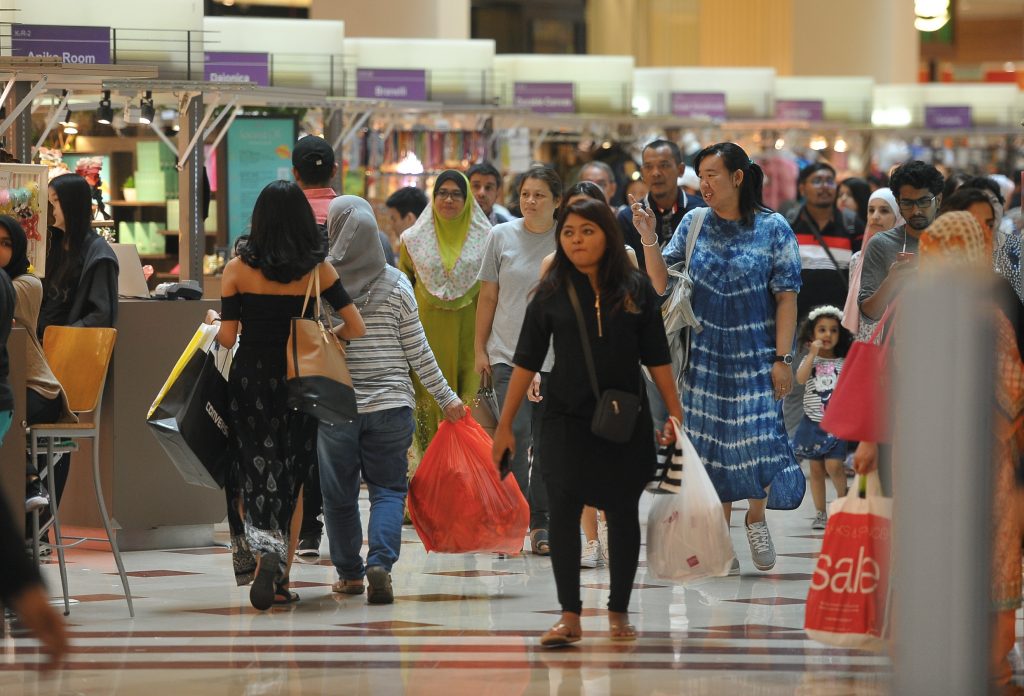
    Singapore retail sales in February fell by 10.2 percent, excluding motor vehicles.  Including motor vehicles, sales were down by 8.6 percent year on year. In releasing the data, Statistics Singapore attributed the decline to falling sales of discretionary items due to fewer inbound tourists and lower domestic consumption in the wake of the coronavirus pandemic.

    The month-on-month decline in Singapore retail sales in February was 11.2 percent, excluding motor vehicles.

    The two worst-affected categories in February were apparel and footwear, down 41 percent year on year, and food and alcohol, down by 40.5 percent.

    Sales in department stores dropped by 36.3 percent, while sales of watches and jewelry fell by 23.8 percent.

    On the plus side, sales by supermarkets and hypermarkets surged by 15.3 percent and of furniture and household equipment by 5.9 percent.

    Statistics Singapore estimated total Singapore retail sales in February at $3.1 billion. Of that figure, online retail sales accounted for 7.4 percent, with the computer & telecommunications equipment the largest contributor, accounting for 30.4 percent.

    Meanwhile, year-on-year sales of food & beverage services fell by 16.6 percent in February, on the back of declining consumption related to the coronavirus pandemic. On a seasonally adjusted basis, sales of food & beverage services decreased by 18.3 percent month on month.

    Statistics Singapore estimated sales of food & beverage services in February totaling $732 million, of which online sales accounted for 12.5 percent.

    The turnover of food caterers and restaurants decreased by 31.5 percent and 29.1 percent respectively, while sales by cafes, food courts and other eating places decreased by 2.3 percent. Sales by fast-food outlets rose 5.8 percent during the month.

  • K11 Musea launches global fashion showcase K11 Antonia

    K11 Musea launches global fashion showcase K11 Antonia

    Hong Kong cultural-retail hub K11 Musea’s fashion destination Muse Edition has launched a multi-brand flagship, K11 Antonia.

    The fashion center (situated on the site of the former New World Centre) is collaborating with influential fashion-forward style maker Antonia Giacinti in hosting the more than 5700sqft space, now featuring around 50 curated spring/summer looks. It will debut both co-founders Antonia Giacinti’s & Maurizio Purificato’s hand-picked selection and a signature blend of high fashion, streetwear and ready-to-wear brands.

    “Hong Kong is a global fashion Hub,” said Giacinti. “We have always thought of Hong Kong as the most interesting international city to open a new Antonia location… With the launch of K11 Antonia today, it marks our shared vision in which together we nurture different forms of fashion cultures and dialogues from around the world.

    “Through K11 Musea, we believe this global fashion venture will further enrich our consumers’ cultural-retail experience in the world of fashion. We are certain that it will be a success.”

    K11 Antonia will retail a broad range of brands, including Bottega Veneta, Burberry, Chloe, Miu Miu, Jacquemus, Balmain, Alessandra Rich, The Attico, Alanui, Ambush, Kolor and White Mountaineering.

    The interiors of the store’s three distinct retail spaces are designed by Italian architect Vincenzo de Cotiis, and feature mirrors, smokey glass and rustic-stained glass, steel, brass and marble with gold, gray, beige and blurred-pink tones.

  • Singapore retailers call for ‘unprecedented rental relief’

    Singapore retailers call for ‘unprecedented rental relief’

    “Unprecedented rental relief measures” are needed from landlords to help retailers overcome the coronavirus crisis, according to the Singapore Retailers Association.  In an open letter to landlords, the association has urged landlords to implement a rental payment structure for six months capped at no more than 15 percent gross turnover or a 50-per-cent base rent reduction, whichever is lower. It also asks landlords to allow retail businesses who cannot sustain their businesses to exit before their lease expiration without losing security deposits or risking punitive legal action.

    “We fully realize and appreciate that both mall operators and tenants have been working very hard over the past two months to minimize the business losses from the drastic drop in footfalls,” read the letter signed by Singapore Retailers Association president R Dhinakaran, on behalf of its 400 members.

    “However with the government advice of safe distancing and stay at home (heading to malls for essentials like food only) … the sales of the majority of retail stores will be equivalent to zero sales, similar to a lockdown situation.”

    The letter asks landlords to exercise the requested measures to avoid massive permanent store closures and loss of jobs within the next three months.

  • Singapore Airlines gets $13bn lifeline as airlines beg for help

    Singapore Airlines gets $13bn lifeline as airlines beg for help

    Singapore’s state investor Temasek Holdings and others will inject as much as 19 billion Singapore dollars ($13.27bn) into Singapore Airlines (SIA) in the world’s single-biggest rescue of an airline slammed by the coronavirus pandemic.

    The enormous financing plan, which drove SIA shares down as much as 10.5 percent on Friday, underscores the depth of financial trouble for the global airline industry, with nearly one-third of the world’s aircraft already grounded because of the pandemic, according to data provider Cirium.

    Many governments worldwide have already stepped in to help airlines amid the virus-induced travel slump, with the United States offering $58bn in aid. Many carriers have grounded fleets and ordered thousands of workers on unpaid leave to keep afloat.

    The 5.3 billion Singapore dollars ($3.72bn) in equity and up to 9.7 billion Singapore dollars ($6.8bn) in convertible notes – bonds that can be converted into equity stakes in the company – of the Singapore Airlines fundraising are being underwritten by Temasek, which owns about 55 percent of the group.

    The carrier has also obtained a 4 billion Singapore dollar ($2.8bn) bridge loan facility with the country’s biggest lender, DBS Group Holdings Ltd, to support near-term liquidity requirements.

    “This is an exceptional time for the SIA Group,” SIA Chairman Peter Seah said in a statement late on Thursday.

    SIA’s shares went into a rare trading halt earlier Thursday after plunging to their lowest in 22 years this week as investors feared the virus will have a deep impact on the company.

    “Under the current dire circumstances, the rights issue is the best tactical move for SIA. It underscores the carrier’s strategic importance to Singapore and the island state’s position as both a financial centre and aviation hub,” Shukor Yusof, head of aviation consultancy Endau Analytics, said in a blog post.

    SIA has said it would cut capacity by 96 percent, ground almost its entire fleet and impose cost cuts affecting about 10,000 staff amid what it called the “greatest challenge” it had ever faced.

    The rights issue will be offered at 3 Singapore dollars ($2.10) per share, a 53.8 percent discount to SIA’s last traded price of 6.5 Singapore dollars ($4.56).

    “While the raising looks earnings and valuation decretive, SIA now looks well-positioned to ride out the storm with balance sheet concerns largely de-risked,” Bank of America analysts told clients.

    Temasek International Chief Executive Dilhan Pillay Sandrasegara said the deal would not only tide SIA through its short-term liquidity challenge but would position it for growth beyond the pandemic.

    SIA said it would use the funding from the rights issues to beef up its capital and operational expenditure needs.

    On Thursday, the Singapore government announced more than $30bn in new measures to help businesses and households brace against the pandemic.

    Airlines around the world are seeking government aid to stay afloat after the coronavirus pandemic wiped out travel demand.

    Airport traffic at 12 key hubs in Asia-Pacific region plunged by 80 percent on average in the second week of March compared with the same period last year, Airports Council International Asia-Pacific said on Friday as it called for government relief measures for airport operators.

    United States airlines are preparing to tap the government for up to $25bn in grants to cover payroll, even after the government warned it may take stakes in exchange for bailout funds, people familiar with the matter said.

    American Airlines Group Inc, a much larger carrier, on Thursday evening disclosed it would be eligible for $12bn of US government aid as part of a $58bn loan and grant package for the airline industry.

    Australia’s Qantas Airways this week secured 1.05 billion Australian dollars ($636.1m) against its aircraft fleet.

    Others, including Air New Zealand Ltd and Virgin Australia Holdings Ltd, have warned they expect to be smaller carriers in the future.

    South Korean low-cost carrier Eastar Jet has begun returning some of its Boeing 737 planes to lessors, while Southwest Airlines Co said it would consider actions to reduce the company’s size if passenger traffic remains significantly lower six months from now.
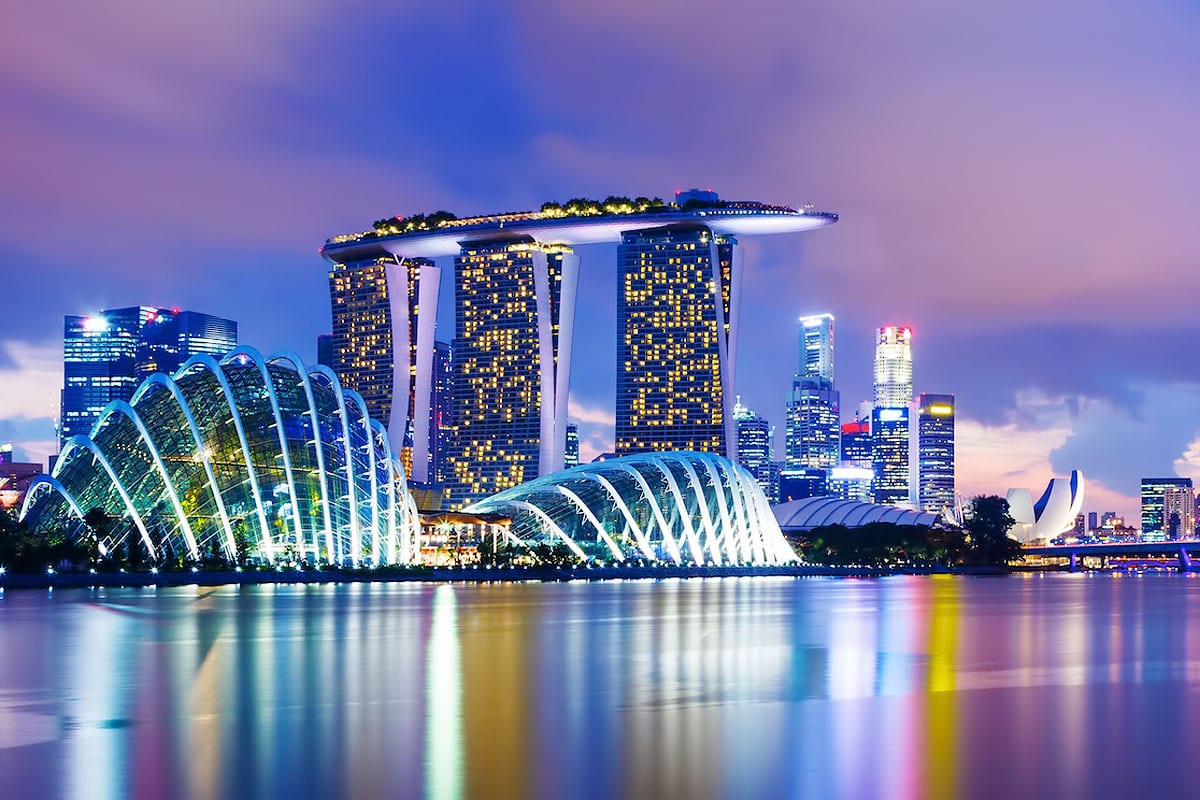

  • Singapore government urges citizens to avoid malls, observe safe distancing

    Singapore government urges citizens to avoid malls, observe safe distancing

    The Singapore government is instructing local consumers to defer non-essential visits to malls.

    The move is part of a strategy to encourage social distancing in the midst of the coronavirus outbreak and includes advice to all Singaporeans to consider shopping for household items online.

    Foreign nationals working as caregivers or maids, have been asked to stay in their homes on rest days.

    These directives follow the state’s introduction of social-distancing mandates last week, which forbid gatherings of more than 10 people and require individuals to stand at a distance of at least one meter apart in non-transient settings, such as in supermarkets.

    Venues with seating are instructed to ensure seats are kept at one-metre distances, with those at closer fixed points to be marked as not to be used.

    Business operators and individuals who fail to abide by the new regulations face fines of up to SGD10,000 (US$7000) and/or jail time up to six months.

  • IDS opens giant Singapore flagship

    IDS opens giant Singapore flagship

    Aesthetic clinic IDS has launched a flagship on Singapore’s Orchard Road, its largest facility yet.

    At 4240sqft, the brand’s first flagship outlet separately houses IDS Aesthetics, an IDS Clinic and an IDS Skincare retail outlet on the second floor of International Building.

    The brand has been absent from Orchard Road, where it was originally set up at Novena Specialist Centre, for six years.

    The outlet is conceived as a first step towards creating a one-stop clinic, where doctors with various specialty areas of interest can offer treatments to clients and customers can purchase retail products.

    The facilities feature a 2840sqft medi-spa arm with 11 treatment rooms and a comprehensive retail display of IDS Skincare’s product range, as well as a powder room and a skincare dispensary.

    Upon arrival, customers are greeted in an expansive lounge where IDS therapists offer in-depth consultations on skin and lifestyle needs before they are shown to their private treatment rooms.

    Post-treatment, guests are invited to lounge on the sofas and snap some Polaroids with their friends for the IDS Wall of Fame. The entire IDS Skincare and its Prestige range stands on display in the lounge area.

  • Swiss Payments Firm Expands to Singapore

    Swiss Payments Firm Expands to Singapore

    Zurich-based Netcetera is setting up its 15th office in Singapore as part of its global growth strategy and has appointed a managing director to lead its regional push.

    Despite fierce competition in the region, software and digital payment solutions firm Netcetera has set its sights on the Asia Pacific market with the opening of its Singapore office, calling it «another step towards the East.»

    The firm provides digital solutions for secure payment, mobile banking, mobile contactless payment, digital wallet and 3-D Secure Services for secure online transactions. It had previously serviced Asian clients from its offices in Europe and the Middle East.

    With the Singapore office, the firm can «better respond to their customers’ needs and to find optimal solutions for their business,» the announcement said. In addition, the new location also contributes to the early detection of regional market trends and a better understanding of the market as well as the ability to help shape it.

    Heading its Singapore office will be Kiril Milev, who was appointed managing director, responsible for business development and customer relations.

    Milev, who has been with Netcetera since 2008, was most recently the firm’s managing director for the Middle East.

  • Venus Tears opens flagship store in Singapore

    Venus Tears opens flagship store in Singapore

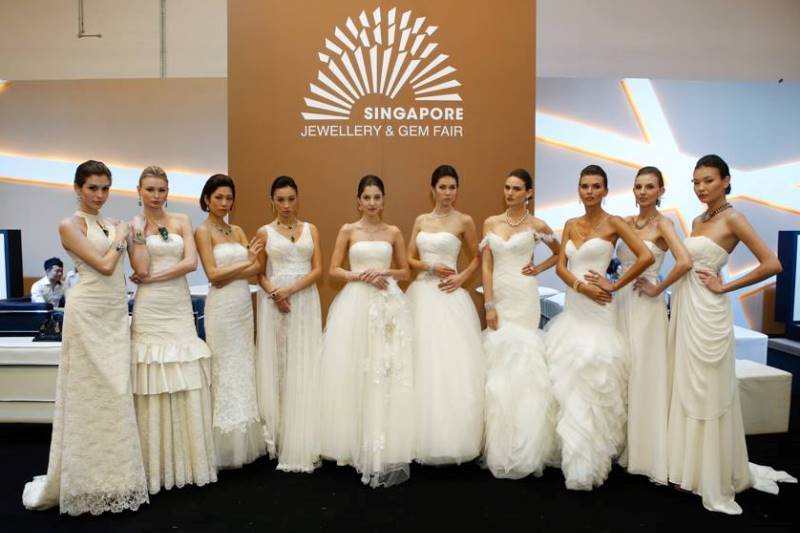
    Singaporean and Japanese Bridal jewelry brand Venus Tears has opened a flagship store off Orchard Road.

    Located inside Wisma Atria shopping mall, Venus Tears features wedding bands and engagement rings which are designed and manufactured in Japan. The brand also offers customization of jewelry, ensuring the uniqueness of each item for its customers.

    “Our goal with this new bridal jewelry shop is to make access to our high-quality products even more convenient,” said a spokesperson.

    To mark the launch, Venus Tears flagship store introduced three new lines that are popular in Japan: Colany, Ankhore and Aimokume.

    Venus Tears originally started in Singapore and developed stores in Japan. It is now operating eight outlets in both countries.

  • Singapore Bank Shares Offer Value

    Singapore Bank Shares Offer Value

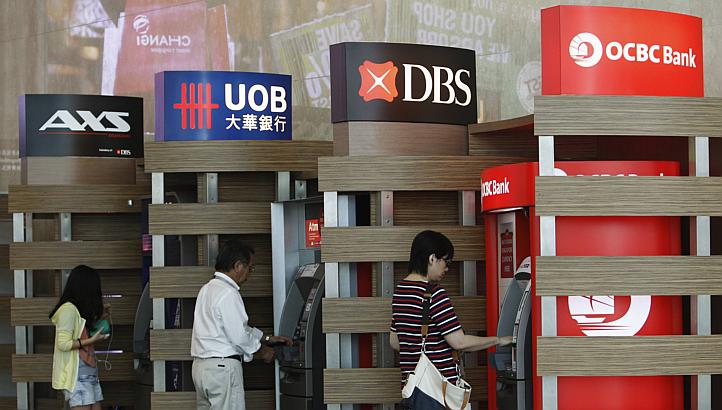
    Shares of Singapore banks offer good value now that they have fallen by 26 percent year-to-date. With better capital positions as compared to during the global financial crisis, they have the capacity to retain dividend payout.

    Even as the coronavirus outbreak drags Singapore into negative growth territories, Singapore banks are in better shape today as compared to the period during the global financial crisis (GFC). The higher capital ratios, high provisioning levels, and geographic diversity should serve to limit further falls in the share prices of the three local banks, said analysts.

    We expect a rapid rise in non-performing loans (NPLs) and credit charges may surpass levels seen during the 2017 O&M crisis. However, unlike past crises, these banks are starting with strong capital ratios, high provisioning levels, and wider geographic diversity. Unprecedented, coordinated fiscal and monetary stimulus efforts by governments focused on liquidity support should also provide downside support, in our view, wrote Thilan Wickramasinghe, an analyst with Maybank Kim-Eng on Wednesday.

    The three pressures on banks’ earnings include the COVID-19 pandemic, interest rate cuts, as well as the oil price war that continues. The coronavirus pandemic would affect small-medium enterprises most, followed by housing loans if employment levels fall. However, there are no indications of a rapid fall in asset qualities yet, wrote Tay Wee Kuang, an analyst with Philip Securities in a research note on Thursday.

    The oil price war reminiscent of the 2016 oil price meltdown will have a limited impact on asset quality because all three banks have taken steps to clean up their oil and gas loan books in prior periods by reducing exposures in the industry and accounting for necessary provisions. Banks’ exposure to the oil and gas sector has dwindled to below 2 percent of their loan books.

    Moreover, various fiscal and monetary stimulus rolled out by governments worldwide should provide cushions to the downside. For instance, Singapore has unveiled a fiscal boost to tackle the Covid-19 virus outbreak with an S$6.4 billion package targeted at epidemic containment, as well as support for industries that are directly impacted. Initiatives include Co-Funding schemes for affected sector SMEs, rebates on corporate and property tax, cash grants for retaining local employees and targeted assistance to defray business costs and other concessions for the aviation and maritime sector.

    The Malaysian government also unveiled its Covid-19 impact-targeting 20 billion ringgit Economic Stimulus Package late February, modeled after responses during the SARS crisis. These programs are primarily focused on ensuring liquidity flow to impacted SMEs and individuals, aimed at helping them weather uncertainty and keep their debt obligations current and staff employed. These should provide significant downside support in mitigating defaults and credit risks, in our view, wrote Wickramasinghe.

    The sector is now trading at 0.8 times forward price-to-book, or two standard deviations below mean. Despite aggressive cuts to earnings per share and target prices, the banks offer significant value, in our view. While valuations are about 30 percent above GFC troughs, we believe the sector is significantly different from then and so is its risk profile, wrote Wickramasinghe, who has upgraded OCBC on potential market share gains in the region.

    Meanwhile, the sector provides a highly visible dividend yield of 6.4 percent, 136 basis points higher than peers in Southeast Asia. The fact that the three banks’ Common equity tier 1 ratios are above 14 percent- comfortably above the regulated 10.5 percent set out in the Basel III accord – means that banks are unlikely to trim dividends, notes Tay.

    The last dividend cut undertaken by banks was during the GFC. However, the current situation is not comparable to the GFC, where the global financial system collapsed when the credit quality of the banks came under pressure, wrote Tay.

  • Malaysia Lockdown Hits Singapore Lenders

    Malaysia Lockdown Hits Singapore Lenders

    Singapore banks could face further headwinds after Malaysia announced a nationwide lockdown that will last till the end of March.

    High connectivity to Malaysia is expected to weigh in for Singapore banks, most notably UOB and OCBC which source 11 and 14 percent of pre-tax profits from the country, respectively. The two had already flagged earlier that credit costs could rise 25-30 basis points based on assumptions that the outbreak lasts till mid-2020.

    At UOB, credit costs could jump 80 basis points if the outbreak extends beyond mid-2020, according to a report citing CFO Lee Wai Fai though he said that it is a «highly unlikely» possibility. At OCBC, CFO Darren Tan said that revenue growth would be «relatively muted» but added that strong capital ratios, funding and liquidity would help the lender stay resilient in this period.

    Although DBS said the impact from Malaysia’s lockdown would be limited due to a smaller presence in the market, it is still expected to feel the broader effects of the outbreak. DBS’s chief executive Piyush Gupta recently announced a modest 1-2 percent revenue reduction which its institutional banking head Tan Su Shan called a moving target.

  • First standalone M&S Food store in Singapore opens

    First standalone M&S Food store in Singapore opens

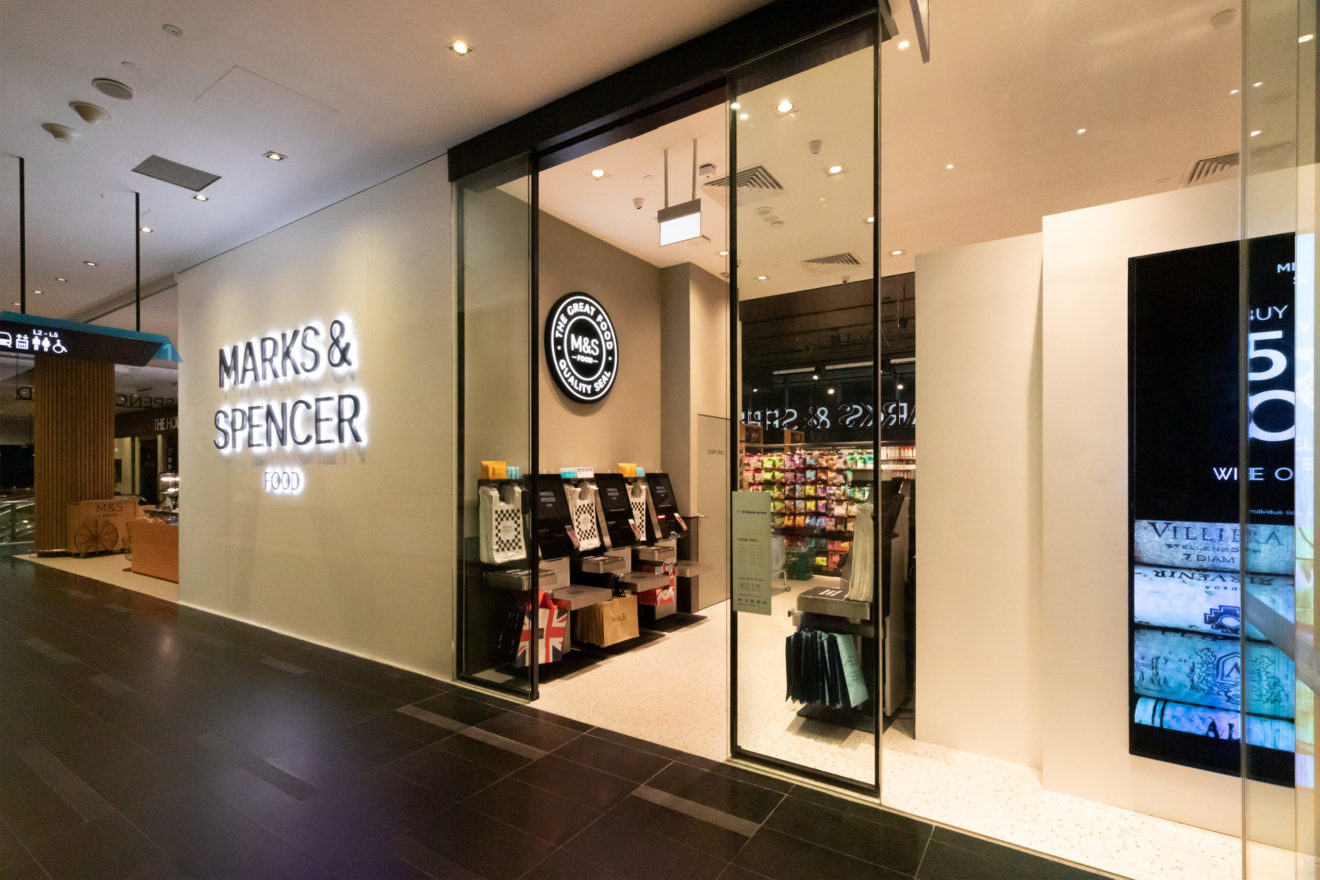
    Marks & Spencer has opened the first standalone M&S Food store in Singapore.

    Located in One Raffles Place, the store features take-away hot food, ice cream and coffee, besides M&S-branded groceries. The store also features self-checkout machines, digital ticketing and digital menus.

    There are more than 20 quick breakfast and lunch options for customers in a hurry such as bacon or sausage buns, traditional British sausage rolls or prepared meals such as Macaroni Cheese and Chicken Tikka Masala.

    “Our customers are passionate about M&S Food, and have often shared that they are eager to see more of M&S’s famous food lines here in Singapore,” said Christine Choi, CEO of M&S Asia. “We have taken this feedback on board and are very excited to unveil the very first standalone M&S Food store in Singapore.”

    Besides coffee made from M&S-roasted single-origin beans, the store also features an in-store bakery providing fresh bread daily and an ice cream machine serving “ice cream made from luxurious Jersey cream from British herds”.

    Choi added: “We know our customers are finding themselves busier than ever, which is why our One Raffles Place location will stock a wide range of top-quality, convenient options for people on the go. Alongside this, we will offer many of our classic food ranges for customers to shop, too.”

    M&S has also partnered with DBS Bank and Botty to introduce a chatbot solution that allows M&S customers to pre-order their coffee through M&S’s Facebook Messenger and pick it up at the store. Customers then pay via DBS PayLah! to complete their order.

    Operated by Marks & Spencer’s franchise partner Al-Futtaim Group in Singapore and Hong Kong, standalone M&S Food stores already trade in Hong Kong in a variety of different footprint sizes.

  • UBP Hires Singapore COO

    UBP Hires Singapore COO

    UBP hires a new chief operating officer for Singapore from a rival private bank in the city-state.

    Jérôme Thuillier joins UBP as its new Singapore COO, effective as of yesterday. Thuillier most recently with Bank of Singapore where he was a program director responsible for building an integrated wealth management tech platform. Pervasively, he had also held leadership roles with Barclay Wealth including COO of its global investment solutions arm.

    Thuillier’s predecessor, Michael Moncarz, was named the Singapore COO in February 2017.

    According to the release, Thuillier joins not only with most of his financial career in Asia but also some local language skills including «a good understanding of Mandarin and basic Japanese,» according to a release.

  • Singapore Banks Buy Back Shares

    Singapore Banks Buy Back Shares

    Singapore banks were among 32 primary-listed stocks conducting share buybacks over the five sessions ended 12 March 12, with a total consideration of S$169.6 million.

    DBS Group Holdings led the consideration tally, with 6.65 million shares bought back at an average price of S$21.272 per share, according to a report by the Singapore Stock Exchange (SGX).

    As of March 12, the lender had bought back 0.5492 percent of its issued shares (excluding treasury shares) as of the approval date of the current buyback mandate.

    For the five trading sessions spanning March 6 to 12, the Straits Times Index (STI) declined 11.3 percent with the Nikkei 225 Index, Hang Seng Index and S&P/ASX 200 Index averaging a 12.5 percent decline.

    In the same period, UOB and OCBC bought back 360,000 and 600,000 shares respectively, amounting to S$7.8 million and S$5.7 million respectively.

  • MCM Philippines opens first store, at SM Mall of Asia

    MCM Philippines opens first store, at SM Mall of Asia

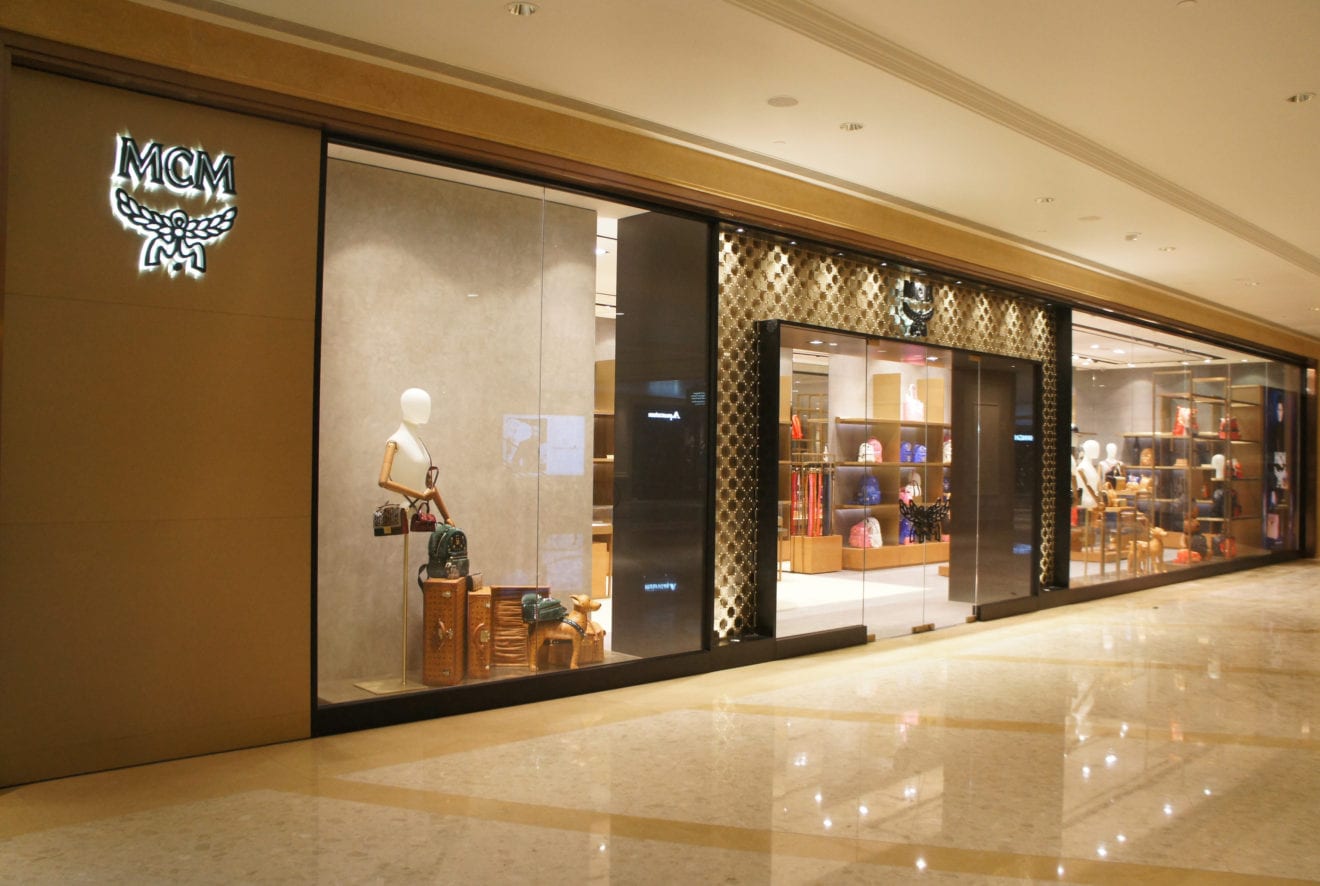
    The first MCM Philippines store has opened its doors, at the giant Mall of Asia complex in Metro Manila.

    The German luxury leather accessories brand MCM Worldwide store is located inside the Luxe Duty-Free precinct in the mall.

    The MCM Philippines boutique offers leather handbags, luggage and accessories and the store open featuring the Spring/Summer 2020 collection.

    Vicente Pelagio Angala , COO, Duty-Free Philippines Corp (DFPC) said the opening of MCM complements the DFPC’s aim to always be the first Philippine retail brand to bring new luxury labels to the market.

    MCM Worldwide is a leather luxury goods brand founded by Michael Cromer in 1976. The brand’s signature logo-printed material, called Cognac Visetos is being showcased on some of the products. It has a brass plate insignia that can be found on all the heritage collection bags and most of its products.

    In 2005, the company was acquired by Sungjoo Group, a South Korean retail business founded by Kim Sung-joo.

    Kim re-launched the brand in 2006 with a new store in Berlin and currently has 650 stores worldwide including in Hong Kong, New York, Toronto, Paris, London, Singapore, Tokyo, China and the Middle East.

  • Shopback wins investment from Singapore state fund

    Shopback wins investment from Singapore state fund

    Singaporean cashback startup Shopback has secured around US$30 million in investment from state fund Tamasek, alongside existing investors.

    According to a Business Times report, the deal takes Shopback’s total capital input to US$113 million since it was established in 2014. The investment was made through the firm’s shareholder Dahlia Investments.

    Shopback is expected to use the funding to improve its IT infrastructure, expand its data capabilities and bolster expansion in the Asia-Pacific region, where it currently serves cashback deals to customers across a range of categories.

    The firm clocked more than US$2 billion in sales last year in partnership with at least 2500 retailers.

    Other investors participating in the deal included Rakuten Capital, EDBI, EV Growth, Cornerstone Ventures and 33 Capital.