Tag: Singapore

  • DFS Group starts winding down Changi Airport liquor business

    DFS Group starts winding down Changi Airport liquor business

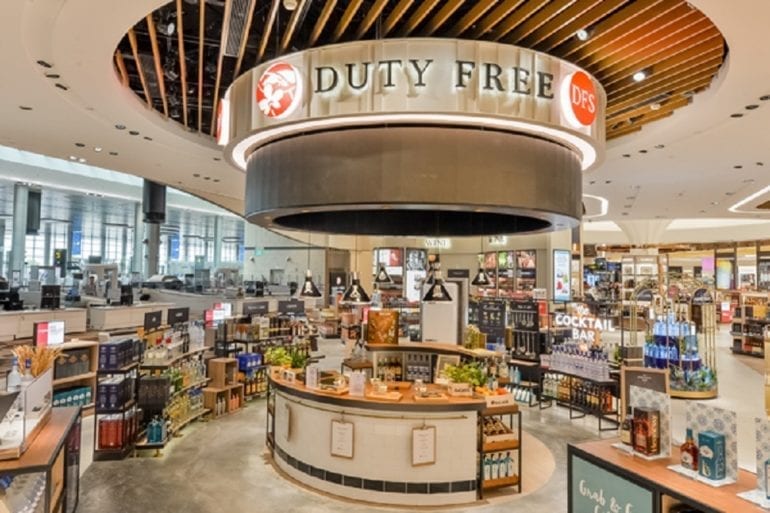
    DFS Group will close all of its stores at Changi Airport on June 8 as its 35-year tenure as wine and spirits concessionaire comes to an end.

    With two of Changi Airport’s four terminals now mothballed in the wake of the Covid-19 crisis, and the number of travelers passing through the remaining ones at a record low, DFS Group has taken to selling more than 200 wines and spirits online at iShopChangiWines.com, offering discounts of up to 70 percent off regular price. The company says it will absorb taxes and duties for customers, who do not have to travel to receive the discount.

    From now until May 22, daily flash deals will run on the site as well.

    “As one of DFS’ most esteemed allies for the last 35 years, we thank Changi Airport Group for their ongoing support and partnership,” said Aymeric Lacroix, DFS Group MD Asia South.

    “We will continue to serve our customers with the same passion for excellence that has distinguished us at Changi Airport until our official exit in June.”

    DFS Group opted not to bid to renew its concession at Changi Airport because it did not believe it could continue to trade there viably.

    “Our decision not to bid was based on our unique understanding of the business environment as the current operator of this concession at Changi,” chairman and CEO Ed Brennan said in a statement last August.

    The LVMH-owned group withdrew from Hong Kong International Airport as well, several years ago. At Changi, DFS Group will be replaced by South Korea’s Lotte Duty-Free.

    DFS Group’s Changi exit applies only to its high-profile liquor concession. The company will continue to operate its multi-label “Fashion Avenue” at Terminal 3 and various brand boutiques across all operating terminals.

    Since winning the Liquor and Tobacco concession in 1985, DFS Wines and Spirits opened numerous stores across Singapore Changi Airport, including in Terminal 2 (1990), the first of its kind Duplex store at Terminal 3 including the Raffles Long Bar (2015), the second Wines & Spirits Duplex store at Terminal 2 (2016) and the first ‘walkthrough’ retail concept store at Terminal 4 (2017).

    “For 35 years and over 300 thousand hours, DFS has been in operation at Changi Airport. Over three wonderful decades of memories and friendships later, it has become an iconic go-to stop for passengers leaving and arriving in Singapore, carrying more than 700 different wines and spirits brands, and selling more than 200 million bottles,” said Lacroix.

  • Changi Airport further consolidates terminals

    Changi Airport further consolidates terminals

    Following the suspension of operations in Terminal 2, Changi Airport is to further consolidate operations and indefinitely close more retail stores.

    The airport will temporarily suspend Terminal 4 (T4) operations and move T4-based airlines to Terminal 1 and 3 instead. That means stores and restaurants in T4 will close its doors this week until the terminal resumes operation.

    According to the company, the move will help Changi Airport and its partners save on running costs such as utilities and cleaning.

    At Jewel Changi Airport, non-essential services, including Canopy Park and the HSBC Rain Vortex, are not allowed to operate until June 1.

    Restaurants and coffee shops in the shopping center remain open for takeaways only.

    Details of stores still open in the two terminals which continue to operate and at Jewel Changi can be accessed online.

  • Singapore coffee chain Kimly boosts profit, despite Covid-19

    Singapore coffee chain Kimly boosts profit, despite Covid-19

    Singaporean traditional coffee shop operator Kimly has recorded a 5.3-per-cent year-on-year boost in half-year profit to SG$10.5 million (US$7.4 million).

    The result was achieved on a more modest 1-per-cent increase in sales to $107.4 million ($75.74 million) in the half-year ended March 31.

    The improved revenue was largely due to the brand’s five new coffee shops and eight food stalls opened since November.

    While the Covid-19 pandemic seriously and adversely impacted economic growth prospects in Singapore, Kimly’s coffee shops, canteens and food courts remain open for takeaway and delivery services throughout. Since the nation’s circuit breaker was introduced on April 7 footfall has fallen at these locations, the company said.

    “In line with the further tightening of circuit breaker measures recently, the group has suspended operations at its six Rive Gauche outlets and Cake Central Kitchen facility but the group does not expect the suspension to have any material impact on the group’s revenue.”

    The Kimly board said that besides placing focus on enhancing food offerings and operational efficiency in the upcoming year, “we remain committed to secure more long-term direct ownership of food outlets and food stalls in matured estates which is in line with our asset ownership strategy”.

    “We believe that there are still acquisition opportunities in the local market where we can tap on to further expand our presence in Singapore as well as enhance our profitability.”

  • Revolut Singapore Strengthens Leadership Team

    Revolut Singapore Strengthens Leadership Team

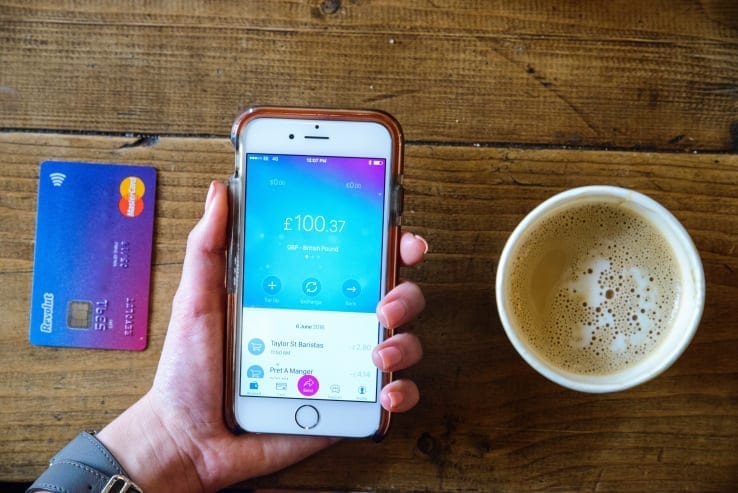
    The fast-growing digital bank has added a CEO, chief compliance officer and head of growth in Singapore, where it now employs over 30 people, it announced on Tuesday.

    U.K.-based fintech Revolut has appointed James Shanahan as its Singapore chief executive officer, who brings more than 25 years’ experience with large banks, insurers and third-parties, particularly in Asia.

    Shanahan, who joined Revolut in March, was previously Railsbank’s Southeast Asia chief of staff. Prior to that, he was chief operating officer for insurer Singapore Life, and held a variety of roles at Ataca, Avaloq, Axa, ANZ, and Standard Chartered. In his new role, he will be responsible for growing Revolut’s local business and expanding into wider Asian markets, a statement said.

    His appointment follows the appointment of Martin Gilbert, the former Standard Life Aberdeen co-chief executive who sat on the MAS International Advisory Panel until early 2020, as chairman of Revolut’s board.

    Compliance Risk Specialist Joins

    Revolut also appointed Rayson Tan as chief compliance officer, chief risk officer and head of legal. He brings more than two decades’ experience in the field, and was most recently a managing director in the Compliance & Regulatory Affairs department of Credit Suisse.

    Tan has also held various country, regional and global AML and sanction roles at Deutsche Bank and UBS.

    Business Development Hire

    Pam Chuang, the former vice president of sales and partnerships at GoBear, was appointed head of growth. She was part of the pioneer team at the Singapore-based financial supermarket, and was instrumental in scaling its reach across Southeast Asia and Hong Kong.

    Before that, Chuang held leadership roles for companies including AIA Group, ReMark International, Saxo Bank and Aon.

    Rapid Growth

    Founded in 2015, Revolut launched in Singapore in 2019, where it operates a multi-currency wallet. 

    In February, it announced a $500 million series D raise led by Silicon Valley venture capital firm TCV, which it said will be used to improve existing products and services as well as expand its outreach outside of its U.K. base.

    Earlier this month, Revolut announced that it had officially launched a bank in Lithuania, and will use the European banking license that it received for the operations there to start awarding loans, issue credit cards and open savings accounts.

  • Deliveroo Singapore partners WeCare@MarineParade to deliver iftar meals

    Deliveroo Singapore partners WeCare@MarineParade to deliver iftar meals

    Deliveroo Singapore is partnering with WeCare@MarineParade to deliver iftar meals to vulnerable Muslim families to enjoy during Ramadan. As part of a joint partnership between WeCare@MarineParade, Islamic Restaurant Singapore and Deliveroo, Deliveroo riders will deliver 1,200 meals to 115 households and 428 beneficiaries nominated by WeCare@MarineParade between 4 May to 22 May. Generously donated by Mr Yusoff Rahman, the meals will be prepared by Islamic Restaurant Singapore, with delivery fulfilled by Deliveroo.

    WeCare@MarineParade is a community-based network that aims to help vulnerable residents in Marine Parade through community action and meaningful partnerships. Founded in 1921 by Mr Abdul Rahiman, Islamic Restaurant Singapore has been in the food business for nearly 100 years. Serving up halal dishes which utilise traditional cooking methods with modern twists, Islamic’s mission has always been to serve up quality comfort food including roti maryam, murtabak, curries and other mamak favourites.

    “Deliveroo Singapore is always seeking opportunities to give back to the communities we operate in,” said Sarah Tan, Director of Growth and Marketing and Interim General Manager, Deliveroo Singapore. “As a company which delivers great-tasting food to thousands of consumers’ doorsteps each day, banding together withWeCare@MarineParade and Islamic Restaurant to give back to those in need was an obvious partnership this Ramadan. As Singapore continues to do its part to stop the spread of COVID-19 together, we hope the food deliveries raise a smile for our Muslim friends at home.”

    “Amidst the Circuit Breaker, gathering volunteers to distribute food has been challenging. Thus, we are delighted to work with Deliveroo during this special time. Between 4 May to 22 May, Deliveroo riders will deliver local food to over 400 of our beneficiaries in Marine Parade. This would not have been possible without their kind sponsorship and move to bring favourite takeaways, delivered to people’s doorstep.” said Chan Jianhong, Head of WeCare@MarineParade.

    “I’m very grateful to receive this delicious iftar meal for me and my family to enjoy together during the holy month of fasting,” said Marine Parade resident, Mdm Sharifah Binte Hussein. “It’s difficult this year not getting to spend time with our extended family and friends during Ramadan, but little acts of kindness like this go a long way.”

    “I’m happy for the opportunity to do my part to help the less fortunate in our community and lift their spirits, especially during these challenging times. It means even more as we get to volunteer during our free time during fasting month. This is a truly meaningful initiative that I’m glad to be a part of. It’s really rewarding to see the smiles on their faces when we drop off the meals and I hope I can continue to participate in such initiatives like these,” said Nurul Astika, a Deliveroo rider who participated in this initiative.

    Deliveroo Singapore’s partnership with WeCare@MarineParade and Islamic Restaurant Singapore is the latest in a series of community focused tie-ups. Previous partnerships include TOUCH Community Services, where Deliveroo rallied customers, restaurants and riders to get behind the Meals-On-Wheels initiative, and social enterprise Glyph, which saw Deliveroo hosting quarterly Food & Cultural Exchanges and offering discounted Glyph membership fees for riders’ children.

  • Ikea Singapore plans opening new concept store at Jem mall

    Ikea Singapore plans opening new concept store at Jem mall

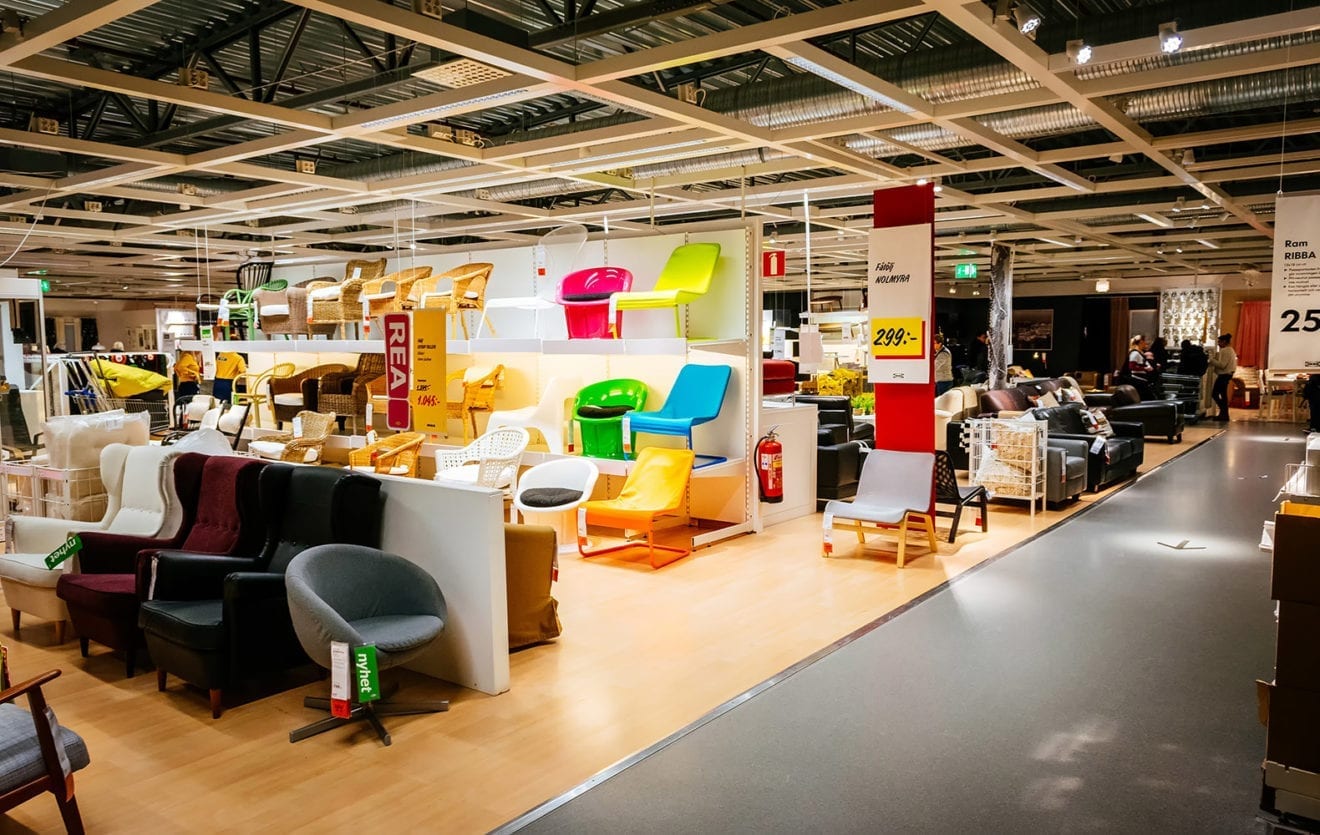
    Ikea Singapore is to open Southeast Asia’s first ‘small-store’ concept at Jem mall in the city’s west.

    The announcement today follows news last week that local department store Robinsons was vacating the space. The change of anchor is a perfect example of how consumer shopping preferences – and thus the balance of mall tenancies – is reshaping the modern retail market.

    The new Ikea Singapore store will open next year, taking up about 6500sqm across three floors of Jem, which is managed by Lendlease. It will be the Swedish furniture and home decor chain’s third shop in the city.

    “This store will bring us closer to millions of customers,” said Jaap Doornbos, Ikea retail director for Singapore & Vietnam. “This will be the first time we are establishing a smaller Ikea store format as a tenant within a shopping center in this region.”

    The ‘small-store’ concept is still relatively new globally. Unlike the giant standalone stores Ikea is known for, with their winding pathway layout, the Jem outlet will combine the full Ikea product range into one department. It will not feature a children’s playground, but will include an Ikea restaurant serving Swedish meatballs and fried chicken wings, among other items.

    “We see a bright future ahead for our store at Jem,” said Sebastian Hylving, property & expansion director at Ikea Southeast Asia & Mexico.

    “Jem is one of four malls connected to the Jurong Gateway, linked to public transport. At Jem, Lendlease has curated a combination of great F&B offer with fashion, groceries and entertainment to create an everyday meeting place for the many people.”

    Hylving says the two Ikea big-box stores, located at Tampines and Alexandra, attract almost 7 million visits each year.

    Ikea is reaping the benefits of renewed consumer interest in making homes more comfortable during the Covid-19 era, and the need for furniture and supplies needed for working from home.

    Ng Hsueh Ling, Lendlease Singapore MD and chief investment officer for Asia, said the company looked forward to bringing a first-to-market lifestyle concept to its mall.

    “We are continually rejuvenating our tenancy mix and bringing new experiences to them.”

  • OCBC Quarterly Profits Down

    OCBC Quarterly Profits Down

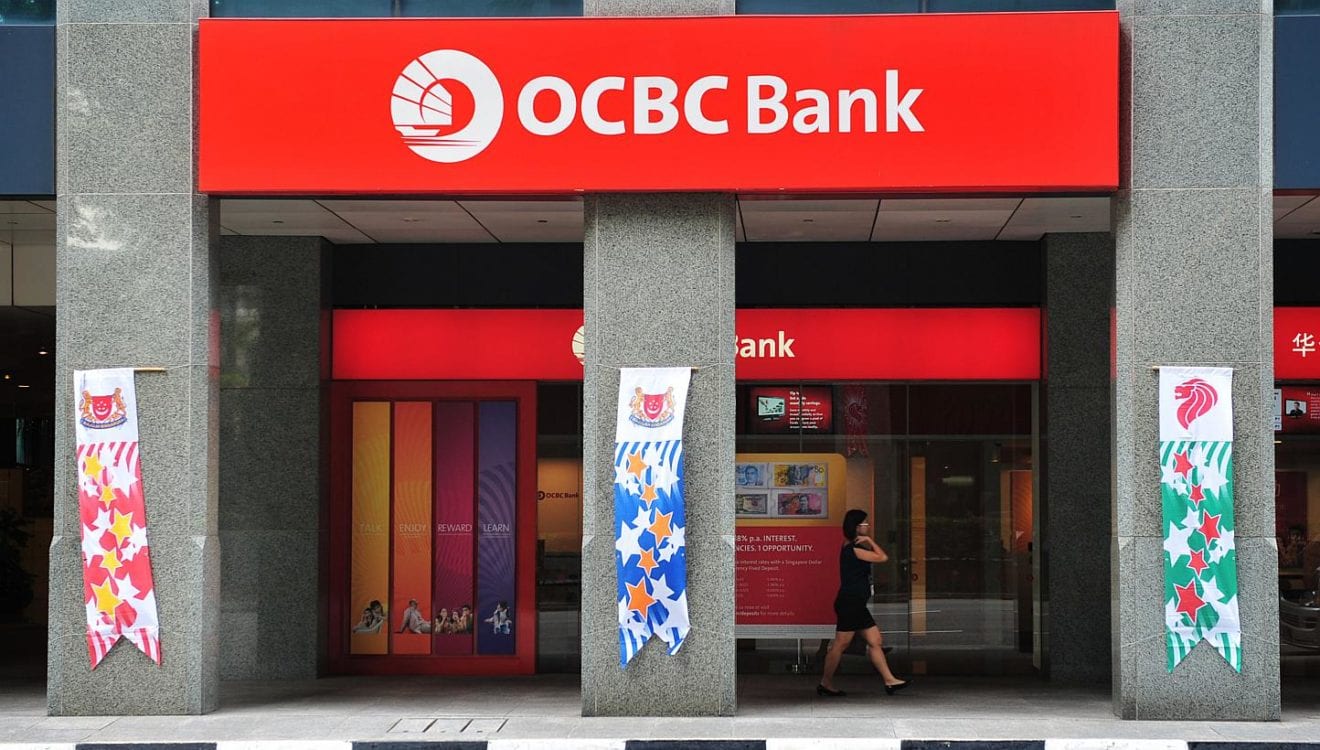
    Net profits at OCBC plunged 43 percent in the first quarter due to non-operating losses from its insurance arm and increased provisions most notably for oil-linked exposure.

    OCBC posted S$698 million ($494 million) in quarterly net profits – below analyst estimates of $666 million, according to Refinitv data.

    Its insurance contributions nosedived 94 percent year-on-year due to unrealized mark-to-market losses and its total allowances were increased from $176 million to $465 million which includes $195 million set aside for a «Singapore-based corporate customer in the oil trading sector».

    Recently, OCBC was reportedly amongst the lenders to disgraced oil trader Hin Leong, with an estimated exposure of $220 million.

    Driven by fee income wealth management and brokerage units, non-interest income was up 11 percent to $551 million. Net investment gains were also up at $84 million due to the sale of debt securities.

    Net trading income plummeted by more than 90 percent to reach $13 million due to unrealized mark-to-market losses in Great Eastern’s investment portfolio.

    Despite a still stable balance sheet – non-performing loans were up by only 2 bps while net interest margin remained at 1.76 percent – the additional provisions signal further headwinds ahead in light of the effects from the coronavirus pandemic.

    According to OCBC group CEO Samuel Tsien, the coming period is expected to be very difficult for individuals and businesses.

    We paid close watch on our credit portfolio against the market uncertainty, and significantly shored up our allowances on a forward-looking basis, he said.

  • March retail sales in Singapore down

    March retail sales in Singapore down

    March retail sales in Singapore fell 9.7 percent year on year in March 2019, as tourist numbers fell and locals spent less on discretionary items in the wake of the coronavirus pandemic.

    The decline was the largest in a single month in 22 years.

    With motor vehicles included in the total figure, retail sales were down by 13.3 percent, according to Statistics Singapore. March retail sales in Singapore totaled S$3.3 billion (US$2.33 billion).

    Compared to February, however, there was little change in the vehicles-excluded figure, with sales down 1.6 percent in March. In February retail sales excluding motor vehicles fell by 10.2 percent, year on year.

    The impact of the Covid-19 crisis on consumer shopping behavior was evident: online sales accounted for 8.5 percent of total sales, the highest figure ever recorded in the city-state. It followed a 7.4-per-cent share in February.

    Year on year, March retail sales in Singapore of apparel and footwear, food & alcohol, in department stores and of watches & jewelry declined by between 34.4 percent and 41.6 percent – mainly due to the decline in tourists spending.

    However – reflecting the trend towards eating at home more to ensure social distancing during the onset of the pandemic, turnover through supermarkets & hypermarkets rose by 35.9 percent and through mini-marts & convenience stores by 4.7 percent.

    The pandemic’s impact was also highlighted by data from sales of food & beverages. Sales fell 23.7 percent in March, to an estimated $678 million. Of those, online purchases comprised about 15.6 percent.

  • The Shoppes at Marina Bay Sands launches E-commerce concierge

    The Shoppes at Marina Bay Sands launches E-commerce concierge

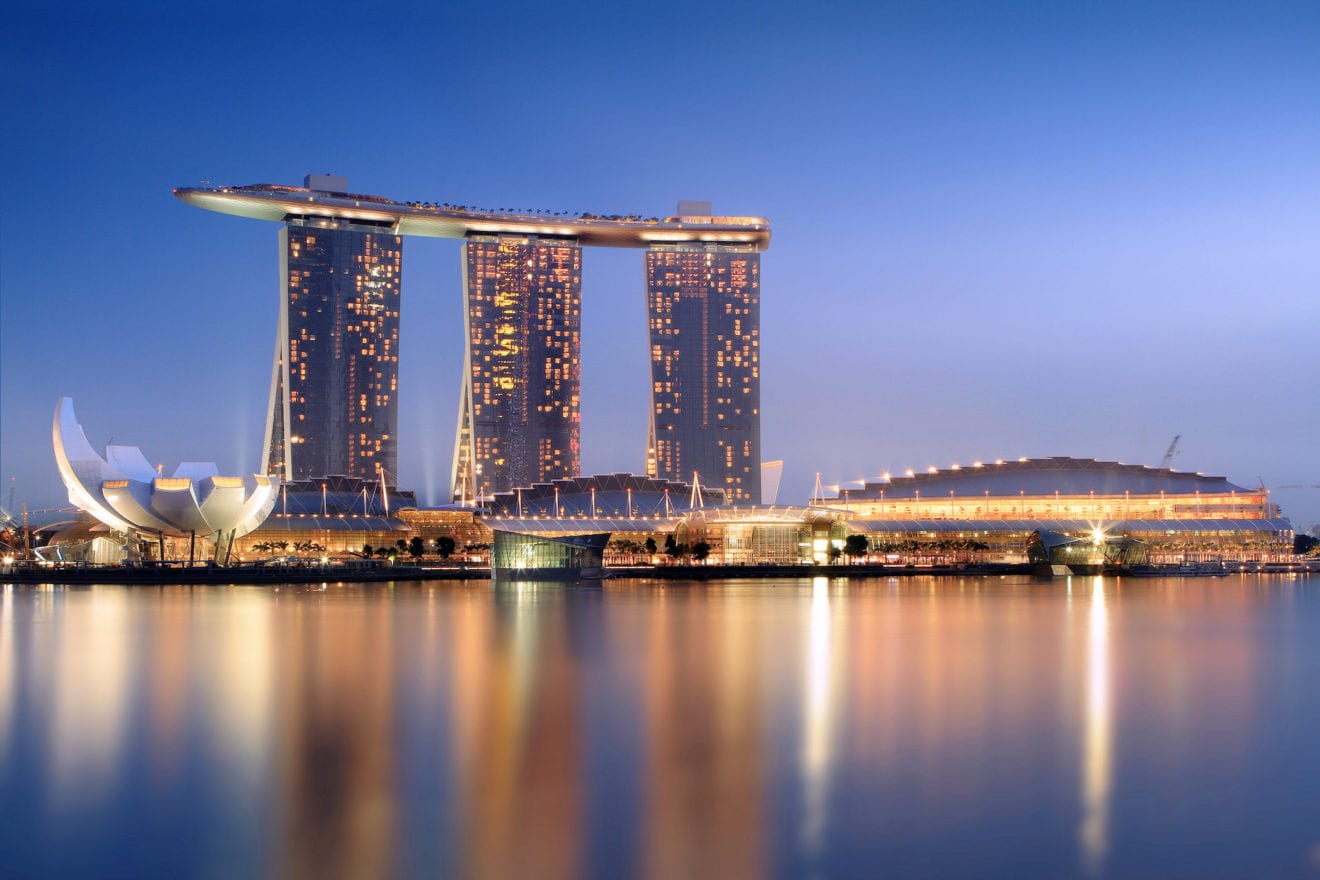
    The Shoppes at Marina Bay Sands has launched a ‘click-and-deliver’ digital shopping concierge for online shoppers.

    The new service – the first of its kind among Singapore’s luxury shopping malls – features hundreds of selected fashion items that can be delivered free anywhere on the island. It launches with more than 10 participating brands including Bally, Boss, Bottega Veneta, Fendi, Jimmy Choo, Loewe, Manolo Blahnik and Moncler.

    “This new service is an extension of The Shoppes Edit portal,” said Marina Bay Sands VP of retail Hazel Chan. “Beyond simply reserving products online, shoppers can now choose to have them delivered directly to their doorstep. Through this service, we want to make luxury shopping an effortless pursuit for our customers.”

    A shopping voucher promotion is currently on offer to celebrate the launch of the service until May 31.

  • Singapore Press Holdings sells its Buzz convenience-store chain

    Singapore Press Holdings sells its Buzz convenience-store chain

    Singapore Press Holdings has sold its wholly-owned convenience-store chain Buzz Shop to Thai-Pore Enterprise.

    “This divestment of a non-core business will sharpen SPH Group’s strategic focus on its main business segments of media, retail real estate, purpose-built student accommodation, and aged care,” the firm said in a statement. “SPH will continue with its disciplined approach as it reviews its investments and businesses on an ongoing basis to maximize shareholder value.”

    As part of the deal, the price of which was not disclosed, the publisher retains the rights to distribute its publications through the Buzz Shop network.

    The move sees Thai-Pore expanding from its core business of liquor imports into the convenience-store business.

    According to CEO Wee Eng Tee, the acquisition “supports our growth strategy and enhances our presence in the retail market”.

    “We look forward to growing the Buzz brand which SPH has laid a strong foundation (for) in the past decades,” he said.

  • OCBC Fixes Date for Virtual AGM

    OCBC Fixes Date for Virtual AGM

    The bank will pay its final dividend of S$0.28 per share on June 5, after approval at the AGM. OCBC Bank will hold its annual general meeting on May 18 at 2 p.m. as a webcast or audio-only live stream, the bank said in a letter to shareholders.

    Shareholders attending the virtual AGM will not be able to vote online and can do so only by proxy, with the bank encouraging the submission of proxy forms by email, given delays with the postal service.

    The meeting was originally scheduled for 30 April, but had to be postponed following government measures that imposed stricter measures about gathering in public, given the Covid-19 virus outbreak.

    Singapore is currently under a partial lockdown until June 1, with members of the public only allowed to leave their homes to conduct essential activities.

    Singapore Exchange Regulation previously announced an automatic 60-day extension of the deadline for all issuers with financial year-end on or before 31 March 2020 to hold their AGMs, in light of government advisories amid the Covid-19 situation.

    OCBC is the second local bank to announce a virtual AGM after DBS, which rescheduled its meeting from March 31 to April 30.

  • Online retail the ‘silver lining’ in Singapore retail space

    Online retail the ‘silver lining’ in Singapore retail space

    The Singapore retail real estate market has weakened amidst the coronavirus pandemic, according to a quarterly market report released by Edmund Tie.

    Transactions fell across all real estate sectors despite significant support measures passed by the government under its Unity Budget, Resilience and Solidarity Packages.

    In retail, an industry already battling a recession throughout last year, with weak signs of recovery reversed by the outbreak, travel restrictions and social-distancing measures are thought to have largely contributed to a downturn in sales.

    Turnover by retailers in prominent Singapore retail districts such as Chinatown plummeted by as much as 80 percent. Sales at Jewel Changi Airport contracted by as much as 70 percent in the same month.

    “A silver lining in this otherwise gloomy scenario is that the demand for online shopping has surged, as people turned to e-commerce in lieu of physical stores,” said Edmund Tie’s paper. In February, online retail sales accounted for 7.4 percent of total retail transactions, up from 5.5 percent in January.

    “The pandemic will fast-track the adoption of technology, from omnichannel retailing to greater use of data analytics to better understand consumers and their preferences,” said Edmund Tie CEO Ong Choon Fah.

    “New and creative ideas will emerge when the situation stabilizes and we enter a new normal. The diversification of revenue streams arising from adopting an omnichannel approach will make retailers more resilient over the long term.

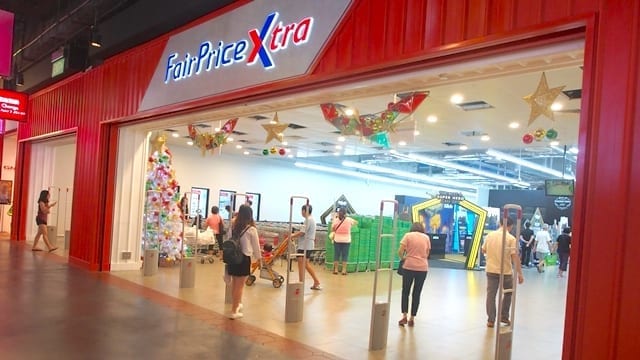
  • FairPrice launches mobile supermarket in Singapore

    FairPrice launches mobile supermarket in Singapore

    Singapore supermarket chain FairPrice has launched a mobile grocery service dubbed ‘FairPrice on Wheels’, delivering essential groceries closer to customers’ homes.

    With FairPrice on Wheels, customers living far away from supermarkets can now buy products from FairPrice’s vans parked near their home. Essential products include rice, milk, eggs, canned products, vegetables and toiletries. FairPrice has imposed purchase limits on these products as per below:

    “While we encourage everyone to stay home during the circuit breaker period, we also understand that there may be people who do not have the option to have their groceries purchased on their behalf,” said FairPrice Group CEO Seah Kian Peng.

    “Therefore, we aim to bring daily essentials closer to their homes, especially for seniors, so that they do not have to spend too much time away from home.”

    FairPrice on Wheels is available in five locations: Commonwealth Link, Telok Blangah Crescent, Telok Blangah Rise, Kampong Glam Community Club and Jalan Kukoh. More locations will be added soon.

  • Singapore Digital Payment Provider Expands Abroad

    Singapore Digital Payment Provider Expands Abroad

    Digital payment and digital banking solution provider Fomo Pay has opened an office in Kuala Lumpur, Malaysia and has partnered OCBC Bank on a cross-border funds collection service.

    Fomo Pay has made its first overseas foray into Malaysia, and has partnered OCBC Bank (Malaysia) to develop the country’s first merchant cross-border QR code collection service, the Singapore-based firm announced Tuesday on its blog.

    Under the partnership, Malaysia merchants can collect payments from Singapore customers on PayNow via direct QR code payments through OCBC OneCollect. Prior to this, QR code payments in Malaysia could only be done for local ringgit currency transactions.

    The collaboration «opens up opportunities to provide customer support in a larger territory, and signals continued rapid growth for the company in the region,» Fomo Pay said.

    Fomo’s decision to open an office in Kuala Lumpur ties in with the company’s expansion strategy to focus on Southeast Asia and other emerging economies, which are undergoing rapid digital transformation, it said.

    Fomo Pay allows merchants to accept a full suite of new payment methods including WeChat Pay, NETSPay, Grab Pay, SingTel Dash, EZLink Pay, mVISA and more.

    It was launched in 2015 and acquired 4,000 merchants within its first year. Its network now includes Changi Airport, Marina Bay Sands, StarHub, Jumbo, Club 21, Chanel, Singapore Press Holdings and more.

  • Singapore locks down until June

    Singapore locks down until June

    The Singapore government has reduced the list of “essential services” as part of a tougher clampdown on social distancing as it tries to arrest the spread of Covid-19 in the city-state.

    The Ministry of Trade and Industry (MTI) on last night announced a trimmed list essential services applied during the “circuit breaker” period which has been extended for another four weeks and will likely not now end until June 1. Subsequently, more retailers including food and beverage outlets have to temporarily shut down its business – although this is initially going to be enforced only until May 4, subject to extension.

    Here are types of food and beverage retailers that must suspend their operations from today (April 22):

    • All food-and-beverage vending machines located in parks, regardless of what they sell, must be shut. Takeaway and delivery services located in parks are to close.
    • Stores predominantly selling beverages including bubble tea, fruit juice, alcoholic drinks and coffee.
    • Stores predominantly selling packaged snacks and loose snacks including nuts, potato chips, popcorn, bak kwa and cheese.
    • Stores predominantly selling desserts including ice cream, cakes, sweet pastries, grass jelly and red/green bean soup. However, these rules do not apply to hawker centres and food courts. Online retailing of these products is allowed, provided that they are from a licensed central kitchen, manufacturing facility or warehouse of the food-and-beverage company.
    • Optical shops can operate by appointment only, with walk-in customers banned.
    • Pet supplies stores and retail laundry services must close their physical stores, but are permitted to provide online sales and delivery.

    Other food-and-beverage outlets, including those selling hot or cooked snacks, bread or meals, are allowed to continue to sell, but only via takeaway or delivery services during the “circuit breaker” period. Dining-in is not permitted.

    However, the MTI contradicts itself in documentation explaining the new restrictions, possibly due to the rushed pace with which they were prepared. In an appendix, it says that “specialized stores and outlets that predominantly retail” coffee and tea must close. Immediately below that declaration, the MTI says “Only hawker centers, coffee shops and food courts are excluded”.

    So it remains unclear whether coffee chains such as Starbucks are allowed to continue to trade from today. Starbucks had not responded on its Singapore operations before deadline.

    Meanwhile, stores continue to serve hot meals (as well as coffee) may continue to trade – ostensibly selling coffee and meals, but not cakes or sweets (once existing stock runs out). But other media is reporting that stores will be classified by the predominant product they sell, which suggests coffee shops may not continue to trade, as they sell more coffee than meals.

    Inside Retail Asia is awaiting further clarification of this and other points and will update this story as further details come to light.

    Supermarkets and wet markets can continue trading as normal, however social-distancing practices must be observed.