Tag: Singapore

  • Online shopping in Singapore soars in Covid-19’s shadow

    Online shopping in Singapore soars in Covid-19’s shadow

    Online shopping in Singapore has surged since the outbreak of the coronavirus pandemic.

    Research from data and analytics firm GlobalData suggests the effect on the country’s e-commerce market will be long-lasting, estimated to reach US$9.5 billion this year. Previously, e-commerce grew at a compound annual growth rate of 15.4 percent between 2015 and 2019 to reach $6.2 billion last year.

    “The pandemic, which triggered fear of contamination, has resulted in a change in consumer buying behavior,” said GlobalData banking and payments senior analyst Sowmya Kulkarni. “Shopping centers are now being avoided and consumers are choosing online platforms for their day-to-day purchases.”

    A separate data-driven analysis of Covid-19’s impact on the digital behavior of Singapore consumers undertaken by multinational professional services firm Accenture predicts Singapore’s new digital economy will amass nearly $500 million.

    “The scale of the changes identified in our findings suggest a clear shift in Singapore’s consumer behavior and consumption, impacted by Covid-19 measures,” said Lee Joon Seong, an Accenture MD. “There is a strong likelihood that the shift will persist into phase one of the post-Circuit Breaker period and beyond, as movement restrictions and consumers cautions remain.

    “In the long run, he says, such shifts represent huge opportunities for online shopping in Singapore. “Companies that accelerate their digital capabilities to stay relevant to digital consumers will be able to seize opportunities and emerge victorious as we move into a post-Covid-19 world.”

  • Singapore retail sales down with 33 percent in April

    Singapore retail sales down with 33 percent in April

    Singapore retail sales – excluding motor vehicles – plummeted 32.8 percent in April as Covid-19-related lockdowns saw non-essential retailers closing their physical stores.

    Including motor vehicles in the data, the fall was 40.5 percent.

    Significantly, online sales accounted for a record 17.8 percent of total retailing, with 70.6 percent of sales in the computer and telecommunications category occurring online in April and 50.4 percent of furniture and household equipment. However, just 7.7 percent of the total sales of supermarkets were conducted online.

    According to Statistics Singapore, the worst-affected retail sector overall was department stores where sales fell by 87.8 percent. Sales in watch and jewelry stores fell by 84.6 percent.

    On the plus side, sales by supermarkets & hypermarkets soared 74.6 percent, partly driven by people staying at home to work or study during the Circuit Breaker lockdown and partly due to the move from eating out to preparing food at home. Minimarts & convenience stores boosted their sales by 10.7 percent.

  • Foodpanda in Singapore starts to deliver Guardian products

    Foodpanda in Singapore starts to deliver Guardian products

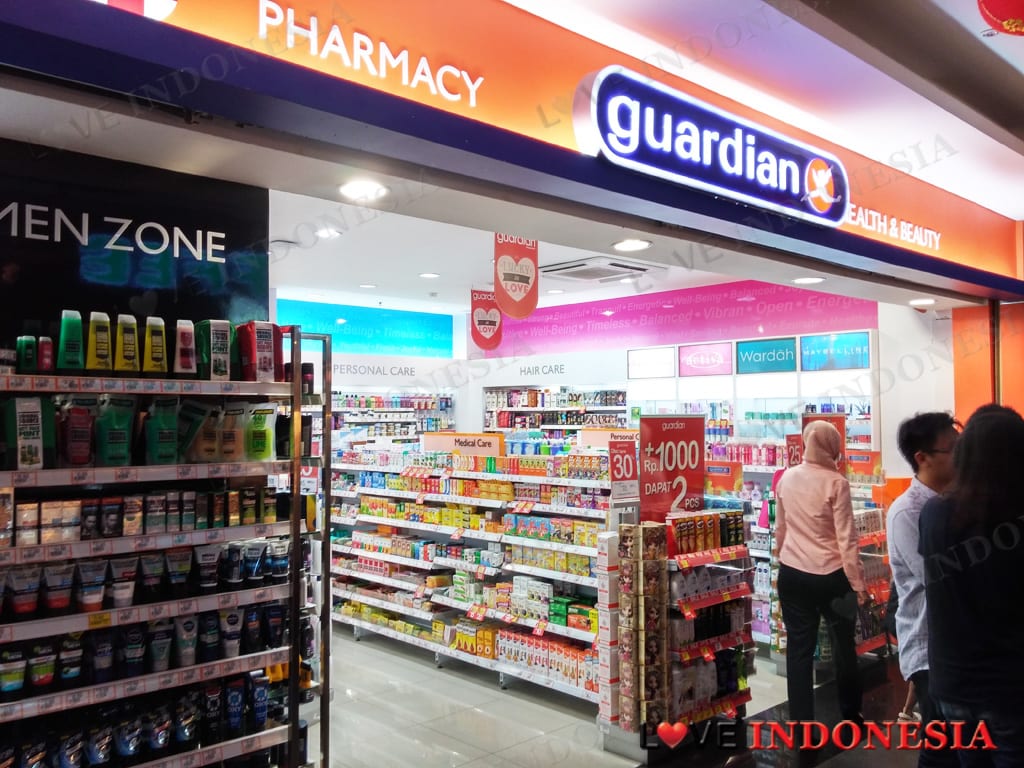
    Delivery platform Foodpanda in Singapore is to start delivering health and beauty products from Guardian stores.

    Guardian is the first major health-and-beauty retailer to be listed on Foodpanda’s Shops, offering more than 280 products and on-demand delivery service.

    “This collaboration with Guardian Singapore is timely as we are now able to deliver a greater variety of products to customers in the comfort and safety of their homes,” said Luc Andreani, MD at Foodpanda in Singapore.

    “Giving our customers the best choice of products delivered within the shortest amount of time will continue to be our priority.”

    Customers can now access products, including health supplements, skincare, and beauty products, with promised delivery times of under an hour.

    “Given the new climate and changing shopping behavior, we want to ensure that our customers still have access to their essentials from a trusted brand like us,” said Soren Lauridsen, CEO at Guardian, Southeast Asia.

  • SGX Launches Singapore Single Stock Futures

    SGX Launches Singapore Single Stock Futures

    In response to growing client demand for a broader suite of Singapore-linked equities products, Singapore Exchange (SGX) will launch 10 Singapore Single Stock Futures (SSFs) on 15 June 2020.

    The list of underlying securities for the SSFs are Comfortdelgro, DBS, Genting, Keppel, OCBC, Singtel, Thai Beverage, UOB, Wilmar and Yangzijiang Shipbuilding, the bourse announced on Tuesday. Most of these securities are also SGX MSCI Singapore Free Index (SiMSCI) stocks.

    SSFs represent a next natural step in the growth of the ecosystem and offer market participants a new shelf of risk management instruments, SGX said, noting that it has observed greater synchronization and correlation between the price of futures and the underlying stocks across various intraday timeframes, indicating growing institutional participation across both markets.

    SGX also signed a license agreement for four products on MSCI Singapore indices, including SiMSCI futures and options and net total return contracts, which will continue to be listed on yhe exchange after February 2021.

    Our Singapore franchise is at the heart of SGX’s pan-Asian access offering and with these latest developments, we are well on track to broaden the continuum of our equities shelf, Michael Syn, SHX head of equities said in the announcement.

    Just last week, SGX said it would discontinue its license agreements with index provider MSCI for equity futures indices and futures contracts when they expire in February 2021. At the same time, MSCI signed an agreement with Hong Kong Exchanges and Clearing (HKEX) to license a suite of its indexes in Asia and emerging markets for the introduction of futures and options contracts in Hong Kong.

  • Citi Appoints APAC Tech Vice Chair

    Citi Appoints APAC Tech Vice Chair

    Will McLane was named Asia Pacific vice chairman of technology at Citi, according to an internal memo, in addition to his existing role as vice chairman of the global financial institution’s group (FIG).

    We have asked McLane to assist the APAC technology team in covering clients for unique stations to help scale BCMA’s (banking, capital market advisory) innovative pitching efforts globally, the memo said, adding that he would continue to support FIG clients in Asia.

    According to the bank, McLane alongside other seniors in Asia, has applied innovative techniques for pitching such as videos, multimedia, props, and more in the last 18 months.

    This role is a natural extension for [McLane], as he has been instrumental in providing critical thought leadership and creativity in pitching, resulting in several landmark transactions, the memo continued.

    Scaling these innovative approaches and aligning them with our global relationships will help differentiate Citi, particularly in the current COVID-challenged operating environment.

  • Teafolia closing down, Singapore’s latest victim of the virus outbreak

    Teafolia closing down, Singapore’s latest victim of the virus outbreak

    Singaporean bubble tea brand Teafolia has permanently ceased operations in the territory.

    A Facebook post announcing the closure cited the “current economic situation” as the reason for shuttering its outlets. The brand had traded in Singapore for the past three years.

    Teafolia temporarily closed two of its three outlets during Singapore’s circuit breaker period, a lockdown imposed to counter the spread of the coronavirus pandemic on the island. It permanently closed its Bedok Mall outlet for reasons of “economic circumstances” a fortnight ago.

    Teafolia was popular amongst locals for fruit teas, milk-based drinks, and slushies as well as bubble tea. Its website lists one store in Los Angeles, USA, although it remains unclear whether or not the brand’s sole international location remains in business.

  • Two-Thirds of Singaporeans Lack Savings to Maintain Lifestyle

    Two-Thirds of Singaporeans Lack Savings to Maintain Lifestyle

    Two in three working Singaporeans lack the savings to last beyond six months without compromising their existing lifestyles should they lose their jobs now, according to a recent survey by OCBC.

    Around half of the respondents already claimed to have suffered wage cuts, prescribed no-pay leaves or reduction of commission-based earnings. More than half the respondents saw their savings shrink with just 20 percent able to maintain the same savings levels.

    Around 55 percent of respondents said they were worried about their current income and job security with 38 percent saying this would persist through to December.

    As a result of the financially troubling drivers fuelled by the coronavirus pandemic, many have also had to make adjustments to their financial plans.

    23 percent of those in their 20s who are invested in financial plans have indicated that they allocated more money to retirement. Two in five also plan to downsize their portfolios with around 16 percent seeking to cut investments by more than 20 percent.

    It is encouraging that some are doing the right thing to boost their financial health, by continuing to save, spending prudently and making sound investments, according to their risk appetite and financial circumstances, Tan Siew Lee, head of wealth management head at OCBC. But we also hope that those who are cutting back on these aspects, which are crucial to building a nest egg for retirement, will not despair.

  • CapitaLand Singapore malls test new technology in virus fight

    CapitaLand Singapore malls test new technology in virus fight

    CapitaLand Singapore plans to roll out “innovative tech solutions” in its properties as the city-state prepares for phase one reopening tomorrow, June 2.

    Among the measures: anti-microbial coating for high-contact areas including lifts and lift buttons, door entrance buttons, handrails, touch screens, toilet cubicles and basins, family rooms and customer service counters; disinfected floor mats which clean shoe soles when walked on; and disinfection robots.

    “CapitaLand malls have continued to operate and serve the daily needs of Singapore throughout the circuit breaker period,” said Chris Chong, MD of retail at CapitaLand Singapore. “Now that the nation is gearing up for Phase 1 safe reopening, we are committed to take the necessary precautions to protect the health of our shoppers, tenants and employees as they gradually return to their workplaces.”

    The robots will be deployed to the basement floors and level one of Tampines Mall and Bukit Panjang Plaza, two of the company’s busiest centers, before being progressively rolled out at other CapitaLand properties.

    Meanwhile, PhotoPlasma air disinfection systems will be introduced in CapitaLand’s lift cars to “energize atmospheric air into a plasma state, in turn eliminating air-borne and surface microorganisms such as virus and bacteria”.

    Another technical innovation being used is automatic escalator handrail disinfection at The Atrium@Orchard. An Ultra UV device installed in the escalator system will disinfect handrails while the escalators are running.

    And two lifts at The Atrium@Orchard will also be fitted with a QR code registration device, allowing tenants and shoppers to scan a QR code and activate the lifts without contact with lift buttons.

    All visitors to the company’s malls will be required to undergo temperature checks upon entry and must wear masks at all times. Signs and queue markers will enforce safe distancing

    “With precautionary measures in place, we create a safe environment to welcome the community back to our malls upon the gradual easing of Singapore’s circuit breaker,” said Chong.

  • Contactless Payments Gain Ground in Singapore

    Contactless Payments Gain Ground in Singapore

    With more than half of Singaporeans using mobile contactless payments, the city-state is one of the market leaders globally in terms of contactless payments penetration.

    Mobile contactless payments use among Singaporeans grew by 12 percent over the past year to 56 percent, with the most popular option being contactless card payments at 84 percent, according to a new study by Visa on consumer payments attitudes in Southeast Asia, conducted among 5,000 consumers in seven regional markets in October 2019.

    Reasons for the strong uptake in Singapore include state-of-the-art mobile security and stringent data privacy measures, the survey, published on Thursday, revealed. Supermarkets and quick service restaurants, along with contactless acceptance in new categories like public transport, were also key contributors, Visa said.

    Some 75 percent of respondents here said they do not feel their personal information is at risk when making mobile payments, and two in three believe that merchants, banks and third-party companies provide sufficient security to protect their transactions. The study also found that three in five Singapore consumers are willing to share location data with merchants in exchange for discounts, promotions and services.

    The use of contactless payments was given a boost in April 2019 with the introduction of contactless credit and debit card payments on public transport.

    The outbreak of Covid-19 has also spurred businesses to adopt mobile payments and prompted a rise in contactless payments to reduce the spread of the virus. Earlier this week, the Singapore Government said it was allocating S$500 million to support digital transformation and the adoption of e-payments by businesses. In announcing the package, Deputy Prime Minister Heng Swee Keat said the use of digital payments has «risen sharply,» with more than 50,000 businesses adopting Paynow Corporate since April.

  • SGX Reduces MSCI License Agreement

    SGX Reduces MSCI License Agreement

    The bourse said it will continue to broaden and deepen coverage of Asia by developing more derivatives products on its own or in collaboration with its partners.

    Singapore Exchange (SGX) will discontinue its license agreements with index provider MSCI for equity futures indices and futures contracts when they expire in February 2021, SGX announced on Wednesday.

    The two parties will retain their partnership on MSCI Singapore Index products and will both work to extend it well beyond 2021, the announcement said, noting that MSCI Singapore futures and options remain listed. SGX said it will work closely with the relevant stakeholders in managing their open interest during this period.

    While this may have a near-term impact on our equities derivatives open interest, our multi-asset portfolio shelf has reached a critical mass. SGX’s track record in derivatives positions us well to refresh and grow our suite of pan-Asian access products in a new direction, Loh Boon Chye, SGX chief executive, said.

  • Job portal Mybrands launched in Singapore

    Job portal Mybrands launched in Singapore

    Retail-solutions consultancy IDA’SG is launching a niche job portal for fashion, beauty and lifestyle retail firms in Singapore.

    Called, MyBrands SG, the platform will launch on July 3 and is designed to enhance skill matching in the city’s retail industry.

    “With the launch of Mybrands.sg, we hope to help brands become more effective and efficient with managing all their hiring needs using a single touchpoint,” said IDA’SG MD Angeline Yap. “Our algorithm has been tried and tested in Japan and we are confident that it will produce results in Singapore as well. Essentially, we want our clients to be able to fill a role in the shortest time possible, with quality candidates who have the right skill sets for the job.

    “Mybrands will initially be launched in Singapore and we plan to expand the services across Asean and the rest of Asia Pacific region in the near future.”

    The platform features customizable resume templates for jobseekers and cash rewards for successful candidates who complete their probation as well as those who refer friends to the platform.

  • Bulgari E-commerce platform launched in Singapore

    Bulgari E-commerce platform launched in Singapore

    Italian jewelry firm Bulgari has launched an e-commerce platform in Singapore prior to opening online services in its home territory. Korea will soon follow.

    The luxury brand is accelerating its digital program following the effect of the coronavirus pandemic on the industry, placing restrictions on the ability of shoppers to visit physical stores. It is planning to launch new online boutiques in seven countries over the next 90 days, beginning with the Singapore shop going live yesterday.

    The store features an AR function allowing shoppers to view products as they would appear in the real-world environment, as well as e-concierges and home delivery services.

    “E-commerce must be an engaging and exclusive 360-degree experience, offering the same service of excellence delivered in a Bulgari boutique,” said Bulgari CEO Jean-Christophe Babin.

    “Not to mention the complementarity of the website with the boutiques in terms of content and information.

    “With Covid-19, our e-shop has become our number-one store worldwide with a growth exceeding 100 percent and we believe it will reinforce its leading position after Covid-19, as it has been an accelerating factor.”

    Bulgari’s next e-shops are expected to launch in the UAE, Italy, France, Korea, Mexico and Brazil.

  • GoJek and Deliveroo join forces in Singapore

    GoJek and Deliveroo join forces in Singapore

    Indonesian ride-hailing operator Gojek and Deliveroo, the food-delivery service, have joined forces in Singapore.

    Following a change in law allowing taxis to provide food and grocery deliveries – in response to increased demand during the Covid-19 lockdown – drivers will now have the option of making food deliveries around central Singaporean locations as a way to supplement their income, reports Channel News Asia.

    Many drivers on the platform have reported an income drop of up to 70 percent during the lockdown period, with some subsisting on grocery vouchers provided by a support fund established by the firm. Now they will be able to help ends meet by serving both GoJek and Deliveroo.

    “By strengthening Deliveroo’s supply of delivery riders, the company can better cater to the increased demand for food delivery during the current ‘circuit breaker’ period, when more people are eating at home,” said Gojek.

    The firm is also participating in a charitable effort to provide meals to vulnerable single-parent homes in the territory.

    Several competing ride hailers and taxi services are already providing food delivery solutions, with arch-rival Grab offering its own food platform. Gojek has its own food delivery platform in Indonesia.

    Gojek will “continue to find ways to look after our driver-partners and support the wider Singapore community,” said Singapore GM Lien Choong Luen.

  • OCBC Expects Branch Closures

    OCBC Expects Branch Closures

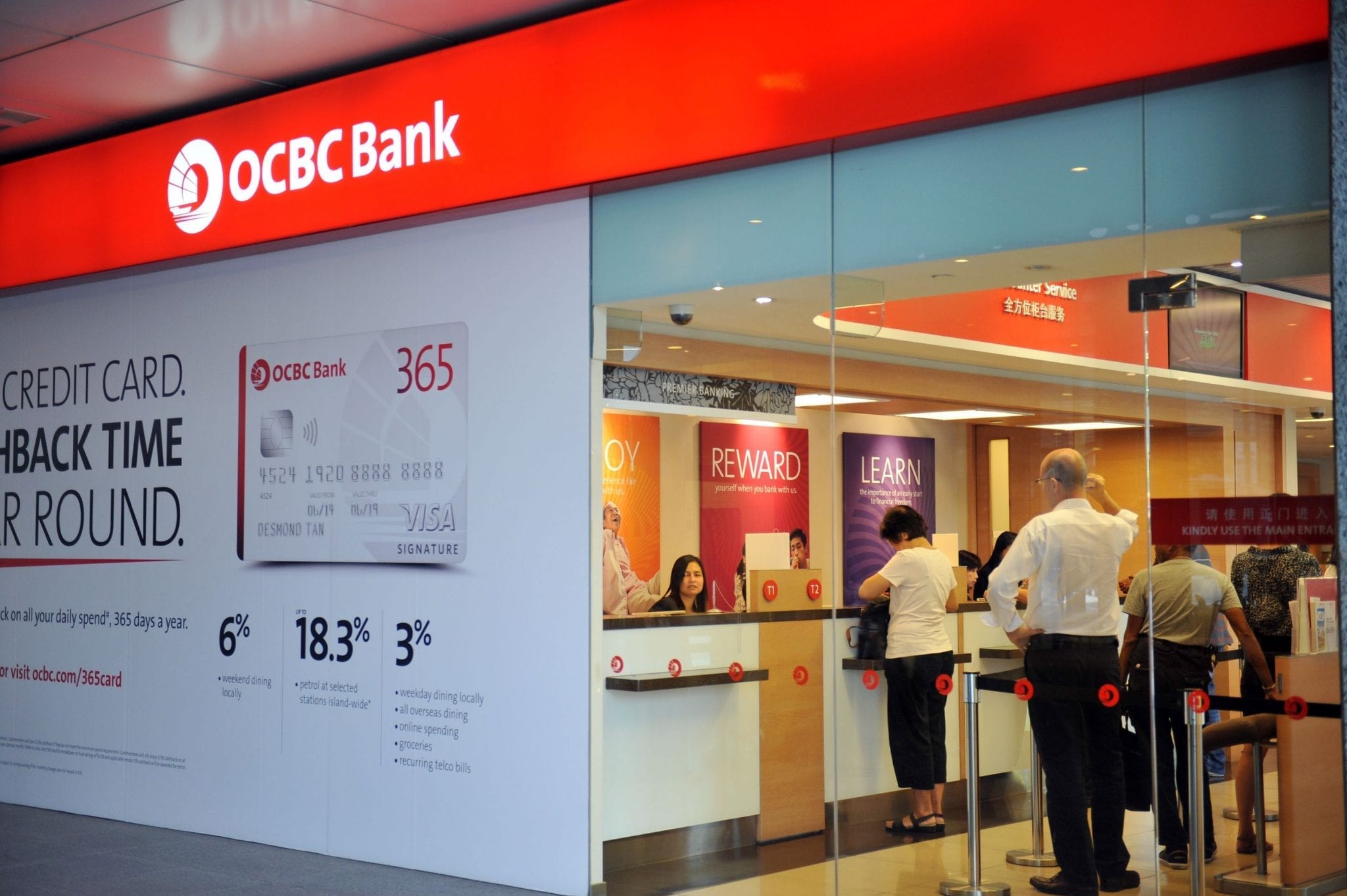
    The bank said branch closures during the Covid-19 «circuit breaker» has diverted traffic from physical branches.

    A surge in the adoption of digital baking services is prompting OCBC to rethink its branch network strategy while providing an impetus for the bank to continue its investment in technology and digitalization, said Samuel Tsien.

    The bank is expecting a higher net operating profit in the longer term as a result of reduced manpower costs and fewer physical branches and offices being open in the future, the bank’s chief executive officer said during its virtual annual general meeting on Monday.

    We do expect that the cost increase will be managed and the cost-income ratio of the bank would continue to improve,» Tsien said, noting that despite branch closures, the bank has not made overhead cost savings as its network of ATMs remains operational and continues to pay its branch staff in full.

    The bank closed 22 of its 46 branches in early April as part of Singapore’s stricter social distancing measures to contain the spread of Covid-19. OCBC Securities, its wholly-owned brokerage subsidiary, temporarily closed its Investors Hub and encouraged customers to use digital, email, and telephone channels as far as possible and minimize face-to-face interactions.

    According to OCBC Bank, there has been a huge acceleration in the take up of digital services, from new account opening to day-to-day transactions to investments.

    In the first quarter of the year, OCBC opened three times the number of SME accounts digitally compared to the year before and saw a sevenfold increase in the number of PayNow Corporate transactions. The share of SME loans applied digitally has also grown to 49 percent, up from 30 percent in 2019.

  • Steelcase launches its first online store in Hong Kong and Singapore

    Steelcase launches its first online store in Hong Kong and Singapore

    US office furniture company Steelcase has launched online stores in Hong Kong and Singapore.

    The Steelcase online stores offer a wide range of office chairs, desks and accessories to help people working remotely adapt their homes for work, such as personal tables that slide in over a sofa to add a work surface.

    As many workers have to work from home during the Covid-19 pandemic, the demand for improving their working space has significantly increased. “As we worked to equip their remote teams, we saw an opportunity to make some of our products available to individuals, to improve their work-from-home experience,” said Samantha Giam, director of product marketing at Steelcase Asia Pacific.

    “We wanted to provide a simple way for our customers to access the most ergonomic products and will explore opportunities for further online stores in other cities across the region”, said Maria Bourke, communications director at Steelcase Asia Pacific.

    Founded in 1912, the US-based furniture company is globally accessible through a network of channels, including more than 800 retail dealer locations.