Tag: Singapore

  • MSIG Hong Kong names Philip Kent as new CEO

    MSIG Hong Kong names Philip Kent as new CEO

    General insurer, MSIG, has announced the appointment of Philip Kent to the role of Chief Executive Officer (CEO). He succeeds former CEO, Kenneth J. Reid, who has retired after 26 years with MSIG Hong Kong. Philip Kent most recently served as Executive Vice President of Planning for the Singapore-based regional holding company, MSIG Holdings Asia, over the last two years leading business development across the region and spearheading the regional digital strategy in Asia. With more than 28 years in the insurance industry, he has broad insurance market experience encompassing leadership and technical roles across Asia, including Indonesia, Thailand and Hong Kong.

    “We are pleased to have Philip lead MSIG Hong Kong as CEO. His accomplishments and track record of building strong partner relationships and inspiring colleagues make him an ideal leader. He is also very familiar with the market having worked in Hong Kong for 11 years,” said Alan J. Wilson, regional CEO, MSIG Holdings Asia.
    “The industry is dynamic with many insurers going digital and leveraging on new technologies. With Philip’s experience, he will be able to continue the digital transformation that Ken has started for MSIG, ensuring that we are well placed to continue serving the needs of our customers in Hong Kong,” he added.

    Outgoing CEO Kenneth J. Reid has retired after leading MSIG Hong Kong as CEO for 13 years and after a successful career of nearly 35 years with the Group. During his tenure, Mr Reid led MSIG Hong Kong to more than double its gross written premiums and played an instrumental role in forming a partnership with DUAL Asia in 2009, significantly expanding MSIG’s business portfolio. He also contributed to Hong Kong’s general insurance industry as Chairman of the Motor Insurer’s Bureau of Hong Kong from 2015 to 2017.

    “Ken’s vision, accomplishments and impressive track record of building strong client relationships, have materially strengthened MSIG Hong Kong. He leaves a firm foundation and a resilient company. I would like to sincerely thank him on behalf of the Board and the Group for his substantial contribution to MSIG,” Mr Wilson said.


     

  • Amazon Kicks Off the New Year with Head Start on Chinese New Year Festivities

    Amazon Kicks Off the New Year with Head Start on Chinese New Year Festivities

    Amazon announced the kick-off of the Chinese New Year season for Amazon Prime members in Singapore, offering new expanded local selection and great deals and free samplings to help usher in the Year of the Pig with ease. Amazon Prime Now will offer customers a one-stop shop for everything Chinese New Year related — from eight-pack red packets to traditional pineapple tarts and barbequed pork slices (bak kwa).  Anyone in Singapore can join Amazon Prime for S$2.99 a month or start a 30-day free trial at www.amazon.com.sg and download the Prime Now App.

    “We’re excited to jump into the Chinese New Year season, helping Prime members in Singapore get ready for the Year of the Pig with our expanded selection of popular holiday goodies–abalone, traditional pineapple tarts and handmade BBQ pork slice,” said Kourosh Kaghazian, Country Manager, Amazon Singapore. “From cleaning supplies to groceries, we’ve got Prime members covered this new year with the convenience of tens of thousands of items, including a variety of local favorites, and ultra-fast two-hour delivery right to their door.”

    New this season, Amazon is offering some must-have Chinese New Year goodies, including:

    • Kele: Traditional Pineapple Tarts and other festive cookies
    • Kim Joo Guan: Traditional Handmade BBQ Pork Slice
    • Crystal Jade: Almond Puff Cookies and Bo Lo Pineapple Tarts
    • New Moon: Abalone

    Amazon has also expanded its Reunion and steamboat selection for customers in time for their holiday dinner preparations with frozen and fresh sliced meats, noodles and tofu and a wide variety of fresh and frozen seafood, including pomfret, grouper, threadfin, scallops, crabmeat, mussels, squid as well as seasonal fresh vegetables and fruits.

    Amazon has also created specially curated selections according to Chinese New Year themes, such as Readying the House, Spring Cleaning and Organization, Stocking Up on Groceries, Shop Fresh Food/Reunion and Last-Minute Shopping. Prime members will be able to take advantage of the free two-hour delivery on orders of S$40 or more, especially helpful for heavy and bulky items like soft drinks. In addition, Prime members will also be able to shop millions of items on the international selection via the Prime Now App with free delivery in 7-9 business days on orders of S$60 or more.

    Prime Now will offer delivery from 10:00 a.m. to 6:00 p.m. on 4 February, Chinese New Year Eve as well as both public holidays 5 February and 6 February. Leading up to Chinese New Year, Amazon Prime Now will offer regular delivery from 10:00 a.m. to 10:00 p.m.

    Prime members in Singapore have access to millions of items via the Prime Now App. Amazon Prime in Singapore is currently available for S$2.99 per month. Prime membership benefits in Singapore include:

    • Free Two-Hour Delivery on Tens of Thousands of Items: Ultra-fast delivery on tens of thousands of items with free two-hour delivery on orders over S$40, between 10am and 10pm daily.  Items range from groceries to electronics, including a variety of new brands added to Prime Now since the launch such as Yakult, Dell, Tefal, Sambucol, Bausch & Lomb and Pinkfong, as well as new categories including fresh flowers, organic fruits and international foods.
    • Free International Shipping on more than 7 Million of Items: Unlimited free shipping in 7 to 9 business days on orders over S$60 from International Selection via the Prime Now App on more than 7 million international products shipped directly to you from Amazon US. Products include a wide selection of top brands such as Leap Frog, Calvin Klein, Rubbermaid, Zojirushi, BCB Generation, The Children’s Space, Pet Safe, Rebecca Minkoff, and Melissa and Doug.
    • Amazon Prime Video: Prime members can stream or download popular and award-winning Prime Original series like The Grand Tour, Golden Globe and Emmy award winner The Marvelous Mrs. Maisel, Tom Clancy’s Jack Ryan starring John Krasinski, Homecoming starring Julia Roberts, and many more. Prime members can watch anytime, anywhere via the Prime Video App on Android and iOS phones and tablets, smart TVs, game consoles or online at www.primevideo.com.
    • Twitch Prime: Prime members enjoy a selection of free games every month, free in-game loot for the world’s most popular games, a free broadcaster subscription every 30 days, exclusive chat emotes, and more at https://www.twitch.tv.
  • Singapore company seeks to increase stake in Vietnam’s largest dairy firm

    Singapore company seeks to increase stake in Vietnam’s largest dairy firm

    A Singaporean shareholder in Vinamilk is seeking to increase its stake in Vietnam’s largest dairy firm. Jardine Cycle & Carriage Ltd has registered to buy 17.41 million shares between January 9 and February 7 through its wholly-owned local subsidiary, Platinum Victory, which will enable it to increase its ownership in Vinamilk from over 10 percent to 11.62 percent.

    At a proposed price of VND125,000 ($5.38) per share, the transaction will be worth VND2.17 trillion ($94.42 million).

    Last year Jardine, Vinamilk’s third largest shareholder, had registered on six different occasions to buy 14-17 million shares to increase its stake to above 11 percent, but was unsuccessful due to unfavorable market conditions.

    It first bought a 3.3 percent stake in Vinamilk in November 2017. Within a month it raised its ownership to over 10 percent.

    In April last year a representative of Jardine’s parent company, Jardine Matheson, became a Vinamilk board member.

    Hong Kong-based Jardine Matheson is one of Asia’s biggest conglomerates with interests in luxury hotels, motor vehicles, property, food retail, transport financial services, and agribusiness and revenues of almost $16 billion in 2017.

    F&N Dairy Investments, a subsidiary of Singapore-based Fraser & Neave Ltd, which is backed by Thai tycoon Charoen Sirivadhanabhakdi, owns a 17.31 percent stake in Vinamilk.

    Vietnam’s dairy industry reported revenues of more than VND100 trillion ($4.4 billion) in 2017, with Vinamilk commanding more than a 50 percent market share.

    According to a report by the EU-Vietnam Business Network, the market is expected to double in size by 2020 as the country’s population, personal incomes and dairy consumption increase.

  • Crabtree & Evelyn Singapore closes all stores

    Crabtree & Evelyn Singapore closes all stores

    Crabtree & Evelyn Singapore is in the process of closing all of its 12 stores on the island and will move exclusively online. The closures follow the placing of the Canadian business into bankruptcy protection last month, resulting in the closure of its 19 stores there as it liquidates its stock. Crabtree & Evelyn was founded in the US in 1972, expanding to the UK in 1980. It was sold to a Malaysian company in 1996, with its US subsidiary entering bankruptcy protection in 2009, resulting in the closure of about a quarter of its store network.

    The business was bought by Hong Kong investment company Khuan Choo International in mid 2012 for US$155 million before being sold to the current owner, another Hong Kong company, Nan Hai Corporation, four years later. Listed on the Hong Kong stock exchange, Nan Hai’s primary business focus is operating cinemas and digital entertainment services, mostly in Mainland China. It has no other specific retail or cosmetics investments.

    In March last year Nan Hai said it had invested in expanding and revitalising the Crabtree & Evelyn product range and that it would expand the brand into the mainland: “Crabtree & Evelyn will fully enter the PRC market in 2018 and the development of [an] e-commerce platform and membership system will be its business focus for 2018, thereby creating synergy with the e-commerce and membership strategies of the group’s cinema operations, which would be beneficial to the long-term development of the group,” the company said in a stock exchange filing.

    Online expansion was also planned in Australia, Singapore and Malaysia, but it made no mention of closing stores and it is not clear in which markets it owns its retail operations and in which it has distribution partners.

    According to a report, the business there filed for bankruptcy citing “significant losses” due to changing consumer demand, rising competition online and an ongoing decline in footfall in its stores.

    Crabtree & Evelyn Singapore is expected to continue trading from two stores in the city – Ngee Ann City and Paragon – until January 31, where it will honour gift vouchers. It has wound down its offline loyalty program in favour of a new online version.

  • Philippines stock jumps ahead of inflation data, Singapore slides

    Philippines stock jumps ahead of inflation data, Singapore slides

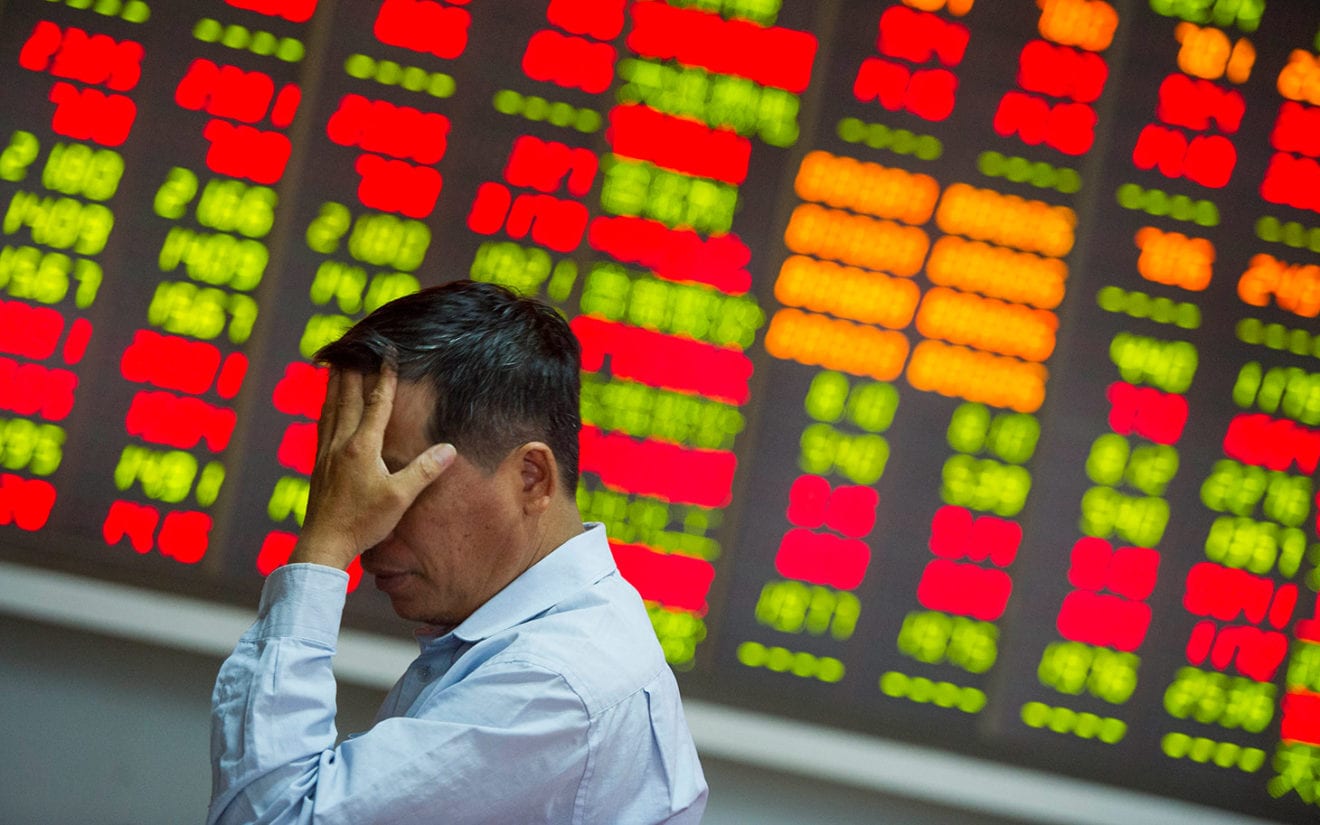
    Most Southeast Asian shares climbed on Thursday, with Philippine markets leading gains ahead of the release of inflation figures, while Singaporean stocks bucked the trend to fall sharply. Philippine stocks gained 1.04 percent, as industrial shares SM Investments Corp and JG Summit Holdings Inc propelled the index. A report shows that the country’s inflation is expected to cool to a six-month low in December, making it likely the Philippine central bank will leave policy rates unchanged this year.

    “The investors were mainly concerned about inflation during 2018,” said Rachelle Cruz an analyst at AP Securities in Manila.

    “So now we’re seeing some buying in the index stocks as there’s better expectation on earnings growth now, since that concern seems to be fading,” Cruz said.

    Local investors appeared to be buying more because some Philippine companies have reached “very attractive valuations,” she added.

    A surge in consumer goods stocks powered a 0.4 percent advance in Indonesian shares.

    Shares in Malaysia and Thailand also rose, by 0.56 percent and 0.71 percent respectively.

    In Kuala Lumpur tourist resort chain Genting Malaysia Berhad added 2.7 percent and palm oil producer Sime Darby Plantation Berhad rose 3.3 percent, while in Bangkok energy stocks provided the biggest boost to the benchmark.

    Meanwhile, Singaporean shares edged 0.81 percent lower, with Thai Beverage PCL dropping 3.3 percent and industrial conglomerate Jardine Strategic Holdings Ltd losing 1.4 percent.

    Vietnamese stocks also shed just above 0.8 percent, with most major sectors in the red. Real-estate stocks like Vinhomes JSC and Vingroup JSC, which powered a rally on Wednesday, fell around 2 percent apiece.

  • Look to Singapore, Sarawak for construction jobs, says HLIB

    Look to Singapore, Sarawak for construction jobs, says HLIB

    Contractors should look to neighbouring Singapore and Sarawak for jobs, as a slowdown in award of contracts is expected in 2019, according to Hong Leong Investment Bank (HLIB). The research house said in a note that contract flows are expected to slowdown on the back of slight year-on-year (y-o-y) decline of 0.4% in development expenditure to RM54.7 billion.

    For the cumulative period of 12 months, domestic and foreign contract awards amounted to RM18.3 billion and RM406 million, representing a y-o-y decrease of 37% and 85% respectively. Contract flows continue to slow down after a brief rebound in Q3 18 as the government re-prioritised major infrastructure projects.

    HLIB said foreign contracts (piling works) from Singapore amounted to RM148 million in Q4 18, which is an indication that civil infrastructure projects remain robust in Singapore. HLIB expect more domestic contractors to bid for foreign jobs especially in Singapore given its geographical proximity and the continued slowdown in the domestic construction landscape.

    It expects contractors under its coverage such as Gamuda, Kimlun and Sunway Construction to compete for jobs there.

    “We expect smallish basic infrastructure projects such as road upgrading, hospital, water, sewerage and rural area development projects will be rolled out by government this year which we believe is insufficient to spark any enthusiasm back towards the sector. However, we do not discount potential events such as award of Phase 2 of Klang Valley Double Track project (RM5 billion) and news flow on ECRL (possible revival) and Pan Borneo Sabah could alleviate the pessimistic sentiment towards the sector,” it added.

    While the job flows in Peninsular Malaysia looks lacklustre following the change in government, Sarawak appears to have prospective jobs offers.

    “We understand that industry players are aiming for jobs in Sarawak as its chief minister mentioned emphasis will be put on state water and rural road projects following the decision to shelve Kuching LRT project,” it said.

    Funding for those projects is expected to come from the Sarawak state reserve of RM31 billion which is likely to insulate the projects from risk of cuts in federal government spending. The call for bids for the Sarawak Coastal Road and Second Trunk Road which has an estimated combined value of RM11 billion are expected in the near term.

    In that light, HLIB maintains a “neutral” call on the construction sector post changes in federal government and the scrapping of mega rail projects.

    “The domestic construction industry landscape is expected to remain challenging and we do not expect a significant improvement in the near term. The 37% decline in domestic contract awards in 2018 supports our view,” it added.

    Nonetheless, high orderbook levels (average cover ratio of 4.5 times) following the robust job flows in the past two years coupled with rock bottom valuation (0.5 times price-to-book ratio) should cushion further downside amid subdued near term industry prospects.

  • How the retail industry has fared in 2018

    How the retail industry has fared in 2018

    The overall retail market in India 2018 stood at Rs 43,251 billion and is forecast to grow by 6.4 percent CAGR in 2018-2023. Retailing in India still predominantly takes place in physical stores and shopping behaviour between urban and rural consumers continues to be vastly different. Smaller independents (both grocery retailers and non-grocery specialists) continued to dominate the landscape they faced growing competition from modern outlets opening in out-of-town shopping centres and malls capturing the Tier II & III markets.

    This year, we witnessed modern retailers launch interesting payments schemes and effective pricing strategies to propel the sales. For example, leading retailer Future Group launched its payment wallet Future Pay which can be used in all its retail brand outlets. Retailers also capitalised on growing acceptance of modern retail by developing new marketing schemes and strategies to attract shoppers.

    Additionally, multi-channel strategies remained key for retailers as they are developed online platforms that are also smartphone and tablet compatible to drive Internet sales.

    Furthermore, retailers also increased their new private labels products. This is was done for certain grocery categories like: packaged foods, non-alcoholic drinks, beauty and personal care and home care products.

    Finally, subscription-based retailing practices started to pick up in 2018. Although still relatively niche, and limited only to urban India, the subscription-based model for beauty and personal care and consumer health became quite popular in metropolitan cities.

    What are the retail trends that are going to rule the roost in retail in 2019?

    – Retailing will continue to offer potential for grocery retailers. Convenience stores and forecourt retailers are likely to continue to see healthy growth rates as their format can meet the demands arising from changing lifestyles by offering more convenient shopping solutions, both in terms of location, business hours and product range.

    – Given the rising maturity of retailing in metros/urban areas, retailers have slowly started to focus on the semi-urban consumer base. This has resulted in the slow and steady urbanisation of shopping styles amongst semi-urban consumers.

    – As the labour crunch and high rentals continue to affect the retail landscape in India, hypermarkets are looking to ramp up investment on self-service technology and automation to reduce costs and improve customer experience. Some hypermarkets chains have implemented self-service kiosks at checkout counters, generally with positive results because of reduced waiting times. Investments have also been made into automated ordering systems, which has helped brands reduce storage space at outlets, hence control rental costs. This can be expected to grow during 2019 as well.

    – Furthermore supermarkets are likely to push the broadening of key product categories, such as organic fresh food, soft drinks and packaged food. They are also likely to further narrow the line between foodservice and grocery retailing, with the introduction and integration of new foodservice elements within their stores.

    – Non-grocery retailing will likely be impacted by the growth of internet retailing at the expense of specific store-based retailers and other non-store channels. Consumers are expected to increasingly shop and research products online, with the popularity of smartphones making mobile-optimised sites and shopping apps crucial in attracting consumers. Moreover, social media will be used more often to alert consumers to attractive price promotions and build interest in new product launches. Also, omni-channel strategies will remain key for non-grocery retailers.

    – Non-grocery retailers will increasingly integrate their online brand information with store inventory, as consumers expect to find the same products in both channels. Moreover, to minimise showrooming, players will also need compelling reasons for customers to buy their brands in store, whether in terms of product selection or price competitiveness.

    – The entry of Amazon and Flipkart could stimulate a much-needed increase in the competition, which will bring both opportunities and threats for existing food and drinks retailers in India. Amazon with ‘Amazon Pantry’ and Flipkart with ‘Flipkart Supermart’ eventually launched its online grocery business in 2018. Millennials and affluent consumers were encouraged to change from shopping in physical stores to online in 2018 with convenience and heavy discounts on offer. Also, with increasing investments from player such as Amazon who are expected to buy skate in Future Retail and PayTm who have partnered with BigBasket and Future Group to strengthen its online grocery business, the food and drinks internet retailing is expected to show tremendous growth in 2019.

  • China’s cheese tea bakery Nayuki opens in Singapore

    China’s cheese tea bakery Nayuki opens in Singapore

    The cheese tea bakery, which draws inspiration from the Japanese philosophy of ‘Kaizen’ (a dedication to continuous improvement), opened to Singapore shoppers on December 8. Marking its debut international store opening, Nayuki has teamed up in a joint venture with BreadTalk Group for its officially opening in Vivocity.

    Vivocity store has been designed to reflect Nayuki’s philosophy: sophisticated and comfortable with seating and premium ingredients such as fresh fruit and tealeaves.

    “When it comes to shop design, we work with different designers, artists and some influential KOLs [key opinion leaders],” Peng Xin, Nayuki’s co-founder said in an interview.

    Singaporeans can now enjoy Nayuki’s signature “fruit tea and soft euro bread pairing” concept featuring the famous Supreme Cheese Strawberry tea and Strawberry fresh cream bread combo.

    In addition to the café’s breads and teas, the outlet also stocks cold brew teas, as well as selling an exclusive edition of its award-winning Alisan Mountain Dew Tea.

    Founded in Shenzhen, Nayuki was launched in 2015 from an appreciation of tea-drinking culture, something that has been known to China for centuries.

    To keep the tradition alive among the younger generation, Nayuki seeks to make tea drinking appealing through a stylish and modern tea concept, and effectively retailing it to millennials.

    And it’s proven successful. With over 100 stores across China across some 13 citie, Nayuki has garnered a cult following with celebrities and international lifestyle brands alike opting to partner with it.

    China is the largest market for tea drinking globally, with 13% of the world’s consumption taking place in China, according to Euromonitor. However, teeing up with BreadTalk Group and entering Singapore is the next step forward in global expansion, according to Peng.

    “Singapore is an important market. We chose Singapore to learn how to meet international standards – and then we can go global,” said Peng.

    Founded in 2000, the BreadTalk Group Limited is a Singaporean multinational food and beverage corporation headquartered in Paya Lebar, Singapore.


  • Asian stocks slump after Fed raises interest rates

    Asian stocks slump after Fed raises interest rates

    Tokyo led a rout of Asian shares today, mirroring big losses on Wall Street after the Federal Reserve (Fed) defied unprecedented pressure from US President Donald Trump and raised interest rates, sparking fears the move could choke economic growth.

    The Nikkei plunged to a 15-month low as investors took fright over the pace of monetary tightening, with a slump triggered by the Dow’s fall to its lowest level of 2018 gathering pace.

    The Fed raised rates for the fourth time this year – as expected – but markets reacted badly after chairman Jerome Powell said the bank would not shift course on reducing its balance sheet.

    Investors had hoped for a less aggressive approach amid concern that global growth is slowing, while Powell played down the impact of recent market turmoil on the US economy.

    “They think the Fed has completely misjudged the situation and now it’s just a matter of … trying to find an exit while you can,“ said Kyle Rodda, a market analyst at IG Group in Melbourne.

    “We’re probably entering a stage now where markets have got it (in) their head that we’re preparing for quite sustained downside going into 2019.”

    The Fed now projects only two interest rate increases, down from three previously, as it trimmed its forecast for US growth and inflation.

    Stephen Innes, head of Asia-Pacific trade at OANDA, said the “Fed delivered a dovish hike, but clearly, there wasn’t enough affirmation in the statement that the Fed was close to pausing or ending their interest rate hike cycle sooner than expected”.

    But some analysts urged caution.

    “The market overreacted to the Fed, I think,“ said Shane Oliver, head of invest-ment strategy at AMP Capital Investors in Sydney.

    “It is moving in a dovish direction and is on track for a pause in the first half of next year. Markets are being driven by fear rather than fundamentals.”

    But the spillover from the rate hike continued to rattle investors in Asia today, deepening concern over global growth prospects which are already facing headwinds from Trump’s trade war with Beijing, a slowing Chinese economy, and potential turmoil from Britain quitting the European Union.

    Japanese stocks also declined after the Bank of Japan left ultralow rates unchanged, with the threat of trade protectionism and slowing global growth casting a pall over the export-driven economy. A strong yen also put downward pressure on stocks with the dollar falling below ¥112.

    Nissan dropped more than 2% after a Japanese court rejected prosecutors’ request to extend the detention of former Nissan chairman Carlos Ghosn after his arrest for financial misconduct.

    Shanghai fell more than 0.5%, even after the People’s Bank of China said it would supply lower-cost liquidity for up to three years to banks willing to lend more to small companies, as policy makers aim to shore up the flagging economy.

    Sydney closed more than 1% lower while Hong Kong and Seoul were down 0.9% each.

    The equities slump spread to Europe. Around 1100 GMT, London’s benchmark FTSE 100 index was down 0.5% with losses capped by stronger-than-expected UK retail sales data and as traders looked ahead to the outcome of the Bank of England’s regular monetary policy meeting later today.

    In the eurozone, Frankfurt’s DAX 30 shed 1.0% and the Paris CAC 40 slumped 1.5%.

  • Louis Vuitton personalisation service launches in Asia

    Louis Vuitton personalisation service launches in Asia

    Luxury retailer Louis Vuitton is offering a personalisation service for a selection of men’s ready-to-wear items in a limited number of global stores. The My LV World Tour Louis Vuitton personalisation service offers clients the opportunity to customise their purchases with a variety of patches and embroideries inspired by vintage travel labels and varsity lettering of the kind Gaston-Louis Vuitton used to adorn his own luggage. The service was previously limited to leather goods.

    The patch themes include world-famous cities and heritage LV graphics, some of which will be available seasonally as limited-edition items.

    The Louis Vuitton personalisation service is available in only eight Asian stores: Hong Kong’s Canton Road and Pacific Place; Shanghai’s Plaza 66; Beijing’s Shin Kong; Japan’s Omotesando and Shinsaibashi; Singapore’s Marina Bay Sands and Seoul’s Shinsegae Main.

  • Lenovo achieves world records in fund raising event

    Lenovo achieves world records in fund raising event

    Lenovo achieves a new GUINNESS WORLD RECORDS™ title for the “Most people performing the warrior I pose (yoga) simultaneously (multiple venues)” on Sunday, 16 December 2018, across three cities doing a Warrior I Yoga pose simultaneously. Taking place at Boost in Yoga Style, a fundraising event co-organised by Lenovo and Pure Yoga, the event saw a turnout of over 600 participants across Singapore, Hong Kong and Taiwan region. Locally, 116 participated in setting the record at the National Gallery of Singapore.

    Boost in Yoga Style aimed to increase awareness on heart wellness and cardiovascular disease, and all proceeds from the event were donated to the Singapore Heart Foundation, totaling S$4,500.

    ‘This event represents a unique partnership between Lenovo and Pure Yoga and is aligned with our shared goal of enriching and enhancing lives in the community. We are glad to see such a positive turnout today and are delighted to have achieved the GUINNESS WORLD RECORDS™ title together with Pure Yoga. We hope that the money we’ve raised goes a long way in helping patients at the Singapore Heart Foundation,’ said Eddie Ang, Country General Manager, Singapore, Lenovo. ‘Partnering with a consumer-focused brand like Lenovo is important for us to deliver a differentiated experience for our members, and Boost in Yoga Style was a great way to drive awareness by leveraging the power of yoga to benefit the community,’ said Miryam Acosta, Pure Yoga Singapore.

    The GUINNESS WORLD RECORDS™ achievement is aligned with Lenovo’s shift toward becoming a customer-centric organisation with the belief that ‘different is better’, exemplified through partnerships that deliver better value and unique experiences to users.

  • ShopBack ventures offline with ShopBack GO

    ShopBack ventures offline with ShopBack GO

    ShopBack, the one-stop lifestyle platform that powers smarter purchase decisions, officially enters the offline space with the introduction of ShopBack GO. Launched in partnership with Visa and Mastercard, ShopBack GO enables users to earn between five to 10 per cent cashback on top of their existing card rewards at over 400 F&B brands concentrated in selected areas.

    With ShopBack GO, F&B partners will gain access to ShopBack’s existing base of over one million Singaporeans via its mobile app. The first-of-its-kind offline discovery and rewards platform in Southeast Asia fills the performance marketing gap in the ecosystem with zero disruption to business operations and consumers’ payment habits.

    “For the past four years, our core business model has succeeded in delivering cost-effective marketing for ecommerce merchants while delighting users with cashback for their online purchases,” said Vincent Wong, Country Head of ShopBack Singapore. “We have now replicated the experience offline with ShopBack GO, an omnichannel retail solution for offline merchants and rewards platform for users.”

    Partnering over 400 F&B brands from local favourites like Tiong Bahru Bakery to international establishments like Paradise Group, ShopBack GO rides on Singapore’s vibrant food scene to encourage wider adoption of cashless payment via Visa and Mastercard.

    ShopBack GO launches with a higher density of F&B brands in four areas: One-North, Buona Vista, Holland Village and Tanjong Pagar. The first three locations were selected for convenience in proximity to the office, allowing the start-up to conduct quick experiments with F&B brands in the area, while Tanjong Pagar gives ShopBack a flavour of the Central Business District crowd’s appetite.

    “Food is a part of Singapore’s DNA and Singaporeans increasingly love to dine out. Based on Visa’s data, the number of dining transactions have increased more than 30 per cent year-onyear and dining spend makes up almost 20 per cent of total card spend for Singaporeans. This partnership with ShopBack in launching ShopBack GO will drive more consumers to use digital payments for their dining purchases. More importantly, it encourages more merchants to accept electronic payments and also show their willingness to adopt digital payments. This is important as Singapore moves into a more digital and smart nation city,” said Kunal Chatterjee, Visa Country Manager for Singapore & Brunei.

    “Seven in 10 consumers are looking to find offers for their dining experience. We believe ShopBack GO’s reward-based model will appeal to the foodie in many Singaporeans who love a great deal for good food. Given how frequently local consumers dine out, solutions such as these will also go a long way to drive behavioural change towards a wider use of cashless payments in Singapore,” said Deborah Heng, Country Manager, Mastercard Singapore.

  • Cafe Leitz opens in Raffles Hotel Singapore

    Cafe Leitz opens in Raffles Hotel Singapore

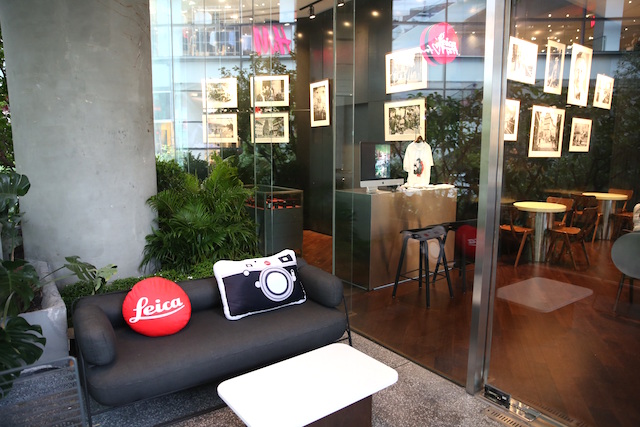
    German photography brand Leica has reopened at Raffles Hotel with a line of wristwatches and a cafe. The opening debuts Leica’s Cafe Leitz in Singapore, based on its German flagship and serving a variety of coffees and petit fours. The store, launched on the site of the brand’s original Singapore location, features a new experiential retail concept that showcases Leica’s iconic cameras while drawing visitors towards its first line of digital watches in Southeast Asia.

    Leica enters the watchmaking industry alongside a pewter and silver collaboration jewellery line with Royal Selangor exclusive to Leica Store Raffles, featuring subtle references to the Leica camera. The store hosts a gallery space for classic Leica photography.

  • Miniso launches online store in Singapore with Shopee

    Miniso launches online store in Singapore with Shopee

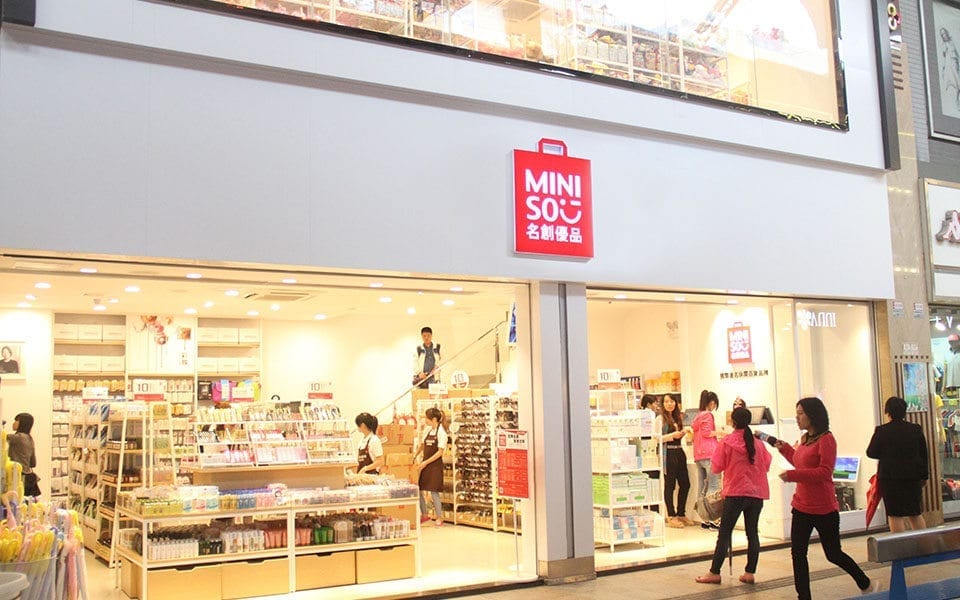
    Discount Chinese merchandise chain Miniso has partnered with e-commerce platform Shopee to open its first online flagship store in Singapore. Shopee will exclusively host the Miniso Singapore online offering in the territory as a part of the retailer’s omnichannel strategy for Singapore in the coming year. The partnership will offer home delivery, special promotions and exclusive product launches on the platform.

    Miniso Singapore general director Alex Zhang Li said: “We foresee numerous key opportunities that will be pivotal to our growth strategy next year as we enter our first e-commerce partnership. As a global variety store chain, we aim to be able to deliver meaningful experiences, and leveraging Shopee’s user base, extensive operational support and other value-added services to grow our business will allow us to do that.

    “We are very excited to engage with a new segment of online customers and are confident that this partnership with Shopee is a leap forward to securing our long-term online and offline success in retail.”

    Shopee’s chief commercial officer Zhou Junjie added: “This partnership also marks our dedication to enabling offline retailers extend their reach online. We are confident that this partnership will be a fruitful one, and we look forward to working with them to bring to users even more exciting deals and exclusive offers from the brand.”

  • First Binance Blockchain Week Set for Singapore Next Month

    First Binance Blockchain Week Set for Singapore Next Month

    About 2,000 people from around the world are expected to attend the inaugural Binance Blockchain Week in Singapore on Jan. 19-22. The conference, which will take place at the Sands Expo and Convention Centre in Marina Bay Sands, is presented by Binance, the world’s leading cryptocurrency exchange.

    The high-profile event will serve as a platform to bring together regulators, investors, academics, entrepreneurs and technologists to discuss the current blockchain ecosystem and encourage sustainable growth in the industry.

    Binance Blockchain Week will feature more than 70 speakers, including thought leaders, top executives, academics and heads of state in a productive, yet exciting program filled with keynote speeches, panel discussions, fireside chats and exclusive networking events.

    Confirmed speakers include Changpeng Zhao, the founder and chief executive of Binance; Genping Liu, partner at Vertex Ventures; Justin Chow, head of business development, Asia at Cumberland; and Sonia Bashir Kabir, managing director of Microsoft Bangladesh, Myanmar, Nepal, Bhutan and Laos.

    “We are thrilled to host the first ever Binance Blockchain Week in Singapore, the finance and technology hub of Asia. Gathering the most notable players and thought leaders in blockchain, this will be a defining event. We look forward to many thought-provoking discussions and debates on how we can further work together to move the industry forward,” Zhao said.

    There will also be an expo featuring more than 50 booths for sponsors to showcase the best blockchain and cryptocurrency technologies.

    Secure Asset Funds for Users Hackathon

    The inaugural Binance SAFU Hackathon, which aims to seek innovative blockchain solutions to secure crypto assets, will take place at the offices of PricewaterhouseCoopers Singapore in Marina One East Tower on Jan. 19-20.

    The panel of judges includes PwC, blockchain accelerator program Tribe Accelerator and Binance Labs. Participants will have the opportunity to receive mentorships from senior leaders at companies such as the Ethereum Foundation, Primitive Ventures, Earn.com, Binance Labs and IDEO CoLab.

    Individuals and teams interested in participating in the event can submit their applications between Dec. 10 and Jan. 6.

    Twenty developer teams will be selected via pre-hackathons and direct registration on the event website. Pre-hackathons will be held around the world between December and early January.

    Only winning teams will qualify for free passes to the final SAFU Hackathon in Singapore.

    The teams winning the final will share a prize pool of $100,000 in Binance Coin (BNB) courtesy of Binance.

    For more information, check out the Binance Blockchain Week Facebook page or the cryptocurrency exchange’s Twitter profile.