Tag: Singapore

  • Gaming gadget New Razer Phone 2 is launched

    Gaming gadget New Razer Phone 2 is launched

    Razer, a Singaporean gaming gadget company, unveiled the Razer Phone 2 – a smartphone specifically designed for gaming – on Friday in Seoul. Korea is the fourth-largest gaming market in the world with more than 28 million game users, according to the company.

    The Razer Phone 2 is equipped with a 5.7-inch display and offers a 120 Hz refresh rate, allowing users to enjoy mobile game with less delays and disconnections. The upgraded refresh rate helps the touch screen to react more precisely to user demands, according to the company.

    The screen is 50 percent larger than its previous version – the Razer Phone 1 – which launched last year.

    The Razer Phone 2 comes with a 400mAH battery which allows the phone to play games for 10 hours.

    Playing mobile games is not the only entertainment available on the Razer Phone 2. It is also optimized for watching videos.

    The company said the new phone includes Dolby Atmos technology in its dual speakers that are equipped on bezels both on the top and bottom of the devcie, providing a richer sound.

    In terms of camera, the Razer Phone 2 is equipped with a dual camera on the back – a wide-angle lens and telephoto lens – that offer 12 megapixels each. The front of the phone has an 8 megapixel camera.

    To optimize the display, Razer teamed up with popular games including PlayerUnknown’s Battlegrounds, Rival: Crimson x Chaos and Marvel’s Future Fight, among others.

    The Razer Phone 2 will go on sale on Dec. 4 in Korea in partnership with local distributors All Life Technology and CJ Hello.

    The phone sells for 990,000 won ($882.87). With subsidies from CJ Hello’s payment plan, the price can go down to as low as 599,000 won.

    “Razer was able to pull off a huge success last year with Razer Phone 1 by paving a new sector in the smartphone industry,” said Min-Liang Tan, CEO of Razer in a written statement Friday. “The new Razer Phone 2 will help us set a new standard in the gaming industry.”

  • Marcelo Burlon Opens First Flagship Store in Singapore

    Marcelo Burlon Opens First Flagship Store in Singapore

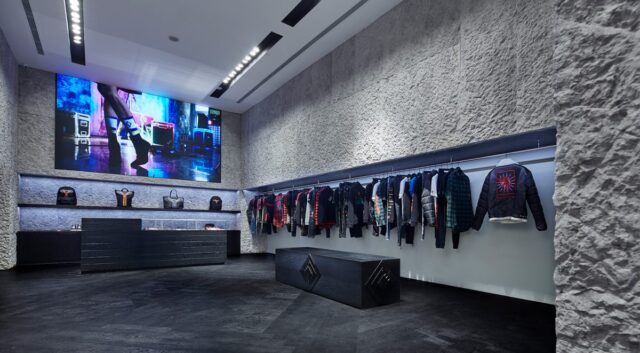
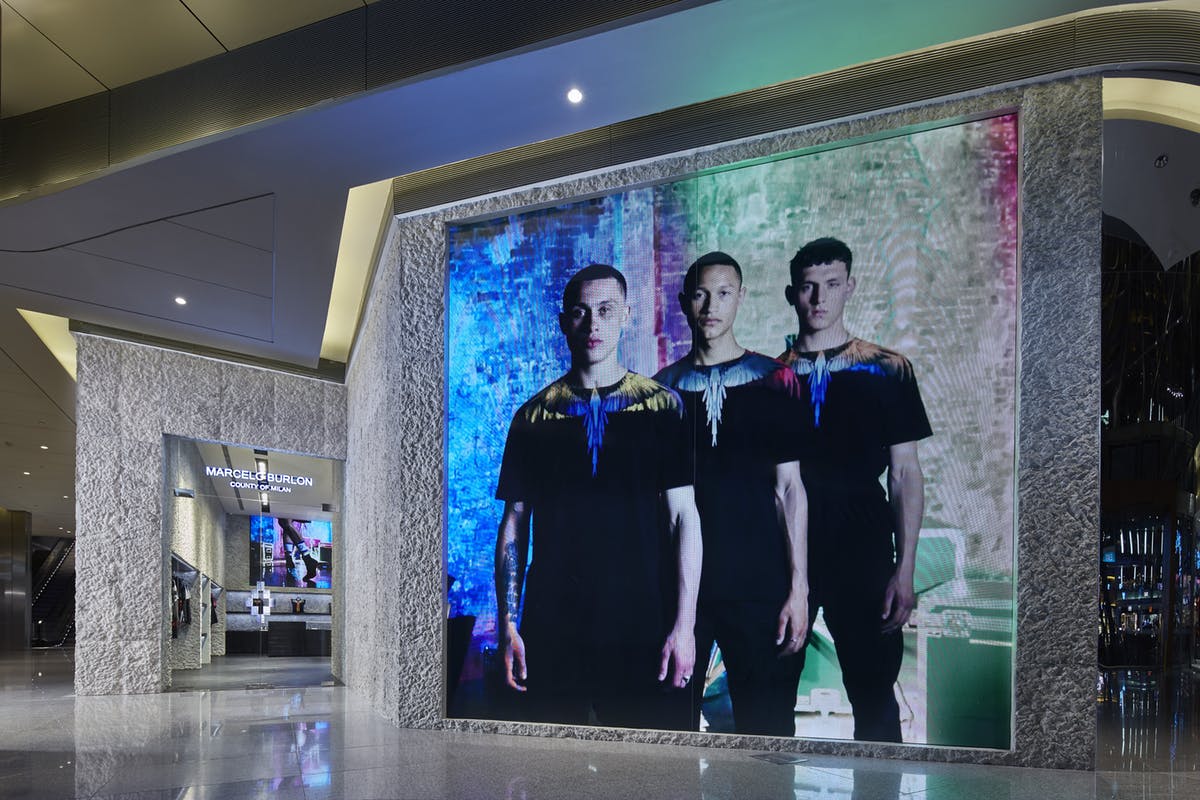
    Italian fashion label Marcelo Burlon has launched a Singapore flagship store on Orchard Road. The Marcelo Burlon Singapore store – the brand’s first in Southesast Asia, will offer a comprehensive range of the brand’s most recent collections, as well as the latest collaborations with NBA and MLB. Exclusive T-shirts were released to celebrate the store’s opening.

    The venue’s interior design reflects the Patagonian roots of the popular designer, who was personally present to attend the launch.


  • Murphy Oil said to be in talks to sell Malaysian oil & gas assets

    Murphy Oil said to be in talks to sell Malaysian oil & gas assets

    Murphy Oil Corporation is in talks to sell its Malaysian oil and gas assets after an unsolicited bid that could fetch between US$2 billion to US$3 billion (RM8.4 billion to RM12.6 billion), people familiar with the matter said, in the latest energy merger and acquisition deal in the Southeast Asian nation.

    The independent US oil and gas exploration and production company has tapped banks for the potential sale of its majority interests in eight separate offshore production sharing contracts in Malaysia, said the people, who declined to be identified because the matter is confidential.

    “Murphy wasn’t considering a sale but was approached by a party that put forward a very compelling bid. They are in negotiations,” said one of the people.

    Murphy, which has been in Malaysia since 1999, could agree on a deal in a couple of weeks, the person said. Others familiar with the matter suggested Spanish oil major Repsol, whose presence in Malaysia is focused on its upstream business, or other global majors could be potential buyers for Murphy’s assets.

    The possible transaction comes as M&A activity is heating up in Malaysia’s oil and gas sector, where international companies pursuing expansion plans are spotting opportunities.

    Repsol and Murphy declined to comment on any potential transaction or talks. There was no response to a query to Malaysian state-owned Petroliam Nasional Bhd (Petronas), which partners Murphy in Malaysia.

    “This is a good, balanced portfolio and offers a smart way for someone looking to grow quickly in the region. Otherwise, it’ll take a decade to start from scratch,” said Alex Siow, upstream oil and gas analyst at energy research firm Wood Mackenzie.

    “The buyer will be buying into an operatorship position with Murphy’s stake, therefore having the know-how and will to be an operator is important,” he said.

    Murphy produced nearly 46,700 barrels of oil equivalent a day in the quarter ended Sept 30 in Malaysia, the company said in response to the query.

  • Brewhouse Ice Tea secures US$ 2 mn loan

    Brewhouse Ice Tea secures US$ 2 mn loan

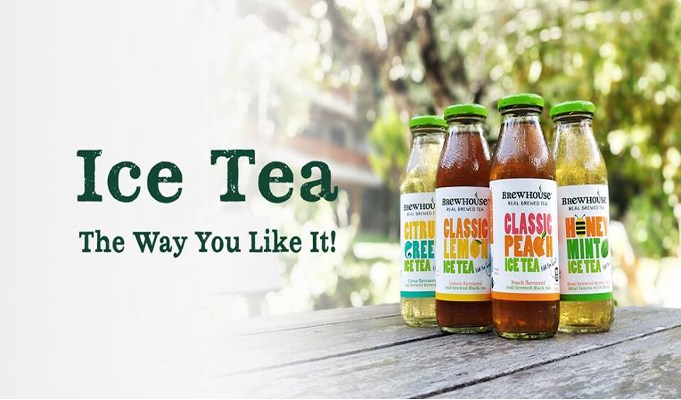
    Bottled ice tea brand Brewhouse Ice Tea Monday said it has secured US$ 2 million loan from Singapore-based FMCG firm Food Empire Group to expand its footprint and product offerings. Food Empire Group had previously invested US$ 6,00,000 in Positive Food Ventures in November 2017. Positive Food Venture Pvt Ltd, maker of bottled ice tea brand Brewhouse, has secured a loan of US$ 2 million from Food Empire Holdings, the company said in a statement.

    “Currently, we are present at over 2,000 points of sale in major cities and are expanding our operation pan India. We plan to invest the loan amount from Food Empire Group towards expanding our reach to 10,000 points of sale in 2020 and to introduce newer and interesting variants,” Siddharth Jain, Founder, Brewhouse Ice Tea said.

    The brand started operations in Delhi in May 2017 and at present has presence in over 10 cities, including Delhi, Chennai, Bangalore, Mumbai, Pune, Kolkata, Hyderabad, Jaipur, Chandigarh, Lucknow and are retailing with over 300 restaurant and cafe partners.

  • Jumbo Seafood sales boosted by Thailand, China

    Jumbo Seafood sales boosted by Thailand, China

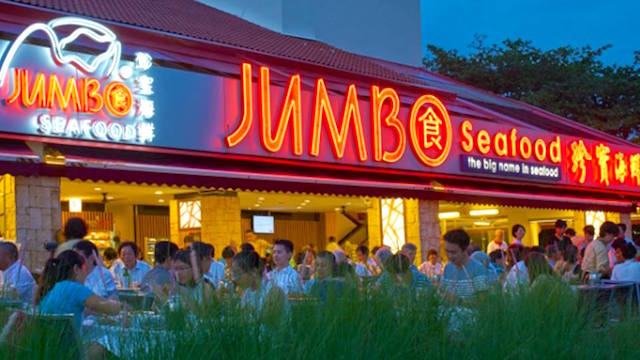
    Singapore-headquartered multi-dining concept food and beverage operator Jumbo Seafood has opened its first franchised seafood restaurant in Bangkok. The 9500sqft venue is the group’s fifth franchised location worldwide, with other outlets established in Fuzhou, Ho Chi Minh City, Taipei and Taichung. There are now 16 Jumbo seafood restaurants across Asia. The new Bangkok restaurant is operated by C J Seafood Co under a 10 year term at the IconSiam mega-development complex.

    Jumbo’s CEO and executive director Ang Kiam Meng said: “Having a presence in Bangkok allows us to bring our signature Singapore heritage cuisine to yet another Asian destination.”

    Jumbo released its unaudited end-of-year financial report at the end of September, showing an increase in revenue by 5.5 per cent compared to last year’s results. Revenue from operations in Singapore increased by SG$2.1 million (US$1.53 million) over the period, a figure dwarfed by the group’s $5.8 million ($4.2 million) increase out of Mainland China.

    Jumbo’s reported gross profit hit $96 million ($69.9 million) this financial year, up 4.4 per cent from $91.9 million ($66.9 million) in last year. Profit attributable to owners of the company, however, decreased by 23.8 per cent ($3.5 million/$2.55 million) to $11 million ($8 million) this year.

  • CapitaLand Singapore launched annual My Schoolbag programme

    CapitaLand Singapore launched annual My Schoolbag programme

    This season of giving, CapitaLand is rallying its employees, tenants and shoppers to give back to the community through a series of charity events and fundraisers across its Singapore properties. Through these events, CapitaLand targets to contribute up to S$166,000 towards various charity organisations to build an inclusive and caring society.

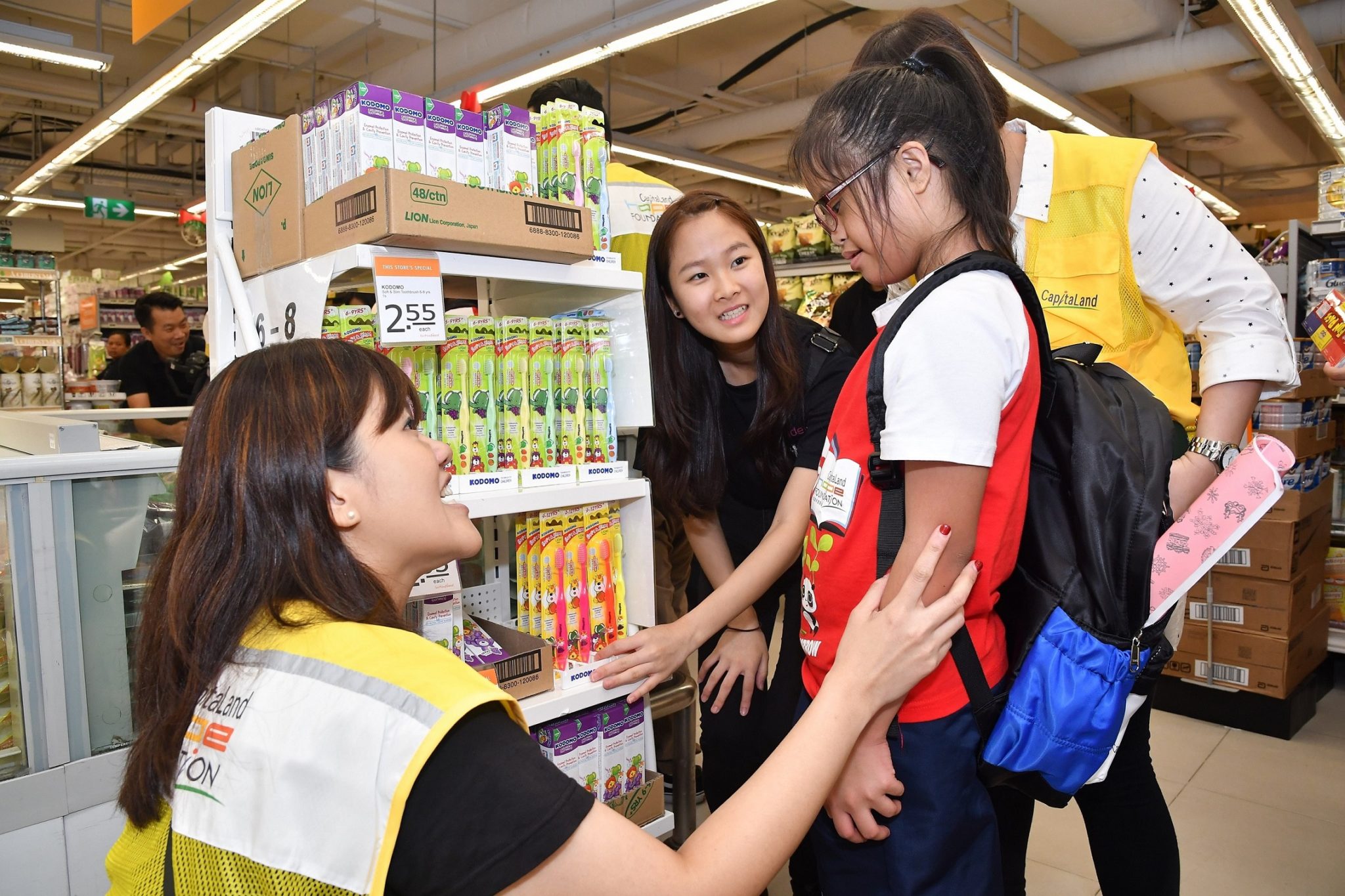
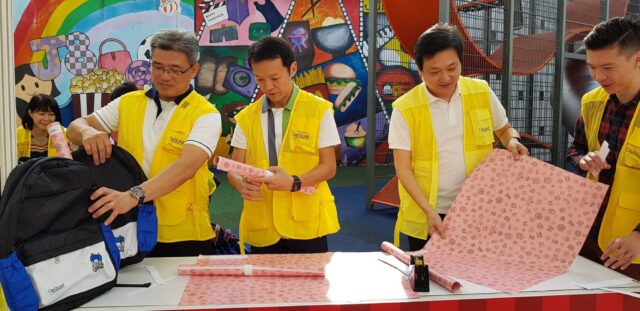
    Taking place at Junction 8 was CapitaLand’s annual My Schoolbag programme supported by CapitaLand Hope Foundation (CHF), the philanthropic arm of CapitaLand. Each of the 183 children beneficiaries – including students from the Movement for the Intellectually Disabled of Singapore (MINDS) and the Association for Persons with Special Needs (APSN) – received a new school bag, as well as school and daily necessities worth S$150. Accompanied by over 170 CapitaLand staff volunteers, the young beneficiaries went through a simulated shopping experience while picking up tips about prudent spending. Through an educational skit, they also learnt the importance of saving for the future, reducing food waste and leading a healthy lifestyle.

    The children beneficiaries at Junction 8 this morning were among the first in Singapore to get their hands on CapitaLand’s popular year-end gift wrappers. This year’s design features carnival-inspired motifs drawn by Mr Jovan Neo, a 19-year-old special needs artist from The Art Faculty, a platform that promotes the abilities of people with autism and related challenges. The design of the gift wrappers resonates with the carnival-themed décor that CapitaLand malls across Singapore are decked out to mark the festive season. Shoppers can redeem the special edition gift wrappers at participating CapitaLand malls from 16 November 2018.

    Mr Tan Seng Chai, Group Chief People Officer of CapitaLand Group and Executive Director for CapitaLand Hope Foundation, said: “From developing inclusive and accessible buildings to our philanthropic activities, CapitaLand firmly believes in fostering an inclusive community through our actions. We leverage our real estate network and tap on the strong spirit of volunteerism within CapitaLand to build a more caring Singapore. For the second consecutive year, our staff volunteers will interact and guide special needs students. This year, we are engaging beneficiaries from MINDS and APSN in CapitaLand’s My Schoolbag programme, which supports the educational needs of the underprivileged children in our shared communities. We are also supporting The Art Faculty and showcasing the talent of special needs artist Jovan Neo through our malls’ gift wrappers.”

    Mr Wilson Tan, CEO of CapitaLand Retail, said: “We are delighted to leverage CapitaLand’s unique advantage as Singapore’s largest mall operator in galvanising our employees, tenants, and shoppers to do good. CapitaLand’s centrally-located and well-connected malls are magnets for crowds and are especially popular with shoppers during the festive season. They are thus well-positioned to amplify the fundraising initiatives of charity organisations. This season of giving, CapitaLand Retail is pleased to work with CHF and partners to support and promote a variety of meaningful causes across our malls. Through these efforts, we hope to provide a meaningful retail experience for our shoppers and to do our part in fostering a more caring, compassionate and inclusive society in Singapore.”

    Examples of giving activities at CapitaLand properties include CapitaLand Giving Marketplace at Raffles City Singapore on 27 November, where charities and social enterprises are offered space to promote their merchandise and volunteer opportunities to the public. For every transaction at the CapitaLand Giving Marketplace, CHF will donate S$6 to the participating charities. Over at Plaza Singapura, shoppers can donate any amount they wish for the giftwrapping service provided by volunteers from Blossom World Society from 12 December to 23 December. At Bedok Mall, shoppers take home one mini plant for every S$10 contribution, which will be matched dollar-for-dollar by CHF, to benefit MINDS and Very Special Arts (VSA) Singapore.

  • Philippine’s La Lola to open in Singapore

    Philippine’s La Lola to open in Singapore

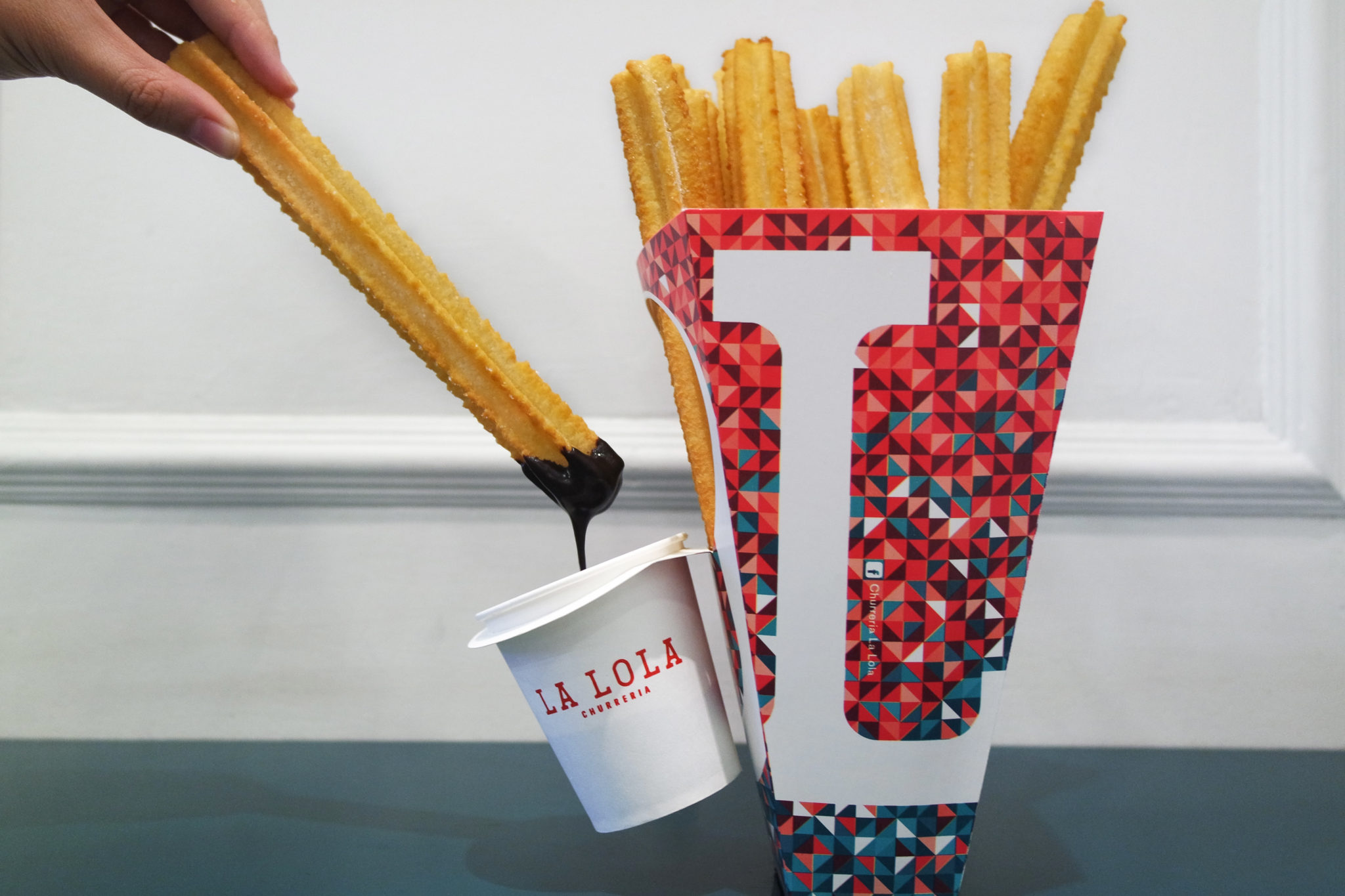
    La Lola Churreria will soon open its first store in Singapore at Clarke Quay Central. The Brazilian-inspired food-retailing concept is being brought to the city by MFT Group of the Philippines, in partnership with Bistronomia which opened the first La Lola store in the upmarket Manila Power Plant Mall at Rockwell.

    The Clarke Quay site was chosen for its close proximity to the MRT and bus stations.

    MFT Group chief marketing officer Chiqui Tan said the company chose Singapore because of locals’ dessert-driven palette and openness to new concepts.

    A former employee of the Philippines’ SM group, Tan says she has been watching La Lola with interest for several years.
    “We’ve been fans of the brand ever since they started. We thought it was genius that something so simple can be done so well. I saw the speed and the scale they grew the brand,” she said in an interview.

    “La Lola churros are so global in flavour that [the concept] can be taken anywhere and will have a strong chance of succeeding,” she said.

    The two companies are planning multiple outlets across Singapore and MFT Group is also actively looking for more food concepts to launch.

    The MFT Group, a private equity investor, has already successfully taken Singaporean chain Salad Stop to Spain. And it plans to open branches of that brand in Vietnam soon.

  • 6ixty8ight Singapore expands by opening stores

    6ixty8ight Singapore expands by opening stores

    Hong Kong lingerie brand 6ixty8ight is trebling its Singapore store network. 6ixty8ight Singapore will open new stores at Tampines 1 on December 1 and at Bugis Junction this week. They follow the brand’s debut at VivoCity in July.

    The Bugis Junction 6ixty8ight Singapore store will take up340sqm of space, a little larger than the 270sqm site at Tampines 1 – but both are considerably larger than the first store, which is just 185sqm.

    6ixty8ight was founded in 2005 by Hop Lun Group which has manufactured lingerie for many international brands for more than 25 years. Its strategy was to use its manufacturing expertise to create underwear for Chinese women. Such a course did not cannibalise sales from its manufacturing customers, which primary target western markets. It was the first time the manufacturer had developed its own label.

    The brand, which targets women aged 15 to 30, has found a ready market in Hong Kong, Taiwan and South Korea where its value offer and fun store decor has differentiated it from rivals. It now has more than 150 stores in the region.

  • Vietnam’s first private airport set for Christmas launch

    Vietnam’s first private airport set for Christmas launch

    Vietnam’s first private airport near the world-renowned Ha Long Bay is getting finishing touches for a Christmas day opening. The 325-hectare (803 acres) airport at Van Don District, northern Quang Ninh Province cost VND7.7 trillion (more than $330 million) and can handle 2.5 million passengers a year and 1,250 per hour.

    It is expected to focus on services to Northeast Asian destinations such as South Korea, Japan, Taiwan, and China and also Southeast Asian ones like Thailand, Malaysia, Singapore and Cambodia.

    Domestically, flights will mostly be to southern and central regions.

    Dinh Viet Thang, head of the Civil Aviation Authority of Vietnam (CAAV), said the airport could handle the largest of aircraft.

    Construction had begun in 2015.

    Real estate conglomerate Sun Group, who owns it, is completing licensing procedures now so that the first flight can land on December 25.

    It now has gates for four aircraft and the number will be increased to seven by 2030.

    According to the CAAV, the private airport will have to follow all regulations in terms of aviation safety and security like all other airports in the country.

    Airlines served almost 80 million passengers in the country in the first nine months of this year, up 12.1 percent from a year ago.

    The number is expected to cross 100 million for the very first time this year.

  • Vaping Maker Juul Sounds Out Asia for Expansion

    Vaping Maker Juul Sounds Out Asia for Expansion

    United States-based Juul Labs is exploring selling its compact vaping devices in Asia and has sounded out government officials in Indonesia, one of the world’s most smoker-friendly countries, although gaining approval there could face significant hurdles.

    Expansion into Asia would provide the fast-growing firm with new markets at a time when it faces increased regulatory scrutiny in the United States and Israel over the potential health risks of its products’ high nicotine content.

    Juul representatives held discussions with the Indonesian government last month about introducing its vaping devices, finance ministry officials said.

    Indonesia has one of the world’s highest rates of smoking among adults and teenage boys and imposes no penalties for selling cigarettes to minors. Its population of 260 million also makes it a highly attractive market for tobacco and vaping firms.

    A person familiar with Juul’s plans said executives for the San Francisco-based company are concerned authorities may be reluctant to grant approval due to likely opposition from the traditional tobacco industry, which provides much of the country’s tax revenue.

    Tobacco taxes accounted for nearly Rp 150 trillion ($10.2 billion) or about 11 percent of national tax revenue in 2017, government data showed. Each province also imposes taxes on cigarettes.

    Juul also worries its argument that vaping is healthier than smoking will not hold much sway in Indonesia, which is not as concerned as other countries about health issues, said the person, who declined to be identified as the discussions were not public.

    Juul representatives reached out to the Ministry of Finance to discuss how it would be taxed on any sales of devices there, the officials said.

    The government needs to examine the domestic e-cigarette market to determine how a foreign player such as Juul could hurt local small and labor-intensive e-cigarette firms, said Sunaryo, a senior official at the Directorate General of Customs and Excise.

    “We will need it to study it,” he said, adding that he was not sure Juul would comply with a regulation that requires e-cigarette devices and liquids to be sold separately.

    Juul also would need approval from the Food and Drug Monitoring Agency (BPOM). Officials at the agency said Juul had yet to be in touch.

    Other Asian countries the three-year-old firm is actively considering for expansion include India, South Korea and the Philippines, the person familiar with Juul’s plans said.

    In addition to Indonesia, Juul filed trademark applications for those countries between April and October this year, as well as in Malaysia and Singapore, according to a review. It opened its first Asia office in Singapore in July.

    So far Juul, currently valued at $16 billion, is available only in the United States, Canada, Britain and Israel. It has plans to enter Russia later this year.

    Juul said in that it is “proactively learning more” and engaging with local officials in Asia “to understand and hear their views.” It does not have immediate plans to launch in any Asian country, it said. Juul spokeswoman Victoria Davis declined to elaborate.

    A Taxing Question 

    Indonesia is one of only a handful of United Nations member states that has not signed on to the World Health Organization’s global treaty that sets standards for tobacco control.Roughly two-thirds of Indonesian men smoke tobacco daily, and more than 21 percent of boys aged 13-15 smoked cigarettes regularly, according to a WHO report last year.

    E-cigarettes, available in Indonesia since at least 2013, is a small but growing market. The customs office estimates that there are about 300 unsupervised liquid makers, known as brewers in Indonesia, producing various liquid products to more than 4,000 vape stores and 900,000 smokers.

    Philip Morris International, maker of Marlboro cigarettes, which now controls about a third of Indonesia’s market through its stake in Sampoerna, does not offer any of its noncombustible cigarette products in Indonesia.

    That includes its IQOS device, a heat-not-burn tobacco product, according to a company spokesman, who declined to comment on why it has not introduced the product.

    In October, the government imposed a 57 percent tax on e-cigarette liquids, on par with taxes on traditional cigarettes. But tax collection, particularly from smaller companies, is difficult in Indonesia and new rules are often ignored.

    Juul now commands a nearly 75 percent share of the US e-cigarette market, up from 13.6 percent in early 2017, according to a Wells Fargo analysis of Nielsen retail data.

    Its products, like most electronic cigarettes, vaporize a liquid containing nicotine. One Juul pod contains as much nicotine as a traditional pack of 20 cigarettes, according to the company’s US marketing.

    Juul liquid in the United States has a nicotine concentration of 59 milligrams per milliliter, much higher than the liquids typically sold in earlier versions of e-cigarettes and nearly three times the allowable limit in the European Union.

    In August, Israel banned Juul devices with nicotine concentration of more than 20 mg/mL, citing “a grave risk to public health.” Juul is appealing that decision and currently offers a lower nicotine-strength electronic cigarette in Israel.

    In September, the US Food and Drug Administration opened an investigation into Juul and other electronic cigarette companies, citing the rising number of teens who appear to be using Juul and other vaping devices. This week it is expected to issue a ban on fruit and candy-flavored e-cigarettes sold in convenience stores and gas stations.

    In its statement, Juul said its products are intended for adult use only, and that it aims to “improve the lives of the world’s one billion adult smokers” by providing an alternative to cigarettes.

  • Naganuma Ice to make Singapore debut

    Naganuma Ice to make Singapore debut

    Hokkaido soft serve ice cream franchise Naganuma Ice Co is opening in Singapore. The brand is distinguished as the sole Hokkaido firm certified by the prefecture’s authorities for using raw Hokkaido milk in their ice cream products. The milk is sourced from ranch cows near Naganuma town before being transported immediately to the brand’s factory for low-temperature pasteurisation.

    Naganuma’s three stores in Hokkaido and three in Taiwan regularly see hour-long queues for the ice creams, produced with the raw milk and eggs.

    The new outlet launches November 25 at Carlton City Hotel.

  • Gentle Monster opens second store in Singapore

    Gentle Monster opens second store in Singapore

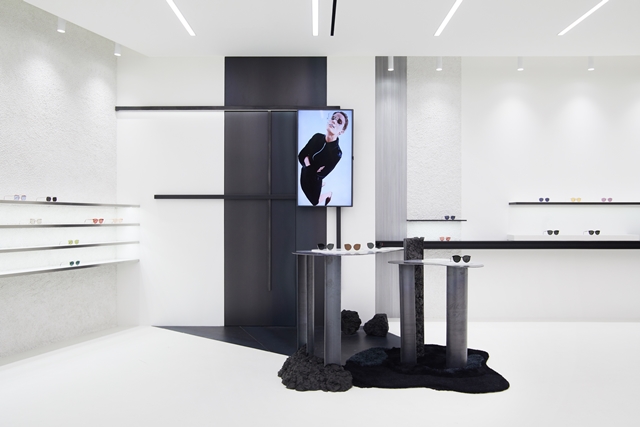
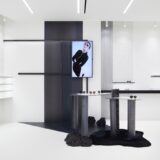
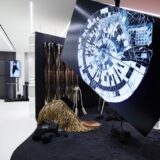
    South Korean eyewear brand Gentle Monster has opened a second store in Singapore at Marina Bay Sands. The launch, coming more than a year since the opening of Gentle Monster’s first store in Southeast Asia at Ion Orchard, is part of the brand’s “13” project. According to the brand, the project is “based on a story of an extreme ecological change the Earth would have to endure in the future due to a tilt of its axis, caused by the Moon being pushed farther away from planet Earth.”

    The concept serves as a metaphor to describe modern-day people who seem “obsessed and overwhelmed by the invalid information they receive daily.”

    To celebrate the opening of the new location, Gentle Monster has teamed up with fashion blogger Yoyo Cao to come up with a special edition of the brand’s popular Cobalt sunglasses model. The limited edition eyewear features a trendy tear drop-shaped frame along with details such as a twisted bridge and an inner template engraved with the word “Yoyokulala”.

    The Gentle Monster x Yoyokulala eyewear will retail at S$368.

    Find out the interior of the store below (5 images) :

  • Cluse opened a new store in Singapore

    Cluse opened a new store in Singapore

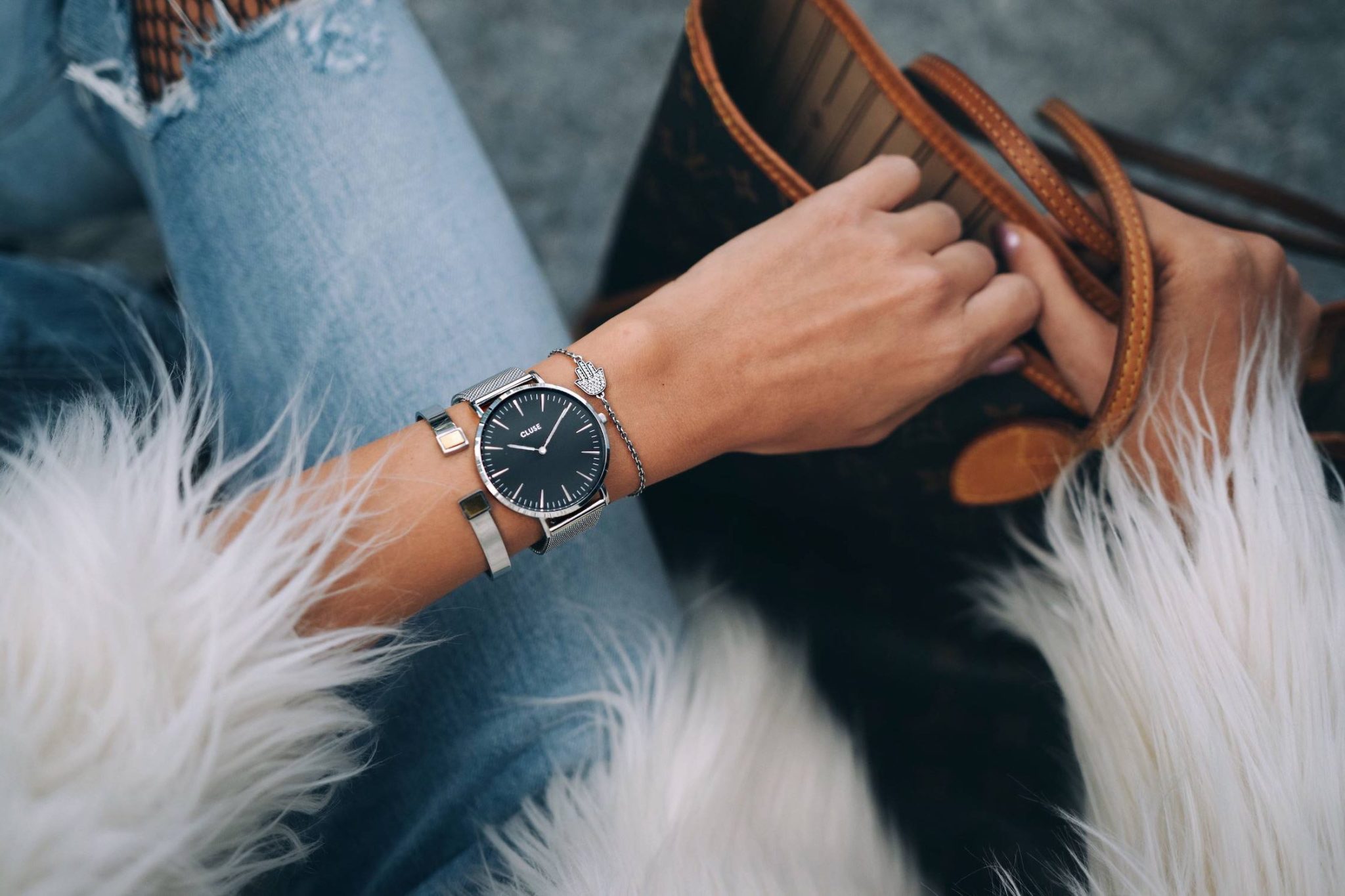
    CLUSE opened a new store in Singapore, in Takashimaya Shopping Centre on 15th November, with the leading Asian brand curator Bluebell Group. CLUSE is an Amsterdam based watch and jewellery brand, risen to fame for fashionable watches inspired by minimal French design.

    Ever-since, CLUSE has expanded their collections to host a range of both watch and jewellery lines with the ambition to create pieces for every woman, in a celebration of the uniqueness of everyone who wears the brand.

    The new store in Singapore holds classic collections by CLUSE.

    From their original La Bohéme collection of women’s watches with oversized dials and minimalist features, to their La Vedette collection with small dial sizes, inspired by starlets of the past.

    The store also features their iconic collection of square watches, named La Garconne, as well as their other most popular watch collections, Minuit, Triomphe, and La Roche.

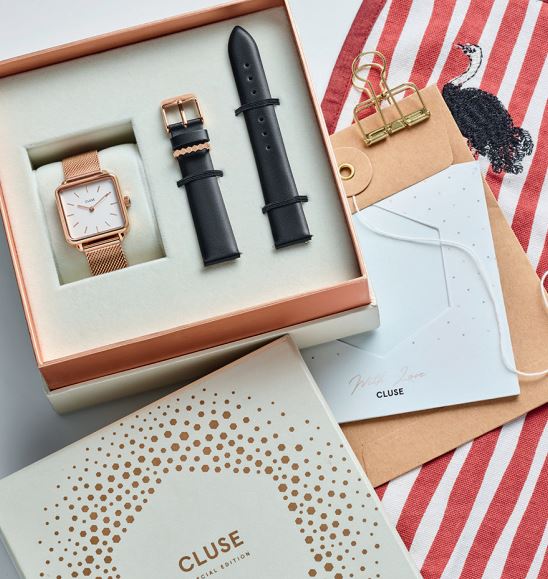
    Usually focusing on women’s accessories, this time a year CLUSE revealed both a feminine gift box, including their bestselling La Garçonne with an additional strap, and a first-time ever masculine gift box – featuring the  company’s classic La Bohème design, with an additional nato strap large enough to fit a bigger wrist.

    Both of these festive season sets are packaged in new, specially designed gift boxes which hint to the style of the watches inside.

  • Japan’s Shiseido formed Philippine unit with Luxasia

    Japan’s Shiseido formed Philippine unit with Luxasia

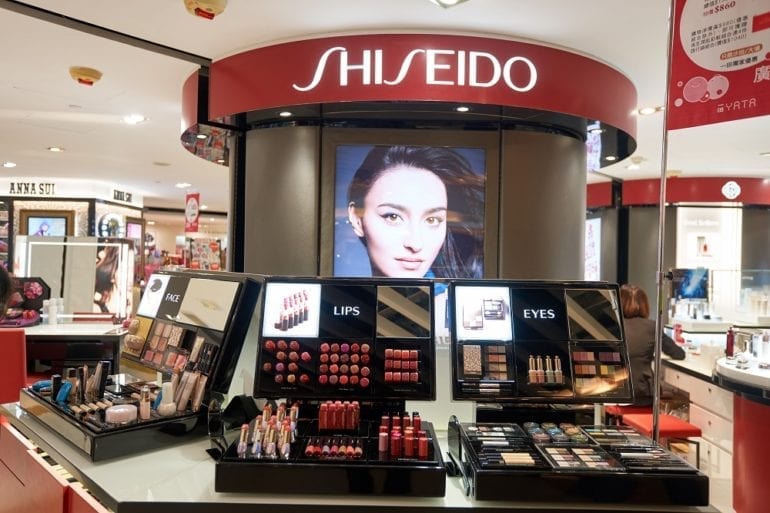
    Japanese beauty products firm Shiseido is partnering with Singaporean cosmetics agent Luxasia to expand into the Philippines market. The two firms will be setting up a partnership in the form of Shiseido Philippines Corp this December. Shiseido will retain the majority shareholding in the business, which will start operations next July once the sales channels of two local agents are integrated.

    According to the firm, the Philippine joint venture will enhance the product lineup of its prime brands in the market, Southeast Asia’s third-largest in the industry representing around US$3 billion in annual sales.

  • Courts Asia shows negative number after Malaysian woes

    Courts Asia shows negative number after Malaysian woes

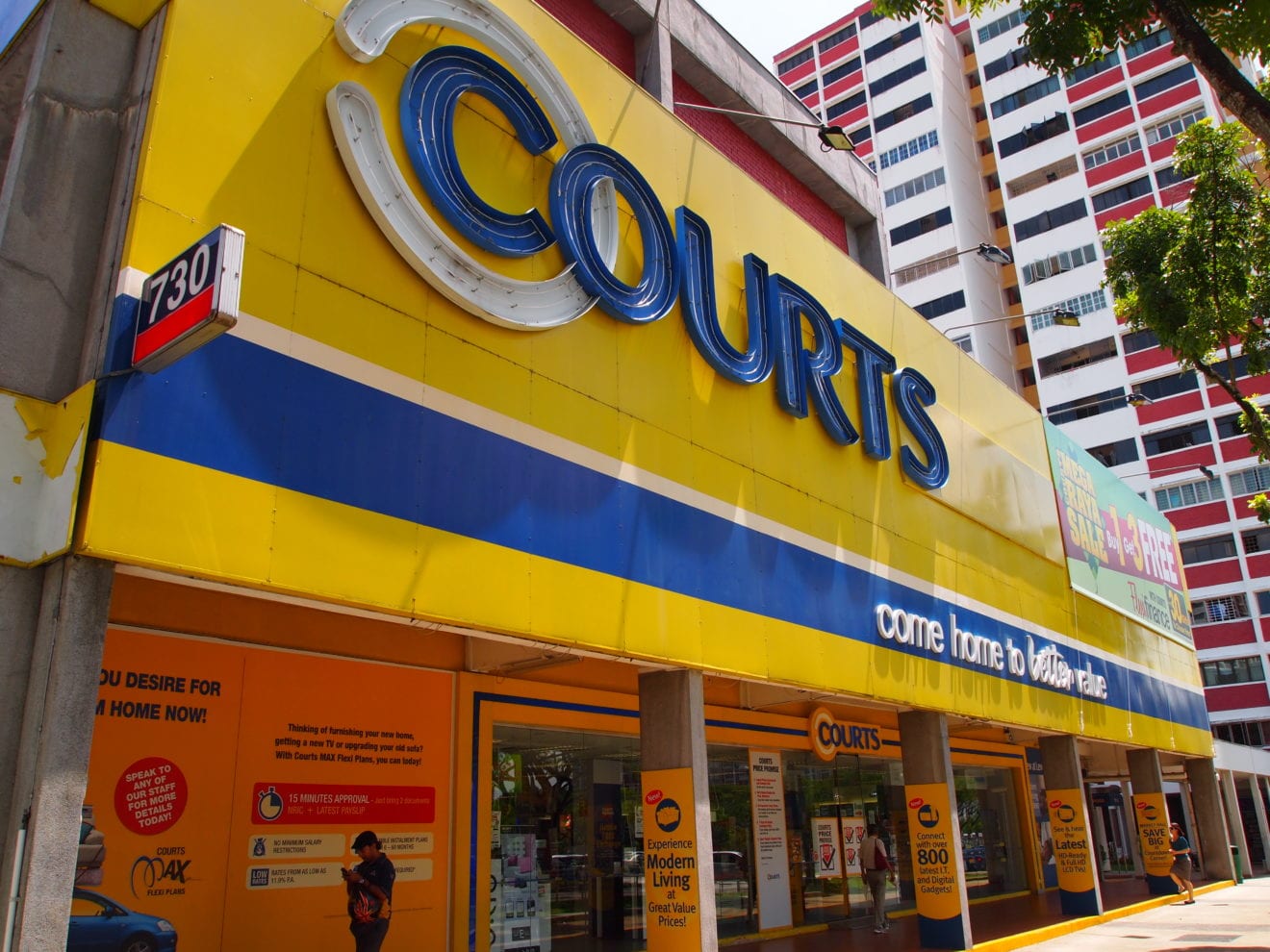
    Singaporean electronics and furniture retailer Courts Asia has posted a net loss of SG$3.1 million (US$2.25 million) in its second quarter.

    The result is a reversal of a net profit of $1.5 million (US$1.09 million) during the same period last year.

    Courts Asia said in a statement that Malaysia revenue came under pressure after the introduction of the Consumer Protection (Credit Sale) Regulations 2017 which saw consumer interest rates capped at 15 per cent per annum from January. However, ongoing transformation work with a persistent focus on cost and productivity efficiencies in Malaysia reaped results, with Malaysia’s PBT crossing into positive terrain after two consecutive quarters of loss.”

    Group CEO Terence Donald O’Connor said: “We are encouraged by the early signs of stabilisation in the Malaysia business. We have closed 10 underperforming stores since the start of our financial year in April and continue to review our store network performance. Impairment loss on trade receivables charged to the profit and loss statement has also been on a declining trend from the fourth quarter ended March.”

    The Singapore firm recorded $3.4 million profit before tax after starting out on its store transformation process, up from $3 million last year. It renovated its Ang Mo Kio outlet last month.