Tag: Singapore

  • Maybank Asset Management sees AUM expanding US$50m in next 2 years

    Maybank Asset Management sees AUM expanding US$50m in next 2 years

    Maybank Asset Management Group (MAMG) expects its assets under management (AUM) to increase between US$30 million (RM126 million) to US$50 million (RM209 million) in the next two years, following its collaboration with Schroder Investment Management (Singapore) Ltd to co-develop investment solutions for sophisticated investors.

    As of end September 2018, MAMG’s AUM stood at RM33.7 billion.

    MAMG and Schroders Singapore announced their first long-term strategic partnership with the launch of two discretionary portfolios, namely Global High Dividend Equity Portfolio and Global High Conviction Portfolio.

    These solutions will be managed by Maybank Asset Management (MAM) Malaysia, a unit of MAMG, with Schroders Singapore as the investment adviser.

    “This is a very targeted high net worth segment so we are leveraging on Maybank private banking customers,” MAMG CEO Badrul Hisyam said.

    “The (market) sentiment right now is quite weak generally, unless the sentiment improves, then we would see better response to this kind of product,” Badrul added, revealing that at least three more products would be available under this collaboration in financial year 2019.

    “By integrating our strength in local wealth management with their global investment capabilities, the resulting synergy will allow us to deepen our foothold in the Malaysian wealth market, through dedicated offerings designed to achieve investors’ desired outcomes.

    “We recognise the growing demand for sophisticated, outcome-oriented global investment solutions, particularly among the high net worth community. We are therefore committed to delivering a range of global investment strategies to cater to their evolving financial needs,” he noted.

    Meanwhile, Schroders Singapore country head Susan Soh said as part of the continuing partnership, both companies would undertake further collaboration projects to co-develop solutions across other asset classes, including Shariah-compliant investment and private assets.

    “We believe our ability to combine the key tenets of asset management and wealth management offers differentiated value proposition to MAM Malaysia’s clients,“ Soh said.

    According to Badrul, the Shariah-compliant investment is expected to be available to the market by third quarter of 2019.

  • China’s LightInTheBox to acquire Singapore ecommerce Ezbuy

    China’s LightInTheBox to acquire Singapore ecommerce Ezbuy

    Chinese online retailer LightInTheBox will acquire Singaporean e-commerce platform Ezbuy for approximately US$86 million, subject to some closing conditions. Ezbuy, which has more than 3 million customers in Southeast Asia and Pakistan, has grown from a middleman service linking international consumers and Chinese e-retailers to become a more traditional online retailer in its own right. It secured US$17.6 million earlier this year, predominantly from Chinese investors.

    LightInTheBox CEO Zhiping Qi said: “This transaction is part of our larger plan to build our business-to-consumer cross-border ecommerce out to scale globally,” citing Ezbuy’s supply chain management as potentially supporting the firm’s emerging markets strategy.

  • Lee Hwa Jewellery experiential concept store has opened

    Lee Hwa Jewellery experiential concept store has opened

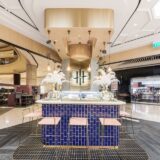
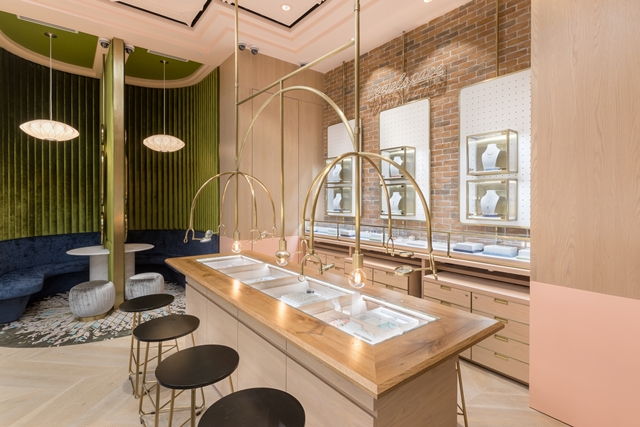
    Lee Hwa Jewellery has introduced a new experiential store inviting customers to “get intimate” with jewellery. In a bid to meet millennial “experience economy” market demand for immersive retail experiences, Lee Hwa’s Jewelspace – a bespoke design concept launched at its newly re-opened boutique at Suntec City – has broken away from the traditional look and feel of jewellery boutiques, resulting in a more contemporary instore experience for customers.

    Built around a gallery-like atmosphere, the brightly-lit new boutique does away with traditional glass counters, instead featuring modern elements such as themed display walls and vertical glass displays, a maker space and interactive countertops that let customers get closer to its range of fine jewellery.

    The store’s layout and concept is inspired by the experiences of visiting an art gallery, spending a romantic day out, and creating bespoke pieces at a workshop.

    Lee Hwa Jewellery’s business director Mavis Toh said today’s retail scene is vibrant, sophisticated and innovative, and the same can be said for today’s consumers, especially the millennials, who are driven by a desire for deeper and differentiated brand experiences.

    “Customers will continue to visit brick-and-mortar stores as long as there are new and interesting reasons to go. As retailers, we aim to provide these reasons with a brand-new bespoke boutique concept that will not only excite them, it will allow them to experience jewellery shopping in an entirely new way.”

    A statement from the brand highlighted retail expert predictions that the personalisation of customer experiences will continue to be a key retail trend as consumers seek out highly personalised shopping experiences that cannot be replicated online. It posed that the trend of personal service is also expected to reshape the retail landscape as brick-and-mortar retailers compete with online retailers for the consumer dollar.

  • CapitaLand launches new retail concept store at Plaza Singapura

    CapitaLand launches new retail concept store at Plaza Singapura

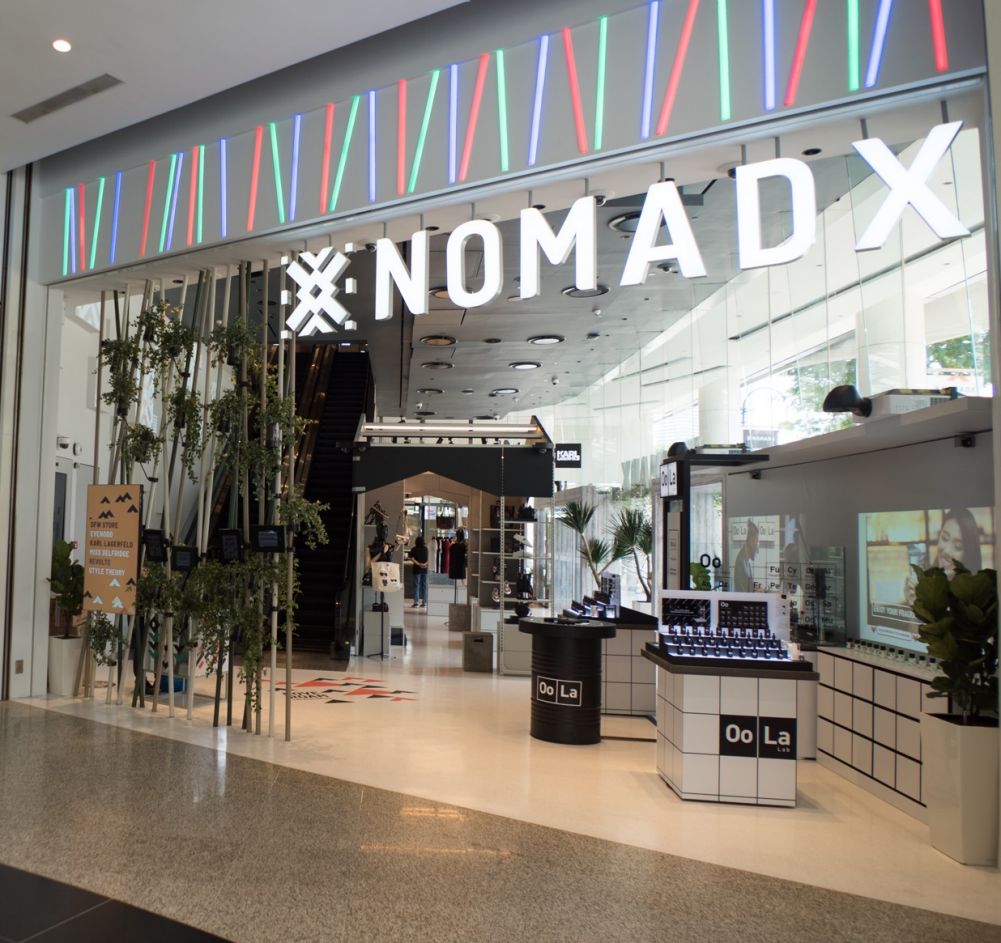
    CapitaLand has unveiled Singapore’s first “phygital” multi-label concept store NomadX at Plaza Singapura. NomadX (pronounced as “Nomads”) is styling itself as a “phygital” store for offering a new blend of physical and digital experiences, including a gamified onboarding process, automated store assistance such as smart mirrors, interactive product walls and a cashless payment experience.

    The 11,000sqft space is spread across two floors in Plaza Singapura, with frontage facing Orchard Road. The multi-label retail destination marked its official opening with a curated selection of 18 tenants offering a wide range of fashion, beauty, consumer electronics, gadgets and food and beverage offerings.

    President (Asia & retail) of CapitaLand Group Jason Leow said NomadX represents CapitaLand’s commitment to embrace omnichannel retailing. “It allows us to implement and redefine our ideas for a new generation of retail offerings. As a flexible space incorporating tech-enabled retail infrastructure, NomadX will make it easier and more cost efficient for our retailers to explore and nurture new innovative concepts before wider roll-out at CapitaLand’s shopping malls.

    “NomadX not only augments CapitaLand’s suite of services to meet the demands of retailers at various stages of their digitalisation journey, it will help to enhance the tenant mix at our malls over the longer term. With NomadX, CapitaLand is looking forward to working with a stellar line-up of partnerships to create new expressions of phygital retail experiences at our malls.”

    To ensure maximum flexibility for tenants to push the boundaries, NomadX incorporates short-term leases and “plug & play” retail units that are integrated with smart retail infrastructure. Tenants set up temporary homes like nomads – thus the inspiration for the store’s name – that are demarcated by modular panels and equipped with interactive technologies to encourage product discovery and play.

    The store’s fluid layout and data analytics capabilities make NomadX a suitable testbed for retailers to trial new concepts and products and respond swiftly to consumer reception and feedback.

    CapitaLand Retail CEO Wilson Tan said the company is curating a new shopping experience at NomadX, one which goes beyond the act of simply buying.

    “NomadX promises to be a personalised social space of sensation and discovery. By combining the technology of ecommerce, mobile shopping applications as well as location data analytics, we are able to work with our retailers to customise entirely unique physical shopping experiences that are based on our shoppers’ preferences.”

  • Bank of Indonesia Signs $10b Financial Stability Deal With Singapore

    Bank of Indonesia Signs $10b Financial Stability Deal With Singapore

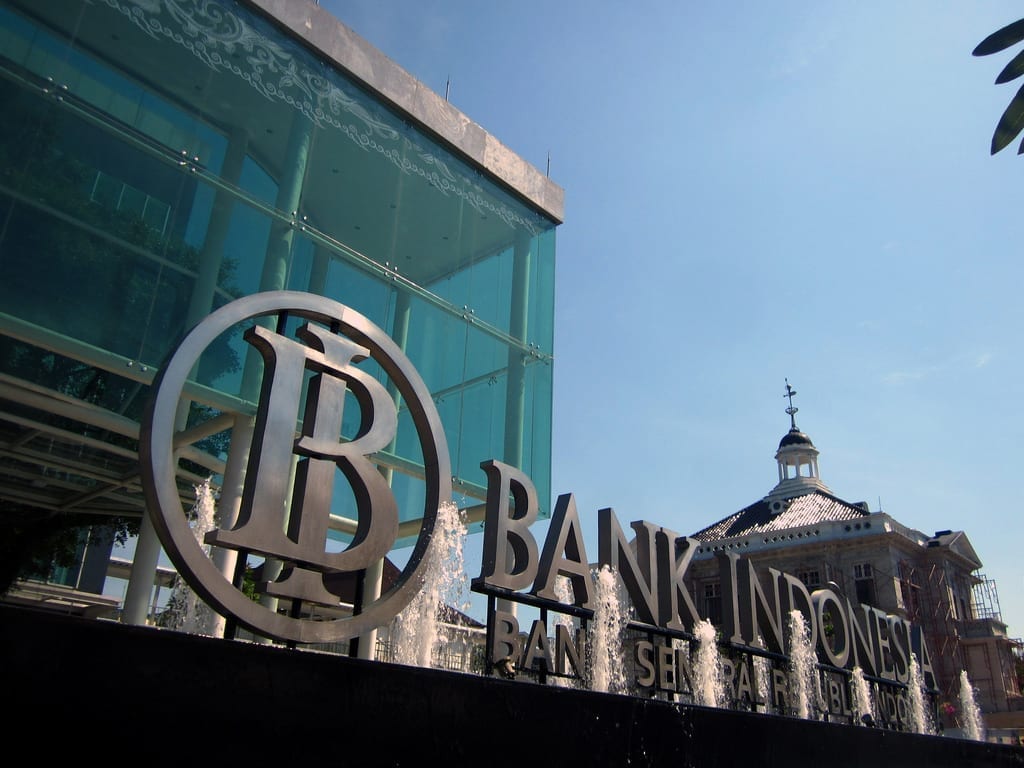
    The central banks of Indonesia and Singapore said last week that they had agreed to a bilateral deal for a $10 billion backstop to help maintain monetary and financial stability after a recent bout of turbulence in markets. The pact, which will be in place for one year, comprises a local currency swap agreement of around $7 billion equivalent and another $3 billion that allows for repurchase transactions between the two central banks to obtain United States dollar cash using government bonds of major countries as collateral.

    Bank Indonesia has been recently intervening to stabilize its rupiah, which fell to 20-year lows against the US dollar amid a global rout in emerging markets.

    “Economic fundamentals in the regional economies remain sound. But markets can sometimes overreact in the face of heightened uncertainty. This bilateral financial arrangement will instill confidence amongst investors,” said Ravi Menon, managing director of the Monetary Authority of Singapore.

  • Hugo Boss Singapore flagship opens

    Hugo Boss Singapore flagship opens

    International fashion brand Hugo has launched a standalone flagship in Singapore. The Ion Orchard store showcases the brand’s latest Autumn/Winter 2018 collection in a 146sqm retail space. A promotional Hugo Reversed personalised t-shirt will be available in store for a limited time.

    The brand’s new expansion into the Singapore market is not expected to be aggressive, with a focus on sustainable growth and a gradual development of its casualwear line and affordable offerings.

    The firm has recently merged its labels into a core Hugo Boss branding in response to increasing competition in the industry.

  • FedEx QR Pay targets SMEs in five major Asian markets

    FedEx QR Pay targets SMEs in five major Asian markets

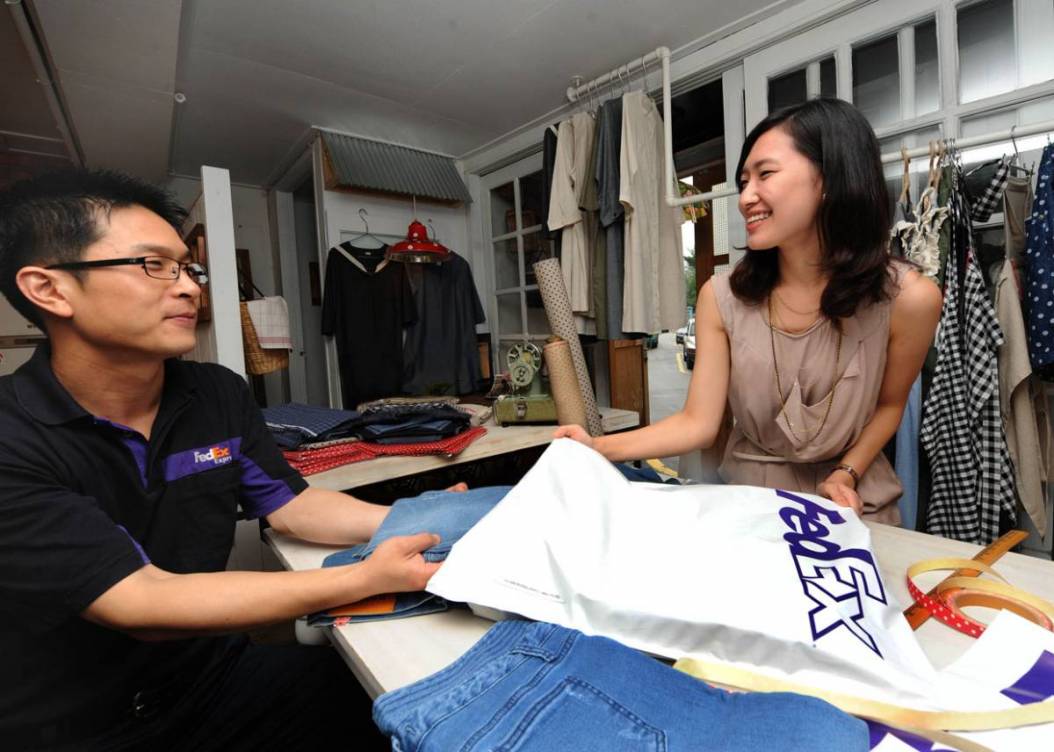
    Transport company FedEx has launched a QR-code based mobile payment system in Hong Kong, Malaysia, Philippines, Singapore, Thailand and Australia. The system, FedEx QR Pay (the QR stands for quick response), is targeted specifically at SMEs.

    Supplementing the firm’s existing online payment methods, FedEx QR Pay is a secure mobile payment option activated by QR codes embedded with unique payment links. QR Pay eliminates the need to have shopping carts, booking engines or checkouts, allowing customers to make payments with credit cards and e-wallet services.

    FedEx’s president for Asia Pacific Karen Reddington said: “FedEx is constantly looking for ways to innovate, pioneer new solutions and offerings to address customers’ evolving needs in the region … QR Pay provides greater flexibility and convenience for our customers, and ultimately a better experience when it comes to managing their logistics needs.”

    Asia Pacific leads the world in mobile payment with 53 per cent of connected consumers using their mobile devices to pay for goods or services at point of sale. Rising mobile penetration is a key driver, with the number of smartphone users across region now over a billion. Seeing the clear trend towards mobile payment adoption, SMEs are also harnessing new technologies to expand their business.

    According to a recent research commissioned by FedEx, 73 per cent of SMEs are already current users of mobile payments, with 69 per cent of these businesses likely to increase usage in the next 12 months. Thirty per cent of current non-users are likely to begin using mobile payments as well.

    FedEx QR Pay will soon be expanded to other markets in Asia Pacific.

  • Christopher Ong Appointed As New Managing Director for Singapore

    Christopher Ong Appointed As New Managing Director for Singapore

    DHL Express, a leading international express services provider, on Nov 1 announced the appointment of Christopher Ong, to the role of managing director for DHL Express Singapore. Ong, a Singaporean, will report to Ken Lee, CEO, DHL Express, Asia Pacific, effective immediately. He will be responsible for charting the company’s overall business growth and success in Singapore.  Ong brings over two decades of professional experience across logistics and the business sectors. Most recently the managing director for Malaysia and Brunei at DHL Express, he spent four years driving business strategy for the organisation, managing over 1,200 employees and 27 facilities, including seven international gateways, across East and West Malaysia, and Brunei.

    On the appointment, Lee, said, “Chris joins DHL Express Singapore with a deep bench of experience, having served across a range of senior roles in DHL over the last 12 years. Not only was he instrumental in driving the B2C e-commerce and digitalisation agenda in Malaysia and Brunei, Chris has also demonstrated passion and unyielding commitment towards excellence in employee engagement and customer centricity.

    “His business acumen and broad experience at the regional and country levels will prove invaluable in his new role in Singapore, as we continue to realize the market’s growth potential.”

    Ong joined DHL Express in October 2006 as vice president for Business Development, and was responsible for mergers and acquisitions, partnerships and planning for the Asia Pacific region. In 2011, he assumed the role of country manager for Vietnam.

    Ong, said, “I am delighted to be given the opportunity to further DHL’s success in Singapore and continue raising the bar in delivering superior services and experiences to our customers. I look forward to continue engaging our talented employees and empowering them to make a difference. They are the foundation of our success and the lynchpin for delivering great service quality to earn the trust and loyalty of our customers. ”

    Prior to DHL Express, Ong spent 10 years with Temasek Holdings, the global investment company headquartered in Singapore, where he played a key role in managing the company’s international investments.

  • DBS makes foray into chat commerce with “Foodster”

    DBS makes foray into chat commerce with “Foodster”

    DBS Bank has launched Southeast Asia’s first bank-led retail chatbot, Foodster.

    The chat-commerce service allows customers to order and pay for their meals via Facebook Messenger and DBS payment channels, including DBS PayLah! and DBS/POSB cards. It has been test-bedded with seven food and beverage merchants around DBS’ Marina Bay headquarters with positive results.

    Kopi Ong, which sells quick-serve beverages, was the first merchant to test the Foodster solution. Since then, the business has seen daily sales grow by 20 per cent without additional manpower or space required.

    Chat commerce – e-commerce using chat or messaging platforms – allows businesses to transact within platforms that already have a large pool of captive users. With 77 per cent of Singapore’s population on mobile messaging platforms, chat commerce solutions such as Foodster allow businesses to literally become a part of the conversation by embedding DBS’ payments capabilities within chat platforms.

    The Foodster solution was developed with Artificial Intelligence/Machine Learning algorithms which allow it to become ‘smarter’ with every transaction. In addition, it allows merchants to implement targeted and personalised customer loyalty programmes on the platform with its rich data tools and analytics.


    DBS head of consumer banking group Jeremy Soo said: “If instant messaging is the way forward for people to communicate, then we need to help businesses find a way to engage their customers on such platforms simply, seamlessly and invisibly. We are aware that consumers today are more likely to have ‘app fatigue’ and have become resistant to downloading new mobile apps. And so as Singapore’s leader in payments with more than 4 million cards in circulation and the nation’s most popular mobile wallet – DBS PayLah! with more than 1 million users – we saw an opportunity to combine our strengths with Singapore’s most widely used social media platform.”

    In Asia Pacific, the chatbot market is forecast to generate revenues of around US$350 million by 2024, more than eight times last year’s figures.

  • Shake Shack lands in Singapore

    Shake Shack lands in Singapore

    American fast-food restaurant Shake Shack is landing in Singapore. The New York burger chain is opening up a location in Singapore’s awaited Jewel Changi Airport mall. In partnership with SPC Group, the South Korea-based restaurant distributor, Shake Shack said the firm took its time to discover the ideal location for the Madison Square Park-founded chain.

    “For years we’ve been looking for the right opportunity to enter the Singaporean market given its regional importance, and we’re thrilled to have found the right strategic partner and an ideal launch location,” said Michael Kark, Shake Shack’s vice-president of global licensing

    “Our flagship site will be in the stunning Jewel Changi Airport, home to more than 2,000 trees, harkening back to Shake Shack’s birthplace in NYC’s Madison Square Park.”

    To facilitate the market entry, Shake Shack said it also plans to work with local purveyors and producers to create unique offerings for the Singapore community. Shake Shack is no stranger to Asia.

    The company first entered the region in 2015 in Tokyo’s Gaien Park, before opening 10 outlets in Japan and seven in South Korea.

    In 2017, the firm opened a Hong Kong flagship.

    Shake Shack, in conjunction with SPC Group, intends to open a second location in Hong Kong planned for Pacific Place closer to 2019, as well as stores in Shanghai and Manila next year.

    Jewel, a new joint venture between Changi Airport Group and CapitaLand, houses over 280 shops across seven storeys from Basement 2 to Level 5.

    As well as Shake Shack, the retail space will also see the arrival of American fast food chain A&W, which left the Singaporean market a decade ago. The commercial development is slated to open March 2019.

  • Golden Mile Complex launches en bloc tender

    Golden Mile Complex launches en bloc tender

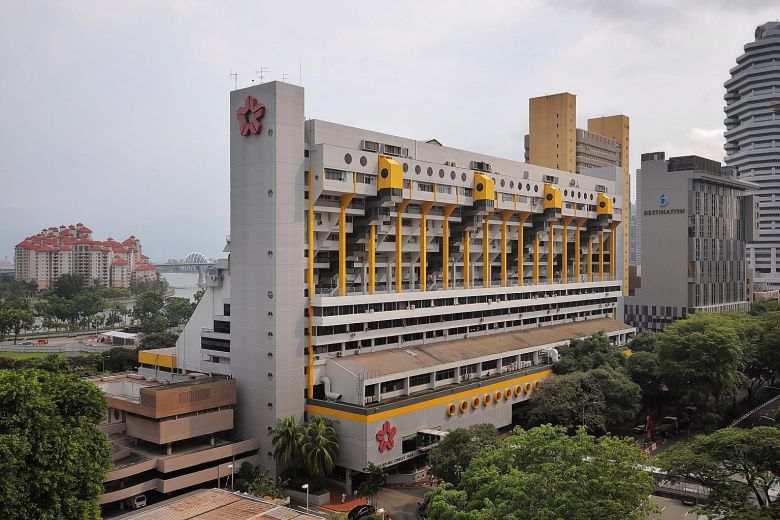
    Singapore’s Golden Mile Complex has been put up for sale by tender. The landmark property is being sold through sole marketing agent Edmund Tie & Company. It has a land area of approximately 1.3ha and is zoned for commercial use.

    The complex is considered an icon of Singaporean urbanism with its signature step-terraced building design created by DP Architects, but it has fallen into disrepair in recent years.

    There is a fascinating feature story and video about the complex here on Channel News Asia.

    Senior director of investment advisory Swee Shou Fern said Golden Mile Complex is a national icon that has shaped the visual character of our built landscape.

    “We are proud to present this rare opportunity for adaptive reuse. Its distinctive architecture and worldwide iconic status will offer tremendous potential to transform the property into an exciting work-live-play destination in this growth area. The new Golden Mile Complex will be an essential part of the rejuvenation of the Beach Road corridor and we are working closely with DP Architects and URA on the conservation of the building and further ways to enhance its potential.

    “This unique adaptive reuse opportunity provides the developer with the chance of incorporating a new vision into this iconic development. Many exciting development concepts may be considered for the Property. The collective sale of a large-scale conserved building in Singapore is unprecedented and we will be conducting a longer tender process to allow interested parties to carry out a detailed study.”

    Outline Application has been submitted to retain the existing 16-storey building and addition of a new block next to the building, subject to authorities’ approval. The Golden Mile Complex is under conservation study and discussions to facilitate conservation are open.

    The reserve price for the property is SGD800 million (US$577 million). The tender exercise will close on Wednesday, January 30.

  • Luxasia Vietnam targets generation z buyer

    Luxasia Vietnam targets generation z buyer

    Singaporean luxury beauty and lifestyle distributor Luxasia is making moves into Vietnam. The brand will be targeting younger millennial consumers who are thought to be responsive to social media and social media influencers.

    Luxasia Vietnam is focusing on the nation’s fast-growing economy and strong population of nearly 100 million. It currently offers 20 brands in the market, but is planning to introduce more incrementally. It also has designs on developing new distribution channels via small independent perfumeries, and building an e-commerce platform.

    Luxasia’s regional MD Karen Ong said of the Vietnamese market potential for beauty products, “It is still very much big brands focused. People want to use something other people recognise.”​

    Regarding the business climate, Ong commented: “In Singapore we take things for granted. We shake on it and we think it’s done and that everyone knows what to do. But there, you have to follow up and chase. There’s a lot of email back and forth. It reminds me of how we used to do business 10 to 15 years ago.”

    “It’s still very relationship based, the speed is much slower, and even if you plan way in advance, things may not always execute the way you have planned. The follow up has to be very close and you have to be very prescriptive in the way things want to be done.”​

  • Heytea Singapore now opens in Ion Orchard

    Heytea Singapore now opens in Ion Orchard

    Chinese tea franchise Heytea is launching its first overseas store in Singapore. The six-year-old chain is one of China’s most popular in its category, with each outlet selling 2000-3000 cups per day. It claims to be the franchise responsible for inventing cheese tea, serving drinks with New Zealand cheese.

    The Heytea Singapore store will feature a uniform minimalist white interior design with wooden accents, with some outlets featuring themed retail spaces.

    The new Singapore location is launching at Ion Orchard.

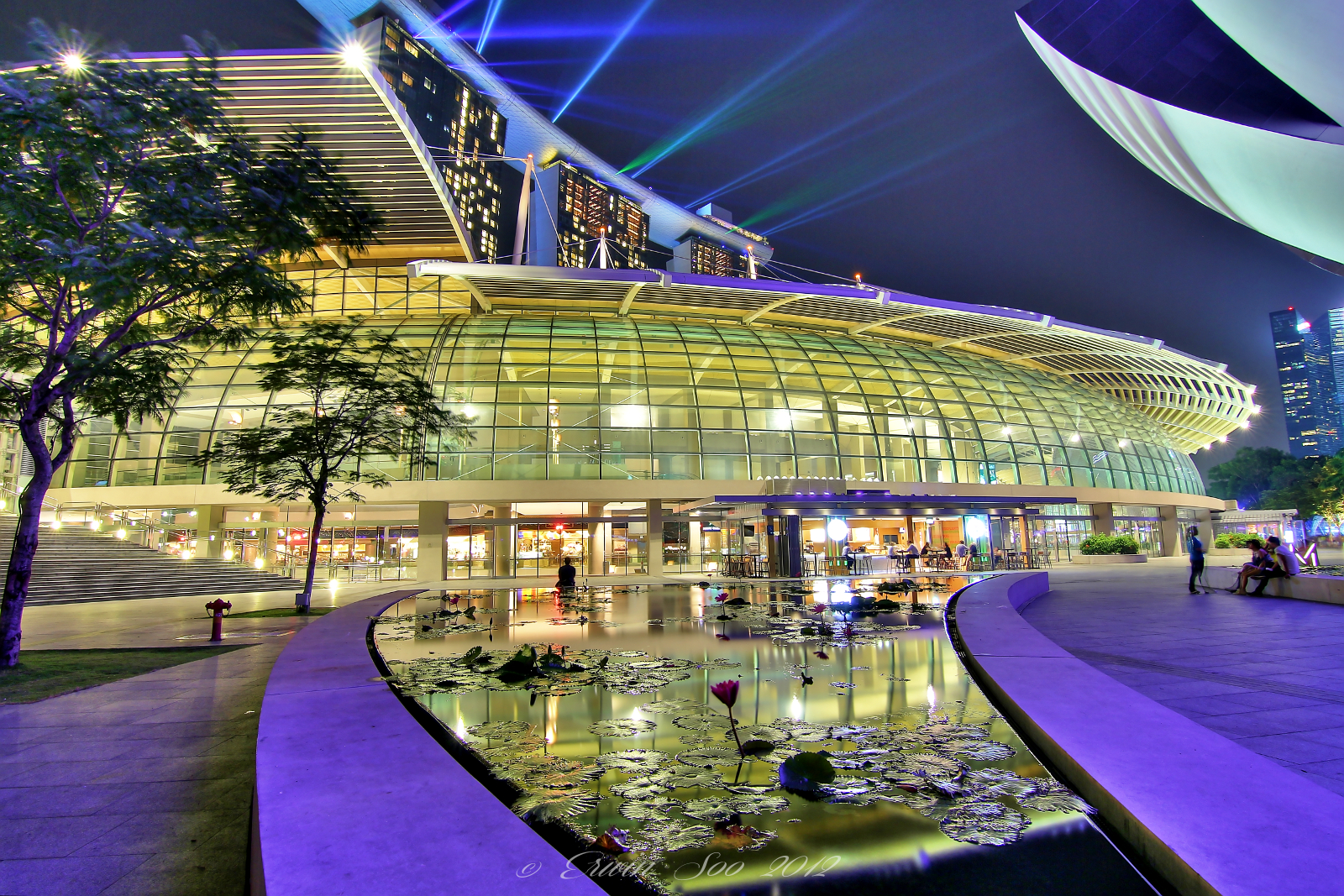
  • The Shoppes at Marina Bay Sands enjoys sales rise

    The Shoppes at Marina Bay Sands enjoys sales rise

    Revenue from The Shoppes at Marina Bay Sands rose 4.5 per cent during the third quarter, reaching US$44 million, according to the integrated resort’s latest results announcement. Sheldon Adelson, CEO of parent Las Vegas Sands Corp, said retail tenant sales per square foot at the shopping complex rose by 22.2 per cent during the past year.

    That, together with rising food and beverage sales (up 15.2 per cent to $53 million) and improved hotel revenues helped offset a decline in gaming takings, said to be affected by a decline in VIP playing. Third-quarter earnings were down 52 per cent to $419 million for the quarter.

    Las Vegas Sands’ regional third-quarter earnings were up by 6 per cent to US$1.28 billion, thanks to the strengthening Macau business.

    Hotel occupancy at Marina Bay was 97.5 per cent during the third quarter with an average daily rate of $466.

  • SE Asia Stocks not looking good, Singapore hits 22-month low

    SE Asia Stocks not looking good, Singapore hits 22-month low

    Philippines shares regained on Friday after reduction in previous section, while regional markets fell in line with broader Asia. The previous session saw sharp losses in the Philippines and other regional markets, as a tech-fuelled rout on Wall Street spooked investors across Asia, leading to a massive sell-off in regional equities.

    Asian bourses are likely to benefit from “tentative bottom-fishing”, analysts at OCBC said in a note.

    The Philippine index, which has been the region’s worst performer this year and the biggest loser in the previous session, rose 0.7 percent, boosted by real-estate stocks.

     “This is a short-lived bounce, since it was the worst performer and had seen a steep drop yesterday, I think investors think the 6,900 level of the index is a good time to buy… the last time it hit that level, investors bought back,” said Miguel Ong, research analyst at AP Securities.

    Real estate conglomerate Ayala Land Inc gained 2.1 percent and SM Investments Corp added 1.5 percent.

    Indonesian shares also ticked up, helped by telecom and financial stocks. Sector heavyweight PT Telekomunikasi Indonesia Tbk rose 0.8 percent and PT Bank Central Asia Tbk rose 0.9 percent.

    Vietnamese stocks were on track for a seventh losing session and a fourth straight week of losses, with real estate stocks and industrials being the biggest drags on the benchmark.

    Vinhomes Joint Stock Company fell 3.7 percent and No Va Land Investment Group Corporation lost 3.1 percent.

    Singapore stocks approached their lowest in nearly 22 months, falling 1.7 percent and on track for a fourth week in the red. Financial heavyweights like United Overseas Bank Ltd lost 3.5 percent and DBS Bank’s parent company DBS Group Holdings Ltd lost 2.6 percent.

    Thai shares failed to sustain the previous session’s brief bounce and looked set to post a fourth week of losses. Its energy sector, which drove a turnaround in the index in the previous session, was the biggest drag.

    Oil and gas giant PTT PCL lost 2 percent, while PTT Exploration and Production PCL traded 2.2 percent lower.

    Malaysian stocks edged lower on the back of telecom stocks, with Telekom Malaysia Berhad shedding 1.3 percent and wireless service provider Digi.Com Berhad losing 1.7 percent.