Tag: Singapore

  • Hong Kong’s Tsui Wah eatery to open in Singapore

    Hong Kong’s Tsui Wah eatery to open in Singapore

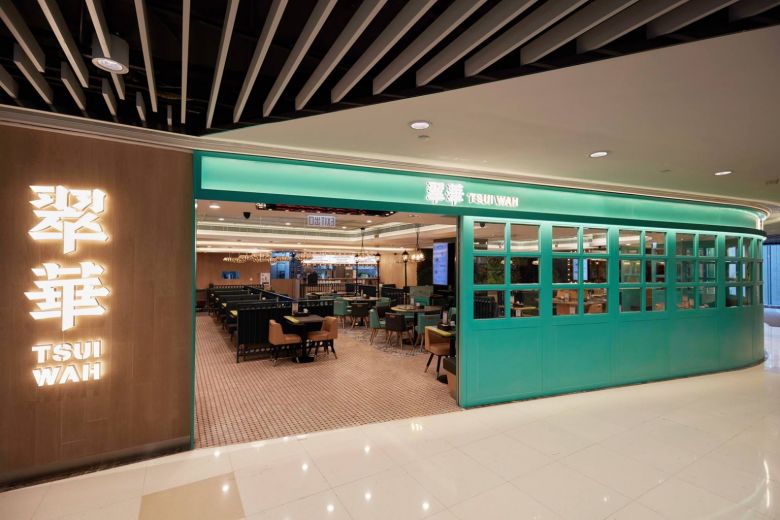
    Hong Kong chain Tsui Wah’s first outlet in South-east Asia will open in Singapore on June 15, in partnership with Jumbo Group.

    The cha chan teng (coffee shop-style) outlet in Clarke Quay will seat more than 140 customers and serve signature items including milk tea, crispy bun with condensed milk and curries, say the partners.

    For months, chefs from Tsui Wah in Hong Kong have been training staff in Singapore, and some of the chefs will stay on.

    Tsui Wah in Singapore is a franchise by Vista F&B Services, a JV between Tsui Wah Holdings and Jumbo Group, which is behind Jumbo Seafood restaurants.

    Funded in Mong Kok in 1967, Tsui Wah has 70 outlets in Hong Kong, Macau and China, and is known for its Cantonese-style comfort food.

  • CapitaLand group CEO retires

    CapitaLand group CEO retires

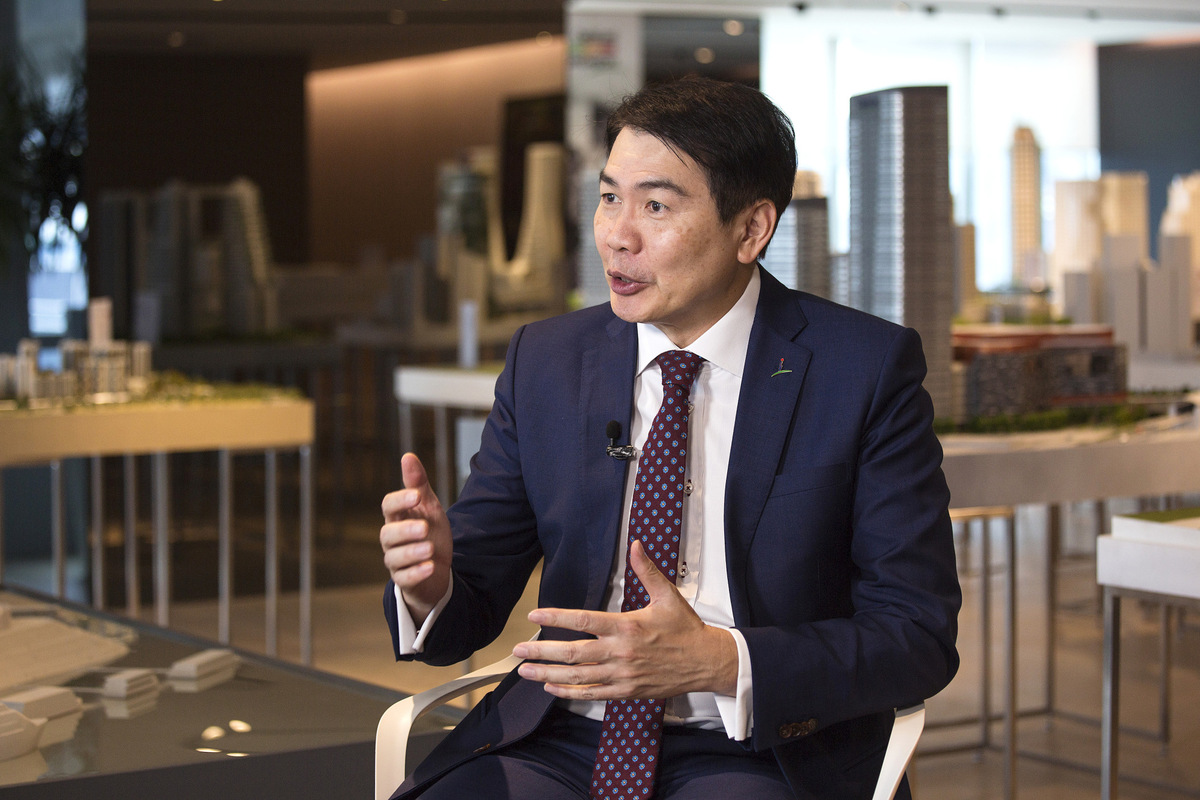
    Lim Ming Yan, 55, has given notice he will retire as CapitaLand group CEO and president, with his last day of service being December 31.

    Accepting his notice of retirement, the board has thanked him for his years of service and contributions to the CapitaLand Group. He will work on until his retirement takes effect to help the board achieve a smooth transition.

    A search for a replacement has commenced.

  • Pull&Bear opens flagship store at VivoCity with new face

    Pull&Bear opens flagship store at VivoCity with new face

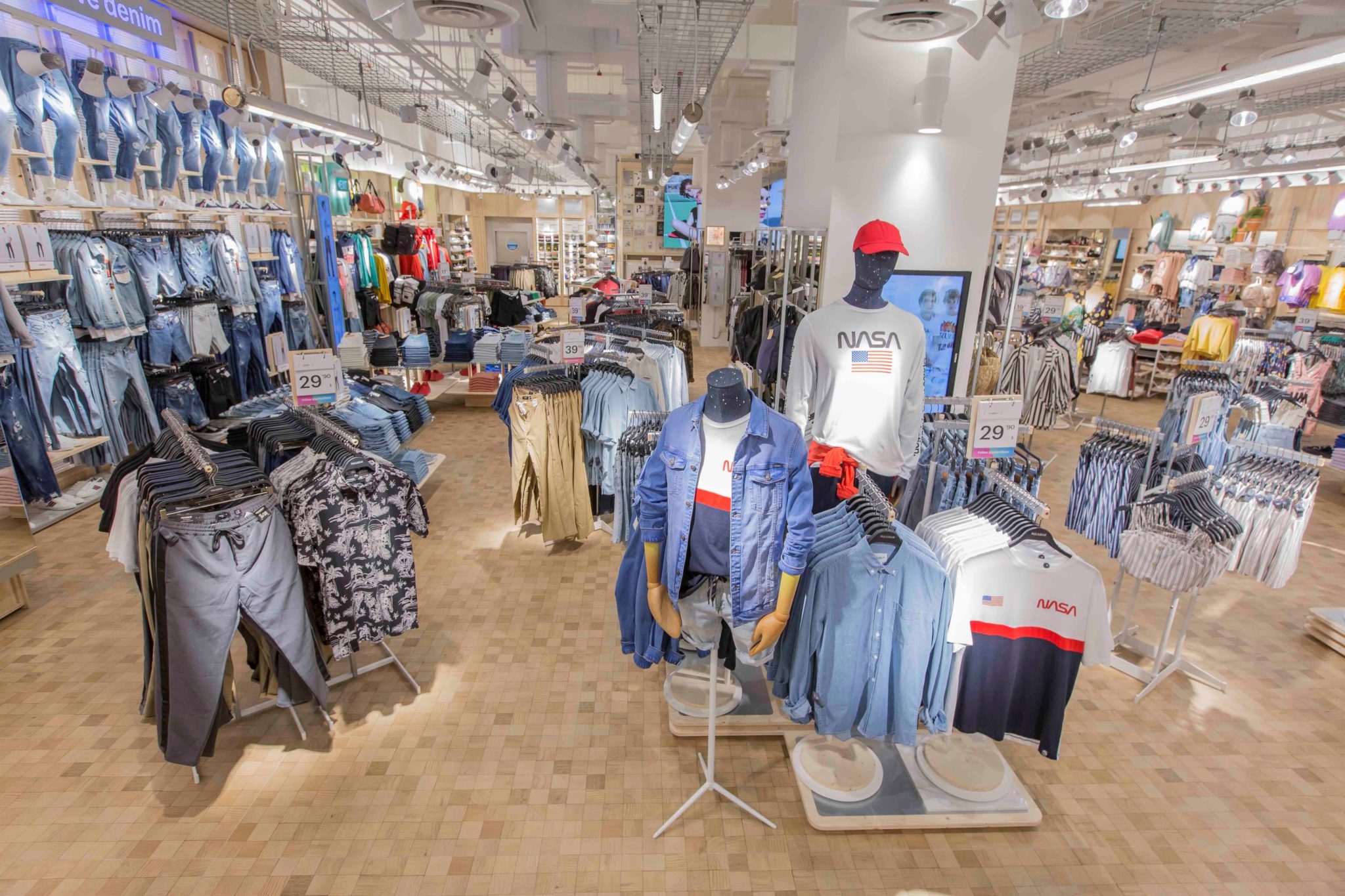
    Pull&Bear, the young fashion brand run by the Inditex Group (owners of Zara, Pull&Bear, Massimo Dutti, Bershka, Stradivarius, Oysho, Zara Home and Uterqüe), presents its refreshed store image in an improved location in VivoCity, Singapore.

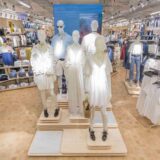
    This new point of sale presents Pull&Bear’s latest store image for the first time in the Singapore market, where the brand has two more stores in ION Orchard and Bugis+. The store displays the young fashion brand’s latest collections over a wide 465 square-metre-commercial space.

    The new store takes to a new level the California concept, which draws inspiration from the iconic atmosphere of Palm Springs and other scenarios from the American West Coast. On top of this trademark store style, some new features have been implemented for a higher product visibility and a more useful and pleasant shopping experience.

    By and large, the decoration has been simplified and the furniture is now lower, which provides for a wider view of the space. The store welcomes visitors with a warmer feel, created by the mix of three different types of finishing – white textures, wood and galvanized metal. Designed to provide a sensory shopping experience, the lighting in-store provides comfortable and soft ambient lighting which allows shoppers to focus on the clothes, while the store’s exterior features large LED screens which lends it a vibrant appeal.

    Sustainability is also paramount. All the wood used for visual merchandising comes from certified forest productions which guarantee 100% traceable timber.

    See the inside of the store in the gallery below (4 images) :


  • Courts Malaysia hurts Asia performance

    Courts Malaysia hurts Asia performance

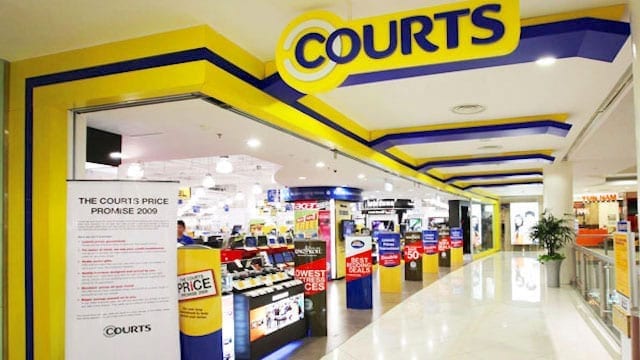
    Regulation changes in Malaysia dragged down both revenue and profits for Southeast Asian electrical, IT and furniture retailer Courts Asia.

    For the year to March 31, Courts Asia had a 3.7 per cent dip in revenue to SG$713.1 million (US$532.5 million). Profits slipped to $8.1 million from $23.7 million.

    Meanwhile, distribution and marketing expenses “remained relatively stable” at $56.5 million, or 7.9 per cent of revenue, the group says.

    Revenue from Malaysia, which contributed to 26.2 per cent of total turnover, slid 15.4 per cent on a year-on-year basis. This was mainly because of lower sales of goods and earned service charge income, says the group.

    Courts Asia executive director/group CEO Terence Donald O’Connor says the company faced headwinds in Malaysia following the introduction of the Consumer Protection (Credit Sale) Regulations 2017. This saw interest rates being capped at 15 per cent a year along with new compliance processes that led to a revenue drop.

    “The fall in revenue, coupled with an increased credit cost and a more prudent credit-sanctioning approach in Malaysia, affected our profitability,” says O’Connor.

    Taskforce

    As a result, Courts Asia has formed a transformation taskforce to look into business processes with the objective of driving productivity in Malaysia.

    Meanwhile, seven underperforming stores have been closed, ending with a footprint of 63 outlets. Other key actions taken in Malaysia include deploying a regional credit taskforce comprising executives with “specialised credit collections and marketing skill sets”.

    “While we agree that consumer sentiment has lifted with the changes sweeping through Malaysia, it will take time for it to filter through to discretionary spending,” says O’Connor. Initiatives such as zero rating GST from 6 per cent from today have been welcomed.

    In Singapore, Courts Asia’s performance remained strong at $25.2 million, the company says. Revenue from Singapore accounted for 69.9 per cent of the group’s top line, and increased 1.5 per cent. This was underscored by improved sales and follows an increased focus on driving an omni-channel approach with the relaunch of its online platform and the re-opening of Courts Megastore at Tampines in November.

    As part of its move toward offering furniture for the modern home, Courts Asia has refreshed its furniture range leading up to the Hari Raya festive season.

    For Indonesia, the group achieved 13.7 per cent growth in revenue in rupiah, thanks mainly to new stores. After “prudently widening its footprint”, Courts Asia now has 32 locations across the Jakarta region, including nine stores and 23 pop-ups.

  • Asia safes Michael Kors performance

    Asia safes Michael Kors performance

    Asia proved the strongest growth market for premium apparel and accessories retailer Michael Kors last year, offsetting ongoing weakness in its largest market, the Americas.

    Asian sales increased 17.5 per cent to US$137.7 million in the fourth quarter and were up 33.7 per cent to $469 million for the year.

    Michael Kors sales and profit numbers released overnight included a better than expected fourth quarter, but flat forecasts for the year ahead disappointed analysts.

    Net income for the three months ended March 31 was $44.5 million, a significant improvement over a $26.8 million loss during the same period last year.

    Fourth-quarter comparable Michael Kors sales were up 2.3 per cent on strength in accessories, footwear and men’s categories, but fell 1.7 per cent on a currency-corrected basis.

    Michael Kors has been investing heavily in transitioning its business model following the acquisition of Jimmy Choo last year, with chairman and CEO John D Idol saying a solid foundation had been created.

    “We created a global luxury group with the acquisition of Jimmy Choo and completed the first year of our Runway 2020 strategic plan for the Michael Kors brand, ending the year significantly ahead of our expectations,” he said.

    “Looking to fiscal 2019, we have a number of initiatives planned to drive growth in both of our luxury brands.

    The company expects building momentum to deliver first quarter revenue of around $1.13 billion, with a $140-$145 million contribution from Jimmy Choo’s 182 stores.

    Neil Saunders said the addition of Jimmy Choo had masked weakness in Michael Kors sales figures for last year.

    “While the headline growth number from Michael Kors looks strong … it is flattered by the addition of Jimmy Choo sales; when these are stripped out, the growth plummets to a lacklustre 0.6 per cent,” Saunders said.

    “This anemic underlying growth rate comes off the back of a dire performance last year when revenues plunged by 11.2 per cent. Taking account of all these things, the fashion brand is ending its fiscal year with soft growth.”

    Store renovations, expansion into new luxury concepts, a renewed focus on e-commerce and the launch of a new loyalty program have emerged as key pillars of the company’s 2020 strategic plan.

    In comparison, Americas sales declined by 2.5 per cent to $342.8 million in the fourth quarter and by two per cent to $1.67 billion for the year.

    “Perhaps the most damning figure is the Americas retail sales number,” Saunders said.

    “A particularly worrying outcome given the 18 per cent decline posted in the prior year. In our view, this number clearly indicates that Michael Kors is not back to full strength and still has a lot of work to do on its proposition.”

    Encouragingly, retail growth and the addition of Jimmy Choo bolstered margins, resulting in a 14.5 per cent increase in gross profit.

    Jimmy Choo sales were $107.9 million worldwide in the fourth quarter and $222.6 million for the full year, with Europe and the Middle East driving turnover.

    There were 1011 stores in Michael Kors business as at March 31, including 829 Michael Kors stores.

  • How AI affect online grocery shopping experience

    How AI affect online grocery shopping experience

    AI will soon revolutionise the online grocery shopping experience, according to research released today ahead of next month’s Consumer Goods Forum Global Summit in Singapore.

    The research, compiled by IGD, is based on a survey of 223 senior industry members across 42 different markets and a series of in-depth interviews. It predicts digital transformation will reshape online food and grocery retailing. In China, already the world’s largest online shopping market, online grocery sales will grow by 286 per cent within four years and account for 11.1 per cent of the nation’s total grocery spending.

    The online store of the future will contain five key features:

    Personal micro stores

    “Personal micro stores” will offer individualised and online-exclusive products as well as personalised promotions, recommendations, advertising and loyalty schemes. More than two-thirds of respondents (69 per cent) believe some retailers will apply personalised pricing and promotions in future. An additional 77 per cent think almost all digital communication to consumers by retailers will be personal.

    “AI will help to unlock personalisation,” explains Simon Mayhew, online retail insight manager at IGD. “The store’s layout will be dynamic and able to predict the customer’s reason for shopping. So, if you need a meal for tonight, your homepage will display only the relevant solutions. When generally browsing, you will only see the products and pack sizes likely to meet your needs. Many products will only be buyable online where there is no constraint on shelf space, and in high-value categories, there will be customisable products, so you can create your own ideal shampoo or cereal.”

    Smart personal assistants

    Tomorrow’s online grocery stores will act as a smart personal assistant, connecting with various devices, preventing shoppers from running out of products and supporting their lifestyle goals. Nearly two thirds (60 per cent) of the experts surveyed predict that smart devices automatically re-ordering products will become a firmly established way of shopping for many people. The shopping experience will also be more inspirational, through personalised planners and sophisticated digital assistants like chatbots. Seventy-one per cent of respondents expect some retailers to provide a service to offer personalised dietary guidance.

    “Smarter devices will make shopping simpler and more inspiring,” says Mayhew. “The online store will help stop you running out of products. Shoppers will subscribe to have their favourite products delivered regularly and AI will predict when you may run out and make or suggest a reorder. Household devices, such as washing machines, will connect to your store and reorder when necessary. This will lock in customer loyalty.

    “The online store will offer more than just groceries, it will also help around the house. With populations urbanising and tending to live in smaller properties, businesses will offer services that prevent the need for space-hungry appliances, such as home cleaning and laundry.”

    Faster and more efficient

    Tomorrow’s online grocery store will be more efficient for shoppers, making it easier and quicker to order products. Login and payment will be available through facial, voice or touch recognition technology. Shoppers will incur less waste, with a greater choice of pack sizes and meal planners to help manage quantities and advise on using leftovers. A better fulfilment service will be on offer with more deliveries, on time and in full and products delivered at the right quality and freshness.

    “For retailers and manufacturers, the online store of the future provides both opportunities and challenges,” says Mayhew. “Data from the online store will guide product development. Retailers will see gaps in their ranges through unfulfilled search requests and have a better understanding of product quality through ratings, reviews and feedback to chatbots.

    “Fulfilment will benefit from robotics and supply chain forecasting will be more accurate. This will mean online pickers have fresher products to select, helping overcome one of the biggest barriers to shopping online. Unattended deliveries to homes, cars, and even ‘straight to the fridge’, will grow in popularity.

    “Improvements in service will reduce the number of returns and make deliveries quicker. We will see greater collaboration in the supply chain, including manufacturers pooling resources to sell directly to consumers. However, there will also be new challenges and potential inefficiencies. Shoppers will expect faster deliveries, and this means smaller, more frequent orders.”

    Frictionless experience

    Tomorrow’s online grocery store will deliver a frictionless combined offline and online shopping experience for consumers. People will switch seamlessly from shopping online and instore with data cross-referenced between the two. This will help bring more personalisation to the physical store and help shoppers find their favourite products quickly and discover new ones. This is an opportunity that many companies need to work on with over half (53 per cent) of survey respondents saying they haven’t or have only just started to integrate their online and offline teams.

    “Before visiting a physical store, you will be able to look online to check in-store, real-time availability, access product information, get product usage ideas and read reviews”, says Mayhew. “When you arrive at the physical store you will then benefit from personalised offers and recommendations. An online app will help you find products and pay for your shopping without cash.”

    Invisible stores

    Tomorrow’s stores will – at times – be invisible, with shoppers buying products from shoppable digital content such as videos, photos and social media. In the future, people can be shopping at any time. There will be no limits to when you can be shopping. China has been leading the merging of media, entertainment and shopping, and Europe and North America will follow.

    “You won’t even need to visit your online store to buy products,” says Mayhew. “Alongside voice ordering, the majority of digital content you see will be shoppable. You could be watching a video or see a still image and just click on it to buy the product.”

    Danger in downplaying

    IGD’s team says there are three primary reasons why no grocery retailer or supplier can afford to downplay online retail:

    • Across most of the world, online is already a fast-growing channel.
    • Online and offline are merging, with an online store vital to complement physical stores.
    • The digital world evolves faster than the physical one and online stores will become increasingly compelling.

    The research house says tomorrow’s shoppers will expect more choice, convenience, inspiration, personalisation and transparency and online stores will play an increasing part in meeting these needs.

    “Grocery retail is seeing an unprecedented amount of change, driven by changing shopper expectations and the ability to meet these using transformative technologies,” says Joanne Denney-Finch, IGD’s CEO. “This offers great opportunities for companies of all sizes. The winners will put the needs of their shoppers first, be prepared to act decisively, maintain the highest everyday standards and exhibit tremendous agility.”

    The report, free to download from IGD, will be presented in detail at the Consumer Goods Forum Global Summit from June 12-15.

    Peter Freedman, the forum’s MD, says the IGD research report sets out a clear, consumer-centric vision of tomorrow’s online shopping experience.

    “It gives us all something to aim towards and it ties nicely to the theme of this year’s Global Summit – Consumer Centricity in a Data-Driven World.

    “And it highlights the importance of the CGF’s positive change agenda – such as using new technologies to deliver accurate product information on the digital shelf, designing out product and packaging waste, and retailer-manufacturer collaboration for growth.”
  • L’Occitane to open Singapore-based pop-up café

    L’Occitane to open Singapore-based pop-up café

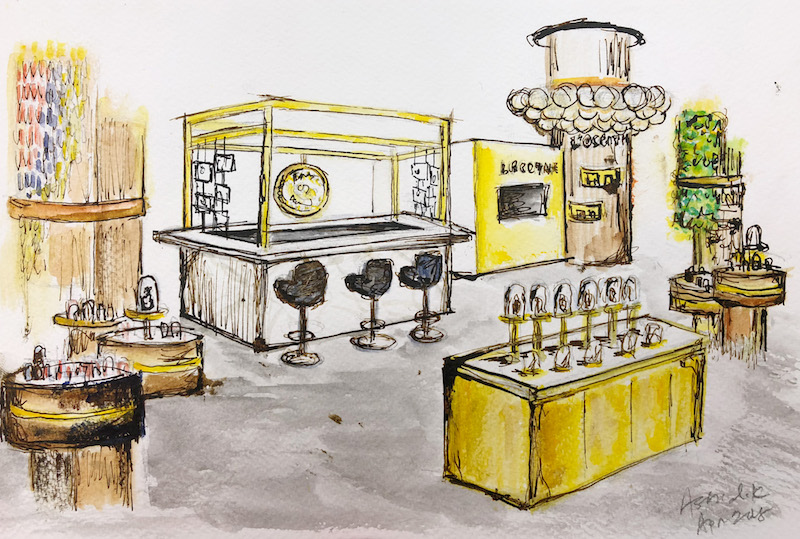
    French fragrance retailer L’Occitane plans to open a pop-up cafe, named A Journey in Every Sense, at Ion Orchard between July 3 and 16.

    Launching in collaboration with dessert specialist Janice Wong, it will feature her creations with such ingredients as cherry blossom, verbena, bergamot, rose and almond. Being promoted as a Province experience, the cafe also feature a skincare and bodycare texture bar allowing consumers to sample products, as well as 360deg VR exploration of the French region.

    At home in France, L’Occitane lately created a lifestyle pop-up concept including an essential oils distillery, restaurant, coffee and cocktail bar.

    To see more, browse the gallery below :

  • Manolo Blahnik strengthens its expansion in Asia with Bluebell Group

    Manolo Blahnik strengthens its expansion in Asia with Bluebell Group

    In May 2018, Manolo Blahnik has opened its doors to the public at the triple tower complex Marina Sands Bay in Singapore, strengthening its presence in Asia with Bluebell Group.

    “Marina Bay Sands is one of the most recognized places in Singapore. It has been at the forefront of uniquely combining innovative architecture, luxury shopping and leisure, so I am very excited that now Manolo Blahnik will be part of this special concept,” said Kristina Blahnik, the label’s chief executive officer.

    The retail space was designed by the architect Nick Leith-Smith, who has signed several collaborations with the brand. For this store, Nick has blended Blahnik’s identity with local architecture, materials and elements of the cultural context. The aim was to create a retail space that could communicate with locals in their own codes. The store incorporates a mix of architectural styles seen around Singapore.

    The opening follows a series of activities to expand the brand’s presence in Asia. The partnership with Bluebell Group aims at “optimizing and restructuring” Blahnik’s distribution in the region. Previous retail developments included the opening of two new locations in Tokyo and Kuala Lumpur, Malaysia. The Marina Bay Sands store will be the brand’s only standalone location in Singapore.


  • My Melody Café Is Opening In Singapore At Suntec City

    My Melody Café Is Opening In Singapore At Suntec City

    Japan’s My Melody Cafe plans an outlet at Suntec City.

    Commonly known as My Melo, the character central to the cafe is a white rabbit from Japanese characterisation company Sanrio who is said to be a good friend of Hello Kitty.

    With an al fresco garden setting, the cafe will feature a floral arch, garden-themed mural wall and a cottage house.

    The menu will offer five mains, six desserts and seven character-customised drinks.


  • MC Payment launches ‘Moonie’, a newtoken-based wallet app, at Artbox Singapore 2018

    MC Payment launches ‘Moonie’, a newtoken-based wallet app, at Artbox Singapore 2018

    Mobile Credit Payment Pte. Ltd (“MC Payment” or the “Company”), an established blockchain and unified payments enabler in Asia Pacific, announced that it launched token-based wallet app, Moonie, for use at Artbox Singapore 2018.

    Artbox Singapore, held from 25th to 27th May and 1st to 3rd June 2018, is Singapore’s largest pop-up creative market. Available for use on both iOS and Android devices, Moonie users will experience seamless transactions, enjoy discounts and earn additional Artbox tokens that can be redeemed at the stalls. Consumers are able to top up their Moonie accounts with Artbox tokens at the event via Artbox’s presenting sponsor.

    Commenting on the launch, Mr Anthony Koh, Founder and Chief Executive Officer of MC Payment said, “The launch of Moonie, especially in a high transaction volume environment such as Artbox Singapore 2018, underscores MC Payment’s technological expertise and initiative to build the foundation of a true cashless society in Singapore and the region.

    For the past 13 years, MC Payment has been driving efficiency in the Asian Pacific payments landscape. Our recent acquisition of iFashion Group and initiatives such as Moonie build on our core competencies of unifying payment platforms and developing proprietary technologies which provide retailers and consumers access to financial innovations that are being rapidly adopted globally.

    Millennials in particular represent a large group of consumers, both online and offline, and are reshaping retail transactions. They are astute, well-informed, technologically savvy and reaching their prime spending years. We are leading this transformation by building advanced payment options and presenting them in an easy-to-use and secure interface.”

    Mr. Jeremy Khoo, CEO of iFashion Group added, “We continue to push the boundaries of how technology can become an enabler in the retail industry and in the evolution of payments. With this year’s Artbox, we wanted to explore new and novel ways for consumers to transact with merchants, hence the creation of Moonie. This was our pilot and case study for this vision and we continue to explore more innovative solutions. It is a potentially game-changing mode of transaction, and we hope to rollout more of such innovations to improve the quality of experience for consumers and merchants in Asia.”

  • Ted Baker Launches First-EverTravel-Retail Boutique In Changi Airport

    Ted Baker Launches First-EverTravel-Retail Boutique In Changi Airport

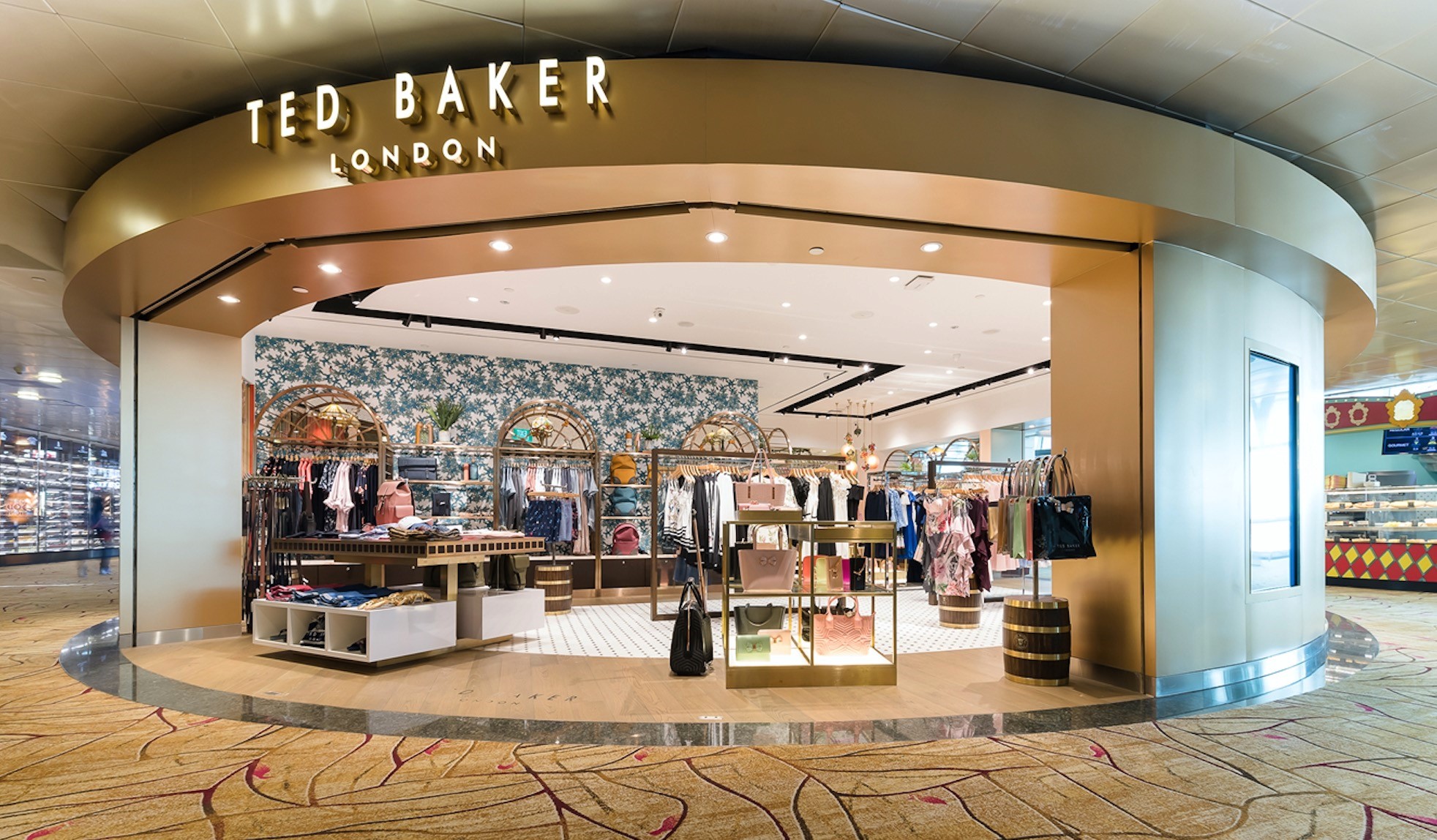
    Ted Baker opens up a new location in Changi Airport Terminal 2 Departure Transit Lounge – its first-ever travel-retail boutique in Changi Airport which invites jetsetters to browse and buy at leisure.

    To immerse yourself in the Ted Baker experience, pull up to the stylish bar-styled interior which is an evocative fusion of one part Singapore Sling and two parts British Dry Gin, mixed liberally with Ted’s signature style of apparel for him and her, and topped off with exclusive offerings.

    REMINISCENT OF ENGLISH GIN PALACES

    An open-concept boutique, this destination is a standing invitation to experience Ted’s iconic British wit.

    Infused with splashes of Ted’s quirky tongue-in-cheek humour and creative attention to detail, it features design touches of English gin palaces, polished copper distillery aesthetics, juniper berries (from which gin is distilled), and luxurious lounge finishes.

    In a nod to its premium location at Changi Airport, Ted Baker also takes inspiration from the Changi Butterfly Garden in the unique store design. Butterfly motifs and soothing touches of greenery lend an outdoor-garden atmosphere to the boutique, complementing the contemporary and transatlantic charm of its offerings.

    Eco-conscious travellers can also take heart that energy efficient fittings in the store design aid in Ted Baker’s environmentally-conscientious operations.

    EXCLUSIVE RETAIL ITEMS AVAILABLE HERE

    Shoppers at this boutique can expect an array of exclusive items not available at any other physical store in Singapore. These include travel luggage, leather accessories, stationery items, scarves, sunglasses and swimwear.

    With its wide and diverse selection of apparel and accessories as distinctive as your destination, this boutique is a breath of fresh air, and a jaunty reminder that a trip to anywhere begins at Ted Baker.

    The pictures of the store can be viewed below :

  • CapitaLand shapes Funan into Singapore’s first O&O shopping mall

    CapitaLand shapes Funan into Singapore’s first O&O shopping mall

    Funan has unveiled its digital blueprint as Singapore’s first O&O shopping mall integrating data and logistics aimed at empowering omnichannel retail strategies and transforming the customer experience.

    It encompasses customer analytics such as transaction and demographics data, robotic automation including Singapore’s first use of automated guided vehicles (AGVs) and robotic arms in a retail setting.

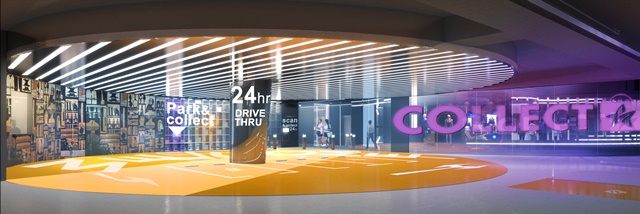
    Owned by CapitaLand Mall Trust and managed by CapitaLand Retail, Funan will also offer a 24-hour click-and-collect drive-through.

    “As smartphones change the way people shop and socialise, the design and operations of retail space must be reimagined to meet changing consumer expectations for an integrated O&O experience,” says CapitaLand Retail CEO Wilson Tan. “With the benefit of being a new development, Funan has wired its hardware and software differently to plug straight into the phygital (physical + digital) world of today’s consumers.

    “We have positioned Funan as the vanguard of innovation, with a combination of community, passion and discovery in its design. Our objectives are to empower our retailers’ omnichannel strategy, deepen consumer insights and enhance customer satisfaction through a seamless O&O journey.”

    Unified view

    CapitaLand Mall Trust Management CEO Tony Tan says the rise of omnichannel retailing spells new opportunities for the group to help its retailers do more business by increasing their consumer touchpoints while maintaining a unified view of their customers.

    “As a native O&O mall with omnichannel retail infrastructure enabled by the latest technology, Funan is well-positioned to attract quality tenants that are able to adapt and excel in this fast-changing retail landscape.”

    He says some of the digital innovations and infrastructure will be introduced into other malls in the group’s portfolio.

    For a typical Funan customer, the journey begins through bookings via the CapitaStar members’ app by CapitaLand, such as accessing the open studios in the Tree of Life experiential section, signing up for craft workshops with friends, booking tickets to a theatrical performance and reserving meeting rooms in the coworking space. The app also lets drivers reserve parking lots, find their car later and pay or redeem their parking fees.

    Shoppers can make purchases using StarPay, the in-app e-payment feature, while working professionals use the latest facial-recognition technology for cardless access to their offices.

    Hands-free shopping will soon become a reality at Funan through its automated concierge service at participating retailers. An AGV will pick up shoppers’ purchases and deposit the bags at a click-and-collect box at Basement 2. Shoppers can collect their purchases via a QR code or use the 24-hour drive-through collection service, fitted with a robotic arm that can retrieve their merchandise.

    As part of Funan’s omnichannel retail infrastructure, retailers can use the click-and-collect lounge and warehousing to fulfil their online orders from CapitaLand’s official store on Lazada.SG.

  • Cheers convenience store set expansion plan in Vietnam

    Cheers convenience store set expansion plan in Vietnam

    Singapore-Vietnam convenience store joint venture Cheers has opened its third store, on Dinh Tien Hoang Street in downtown Ho Chi Minh City.

    Operated by Vietnam’s supermarket operator Saigon Co-op and Singapore’s NTUC FairPrice grocery network, Cheers is open 24 hours, selling fast-moving consumer goods, mostly imported, along with payment services for utilities. The stores offer dine-in areas with free wifi.

    Nguyen Anh Duc, deputy general director of Saigon Co-op, said Cheers’ links with his company’s other businesses,including Co-opmart, Co-op Food and Co-opXtra, allows customers to earn and spend loyalty points across the network.

    The first Cheers store opened on Hoa Hao Street, in District 10, last December. The partnership plans to have 50 stores trading in Vietnam by the end of this year.

    Saigon Co-op also partnered with NTUC FairPrice in its Co-opXtra hypermarket stores.

  • Singapore’s e-commerce veteran ezbuy raises US$17.6M in pre-Series C funding round

    Singapore’s e-commerce veteran ezbuy raises US$17.6M in pre-Series C funding round

    Singapore’s global shopping platform EZbuy.sg has raised US$17.6 million in pre-series C funding co-led by several regional venture capitalist firms.

    Founded in 2010, EZbuy says it will use the funding to offer quicker and more reliable modes of localised services while further enhancing its product offerings. The capital investment will also be allocated for its expansion plans in the region as well as countries outside of Southeast Asia.

    EZbuy co-founder/CEO He Jian says the company’s core mission has always been to provide customers with convenient access to shop for their favourite products from all over the world.

    “The investment will enable us to continue strengthening our core verticals and pave the way to achieve this objective faster,” he says.

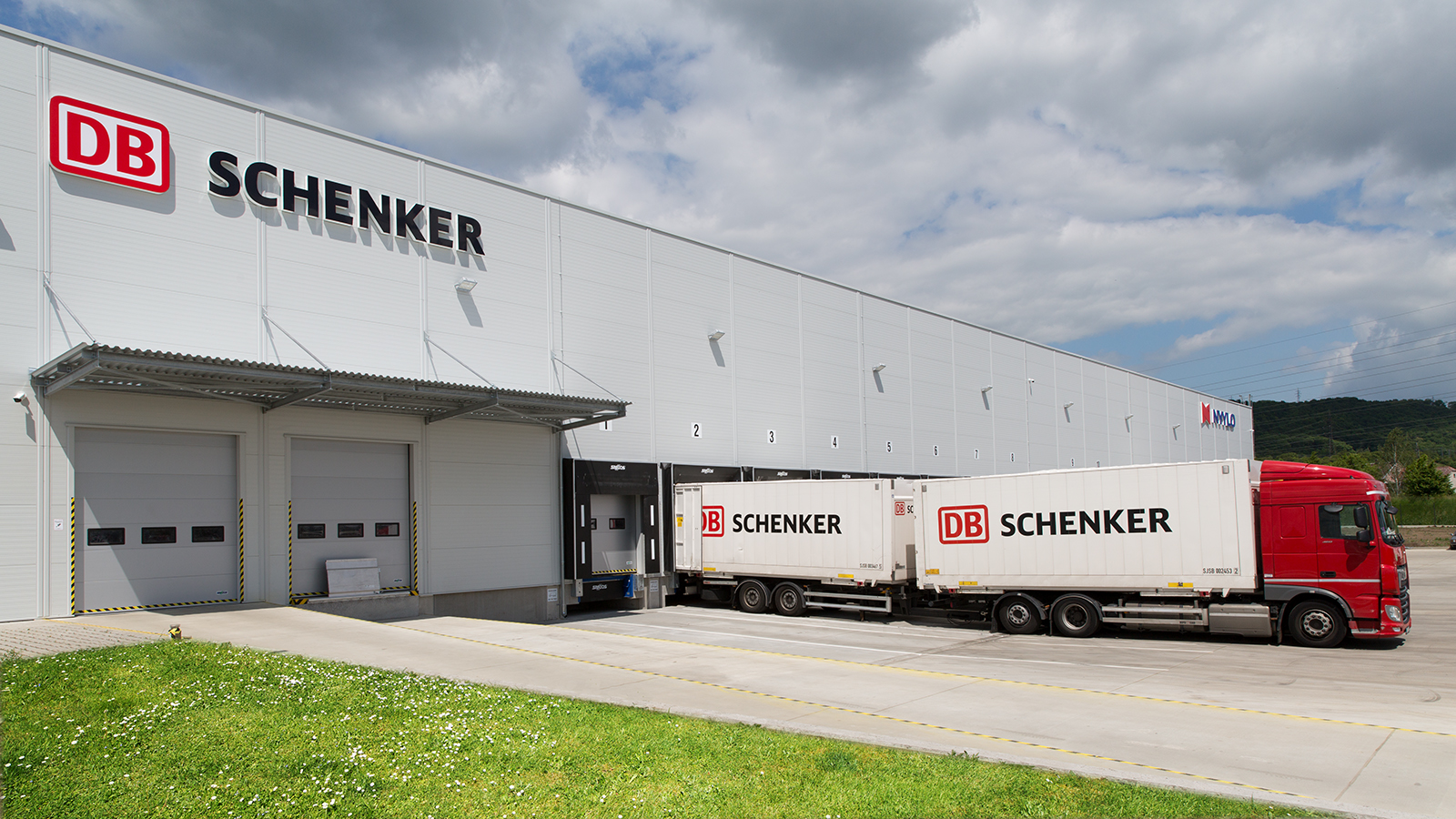
  • DB Schenker Scores a Hat-trick for Rail Logistics in Asia Pacific

    DB Schenker Scores a Hat-trick for Rail Logistics in Asia Pacific

    DB Schenker has been crowned for the third year in a row, as the Best Logistics Service Provider – Rail, at the Asian Freight, Logistics & Supply Chain (AFLAS) Awards ceremony held in Shanghai on 15th May 2018.

    The award, organized by freight and logistics publication Asia Cargo News, is conferred based on votes cast by more than 10,000 of its readers and subscribers. It recognizes expertise, innovation, technology application, service standards leadership and bespoke solutions for shippers. “Thousands of shippers and industry experts have voted, making the results a true reflection of industry expertise.” said Asia Cargo News publisher Darren Barton.

    Having pioneered Rail Freight services a decade ago with its first Asia – Europe rail link from China to Germany in 2008, DB Schenker has continually developed an extensive portfolio of market-leading rail solutions in Asia Pacific, offering Full-Container-Load (FCL), Less-than-Container-Load (LCL), Blocktrains, multi-customer, reefer services and so on, to customers in the Automotive, Electronics, Industrial/Chemicals, Consumer Goods, and other sectors.

    Apart from the highly-established China-Euro rail services, Rail solutions are also offered in Australia (Pan-Australia Rail solutions network linking Sydney to Melbourne, Adelaide, Brisbane, Darwin and Perth), Indonesia (Trans-Java Rail solutions in Indonesia linking Jakarta with Surabaya and Semarang), and recently also developed rail solutions in Vietnam and India as well.

    This hat-trick of awards for Rail, is complemented with past AFLAS Awards won for Best Logistics Service Provider in Sea Freight, Air Freight, and Best Road Haulier.

    “We are indeed thankful and humbled by the recognition from the industry and customers past and present. This inspires us continuously to strive and offer our customers an unmatched suite of award-winning solutions for their supply chains. Additionally, DB Schenker’s heritage and pedigree in Rail is testimony to our unique proposition in inter-modal supply chain solutions for businesses in Asia”, said Mr Peter Hult, Executive Vice-President for Contract Logistics/Supply Chain Management in Asia Pacific.