Tag: Singapore

  • Singapore’s Economy Grows By 4.4 Pct In Q118

    Singapore’s Economy Grows By 4.4 Pct In Q118

    Singapore’s economy grew by 4.4 per cent on a year-on-year basis in the first quarter (Q118), higher than the 3.6 per cent recorded in the previous quarter.

    On a quarter-on-quarter seasonally-adjusted annualised basis, the economy expanded by 1.7 per cent, moderating from the 2.1 per cent growth in the preceding quarter.

    In releasing the latest economic figures, the Ministry of Trade and Industry (MTI)  expects the republic’s Gross Domestic Product (GDP) growth for 2018 to come in at “2.5 to 3.5 per cent”.

    This is after taking into account the strong performance of the Singapore economy in the first quarter and the slightly improved external demand outlook for the country.

    The manufacturing sector grew by 9.8 per cent year-on-year, extending the 4.8 per cent growth in the previous quarter.

    The sector’s growth was primarily driven by the electronics, precision engineering and chemicals clusters, which expanded 19.2 per cent, 14.0 per cent and 10.0 per cent respectively.

    The construction sector contracted by 5.0 per cent year-on-year – the same pace of decline as in the previous quarter.

    Construction output was weighed down by continued weakness in both the public and private sector construction activities, said the Ministry.

    The wholesale & retail trade sector expanded by 3.0 per cent year-on-year, unchanged from the growth recorded in the previous quarter.

    Growth was driven by the wholesale trade segment, which was in turn supported by an increase in the wholesale sales volume of petroleum products.

    On the other hand, the retail trade segment contracted, weighed down by a fall in the volume of motor vehicle sales.

    Growth in the transportation & storage sector came in at 2.8 per cent year-on-year,moderating from the 5.3 per cent in the previous quarter.

    According to the MTI, the water and air transport segments were the main drivers of the sector’s growth, given the healthy expansions in container throughput and air passengers handled respectively.

    The accommodation & food services sector grew by 2.0 per cent year-on-year, slowing from the 2.9 per cent growth in in the preceding quarter.

    Growth was driven by the accommodation segment, which expanded on the back of higher gross lettings at gazetted hotels in line with the rise in visitor arrivals.

    On the other hand, the food services segment contracted, weighed down by a fall in sales volume at restaurants, food caterers and other eating places.

    The MTI said the information & communications sector expanded by 5.7 per cent year-on-year, easing from the 6.0 per cent growth in the previous quarter.

    The sector’s growth was supported by the IT & information services and telecommunications segments.

    Growth in the finance & insurance sector accelerated to 9.1 per cent year-on-year, from 6.3 per cent in the previous quarter.

    The sector’s strong performance was due to robust growth in the fund management, financial intermediation and insurance segments.

    The business services sector grew by 2.8 per cent year-on-year, faster than the 0.4 per cent growth in the preceding quarter.

    Growth was supported by the professional services and “others” segments, even as the contraction in the real estate segment eased.

    The “other services industries” expanded by 1.9 per cent year-on-year, slower than the 2.7 per cent growth in the preceding quarter.

    The sector’s growth was primarily supported by the arts, entertainment & recreation and education, health & social services segments.

    On economic outlook for 2018, the MTI said the pace of growth in the Singapore economy is expected to remain firm in 2018, with growth supported primarily by outward-oriented sectors.

    In particular, the manufacturing sector is likely to continue to expand on the back of sustained growth in the electronics and precision engineering clusters, albeit at a more moderate pace as compared to 2017.

    Likewise, outward-oriented services sectors such as finance & insurance, transportation & storage and wholesale trade are projected to continue to benefit from healthy external demand.

  • Qoo10 commits to tighten counterfeit security

    Qoo10 commits to tighten counterfeit security

    Singapore e-commerce platform Qoo10 has stepped up its measures against counterfeit items.

    As well as internal systemic protocols to check and deter the sale of counterfeit items, it has a red-flag system for its security team.

    “Where a listing is flagged for potentially infringing intellectual property (IP) rights or selling counterfeit products, our dedicated compliance team steps in to investigate and take any necessary action,” says Qoo10 Singapore country manager HyunWook Cho.

    Secondly, the website’s compliance team also actively responds and reacts to claims by customers, sellers and businesses or brands. Customers who suspect they may have bought a counterfeit item from a Qoo10 seller may alert the compliance team, which will then investigate and issue a refund.

    Anyone who suspects a listed product is counterfeit may also report the issue.

    The compliance team also works with businesses and brands under its Brand Protection Program to take down infringing listings. Errant sellers with repeat offences may also be restricted from selling their items on Qoo10.

  • Takashimaya is more losing money than profit

    Takashimaya is more losing money than profit

    Just one of Japanese department store chain Takashimaya’s three overseas stores is currently trading at a profit.

    But the company says it believes it can make them all profitable by 2023, including a fourth store set to open in Bangkok late this year.

    The successful store is on Singapore’s Orchard Road, which opened in 1993 and is reportedly earning more than 3 billion yen (US$27.2 million) annually.

    The chain’s Shanghai store, which opened in 2012, has been hampered by delays in the completion of neighbouring projects which would have drawn higher visitor numbers, along with administration costs running over budget. According to a report published by Nikkei, the store is expected to post its seventh consecutive loss in the 12 months to February next year, but should make money in 2020.

    The Ho Chi Minh City store in Vietnam, which opened in 2016, has “struggled from the start” according to Nikkei, its offer apparently too expensive for middle-class Vietnamese consumers. The company plans to boost sales by “broadening offerings of everyday items for families” which it hopes will lead it into profit in the 2022 year.

    The planned Siam Takashimaya store will be one of the anchors of Siam Piwat’s IconSiam, currently under construction and scheduled to open late this year – possibly in October.

    Takashimaya anticipates the Bangkok store to be profitable in its first year, thanks to rent concessions.

    The company’s president, Shigeru Kimoto, said it plans to continue Southeast Asian expansion, despite the challenges to date because it sees potential in the region.

    “In the long term, we seek to capitalise on Asia’s growth,” he said.

  • SportSG partners Decathlon to house their Singapore Lab

    SportSG partners Decathlon to house their Singapore Lab

    In a collaboration with national sports agency Sport Singapore (SportSG), sporting goods retailer Decathlon Singapore is preparing to open its biggest store yet.

    In Stadium Boulevard in Kallang, the Decathlon Singapore Lab will pioneer the use of technology like virtual simulations and augmented reality in Asian retail. The brand’s fourth outlet will cover about 5000sqm when it opens in January.

    A memorandum of understanding has been signed by Decathlon Asia chief executive Yves Claude and his SportSG counterpart Lim Teck Yin.

    “Traditional retail is in trouble … customer expectations are changing very quickly,” says Claude. “They will not come just for the store’s layout.”

    For example, customers trying out shoes at Decathlon Singapore Lab will be able to have foot scans.

    “We want to do something different here, and that’s why we need the space. The experience will not be perfect immediately, but that’s why we are calling it a lab,” says Claude.

    The store has a 15-year lease from SportSG, which owns the land, and as part of the agreement to promote participation in sport the store will also feature events and clinics for customers in its free-to-play areas, as well as an Active Health Lab. These SportSG labs provide free health screenings.

    Decathlon will also continue to provide equipment and apparel to the 10 ActiveSG academies and centres throughout SIngapore. ActiveSG has more than 1.4 million members.

    The French company launched into Singapore with a store at Bedok in January 2016. It now has outlets at City Square Mall and the Fairprice Hub in Joo Koon, with the three stores attracting foot traffic of two million annually.

    Worldwide, the company has more than 1300 stores in more than 40 countries, up from around 1000 in 30 countries two years ago.

  • Who’s who of retail CEOs at Consumer Goods Forum

    Who’s who of retail CEOs at Consumer Goods Forum

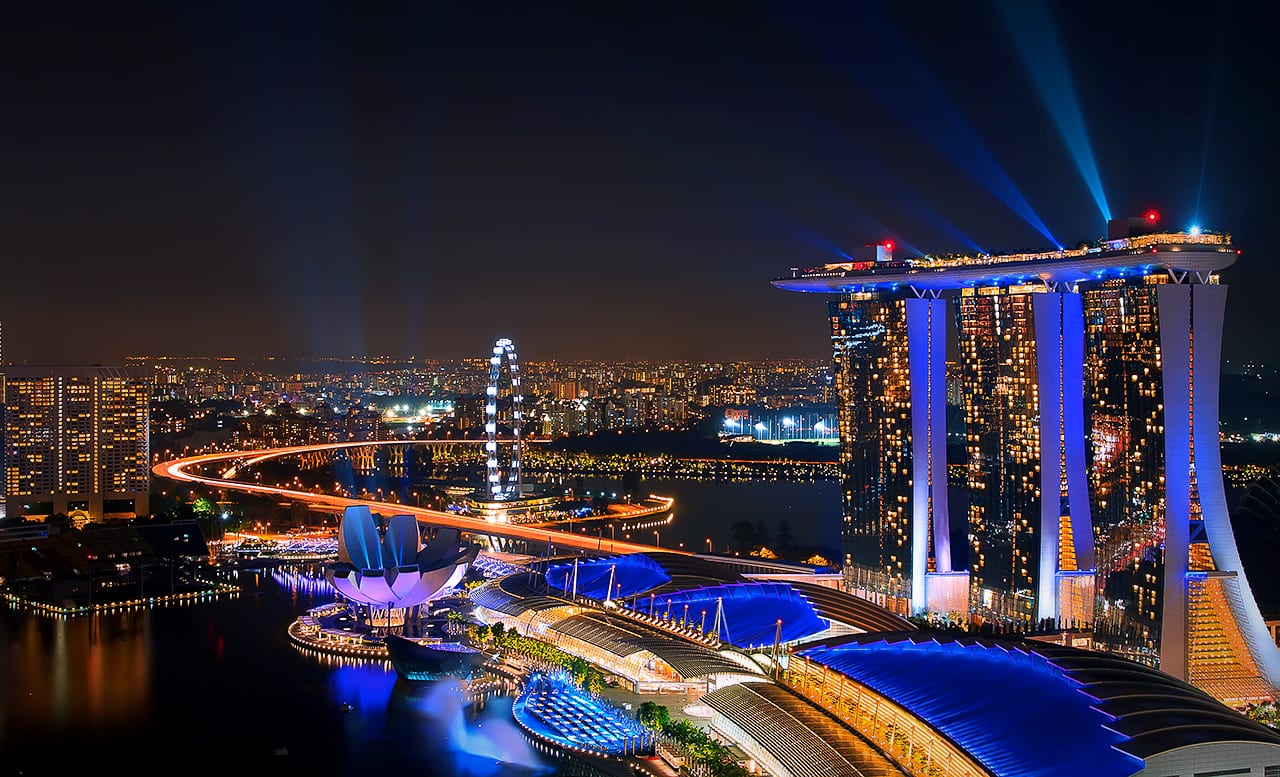
    Next month’s Consumer Goods Forum to be held at the Marina Bay Sands will feature a ‘who’s who’ of international retail leaders.

    This year marks the first time in a decade the event is being held in Asia. Running from June 12-15, it is themed Consumer Centricity in a Data-Driven World.

    Industry leaders including Alibaba CEO Daniel Zhang, Dairy Farm International CEO Ian McLeod, Coca-Cola Company CEO James Quincey, Majid Al Futtaim Holding CEO Alain Bejjani, Ahold Delhaize CEO Dick Boer, JD international president Winston Cheng, Central Retail CEO Nicolo Galante, Carrefour China president and CEO Thierry Garnier and Metro AG CEO and chairman Olaf Koch are all on the speaking roster.

    Former US Secretary of State Madeleine Albright will deliver a keynote address.

    Consumer Goods Forum MD Peter Freedman says the summit is often described as the most important leadership event on the consumer goods industry’s calendar.

    “The key focus of this year’s conference will be on how to ensure that we continue to keep consumers at the centre of the digital transformation in our industry. In that context we will also be discussing how we can accelerate our work on global positive change, which millennials and younger consumers are so concerned to see. We are delighted to be holding the event in Singapore, one of the world’s leading smart cities, with some of the most digitally sophisticated consumers, and geographically close to so many Asian digital innovations.”

    More than 1000 delegates, from more than 400 leading retailers and consumer goods companies will engage with this year’s theme through sessions focused on stories such as:

    • Investing in the age of disruption;
    • Evolving retail for the smart consumer;
    • The future of work: people & technology;
    • Positive change in action: driving a circular economy;
    • New Retail: creating new value for consumers;
    • Global millennials: the data-driven facts;
    • Executing a digital and omni-channel growth strategy; and
    • Transforming customer experiences through big data.
  • Ride-Hailing Firm Go-Jek to Expand Abroad

    Ride-Hailing Firm Go-Jek to Expand Abroad

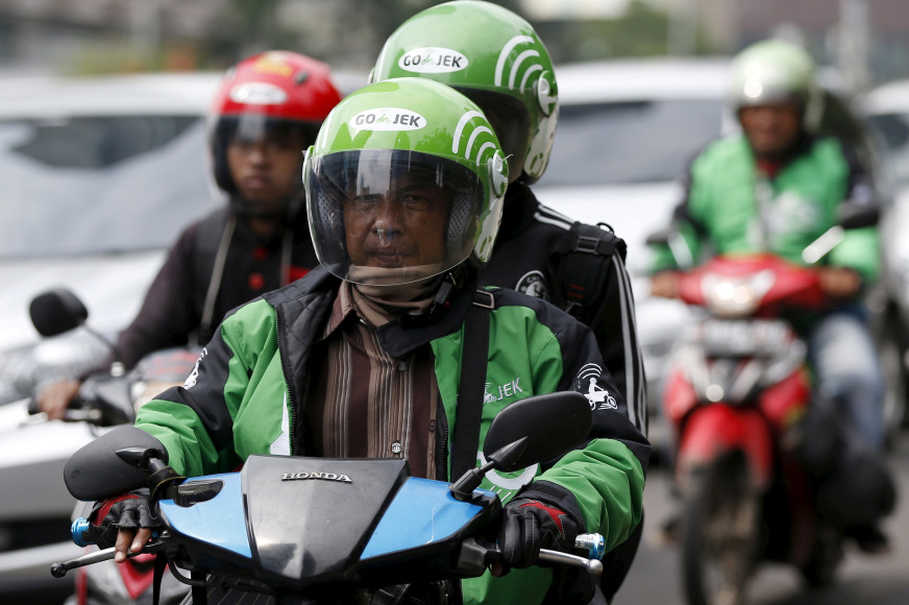
    Indonesian ride-hailing and online payment firm Go-Jek on Thursday said it would enter Vietnam, Thailand, Singapore and the Philippines in the next few months, investing $500 million in its international push.

    The move will start with ride-hailing services before expanding to other sectors, Go-Jek said in a statement.

    “People in Vietnam, Thailand, Singapore and the Philippines don’t feel that they’re getting enough [choice] when it comes to ride-hailing,” chief executive Nadiem Makarim said in the statement.

    The announcement comes after Uber Technologies Inc sold its Southeast Asian operations to local competitor Grab.

    Go-Jek said it was working with regulators and other stakeholders across the region to prepare for the new operations.

    The expansion follows Go-Jek’s latest round of fundraising, which brought investment from companies including Astra International, JD.COM, Tencent and Temasek.

  • Touché signs agreement with OCBC to offer world’s first fingerprint biometric-based payment

    Touché signs agreement with OCBC to offer world’s first fingerprint biometric-based payment

    Singapore-based technology company Touché today announced an agreement with OCBC Bank to bring the world’s first fingerprint biometric-based payment and loyalty management solution to OCBC’s Singapore credit card merchant customers.

    Developed in Singapore, Touché includes both an elegant and innovative device and a robust software solution that delivers highly secure, convenient and personalised point of sale transaction services at the touch of two fingers.

    Touché will offer the solution to all of OCBC’s cards acceptance merchants with physical stores.

    Touché delivers a number of advantages that redefine point of payment and customer interaction. For merchants, Touché eliminates the need for multiple payment devices. Its devices are set up to accept traditional card payments as well as fingerprint-based payments. Touché brings operational efficiencies since transactions are completed quickly, and recorded electronically. Receipts are emailed – making the reconciliation process more efficient and eliminating paper entirely.

    Touché also makes management of loyalty programmes easy for both customers and merchants. Points and discounts are instantly applied for qualifying customers at the point of interaction. For merchants, moving existing loyalty programme members to the Touché biometrics-based platform is painless. As is building a new, tiered loyalty programme that offers membership based benefits.

    Uniquely, Touché also provides for personalised customer experiences. Merchants can recognise their customers at any point of interaction and accord them recommendations and offers that are relevant to them. Touché’s data analytics component enables merchants to create bespoke, personalised, offers for customers based on their own preferences and buying patterns.

    For the merchants’ customers, Touché brings convenience and efficiency and ease of use. A one-time registration process takes under two minutes wherein people can add their existing credit cards, loyalty/membership cards and link them to their fingerprints. Once registered, payments are completed in under four seconds at one touch, without the need for signature, pin number, card or mobile phone. Neither do people need to carry their loyalty cards, discount vouchers, coupons (etc) to access their benefits.

    “Touché provides a highly convenient and secure transaction point for people without the need for multiple cards,” said Sahba Saint-Claire, Chief Executive Officer and co-founder, Touché. “But Touché is more than payments and biometrics. We are a solution that enables merchants to provide their customers with personalised experiences to deepen their relationships. Touché is a key point of differentiation for banks and merchants, helping them grow their business by delighting customers and offering the next level in people engagement.”

    “We are delighted to collaborate with Touché to be the first in Singapore to offer a fingerprint biometric payment solution to our cards acceptance merchant customers. This service enables an easy and secured platform that will improve the user experience for their customers. It will make digital e-payments simpler and more accessible than using cash, and will help to drive Singapore’s push towards becoming an e-payments society,” said Mr Desmond Tan, Head of Group Lifestyle Financing, OCBC Bank.

  • Gambero Rosso’s TopItalian Wines Roadshow 2018 Celebrates Italy’s Finest Wines

    Gambero Rosso’s TopItalian Wines Roadshow 2018 Celebrates Italy’s Finest Wines

    The annual Gambero Rosso’s Top Italian Wines Roadshow welcomed about 1,000 wine lovers at CHIJMES Hall today in a celebration of Italy’s wine craftsmanship. The one-day roadshow will be opened by the Ambassador of Italy to Singapore, H.E. Raffaele Langella; Mr Marco Sabellico, Senior Editor-in-Chief of Vini d’Italia; and Mr Lorenzo Ruggeri, Editor of Gambero Rosso Top Italian Restaurants in the World.

    Steeped in a wine-producing history that dates back many millenia, Italy has mastered the art of winemaking and secured an international reputation for producing a wide array of quality wines highly regarded by wine connoisseurs. At Gambero Rosso’s Top Italian Wines Roadshow’s stopover in Singapore today, columns of tasting tables offered an exquisite selection of around 300 wines from over 70 Italian wine producers to an assembly of appreciative wine lovers. Masterclasses hosted by Mr Marco Sabellico, who is also Gambero Rosso’s wine expert, led trade visitors and wine lovers on insightful expeditions to discover the characteristics of signature wines from a total of 68 wineries in Italy.

    With a growing reputation as the wine hub of Asia, Singapore presents itself as the ideal gateway for Italian wine producers and distributors to access the region. Italian wine is estimated to flourish at a total volume CAGR of 3% to reach 2.6 billion litres in 2021 (Euromonitor, 2017), supplying fine-quality wine which is in high demand due to Asia’s roaring economies and rising affluence. GlobalData (2017) expects the Asia-Pacific wine market to flourish at a CAGR of 9.4%, the quickest in the world, and register a volume CAGR of 4.5% to more than 4 million litres by 2021.

    From March to November 2018, Gambero Rosso will bring the annual celebration of Italy’s wine craftsmanship on a tour around the globe, with visits to São Paolo, Brazil, and Houston, USA, last month. After Singapore, the Top Italian Wines Roadshow’s next stops in Asia will be at Bangkok, Thailand on 24 May, and Hong Kong, China on 31 May.

    Established in 2007, Gambero Rosso’s Top Italian Wines Roadshow has firmly become a strategic platform for penetrating emerging markets and grasping new business opportunities. Italian wine offerings are so rich and have a wide selection. To address this, the selections at Gambero Rosso represent a guaranteed way for promoting knowledgeable, attentive and curious developments of Italian territories. The basic framework employed comprises an extremely rigid selective criteria of quality used for decades by the Vini d’Italia guide. Now in its 31st edition, the guide is the result of a year of work by an expert team of 53 tasters who tasted 45,000 wines and interviewed wine producers at wineries across Italy, including Ticino in Switzerland for the first time this year. In this edition, 22,000 wines from 2,485 wineries were awarded scores ranging from 0 to 3 Glasses, with 436 wines receiving the highest, prestigious rating ofTre Bicchieri.

  • DHL conferred Best Logistics Service Provider – Express at the 2018 Asian Freight, Logistics and Supply Chain Awards

    DHL conferred Best Logistics Service Provider – Express at the 2018 Asian Freight, Logistics and Supply Chain Awards

    DHL affirmed its position as the world’s leading logistics company when it was conferred Best Logistics Service Provider — Express for the 29th time at last night’s 30th Asian Freight, Logistics and Supply Chain Awards (AFLAS). The award was presented to DHL at a ceremony held yesterday in Shanghai, China.

    The awards come as DHL continues to invest significantly in the Asia Pacific region, in order to constantly improve its offerings in integrated logistics and boost customer satisfaction. The AFLAS are the only Asian logistics awards to be decided by customer votes alone, giving them a well-earned reputation as an authority on customer sentiment in the logistics industry.

    “We are humbled to be named the Best Logistics Service Provider — Express for the 29th time. We believe our customers see the real value we bring to them as we continue to invest in our people and infrastructure to deliver quality service such as the expansion of our Delhi Gateway and Central Asia Hub. These awards clearly demonstrate the trust our customers have in us — we have worked hard to earn their trust, and will continue to outperform the competition to exceed customers’ expectations,” said Ken Lee, CEO, DHL Express Asia Pacific.

    Wu Dong Ming, CEO of DHL Express China, said, “Winning this award is testament to the strength of our extensive international network and we are honored by the win. As we continue building on our achievements, we remain focused on our customers. We are constantly enhancing our infrastructure and air connectivity to deliver the best quality and customer experience every day.”

    The AFLAS Awards is organized by Asia Cargo News to honor companies in the logistics industry that exemplify excellence in leadership, as well as consistency in service quality, innovation, customer relationship management and reliability. Over 15,000 readers and e-news subscribers of Asia Cargo News were asked to nominate who they viewed as the best service providers.

  • ZARA Reopens Its Renovated Flagship Store at Vivocity

    ZARA Reopens Its Renovated Flagship Store at Vivocity

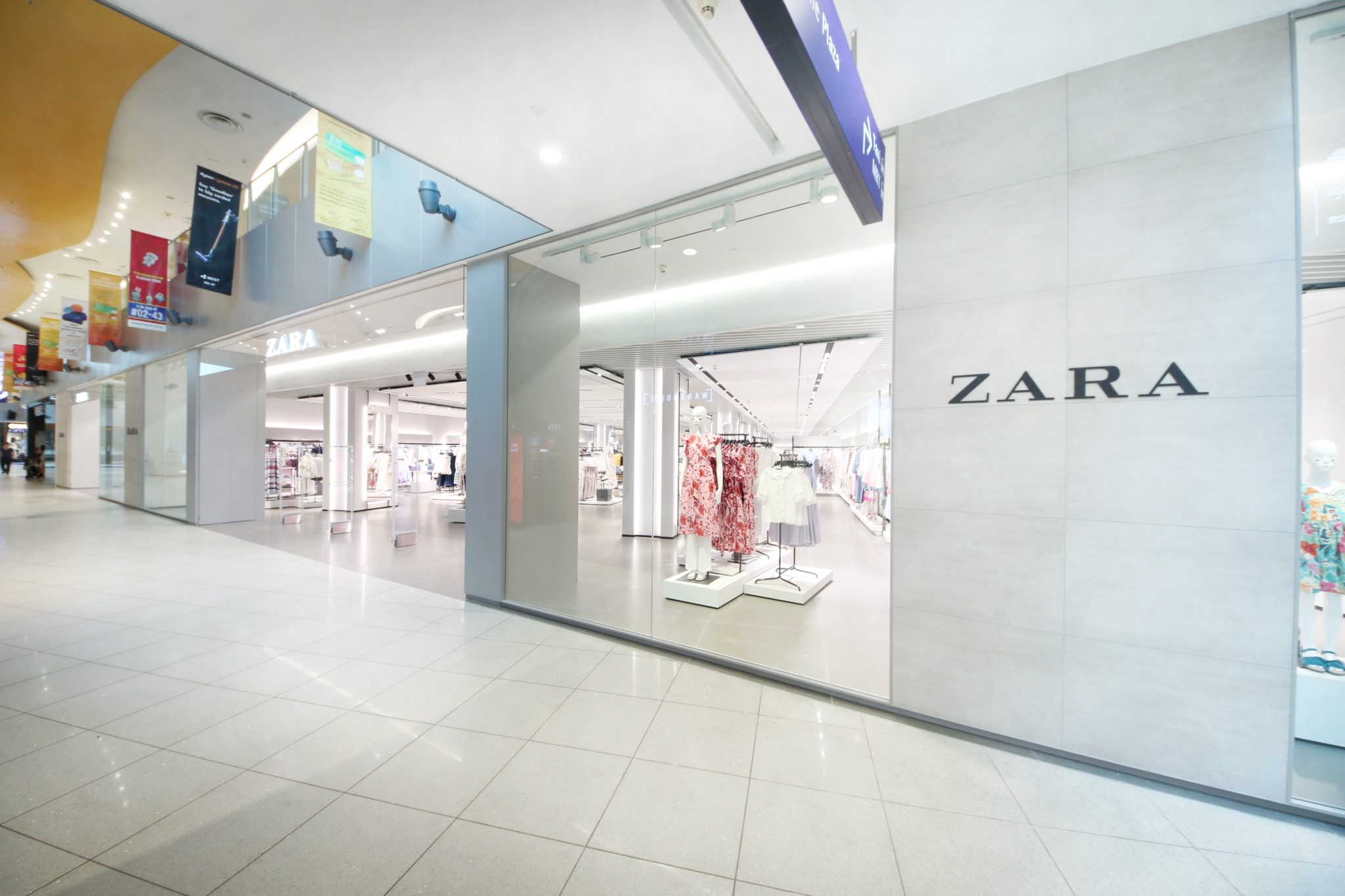
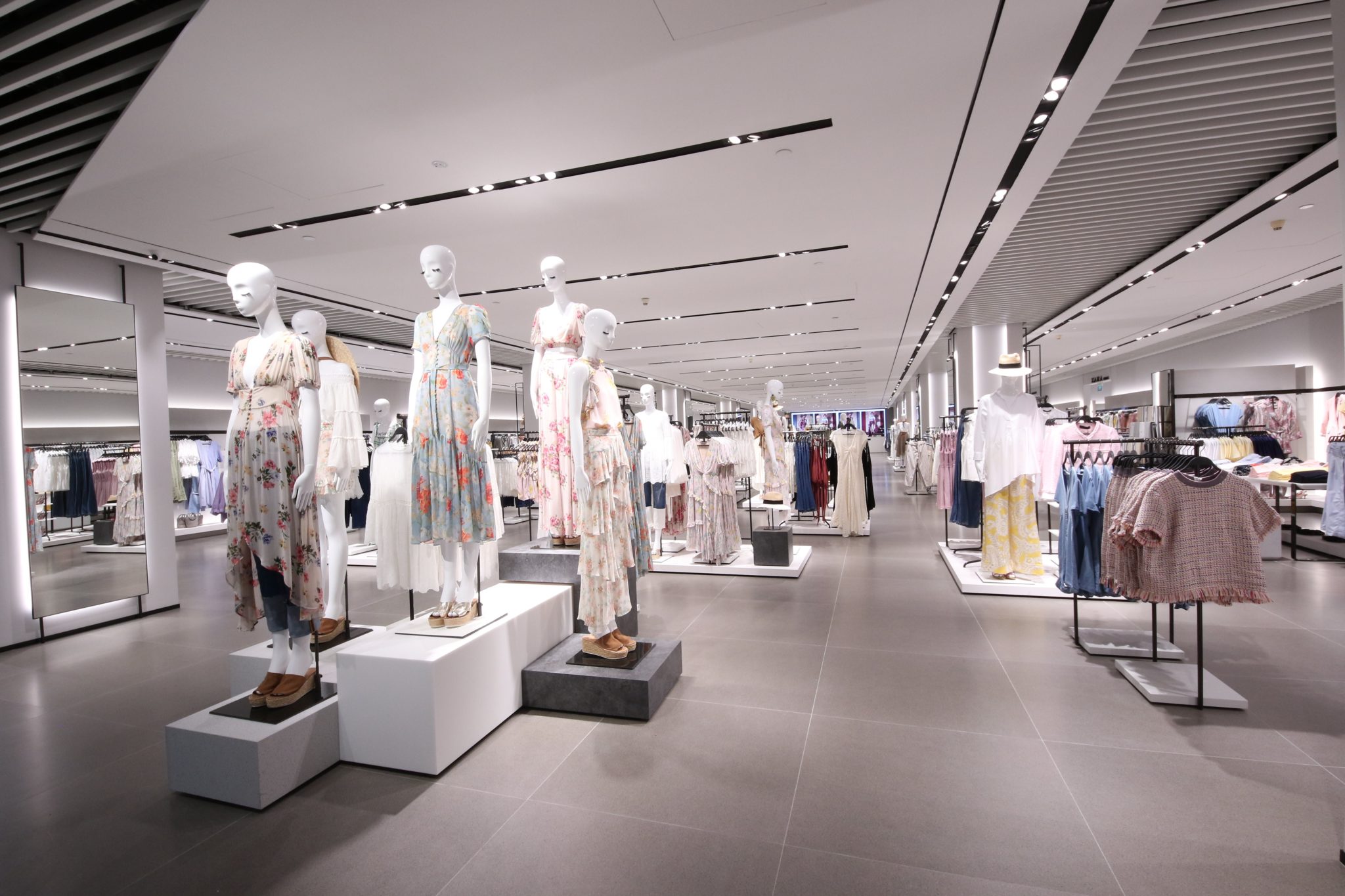
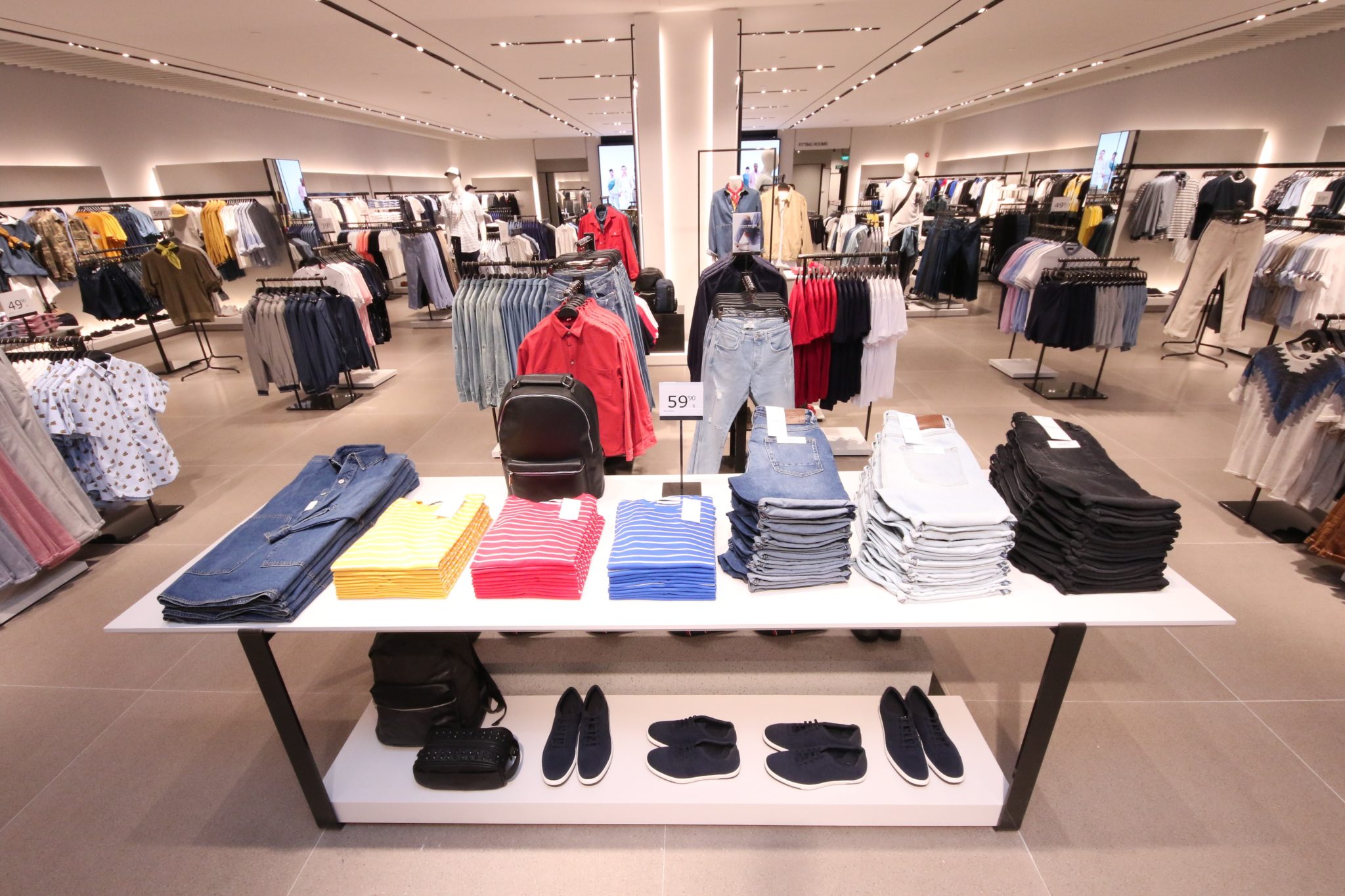
    Zara has reopened its flagship store in VivoCity, Singapore. This newly refurbished establishment showcases the brand’s latest global concept with its 2,700 square meters sales area – approximately doubling the area it had before the refurbishment. It will be distributed in two stores, with the latest collections of Woman, Basic, TRF, and Kids housed under one roof, and a separate store dedicated to Man.

    The store, which features a new interior design, stands out for its façade without windows, providing a transparent view of the store’s architectural features, collections and instore mannequins. Designed to provide continuous and comfortable light, the back-lit ceiling provides soft ambient lighting which contributes to a sensory shopping experience. The space invites the customer to enjoy as never before the experience of feeling, touching, observing and interacting with the merchandise.

    This store also incorporates the green-building criteria stipulated by Zara’s parent group Inditex. As an eco-efficient store, it consumes 20% less energy and 40% less water compared to a conventional store. To ensure the store continues to meet these energy reduction targets, its energy use is regulated by a central control center at Zara’s headquarters in Arteixo, northwest Spain.

    As part of Zara’s commitment to improve the quality of service and shopping experience for customers, the new store introduces the Group’s latest technological developments. This includes Radio Frequency Identification Technology (RFID) which helps to track the location of garments quickly and precisely to make the products most in demand by customers rapidly available on the shop floor, ensuring customers’ shopping needs are fulfilled.

  • Singapore tops list of app install fraud rates in Asia

    Singapore tops list of app install fraud rates in Asia

    Advertisers around the world lose as much as $700 to $800 million annually to mobile app fraud, according to a new global study.

    The State of Mobile Fraud Q1 2018 report by mobile marketing analytics and attribution platform AppsFlyer put Singapore, Indonesia and Hong Kong at the top of the list for app install fraud rates in Asia.

    According to the report, mobile app marketers were exposed to 30% more fraud compared to the 2017 quarterly average.

    Indeed, the share of fraudulent installs has also grown by 15% tainting 11.5 percent of all marketing-driven installs, with shopping, gaming, finance and travel apps the hardest hit – shopping apps is the most heavily hit vertical with $275 million exposed.

    The report concluded that bots are now the most dangerous threat, having replaced device farms as the most popular form of attack responsible for over 30% of fraudulent installs. A previous AppsFlyer study on “Device ID Reset” fraud had blamed device farms for costing advertisers up to $1.3 billion annually.

    And while the Android platform is more vulnerable to fraud, the iOS platform is also a target. Of course, the greater difficulty of device fraud on iOS means that fraudsters are resorting mainly to click flood methods. However, Android rates are higher for all other categories of fraud.

    While new protective measures are introduced, fraudsters are also adapting their techniques. The result is a slew of new measures, and new countermeasures in yet another game of cat and mouse. Ultimately, mobile marketing fraud has become a high stakes arms race as both sides leverage increasingly sophisticated methods.

  • Maki-san sushi chain to take a bow in Japan

    Maki-san sushi chain to take a bow in Japan

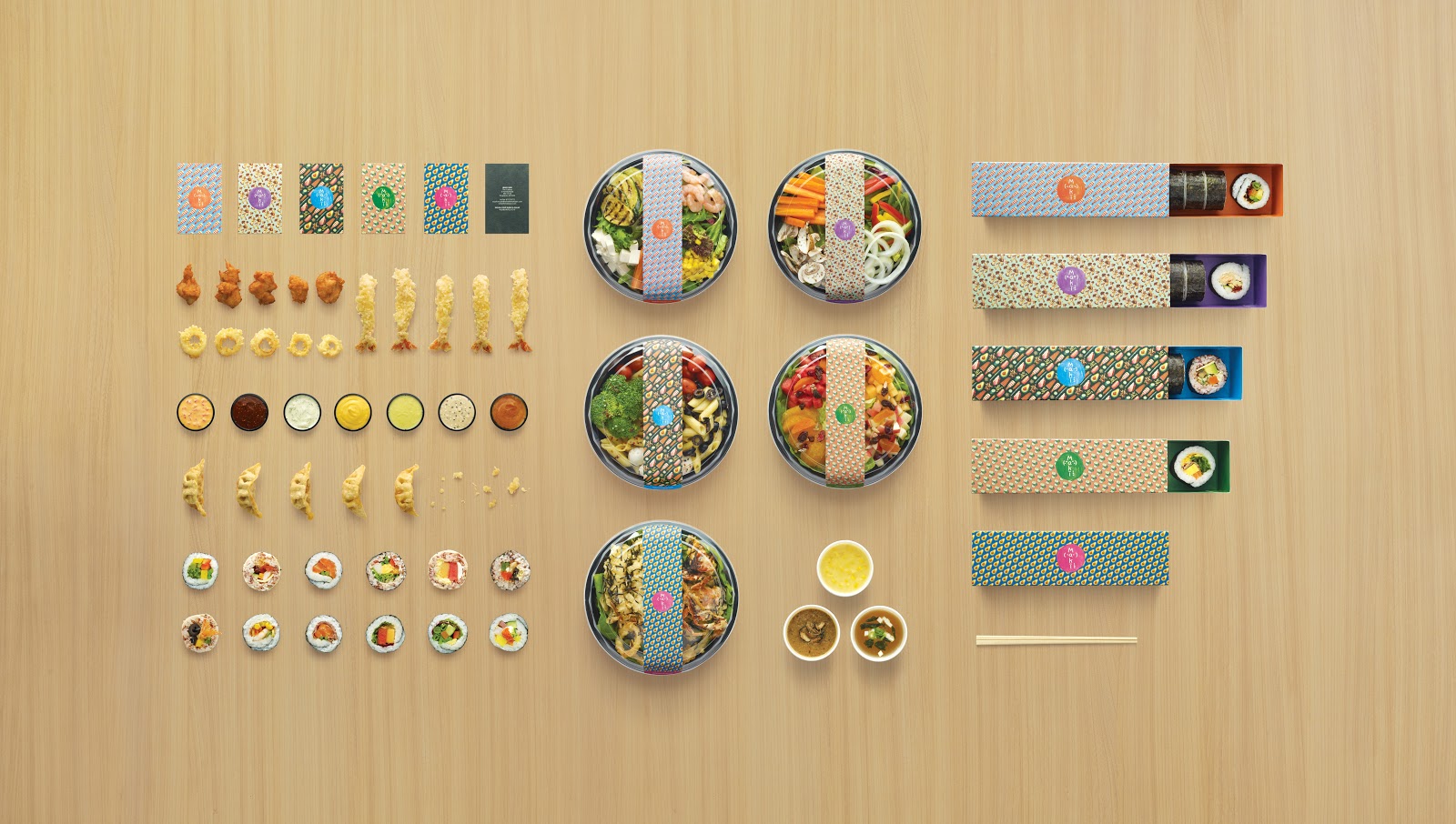
    Maki-san (“Mr/Ms Roll”), a Singaporean fast-food makizushi (rolled sushi) chain with 17 locations in its home country, is set to debut in Japan with an outlet in Osaka’s Shinsaibashi district in July.

    Maki-san has its own special take on the Japanese delicacy, saying it offers customisable sushi rolls and salad bowls including “a 60 per cent original Singaporean menu, 20 per cent original Japanese menu, and 20 per cent limited seasonal menu”. House specials are available for customers opting not to design their own sushi.

    Maki-san is also known for its cute posters and illustrations on social media.

  • Singtel posts record full-year profit

    Singtel posts record full-year profit

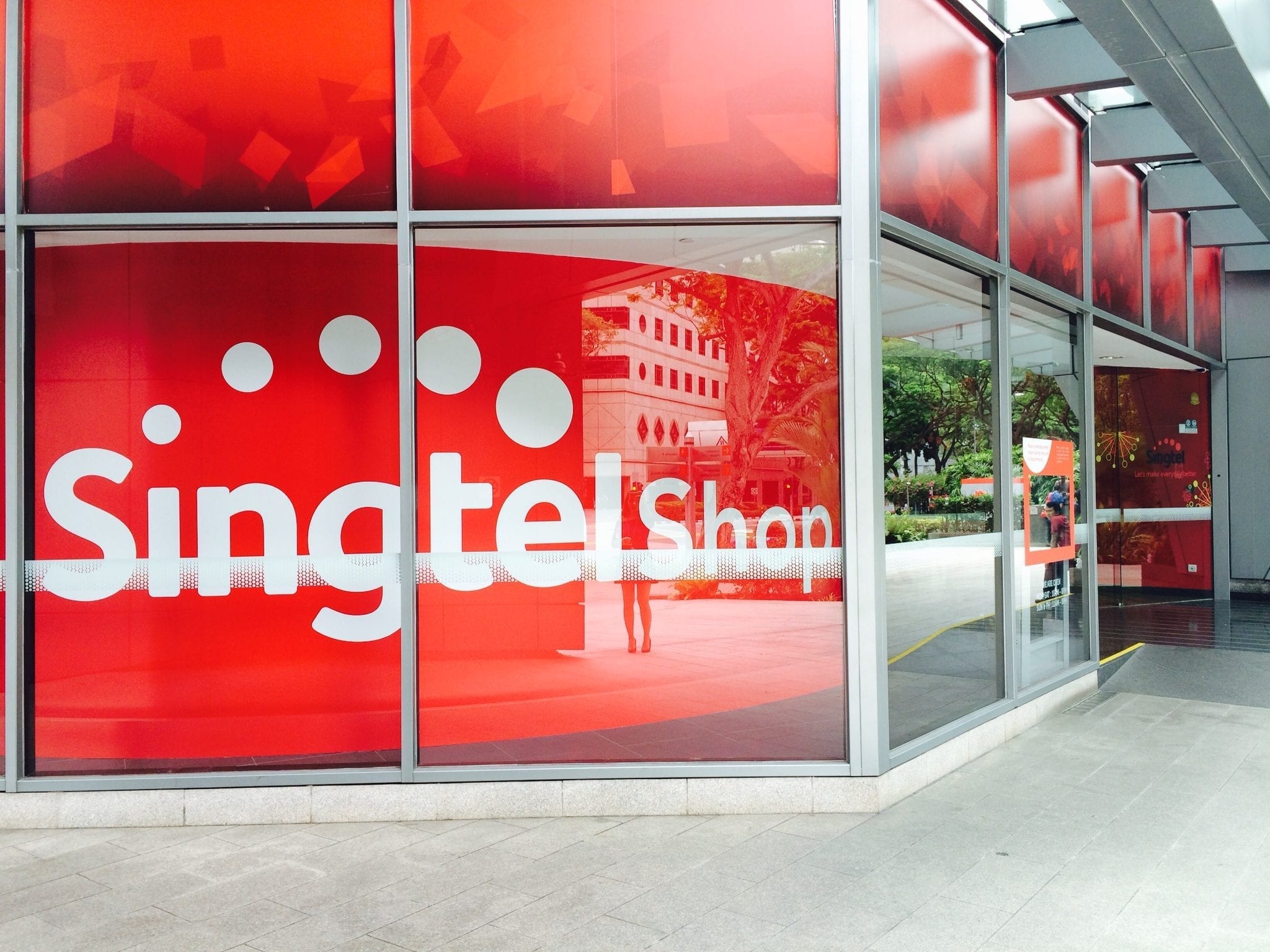
    Singtel has reported a record full-year profit of S$5.45 billion ($4.06 billion) for the 12 months ending in March, mostly as a result of the windfall the company received from the NetLink NBN Trust IPO last year.

    Singtel was required to divest 75% of its 100% stake in NetLink NBN Trust, the network company for Singapore’s next-generation national broadband network (NG-NBN), as a condition of the operator winning the tender for the NG-NBN project.

    NetLink NBN Trust completed an IPO that was more than two times oversubscribed in July, providing Singtel with a roughly S$2.3 billion windfall.

    Excluding this impact, underlying profit fell 8% as a result of a lower contribution from regional mobile associate Bharti Airtel and the lower economic interest in NetLink NBN Trust as a result of the divestment.

    Revenue for the year grew 5% to S$17.64 billion, driven by growth in mobile and fixed broadband customer numbers at Singtel’s wholly-owned Australian subsidiary Optus, as well as higher contributions from the group’s Digital Life division.

    Optus’ full-year revenue grew 3% as the company added 384,000 new mobile customers and 225,000 new NBN broadband customers.

    But Singtel’s share of pre-tax earnings from Singtel’s network of regional mobile associates fell 13.2% to S$2.3 billion due in part to the ongoing challenges faced by Bharti Airtel.

    For the current year, Optus is projecting a low single digit growth in consolidated revenue and flat ebitda. Dividends from Singtel’s network of regional associates are meanwhile expected to be around S$1.4 billion.

  • Luxury cosmetics brand Hera opens store in Singapore

    Luxury cosmetics brand Hera opens store in Singapore

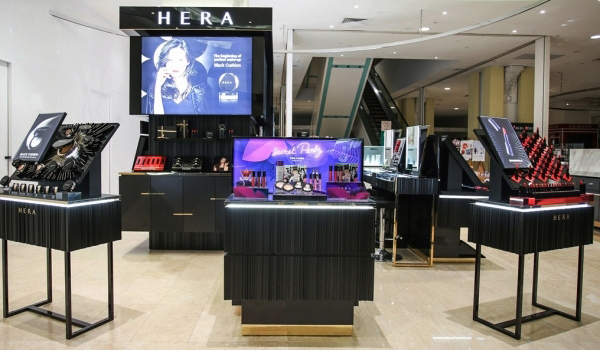
    Luxury beauty brand Hera under South Korea’s largest cosmetics conglomerate Amorepacific Group has opened its first store in Singapore that is expected to serve as the Korean beauty brand’s gateway to neighboring countries in Southeast Asia.

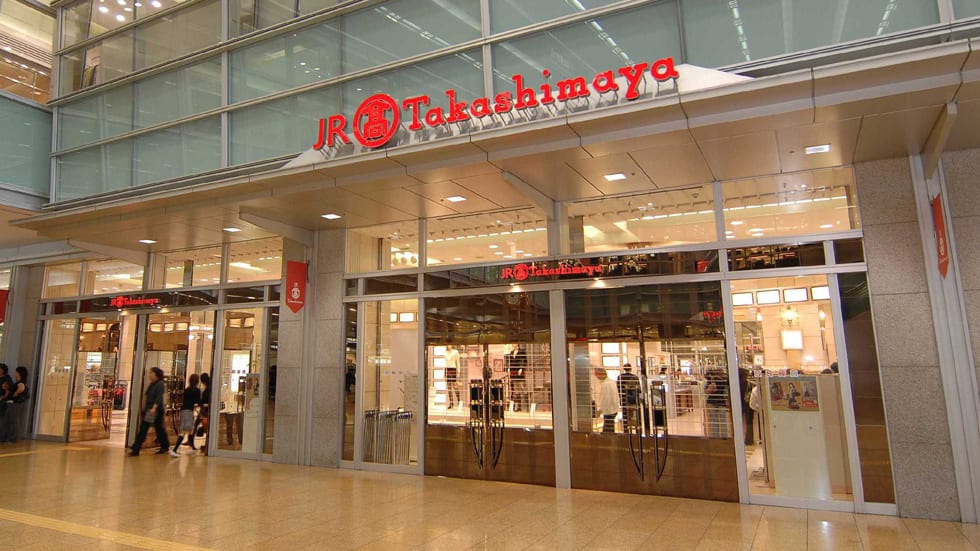
    According to Amorepacific on 11 May, Hera was officially launched in Singapore with the opening of its standalone boutique store inside Takashimaya Department Store.

    The move comes as luxury cosmetics brand Hera has been putting out efforts to expand its global business by entering into Association of Southeast Asian Nations (ASEAN) countries. Hera that entered China in 2016 plans to use Singapore as a bridgehead to venture into other markets in Southeast Asia.

    Hera expects the store in Singapore where hallyu, or Korean wave, is still catching on and consumers chase trendy lifestyle would help to accelerate its advance into other ASEAN markets.

    Amorepacific plans to mainly introduce skin care and beauty products that can help maintain fresh look against high humidity and temperature at its first store in the Southeast Asian country.

    In addition to the boutique store in Takashimaya Department Store, Hera plans to open a flagship store in the country before launching the brand in other neighboring countries.

    Amorepacific ventured into China immediately after Korea and China established diplomatic relations in 1992. The beauty powerhouse that has been seeking to drive the growth through overseas operations made a foray into Vietnam with its mid-tier Laneige brand in 2003 and now manages 20 direct outlets in the country.

    It also has been aggressively expanding its presence in other countries in Southeast Asia and the Middle East including Indonesia, Thailand, Singapore, and Dubai.

  • The Shilla Duty Free set to come off MAG in Changi as business improves

    The Shilla Duty Free set to come off MAG in Changi as business improves

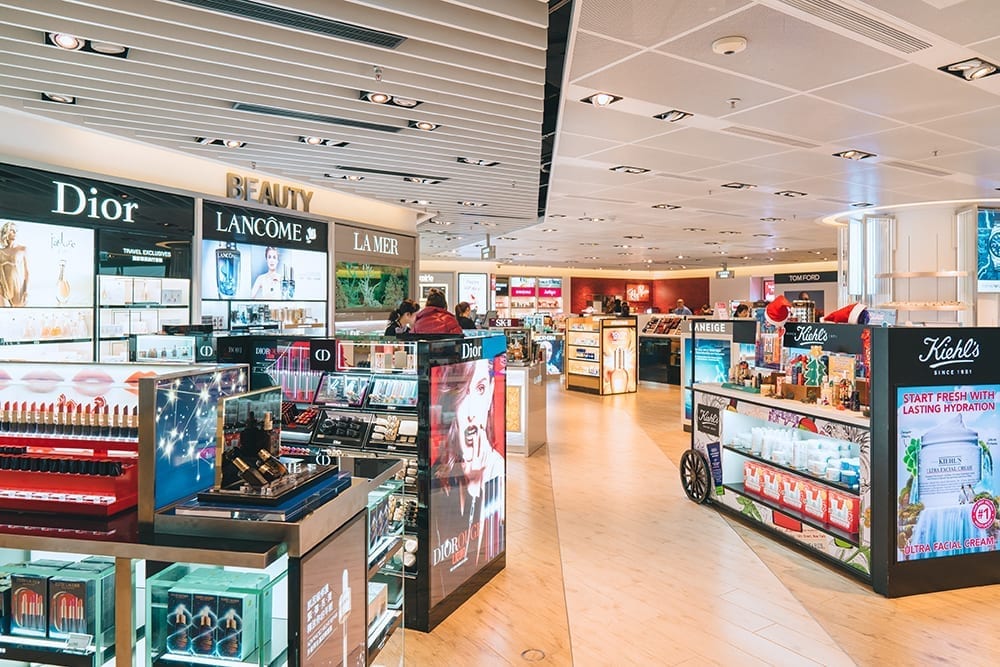
    The Shilla Duty Free’s burgeoning reputation as an Asian travel retail powerhouse in beauty is being underscored at Changi Airport, where the company expects this year to start contributing a percentage of revenues rather than the Minimum Annual Guarantee (MAG) it has been paying until now – a sure-fire indicator of improved business.

    “That means we have made a great improvement,” said Hotel Shilla President of Travel Retail Division Ingyu Han. Han said that Shilla has driven a much-improved passenger spend rate as well as implementing various operational improvements at its key Singaporean operation.

    Shilla was awarded the Changi perfumes & cosmetics concession ahead of red-hot competition in late 2013. Although it got off to a difficult and heavy loss-making start, business has improved substantially since. The victory – and learnings – laid the platform for further international expansion in ensuing years.

    That development included the beauty business at Macau International Airport in partnership with Sky Connection and, notably, the key beauty & accessories contract at Hong Kong International, which it won ahead of intense competition last year. Shilla will celebrate the Grand Opening of its multi-store network at Hong Kong International, where it trades as Beauty & You, on 28 June.

    Shilla is also the dominant beauty retailer at Incheon International Airport T1 and T2.

    As reported, Shilla posted outstanding results for the first quarter. Hotel Shilla’s travel retail division posted a +30 percent surge in revenues for the first quarter of 2018, to 1,013.7 billion won (US$950 million), while operating profit in the division surged by +182 percent year-on-year, hitting 47.6 billion won (US$44.5 million).

    The company’s airport duty free business delivered a +41 percent revenue rise, while in downtown duty free the increase was +22 percent.

    Regina Hahm Equity Analyst (Cosmetics, Household goods, DFS) at Mirae Asset Daewoo Research Center said: “The overseas duty free business delivered a strong performance in terms of both growth and profitability. Revenue surged +76 percent year on year, bolstered by more meaningful sales from the Hong Kong International Airport operation. Operating loss declined to 42 percent of the 1Q17 level with the help of efficiency gains in the Singapore Changi Airport operation.”

    Commenting on the wider results, Ms Hahm said, “The stellar results were attributable to strong growth and margin improvements across all businesses. The domestic duty free business (key to profits) posted record revenue of 771.5billion won (+19.6 percent year-on-year) and OP margin of 6.5 percent, the highest quarterly level since 3Q15. We believe the main drivers were: 1) the stabilization of travel agent commissions (which became unduly high due to intensified competition); and 2) cost efficiency gains resulting from the company’s enhanced merchandising capabilities.”