Tag: Singapore

  • Singapore retail sales still lacklustre in April

    Singapore retail sales still lacklustre in April

    Retail sales continued its lacklustre streak in April, ticking up marginally by 0.4 per cent compared to a year ago, dragged down by a sharp dip in computer and telecommunications equipment.

    This followed March’s 1.1 per cent drop in retail sales.

    Excluding motor vehicle sales, retail takings inched up 0.7 per cent in April, according to Singapore Department of Statistics data released on Tuesday.

    Performance among the retail industries was a mixed bag, with the largest decline seen in computer and telecommunications equipment (-9.8 per cent), followed by apparel and footwear (-3.4 per cent), supermarkets and hypermarkets (-2.3 per cent), and department stores (-1.7 per cent).

    The top performer in April was petrol service stations, which reported a sales growth of 8.5 per cent, due partly to higher petrol prices.

    On a month-on-month basis, seasonally-adjusted retail sales fared even worse, decreasing by 0.2 per cent in April. Excluding motor vehicles, retail sales declined 1.7 per cent.

    The total retail sales value in April 2018 was estimated at S$3.6 billion, of which online sales accounted for about 4.4 per cent.

    The food and beverage services index was also awash in red in April, dipping 1.2 per cent compared to a year ago. On a month-on-month basis, it fell by 3.4 per cent.

    The total sales value of food and beverage services in April 2018 was estimated at S$662 million, lower than the S$670 million in April 2017.

  • Bag collection by Jason Wu GREY, Sometime by Asian Designers, and ZALORA

    Bag collection by Jason Wu GREY, Sometime by Asian Designers, and ZALORA

    Zalora has been working towards the creation of exclusive collections to provide its customers with a unique experience. Zalora holds its own fashion labels, values local designers and culture in the markets, where it operates, and recently launched its first international collaboration.

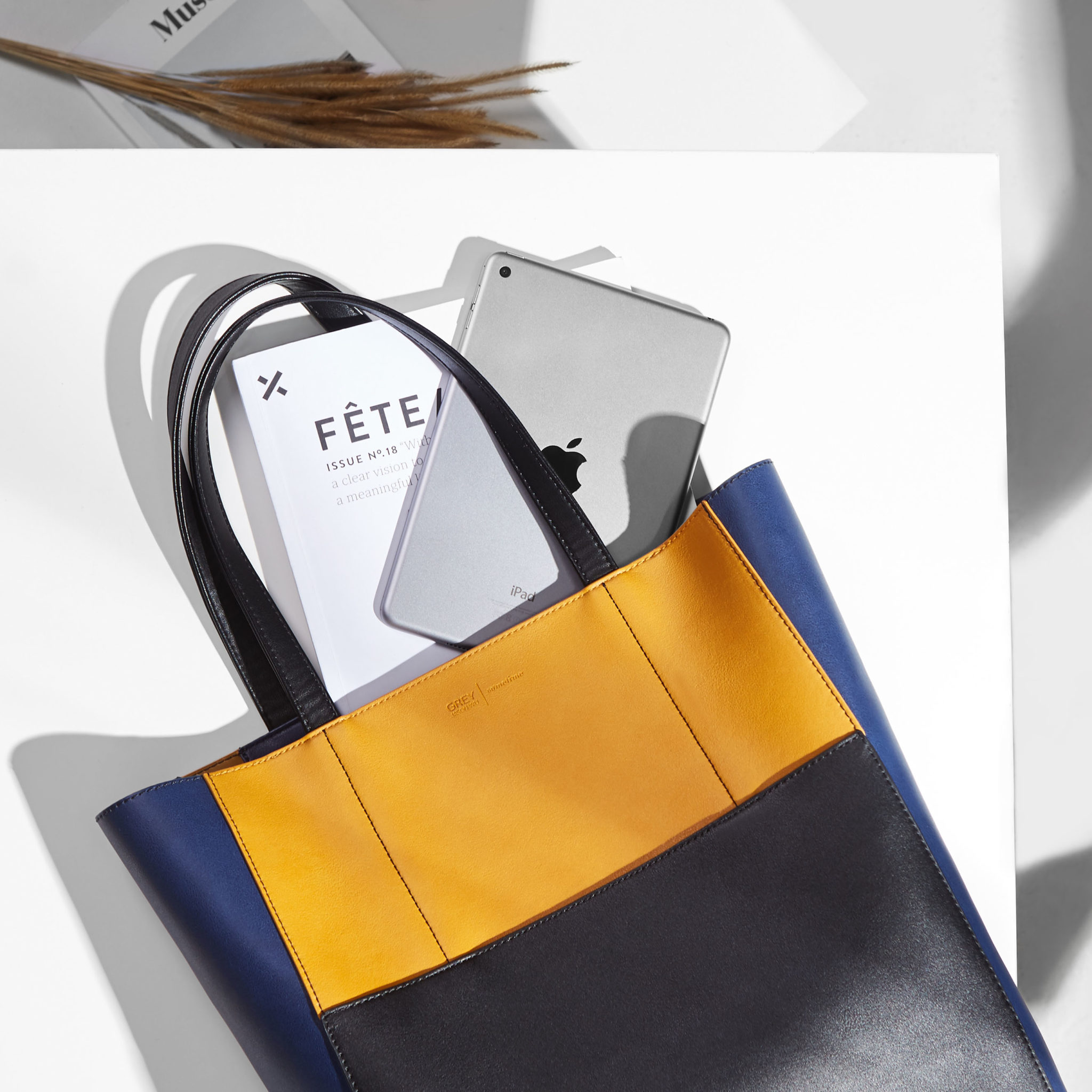
    ZALORA has launched the exclusive Jason Wu GREY x Sometime by Asian Designers Edie tote bag on 4th June 2018.

    Available only via the fashion ecommerce platform in Malaysia, Singapore, Indonesia, Taiwan, Hong Kong, and the Philippines, it is the first international designer collaboration by ZALORA and Sometime by Asian Designers.

    Designed with practicality in mind, the Edie is crafted vertically with three additional compartments. It closes up with a concealed magnetic hardware, ensuring accessibility and convenience. The tote comes in two sizes and is available in six colours ranging from Slipper, Soft Pink, Creme, Orange, Mustard, and Ultramarine. The Edie tote in Ultramarine , will be exclusive to Taiwan to honour Jason Wu’s birthplace.

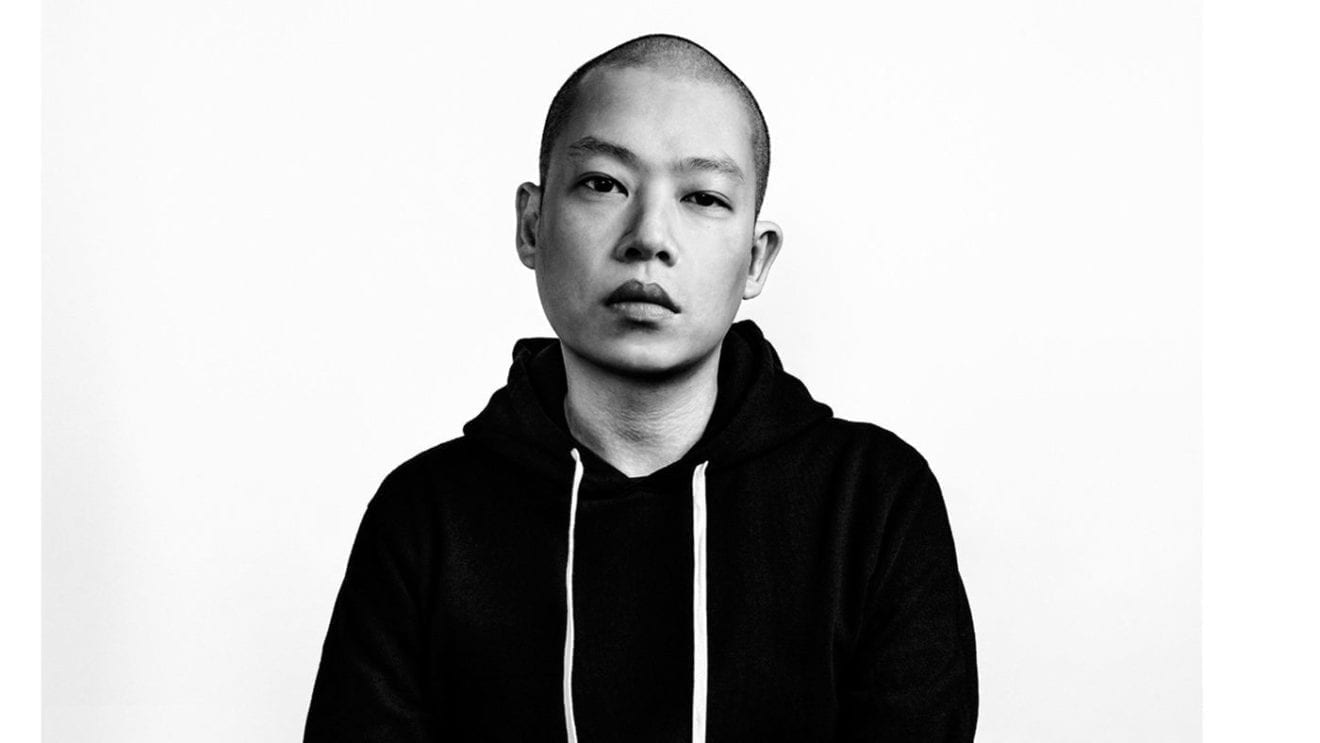
    Jason Wu, who is based in New York, cites the bag’s bold colour block details as reflections of Josef Albers’ square paintings. “The inspiration for the Edie tote comes from my love of mid-century art and architecture,” he said. Pairing the old and the new, he also said that the modern silhouette of the bag truly reflects the timeless sensibility of the collection.

    Bringing the design to life, Sometime’s Head of Product, Nicole W. said that, “Jason Wu is an extraordinary burst of creative energy in the fashion industry. It was our job to make sure that his design continues to inspire bag lovers and at the same time, for our clientele to own exceptional quality bags”.

    In a private dinner held in Malaysia to announce the collaboration recently, Wu shared his goals to engage with more collaborations in his home, the Asia-Pacific region. He hopes to help fellow Asian fashion designers and fashion companies to come into prominence. “I agreed on this project on so many levels. I love collaborations, and I’ve done many in my career. With this, it’s not just about Jason Wu GREY, Sometime by Asian Designers, and ZALORA. Everyone knows we know how to buy, but what they need to know is we also know how to make. That is something I am proud to share with the world. It’s very impressive, and that is my goal,” says Wu.

    Commenting on its first regional collaboration with an international designer, Nicole W. added that, “The brand speaks on celebrating the magic of Asian designers and the launch of Edie truly reflects what we advocate. We are honoured to have Jason Wu on board and there is no better partner than ZALORA to help spearhead our expansion into new markets, making everyone a style icon in their own rights!”

    Saskia de Jongh, ZALORA’s Chief Commercial Officer added, “This collaboration is a milestone for ZALORA, Sometime and Jason Wu, as we worked together to offer consumers in the region a product that celebrates Asian creativity and innovation.

    Supporting the region’s fashion industry has always been a key focus for us at ZALORA, and we see this collaboration as another exciting opportunity to enable our partners to access a much wider audience in the region through our innovative platform and expansive logistics network. It’s also a great opportunity for us to excite fashion customers in Asia with sought after fashion products available exclusively to them.”

  • DHL breaks ground on new Americas innovation centre

    DHL breaks ground on new Americas innovation centre

    DHL will extend its network of technological showcase centres to North America in summer next year when it opens its third Innovation Center in Chicago.

    Like the existing DHL Innovation Centers in Troisdorf, Germany, and Singapore, the Americas Innovation Center will house DHL’s logistic innovations and robotics.

    It will offer customers and partners a peek into what the world and its transport infrastructure might look like in 2050, as well as the latest technology trends in robotics and automation, artificial intelligence, self-driving vehicles, the Internet of Things, and virtual reality.

    The 24,000sq ft space can host events for up to 300 guests.

    DHL’s  global head of innovation and commercial development, Matthias Heutger, said: “We aim to support strategic customer engagement that has the potential to create new business and leverage thought leadership to explore the different ways in which technological development can benefit DHL and our customers in the future.

    “Our new Americas Innovation Center – in close proximity to some of the world’s most dynamic technology and innovation hubs – will help us to shape the future of logistics.”

    DHL Supply Chain, the contract logistics specialist within Deutsche Post DHL Group, has used augmented reality technology in warehouses, with smart glasses that provide visual displays of order picking instructions and item locations to boost productivity by 15% in trials.

    In addition, it has deployed drones with surveillance cameras to ramp up security at warehousing sites in Brazil and Mexico.

    It also uses collaborative robots designed to help with repetitive and precise tasks, such as picking and packing, in a number of its North American warehouses.

    DHL Global Forwarding also uses virtual reality and artificial intelligence in countries like the US and Chile for employee training programs and to optimise customer service.

  • MCM Opens First Southeast Asia MCM HAUS at Paragon

    MCM Opens First Southeast Asia MCM HAUS at Paragon

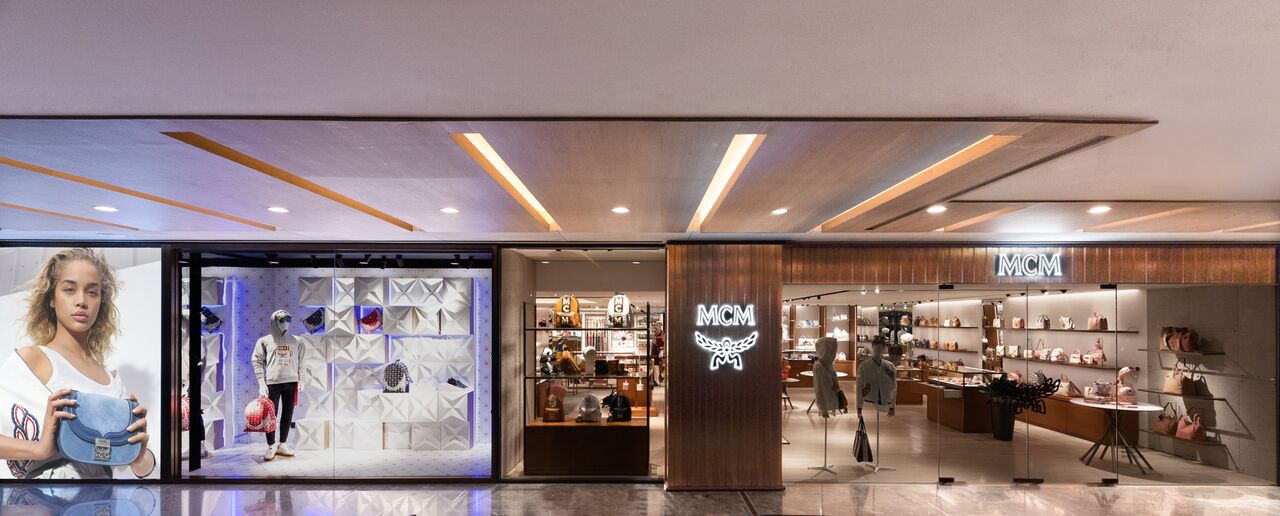
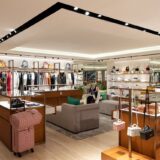
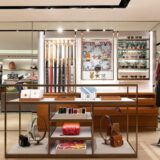
    German luxury brand MCM is pleased to announce the opening of its first Southeast Asia MCM HAUS in Paragon on 12 May 2018. The 2,160 sq. ft. store offers a full range of products including leather goods, ready-to-wear apparel as well as shoes and accessories. Located in the heart of Singapore’s main shopping belt on Orchard Road, the second boutique in Singapore will invite a wider range of shoppers to experience MCM’s bold, irreverent and aspirational world.

    Always on the pulse of the new in art, music, technology and travel, MCM centers on revolutionizing classic design with futuristic materials, translating its DNA into its product offerings and store experience.

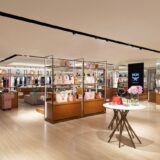
    The new MCM HAUS elevates the brand’s existing contemporary luxury design concept and introduces new materials such as honed travertine stone flooring, brushed brass metal fixtures and display tables with genuine marble tops. An effective lighting system harmonizes the color tones and finishes of the store’s interior and range of products. A large seating area provides a warm welcome and comfort to customers, enhancing their shopping experience. Drawing on Singapore’s status as a Garden City, natural plants and exotic flowers spruce up various parts of the store.

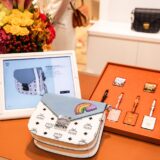
    The brand’s Made-to-Order Patricia service is also available exclusively for the first time in Southeast Asia at MCM HAUS. The service allows customers to design their exclusive piece of the Patricia bag by mix-and-matching patterns and materials on the brand’s new interactive digital application. Revived from the MCM Green Book archives, the Patricia bag takes inspiration from the classic MCM ‘Patty’ bag, and continues to be a timeless iconic purse for women today.

    The Made-to-Order Patricia is available in 2 material options including the brand’s classic Visetos and Park Avenue calf leather, each available in 5 colours.  A range of seasonal details, as well as a variety of sticker options in embroidery and crystal is also available. To add a personal touch, consumers can monogram up to four initials on the tag of their new creation. Every made-to-order Patricia will be marked with its unique MCM certification.

    See the stores interior below (7 images) :

    See Made-To-Order Patricia product below (4 images) :

  • Foot Locker is opening in Singapore

    Foot Locker is opening in Singapore


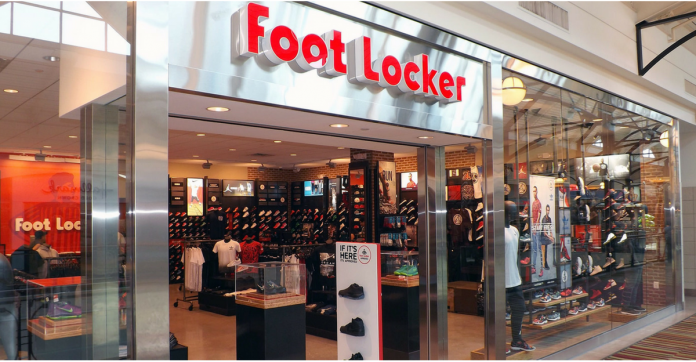
    Freshly renovated, Century Square Mall in Tampines will house the first Foot Locker Singapore store.

    This follows the opening of the first JD Store at Jurong Point, with a second to open at Ion Orchard next month.
    From the US, Foot Locker provides apparel and footwear, including limited-edition shoes from such athletic brands as Adidas and Nike. Its Singapore store is part of the company’s efforts to open 40 more Foot Locker outlets worldwide. However, it is closing about 110 stores this year.

    Century Square mall officially re-opened last week after a nine-month revamp. Its new-tenant line-up also includes home-grown fashion label M)phosis.

  • Chloé opens first global pop-up concept in Singapore

    Chloé opens first global pop-up concept in Singapore

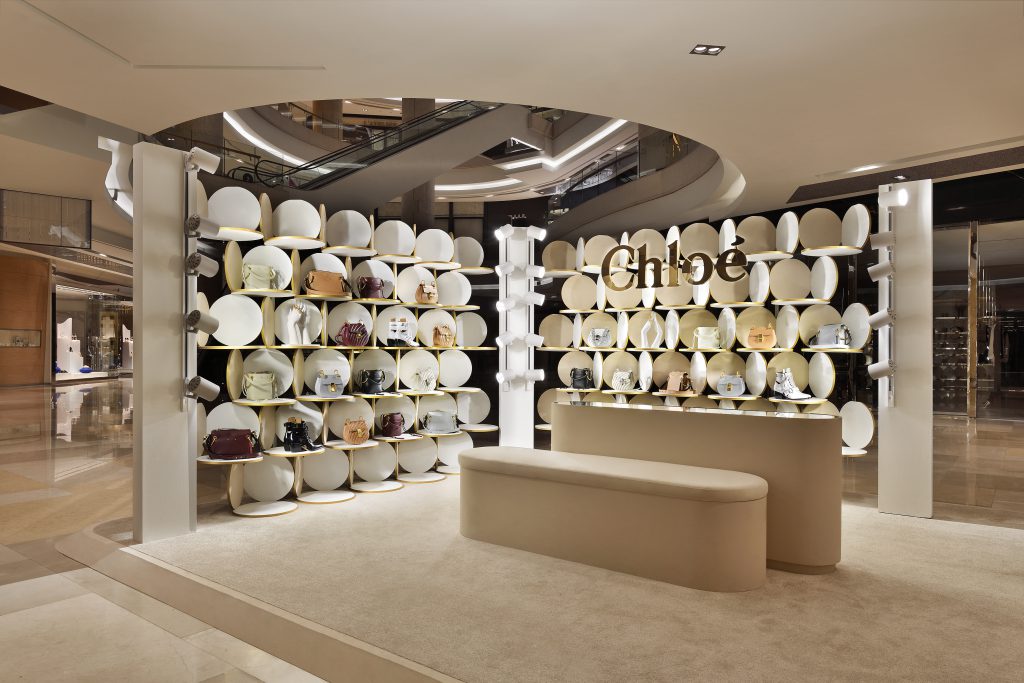
    French luxury fashion house Chloe has opened its first-ever pop-up concept in Singapore.

    At Ion Orchard’s atrium, the store curates 20 exclusive Chloe products ranging from the classic Drew Bijou and Roy bags to dainty small leather goods and even sunglasses.

    The space is fashioned in the Chloe girl cool-yet-feminine signature aesthetic: whites, powdery beige rose and natural brass. Pop-up exclusive items are displayed on a wave structure of spheres.

    The pop-up will be open until June 30.

    Check the gallery of some collections displayed (4 images) :

  • Founder Bak Kut Teh lands in Vietnam

    Founder Bak Kut Teh lands in Vietnam

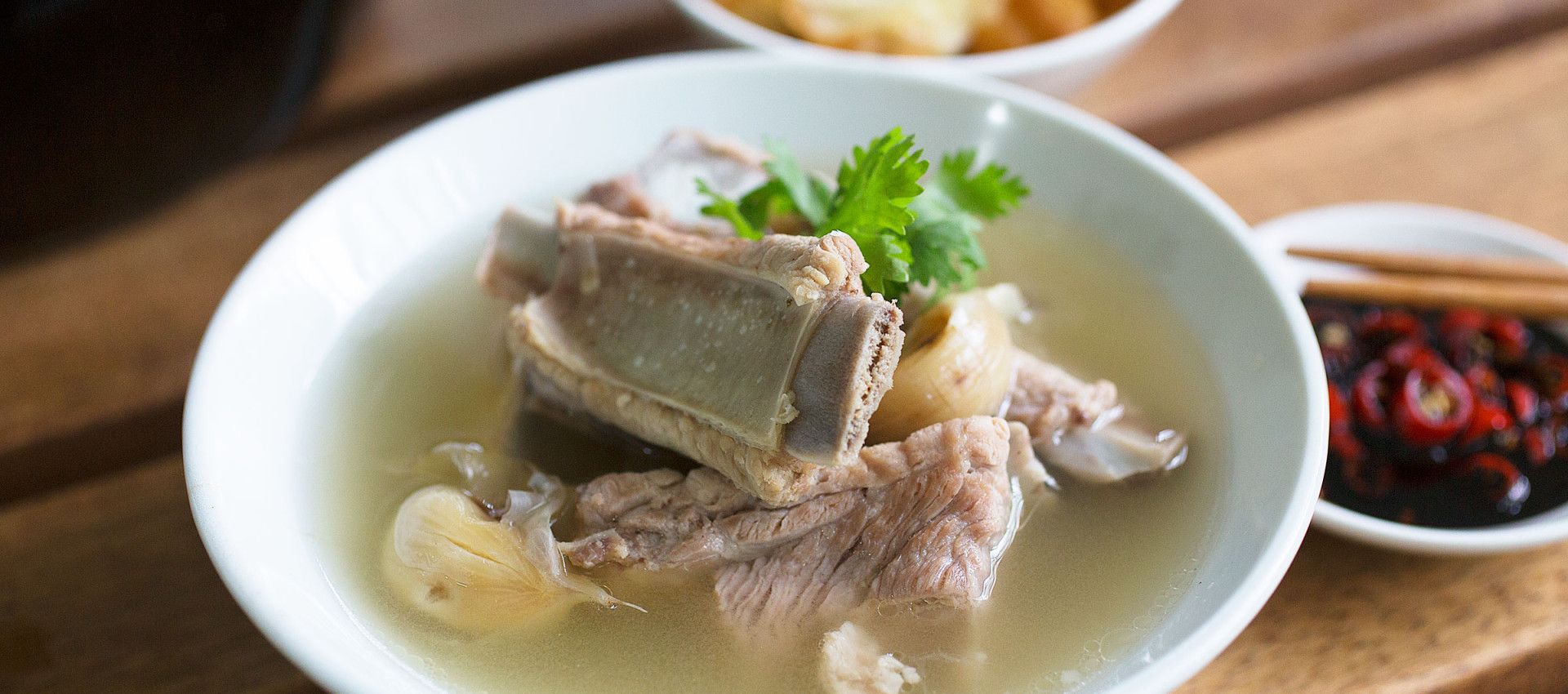
    Singapore’s pork ribs restaurant chain Founder Bak Kut Teh has opened its first outlet in Vietnam.

    Located on the ground floor of Ho Chi Minh City’s RomeA shopping centre in District 3, Founder Bak Kut Teh Vietnam offers the original Singapore menu.

    The brand’s founder Chua Chwee Whatt visited Vietnam for the grand opening and personally prepared the dishes for diners.

    Established in 1978, Founder Bak Kut Teh has two branches in Singapore and one in Jakarta, Indonesia.

    The brand launched in Vietnam under a franchise agreement with local Foodjoy company.

  • Pop by the Burberry Conservatory Pop-Up at Marina Bay Sands

    Pop by the Burberry Conservatory Pop-Up at Marina Bay Sands

    Following Dubai and Seoul, the next stop on the Burberry Conservatory pop-up world tour is Singapore.

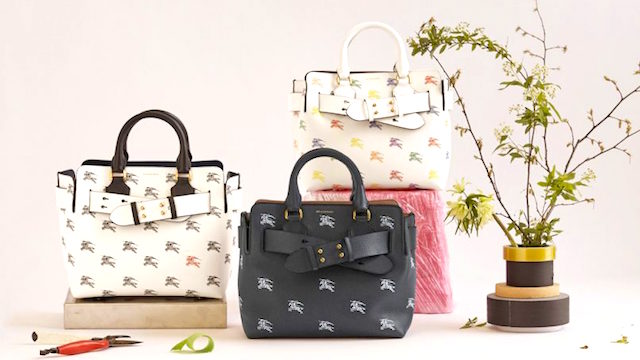
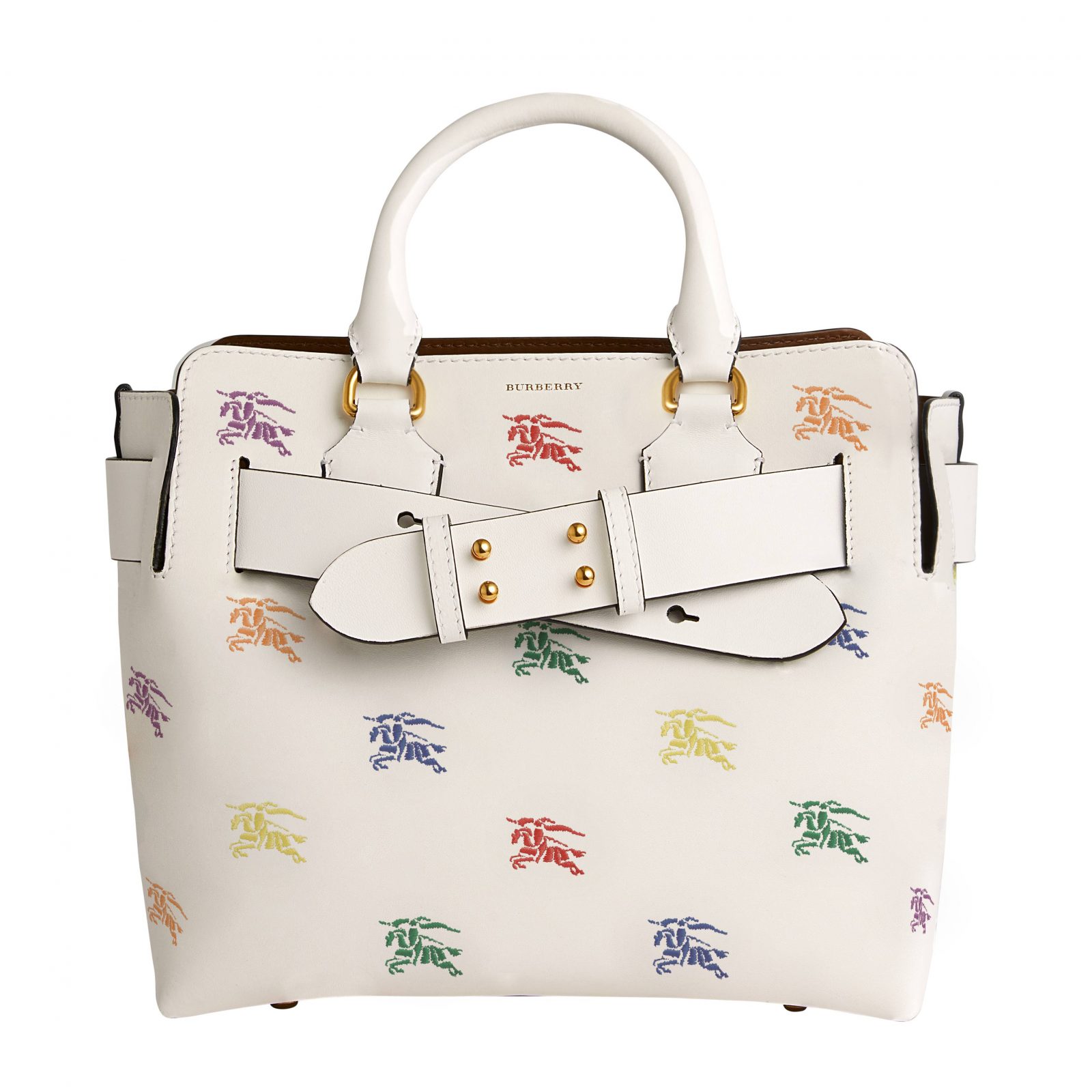
    The headline star for the pop-up is a tote known as the Belt Bag, which made its debut at Burberry’s February show in London.

    Modelled after quintessentially English greenhouses, the space will offer exclusive Belt models, namely limited editions in medium and small sizes sewn with rainbow belt detailing and equestrian knight embroidery. For customisation, a sample of exclusive belts with rainbow and grommet details will be available, bolstered by the brand’s now-signature monogram service.

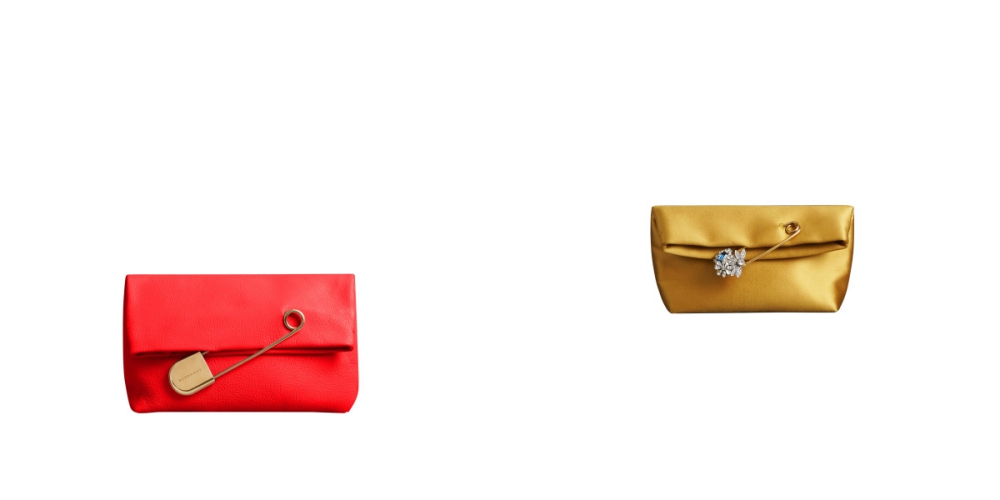
    Another model will be the Pin clutch with four colourways in leather.

    Open from June 21 to July 8, the Burberry Conservatory will be open at The Shoppes at Marina Bay Sands.

  • DHL Express partners blu for parcel pickup service

    DHL Express partners blu for parcel pickup service

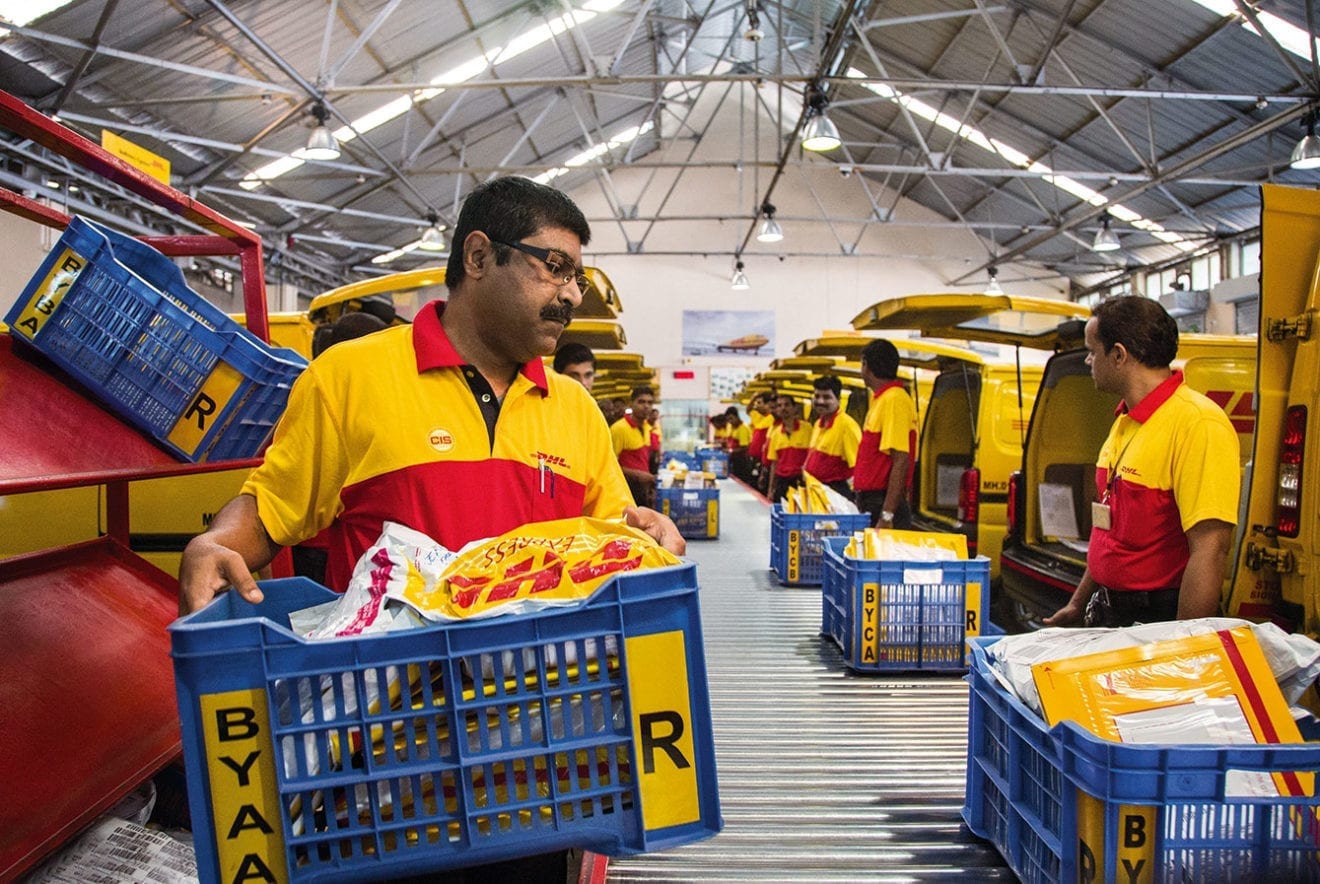
    DHL Express and Singapore-based retail logistics company blu have partnered to offer all DHL Express customers the option to directly collect their shipments from DHL Service Points, which include blu’s island wide network of over 55 bluPort Parcel Terminals in Singapore.

    Provided at no additional cost, this service is now officially available island wide, and aims to offer greater flexibility and convenience to recipients of home-bound parcels.

    Under this partnership, DHL customers have the flexibility to direct their residential-bound parcels to a bluPort Terminal or any other DHL Service Point for collection at their convenience. Recipients will receive an email or SMS with a link to the DHL Express On Demand Delivery platform when their parcels are picked up in the origin country. They can manage their delivery options on this platform and request for their parcels to be directed to a bluPort Terminal.

    When shoppers select the option to collect parcels from DHL Service Points, the parcels bound for bluPorts are handed over to blu. blu is responsible for managing same-day delivery into the respective bluPorts. Following this, SMS notifications are sent to the parcel recipients to inform them of their personalized bluCode as well as collection expiry time. Shoppers will have 48 hours to collect their parcels from the bluPorts, with an automatic extension of 24 hours thereafter, if the parcel remains uncollected.

    “The rise of e-commerce has established new shopping habits and expectations, as with the speed and convenience of parcel delivery. Singapore is no exception – especially as the country pushes to grow e-commerce receipts significantly by 2020. Through this partnership with blu, we hope to give our customers the freedom to choose where and when they receive their parcels. We will continue to enhance such options by expanding our network with trusted partners like blu, and innovating our service and offerings.” said Lyndon Morgan, Vice President of Operations, DHL Express Singapore.

    “Our partnership with DHL Express further reaffirms the shift towards a seamless shopping experience for today’s shoppers, many of whom are time strapped and simply cannot afford the luxury of time to wait for a parcel to arrive,” said Mr Prashant Dadlani, founder of blu. “We look forward to growing blu’s network of bluPorts further together with DHL Express as a trusted partner.”

    blu’s network of bluPorts has been in operation since October 2016, offering the first same day self-collection option in Singapore. blu’s partnership with DHL Express aims to eliminate the frustration and unpredictability of waiting times for the arrival of many more parcels, putting the consumers in greater control of their inbound parcels.

  • Most SE Asian stocks gain; Singapore, Indonesia up nearly 1 percent

    Most SE Asian stocks gain; Singapore, Indonesia up nearly 1 percent

    Most Southeast Asian stock markets rose on Monday, with Singapore gaining nearly 1 percent as upbeat sentiment following positive U.S. jobs data pushed global equities higher.

    Asia ex-Japan shares rose 1 percent to their highest level since May 17.

    Data on Friday showed that U.S. job growth accelerated in May and unemployment rate dropped to an 18-year low.

    “We are following the bullish sentiment on Friday on U.S. after job data,” said Linus Loo, Head of research at Lim & Tan Securities.

    “Because we (South-east Asia) are export-driven, especially Singapore, we tend to track the U.S.,” he added.

    Singapore shares rose 0.9 percent in early trade. Financials drove gains, as heavyweights DBS Group Holdings and Oversea-Chinese Banking Corp gained 1.2 percent each.

    Indonesian shares rose 0.8 percent led by financials and telecommunication stocks.

    Indonesia’s annual inflation rate in May was 3.41 percent, slightly below the median forecast of 3.28 percent in a Reuters poll, data from the statistics bureau showed on Monday.

    An index of the country’s 45 most liquid stocks rose about 1.3 percent.

    Vietnam stocks rose as much as 0.9 percent, as materials and industrials extended gains from last week. Vietjet Aviation climbed nearly 7 percent while Vietcombank rose as much as 2.5 percent.

    Meanwhile, Philippine shares fell 0.9 percent, dragged lower by industrial on caution ahead of inflation data due on Tuesday.

    Philippine inflation likely accelerated for the fifth straight month in May, a Reuterspoll showed, but analysts were divided over when the central bank will again raise interest rates.

    Aboitiz Equity Ventures slumped 3.8 percent while SM Investments Corp fell 2.7 percent.

    Malaysian and Thai shares were largely unchanged in early trade.

  • Don Don Donki opening second outlet in Singapore on June 14

    Don Don Donki opening second outlet in Singapore on June 14

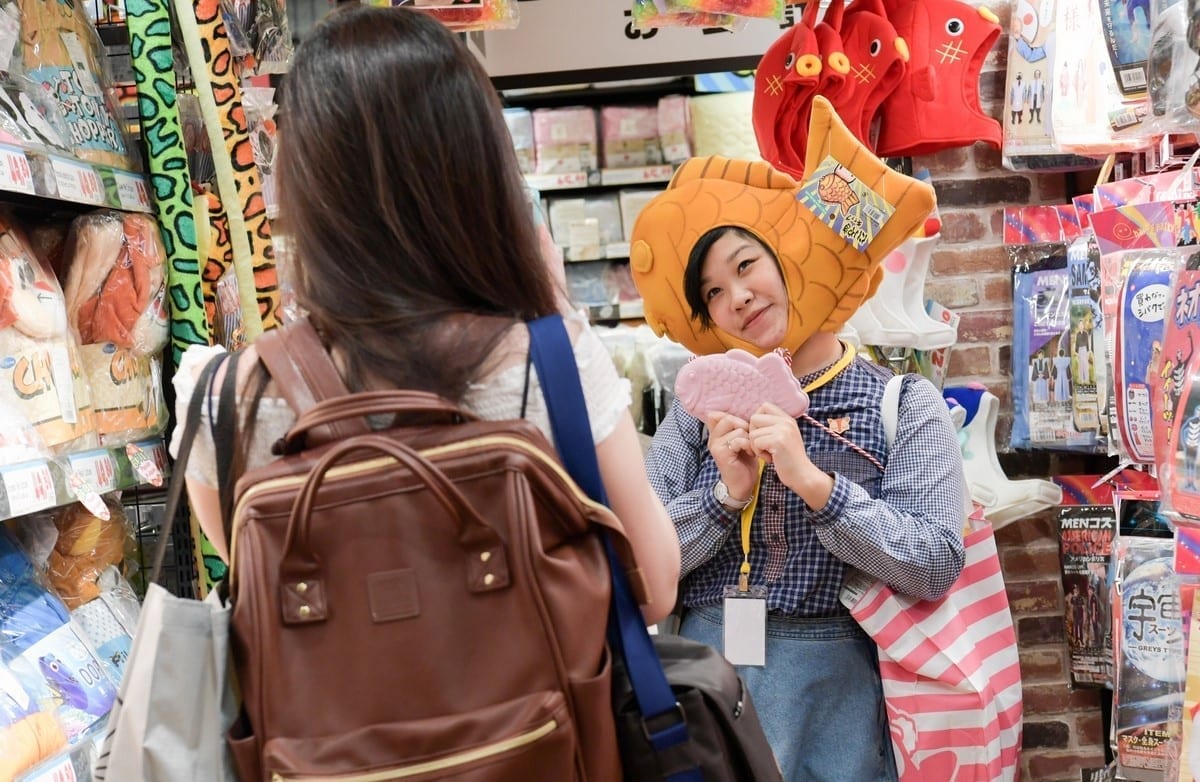
    Japanese discount retailer Don Don Donki will open its second Singapore store next week at Tanjong Pagar’s 100AM mall.

    Don Don Donki’s product range of about 30,000 items was curated for Singapore and spans fresh and processed foods, vegetables, meat, sushi, groceries, beverages, costumes, clothing, cosmetics, novelty goods and household items. A third of the product selection is from Hokkaido.

    The first store opened in the Orchard Central shopping centre last December and the company plans at least 10 stores in Singapore within five years.

    The new store is spread over two levels of the 100AM mall.

    Better known by its nickname Donki, the retailer was founded by Japanese businessman Takao Yasuda in 1978 and is owned by the Don Quijote Group. Its stores in Singapore are run by Pan Pacific International Holdings, its holding company for overseas business.

    While the stores in Japan are called Don Quijote, its Singapore branch name has been changed to avoid confusion with a local Spanish restaurant of the same name. The term “Don Don Donki” was taken from the store’s theme song.

    “The idea to have Don Don Donki in Singapore was suggested by Hokkaido Marche,” said Yasuda, 68, who “semi-retired” a couple of years ago and moved to Singapore. “When I came here, I realised products in Singapore are very expensive, and in Japan I’m known as the king of discounts.

    “What costs one dollar in Japan is sometimes two or three dollars here.”

    So when he was approached by Hokkaido Marche to partner and open its concepts in Singapore, he agreed immediately.

    With 368 stores in Japan, Hawaii and the US, the brand achieved nearly ¥828.8 billion (US$7.3 billion) in sales last fiscal year.

  • Old Chang Kee Is Now Open in London’s Covent Garden

    Old Chang Kee Is Now Open in London’s Covent Garden

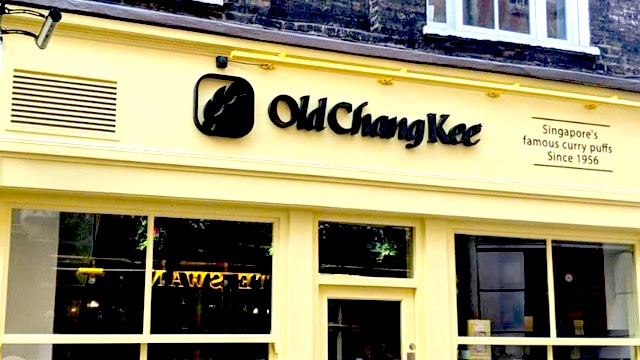
    Singaporean food brand Old Chang Kee has opened its first British outpost – in London’s Covent Garden.

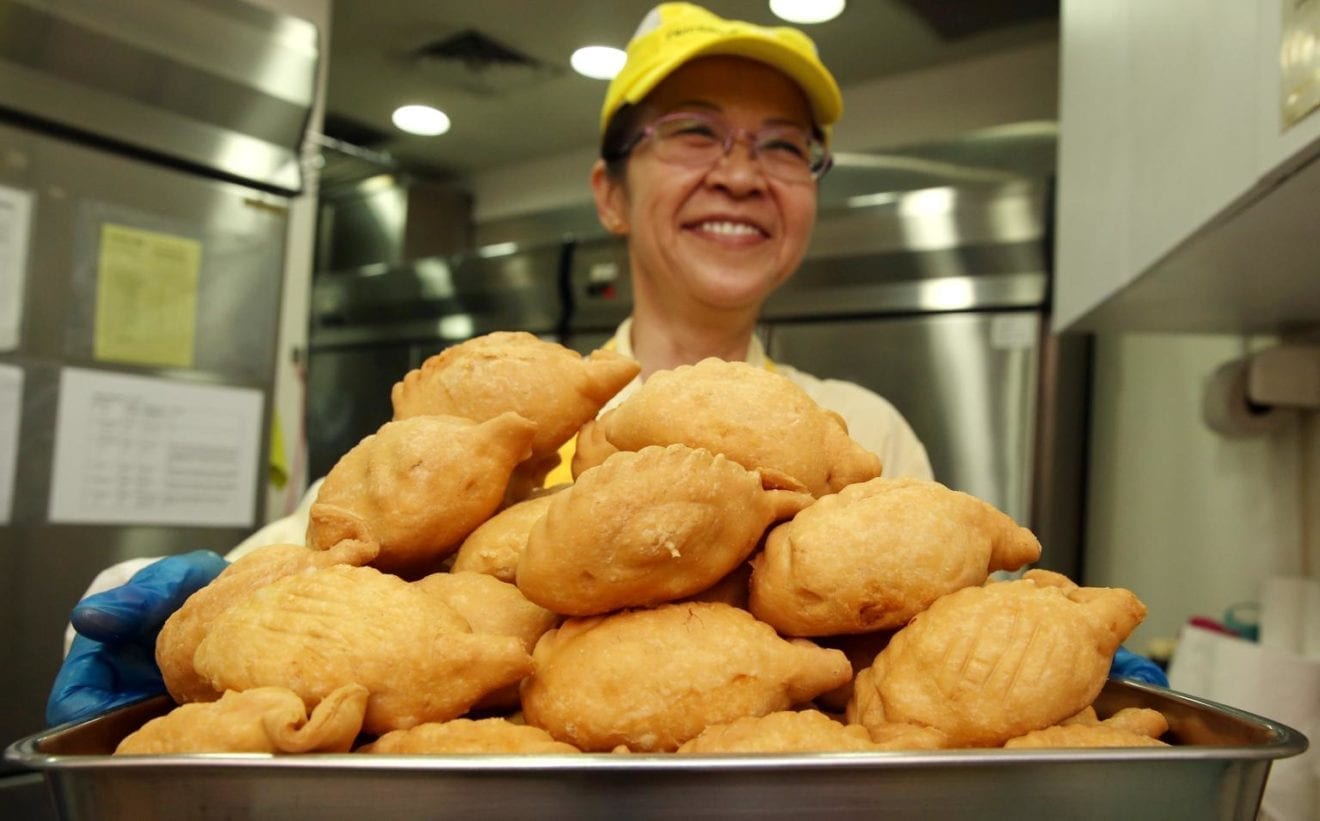
    Old Chang Kee has more than 100 outlets across Singapore, Malaysia, Indonesia and Australia. It made its first curry puff in 1956 and now sells more than 1.5 million of them a month worldwide. When Old Chang Kee ran a pop-up in Kentish Town in northwest London last year, its curry puffs sold out in four hours.

    The brand’s entrance to Britain is a JV between the chain and Sandra Leong, a Singaporean who has been living in London for seven years.

    Menu highlights include the signature curry puff, curry potato puff, and creamy chicken and mushroom puff. Seasonal favourites include the Singapore chilli-crab puff and black-pepper tuna puff. There is also Singapore chicken curry, a mixed-vegetable curry and nasi lemak as well as laksa.

    “The curry puff is Singapore’s version of the Cornish pasty,” says Leong, who is director of Old Chang Kee UK.

    In conjunction with the official opening of Old Chang Kee in London, the brand has launched a six-day Curry’O promotion in Singapore from today.

  • OCBC BANK Is First Singapore Bank To Let You Open Account Digitally

    OCBC BANK Is First Singapore Bank To Let You Open Account Digitally

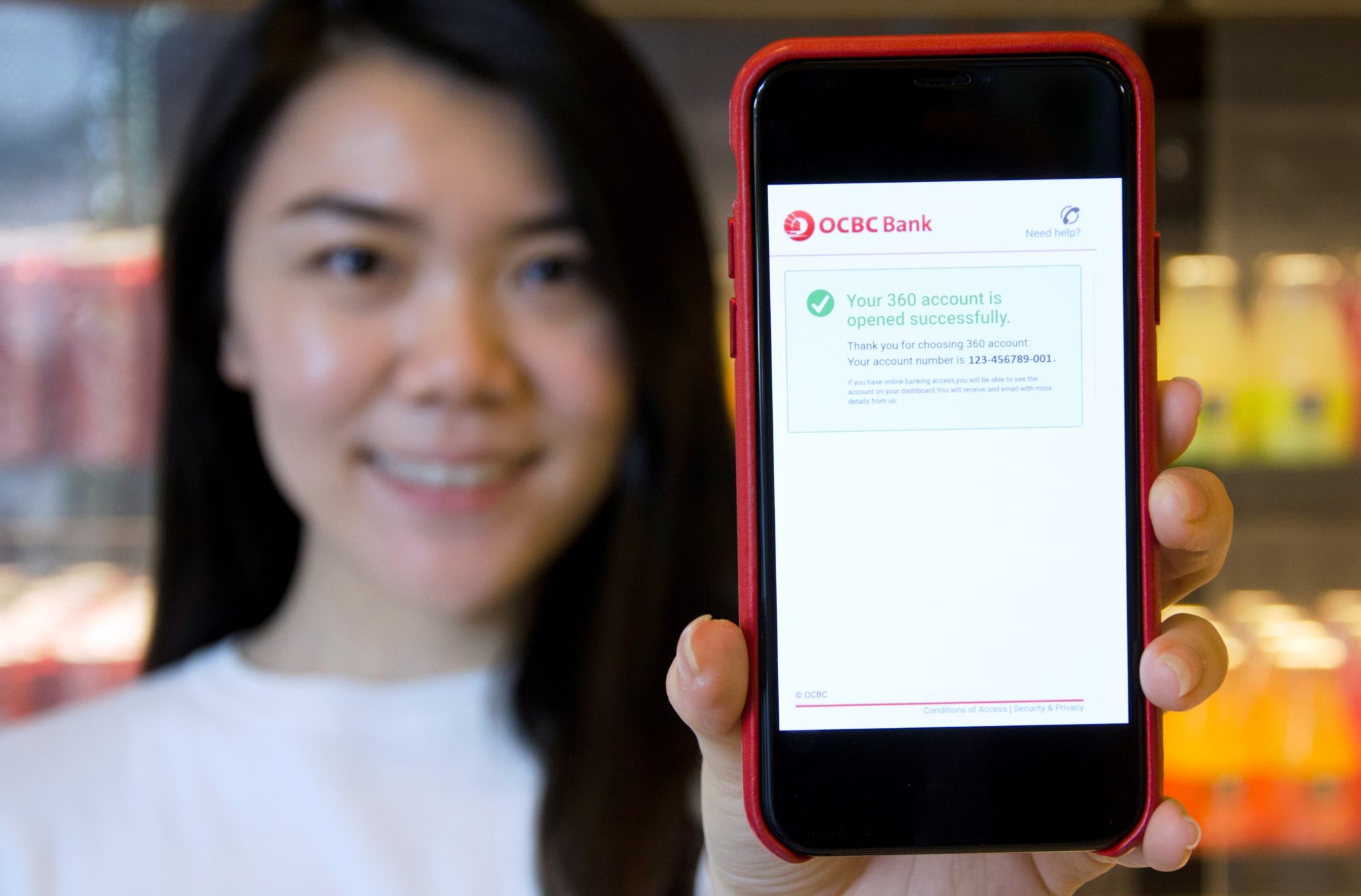
    OCBC Bank is the first Singapore bank to roll out a digital instant account-opening service for all customers who are Singaporeans or permanent residents. Even if you do not currently have any relationship with OCBC Bank, you can leverage national data repository MyInfo and – for the first time – OCBC Bank’s real-time, digital KYC process (e-KYC) to open an OCBC 360 Account using your mobile device or desktop. It all takes less than five minutes via the bank’s website, with no need to visit a bank branch or provide documents. Verification and authentication happens in real time; once this is completed, you get a new account number within seconds of a successful application. You can start using the account right away for functions like electronic transfers, rather than having to wait a few days for application approval.

    There are two main processes involved in OCBC Bank’s digital instant account opening. The first is submitting an application, which is made fussfree thanks to MyInfo, the digital vault of verified personal data designed by the Singapore government. Logging in using your SingPass, you simply consent to OCBC Bank using your MyInfo profile to set up a new account. An online OCBC 360 Account application form is then pre-filled with your personal details, so you do not need to key in details or submit any additional documentation.

    The second process is to verify that you are who you say you are, which is known as KYC or “know your customer”. Even after OCBC Bank successfully integrated its systems with Myinfo in May 2017 in a successful industry pilot – so you could pre-fill application forms with your government-verified personal particulars – you still had to wait for your account to be approved because KYC checks had to be conducted, typically using humans. Now, however, OCBC Bank has digitised the KYC process, and for the first time, is able to authenticate customers in real time using electronic means so that approval for successful account applications is granted instantly.

    Mr Aditya Gupta, OCBC Bank’s Head of E-Business Singapore, said: “Instant is the new black. I believe this instant, hassle-free and secure access to our core banking products will make it hugely compelling for people to initiate and deepen their primary banking relationship with OCBC Bank. Our ambition is to have one in every two customers on-boarded digitally with zero human intervention, and this launch is a significant milestone in that journey. We will be extending this service to a broader suite of our products shortly.”

    Driving digital with the OCBC 360 Account In 2014, OCBC Bank was the first bank in Singapore to enable customers to apply for a bank account online with the launch of the OCBC 360 Account, the first account in Singapore to reward customers with bonus interest for doing more banking transactions using their account, such as crediting their salary, making bill payments or spending on their credit cards. Since then, more than

    20 per cent of OCBC 360 Accounts have been applied for remotely on a mobile device or desktop, with account approvals taking up to three days.

    Now, with the MyInfo integration and the bank’s real time e-KYC process in the account opening journey, account approvals are instant for successful applications. Customers will be able to use the OCBC 360 Account opened online to immediately make funds transfers via PayNow or Fast, and start earning bonus interest from performing various transactions. This fast and seamless on-boarding proposition will sit well with time-strapped PMETs and young professionals who are highly digitally engaged and who make up twothirds of OCBC Bank’s existing OCBC 360 Account base. The OCBC 360 Account customer base has grown 30 per cent year-on-year and has captured a sizable base of PMETs’ salary crediting – over 40 per cent of deposits growth comes through OCBC 360 Accounts – while also driving day-to-day banking and the use of PayNow.

    More than 90 per cent of OCBC 360 Account customers are digitally active and have accessed OCBC Bank’s digital platforms at least once in the past three months. Digitally active customers are found to own twice as many banking products as those who are not digitally active, and the number of OCBC 360 Account customers who take up financial products has grown by more than 10 per cent since a wealth bonus interest was introduced in 2015.

  • Qoo10 to ‘renew focus’ on Singapore e-commerce market

    Qoo10 to ‘renew focus’ on Singapore e-commerce market

    It may be one of the earliest players in Singapore’s e-commerce market, but Qoo10 seems to have lost some of its shine in recent years as more high-profile names such as Lazada, RedMart, Amazon, and Carousell hog the headlines.t

    Still, the e-commerce site has managed to climb to pole position in Singapore based on traffic and gross merchandise volume (GMV). Launched in June 2010, Qoo10 currently has 2.5 million registered users in the country where it is headquartered. There are more than 10 million product listings on the site.

    According to online shopping aggregator iPrice, for the first quarter of 2018, Qoo10 clocked the highest monthly traffic in Singapore at 13.47 million visits, followed by Lazada at 10 million. In the previous quarter, Qoo10 saw 14.41 million monthly visits compared to Lazada’s 10.87 million. The Alibaba-owned e-commerce site, however, led in ranking for both Apple App Store and Android Play Store, while Qoo10 placed third in both appstores.

    Its general manager Sam Too acknowledged that Lazada was narrowing the gap and nipping at its heels. He noted, though, that the Singapore e-commerce market still was nascent and remained largely untapped.

    Too said Qoo10 was “refocusing” on the city-state and tapping the market as a springboard into Southeast Asia, where it was targeting to be the region’s second-largest player in the next three to five years.

    He said the company was planning for its Series C funding round this year and, if successful, would use the money to drive its expansion plans.

    He said Qoo10 had spent the last five years focused on the Japanese market, which was its fastest growing and where the site rose to claim the fourth-largest share. In February, its parent company Giosis sold the local business to eBay for an amount that Too declined to reveal, but he said the deal would see eBay divesting all its shares in Giosis’ businesses outside of Japan.

    While the sale gave the company a cash boost, it also meant Qoo10 would have to look elsewhere to ensure its sustainability, especially since Japan was its largest contributor, accounting for 50 percent of its GMV. Singapore was its second-largest.

    “No, we’re not late,” Too said, when asked if there still were growth opportunities in the Singapore market, where the likes of Lazada–backed by Alibaba’s deep pockets and dominance in China–and Carousell and Carro with their latest funding rounds, already had been ramping up their expansion plans over the past couple of years.

    While noting that Singapore was a challenging landscape, he said Qoo10 had first-mover advantage in the market where it had “groomed” the e-commerce industry a decade ago. “From out point, this industry is still only at its infancy. There is no clear winner at this point,” he said, adding that the market had the potential to grow three-fold by 2025 and another five-times by 2028.

    GETTING THE SMALL TO GO BIG ONLINE

    Specifically, he pointed to two key focus areas for Qoo10: small and midsize businesses (SMBs) as well as consumers aged between 35 and 45, who had only just started to shop online.

    SMBs, for instance, accounted for 99 percent of Singapore’s local enterprises, but many had yet to fully engage the digital world, running websites that had little traffic, Too said.

    “We want to engage these brick-and-mortar business owners and encourage them to try out e-commerce with minimum risks and resources…that’s where the [growth] potential is,” he said.

    Merchants peddling their wares on Qoo10 do not have to pay a monthly subscription. Instead, the e-commerce operator takes a cut of each transaction the merchant successfully closes.

    “So if they don’t see any sale on our platform, they don’t lose anything,” Too said, adding that the company had a salesforce dedicated to engaging and guiding SMBs on how to use its online tools to promote their products.

    It also meant these small retailers would need to learn how to sell and manage the entire cycle of growing their business on a digital platform, including responding to customer queries and reviews.

    In addition, they had to ensure their backend operations could support Qoo10’s three-hour delivery service, he said. The site processed 1.5 million transactions in the first quarter this year.

    To differentiate its offerings from the competitors, he underscored the need for Qoo100 to constantly test new ideas and bring new things to the table, including new apps, news contests, and new services.

    In addition, he said it was looking to bolster its grocery offering, though, by tapping different merchants to sell such products on the site, rather than storing its own inventory.

    “We have mini Redmarts,” Too quipped, noting that a FMCG (fast-moving consumer goods) retail chain processed S$500,000 worth of transactions on average each month, peaking at S$800,000 last November. He revealed that the merchant, three years ago, had started by offering diapers and formula milk on Qoo10 because these items were bulky and cumbersome to store in their physical stores.

    He added that the site now was exploring the use of retail outlets as pickup points, from which online customers could choose to pick up their purchases at these physical points.

    Asked if the business was profitable, he declined to give specifics but said Qoo10 was focusing on its bottomline and confident it was running a sustainable business.

    Apart from Singapore, the company currently operates online marketplaces in four other markets: Indonesia, Malaysia, Hong Kong, and China.

    Its focus for now, though, was on Singapore, Too said, adding that it would look to ramp up its presence in Indonesia and Malaysia in about two years when these markets were “ready”. He noted that some e-commerce markets in the region remained immature and needed more time to stabilise.
  • Huobi Launches Cryptocurrency ETF

    Huobi Launches Cryptocurrency ETF

    Crypto trading venue Huobi Pro has launched what it says is the world’s first cryptocurrency exchange-traded fund (ETF) targeted at retail investors.

    Announced on Friday, the Singapore-based exchange’s new product — called HB10 — allows investors to purchase shares in a basket of cryptocurrencies based on the firm’s recently launched benchmark index, the Huobi 10.

    Investors can subscribe to the cryptocurrency ETF using bitcoin, ether, USDT, or Huobi tokens. The fund has a minimum investment of roughly $100, depending on the current prices of each asset.

    There is some debate about whether HB10 should truly be called a cryptocurrency ETF since it does not trade on a regulated securities exchange as conventional ETFs do and cannot be held in conventional brokerage accounts.

    Nevertheless, Huobi is the latest in a growing list of investment firms that have launched funds that track an index of cryptocurrencies, a group that includes Grayscale Investments, Coinbase, and Bitwise Asset Management.

    What sets HB10 apart is that it can be purchased by retail investors with a very minimal initial investment, while the others are restricted to accredited investors willing to plunk down tens of thousands of dollars — or more. Coinbase, for instance, currently requires an initial contribution of $250,000 for its index product.

    Shares of the fund will initially trade against USDT on Huobi Pro, though the website suggests that the exchange will open up trading pairs against other coins in the future. Investors will also be able to swap shares of the fund for the underlying assets in real time, which should help ensure that the value of the fund remains linked to its net asset value (NAV).

    In the US, numerous fund providers have attempted to list cryptocurrency-based ETFs on regulated securities exchanges, but the Securities and Exchange Commission (SEC) has thus far refused to approve any of these proposals.

    A Huobi spokesperson confirmed to CCN that the product would have the same regional limits as the wider trading platform, meaning that investors in some countries — including the US — will not be able to invest until Huobi Pro launches in those jurisdictions.