Tag: Singapore

  • Alipay and Singapore Tourism Board join hands to boost Chinese tourist spending

    Alipay and Singapore Tourism Board join hands to boost Chinese tourist spending

    Alipay, the world’s leading mobile and online payment and lifestyle platform operated by Ant Financial Services Group, together with the Singapore Tourism Board (STB), have launched a series of joint marketing initiatives aimed at raising destination awareness of Singapore and driving tourist spending among Chinese visitors.

    Alipay and STB signed a Memorandum of Understanding (MOU) in September 2017 to enhance Chinese tourists’ overall experience in Singapore. Under the MOU, both parties agreed, among other things, to explore co-investing in joint-marketing initiatives to encourage Chinese tourists to spend with Alipay while in Singapore.

    Since signing the MOU, Alipay has experienced double-digit growth in user spending. China has also become Singapore’s top market in 2017 for both tourism receipts and visitor arrivals, contributing S$4.2 billion in tourism receipts and 3.2 million visitor arrivals.

    The marketing activities are designed to incentivize Alipay users, through rewards and discounts, to spend across different types of tourism businesses such as retail, F&B and attractions, further boosting their spending in Singapore. Alipay and STB will also create tailored itineraries that are aligned with STB’s new Passion Made Possible brand. These itineraries will encourage Alipay users to pursue their passions by exploring and discovering new attractions, dining and shopping experiences. It will also give them more reasons to visit and spend more in Singapore.

    Additionally, the partnership will deepen STB’s understanding of Chinese visitors’ consumer behavior and spending patterns, leveraging Alipay’s insights.

    “With China being Singapore’s top source market for both visitor arrivals and tourist spending last year, we are pleased to partner with Alipay as their keen insights and deep understanding of Chinese consumers will help us to continue to grow in this critical market.

    We hope to continue to broaden over time our partnership with Alipay to explore more innovative marketing initiatives in the areas of content, digital and technology to further enhance the Chinese visitor experience,” said Ms Jacqueline Ng, Director, Marketing Partnerships & Planning, STB.

    “Singapore is a favorite destination for Chinese travelers. According to research released by Nielsen last year, it is one of Chinese tourists’ top ten preferred travel destinations in the world. Alipay is very pleased to be working together with the Singapore Tourism Board to ensure the consistent smart lifestyle for Chinese travelers in Singapore that they experience at home. At the same time, we are excited to connect more merchants in Singapore with Chinese tourists and be discovered by them through the app.” Said Cherry Huang, General Manager, Cross-border Business for South and Southeast Asia, Alipay.

    Alipay is committed to helping more local merchants be discovered by Chinese tourists and better supporting the needs of the Chinese travelers by providing a more efficient and convenient payment method via its platform.

    Mobile payment is gaining momentum among Chinese travelers overseas. According to the recent Nielsen reporti, 65% of Chinese tourists used mobile payment platforms during their overseas travels, more than six times in comparison to non-Chinese tourists (11%). Over 90% of Chinese tourists would consider using mobile payments when traveling overseas if more overseas merchants accepted them.

  • 6ixty8ight opens first SEA store at Singapore

    6ixty8ight opens first SEA store at Singapore

    Hong Kong-headquartered lingerie label 6ixty8ight has opened its first store in Southeast Asia, at VivoCity.

    The new 6ixty8ight Singapore store takes up more than 2000sqft on level 2 of the popular shopping centre.

    The brand was founded in 2005 by Hop Lun Group which has manufactured lingerie for many international brands for more than 25 years. Its strategy was to use its manufacturing expertise to create underwear for Chinese women. Such a course did not cannibalise sales from its manufacturing customers, which primary target western markets. It was the first time the manufacturer had developed its own label.

    Between 2014 and 2016, the company embarked on a rapid growth plan, expanding from 48 stores to 110, 20 of them in Hong Kong and the balance in Mainland China. Today it has 140 stores, having since expanded into South Korea, Taiwan and Macau. Its points of difference are carefully targeting women aged 15-30, focusing on lingerie, socks, nightwear and minimal casual wear to complement it (rather than trying to take on fast-fashion chains which offer broad ranges to both genders and children) and pricing. In Singapore the store will sell bras at S$13.90 and denim culottes for $39.90.

    The 6ixty8ight Singapore store will feature the brand’s full range, including accessories.

    To mark the opening, the store is giving away 6800 pairs of panties free to shoppers who can show instore that they follow the label on Instagram.

  • Singapore’s May retail sales rise by 2.2 per cent

    Singapore’s May retail sales rise by 2.2 per cent

    Singapore retail sales rose 2.2 per cent in May after excluding motor vehicles.

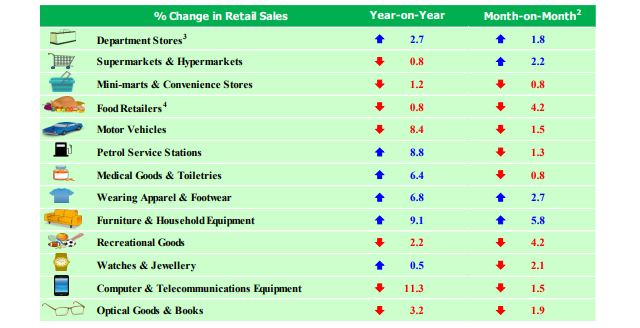
    The year-on-year increase was driven by rising sales of furniture and household equipment – up 9.1 per cent – and increased shopping before the Hari Raya festive period. Sales at petrol service stations rose 8.8 per cent, due partly to higher petrol prices.

    Sales of the apparel and footwear, medical goods and toiletries and department stores rose by between 2.7 per cent and 6.8 per cent. But sales of computer and telecommunications equipment fell 11.3 per cent.

    Compared to April, Singapore retail sales increased 0.4 per cent, after excluding motor vehicles.

    Statistics Singapore estimated total retail sales in May as worth S$3.8 billion. Online retail sales accounted for about 4.3 per cent of that.

    Compared to May last year, sales of food & beverage services increased 1.2 per cent in May to an estimated $689 million.

    Fast-food outlets and food caterers registered higher sales at 10.8 per cent and 5.7 per cent respectively, while turnover of restaurants and other eating places, such as cafes, fell by 0.3 per cent and 1.9 per cent respectively.


  • Singapore retail sales up in May

    Singapore retail sales up in May

    Retail sales in Singapore edged up marginally in May, with growth constrained partly by lower motor vehicle sales, according to Thursday’s (July 12) Department of Statistics release.

    May’s retail takings were up 0.1 per cent from the same month a year ago, with a total estimated sales value of S$3.8 billion, of which online retail sales contributed 4.3 per cent. Excluding motor vehicles, the rise was more significant, at 2.2 per cent.

    With increased shopping before the Hari Raya Puasa festive period, furniture and household equipment saw the biggest jump in sales, at 9.1 per cent. Sales at petrol service stations rose 8.8 per cent, due partly to higher petrol prices; after removing the price effect, the rise was just 0.8 per cent.

    Sales of apparel and footwear, medical goods and toiletries, and department stores industries also saw increases of between 2.7 per cent and 6.8 per cent.

    In contrast, sales of computer and telecommunications equipment fell 11.3 per cent, while those of motor vehicles fell 8.4 per cent. Takings from optical goods and books, recreational goods, minimarts and convenience stores, supermarkets and hypermarkets, and food retailers saw smaller decreases of between 0.8 per cent and 3.2 per cent.

    Lower vehicle sales also weighed down the month-on-month figures, though to a smaller degree. On a seasonally-adjusted basis, retail sales rose 0.1 per cent in May compared to April 2018. Excluding motor vehicles, retail sales rose 0.4 per cent month on month.

    Sales of food and beverage services rose on both a year-on-year and a seasonally-adjusted month-on-month basis: up 1.2 per cent compared to a year before, and up 0.6 per cent compared to the previous month. The total sales value of food and beverage services was estimated at S$689 million, up from S$681 million in May 2017.

  • Liang Sandwich Bar chain opens at VivoCity

    Liang Sandwich Bar chain opens at VivoCity

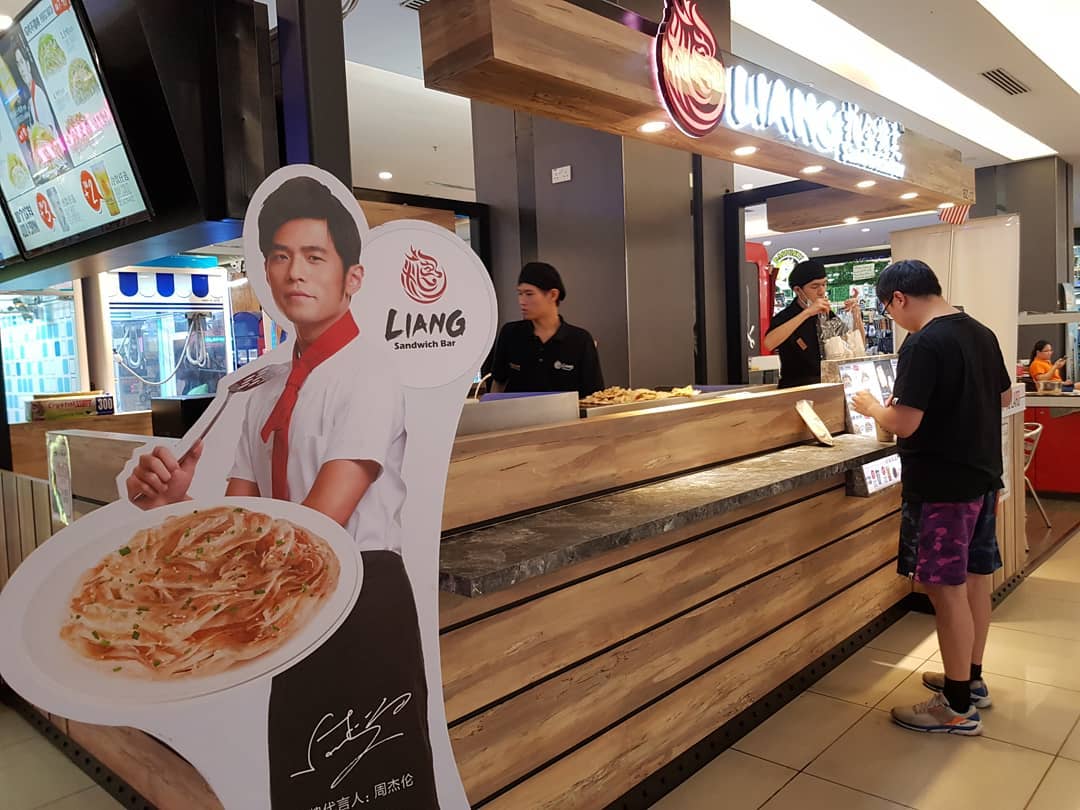
    New “Asian-style sandwich” chain Liang Sandwich Bar launched in Singapore on Saturday, with an outlet in VivoCity mall’s B2 level.

    A second store is scheduled to open in Raffles City next month.

    Besides the two Singapore stores, Liang Sandwich Bar expects to have built its network in Malaysia to 18 stores by the end of August as it plots an aggressive expansion strategy. It launched there last December.

    The Chinese fast-food brand uses various popular sandwich fillings with Taiwanese-style scallion pancakes in place of bread. One hundred free sandwiches were given out over the course of the weekend as a promotion for the new VivoCity store.

    The Taiwanese brand has more than 12,000 outlets worldwide throughout Asia and North America. It is endorsed by a highly prominent figure in Chinese entertainment, Mandopop rap artist Jay Chou.

  • Sheng Siong targets big expansion in 2018

    Sheng Siong targets big expansion in 2018

    Singapore’s Sheng Siong supermarket group is on track to open its 50th store this year, with bids in play for locations in Bukit Batok and Sumang Lane.

    And an analyst familiar with the business, CGS-CIMB’s Cezzane See, says the group’s pipeline is robust, with at least 10 bids coming up before the year is over.

    “If successful, the wins could take Sheng Siong’s number of stores beyond the 50-store target by the end of FY2018, and beyond six new store openings in FY2018 (just shy of the 8 store additions in FY2012),” See said in a report.

    The supermarket operator ended the first quarter of this year with 48 stores, five more than at the same time last year. It achieves revenue per square foot of $226, according to See.

    The fact Sheng Siong had failed to secure any new sites for about six months was down to unrealistic expectations of landlords, and no cause for concern, said See.

    “We believe this is positive for Sheng Siong as it is generally reluctant to overbid for the sake of expanding. Hence, a rationale bidding environment improves Sheng Siong’s odds of winning store bids, in our view.”

    Sheng Siong’s same-store sales growth in the first quarter was 5.6 per cent, as consumer sentiment recovered, aided by the expansion of its Block 506 Tampines store, the reopening of the Loyang store, and the migration of customers from its closed Verge and Woodlands Block 6A outlets to to Jalan Berseh and Woodlands Block 301.

  • Temasek set to book record S$300m portfolio

    Temasek set to book record S$300m portfolio

    Singapore state investor Temasek Holdings Pte Ltd is likely to book a record S$300 billion (RM892.3 billion) for the value of its portfolio, powered by gains in DBS Group Ltd and Chinese banks, while it steps up investment in tech startups.

    At the same time, Temasek is swooping in on opportunistic purchases with its stake buy in Swiss-based airline caterer Gategroup Holding AG, weeks after an announced move to buy into Hainan Airlines Holding Co Ltd. Both firms are part of China’s debt-saddled HNA Group Co Ltd, which has been selling part of its holdings.

    Analysts estimate Temasek, the top investor in about a third of companies in Singapore’s Straits Times Index, to report a net portfolio value of about S$300 billion for the year ended March 31, up roughly 9% versus a nearly 14% increase to S$275 billion a year earlier.

    Temasek said it will give details of its performance this week.

    “Last year was a good year across all asset classes and across the world. A rise in its portfolio value to above S$300 billion is quite doable,” said Song Seng Wun, economist at CIMB Private Banking.

    Last month, Temasek and GIC Pte Ltd, Singapore’s bigger state fund, featured among main investors in a record-setting US$14 billion (RM56.5 billion) fundraising by China’s Ant Financial Services Group. Temasek also put more money into online Chinese services firm Meituan Dianping last year.

  • Pomelo to have first offline store in Singapore

    Pomelo to have first offline store in Singapore

    Bangkok-based online-to-offline retailer Pomelo Fashion is to open its first physical store in Singapore.

    Pomelo Fashion, founded by former Lazada Thailand MD David Jou and which includes JD and Central Group on its shareholder register, sees the move as a logical step in its Southeast Asia expansion ambition.

    The vertically integrated business sources its own materials and contracts manufacturing partners to produce the clothes it designs and retails. It allows customers to view and choose a product online before it is shipped direct, or to a store for trying on the fit, thus merging the convenience of online shopping with offline, in-store service.

    Despite being headquartered in Bangkok, Pomelo Fashion sees itself as”a global fast-fashion brand for a digital world,” always on-trend and affordable.

    Currently, Pomelo Fashion has just two “micro-retail sites” in Bangkok – at Interchange 21 in Asok and at All Seasons Place in the CBD. But it has identified 800 potential sites for such stores in Thailand in the long term. It has also opened short-term pop-up stores in prime shopping areas to help raise the brand’s profile, including a space inside Tang’s department store on Orchard Road. With its buy-and-try business model, the company does not have to shoulder the expense of leasing the larger-footprint stores its offline rivals require to display broad ranges.

    “Discovery for fashion is going online, where you’re not constrained by having to display the entire catalogue,” Jou said in a media interview last week. “But e-commerce for fashion is plagued by the problem of returns because the clothes don’t fit or they don’t look good. Having the online-to-offline model cuts down returns because the consumer only buys what they have tried on.”

  • VivoCity mall extension start operating

    VivoCity mall extension start operating

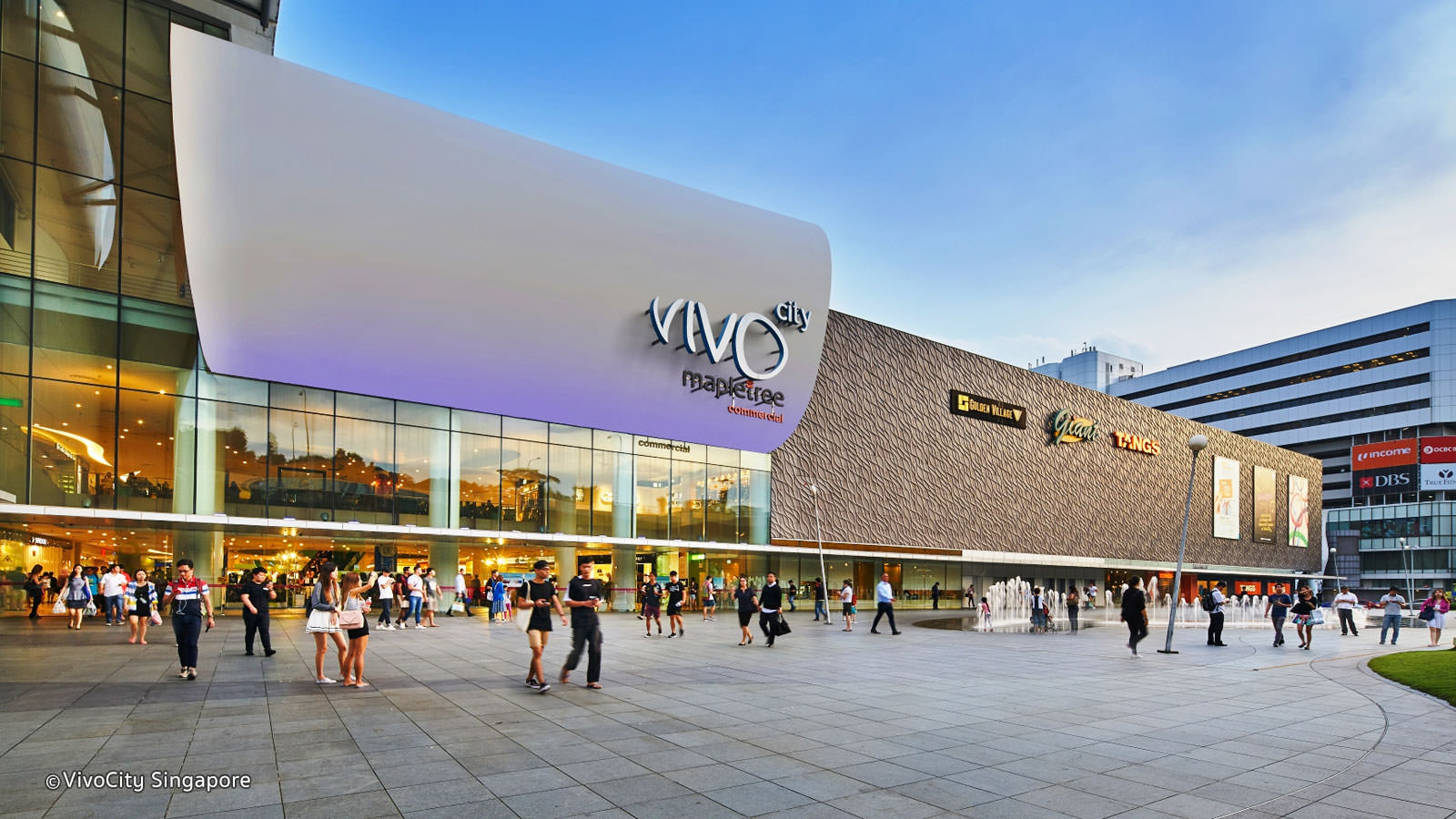
    Singapore’s VivoCity mall has opened a new 3000sqm basement extension housing 10 fashion, athleisure and lifestyle brands.

    Mapletree Commercial Property Management VP for marketing communications Gwen Au said the new extension will allow shoppers to discover new retail concepts and expanded fashion and lifestyle collections.

    A new escalator lobby has been constructed leading through the extension to improve access to and from the Harbourfront MRT station.

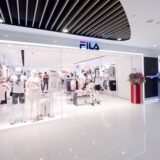
    One of the new tenants in VivoCity B1 is Fila, which is launching three concepts under the one roof – Fila, Fila Kids, and Fila Fusion – offering buyers a range of performance, sport couture, and lifestyle collections. Adidas will also present multiple store formats in the extension, unveiling its stadium concept store (featuring performance wear) next to a new Adidas Originals flagship (offering street style fashion trends).

    Other brands opening in the extension include New Era, Nike, L.E. Underground, Weston Corp and Xiaomi.

    Images of the retail stores open can be viewed below :


  • Zilingo hopes to get $50 million more fund

    Zilingo hopes to get $50 million more fund

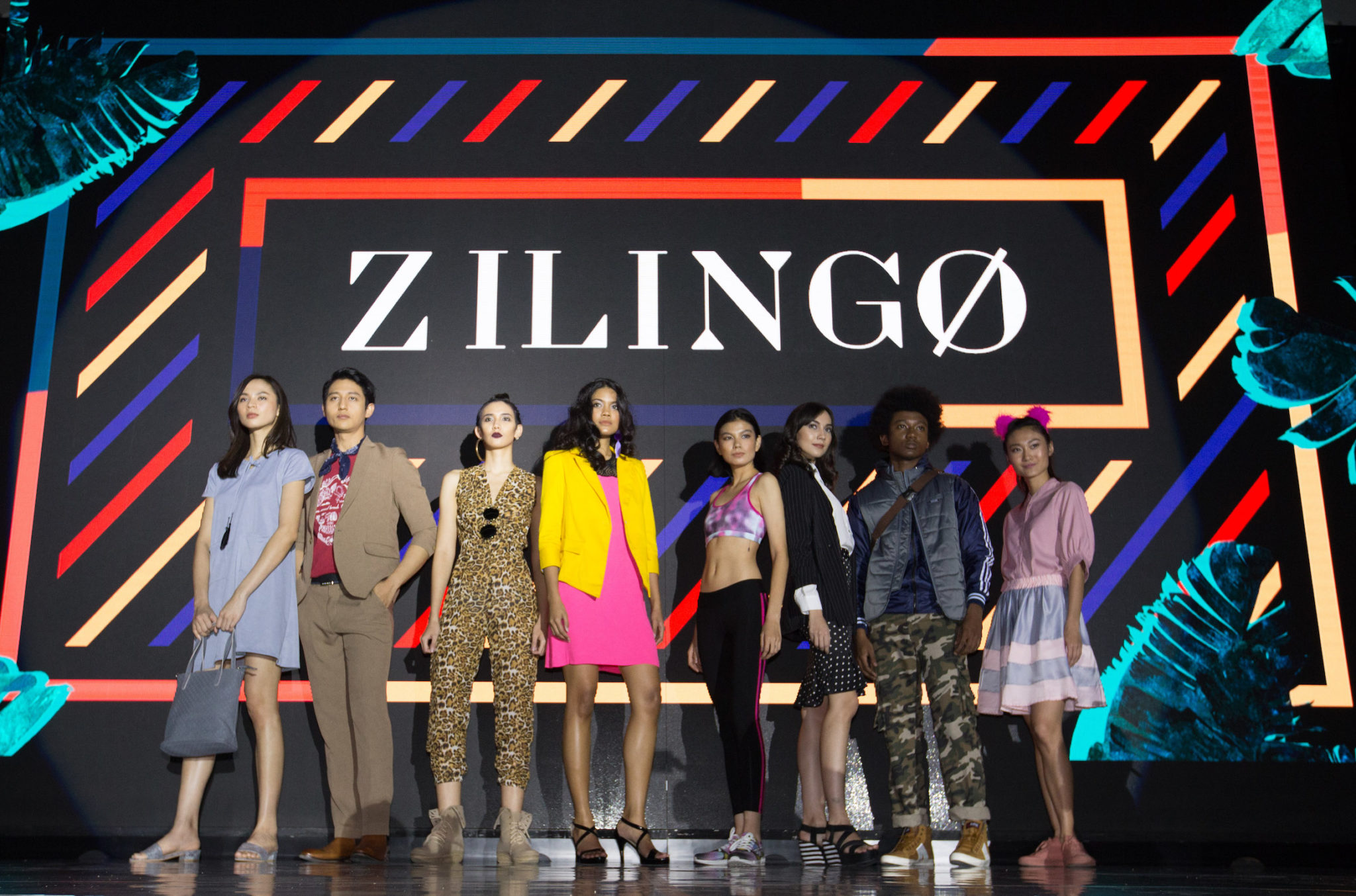
    Southeast Asian fashion startup Zilingo is set to raise a further US$50 million as it strengthens its operations in Singapore, Indonesia and Thailand and beyond.

    Zilingo was founded in October 2015 by Dhruv Kapoor and Ankiti Bose, who were inspired by the clothing stalls in labyrinthine markets they saw while backpacking across Indonesia and Thailand. Their idea was to connect a fragmented landscape of fashion supply for buyers across Asia.

    Now the company aggregates small fashion retailers in the three Southeast Asian markets on a single platform. With more than 10,000 merchants now on board, the site has evolved into a service attractive to both B2B and B2C customers.

    Users can upload and manage their inventory in any language, using any currency, connecting them through 25 interfaces with logistics, warehousing and payment providers, as well as services like loans, cataloguing and insurance.

    “Nowhere in the world has a horizontal e-commerce company also cracked fashion,” says Bose. “It’s a unique, high-margin category that is highly dependent on fast-moving cycles and has its own nuances. Unlike buying detergent or electronics, fashion is much more about your choice, individuality and trends. It requires a different approach than the rest of e-commerce.”

    Besides selling in Indonesia, Singapore and Thailand, Zilingo ships to four further countries and has supply bases in Bangladesh, Cambodia, China and Vietnam.

    The latest fundraising follows a $54 million round in March.

  • Costa Coffee China sales grows

    Costa Coffee China sales grows

    UK’s Costa Coffee says sales in China have underpinned solid growth in its Asian operations.

    Costa has 459 stores in China, where sales rose 4.9 per cent in the first half year as Chinese continue to boost their coffee consumption.

    The company plans to open a further 100 stores in China before Christmas and is expanding its range to suit local tastes, after items such as Cold Brew and Character Roast performed well.

    Costa is also steadily expanding its network in other Asian markets, including Singapore where it has about 10 outlets, and Cambodia.

    Globally, Costa Coffee achieved a 5.2 per cent rise in first-quarter sales, helped by new store openings and the popularity of its Costa Express machines. However, like-for-like sales in its UK home market fell 2 per cent, reflecting the challenges faced by most retailers on high streets currently.

    Costa’s parent, brewer Whitbread, is considering options to spin the business off in a separate listing, but has reportedly since been courted by private equity firms seeing an opportunity to grow the business internationally.

    TPG, Bain Capital and CVC could pave the way for a sale of the brand realising as much as £3 billion.

    In the UK, Costa Coffee has 2467 stores, a mix of company-run and franchised stores. As it encounters trouble on high street locations, the company is shifting focus to high-traffic locations such as airports and petrol stations.

  • Consentium unveils plans for app launch for iOs and Android

    Consentium unveils plans for app launch for iOs and Android

    Consentium, a multi-digital-currency and group monetisation chat application, has today announced an updated roadmap which includes details on its app launch and latest addition to its leadership team. This follows its successful Token Generation Event (TGE) earlier in April this year.

    Consentium allows peer-to-peer (P2P), multi-digital-currency and C2C (consumer-to-consumer) transfers between users. It offers a transactional fee redistribution program as an incentive to create and cultivate strong in-app communities. Consentium uses a reward system based on creation of quality community groups – comprising both amount of users, as well as in-app reputation of users.

    In an effort to cultivate and engage users, the Consentium app – which will first be rolled out on Android platforms on 1 August, followed by iOS on 10 September – will also be made available in English, Chinese, Korean, Japanese and Arabic. This underscores its intention to engage key markets in Asia where user mobile engagement rates are high and the cryptocurrency space has matured rapidly in recent months. Consentium also expects to fully integrate its Chat Community Monetisation Model (CCM) across all platforms by October 2018.

    The Consentium app will include two salient features to leverage on the popularity of mobile chat applications and the transactions of cryptocurrencies; the chat community and the multiple digital (C2C) currency wallet, which allows peer-to-peer interactions at both individual and group levels. The chat feature allows individuals to create, share, communicate and produce unique content through 1-to-1 chats with other individuals, or create chat groups and channels via communities for brands and influencers. This allows for multiple monetisation opportunities across one integrated platform, applicable to different communities.

    Joining the team to help drive these developments is Ekaterina Skorobogatova. Her 15 years of experience in the social media networking application and platform field will greatly contribute to

    the app’s development. She most recently led growth efforts at WhatsApp Inc., and prior to that, spearheaded the launch of Facebook in Russia. Ekaterina has also taken on other roles within Facebook and Internet Org, working in teams which focused on mobile growth and product development respectively.

    These updates build on the existing momentum Consentium has achieved in the past two months. MegaXstore, a Singapore-owned multi-label store now accepts Consentium coins (CSM) as a payment currency for its products having announced a partnership in April. CSM is also now listed on HitBTC.com, the world’s most advanced cryptocurrency exchange, and will soon be listing on CMC Markets, followed by KuCoin. Listing on HitBTC will support the ongoing liquidity of CSM and enhance its utility by allowing consumers and potential users of the Consentium app gain easy access to the tokens.

  • Why fast-fashion brands like H&M are losing millennial customers in Malaysia and Singapore

    Why fast-fashion brands like H&M are losing millennial customers in Malaysia and Singapore

    Melissa Chi, 30, remembers when her wardrobe was full of H&M clothing and accessories. After discovering the Swedish brand during an internship in Washington, the Singaporean, who runs an online healthy lifestyle store, quickly became a fan of its smart design, decent quality and affordable prices.

    Today, however, Chi rarely wears fast-fashion items, H&M or otherwise. Since she became a convert to sustainable living two years ago, she has learned just how damaging the fast-fashion industry is for the environment.

    “The whole mentality that we should buy more because it’s cheap just didn’t seem right any more,” she says.

    It was a 180-degree sartorial turn for Chi, one that many other young Singaporeans and Malaysians are going through.

    More than 1,000 shoppers queued outside H&M’s Singapore flagship store when it opened in 2011, excited to become its first customers. The following year, about 1,500 people did the same at its Kuala Lumpur flagship on its first day of business. And when H&M collaborated with luxury brands Balmain and Kenzo, launching the collections in 2015 and 2016 respectively, similar frenzies occurred.

    Fast forward and H&M’s quarterly report ending February 28 indicates Asian millennials’ appetite for the brand’s trendy apparel may be on the wane. Malaysia recorded a 1 per cent drop in sales over the quarter, while the Singapore operation saw sales fall by 10 per cent.

    A similar downward trend is being seen in other parts of Asia, including China. That’s after two decades of strong growth globally during which the company regularly reported double-digit sales increases.

    In the three months to February 28, H&M’s operating profit fell by 62 per cent, causing its shares to hit a 13-year low on Stockholm’s bourse. A US$4.3 billion stockpile of clothing and accessories had accumulated in thousands of warehouses and stores around the world, the company reported.

    What had happened? Business analysts say the company failed to adapt to fierce competition from the boom in online retail and lower prices offered by a growing number of similar fast-fashion outlets. Chi agrees that these have been factors in Singapore and Malaysia.

    “I definitely think the demand [for fast fashion] is cooling off and not just because of the growing awareness that fast fashion is bad,” she says, referring to allegations of abuses against workers and environmental concerns. “It is also because of intense competition from all sorts of brands online, globally.”

    Abby Wee, communications manager for H&M Singapore and Malaysia, said that 2018 is a “transitional year” for the brand, adding that the fashion retail landscape is changing rapidly.

    “While there is a decline in sales in Singapore and Malaysia, we don’t see that as an indication that we are not one of the top fashion destinations for our customers,” she says in an email.

    Wee points to last year’s launch of the online store hm.com, and the positive reviews that it has been getting in both Singapore and Malaysia, as proof that its “omnichannel presence” is expanding.

    However, hm.com is competing in a crowded online market of brands that have had a web presence for years. Singapore government data shows that as early as 2011, 50 per cent of the country’s internet users aged 15 years and older were already shopping online. In 2012, regional e-retailer Zalora set up operations in both Malaysia and Singapore. Other e-retailers, such as Asos and American Apparel, had been targeting Singaporean shoppers by offering free shipping long before hm.com came along.

    Sarah Kok, a 22-year-old broadcast journalism student in Malaysia, says she no longer shops at H&M for several reasons. Since Uniqlo, the Japanese mass-market clothing brand, expanded in Malaysian malls several years ago, Kok now does most of her shopping for daily work outfits there. She says it offers more comfort, better quality and greater diversity than H&M.

    Environmental sustainability and a fair supply chain matter, too. These are Kok’s main reasons for shunning H&M today, she says.

    H&M has been accused of using prison labour in China, employing children in Myanmar, firing Cambodian women who got pregnant, suppressing unions, and causing environmental damage, among other issues.

    “If you can sell things at such a cheap price overseas, that means you’re getting it cheap as well,” Kok says. “So, that equals cheap labour.”

    Uniqlo may not be entirely innocent, either. A report by anti-poverty charity War on Want asserted in 2016 that Chinese factories making clothes for Uniqlo were abusing workers’ rights. Despite the brand’s commitment to “corporate social responsibility” and “making the world a better place”, undercover investigations by Students and Scholars against Corporate Misbehaviour said it found excessive overtime, low pay, dangerous working conditions and oppressive management practices in Uniqlo’s supplier factories in China.

    In an emailed statement, Wong Xinyi, sustainability manager for H&M Southeast Asia, points out that the company has signed a “global framework agreement” with workers’ organisations based in Sweden aimed at improving workers’ rights in the supply chain.

    It is also one of a number of global brands that have initiated the ACT (action, collaboration and transformation) agreement, which aims to ensure fair wages and better working conditions in the supply chain.

    Wee claims that the supplier factories H&M works with the most through long-term partnerships – representing 50 per cent of its product volume – have democratically elected representatives who can speak on behalf of the workers, achieving one of the company’s 2018 goals.

    To address the issue of environmental pollution, Wee points to the brand’s collaboration with the Zero Discharge of Hazardous Chemicals Programme to raise awareness and industry standards, and its partnership with the organisation Changing Markets to implement the “road map towards responsible viscose and modal fibre manufacturing” within its existing sourcing policy.

    H&M has also set 2030 as a target date to have all products made from recycled or otherwise sustainably sourced materials. By 2040, it aims to become “climate-positive” throughout its value chain.

    “Our customers in Malaysia and Singapore trust our brand and they have also responded positively towards our sustainability initiatives,” Wee says. “Therefore, it is clear to us that our customers expect us to operate our business responsibly and we are determined to exceed their expectations in this area.”

    However, whether all this means we are seeing a new dawn for fashion in Southeast Asia, with fast-fashion companies complying with a more sustainable and ethical framework in their production lines, is questionable. So, too, is whether there is really enough demand for more conscionable clothing among Malaysian and Singaporean millennials – known for being materialistic – to encourage companies to follow more sustainable practices.

    Both are highly unlikely, according to Nicholas Harrigan, a senior lecturer in sociology at Sydney’s Macquarie University.

    “Unfortunately, not enough young people in Singapore and Malaysia are conscious enough about ethical fashion for it likely to make much of an impact on sales,” says Harrigan, who previously lectured at Singapore Management University.

    Google “sustainable fashion in Malaysia and Singapore” and a few brands with limited offerings will pop up. Biji-Biji Design, arguably Malaysia’s most prominent eco- and labour-friendly company, sells bags and accessories made using discarded advertising banners, car seat belts and even old kimonos, with some products at prices comparable to H&M. Such companies, however, are few and far between.

    Harrigan believes other factors could be at play, such as the growing influence of blogshops – retailers operating on blogging platforms – on Singaporean youth, which provide more variety and are more convenient than going out shopping.

    Price could be another issue. Harrigan posits that despite H&M’s products being cheaper than brands such as Zara, they are still expensive given the quality.

    Still, sceptics note that the relatively low prices of fast-fashion brands will continue to be attractive to young people.

    Norashahera Hakem, head of fashion at Biji-Biji, remains optimistic. Although it is difficult for a brand like hers to survive in Malaysia, there are signs of a shift in mindset. People are starting to care more about quality and the effect of their unused piles of clothes on the environment, she says. Price is no longer the sole factor, as millennials are looking at the stories behind a product.

    “It is possible to survive with a lot of hard work and determination, as the concept is still quite new in this region,” she says. “People need to realise that quality and sustainability have an extra cost and [be] willing to pay for it.”


  • Epicentre Singapore to close door

    Epicentre Singapore to close door

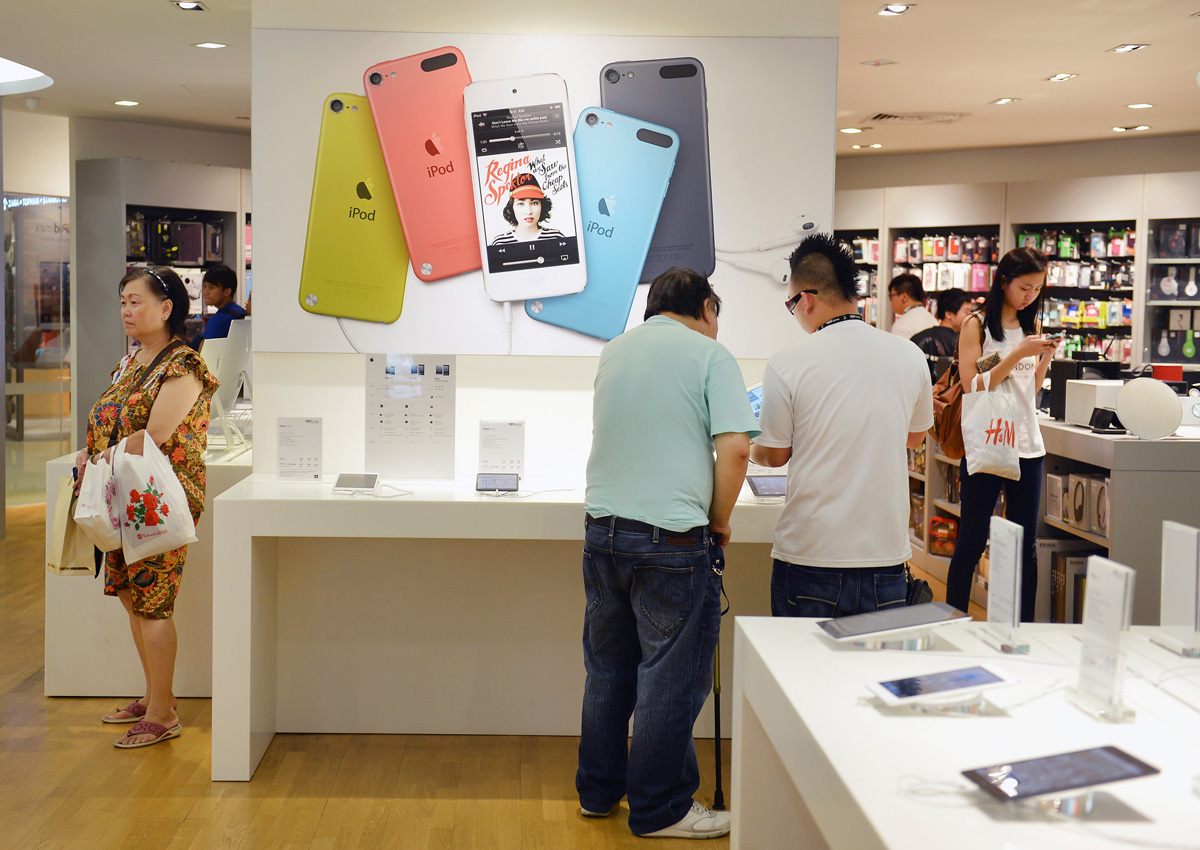
    Singapore Apple retailer Epicentre is exiting the business, selling its four stores and e-commerce site to a rival reseller.

    In a stock exchange announcement, parent Epicentre Holdings said it had entered into a conditional sale and purchase agreement with Elush (T3), which runs the iStudio chain.

    Epicentre will receive S$516,275 for the business. Elush will take over the store leases, including its prime Orchard Road sites at Ion Orchard and Wheelock Place, where trade was affected by the opening of the Apple Store. Its other stores were at Bugis Junction and Marina Bay Sands. The Epicentre brand name will live on through a licensing agreement with Elush (T3).

    While shareholders have yet to approve the deal, Epicentre will entirely exit the Apple Authorised Reseller and Apple Premium Reseller businesses in Singapore. It will continue to operate as an Apple Authorised Reseller in Malaysia.

    The company said it was difficult to compete with Apple’s plan of opening its own large-format stores.

    “With Apple’s upcoming plan, the company has decided to dispose of the business and focus on its beauty, wellness and lifestyle business, while looking at other possible related businesses.”

    Epicentre was founded in 2002 and at one point operated 10 outlets in Singapore, Malaysia and China. In the six months to December the company posted a pretax loss of $55,000 in its Singapore Apple operations.

  • CapitaLand acquires 32-hectare prime mixed-use site in Chongqing

    CapitaLand acquires 32-hectare prime mixed-use site in Chongqing

    CapitaLand has acquired a company which owns a mixed-use development site in China’s Chongqing.

    The CapitaLand Chongqing project, which will boost the Singapore developer’s residential pipeline in China by more than 2100 units, includes a 335,000sqm shopping mall scheduled for completion in 2022, and a further 100,000sqm of office and retail space.

    CapitaLand is acquiring all the shares in the company which owns the 32 hectare site at the gateway to China’s fast-growing western region. The deal is valued at about S$1.19 billion.

    The land parcel is located in Xinpaifang, a mature residential and commercial zone in Liangjiang New Area, the first national-level development area in inland China and a part of Chongqing’s Free Trade Zone. It is a 20-minute drive from Jiangbei International Airport and a short distance from Guanyinqiao and Jiefangbei CBDs, which is next to Raffles City Chongqing.

    Lim Ming Yan, president & group CEO of CapitaLand Group, said given the site’s scale, strategic location and excellent connectivity, the Chongqing’s Xinpaifang asset is a prized acquisition that will boost CapitaLand’s land bank in a key gateway city in China’s southwest.

    “Through our ‘core city clusters, dominant assets’ strategy, we have steadily ramped up our network in China’s first- and second-tier cities, cementing our lead as the foreign real estate developer with the largest portfolio of integrated developments.”