Tag: Singapore

  • BreadTalk high expectation on its tea brands

    BreadTalk high expectation on its tea brands

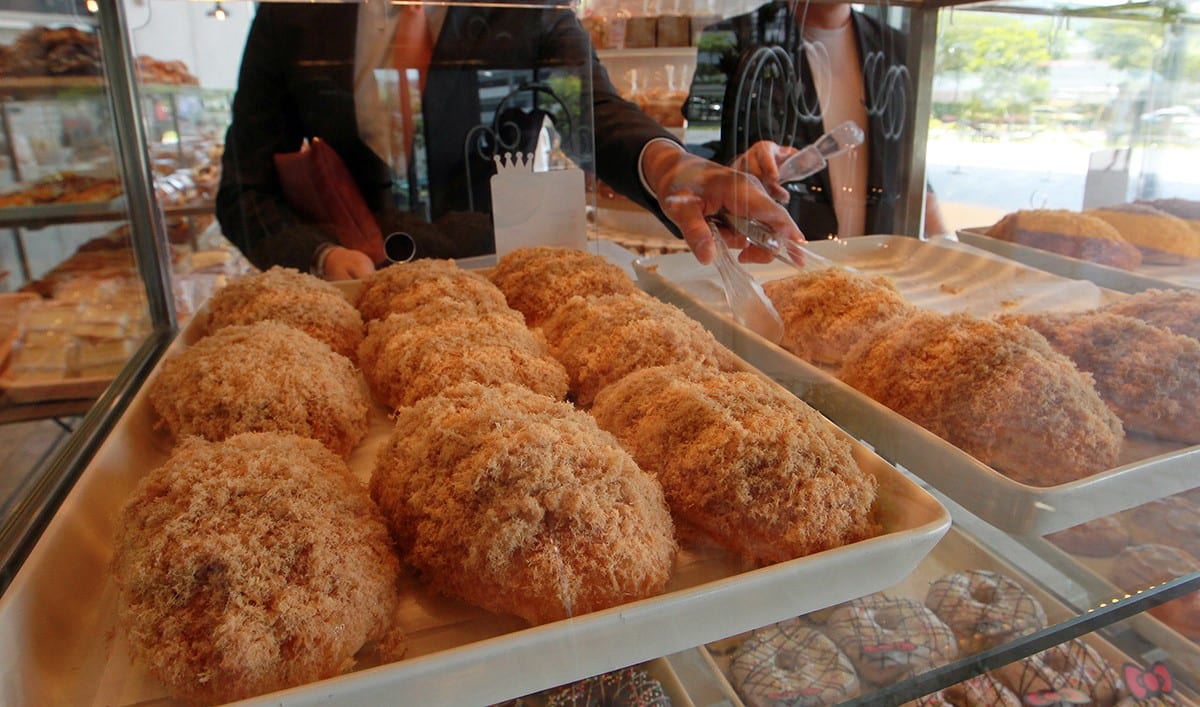
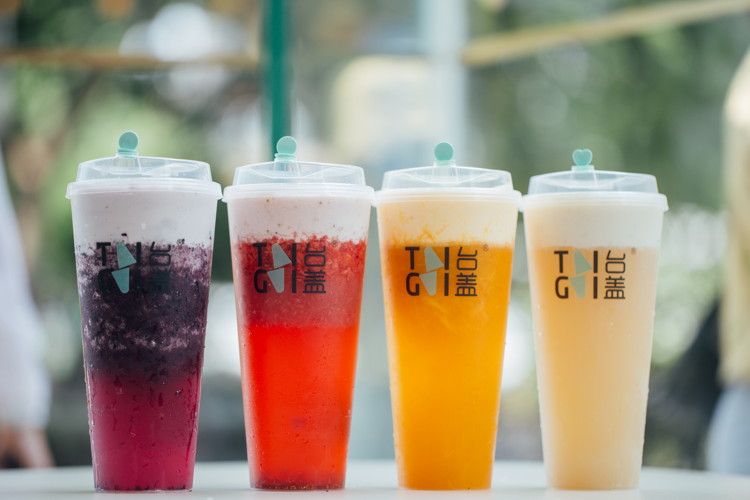
    Bakery franchise BreadTalk Group has brought two Shenzhen-based specialty tea brands – Nayuki and TaiGai – into Singapore.

    BreadTalk will operate and manage both brands in its joint venture with Shenzhen Pindao Food & Beverage Management. The agreement marks both tea brands’ first overseas stores, which will open this year. They enter a market in which tea drinks are an increasingly popular beverage product.

    Both the Shenzhen-based tea brands have been successful in China. TaiGai operates 60 stores on the Chinese mainland, while Nayuki has 100 new stores planned in China by end of this year – it made national news when it opened three stores within 33 days, earning it the label “veloci-tea”.

    Their signature offerings feature healthy tea options using mainly fresh fruits and premium-quality teas. While Nayuki is known for its “soft-euro bakes” cake products, TaiGai is best known for its signature fruit-blended milk cheese crowns, which it terms “fruity milky kisses”.

  • % Arabica announces Singapore launch

    % Arabica announces Singapore launch

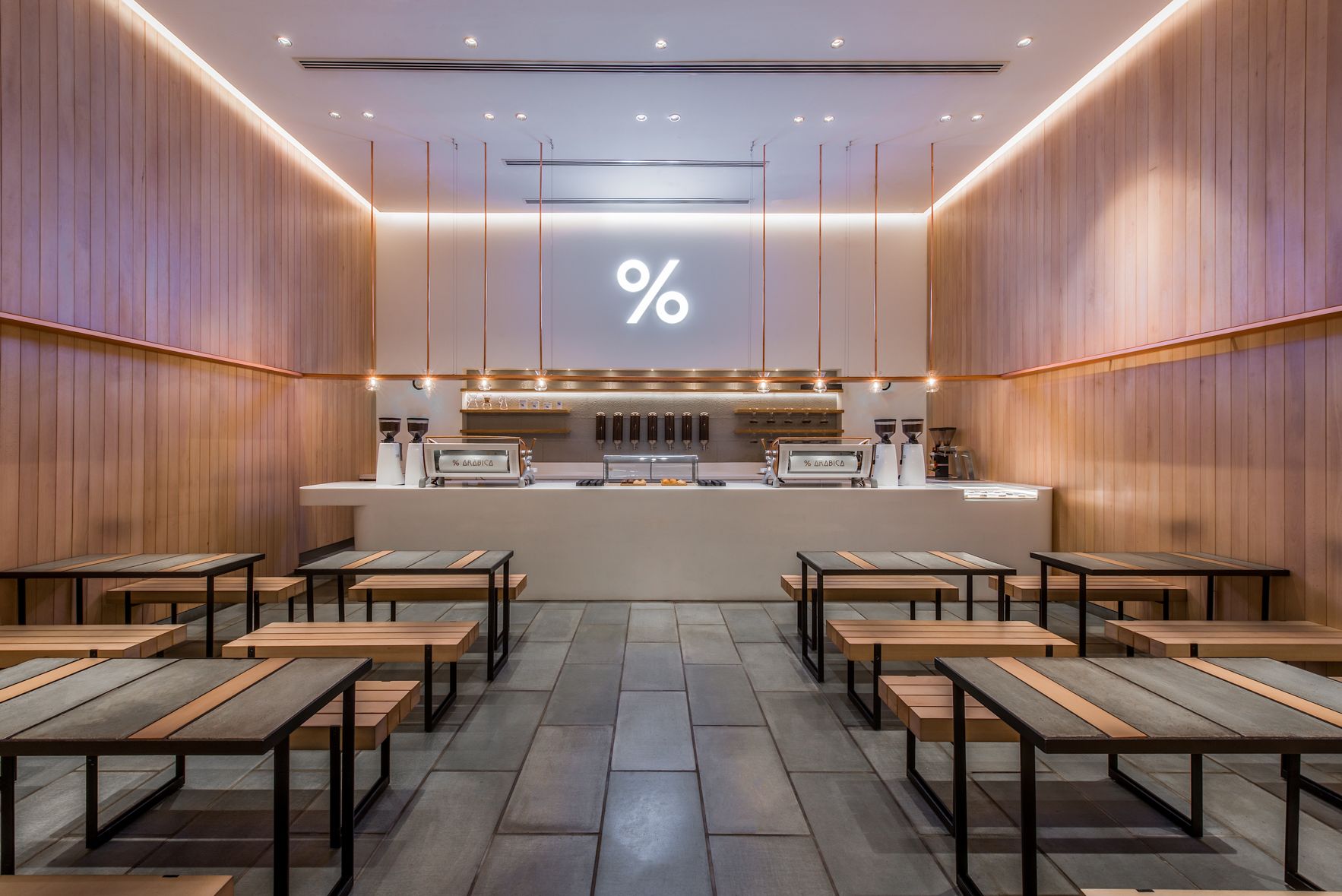
    Kyoto-headquartered coffee chain % Arabica Coffee is to open its first store in Singapore.

    The company has revealed the location on Instagram: 56 Arab Street. With a fit-out yet to be completed, the store may not open until the end of the year.

    The company has also confirmed it is currently fitting out its first store in Indonesia, with others destined for Malaysia and India.

    With its slogan “See the world through coffee”, % Arabica Coffee has built a strong following via social media. In Asia it has three stores in Japan, three in Hong Kong, one in the Philippines and two in China. It is also in Germany and several Middle East markets, with plans for France, Morocco and Canada.

    % Arabica Coffee was founded in 2014 by Japan-born Kenneth Shoji who grew a love for the beverage while studying in California.

  • Police seized counterfeit goods at Sim Lim Square

    Police seized counterfeit goods at Sim Lim Square

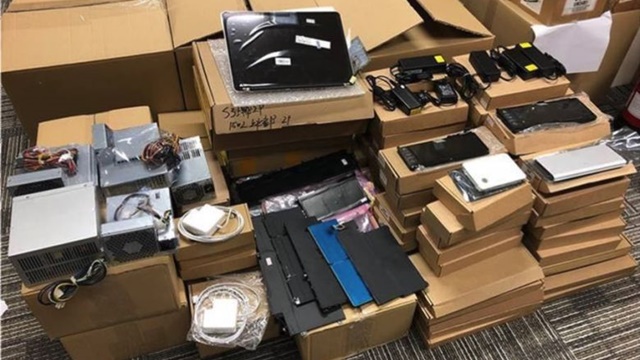
    Singaporean police have found $1.03 million worth of fake goods at Sim Lim Square.

    The counterfeit products were seized from four retail outlets in the high-profile shopping centre.

    Some 6000 pieces of trademark-infringing items including laptop power adaptors, batteries, LCD screens, power supply units, cables and earpieces were seized in the raid and three men were arrested.

    According to Criminal Investigation Department, selling or distributing goods with falsely applied trademarks can attract fines of up to $100,000, and jail terms of up to five years.

    “Police take a serious view of intellectual property right (IPR) infringements and will not hesitate to take action against perpetrators who show blatant disregard for our IPR laws and at the expense of legitimate businesses,” said Florence Chua, director and deputy commissioner of police (investigations and intelligence).

  • Ezbuy Pakistan enjoys blooming sales

    Ezbuy Pakistan enjoys blooming sales

    Singapore online retailer Ezbuy has expanded, opening Ezbuy Pakistan.

    And already local media are tipping the site to be twice the size of Pakistan’s existing online retailer Daraz.pk, offering 3 million products, ranging from apparel through to electronics.

    Ezbuy Pakistan will offer products from local and overseas suppliers, with overseas orders shipped direct in much the same way Alibaba’s Aliexpress serves regional customers.

    “Our main agenda is to provide great value quality products to Pakistanis at their doorstep,” said co-founder and chief strategy officer at ezbuy.com, Vincent Xue Bin.

    “We would have three platforms; first, ezbuy cross-border and local products; second, Haute Shop fashion products, and a third, B2B serves businesses,” he said in a local media interview.

    “China is manufacturing good quality products at great value rates compared to other countries including Pakistan and we can deliver it to the Pakistani people, schools, universities, hospitals with minimum delivery charges. Our trust with the Pakistani buyers is our main asset.”

    Ezbuy Pakistan is a joint venture between the Singapore operator and a group of Pakistani investors, led by Kamran Shaukat, who says the response to the site since it went live on August 1 has been “overwhelming”.

    Another advantage Shaukat points out for Pakistani suppliers selling on the site is that the platform opens doors to customers abroad. Ezbuy currently operates in Singapore, Malaysia, Thailand, Indonesia, and Taiwan, but products are shipped worldwide.

  • Metro Singapore retail sales decline

    Metro Singapore retail sales decline

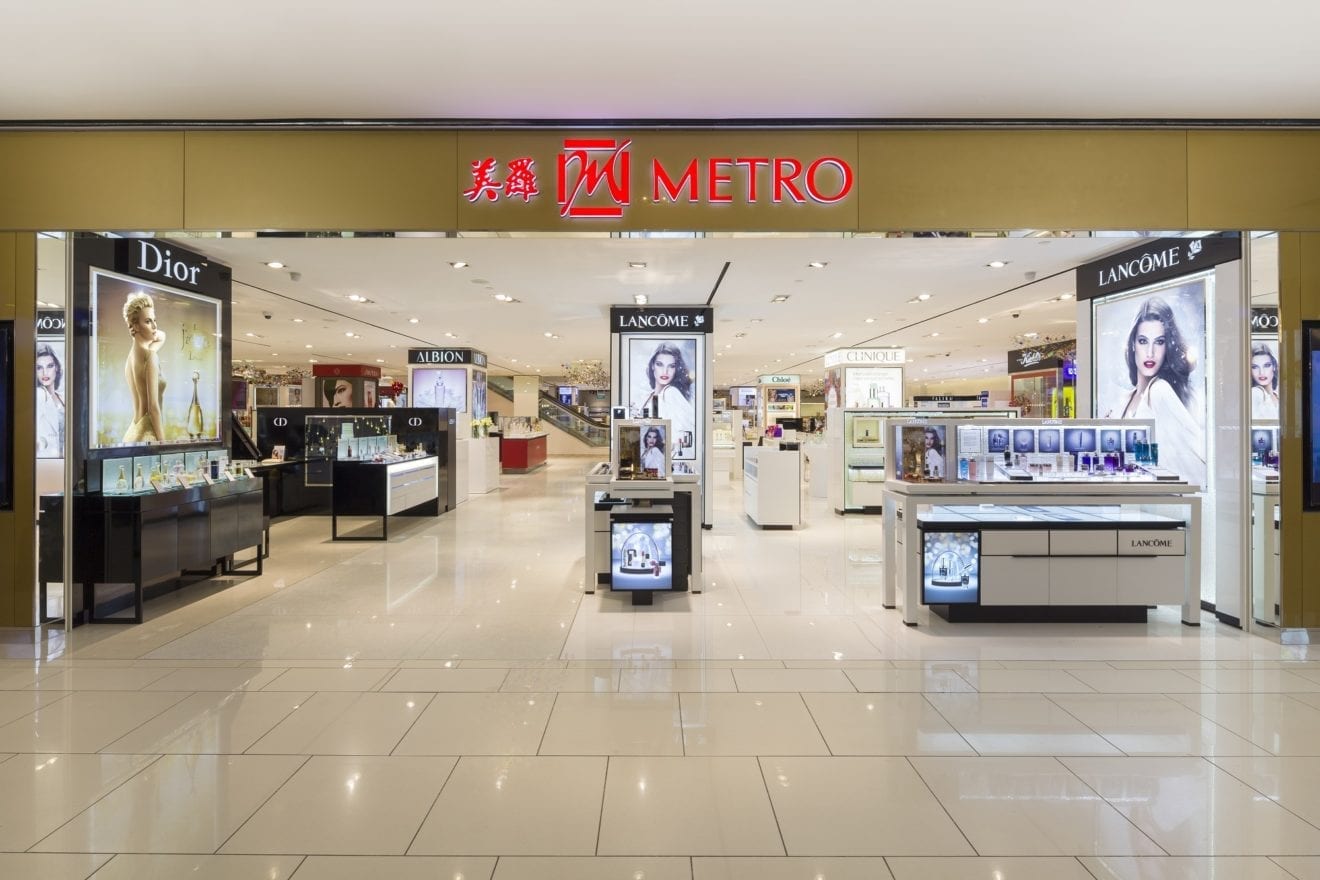
    Metro Holdings’ Singapore retail business posted a 7.6 per cent decline in sales during the first quarter of this year amidst “difficult trading conditions”.

    Metro has three Metro-branded department stores in the city and another 10 department stores in Indonesia.

    The company said the retail business as a whole posted a decline in profit due to lower Singapore sales. Its Indonesian stores achieved “marginal growth”, the company said in its results filing.

    Overall, Metro Holdings, whose primary business is property development in China, Singapore, Indonesia and the UK, achieved a net post-tax profit of S$20.3 million (US$14.7 million) for the quarter, down nearly 20 per cent in the same period last year, when it earned $25 million. However, this was largely due to the absence of a significant $8.3 million gain on asset disposals in the comparable quarter.

    CEO Lawrence Chiang Kok Sung said the group will remain “disciplined and focused” in its investment approach to seek out potential investment opportunities in the region to drive sustainable growth.

  • Singapore retail sales shows disappointing number in June

    Singapore retail sales shows disappointing number in June

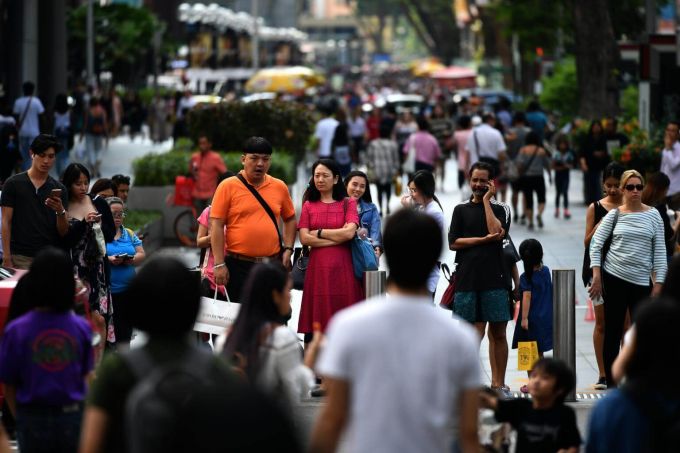
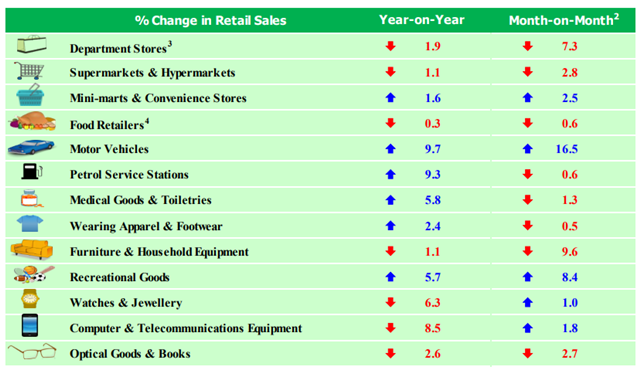
    June Singapore retail sales remained static in June, rising a mere 0.2 per cent after motor vehicles were excluded from the data.

    Month on month, retail sales excluding cars fell by 1.8 per cent.

    Considering higher fuel prices drove a 9.3 per cent increase in sales year on year, traditional retail sales probably did not increase at all in June. Statistics Singapore said that in volume terms, after removing the price effect, the increase recorded by petrol service stations was 0.2 per cent.

    Sales of medical goods & toiletries increased by 5.8 per cent, due to higher sales of cosmetics & toiletries. Sales of recreational goods rose by 5.7 per cent, mainly from sporting apparel during the FIFA World Cup.

    Sectors to record declines in June Singapore retail sales included computer and telecommunications equipment (down 8.5 per cent), watches & jewellery (down 6.3 per cent) and optical goods & books (down 2.6 per cent). Following sales growths in the previous month, sales of department stores and furniture & household equipment decreased by 1.9 per cent and 1.1 per cent, respectively.

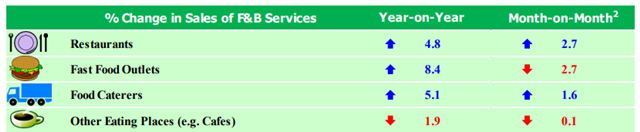
    Most food & beverage service industries achieved higher turnover in June this year, compared with last year. Fast-food outlets, food caterers and restaurants rose between 4.8 per cent and 8.4 per cent during this period.

    In contrast, sales of other eating places, such as cafes, fell by 1.9 per cent.

  • BORA AKSU has opened its first store locally at Marina Bay Sands

    BORA AKSU has opened its first store locally at Marina Bay Sands

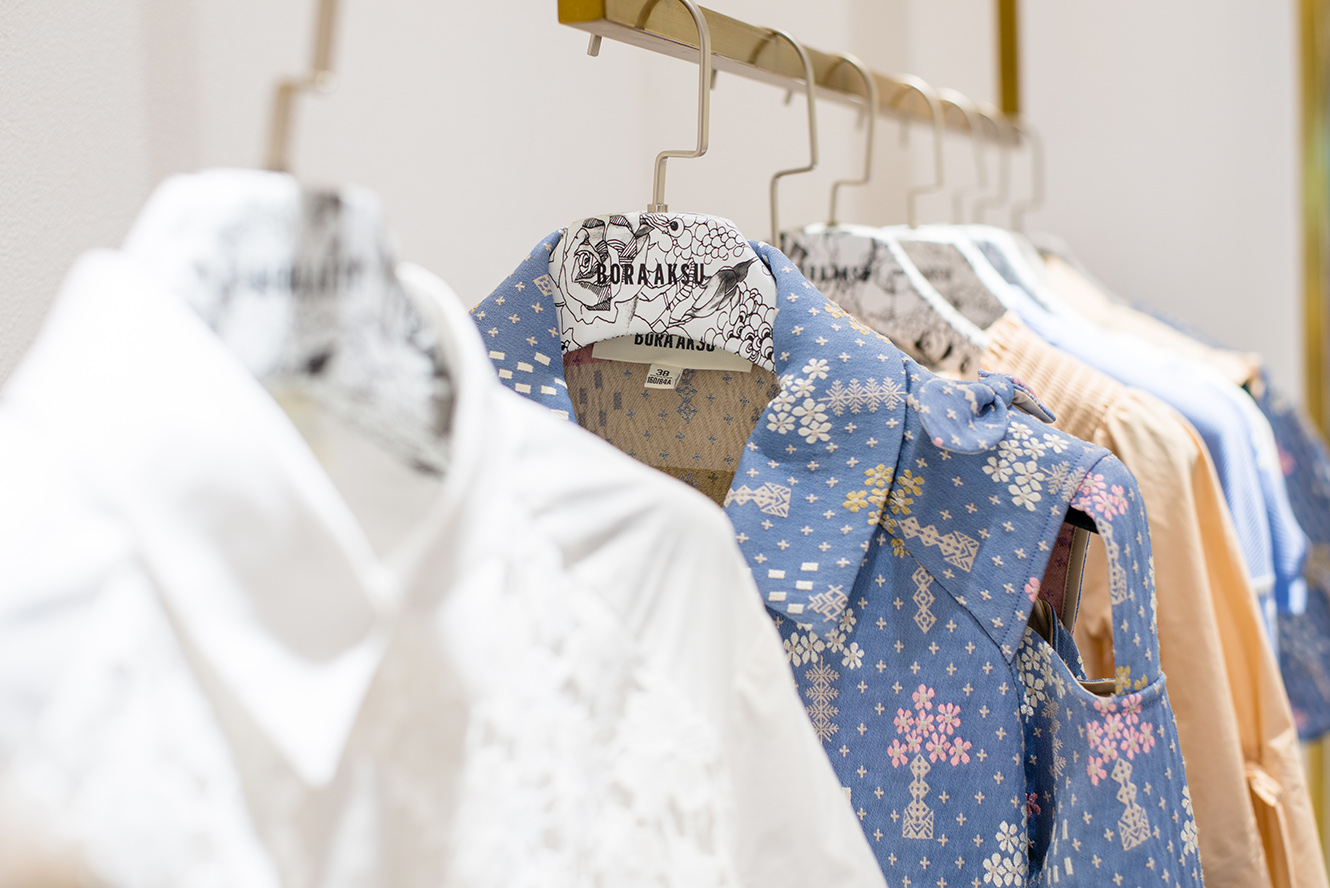
    Bora Aksu, the London-based, Turkish fashion designer, has opened his first standalone store in Asia, at Singapore’s The Shoppes at Marina Bay Sands.

    Aksu’s Autumn-Winter 2018 collection launches the brand there, with pieces priced from S$500 to $2000. (US$366 to $1830). The range includes pinstripe culottes, matching blazers, velvet jumpsuits and flared pants, along with shoes, handbags – and even a $600 doll dressed in miniature versions of his clothing.

    The Marina Bay store takes up about 2000sqft on level B2.

    Aksu is gaining a following in the fashion community for his elegance, sophistication, modern femininity and “rivetingly romantic” demi-couture pieces. His clothes are stocked by Selfridges, Liberty & Co and Wolf & Badger, among others.

    The designer said that he chose Singapore for his first store location because it was the gateway to Southeast Asia.

    “Our pieces offer customers in Singapore ready-to-wear garments encompassing elaborate, exquisite compositions and luxurious tulle fabrics that represent Bora Aksu’s signature looks. Beyond an impressive roster of elegant tailored looks, Bora Aksu’s pieces are known to emote charm, intrigue and seduction which I believe will be well suited to the crowd here in Singapore,” he said.

  • 4 leases available at Singapore Changi Airport

    4 leases available at Singapore Changi Airport

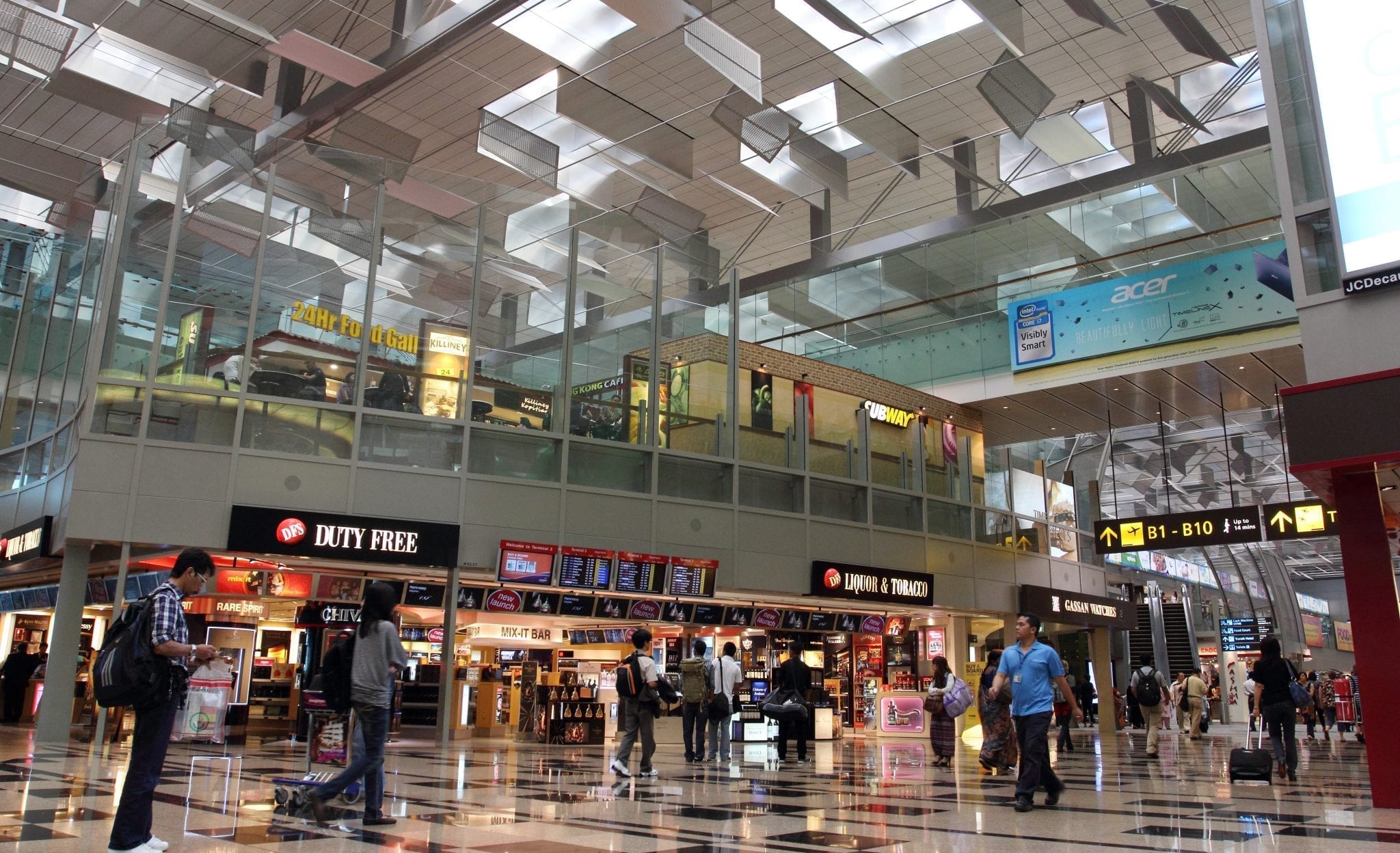
    Continuously ranked as one of the best in the world, Singapore Changi Airport is an experience rather than a simple stop towards your destination.

    The award-winning airport offers its visitors a wide range of attractions, from shopping to dining and entertainment experiences, spread across its four terminals.

    Changi Airport Group is currently looking for established retailers as it is seeking to lease four three years concessions with no renewal options in Terminal 1 at Departure/Transit Lounge West on Level 2. To offer diversity and complete their customers’ experience, they are seeking mid-price fashion brands to add to their portfolio.

    A CAG representative shared their desire for “exciting and unique mid-price fashion brands and concepts that will inject buzz to and differentiate the retail offering”.

    Effective from April 2019 to 2022, the lots range from 70 square meters to 110 square meters.

  • Potato Corner opens in Singapore

    Potato Corner opens in Singapore

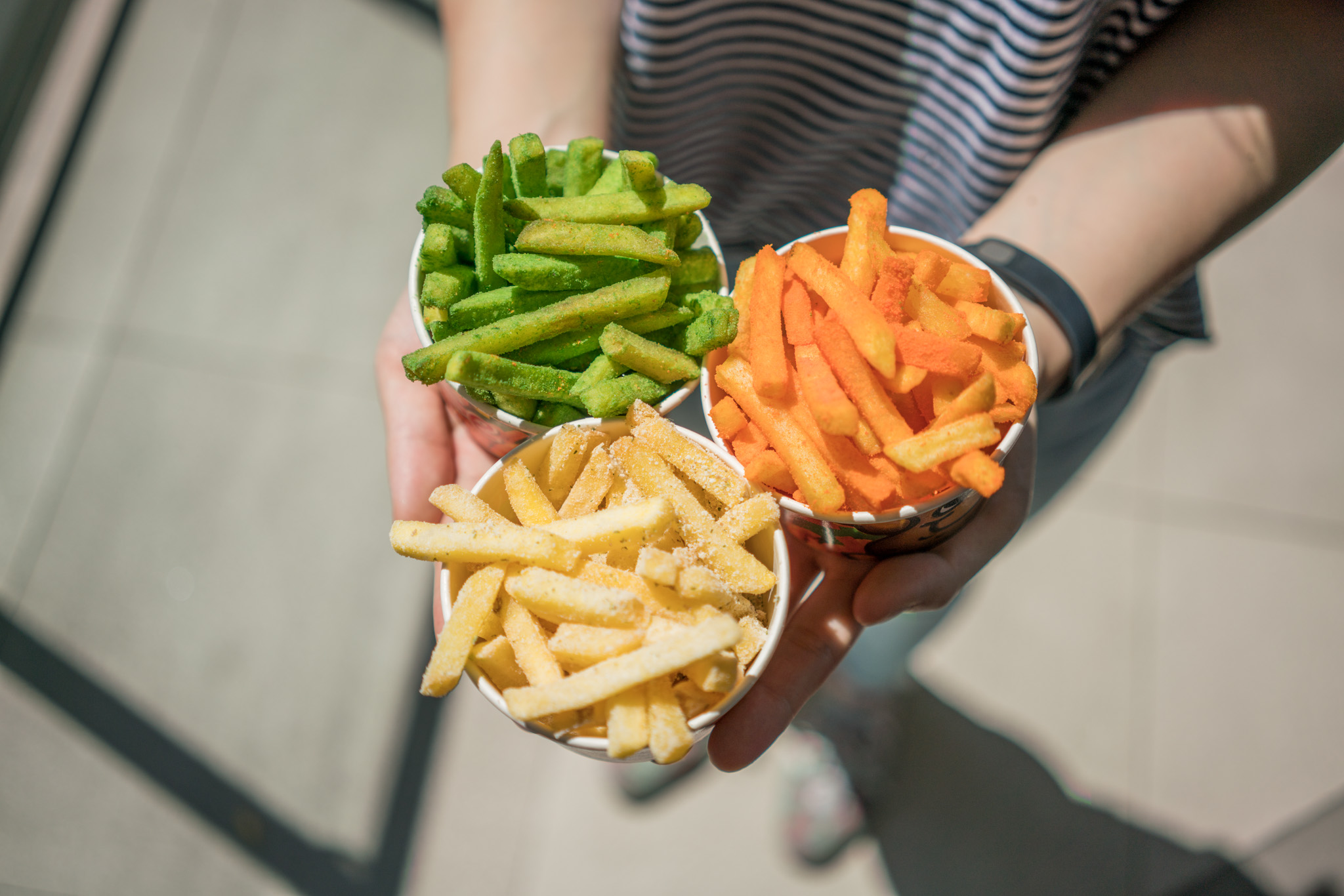
    Filipino fast food chain Potato Corner has launched at Somerset Mall in Singapore.

    Popularly known for its flavoured fries, the new takeaway stall on Orchard Road is the latest notch on the global belt of a franchise that has more than 1000 stores worldwide, with locations in large western cities including New York and Sydney, as well as Asian strongholds like Thailand, Cambodia and Indonesia.

    The chain has been operating since 1992, and this is its first foray into Singapore. Philippine Ambassador to Singapore Joseph Del Mar Yap, together with other embassy officials, were on hand to cut the ribbon at the launch event.

    The company has announced plans to open next in Vietnam.

  • Mickey Mouse pop up marks its 90th birthday

    Mickey Mouse pop up marks its 90th birthday

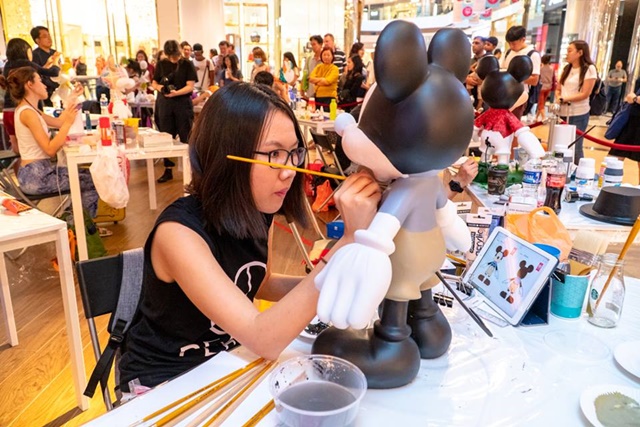
    Raffles City is hosting a Mickey Mouse pop-up store celebrating the cartoon character’s 90th birthday.

    Dubbed ‘Mickey Go Local’, the store is a partnership with the Walt Disney Company Southeast Asia and features more than 80 souvenir products ranging from apparel to household items. The Mickey Mouse pop-up will also exhibit 90 figurines of the popular rodent, designed by Singaporeans, including President Halimah Yacob.

    Raffles City will host the pop up as part of its Arts in the City program until August 29.

    Amit Malhotra, country manager at The Walt Disney Company Singapore and Malaysia, says the exhibition-cum-store will engage fans of all ages in a locally relevant and fun manner, providing more ways for people to celebrate with their favourite Disney character.

    “Mickey Mouse is an endearing global icon, which has crossed boundaries to touch lives around the world through his optimism and happiness,” adds Margaret Khoo, GM at Raffles City.

    “The same can be said for the universal language of art and its power to bring joy to communities. Raffles City Singapore is delighted to showcase unique expressions of our Singaporean way of life through this familiar icon for this year’s Arts in the City program. Collaborating with individuals from different walks of life on this exhibition makes this uniquely Singapore showcase even more meaningful as we mark the nation’s 53rd birthday in August.”

  • Grab Raises $1b to Expand in Indonesia, Eyes More Funds

    Grab Raises $1b to Expand in Indonesia, Eyes More Funds

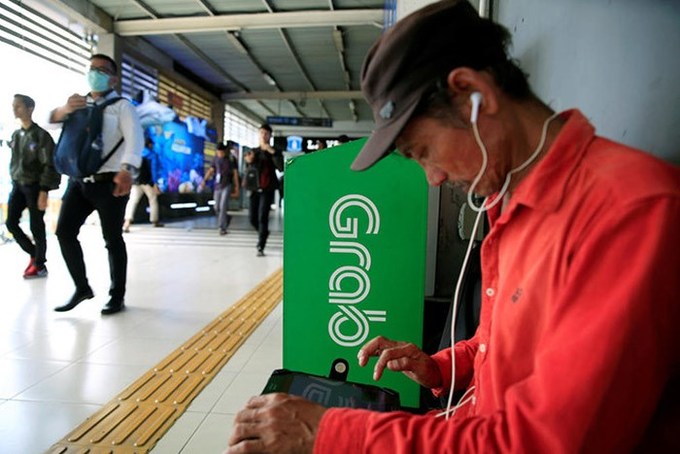
    Singapore-based Grab said on Thursday (02/08) that it has secured $1 billion in fresh funding and will consider raising further cash, as the ride-hailing firm aggressively expands in Indonesia, Southeast Asia’s biggest economy.

    The latest fundraising comes less than two months after it secured $1 billion from Toyota Motor Corp and values the six-year-old startup at around $11 billion, a source close to the company said.

    The firm was valued at around $6 billion earlier this year when it bought Uber Technologies’ regional operations.

    “We will continue opening the financing for certain investors that we think will add value,” Grab president Ming Maa said on Thursday, declining to give any funding target.

    He added that Grab was seeing significant demand from investors globally, both financial and strategic.

    The latest funding in Grab came from global asset manager OppenheimerFunds, China’s Ping An Capital, Microsoft Corp co-founder Paul Allen’s Vulcan Capital, Macquarie Capital and Lightspeed Venture Partners, among others.

    Grab already counts deep-pocketed investors such as Chinese ride-hailing firm Didi Chuxing and Japan’s SoftBank Group Corp among its backers.

    It plans to use the new funds to expand its online-to-offline services, and invest a major portion of the proceeds in Indonesia, as competition heats up with Indonesian rival Go-Jek that is plotting an expansion to Singapore, Vietnam and Thailand.

    Grab said it had earmarked Indonesia, an emerging battleground for technology firms looking to serve a population of over 250 million people, as a priority market.

    The ride-hailing firm is also seeking to transform itself into a consumer technology group, offering services such as digital payments and food delivery.

    Maa said parts of Grab’s business, including transportation, were already profitable in some markets, and an initial public offering was not a focus for the company in the short term.

    Ride hailing services in Southeast Asia are expected to surge to $20.1 billion in gross merchandise value by 2025 from $5.1 billion in 2017, according to a Google-Temasek report.

  • The great differentiator in retail industry

    The great differentiator in retail industry

    The retail industry is competitive, it’s relentless and the success of brands and retailers depends on how firmly they deal with their competition. One way to stay ahead of the curve is the incorporation of technology in a brand’s operating model.

    Technology is changing the shape of the global retail industry as also the way many retailers and businesses operate. In retail, technology gives brands the platform to better satisfy their customers by helping them concentrate on consumer needs.

    According to a Walker study, customer experience will overtake price and product as the key brand differentiator by 2020 and 86 percent of consumers will pay more for a better experience. The challenge in serving the modern customer for most retailers, therefore, lies in bringing about the right balance between technology and humans.

    Retailers with the foresight to understand the potential of technology without getting lost in its complexities, and merging it with human interaction, have always been able to grow faster and bigger. Simply put, technology is beginning to play an increasingly important role in the management of complex retail operations all over the world. To stay ahead of the game, retailers are taking the help of different technologies to lead the way in changing two aspects: their points-of-sale and their points-of-supply.

    As retail markets continue to grow and become complex, it is becoming increasingly tough for businesses to keep a track on new developments and then to figure out how these developments can be combined into their operating models in order to come up with a winning proposition – both for themselves as well as their consumer. This is one of the many reasons that retailers need technology.

    Other important factors for retail brands to transform their IT capabilities include:
    – Increasing the company’s ability to respond to the evolving marketplace through enhanced speed and flexibility
    – Collecting and analysing customer data while enhancing differentiation
    – Working effectively; retailers need one system working across stores (or even across national borders) to make sure the most effective use of stock and improve business processes

    Technology in Retail

    High tech innovations help retailers stay competitive in key categories including consumer convenience, price, size and speed. High tech tools help in manufacturing products in bulk, ensuring fulfillment of consumer demands with greater speed and ease both at the warehouses/ stores and on the sales floor.

    Technology also balances inventory assortments, manages ordering and tracks pricing. Customer tracking tools increase customer satisfaction and promote loyalty by enhancing shoppers’ in-store experience.

    For example, in-store sensors and beacon technology can record behavioral and demographic data to a business’s cloud computing system, offering insight into the customers’ psyche. This data can then guide product, layout and display strategies. The data gathered systems can analyse customer browsing and buying patterns, which then be used to personalise in-store experiences for consumers. IoT beacons can also help customers quickly find items in a store and notify them of offers and discounts via their smartphones.

    On the executive level too, technology plays a positive role in strategy and decision making, saving time and adding convenience and profits to the business.

    Personalisation & CRM Through POS Systems: Thanks to modern technology, cloud-based POS systems aid business owners in the automation of daily tasks. These include payment and checkout like interactive signage, employee attendance, self-service applications like customer check-in. POS systems also help in the overall optimisation of processes like tracking inputs from different access points, implementation of a reservation system (in case of a restaurant) and developing a customer loyalty program.

    These smart register terminals provide reports, calculate discounts, offer coupons, capture and match tally of customer profile information with ease to avoid chaos at the billing counter. They use a signature capture technology for credit card transactions which retains receipts electronically.

    Use of POS technology has served towards making the payment process easier and contactless. RFID and NFC technology provide customers with the bonus of making a purchase using their smartphones and smartwatches.

    It is important for retail businesses to streamline these processes to develop a system which is informative and error-free.

    Inventory Management: According to stores.org, “Retailers will continue to explore ways to use IoT in the coming year for everything from keeping better tabs on their inventory to managing losses from theft and connecting with shoppers.

    With the help of technology, managers can track inventory in an organised manner through its purchase cycle and offer real-time information and updates about the product to consumers. Technology is also already helping in informing managers of the status of the store stock – whether it needs replenishing or not.

    Features like ‘Electronic Data Interchange (EDI)’ help in maintaining direct computer-to-computer transactions from the store to the vendors’ databases and ordering systems. The wireless hand-held inventory units keep a check on the entire database at the headquarters by downloading and help in downloading the data regularly.

    The Universal Product Code (UPC), is used for product identification system using bar code and unique numbering for organising the goods category wise. Automatic replenishment manages restocking of what’s been sold. Customer Relationship Management (CRM) software allows retailers to track customers.

    Price Auditing: Despite being a time consuming and costly process, price auditing is another important aspect for retailers which ensures that the consumers are not being charged extra or less. Auditing has been streamlined to a large extent by the introduction of technology as products can now be scanned at the time of purchase. Th is creates more accurate pricing, saves store employees a lot of time and creates better trust between the store and the customers.

    Impact of Technology on the Retail Industry

    The dawn of e-commerce had dealt a huge blow to the traditional retail – that is until retailers discovered the advantages of Omnichannel retail. With the advent of new technology, retailers are now raising the industry from the simple concept of buying and selling and taking Omnichannel to another level altogether.

    “Retailers will continue to adopt emerging technologies in 2018 to close the gap between the digital and physical worlds, and to learn more about consumers. Mobile will become an increasingly important part of the retail equation as stores also evolve. And throughout the industry, retailers will attain more data about their shoppers and use artificial intelligence to enhance their marketing and merchandising. Personalisation in retail will play a important role in 2018.

    Retailers will use data and AI platforms to better engage customers with personalized shopping experience both online and in the store. More retailers will use AI-based capabilities and technologies to better match shoppers with products. They will be able to access personal shopping history, demographics, page views and clicks then use AI to offer better recommendations and individually tailor their marketing,” says Sunil Nair, Sr. Vice President IT & Business Solutions, SPAR India (Max Hypermarkets).

    Indians as customers are more digitally aware now than ever before, and this number will increase over the next few years. More Indians getting into the digital space would mean more opportunities and challenges for us retailers in terms of getting through to the right audience in a manner that converts them into loyal customers. Upcoming technologies are going to make way for the Indian Retail Industry to make a digital breakthrough and provide exactly what the digitally-aware customers would want,” he adds.

    “India is one of the biggest consumer market in terms of mobile devices. Coupled with an efficient distribution and logistics setup, the retail industry is set for exponential growth. The real time analytics could bring in efficiencies in inventory management, product placements, supply chain, deliveries, and even product development for the right consumer market. The two hot technologies that are becoming very popular are ‘Robotics & Drone Deliveries’ in retail are yet to get a serious consideration in Indian market,” says Chetan Chaturvedi, CIO, Head – IT, Reliance Market Retail Ltd.

    “With the availability of new technologies each consumer today can be viewed as a unique individual with clearly identifiable preferences. Therefore, Indian retail needs to move from one-size-fits-all approach to a highly-customized, consumer-centric
    approach. The way retail is currently structured, this requires a both a big paradigm and structural shift,” adds Abhishek Lal, Sr. Director E-commerce – Emerging Markets, adidas Emerging Markets.

    “AI has become one of the biggest technological developments in recent years. With its ability to help turn large and diverse data sets into enriched information that can help improve speed, cost and flexibility across the value chain. In fashion, AI helps brands and retailers with predictive forecasting, capacity planning and merchandising. Consumers enjoy the benefi ts of better product availability,” says Manoj Patel, Dep. CIO, House of Anita Dongre Ltd.

    How IOT is Shaping the Industry

    “Retailers will make greater use of beacons, sensors and the Internet of Things devices to drive the in-store experience in 2018. IoT will be the tool that can finally bridge the gap between the digital and physical worlds as it finally offers the ability to obtain and use data in stores. Retailers will be able to use these devices to gather more information about consumers in the store and convert that into data that can also be used online and through mobile. They will pilot more IoT programs to enhance store entry, customer interaction, improve merchandising and offer more rapid checkout. We are in the process of implementing IOT for inventory management, improving in-store experience through personalised marketing and energy management,” explains Nair.

    “IoT adaptation varies from company to company. For beauty and cosmetics retail, it would help in recognizing customer sentiments through camera sensors, analysing in-store traffic and converting them as shoppers in real time. IOT can help out in building virtual assist to ‘try on’ makeup look before actually buying the final products. We are working on that,” says Tarun Bali, Head IT, Quest Retail Pvt. Ltd., The Bodyshop.

    “IoT is key for this consumer facing industry and it would create a huge impact in our customer offerings. There is use of sensors which capture Image/ Video/ Product information which are critical elements for retailers. Organizations need to store IoT data and use in for better operating decisions,” Piyush Chowhan, Chief Information Officer, Arvind Fashions Ltd.
  • BreadTalk celebrates another quarter of growth

    BreadTalk celebrates another quarter of growth

    Singapore-headquartered F&B group BreadTalk has announced US$148.8 million in total sales for the second quarter, an increase of 0.8 per cent over last year.

    Henry Chu, BreadTalk Group CEO said the company ended yet another quarter of core earnings improvement powered by growth in its existing brands and contributions from new brands which have surpassed expectations.

    “This was achieved despite costs being incurred to consolidate certain underperforming businesses as well as investments made to boost the efficiency of our backend support infrastructure. On the back of the many corporate actions announced over the past six months, my team and I are excited to get on with the execution to see these initiatives to fruition.”

    While pursuing its global expansion plans with strategic joint-venture partnerships, the group will continue to broaden its business mix by developing new direct-owned brands such as Sergeant’s Kitchen in Hong Kong, Shanghai and Bangkok and Una-Yu in Food Republic Shanghai Tower.

  • Indonesia’s Bekraf opens pop up in Singapore with fashion start-ups

    Indonesia’s Bekraf opens pop up in Singapore with fashion start-ups

    Bekraf, the Indonesian Creative Economy Agency, has joined with the Indonesian embassy in Singapore to open a pop-up store showcasing Indonesian fashion startups.

    Joshua Puji Mulia Simanjuntak, Bekraf’s marketing division deputy head, described Singapore as an important market for Indonesian creative industries, particularly for fashion, as a prospective hub to reach Asean and global markets.

    The fashion industry in Indonesia contributes over half of all creative exports from the country, an economy that generated US$20 billion to 2016 figures.

    At least 14 brands will participate in the event running at Paragon Mall during August.

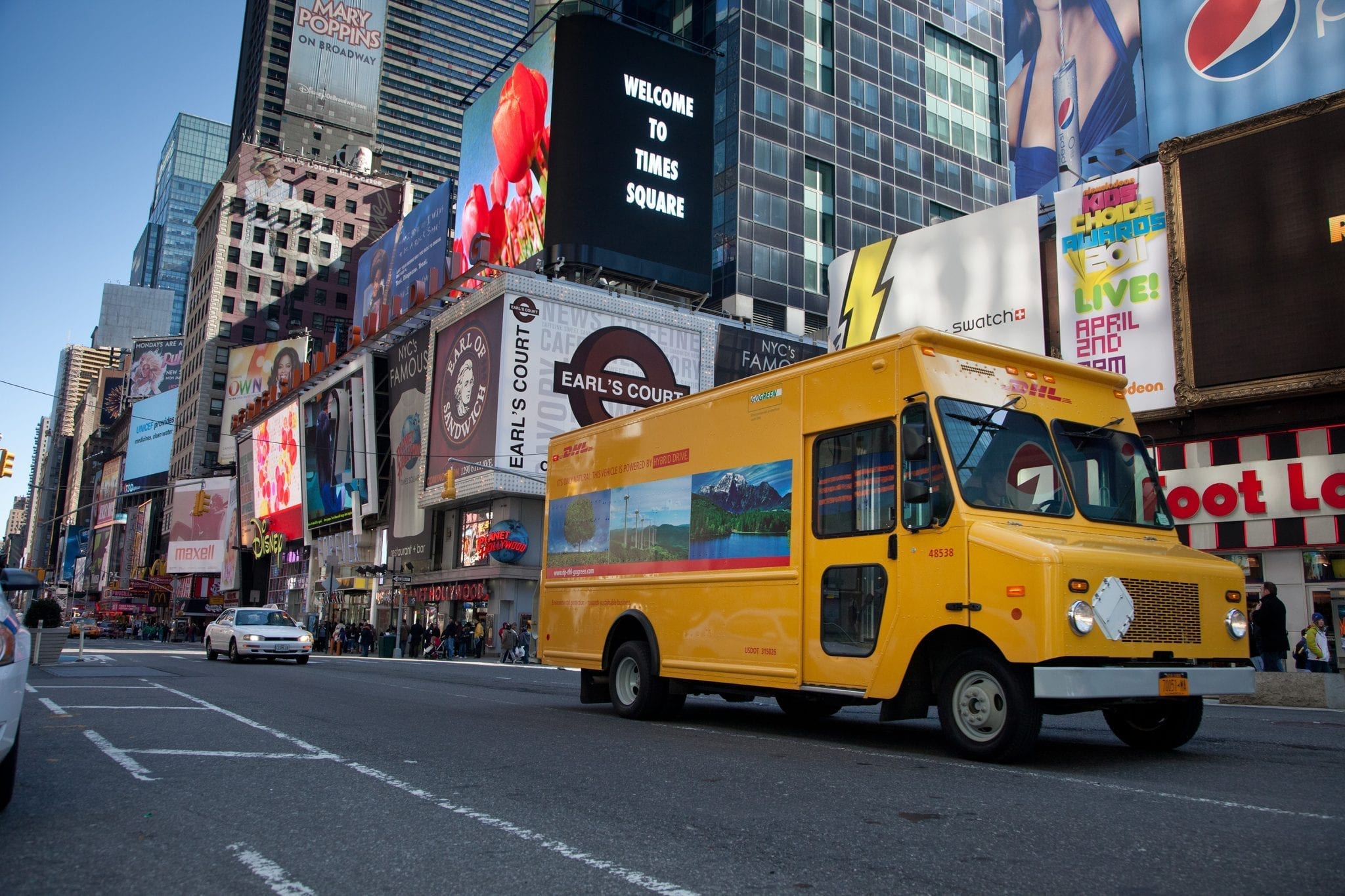
  • DHL eCommerce in Thailand Boosts Efforts to Fight against Illegal Wildlife Trade

    DHL eCommerce in Thailand Boosts Efforts to Fight against Illegal Wildlife Trade

    In order to help combat the shipping and transport of illegal wildlife products, TRAFFIC, through the the USAID-funded Wildlife Trafficking Response, Assessment and Priority Setting (Wildlife TRAPS) Project, delivered a capacity building workshop in Bangkok yesterday for staff at DHL eCommerce in Thailand to learn how they can play a key role in helping prevent the trafficking of wildlife.

    The workshop covered the local and global implications of wildlife trafficking crimes, the role of the CITES convention in regulating the international wildlife trade, common wildlife trafficking trade routes, the modes and methods used by wildlife traffickers for shipping illegal products, and risks to the transport and logistics sector. During the workshop, participants discussed potential vulnerable points along their supply chains in Thailand and ways to strengthen their company’s operations, staff and customers’ awareness, and reporting mechanisms for wildlife trafficking.

    “Today’s workshop raised awareness of how wildlife is threatened around the world, gave us a clear understanding of the potential impacts from wildlife trafficking to our core business, and helped us understand what actions could be taken to strengthen our operations against the wildlife trafficking,” said Mr Wittaya Khoryiamklang, DHL Transport Manager.

    “Leadership from companies like DHL plays a very important role in tackling wildlife trafficking. Only through long term and positive collaborations between the private sector, government, and NGOs we can achieve tangible impacts to stop wildlife crime.” Said Mr Somkiat Soontornpitakkool, Director of the CITES management authority of Thailand, who attended the workshop.

    Following the workshop, staff were awarded certificates of participation along with informational resources for further learning. In the coming months, TRAFFIC will continue to provide technical guidance to DHL in Thailand to support the implementation of  those action points identified during the event.

    “Wildlife trafficking is a transportation-intensive activity and workshops like this can catalyze positive action on the ground to help companies to stay free from unwittingly transporting illegal wildlife products. The Deutsche Post DHL Group is already a signatory of the United for Wildlife Transport Taskforce Buckingham Palace Declaration, so today’s event could be seen as a practical step in helping to implement those high level commitments” said TRAFFIC’s Monica Zavagli, Wildlife TRAPS Senior Project Officer.

    Thailand ranks second in wildlife trafficking instances through the air transport sector globally[1], and in recent years has been on the front lines of many large-scale illegal wildlife seizures, intercepting shipments of rhino horn, ivory, rosewood, and pangolin scales, among other commonly traded wildlife products.

    Many in the transportation sector are recognising the need to take action against wildlife trafficking. Recently, Etihad developed a new 20-minute online module designed to inform its employees of the business risks associated with the illegal wildlife trade and ways to prevent them. In addition, the USAID Reducing Opportunities for Unlawful Transport of Endangered Species (ROUTES) Partnership has conducted trainings across Africa, the Middle East, and Asia to train airport and airline employees in key wildlife trafficking hubs.