Tag: Singapore

  • 4FINGERS buys 50% stake in Australia’s Mad Mex

    4FINGERS buys 50% stake in Australia’s Mad Mex

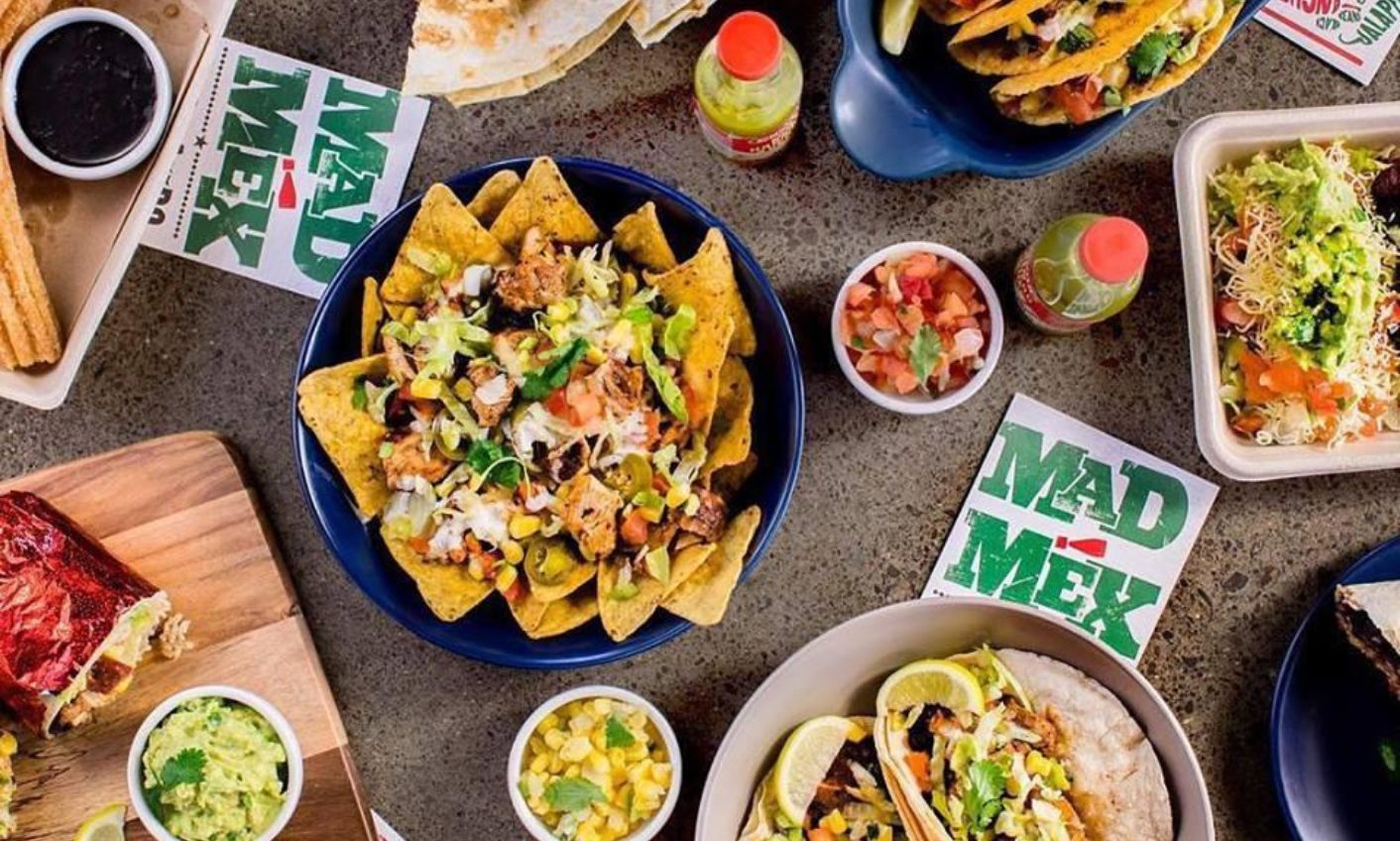
    Singapore casual dining brand 4Fingers has acquired a 50 per cent stake in Australian Mexican QSR brand Mad Mex Fresh Mexican Grill.

    The move is reportedly a first step into a scalable, quality F&B portfolio ready for international expansion. Mad Mex is considered a reputable brand in Australia and New Zealand for its authentic Mexican menu with fresh, healthy ingredients.

    4Fingers plans to initially build the brand in Southeast Asia, beginning with Singapore and Malaysian outlets within the next year.

    Mad Mex’s founder Clovis Young will retain his position as CEO of the brand along with his 50 per cent shareholding.

    The acquisition comes after Mad Mex invited investment earlier this year after posting consistently strong earnings. The chain has achieved more than 4 per cent like-for-like sales growth over the past two quarters, a sharp contrast to the broader Australian food and beverage marketplace, which is facing structural challenges.

    The deal is projected to see the two groups’ combined revenue reach in excess of S$120 million for the 2019 financial year.

    Young said the brand was excited to be partnering with a renowned global brand that aligned with Mad Mex’s firm focus on the customer service and quality.

    “I started Mad Mex in 2006, because I absolutely love Mexican food. But there is a lot of Mexican food out there, and to be honest it’s mostly mediocre,” Young said.

    “I wanted my customers to get a fast meal, but with homemade quality, made entirely of real ingredients, with the fewest preservatives, oils, and sugars possible. You should never have to choose between a quick meal and quality healthy food”.

    Vijay Sethu, director of 4Fingers, said the acquisition of Mad Mex marked a significant milestone in the group’s growth strategy.

    “We are very excited with our investment in Mad Mex and look forward to working with Clovis to further grow this business in Australia and New Zealand and to rollout the Mad Mex brand in Asia.”
  • House of Masaba to host pop-up shop in Singapore

    House of Masaba to host pop-up shop in Singapore

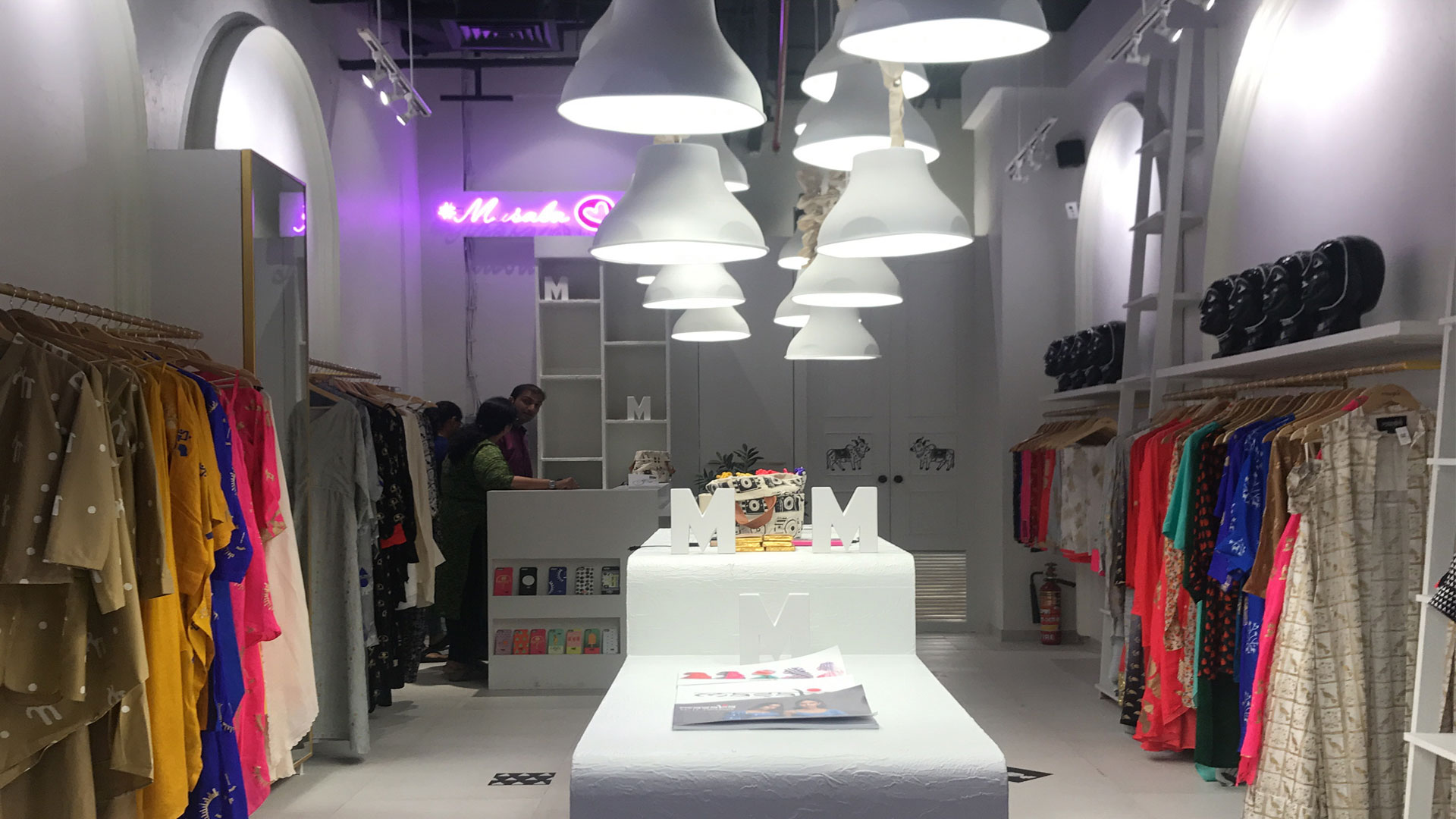
    Designer Masaba Gupta’s House of Masaba will open a pop-up shop in an Indian restaurant, Yantra, on Saturday (September 22).

    Located in Singapore’s Tanglin Mall, the store will present the brand’s latest collection and provide shoppers with a chance to meet the designer.

    Shoppers at the one-day long event, which closes at 6pm, will have the opportunity to meet Gupta and discuss styling options for her designs as well as ask about her inspirations.

    Gupta has held pop-up shows this year in several countries, including the US, Thailand, Canada and Hong Kong.

  • Go-Jek Aims to Raise $2b for Southeast Asia Expansion

    Go-Jek Aims to Raise $2b for Southeast Asia Expansion

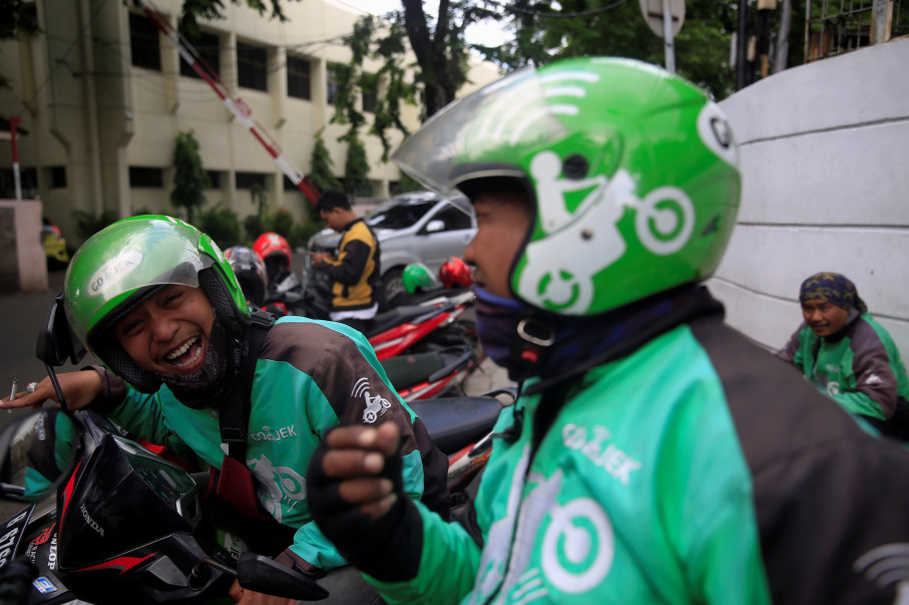
    Indonesian ride-hailing firm Go-Jek is seeking to raise about $2 billion from existing investors, including Tencent Holdings and JD.com, to fund its expansion plans in Southeast Asia, sources familiar with the matter said on Monday (17/09).

    Go-Jek’s fundraising comes as its main rival Singapore-based Grab is also building a war chest to transform itself into a consumer technology group and aggressively grow in Indonesia, Southeast Asia’s biggest economy.

    Both Go-Jek and Grab are raising billions of dollars and investing hundreds of millions of dollars in the race to gain dominance in Southeast Asia. More and more of the region’s 640 million consumers are going online, and starting to make use of smartphones to shop, commute and make payments.

    “Chinese investors have very, very deep pockets but the total amount depends on how demand shapes up,” said one source who was not authorised to speak to the media. Go-Jek’s other existing investors include private equity firms Warburg Pincus and KKR.

    Indonesia — home to 250 million-plus people — is shaping up as a battleground for global tech giants such as Alibaba , Tencent, JD.com, Google and Softbank Group in the fight for market share in ride-hailing, online payments and e-commerce.

    Launched in 2011 in Jakarta, Go-Jek — a play on the local word for motorbike taxis — has evolved from a ride-hailing service to a one-stop app through which its customers can make online payments and order everything from food, groceries to massages.

    Go-Jek said in May it would invest $500 million to enter Vietnam, Singapore, Thailand and the Philippines, after Uber struck a deal to sell its Southeast Asian operations to Grab.

    Go-Jek was last estimated to have a valuation of about $5 billion when Google, Singapore state investor Temasek Holdings and others came in as investors in its $1.5 billion funding earlier this year.

    The new funding is set to be completed later this year, the sources said.

    Go-Jek and JD.com declined to comment. There was no immediate response from Tencent.

    Go-Jek founder and CEO Nadiem Makarim said last month the company was seeing strong funding interest from its backers as it targets an aggressive expansion.

    Go-Jek is a dominant force in Indonesia, where it processes more than 100 million transactions for its 20-25 million monthly users.

    Ride hailing services in Southeast Asia are expected to surge to $20.1 billion in gross merchandise value by 2025 from $5.1 billion in 2017, according to a Google-Temasek report.

    Bloomberg reported news of Go-Jek’s fundraising late on Sunday.

  • Apple Singapore to open two more stores

    Apple Singapore to open two more stores

    Recruiting is underway for the new Apple Marina Bay Sands flagship store – and another.

    Advertising on Apple Singapore’s jobs portal promotes roles believed to be for two new stores in the city.

    Construction has been under way for many months on the Marina Bay Sands flagship.

    Like the nearby Louis Vuitton Maison ‘island’ the new Apple store will emerge from the water, linked to the shopping centre by an underwater passageway. The location in which it is being constructed was previously tenanted by a nightclub.

    In the photo above, the store’s location is the dark “island” construction to the right. On the left is the Louis Vuitton Maison.

    The location of the second flagship has been the subject of endless speculation for some months, despite it being – in the words of a senior Singapore retail industry executive last month – “one of the worst kept secrets in town”.

    Despite the complexity of the construction and approval processes for the Apple Marina Bay Sands store, public information has been scant with development approvals we found online only relating to the closure of the nightclub and the rezoning of the space to retail. Apple is notoriously secretive about its store plans until just days ahead of their opening.

    The store is believed to have been designed by Foster + Partners in London, which was responsible for the Orchard Road flagship store and others recently opened in Milan and Macau. The company is also working on another, controversial, store planned for downtown Melbourne, Australia.

    Meanwhile, Apple Singapore’s jobs portal is advertising 12 retail positions for a new store, which it describes as being located in “Singapore East”. There is no indication of commencement dates for the roles, but these roles are most likely to be for a third store, planned for the new Jewel shopping centre under construction at Changi Airport and managed by CapitaLand.

  • OnTheList launches in Singapore

    OnTheList launches in Singapore

    Hong Kong’s OnTheList flash-sale concept has launched in Singapore.

    The first OnTheList Singapore sale will run from September 19 to 22 in Ngee Ann City Tower B.

    It marks the first overseas foray by the independent, members-only flash-sale concept platform, founded in 2016 by French entrepreneurs, Delphine Lefay and Diego Dultzin Lacoste.

    OnTheList contracts to brands to move excess inventories in short-term sales, with discounts as high as 90 per cent. By selling to a pre-registered, members-only audience, the sales do not undermine those at mainstream stores, or clutter them with racks of off-price merchandise.

    Consumers enrol to attend sales online, with options of free access or a paid premium membership giving advance access to sales.  A separate website has been built for OnTheList Singapore.

    “When I was working in Hong Kong’s retail industry, there was an absence of options for distributors and brands to clear old inventory occupying valuable warehouse space,” explains Delphine Lefay. “To fill this gap, we founded OnTheList as an independent third-party platform and it was the first of its kind in Asia.

    “Through flash sales we hosted, we offered consumers access to premium products at attractive prices, and brands the opportunity to clear past-season items and connect with new customers,” she adds.

    Dultzin Lacoste says this method of clearing stock also promotes sustainability and minimises environmental impact within the retail industry, as old inventory does not go to waste.

    “OnTheList’s business model also gives brands the opportunity to reach out to a wider consumer database, engaging them through the flash sale platform as a first touch point.”

    In just two years, the business has gone from a few pop-up sales to over 150 flash sales and partnerships with over 250 premium brands, including Armani, Clarins, Diane Von Furstenberg, Ferragamo, Kenzo, Roberto Cavalli, and Ted Baker Le Creuset and Havaianas. In Hong Kong, OnTheList now has a permanent venue for its flash sales, but has grown so big it still needs short-term venues, often running multiple sales concurrently.

    OnTheList has now cleared more than 1 million items from its brand partners – and in one four-day sale last year it sold a pair of Havaianas every six seconds.

    OnTheList Singapore will launch with monthly pop-up sales, announcing participating brands just 10 days prior to the sale.

    “We are expanding into Singapore because its retail market has many similarities with Hong Kong’s,” says Lefay.

    OnTheList Singapore also hopes to tap into the large tourism market, as tourism receipts in the city have reached record highs during the past two years.

    “As visitor arrivals from China, India, Indonesia and Vietnam have increased tremendously, it is an opportune time for OnTheList to attract high spenders from the region and to use Singapore as a launchpad for future expansion in Asia and beyond.”

  • Costa Coffee exits Singapore after closing last store

    Costa Coffee exits Singapore after closing last store

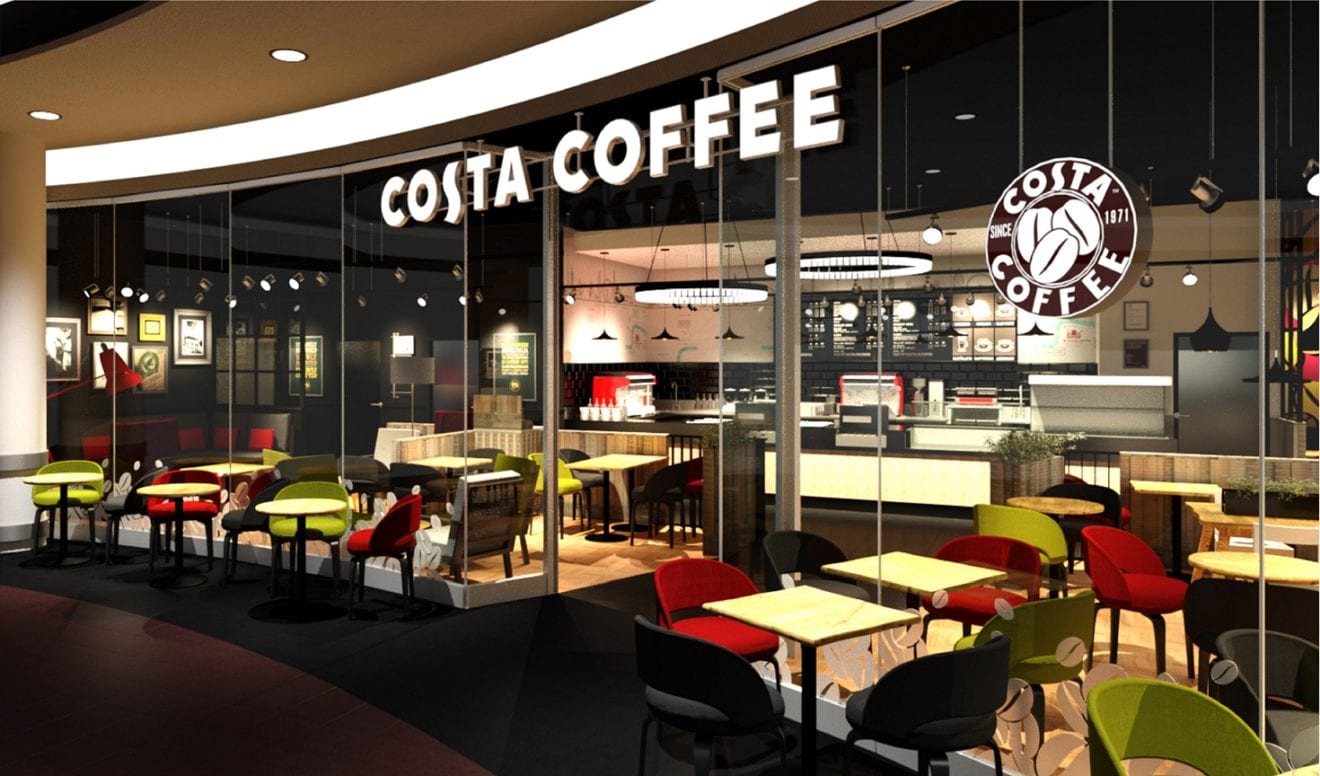
    Just days after Costa Coffee announced it was to be bought by Coca-Cola, UK cafe chain Costa Coffee has confirmed it is exiting Singapore.

    During the last 13 weeks Costa Coffee Singapore has closed six stores in the city and its two remaining outlets will close imminently: Holland Village (September 7) and VivoCity on Sunday week.

    Costa Coffee launched in Singapore in 2012, and has a presence in other Asian markets including Cambodia and Vietnam (where it has one store at Danang Airport).

    A spokesman for Costa Coffee Singapore said: “We are committed to remaining within the South-east Asia region and have ambitious plans to grow the Costa brand.” He said the decision to exit Singapore was made early this year.

    An unnamed employee of Costa Coffee Singapore said that high rents were behind the decision to close the stores,

    However, Esther Ho, director of the School of Business Management at Nanyang Polytechnic, said international coffee chains were struggling in Singapore because they were not focused enough on “experiences” that helped to justify premium prices.

  • Singapore Myanmar Investco calls off Jones The Grocer franchise JV

    Singapore Myanmar Investco calls off Jones The Grocer franchise JV

    The planned Jones the Grocer Myanmar expansion has been cancelled.

    Singaporean Myanmar Investco investment and management firm has called off a partnership with restaurant chain Jones the Grocer.

    The company, which specialises in investments focused on the high-growth emerging economy of Myanmar, announced without further explanation that the crucial “initial development location” upon which the partnership was based was no longer available.

    The joint venture company formed as part of the agreement with local operator Pinnacle Myanmar will be dissolved.

    Jones the Grocer, a cafe and delicatessen concept, was founded in Sydney, Australia, in 1996. Now owned by JTG Holdings, of which LVMH-linked investment company L Capital Asia has a minority stake, it operates stores in Singapore, Thailand, Qatar, Bahrain and the UAE.

  • Breakfast at Tiffany’s in Singapore pop-up store

    Breakfast at Tiffany’s in Singapore pop-up store

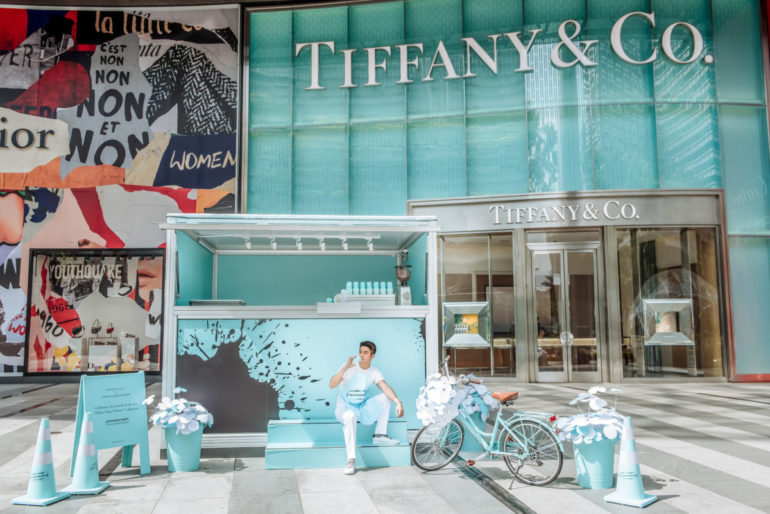
    Singapore locals can now have breakfast at Tiffany’s with a new pop-up for the iconic New York jeweller of the same name opening at ION Orchard mall this month.

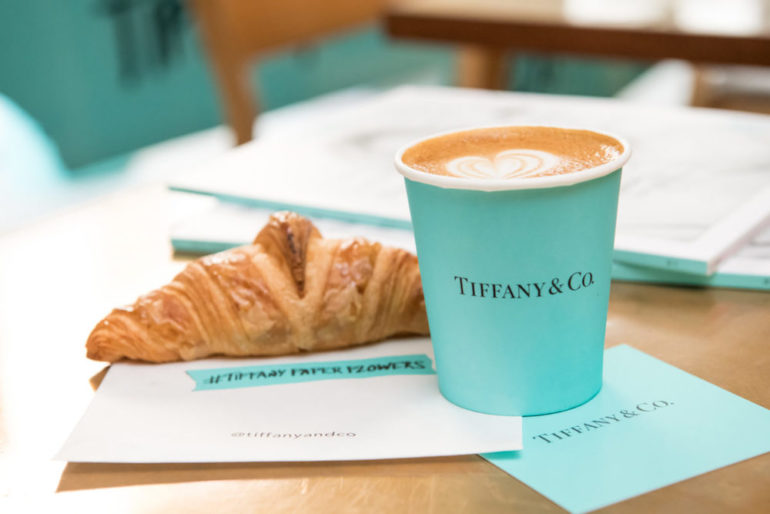
    The Audrey Hepburn-linked jeweller has taken over the Tiong Bahru Bakery located on Eng Hoon Street and will serve clients breakfast treats such as pastries and fresh coffee from the bakery all day.

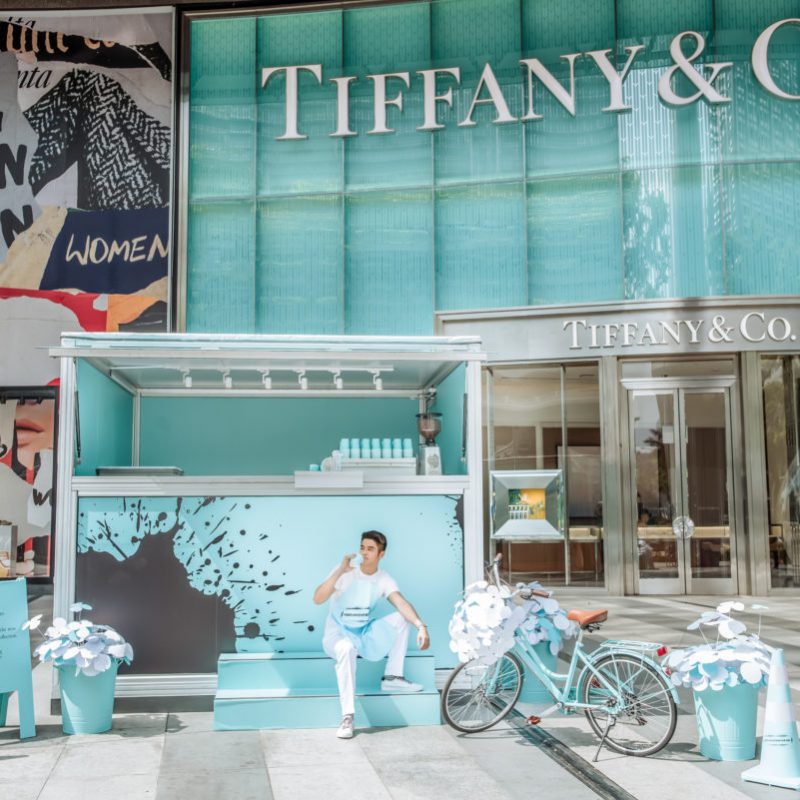
    The bakery’s counter and seating area, as well as menus and signage has been decked out in the signature Tiffany’s blue just for the occasion. There is also a second pop-up, a smaller Tiffany blue coffee cart, inside the mall located right outside the jeweller’s store.

    The week long pop-up marks the launch of Tiffany & Co.’s ‘Paper Flowers’ collection, the first from the jeweller’s new creative director Reed Krakoff. The collection is fronted by the actress Elle Fanning.

    Inspired by paper flowers, the collection includes rings, necklaces and earrings, each design blooming in a flower motif to look like a paper flower.

    Prices range from S$4,100 for a pendant to S$565,000 for a necklace.

    The pop-ups can be found at Tiong Bahru Bakery, where items will be sold all-day long, and outside the Tiffany & Co.’s boutique at ION Orchard from 10am to 2pm.

    The Tiffany & Co.’s ‘Paper Flowers’ pop-up event runs from August 27 to September 3.

    Thereafter, the new ‘Paper Flowers’ collection is available at all Singapore stores and counters including ION Orchard, Ngee Ann City, Marina Bay Sands and Changi Airport.

  • Epicentre Singapore suffers epic loss

    Epicentre Singapore suffers epic loss

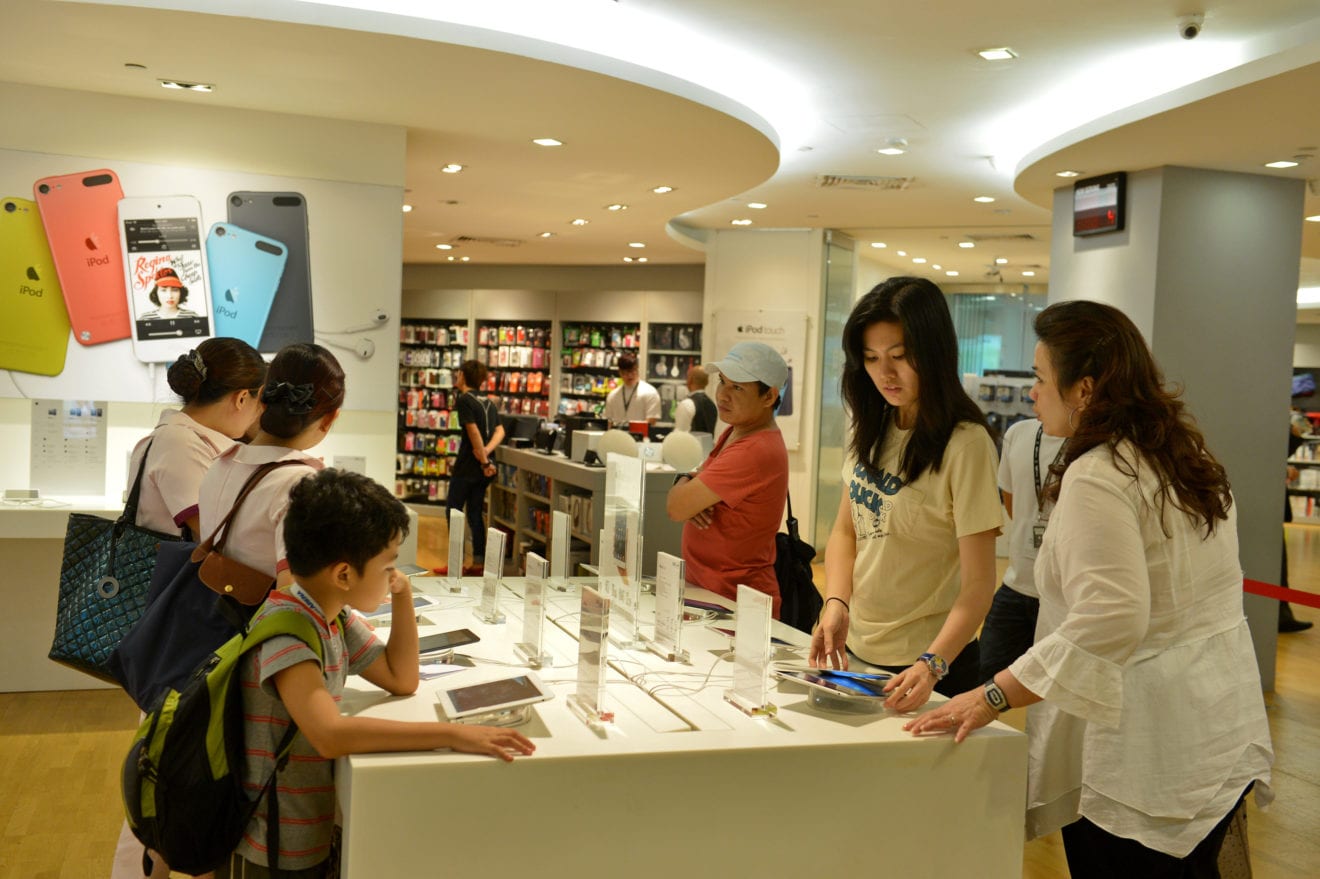
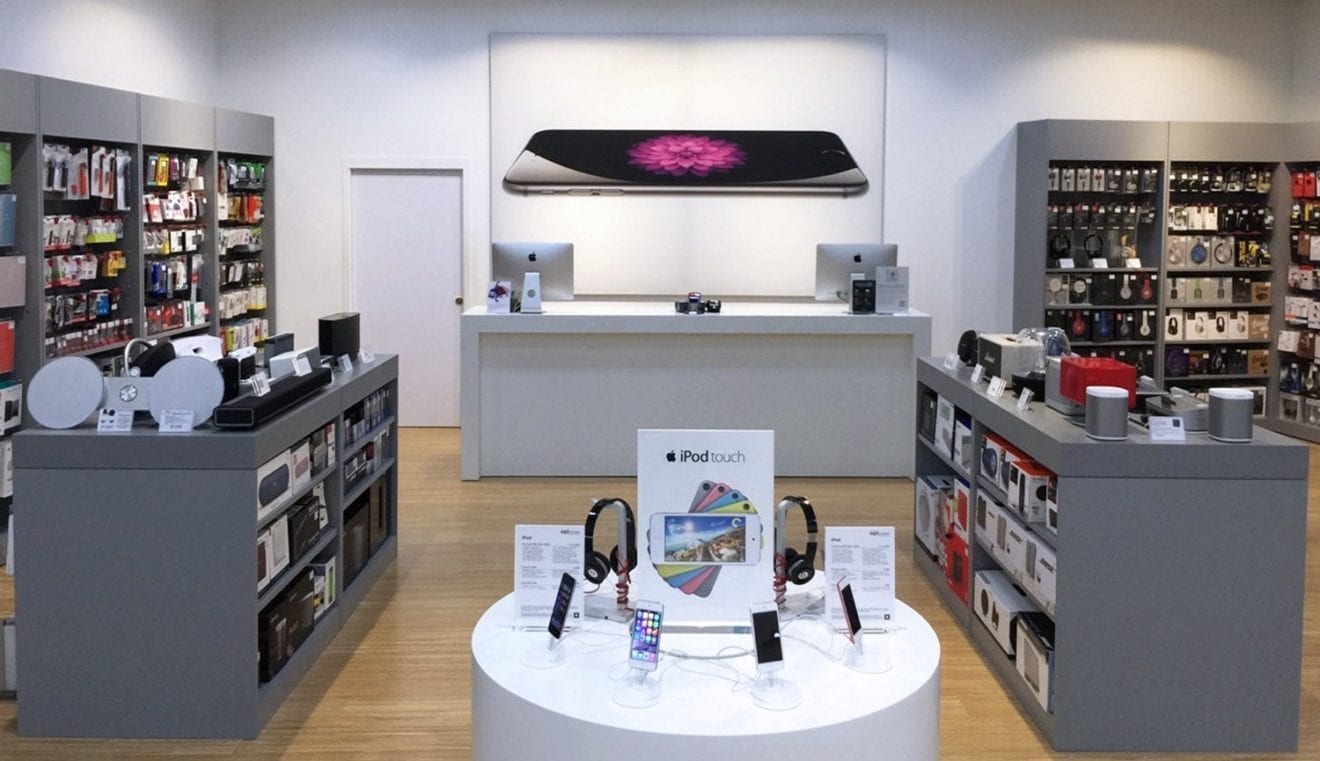
    Singapore Apple reseller Epicentre Holdings has posted a S$7.1 million loss for the last year after all but cutting ties with the tech giant.

    Epicentre announced in June it would sell its four stores and e-commerce site to a rival reseller, after the opening of the Apple-owned flagship store on Orchard Road decimated its sales, with a second flagship already under construction in the city. At the time it said it would retain its Apple retailing business in Malaysia, however since then the company has apparently lost its official Apple reseller status, leading to an $11 million decline in revenue from continuing operations in that market.

    The company received just $516,275 for the Singapore Apple reseller business from Elush, parent of the rival iStudio chain, but Elush took over store lease liabilities.

    Epicentre says it will refocus the business on Japan IPL Holdings, a hair removal and skin rejuvenation salon in which the company bought a 51 per cent stake in June last year. That business was profitable contributing $3.6 million in revenue and $3.4 million in gross profit for the year. It is also planning to acquire a property development and hotel management business, allowing it to diversify away from retail into potentially more lucrative businesses.

    Epicentre was founded in 2002 and at one point operated 10 outlets in Singapore, Malaysia and China.

  • Emperor Watch & Jewellery profit jumps high

    Emperor Watch & Jewellery profit jumps high

    Emperor Watch & Jewellery cites “strong momentum in luxury consumption” as the reason for a massive profit boost in the first half of this year.

    Total sales surged 34.3 per cent to HK$2.454 billion (US$312.6 million), as inbound tourism arrivals from the mainland recovered and Hong Kong retail sales rose.

    Revenue from its core, home market Hong Kong was up 42.8 per cent to $1.908 billion, accounting for 77.8 per cent of total sales.

    “The improvement in consumption sentiment has supported robust demand for watches,” the company said in an announcement. Hence, revenue of the watch segment, the group’s largest revenue contributor, rose 32.1 per cent to $1.942 billion, accounting for 79.1 per cent of total revenue. Revenue from the jewellery segment increased by 43.6 per cent to $512.5 million.

    Gross profit grew 39 per cent to $677.3 million, with gross profit margin rising from 26.7 per cent to 27.6 per cent, due to stronger demand for watches.

    Group net profit more than quadrupled year on year to HK$157.2 million.

    “Given the favourable fundamentals of Hong Kong luxury watch sector, we are cautiously optimistic about our long-term business prospects albeit market volatility,” said Emperor Watch & Jewellery CEO and chairperson Cindy Yeung. “We remain committed to respond proactively to the market dynamics and leverage on our core competencies.” As at June 30, the group operated 84 stores – four more than at the end of last year – in Hong Kong, Macau, Mainland China and Singapore.

    After a successful launch in Singapore in 2013, the group now plans to expand into Malaysia. Yeung said the company will also continue to eye further expansion opportunities globally.

  • Lazada offers credit lines to sellers in Singapore

    Lazada offers credit lines to sellers in Singapore

    It’s been almost two and a half years since Alibaba initially invested in Lazada, and the Chinese e-commerce giant has now invested at least $4 billion total in the company, including a $2 billion infusion this past April. At that point, Alibaba saw great potential in a region of the world where online sales represented only 3% of all retail sales.

    Partnering with Finaxar on a seller financing program shows how Lazada and its majority owner are continuing to build up this Southeast Asia marketplace to take advantage of that growth opportunity. If the strength of an online marketplace lies in the number and variety of sellers, brands and products that can be found there, it makes sense for the operator of that marketplace to support firms in growing their businesses.

    Lazada is not the first player in the space to offer financing. For example, just last month, eBay partnered with Square Capital on a program to offer eBay sellers access to more funds for working capital. Just a few weeks before that announcement, Payability unveiled a program to give sellers who participate in multiple different online marketplaces faster access to needed financing.

    Sellers in online marketplaces often may be too busy to think about their own growth road maps, and they may lack large enough sums to pursue growth even if they do have a roadmap. Seller financing, whether direct loans, credit lines or in some other form, can give them an opportunity to invest more in their own inventory growth, marketing and operations.

  • Singapore tourist spends less

    Singapore tourist spends less

    Singapore tourist spending has dipped by half a percent, despite a 7.3 per cent boost in arrivals.

    According to the Singapore Tourism Board, about 4.6 million visitors arrived in the city state in the first quarter of this year – but they spent less on shopping and accommodation. Their total collective spend was about S$6.7 billion.

    According to the government data, tourist spending on shopping declined 9 per cent, with accommodation spending down 13 per cent and food and beverage down by 16 per cent.

    Instead of spending in shops, hotels and eateries, tourists splurged on sightseeing, gambling and entertainment, collectively up by 6 per cent.

    China, Indonesia and India were Singapore’s largest source of visitors and spending during the quarter.

  • Uniqlo plan to double its store in SEA

    Uniqlo plan to double its store in SEA

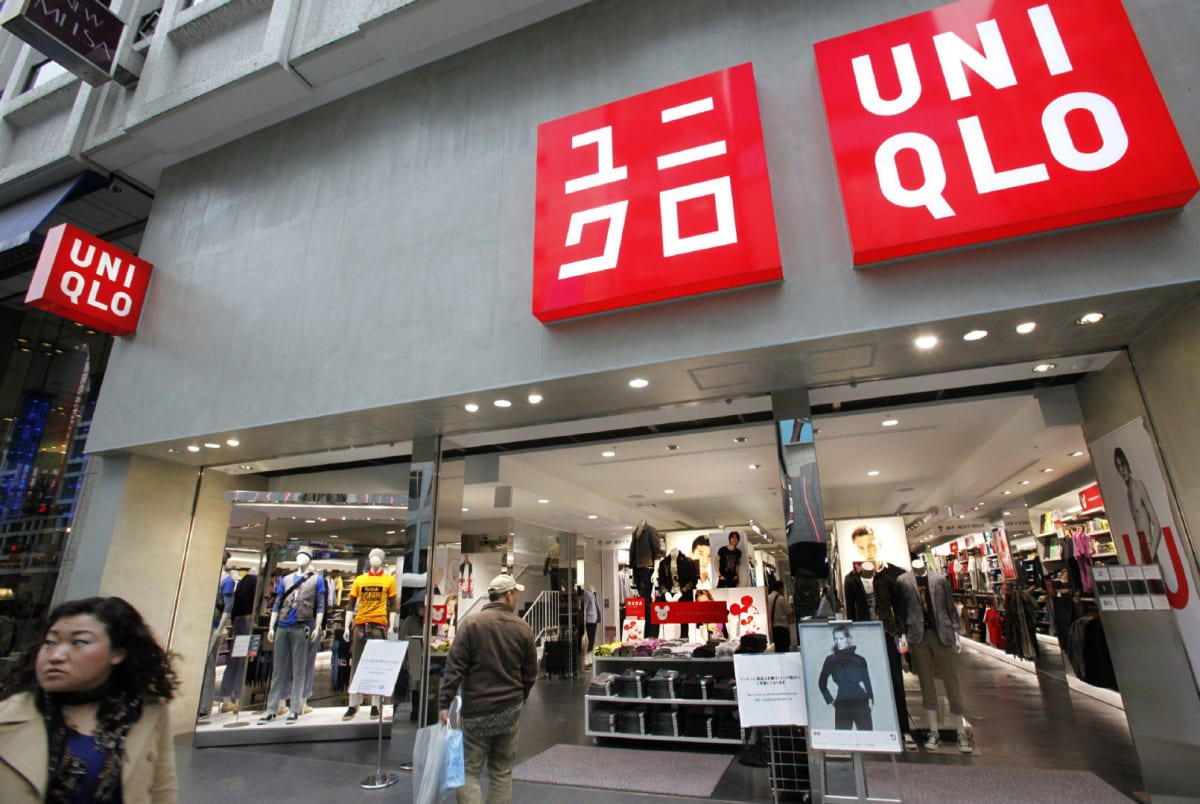
    Japanese apparel giant Fast Retailing is eyeing massive expansion in Asia-Pacific.

    The Uniqlo Southeast Asia and Oceania store network is set to double by 2022 to about 400 stores, Fast Retailing’s group senior VP Satoshi Hatase said in an interview.

    The company plans an emphasis on stand-alone suburban stores as it expands its Southeast Asian footprint, seeking to move beyond its traditional shopping mall locations.

    “We opened our first roadside store in Asean in Thailand in March, and it has been a huge success,” he said, adding that stand-alone stores in suburban locations were the key to Uniqlo’s original growth in Japan.

    Regionally, Uniqlo has now reached a level of recognition where “the timing is right” for suburban stores, he said.

    Fast Retailing executives in Thailand, Malaysia and the Philippines are talking with leasing agents to identify suitable sites for such stores.

    In Southeast Asian markets, middle- and high-income consumers are the ones which will fuel the Japanese company’s growth.

    “Lower-income people cannot buy Uniqlo [yet],” Hatase said. But in 10 years, “a significant number of Asean people will be able to”.

    Fast Retailing has previously said it aimed to triple its sales in the region to 300 billion yen (US$2.7 billion) in the year to the end of August 2022. Last year’s regional sales were 100 billion.

    Fast Retailing already has stores in Australia, Malaysia, Singapore, Indonesia and the Philippines. Its next target in the region is Vietnam.

    “We want to have stores in all countries [in the region],” Hatase said, especially Vietnam, Laos and Myanmar.

  • India’s Hidesign plans Asian expansion

    India’s Hidesign plans Asian expansion

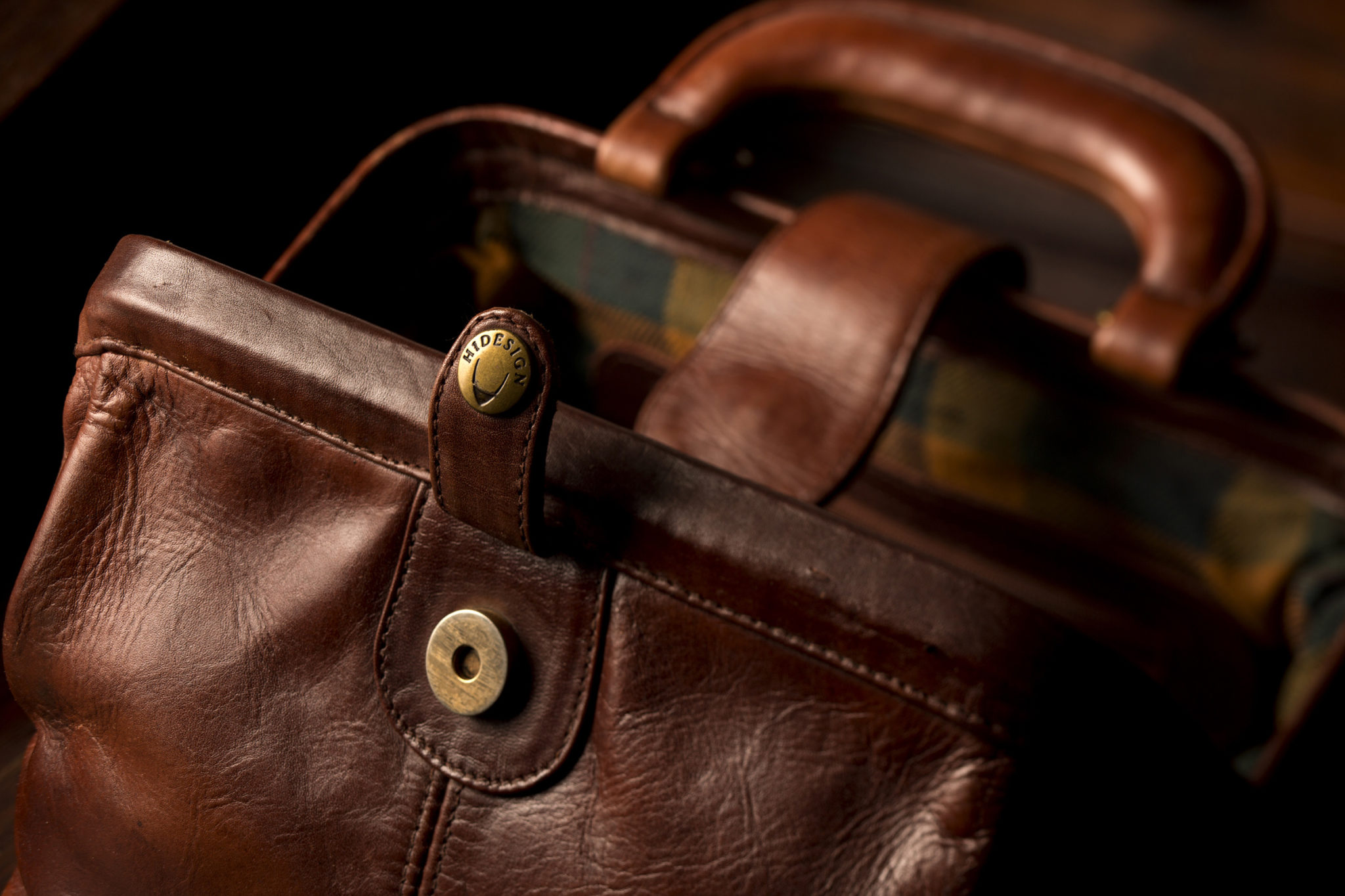
    Indian leather retailer Hidesign plans to open flagship stores at Singapore’s Changi airport and in Indonesia as it eyes an Asia-wide footprint.

    At home, Hidesign plans 12 new stores in the next two months in cities including Goa, Kolkata, Indore, Jaipur, Varanasi and Lucknow.

    The New Delhi-based company, which has been operating for 40 years, has also recently opened in Sarajevo, Bosnia adding to a global network which includes South Africa, Kenya, Nepal, Bhutan, Russia and the Czech Republic. It is also planning boutiques in the UAE, Saudi Arabia, Lebanon and Kuwait later this year.

    Chairman Dilip Kapur says the company wants to become a more viable brand internationally.

    “Our immediate focus is to expand our luxury range Atelier Hidesign – made from ostrich and deer leather – starting at ₹30,000 (US$428) by adding new colours and designs to the existing women’s range and launching men’s collection.”

    Hidesign expects turnover to grow by about 30 per cent year.

    “Our growth is led by new stores as well as e-commerce platforms where consumers from several big and small cities now have access to Hidesign. Discounted products online are also one reason that consumers are buying Hidesign online,” Kapur said.

    Hidesign has 84 standalone stores in India and shops in 14 international and domestic Indian airport stores.

  • Laura Ashley sales and profit decline, announces sale of Singapore

    Laura Ashley sales and profit decline, announces sale of Singapore

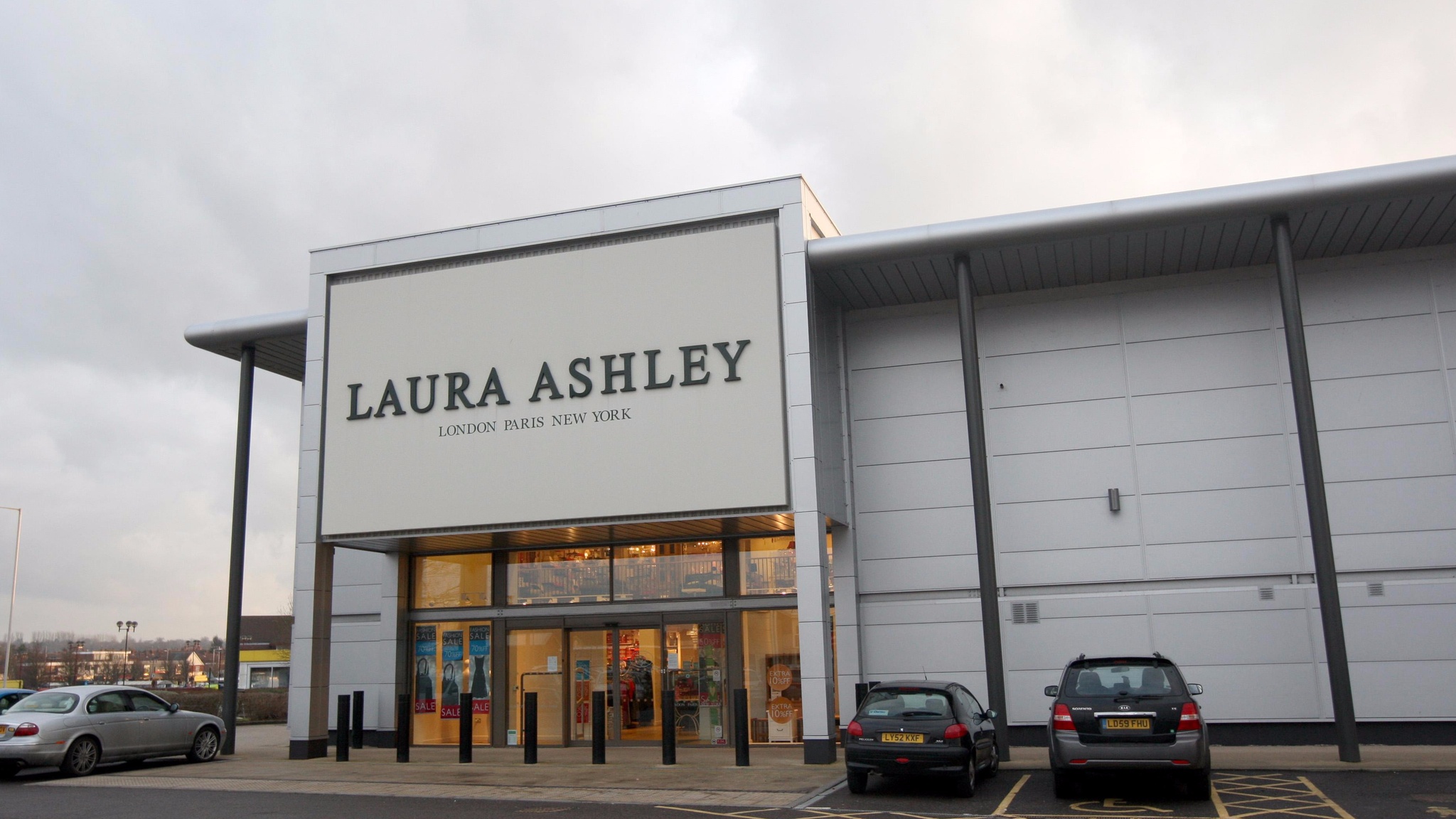
    Malaysian-headquartered apparel and homewares retailer Laura Ashley is selling its commercial property in Singapore against declining sales – but it remains positive about its regional prospects.

    The firm’s full year results announced a fall in profits from £8.4 million (US$10.8 million) last year to £5.6 million ($7.2 million) this year. Total sales for the group also declined to £257.2 million ($332 million) compared to £277 million ($357 million) in 2017. Conversely, online sales increased to make up 25 per cent of total retail revenue.

    Company chairman Tan Sri Dr Khoo Kay Peng said: “As set out at the time of the interim results, the trading environment for the first half of the year was challenging and the board expected these difficult trading conditions to continue into the second half of the year. This proved to be the case and, given the softer trading environment for the year ended June 30, 2018, we are disappointed to report a fall in profits.”

    The company’s Singapore properties will be purchased by SB Investment for a cash consideration of SGD54.5 million (US$39 million), conditional on shareholder approval.

    Peng commented: “Although the proposed sale has led to an impairment charge for the group, on completion of the disposal, group net debt will be significantly reduced and cash flow will be strengthened.”

    Despite the sale, expansion into the Asian market continues to be Laura Ashley’s strategy for the region.