Tag: Singapore

  • Ted Baker Asia sales free falls

    Ted Baker Asia sales free falls

    Ted Baker Asia sales slipped in the 28 weeks to August as the UK brand trimmed its store network in Hong kong and Mainland China.

    According to its latest results filing, Ted Baker Asia sales fell 1.8 per cent in real terms, however in constant currency they rose 1.8 per cent, to £11.2 million.

    Sales per square foot excluding e-commerce sales decreased 4.4 per cent.

    “We continue to refine and develop our strategy for success in Asia,” said chairman David Bernstein.

    In China, Ted Baker closed one store, one concession and one outlet store. It closed another store in Hong Kong.

    But Bernstein said the company’s e-commerce concession businesses in China and Japan performed well with sales of £1.7 million (up by £600,000 compared with last year) which expressed as a percentage of total Ted Baker Asia retail sales came to 15.2 per cent.

    In Asia, Ted Baker licensees opened new stores in India, Malaysia, Singapore and Taiwan during the period.

    Globally, Ted Baker retail sales, including e-commerce, rose 1.1 per cent to £220.1million. Group revenue, including licensing, rose 3.5 per cent to £306 million.

    “Ted Baker has continued to develop and expand as a global lifestyle brand across its markets and distribution channels despite challenging external trading conditions,” said founder and CEO Ray Kelvin. “This continued growth is testament to the strength of the Ted Baker brand, the design and quality of our collections as well as the dedication and talent of our teams.

    “Whilst we believe that the second half of the year will remain challenging due to external factors, we are well positioned to continue Ted Baker’s long-term development. Our flexible business model ensures that our customer has multiple channels to engage with Ted Baker and our global e-commerce business continues to expand, supported by our digital marketing strategy and unique stores that showcase the brand.”
  • Oldtown White Coffee opens new concept store at Suntec City

    Oldtown White Coffee opens new concept store at Suntec City

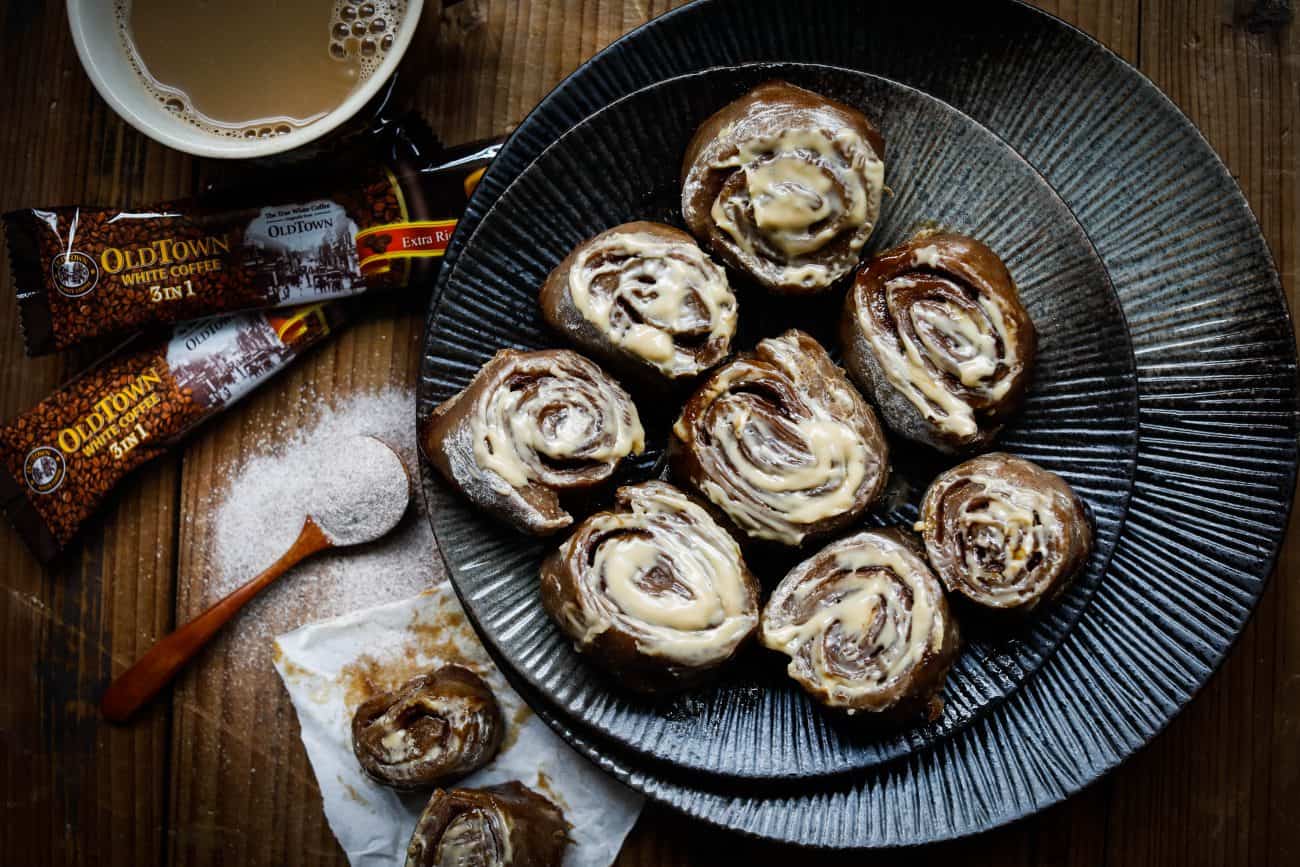
    Malaysian cafe chain Oldtown White Coffee has launched a concept store at Suntec City Mall.

    The venue opened last month and features a facial-recognition feature as part of its ordering system. Seating 88 guests, Oldtown Suntec City offers exclusive local menu items and new coffee flavours, including popcorn and coconut lattes.

    Oldtown White Coffee is Malaysia’s largest white coffee chain and operates more than 250 outlets throughout Southeast Asia. It has established outlets in China and Indonesia, and has recently expanded into Vietnam and Cambodia.

  • Tencent, Hillhouse back MINISO

    Tencent, Hillhouse back MINISO

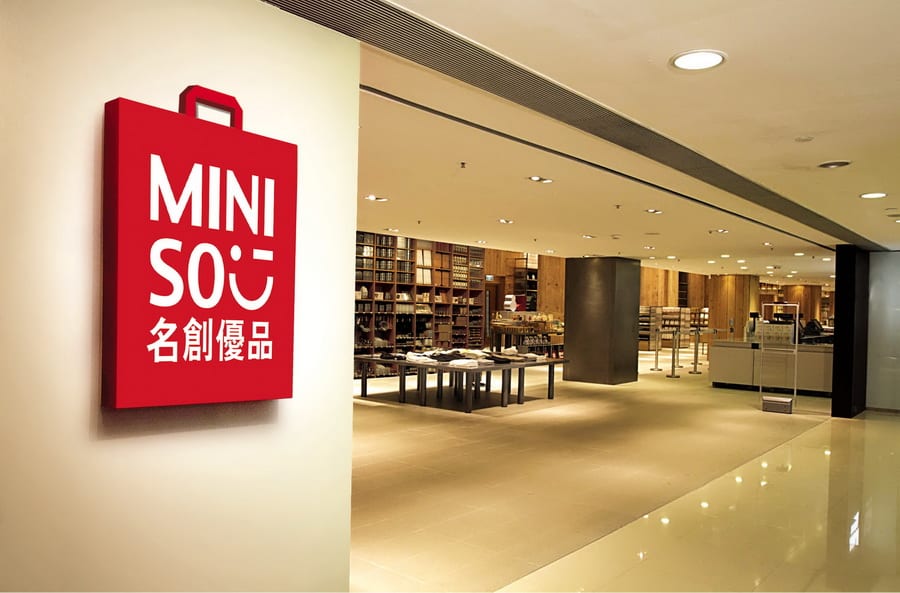
    Tencent and Hillhouse Capital have invested RMB1 billion (US$146 million) into fast-growing Chinese discount retailer Miniso.

    Founded just five years ago, Miniso has already grown to more than 3000 stores worldwide using what it describes as a “high quality, low price” philosophy.

    Three years ago, the China-headquartered retailer which pretends to be Japanese in its brand positioning and marketing, made its first foray abroad. One in three of its stores are now in overseas cities in 70 countries and markets, including Hong Kong, Singapore, Japan, Vietnam, Taiwan, Macau, India, South Korea, North Korea, Indonesia, Malaysia and the Philippines.

    In a statement, Miniso said the strategic investment from Tencent and Hillhouse Capital will enhance cooperation in big data analysis, smart outlets, intelligent retail and digital operations, among other areas.

    “The investment of Tencent and Hillhouse Capital will help the future development of Miniso by improving its ability in terms of information technology, capital operation, corporate governance, etc. The investment will also expand its layout in the field of intelligent retail and accelerate overseas market expansion, so as to help Miniso achieve its medium-term strategic goals.”

    That goal is to have 10,000 stores trading in 100 countries with RMB 100 billion in sales by 2022.

  • Keppel in joint venture for first commercial development in India

    Keppel in joint venture for first commercial development in India

    Keppel Land, the property subsidiary of Singaporean conglomerate Keppel Corporation, is in a partnership to develop its first commercial property in India.

    The group has acquired a well-located 3.09ha site from Metro Cash & Carry India in Yeshwanthpur through a majority 51:49 joint venture with Indian property developer Puravankara.

    The total consideration of INR 4.05 billion (US$81 million) includes the cost of $16 million for the construction of a 160,000sqft retail/office complex. The total development cost, including the land, is $207.4 million.

    Yeshwanthpur is 5km northwest of central Bangalore, one of the primary hubs for the technology industry in India. The area is among the largest and fastest-growing office markets in the country.

  • When vinyl music and cocktails meet in cafe concept

    When vinyl music and cocktails meet in cafe concept

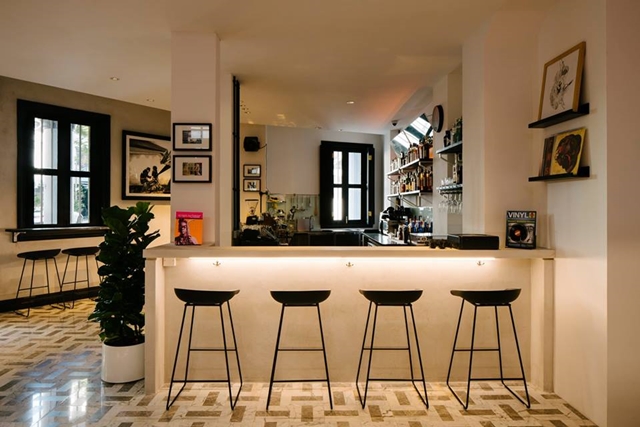
    Singaporean music enthusiasts Kurt Loy and Darren Tan have celebrated the renaissance of vinyl records with a bar in a new venture on Ann Siang Road.

    White Label is a bar and record store in a single space where the duo hope to enthuse a new generation to share their passion for vinyl. Their last venture was record marketplace app #vinyloftheday.

    “We are very happy to be working with Analog Vault to present to Singapore’s music community and music lovers our labour of love,” said Tan at a media preview. “We aim to provide a unique and all-encompassing experience in music where you can have a drink, discover and buy new music, enjoy live performances and DJ sets.”

    Loy and Tan hope White Label will become more than a bar, becoming a community space to showcase underground culture and alternative music. They plan to present a curated collection of vinyl from local and regional stores and host live events, including a two-day popup on october 12 and 13 featuring Jazzy Sport.

    On the bar side, White Label will serve cocktails, craft beers and wine.

    White Label is at 28 Ann Siang Road and trades from 11am to midnight Tuesday through Sunday.

  • WeChat Pay embarks on first mall partnership in Singapore

    WeChat Pay embarks on first mall partnership in Singapore

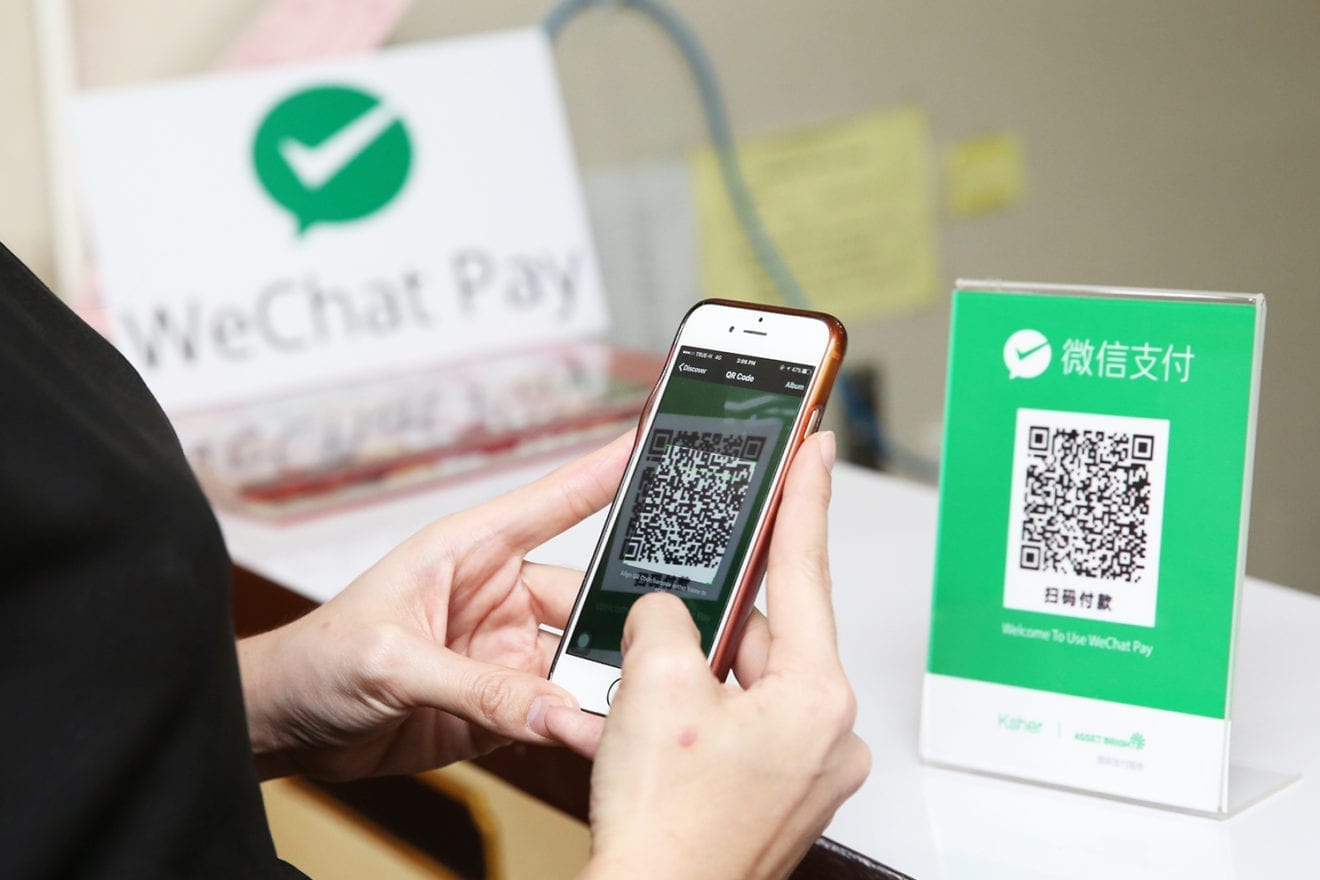
    Mobile payment platform WeChat Pay has announced its first mall partner in Singapore.

    WeChat Pay is rolling out cashless payment services across retail and F&B outlets in the popular Bugis Junction and Bugis+ malls, centrally located in Singapore’s Civic and Cultural District.

    GM Ivy Ang said the malls are particularly popular with young Chinese tourists. “Together with WeChat Pay, we will offer exclusive campaigns tailored for young Chinese travellers in Singapore. As we head into the Golden Week holidays and end-of-year festivities, we will continue to offer customised promotions and targeted campaigns to WeChat users through its many communication platforms and marketing channels, so our shoppers enjoy a rewarding shopping experience,” she said.

    “In this digital age, where we see more and more shoppers going cashless. Partnering with WeChat Pay is thus a very relevant initiative,” she added.

    Grace Yin, WeChat Pay’s director of overseas operation added: “The Bugis arts, culture, and entertainment district is especially popular with young Chinese tourists, which makes Bugis Junction and Bugis+ ideal to mark WeChat Pay’s first mall partnership in Singapore.”

    With the launch, Bugis Junction and Bugis+ will be the first malls in Singapore to accept WeChat Pay as a mobile payment platform across its wide range of commercial offerings. To celebrate the introduction of the new payment platform, the mall is hosting exclusive offers for shoppers to get rewarded with virtual money packets and receive cashback coupons.

    WeChat Pay is one of the leading mobile payment solutions in China. It is currently available in over 40 countries and regions across the world in 13 currencies and has more than 800 million monthly active users.

  • ASUS Handpicks SmartOSC for Its Ecommerce Push in Singapore

    ASUS Handpicks SmartOSC for Its Ecommerce Push in Singapore

    ASUS, one of Fortune magazine’s World’s Most Admired Companies, that is dedicated to creating products for today and tomorrow’s smart life, has appointed SmartOSC to be its ecommerce partner, following a competitive pitch in April. The event marked an important milestone in ASUS strategy to differentiate and enhance its offering for the Singapore market.

    Emma Ou, Country Manager of ASUS Singapore shared: “The current ASUS’s website is the best place to explore our wide range of products. Adding the ecommerce site will deliver a more convenient and immediate shopping solution in addition to all our brick and mortar stores at our brand stores and authorised retailers. Hosting our own ecommerce site is also align with our ongoing effort in providing our customers a seamless O2O shopping experience and an attractive rewards programme. Throughout the entire pitching process, SmartOSC demonstrated a holistic view of our requirement and passion for our brands. We get great ideas and constant feedbacks from their team for realizing our vision”.

    According to research firm Statistica’s report on Singaporean consumer ecommerce market, electronics & media is currently one of the leading ecommerce verticals accounted for 26% of total revenue. With user penetration is at 68% in 2018 and is expected to hit 72% in 2022, ecommerce is a captivating opportunity for any brands and retailers. Moreover, the research firm also reports that Asia contributed for almost 80% of all B2B e-commerce volume worldwide in 2017 and Southeast Asia is proving itself to be an attractive B2B procurement market in the region.

    SmartOSC will work closely with ASUS team to provide consulting, user-centric experience design, technical implementation and integration services. After launch, the website will be the one-stop shopping destination for both B2B and B2C customers. Customers will be able to order a wide range of product available across ASUS distribution network, and there will be options build customized gaming hardwares from its famous Republic of Gamers (ROG) product line.

    “ASUS is exactly the kind of ambitious partner SmartOSC is excited to work with. It gives us the opportunity to think out of the box and work on a project that goes beyond conventional requirements. We are confident that our ecommerce expertise and technical capability will make us a genuinely valued partner to ASUS.” Thai Son, CEO of SmartOSC, said.


  • Axiata Malaysia evaluating options on stake in M1

    Axiata Malaysia evaluating options on stake in M1

    Axiata Group Bhd, which is evaluating its options on a possible buyout offer by two of M1 Ltd’s major shareholders Keppel Corp Ltd (KCL) and Singapore Press Holdings (SPH), is hoping for accurate future value for its 28.7% interest in M1.

    News reports in Singapore cited that both companies are planning to launch a general offer for shares they do not own in M1. The deal is expected to fetch a market value of S$1.51 billion (RM4.6 billion).

    KCL and SPH hold 19.3% and 13.5% stake in M1, respectively.

    In a statement released today, Axiata said any transaction involving M1 stake should reflect its accurate future value as well as incorporate acceptable control premium based on market norms and precedent transactions of similar nature.

    Axiata said the group is currently reviewing its position in view of a possible transaction to be further announced by KCL and SPH on its M1 shares.

    “The company is already in discussion with a financial institution to act as its adviser to review various options available to Axiata with the sole objective that the company continues to vigorously protect and enhance shareholders’ value of both Axiata and M1, the latter via its board representation.”

    “The financial institution will also advise the company once KCL and SPH officially announce their proposed transaction,” it added.

    Axiata’s share price gained 19 sen or 4.2% to close at RM4.75 today with 3.02 million shares changing hands.

  • US-China trade war dims Asia’s 2019 growth outlook: ADB

    US-China trade war dims Asia’s 2019 growth outlook: ADB

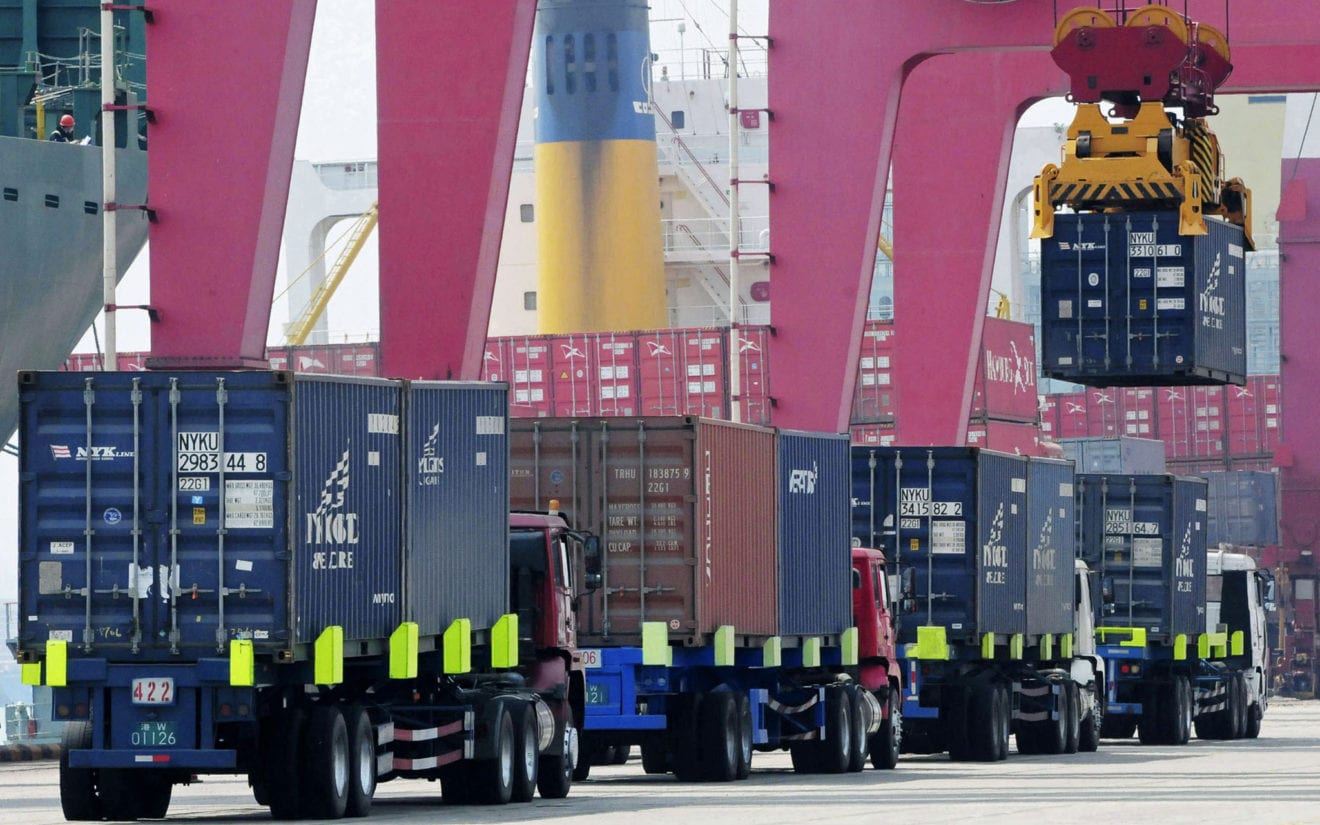
    Developing Asia could grow more slowly than previously thought next year as the US-China trade war inflicts damage on the region’s export-reliant economies, the Asian Development Bank (ADB) said.

    Tightening global liquidity could also weigh on business activity by pushing up borrowing costs, while capital outflows are also a risk.

    The Manila-based institution kept its 2018 economic growth estimate for the region at 6.0% in an update of its Asian Development Outlook. But it trimmed next year’s forecast to 5.8% from 5.9%.

    “Downside risks to the outlook are intensifying,” said ADB chief economist Yasuyuki Sawada, pointing to the potential impact of US-Sino trade tensions on regional supply chains and the risk of sudden capital outflows if the Federal Reserve raises interest rates even more quickly.

    The ADB’s 5.8% growth estimate for 2019 would be the slowest for the region since 2001, when it expanded 4.9%.
    The report covers 45 countries in the Asia-Pacific.

    The ADB’s latest forecasts did not reflect fresh tariffs that the US and China imposed on each other’s goods on Monday.

    Sawada said the additional duties would not significantly change ADB’s growth forecasts, but added the “escalating” trade conflict must be closely monitored.

    China’s economy is expected to grow 6.3% in 2019, the ADB said, slower than its 6.4% forecast in July and weaker than its 6.6% growth estimate for 2018, which was unchanged from its previous projection.

    Domestic consumption in China “seems to be quite robust and supporting 6.6% growth this year”, Sawada said.

    “But admittedly we don’t know (how) the further escalation of the trade dispute may directly affect consumer sentiment,” he added.

    Beijing has set a growth target of around 6.5% this year, the same as last year, which it handily beat with an expansion of 6.9%.

    Chinese authorities have pledged they can still meet the 2018 target, and have started to roll out growth boosting measures as the trade war threatens to put further pressure on the already cooling economy.

    For Southeast Asia, moderating export growth, quickening inflation, net capital outflows and a worsening balance of payments have dimmed the outlook, with growth this year projected to slow to 5.1% from the July forecast of 5.2%.

    “Policy makers have at their disposal an array of policy tools with which to manage pockets of vulnerability and maintain stability, but they must be applied carefully,” Sawada said.

    Inflation across the region is expected to remain under control, helped by country-specific factors like moderate food price inflation in India and China and fuel subsidies in Indonesia and Malaysia, the ADB said.

    Sawada said Asian governments have “enough policy space to handle” shocks and pressure from currency depreciations.

    The ADB lowered its 2018 economic growth forecast for Vietnam to 6.9% from 7.1% projected previously, partly due to the ongoing trade friction between the US and China.

    Vietnam, one of the fastest growing economies in Asia, has an open economy that is heavily reliant on exports, while the US and China are among its biggest trade partners.

    ADB lowered its growth forecast as the ongoing trade tension between the US and China could have a spillover impact on Vietnam. However, the ADB outlook is still higher than the Vietnamese government’s target of 6.7%.

  • Pan Malaysia to form JVCO with Singapore’s Baker & Cook

    Pan Malaysia to form JVCO with Singapore’s Baker & Cook

    Investment holding company Pan Malaysia has entered into a partnership with Singaporean artisan baker and food store Baker & Cook.

    The 50-50 joint venture will serve to diversify Pan Malaysia’s business to include F&B retail outlets, trading as Baker & Cook and Plank Sourdough Pizza. Pan Malaysia’s investment is being made through its wholly owned unit Megafort.

    Under the agreement, Baker & Cook will manage day-to-day operations while Megafort handles concession and sub-franchisee agreements.

    The stock exchange filing announcing the joint venture read: “The group (Pan Malaysia) intends to diversify its business profile and income stream, and it believes that the JV is expected to contribute positively to the earnings of the group in the future.”

  • Singapore fines Grab, Uber combined S$13m, moves to open up ride-hailing market

    Singapore fines Grab, Uber combined S$13m, moves to open up ride-hailing market

    Singapore slapped ride-hailing firms Grab and Uber with fines and finalised restrictions to open up the market to competitors after concluding that their merger in March has driven up prices.

    Uber Technologies Inc sold its Southeast Asian business to bigger regional rival Grab in March in exchange for a 27.5% stake in the Singapore-based firm.

    While the combined S$13 million (RM39.4 million) fine was small compared with the firms’ multi-billion dollar valuations, that and the other measures imposed by the Competition and Consumer Commission of Singapore today represent the strongest censure by a regulator since the deal was unveiled.

    The anti-trust watchdog said it would require that Grab drivers not be tied to Grab exclusively and that Grab’s exclusivity arrangements with any taxi fleets be removed.

    Uber will also be required to sell its car rental business to any rival that makes a reasonable offer and will not be allowed to sell those vehicles to Grab without the watchdog’s permission. The car rental business, Lion City, had a fleet of some 14,000 vehicles as of December.

    Fining Uber S$6.6 million and Grab S$6.4 million, the regulator said effective fares on Grab rose 10-15% after the deal, and that the firm now holds a Singapore market share of around 80%.

    Uber said it believed the decision was based on an “inappropriately narrow definition of the market” and would consider appealing.

    Grab said it completed the deal within its legal rights, and did not intentionally or negligently breach competition laws. It would abide by remedies set out by the regulator, it added.

    Indonesia’s Go-Jek, which plans to launch services in Singapore, said it welcomed the regulator’s steps. “We’re encouraged to see the measures being taken to level the playing field. “It will have a significant effect on our strategy and timeline.”

    Other new entrants to the market include Singapore-based Ryde.

    Grab said it had not raised fares since the deal and argued that all transport firms, including taxi operators, should be subjected to non-exclusivity curbs.

    Grab has also been told to maintain its premerger pricing algorithm and driver commission rates, which the regulator said would protects riders against excessive price surges, and drivers against increases in commissions that they pay to Grab.

    The watchdog said it would suspend the measures on an interim basis if a Grab rival was able to garner over 30% of total rides in the ride-hailing services market in a month. It would remove the measures if a rival attained 30% or more of total rides matched in the market for six consecutive months.

    Rival services include third-party apps for calling cabs and private vehicles as well as taxi-booking services such as those provided by taxi operator ComfortDelGro Corp Ltd.

    Uber and Grab have a month to appeal the Singapore regulator’s decision.

    The deal remains under anti-trust review in Vietnam, which has warned that it could be blocked if the firms’ combined market share in Vietnam exceeds 50%.

    Jerry Lim, Grab’s country head in Vietnam, said he believed the local regulator will consider the market’s unique competitive dynamics and regulatory landscape in its investigation.

    In the Philippines, where the deal has been approved, the competition watchdog has said it is monitoring Grab’s compliance with conditions intended to improve the quality of service, with any breaches possibly resulting in fines.

  • NTUC Enterprise acquires Kopitiam

    NTUC Enterprise acquires Kopitiam

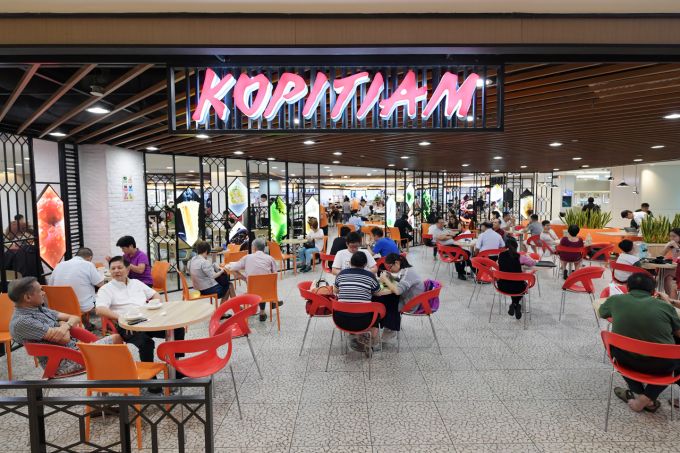
    Singapore’s renowned Kopitiam food centres have been bought by NTUC Enterprise Co-operative to protect the chain from commercial investors.

    In a press release announcing the deal, NTUC Enterprise said by investing an undisclosed sum in acquiring the business it could satisfy its social mission of ensuring cooked food remained affordable and accessible to Singaporeans.

    After the deal is settled, expected to be later this year, the Kopitiam outlets would complement NTUC Enterprises’ existing Foodfare food centres, operated independently by their own management teams.

    However the two businesses would look to sharing technology knowhow and resources and other behind-the-scenes processes.

    Kopitiam was founded 30 years ago and has now grown to 56 foodcourts, 21 coffee shops and three hawker centres across the island, serving some 350,000 meals each day and employing more than 1000 people.

    “Kopitiam and NTUC Foodfare share the common objective of making quality cooked food affordable and accessible to all,” Kee Teck Koon, executive director at NTUC Enterprise, said in a statement.

    “We will leverage our combined strengths to contribute to improving the vibrancy and resiliency of this daily essential sector in Singapore, with the ultimate goal of creating better experiences for our customers, and opportunities for our employees and other stakeholders.”

  • Suite sounds for Singapore Airlines first class with Bang & Olufsen

    Suite sounds for Singapore Airlines first class with Bang & Olufsen

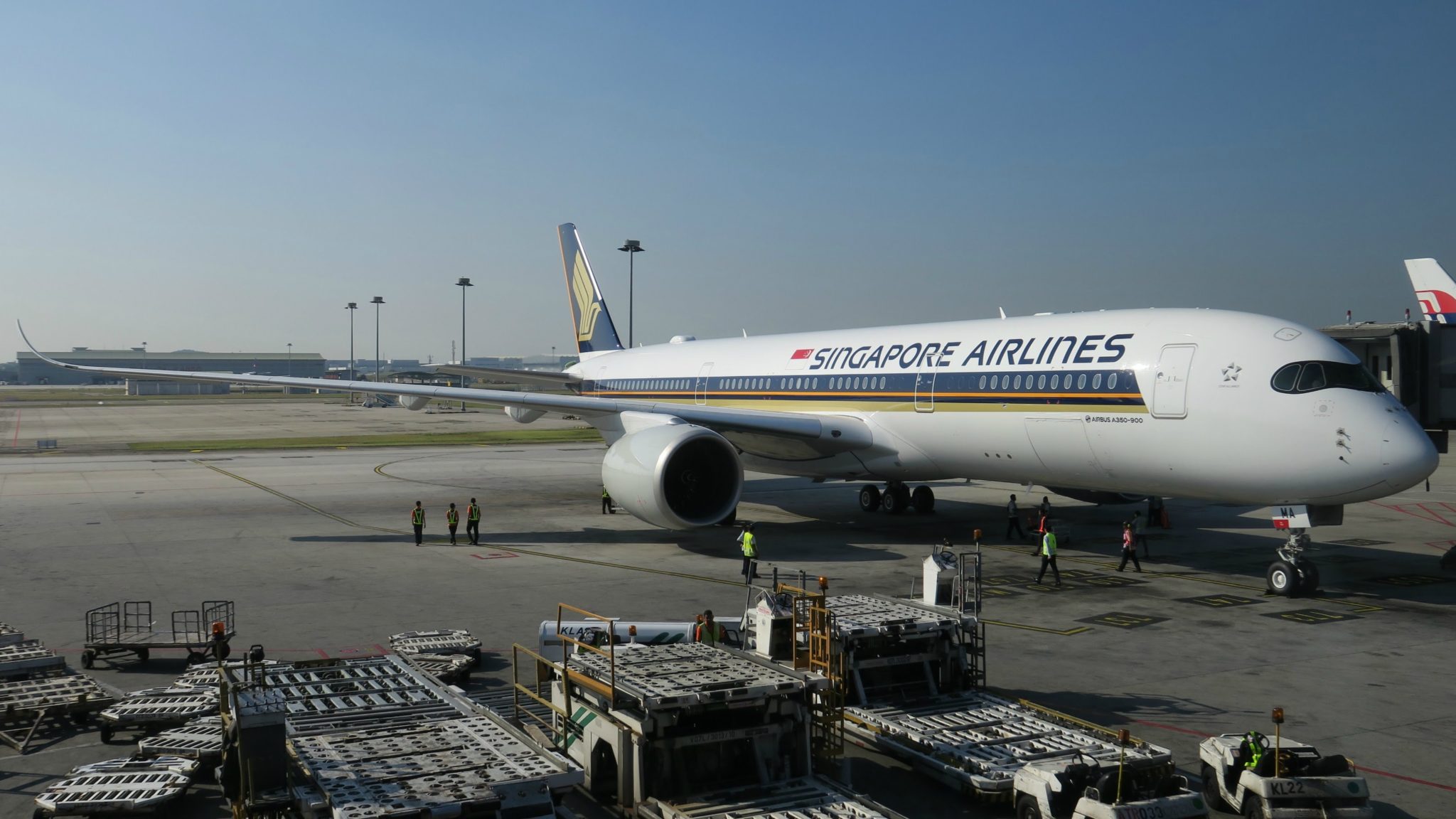
    Passengers in Singapore Airlines’ Airbus A380 first class suites will soon enjoy sweeter sounds through a partnership with Bang & Olufsen.

    From October, travellers on Singapore Airlines’ newest A380s – the ones with the spacious room-like first class suites – will find a pair of Bang & Olufsen’s Beoplay H9i noise-cancelling headphones tucked away and ready to use with the suites’ massive 32 inch screen and KrisFlyer inflight entertainment system.

    Designed by Jakob Wagner, the Beoplay H9i headphones have a simple touch interface on the aluminium surface of the right ear cup to change the volume, pause the music and skip tracks, and are made from premium materials including genuine leather and adaptive memory foam.

    These will be progressively rolled out to the rest of Singapore Airlines’ A380 suites and Boeing 777 first class cabins from November.

    And, sometime later, selected A380 routes will see the suites upgraded to wireless version of the H9i.

    “Singapore Airlines is excited to embark on this partnership with Bang & Olufsen, an established and highly respected name in audio,” enthused Singapore Airlines’s Acting Senior Vice President for Customer Experience, Mr Yeoh Phee Teik.

    “With Bang & Olufsen’s assurance of high quality, precision sound as well as ergonomic comfort of its headphones, we are confident our customers will benefit greatly from this collaboration.”

  • Singapore Airlines bans lion bones in cargo

    Singapore Airlines bans lion bones in cargo

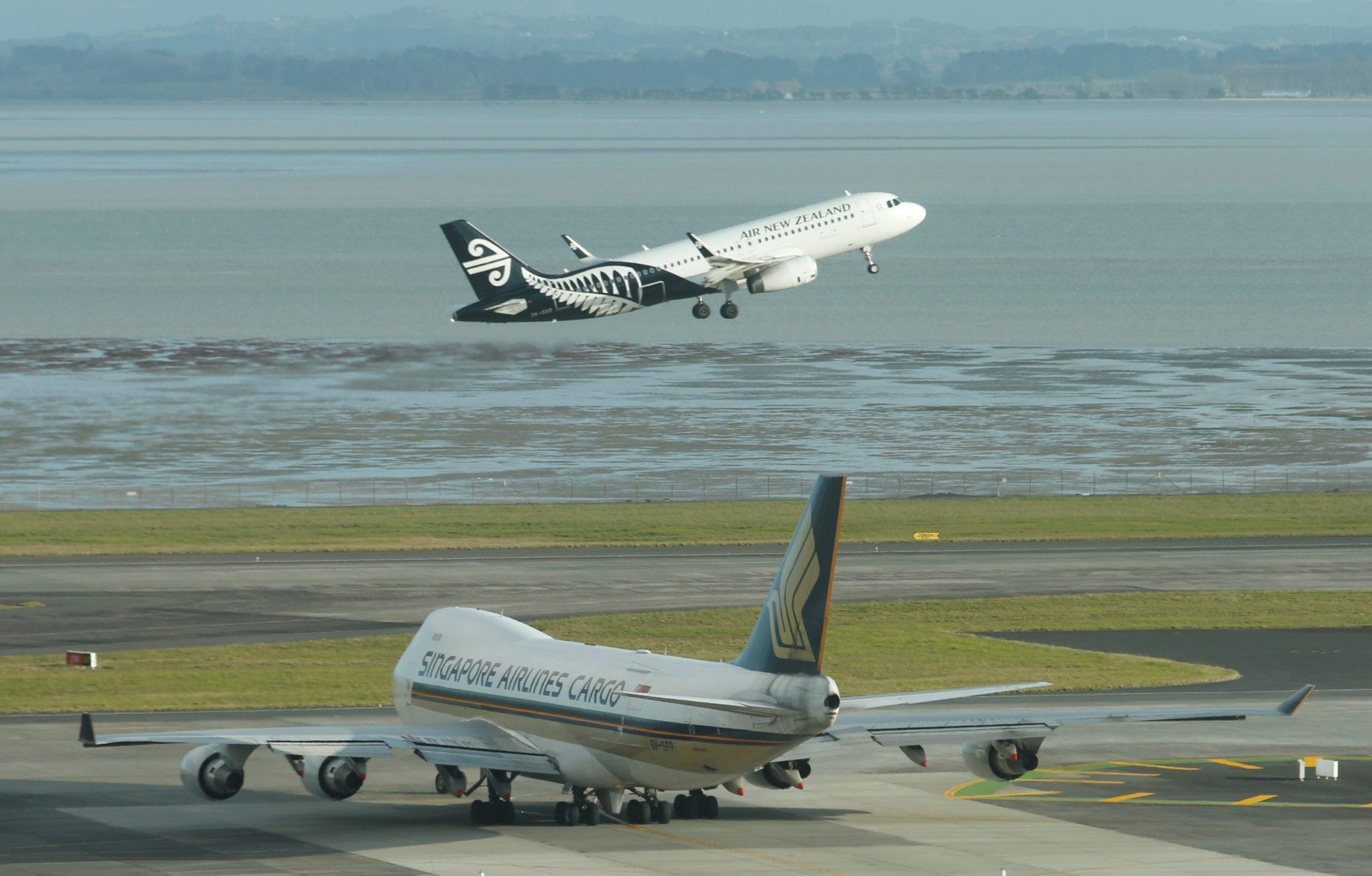
    Singapore Airlines said Friday (Sep 21) it has stopped accepting lion bones for cargo after the carrier was singled out in a report for transporting the animal parts from South Africa.

    Campaigners have long called for a ban on the controversial trade in big cat bones, which are sought after for medicine and jewellery in Southeast Asia.

    Singapore Airlines was the sole carrier importing lion bones from South Africa to Southeast Asia last year, according to a report released in July by the non-profit EMS Foundation and animal rights group Ban Animal Trading.

    At least 800 lion skeletons had been exported with the blessing of the South African government in 2017, the report said, making it the world’s largest exporter of lion bones.

    The airline told it had stopped accepting lion bones as cargo, but did not say when the policy had come into effect.

    “Singapore Airlines does not accept the carriage of lion bones as cargo following a review which took into account increasing concerns around the world,” the company said in an email.

    EMS Foundation director Michele Pickover said her organisation had sent the report to the airline and “appealed to them to immediately stop its involvement in this terrible trade”.

    “I believe that once they were informed about what this trade entails they took the correct and logical decision not to support it,” she told.

    South Africa has been sending lion bones to Southeast Asia since at least 2008 and it was likely that Singapore Airlines had been transporting them since that year, Pickover added.

    Lion bones and other body parts are highly sought after in parts of Southeast Asia – particularly Laos, Thailand and Vietnam – for use in jewellery and for their supposed medicinal properties.

    In Vietnam, lion bone is cooked and turned into balm while claws and teeth were used as body ornaments, the report said.

    While trade of body parts from wild lions is banned, international treaties allow the sale of parts taken from lions bred in captivity.

  • Changi Airport :+7.9% passenger traffic increase in August

    Changi Airport :+7.9% passenger traffic increase in August

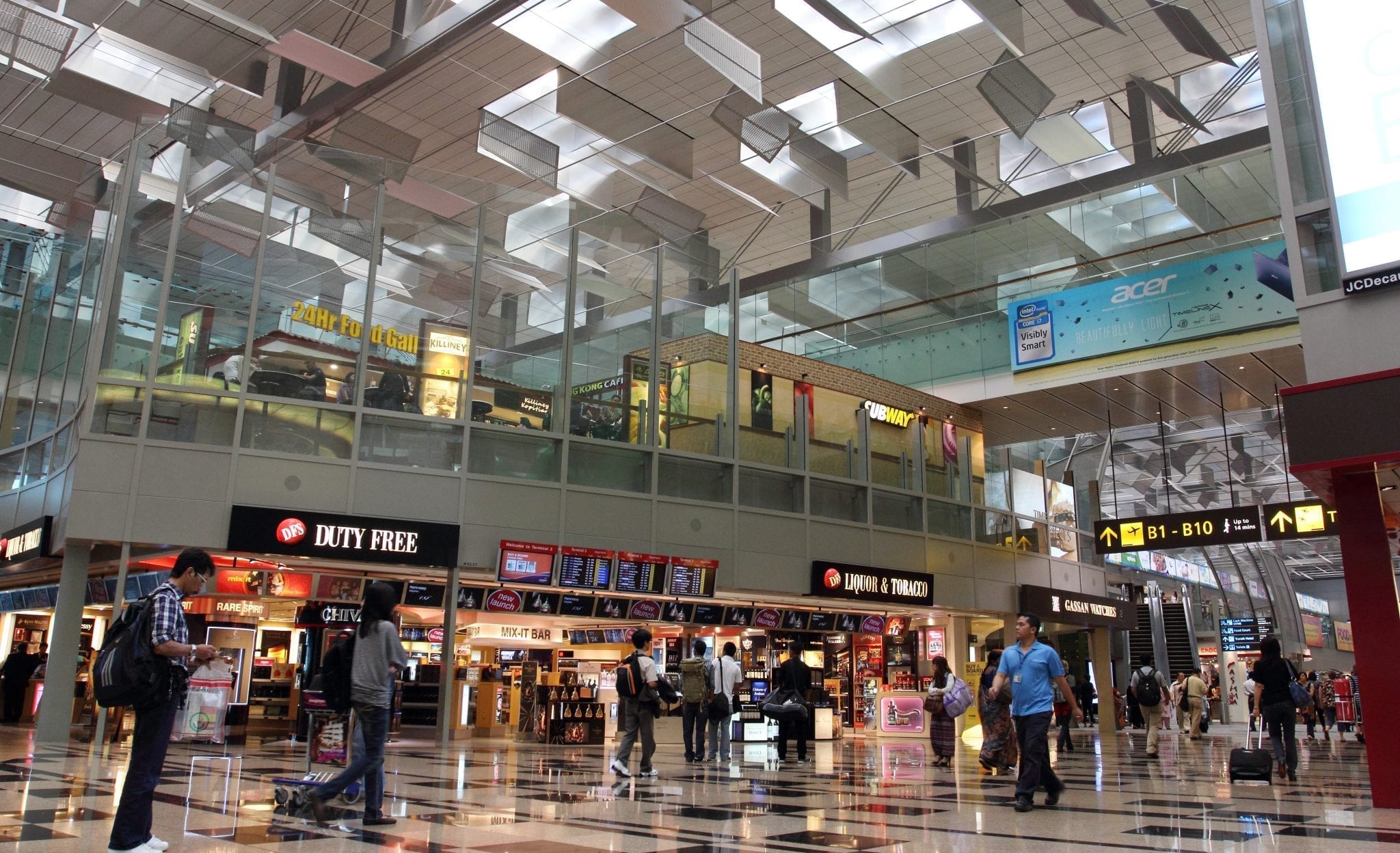
    Singapore Changi Airport recorded a +7.9% year-on-year increase in passenger traffic in August, to 5.68 million.

    Operator Changi Airport Group said there was growth across all regions. Traffic to and from Oceania was up+10%, the first double-digit increase of the year. Europe (+22%) and South Asia (+13%) also posted robust growth.

    Among Changi’s top ten markets, nine recorded higher traffic. Melbourne (+16%), Sydney (+13%) and Manila (+12%) were among the cities to register double-digit growth.

    Changi Airport Group also announced the opening of an E-Gadget Mini by Sprint-Cass electronics retail unit in the Terminal 2 departures hall. Seafood restaurant Fish & Co has also opened in T2.

    T3 saw two recent openings. Restaurant A-One Signature serves claypot-cooked cuisine while Seven Stop is a 24-hour vending machine concept store offering gifts, lifestyle products and has claw machines for play.