Tag: smart

  • Sunway Malls Revolutionizes Shopping with Malaysias First AI-Powered Smart Mall

    Sunway Malls Revolutionizes Shopping with Malaysias First AI-Powered Smart Mall

    Sunway Malls, one of Malaysia’s leading shopping center operators, has launched a pioneering artificial intelligence (AI) system designed to transform its locations into the nation’s first “smart malls.”

    The innovative AI network will work in tandem with Sunway’s existing ‘Internet of Things’ (IOT) framework to enhance operational efficiency and productivity while simultaneously enriching the consumer experience. This technological advancement builds on the successful integration of IOT at the Sunway Pyramid shopping center in Subang Jaya last year.

    Embracing Digital Transformation

    HC Chan, Group Managing Director of Sunway Malls, emphasized the growing importance of digital technology in the business landscape. He explained that the precision, timeliness, and relevance provided by this technology facilitates more insightful and strategic responses in an intensely competitive market.

    According to the company, all 16 Sunway Mall locations will be incorporated into a comprehensive IOT network. This integration will facilitate a cohesive management system that relies on automated, data-driven insights for decision-making processes. The company pledged to allocate resources “intelligently,” anticipating and resolving maintenance issues before they become problematic.

    Expanding Technological Features

    The extensive technological upgrade will introduce a range of features, including a 5G network, smart toilets and escalators, AI-enabled CCTV, and digital sustainability initiatives.

    Furthermore, Sunway Malls will launch a new AI customer chatbot and the Sunway Super lifestyle app, designed to enhance the customer experience. These digital services will offer smart parking, in-mall navigation, and a virtual shopping assistant, revolutionizing the shopping experience for customers.

    Questions & Answers

    What is the purpose of Sunway Malls’ new AI ecosystem?
    The AI ecosystem has been developed to enhance operational efficiency and productivity, while also improving the consumer experience at Sunway’s shopping centers.

    What other technological features will be introduced in the smart malls?
    In addition to the AI and IOT systems, the smart malls will feature a 5G network, smart toilets and escalators, AI-enabled CCTV, digital sustainability programs, and a customer chatbot.

    How is the decision-making process influenced by this digital transformation?
    Decision-making at Sunway Malls will be guided by a unified management system that uses automated, data-driven insights, allowing for intelligent resource allocation and proactive maintenance issue resolution.

  • Dreame Technology Unveils First Flagship Store in Hong Kong: A New Era for Smart Home Appliances

    Dreame Technology Unveils First Flagship Store in Hong Kong: A New Era for Smart Home Appliances

    Dreame Technology, a leading name in smart home appliances, has further solidified its foray into the brick-and-mortar retail sector by opening its inaugural flagship store in Hong Kong.

    Premier Location

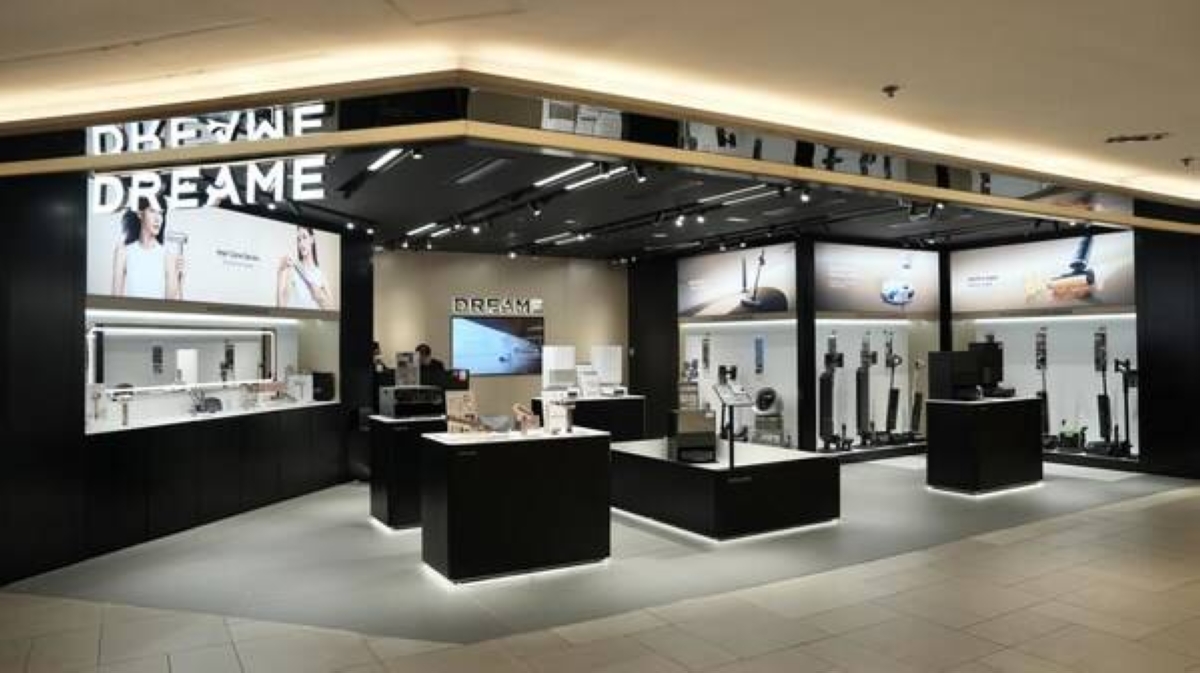
    Nestled within Mira Place in the bustling district of Tsim Sha Tsui, the store proudly displays the full array of Dreame’s product portfolio. This includes a wide range of smart home appliances, such as robotic vacuum cleaners, wet-and-dry floor cleaners, cordless vacuum sticks, hair care equipment, and air purifiers.

    Experience-Centric Space

    The flagship store has been thoughtfully curated as an experiential hub, where consumers have the opportunity to physically interact with the products and test them out before making a purchase. While the store prominently features floor-care solutions, it also introduces a variety of personal care and air treatment products to the Hong Kong market for the first time. These include high-speed hair dryers and an innovative all-in-one air purifier.

    Commitment to Premium Retail Experiences

    Before establishing its physical presence, Dreame initially made its way into the Hong Kong market via online platforms and collaborations with third-party retailers. The launch of this flagship store is a clear indication of Dreame’s ongoing commitment to providing premium retail experiences to consumers. It also underscores the company’s dedication to direct consumer engagement and its strategic plans for long-term growth in major urban markets.

    Questions & Answers

    What is the location of Dreame Technology’s new flagship store?
    The new flagship store is located in Mira Place in the Tsim Sha Tsui district of Hong Kong.

    What types of products does the store feature?
    The store showcases a wide range of Dreame’s smart home appliances, including robotic vacuum cleaners, wet-and-dry floor cleaners, cordless vacuum sticks, hair care equipment, and air purifiers. It also introduces several personal care and air treatment products to the Hong Kong market.

    What does the launch of the flagship store signify for Dreame Technology?
    The opening of the flagship store shows Dreame’s commitment to providing premium retail experiences, engaging directly with consumers, and planning for long-term growth in urban markets.

  • 5G Power Play: How China, South Korea, and Singapore Race to Champion Smart, Ultra-Fast Networks

    5G Power Play: How China, South Korea, and Singapore Race to Champion Smart, Ultra-Fast Networks

    Asia’s broadband and mobile landscapes are quickly transforming, spurred on by economic goals, digital sovereignty, and leadership in industries powered by artificial intelligence (AI). Significant investments are being poured into denser radio networks, more rapid fixed connections, and smart AI automation, particularly in China, South Korea, and Singapore. But what advantages do these leaders hope to reap from such extensive efforts?

    The Economic Imperative

    In the Asia-Pacific region, mobile technologies have already become a major economic cornerstone. The sector was responsible for approximately $950 billion and 5.6% of the regional GDP in 2024, and these numbers are expected to rise with the expansion of 5G.

    Rapid strides are being made in China to roll out both 5G and 5G-Advanced (5G-A) networks. The country now hosts over 4.486 million 5G cell sites, accounting for 35.3% of all mobile base stations, as of May 2025. In just the first five months of that year, 235,000 new 5G base stations were installed, highlighting the government’s ongoing dedication to expanding connectivity. Furthermore, China’s move toward 5G-A signifies a shift from basic connectivity to intelligent networking.

    South Korea’s 5G rollout is similarly comprehensive and widespread. By the third quarter of 2024, the country had approximately 36.1 million 5G connections, and operators had achieved nationwide 5G coverage that same year. Additionally, South Korea ranks highest in terms of 5G infrastructure density.

    Singapore, too, is making substantial strides in the 5G domain. By early 2024, key operators such as StarHub reported over 99% outdoor 5G coverage. The city-state has also dedicated SGD 25 billion (~USD 18 billion) in R&D funding to back enterprise testbeds for 5G in sectors like smart estates, Industry 4.0, and urban mobility.

    The Consumer Imperative

    Both consumers and businesses in Asia are pressing for lower latency, higher capacity, and full coverage. Emerging technologies such as cloud gaming, immersive video, and factory automation depend on low-latency, robust connections and are transitioning to actual deployment.

    In the race for speed, South Korea and Singapore often rank among the fastest worldwide. High speeds are essential to support business workloads, AR/VR services, and AI tasks.

    In China, where average 5G download speeds exceed 400 Mbps, operators like China Mobile and China Unicom report an increase in customer satisfaction and a reduction in churn rates as users upgrade to premium 5G plans.

    Networks are not only becoming faster but also more adaptive. Vendors and carriers are incorporating AI into the radio access network, core, and operations stacks, supporting functions like energy optimization, traffic prediction, and self-healing.

    The Geopolitical Imperative

    Networks play a critical role as key geopolitical assets. As such, governments are diversifying their suppliers and promoting investments in backup cables, localized cloud and edge computing, and corporate cloud services. Security and economic objectives further propel the demand for faster, more reliable networks.

    The advent of software as the primary differentiator in a market where hardware has become largely standardized, along with subsidies and targeted policies, is accelerating deployment. The large-scale rollouts in China underscore how favorable policy can rapidly reduce costs and expand coverage.

    A Pragmatic Race with High Stakes

    Rapid progress, however, comes with its own set of challenges. Densely packed networks are expensive, and some countries still grapple with spectrum and backhaul limitations. AI networks are complex to manage, and privacy, localization, and cybersecurity rules introduce additional regulatory hurdles.

    Yet, the pursuit by China, South Korea, and Singapore of the fastest, smartest networks revolves around maintaining economic competitiveness, enabling AI and cloud services, achieving digital resilience and independence, and unlocking future business verticals.

    Network investment has now become a central pillar for economic growth and national strategy. AI and smart infrastructure drive continuous upgrades; resilience and digital sovereignty guide policy-making; and vendor competition hastens rollout. The real victors in this race won’t simply have the highest speeds, but the ability to balance speed, intelligence, regulatory clarity, and expenditure effectively.

    By pushing forward with 5G and 5.5G leadership, China, South Korea, and Singapore are poised to benefit economically through new digital industries and productivity growth, satisfy consumer demands for faster, smarter connectivity, and solidify their geopolitical influence as global frontrunners in next-generation technology.

    Questions & Answers

    What is driving the rapid evolution of Asia’s broadband and mobile landscape?
    Economic ambitions, digital sovereignty, and leadership in AI-powered industries are the key drivers behind the swift transformation of Asia’s broadband and mobile landscape.

    How is 5G contributing to the economies of China, South Korea, and Singapore?
    5G is expected to boost the economies of these countries through the creation of new digital industries, productivity growth, and by meeting consumer and business demands for faster, smarter connectivity.

    What challenges are being faced in the deployment of 5G and AI networks?
    The key challenges include the high costs of dense network deployments, limitations related to spectrum and backhaul, complexity of managing AI networks, and regulatory hurdles related to privacy, localization, and cybersecurity.

  • Meta Unveils New Ray-ban Display: A Leap Forward In Smart Glasses Technology

    Meta Unveils New Ray-ban Display: A Leap Forward In Smart Glasses Technology

    During the recent Meta Connect event, CEO Mark Zuckerberg unveiled the Meta Ray-Ban Display, their latest innovation in smart glasses technology. This newly introduced product, featuring an integrated display, is not classified as an Augmented Reality (AR) device; however, Meta is fully engaged in the development of AR technology. There is speculation that the company might unveil another unexpected product before launching a comprehensive AR glass.

    The Potential of Smart Glasses

    Mark Gurman, a notable figure in the tech industry, disclosed his impression of the Ray-Ban Display in a recent newsletter. According to Gurman, this is the first instance where he recognized the considerable potential of smart glasses technology. He also revealed that Meta is in the process of designing another pair of smart glasses equipped with dual displays.

    Interestingly, the upcoming model, despite being non-AR, will be launched during the same year as the consumer-oriented Orion AR smart glasses. Although it may seem unusual, the company is presumably aware that the AR smart glasses will carry a hefty price tag. The Ray-Ban Display, retailing at $799, is currently incurring losses for Meta. Despite a decade of financial investment into its XR (Extended Reality) division, Reality Labs, Meta continues to face financial losses in its drive to become a leader in the future of computing technology.

    The Functionality of Ray-Ban Display

    The existing Ray-Ban Display projects a screen to one side of the user’s vision. It is expected that the forthcoming dual-display model will expand upon this feature, potentially projecting two screens on either side and possibly granting the user the ability to operate two or more apps concurrently.

    Even though XR enthusiasts are eagerly awaiting the release of the AR glasses set for 2027, the current Meta Ray-Ban Display serves as an effective tool for practice.

    A Dual Display Smart Glasses in the Pipeline

    In other news, a beautifully illustrated book titled “Iconic Phones: Revolution at Your Fingertips” is set to release this fall. The book promises to offer a unique insight into some of the most distinctive and unforgettable phones from the past two decades. It is expected to be a must-have for tech enthusiasts, chronicling the stories of over 20 fan-favorite phones and their contribution to the technological revolution.

    Questions & Answers

    What is the Meta Ray-Ban Display?
    The Meta Ray-Ban Display is the latest innovation in smart glasses technology from Meta. It features an integrated display.

    What does the future hold for Meta’s smart glasses?
    Meta is reportedly working on another pair of smart glasses that will feature two displays. In addition, the company plans to release the Orion AR smart glasses in 2027.

    What is the “Iconic Phones: Revolution at Your Fingertips” book about?
    “Iconic Phones: Revolution at Your Fingertips” is an illustrated book that details the stories of more than 20 fan-favorite phones from the past two decades, highlighting their impact on the technological revolution.

  • PLDT and Smart Join Forces with Radisys to Enhance Connectivity Through Innovative FWA Testing

    PLDT and Smart Join Forces with Radisys to Enhance Connectivity Through Innovative FWA Testing

    PLDT Inc. and its wireless arm, Smart Communications, are stepping into the future of connectivity with the recent testing of Radisys’ Fixed Wireless Access (FWA) technology. This innovative solution aims to transform internet access in areas where installing fiber-optic infrastructure poses significant challenges. Spearheaded by PLDT’s Network Strategy and Architecture team, this initiative underscores the company’s commitment to enhancing internet coverage across the Philippines, paving the way for a more connected future.

    Revolutionary Connectivity Solutions

    Radisys’ point-to-multipoint FWA technology operates similarly to a traditional cell site, utilizing a single base node to connect with specialized remote radio nodes installed at customer locations, such as homes and commercial buildings. This means that with Radisys FWA, PLDT can now offer fiber-like internet speeds wirelessly, ensuring near-instant access to high-speed connectivity. During testing, the results were nothing short of impressive, with download speeds soaring to 945 Mbps and upload speeds reaching 929 Mbps.

    Unlocking New Possibilities for Consumers

    The promising tests showcased the FWA’s ability to support a range of services, from video streaming to internet browsing, encompassing popular platforms such as YouTube, TikTok, Facebook, and Instagram. This proof of concept is part of PLDT’s aggressive strategy to explore new technologies, which also includes the country’s inaugural trial of 50G passive optical network (PON) technology in 2023. This advancement enables PLDT to offer services at 50 Gbps when needed, further enhancing the digital landscape in the Philippines.

    Strategic Insights from PLDT Leadership

    Radames Zalameda, Vice President and Head of Wireless Network Strategy and Architecture, remarked, “Fixed wireless access using Radisys technology has already been deployed successfully in large markets like India. We saw a strong opportunity to adapt this proven solution for the Philippine setting, particularly in regions where fiber installation remains a challenge.”

    Adding to this, Lennart Olaivar, AVP and Head of the Wireless Network Strategy and Transformation Office, emphasized the systemic benefits of this solution, stating, “This point-to-multipoint solution offers a simpler, faster way to deploy high-speed connectivity without extensive civil works, delivering fiber-like speeds over the air. It’s an ideal option for hard-to-reach or underserved areas.”

    A Commitment to Inclusion and Progress

    Menardo G. Jimenez, Network Head at PLDT and Smart, encapsulated the overarching goal: “At PLDT and Smart, we believe that fast, reliable connectivity is crucial for national development. To bridge the digital divide and ensure that no Filipino is left offline—especially in underserved communities—we must remain at the forefront of innovation. Testing next-generation technologies like fixed wireless access is not just a novelty; it’s about significantly improving the customer experience and supporting the broader digitalization goals of the country.” Who knew chasing connectivity could feel this exhilarating?

    By the end of March 2025, PLDT’s fiber infrastructure will span over 1.2 million cable kilometers, marking it as the most extensive in the nation. This robust network not only underlies Smart’s mobile coverage, which reaches 97% of the Philippine population, but also aligns with PLDT Group’s mission to close connectivity gaps. The company supports the United Nations’ Sustainable Development Goal No. 9—focused on Industry, Innovation, and Infrastructure—underscoring their commitment to a digitally inclusive future.

    Questions & Answers

    What is Radisys Fixed Wireless Access technology?
    Radisys Fixed Wireless Access technology allows internet service providers to offer high-speed, fiber-like internet connectivity wirelessly, using point-to-multipoint technology that connects various customers to a single base node.

    What speeds did PLDT achieve during the testing of this technology?
    During testing, PLDT reached download speeds of 945 Mbps and upload speeds of 929 Mbps, showcasing the impressive capabilities of the Radisys FWA system.

    How does this technology contribute to closing the digital divide in the Philippines?
    The fixed wireless access technology provides a faster and simpler deployment of high-speed internet in underserved areas, ensuring that more Filipinos have access to reliable connectivity and improving overall digital inclusion.

  • PLDT, Smart Lead National Drive to Protect Telecom Infrastructure

    PLDT, Smart Lead National Drive to Protect Telecom Infrastructure

    In partnership with public and private stakeholders, including local government units and communities, the companies aim to ensure reliable connectivity and uninterrupted service across the nation.

    “Protecting our infrastructure is not just about safeguarding our business operations; it is about ensuring that our customers and communities can rely on uninterrupted connectivity and technology that are essential for our country’s development within a safe and secure cyber environment,” said Atty. Roy Ibay, Vice President and Head of Regulatory at Smart and convenor of PROTECTA Pilipinas, a public-private partnership dedicated to safeguarding technology and telecommunications infrastructure nationwide.

    PLDT, Smart, and the Cybercrime Investigation and Coordinating Center (CICC) spearheaded the launch of a coalition focused on telecommunications infrastructure protection. The launch brought together key stakeholders, including the Philippine Chamber of Telecommunication Operators; advocacy group, CITIZENWATCH Philippines; think-tank, Infrawatch PH; the PNP Anti-Cybercrime Group; the Federation of International Cable TV Association of the Philippines (FICTAP); and the Manila Electric Co. (Meralco).

    In collaboration with the Metropolitan Manila Development Authority (MMDA), PLDT has taken proactive measures to protect fiber optic cables from accidental damage during roadworks, particularly during excavation and digging activities.

    Beyond partnerships with government agencies and industry players, PLDT Group has been encouraging its customers and communities to report illegal activities such as cable theft, breakage, and related incidents to local authorities.

    These initiatives reflect PLDT and Smart’s commitment to enhancing telecommunications infrastructure protection, improving customer experience nationwide, and supporting the United Nations (UN) Sustainable Development Goal (SDG) 9, which focuses on industry, innovation, and infrastructure.

    These efforts also align with the government’s push for digital transformation, which aims to bridge the digital divide and ensure internet access for more Filipinos across the nation.

  • Smart Communications Launches First 5G Max City

    Smart Communications Launches First 5G Max City

    The company plans to roll out additional Smart 5G Max Cities in 2025, aiming to bring faster and more reliable 5G connectivity to more Filipinos across the country.

    Debbie Hu, Head of Wireless Network at Smart, stated that the achievement forms part of Smart’s broader commitment to building robust, future-ready infrastructure. She mentioned that, starting with BGC as a blueprint, the company aims to expand the Smart 5G Max experience—which is already benefiting residents, workers, and businesses in BGC—to more cities and areas across the Philippines. This expansion is intended to boost productivity and enhance the digital lifestyle of Filipinos.

    During a recent event, 5G users (at its peak) outnumbered 4G users for the first time, highlighting the power of Smart 5G Max. According to Hu, this is the first time 5G user count has exceeded that of 4G at their events during peak traffic times. Independent speed tests conducted during the event also revealed that Smart’s 5G network outperformed competitors, demonstrating download speeds that were at least three times faster and upload speeds that were twice as fast.

    “Our speed advantage empowers users with instantaneous access to content, seamless streaming, and uninterrupted online gaming, cementing Smart 5G as the superior choice for customers,” said Kristine Go, Senior Vice President for Wireless Consumer Business at Smart. “After hosting the country’s first-ever Smart 5G Max-powered concert in the Philippines in BGC, which highlighted the possibilities of ultra-fast, ultra-low latency, and reliable 5G networks, we are now eyeing to extend Smart’s superior 5G experience outside of Metro Manila to benefit more content creators, streamers, and gamers, unlocking endless 5G-powered opportunities in every corner of the nation.”

    Smart continues to lead the charge in advancing 5G adoption in the Philippines with its latest milestone. In addition to expanding and upgrading its mobile network, which currently covers 97% of the population, Smart boasts the largest integrated network in the Philippines.

    Through its innovative mobile products and services, Smart also supports PLDT Group’s efforts in bridging the digital divide, enhancing connectivity, and contributing to the United Nations (UN) Sustainable Development Goals (SDGs); especially SDG 9, which focuses on industry, innovation, and infrastructure.

  • Garmin brings the ECG app to more smartwatches

    Garmin brings the ECG app to more smartwatches

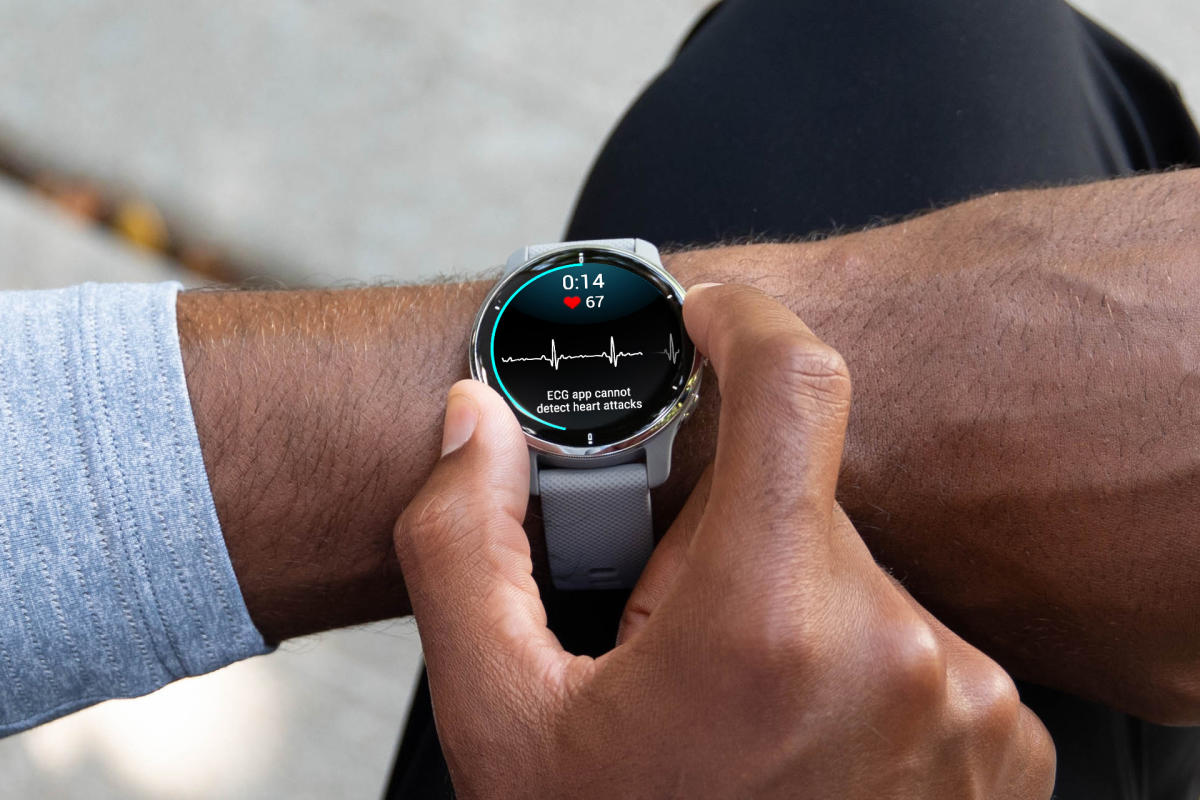
    Garmin’s smartwatches are pretty popular in the United States and Europe, so the multinational company is trying to keep them updated. One of the features that most of Garmin’s smartwatches have been lacking in comparison with the competition is ECG support.

    The ability to measure atrial fibrillation was only available on Garmin Venu 2 Plus, but that’s about to change. The company has just confirmed that the ECG app is coming to more Garmin smartwatches, so if you own any mode from the list below, look for an update that will bring this new feature.

    In a post on Twitter, Garmin revealed that the ECG app is now available for epix Pro, Venu 3, and Fenix 7 Pro smartwatches. Yes, there are a bunch of other Garmin smartwatches that have yet to get the app, but the company told Android Central that “it intends to continue to expand its portfolio of products supporting the ECG app and launch it in new regions in-line with necessary regulatory approval.

  • Smartphone sales tumble in Vietnam

    Smartphone sales tumble in Vietnam

    Smartphone sales in Vietnam have plunged in the first two months of 2023 as tightened spending amid rising inflation prompts the sector’s first decline in years of recent growth.

    According to an industry report, less than 2.5 million smartphones were sold in Vietnam this January and February, down 30% year-on-year.

    “This year consumers have tightened their spending, even during the Tet holiday, which has been peak shopping season for years,” said Nguyen Lac Huy, a media representative at CellphoneS, referring to the Lunar New Year holiday which fell at the end of January this year.

    Industry insiders estimate that sales since the beginning of this year have dropped to levels not seen in at least two or three years. In recent years, growth over the same period has often been within the 5-15% range.

    This decline is in line with global trends.

    Smartphone sales worldwide in the last quarter of 2022 plunged 18.3% year-on-year, according to the International Data Corporation (IDC).

    It was the steepest decline in a quarter since 2013, IDC reported. Total smartphone sales in 2022 dropped by 11.3% from 2021.

    In Vietnam, the biggest drops were recorded in the middle and affordable segments. Last year, sales of smartphones under VND5 million dropped 60% from 2021.

    “Economic difficulties have had a large impact on the low-income population, including workers,” said Hong Quan, an industry observer.

    Tightened credit policies have also prompted some retail chains to cancel their zero-interest installment payment campaigns.

    The high-end segment is also struggling. The iPhone 14 Pro Max, one of the most expensive smartphones on the market, has seen prices plunge by 25% to VND27.4 million over the last five months.

    Phan Thi Kim Quyen, a media representative of retail chain Minh Tuan Mobile, said that this year Apple lowered its latest smartphone price earlier than in previous years (in which the drop has come as late as June).

    Other retail chain representatives have said they are now lowering prices because they misinterpreted market demand trends and imported more than they should have. iPhone prices in Vietnam are now among the lowest in the world.

    FPT Shop anticipates that there will be no growth in smartphone and computer sales this year, while other chains expect a recovery in demand by early next year, or the end of this year at the earliest.

    CellphoneS is cutting business hours and staff sizes at low-revenue shops. It is also seeking rent discounts from property owners.

  • Smart Partners With Omnispace to Explore Space-Based 5G Technologies

    Smart Partners With Omnispace to Explore Space-Based 5G Technologies

    PLDT’s wireless subsidiary Smart Communications is collaborating with US-based Omnispace to explore and demonstrate the capabilities of space-based 5G communications using low earth orbit (LEO) satellites.

    In a statement, the Head of PLDT’s Technology Strategy and Transformation Office, Arvin Siena said, “This collaboration with Omnispace will allow our companies to work together to define use cases for the Philippine market.”

    He added that possible use cases include enabling 5G connectivity in remote areas, incorporating IoT and sensors for use in monitoring weather disturbances and natural calamities, and augmenting network coverage for disaster relief, maritime and telematics for vessels and equipment.

    “This is also part of PLDT’s broader initiatives to future-proof our services, including Smart 5G. This includes exploring opportunities to team up with companies like Omnispace, to test the interoperability of our network with their 3GPP-compliant 5G non-terrestrial network (NTN), which will support the 5G ecosystem of the future,” Siena added.

    Having launched Omnispace Spark-1 and Spark-2 in April and May, respectively, the company recently completed the deployment phase of Omnispace Spark™. This program is the initial phase in the company’s development and delivery of the world’s first global 5G-capable satellite network.

    The Omnispace 5G NTN global network will interconnect with terrestrial or land-based mobile networks to serve mobile subscribers utilizing the company’s 2 GHz mobile satellite spectrum allocation and operating in 3GPP band n256.

    As the world’s first 3GPP-compliant 5G NTN system, the Omnispace network is expected to deliver the power of 5G directly to billions of devices everywhere, extending the reach of mobile connectivity to enable people and assets to communicate in real-time through a single, seamless global service.

    “We are excited to announce this collaborative agreement with Smart Communications, which shares our vision of delivering reliable mobile connectivity to consumer, government and enterprise users, everywhere,” said Brian Pemberton, Omnispace. “Together with Smart, we seek to bridge the digital divide, while also providing the communications infrastructure to power the development of the Filipino economy of the future.”

    PLDT and Smart’s pioneering foray into satellite-powered communication is part of their broader initiative to deliver world-class customer services across the country, complementing the nationwide rollout of their fiber infrastructure, and wireless networks based on 4G and 5G technologies.

  • Fitbit Luxe and Charge 5 updated with much

    Fitbit Luxe and Charge 5 updated with much

    Last month Fitbit quietly rolled out an update for Charge 5, one of its most advanced fitness trackers. Although it didn’t say anything about what the update should change, we did learn that the Google-owned company added the ability to find your phone via the fitness tracker.

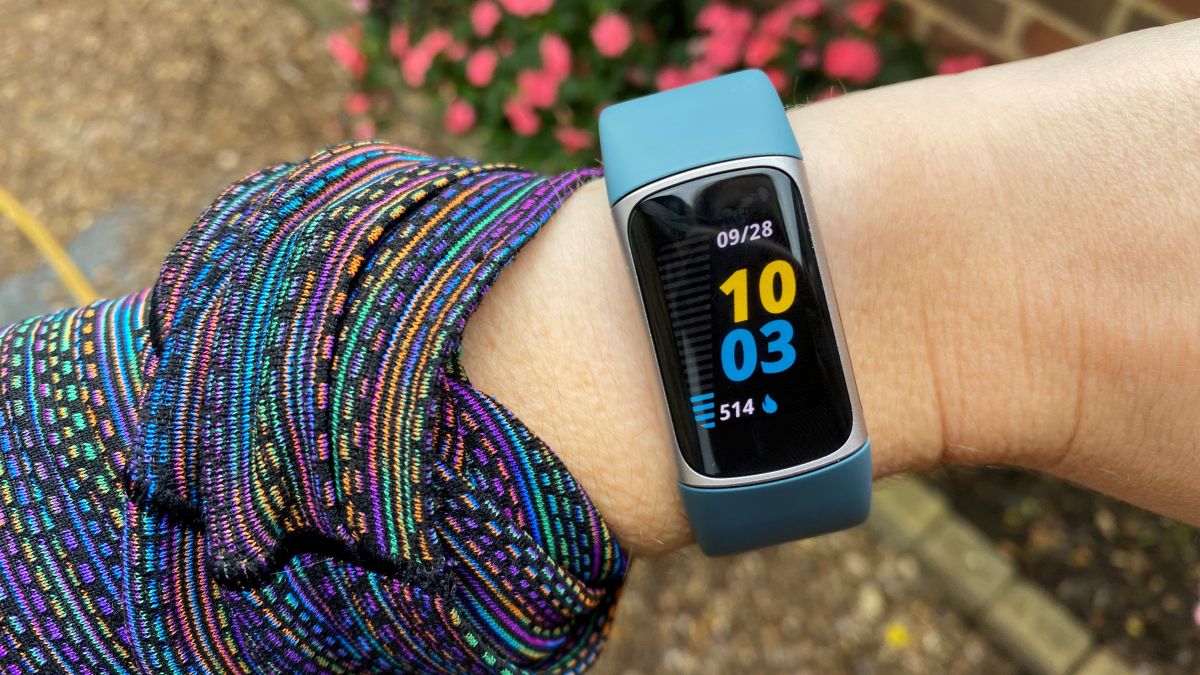
    Today, Fitbit confirmed that the update not only introduced the much-needed feature, but also added a few clockfaces. The above image shows one clockface in two color variations – Boom, plus an additional clockface for another Fitbit wearable device, the Luxe.

    Just to be clear, Fitbit Luxe owners will get all three clockfaces, while Charge 5 will only receive the Boom clockface available in two versions. Besides these new customization options, Luxe users will also get the option to find their phones via the wearable device, just like the Charge 5.

    To do that, you’ll have to install the new Find Phone app, open it on your tracker, tap Find Phone, and your phone should start to ring loudly, even if it’s set on the DnD (Do Not Disturb) mode. If you successfully locate your phone, you can tap Cancel to stop it from ringing.

    Fitbit says the update is now available, although Charge 5 users might have already picked this one up more than a week ago when it surfaced for the first time.

  • PLDT, Smart Lauds Government’s New Cybercrime Lab

    PLDT, Smart Lauds Government’s New Cybercrime Lab

    Philippines’ major telecoms group, Smart and PLDT said it welcomes the country’s new Digital Forensics Platform and Laboratory launched by the Cybercrime Investigation and Coordinating Center, or ICC.

    The new facility aims to improve the government’s initiatives to fight cybercrime, especially, online sexual abuse and exploitation of children.

    Following the unveiling of this new laboratory, the group said that it has strengthened its cyber security systems as it continues its cooperation with the local government in fighting across the digital landscape.

    The new facility will help CICC to work closely with other law enforcement agencies in the country to conduct comprehensive digital and forensic investigations.

    The group’s Chief Information Security Officer, Angel Redoble, meanwhile stressed that they will continue to address these challenges in the cyberspace.

    “Children became more vulnerable to cyberattacks after the pandemic forced them to stay at home and get online to study and connect with friends, and cyber criminals have also been targeting them. We have fortified our cyber defenses and strengthened our coordination with the government to make the internet safer for kids.”

    According to PLDT and Smart, they have beefed up their efforts to support the government in its crackdown on online child abuse. By the end of May this year, it has blocked nearly 300,000 URLs linked to these criminal activities.

    The group has also collaborated with other private and public sectors in urging the country’s president to sign into to law the bill against online child sexual abuse before he steps down from office on June 30.

  • Singtel Launches iSHIP to Provide Industry’s First All-in-One Maritime Service

    Singtel Launches iSHIP to Provide Industry’s First All-in-One Maritime Service

    Singtel has unveiled iSHIP, an all-in-one platform providing critical satellite-enabled connectivity and digital services for the maritime industry. iSHIP’s integrated services for crew and fleet management allows ship managers and owners greater flexibility and visibility of their resources and operations, enabling better well-being of the crew, vessel safety, and operational efficiency.

    Presently, nearly 90% of all goods from finished products to food, fuel, and more are shipped over the seas — with maritime trade volume set to triple by 2050. To keep ships running and global seaborne trade flowing during the pandemic, shipping companies had to rapidly digitalize critical operations such as navigation, power supply, engine control, and cargo management which were traditionally manual tasks while ensuring ship crews stay healthy and safe.

    “Our seas are a major mode of global trade and transport. But the pandemic has disrupted global supply chains and shipping operations, driving strained crews — who are more accustomed to traditional or manual processing methods — to navigate fragmented digital resources and applications. iSHIP was specifically designed to address these challenges and provide a versatile solution for shipping companies that are accelerating digital adoption and also have decarbonization and crew welfare high on their agenda. By making it easier for ship owners and operators to procure and steward digital services and resources, they can focus on keeping the world economy running, supporting billions of people who rely on our seas for food, energy and transport,” stated Ooi Seng Keat, vice president, carrier services, over-the-top & satellite, Group Enterprise, Singtel.

    Singtel is the only operator in Southeast Asia to attain the highest certification from the World Teleport Association (WTA) for providing customers with the highest quality of security, infrastructure, and operational standards for their communications needs. With the launch of iSHIP, Singtel continues leading the industry in providing connectivity support and more for the hundreds of customers and thousands of vessels sailing the seas at any given time.

    End-to-end connectivity for smart, secure and sustainable maritime operations

    Currently, ship owners and operators are required to liaise with multiple parties to procure connectivity and digital services or resources. With iSHIP, customers get all their possible maritime digital needs through one point of contact along with access to 24/7 support. Customers can select the combination of digital services they need with the assurance of Singtel’s end-to-end support, from initial provisioning and on boarding; scaling resources on an as-needed basis to resolving any technical; or service issues encountered.

    Via iSHIP, ship owners can tap on Singtel’s access to high-throughput satellites orbiting the earth to provision more bandwidth as and when required — anywhere in the world — to power fast and reliable connectivity.

    By the third quarter, iSHIP will include teleadvisory services to provide seafarers direct access to a trained medical professional, who can render assistance in situations beyond the skills of the medic onboard.

    By leveraging the latest in maritime Internet-of-Things (IoT) and data analytics, iSHIP enables ship owners and operators to improve operational efficiency and increase productivity while reducing costs, especially in fuel and operational maintenance. With data from sensors and other monitoring devices, ship owners and captains are empowered to optimize routes, workloads, and enhance quality control and quality assurance. IoT devices also help shipping companies meet the maritime industry’s ambitious goal — set in June last year — to cut carbon intensity of all ships by at least 40% by 2030.

    In addition, iSHIP provides advanced protection against malicious attempts along with education and assessment courses for ship crew to improve their cyber hygiene, thus alleviating potential human errors.

  • Samsung reports record third quarter revenue despite global chip shortage

    Samsung reports record third quarter revenue despite global chip shortage

    Samsung had a record third-quarter revenue as it reported the U.S. Dollar equivalent of $63.1 billion for the period. That works out to a 10% increase for the top line while operating profit for the quarter came to $13.5 billion (or 26% higher than the operating profit reported during the previous quarter). $22.6 billion in revenue during the quarter came from Sammy’s semiconductor business.

    Samsung was able to navigate its chip business through the global chip shortage “by flexibly operating its product mix.” Samsung’s mobile business also played a huge role in the company’s record-breaking third-quarter. Thanks to strong sales of its flagship phones including foldable like the Galaxy Z Fold 3 and the Galaxy Z Flip 3, Samsung generated $24.2 billion in revenue during the period from July through September.

    Demand for semiconductors improved thanks to strong sales of computers; the latter benefited from the increased number of people working at home because of the pandemic.

    The company’s profits were impacted by the larger marketing outlays it made for its foldable line. Strong demand for Samsung’s phones also led its display business to deliver $7.5 billion in revenue. Earnings for the display segment were helped by strong demand for small to medium OLED panels. Demand for larger-sized displays was sluggish.

    Samsung is optimistic about Q4 and 2022 results, but cannot estimate results for the chip business because of the supply issues in that market. For the fourth quarter, the company expects to report higher earnings “due to expanded supply of SoCs and related products for launches of new 5G smartphones in 2022.”

    The company expects that the Galaxy S22 series will be its first flagship series of the new year with the Galaxy S22, Galaxy S22+, and the Galaxy S22 Ultra kicking off 2022 in January. Meanwhile, investors were happy with the report as the shares soared 2.28% on Wednesday (or $1.45 USD) to $61.22.

  • MTN, Smart extend 5G roaming of Philippines to South Africa

    MTN, Smart extend 5G roaming of Philippines to South Africa

    MTN South Africa network will be the first mobile operator in Africa to provide 5G access to customers from the Philippines through its international roaming agreement with the Philippines’ leading mobile services provider, Smart Communications.

    The agreement delivers on MTN’s and Smart’s commitment to keeping its travelers connected and providing them with access to 5G; both at home and when traveling as capable devices become available.

    “We’re excited to launch 5G roaming in South Africa with Smart’s network because of what it means for customers,” said Arne Casteleyn, general manager – international roaming, MTN GlobalConnect. “With MTN Y’ello Connect Roaming Hub and our central roaming team, we never stop innovating, developing and deploying faster roaming services to provide our customers with access to a next-generation network.”

    Casteleyn further explained that providing 5G services for visitors coming to Africa is crucial to get the same data speeds as at home and to harness trends such as the Internet of Things (IoT). “We continue to ramp up the roll-out of 4G, VoLTE, and 5G roaming with the world’s top operators which proves MTN’s commitment to provide excellent roaming services to its travelers as travel restrictions ease with mass vaccinations.”

    “This is part of Smart’s commitment to bring our world-class services anywhere in the world by expanding our 5G roaming coverage in Africa, after our successful rollout with 46 partners in Europe, USA, Middle East, and Asia,” said Ray Arsenal, AVP and head of roaming partnerships.

    Established in 2018, MTN GlobalConnect is based in Dubai and its team is made up of more than 25 nationalities.