Tag: smart

  • Waze adds cats and dogs voices and moods, car icons to its app

    Waze adds cats and dogs voices and moods, car icons to its app

    More voices are coming to one of the most popular navigation app, Waze. This time we have something special to talk about, as Waze is adding cats and dogs voices to its mobile apps. So, regardless of whether you’re a cat or dog person, Waze now has you covered.

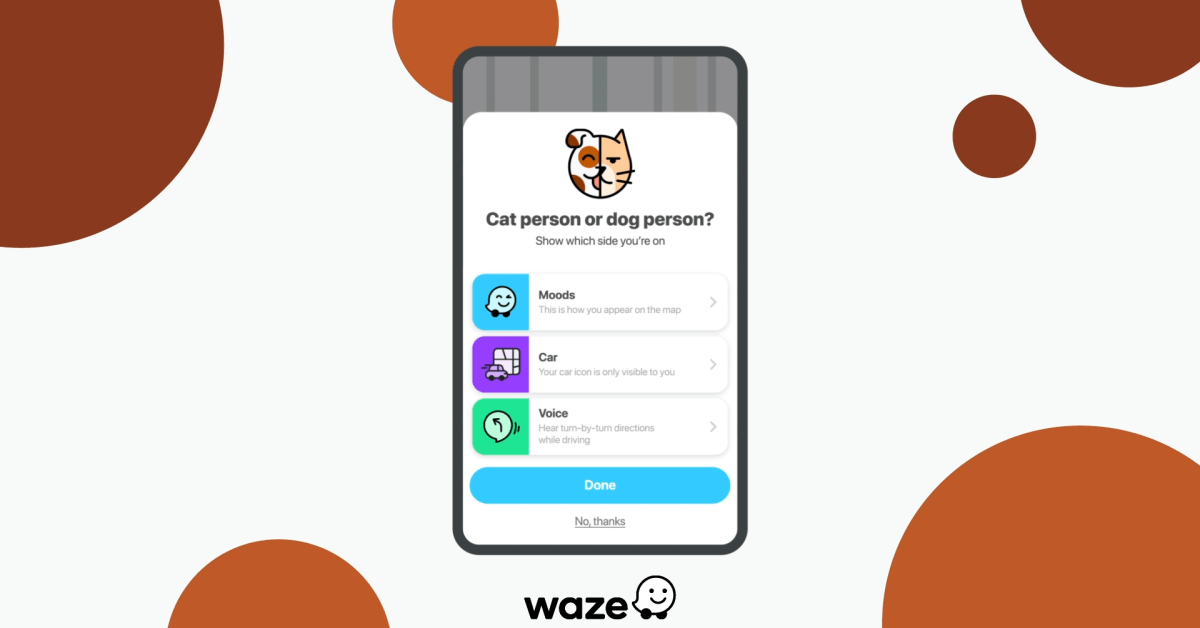
    From today for a limited time, Waze users can choose between two navigation voices that personify a dog or a cat. But we’re getting a lot more than just two voices, as each is themed toward a different mood.

    The dog voice is upbeat, positive, encouraging, and excited (distracted too!), while the cat voice is c, but also funny and irreverent. So it’s up to each user to choose the theme they like.

    In addition to the new voices, Waze introduces new car icons that can be used on the live map, such as the Meow Mobile and the Woof Wagon. There are also meant to show the user’s pet preference as they’ll have to change their mood to Cat or Dog.

    Keep in mind that the Cat & Dog theme will be available in English, French, and Spanish for a limited time, so make sure to download them before they’re gone.

  • Smart factories: The future of Asia’s manufacturing hub

    Smart factories: The future of Asia’s manufacturing hub

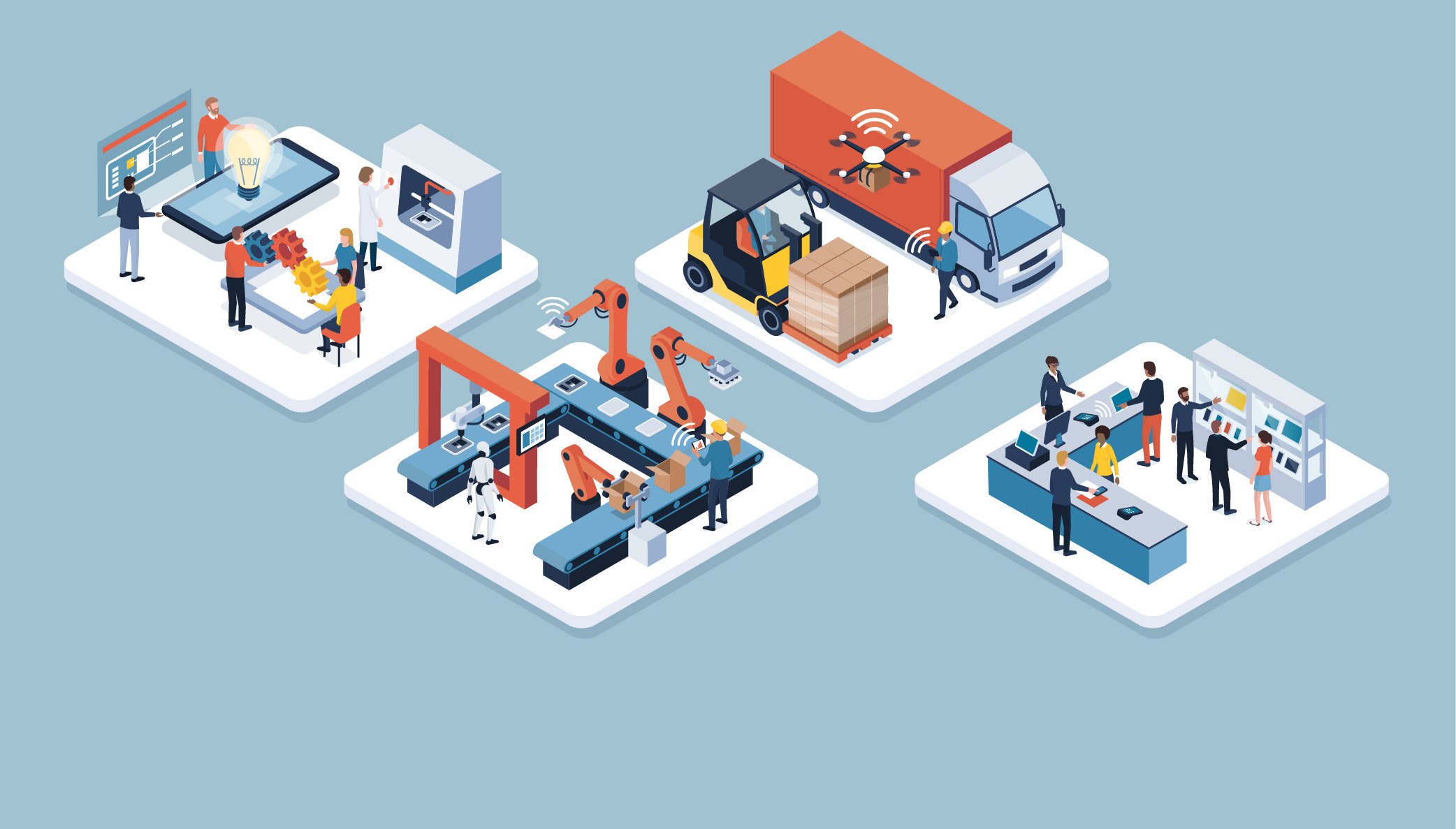
    Manufacturing is one of the key pillars of economies in the Asia Pacific (APAC) region. According to GlobeNewswire, APAC is the largest general manufacturing market in the world, accounting for 43% of the global market. With the advent of the Industry 4.0 revolution, the world’s largest manufacturing hub will experience significant shifts as connectivity becomes the backbone of next-generation factories, where artificial intelligence (AI), machine learning, cloud computing and the Internet of things (IoT) are being embraced to unleash technology-driven smart manufacturing.

    Founded on the interconnectivity of machinery sensors and intelligent systems, the Industrial IoT (IIoT) adds intelligence to traditional manufacturing processes and management. Smart manufacturing solutions help to connect, automate, analyze and monitor equipment and processes to yield informed decision-making, maximize operational efficiency and improve product quality. Advanced IIoT solutions offer real-time data and meaningful insights that accelerate response time to raise overall productivity and sustainability.

    Factories are moving towards real-time capabilities, virtualization, decentralization and modularity to facilitate productivity, precision and agility. At the heart of this revolution are 5G networks that deliver reliable, high-speed connectivity, greater bandwidth to accommodate massive data traffic, extremely low levels of latency between devices, network slicing for virtual separation of networks and mobile edge computing (MEC) to facilitate edge computing. As a key enabler in smart factories, 5G together with IoT bring about innovative technologies such as automation, collaborative robots (cobots) and real-time remote monitoring.

    In 2020, the global smart factory market was valued at USD270.74 billion. According to Mordor Intelligence, this value is estimated to reach USD461.82 billion by 2026 – representing a CAGR of 9.33% during this period. During which, APAC dominates the market owing to increased foreign direct investment and industrial development. In conjunction with the deployment of 5G in countries, governments in the region are also encouraging smart manufacturing adoption through policies and assistance.

    As one of the earliest adopters of 5G innovation in the world, and an economy that relies heavily on manufacturing, South Korea unveiled a plan last year to leverage 5G and AI to roll out smart factory solutions alongside telecom providers to the country’s small and medium-sized businesses. The aim is to have 30,000 factories by 2025.

    In China, where manufacturing accounts for about 38% of the country’s gross domestic product (GDP) in 2020, and the world’s largest manufacturer in terms of output, strategies are in place to tap on advanced manufacturing to grow its position into a manufacturing superpower. Initiated in China, the “Made in China 2025” 10-year government plan was rolled out in 2015 to focus on rapidly developing the country’s manufacturing capabilities critical to its fourth industrial revolution. Reinforcing its efforts, China revealed a more comprehensive plan on 5 March 2021 as part of a new 5-year plan to enhance its manufacturing capabilities by 2025.

    Currently, smart manufacturing is adopted more widely in industries that emphasise high-volume and low-margin production. It is also deployed in highly-regulated industries such as the pharmaceutical and food and beverages industries, where tracking and traceability are critical. Entire value-chain processes can be automated to rely on robotic inspections, for instance, to reduce human errors. With automated inspection processes, smart factories harness machine learning and AI to accurately detect defects.

    Increasingly, innovations are focused on areas such as predictive maintenance, remote monitoring and control, real-time supply chain management, advanced process control and quality management.

    Using a network of IoT sensors, CCTVs and thermal imaging cameras, equipment wear and tear can be determined ahead of time to prevent disruption to production lines. In the event of failures, engineers from across locations can leverage remote augmented reality (AR) to troubleshoot problems so that maintenance can be carried out as promptly as possible to reduce downtime and eventually costs. Blockchain is also becoming relevant for manufacturers as the technology fosters transparency and accountability throughout the supply chain as massive information is shared simultaneously across large quantities of devices.

    Last year, disrupted supply chains owing to global lockdowns placed a tremendous strain on the manufacturing industry to respond to volatile market demands. Yet, manufacturers with fully-automated production lines that relied on AI, big data and remote operations managed to cope better. Manufacturers also saw the benefits of cobots working alongside humans, with cobots performing more repetitive tasks while humans attended to important decision-making to better respond to disruptive trends and deliver more optimal products.

    With 5G networks being critical to the digitalisation of the manufacturing industry, many tech providers are already expanding into the 5G space to provide private 5G networks. For telecom operators, this means tapping on its expertise to generate new revenue streams. Instead of simply providing manufacturers the 5G network capacity and connectivity required to power smart factories, telecom operators are partnering with strategic service providers to assist manufacturers in adopting transformation technologies that future-proof their processes.

  • NZ smart-trolley startup finds strong demand in Japan

    NZ smart-trolley startup finds strong demand in Japan

    IMAGR says the deal with Japanese H2O Retailing Corporation is its first international sales partnership. The Kiwi tech startup is the creator of the SmartCart intelligent shopping trolley. The system uses computer vision technology and AI to reduce queues in retail stores, as it automates checkouts and payments for a frictionless shopping experience.

    IMAGR has also piloted the technology with Kiwi supermarket group Foodstuffs. IMAGR’s first international rollout is anticipated for May 2020.

    It says it is also in discussions with other New Zealand, US, and European retailers for further rollouts.

    H2O Retailing Corporation is headquartered in Osaka, Japan, and operates supermarkets mainly in Osaka and other cities such as Kyoto and Kobe.

    Globally leading retailers are investing heavily in technology to personalize and automate retail, in order to increase customer experience and profits, says IMAGR founder and CEO William Chomley.

    “We’re operating in a $5.7 trillion global brick and mortar grocery retail sector, let alone other types of retail. So, it’s a fallacy that there isn’t opportunity in bricks and mortar retail,” he says.

    “We know Japan is leading the way in evolving retail and it’s doing so on a mammoth scale.”

    He says Japan is the second-largest retail market in the world, at close to US$600 billion in supermarket revenue, home to 127 million people, 55,000 convenience stores, and over 8,000 supermarkets. It also has an aging population and labor shortages which make it cost-prohibitive for retailers to find staff.

    “To break into this market so early in our operation is a real coup and a sign of what we believe is to come,” says Chomley. “Beyond Japan, the opportunity for SmartCart is immense.”

    Off the back of this deal, IMAGR is opening its first office outside of New Zealand. The Japanese office will work closely with H2O Retailing Corporation to ensure a smooth rollout of the technology next year.

    Existing premises are also suitable for the immediate introduction of SmartCart, as the technology is self-contained in the shopping trolley.

    “With SmartCart, doing your shopping is easier and faster. There’s no need to wait in line, there’s no need to pull out a credit card, there’s no need to engage in small talk. Customers just put the goods in their trolley then walk right out of the store. It’s as easy as that,” says Chomley.

    IMAGR’s SmartCart contains four cameras that work with the world’s most powerful AI vision recognition system.

    As a result, SmartCart knows what a customer puts in, or removes, from their carts. Self-contained in a robust trolley that is visually indistinguishable from a regular shopping cart, the cameras examine, recognize and account for goods as they are added or removed.

    IMAGR says its system is vastly more efficient than ceiling-based frictionless retail solutions, such as Amazon Go, and is far easier to implement.

    There is no facial detection with SmartCart, because the SmartCart cameras are focused within the cart, not the surrounding area, it states.

    Existing premises are also suitable for its immediate introduction, as the technology is self-contained in the shopping trolley.

    Customers can use SmartCart by installing an app, linking a payment method, and then syncing their handset with the cart when shopping for the easiest experience.

    Alternatively, SmartCart can be used without linking to a handset or bank card: customers arrive at the checkout with the trolley recording a predetermined total, eliminating the need for unloading, scanning, and reloading individual items.

    “We’ve specifically designed SmartCart for an easy introduction so it generates revenue for retailers rapidly. In fact, the setup cost is roughly equivalent to that of introducing self-checkout,” says Chomley.

    “Globally, retailers are looking for ways to improve the customer experience while reducing overheads. SmartCart does both. We’re confident that once seen in action, SmartCart will become the preferred way of shopping for shoppers.”
  • Issues with the Samsung Galaxy S20 Ultra 5G and other high-end-models are frustrating users

    Issues with the Samsung Galaxy S20 Ultra 5G and other high-end-models are frustrating users

    Some of the phones in Samsung’s 2019-2020 flagship lineup are experiencing issues with the indicator that shows how much battery life remains on these models. The particular phones affected include those in the Galaxy S10 and S20 families and the Galaxy Note 10 and Note 20 lines. There are two major problems affecting these phones. One is that the battery (and thus the phone) shuts down before the indicator measuring the remaining battery life hits 1% or less. The other problem is that the phone runs through the last 1%-5% of battery life too quickly.

    Several users confirmed that these battery issues are legitimate. One subscriber with the handle of Ldn_brother wrote: “I can confirm this on the s20 ultra. As soon as I get down below 15% the battery magically disappears rapidly. I’ll be on 6% and all of a sudden my phone has turned off after I pick it up 2 mins later. I’ve kind of learned to live with it, although I know its not right. Never had this with the S4 or S7.”

    One Galaxy S20 Ultra 5G user had a suggestion. He posted “Easy solution, charge your phone whenever possible and don’t let it get that low.” This might sound like an impractical fix, but if you don’t mind spending a few bucks for a power bank (one with a 10,000mAh capacity battery or larger), you might be able to try out this bit of advice to see if there is any improvement.

    If you feel like blaming the blazing fast charging capabilities supported by some of these devices, you might be barking up the wrong tree. For example, it is true that the Galaxy S20 Ultra 5G comes with a 25W charger out of the box, and Super Fast Charging 2.0 does support 45W charging,  But one of the devices having battery issues is the Galaxy Tab S5e, and that slate charges at “only” 15W. And this brings us to another point; while we have been focusing on flagship Galaxy phones, other Samsung devices have had these problems as well.

    So far we have yet to hear from Samsung about these battery issues. Owners of Galaxy devices impacted by this problem should keep their fingers and toes crossed hoping that the manufacturer can solve this issue with a simple OTA update. Or you can take matters into your own hands by calling Samsung yourself and alerting them to the problem. In the states, pick up your phone (and assuming that there is enough battery life on the device) and call 1 (800) 726-7864. The company’s online support site can be found by tapping on this link.

  • Smart clothing set to become a US$11bn market

    Smart clothing set to become a US$11bn market

    Annual sales of integrated fitness apparel – smart clothing – is set to multiply from around US$1 billion this year to $11 billion in 2025.

    Analysis by Juniper Research revealed that explosive growth is likely to see smart clothing become the largest fitness wearable sector in terms of revenue, as traditional consumer wearables are overtaken.

    The firm’s report finds that wearables have been diversifying for several years, developing to analyze cadence, exercise form and precise positioning during exercise.

    Recent technological innovations delivering personalized health-and-fitness insights have threatened the established position of leading manufacturers such as Fitbit, which continue to emphasize the breadth of features over personalized offerings, to their detriment

    Traditionally, subscription models have not been an effective approach to the health and fitness wearables industry, but devices providing coaching and feedback are likely to change this. As the market changes, such additional opportunities in terms of business approach will become more available to vendors, according to Juniper.

  • Apple updates HomePod with important new features

    Apple updates HomePod with important new features

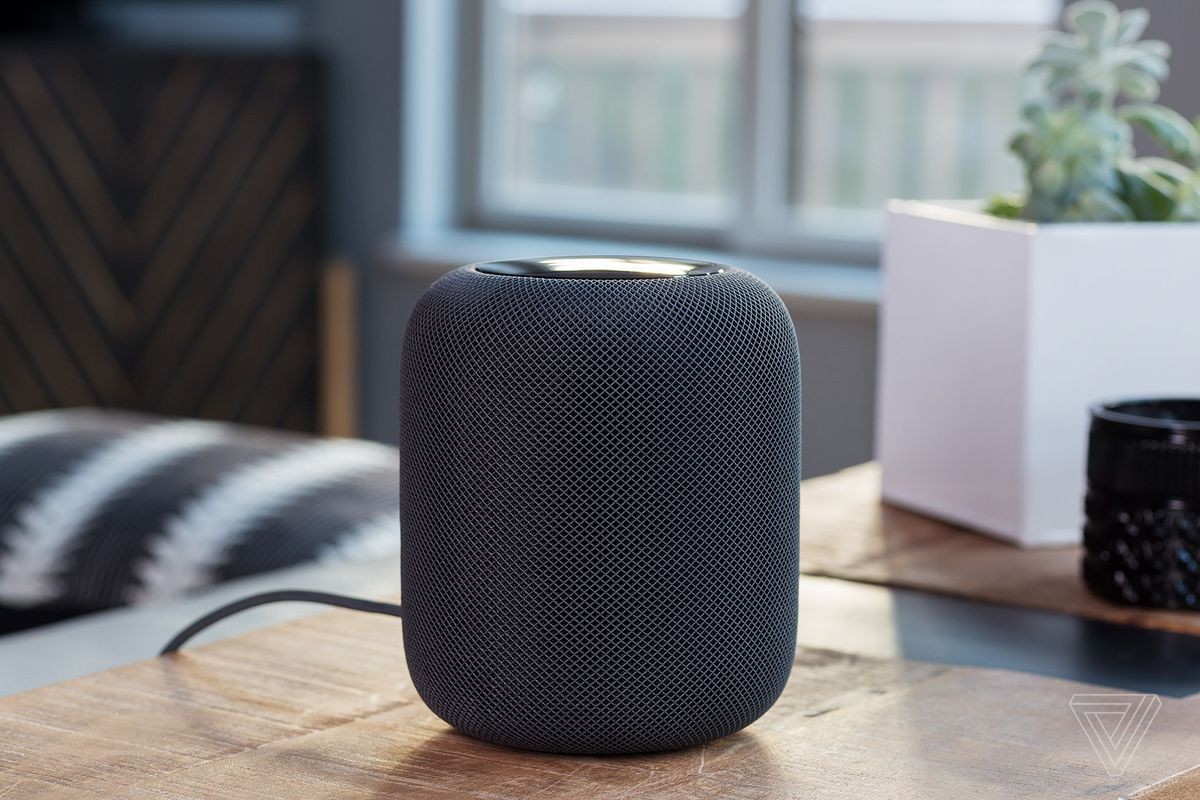
    Until Apple releases a HomePod Mini, we’re stuck with the regular one that comes at a higher price. Those who already cave in to Apple and bought one will be happy to know a new software update is now rolling out to all HomePod units out there.

    The update brings a handful of new features and improvements such as the ability for Apple’s smart speaker to recognize the voices of different family members (up to six) so that it can provide a tailored experience for everyone.

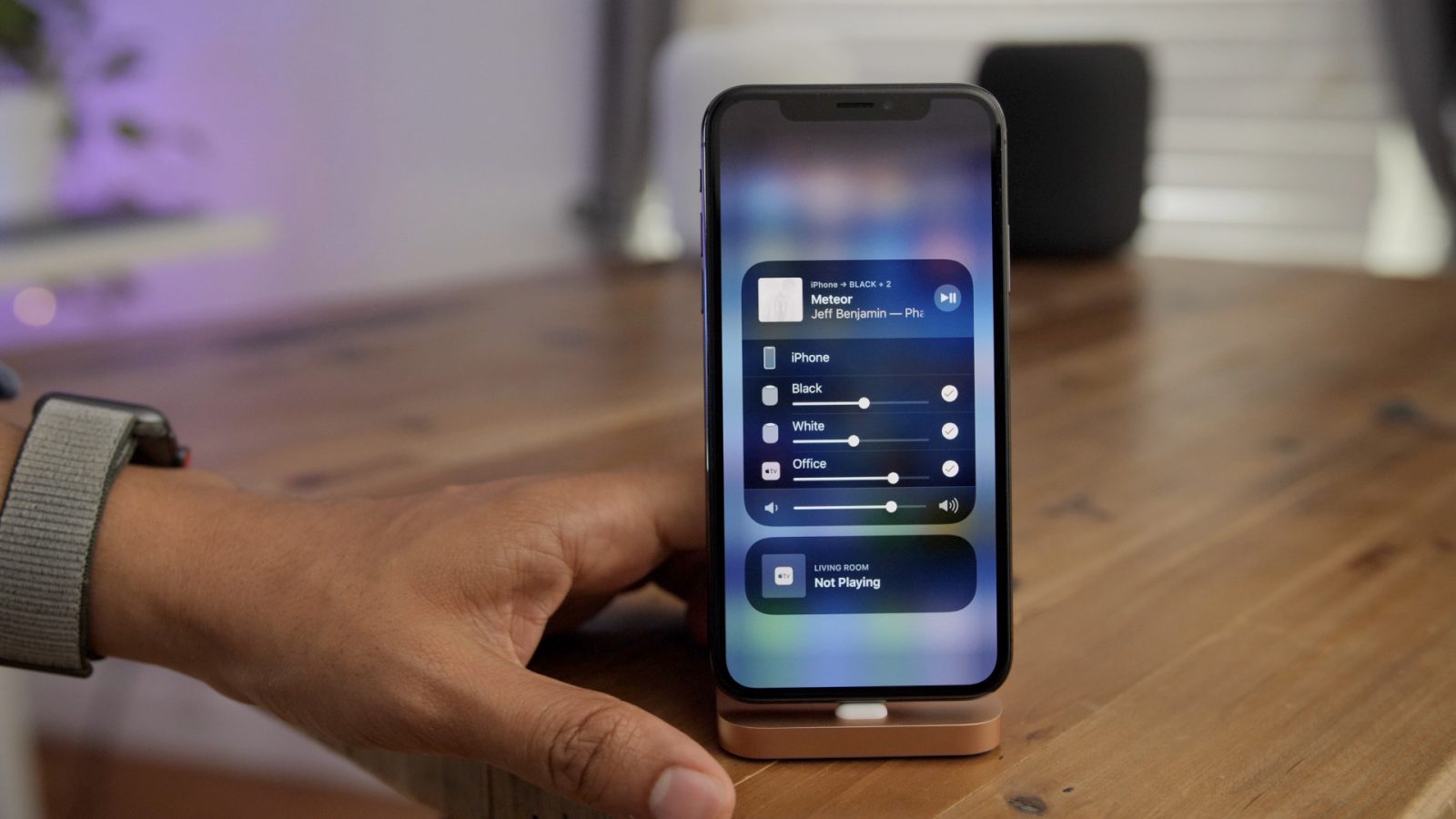
    With the new handoff feature, HomePod users will be able to switch between the smart speaker and the iPhone much easier. The only thing you must do is keep your iPhone closer to the HomePod until a notification pops up on your display.

    Also, after the latest update, you will be able to add music to your HomeKit scenes. Finally, the update introduces Ambient Sounds that should allow you to play relaxing high-quality soundtracks before you go to sleep. You can also set sleep timers to fall asleep to music or Ambient Sounds.

  • Ikea focused to smart home products

    Ikea focused to smart home products

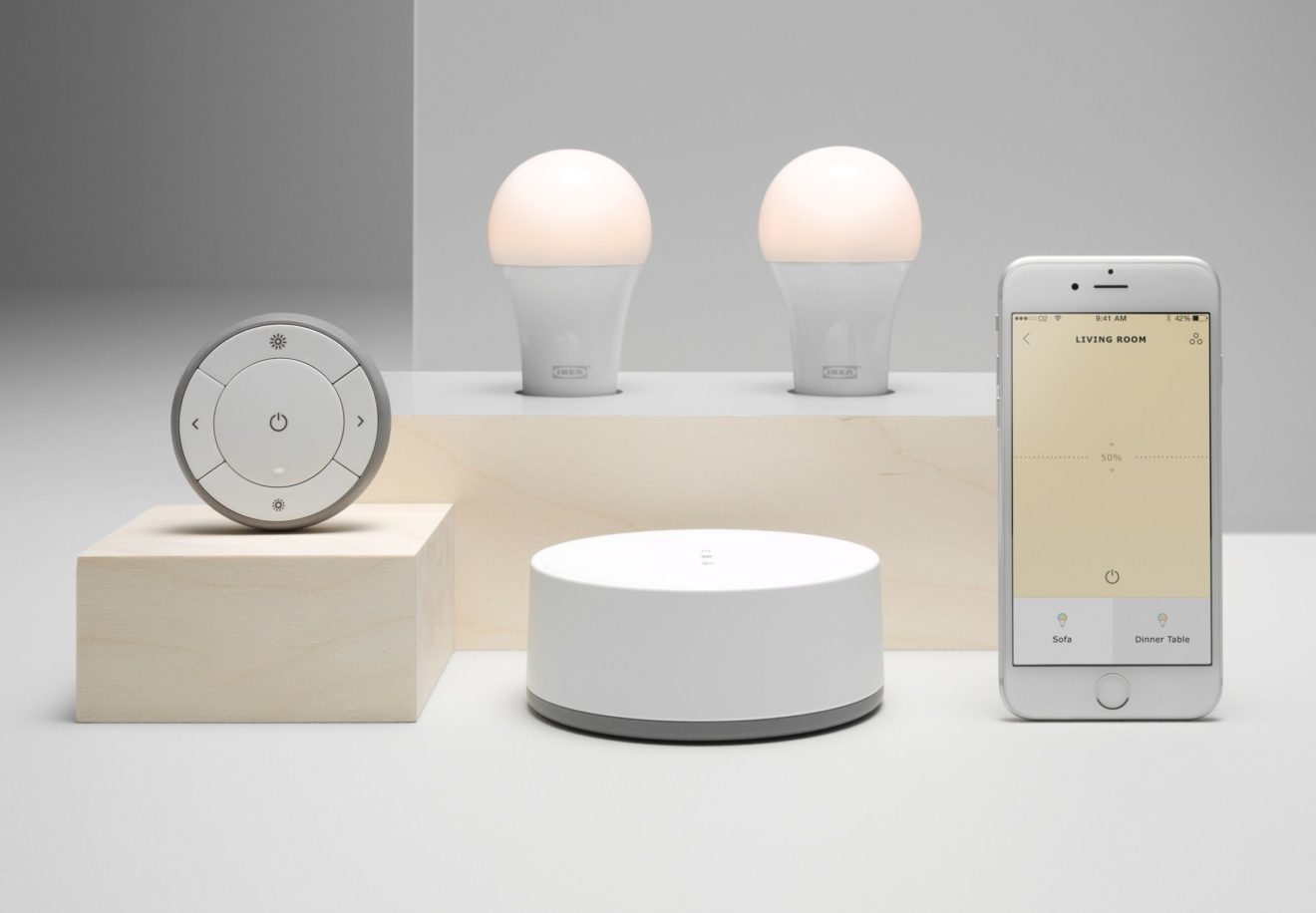
    Swedish furniture business Ikea has committed to invest further into smart home products and has spun off the Ikea Home smart project team into a dedicated business unit within Ikea Sweden.

    Ikea Home Smart was initially conceived in 2012 in order to integrate new, smart technologies into Ikea products, such as wireless charging, smart lighting, as well as smart speakers made in collaboration with Sonos.

    “At Ikea we want to continue to offer products for a better life at home for the many people going forward. In order to do so we need to explore products and solutions beyond conventional home furnishing,” said Björn Block, head of the new Ikea Home smart business unit.

    “By working together will all other departments within Ikea, the business unit of Ikea Home smart will drive the digital transformation of the Ikea range, improving and transforming existing businesses and developing new businesses to bring more diverse smart products to the many people.

    “We are just getting started.”

    According to Ikea’s range and supply manager Peter van der Poel, this is the biggest new business the brand has established since the introduction of Children’s Ikea.

    In June, Ikea renamed its smart eco-system control app TRÅDFRI to Ikea Home Smart app, saying the name change signaled a shift in direction for the business.

    “We started out our journey within the smart home with our smart lighting range TRÅDFRI where we also named the steering app with the same name,” Black said.

    “Now, moving into the next step we want to simplify [the eco-system]. We want to make it possible for you to steer all your smart products in the same app, also making it possible for you to steer all your smart products in the same app.”

  • Sonos just the start of Ikea’s investment in smart home

    Sonos just the start of Ikea’s investment in smart home

    Ikea Australia is previewing its highly anticipated collaboration with Sonos in its Tempe store, ahead of the national launch of the Symfonisk range in September.

    The range, which includes a table lamp and bookshelf with built-in connected speakers, is just the start of Ikea’s push into the smart home space, the retailer said in a statement circulated on Friday.

    “Ikea sees great potential in the smart home business,” Ikea Australia spokesperson Mark Mitchinson said in a statement.

    “We strive to make solutions for life at home by integrating technology into our home furnishing offer that is easy to use and affordable, thereby making smart home technology accessible to many people.”

    Mitchinson said there will be additional launches, enabling people to build onto their smart home solution in the years to come.

    The Symfonisk range, which Ikea first announced in a video in January, will be available in-store and online from September 27.

    Designed in collaboration with US smart speaker company Sonos, the range aims to “democratize music and sound in the home”, the retailer said in a statement.

    “Sound enhances our life at home and the collaboration will enable many more people to create an atmosphere in the home with great design and sound,” Mitchinson said.

    The range includes a table lamp with a built-in speaker, which Ikea said will help de-clutter homes by eliminating cords. Priced at $269, the lamp-speaker partly springs from the idea of a fireplace, the retailer said – one single piece that spreads warm light as well as sound.

    It also includes a wi-fi bookshelf speaker priced at $149, which can double as a shelf that holds up to 3kg with the bracket. It can also be attached to almost any kitchen rail, the retailer said.

    Both products are compatible with Sonos’ own product range and can be steered through the Sonos app.

    They can also be steered via the Ikea Home Smart app, which is part of the retailer’s range of connected products, from speakers and charging pads to bulbs and light panels. The products are newly categorized under the collective name ‘Home Smart’, and share the common goal of saving customers time, money and energy.

    Customers can experience Ikea’s new Symfonisk range and take part in immersive experiences at the retailer’s Tempe store in Sydney from yesterday, July 25, through to August 4.

  • Connected wearable shipments to hit 239m in 2023

    Connected wearable shipments to hit 239m in 2023

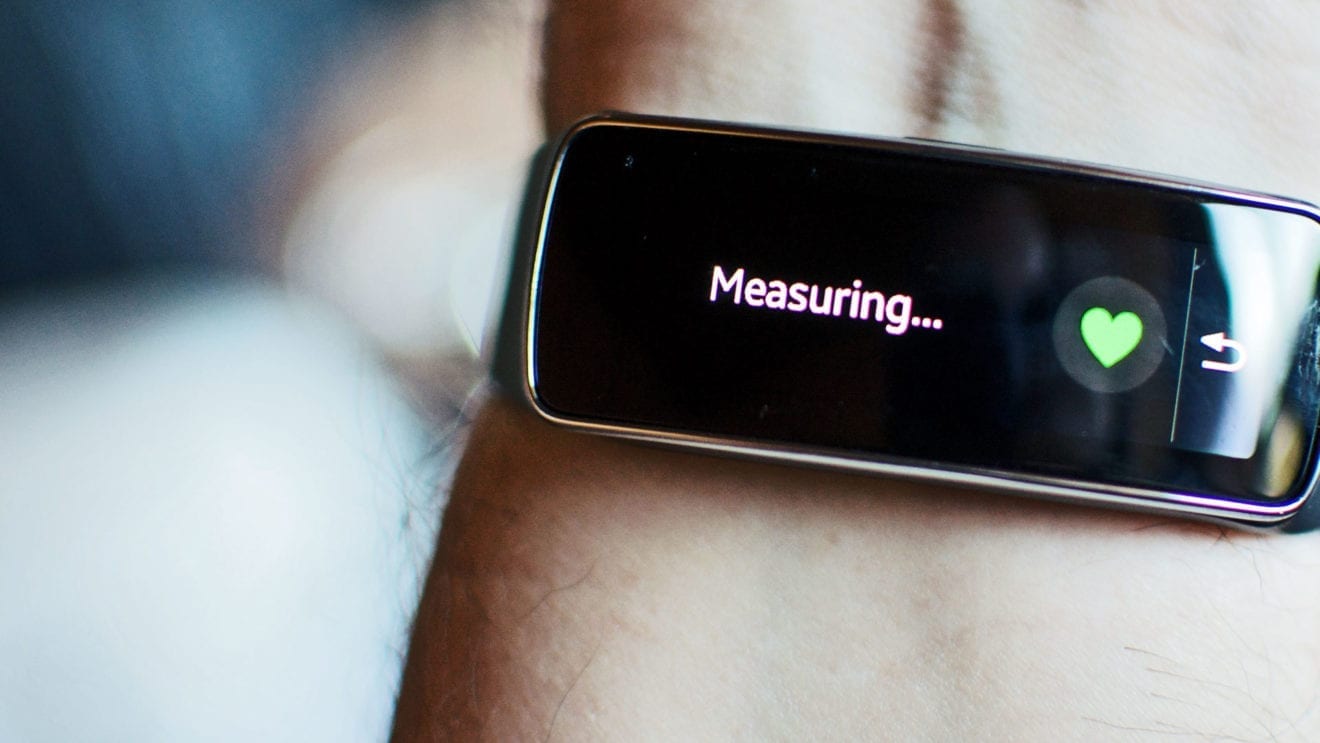
    Global shipments of connected wearables are forecast to grow from 116.8 million units in 2018 to reach 238.5 million units in 2023, representing a CAGR of 15.4%, according to research firm Berg Insights.

    Bluetooth will remain the primary connectivity option in the coming years.

    A total of 67.7 million of the wearables sold in 2023 are forecast to incorporate embedded cellular connectivity, mainly in the smartwatch and telecare and medical device categories.

    The connected fitness & activity tracker segment is led by China’s Xiaomi, which has been successful with its Mi Band fitness tracker. Fitbit, a pioneer in the segment, is still also among the largest vendors in the segment along with Huawei and Garmin.

    In 2018, shipments of connected fitness & activity tracker reached 65 million units.

    This product category is now facing fierce competition from smartwatches that in most cases include activity tracking features. Apple entered the connected wearables market in the second quarter of 2015 and quickly became the leading smartwatch vendor.

    In 2018, Apple accounted for almost half of the total 45.5 million smartwatches sold during the year.

    “Apple continues to hold a firm grip on the smartwatch market and is at the forefront of innovation in the industry,” says Martin Bäckman, IoT Analyst at Berg Insight. The competition has responded with increasingly capable and attractive devices from Wear OS vendors including Fossil, LG, and Huawei as well as from vendors betting on other platforms such as Fitbit and Samsung.

    The smartwatch segment is expected to surpass fitness & activity trackers and become the largest device category within wearable technology in terms of shipments in 2021.

    “Technology advancements, increased consumer awareness and wide availability of devices in different price segments will enable smartwatches to reach shipments of 117.7 million units in 2023,” concludes Bäckman.

    Sales of smart glasses and head-mounted displays have so far been modest, but promising use cases in professional markets as well as in niche consumer markets will enable it to become a sizeable connected wearable device category in the next five years.

    A number of vendors including Daqri, ODG, Epson, Google, Microsoft, Kopin and Vuzix are active in the segment. Standalone VR headsets from companies such as Oculus and HTC aimed for the consumer market are gaining traction and accounted for a large share of the total 1.5 million devices shipped in the segment during 2018.

    Berg Insight forecasts that shipments of smart glasses and head-mounted displays will reach 11.9 million units by 2023.

    Annual shipments of medical devices and mobile telecare/mPERS devices are forecast to grow from 1.8 million devices in 2018 to 6.9 million devices in 2023. The segment includes wearables such as cardiac rhythm management devices, ECG monitors and mobile telecare devices.

    Finally, annual shipments of wearables not covered by the above product categories such as authentication and gestures devices, smart rings, wrist-worn computers and scanners, smart jewelry and connected prosthetics are predicted to grow from 3.0 million units in 2018 to reach 13.0 million units in 2023.

  • Bose brings AirPlay 2 support to Alexa-enabled smart speakers

    Bose brings AirPlay 2 support to Alexa-enabled smart speakers

    Bose announced last week that owners of its smart speakers will be able to enjoy AirPlay 2 support after the last update is installed. This is quite unexpected considering that Bose’s products weren’t among the third-party AirPlay 2 speakers list published by Apple.

    In any case, if you own a Bose Home Speaker 500 and installed the latest firmware update, which is deployed OTA (over the air) automatically, you’ll benefit from AirPlay 2 support. Besides smart speakers, Bose confirmed Soundbar 500 and Soundbar 700 are getting the same improvement as well.

    With AirPlay 2 support, those who own an Apple device will be able to stream music, podcasts and audio to the Bose products mentioned above, including Apple Music.

    Last but not least, Bose announced that it’s working hard to bring AirPlay 2 support to SoundTouch customers, although the US company didn’t offer a timeline for the release. Well, if you own a SoundTouch speaker, at least you now know that something nice will come to you at some point.

  • Singapore is APAC’s top Smart Fiber City

    Singapore is APAC’s top Smart Fiber City

    Singapore is the top Smart Fiber City in Asia-Pacific, according to a new ranking released at the FTTH Council Asia Pacific Conference in Wuhan, China.

    The inaugural Smart Fiber Cities ranking list Singapore as the region’s Champion, due to the city’s 93% FTTH/B coverage, 100% 4G coverage and its over 10,000 Wi-Fi hotspots.
    For the regional rankings, FTTH Council Asia-Pacific evaluated cities with high FTTH/B coverage based on the innovative and useful solutions that have been developed to take advantage of this infrastructure.

    Cities were raked in two categories – champs and challengers. Champs have almost complete fiber coverage city-wide and have reached maturity in smart projects that have been deployed. They also generally have a comprehensive smart city framework in place and smart projects already in operation.

    Challengers meanwhile are actively deploying fiber infrastructure to meet their smart city ambitions, but their fiber-based smart services are usually limited to specific domains.

    Behind Singapore in the Champs category are Tokyo in Japan and Seoul in South Korea with roughly 90% FTTH coverage, followed by Hong Kong, Busan in South Korea, and Melbourne in Australia.

    Chinese cities meanwhile took the first three spaces in the Challenger category, with Shanghai on top with round 90% FTTH/B coverage, followed by Hangzhou and Wuhan. Runners up included Malaysia’s Selangor, Jakarta in Indonesia, Bhubaneswar in India and Ho Chi Minh in VIetnam.

    “The research into Smart Fiber Cities shows that we are just at the beginning of these developments. Across APAC, we see many mature projects in areas such as e-government and security, with 5G-based applications in, for example, transport and disaster management coming up,” FTTH Council Asia-Pacific president Venkatesan Babu said.

    “We have great expectation for the large numbers of pilots in areas such as healthcare, smart grids and autonomous traffic. We look forward to closely follow new developments in the coming years.”

  • Integration will define the 2019 smart home

    Integration will define the 2019 smart home

    IDC says the global market for smart home devices will grow 26.9% year over year in 2019 to 832.7 million units shipped. The analyst predicts consumers to adopt multiple devices within their homes, which will result in 1.6 billion devices shipped by 2023.

    “2018 was all about getting products into consumers’ homes and both Amazon and Google excelled at this through low-cost smart speakers and multiple bundles across device categories,” said Jitesh Ubrani research manager for IDC Mobile Device Trackers. “However, 2019 will be more about tying the various devices together to form a more cohesive experience and more importantly, layering in additional services.”

    The smart home will be dominated by the likes of Amazon and Google, with Apple following suite. The popularity of iOS and macOS devices combined with the availability of Apple apps/services on non-Apple products will help the company slowly entice more consumers into their ecosystem while also attracting third parties to build compatible devices.

    “One important trend to watch is how smart assistants become integrated throughout the home,” said Ramon T. Llamas, research director for IDC’s Consumer IoT Program. “Smart assistants will act as the point of contact with multiple smart home devices and essentially become the cornerstone of the smart home experience. Already we’ve been seeing that with smart speakers and this will eventually move on to appliances, thermostats, and all sorts of video entertainment.”

  • Logitech unveils affordable Smart Keyboard alternatives for Apple iPad PROs

    Logitech unveils affordable Smart Keyboard alternatives for Apple iPad PROs

    Logitech makes some of the best third-party accessories for iPhones and iPads, a few of which can even be purchased directly from Apple at very competitive prices. Just think of the $69.95 Logitech Crayon, which substantially undercuts the $99 and up Apple Pencil. Or the $69.95 Logitech Powered wireless charging stand, or $130 and up Logitech Slim Combos with detachable keyboards for previous-generation iPad Pros

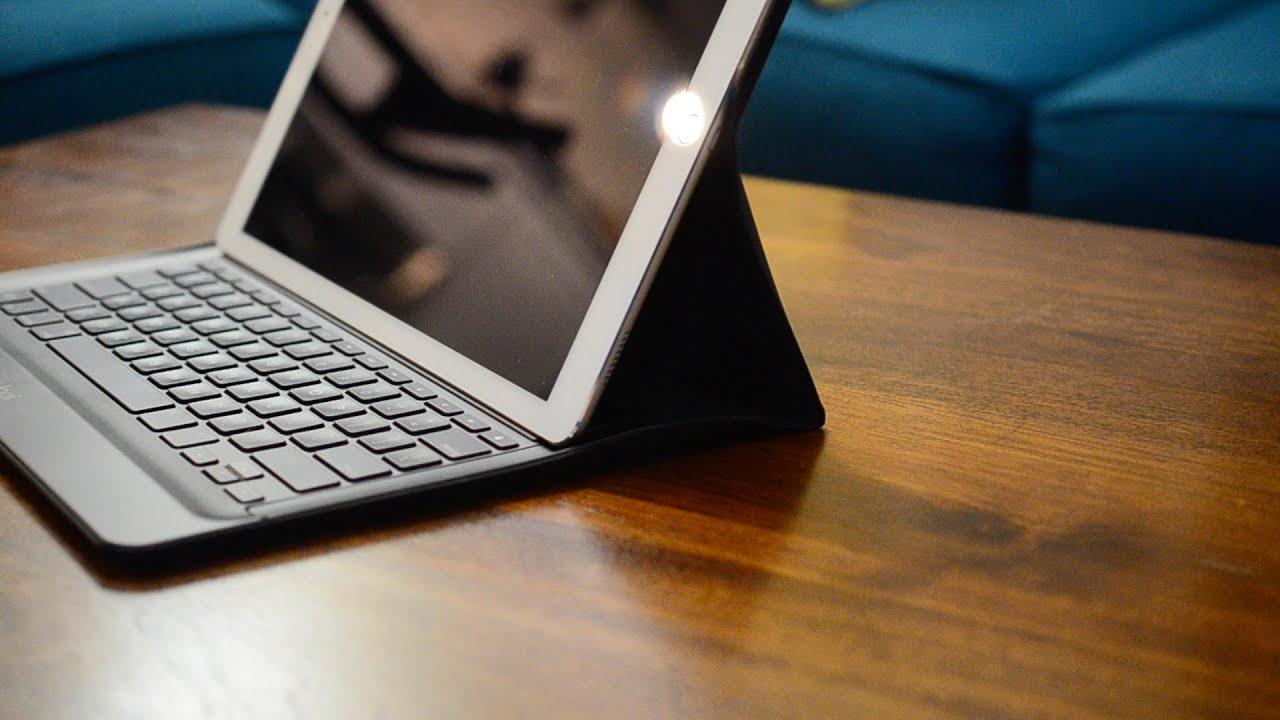
    Oddly enough, Logitech still doesn’t sell any keyboard accessories tailor-made for Apple’s newest iPad Pro models, but that’s finally set to change later this month. The Slim Folio Pro looks and sounds extremely similar to the first-party Smart Keyboard Folio, starting however at only $119.99. That’s a whopping 60 bucks cheaper than Apple’s own 11-inch option, while the Logitech Slim Folio Pro for 2018’s 12.9-inch iPad Pro will cost $129.99, compared to the $199 price tag of its Apple-made counterpart.

    Impressively enough, it doesn’t seem like Logitech has had to cut many corners or make any big compromises to go this low in terms of retail prices, as the Slim Folio Pro ticks all the essential boxes of a robust “all-in-one case”… and then some. You get both front and back protection against scuffs, scratches, and spills for your new 11 or 12.9-inch iPad Pro, an “edge-to-edge” backlit keyboard design aimed at stellar productivity, and even a special magnetic latch to safely store your Apple Pencil when not in use.

    Without a doubt, the best thing about this overall top-notch Smart Keyboard alternative is its battery life, rated at “up to three months” on a single charge. The Slim Folio Pro is also pretty versatile, enabling comfortable typing, sketching, and reading experiences by propping up your iPad Pro, sliding underneath it, or effortlessly folding back.

    The only possible drawback is the use of Bluetooth technology to wirelessly connect to Apple’s latest powerhouses rather than leveraging their magnetic Smart Connectors. But Bluetooth keyboards can be reliable too, so if you want to save a few bucks, you should definitely consider the Logitech Slim Folio Pro… when it actually goes on sale.

  • Gmail is getting scheduled send time and Smart Compose is now on more devices

    Gmail is getting scheduled send time and Smart Compose is now on more devices

    Amidst all the absurd products Google is “announcing” as part of its April Fools campaign, there is also legitimate news coming from the company. With a post on its blog, Google is making official its Smart Compose functionality available for all Android devices with Gmail (iOS support “coming soon”). The feature had already appeared with an update on some devices besides Pixel smartphones, but today marks its broader release.

    For those unfamiliar with Smart Compose, it helps you type in your emails faster by suggesting phrases with which you can autocomplete your sentences. Unsurprisingly, the feature is powered by Google’s AI and its suggestions are based not only on the context of the email but on your writing style as well. So if you’re commonly using certain phrases in your emails, it shouldn’t take long before Smart Compose starts offering them as soon as you type in the first word or two.

    Another, this time “brand new” feature coming to Gmail is scheduled email sending. Once it’s available to you, there will be an arrow next to the send button through which you can select “Schedule send” and choose a date and time when you want your email to be sent. We assume the implementation for the Gmail app will be similar.

    This is a very convenient feature that has many use cases: preparing emails for when you’re going to be out of the office, on a plane or on vacation. Of course, you’ll also have the option to cancel the email at any point before its departure date and time. Considering it’s not a very complex one, we’re surprised it took so long for Google to implement it.

    It matters not, however, as now your Gmail client is gaining new features to make your life easier. How long will it be before we can just say “OK, Google, reply to all my emails.” and not have to bother at all?

  • Daimler To Develop Smart Brand Together With Geely

    Daimler To Develop Smart Brand Together With Geely

    Daimler on Thursday said it will develop its next generation of Smart electric vehicles in China through a joint venture with rival Geely, deepening an alliance between the two carmakers.

    Daimler said it will build next generation Smart vehicles at a purpose built factory in China, and share its expertise in manufacturing, engineering and design with Geely.