Tag: smart

  • Gentle Monster, Huawei team up over smart eyewear

    Gentle Monster, Huawei team up over smart eyewear

    South Korean eyewear label Gentle Monster has partnered with Chinese tech giant Huawei to produced connected eyewear.

    The networked eyeglass frames allow wearers to answer calls without picking up their phone, and feature antennae, noise-reduction microphones and speakers tucked behind the ear.

    “Smart eyewear is different than the smart phone or the smart watch,” said Gentle Monster co founder and CEO Hankook Kim. “The smart eyewear is on our face … It is normal but actually it is slightly different. We believe the small difference changes everything.”

    The label, known for its trendy and futuristic individualised store designs, has 18 locations selling both futuristic and more conservative eyewear.

    “If you want to see how it looks on normal people, you can look at me,” said Kim.

    “I really appreciate Huawei because they realise that eyewear comes first and smart comes later,” he added.

  • Amazon’s first-gen Echo well priced for Launch

    Amazon’s first-gen Echo well priced for Launch

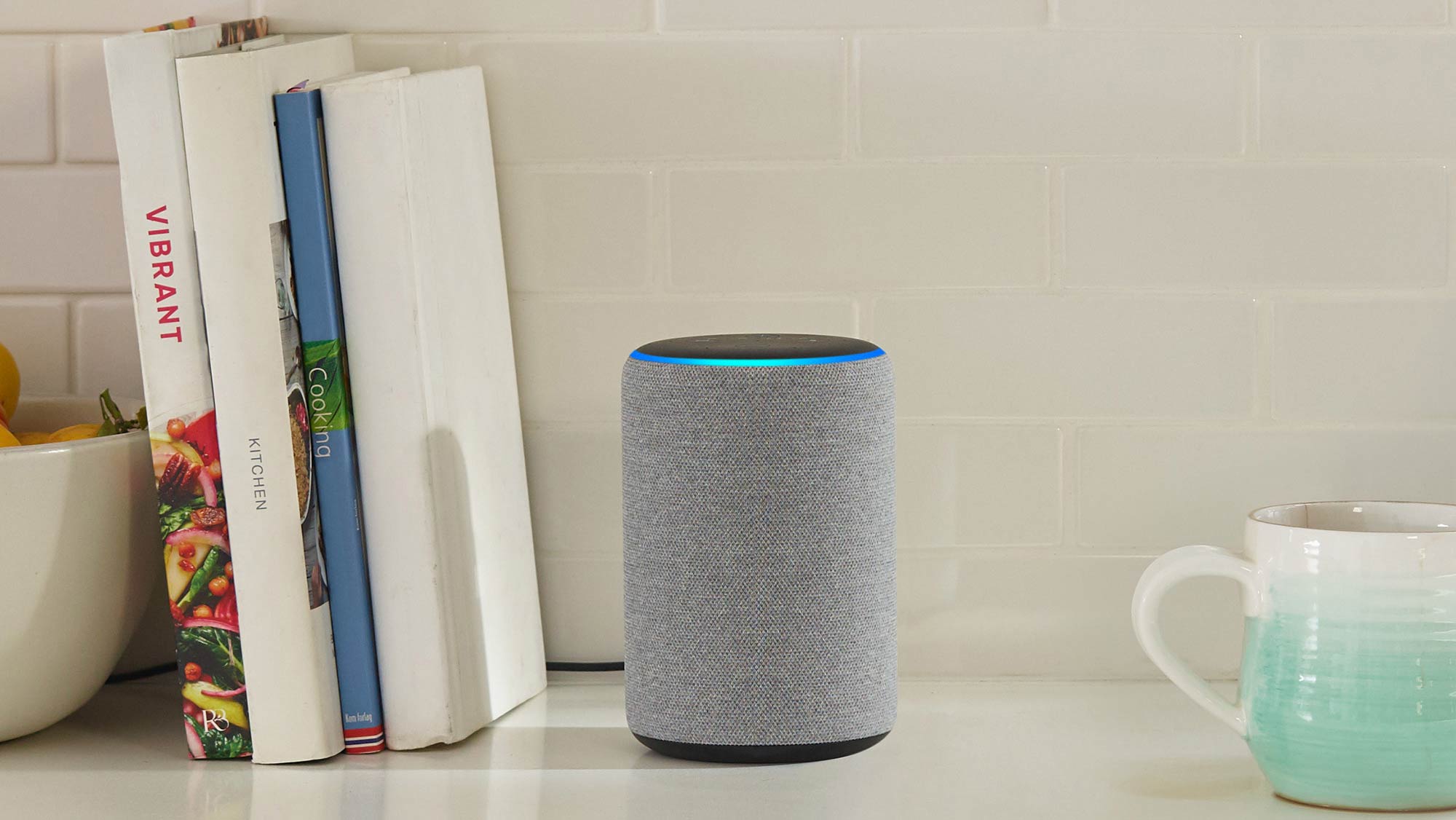
    Smart speakers have become a global phenomenon less than five years after the limited release of Amazon’s original Echo, with an estimated installed base of 66 million units in the US alone as of December 2018, and around 100 million devices in use worldwide, according to a slightly older market report. Naturally, there are now more options than ever for smart speaker buyers, ranging from the ultra-affordable Echo Dot and Google Home Mini to premium Echo Show models with screens.

    But if you can find it, the first-generation Amazon Echo is still a pretty great choice, fetching a significantly lower price than back in the day. We’ve seen this tall and handsome cylinder cost as little as $30 in refurbished condition with a 90-day warranty included last month, and although the newest deal may not look quite as irresistible at first glance, it’s actually better in a way.

    That’s because AT&T appears to sell brand-new Echo units at $50 apiece right now, no doubt throwing in a standard one-year manufacturer warranty. That’s a whopping $129 off the smart speaker’s original list price, as well as $50 less than what the second-gen Echo usually fetches. It’s also pretty much on par with the typical price of a third-gen Echo Dot, which obviously packs significantly less power in a diminutive body.

    Despite its advanced age, the OG “regular” Amazon Echo is largely capable of the same things as all the new Alexa-controlled smart speakers, including hands-free music streaming, smart home management (with compatible accessories), setting alarms, timers, and reminders, reading the news, answering the most diverse and complex questions, and even making voice calls, as well as sending and receiving messages. There are also loads of new Alexa skills added every day, all of which are supported on the full range of Echo devices.

  • Smart, Nokia to pilot 5G deployments in schools

    Smart, Nokia to pilot 5G deployments in schools

    The Philippines’ PLDT and mobile division Smart have signed an agreement with Nokia to pilot the deployment of 5G technologies and services in schools.

    The agreement will see PLDT, Smart and Nokia collaborate to identify real-world 5G standalone solutions for use in schools, colleges and universities, including arificial intelligence, drones and advanced IoT applications.

    The companies will levearge the PLDT-Smart Technolab in Makati and the Nokia Technology Center in Quezon City for the project.

    In addition, the agreement covers deploying 5G standalone products and services, such as 5G handsets and applications, in the Philippines.

    “We are happy to partner with Nokia to help develop intelligent solutions and technologies for the benefit of the Philippine education sector,” PLDT-Smart chairman and CEO Manuel V. Pangilinan said.

    “As the country’s leading and most trusted technology enabler, PLDT and Smart are excited to work with Nokia and the academe in realizing our 5G vision,” added the company’s chief revenue officer Ernesto R. Alberto.

    PLDT and Smart claim to be the best positioned company to deploy 5G in the Philippines due to its status as the operator as the country’s most extensive fiber network, which now spans over 244,000 route kilometers.

  • Samsung Launches New Chipsets To Make Cars Smarter

    Samsung Launches New Chipsets To Make Cars Smarter

    Samsung Electronics, a part of the Samsung Group, has announced the introduction of two new chipsets or processors for the automotive segment for connected cars technology. Christened the Samsung Exynos Auto and Samsung ISOCELL Auto, the new chipsets claim to offer cutting-edge application processor and image sensor technology solutions to the road.  While the former Exynos will help manufacturers develop in-car apps for infotainment, advanced driving assistance systems, and telematics, the ISOCELL Auto is targeted at developing in-vehicle infotainment systems and telematics solutions.

    Talking about the two new chipsets, Kenny Han, vice president of Samsung’s Device Solutions Division said, “Samsung’s new automotive brand solutions, Exynos Auto and ISOCELL Auto, bring Samsung’s market-proven technologies to automotive applications with enhanced features and durability required by the market. With fast telecommunication, accurate sensing and powerful processing capabilities, Samsung’s Auto-branded solutions will enable new driving experiences to next-generation smart vehicles.”

    Processors from Exynos Auto range come in three sub-categories: Exynos Auto V series for advanced in-vehicle infotainment (IVI) systems, Exynos Auto A series for ADAS, and Exynos Auto T series for telematics solutions. On the other hand, Samsung’s ISOCELL image sensors are built on the company’s innovative pixel isolation technology, which provides greater visibility of the road and surroundings even in low-light environments, while enabling more precise identification of objects. The sensors also allow vehicles to perceive road conditions or potential hazards even when driving through tunnels or other high-contrast environments.

  • Spark switches on second IoT network

    Spark switches on second IoT network

    New Zealand incumbent carrier Spark switched on a low power wide area (LPWA) IoT network using LTE Cat-M1 technology on Monday.

    The network, running in the 700-MHz and 1800-MHz bands, is now available in major centers and will be rolled out across the rest of the country over the next six months.

    The LTE Cat-M1 network is Spark’s second IoT network. Spark already has a LoRaWAN network for IoT applications, which now provides coverage to over 120 cities across the country and all major urban centers.

    Spark said the rollout of the LTE Cat-M1 network will connect a wide variety of new and existing IoT solutions and services including wearables, smart appliances, electricity, gas and water meters, asset monitoring, and industrial automation.

    Specifically, LTE Cat-M1 is best suited for LPWAN applications like smart metering, in which only small amount of data transfer is required. The network rollout will also enable IoT technologies like smart cities and connected cars from overseas to be adopted in New Zealand, said Michael Stribling, Spark’s digital services lead.

    “LTE Cat-M1 is a secure, high-quality network, where sensors and devices are transferring data regularly and near real-time access to that data is critical,” he said.

    Spark said Landis+Gyr is using the new IoT network for a progressive rollout of smart metering services in New Zealand.

    Landis+Gyr was the first in Australia to develop and demonstrate smart metering over the NB-IoT network, which is being used in their smart meter and communication modules.

    The company already had smart metering solutions in New Zealand and opted to switch to Spark’s IoT network to take advantage of its broader coverage.

    Rodney Chaplin, Landis+Gyr’s general manager of Australia and New Zealand, said rolling out smart metering over the new network will provide a robust solution for customers.

    “Landis+Gyr meters fitted with our flexible and modular communication modules are perfectly suited to take advantage of 4G networks with LTE-Cat M1 technology,” Chaplin said. “This allows us to get to market quickly and provide utilities with a robust coverage to ensure the success of the smart metering rollout.”

    Stribling said Spark is also working with customers on a broad range of use cases for IoT applications, including vehicle telematics, smart health devices and smart cities applications such as lighting and environmental monitoring.

  • Nokia demonstrates smart city solution for Viettel

    Nokia demonstrates smart city solution for Viettel

    Nokia has completed a demonstration of its smart city management solution IOC for Vietnamese military-run operator Viettel in support of the government’s smart city ambitions.

    Nokia demonstrated its Integrated Operations Center to the operator during a trial in Hanoi.

    The IOC solution is designed to orchestrate smart city operations providing a unified real-time management of all smart city assets and services. Using a combination of automation and analytics, the solution aims to help cities improve productivity and identify new revenue and efficiency opportunities.

    Viettel will be able to use the solution to more effectively manage traffic in Hanoi by leveraging video analytics and video management solutions.

    The Vietnamese government plans to leverage Nokia smart city technologies to address a number of common city problems such as waste management, energy management and traffic management, while enabling better utilization of resources.

    “We are honored to help Viettel conduct this important demonstration. Nokia’s IOC is a proven solution to manage smart city infrastructure efficiently. This end-to-end solution provides a real-time view of the different applications, devices and systems used in the smart city. Its integrated analytics capability further opens up new revenue opportunities for the service providers,” Nokia Global Services head of public sector practice Alexander Van Overveld said.

    “Smart cities promise to provide sustainable living, and we are committed to enabling Viettel to deliver world-class use cases and solutions to its customers.”

  • Smart taps Samsung for VoWiFi service launch

    Smart taps Samsung for VoWiFi service launch

    PLDT’s mobile subsidiary Smart Communications has teamed up with Samsung for the launch of its voice over WiFi (VoWiFi) service.

    Smart said the service will initially available to selected subscribers by October after Samsung releases its latest firmware over-the-air update.

    Smart customers can make VoWiFi calls using Samsung smartphones such as the Samsung Galaxy S8 and S8+, Galaxy S9 and S9+, Note 8, and Note 9 via any WiFi connection like Smart WiFi and PLDT Home WiFi.

    VoWiFi, also known as WiFi calling, lets customers make and receive calls and text messages over a WiFi connection using their smartphone’s native dialer, without having to install a third-party app.

    Smart said WiFi calling will also be available soon to other select Samsung devices.

    Earlier this month, Smart made its first successful VoWiFi call over a live network in Cebu, in partnership with its technology partners Huawei and Samsung.

    Mario G. Tamayo, PLDT-Smart senior vice president for network planning and engineering, said the call is the first of its kind outside metro Manila, and “a key part of PLDT and Smart’s integrated efforts to continuously improve and evolve our voice services.”

    Last year, Smart also made the country’s first voice over LTE (VoLTE) mobile call, which uses LTE or 4G to conduct calls.

    Smart is also deploying carrier-grade Smart WiFi in high-traffic public places across the country, such as transportation hubs like MRT-3 and LRT-1 stations, major airports, bus terminals and seaports across the country, as well as in schools, government buildings, hospitals, malls and entertainment centers.

  • Smart toys market tipped for massive growth

    Smart toys market tipped for massive growth

    Smart toys will represent a US$18 billion hardware and software market by 2023, up from an estimated $6 billion this year.

    According to a new report from Juniper Research, this increase will primarily be driven by the growing popularity of smartphone-connected toys and related in-app purchases, which are projected to grow by 69 per cent annually over the next five years.

    The new report, Smart Toys: Hardware, Technology & Leading Vendors 2018-2023, found that in-app purchases will become the main driver for growth, with content revenues reaching 25 per cent of the total industry by 2023.

    One example, Merge’s Augmented Reality Cube toy, pictured above, highlights the potential of the smartphone working alongside an established platform for successful content distribution and monetisation.

    Juniper says this growth coincides with the stagnation of the console based ‘Toys to Life’ sector. The report recommended that vendors incorporate smartphones into their proposition to drive new innovative games.

    Privacy and security issues

    Privacy issues continue to hamper overall growth, according to Juniper. It cites the recent prosecution for VTech’s breach of data security as a watershed moment, and a warning to all vendors of the Federal Trade Commission’s increasing focus on data protection violation.

    In addition, the new GDPR (General Data Protection Regulation) rules from Europe will increase the risk of fines for vendors.

    However, Juniper cites the increased focus on security as an opportunity. A ‘safe’ reputation is a unique selling point for a vendor, in an industry blighted with security issues.

    Meanwhile, the research found that as connected toys become more affordable, educational toys will find a place in the school curriculum in developed markets. Osmo, for example, has been a leader in this area, with more than 25,000 schools embracing its learning kits. Juniper forecasts the educational toys market will be worth more than US$1.5 billion by 2023.

  • Smart hospitals to boost cloud spending

    Smart hospitals to boost cloud spending

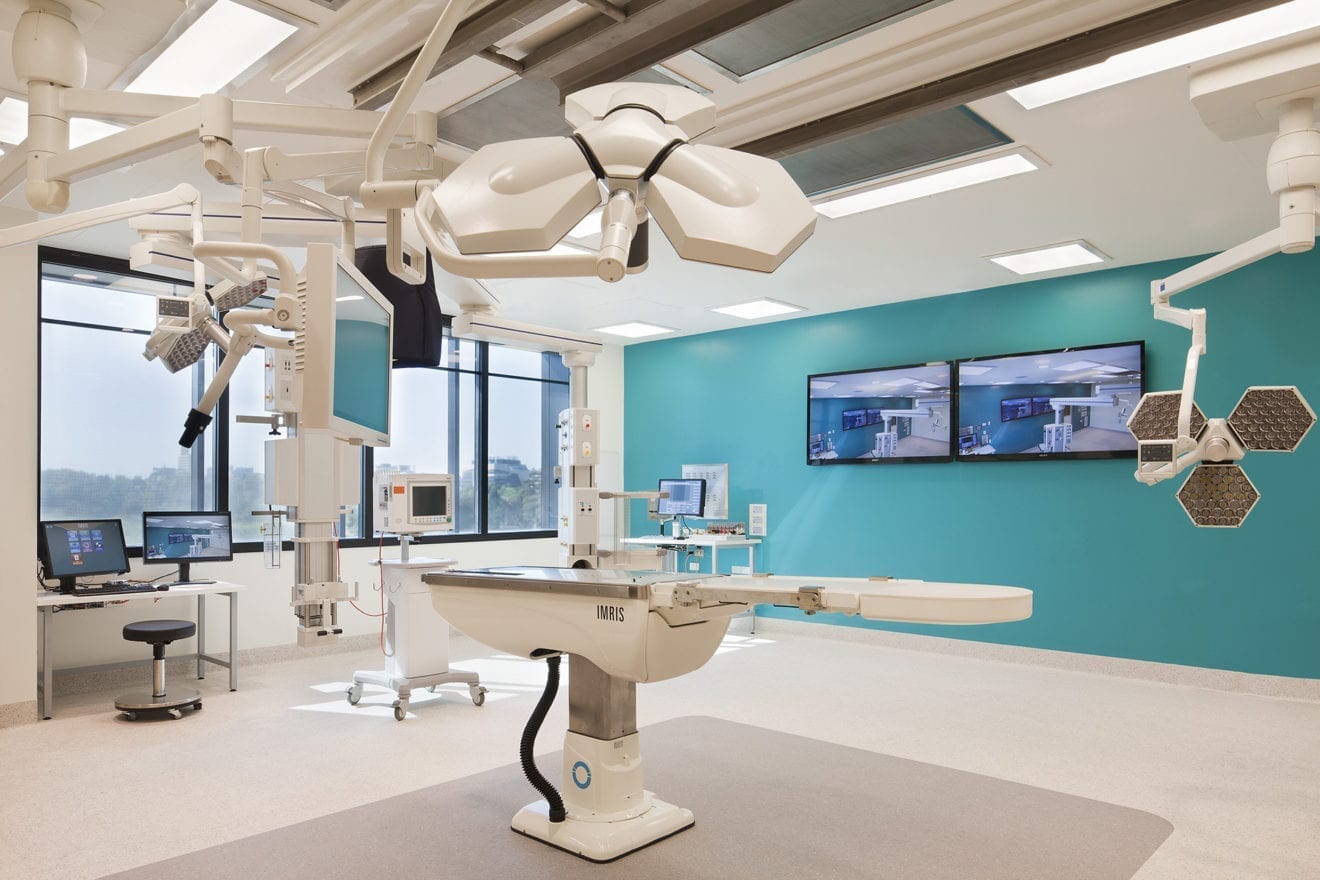
    Frost & Sullivan predicts that by 2025, 10% of hospitals globally will have completed or be in various stages of implementing smart hospital initiatives.

    The research firm projects significant market growth and billions of dollars in revenues for four key segments, including pharmacy automation, mobile asset tracking, data analytics, and cloud computing.

    Frost forecasts the market opportunity to reach about $11 billion with the data analytics market for smart hospitals reaching revenues of $5.9 billion in 2018. The cloud computing market is expected to hit revenues of $5.1 billion.

    There is currently ambiguity around the term “smart”. Transformational Health Industry Analyst Siddharth Shah says a true smart hospital acknowledges digitization as only the first step, and focuses on three major areas – operational efficiency, clinical excellence, and patient-centricity – with technological advances leveraged for these three areas to derive smart insights.

    “Not every hospital needs to become smart in a single step. Instead, the approach they need to take is to implement smart solutions, one by one, and then allow newer solutions to integrate with existing ones in the journey toward becoming smart,” said Shah.

    “This allows hospitals to implement solutions with limited financial investments, reap rewards and ROI, and then implement the next solution.”

    As for companies, some of the most advanced solution sets are being developed by GE Healthcare for patient flow, including its “Command Center” solution for the Johns Hopkins Hospital. Also noteworthy is the ThoughtWire Ambiant platform, which has customized features, such as the Code Blue events reduction solution developed for Hamilton Health Sciences in Canada.

    IBM is developing and now marketing the “SmartRoom” concept along with the University of Pittsburgh Medical Center. Omnicell has developed pharmacy automation solutions in use by thousands of hospitals and health systems around the world.

    In terms of regional readiness for the adoption of the smart hospital concept, North America leads, followed by Europe and Asia Pacific regarding technological sophistication, regulatory landscape, spending power, and end-user readiness.

    However, the hotspots for current smart hospitals are concentrated in the Asia Pacific region, including Dubai, South Korea, Singapore and Australia, some of which cater to the medical tourism industry as well. Canada and Finland are also hotspots.

    “The two largest challenges obstructing hospitals from achieving the smart hospital vision are interoperability and cybersecurity. To truly achieve a ‘smart’ status by deriving intelligent insights, various devices, systems and networks in the hospital must ‘talk’ to one another in ways that are coherent and complete for a holistic analysis,” observed Shah.

    “Digitization brings in additional vulnerabilities in a hospital for hackers to target, making cybersecurity a challenge.”

  • Smart to double LTE capacity in two cities

    Smart to double LTE capacity in two cities

    The Philippines’ Smart Communications plans to upgrade its cell sites in Marikina and Quezon City in the latest phase of its network expansion and modernization program.

    The PLDT subsidiary plans to double its LTE cell sites in the two areas, and aims to boost the coverage of its 700-MHz and 1800-MHz based network to both improve indoor coverage and enhance each cell site’s capacity.

    Smart has to date finished its LTE rollout in major urban hubs Metro Cebu and Metro Davao, in the island resort of Boracay, and in Rizal province. Deployment is underway in Metro Manila, and the operator plans to speed up its LTE network deployment to cater to growing demand.

    Smart is conducting the upgrade in stages to minimize disruption, according to PLDT and Smart SVP for network planning and engineering Mario Tamoyo.

    “By continuously upgrading our networks, we are leading the way toward improving internet and digital services for Filipinos,” he said.

    “From the work that we’ve already completed, our customers are already reporting much improved LTE and 3G experience. They will enjoy progressively better mobile data services in the next few months, particularly for those using LTE devices.”

  • Smart Transfer launches cross-border m-payment app

    Smart Transfer launches cross-border m-payment app

    Smart Transfer has introduced a person-to-person mobile payment platform that supports international social payments across multiple currencies at no charge to users.

    The Smart Transfer app allows international money transactions to be made to any bank account, phone number, email address, or social media platform.

    The Smart Transfer app allows users to send money to recipients via all social media platforms, mobile numbers, email addresses or conduct cashless payments through QR code at partner merchants. There is no need to know the receiver’s SWIFT codes, bank codes, branch codes or account numbers.

    While overseas money transfers typically take two to five working days, Smart Transfer’s cross-matching engine and integration with various banks across different countries, moves money to overseas bank accounts within seconds.

    Smart Transfer’s peer-to-peer model eliminates the numerous middlemen and excessive fees involved in conventional international money transfers, streamlining the traditionally lengthy process and saving users significant time and money. Smart Transfer’s proprietary currency cross-matching engine also touts favorable exchange rates, passing the savings on to the consumers.

    Smart Transfer features a multi-currency wallet, enabling users to send and receive money across seven currencies (HKD, CNY, SGD, USD, GBP, IDR, and AUD). User monies are held with trusted bank partners such as Hang Seng Bank, Standard Chartered Bank, and Bank of China, providing a layer of assurance to users over safety of their funds.

    The app also features a built-in chatbot that is able to execute transactions according to a user’s instructions. It is integrated within Facebook Messenger and Telegram to break down language barriers, leveraging AI-based natural language processing technology to process four different languages (English, Chinese, Japanese and Indonesian).

    Smart Transfer is currently supported across the United States, United Kingdom, Hong Kong, Australia, Singapore, and Indonesia, with plans to expand its offerings to more than 212 countries and up to 30 currencies by end of 2017.

  • Smart upgrades LTE in Cebu region

    Smart upgrades LTE in Cebu region

    The Philippines’ Smart Communications has completed an upgrade to its LTE and 3G networks in Cebu, the nation’s second largest urban hub.

    The upgrade has increased median download speeds of Smart’s LTE service in Cebu to 17.6Mbps, compared to the operator’s nationwide average of 11Mbps, Smart said.

    By the end of the year, Smart plans to roll out LTE in more than 25 areas in the Cebu province, including some of the province’s most popular tourist areas. Smart is meanwhile introducing LTE support for customers of its Sun Cellular brand, which has a plurality of its subscriber’s in Cebu.

    This will be accompanied by network expansions elsewhere. Smart has set a target of covering 70% of the Philippines’ population with LTE by the end of the year.

    “Smart is committed to bring LTE to more areas in the Philippines and to make it available to even more Filipinos. We are encouraging our customers to check their SIMs and upgrade them so they can fully enjoy our improved network,” commented Mario Tamayo, SVP for network planning and engineering at Smart and parent company PLDT.

    “We are also partnering with device vendors to make more LTE-capable handsets, especially those utilizing the 700 MHz frequency, available for those who already have LTE SIMs but may not have an LTE device just yet.”

  • Cambodia’s Smart Axiata launches 4.5G

    Cambodia’s Smart Axiata launches 4.5G

    Cambodia’s Smart Axiata has launched 4.5G mobile connectivity in the country in collaboration with Huawei.

    The launch supports speeds 10 times faster than those available over normal 4G, the companies said.

    Smart Axiata will also potentially be able to use the technology to introduce new services including wireless home broadband and IoT services for residential and business customers. The deployment also marks part of Smart Axiata’s evolution to 5G.

    “I’m very pleased that together with Smart, we are able to build a better connected Cambodia through accelerating the mobile broadband development,” Huawei Cambodia CEO Margaret Hu said.

    “With increasing demand for personalized and diversified services, emerging markets represent tremendous new opportunities for the telecom operators. Huawei is committed to supporting operators seize new opportunities by driving sustainable development in emerging markets.”

    Smart Axiata is Cambodia’s top mobile operator with a market share of an estimated 57% as of last year. The company recently secured a $66 million investment from Japanese conglomerate Mitsui & Co and an affiliate, which secured a 10% stake in return. But Smart Axiata’s parent company Axiata Group has committed to maintaining a majority stake in the venture.

  • Smart taps Redknee to keep up with demand

    Smart taps Redknee to keep up with demand

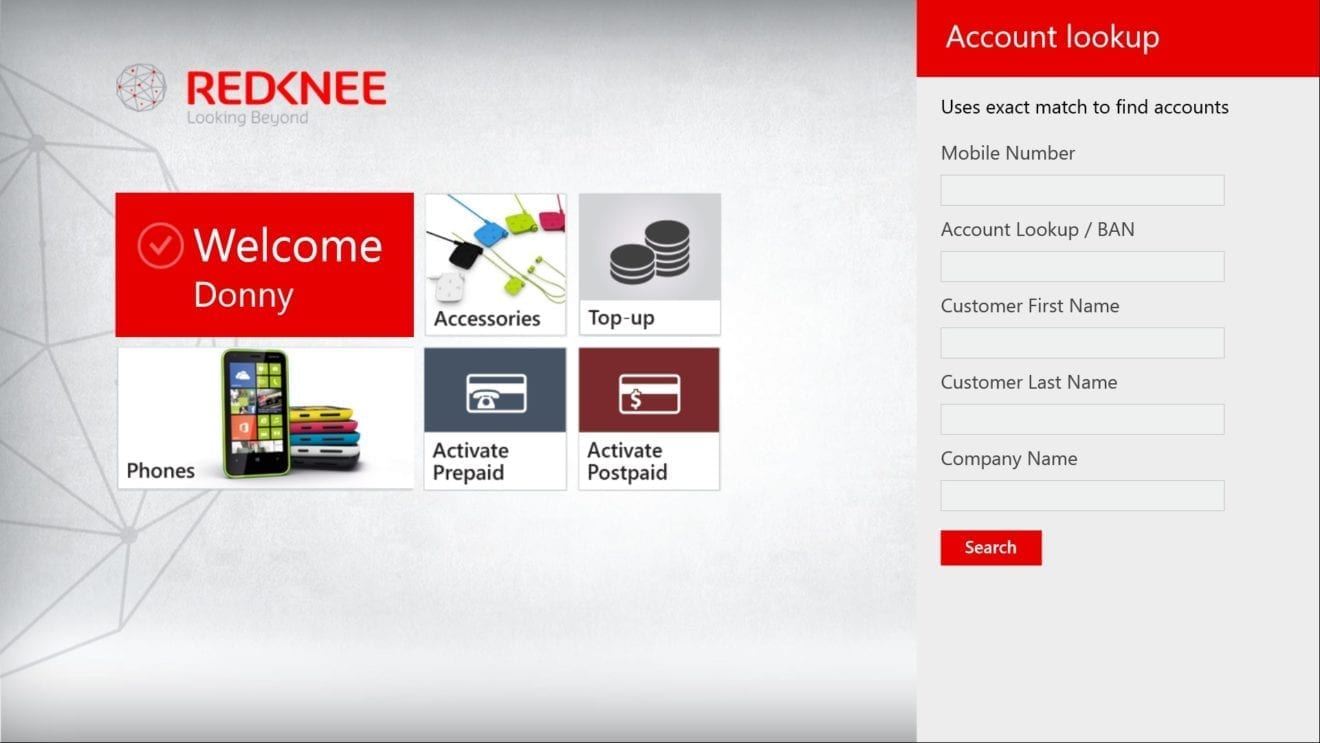
    Smart Communications, based in the Philippines, has awarded Redknee a services and support contract for an agile, flexible, and scalable converged billing, charging, and customer care platform.

    Redknee Unified promises service providers to enhance their competitiveness and maximize value by quickly launching new revenue streams and service offerings with multi-channel customer support.

    The solution provides a capable adaptive quota solution allowing customers to access data services on multiple devices at the same time, delivering an optimal user experience and an efficient use of resources.

    With Redknee Unified, Smart can benefit from improved time to market, by adding tool-based testing for product configuration and real-time configuration changes. Redknee’s multi-campus solution is deployed with geo-redundancy, enabling Smart to support its rapidly growing subscriber base with high quality and resilient backend, the vendor said.

    “We are excited to launch Redknee Unified in the fast paced Asia Pacific region,” said Danielle Royston, Redknee’s CEO. “Redknee’s strong client relationship with Smart allowed us to quickly transform the business support systems to deliver leading real-time monetization solutions to its major cellular brands.”

  • Smart targets 70% LTE coverage by year end

    Smart targets 70% LTE coverage by year end

    The Philippines’ Smart Communications aims to make LTE services available in 70% of the population by the end of the year.

    A recent study from JP Morgan estimates that Smart’s nationwide LTE coverage reached 51.5% by the end of May, Smart VP of network planning and engineering Mario Tamayo said in a statement.

    Smart, the wireless division of PLDT, said the findings show that Smart is on track to meet the targets the company stipulated in the three-year network rollout plan the operator to the National Telecommunications Commission in July last year.

    The plan stated that the operator is targeting making LTE available to 95% of the company’s cities and municipalities by the end of 2018.

    The report also estimated Smart’s average broadband speeds at 11.1Mbps on a nationwide basis, ahead of rival Globe Telecom.

    Smart said it is currently re-equipping its cell sites to use low-frequency bands such as 700 MHz and 850 MHz to provide better indoor coverage, while simultaneously deploying high-frequency bands like 1800 MHz and 2100 MHz to increase the cell sites’ capacity.

    “We are asking for people’s patience and understanding as we are upgrading our network facilities. We assure you that we are taking steps to minimize the impact of these activities on our subscribers,” Tamayo said.

    “In the end, our commitment to all our subscribers is that they will enjoy progressively better mobile data services in the next few months, particularly for those using LTE devices.”

    To promote adoption of its LTE network the company has launched a new data package offer, Video Prime 99, that comes with 2GB of data and a subscription to the iflix and iWant TV streaming services. The offer is valid for seven days.