Tag: spending

  • SSI Group Sees Profits Plunge as Luxury Spending Goes Out of Style in the Philippines

    SSI Group Sees Profits Plunge as Luxury Spending Goes Out of Style in the Philippines

    In the first quarter of 2021, SSI Group, a leading luxury retailer in the Philippines, witnessed a significant drop in profits. The company reported a decrease of 58.5 per cent in net income to US$2.4 million (PHP$152.9 million), even though revenue increased by 11.4 per cent to $123.8 million. This decline in earnings is attributed to consumers prioritizing essentials over luxury goods.

    Financial Performance and Consumer Behavior

    A more promotional business environment impacted SSI’s profitability, shrinking the merchandise gross margin from 44.6 per cent the previous year to 42.6 per cent. The main reason for this change is the growing price sensitivity among consumers due to inflation and escalating living costs. Operating expenses also increased by 15.8 per cent to $48.3 million, due to inflationary pressures and store network expansion, which led to a decrease in EBITDA by 18.4 per cent to $12.3 million.

    During this same period, consumer demand was primarily focused on the essential and lifestyle categories with a 48.5 per cent sales increase in SSI’s ‘others’ segment, which includes personal care, food, and home products. Footwear, accessories, and luggage also experienced a 32.7 per cent increase in sales. However, the group’s core luxury and bridge segment witnessed a 1.7 per cent drop in sales, indicating decreased spending on premium discretionary items.

    Online Sales and Store Operations

    E-commerce sales reached $9.1 million, making up 7.4 per cent of total revenue, while rental income from its Central Square property saw an 8.1 per cent increase to $387,270.

    SSI Group also made adjustments to its physical stores. The company closed 14 underperforming stores permanently, opened five new locations, and renovated 12 stores during the quarter. At the end of the quarter, SSI Group operated 631 stores nationwide.

    SSI Group’s portfolio includes a broad range of brands, from luxury labels like Hermès, Cartier, and Salvatore Ferragamo to fashion and lifestyle brands such as Zara, Bershka, Stradivarius, Pull&Bear, Gap, Old Navy, Lacoste, and Muji. The retailer also offers beauty brands like Mac, Lush, and Beauty Bar; home retailers like Pottery Barn and West Elm; and dining concepts like Shake Shack, SaladStop!, and Venchi.

    In February, the retailer announced the termination of its franchise agreement with Marks & Spencer, which had been in operation since 1980.

    Questions & Answers

    What contributed to the decline in SSI Group’s profits for the first quarter of 2021?
    Consumers shifting their priorities from luxury goods to essentials, coupled with inflation and increased living costs, resulted in the decline of SSI Group’s profits.

    How has SSI responded to this change in consumer behavior?
    In response to changing consumer behavior, the group has focused on promoting essential and lifestyle categories more. It has also optimized its physical store network by closing underperforming stores and opening new ones.

    What is the future of SSI’s relationship with Marks & Spencer?
    SSI Group has decided to end its franchise agreement with Marks & Spencer, which had been operational since 1980. The future of this relationship is not clear at this point.

  • Thailand’s Lunar New Year Spending to Skyrocket by 5% in 2026: Forecast Reveals Most Vibrant Celebrations in Six Years

    Thailand’s Lunar New Year Spending to Skyrocket by 5% in 2026: Forecast Reveals Most Vibrant Celebrations in Six Years

    The year 2026 is forecasted to observe a surge in market circulation during the Lunar New Year holiday in Thailand, with an estimated value of THB54.2 billion (US$1.75 billion). This anticipated figure would be the highest in six years, indicating an increase of 5% year on year.

    Consumer Spending Predictions

    According to a consumer spending survey conducted by the Centre for Economic and Business Forecasting at the University of the Thai Chamber of Commerce (UTCC), 25% of the respondents anticipate a more animated celebration this year, while others expect festivities similar to the previous year. Interestingly, 43% of the respondents have plans to pay tribute to Chinese gods and offer items of sacrifice to their ancestors.

    Among the participants, a third mentioned plans to increase their spending during the festival, mainly attributing this to escalated prices. However, 35% of the respondents anticipate the prices of products to remain unchanged.

    Perceptions of Market Prices

    Approximately 70% of the respondents believe that the prices of sacrificial offerings, such as meat and fruits, would be higher than last year. A prudent approach was noticed among one-third of the respondents who intended to buy only necessary items, whereas one-fifth planned to reduce their spending compared to the previous year.

    Travel Trends

    A noteworthy portion of the respondents, over 90%, expressed intentions to travel domestically. This indicates that a rise in local travel is expected during the Lunar New Year holiday.

    Economic Outlook

    Thanavath Phonvichai, President of the UTCC, stated that a large number of consumers are optimistic about an economic recovery after the election. This optimism stems from consumers being able to foresee who will spearhead the government’s economic team.

    Interestingly, it was found that more than half of the respondents view the current economy as worse or significantly worse than during the same period of the previous year. They anticipate economic recovery to start in the third or fourth quarter of this year.

    The respondents suggested that the new government should concentrate on enhancing infrastructure, fostering new industries for economic growth, fortifying the grassroots economy, upgrading regional infrastructure to boost tourism, attracting foreign investment, and supporting exporters. These suggestions mirror the concerns of the Thai people towards economic conditions and the necessity for a clear long-term strategy for sustainable economic growth.

    Future Government Initiatives

    The incoming government is expected to take office by May, with significant stimulus schemes projected to be initiated by the third quarter. Phonvichai urged the government to promptly eliminate corruption and crackdown on scams, as these issues significantly affect confidence in the tourism sector.

    Questions & Answers

    What is the estimated value of market circulation during the 2026 Lunar New Year holiday in Thailand?
    An estimated value of market circulation during the Lunar New Year holiday in Thailand in 2026 is THB54.2 billion (US$1.75 billion).

    What is the general outlook of the Thai people towards the economy?
    More than half of the respondents view the current economy as worse or significantly worse than during the same period of the previous year. They anticipate economic recovery to start in the third or fourth quarter of this year.

    What are the key suggestions provided by respondents for the new government?
    Respondents suggested that the new government should focus on improving infrastructure, developing new industries for economic growth, fortifying the grassroots economy, upgrading regional infrastructure to support tourism, attracting foreign investment, and supporting exporters.

  • Sea Battles Rivals with Heightened Spending: Revenue Soars, Profits Dip Amid Competitive E-Commerce Landscape

    Sea Battles Rivals with Heightened Spending: Revenue Soars, Profits Dip Amid Competitive E-Commerce Landscape

    Sea Ltd, a Singapore-based conglomerate, has announced a significant increase in its sales and marketing expenditure during the third quarter. This resulted in a jump in revenue, but it also had a negative impact on profits. This increase in spending comes as the company seeks to maintain its market position in the fiercely competitive e-commerce sector of Southeast Asia.

    However, this increase in expenditure has had a negative effect on share prices. Shares listed in the United States dipped by 2% on Tuesday, following a slide of up to 6% in pre-market trading.

    Sea Ltd has significantly increased spending on marketing, advertising, and user acquisition to counter competition from rivals such as TikTok Shop and Alibaba. Their e-commerce platform, Shopee, has introduced financial incentives like cashbacks, buy-now-pay-later schemes, and loyalty currencies. These initiatives are aimed at appealing to consumers who are exercising caution due to economic uncertainty.

    Despite this, Sea Ltd reported earnings per share of 59 cents in the quarter, falling short of the analysts’ estimate of 76 cents.

    Zavier Wong, a market analyst at eToro, stated that Sea Ltd is not looking for immediate profits, but is instead focusing on preserving and expanding its market share. Although this strategy may seem risky now, if executed correctly, it could be crucial in retaining relevance for its platform.

    The growth in Sea Ltd’s primary e-commerce, digital entertainment, and financial services sectors has remained robust, indicating that the increased spending has been somewhat successful in reaching consumers.

    The company announced total quarterly revenue of US$5.99 billion, surpassing estimates of $5.65 billion. Sea Ltd is also working to enhance its delivery business by investing in shipping logistics and fulfillment, as was revealed by company executives in a post-earnings conference call.

    Expectations are high for Shopee’s annual gross merchandise value (the total value of products sold on the platform) to grow by over 25%.

    The overall quarterly operating expenses increased by 28% to $2.12 billion, compared with $1.66 billion the previous year. Sales and marketing expenses also experienced a 31% increase.

    Sea Ltd’s e-commerce unit reported revenue of $4.3 billion, surpassing estimates of $3.99 billion.

    Questions & Answers

    Why has Sea Ltd increased its sales and marketing expenditure?
    The company has increased its marketing and sales spending to counter competition from rivals and maintain its market position in the e-commerce sector of Southeast Asia.

    Has the increased spending affected Sea Ltd’s share prices?
    Yes, following the announcement of the increased expenditure, the company’s shares listed in the US dipped by 2%.

    What initiatives has Sea Ltd’s e-commerce platform, Shopee, introduced to attract consumers?
    Shopee has introduced financial incentives such as cashbacks, buy-now-pay-later schemes, and loyalty currencies to appeal to consumers amid economic uncertainty.

  • Chinese Giants Alibaba, Jd Extend Singles’ Day Sales Amid Economic Challenges

    Chinese Giants Alibaba, Jd Extend Singles’ Day Sales Amid Economic Challenges

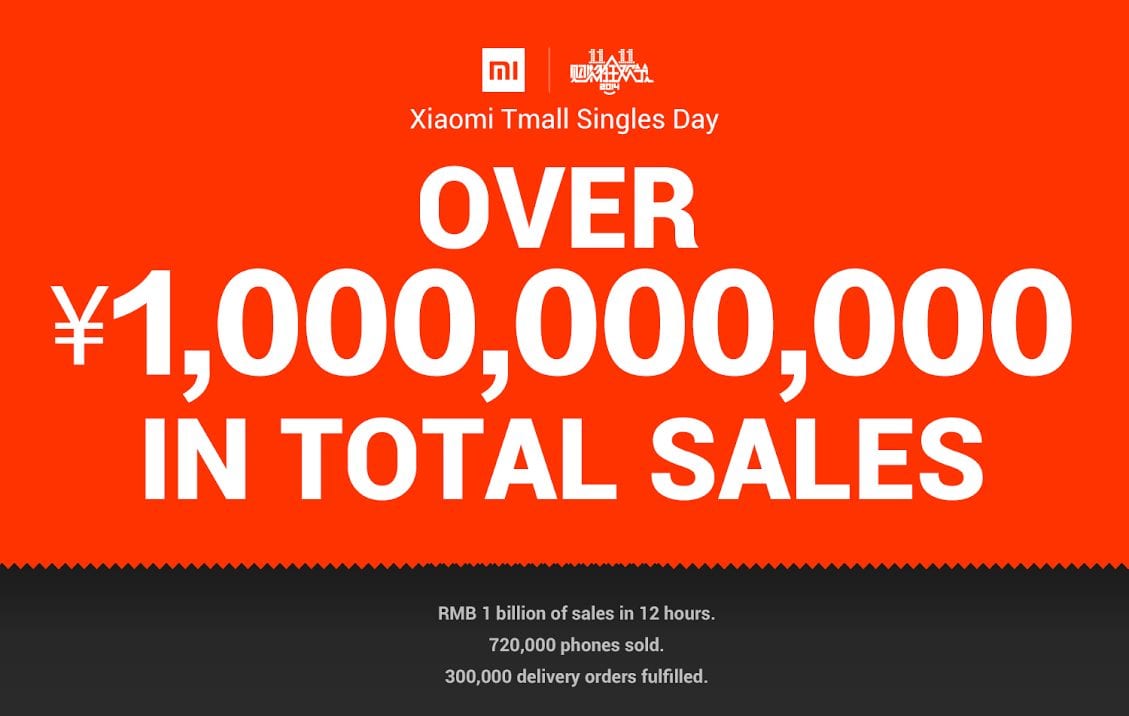
    Chinese retailers are capitalizing on the annual ‘Singles’ Day’ phenomenon by extending the sales event for up to five weeks. The sustained retail strategy is being deployed by industry giants Alibaba and JD as they strive to stimulate consumer interest amidst economic challenges.

    The Chinese economy, which is the second largest in the world, has suffered from weak consumer spending this year. Various factors, including negotiations over trade policies with the US, fierce domestic rivalry, inclement weather, and an ongoing property crisis have worked against the economic growth.

    Alibaba recently unveiled an exceptional investment into the biggest annual sales event during a launch event in Shanghai. The e-commerce behemoth has committed 50 billion yuan (US$7 billion) in subsidies for its highest spending 88VIP members. The extensive sales period began recently and will continue until November 11, which is the traditional Singles’ Day, named after the numerical representation of the date.

    Leveraging AI and Instant Retail

    Alibaba reported that 35 brands, which include globally renowned names like Nike and L’Oreal, as well as local companies Anta and Proya, sold over 100 million yuan worth of products in the first hour of the sale.

    To further stimulate sales, Alibaba has integrated artificial intelligence (AI) into its search and recommendation functions. This AI-enhanced system is predicted to boost click-through rates by approximately 10%.

    Instant retail, defined by the delivery of online orders within an hour, is another focal point for this year’s sales strategy. Both Alibaba and JD have invested billions into subsidies to entice customers towards their rapid delivery channels, which have been growing at a faster rate than e-commerce as a whole.

    Changing Shopping Patterns as Consumers Grow Choosier

    JD initiated its campaign on October 9, aligning with China’s return to work post the eight-day Golden Week holiday. However, consumer spending during Golden Week hit a three-year low, even with growth in holiday travel, which raised some concerns regarding the forthcoming Singles’ Day promotions. Additionally, extended promotions this year may not necessarily encourage consumers to splurge more.

    JD announced during a recent press briefing that it would offer over 100,000 popular products at the lowest prices of the year. Included in the sale are 50,000 pairs of thermal long johns, priced at 2 yuan ($0.30) each which includes the cost of shipping.

    Jacob Cooke, co-founder and CEO of WPIC Marketing + Technologies, posits that products that enhance consumers’ perception of themselves, such as beauty brands, outerwear, and packaged food and drink, are likely to perform well this year. However, home appliances, which enjoyed a sales boom in 2024 due to government subsidies, are projected to see a decline. Analysts from Nomura predict a 20% drop in home appliance sales in the last quarter of the year.

    Questions & Answers

    What is Singles’ Day in China and when is it?
    Singles’ Day is an annual sales event in China that takes place on November 11. It was named after the numerical representation of the date, and it is considered the biggest sales event of the year.

    What strategies are Chinese retailers employing this year to boost sales during Singles’ Day?
    Chinese retailers such as Alibaba and JD are extending the sales period up to five weeks, investing in subsidies, leveraging artificial intelligence for search and recommendation functions, and focusing on instant retail or one-hour delivery of online orders.

    What types of products are expected to be popular during this year’s Singles’ Day sales event?
    Products that help consumers feel good or enhance their perception of themselves like beauty brands, outerwear, and packaged food and drinks are expected to be popular. However, home appliances, which saw high sales in the past due to government subsidies, are expected to decline this year.

  • E-commerce Surge Fuels Expansion in Taiwan’s Credit Card Payments Market

    E-commerce Surge Fuels Expansion in Taiwan’s Credit Card Payments Market

    Taiwan’s credit card payments sector is on the brink of substantial growth, projected to see an impressive 7% increase by 2025, reaching a staggering $156.2 billion (TWD 5 trillion), as evidenced by findings from GlobalData. This upward trajectory is propelled by an insatiable appetite for cashless transactions, a booming e-commerce landscape, and the rising adoption of contactless technology.

    The trend is already apparent, with credit card transaction values surging by 19.9% in 2023, followed by a robust 11.9% increase in 2024, pushing the total to $145.9 billion (TWD 4.7 trillion). Surprisingly, despite global economic instability and the looming specter of U.S. tariffs, credit card popularity shows no signs of waning.

    “While debit cards dominate in terms of sheer numbers, consumers still prefer credit cards for payments,” noted Ravi Sharma, Lead Banking and Payments Analyst at GlobalData. “In 2025, the average number of transactions per card will hit 66.1, while debit cards lag behind with only 5.2.”

    This dramatic shift is attributed to several factors: a burgeoning middle class, a dynamic young workforce, enhancing payment infrastructure, and the escalating trend of e-commerce and contactless payments.

    Remarkably, credit cards accounted for 93.1% of total payment card transaction values in 2024. Major financial institutions are cashing in on this trend, with banks like Taipei Fubon Bank offering enticing installment plans, including a six-month interest-free option on select purchases. The digital marketplace plays a pivotal role here, with online transactions representing a noteworthy one-third of all credit card activity.

    Innovative partnerships are also making their mark; for instance, Cathay United Bank has teamed up with the online platform Shopee to create a co-branded credit card that rewards purchases with Shopee’s Shrimp Coins—who knew shopping could come with its own little treasure hunt?

    Public transport initiatives are aligning with this growth momentum too. In November 2023, Metro Taipei collaborated with Thales Group and MiTAC to roll out contactless payment options leveraging both cards and digital wallets, making travel smoother for the cashless commuter.

    Looking ahead, GlobalData anticipates continued expansion in this market, projecting a reach of $211.3 billion (TWD 6.8 trillion) by 2029, achieving a remarkable CAGR of 7.8% amid evolving consumer preferences and technological advancements.

    Questions & Answers

    What factors are driving the growth of credit card transactions in Taiwan?
    The growth is fueled by rising consumer demand for cashless payments, a burgeoning middle class, enhanced payment infrastructure, and the boom in e-commerce and contactless technology.

    How significant are online transactions within the credit card market?
    Online transactions now account for one-third of total credit card transaction value, underscoring the vital role of e-commerce in driving credit card usage.

    What innovative partnerships have emerged in Taiwan’s credit card market?
    A notable collaboration is between Cathay United Bank and Shopee, which has introduced a co-branded credit card that rewards consumers with Shrimp Coins for purchases, adding an engaging twist to the shopping experience.

  • Chinese Consumers Embrace Cautious Spending Amid Slowing Economic Growth Trends

    Chinese Consumers Embrace Cautious Spending Amid Slowing Economic Growth Trends

    China’s consumer market is shifting gears as it embarks on a journey defined by slower, single-digit growth and a more cautious spending landscape, according to the latest insights from McKinsey & Company. This transformative phase comes after a comprehensive survey encompassing over 17,000 consumers, revealing that while sentiment is mixed, shoppers are adapting to a more stable—albeit restrained—economic atmosphere. Gone are the days dominated by optimism; spending is now increasingly dictated by income and assets.

    Steady Growth Amid Challenges

    With China’s GDP projected to grow around 5% in 2024 and early 2025, annual consumption is expected to reach 2.3% in 2025, mirroring the 2.4% increase from 2024. The urbanization trend is supporting structural growth, evidenced by an increase in the urbanization rate from 65.2% in 2022 to 67% in 2024.

    Confidence in Limbo

    Despite a semblance of stabilization in consumer confidence, the outlook varies widely across demographics. More than one-third of respondents indicated feelings of “job anxiety,” with almost half of urban residents considering the job market “challenging,” according to the People’s Bank of China (PBOC). While overall confidence appears to be stabilizing, rural areas have seen a surge, buoyed by faster income growth and government revitalization strategies. In 2024, rural incomes surged by 6.6%, compared to a 4.5% increase in urban regions.

    Generational Divide

    Conversely, affluent elderly urban dwellers experienced a staggering 20% drop in confidence, largely due to asset depreciation. Low-income millennials in Tier 1 and Tier 2 cities remain the most pessimistic, grappling with job insecurity and rising expenses. Interestingly, Tier 3 consumers and urban Gen Z still exhibit a sense of optimism, even amid the specter of high youth unemployment.

    Shifting Priorities

    The latest consumer behavior trends indicate a shift from a confidence-driven outlook to one that emphasizes concrete financial factors. Many shoppers are prioritizing personal fulfillment and maintaining their quality of life, even if it means tapping into savings. Affluent urban consumers expect to ramp up daily spending by 2.6% this year, channeling their resources toward home upgrades, automobiles, and enriching experiences. Spending is becoming increasingly intentional, with consumers on the hunt for value and emotional returns rather than mindless aspirational purchases.

    Adapting to Evolving Demands

    Companies must recalibrate their strategies to cater to this pragmatic, value-driven demand. Although challenges loom large, the market still brims with potential for brands that can align themselves with the evolving priorities of consumers—a quest that is as critical as it is rewarding.

    Questions & Answers

    How is consumer spending in China changing?
    Consumer spending is shifting from being driven by optimism to being more influenced by individual income and asset stability, with consumers focusing on intentional spending.

    What demographic factors are influencing consumer confidence?
    While overall confidence is stabilizing, rural consumers are more optimistic due to income growth and government support, contrasting with elderly urban residents facing declining asset values.

    What should companies do to remain competitive in this market?
    Brands need to adjust their strategies to meet the pragmatic and value-driven demand of consumers, focusing on emotional returns and practical purchases over mere aspirational spending.

  • Singapore Banks Face Growing Job Vacancies Amid Corporate Spending Slowdown

    Singapore Banks Face Growing Job Vacancies Amid Corporate Spending Slowdown

    Singapore’s banking landscape is undergoing a significant transformation, as hiring practices take a cautious turn in response to shifting economic realities. According to recruitment expert Ken Ong, managing director at Morgan McKinley’s Singapore operations, banks are slowing down hiring, with a striking statistic emerging: for every two employees who resign, only one position is filled.

    Hiring Trends Shine Light on Industry Concerns

    Ong shared his insights in a recent interview with Asian Banking & Finance, noting that while some specific roles, particularly in wealth management and relationship management, continue to be in demand, the overall trend is undoubtedly towards reduced hiring. “Bulge bracket banks are not bringing in new talent at the same pace,” he explained. “Conversely, second-tier banks, especially Asian ones, are still making selective strategic hires.”

    Cybersecurity and Contract Work Take Center Stage

    Ong emphasized that second-tier banks are actively looking for specialized skills to enhance their cybersecurity measures, cloud investments, and data analytics capabilities. However, this hiring activity is primarily concentrated in contract positions, reflecting a broader economic expectation for stagnation this year. “Organizations are eager to maintain greater flexibility with their cash flow, ensuring they have enough cushion in these uncertain times,” he added.

    Shifting Job Market Dynamics

    In this era of caution, the banking workforce is also evolving. Ong noted a noticeable trend of bankers transitioning into the fintech sector, as well as shifts in job locations, with roles moving from Hong Kong to Singapore. Employers are now leveraging contract work as a means to evaluate potential candidates before offering permanent positions. “Many clients are open to the contracting approach to validate performance,” he shared.

    Career Paths Redefined

    Interestingly, new professionals are embracing contract roles as a unique opportunity to explore different career paths. “Gone are the days when young professionals were expected to specialize early in their careers; they now prefer varied experiences before committing to a niche,” Ong concluded, revealing a refreshing shift in mindset.

    Questions & Answers

    What is the current trend in hiring at Singaporean banks?
    The hiring trend in Singaporean banks is slowing down, with a significant imbalance where for every two resignations, only one position is filled.

    What types of roles are still in demand despite the slowdown?
    Roles such as relationship managers and positions in wealth management continue to be sought after, particularly within second-tier Asian banks.

    How are new hires approaching their career paths differently today?
    New hires are increasingly opting for contract roles that allow them to explore various career paths before settling on a specialization, contrasting with previous expectations of early specialization.

  • Exploring Why Malaysians Lead Southeast Asia in Grocery Spending Trends

    Exploring Why Malaysians Lead Southeast Asia in Grocery Spending Trends

    Malaysians are savoring their culinary delights, with average annual food-at-home expenses hitting a notable US$1,940 per person in 2023, according to the U.S. Department of Agriculture (USDA). Following closely behind, Singaporeans spend about $1,831 per person, while other nations in the region like Thailand ($1,108), the Philippines ($1,070), and Cambodia ($898) show a stark contrast in expenditure levels, as reported by The Star. Notably, these figures haven’t been adjusted for inflation or varying costs of living across countries.

    Understanding High Grocery Bills

    Experts attribute Malaysia’s substantial household grocery spending to a mix of factors: rising input costs, a weakened Ringgit, low agricultural productivity, and a heavy reliance on food imports. Sunway University economics professor Yeah Kim Leng observed that despite Singapore boasting a far higher per capita income, its food-at-home spending has closely mirrored Malaysia’s, even dipping below it this year.

    KRI research associate Teoh Ai Ni shed light on the varying spending habits across the region. She pointed to data from the Household Expenditure Survey 2022, revealing that Malaysian households dedicate about 52% of their monthly food budget to meals at home, contrasting with Singapore’s 68% spent dining out. This appetite for home-cooked meals places a unique spin on Malaysia’s grocery landscape.

    Moreover, KRI fellow researcher Nik Syafiah Anis highlighted the vulnerability of Malaysia’s food sector due to its dependence on imports. She emphasized that this reliance, especially on imported animal feeds like corn and soymeal, adds to rising domestic food prices. Geopolitical tensions and unfavorable harvests on the global stage can further inflate feed costs, leading to pricier staples like chicken, eggs, fish, and meat.

    Teoh added that while Malaysians might spend more in dollar terms on groceries, the share of their income allocated to food is comparatively lower than in many regional counterparts. It appears that while we’re enjoying a tasty meal, the economy continues to stir up its own concoctions of challenges.

    And just when you think you’re spending too much on groceries, remember that you could be paying even more for your takeout!

    Questions & Answers

    What are the average food-at-home expenses for Malaysians in 2023?
    Malaysians spent an average of US$1,940 per person on food-at-home expenses in 2023.

    How do Malaysian food spending habits compare to those in Singapore?
    While Malaysia’s food-at-home expenditure is higher, Singaporeans allocate a greater portion of their food budgets to dining out, with 68% spent on meals away from home compared to Malaysia’s 52%.

    What factors contribute to the rising grocery costs in Malaysia?
    Factors include a reliance on food imports, rising input costs, a weakened Ringgit, and low farm productivity, all of which create pressure on domestic food prices.

  • Chinese Holiday Spending Hits $79 Per Person, Boosting Retail Sales

    Chinese Holiday Spending Hits $79 Per Person, Boosting Retail Sales

    May Day Holiday Signals Mixed Results for Chinese Consumer Trends

    Chinese Consumer Confidence Tested Amid Growing Travel and Spending
    The recent May Day holiday has emerged as a significant indicator of consumer sentiment in China, showcasing a blend of heightened travel activity and modest spending. The five-day celebration, traditionally a peak time for family trips, witnessed a notable uptick in travel, while per capita expenditures lagged behind pre-pandemic levels.

    Surge in Travel Activity

    During the May Day holiday, approximately 10.9 million travelers moved in and out of the country, marking an impressive 28.7% increase compared to 2024. Among them, 1.1 million were international visitors, reflecting a robust 43.1% rise, according to the official Xinhua news agency. This resurgence in travel underscores a rebound in consumer patterns following previous years of restrictions.

    Modest Spending Growth

    Despite the surge in visitors, average spending per person over the holiday reached 574.1 yuan (approximately $79), a modest increase of 1.5%. This figure still trails behind 2019 levels, which recorded per capita spending at 603.4 yuan. This discrepancy highlights ongoing challenges facing consumer confidence in China amidst economic fluctuations and external pressures.

    Domestic Travel Trends Expand

    Data from China’s tourism ministry revealed 314 million domestic trips during the May holiday, signifying a 6.5% increase from the previous year. Notably, transactions through Weixin Pay, a prevalent payment platform, surged by over 10% year-on-year, especially in restaurant sectors, indicating strong consumer engagement in specific areas.

    Cinema Revenues Decline

    While travel and dining have seen positive trends, the cinema industry faced setbacks, with total box office receipts plummeting to 747 million yuan over the holiday – about half of what was generated in 2024. This decline raises questions about consumer interest in entertainment options during holiday periods.

    Easing Growth in Services Sector

    Recent surveys highlight a slowdown in the services sector’s new order growth, reflecting heightened uncertainty due to U.S. tariffs. The Caixin/S&P Global services purchasing managers’ index (PMI) dipped to 50.7 in April, down from 51.9 in March, indicating the lowest growth rate since September.

    Despite initial optimism fueled by government stimulus, China’s broader economic landscape remains fragile, grappling with deflationary risks. The services PMI, deemed a reliable indicator of the economic pulse among smaller firms, suggests a sharp decrease in new business growth, although modest recovery in export orders has been noted thanks to tourism.

    Implications for Future Consumer Behavior

    With around 48% of the workforce employed in the services sector, the potential impacts of U.S.-China trade tensions resonate deeply within an economy predominantly driven by domestic consumption. As challenges mount, experts suggest that restoring consumer confidence and enhancing spending strategies will be crucial in navigating the post-holiday period.

    Short-term measures such as consumption vouchers could invigorate domestic demand, while longer-term strategies focused on improving service quality and availability will be vital. Economic analysts stress the need to foster a positive consumer sentiment to unlock savings and stimulate growth in the retail sector.

    Potential Impact on the Retail Sector
    The mixed signals from the May Day holiday highlight crucial dynamics in China’s retail landscape. While travel and dining sectors display signs of resurgence, overall consumer spending trends indicate a cautious recovery. The retail sector’s adaptability will be tested as it navigates these evolving consumer behaviors in a challenging economic environment.

    Questions & Answers

    1. What was the increase in travel during the May Day holiday in China? Approximately 10.9 million travelers entered and exited the country, representing a 28.7% increase compared to last year.

    2. How much did per capita spending change during the holiday? Average spending per person rose by 1.5% to 574.1 yuan, but it remains below pre-pandemic levels from 2019.

    3. What sectors showed contrasting performance during this holiday? While sectors such as dining benefitted from increased spending, the cinema industry suffered a downturn, with ticket sales falling to about half of last year’s take.

  • Boost in Consumer Spending Fuels Growth in Australia’s Credit Card Market

    Boost in Consumer Spending Fuels Growth in Australia’s Credit Card Market

    Australia’s Credit Card Market on Track for Significant Growth, Expected to Reach $299.7 Billion by 2025

    Australia’s credit and charge card payments sector is poised for robust expansion, with projections indicating a surge to $299.7 billion (AUD 453.9 billion) by 2025. This growth is predominantly fueled by increasing consumer spending, a resilient payment infrastructure, and a thriving e-commerce landscape, as reported by GlobalData.

    Strong Consumer Spending Drives Momentum

    In 2024, the market value for credit and charge card payments experienced a notable increase of 6.3%. This upswing is largely attributed to rising consumer spending and the appeal of value-added benefits, including cashback rewards and flexible repayment options.

    Kartik Challa, Senior Banking and Payments Analyst at GlobalData, emphasized that Australians are increasingly aware of the advantages of credit card usage. “Consumers frequently utilize these cards to capitalize on benefits, such as cashback offers and rewards programs,” he stated. The boom in consumer appreciation is pivotal to the ongoing growth of this sector.

    Boosted by E-Commerce and Payment Infrastructure

    The credit and charge card market’s upward trajectory is bolstered by improvements in payment infrastructure and the burgeoning e-commerce domain. In 2024, Australians averaged 225.5 transactions per card, with expectations to rise to 239.5 by 2029. Key players in retail banking, such as Commonwealth Bank and NAB, are further supporting this trend by offering innovative repayment solutions like “SurePay” and the “Now Pay Later” program.

    Moreover, Australia is rapidly enhancing its payment capabilities, boasting 39,031 point-of-sale (POS) terminals per million inhabitants as of 2024—outpacing countries such as China and Hong Kong.

    E-Commerce Payments Gain Traction

    E-commerce payments are a significant contributor to this growth, with credit and charge cards accounting for 22.5% of online transactions in 2024. This alignment with consumer trends suggests a growing reliance on digital payment methods as online shopping habits evolve.

    To further assist consumers in managing debt, many Australian banks are introducing programs like debt consolidation and balance transfer options. For example, ANZ offers customers the ability to transfer their existing balances to an ANZ card, simplifying payment processes.

    Future Outlook: Navigating Challenges Ahead

    Looking ahead, Challa notes that while the outlook remains bright for Australia’s credit card market—anticipated to grow at a CAGR of 4.4% to reach $356 billion (AUD 539.1 billion) by 2029—external factors such as global trade complexities and geopolitical concerns could temper this growth.

    As the credit card market continues to expand, its implications are profound for the retail sector and consumers alike, enhancing purchasing power while fostering innovative financial solutions to navigate economic shifts. The increasing prominence of credit and charge cards is likely to shape the future of consumer spending in Australia, making it a space to watch closely.

  • Vietnamese no longer spend $4 on coffee

    Vietnamese no longer spend $4 on coffee

    Young entrepreneurs looking to start a coffee shop should be aware that customers are increasingly reluctant to spend over VND100,000 ($4) on a cup of coffee, opting instead for more affordable alternatives.

    I used to visit coffee shops regularly, but in recent years that is no longer the case. I feel like I can work from home just as easily, and spending VND50,000-70,000 ($2-2.8) on a cup of coffee for a few hours at a shop does not seem worth it.

    In a recent survey, the most common spending range was between VND41,000 and VND70,000 VND per cup, according to 45% of respondents. Many Vietnamese have stopped spending VND100,000 per drink, the survey said.

    Going to coffee shops has become much more expensive ever since I started brewing coffee at home. Even if I am in a rush, I will buy machine-brewed coffee from a street vendor for just VND15,000.

    Coffee shops, however, need to cover a variety of costs, including labor, ingredients and most importantly, rents. To open a good coffee shop, the location has to be prime and spacious, but the rent is far from cheap.

    I have observed that my friends now visit coffee shops less frequently. They only go when they have meetings with clients or business partners, and even then, not very often. For casual chatting and socializing, they prefer affordable street cafés.

    In my opinion, these trends indicate that competition in the food and beverage industry, especially in the coffee shop sector, is becoming increasingly fierce. The closure of 30,000 establishments in the first half of the year is one clear example of this.

    With this in mind, those of you looking to start a business by opening a coffee shop or a coffee chain need to be extremely cautious and thoughtful. As consumers become more price-conscious, convincing them to spend money will become more challenging.

  • Global public cloud spending to reach $332.3 billion in 2021

    Global public cloud spending to reach $332.3 billion in 2021

    Spending on global public cloud services is projected to reach $332.3 billion in 2021, increasing by 23.1% from $270 billion in 2020. According to Gartner, growth in cloud spending can be attributed to increased adoption in technologies such as virtualization, edge computing and containerization.

    Driven by demand for composable applications, software-as-a-service (SaaS) will account for the largest market segment to reach $122.6 billion in 2021. Gartner cited that SaaS-based applications will be instrumental in countries’ efforts to produce and distribute COVID-19 vaccinations, in areas such as automation and supply chain. These applications will help CIOs validate the shift to cloud.

    Desktop-as-a-service will experience the highest growth at 67.7% to reach $2 billion, while infrastructure-as-a-service will grow by 38.5% this year to reach $82 billion. In 2022, growth in these areas is expected to slow down.

    While cloud services boomed in the past year, Gartner predicts that spending on cloud might take a different note in 2021 and 2022 as enterprises shift away from infrastructure and application migration towards advanced applications integrating AI and IoT and 5G.

    In the first quarter of 2021, research and analytics firm Canalys reported that global cloud services infrastructure spending grew to $41.8 billion to represent a 35% year-on-year increment and 5% quarter-on-quarter growth.

  • Covid-19 has trapped US$111 billion of luxury spending in China

    Covid-19 has trapped US$111 billion of luxury spending in China

    Jeff Meng, a 25-year-old watch lover from a well-heeled Guangdong family, had US$22,800 burning a hole in his pocket. He could not find the Rolex Daytona watch he wanted, dubbed “panda” for its black-and-white face, anywhere in China.

    Thanks to the coronavirus pandemic that’s halted travel and disrupted networks of parallel importers, Chinese high-end shoppers like Meng – who collectively spend $111 billion a year on luxury goods, powering over a third of the global industry – are finding it hard to spend their cash.

    That’s forcing global luxury houses from Balenciaga to Montblanc to rethink how to reach Chinese consumers on the mainland, despite long-standing concerns that range from counterfeiters to powerful e-commerce platforms that set the rules. The halt to travel is also fuelling the rise of a second-hand luxury market in China as consumers seek certain styles or models they can’t find in local stores.

    Prior to the pandemic, two-thirds of Chinese luxury purchases were made overseas, according to consultancy Bain & Co. The spending took place either on shopping spree vacations or through resellers called “daigou”. Meaning to “buy on behalf,” these were platforms or individuals who used Chinese people living, studying or traveling abroad to purchase sought-after goods from boutiques in Europe or the US and bring them back home.

    “Now, travel is impossible, and daigou sellers are either back on the mainland or stranded in Europe,” said Meng. “The pandemic made me realize you can’t easily get what you fancy in China.”

    From Savile Row to Swiss watches, luxury rules have changed

    Cognisant of the potential of Chinese consumers who don’t travel overseas, luxury houses had already been rolling out plans to expand on the mainland. The pandemic has now hastened that shift and imbued it with urgency.

    With other factors like perceived anti-Chinese racism in western countries exacerbated by the coronavirus, and the Chinese government’s desire to bring spending home to boost its ailing economy, it’s likely that Chinese luxury buyers won’t revert to previous patterns even after the crisis passes.

    More than half of Chinese purchases for luxury goods will happen domestically by 2025, Bain & Co estimated in May, compared to a third in 2019.

    “Chinese feel unsafe in foreign countries, which is why they consume at home,” said Amrita Banta, MD at luxury consultancy Agility Research. “Brands should increase importing from foreign countries into China and offer a wider and well-priced range. They can now expand their reach to more cities — even smaller towns which have a propensity to spend.”

    E-commerce, live-streaming

    With China having largely contained its epidemic, including a new outbreak in Beijing last month, shoppers are spending again. This is set to boost the luxury market on the mainland as much as 10 percent this year, compared to a 45-per-cent plunge in the global industry, according to estimates by Boston Consulting Group.

    “Things are normal again internally, and we are seeing the results throughout our stores,” Richemont Chairman Johann Rupert said of China, where it has around 460 boutiques. “But they’re not traveling. Nobody is traveling. And until people feel sufficiently safe, I doubt that we will return to a pre-Covid stage.”

    The loss of Chinese travel spending has been cited as a blow to earnings by companies from LVMH to Moncler SpA in recent months. While luxury companies mostly do not break out Mainland China numbers, sales to Chinese tourists are likely to far outstrip revenue from local boutiques, analysts say.

    The trend of more spending within China “will push us to reconsider our store network,” said Jean-Marc Duplaix, CFO of Gucci-owner Kering SA during an April 21 earnings call. “It will lead to a clear re-shuffling of the distribution.”

    A wave of luxury brands like Prada, Miu Miu, Balenciaga, Piaget and Montblanc have opened virtual storefronts on Alibaba Group Holding’s Tmall luxury platform this year, some setting aside long-standing objections to working with third-party online channels.

    Brands like Louis Vuitton, Givenchy and Chloe have started using live-streaming to push products in China, a popular style of social commerce where an influencer speaks live to audiences for hours at a time, promoting and trying out items.

    In the past, luxury houses were worried about diluting brand prestige and losing control of customer data by working with Chinese internet giants like Alibaba, but the urgency of reaching Chinese shoppers has now eclipsed those concerns.

    “Most luxury brands were too reliant on their offline experience and they lacked presence outside major cities where there is no decent shopping mall,” said Jason Yu, MD at Kantar Worldpanel Greater China. “Counterfeits and resellers were also prevalent on e-commerce platforms in the past. But that is fast changing now.”

    Demand for some items has surged past supply in China. In May, Swiss watch exports to China fell 55 percent from a year ago, according to industry data, largely due to supply bottlenecks.

    “Due to the travel curbs during the pandemic, all the consumption power is locked inside China, so our sales there are growing,” said Alain Lam, the finance director of Oriental Watch Holdings. The high-end watch seller has 46 stores in mainland China. “But the supply is very tight, as Swiss factories are not yet fully returned to work.”

    Prior to the pandemic, luxury brands largely avoided stockpiling in China and kept local manufacturing to a minimum. Brands will now need to rethink how to avoid delayed stock and lost sales, said Agility’s Banta.

    Chinese shoppers desperate for certain items are turning to second-hand luxury platforms to procure them, fueling a surge of investment in such startups. Jeff Meng finally found his “panda” Rolex watch on one such platform called Ponhu (Beijing) Technology.

    Boosted by the pandemic, Ponhu’s gross sales will triple this year compared to last year, said founder Ma Cheng.

    JD’s used-goods platform Paipai saw sales in second-hand luxury goods jump 138 percent during the 18 days of its annual summer sale period in June compared to a year ago, including a record 300 Rolex timepieces changing hands. The demand for luxury watches, in particular, is due to the delay of new stock supply to Chinese retail stores, said Paipai’s luxury business manager Tony Yao.

    Rise of Hainan

    Facing its worst economic contraction since at least 1992, when official data was first released, China wants to keep spending within its borders.

    On July 1, China increased the tax-free shopping quota for travelers to its southern Hainan province, which has been designated a free trade zone, to 100,000 yuan annually per person from the previous 30,000 yuan. Sales on the first day of the new policy at four malls amounted to nearly 60 million yuan, reported state media.

    Some Chinese consumers say that the pandemic has unexpectedly shifted their perspectives: shopping at home can be convenient and pleasant in contrast to infrequent vacations or daigou platforms with no-returns policies.

    “I realize it’s so nice that I can try on the clothes in the malls, and salespeople treat me as a long-term client instead of just a tourist,” said Michelle Zhang, a finance executive from Fuzhou, Fujian province. “Even after global travel resumes, I will continue to shop more at home.”


  • South East Asia to See Online Spending Triple

    South East Asia to See Online Spending Triple

    A report into spending habits in South East Asia suggests that internet shopping numbers will see a huge surge in the next few years. Overall, it is expected that the amount of money spent online here will triple by the year 2025.

    The facts and figures

    This data comes from a report called Riding the Digital Wave: Southeast Asia’s Discovery Generation. It was produced by Facebook, together with the global management consultancy firm Bain & Company.

    They suggest that by 2025, there will be 310 million people in the region who buy online. The estimated average spend of these digital consumers has been calculated as being US$390. These numbers were compiled following a survey of almost 13,000 consumers from the following countries: Malaysia, the Philippines, Singapore, Thailand and Vietnam. They also interviewed over 30 of the region’s CEOs and venture capitalists.

    The rate of growth in this part of Asia is reflected in the number of digital consumers that have been active in recent years. From 90 million people buying online in 2015 to 250 million in 2018, the number has been rapidly increasing. In terms of the average spend on internet purchases, in 2018 it was noted as being $125. This means that the amount spent is expected to increase at an even faster rate than the number of consumers.

    What other online industries are growing?

    Other areas of online activity are also booming in this part of the world. For example, the growing number of cryptocurrency users makes this one of the regions where Bitcoin and other virtual currencies are most popular. This has led to national authorities issuing regulations in Singapore, Indonesia and Malaysia in recent months.

    The CoinDesk Invest event in Asia also revealed that an increasing number of fundraising campaigns for new cryptocurrencies now take place in this region. In the second quarter of 2019, 26% of these campaigns were carried out in Asia, compared to 41% in Europe.

    Online gambling is another subject that has captured the imagination of many residents of South East Asia. Casino sites like the popular Manekichi casino give players in Asia easy access to stylish slots games such as Jammin’ Jars, Book of Wild and Starburst. With this sector showing growth worldwide, it’ll be interesting to see how South East Asia will make it their own.

    What else can we learn from this?

    This interesting report also covered some other important areas. For example, it showed that 67% of the region’s online consumers don’t know what exactly they are looking for when they start searching on the internet. Around half of them look to discover new products and brands on social media.

    Sandhya Devanathan is the country managing director for Facebook in Singapore. She said that 75% of the survey respondents from the country were open to the idea of exploring new brands or buying online from a number of different brands. Devanathan pointed out that “nobody shops the same way twice”. This means that online businesses need to think about designing with consumer discovery more in mind.

    The report also mentioned the need to focus on loyalty programmes. Consumers who are signed up to a programme like this are reported to be 45% more likely to act as a champion in recommending the brand to friends and family, as well as being 20% more likely to spend more money.

    Another intriguing statistic was that 40% of respondents say that in the last year they had tried an internet shop that they never heard of before. The main reasons for doing this include seeing good reviews, discovering interesting deals and finding attractive products.

    These facts and figures suggest that there is a bright future ahead for online retailers who understand how to attract and retain new consumers.

  • Online payments for digital and physical goods hits record

    Online payments for digital and physical goods hits record

    New research shows the total transaction value of online remote payments for digital and physical goods will exceed US$6 trillion by 2024.

    The new findings are based on data from Juniper Research that predict the growth of 53 percent in the transaction values from this year’s figures. An analysis of the data is now published in the firm’s report Mobile & Online Remote Payments for Digital and Physical Goods: Opportunities, Pain Points & Competition 2019-2024.

    The report reveals that online sales will be dominated by physical goods, forecast to account for almost 80 percent of online retail purchases by 2024. It urges traditional retailers to provide omnichannel offerings to ensure services align with ever-increasing consumer expectations.

    According to the report, online remote payments for digital and physical goods will be driven by purchases made via mobile devices, with the number of smartphone buyers increasing by nearly 60 per cent between 2019 and 2024. Consequently, just 21 per cent of purchases will be made using PCs, laptops and connected TVs globally by 2024.

    The shift to mobile has impacted purchasing behaviour, with the average value of transactions expected to decline by 2024. Underpinning this growth, and the change in average transaction values, is the adoption of mobile ticketing – which is becoming increasingly remote and cashless..

    Juniper Research assessed the digital strategies of 25 leading brick-and-mortar retailers according to their levels of agility and innovation. The Home Depot ranked first, owing to its proactive e-commerce strategies and engagement with new technologies, such as augmented reality and analytics, to improve online consumer experiences.

    The Home Depot’s retail services are built on an omnichannel strategy; offering customers a comprehensive network of physical stores alongside robust online shopping experiences. Analytics is leveraged to adapt to evolving customer behaviours and AR technology to enable customers to visualise virtual products in the real world via their smartphones.“Brick-and-mortar retailers have to go beyond simple e-commerce to become digital-first companies,” said research author Morgane Kimmich. “Retailers must fundamentally embrace the digital era by optimizing data analytics and embracing new technologies; enabled by radical internal organisational change.”