Retail News CRM

Tag: spending

  • 7-Eleven may make India foray with Future Group

    7-Eleven may make India foray with Future Group

    Convenience store chain 7-Eleven is holding advanced talks with India’s Future Group to enter the territory. The parties may announce an agreement to launch a network of 7-Eleven India stores next month, according to inside reports. Future Group would operate small format stores as a master franchisee, with a focus on food retailing. The partnership is expected to help Future extend its reach to buyers beyond its own existing store network.

    “Future Group has a number of neighbourhood stores through their own format launches and through acquisitions”, observed Devangshu Dutta, CEO at consultancy firm Third Eyesight. “Some of them could surely be repurposed to 7-Eleven convenience stores, while there could be other franchisees appointed for specific sites or territories,” he said.

    “However, becoming a franchisee entails costs and restrictions. The question is whether there is enough margin available in the business to allow for so many tiers of stakeholders.”

    7-Eleven India potential partner Future Group runs 1,444 stores in 409 cities, specialising in food and grocery retailing.

  • Vietnamese women up makeup spending

    Vietnamese women up makeup spending

    More Vietnamese women are wearing makeup and spending more on makeup products, a new survey finds. The survey finds that Vietnamese women spend an average of VND300,000 ($13) on makeup products a month, with those with higher incomes spending even more. This number marks an increase of 5.4 percent from VND284,000 ($12.2) in 2016, says market research firm Q&Me, which carried out the survey.

    Women with higher incomes spend more on makeup products, the survey found. Those with an income of over VND20 million ($865) spend VND442,000 ($19) per month on average, while those with less than VND10 million ($433) spend just VND215,000 ($9).

    Over half, 51 percent, of the respondents said they apply makeup at least once a week, and 30 percent said they do so every day.

    The ratio of those who do not use makeup decreased from 24 percent in 2016 to just 14 percent this year.

    Women with higher incomes make up more often, the survey found. Forty-two percent of those who make more than VND20 million ($865) a month make up every day, while only 24 percent of those who make less than VND10 million ($433) per month do so every day.

    The most popular occasion to wear makeup is for a party, 87 percent of respondents said, followed by hanging out with friends (61 percent) and dating (52 percent).

    Skincare is the most used makeup product, with 73 percent of respondents saying they use it at least once a week.

    Lipstick is the most popular makeup item, carried by 88 percent of respondents whenever they go out of their homes.

    The time taken to make up has increased in recent years, the survey found. The ratio of respondents who make up in 10 minutes or less dropped from 51 percent in 2016 to 33 percent this year, while the percentage of those who take 11-30 minutes increased from 48 percent to 62 percent.

    Online shopping is the most popular way to buy makeup products, with 57 percent of respondents choosing this option, of whom 39 percent said they shop online every month.

    The main reason they shop online is convenience, 44 percent of respondents said, followed by better quality (43 percent) and good price (40 percent).

    The most frequent online shoppers of makeup products are women aged 23-29 with monthly incomes of over VND20 million ($865).

    Shopee as the most popular online shopping service, with 59 percent of respondents saying they have used it before, followed by Lazada (43 percent) and Facebook (40 percent).

    The survey polled 500 women aged 16-39 in Hanoi, Ho Chi Minh City and other localities.

  • Starbucks Malaysia celebrates Reserve’s success

    Starbucks Malaysia celebrates Reserve’s success

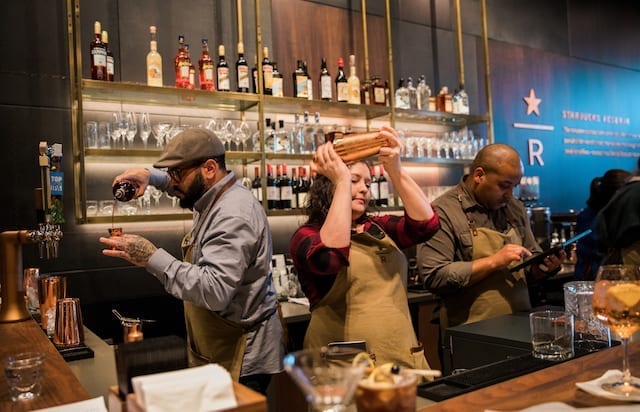
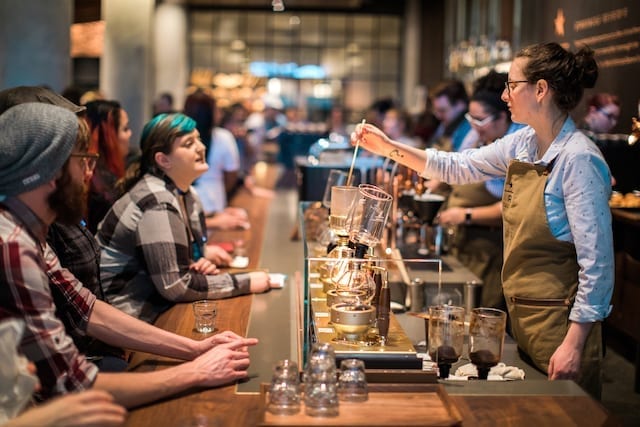
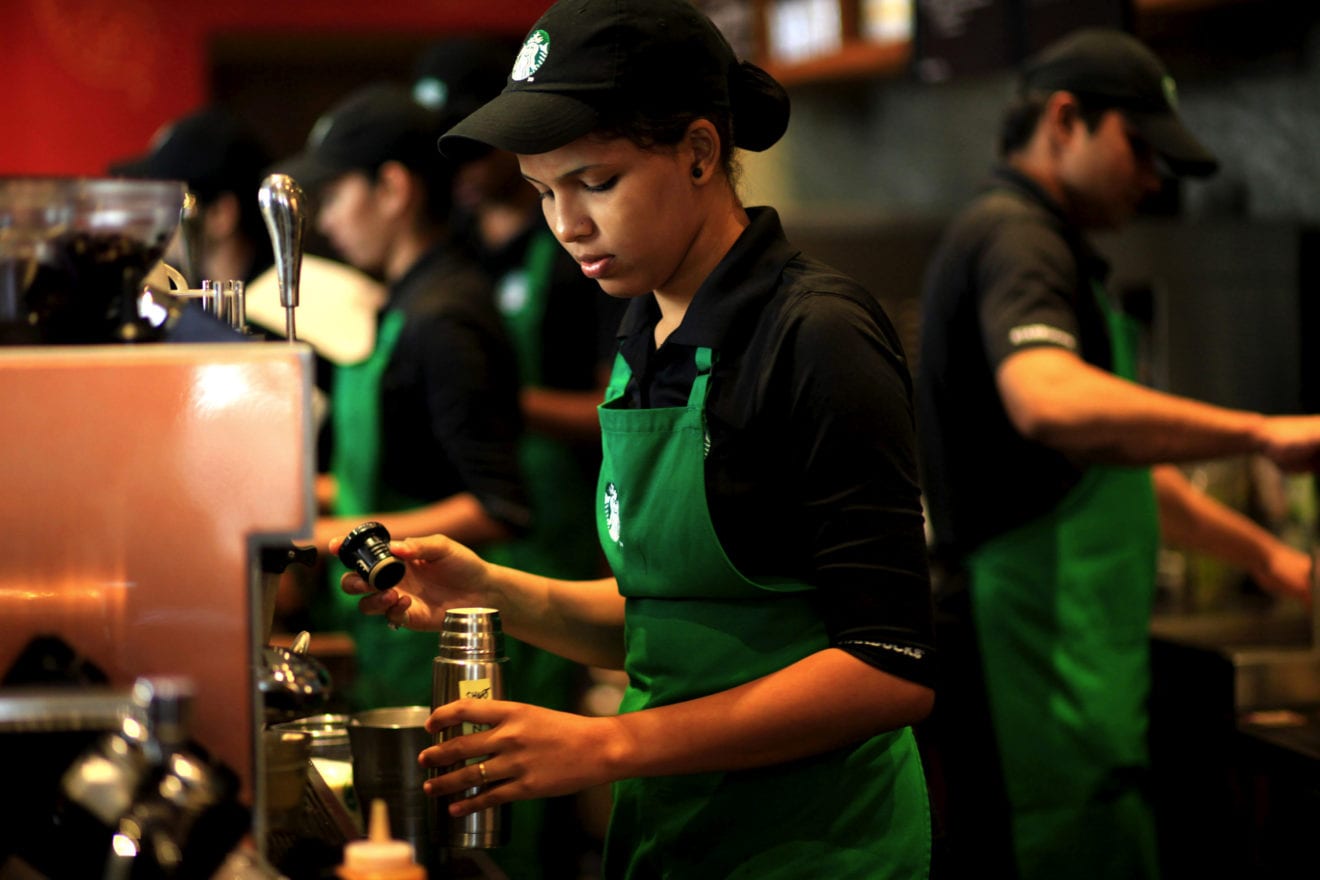
    Starbucks Malaysia plans to open two or three of its premium Reserve concept stores annually. The brand’s eighth Starbucks Reserve store opened at the end of last month, a 5000sqft flagship at Berjaya Times Square, three years after the first outlet launched at The Gardens Mall.

    “We did not anticipate such a strong reception for the new concept store”, said Starbucks Malaysia & Brunei MD Sydney Quays. “We were surprised because a lot of people were interested to learn about coffee and the various ways of brewing.

    “This is what inspired us to open more Starbucks Reserve stores. The opening of the Starbucks Reserve Berjaya Times Square amplifies our passion for coffee and our ongoing commitment to continue providing unprecedented coffee experiences and knowledge to the Malaysian community, while fostering a culture of human connection”, he said.

    The new rollout schedule aims to cater to Starbucks’ loyal customers’ burgeoning interest in coffee. The brand is planning 30 Starbucks outlets per year including the Reserve venues, as well as regular stores, drive-thrus and small-format stores.

  • The cartoon cafe opens in South Korea

    The cartoon cafe opens in South Korea

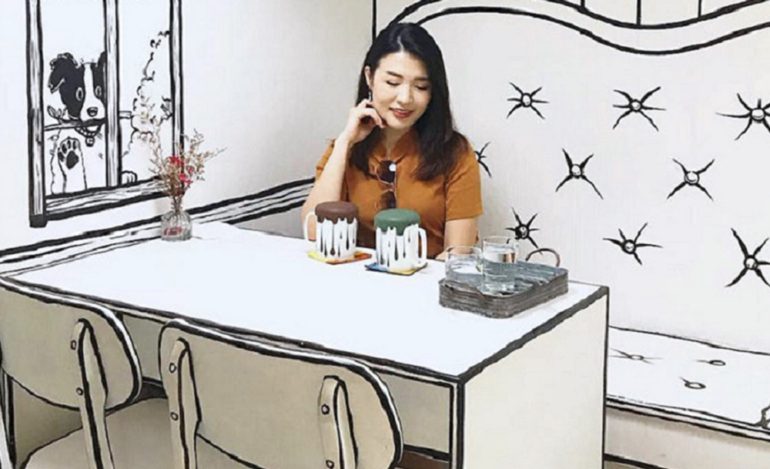
    The interior of Cafe Yeonnam-dong 239-20 in Seoul, South Korea makes customers feel as though they’ have stepped into a cartoon world. Most cafe owners know it takes more than just great coffee to create a successful business. From an Instagram-worthy Wes Anderson-esque cafe in the Philippines to a coffee shop shaped like a Rolleiflex camera in South Korea, a space’s design is key to drawing in customers.

    One cafe to have recently received hype for its novelty interior is Cafe Yeonnam-dong 239-20 in Seoul. The eatery created an incredible space that makes customers feel as though they’ve stepped into a cartoon world.

    The artistic, monochrome design was inspired by Korea’s hit TV show, W by Lee Jong-suk and Han Hyo-joo, in which the characters clash between “two worlds”—the real world and a fantasy world inside a webtoon.

    The design of Cafe Yeonnam-dong 239-20 creates a 2D optical illusion, which makes customers feel as though they’ve crossed dimensions into a comic book illustration.

    When visitors step through the door, they’re greeted with black and white comic strip furniture, walls, and floors. Even the mugs, dishes, and cutlery look like flat line drawings.

    It helps that the owners have created a welcoming environment.

    If you want to experience this cafe for yourself, you can find it in the popular Yeonman-dong district in Seoul. If you can’t make it to South Korea, you can still feed your wanderlust by checking out the cafe’s Instagram.

  • F&B outlets get bigger bite in shopping malls Malaysia

    F&B outlets get bigger bite in shopping malls Malaysia

    Shopping malls are now allocating a higher percentage of their tenant mix (more space) to food & beverage (F&B) retailers, partly because competition from online platforms has impacted other types of retailers such as fashion, according to a market research and consulting firm. “Traditionally, F&B made up less than 20% of a mall’s tenant mix, but can go up to 40% nowadays,” Stratos Consulting Group Sdn Bhd managing director Tina Leong said.

    She said with the tenant mix now consisting of more F&B, this means that malls will need to design or renovate in such a way as to cater to the specific technical requirements that F&B retailers have, for example provisions for water, grease traps, storage, waste disposal and daily delivery.

    “F&B as a segment itself has become the anchor for some malls,” said Leong.

    She said malls that have a high F&B tenant mix include the refurbished 3 Damansara (formerly Tropicana City Mall), which now has more F&B compared to before. Similarly, Paradigm Mall in Petaling Jaya has refurbished its lower ground floor, which now consists of more F&B than previously.

    Sunway Velocity Mall general manager centre management Danny Lee said F&B makes up 27% of the mall’s tenant mix currently, and that it is targeting to have F&B reach 30%.

    “Naturally, F&B is doing better compared to others,” Lee said.

    Meanwhile, Leong noted that having more or certain types of F&B can also be part of experiential retailing.

    “For example, people nowadays, especially millennials, appreciate and are willing to spend on meals or drinks with friends and family, within nicer ambience restaurants or cafes, due to the memorable experiences this create.”

    She said to continue to draw shoppers (rather than them shopping online), more shopping malls are looking at creating engaging “experiences” for their customers. Experiential shopping simply means making the physical act of spending money more than simply handing over cash in exchange for goods and services.

    “More grocery stores are incorporating food and wine bars where people can enjoy a meal or a drink as well as a social experience before or instead of shopping,” said Leong, adding that some retailers have also integrated augmented reality into their stores, for example Starbucks Reserve Roastery in Shanghai and US-based fashion brand Reformation.

    Examples of experiential shopping are malls that have attractively themed or landscaped spots on every floor, where one can stop to take photographs with their friends or family, such as Aeon Mall Kuching. Some community malls in Bangkok, Thailand, have incorporated spaces for pet parks, children’s sand pits and jogging tracks.

    “Another recently opened mall, Kiara 163 in Mont Kiara, has incorporated the ‘experiential’ element into their mall design, with a central garden and water features for people to relax. Apart from design features, other ways of creating memorable shopper experiences are through interesting or unique events, activities, decorations, pop-up stores, technological innovations and customer service,” explained Leong.

    She said some of the major major malls have been doing this all along, such as Suria KLCC and Pavilion Kuala Lumpur that usually have attractive and unique festive decorations.

    “What is different is that nowadays, the customer experience aspect is becoming a focal point. It has become more important as malls and retailers try to attract and retain shoppers in the midst of competing options such as online shopping,” said Leong.

  • Indonesia’s E-commerce Market Larger Than Estimated; Consumer Habits Changing

    Indonesia’s E-commerce Market Larger Than Estimated; Consumer Habits Changing

    E-commerce accounted for 8 percent of total retail sales in Indonesia last year, on course to reach 18 percent by 2023, fueled by changing behavior among tech-savvy customers who are willing to spend more for convenience, according to a recent study by American multinational investment bank Morgan Stanley.

    The study estimates the size of Indonesia’s e-commerce market at $13 billion in 2018, having grown by 50 percent annually over the past two years. It suggests that the e-commerce market in Southeast Asia’s biggest economy may follow a similar growth trajectory to that of China and expand by at least 32 percent annually over the next five years to $52 billion in 2023.

    “This is notably above our previous estimate of $7.3 billion, or 4.4 percent of sales, partially due to better data availability but also due to the rapid growth in the user base… Indonesia is now only five years behind China in terms of penetration,” Morgan Stanley wrote.

    A separate study by global tech giant Google and Singapore’s Temasek, published last December, put the size of Indonesia’s e-commerce market at $12.2 billion in 2018 and $53 billion in 2025.

    The Morgan Stanley study, based on interviews with 1,582 respondents in eight Indonesian cities, suggests that the growth trend is still in an early stage, with many indicating that they only started shopping online in the past year.

    “Interestingly, 65 percent of the respondents in our survey had only started shopping online within the past year, and the majority believed e-commerce would become their main method of shopping over time,” the investment bank wrote in the report published on Tuesday.

    “There are 195 million smartphone users in Indonesia and only about 30 million online shoppers. The growth potential of the user base is still clearly huge,” it wrote.

    Apart from smartphone penetration, low data costs and the growing number of people with bank accounts serve as crucial enablers for continuing e-commerce growth, Morgan Stanley said. Data costs about 50 US cents per gigabyte in Indonesia, compared with $2.1 per gigabyte in China. About 49 percent of the adult population in Indonesia now has a bank account, compared with 20 percent in 2011.

    Apparel 

    Clothing and footwear fuel the sales growth, with 93 percent of respondents indicating that they bought items in this category online in the past 12 months. Half of them buy apparel at least once a month, Morgan Stanley said. In comparison, only 16 percent and 25 percent, reported that they purchased consumer electronics and mobile devices, respectively, which is the most common category in early state e-commerce.

    The study also noted changing customer behavior, which would likely affect their interaction with traditional brick-and-mortar stores. Three in every four customers said they would check for promotions or prices online before buying anything offline, Morgan Stanley reported.

    Seven in every 10 said they would continue shopping online, even if it meant they would have to pay for delivery. Morgan Stanley said this reflects consumers’ “willingness to pay for convenience.”

    “Fast shipping was the primary reason for preferring one website over another,” the bank said.

    Retailers 

    The trend presents challenges to traditional retailers to remain profitable and provides a powerful platform for small brands to challenge established manufacturers.

    “Our analysis reaffirms our medium-term concern for apparel-focused retailers like [Matahari Department Store]. The average transaction size for apparel online, per our survey, is similar to Matahari’s basket size,” Morgan Stanley said.

    “For beauty and personal care companies like Unilever, the combination of e-commerce and digital media is making it easier or cheaper for smaller companies to build brands and offer nationwide distribution,” it wrote.

    Everybody’s Game

    Investment in Indonesian internet companies has steadily risen over the past two years, which saw them attract at least $7.4 billion in capital in 730 deals.

    With all this potential growth, Morgan Stanley has yet to see clear winners in the country’s e-commerce market.

    Four players control most of the formal e-commerce sales: Lazada, Shopee, Tokopedia and Bukalapak, with the top three each controlling between 20 percent and 30 percent of the market. Bukalapak was in the low teens, according to the Morgan Stanley’s estimation.

    Lazada, a pioneer of e-commerce in Southeast Asia, is still the most preferred platform, according to the bank’s survey

    “Lazada had high usage rates across categories and genders. The cash-on-delivery option was one of the key drivers of the preference,” it said.

    Shopee was second overall in terms of usage and preference, being more popular in smaller cities and among people buying baby products, toys, and beauty and personal care products.

    “Tokopedia’s preference and usage were lower beyond Jakarta in our survey. Its usage rate was only 38 percent in second-tier cities like Surabaya, Medan and Bandung, compared to 62 percent in Jakarta,” Morgan Stanley said.

    A surprising find in the survey is that Tokopedia and Bukalapak both enjoy more than 80 percent customer recognition, but less than 50 percent had made purchases on their platforms within the past 12 months.

    “For Southeast Asia, we remain convinced that its e-commerce platform is being undervalued. Our survey not only confirms the popularity of Shopee but also that its users are willing to pay for delivery, which solidifies its path to profitability,” Morgan Stanley said.
  • Starbucks to open three more Starbucks Reserve in Malaysia

    Starbucks to open three more Starbucks Reserve in Malaysia

    Berjaya Starbucks Coffee Company Sdn Bhd, which opened its eight Starbucks Reserve concept store in Berjaya Times Squar, plans to open two to three more such stores this year. “The reception has been really good for Starbucks Reserve (stores). We hope to be able to have about two or three Reserve (outlets) every year,” Berjaya Food Bhd’s CEO and Starbucks Malaysia and Brunei managing director Sydney Quays said.

    “The Reserve concept store is not something that you can open many because it is very exclusive. The coffees that we have in a Reserve are very exclusive and you don’t get that in other outlets. So it is very critical that we expand carefully and in locations that are very well appreciated,” he added.

    Historically, Quays said the group has always aimed to open 30 stores a year, with investment around RM50 million to RM60 million.

    According to Quays, the investment for a Reserve concept store is 30% higher compared to the non-Reserve concept stores.

    The Starbucks Reserve Berjaya Times Square joins locations at The Garden Mall, Sunway Pyramid, SkyAvenue Genting Highlands, Publika, Desa Parkcity, Four Seasons Place Kuala Lumpur and Paradigm Mall Johor.

    On its outlook, Quays believes the consumer sentiment has improved as a lot of uncertainty is over, and the rising tourists numbers also augurs well for its business.

    Asked whether the sugar tax announced in Budget 2019 will impact its business, Quays said he is of the view that the new tax will not be a big issue for Starbucks Malaysia.

    “Obviously sugar is an add on product for us, but we have not experienced any negativity in that and I don’t think it will affect us very much,” he said, adding that increase in price to its products is unlikely at this point of time.

    Berjaya Starbucks has 282 outlets in the country comprising 42 drive-thru outlets.

  • Alibaba Group sales jumps high

    Alibaba Group sales jumps high

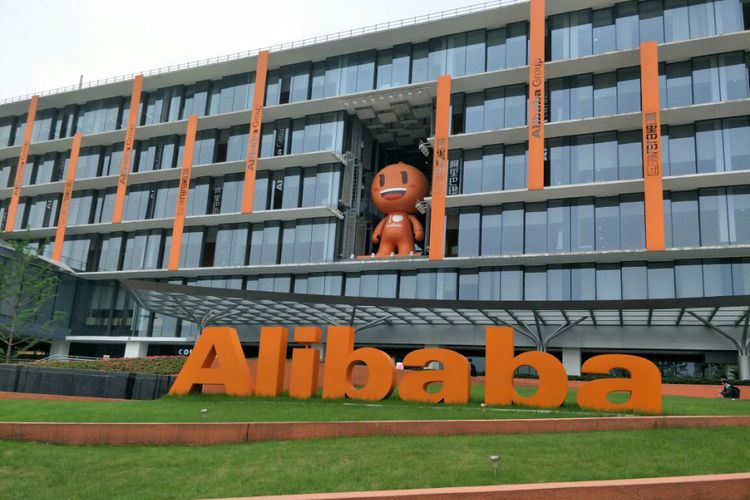
    Alibaba Group sales soared 41 per cent in the December quarter as its customer based neared 700 million. The Chinese company’s turnover for the three months reached US$17.057 billion and its net income attributable to shareholders $4.807 billion. “Our resilient operating and financial performance is a direct reflection of our persistent focus on better serving our growing base of nearly 700 million consumers across retail, digital entertainment and local consumer services,” said CEO Daniel Zhang. “Our growth is also driven by the power of Alibaba’s cloud and data technology that helps expedite the digital transformation of millions of enterprises.”

    Alibaba group sales from core commerce increased 40 per cent to $14.958 billion, while the cloud-computing division posted 84 per cent growth, turning over $962 million. The digital media and entertainment division achieved 20 per cent growth to reach $944 million.

    In a statement, Alibaba said its Taobao platform achieved “robust user growth and enhanced engagement”. Last December, its China retail marketplaces had 699 million mobile monthly average users, representing a quarterly net increase of 33 million. The annual active consumers on its China retail marketplaces was 636 million for the 12 months ended December 31, compared to 601 million for the 12 months ended September 30 last year, “reflecting successful user acquisition programs, such as referrals through the Alipay app”.

    More than 70 per cent of the increase in annual active consumers was from third-and-lower tier cities.

    Tmall thrives

    Alibaba said GMV on its Tmall business grew 29 per cent year on year in the December quarter, outpacing the industry.

    “This robust growth was driven by strength in the fast-moving consumer goods (FMCG), apparel and home furnishing categories,” the company said.

    During the quarter, Tmall signed up new brands to the platform including Valentino, Ermenegildo Zegna, Stuart Weitzman and Sergio Rossi which opened flagship stores and joined the Tmall Luxury Pavilion.

    Meanwhile, Alibaba’s proprietary grocery retail chain Freshippo (formerly Hema) continued to expand its footprint, “optimise its stores and introduce new initiatives that improve customer experience”. As of December 31, there were 109 self-operated Freshippo stores in China, primarily located in tier 1 and tier 2 cities, which continued to achieve “robust same-store sales growth” through the quarter.

    ‘Robust’ Lazada growth

    Alibaba’s Southeast Asian e-commerce platform Lazada achieved what the company described as “robust growth” in GMV. The company upgraded Lazada’s technology, which resulted in boosting the number of active users and achieved greater user engagement on Lazada’s mobile app.

    “We continue to invest resources to integrate Lazada’s business and technology operations into Alibaba with the aim of building a strong foundation for us to extend our offerings in Southeast Asia.”

  • More bubble tea shops open in Vietnam

    More bubble tea shops open in Vietnam

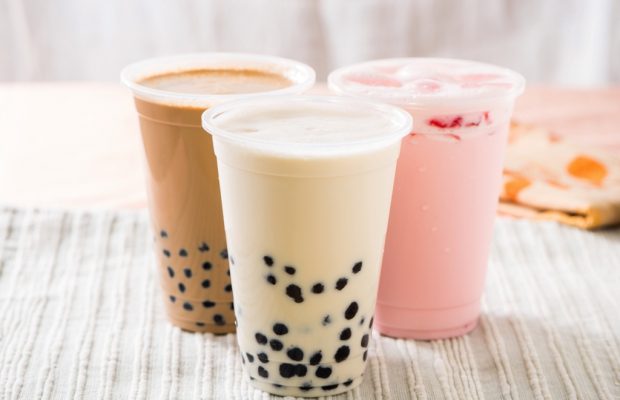
    More and more Vietnamese entrepreneurs are banking confidently on the popularity of bubble tea among the nation’s youth.It was past 10 in the night, but the bubble tea shop was packed. “I opened this milk tea shop just a few months ago, but people have been pouring in every day. My six employees struggle to serve all customers, especially in the weekend,” 33-year-old Nguyen Quang Dung said.

    Located in northern Bac Ninh Province in an industrial area with some 10,000 young workers, Dung’s milk tea shop sells 150-200 cups every day, and he himself has to join his waiters in serving a large crowd.

    “It’s busy, but investing in milk tea shop is one of my best decisions. I have no regrets,” said Dung, who works fulltime as a manager at a nearby power plant.

    Dung is among many Vietnamese entrepreneurs who have been investing in the bubble tea industry in recent years, lured by good profit and high demand among the young population.

    The number of bubble tea stores in Vietnam reached 2,000 last year, with a new store opening every four days, according to the Vietnam Association of Small and Medium Enterprises.

    Even though bubble tea entered Vietnam in 2000, the surge in the number of outlets has only happened in recent years, mostly through franchising.

    Vietnamese brand TocoToco opened its first bubble tea outlet in 2013 and now has almost 200 across the country. Taiwanese brand Ding Tea also has around 200 outlets, while local brand Bobapop has over 100.

    About 30 major bubble tea brands are operating in Vietnam. They are all seeking to compete for a slice of the $282 million dollar market, according to British research firm Euromonitor International.

    Hoang Thi Hien, owner of bubble tea chain Pozaa Tea with outlets in Hanoi, Ho Chi Minh City and other localities, said that the number of outlets increased last year.

    “Many investors want to partner with us. In 2017 we had only eight shops, but the number has increased to almost 60 by the end of last year,” she said.

    She is confident that this figure will rise to 200 this year.

    Generation Z demand

    Visiting a bubble tea shop is among the most popular leisure activities among generation Z, people born between 1996 and 2015, according to a survey by market research firm Nielsen.

    The survey of 210 Gen Z people in Hanoi and Ho Chi Minh City last October found 81 percent of respondents saying bubble tea shops were their favorite hangouts.

    Vo Van Quang, a branding strategy consultant and marketing mentor, said: “Most 15-year-old girls don’t drink coffee, but they’ll gladly pay for a cup of bubble tea. Teenagers are a large customer group for tea-based drinks, hence the high demand for bubble tea.”

    High demand and high profits are irresistible lures for entrepreneurs.

    Nguyen Phi Van, a branding expert and board chairwoman of consulting firm Retail & Franchise Asia, said that an investor can earn up to 40 percent in profit on each cup of bubble tea, which sells for VND25,000-60,000 ($1-2.6).

    Therefore, entrepreneurs are willing to make big investments of up to VND1 billion ($43,000) for one store, including furnishing and brand franchising fees.

    “It takes less than a year for an investor to recover his capital, that’s why this business has been attracting so many,” Van said.

    Tran Thi Thuy Nga opened a bubble tea shop last September in the central Quang Ngai Province with an investment of almost VND800 million ($34,430).Many bubble tea entrepreneurs have other full time jobs and are using their savings to make more money. They can create their own brand or partner with a well-known brand.

    Even though Nga’s store is located in a very small town, students have been coming in every day with their friends and family. Nga often has to ask for help from her family members to join her eight employees in serving customers.

    “I haven’t recovered my capital yet, but so far I’m very happy with the revenue and demand,” Nga said, without revealing specific figures.

    She did reveal plans to open another shop soon.

    Dung, the bubble tea investor in Bac Ninh, has revenues of VND180 million a month ($7,760), and his profit is around half the amount. Dung estimates that he will recover his investment of VND700 million ($30,146) in just six months.

    He is also planning to open a second bubble tea store four kilometers away from the first one, which has been operating for only four months.

    “I’m confident that both stores will do very well.”

  • Starbucks India showcases coffee craft and innovation with ‘Starbucks Barista Pride’

    Starbucks India showcases coffee craft and innovation with ‘Starbucks Barista Pride’

    Starbucks is taking beverage innovation to new heights with the simultaneous launch of 134 new, crafted beverages. Delivering on the iconic ‘Third Place’ experience, while strengthening commitment to innovation and coffee passion, the global coffee chain has introduced a new initiative called Starbucks Barista Pride where baristas from each Starbucks store will feature a beverage unique to their store, conceptualized and created by themselves.

    Till the end of February, all Starbucks stores across India will serve a specially curated beverage, enabling customers to ‘coffee hop’ and try 134 unique beverages across the 134 Starbucks stores in India.

    Based on the idea of customization and personalization, while celebrating the heart and soul of the signature Starbucks Experience, Starbucks Barista Pride is here to showcase the talent and innovation the Starbucks baristas have to offer.

    The wide range of unique beverages includes Turkish Espresso Praline available at the Chapel Road store in Mumbai, Chai White Chocolate Mocha available at the Vega Mall store in Bangalore and Winter Chocolate Cream available at the DLF Hub store in Delhi.

    “Starbucks is committed to delivering an unparalleled, unique experience for every customer. We are delighted to introduce ‘Starbucks Barista Pride’- a new coffee forward initiative which highlights the exemplary coffee skills of our Starbucks baristas and brings to our customers a wide range of artisanal beverages. At Starbucks, we believe in celebrating each customer’s individual coffee preference and profile. For us each cup of coffee is unique and especially suited to the coffee palette of our customer. With a deep understanding of coffee, our Starbucks baristas personalize each cup to perfection,” said Veetika Deoras, Head – Marketing, Category, Digital and Loyalty at Tata Starbucks Pvt. Ltd.

    “We are humbled to lead specialty coffee in India and initiatives like Starbucks Barista Pride are a tribute to our customers and reflect the Starbucks 47-year legacy of sourcing, roasting and serving world’s top Arabica coffee,” she added.

  • Vietnam liquor maker makes a loss, 4 years in a row

    Vietnam liquor maker makes a loss, 4 years in a row

    Nation’s leading liquor maker Halico has reported a loss of VND75 billion ($3.22 million) for 2018. With Vietnamese consumers moving towards foreign brands, the 120-year-old liquor maker, in which Vietnam’s second biggest brewery Habeco has 54.29 percent ownership and British multinational Diageo holds a 45.5 percent stake, Halico has reported losses for the fourth year in a row.

    It reported a loss of over VND20 billion ($859,780) in the fourth quarter of 2018, raising the total annual loss to VND75 billion ($3.22 million).

    In its annual statement for 2018, Halico’s board expressed doubts that the company can continue operating, with Vietnamese consumer tastes shifting to imported beer and foreign alcoholic products. It conceded that it has failed to capture younger consumer segments.

    In addition, Diageo has been unable to negotiate any substantial supply contracts with foreign partners, so the company has not been able to do well in exports.

    Furthermore, management costs have risen to over 60 percent of revenue. Despite a 30 percent rise in sales in 2018 (VND155 billion or $6.66 million), the difference was not able to compensate for expenses incurred.

    The Hanoi Liquor Joint Stock Company was originally a Hanoi winery, founded in 1898 and equitized in 2004 with initial charter capital of nearly VND50 billion ($2.15 million).

    In early 2011, Diageo Plc, a British multinational alcoholic beverages company, acquired an 18.67 percent stake in Halico for a total of VND800 billion ($34.4 million) from investment fund VinaCapital.

    Diageo is the world’s biggest liquor company, owning famous brands such as Johnnie Walker, Bailey and Smirnoff. It bought another 26.83 percent stake in 2012, hoping to cash in on the growing consumer market.

    Halico’s accumulated losses at the end of last year topped VND330 billion ($14.19 million), 1.6 times higher than its current charter capital at VND200 billion ($8.6 million).

  • Luckin, Starbucks rivalry heats up

    Luckin, Starbucks rivalry heats up

    Luckin vs Starbucks: baristas and technology are engaged in a gigantic battle for Chinese coffee drinkers’ loyalty. Seattle, Washington-based Starbucks Corporation has been the indisputable market leader in the Chinese coffee industry ever since its Beijing World Trade Center branch opened its doors in January 1999. Yet Starbucks’ two decades of coffee dominance in China appears to be reaching its end.

    While “China watchers” and retail industry insiders have been expressing concerns about Starbucks for months, it has taken Wall Street a few months to catch on; just last week, Goldman Sachs downgraded the Starbucks stock from “buy” to “neutral” for the first time in recent memory, specifically citing Starbucks’ bleak business trajectory in China as a major concern.

    Most of this concern is linked to Luckin Coffee 瑞幸咖啡 Ruixing Kafei, the young tech-forward coffee startup that has managed to build more than 2000 outlets throughout 30 mainland cities in just about 14 months of operations, reaching startup “unicorn status” seemingly overnight.

    While China is Starbucks’ largest market after the US, with roughly 3600 stores across 150 cities, it took Starbucks nearly 13 years to achieve Luckin’s current size. Perhaps even more shocking, Luckin is showing absolutely no signs of slowing down any time soon; the Luckin team has publicly announced its goal of reaching 4500 outlets across China by the end of 2019, and as of November, Luckin Coffee’s overall value was estimated to be about US$2 billion, a figure that has almost certainly risen since.

    Luckin is clearly trying to develop a mass-market coffee product that can bring the “coffee shop experience” to the working class at an ultra-competitive price point.

    While its early success may seem unfathomable, it mostly comes down to three distinct points of difference within its business model: the Luckin app, delivery infrastructure, and competitive pricing. For outsiders visiting China or first-time Luckin customers, the most noticeable quirk of Luckin’s business model is that customers are forced to use the Luckin app to purchase a coffee in a Luckin store or have Luckin coffee delivered to their office or home. Luckin does not accept cash payments at all: there are no tills inside Luckin stores. Fortunately, Luckin offers new users a free beverage after their first download, to lessen the pain a little. While this may seem perplexing to many outsiders, this is a feature that distinctly appeals to an increasingly app-focused Chinese consumer base who prefer digital payments to cash.

    Tensions rising

    With tensions rising between China and the US, Luckin has another unique competitive advantage: its status as a truly Chinese coffee brand, owned by Chinese people and tailored specifically to the unique tastes of the Chinese market. If these tensions continue to grow worse, one can expect Luckin to follow the trend of many other Chinese companies by appealing directly to this patriotic sentiment and further distancing itself from the distinctly American image of Starbucks.

    With Luckin’s CEO Jenny Qian Zhiya and most of its senior leadership coming directly from UCAR, a ride-hailing service spun out of rental car giant Car Inc, it should come as no surprise that transportation and delivery are two key focus points of the business. With the exception of a few sit-down locations in hot real estate areas, the vast majority of Luckin Coffee locations do not offer customers a place to sit. While many locations have space for customers to wait in line and pick up drinks, roughly half of Luckin stores are “preparation stores” that focus solely on preparing beverages for the endless queue of Luckin delivery drivers. Thanks to this elaborate and effective delivery system, customers can usually expect to get their coffee quickly; Luckin claims the average delivery time is roughly 18 minutes, (and even during the busy morning hours in my Beijing office park, I never had to wait longer than 30 minutes). With young Chinese city-dwellers becoming more and more reliant on delivery services like Ele.me and Meituan Waimai, Luckin’s impressive delivery capabilities allow the company to remain convenient and attractive. As a side benefit, this store setup also allows Luckin to place most of its shops in cheaper out-of-the-way locations with limited foot traffic, allowing for significant real estate savings.

    Price the differentiator

    Perhaps the most important point of differentiation between Luckin and Starbucks is price.

    While Starbucks generally charges at least 35 RMB (US$5) for most of its coffee drinks, Luckin’s prices generally fall in the 20 to 25 RMB range, with only a 6 RMB surcharge for delivery.

    Luckin also regularly runs promotions that bring the price per cup down to as little as 10 RMB, prices no competitor has been willing to match. While the exact price of a Luckin coffee fluctuates dramatically due to promotions, customers can generally expect to pay 30-40 per cent less than they would pay for a similar drink at Starbucks. Perhaps even more appealing, Luckin’s widely used “refer a friend” system rewards users who convince their friends to download the Luckin app with a free beverage.

    These three aspects of Luckin’s business platform have clearly caught on with young Chinese customers and urban office workers, who are increasingly looking for cheaper and more convenient coffee options. It appears that Starbucks ultimately has little chance of competing with Luckin in this lower end of the market. While Starbucks does have an app developed for the Chinese market, it is not nearly as intuitive or eye-catching as Luckin’s well-developed system. Similarly, after Starbucks failed to catch the wave of China’s food-delivery boom, it may be too late for Starbucks to substantially overhaul its delivery capabilities. Starbucks did not implement its own internal delivery service until August last year, arguably three years too late.

    Until last summer, Chinese customers have been forced to improvise their own “hacked” Starbucks deliveries through the app Ele.me; those wanting Starbucks coffee had to use an unwieldy two-step process using two separate apps to get their drinks delivered.

    While Starbucks could use its resources to develop a more effective app and more efficient delivery system for the Chinese market, it is likely too little, too late; after ignoring these two major trends in Chinese retail over the past few years, Starbucks is already considered an inconvenient option by rushed coffee customers, an image that will prove hard to shake off. And after spending nearly two decades cultivating the company’s image as a high-end aspirational brand for the emerging Chinese middle class, it is unlikely Starbucks can drop its prices enough to compete with Luckin’s promotional pricing.

    Going high

    Ultimately, it seems Starbucks has no choice but to “go high” in this market. While Luckin has already cemented itself as the most popular option among working-class coffee drinkers looking for an everyday beverage option, the startup has yet to grab the attention of the more status-driven higher end of the coffee market. As many industry insiders have pointed out, Luckin’s “take-and-go” model and delivery focus does not offer customers the high-end experience of whiling away an afternoon sitting at a coffee shop. So while Starbucks executives certainly have significant reason to be concerned over their dwindling market share, Starbucks still maintains a solid grasp on the market for customers seeking a true coffee experience, rather than just caffeine boost to get them through the day.

    This split in the market has been happening naturally, and is quite apparent: if you visit a Luckin outlet in any tier-one Chinese city, you will most likely encounter either a delivery man holding several bags to be delivered or a young office worker making the coffee run for his or her office, taking 10 or 20 cups back up to the office. Meanwhile, the most common sight at an urban Starbucks location is a store filled with tables, each crammed with Chinese millennials or parent groups chatting the afternoon away. In a sense, this harkens back to the ethos of the company’s original entry into China in the late 1990’s: Starbucks built its business in China by providing customers with第三空间 di san kong jian, a “third place” between home and work that functioned as a public conference room or a relaxing respite from the busy world outside, an important societal role that was traditionally satisfied by China’s ancient tea house culture. As Gwynn Guilford, reporter for Quartz, puts it: “In China, Starbucks doesn’t sell coffee to make its millions… it rents couches.”

    If the statistics are to be believed, there is certainly space in the market for both companies; Chinese citizens drink just four to six cups of coffee per year on average, compared to 250 among British residents and 360 for Americans. While Starbucks will likely continue to face struggles as the company redefines its hold in the Chinese market, this year we will see how Luckin Coffee’s unique business model fares – will Luckin continue to set record-breaking growth numbers, or will it shatter before showing any profit?

    Hunter White-

  • App-store spending to surpass US$120 billion this year

    App-store spending to surpass US$120 billion this year

    App-store spending by consumers is expected to surpass more than US$120 billion this year according to global mobile data and analytics provider App Annie. The firm’s annual The State of Mobile 2019 report found consumers downloaded 194 billion apps last year, spending $101 billion in app stores and averaging three hours per day on mobile.

    Time spent in-app grew 50 per cent over the past two years, with downloads up 35 per cent over the same period. Mobile consumed 62 per cent of global digital-ad spend last year, up from 50 per cent in 2017. Sixty per cent more apps will monetise through in-app advertising this year.

    The report also found that 10 minutes of every hour spent consuming media this year will be spent streaming video on mobile – and Generation Z consumers spend 20 per cent more time in apps than the rest of the population.

    “Mobile is no longer an add-on channel – it is the engine fueling digital transformation,” said App Annie CEO Theodore Krantz.

    The report looks at macrotrends, app rankings, and a number of industries including mobile marketing, shopping and retail, travel, gaming, social networking, media and entertainment, banking and fintech, video streaming, dating and more.

    The firm’s global marketing and insights EVP Danielle Levitas said consumers spending on apps globally last year was larger than the global live and recorded music industry and double the size of the global sneaker market.

    “Mobile experiences are so central to how we live, work and play and with consumers spending three hours a day on mobile, it’s clear how vital this platform is for all businesses in 2019 and beyond.”

  • Heytea opens store in Hong Kong

    Heytea opens store in Hong Kong

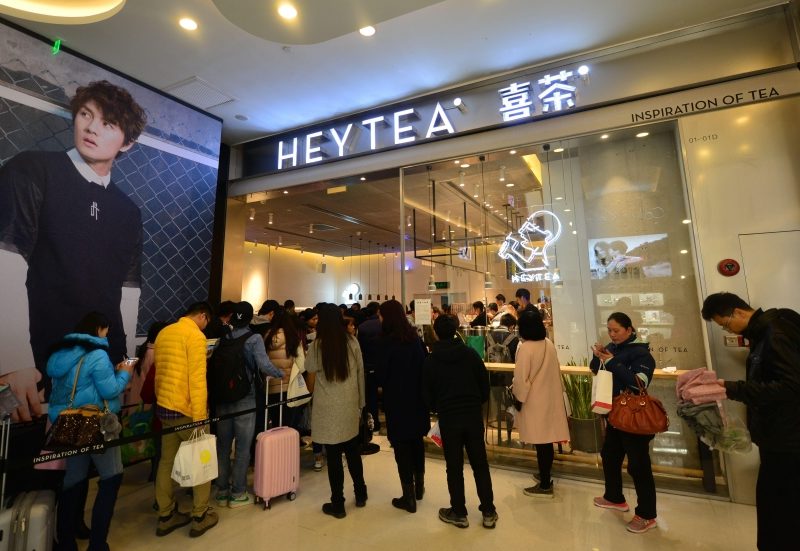
    On December, 24 Sha Tin New Town Plaza, in Hong Kong, welcomed Heytea. A huge crowd queuing up for more than 3 hours just to get a cup of Cheese Tea from the Chinese tea-drink brand Heytea was the protagonit that day. Due to the buy-one-get-one free promotion during the Christmas holidays, people started lining up as early as 6:00 am.

    Heytea officially announced that it had opened its first Hong Kong store only on january, 3. They chose to expand into Hong Kong’s market due to the city’s international status as well as its vibrant food and beverage scene. It helps to promote Heytea as a popular and innovative tea-drink brand among global consumers, especially younger generations.

    The store not only offers its signature cheese tea, but also a great variety of fruit tea and ice cream. The tea is imported from all over the world which aims to renew the traditional tea culture.

    Also, it introduces an exclusive product combined with Hong Kong local food culture, namely, the Eggette Roll Sundae, adding new vitality into the brand, according to its founder Nie Yunchen.

    He said “geographically, Hong Kong is adjacent to Guangdong Province and Shenzhen. Hong Kong people already know our brand and often buy our tea when they visit Shenzhen or other cities in Guangdong. In order to thank our supporters and cope with an increasing demand of our tea, we think it is the right time to extend our reach to the city.”

    Zhenglei, Development Director of Heytea, confirmed that Heytea opened its second Hong Kong store in Causeway Bay on 12 January 2019. “We are quite confident that our tea products will be very welcomed by our customers in Hong Kong.”

    In order to avoid a huge crowd like the last opening, Heytea planned to replace the traditional order and payment method by ordering through their mobile app.

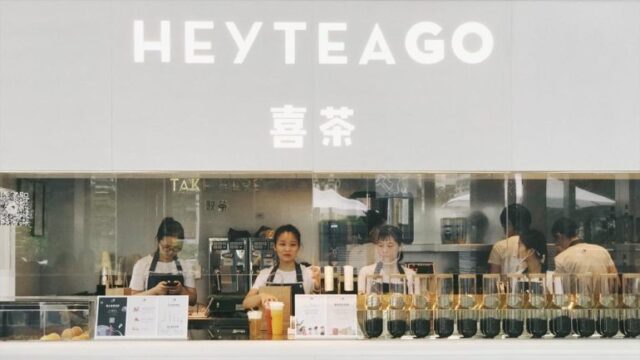
    The second shop of Heytea located in Causeway is named as “Heyteago”, their customer can order online in anytime, anywhere for a cup of tea-to-go. Therefore, cheese-tea lovers can save their time and no need to queue up for 3 hours outside Heytea again.

  • The Alley Taiwan debuts in Singapore

    The Alley Taiwan debuts in Singapore

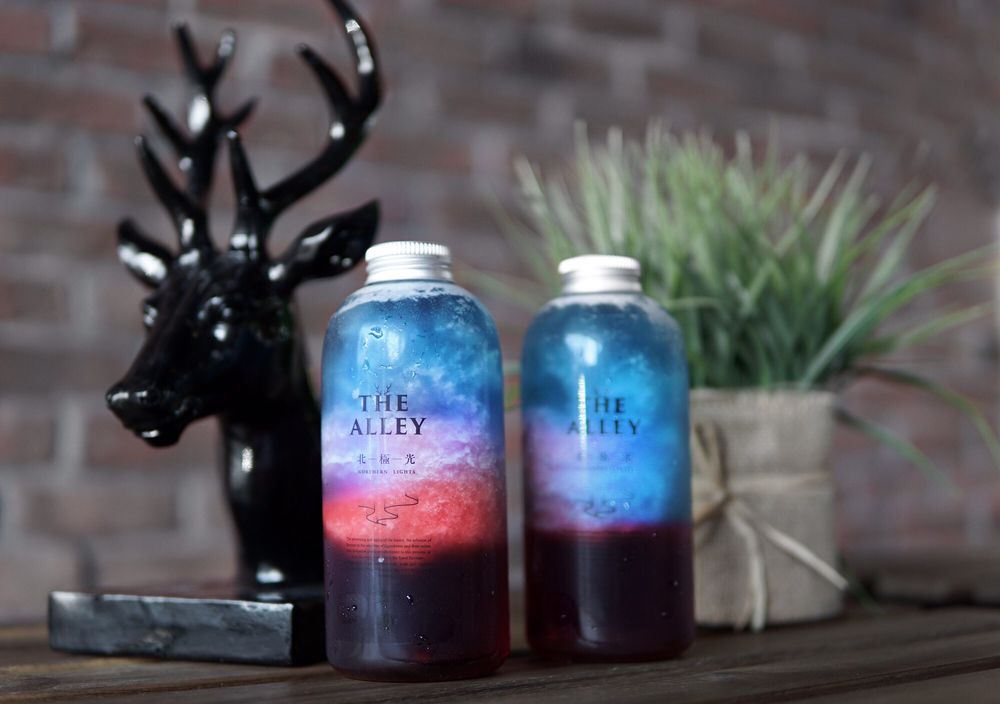
    Taiwanese bubble-tea chain The Alley is to open its first outlet in Singapore. Despite the undisclosed location, the brand has already got Singaporean bubble-tea fans excited with an announcement on its Instagram and Facebook pages. Established in 2013, The Alley is well-known for its brown sugar tapioca (Deerioca) milk tea served in cups with with round bases.

    The chain has outlets in Canada, US, France, Korea, Japan, China, Hong Kong, Thailand, the Philippines, Australia and New Zealand. The Alley entered Vietnam in November 2017, and now has 35 stores nationwide.