Tag: spending

  • Pezzo Pizza debuts in Brunei

    Pezzo Pizza debuts in Brunei

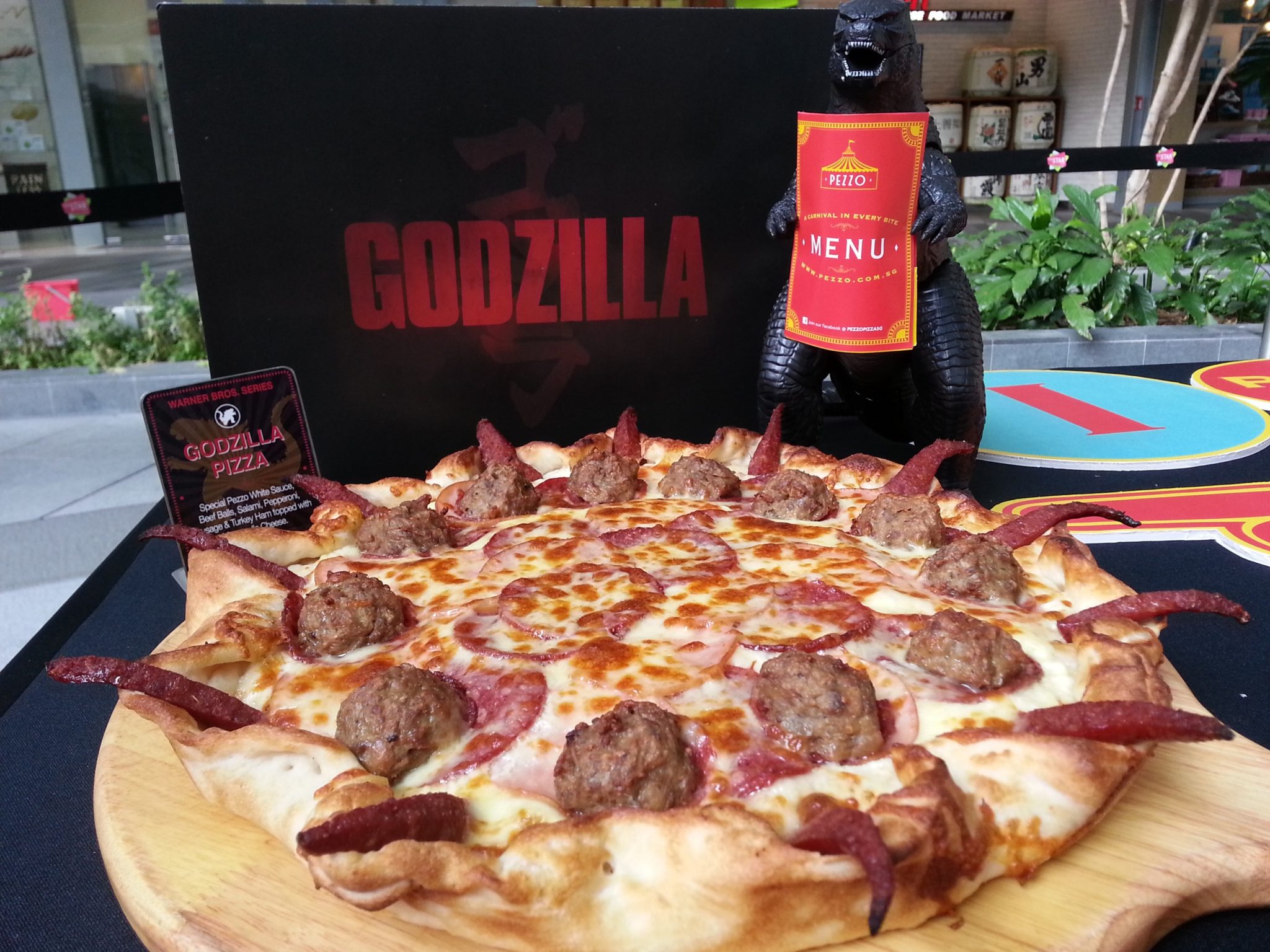
    International pizza franchise Pezzo has launched in Brunei Darussalam. The brand, operating under Satami Group of Companies, features a “Grab & Go” kiosk serving pizza by the slice for immediate purchase, and a “mix and match” pizza purchase option, whereby customers can collate their own pizza out of 12 different flavours. The brand stakes its reputation on generous toppings with shredded mozzarella cheese.

    Pezzo, best-known for its circus-themed design, is exclusively using ingredients certified under the Brunei Halal procedure in the store.

    In May of this year, Pezzo launched in Cambodia. The company now boasts more than 120 kiosk outlets, mainly in China, Indonesia, Malaysia, Myanmar, Philippines, Singapore and Thailand.

  • Which tourists spend the most overseas?

    Which tourists spend the most overseas?

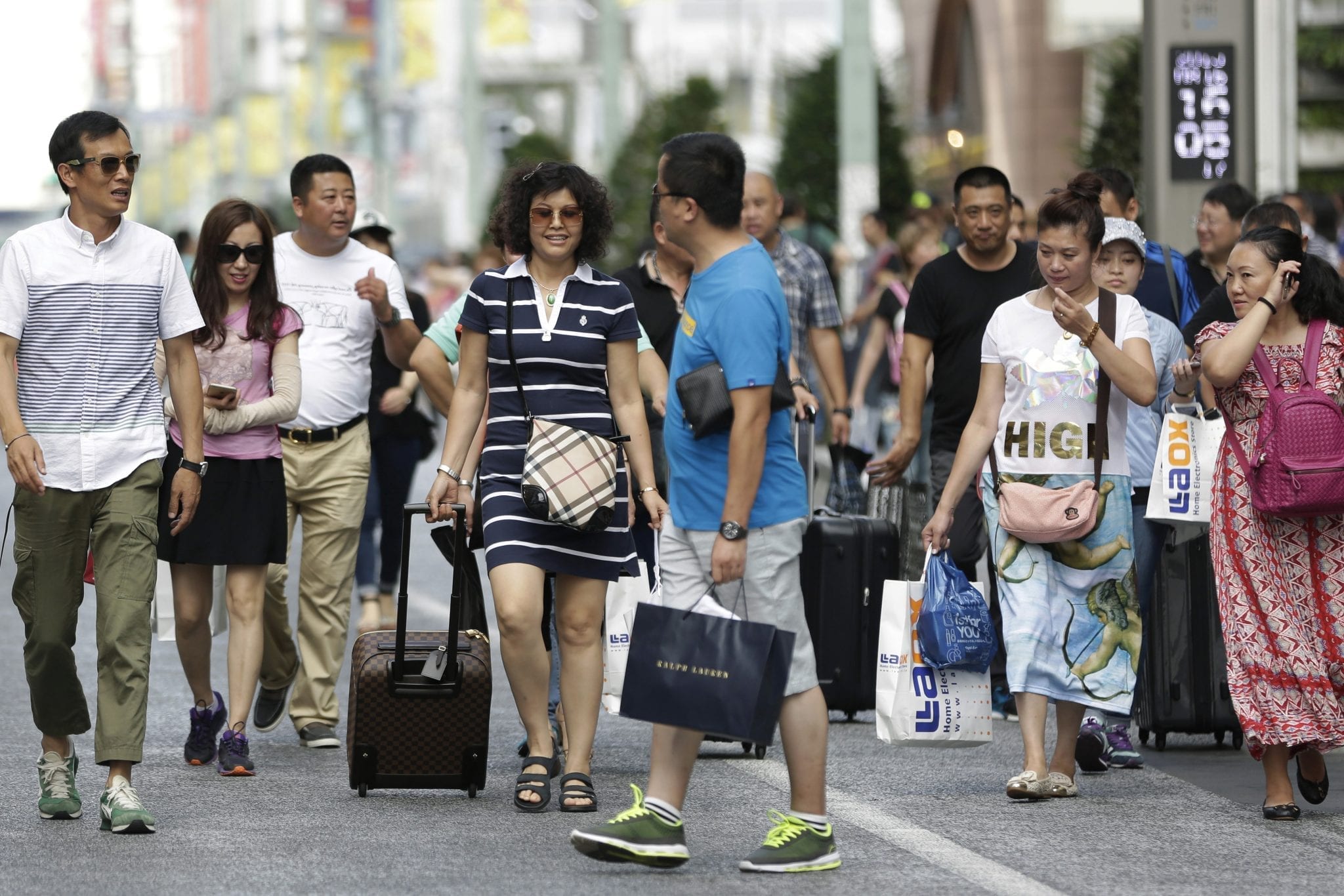
    Overseas spending by South Korean tourists ranks among the top of advanced economies, research data showed on December 5. Figures provided by the Korea Economic Research Institute, affiliated with the Federation of Korean Industries, put the proportion for South Korea at minus 1.9 percent in 2016, ranking it the fifth highest among 32 member states of the Organization for Economic Cooperation and Development (OECD).

    The institute derived the proportion by subtracting overseas expenditures by South Koreans from foreigners’ spending in South Korea and measured the sum’s ratio against household spending.

    Higher numbers in the negative means that local citizens spent more abroad that what inbound foreigners spent.

    Results showed Norway topped the list with minus 4.3 percent, followed by Lithuania (minus 2.7 percent), Belgium (minus 2.5 percent) and Germany (2.3 percent).

    In the case of Japan, the number turned positive in 2014 and came to 0.6 percent in 2016.

    “The outflow of spending is the result of choices by local and foreign consumers of tourism services,” the institute said. “It indicates weaknesses in the competitiveness of the domestic tourism industry.”

    The institute cited a report last year from the World Economic Forum that said South Korea’s competitiveness in prices fell from 84th in 2007 to 88th in 2017.

    “(This) was one of the important elements that undermined South Korea’s competitiveness in the tourism business,” it said.

  • Cheese tea bakery cafe Nayuki launches debut store in Singapore

    Cheese tea bakery cafe Nayuki launches debut store in Singapore

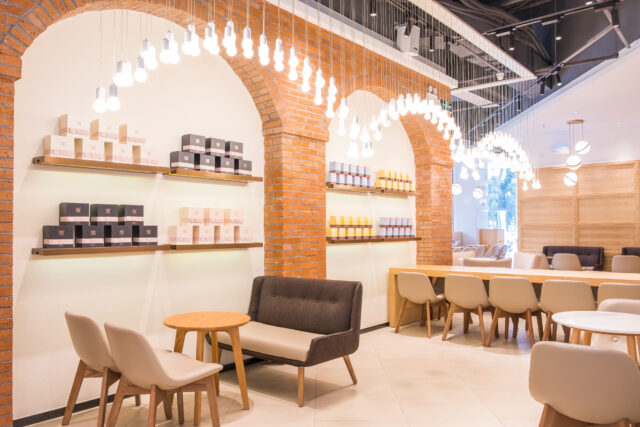
    Chinese tea bakery Cheese Tea Bakery Nayuki has launched its first overseas store at VivoCity. The popular brand, credited as a forerunner in pairing fruit teas with soft European-style bread items, is offering a one-for-one promotion to celebrate the opening. A wave of similar businesses has emerged within China and throughout the region following the brand’s business model.

    Cheese Tea Bakery Nayuki is entering the Singaporean market under a joint venture agreement with local bakery franchise BreadTalk Group.

  • Central i-City to open on Jan 12

    Central i-City to open on Jan 12

    Central i-City is scheduled to open on January 12 as the largest shopping mall in Selangor’s state capital of Shah Alam, Malaysia. A joint venture between Thai retail property developer CPN Ventures and Malaysian developer I-City Properties, the 940,000sqft mall was constructed on an investment of RM850 million (US$204 million) and features 350 lettable stores, three levels of basement parking and six retail levels. Some 73 per cent of available retail space has already been leased, with the remaining stores expected to be taken up by early next year.

    CPN Ventures assistant VP of marketing Siegfried Shaun Dela Pena Tan said: “The mall is expected to transform retail experience for Malaysians. [It caters] to a more affluent target segment attracting shoppers who will spend more, appreciate better and be driven by quality. We expect that the mall will serve more than 900,000 residents in Klang and a further 700,000 in Shah Alam.”

    Central i-City Shopping Centre is CPN’s flagship project in Malaysia and first international project.

    I-Berhad executive chairman Tan Sri Lim Kim Hong said: “We are bullish about the retail market.

    People are unfazed by the economy. They are still shopping and dining out. The mall has a good tenant mix and 25 per cent of the total number of retail shops comprises food and beverage outlets.”

  • Zomato India to expand food delivery business to 100 cities

    Zomato India to expand food delivery business to 100 cities

    Online restaurant guide and food ordering firm Zomato on Friday said it is expanding food delivery services to 100 cities over the next week.

    The company’s food delivery services are currently present across 93 cities and lists over 75,000 restaurants on the platform, Zomato said in a statement.

    “… the food delivery business is ramping up really well with the growth in main markets, as well as the reception in tier II tier III cities,” Deepinder Goyal, Founder and CEO, Zomato said.

    Founded by Goyal and Pankaj Chaddah in 2008, Zomato is a restaurant search and discovery platform providing in-depth information for over 1.4 million restaurants across 24 countries and serves more than 50 million users every month.

  • Central Premium Mall Vietnam plans to open next year

    Central Premium Mall Vietnam plans to open next year

    Ho Chi Minh City is getting a new shopping centre, Central Premium Mall, in District 8, next year. Set to open in the third quarter of next year, the six-storey mall spans 40,000sqm, and is expected to welcome more than 3 million visitors annually.

    The first and second levels will host 200 kiosks from fashion retailers, a supermarket and luxury cafes.

    The third level is for dining, with more than 30 restaurants, including China’s Melie Dimsum, America’s HolyCow, Korean BBQ Gangnam, together with sushi and buffet restaurants.


    The fourth and fifth floors are for entertainment with a children’s playground Kid World, spas, Mexican-style Ritacita Bar, Beer Club Vuvuzela, Bar Redbull and Bar Rocco, among others.

    A cinema will occupy the whole 4000sqm sixth floor.

    Project owner Quoc Cuong Gia Lai says the shopping centre will be managed by a reputable international company, whose identity has yet to be revealed.

    The mall has cost VND1 trillion (US$43 million) to build.

    Central Premium Mall occupies the lower levels of the Central Premium apartment complex currently under construction. A roof-topping ceremony was held recently and apartments are expected to be handed over to residents by the third quarter of next year. It will be managed by Savills Vietnam.

  • FTC Korea approves convenience stores’ voluntary rules to curb competition

    FTC Korea approves convenience stores’ voluntary rules to curb competition

    South Korean convenience store operators have agreed not to engage in cut-throat competition in the latest move to better protect struggling franchisees. A key centerpiece of the voluntary deal calls for CU, GS25 and 7-Eleven and three other convenience store brands to decide “carefully” over whether to open a new convenience store near an area where a rival convenience store is already located.

    The deal said that convenience stores of rival brands should be at least 50 metres away from each other. Currently, convenience stores of the same brand should be located at least 250 metres away from each other to make sure that they do not compete against each other.

    The latest move came as South Korea has been struggling to protect franchisees in a country where chaebol, or family-controlled conglomerates, have dominated the economy for decades.

    “The voluntary regulation, if implemented in good faith, could help ease saturation and improve management conditions of franchisees of convenience stores,” Kim Sang-jo, chairman of the Fair Trade Commission, said in a signing ceremony of the voluntary deal in Seoul today.

    Last week, President Moon Jae-in instructed the antitrust chief to support a voluntary deal among South Korean convenience store operators so as to address the saturation of the market.

    Convenience stores have sprung up in commercial areas in Seoul and other major cities in recent years, driven by growth of single-member households.

    Last year, the number of convenience stores surpassed 40,000, a dramatic increase from 1989 when the first convenience store opened in eastern Seoul.

    Kim said the voluntary deal could prevent convenience store operators from recklessly opening new outlets in areas where there are already many convenience stores.

  • October retail sales tide in Hong Kong turns up

    October retail sales tide in Hong Kong turns up

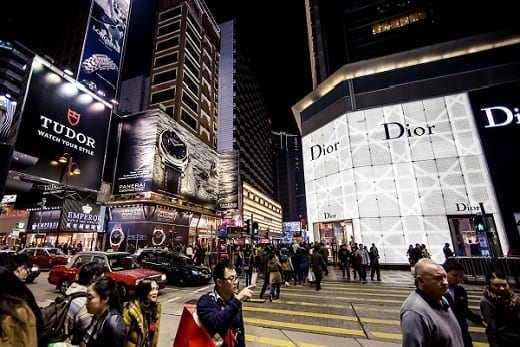
    October retail sales in Hong Kong rose by 5.9 per cent year on year, more than double the pace of September, which was affected by Typhoon Mangkhut. A government spokesman indicated that growth in retail sales picked up somewhat in October after a deceleration in the preceding month, supported by the faster increase in visitor arrivals and continued income growth.

    The Census and Statistics Department (C&SD) estimated the total value of October Hong Kong retail sales at HK$39.7 billion.

    After netting out the effect of price changes over the same period, the volume of October retail sales in Hong Kong increased by 5.2 per cent.

    C&SD’s revised estimate of the growth in the value of retail sales in September was unchanged at 2.4 per cent, the lowest figure year to date.

    For the first 10 months of this year retail sales rose by 10.6 per cent year on year, while the volume (netting out inflation) rose by 9.1 per cent.

    The spokesman strong inbound tourism and favourable job and income conditions should continue to support the retail sector in the near term.

    “Yet, consumer sentiment could increasingly be affected by the external uncertainties and weaker asset markets.”

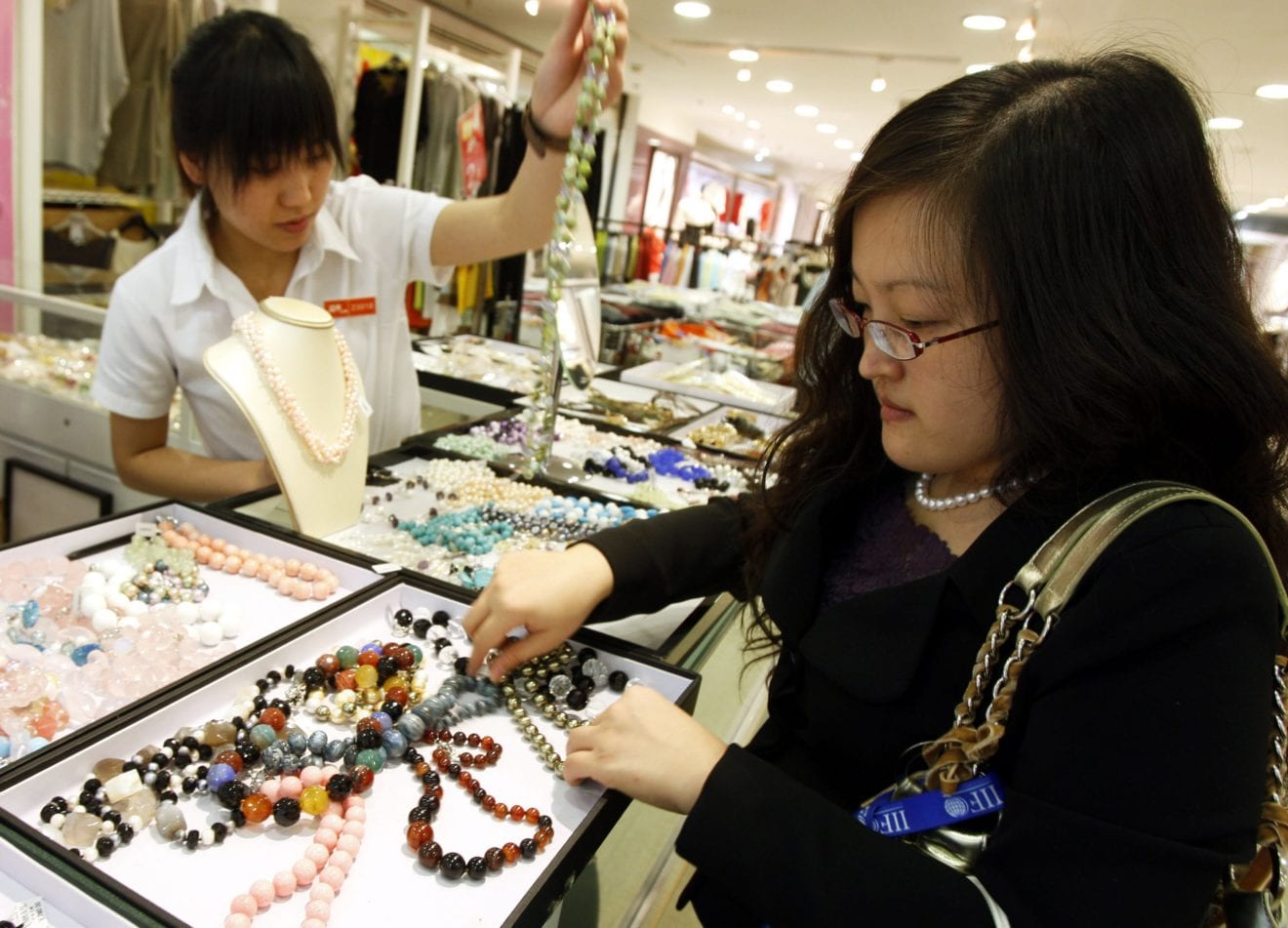
    By broad type of retail outlet (in descending order of the category’s impact on the overall figure) sales of jewellery, watches and valuable gifts increased by 3.3 per cent in October. This was followed by electrical goods and other consumer durable goods, not elsewhere classified (up 16.1 per cent); commodities in department stores (up 3.5 per cent); apparel (up 2.3 per cent); medicines and cosmetics (up14.9 per cent); other consumer goods, not elsewhere classified (up 12.7 per cent); motor vehicles and parts (up 13.6 per cent); fuels (up 10.3per cent); footwear and accessories (up 9.3 per cent); books, newspapers, stationery and gifts (up 5.8 per cent); furniture (up 0.8 per cent); Chinese drugs and herbs (up 0.6 per cent); and optical shops (up 3.2per cent).

    The only categories to record a decline in sales were commodities in supermarkets, down 0.9 per cent, and food, alcoholic drinks and tobacco, down 2 per cent.

  • Cafe Amazon preparing Coffee Shop concept to challenge Starbucks

    Cafe Amazon preparing Coffee Shop concept to challenge Starbucks

    Thai oil company PTT plans to spin off its Cafe Amazon division and build a coffee chain it says will one day rival Starbucks. The company says it will open 20,000 cafes globally, nearly 10 times the current network of 2300 outlets in Thailand, the Philippines, Laos, Cambodia, Myanmar and Japan.

    PTT will invest US$1.3 billion in the Cafe Amazon brand over the next five years to develop the franchise business.

    “We aim to build the Cafe Amazon into a top 10 global brand over the next five years,” said PTT Oil and Retail CEO Jiraporn Khaosawas.

    The move signals PTT’s turn towards the retail business at a time when it stands poised to be floated next year, initially into China and the Middle East via franchise partnerships.

    PTT announced plans earlier this year to sell off half of its retail holdings, which generate 20 per cent of the group’s profits, including takings of THB10 billion (US$303 million) from Cafe Amazon last year. The firm has declined to reveal how much it expects to raise in the floatation, although experts have valued the firm’s retail unit at roughly THB120 billion ($3.6 billion).

    PTT’s executive VP for the retail oil business Suchat Ramarch said: “We will not only expand Cafe Amazon, but we will also expand our petrol stations and our lube oil retail business. However, Cafe Amazon will be the highlight, with strong potential to grow.”

    Informed estimates suggest it would cost about THB2.3 million ($70,000) to open a Cafe Amazon shop in a PTT gas station, and from $100,000 to $300,000 for a stand-alone outlet.

  • Big success for Korean retailers during shopping festivals

    Big success for Korean retailers during shopping festivals

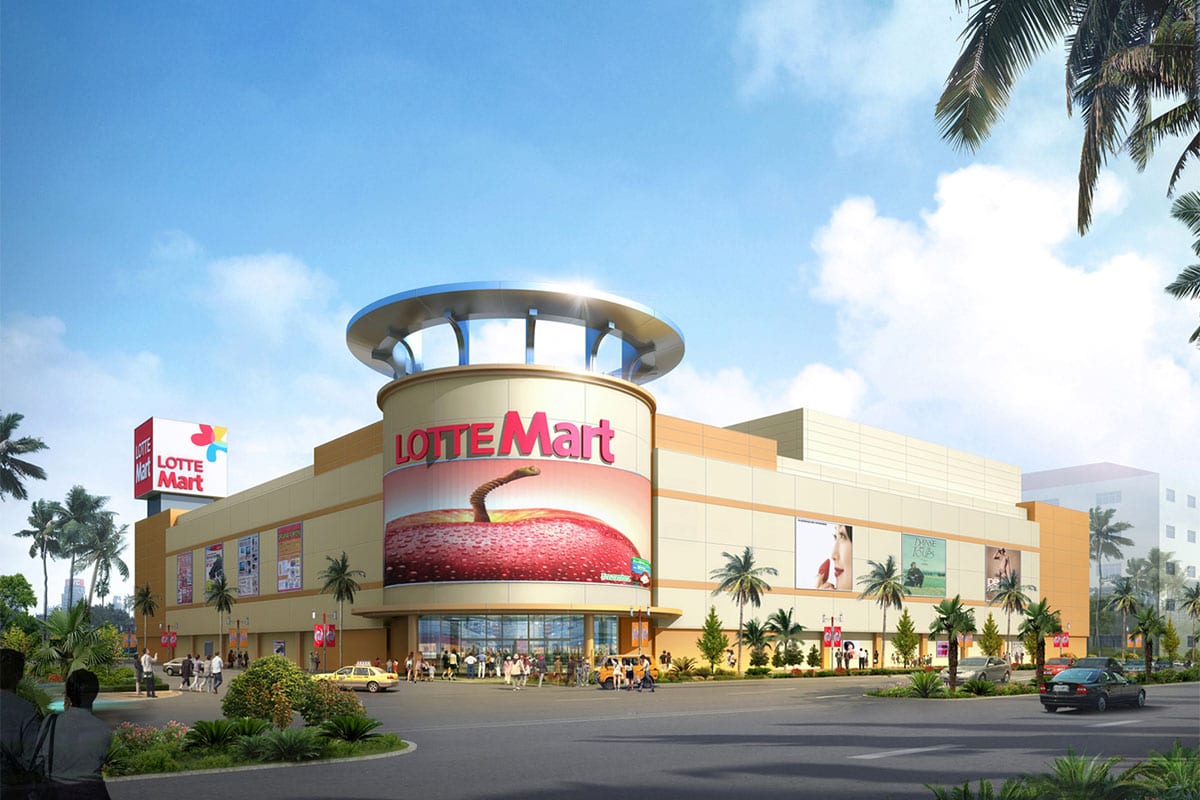
    South Korean retailers enjoyed a big sales boost from annual shopping extravaganza they launched in November to join the world’s major shopping events like Black Friday in the U.S. or Single’s Day in China. According to industry sources on December 2, Lotte Department Store, one of the country’s retail majors saw its sales from Nov. 1 to 29 grow 1.1 percent against the same period last year. Sales of its hypermarket affiliate Lotte Mart also gained 1.7 percent over the same period.

    Home appliance sold especially well during the big sales period, recording a 12.5 percent jump in revenue compared to the same period last year. High-end products were also showed sharp growth – sales of expensive hanwoo or Korean beef soared 25.8 percent on year and luxury fashion items up 9 percent.

    E-Mart., another leading big-box store chain also held a mega sales event in November, slashing prices of nearly 2,000 items worth 300 billion won (US$267.4 million). It sold 180 tons of hanwoo in just four days, doubling sales against the same period last year.

    Online retailers enjoyed even bigger growth in sales through major discount events. G Market and Auction hosted Big Smile Day sales event from Nov. 1 to 11 and their sales transaction amount more than doubled compared to the same period a month earlier.

    11st.com that runs its biggest sales event on Nov. 11 every year said its daily transaction amount on this year’s big sales day reached a record high of 102 billion won. Last year, it recorded 64 billion won through the same event.

    WeMakePrice Inc. also held bargain sales from Nov 1 to 11 this year. It said the transaction amount over the period jumped 77 percent to 230 billion won compared to the same period last year. By volume, it was up 15 percent on year. The company estimated transaction amount to hit a record high of 600 billion won in November.

  • Niche market of coffee lover in Korea

    Niche market of coffee lover in Korea

    South Korea’s cafe market is notoriously crowded pushing some large players to the brink and suffering from price attacks from convenience store operators. Yet niche is still a nice place to be, judging by the experiences of a small Seoul startup.

    Two young entrepreneurs have shared their vision of launching a coffee franchise called That Coffee Roasters.

    Co-CEOs Chin Kyo-hwa and Lee Chang-hoon reported that redecorating their first coffee shop to appeal more to female customers was key to their initial success.

    According to Chin, low early revenues escalated after the change.

    “It took more than three years for our coffee shop to gain popularity,” he said. “The store’s monthly sales more than doubled in the past two months on the back of word-of-mouth online and the new interior design.

    “The store is tiny and small, but we hope to launch at least three more stores in less than five years in Seoul.”

    Chin and Lee also run a roastery factory in Guro, Seoul for direct sale to clients. While the business currently serves a small client base, the pair are already planning to expand operations as the company gains more traction.

  • Chai Point to open 20 more outlets by FY 2019

    Chai Point to open 20 more outlets by FY 2019

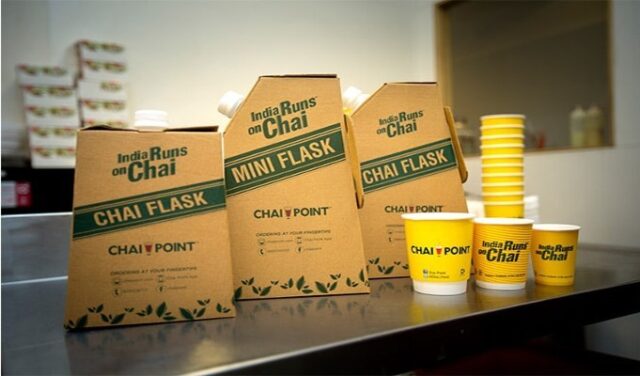
    Tea, which conquers 70 percent of the non-alcoholic beverage market in India, is unofficially the national beverage of the country. Tea lovers never shy away from enjoying a hot cuppa, be it any season or any time of the day. Even the social and emotional lives of Indians are linked with tea. In an effort to brew never-ending excitement around tea, Amuleek Singh Bijral took a plunge into the tea business around eight years ago and since then there has been no looking back.

    Talking about the retail mapping of the brand, Bijral says, “We are into an Omnichannel business and have close to 106 stores. Apart from this, we also have about 2,000 plus milk-based dispensers – boxC – installed at corporate houses and our own line of packaged
    products.”

    “Going forward, we want to build a globally relevant tea platform and we are doing this with the help of our cloud-based platform – SHARK, which allows us to manage all our channels in a comprehensive fashion, connects to a common supply chain and allows us to serve customers their various demands and ensures to offer similar customer experience across all the channels,” he states.

    Initial Challenges

    According to Bijral, the initial challenges were to find the prime real estate locations as builders and landlords were not convinced about why such a concept would succeed when tea is available in every nook and corner of the city.

    “However, this notion has now changed over a period of time and the credit goes to customers who have become hygiene conscious and no longer enjoy having their tea on the roadside.”

    Marketing Strategy

    The beverage-centric brand, which gets 25-30 percent contribution towards its revenue from food, has never felt the need to do aggressive ATL spends as stores are their core brand platform.

    According to Bijral, all the brand’s spends are BTL-centric and that is the strategy Chai Point will continue to evolve and adopt.

    “Apart from this, we are very aggressive on digital awareness as our audience is digitally-savvy. We are centred around white-collared corporates and that is an area where our spends can be categorised as ATL and are likely to get more sophisticated and aggressive over time,” he explains.

    Technology Rules

    Bijral, who hails from a technology background, believes technology is an important part of the business. The tea lover has amalgamated technology with tea to provide a frictionless experience to customers.

    Explaining this further, Bijral states, “When customers enter the store, they do not want to stand in the queue, they do not want to punch in numbers to give their loyalty code, they do not want to carry loyalty cards in their wallet, but they want to be served at the earliest possible, so how will the brand solve all these problems? The answer to this problem is facial recognition.”

    “We have successfully piloted facial recognition across five stores and now we are at a stage where we are confident enough of rolling it out across other stores,”says Bijral.

    Even the loyalty program of the brand – PrioriTea – bets big on technology by combining facial recognition with Artificial Intelligence to offer enhanced experience to customers.

    Future Plans

    Singh explains, “ There is an immense opportunity in the tea business. Iced Tea which is a huge market abroad has not even opened up in India.”

    The brand is planning to open 20 more outlets in the next three to four months. As of now, all the outlets are company-owned and company-operated and going further, Chai Point will continue with the same operating model.

    “The brand is still at a relatively nascent stage and we believe that we need to have our own store to cement the system, processes and more importantly aggressively redefine and improve customer experience,” asserts Bijral.

    “Stores remain core to our brand. Delivery and boxC are faster-growing segments, which support the store format,” he adds.

    At present, stores and delivery from stores contribute 56 percent to the total revenue, 4 percent comes from packaged food business and the remaining 40 percent from BoxC business.

    “We have been operating profitable for last six years. We are aiming to be EBITDA level 100 percent profitable by this fiscal-end, covering all the expenses that we have taken towards our Omnichannel growth,” reveals Bijral.

    On a run rate basis, the brand is targeting Rs 200 crore by the end of fiscal.

  • Poor customer experience costs retailers in Asia

    Poor customer experience costs retailers in Asia

    Nearly two-thirds (63 per cent) of consumers in Asia will no longer shop with a retailer after just one poor customer experience. That is one of the conclusions of a research study conducted by unified commerce provider Tofugear in partnership with Rakuten Insight. Based on a survey of 6000 shoppers across 12 countries in Asia, the research underlines the importance of delivering on experience for retailers.

    Top frustrations with stores included products being out of stock, long checkout queues and poor service from staff. When it comes to online shopping, consumers were turned off by high shipping costs, inaccurate product information and slow fulfilment speeds.

    Philip Wiggenraad, head of research at Tofugear, says: “The connected consumer in Asia is empowered and not afraid to look elsewhere when their needs are not being met. Retailers need to understand that they often only have one chance to get it right.”

    E-commerce is popular with consumers in the region: 59 per cent prefer to shop online rather than in stores.

    However, there were considerable variations depending on the country. China led the way (88 per cent), while markets such as Hong Kong and Singapore (both 51 per cent) were more evenly split in their preferences between online or stores.

    While millennials are the most prolific online shoppers, with more than half (55 per cent) doing so at least once a week, Gen Z also has a definite lean towards the online channel.

    “Physical retailers expecting a resurgence of the store driven by Gen Z should think twice and continue to look at ways to make their stores relevant in the digital age,” says Wiggenraad.

    Respondents to the survey showed a strong willingness to engage with store technologies in order to make their shopping journey more frictionless. Two-thirds (65 per cent) would use their mobile phone for self-checkout, while 62 per cent were open to using apps in stores as part of a connected retail experience.

    Access the full findings of the Digital Consumer in Asia 2018 report by downloading the PDF here.

  • Brewhouse Ice Tea secures US$ 2 mn loan

    Brewhouse Ice Tea secures US$ 2 mn loan

    Bottled ice tea brand Brewhouse Ice Tea Monday said it has secured US$ 2 million loan from Singapore-based FMCG firm Food Empire Group to expand its footprint and product offerings. Food Empire Group had previously invested US$ 6,00,000 in Positive Food Ventures in November 2017. Positive Food Venture Pvt Ltd, maker of bottled ice tea brand Brewhouse, has secured a loan of US$ 2 million from Food Empire Holdings, the company said in a statement.

    “Currently, we are present at over 2,000 points of sale in major cities and are expanding our operation pan India. We plan to invest the loan amount from Food Empire Group towards expanding our reach to 10,000 points of sale in 2020 and to introduce newer and interesting variants,” Siddharth Jain, Founder, Brewhouse Ice Tea said.

    The brand started operations in Delhi in May 2017 and at present has presence in over 10 cities, including Delhi, Chennai, Bangalore, Mumbai, Pune, Kolkata, Hyderabad, Jaipur, Chandigarh, Lucknow and are retailing with over 300 restaurant and cafe partners.

  • KT subscribers jump ship after fire accident

    KT subscribers jump ship after fire accident

    KT’s week has taken yet another turn for the worse as the fire that caused major telecommunications disruptions in Seoul and the surrounding area has likely left the company with a hefty compensation bill and subscribers looking to take their business elsewhere.

    According to data from the Korea Telecommunications Operators Association on Tuesday, the number of KT’s mobile service subscribers has been shrinking since a fire broke out at the carrier’s Ahyeon telecommunications switching center in Seodaemun District, western Seoul, on Saturday.

    On Saturday, the total number of subscribers to the country’s second-largest mobile carrier fell by 828 people compared to the previous day. This means that the number of people that left KT was larger than those who newly subscribed to the carrier that day.

    On the contrary, subscribers to SK Telecom increased by 246 people and LG U+ 582 people on the day of the accident.

    On Monday, the number of KT subscribers again dropped by 678 people. During the two operating days, KT lost a net 1,506 subscribers.

    Before the accident, the number of KT subscribers was on the rise. On Thursday, KT’s pool of subscribers increased by 69 people and by 83 people on Friday, but that trend was reversed after the fire.

    The troubled company said most fire-affected services have returned to normal on Tuesday, but analyst Kim Hyun-yong from eBest Investment & Securities said, “KT’s sales and brand image can be damaged if the situation is not fixed quickly considering the long hours and broad scope of disruptions [caused by the accident,]” in a report.

    SK Telecom also suffered from problems in its mobile communications services in April and LG U+ last year, but disruptions were resolved in a matter of hours, not days.

    Analysts estimate KT will have to spend at least 23.2 billion won ($20.5 million) in compensation to individual customers as it decided to waive a month’s phone bill for KT subscribers residing in the affected regions. The amount is roughly 1.6 percent of KT’s projected operating profit for this year according to Yang Jong-in, a research fellow from Korea Investment & Securities, Tuesday.

    “We made our assumptions based on KT’s market share in the five affected districts in Seoul,” Yang said.

    Another analyst Kim Joon-sop from KB Securities estimated the amount of compensation to be larger, at around 31.7 billion won.

    As compensation plans for the business losses of small and microbusiness operators have not yet been laid out by the mobile carrier, the amount of compensation could snowball.

    The accident comes at a tragic time for KT, as it was just a week before the carrier expected to introduce its first 5G network-based services. Korean carriers have been preparing to launch their first 5G services in dongle-type devices from December and had scheduled large press briefings this week prior to the official launch.

    KT has now delayed its event. On Monday, the mobile carrier sent notices saying “we decided to cancel our scheduled event to quickly fix telecommunications disruptions caused by the fire,” to reporters.

    The 5G network has been KT’s key focus and Chairman Hwang Chang-gyu had promised in September to invest a whopping 9.6 trillion won into its 5G business over the next five years. The company had also cemented its image as a leading 5G service provider by serving as the official telecommunications partner at the PyeongChang Winter Olympic Games earlier this year.

    The latest incident, however, has hampered KT’s latest bid to take a bigger share of the local telecommunications market, which has been in a similar shape for the last decade: SK Telecom taking 50 percent, followed by KT with 30 percent and LG U+ 20 percent.

    “SK Telecom, which boasts a well-established image of offering quality mobile services, and LG U+, which bets on cost-effective services, are likely to take advantage of the latest accident,” an industry insider said.

    Still, KT is trying its best to restore the disrupted network.

    According to KT, 96 percent of its mobile communications service has been restored, while 99 percent of landline internet and 92 percent of fixed-line phone services are repaired as of 11 a.m. Tuesday.

    KT said microbusiness operators still suffering from telecommunications disruptions are those that depend on copper cables rather than more modernized fiber optic cables. While 99 percent of fiber optic cable-based landline phone services are back to normal, only 10 percent of the copper cable-based services have been restored.

    “Copper cables are heavy and thick so they cannot be taken out through manholes for restoration,” KT said in statement. “They can only be recovered after our people are allowed into the tunnel where the fire broke out.”

    To minimize damage to copper-cable users, KT said it will offer 1,500 wireless LTE routers to shop operators so they can use electronic card payment systems. KT is also offering 300 wireless payment devices to convenience stores after discussions with the various franchise headquarters. The carrier has also been rushing to convert copper cables to fiber optic ones in areas with a large number of shops since Monday.

    From the government’s side, the Ministry of Science and ICT created a task force on Tuesday consisting of related government officials and representatives from mobile carriers to discuss how to manage low-level telecommunications facilities like the Ahyeon facility, which was graded D in terms of importance.