Tag: sportswear

  • British Sportswear Giant Castore Bags Historic Brand Grenson Shoes: A Strategic Move to Boost Profitability

    British Sportswear Giant Castore Bags Historic Brand Grenson Shoes: A Strategic Move to Boost Profitability

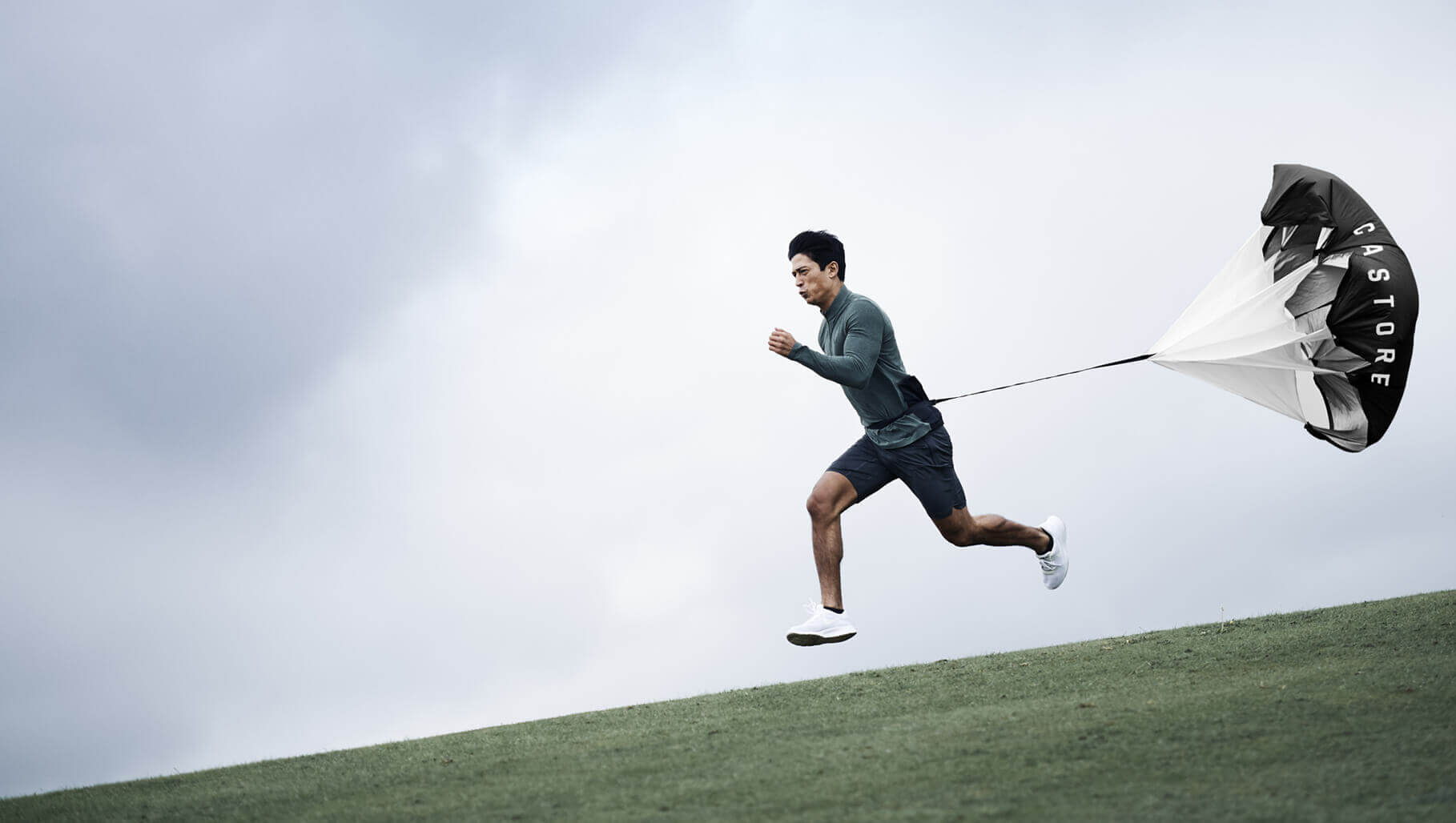
    UK-based sportswear retailer Castore has recently announced its acquisition of the longstanding footwear brand Grenson Shoes. This strategic move is aimed at bolstering Castore’s financial stability and expanding its product portfolio.

    Embracing Heritage Brands

    According to Thomas Beahon, co-founder of Castore, the acquisition of Grenson, a 160-year-old brand, underlines the company’s belief in the value of heritage brands. Grenson has built a diverse customer base over the years and has successfully partnered with some of the most renowned global brands.

    Beahon highlighted that the rich heritage that brands like Grenson possess is one of the key factors contributing to their enduring appeal. He believes that the historical legacy, born out of years of dedication, love, and passion, is an element that cannot be artificially recreated or replaced by advanced technologies like AI.

    Grenson, which is based in Northampton, England, has earned international acclaim for its high-quality leather shoes. Among its wide range of styles, the brand’s signature wingtip shoes are especially popular.

    Overcoming Common Challenges

    Throughout Castore’s decade-long journey, Beahon has observed that many brands grapple with similar issues, such as balancing growth and profitability, deciding between short-term and long-term goals, developing multi-channel distribution, and strategizing international expansion.

    He pointed out that it’s challenging for brands to achieve profitable growth without seeking external funding, which often leads to the dilution of the brand’s unique identity and values.

    However, Beahon argued that Castore’s new approach of investing in premium and established brands has effectively addressed the common issue of cash flow that many similar brands face. Moreover, he emphasized that Castore’s strategy is primarily focused on yielding long-term returns.

    He expressed his strong belief in the potential of great brands to continually strengthen over time with the right nurturing and management. As a company, Castore is deeply committed to promoting British brands’ competitive edge on the global platform.

    Questions & Answers

    Why has Castore acquired Grenson Shoes?
    Castore’s acquisition of Grenson Shoes is part of a strategic move to enhance its financial health and broaden its product range.

    What is Castore’s view on heritage brands?
    Thomas Beahon, co-founder of Castore, holds a high regard for heritage brands. He believes that their rich history and legacy, achieved over many years of dedication, love, and passion, contribute significantly to their lasting appeal.

    What are the common challenges that brands face according to Beahon?
    Beahon identified several common challenges that many brands face, including balancing growth and profitability, deciding between short-term and long-term goals, developing multi-channel distribution, and strategizing for international expansion.

  • Stephen Curry Scores Slam Dunk Deal with Chinese Sportswear Giant Li-Ning

    Stephen Curry Scores Slam Dunk Deal with Chinese Sportswear Giant Li-Ning

    Li-Ning, a prominent sportswear company in China, has recently announced a multi-faceted partnership with NBA Star, Stephen Curry. This exciting collaboration will initially emphasize on the sport of basketball and golf, with future plans to expand into lifestyle and other sportswear areas.

    A Crucial Partnership

    In this newly forged union, Li-Ning and Curry will work closely to devise new products, foster exclusive content, and devise consumer experiences that appeal to the interests of young athletes and sports consumers. Stephen Curry expressed enthusiasm about the partnership, attributing his decision to the company’s innovative product line and capabilities. Curry was particularly impressed by the quality, comfort, and performance of Li-Ning’s footwear, which he believes will align perfectly with the image he wants to establish for his own brand.

    The sportswear company, Li-Ning, which was founded in 1990 by the former Olympic Gymnast Li Ning, has flourished into one of the largest brands in China’s sportswear industry. Li Ning views this partnership as a reflection of their mutual emphasis on performance and the future of sports.

    Shared Vision

    The company’s founder expressed a shared focus on performance and the potential of sport, believing in the power of sport to ignite passion and inspire each generation to push beyond its limits. Both Li-Ning and Curry are eager about this partnership and look forward to building upon it to continually push boundaries and open new horizons for global sport.

    Questions & Answers

    What is the nature of the partnership between Li-Ning and Stephen Curry?
    The partnership involves multi-category development focusing initially on basketball and golf, with plans to expand into other sportswear and lifestyle sectors.

    What was the critical factor that influenced Stephen Curry’s decision to collaborate with Li-Ning?
    Stephen Curry was primarily impressed by the quality, comfort, and performance of Li-Ning’s shoes, which gave him confidence in the company’s capability to align with his brand’s vision.

    What does this partnership signify for Li-Ning and Curry?
    Both parties view this collaboration as a reflection of their shared focus on performance and the future of sports. They look forward to pushing boundaries and creating new possibilities for global sport.

  • Swiss Sportswear Giant On Unveils First Standalone Store in Seoul, Invigorating South Korea’s Retail Scene

    Swiss Sportswear Giant On Unveils First Standalone Store in Seoul, Invigorating South Korea’s Retail Scene

    Swiss sportswear label, On, has unveiled its inaugural standalone shop in South Korea, furthering its direct-to-consumer reach within the nation.

    Strategically Located in Seoul

    The store, nestled within Seoul’s Hannam district, signifies On’s maiden standalone brand space in the Korean market. This launch builds upon the brand’s initial direct retail outposts in Yeouido and Jamsil, which were established in the previous November.

    The shop encompasses three floors, with the lower level spotlighting On’s running collection. The higher levels are dedicated to lifestyle, tennis, outdoors, and children’s merchandise.

    The basement has been repurposed as a hub for running, functioning as a space for community gatherings, such as running club meets and in-store events tied to the local running community.

    Inspired by Seoul’s Night Running Routes

    The store’s aesthetic borrows elements from Seoul’s evening running paths. The use of lighting and reflective surfaces aims to replicate the dynamic movement and visual ambiance of the city post-sunset. The storefront’s design elements also nod towards the nearby Han River.

    According to Rebecca Cai, On’s APAC GM, the brand anticipates the store to serve as a central spot for their running community. This is especially relevant with the looming Seoul Marathon. The brand also hopes the space will allow customers to fully immerse themselves in On’s universe, and personally interact with their latest performance and design innovations.

    This inauguration aligns with the company’s ongoing efforts to widen its retail footprint across Asia. Just this week, On launched its most expansive store in China, situated at Shenzhen MixC World. This two-story outlet covers approximately 802 square meters.

    Questions & Answers

    What does the new On store in Seoul offer?
    The store provides a wide array of sportswear, including running, lifestyle, tennis, outdoor, and kids’ products. Additionally, it will serve as a hub for community activities related to running.

    What is unique about the design of the new store?
    The design of the store is inspired by Seoul’s night running routes, with lighting and reflective surfaces that mimic the city’s atmosphere after dark. The facade also pays homage to the nearby Han River.

    What recent expansion efforts has On undertaken in Asia?
    On has been actively expanding its retail network in Asia. Along with the new standalone store in South Korea, it recently opened its largest store in China, located in Shenzhen MixC World.

  • Swiss Sportswear Giant On Opens its Largest Flagship Store in Shenzhen, Accelerating Retail Growth in China

    Swiss Sportswear Giant On Opens its Largest Flagship Store in Shenzhen, Accelerating Retail Growth in China

    Swiss sportswear brand On has recently unveiled its grandest flagship store to date. This store is located at Shenzhen MixC World, China. This move is part of the brand’s ongoing effort to expand its retail footprint in one of its most rapidly expanding markets.

    Store Design and Features

    Spanning a generous 802 square meters over two floors, the store’s design draws inspiration from the area’s coastal and mountainous topography. The open-concept interiors are harmoniously complemented with the use of natural materials and unique installations.

    To further enhance the customer’s shopping experience, an interactive visual display is present within the store, which showcases the brand’s signature CloudTec cushioning technology and its wide range of apparel.

    At the store’s entrance, visitors are greeted by two majestic, hundred-year-old banyan trees. This area, redesigned as a park, serves as a communal space for group runs and various events.

    Rebecca Cai, GM Apac at On, expressed her hopes for the new store. “Shenzhen is a city full of youthful vigour, and we hope that the flagship store at Shenzhen MixC World will not only function as a retail space, but will also serve as a hub for the city’s running community,” she said.

    A Strategic Expansion

    The unveiling of this store is in line with On’s strategy to expand its direct-to-consumer footprint in China, which has now become its second-largest market internationally. This comes after a period of robust regional growth, with On recording a substantial 96.4 per cent year-on-year increase in net sales in Asia-Pacific in 2025.

    On’s chief commercial officer, Britt Olsen, highlighted the brand’s growth potential. “Following footwear, apparel has emerged as the second major growth engine. In China, the category displays immense potential. We will continue to expand our retail reach and further enhance the brand experience,” she stated.

    On initially entered the Chinese market in 2018 and has since extended its reach to over 30 cities, launching more than 80 stores. The company has ambitious plans to hit the 100-store mark by the end of this year.

    Questions & Answers

    What inspiration did On draw from for its flagship store at Shenzhen MixC World?
    The flagship store’s design was inspired by Shenzhen’s coastal and mountainous geography, and it combines open interiors with natural materials and installations.

    What is On’s strategy for expanding its footprint in China?
    On is focusing on growing its direct-to-consumer footprint in China, which is its second-largest market. This is following a marked increase in regional net sales.

    When did On enter the Chinese market and what are its expansion plans?
    On first entered China in 2018 and has since expanded to over 30 cities with more than 80 stores. The company aims to reach 100 locations by the end of the year.

  • “Swedish Icon Craft Sportswear Debuts Flagship Store in Shanghai, Amping Up Expansion in Asia”

    “Swedish Icon Craft Sportswear Debuts Flagship Store in Shanghai, Amping Up Expansion in Asia”

    Sweden’s Craft Sportswear, a high-performance athletic apparel brand, has recently launched its premier flagship store in China.

    Athletic Excellence: Craft Sportswear

    A standout in the sportswear industry since its inception in 1973, Craft Sportswear has built its reputation on providing top-tier athletic apparel designed for running, cycling, and cross-country skiing. This powerhouse brand, widely recognized throughout Europe, has been progressively branching out into Asia since 2021. The opening of their first flagship store in China marks a significant step in their expansion efforts.

    Exciting Milestones: Store Opening in Shanghai

    The new Craft Sportswear store, located at Taikoo Hui in Shanghai, has been hailed as an “exciting milestone.” Craft Sportswear also recently revealed that it will be the official teamwear partner for Norway’s Winter Olympic and Paralympic teams, further establishing its credibility in the sports industry.

    A representative from Craft Sportswear expressed the brand’s enthusiasm for this global retail development, stating, “This milestone marks an exciting step in our global retail expansion – bringing our Swedish performance heritage to Shanghai with a space designed for world champions and everyday heroes.”

    Health and Wellness: Aligning with China’s Priorities

    This significant expansion is in line with China’s growing emphasis on health, wellness, and lifestyle choices, as reflected in their current five-year plan. In this plan, sports, outdoor activities, and quality living are actively encouraged. Craft’s move to establish a presence in China, therefore, aligns perfectly with these objectives, reflecting the brand’s commitment to promoting an active and healthy lifestyle.

    Questions & Answers

    What is the focus of Craft Sportswear’s product line?
    Craft Sportswear specializes in high-performance athletic apparel designed for running, cycling, and cross-country skiing.

    What recent milestone has Craft Sportswear achieved in its global expansion?
    Craft Sportswear has recently opened its first flagship store in China, marking a significant step in its global expansion efforts.

    What recent partnership has Craft Sportswear announced?
    Craft Sportswear has announced that it will be the official teamwear partner for Norway’s Winter Olympic and Paralympic teams.

  • Champion Unveils Culture-Infused Flagship Redesign in Chengdu: A Fusion of Sportswear Heritage and Local Crafting Traditions

    Champion Unveils Culture-Infused Flagship Redesign in Chengdu: A Fusion of Sportswear Heritage and Local Crafting Traditions

    Renowned sportswear brand, Champion, recently revealed the reimagined design of its flagship store located in Chengdu’s Yingjia Plaza, China. The refurbished two-story establishment beautifully integrates Champion’s established American roots with the traditional bamboo-weaving artistry inherent to Chengdu.

    Infusing Traditional Elements into Modern Retail

    The ground floor of the store is effused with textures inspired by bamboo, complementing the brand’s trademark collegiate and sporty themes. This strategic integration of bamboo textures illustrates Champion’s commitment to incorporating Chengdu’s cultural essence into its retail spaces.

    The upper level of the store incorporates an interactive model, highlighting a two-story sweatshirt exhibit and a DIY zone. The latter allows customers to partake in bamboo-weaving activities, such as making coasters, exemplifying the city’s rich artisanal history.

    Embracing Local Culture in a Global Brand

    Champion’s store redesign embodies the brand’s endeavour to adjust its retail spaces to reflect local culture whilst preserving its trademark Reverse Weave sweatshirt technique, a crucial component of the brand’s legacy. The Chengdu location serves as one of the first instances of this innovative approach.

    Established in 1919, Champion has been steadily revising its retail tactic in China to offer more interactive, culturally-embedded experiences. The Chengdu flagship is anticipated to serve as an archetype for future store revamps as the brand progressively aligns its global identity with local relevance.

    In the previous year, Champion was acquired by Authentic Brands Group from HanesBrands for a staggering US$1.2 billion, indicating the company’s persistent emphasis on broadening its influence in prime markets, including China.

    Questions & Answers

    What is the unique aspect of Champion’s renovated flagship store in Chengdu?
    The store’s redesign blends Champion’s American heritage with traditional elements of Chengdu, particularly bamboo-weaving.

    What interactive features does the store offer to customers?
    The store contains a DIY area where visitors can engage in bamboo-weaving activities, such as making coasters, reflecting Chengdu’s artisanal heritage.

    What strategy is Champion adopting for its retail spaces in China?
    Champion is focusing on providing more interactive experiences that are grounded in local culture, while maintaining its global identity.

  • Swiss Sportswear Giant On Debuts First Stores in Seoul, Amplifying Brand Presence in APAC Region

    Swiss Sportswear Giant On Debuts First Stores in Seoul, Amplifying Brand Presence in APAC Region

    Swiss activewear label, On, has established its inaugural retail outlets in Seoul, signifying the brand’s growth in the Asia-Pacific region. These outlets are conveniently located in the Hyundai Seoul department store and Lotte World Mall Jamsil, offering shoppers easy access to On’s comprehensive selection of footwear, clothing, and accessories.

    The unique aesthetic of the stores draws upon the spirit of Korean runners and the picturesque running routes of the city. From vibrant Seoul streets to rough-hewn gravel trails, the store’s design truly captures the essence of the local running community. Complementing this are the store’s modern aluminium and glass-like fixtures and counters, channelling a sleek and sporty vibe.

    On’s new retail spaces are more than just shops – they are community-centred hubs offering in-store programs and hosting community-driven events. In addition, they will be launching exclusive collaboration products with the Seoul-based ready-to-wear brand, Post Archive Faction (PAF), and the Zendaya collection.

    Rebecca Cai, On’s Asia-Pacific General Manager, expressed her excitement about the launch. She said, “Bringing the complete On experience to Seoul, our first direct-to-consumer stores in South Korea, aligns with our passion for design, innovation, and active lifestyles. The city of Seoul resonates perfectly with these values.”

    She added, “Our esteemed wholesale partners have laid a strong foundation in this market. These new flagship stores mark the next phase in our strategic, multi-channel evolution. They provide a unique environment to display our brand in its entirety, particularly our expanding apparel collection. Additionally, they serve as dynamic hubs where our community can meet, connect and find inspiration.”

    Questions & Answers

    What can customers expect from On’s new stores in Seoul?
    Customers can look forward to a full range of On’s footwear, apparel and accessories. The stores will also serve as community hubs offering in-store programs and hosting community-driven events.

    What inspired the interior design of the stores?
    The interiors of the stores draw inspiration from Korean runners and the city’s scenic running paths. The stores feature modern aluminium and glass-like fixtures and counters to channel a sleek and sporty vibe.

    What is the significance of On’s expansion into Seoul?
    This expansion marks On’s first direct-to-consumer stores in South Korea, representing a significant step in the brand’s growth in the Asia-Pacific region. It also symbolizes On’s ongoing commitment to fostering active lifestyles and community connection.

  • Columbia Sportswear Unveils Its Biggest Store Yet in Japan, Elevating Outdoor Retail Experience

    Columbia Sportswear Unveils Its Biggest Store Yet in Japan, Elevating Outdoor Retail Experience

    As consumers in Asia increasingly navigate a complex retail landscape, retailers are adapting to meet their evolving preferences and expectations. The recent wave of innovations confirms that traditional shopping habits are undergoing significant transformation, reflecting broader societal changes influenced by technology and lifestyle shifts.

    Tech-Savvy Consumers Demand Seamless Experiences

    More than ever, shoppers are seeking convenience, efficiency, and personalization in their shopping experience. According to a recent survey, nearly 70% of consumers across Asia indicate that they prefer an omnichannel approach, blending online and offline shopping experiences. Retailers who fail to meet these demands risk losing market share to competitors who offer seamless transition between their digital platforms and brick-and-mortar stores.

    Mobile shopping, in particular, has seen an exponential rise, with consumers often using their smartphones not only for purchases but also for comparing prices, reading reviews, and accessing loyalty rewards. A surprising 80% of respondents stated they frequently use mobile apps while shopping in physical stores, highlighting the need for retailers to invest in robust digital environments to engage their customers effectively.

    The Rise of Sustainable Retail

    Sustainability is no longer a mere buzzword; it’s a vital part of the retail narrative in Asia. Brands that prioritize eco-friendly practices are resonating with consumers, particularly the younger demographic, who are increasingly making purchasing decisions based on a company’s environmental credentials. Recent figures show that 64% of consumers would pay more for products that are sustainably sourced. Retailers who embrace this shift not only enhance their brand image but also foster a loyal customer base motivated by shared values.

    Innovative concepts, such as using recyclable materials and incorporating circular economy principles, are becoming the standard for leading brands. Some retailers are even launching initiatives that allow consumers to return used goods for discounts on future purchases, turning past purchases into a sustainable cycle.

    Experiential Retail Takes Center Stage

    The age-old maxim that “experiences sell” holds truer now than ever. Retailers are realizing that creating engaging and unique in-store experiences can significantly elevate foot traffic and customer loyalty. From interactive displays to themed events, shops are transforming into destinations rather than just sales points.

    One notable example is the integration of augmented reality in stores, allowing customers to visualize products in their own spaces before purchasing. These immersive experiences break the monotony of traditional shopping and invite customers to engage with brands in unprecedented ways, turning routine errands into adventures.

    A Look Ahead: What’s Next for Retail in Asia?

    As we ponder the future, it’s clear that adaptability is key for retailers navigating this dynamic market. Brands that harness data analytics to understand consumer behaviors and preferences will undoubtedly be at the forefront. The integration of artificial intelligence and machine learning for personalized marketing also holds great promise, providing retailers with insights into individual customer journeys.

    In conclusion, as Asia’s retail sector continues to evolve, the focus on seamless experiences, sustainability, and unique engagements is reshaping the shopping landscape. Retailers who embrace these trends will not just survive but thrive, making a lasting impression in the hearts of consumers.

    Questions & Answers

    How important is sustainability to Asian consumers?
    Sustainability has become critical, with recent surveys revealing that 64% of consumers are willing to pay extra for sustainably sourced products, indicating a significant shift in purchasing priorities.

    What role does technology play in modern retail?
    Technology is central to retail evolution, as a staggering 70% of consumers prefer omnichannel shopping experiences and 80% use mobile apps while in-store, underscoring the importance of digital integration.

    Why is experiential retail gaining popularity?
    Experiential retail is favored because it turns routine shopping into exciting adventures, with interactive displays and events that engage customers in meaningful ways, driving foot traffic and loyalty.

  • Li Ning products banned from the US over North Korean slave labour claim

    Li Ning products banned from the US over North Korean slave labour claim

    Merchandise manufactured by Chinese sportswear giant Li Ning has been banned from entering the US with the company accused of using North Korean labour in its supply chain.

    The US Customs and Border Protection announced on Tuesday that – under the terms of Countering America’s Adversaries Through Sanctions Act (CAATSA) – the entry of goods “mined, produced, manufactured wholly or in part by North Korean nationals or North Korean citizens anywhere in the world” is prohibited.

    However, the agency has not yet disclosed where it believes Li Ning uses the North Korean labour or in which part of the rogue state Li Ning sources products or materials.

    “CAATSA is yet another tool in CBP’s trade enforcement arsenal that allows us to uphold the fundamental value of human dignity and to ensure the goods that enter the US are free from forced labour,” said AnnMarie Highsmith, of the Office of Trade Executive Assistant Commissioner.

    Under US law, Li Ning now has 30 days to provide “clear and convincing evidence” that its merchandise was not produced with convict labour, forced labour, or indentured labour under penal sanctions in order to export its products to the US.

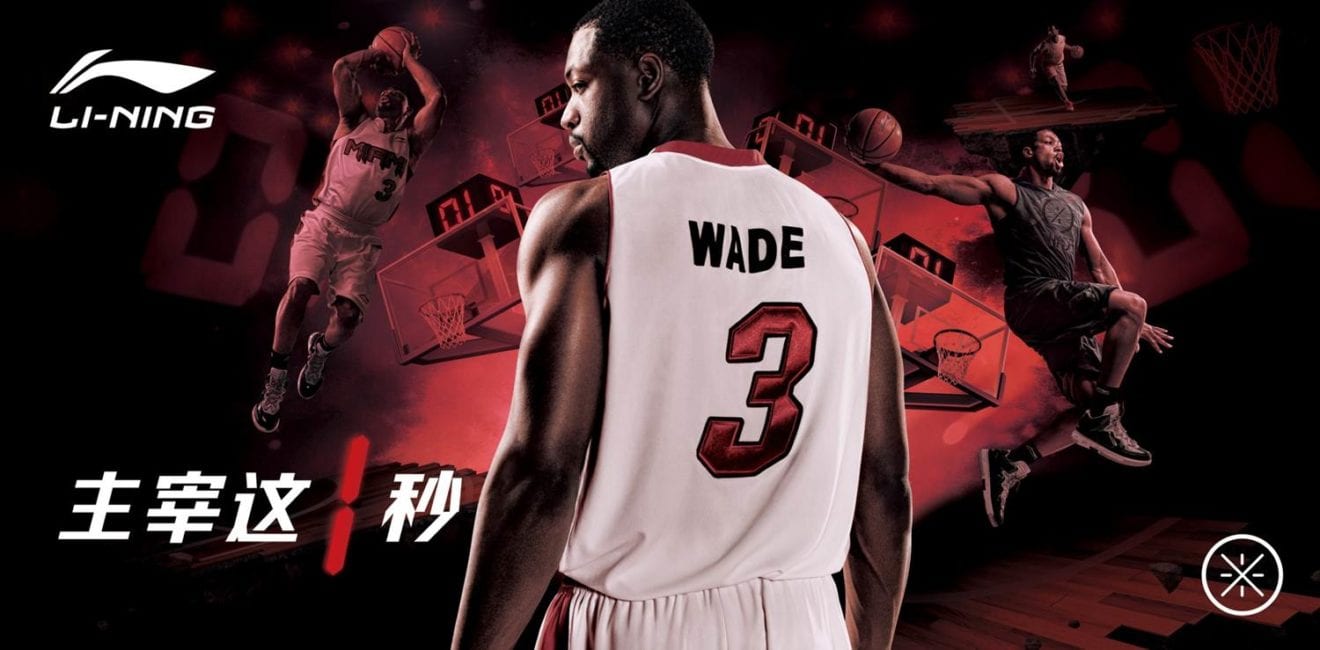
    Founded in 1989, Li Ning was named after a former Chinese Olympic gymnast, the brand’s founder. The company reported 4.2 per cent growth with US$2.22 billion in sales in 2020 despite the pandemic. Li-Ning was an official marketing partner of the National Basketball Association and had sponsorship deals with 10 players, including Dwayne Wade.

  • Asics shutters New York flagship as Covid plagues business

    Asics shutters New York flagship as Covid plagues business

    Japanese sporting goods maker Asics closed down its New York flagship store in December amid the prolonged impact of the COVID-19 pandemic, the company announced on Monday.

    The store opened in December 2017 on Fifth Avenue, selling running shoes and sportswear. Asics’s decision comes as high rent bites the company, on top of uncertainties around when the pandemic will end.

    Due to the store’s closure, the sports brand is taking an extraordinary loss of about 2.3 billion yen ($22 million) for the fiscal year ended December 2020. The loss is already included in the latest earnings forecast.

    Asics’ sales in North America declined by 19% between January and September 2020, compared to the same period in 2019. The company is expected to take a net loss of 17 billion yen in fiscal 2020. Sales are forecast to decline by 15% to 320 billion yen.

  • Pandemic causes steep drop in Asics revenue

    Pandemic causes steep drop in Asics revenue

    Japanese sportswear retailer Asics has posted a steep drop in revenues as a consequence of the coronavirus pandemic.

    The firm has seen a 21.5-per-cent dip in global sales to the equivalent of US$1.4 billion in this year’s second financial quarter, and operating losses of $36.6 million against an $81.2 million profit last year.

    In keeping with a global rise in e-commerce trade heavily influenced by lockdowns and stay-at-home orders internationally, Asics saw an uptick in online sales of 139 percent for its European market – but that was not enough to prevent a fall in gross profits of 20.7 percent to $667 million.

    In its home market sales fell by 24 percent to $444.6 million, while in European sales were down 20.5 percent to $350.9 million.

  • Champion lifting off with sustainable streetwear collection

    Champion lifting off with sustainable streetwear collection

    Athletic apparel brand Champion is to launch a sustainable streetwear collection Re:Bound next month.

    Champion’s Re:Bound Collection will feature a streetwear line made from recycled Reverse Weave fabric, normally discarded during production. According to the company, 45 percent of pre-consumer recycled cotton has been turned into high-quality apparel products for the range.

    The manufacturing process involves three stages: Rescue Waste, Recycle and Rope Dye.

    As part of the launch, Champion invited two Australian influencers and up-cyclers, Philip O’Donahoo and Jaida The Creator, to star in a promotion campaign.

    “Pioneering products is our legacy. Protecting the planet is our long game,” the company said in a statement. “Re:Bound is our first step, and we’re just getting started.”

    The Re:Bound collection is scheduled to launch on August 4.

  • Sportswear Label Sweaty Betty opens first Asian store

    Sportswear Label Sweaty Betty opens first Asian store

    Sportswear label Sweaty Betty has made its Asian debut, opening a store at Hong Kong’s IFC mall.

    The British retailer, often described as a premium competitor of Canada’s Lululemon, specializes in women’s activewear. It was founded by Tamara and Simon Hill-Norton.

    The Hong Kong store features the brand’s entire range as well as the add-on services popular at its London flagship, including monogramming, free-flow kombucha tea, personal shopping and yoga sessions.

    In an interview with Vogue magazine, Tamara Hill-Norton, who is also the label’s creative director, said the brand’s signature leggings are approaching the perfect fit.

    “We worked so hard on it – the gusset, the high hem, the seaming details – all of it is so important,” explained Hill-Norton. “We have a big focus on the fit and the team really pays a lot of attention to how it looks on a woman’s body.”

    Sweaty Betty has a network of more than 60 shops, mostly in the UK and the US.

  • JD Sports defies Brexit to deliver strong growth numbers

    JD Sports defies Brexit to deliver strong growth numbers

    UK sportswear business JD Sports Fashion saw revenue improve 47 percent over the first half of FY20 to £2.72 billion, with global like for like sales growth of 12 percent.

    The group, which runs the JD Sports chain in Australia, also saw group profit before tax and exceptional items increased 30 percent to £158.6 million, up from the £121.9 million seen in the prior corresponding period.

    According to JD Sports executive chairman Peter Cowgill, the management team is very pleased with the result, especially given the ongoing challenge of Brexit’s impact on retail in the UK.

    “We recognize that there is heightened uncertainty surrounding the nature of the UK’s exit from the European Union, and we are very cognizant of the increased risk of a disorderly exit,” Cowgill said.

    The group’s sports fashion businesses saw a strong half, with profit before tax and exceptional items growing 43 percent to £182.4 million.

    “The combined JD businesses in the Asia Pacific region delivered total like for like growth of just under 10 percent, although the earlier timing of Chinese New Year relative to last year did impact on the performance of the business,” Cowgill said.

    “We continue to make learnings in all of our territories which we use to further refine our integrated digital propositions and, with the ongoing support of our key brand partners, we remain confident that further opportunities will prevail to expand the reach of our exciting and dynamic proposition in the region,” Cowgill said.

    Cowgill noted that, in the Asia-Pacific region, JD Sports opened seven new stores during the period across Malaysia, Singapore, and Australia.

    JD’s outdoor business, however, saw more mixed results – finishing the first half with a loss before tax and exceptional items of £20.1 million, compared to the 3.8 million loss seen during the prior period.

    This was due to a challenging first quarter, compounded by a £20.7 million partial impairment due to goodwill from previous years on the acquisition of the Go Outdoors business.

    Preparing for a no-deal exit

    According to Cowgill, the business is well aware of the risk a no-deal exit from the EU would pose to JD Sports, and the UK retail industry as a whole.

    As a result, JD Sports has pulled forward a plan to expand warehouse space in Belgium in order to better serve its EU customers in the event of a no-deal.

    “The group always expect that, for operational purposes, a European warehouse would be required sometime after 2021 with the risks associated with Brexit bringing this decision forward,” Cowgill said.

    “We are working with our logistics partners to secure an additional 80,000 square foot of space at a facility in Belgium which will provide us sufficient capacity to process launch product for footwear for the key brands.”

    Cowgill added that the facility will be available for use in early 2020.

    The looming threat of Brexit has also touched the group’s outlook for the remainder of the year, as well as a shift to a different leasing standard, IFRS 16.

    “Notwithstanding the ongoing uncertainty with regards to Brexit… the group would have been on track to deliver headline profit before tax for the full year at the top end of market expectations which currently rage from £402 million to £424 million,” Cowgill said.

    “However, after adjusting for the impact of the transition to IFRS 16, we would expect to deliver results at the mid-point of expectations.”

  • Li Ning profit up as restructure pays off

    Li Ning profit up as restructure pays off

    Chinese sportswear retailer Li Ning reaped the benefits of a restructure in the first half of this year, with net profit attributable to shareholders by 196 per cent to RMB795 million (US$113 million).

    For the last two years, Li Ning has been investing in its retail business, upgrading stores, refining its product offer and reorganising its supply chain and other back-of-house operations.

    More recently it has launched a new retail brand Li Ning Young, which has added 79 more stores so far this year, taking the network to 872.

    The company said its margin has increased from 5.7 per cent during the first half of last year to 12.7 per cent in the same period this year.

    While the huge profit boost was partly due to non-operational factors, the regular business still posted a surplus up 109 per cent to RMB561 million, and net profit margin was 9 per cent.

    Group sales revenue rose 33 per cent to RMB6.255 billion ($889.5 million), with same-store sales growing by the mid-teens.

    The company said it was focused on strengthening its brand and product competitiveness during the first half, especially its five core categories: basketball, running, training, badminton and sports casual.

    “We set professionalism and functionalism as the foundation, and consolidated the brand’s DNA of professional sports,” the company said in an earnings statement.

    As at June 30, Li Ning had 6422 points of sale, a net increase of 112 over three months.

    The network of conventional stores, flagship stores, China Li-Ning stores, factory outlets and multi-brand stores under its brands amounted to 7294 as of June 30, representing a net increase of 157 since December 31.