Retail News CRM

Tag: sportswear

  • Nike appoints new Converse CEO

    Nike appoints new Converse CEO

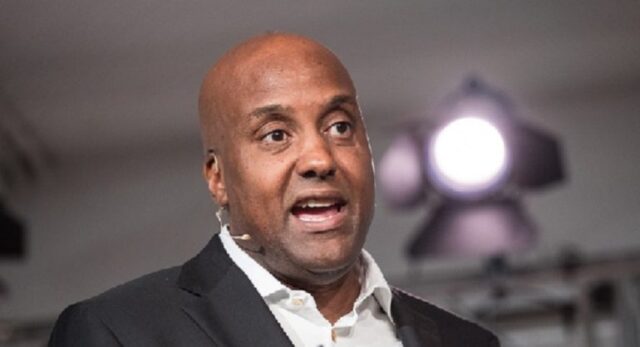
    In the week leading up to Christmas 2018, Nike Inc. said it has recruited a new leader for its Converse brand, naming G. Scott Uzzell as its president and chief executive officer, to helm the heritage sneaker company in the New Year. Uzzell replaces Davide Grasso who has decided to retire at the end of this calendar year. He will report directly to Michael Spillane, President, Categories and Product, Nike Inc.

    Effective January 22, 2019, Uzzell’s new appointment comes at a time when the brand is setting “the stage to move into new spaces by reconnecting to its heritage in sport,” according to a press release in December from Nike Inc.

    “Scott’s unique blend of experience driving both strategic business growth and strong brand development is well-suited to help unlock the full potential of the Converse Brand and lead its next phase of growth globally,” said Michael Spillane, President, Categories and Product, Nike Inc.

    Uzzell comes to Converse from The Coca-Cola Company, where he most recently served as President, Venturing & Emerging Brands Group (VEB).

    As head of Coca-Cola’s VEB Group, the consumer goods executive led a portfolio of high-growth brands for The Coca-Cola Company, including Honest Tea, ZICO Coconut Water, Fairlife Milk and Suja Juice.

    Uzzell began his career within sales and marketing for companies such as Procter & Gamble, Coca-Cola and Nabisco, before returning to Coca-Cola in 2000 in the Strategy & Planning division. Since then, he has held a number of leadership positions across its business including McDonald’s U.S. Division, Global New Business Development, Global Marketing, ZICO and VEB.

    In addition, he is a member on the boards of State Bank and Trust Company; Fairlife and Suja Juice Company, as well as being a member of the Florida A&M University Foundation Board and is part of the Executive Leadership Council (ELC).

    Founded in 1908, Boston-based Converse is today owned by Nike. Converse shoes are sold globally in over 160 countries.

  • PUMA opens their first ever SELECT door in the Philippines

    PUMA opens their first ever SELECT door in the Philippines

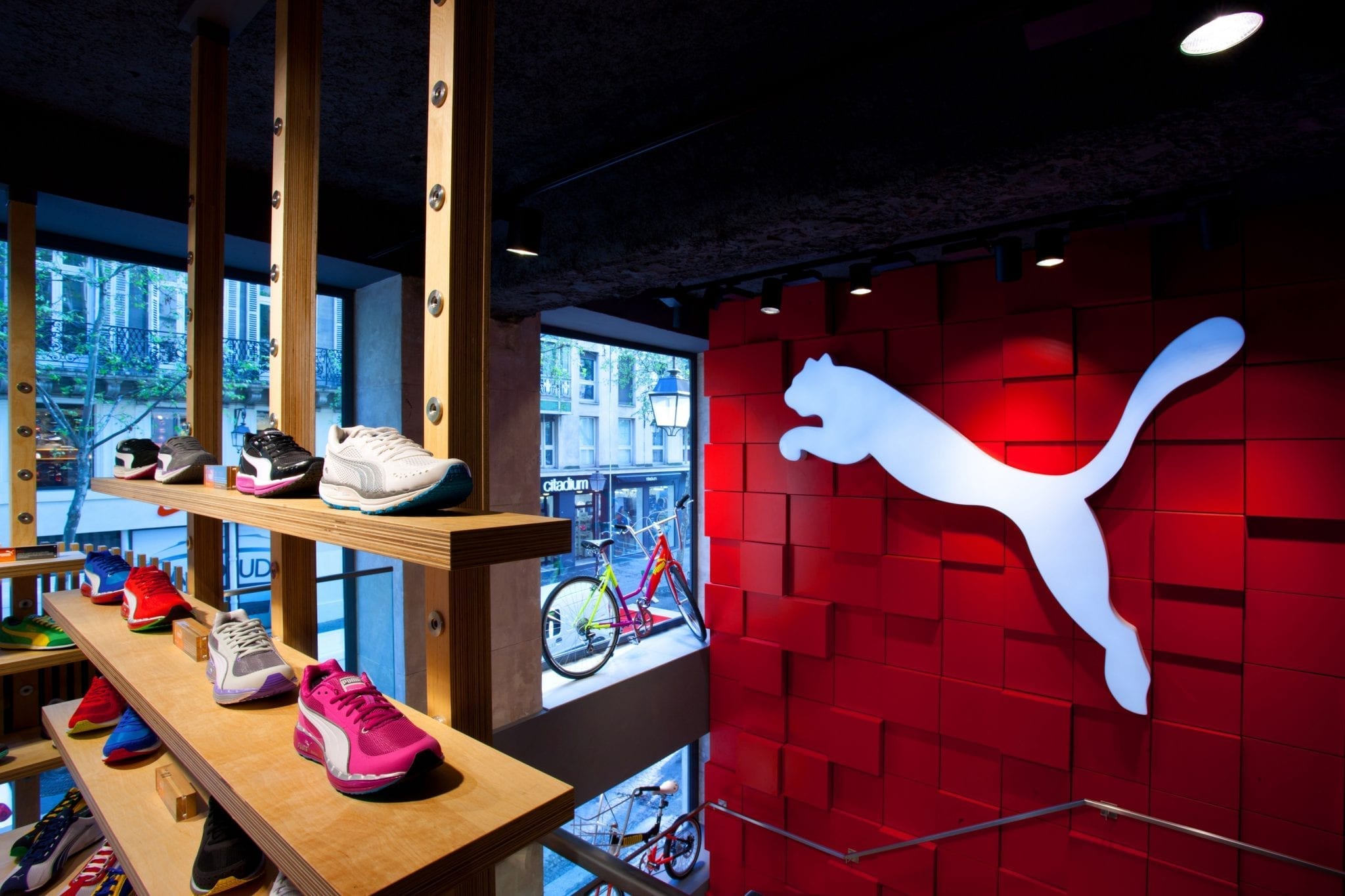
    The first Puma Select store in the Philippines has opened. The new store launched last month at the Uptown Mall in Bonifacio Global City in Taguig and features the brand’s latest product range and collaborations – including high-profile partnerships with Fenty, Ken Lagerfeld, and Rihanna. A statement from the firm said the launch coincides with “the burgeoning streetwear scene in the Philippines”.

    The brand’s website says Puma Select “fuses performance with culture and fashion by revisiting Puma’s rich history and innovation as a leading sports brand, and combining this with our philosophy of creating premium product for the willing consumer”.

  • Smart Garments: The next big thing in sportswear

    Smart Garments: The next big thing in sportswear

    Fitness wearables are no longer just a matter of wrist straps or pieces of practical jewelry. Such technology now works via our clothing. Smart garments are all set to supercharge the fashion industry in the years to come. We are fortunate to have been living in an era which will go down in history as the apogee of technological advancement.
    Technology is an indispensable part of our life today. It has thoroughly morphed all aspects of human life — right from the way we communicate,travel, exchange information to the way we eat, live and drink. Hence, it is but only natural that technology has heralded a propitious change in the way we dress and clothe ourselves today.

    After the huge success of fitness wearables like Apple Watch, Fitbit, Polar fitness monitors, etc., etc., smartness and intelligence is progressively making inroads into the clothes we wear. The fashion world, more so in the last few years, is abuzz with words like wearable technology, smart garments, intelligent garments, e-textiles, etc.

    Although used interchangeably, in a broad sense, they all refer to any piece of clothing with integrated sensors and digital components. The integrated technology monitors the physical conditions of the user and uses big data analytics to predict and show the results.Newer smart clothing technologies can also sense and monitor the environment condition as well.

    GROWTH DRIVERS

    A recent survey by the World Economic Forum (WEF) reveals that 92.1 percent of corporate leaders believe 10 percent of people will wear clothes connected to the internet by 2025, and 85.5percent believe 105 percent of eyewear will be internet connected.

    Growing use across various industrial verticals such as sports and fitness, healthcare, military and defense is driving the smart clothing market globally. The rising demand for monitoring body activities through sensors is expected to surge the demand for smart clothing market over the forecast timespan. Growing awareness among individuals regarding fitness is providing an impetus to the industry growth. In addition, the inclination of athletes towards the use of these products to prevent injuries and optimize their performance will have a positive impact on the business. Additionally, incorporation of newly developed and advanced fibers such as nanofibers and hybrid materials is expected to drive the growth of smart clothing market.

    THE MARKET SIZE

    As per the US based global market research and management consulting company Global Market Insights Inc., the size of the smart clothing market was over US$ 150 million with shipments of around 800,000 units in 2016. The market is expected to balloon to over US$ 4 billion by 2024, and shipments are forecast to grow at over 50 percent CAGR.

    Smart t-shirts are emerging as one of the most popular and widely used categories of this segment in recent times. Projected to grow at over 50 percent CAGR from 2017 to 2024, these smart garments can provide biometric data such as heart rate, breathing rate and volume, muscle activity, etc., which are utilsed to optimize performance and workout plans professionally. Smart jackets are set to witness growth over the future owing to the ability of these products to control the mobile devices of the wearer and connect to several services such as music and camera, device charging, etc., directly from the jacket.

    Military and defense applications are predicted to witness high growth with a CAGR of over 55 percent from 2017 to 2024. In order to gain visibility into the health of a soldier as well as crucial battlefield insights, various government institutions are investing heavily to develop technologically advanced military uniforms.

    The US smart clothing market, the biggest hitherto in the world, is estimated to witness huge adoption and will dominate the industry with the significant revenue share. Increasing investments by various sports associations to eliminate the possibility of any preventable injuries of highly paid professional athletes is expected to fuel the industry growth.

    The Asia Pacific smart clothing market is expected to witness substantial growth over the forecast timespan. This can be attributed to the growing adoption of various wearable devices coupled with the increasing demand for advanced features in the products. In addition, rising security concerns and increasing military and defense budgets across countries such as India and China is predicted to witness huge demand for these products.

    THE INDIAN SCENARIO

    The smart garments segment is still in its nascent stages in India, and very under-developed compared to its peers in the Asia Pacific.

    The Indian ecosystem is just experiencing the advent of wearable technology and while the initial focus is mainly on the fitness and healthcare sector, there is a lot of scope for innovation in the existing product line – such as gamification, introducing social incentives to encourage community / group adoption as well as building an augmented product by providing a comprehensive set of services and charging based on usage. There are immense opportunities in the other sectors as well.

    Here is a look at some of the best Indian companies who are shelling who are breaking new ground in the smart garment industry:

    SYGNAL – Hyderabad based startup, Broadcast Wearables Pvt Ltd. is an AI based wearables company on a mission to make everyday devices smart. It is the parent holding of SYGNALS who has the distinction of producing the world’s first touch- enabled t-shirt.

    Loaded with a bunch of sensors packed in a small chip, the brand’s smart t-shirts are equipped to track a plethora of things including, the number of steps taken in the entire day, calories burnt even in the slightest form of exercise, floors climbed, distance walked or run. It can also navigate the wearer to a desired location. All the data is synched through Bluetooth to the app, and can be viewed for at least three days.

    LECHAL – Hyderabad based Ducere Technologies Pvt Ltd., is another noteworthy name in the field of Indian smart fashion. The company’s offering Lechal uses GPS to track down the users location through a GPS linked app, which then sends vibrations to his soles, thus telling him which turn to take. Built into the shape of a small pod which comes fitted into insoles, it functions through an app installed on a smartphone. The app also allows the user to keep a record of his route and tracks the steps taken, the distance travelled and the calories burned. The pods have a claimed life of 15 days on each charge.

    BOLTT – Boltt is a ‘sports tech-brand’ that is developing next generation consumer-centric solutions for personal health & fitness. Known for its advanced artificial intelligence (AI) ecosystem, Boltt provides ‘connected fitness solutions’ bundled with the hardware.The hardware includes smart shoes, stride sensor and activity tracker. The Boltt sensor is powered by Garmin’s patented SDM Technology. Boltt’s AI is aimed at solving problems in health and fitness coaching by providing real-time audio feedback and provides customised workout suggestions. As of now, there are Boltt’s wearables portfolio encompasses such as Boltt Fit, Boltt Beat, Boltt Beat 2.0, Boltt Ace, Boltt Verve Luxe, etc.

    ARROW – Popular shirt brand Arrow from Arvind Ltd., launched its first smart shirt and India’s first smart garment in 2016. The Smart Shirt comes with an inbuilt chip on the cuff that can be programmed by downloading the Arrow mobile app on a near field communication (NFC)-enabled smartphone. The Smart Shirt allows the wearer to share things like his LinkenIn profile, his Facebook profile or visiting card through a tap on the shirt’s cuff with a smartphone. Among other functions it performs are connecting via Bluetooth to play your favourite songs on the phone or switching your phone to ‘meeting mode’.

  • Lululemon opens first store in Macao

    Lululemon opens first store in Macao

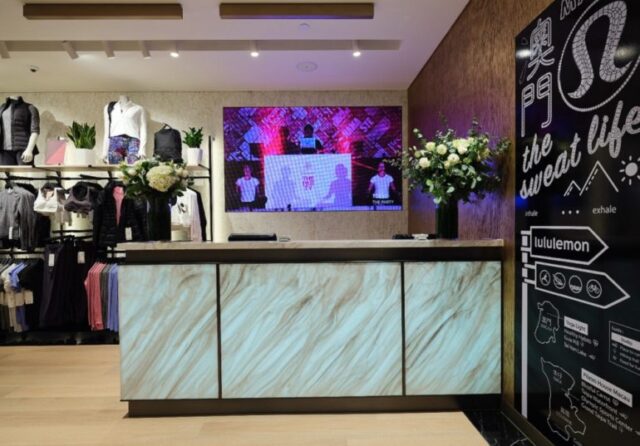
    Located in Macao’s bustling premier leisure resort, The Venetian Macao, which is home to world-class casinos, hoteliers and luxury shopping. The store is set to transform the traditional shopping experience with 2,110 square feet of retail, fitness, and community experience unlike any other in Macao. The overall aesthetic of the store is classic and refined. Inspired by the blue sky and the grand canal in Venetian Macao, with touches of golden tone and sun elements throughout the store. The fitting room area also features blue tone to highlight the color of local Macao, as well creating a separated and private area for guests.

    The retail space showcases the premium athletic apparel retailer’s full collection of innovative technical products for run, cycling, yoga, water pursuits and everything in between. The store also features our signature pant wall, designated to help customers find the right pair based on different sensations.

    Behind the cash desk features large digital screens showcasing product stories and the store ambassador films. Next to the cash desk is a community board where guests can find information on complimentary workshops they can partake in, as well discover local fitness and cultural points of interest curated by lululemon’s local team.

    A space to stretch, sweat, connect and enjoy the latest collections, lululemon’s Venetian Macao store has been created to offer you retail space with a difference, helping you escape from the buzz of the city and find stillness, happiness, and above all fun.

  • Kathmandu Australia drops expectations after slow holiday sales

    Kathmandu Australia drops expectations after slow holiday sales

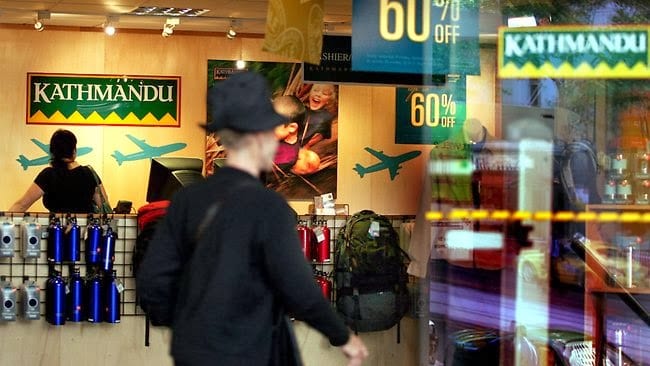
    Outdoor retailer Kathmandu has seen sales fall over the first 15 weeks of the 2019 fiscal year after sales during the December Summer Sale failed to reach expectations, deflating the retailer’s projections for 1H2019. Same store sales for the 22 weeks ending 30 December fell 1 per cent year on year, falling 0.2 per cent in Australia and 2.4 per cent in New Zealand.

    “Following strong same store sales growth in Q1, we are disappointed in trading results in Australia and New Zealand over the Christmas and Boxing Day period,” Kathmandu chief executive Xavier Simonet said.

    “Despite sales being below expectation it is pleasing to see the improvement in retail gross margin and continuing strong growth from the recently acquired Oboz business.”

    Gross margin improved to roughly 64 per cent over the period, partially offsetting the lower than expected sales to date for the 2019 year.

    First half sales in US footwear brand Oboz are now projected to grow 35 per cent to approximately $23.5 million (NZ$27.5 million), and see a gross margin of 40 per cent.

    Total group profits are expected to reach approximately 4 – 8 per cent above 1H2018, assuming current trends continue.

  • Goldwin tops sports market growth through store investment

    Goldwin tops sports market growth through store investment

    Marketing of sports brands has become increasingly retail-led in the last decade and a focus on retailing has enabled Goldwin to make serious gains while the two biggest domestic brands, Asics and Mizuno, have been distracted by overseas expansion. Goldwin took a close look at its beleaguered business 15 years ago and decided retail could be its salvation. At current rates it will catch up with Mizuno’s domestic sales in a few years.

    Goldwin was a struggling sports apparel distributor 15 years ago, floundering in declining wholesale channels, the implosion of the ski boom, and a fear of risking all on expensive retail investment, resulting in sales collapsing from a peak of ¥78 billion to less than ¥50 billion.

    No longer. The rights owner for The North Face and Helly Hansen in Japan posted another strong set of results in 1H2018: sales jumped 16.2% to ¥33.4 billion and operating profit doubled to ¥3.1 billion. The strong first half follows an equally good 2017 when sales rose 15.6%, the eighth straight year of growth. Operating profit reached ¥7.1 billion, up 81% and the highest for 25 years.

    Sales for FY2018 ending March are expected to come in 13.6% higher at ¥80 billion, with operating profit of ¥9.1 billion, up 28.1%. If these numbers turn out to be correct, Goldwin will have achieved it highest sales ever and met the goals set out in its medium-term plan ending March 2021, two years ahead of schedule. It has now updated the medium-term plan from ¥80 billion to ¥90 billion in sales, operating profit from ¥6.5 billion to ¥11 billion, and an ROE of 15% against a forecast 11.2% (the ROE in FY2017 was 15.4% and is forecast at 18% for FY2018).

    What has changed? The key factor is the success of its outdoor brands, which accounted for ¥49 billion, or 70%, of sales in FY2017, and in particular the change in management’s willingness to invest in retail stores in shopping centres a decade ago.

    Since the decision to invest in retail, Goldwin has opened well-executed stores in busy malls such as Lalaport and Lumine, as well as some very popular outlet stores. Today, its own directly operated stores account for 56% of sales. In addition, Goldwin garners another 5% of sales from e-commerce, still a small percentage but online sales were up 50% in a year. This performance is far better than either of the two largest domestic brands, Asics and Mizuno. Goldwin had little choice than to risk all given its dependence on the Japanese market for almost all its sales, forcing it to seek an alternative to its traditional wholesale model.
    Goldwin has focused investment on key brands rather than try to lift all boats at once.

    The growing appetite for outdoor fashions from both active consumers and those who just like the outdoor look, has helped propel The North Face and Helly Hansen in the last few years. In contrast, other Goldwin brands, like Ellesse, Canterbury and Speedo, which are sold at wholesale and through department store corners, have seen sales languish, falling 3.3% in FY2017.

    What is impressive about Goldwin’s stores is relentless effort to attract new footfall. In-store events are held regularly to pull in customers and deepen interaction, with customer feedback passed back to product planning and marketing teams. Goldwin also locates stores close to outdoor sports activities, such as its Nagano and Niseko The North Face Gravity stores which combine merchandise sales with ski rental services and even a library of books on outdoor sports. At the new National Stadium in Gaien-mae, it has opened an athletics complex/store called Neutralworks by Goldwin.
    On the supply side, Goldwin has worked to simplify supply chains through more direct contracts with factories, which in turn has helped streamline inventory management, resulting in a lower cost of sales, better sell-through and an increase in operating profit margins from 4.9% to 9.4%.

    Given the intense competition and the plethora of similar product from multiple sports brands, Goldwin has been investing in product innovation for both its own brands and licensed product. In 2017 it built a technical research centre in Toyama – where the company was founded – at which it develops new fabrics and performance functions using environmental chambers and motion capture systems. It has also partnered with other companies: it uses a synthetic, protein-based, petroleum-free silk developed by Spiber (in which it has invested ¥3 billion) for jackets and hoodies, and has licensed odour-reducing, sweat-absorbing fabrics originally developed by Jaxa for astronauts’ underwear.

    Goldwin is now investing in stores for other promising brands. It opened stores in Aoyama, Tokyo and Sapporo for the US brand Woolrich in October, and forecasts sales growth of 6.5% this year. Goldwin plans 10 stores for Woolrich through FY2020. For its eponymous Goldwin brand it opened the first flagship store in November in Nijubashi Square in Marunouchi.

    Going forward, plans for overseas expansion look promising for the first time. In the last two years, it introduced a new logo and updated merchandise for the Goldwin brand. It will transform what was a domestic skiwear label into a lifestyle sports label with global reach, similar to Descente’s plans for its own brand. In A/W 2019 a new lifestyle collection of sports apparel and accessories will be launched at home and overseas – this year the ‘hero’ product, a down parka using synthetic silk from Spiber, was gold winner at the European sports trade show, ISPO Munich.

    Last year, Goldwin acquired a stake in Woolrich International, a UK-based entity that owns the Woolrich brand, and plans to “participate actively” in its global development, particularly in Asia, including production – it has created a premium collection for the brand this year.

    Investment in sports retail stores will increase at home over the next couple of years, with all major sports brands looking to expand. The success of Japan in the soccer World Cup, big expectations for the Japan team in the 2019 Rugby World Cup, and the upcoming Olympics in 2020 all contribute to consumer interest in sports. Goldwin itself is hoping for an afterglow effect after the Olympics – what it calls “Golden Sports Years” – but the even more important trend is growing interest in health and well-being in general.

    What also makes the prospects for sports brands so bullish over the next decade is that interest in active sports, and the attire to go with this, is common to all age groups in Japan. This includes the fast growing population segment, the over 60s, ensuring sustained demand for many years to come. Sports and sports fashion is in many ways one of the few consumer categories to be largely immune to a demographically challenged market like Japan.

    Some local sports firms have been complacent in taking for granted customer loyalty to Japanese brands, but Goldwin has matched international brands in development of solid retail concepts, mixing innovative products with store entertainment and services, the basis of its new found success. Asics and Mizuno will be hoping that investment plans in the next few years will be enough to restore the balance.


  • Thailand’s Supersports stores rebranded as fashion shops

    Thailand’s Supersports stores rebranded as fashion shops

    Thailand’s CRC Sports has rebranded its Supersports business as a sports fashion store in a move targeting millennials. Last month’s rebranding modernises the business’s image and transforms the performance store model into the fashion world. The logo has also been revised with green motifs to suggest environmental awareness.

    Three Supersports stores have already been updated with the new look, including the CentralWorld location, with 50 stores scheduled to follow early next year.

    President Tony Morton said: “Our new motto is ‘The new Supersports, where Sport is fashion’, in response to the trend of millennials being fashion-conscious, cool, healthy and cheerful.”

    The firm will also expand its online sales efforts in the coming year, with the total market size for sporting goods in Thailand expected to be worth THB30 billion (US$916.3 million) by the end of this year.

    Supersports drew in THB300 million ($9.163 million) in online sales last year – 3.5 per cent of Supersports’ THB8.5 billion ($259.78 million) total revenue – and expects online sales to reach THB500 million ($15.28 million) next year.

  • Tracking the dynamics of India’s gym wear market

    Tracking the dynamics of India’s gym wear market

    Whether or not one shows dedication in maintaining their gym routine is debatable, but it is an undeniable fact that gyms are doing well when it comes to their membership registers being filled. India’s waking up to being healthy and this means tons of gym memberships. This also means that when one takes a gym membership, the very next thing they do is head off to stores that deal in gym wear. Or they just log on and buy gym clothes and accessories. The demand for gym and active wear is growing in India because of a desire to stay fit and healthy. IMAGES Business of Fashion takes a look at the market dynamics…

    Setting the context for the story, Pallavi Burman, Head – Marketing, HRX shares, “The Indian active wear industry is currently estimated at a whopping Rs. 8500 crore. It is expected to continue growing at CAGR 12 percent and touch expected sales of approximately 6X at Rs. 54,000 crores by 2020.”

    Burman attributes the reason for this to growing health and wellness trend in India along with an increase in the number of sporting clubs, increased interest in sporting activities like football, basketball, tennis, badminton and cricket, the Indian active wear industry is fast proliferating. She says, “More disposable income and general inclination towards fitness is rising and resulting in the growth of this industry.”

    Another major reason for an increase in demand for gym wear is having Bollywood celebrities being spotted in gym gear, especially the likes of Hrithik Roshan, Malaika Arora and Kareen Kapoor Khan. It isn’t uncommon to see Page 3 pictures of these celebrities in their gym wear. The glamour magazines often have pictures and articles of how celebrities are taking gym wear to the streets and this eventually does give a fillip to the demand for workout clothes in the country.

    Market Overview

    Perhaps the above well explains the emergence of active wear in the country. Where dedicated gym wear is opted for only by a handful few, those opting for working it out in the gym clubbing their active wear or sportswear as gym wear. No wonder then that brands in India too offer gym clothes under the category of ‘active wear’.

    Pallavi Burman decodes the difference between the often clubbed together categories of active wear, athleisure wear, sports / performance wear. “By definition, athleisure and active wear clothing are those which can be worn from studio to street. Sportswear or performance wear, however, is clothing which help athletes or sports persons enhance their performance specially items like shoes, technologies like compression, socks in some sports etc.”

    Nivida Kohli, Design Manager, Numero Uno shares her views, saying, “As of today each distinct category is reinventing itself. This is a phase where the consumer market is changing since there is a generic shift towards more flexible lifestyles. Once this change settles in, I believe there will be clearer newer distinct definitions for sportswear and athleisure.”

    However, a lot many online players have an exclusive category for gym wear and some have gone a step further to have their portals dedicated to offering nothing else but gym clothing.

    The emphasis is more on offering men’s gym wear than having something specialized for women and unfortunately in India, gym wear still consists of mostly leggings and sports brassieres, although bigger brands have started innovating for women as well now.

    Taking note of this gap, brand Mojostar in association with Bollywood actor Jacqueline Fernandes, recently launched their exclusive portal www.justf.in that is dedicated to women’s active / gym wear.

    Just F was launched after Jaqueline and CEO Mojostar, Abhishek Verma, realized the gap in the market for women’s gym / active wear.

    “Sportswear needn’t be super masculine, so we are introducing fusion elements, florals, and may even add lace to some designs,” says Jacqueline Fernandes in a media interview. She has actively participated in the designing of the brand and has ensured that little things are not given a miss like pockets in fitness wear, the positioning of the straps and hooks and the materials used for leggings.

    According to Abhishek Verma, the focus for the brand for now would be functionality and support. The brand is also going quite aggressive with their collection of sports bras.

    The research by the brand indicated that most of the international brands that are present in this category design their range keeping in mind the target audience of western countries, which don’t fit the average Indian woman. Another reason for launching Just F was to give Indian women appropriate exercise clothing at reasonable costs, especially since most international brands come with a hefty price tag.

    Growing Demand

    Pallavi Burman says that with Indians becoming more health conscious and image sensitive, their pursuit for fitness has increased. “The average age bracket for Indian fitness enthusiasts is 20-35 years, which makes for the majority population of young Indian students and professionals. This target set loves to experiment with their wardrobe. Office wardrobe has drastically changed – we don’t see dress pants and brogues and oxfords anymore. Jeans and trainers have smoothly replaced these items. Everything in today’s clothing spells comfort and chic,” she says as way of explanation of why there a fillip in the performance wear category in Indian retail has been noticed.

    She explicates that to be able to tap into this big chunk of the Indian population with available disposable income and the affinity for fitness, brands and minimalistic wardrobe brands have to focus hugely on active wear and the athleisure segment.

    Gym Wear Essentials in India

    According to Pallavi Burman, a pair of leggings and shorts for women and men respectively –usually a loose tee and a pair of decent walking shoes – constitute for basic gym wear in India.
    “But this isn’t enough if the exercise routine includes more than walking. While almost 50 percent of Indians still prefer traditional ways of staying active like walking and running, the other 50 percent are inclined to swimming, cycling and other sports and training means. For targeting this kind of segmentation one needs to delve deeper into sub categories.”

    What makes gym wear more intricate for women is the inclusion of a high-performance sports bra. Without a well-designed sports bra, the gym wear ensemble for women remains incomplete. Quite a few Indian brands that have taken note of this and the range available online as well as offline is exhaustive. It is interesting to see brands like Triumph launching exclusive brassieres for gym wear considering they are a premium lingerie wear brand. The option they have is bounce control certified by world renowned Research Group in Breast Health, the University of Portsmouth. Elaborating on the same, Jennifer Kapasi, Commercial Director, India & Sri Lanka, Triumph International shares, “Triaction by Triumph is a stylish, high-performance sportswear collection that gives modern women the freedom to train how and when they like. Boasting the best bounce control levels on the market, three versatile fits and superior comfort, Triaction supports women throughout the day—on the go from the gym or studio in complete style.”

    Innovative Fabric Play

    Anything that stretches and helps absorb sweat yet keeps the fabric dry is the most preferred fabric when it comes to performance wear. Reiterating the same, Pallavi Burman says, “The fabric we use is always stretchable “wicking” blend made up of polyester and lycra. We also use a breathable mesh fabric as design and utility elements and several other performance enhancing features like anti-microbial layering, UV protection, rapid dry etc.”

    When you go through the collection, what catches your attention is interesting mélanges for both men and women. She says, “Color blocking and coordinated sets are finding a big audience in this space now.”

    Adding in a safety feature to go along with their sportswear, Numero Uno uses reflective N1 ACTIVE prints that act as safety alerts along with digital and high-density prints for a futuristic fashion flare. Kohli further adds, “For our sportswear/active wear, we are using fabrics that have technically advanced finishes with features like Anti-Static, quick dry, moisture wicking, Windproof, water repellent, Anti-microbial, odour control, easy care etc.”

    Triumph has developed two series of specialized brassieres that use innovative fabrics for the woman on the go. Their Dynamic Lite series with 3D Powertech material is made from the innovative fabric Dynamic Lite, which offers flexibility that keeps its shape over time. It fuses three innovative fabrics in one, is a two-way stretch fabric, has a strong lightweight mesh and soft moisture management lining which are insightfully laminated together, allowing the bras to stay very light and adjustable to all body shapes. These features make the bra light and comfortable to wear with its functional unpadded fabric combination. This innovation received an honorable mention at the 2016 Red Dot Deign Awards.

    Elaborating on the second innovation, Jennifer Kapasi says, “Our Magic Motion series is made from the most comfortable fabrics. Powered by LYCRA sport technology, these bras have stay dry properties, bacteria-reducing fabric with moisture management mesh. Extremely elastic fabric using LYCRA, guarantees unique freedom of movement.”

    The next generation LYCRA® SPORT technology combines the proven stretch performance of LYCRA® fibre with demanding testing standards that measure fabric performance descriptors on a simplified 1-10 scale. The three indexes measure Power, Comfort and Energy (PCE™). Triumph has gone ahead to combine these indexes to create performance levels tailored to fit each garment’s end use.

    The range at Just F is made using polyester-spandex or polyester-cotton blend which well suits the Indian climate.

    Promoting Gym Wear

    Since gym wear is a part of the performance wear / active wear category, brands don’t actively engaging in marketing and promotion initiatives targeting gym goers. However, on the other hand, some brands like HRX go the extra mile to reach to their target audience right at the place they are at – i.e. the gym!

    Pallavi Burman reveals, “Ours is the first homegrown, successful fitness brand in the country. We have multiple partnerships for various verticals all-leading to and adding up to fitness. We have our active wear and athleisure collection exclusively available on Myntra, we have the signature HRX Work out available at all Cult gyms, we have HRX Athlete meal packs selling at Eat.fit and we have our Mi HRX fitness bands available with Xiaomi. Across the three partners we have active communication all around the year on Digital, TV, OOH and Cinemas. Needless to say Hrithik is the face of HRX and this is the biggest draw for building customer engagement.”

    On whether there is a genuine demand for gym / active wear in the country, especially by women, Jennifer Kapasi says, “Women who regularly work out and those who lead an active lifestyle desire sport specific garments designed to help optimize performance. They pay a lot of attention to the fabric when buying a sports bra. In general, they will tend to look for hi-tech fabrics with ‘moisture-wicking’ and ‘stay-dry’ features. One of the most important qualities women look for is a high percentage of Elastane which not only makes the bra comfortable to wear but also retains its shape after multiple uses.”

    To launch their Autumn/Winter ‘18 Triaction – a collection by Triumph – took a digital approach through the launch of an online campaign ‘Team Triaction’, featuring four inspiring women, undertaking a fitness challenges to test both mind and body.

    “Team Triaction is led by actress and fitness enthusiast Mandira Bedi. She is joined by celebrity fitness instructor and owner of a Pilates studio Namrata Purohit; popular yogi and influencer Yogasini (aka Radhika Bose); and lifestyle and beauty influencer Juhi Godambe. The campaign also included a weekly contest with four rounds for Instagram and Facebook fans,” states Jennifer Kapasi.

    Getting Future Ready

    While there are a lot of dedicated online portals for gym wear, it remains to be seen how these enterprises survive over a period of time with their niche offering. With fitness being seen as a goal on everybody’s to-do list, especially with the new year approaching, all the gyms will experience a full house and so the sale of gym wear eventually is going to go up, but it is completely upon these brands to maintain the tempo for after all.
  • Inside the Indian sportswear industry

    Inside the Indian sportswear industry

    India today is at par with wider global fitness trends. The booming economy and changing lifestyle preferences have compelled Indian consumers to be more health conscious and add new health and wellness routines to their hectic lifestyles. This trend has largely benefited the sportswear industry in India, which now is among the top in demand fashion segments of the country.

    According to a research report published by Global Industry Analysts Inc., the global market for Sports and Fitness Clothing is projected to reach US $231.7 billion by 2024. The research also indicates that technological developments designed to improve comfort and performance has also led to the growth in sales of sports apparel. The report points out that the Asia-Pacific region is expected to be fastest growing region, with a CAGR of 6.9 percent over the forecast period. Sales came from emerging markets, such as India and Thailand, as well as the US, the world’s largest sportswear market.

    The Indian Market

    According to reports from various internet sources, the Indian sportswear market grew 22 percent from 2015 to 2016, outpacing the segment’s global increase of 7 percent.

    As documented by a Euromonitor research, the sportswear market in India has grown from Rs. 24,000 crore in 2014 to Rs. 37,000 crore in 2016 at more than 50 percent over the past two years. A same study has shown a 23.7 percent CAGR for the 2011-16 period with a forecast of 11.3 percent for the 2016-2021 period.

    Men’s wear comprises the biggest share of the Indian sportswear market followed by the women’s and kids’ segments. In the recent past, the women’s market is progressively showing positive signs of accelerated growth. “Women’s wear is the fastest growing segment in the sportswear industry in India now — both for the industry and for us. Earlier, it was highly underpenetrated, but now it’s a booming segment. The men’s segment continues to grow at a steady pace of 40 percent,” says Sandeep Mukim, Managing Director, Proline.

    “While the men’s segment in sportswear is growing fast as numbers of sale, it is the women’s segment that is registering a higher growth percentage. This is due to the growing awareness of women for individual sports category like running, marathon, and other fitness activities. The kid’s segment is highly influenced by team sports – and the segment is growing fast along with the increasing popularity of cricket, football, etc.” says Mohit Prabhakar, GM, Nivia.

    “For our brand, as also for the category as a whole, the growth is largely driven by the men’s category. The women’s and kids market has not grown at the same pace, largely for the need to be fashion-oriented and/or more colourful as opposed to the fact of being more functional and performance-driven. Also, given the same budget, women are likely to purchase more garments to match element of their wardrobe and hence are more likely to buy, say, 2 pieces of stretch leggings rather than 1 track bottom,” says Sakshi Juneja, Key Accounts Manager of Black Panther, a unit of Juneja Global.

    “It is very difficult, almost impossible to accurately estimate the market size for sportwear, considering the fragmented nature of this particular industry and the overlapping categories such as lounge wear, athleisure and even sleepwear and undergarment brands vying for a slice of the activewear pie by styling themselves as sportwear brands. Added to this is the huge unorganized sector with a full-fledged and well-developed market for counterfeit merchandise of global brands, retailing brazenly through not only MBOs but also leading online portals,” she adds.

    As a whole, the sportswear market in India has traditionally been dominated by the big international brands, aptly named the ‘Big Four’ — Reebok, Adidas, Nike and Puma. Most of these brands entered the country in the 1990s and in the years that followed established their presence through a flood of local franchisees.

    But, in the recent past, given the enthusiasm of consumers towards sports and sportswear in general, a slew of brands, both home grown and foreign, have mushroomed absorb the market tendencies to cater to the rising needs of the consumers. Indian brands, although young, have an edge over their international peers – the price segment in which they operate. “In the case of apparel, international bigwigs are growing at very slow rate compared to homegrown brands due to their high price points. Indian brands are creating huge demand due to their capability of manufacturing compatible quality in India and offering products at very affordable prices,” explains Mohit Prabhakar.

    Of late, a legion of celebrity launched brands have surfaced in an attempt to cash in on the mammoth popularity they enjoy among the commonality. “With fitness fever gripping the nation, celebrities have also caught on to this trend. Bollywood stars Hrithik Roshan and Jacqueline Fernandez have launched their own sportswear brands which are gaining popularity amongst the general audience. However, for those who are more seriously into fitness, they still stick to more international and well-established brands because of proven technologies and brand equity,” remarks Vishal Gupta, Director – Retail, Puma India.

    Growth Drivers

    The average, modern Indian consumer’s lifestyle is undergoing a massive metamorphosis. Rising incomes and discretionary expenditure in urban India have allowed people to focus increasingly on health and wellness, as well as rising awareness of lifestyle diseases. The proliferation of international brands represented by sports and Bollywood stars have kept sportswear in the public eye fuelling this drive as well.

    Contemporary trends like taking long vacations, going on bike rides, hiking, travelling and indulging in recreational activities has been instrumental in driving growth of outdoor, sports inspired apparel. Most of the reputed brands of the sportswear domain have a wide range of outdoor apparel that makes a significant contribution to the total brand revenue.

    Driving the sportswear trend further into the masses are Indian pop culture icons, who are becoming self-proclaimed spokespersons of the fitness movement that is sweeping the country by storm. The proliferation of international brands represented by sports and Bollywood stars have kept sportswear in the public eye, fuelling this drive.

    The flourishing online retail market is yet another catalyst that has been successful in bolstering the growth of the sportswear market in India. E-commerce has especially been instrumental in aiding brands reach to smaller cities and towns where they are not physically present of yet. “E-commerce is a channel which is going to stay and keep becoming stronger because of its massive reach and the huge Indian population. As a brand we would never be able to reach them all with physical retail and hence would have to depend upon online. The younger population is also very tech savvy and spends a lot of their time on social media where they not only get to know fashion / trends but also make purchase decision,” says Vishal Gupta.

    “E-commerce is filling the availability gap for the consumers and thus growing fast. As physical retail would expand in these towns, we foresee that consumers would be happier to experience the products and buy,” says Sandeep Mukim.

    Considering that the second innings of the Indian retail revolution is all set to start from the country’s smaller cities, these geographical locations have emerged as key points of importance for the sportswear industry too.

    “The next big consumer group to adapt to this trend is currently in the smaller towns and cities of India. Their rising aspiration makes our availability in these locations a prime priority,” adds Sandeep Mukim.

    “Sportswear is a brand-driven category and footwear even more so, and footwear is what gives international brands the edge. Added to this is the fact that sports footwear has a largely undeveloped domestic manufacturing capability in terms of material, styling and technology. So the sourcing from manufacturing bases like China entails high MOQs and huge investments. Also, footwear having a low shelf life is a high-risk business. As such, global brands have an edge as it gives them the critical value and volume to sustain EBOs and premium retail space in megastores,” explains Sakshi Juneja.

    “However, Indian brands are pulling up their socks by smart sourcing of limited styles in footwear. Also, global brands are largely marketers who are dependent on local and international vendors for their apparel sourcing. Local brands like Black Panther, having vertically integrated manufacturing facilities are able to adapt and customize to customer preference more efficiently and will always have their own space,” she adds.

    The Indian Consumer

    The modern Indian consumer too has metamorphosed over the time and the Indian sportswear market now speaks to a more educated consumer who is aware of the importance of the right type of gear. “Through the internet and via international trends the consumer is updated with the latest in sportswear technology. To keep up with the evolving consumer, sportswear brands now launch products and technology at the same time as their global counter parts. The coolest and latest technology is brought to Indian audiences, giving them a taste of the type of innovation and experience the brand has to offer. Along with performance technology, trends such as athleisure and street style have played a big role in inspiring product and collections for the Indian market,” says Vishal Gupta.

    Although Indian consumers have come a long way from their earlier price conscious selves, vestiges of this trait are still witnessed today. In line with this, brands still have to make deliberate efforts in their pricing policies. “Our prices are competitive with other international players in the market. We also try to ensure that our price points are more or less the same in India and internationally. The key is providing an awesome product with cutting edge technology while keeping the pricing competitive,” says Vishal Gupta.

    “Nivia is capitalizing in a big way on our affordable price and technical products. In our factory at Jalandhar, we have total control from fabric designing to the final garment which is helping us in keeping our prices affordable for most products,” states Mohit Prabhakar.

    Conclusion

    The sportswear segment in India, like many other fashion segment, is undergoing an astounding change of perception as well as evolution. A noticeable change in the Indian sportswear industry is that it’s becoming increasingly organized; and modern retail is picking pace in small cities too, much to the delight of brands, suppliers and retailers of sportswear and sports lifestyle products.

    Overall, the industry is poised to grow, and India will be a key market as the awareness about sports and fitness increases and people become aware of being healthy.

    “We are extremely positive of the future and next opportunity is in making products for India at local prices. There is large population waiting to consume this category, which has stayed away till now because of the absence of trustworthy home grown players. The domestic brands would take this advantage as local manufacturing is becoming more updated,” concludes Sandeep Mukim.

  • Decathlon Japan first full store opens next year

    Decathlon Japan first full store opens next year

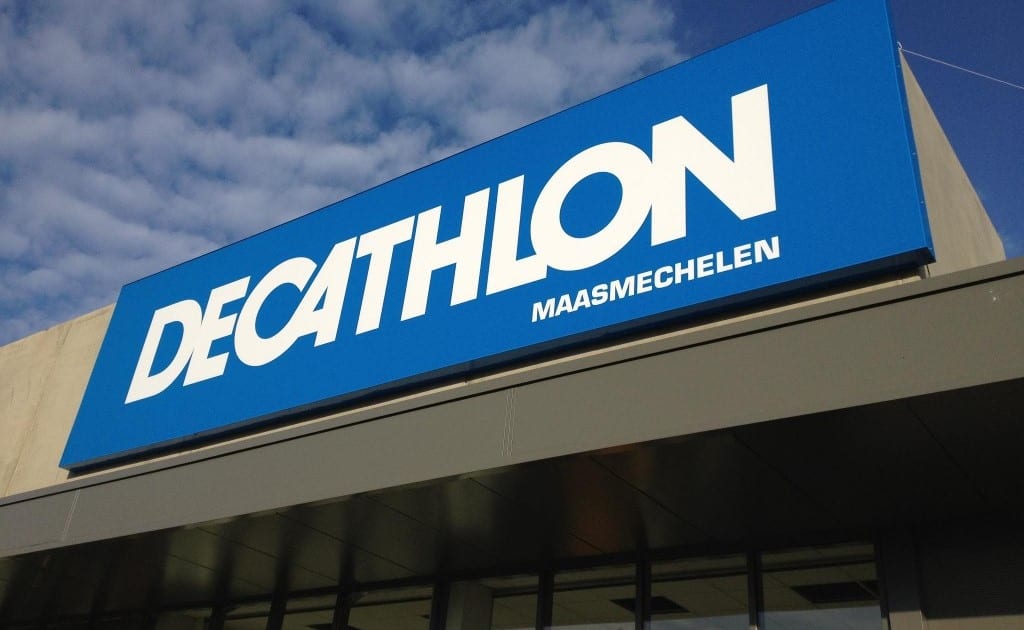
    Decathlon Japan will open its first full-sized store next year as the French sporting goods retailer continues its rapid global expansion. The Decathlon Japan debut will come just a few months after the company opened its first store in South Korea.

    The company has taken a careful, measured approach to Japan, launching a website in 2015 to build brand awareness and gauge consumer demand. A small test store popped up in Osaka last year, under the Decathlon Lab banner, offering a limited range.

    The first full-sized Decathlon Japan store will be opened in the Hankyu Nishinomiya Gardens shopping mall, in the city of Nishinomiya, located between Kobe and Osaka. It will sell the company’s own house brands Domyos, Quechua and Kalenji, and provide space for consumers to test products before buying.

    Data from BPI France shows Japan is the world’s second largest sport market after the US, and was worth US$12.6 billion last year.

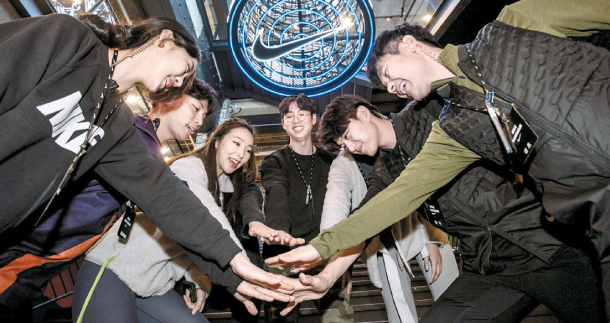
  • Nike Korea blooms and upgraded its employees

    Nike Korea blooms and upgraded its employees

    Nike Korea’s revenue is forecast to exceed 1 trillion won ($884.27 million) in 2018. If all goes as expected, it will be the first sportswear company in Korea to achieve that milestone. Nike’s annual revenues in Korea have been rising by around 10 percent annually for the last two years, while competitors have only experienced average growth of 3 percent.

    Its sales have been strong across the board, both online and offline. But sales at the 15 company-owned offline stores were particularly strong, with revenues rising over 20 percent annually over the past two years.

    What’s behind the success? The company believes it was the decision to give permanent-employee status to its irregular workers.

    “Our company’s performance greatly improved after we upgraded irregular workers to permanent employees,” said a public relations officer at Nike Korea.

    Between November 2015 and May 2016, Nike Korea converted 654 of its irregular employees at company-owned stores to permanent employees.

    Prior to that, it had only had 310 permanent workers. The 654 new regular employees earned 20 percent more in wages after the change and gained access to a range of benefits, including tuition assistance for children. Labor costs for Nike Korea rose around 10 percent in total as a result of the move.

    Employees say that their new status as permanent workers made them more dedicated to the company.

    “Before, I used to say I work at a store when asked about my job, but now that I’m a regular employee, I confidently say I’m working for Nike Korea,” said 25-year-old Cho Hye-rim who works at a Nike outlet in Gimpo, Gyeonggi. “With a new sense of belonging and loyalty to the company, I began feeling a stronger sense of responsibility when dealing with customers.”

    “When I first heard that I was going to be a regular employee, I had to pinch my cheeks to check whether I was dreaming or not,” said 34-year-old Hwang Hyun-woo, who works at a Nike store in Myeong-dong, central Seoul. “With my experience working in sales at the store, I plan to try out an office job at the company headquarters as well.”

    Very few companies in Korea have converted irregular employees to permanent employees on the same scale as Nike.

    Exceptions include Homeplus, which converted around 1,000 cashiers and store assistants into regular workers this year, and SPC Group, which directly hired 800 workers from subcontracting firms.

    At Nike, the campaign to offer permanent-employee status to irregular workers was led by CEO David Wook-hwan Song, 48, after he took the top office at Nike Korea in 2015.

    He worked with the U.S. headquarters to achieve the transition.

    “I expected that performance would naturally improve if employees came together as a team and developed the pride and confidence that comes with being part of Nike, one the world’s best companies,” said Song.

    Song, who immigrated to Canada in his last year of high school, was hired by Nike Korea in 1994.

    He also earned an MBA from Harvard Business School and worked briefly at McKinsey.

    Last year, Nike included Seoul in its list of 12 key cities for growth.

    Seoul is Nike’s third-highest earning city after New York and LA.

  • Lululemon founder to join the takeover bid for Amer

    Lululemon founder to join the takeover bid for Amer

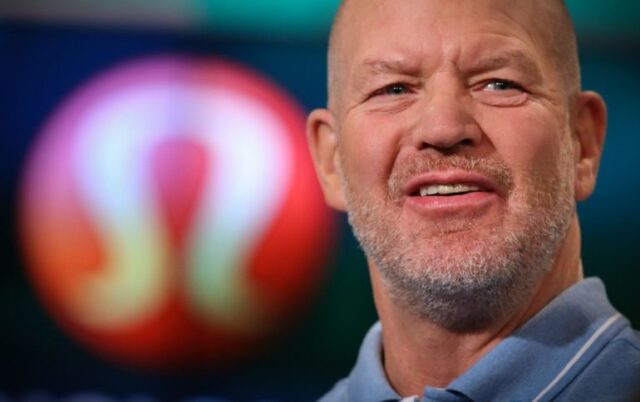
    Canadian founder of yoga-apparel retailer Lululemon Athletica Inc., Chip Wilson, is close to joining the Chinese investor group pursuing a takeover of Amer Sports Oyj. The billionaire is in talks to take around a 20 per cent stake as part of the consortium led by Anta Sports Products Ltd. The buyer group and Helsinki-based Amer could announce a takeover agreement as soon as the next few weeks, a anonymous source reported.

    Shares of Amer climbed by the most in almost three months.

    Chinese internet giant Tencent Holdings Ltd. has been discussing joining the Anta consortium with a stake of roughly 5 to 10 per cent.

    Anta said in September it had teamed up with Chinese buyout firm FountainVest Partners to make an indicative offer valuing Amer at about 4.7 billion euros (US$5.3 billion).

    Negotiations are reportedly ongoing, and precise terms could change. No final decisions have been made, and the talks could still be delayed or fall apart.

    A representative for the Chinese consortium said she couldn’t immediately comment. Wilson couldn’t immediately be reached. A spokeswoman for Tencent declined to comment, while a representative for Amer didn’t immediately respond to a request for comment.

    Shares of Amer surged as much as 9.7 per cent — the most since Sept. 11 — before trading up 7.2 per cent to 35.44 euros as of 1:26 p.m. in Helsinki.

    Wilson’s holding company Hold It All Inc., which manages his family’s investments and real estate, also has a private equity unit and a philanthropic arm. He stepped down from the board of Vancouver-based Lululemon in 2015, two years after resigning as chairman. Wilson has a net worth of about US$3.5 billion, according to the Bloomberg Billionaires Index.

    Anta, which has a market value of about US$12.5 billion, has been working to grow its business overseas amid a Chinese government push to expand in sports ranging from soccer to skiing. Amer’s portfolio of well-known sports brands, including Salomon ski equipment, could be an attractive prospect for Anta ahead of the upcoming Olympic Games in Asia.

  • Li-Ning X EDG Joint Apparel Anounced

    Li-Ning X EDG Joint Apparel Anounced

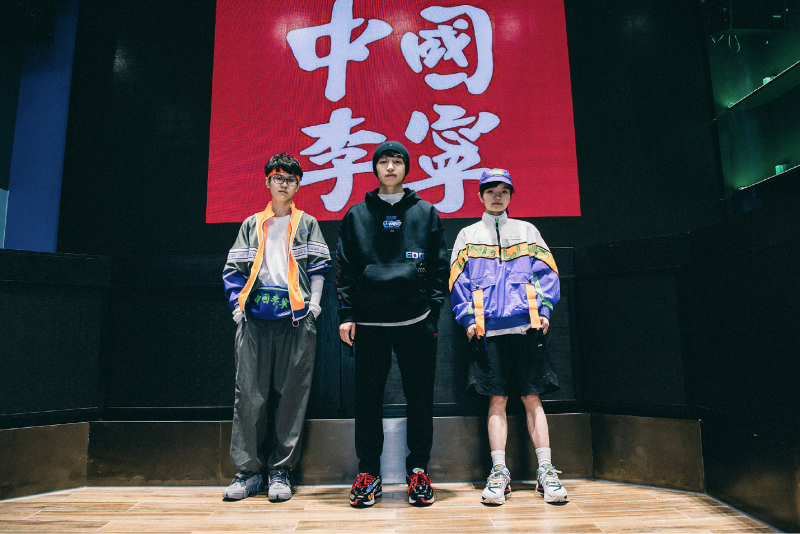
    Chinese sports apparel brand Li-Ning has released a collaboration with esports organisation Edward Gaming (EDG). The Li-Ning X EDG apparel line, which includes hoodies, jackets, tracksuits, and shoes, is now selling at its retail location in Shanghai’s Daning shopping complex.

    Li-Ning has become one of China’s largest sportswear brands, having signed multiple sponsorship deals with international-league athletes. EDG is best known for its League of Legends team, which competed in the world gaming championship earlier this year. It closed a funding round of close to RMB100 million (US$15.7 million) last May.

  • Demand of women’s athleisure wear growing at a rapid pace globally : Lotto

    Demand of women’s athleisure wear growing at a rapid pace globally : Lotto

    Lotto Sport Italia S.P.A, a major name in international sports industry, is nothing less than a household name in India. The brand is manufactured, retailed and licensed by Sports Station Pvt Ltd (SSIPL) in India. The organization has been instrumental in the brilliant re-launch of the brand Lotto Sports in India, making it available across nation.

    According to Shivam Kataria, Vice President, SSIPL Retail, since Lotto has been in India from a very long period of time, either customers have grown up wearing the brand or are aspiring to wear it. “The brand awareness of Lotto is so strong in India that many customers instead of considering it as an Italian brand, think that it is an Indian brand.”

    Abroad, the brand is associated with football and tennis. But it gained its share of popularity in India in the running segment. Slowly and gradually as the Indian market followed international trends and inclined towards the athleisure segment from performance wear, Lotto has also changed its perspective.

    “The Athleisure market is poised to grow 15-20 percent year-on-year. Seeing the immense scope in the category going ahead, Lotto also started changing its outlook towards the market by expanding into the athleisure segment. However, the running segment, football and tennis shoes remain core to the brand,” states Kataria.

    Explaining it further, he says, “A majority of people across the globe have started participating in sports, not for competition but for their well-being, for interaction and for fun. They want sportswear which can be worn in the morning, afternoon and evening. They want to feel comfortable wearing the same shoes in office as well as to a club, and this is the major reason behind the rising demand of athleisure.”

    Another category which has seen a spike in demand at Lotto is women’s wear.

    “Currently, 30 percent revenue is coming from the women’s segment. We are targeting to close this year with 30 percent contribution from women customer including footwear and apparel,” asserts Kataria.

    Target Consumer

    The brand caters to modern-day consumers who consider fitness a lifestyle. It also focuses towards catering to the needs of serious sports enthusiasts. Lotto is also positioned as a brand, which delivers international standard sports merchandise to Indian sport enthusiasts.

    Omnichannel Strategy

    According to Kataria, there are two ways to go Omnichannel – to have your own website or to partner with various e-commerce players. “We have partnered with various e-commerce players as cost of customer acquisition is quite high with our portal.”

    “Omnichannel is still evolving in India and in the next six months to one year, the entire system around Omnichannel is expected to get cemented,” he explains. Going forward, Lotto is planning to introduce their own e-commerce portal.

    “Store integration from an Omnichannel perspective is underway and we can expect it to be fully functional in six months,” he states The brand, which has men’s footwear as the fastest moving category, gets 25 percent contribution to the overall revenue from online business.

    Future Plans

    At present, the brand has 36 EBOs across major locations in Delhi/ NCR, UP, Haryana, Maharashtra, West Bengal, MP, J&K, Uttrakhand and Gujarat. It has presence in over 200+ MBO’s including Sports Station, Reliance Footprints, Pantaloons, and leading e-com portals like Flipkart, Amazon, Snapdeal and Jabong.

    Elaborating on the expansion plans of the brand, Kataria reveals, “This fiscal, we are planning to open more 15 EBOs in North, East and South regions and add another 25-30 stores next fiscal. Our plan is to double the store count in one year’s time.”

    “In the next fiscal we will be adding 100 more SIS. We are also looking forward into new categories like bags, luggage and light fitness equipment,” he adds.

    At the same time, the brand is expanding the categories like women’s wear and apparel. According to Kataria, Tier I and Metro cities are where Lotto’s business is and Tier II and beyond is where its growth lies.

    The brand, which has been growing on 35-40 percent year-on-year, plans to grow at the same scale this fi scal too.

    “The same store sales growth has been flatish or slightly negative as compared to last year. However, we are expecting to see a good season from January onwards,” he says.

    The sportswear brand, which endorses the best of athletes in the sports arena including major names like Luca Toni, David Ferrer, Agnieszka Radwanska, Carla Suarez Navarro, Kevin Anderson and many more, is targeting Rs 150 crore plus revenue in India.

  • ASICS India opens first store in Kolkata

    ASICS India opens first store in Kolkata

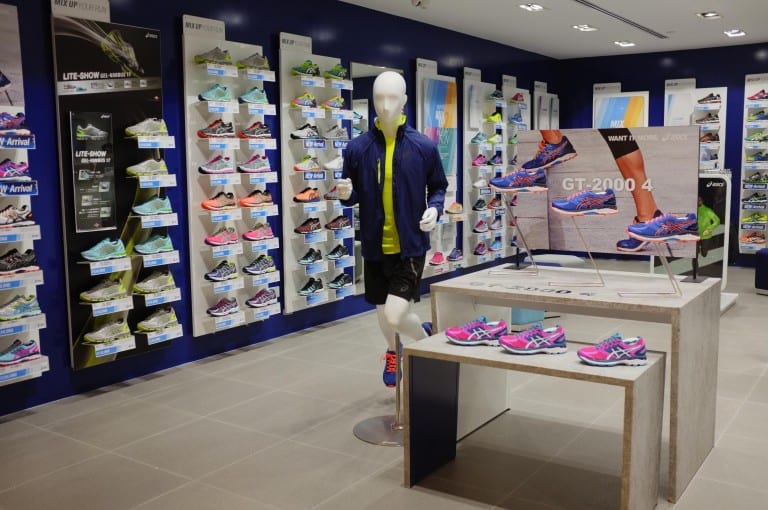
    ASICS, a true sport performance brand, launched its first store in Kolkata thereby expanding its retail footprint in a bid to strengthen its presence in India. With the opening of the ASICS Kolkata store, the brand has taken a step forward to strengthen its presence in the east region. The new store is located conveniently in one of the finest malls of the city – South City Mall. The store will offer a wide range of running, training and core performance sports shoes, apparel and accessories for men and women.

    The brand will accelerate its expansion of operations in India, bolstering sales and marketing support for retail stores in response to increasing consumer awareness of health and fitness and rise in spending power.

    Speaking on the new launch, Rajat Khurana, Managing Director, ASICS India said, “Given the potential and growing demand for fitness and sports, India has emerged as an important market for ASICS. This year, our focus is to expand our footprint in both tier 1 and tier 2 cities and offer our best in class products ranging from running, sports, for gym and other fitness-related gear. Kolkata is a very key market for us considering the large audience for sports and fitness in this market. We are hopeful that our products designed keeping core performance in mind will be able to cater to the needs of sports and fitness lovers in the city.”

    The store will showcase the latest ASICS AW18 collection that will host a range of key collections, like the newest additions to the ASICS running portfolio – ASICS Liteshow along with key products like Kayano 25 and Nimbus all featureing FLYTEFOAMTM, ASICS lightest-ever midsole technology. FLYTEFOAM works with the wearer’s foot to deliver superior cushioning every step of the way. It is also about 55 percent lighter than the industry standard midsole material, offering runners a comfortable fit with a fast, responsive feel.